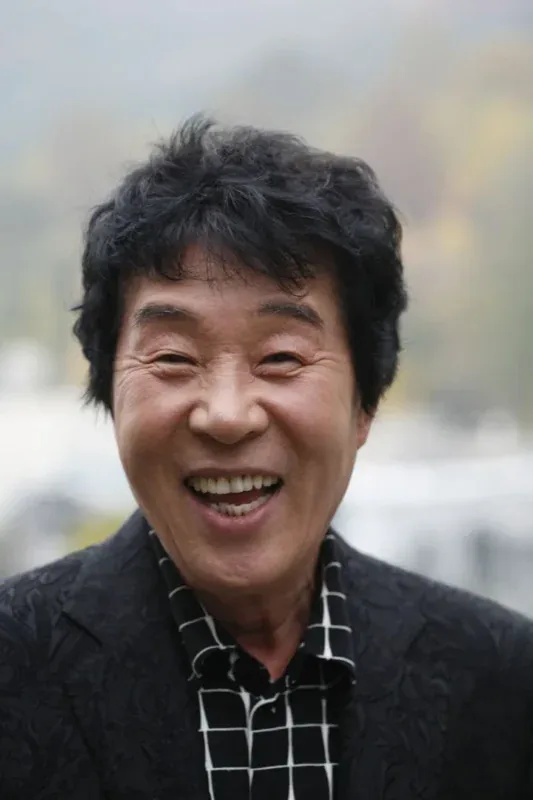
Song Daegwan
“The legendary pillar of Korean traditional trot music whose melodic voice warmed millions of hearts.”
“Biểu tượng nhạc trot truyền thống Hàn Quốc với giọng hát ấm áp chạm đến hàng triệu trái tim.”
“Le pilier légendaire de la musique trot coréenne dont la voix a réchauffé des millions de cœurs.”
“El legendario pilar de la música trot coreana cuya voz cálida conquistó a millones de corazones.”
“韩国传统Trot音乐的传奇支柱,用歌声温暖了无数人的心灵。”
Origins & Roots Born in Jeongeup, Jeollabuk-do, Song Daegwan came from a proud lineage with strong patriotic roots; his grandfather, Song Younggeun, was a recognized independence activist honored posthumously in 1992. Growing up amid post-war Korea, Song cultivated a deep appreciation for folk sentiment and traditional melodies that would eventually form the bedrock of his illustrious artistic journey.
Early Trials & Debut Navigating his education through Taein Elementary, Jeonjuseo Middle, and Jeonju Youngsaeng High School, Song eventually pursued his passion for singing against the backdrop of a rapidly modernizing South Korea. He officially stepped into the professional music industry in 1967 with his debut track "인정많은 아저씨", marking the beginning of decades of dedication to the Korean entertainment landscape.
Ascension & Breakthrough Over the subsequent decades, Song established himself as an indispensable pillar of K-trot. Alongside his lifelong friendly rivalry with fellow icon Tae Jin-ah, he delivered hit after hit that resonated deeply with the Korean public, earning him immense popularity, massive broadcast presence, and a revered status across multiple generations of music lovers.
Landmark Honors His monumental contributions to traditional arts were formally recognized when he received the Order of Cultural Merit of the Republic of Korea in 2001. Further cementing his legacy, he won the Male Singer Award at the 12th Korea Traditional Music Awards in 2012, triumphed at the 2020 Trot Awards, and proudly served as the fourth President of the Korea Singers Association.
Legacy & Remembrance Beyond his musical output, Song Daegwan was deeply cherished for his vibrant personality, philanthropic spirit, and leadership within the artistic community. Though he passed away in February 2025 after a storied career, his timeless melodies and enduring impact on Korean trot music remain deeply etched in cultural history.
Nguồn gốc & Tuổi thơ Sinh ra tại Jeongeup, Jeollabuk-do, Song Daegwan lớn lên trong một gia đình có truyền thống yêu nước đáng tự hào, với người ông là nhà hoạt động độc lập Song Younggeun. Những năm tháng tuổi thơ đã nuôi dưỡng trong ông tình yêu sâu sắc đối với các giai điệu dân gian truyền thống.
Những bước đầu sự nghiệp Trải qua quá trình học tập tại các trường tiểu học và trung học tại quê nhà, Song Daegwan đã theo đuổi đam mê ca hát và chính thức bước chân vào làng nhạc chuyên nghiệp vào năm 1967 với ca khúc ra mắt "인정많은 아저씨".
Sự bứt phá đỉnh cao Trong suốt sự nghiệp kéo dài hàng thập kỷ, ông đã khẳng định vị thế là một trong những trụ cột của dòng nhạc trot Hàn Quốc. Mối quan hệ đối đầu hữu nghị nhưng đầy ăn ý giữa ông và Tae Jin-ah đã trở thành huyền thoại trong lòng người hâm mộ.
Vinh danh và Thành tựu Những đóng góp to lớn của ông đã được ghi nhận qua Huân chương Văn hóa nước Cộng hòa Hàn Quốc năm 2001, giải thưởng Nam ca sĩ xuất sắc tại Lễ trao giải Âm nhạc Truyền thống Hàn Quốc lần thứ 12, cùng vai trò Chủ tịch Hiệp hội Ca sĩ Hàn Quốc.
Di sản văn hóa Dù đã qua đời vào đầu năm 2025, Song Daegwan mãi được nhớ đến như một biểu tượng âm nhạc bất tử, người đã cống hiến trọn đời mình cho sự phát triển của dòng nhạc trot truyền thống xứ kim chi.
Origines & Racines Né à Jeongeup, dans la province de Jeollabuk-do, Song Daegwan est issu d'une lignée patriote, son grand-père étant un militant reconnu de l'indépendance coréenne. Cette riche histoire familiale a nourri son attachement profond aux traditions et aux mélodies populaires.
Premiers pas & Débuts Après avoir achevé sa scolarité locale, il s'est tourné vers sa véritable vocation : la chanson. Il a fait ses débuts professionnels en 1967 avec le titre « 인정많은 아저씨 », posant les jalons d'une carrière musicale exceptionnelle.
Consécration Au fil des décennies, Song est devenu un pilier incontournable du trot coréen. Sa rivalité amicale légendaire avec Tae Jin-ah et ses tubes intemporels ont captivé le public, faisant de lui une figure incontournable de la culture populaire.
Honneurs majeurs Son influence culturelle a été saluée par l'attribution de l'Ordre du Mérite Culturel en 2001, ainsi que par le prix du meilleur chanteur aux Korea Traditional Music Awards en 2012 et son mandat à la tête de l'Association des Chanteurs Coréens.
Héritage Disparu en février 2025, Song Daegwan laisse derrière lui un héritage musical impérissable, caractérisé par sa voix chaleureuse et son dévouement absolu envers l'art du trot.
Orígenes y Primeros Años Nacido en Jeongeup, Jeollabuk-do, Song Daegwan creció con un fuerte sentido patriótico gracias a su abuelo, un activista independentista. Este trasfondo familiar influyó profundamente en su sensibilidad artística y su cercanía con la música tradicional.
Inicios y Debut Tras completar sus estudios en su ciudad natal, Song persiguió su pasión por el canto y debutó oficialmente en la industria musical en 1967 con el sencillo «인정많은 아저씨», marcando el inicio de una prolífica trayectoria.
Ascenso y Consolidación A lo largo de los años, Song se consagró como un pilar indiscutible del género trot coreano. Su célebre rivalidad amistosa con Tae Jin-ah y sus numerosos éxitos musicales cautivaron a audiencias de múltiples generaciones.
Reconocimientos Su inmensa contribución cultural fue galardonada con la Orden al Mérito Cultural de Corea del Sur en 2001, el premio al Mejor Cantor Tradicional en 2012 y su destacada presidencia en la Asociación de Cantantes de Corea.
Legado Aunque falleció en febrero de 2025, el impacto de Song Daegwan en la música trot sigue vivo, recordado siempre por su calidez interpretativa y su incansable entrega al público.
起源与早年生活 宋大琯出生于韩国全罗北道井邑市,拥有充满爱国精神的家族背景,其祖父宋永根曾因参与韩国独立运动而在1992年被追授总统功劳奖。
演艺之路与出道 在完成当地的学业之后,宋大琯怀揣着对歌唱的热爱进入乐坛,并于1967年以首支单曲《인정많은 아저씨》正式出道,开启了长达数十年的音乐生涯。
辉煌成就与突破 在接下来的岁月里,他成为了韩国传统Trot音乐不可或缺的中流砥柱。他与另一位传奇歌手太珍儿既是良性竞争的对手,也是至交好友,两人共同推动了Trot音乐的繁荣。
重要荣誉 鉴于他对传统艺术的卓越贡献,他于2001年被授予韩国文化勋章,并在2012年荣获第12届韩国传统音乐大奖男歌手奖,还曾担任韩国歌手协会第四任会长。
不朽传奇 尽管宋大琯于2025年2月因病离世,但他留下的无数经典旋律以及对韩国乐坛作出的杰出贡献,将永远铭刻在人们的心中。
Born in Jeongeup, Jeollabuk-do, South Korea.
His grandfather was Song Younggeun, an independence activist who received a posthumous presidential merit award in 1992.
Attended Taein Elementary School, Jeonjuseo Middle School, and Jeonju Youngsaeng High School.
Debuted professionally in 1967 with the song '인정많은 아저씨'.
Was famously known for his friendly rivalry with fellow trot legend Tae Jin-ah.
Served as the fourth President of the Korea Singers Association.
Honored with the Order of Cultural Merit of the Republic of Korea in 2001.
Won the Male Singer Award at the 12th Korea Traditional Music Awards in 2012.
Appointed as the Public Relations Ambassador for Yongsan-gu in October 2012.
Won a prestigious trophy at the Trot Awards in 2020.
Frequently appeared on popular Korean television variety shows.
Converted to Protestantism later in life, attending the Yoido Full Gospel Church and Presbyterian churches.
Married to Lee Jeongsim with whom he shared two sons, Song Jinhyung and Song Jinseok.
Maintained a close personal friendship with veteran actor Park Geunhyung.
His deep signature voice became synonymous with golden-era Korean trot.
Admitted to a hospital in February 2025 due to fatigue before passing away peacefully.
Held a permanent place in Korean broadcast history as a beloved national entertainer.
Sinh ra tại Jeongeup, Jeollabuk-do, Hàn Quốc.
Ông nội là nhà hoạt động độc lập Song Younggeun, được truy tặng huân chương công trạng tổng thống năm 1992.
Từng theo học tại Trường tiểu học Taein, trung học Jeonjuseo và trung học phổ thông Jeonju Youngsaeng.
Chính thức ra mắt năm 1967 với ca khúc '인정많은 아저씨'.
Nổi tiếng với mối quan hệ đối đầu hữu nghị cùng huyền thoại trot Tae Jin-ah.
Từng đảm nhận chức vụ Chủ tịch thứ tư của Hiệp hội Ca sĩ Hàn Quốc.
Nhận Huân chương Văn hóa nước Cộng hòa Hàn Quốc năm 2001.
Đạt giải Nam ca sĩ xuất sắc tại Lễ trao giải Âm nhạc Truyền thống Hàn Quốc lần thứ 12 (2012).
Được bổ nhiệm làm Đại sứ Quan hệ công chúng của Yongsan-gu vào tháng 10 năm 2012.
Chiến thắng tại Trot Awards năm 2020.
Thường xuyên xuất hiện trên các chương trình tạp kỹ truyền hình lớn tại Hàn Quốc.
Từng theo đạo Tin Lành và gắn bó với Nhà thờ Full Gospel Yoido.
Kết hôn với Lee Jeongsim và có hai con trai là Song Jinhyung và Song Jinseok.
Có mối quan hệ thân thiết với nam diễn viên gạo cội Park Geunhyung.
Giọng hát trầm ấm đặc trưng đã trở thành biểu tượng của dòng nhạc trot hoàng kim.
Nhập viện vào tháng 2 năm 2025 do kiệt sức và qua đời sau đó.
Để lại di sản nghệ thuật sâu đậm trong lòng khán giả yêu nhạc nhiều thế hệ.
Né à Jeongeup, dans la province de Jeollabuk-do en Corée du Sud.
Son grand-père, Song Younggeun, était un militant de l'indépendance honoré à titre posthume en 1992.
A fréquenté l'école primaire de Taein et les collèges/lycées de Jeonju.
A fait ses débuts professionnels en 1967 avec la chanson « 인정많은 아저씨 ».
Célèbre pour sa rivalité amicale de longue date avec l'icone du trot Tae Jin-ah.
A occupé le poste de quatrième président de l'Association des Chanteurs Coréens.
Décoré de l'Ordre du Mérite Culturel de la République de Corée en 2001.
A remporté le prix du meilleur chanteur aux Korea Traditional Music Awards en 2012.
Nommé ambassadeur des relations publiques de Yongsan-gu en octobre 2012.
A triomphé lors des Trot Awards en 2020.
Apparitions fréquentes dans diverses émissions de variétés sud-coréennes.
Converti au protestantisme, il a fréquenté l'église du Plein Évangile de Yoido.
Marié à Lee Jeongsim, le couple a eu deux fils, Song Jinhyung et Song Jinseok.
Était un ami proche de l'acteur chevronné Park Geunhyung.
Sa voix chaleureuse reste l'une des signatures les plus reconnaissables du trot.
Admis à l'hôpital en février 2025 suite à une grande fatigue avant de s'éteindre.
Considéré comme un trésor national de la scène musicale traditionnelle.
Nació en Jeongeup, Jeollabuk-do, Corea del Sur.
Su abuelo fue Song Younggeun, un activista independentista condecorado póstumamente en 1992.
Estudió en la Escuela Primaria Taein y en el Instituto Jeonju Youngsaeng.
Debutó profesionalmente en 1967 con el sencillo '인정많은 아저씨'.
Fue ampliamente conocido por su entrañable rivalidad con el también cantante Tae Jin-ah.
Se desempeñó como el cuarto presidente de la Asociación de Cantantes de Corea.
Galardonado con la Orden al Mérito Cultural de la República de Corea en 2001.
Ganó el premio al Mejor Cantor en los 12º Premios de Música Tradicional de Corea (2012).
Nombrado embajador de relaciones públicas de Yongsan-gu en octubre de 2012.
Premiado en los Trot Awards en el año 2020.
Participó activamente en numerosos programas de variedades de la televisión coreana.
Se convirtió al protestantismo y frecuentó la Iglesia del Evangelio Completo de Yoido.
Estuvo casado con Lee Jeongsim y tuvo dos hijos: Song Jinhyung y Song Jinseok.
Mantuvo una estrecha amistad con el veterano actor Park Geunhyung.
Su voz única definió la época dorada del género trot.
Hospitalizado en febrero de 2025 debido a fatiga antes de su fallecimiento.
Dejó un legado imborrable en el corazón de los amantes de la música tradicional.
出生于韩国全罗北道井邑市。
其祖父宋永根是韩国独立运动家,于1992年被追授总统功劳奖。
曾就读于泰仁小学、全州西中学和全州永生高中。
于1967年以歌曲《인정많은 아저씨》正式出道。
与另一位Trot巨星太珍儿之间的良性竞争广为人知。
曾任韩国歌手协会第四任会长。
2001年被授予韩国文化勋章。
2012年荣获第12届韩国传统音乐大奖男歌手奖。
2012年10月被任命为首尔龙山区宣传大使。
在2020年Trot大奖中荣获大奖。
经常活跃于韩国各大知名电视综艺节目中。
晚年信仰基督教,曾参与汝矣岛纯福音教会等活动。
与妻子李正心育有两子:宋振亨和宋振锡。
与资深演员朴根滢保持着深厚的私交。
其独特的嗓音成为韩国黄金时代Trot音乐的象征。
于2025年2月因过度疲劳入院治疗,不久后安详离世。
作为国民级艺人,在韩国流行音乐史上留下了不可磨灭的印记。
Frequently Asked Questions
GEO · Direct AnswersSong Daegwan officially debuted in 1967 with the song '인정많은 아저씨'.
He received the Order of Cultural Merit in 2001, the Male Singer Award at the 12th Korea Traditional Music Awards in 2012, and honors at the 2020 Trot Awards.
He notably served as the fourth President of the Korea Singers Association, advocating for the rights and welfare of Korean vocalists.
He was famously known for his friendly and long-standing rivalry with fellow trot icon Tae Jin-ah.
Song Daegwan chính thức ra mắt vào năm 1967 với ca khúc '인정많은 아저씨'.
Ông được trao Huân chương Văn hóa năm 2001, giải Nam ca sĩ tại Lễ trao giải Âm nhạc Truyền thống Hàn Quốc 2012 và giải thưởng tại Trot Awards 2020.
Ông từng đảm nhận vị trí Chủ tịch thứ tư của Hiệp hội Ca sĩ Hàn Quốc.
Ông được biết đến với mối quan hệ đối đầu hữu nghị kinh điển cùng danh ca Tae Jin-ah.
Song Daegwan a débuté en 1967 avec la chanson « 인정많은 아저씨 ».
Il a reçu l'Ordre du Mérite Culturel en 2001, le prix du meilleur chanteur aux Korea Traditional Music Awards en 2012 et un trophée aux Trot Awards en 2020.
Il a servi en tant que quatrième président de l'Association des Chanteurs Coréens.
Il entretenait une célèbre rivalité amicale de longue date avec l'artiste Tae Jin-ah.
Song Daegwan debutó oficialmente en 1967 con el sencillo '인정많은 아저씨'.
Recibió la Orden al Mérito Cultural en 2001, el premio al Mejor Cantor en los Premios de Música Tradicional de Corea en 2012 y un galardón en los Trot Awards de 2020.
Se desempeñó como el cuarto presidente de la Asociación de Cantantes de Corea.
Mantuvo una conocida y entrañable rivalidad amistosa con el también icono del trot Tae Jin-ah.
宋大琯于1967年以歌曲《인정많은 아저씨》正式出道。
他于2001年被授予韩国文化勋章,2012年获得第12届韩国传统音乐大奖男歌手奖,并在2020年Trot大奖中获奖。
他曾担任韩国歌手协会第四任会长。
他和另一位传奇歌星太珍儿有着一段长达数十年的友谊与良性竞争关系。
Fact-Checked & Editorial Integrity: All biographical milestones, physical metrics, discography credits, and agency affiliations in this archive are verified against official agency disclosures, primary social media releases, and Billboard/IMDb industry databases.