The Anatomy of Terror in Krakow: Inside Poland’s Darkest Weekend and the Rise of Radicalized Domestic Violence
Following the death of the 24-year-old gunman who killed nine people in Krakow, Polish authorities confront an unprecedented wave of ultra-nationalist domestic terror.
Sau cái chết của tay súng 24 tuổi – kẻ đã tước đi sinh mạng của chín người tại Kraków, các cơ quan chức năng Ba Lan đang phải đối mặt với một làn sóng khủng bố nội địa theo chủ nghĩa cực hữu chưa từng có. Thảm kịch đã gióng lên hồi chuông báo động về một bước ngoặt an ninh mang tính bước ngoặt đối với đất nước này.
Suite au décès du tireur présumé de 24 ans, qui a abattu neuf personnes à Cracovie, les autorités polonaises font face à une vague inédite de terrorisme national ultra-nationaliste. Cet événement tragique marque un tournant sécuritaire majeur pour le pays.
Tras la muerte del atacante de 24 años que mató a nueve personas en Cracovia, las autoridades polacas se enfrentan a una ola sin precedentes de terror doméstico ultranacionalista. El suceso ha conmocionado los cimientos del país y reabierto el debate sobre la seguridad nacional y la radicalización digital.
在造成9人死亡的克拉科夫枪击案枪手于医院身亡后,波兰当局正面临前所未有的极右翼本土恐怖主义浪潮。这起震惊全国的惨剧迫使波兰对其国内安全防线进行深刻反思。
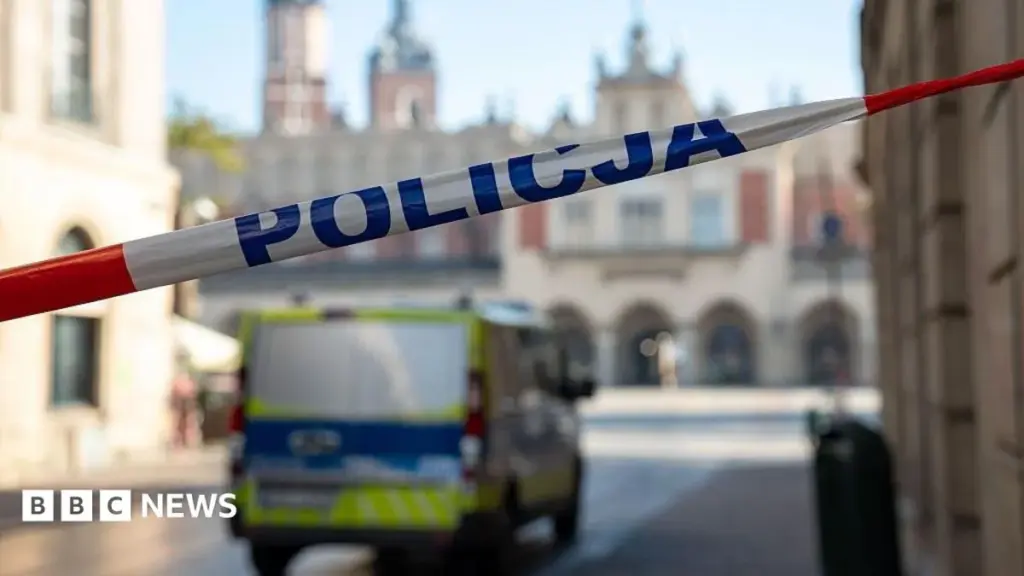
- The 24-year-old suspect died in a Krakow hospital after being shot by police within three minutes of opening fire on the historic Main Market Square.
- A total of nine people were killed, including six victims at the scene—among them British and Austrian nationals—and three family members found at his home.
- Prime Minister Donald Tusk officially designated the rampage as an act of terrorism, marking a profound security turning point for modern Poland.
- First-responder heroism, including off-duty surgeons who stemmed arterial bleeding on the pavement, prevented an even greater civilian casualty toll.
- Nghi phạm 24 tuổi đã tử vong tại một bệnh viện ở Kraków sau khi bị cảnh sát bắn hạ chỉ trong vòng ba phút kể từ khi hắn nổ súng tại Quảng trường Chợ Chính lịch sử.
- Tổng cộng có chín người thiệt mạng, bao gồm sáu nạn nhân tại hiện trường – trong đó có các công dân Anh và Áo – cùng ba thành viên trong gia đình được tìm thấy tại nhà riêng của hắn.
- Thủ tướng Donald Tusk chính thức định vị vụ xả súng là một hành vi khủng bố, đánh dấu bước ngoặt an ninh sâu sắc đối với Ba Lan hiện đại.
- Sự anh dũng của lực lượng ứng phó đầu tiên, đặc biệt là các bác sĩ phẫu thuật ngoài giờ làm việc đã trực tiếp cầm máu vết thương động mạch ngay trên mặt đường, đã ngăn chặn một thảm kịch thương vong dân sự thậm chí còn lớn hơn.
- Le suspect de 24 ans est décédé dans un hôpital de Cracovie après avoir été abattu par la police trois minutes seulement après avoir ouvert le feu sur la place du Marché principal.
- Au total, neuf personnes ont perdu la vie, dont six victimes sur place — parmi lesquelles des ressortissants britanniques et autrichiens — et trois membres de sa famille retrouvés à son domicile.
- Le Premier ministre Donald Tusk a officiellement qualifié la tuerie d'acte de terrorisme, marquant un tournant sécuritaire profond pour la Pologne moderne.
- L'héroïsme des premiers intervenants, notamment des chirurgiens hors service qui ont stoppé des hémorragies artérielles sur le pavé, a permis d'éviter un bilan civil encore plus lourd.
- El sospechoso, de 24 años, murió en un hospital de Cracovia tras ser abatido por la policía tres minutos después de abrir fuego en la histórica Plaza del Mercado Principal.
- Un total de nueve personas perdieron la vida, incluidas seis víctimas en el lugar de los hechos —entre ellas ciudadanos británicos y austríacos— y tres familiares hallados en su domicilio.
- El primer ministro Donald Tusk calificó oficialmente el ataque como un acto de terrorismo, lo que marca un profundo punto de inflexión en materia de seguridad para la Polonia moderna.
- El heroísmo de los equipos de emergencia, incluidos cirujanos fuera de servicio que contuvieron hemorragias arteriales en el pavimento, evitó una cifra de víctimas civiles aún mayor.
- 24岁的嫌疑人在向历史悠久的中央集市广场开枪后仅三分钟即遭警方击伤,随后在克拉科夫一家医院内死亡。
- 袭击共造成9人死于非命,其中包括现场的6名遇难者(含英国和奥地利国民)以及在其家中被发现的3名家属。
- 波兰总理唐纳德·图斯克正式将这起狂暴袭击定性为恐怖主义行径,标志着现代波兰安全形势的一个重大转折点。
- 第一响应者的英勇行径——包括在人行道上止住动脉出血的休班外科医生——防止了更大的平民伤亡。
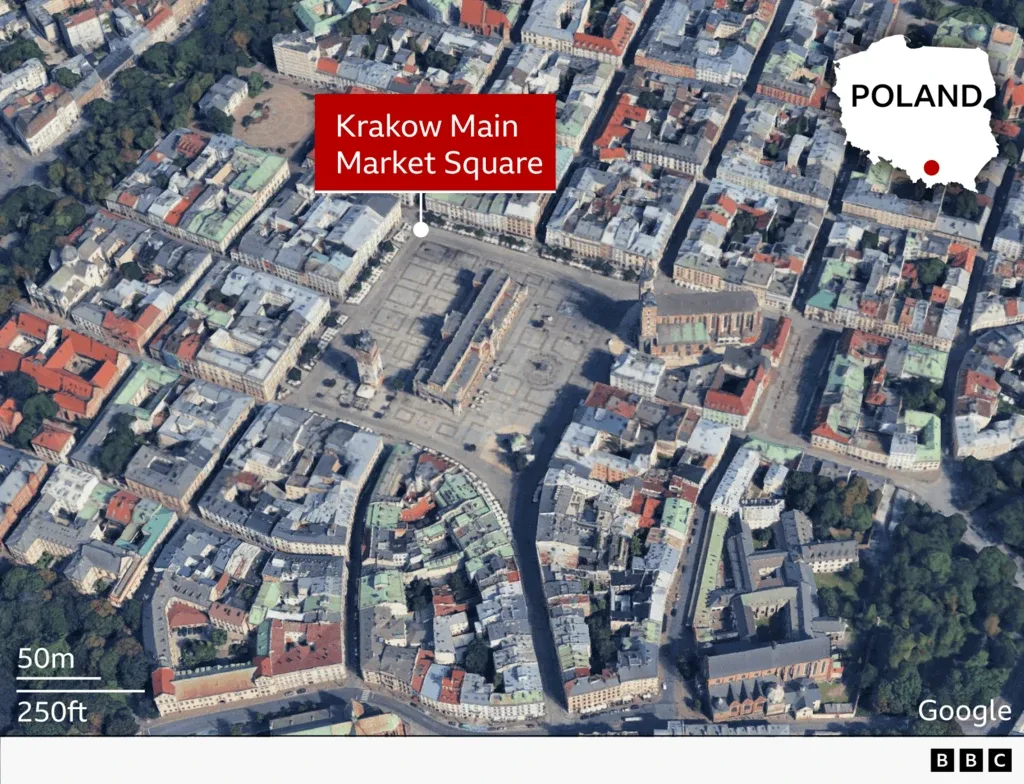
The cobblestones of Krakow’s storied Main Market Square—a UNESCO World Heritage site usually echoing with the leisurely murmurs of tourists and the clip-clop of horse-drawn carriages—became the theater of an unprecedented tragedy when a 24-year-old local man unleashed a meticulously planned and devastating shooting rampage. The assailant, whose subsequent death in a Krakow hospital early Monday morning closed one chapter of a frantic medical and legal investigation, has left a nation grappling with a sobering new reality. What began as a sunlit afternoon on Saturday quickly devolved into absolute terror, claiming nine lives in total, including the gunman’s immediate family members, and wounding sixteen others in an assault that Prime Minister Donald Tusk unhesitatingly classified as an act of domestic terrorism.
As the international community processed the shockwaves of the attack, European capitals and security analysts alike turned their gaze toward Poland, a country long accustomed to viewing itself as an island of relative tranquility amid broader continental security anxieties. The swift, lethal intervention of armed Polish police officers—who neutralized the shooter within three minutes of the first shots—averted a far more catastrophic loss of life, yet the psychological scars inflicted upon the historic Polish metropolis run deep. With investigators confirming ideological inspirations rooted in the dark undercurrents of far-right radicalization, the Krakow massacre has instantly transformed from a localized violent crime into a glaring geopolitical case study on the insidious threat of home-grown, ultra-nationalist extremism.
The Brutal Chronology of a Saturday Afternoon Massacre
The sequence of violence began shortly before 15:00 local time on Saturday as the Main Market Square teemed with weekend crowds. The 24-year-old gunman, whose name has been withheld by authorities as part of ongoing investigations, opened fire indiscriminately, instantly transforming a cultural hub into a chaotic combat zone. Eyewitness accounts paint a portrait of immediate panic. Ruby Catherine Warren, a visitor from London, described yelling at her companions to run for their lives before sprinting blindly until they secured shelter within a nearby hotel. Others, sheltering in fast-food outlets and retail shops, listened in horror as gunfire echoed off historic merchant facades.
Within three minutes, elite armed police units converged on the square, engaging the gunman in a fierce shootout that left the suspect critically wounded. Six individuals—four women and two men—were confirmed dead at the scene. The multinational toll of the atrocity underscores its indiscriminate nature; alongside four Polish citizens, a British national and an Austrian woman were among the dead. The horror deepened later that evening when security forces, executing a search warrant at the suspect's family residence, discovered the bodies of his 53-year-old father, 52-year-old mother, and 21-year-old sister. Prime Minister Tusk confirmed that all three family members had been slain prior to the public rampage, suggesting a deeply calculated domestic prelude to the marketplace slaughter.
Among the sixteen individuals hospitalized with varying degrees of trauma were foreign nationals from Austria, Britain, Germany, Portugal, and Russia, alongside two courageous police officers whose injuries required intensive surgical intervention. In a striking testament to human resilience amid chaos, two off-duty surgeons—Professor Michal Pędziwiatr and Dr. Mateusz Wierdak—who happened to be dining near the square rushed directly into the line of fire. Utilizing bare hands to stem arterial bleeding from a critically wounded officer before professional ambulances could arrive, their split-second heroism undoubtedly preserved lives that otherwise would have been lost.
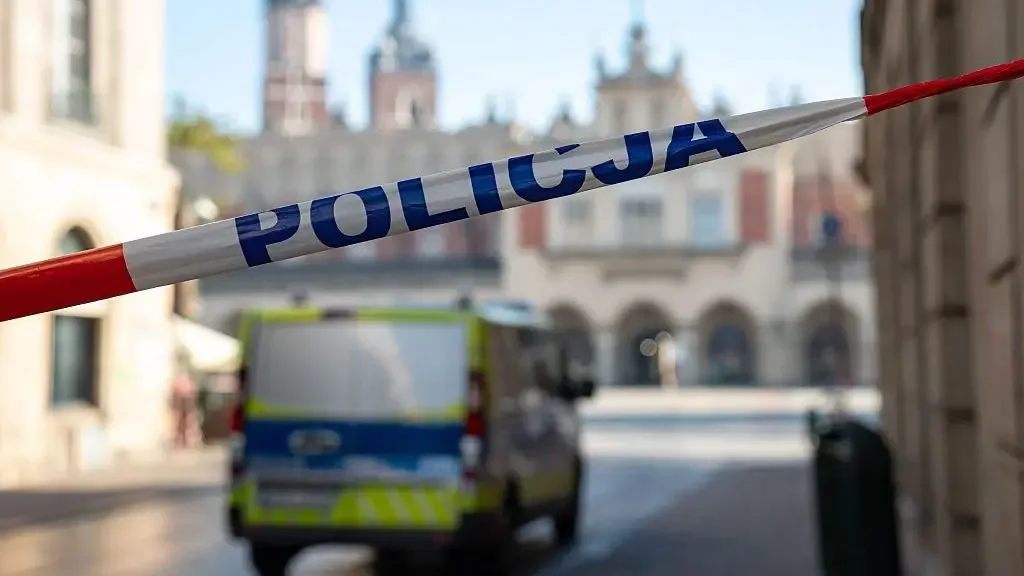
Unmasking the Ideology: The Spectre of Ultra-Nationalism
In the immediate aftermath of the carnage, high-ranking Polish government ministers disclosed that early intelligence pointed toward the gunman being deeply inspired by far-right ideologies, explicitly labeling him an "ultra-nationalist." While detailed manifests of his digital footprint remain under strict judicial seal, preliminary leaks to Polish media indicate the suspect possessed a legally acquired firearms permit, exploiting regulatory blind spots to stockpile weaponry within his family home. This revelation has triggered an immediate, fierce debate across the Polish Sejm regarding gun ownership laws, mental health vetting, and the surveillance of radicalized youth operating within digital echo chambers.
The transition of violent extremism from organized transnational networks to isolated, radicalized loners armed with legal weaponry represents a nightmarish paradigm for modern intelligence agencies. Poland, which has largely avoided the large-scale Islamist or ideological mass casualty incidents seen in Western Europe over the past decade, now finds itself confronting the very same demons of grievance-driven, radical-right violence that have plagued the United States and parts of Scandinavia. The psychological profile of the Krakow shooter—young, isolated, politically radicalized, and wielding lethal force against both family and public—fits a terrifyingly familiar global template of domestic terror.
Security analysts note that the rise of online extremist forums has accelerated the radicalization timeline for disaffected young men across Central and Eastern Europe. The convergence of toxic grievance narratives with accessible firearms creates a volatile tinderbox. By targeting the heart of Krakow—a symbol of national heritage and civic pride—the attacker sought not merely to kill, but to shatter the collective sense of national security and cultural sanctuary that defines contemporary Polish life.
Geopolitical Ripple Effects and Poland’s National Reckoning
The international response was swift and unequivocal. World leaders, including UK Prime Minister Keir Starmer and European Commission officials, dispatched messages of profound solidarity to Warsaw. For Poland, a nation currently navigating complex geopolitical tensions on its eastern frontier due to the war in Ukraine, the attack represents a jarring domestic distraction that forces a painful reallocation of political and security focus inward. Declaring two days of national mourning, Prime Minister Tusk addressed the nation with grim candor, emphasizing that Poland had crossed a tragic threshold into a new era of domestic terror.
The economic and cultural fallout for Krakow—a crown jewel of European tourism and a magnet for international students and expatriates—will require delicate remediation. While the Main Market Square was meticulously cleansed and reopened under heavy security cordons by Sunday evening, the psychological imprint on the local hospitality and tourism sectors is undeniable. Foreign embassies have updated travel advisories, and multinational corporations operating within Poland's burgeoning tech and financial hubs are re-evaluating employee safety protocols in light of the vulnerability exposed by the attack.
Ultimately, the death of the suspect in the hospital brings a definitive end to any prospect of a sensationalized public trial, shifting the heavy burden onto investigators, sociologists, and policymakers. They must now piece together the systemic failures that allowed a radicalized 24-year-old to amass an arsenal under his parents' roof. As Poland mourns its dead—from the British and Austrian tourists caught in the crossfire to the local family decimated behind closed doors—the nation stands at a historic crossroads, forced to defend its open society against the dark, creeping tide of domestic ideological violence.
Những phiến đá cuội tại Quảng trường Chợ Chính nổi tiếng của Kraków – di sản thế giới được UNESCO công nhận, nơi vốn thường rộn rã tiếng thì thầm thư thả của du khách và tiếng móng ngựa khua lục cục – đã trở thành sân khấu của một thảm kịch chưa từng có tiền lệ khi một thanh niên 24 tuổi địa phương khơi mào một vụ xả súng được lên kế hoạch tỉ mỉ và tàn khốc. Kẻ tấn công, với cái chết sau đó tại một bệnh viện Kraków vào đầu sáng thứ Hai đã khép lại một chương của cuộc điều tra y tế và pháp lý đầy gấp rút, để lại một quốc gia phải đối mặt với một thực tế phũ phàng mới. Những gì bắt đầu vào một buổi chiều đầy nắng thứ Bảy nhanh chóng biến thành sự kinh hoàng tuyệt đối, cướp đi tổng cộng chín sinh mạng, bao gồm cả các thành viên ruột thịt trong gia đình tay súng, và làm bị thương mười sáu người khác trong một cuộc tấn công mà Thủ tướng Donald Tusk không do dự phân loại là hành vi khủng bố nội địa.
Khi cộng đồng quốc tế chấn động trước dư âm của cuộc tấn công, các thủ đô châu Âu và các nhà phân tích an ninh đều hướng ánh mắt về Ba Lan – một quốc gia từ lâu quen nhìn nhận mình như một ốc đảo yên bình tương đối giữa những lo lắng an ninh chung của lục địa. Sự can thiệp chớp nhoáng và quyết liệt của lực lượng cảnh sát vũ trang Ba Lan – những người đã vô hiệu hóa kẻ xả súng trong vòng ba phút kể từ những phát đạn đầu tiên – đã ngăn chặn một tổn thất sinh mạng thảm khốc hơn nhiều, thế nhưng những vết sẹo tâm lý giáng xuống đô thị lịch sử của Ba Lan vẫn vô cùng sâu sắc. Với việc các nhà điều tra xác nhận các nguồn cảm hứng tư tưởng bắt nguồn từ những dòng chảy ngầm đen tối của sự cực đoan hóa cực hữu, vụ thảm sát ở Kraków đã ngay lập tức chuyển đổi từ một tội phạm bạo lực cục bộ thành một nghiên cứu điển hình địa chính trị rõ rệt về mối nguy hiểm hiểm độc của chủ nghĩa cực đoan siêu quốc gia nội địa.
Niên biểu tàn khốc của một vụ thảm sát chiều thứ Bảy
Chuỗi bạo lực bắt đầu ngay trước 15:00 giờ địa phương vào thứ Bảy khi Quảng trường Chợ Chính đông đúc dòng người cuối tuần. Tay súng 24 tuổi, danh tính đã bị cơ quan chức năng giấu kín theo các cuộc điều tra đang diễn ra, đã nổ súng bừa bãi, ngay lập tức biến một trung tâm văn hóa thành một chiến trường hỗn loạn. Lời kể của các nhân chứng phác họa bức tranh hoảng loạn tột độ. Ruby Catherine Warren, một du khách đến từ London, mô tả việc cô đã hét lên giục những người đồng hành chạy lấy người trước khi cắm cổ chạy thục mạng cho đến khi tìm được chỗ ẩn nấp trong một khách sạn gần đó. Những người khác, trú ẩn trong các cửa hàng đồ ăn nhanh và cửa hàng bán lẻ, lắng nghe trong kinh hãi khi tiếng súng dội lại trên các mặt tiền thương gia lịch sử.
Trong vòng ba phút, các đơn vị cảnh sát vũ trang tinh nhuệ đã tụ hội về quảng trường, giao tranh dữ dội với kẻ xả súng khiến nghi phạm bị thương nặng. Sáu cá nhân – bốn phụ nữ và hai nam giới – được xác nhận đã tử vong tại hiện trường. Tổn thất đa quốc gia của tội ác nhấn mạnh tính chất bừa bãi của nó; bên cạnh bốn công dân Ba Lan, một công dân Anh và một phụ nữ Áo nằm trong số những người đã thiệt mạng. Sự kinh hoàng càng gia tăng vào cuối tối hôm đó khi lực lượng an ninh, thực hiện lệnh khám xét tại nơi ở của gia đình nghi phạm, phát hiện thi thể của người cha 53 tuổi, người mẹ 52 tuổi và người em gái 21 tuổi của hắn. Thủ tướng Tusk xác nhận cả ba thành viên gia đình đã bị sát hại trước vụ rampage công cộng, cho thấy một màn dạo đầu nội địa được tính toán kỹ lưỡng cho cuộc tàn sát tại chợ.
Trong số mười sáu cá nhân nhập viện với các mức độ chấn thương khác nhau có các kiều dân từ Áo, Anh, Đức, Bồ Đào Nha và Nga, bên cạnh hai sĩ quan cảnh sát dũng cảm cần được phẫu thuật cấp cứu chuyên sâu. Là minh chứng nổi bật cho sức chịu đựng của con người giữa hỗn loạn, hai bác sĩ phẫu thuật ngoài giờ làm việc – Giáo sư Michal Pędziwiatr và Tiến sĩ Mateusz Wierdak – những người tình cờ ăn tối gần quảng trường đã lao thẳng vào làn đạn. Sử dụng tay không để cầm máu động mạch cho một sĩ quan bị thương nặng trước khi xe cứu thương chuyên nghiệp có thể tới nơi, lòng dũng cảm trong tích tắc của họ chắc chắn đã bảo toàn những sinh mạng vốn dĩ đã có thể mất đi.
Lột mặt nạ hệ tư tưởng: Bóng ma của chủ nghĩa siêu quốc gia cực hữu
Ngay sau vụ tàn sát, các bộ trưởng cấp cao của chính phủ Ba Lan tiết lộ rằng thông tin tình báo ban đầu chỉ ra tay súng được truyền cảm hứng sâu sắc bởi các hệ tư tưởng cực hữu, chính thức dán nhãn hắn là kẻ “siêu quốc gia cực đoan”. Mặc dù các biểu hiện chi tiết về dấu chân kỹ thuật số của hắn vẫn được niêm phong tư pháp nghiêm ngặt, các thông tin rò rỉ sơ bộ cho truyền thông Ba Lan cho thấy nghi phạm sở hữu giấy phép sử dụng súng hợp pháp, lợi dụng các điểm mù quản lý để tích trữ vũ khí trong nhà gia đình. Tiết lộ này đã châm ngòi cho một cuộc tranh luận gay gắt, lập tức nổ ra tại Sejm (Quốc hội) Ba Lan liên quan đến luật sở hữu súng, thẩm định sức khỏe tâm thần và việc giám sát giới trẻ bị cực đoan hóa hoạt động trong không gian mạng khép kín.
Sự chuyển dịch của chủ nghĩa cực đoan bạo lực từ các mạng lưới xuyên quốc gia có tổ chức sang những kẻ cô độc bị cực đoan hóa, đơn độc được trang bị vũ khí hợp pháp, đại diện cho một mô hình ác mộng đối với các cơ quan tình báo hiện đại. Ba Lan – quốc gia phần lớn đã tránh được các vụ thương vong hàng loạt mang tính Hồi giáo hoặc ý tưởng quy mô lớn từng xảy ra ở Tây Âu trong thập kỷ qua – giờ đây thấy mình phải đối mặt với chính những con quỷ bạo lực cực hữu dựa trên sự bất bình từng hoành hành tại Hoa Kỳ và một số vùng của Scandinavia. Hồ sơ tâm lý của tay súng Kraków – trẻ tuổi, cô lập, cực đoan về chính trị, và sử dụng vũ lực sát thương chống lại cả gia đình lẫn công chúng – phù hợp với một khuôn mẫu khủng bố nội địa toàn cầu quen thuộc đến đáng sợ.
Các nhà phân tích an ninh lưu ý rằng sự trỗi dậy của các diễn đàn cực đoan trực tuyến đã đẩy nhanh mốc thời gian cực đoan hóa đối với những thanh niên bất mãn khắp Trung và Đông Âu. Sự hội tụ của các tường thuật bất bình độc hại với súng đạn dễ tiếp cận tạo ra một quả bom hẹn giờ dễ bùng nổ. Bằng cách nhắm vào trái tim của Kraków – biểu tượng của di sản quốc gia và niềm tự hào dân sự – kẻ tấn công không chỉ tìm cách tước đoạt sinh mạng, mà còn muốn phá vỡ ý thức tập thể về an ninh quốc gia và thánh địa văn hóa vốn định hình đời sống Ba Lan đương đại.
Hiệu ứng lan tỏa địa chính trị và sự tính toán quốc gia của Ba Lan
Phản ứng quốc tế diễn ra nhanh chóng và dứt khoát. Các nhà lãnh đạo thế giới, bao gồm Thủ tướng Anh Keir Starmer và các quan chức Ủy ban Châu Âu, đã gửi thông điệp đoàn kết sâu sắc tới Warsaw. Đối với Ba Lan – một quốc gia hiện đang điều hướng các căng thẳng địa chính trị phức tạp ở biên giới phía đông do cuộc chiến ở Ukraine, vụ tấn công đại diện cho một sự xao lãng nội địa chấn động, buộc phải phân bổ lại sự tập trung chính trị và an ninh mang tính đau đớn vào bên trong. Tuyên bố hai ngày quốc tang, Thủ tướng Tusk đã phát biểu trước quốc dân với sự thẳng thắn đầy u ám, nhấn mạnh rằng Ba Lan đã vượt qua một ngưỡng cửa bi thảm để bước vào kỷ nguyên khủng bố nội địa mới.
Hậu quả kinh tế và văn hóa đối với Kraków – viên ngọc quý của ngành du lịch châu Âu và là nam châm thu hút sinh viên quốc tế cũng như người nước ngoài – sẽ đòi hỏi sự khắc phục tinh tế. Mặc dù Quảng trường Chợ Chính đã được dọn dẹp tỉ mỉ và mở cửa trở lại dưới các vành đai an ninh dày đặc vào tối Chủ nhật, dấu ấn tâm lý đối với các lĩnh vực khách sạn và du lịch địa phương là không thể chối cãi. Các đại sứ quán nước ngoài đã cập nhật các khuyến cáo du lịch, và các tập đoàn đa quốc gia hoạt động trong các trung tâm công nghệ và tài chính đang phát triển mạnh mẽ của Ba Lan đang đánh giá lại các quy tắc an toàn cho nhân viên trước tính dễ bị tổn thương bị phơi bày bởi vụ tấn công.
Cuối cùng, cái chết của nghi phạm trong bệnh viện đặt dấu chấm hết dứt khoát cho bất kỳ triển vọng nào về một phiên tòa công khai đầy tính giật gân, trút gánh nặng nặng nề lên các nhà điều tra, nhà xã hội học và nhà hoạch định chính sách. Giờ đây, họ phải chắp vá lại những lỗ hổng mang tính hệ thống đã cho phép một thanh niên 24 tuổi bị cực đoan hóa tích lũy một kho vũ khí dưới mái nhà của cha mẹ mình. Khi Ba Lan để tang những người đã khuất – từ những du khách Anh và Áo bị mắc kẹt trong làn đạn chéo cho đến gia đình địa phương bị tàn sát đằng sau những cánh cửa đóng kín – quốc gia này đang đứng trước một ngã rẽ lịch sử, buộc phải bảo vệ xã hội cởi mở của mình trước làn sóng bạo lực ý tưởng nội địa đen tối và đang lan rộng.
Les pavés de la célèbre place du Marché principal de Cracovie — un site classé au patrimoine mondial de l'UNESCO, résonnant habituellement des murmures nonchalants des touristes et du cliquetis des calèches — ont été le théâtre d'une tragédie sans précédent lorsqu'un jeune homme de 24 ans y a déclenché une fusillade minutieusement planifiée et dévastatrice. L'assaillant, dont le décès ultérieur dans un hôpital de Cracovie tôt lundi matin a clos un chapitre d'une enquête médicale et judiciaire frénétique, laisse derrière lui une nation aux prises avec une nouvelle réalité qui force la sobriété. Ce qui avait commencé comme un après-midi ensoleillé de samedi a rapidement sombré dans la terreur absolue, faisant un total de neuf victimes, dont les membres de la famille proche du tireur, et blessant seize autres personnes lors d'un assaut que le Premier ministre Donald Tusk a sans hésitation qualifié d'acte de terrorisme intérieur.
Alors que la communauté internationale mesurait les répercussions de l'attaque, les capitales européennes et les analystes de la sécurité ont tourné leur regard vers la Pologne, un pays habitué à se percevoir comme un îlot de tranquillité relative au milieu des inquiétudes continentales plus larges. L'intervention rapide et létale de policiers polonais lourdement armés — qui ont neutralisé le tireur trois minutes seulement après les premiers coups de feu — a évité une perte de vies bien plus catastrophique, mais les cicatrices psychologiques infligées à la métropole historique polonaise sont profondes. Les enquêteurs ayant confirmé des inspirations idéologiques ancrées dans les sombres courants de la radicalisation d'extrême droite, le massacre de Cracovie s'est instantanément transformé d'un simple crime violent local en une étude de cas géopolitique flagrante sur la menace insidieuse de l'extrémisme national et ultra-nationaliste.
La chronologie brutale d'un massacre un samedi après-midi
L'engrenage de la violence a débuté peu avant 15h00 heure locale samedi, alors que la place du Marché principal regorgeait de foules venues profiter du week-end. Le tireur de 24 ans, dont le nom a été tenu secret par les autorités dans le cadre des enquêtes en cours, a ouvert le feu de manière indiscriminée, transformant instantanément un carrefour culturel en une zone de combat chaotique. Les témoignages oculaires dressent le portrait d'une panique immédiate. Ruby Catherine Warren, une visiteuse venue de Londres, a raconté avoir hurlé à ses compagnons de courir pour sauver leur vie avant de sprinter aveuglément jusqu'à trouver refuge dans un hôtel voisin. D'autres, se abritant dans des fast-foods et des boutiques, ont écouté avec effroi les coups de feu résonner contre les façades marchandes historiques.
En l'espace de trois minutes, des unités de police d'élite armées ont convergé vers la place, engageant le tireur dans une fusillade acharnée qui a grièvement blessé le suspect. Six individus — quatre femmes et deux hommes — ont été déclarés morts sur les lieux. Le bilan multinational de cette atrocité souligne son caractère aveugle ; outre quatre citoyens polonais, un ressortissant britannique et une femme autrichienne figurent parmi les victimes. L'horreur s'est accentuée plus tard dans la soirée lorsque les forces de l'ordre, exécutant un mandat de perquisition au domicile familial du suspect, ont découvert les corps de son père de 53 ans, de sa mère de 52 ans et de sa sœur de 21 ans. Le Premier ministre Tusk a confirmé que les trois membres de la famille avaient été tués avant le déchaînement de violence publique, suggérant un prélude domestique mûrement calculé au carnage de la place du marché.
Parmi les seize personnes hospitalisées présentant divers degrés de traumatisme figuraient des ressortissants étrangers originaires d'Autriche, de Grande-Bretagne, d'Allemagne, du Portugal et de Russie, ainsi que deux courageux fonctionnaires de police dont les blessures ont nécessité une intervention chirurgicale intensive. Dans un témoignage saisissant de la résilience humaine au cœur du chaos, deux chirurgiens hors service — le professeur Michal Pędziwiatr et le Dr Mateusz Wierdak — qui dînaient par hasard près de la place, se sont élancés directement sous les tirs. Utilisant leurs mains nues pour stopper l'hémorragie artérielle d'un policier grièvement blessé avant l'arrivée des ambulances professionnelles, leur héroïsme d'une fraction de seconde a sans aucun doute préservé des vies qui auraient autrement été perdues.
Démasquer l'idéologie : le spectre de l'ultra-nationalisme
Au lendemain du carnage, de hauts ministres du gouvernement polonais ont révélé que les premiers renseignements indiquaient que le tireur était profondément inspiré par les idéologies d'extrême droite, le qualifiant explicitement d'« ultra-nationaliste ». Bien que les détails précis de son empreinte numérique restent soumis au secret judiciaire, des fuites préliminaires dans les médias polonais indiquent que le suspect détenait un permis de port d'armes acquis légalement, exploitant les angles morts réglementaires pour amasser des armes à feu au domicile familial. Cette révélation a déclenché un débat immédiat et féroce au sein de la Diète polonaise concernant les lois sur la possession d'armes, les enquêtes de santé mentale et la surveillance des jeunes radicalisés évoluant au sein de chambres d'écho numériques.
La transition de l'extrémisme violent des réseaux transnationaux organisés vers des loups solitaires radicalisés et armés légalement représente un paradigme cauchemardesque pour les agences de renseignement modernes. La Pologne, qui avait largement échappé aux incidents de masse à caractère islamiste ou idéologique observés en Europe occidentale au cours de la dernière décennie, se retrouve aujourd'hui confrontée aux mêmes démons de la violence identitaire motivée par le ressentiment, qui ont frappé les États-Unis et certaines régions de Scandinavie. Le profil psychologique du tireur de Cracovie — jeune, isolé, politiquement radicalisé et brandissant une force meurtrière contre sa propre famille comme contre le public — s'inscrit dans un modèle mondial de terrorisme intérieur effroyablement familier.
Les analystes de la sécurité notent que la prolifération des forums extrémistes en ligne a accéléré le calendrier de la radicalisation de jeunes hommes marginalisés à travers l'Europe centrale et orientale. La convergence de récits de griefs toxiques et de la facilité d'accès aux armes à feu crée un baril de poudre volatil. En ciblant le cœur de Cracovie — symbole du patrimoine national et de la fierté civique —, l'assaillant cherchait non seulement à tuer, mais à briser le sentiment collectif de sécurité nationale et de sanctuaire culturel qui définit la vie polonaise contemporaine.
Répercussions géopolitiques et examen de conscience national pour la Pologne
La réaction internationale a été prompte et sans équivoque. Des dirigeants mondiaux, dont le Premier ministre britannique Keir Starmer et des représentants de la Commission européenne, ont adressé des messages de profonde solidarité à Varsovie. Pour la Pologne, pays actuellement confronté à des tensions géopolitiques complexes sur sa frontière orientale en raison de la guerre en Ukraine, l'attaque représente une diversion intérieure troublante qui impose une réorientation douloureuse et interne des priorités politiques et sécuritaires. En décrétant deux jours de deuil national, le Premier ministre Tusk s'est adressé à la nation avec une franchise sombre, soulignant que la Pologne avait franchi un seuil tragique vers une nouvelle ère de terrorisme intérieur.
Les retombées économiques et culturelles pour Cracovie — joyau de la couronne du tourisme européen et aimant pour les étudiants internationaux et les expatriés — nécessiteront une remédiation délicate. Bien que la place du Marché principal ait été méticuleusement nettoyée et rouverte sous de lourds cordons de sécurité dès dimanche soir, l'empreinte psychologique sur les secteurs locaux de l'hôtellerie et du tourisme est indéniable. Les ambassades étrangères ont actualisé leurs conseils aux voyageurs, et les entreprises multinationales implantées dans les pôles technologiques et financiers en plein essor de la Pologne réévaluent leurs protocoles de sécurité pour les employés face à la vulnérabilité mise en lumière par l'attaque.
En fin de compte, la mort du suspect à l'hôpital met un terme définitif à toute perspective de procès public sensationnaliste, reportant le fardeau écrasant sur les enquêteurs, les sociologues et les décideurs politiques. Ceux-ci doivent désormais reconstituer les défaillances systémiques qui ont permis à un jeune de 24 ans radicalisé d'amasser un véritable arsenal sous le toit de ses parents. Alors que la Pologne pleure ses morts — des touristes britanniques et autrichiens pris entre deux feux à la famille locale décimée derrière des portes closes —, la nation se trouve à la croisée des chemins historiques, contrainte de défendre sa société ouverte contre la marée sombre et rampante de la violence idéologique intérieure.
Los adoquines de la histórica Plaza del Mercado Principal de Cracovia —un enclave declarado Patrimonio de la Humanidad por la UNESCO donde habitualmente resuenan el murmullo pausado de los turistas y el trote de los carruajes de caballos— se convirtieron en el escenario de una tragedia sin precedentes cuando un joven local de 24 años desató un tiroteo minuciosamente planeado y devastador. El agresor, cuya posterior muerte en un hospital de Cracovia a primera hora del lunes puso fin a un frenético capítulo de investigación médica y legal, ha dejado a toda una nación intentando digerir una nueva y sobria realidad. Lo que comenzó como una soleada tarde de sábado degeneró rápidamente en un terror absoluto, segando un total de nueve vidas, incluidas las de familiares directos del atacante, y dejando dieciséis heridos en un asalto que el primer ministro Donald Tusk no dudó en clasificar como un acto de terrorismo doméstico.
Mientras la comunidad internacional procesaba el impacto del atentado, tanto las capitales europeas como los analistas de seguridad centraron su mirada en Polonia, un país tradicionalmente habituado a considerarse un remanso de relativa tranquilidad frente a las más amplias inquietudes sobre la seguridad en el continente. La rápida y letal intervención de los agentes armados de la policía polaca —quienes neutralizaron al tirador transcurridos apenas tres minutos desde los primeros disparos— evitó una pérdida de vidas mucho más catastrófica; sin embargo, las cicatrices psicológicas influidas en la histórica metrópolis polaca son profundas. Al confirmar los investigadores inspiraciones ideológicas arraigadas en las oscuras corrientes subterráneas de la radicalización de extrema derecha, la masacre de Cracovia se ha transformado instantáneamente, pasando de ser un delito violento local a convertirse en un flagrante caso de estudio geopolítico sobre la insidiosa amenaza del extremismo ultranacionalista de cosecha propia.
La brutal cronología de una masacre en sábado por la tarde
La secuencia de violencia comenzó poco antes de las 15:00, hora local, del sábado, en un momento en que la Plaza del Mercado Principal rebosaba de aglomeraciones de fin de semana. El agresor de 24 años, cuyo nombre ha sido omitido por las autoridades en el marco de las investigaciones en curso, abrió fuego de forma indiscriminada, transformando al instante un epicentro cultural en una zona de combate caótica. Los testimonios de los testigos presenciales describen un panorama de pánico absoluto. Ruby Catherine Warren, una visitante procedente de Londres, relató cómo gritó a sus acompañantes para que corrieran por sus vidas antes de esprintar a ciegas hasta refugiarse en un hotel cercano. Otros, confinados en establecimientos de comida rápida y tiendas, escucharon con horror cómo los disparos rebotaban en las históricas fachadas comerciales.
En el espacio de tres minutos, unidades policiales armadas de élite confluyeron en la plaza y se enfrentaron al tirador en un intenso tiroteo que dejó al sospechoso herido de gravedad. Se confirmó la muerte de seis personas en el lugar —cuatro mujeres y dos hombres—. El saldo multinacional de la atrocidad subraya su carácter indiscriminado: junto a cuatro ciudadanos polacos, un ciudadano británico y una mujer austríaca figuraban entre los fallecidos. El horror se intensificó al caer la noche cuando las fuerzas de seguridad, al ejecutar una orden de registro en la residencia familiar del sospechoso, descubrieron los cuerpos sin vida de su padre de 53 años, su madre de 52 y su hermana de 21. El primer ministro Tusk confirmó que los tres familiares habían sido asesinados antes del tiroteo en la vía pública, lo que sugiere un preludio doméstico minuciosamente calculado de la matanza en la plaza.
Entre los dieciséis heridos hospitalizados con distintos grados de gravedad se encontraban ciudadanos extranjeros de Austria, Gran Bretaña, Alemania, Portugal y Rusia, además de dos valientes agentes de policía cuyas lesiones requirieron una intervención quirúrgica intensiva. Como un llamativo testimonio de la resiliencia humana en medio del caos, dos cirujanos fuera de servicio —el profesor Michał Pędziwiatr y el doctor Mateusz Wierdak—, que casualmente cenaban cerca de la plaza, se adentraron directamente en la línea de fuego. Empleando sus propias manos para detener la hemorragia arterial de un agente herido de gravedad antes de la llegada de las ambulancias medicalizadas, su heroísmo en fracciones de segundo salvó indudablemente vidas que de otro modo se habrían perdido.
Desenmascarando la ideología: El fantasma del ultranacionalismo
Inmediatamente después de la carnicería, altos cargos ministeriales del gobierno polaco revelaron que los primeros indicios de inteligencia apuntaban a que el tirador estaba profundamente influenciado por ideologías de extrema derecha, calificándolo explícitamente de «ultranacionalista». Aunque los detalles pormenorizados de su huella digital permanecen bajo estricto secreto judicial, las filtraciones preliminares a los medios polacos indican que el sospechoso poseía un permiso de armas de fuego legalmente adquirido, aprovechando los resquicios normativos para acumular un arsenal en el domicilio familiar. Esta revelación ha desencadenado un debate inmediato y encendido en el Sejm polaco en torno a las leyes de tenencia de armas, las evaluaciones de salud mental y la vigilancia de los jóvenes radicalizados que operan en cámaras de eco digitales.
La transición del extremismo violento desde las redes transnacionales organizadas hacia lobos solitarios radicalizados y armados legalmente representa un paradigma aterrador para las agencias de inteligencia modernas. Polonia, que en la última década había esquivado en gran medida los incidentes masivos de carácter islamista o ideológico registrados en Europa occidental, se ve ahora confrontada con los mismos demonios de la violencia impulsada por el resentimiento y la extrema derecha que ya han azotado a Estados Unidos y a partes de Escandinavia. El perfil psicológico del atacante de Cracovia —joven, aislado, políticamente radicalizado y armado con letalidad tanto contra su propia familia como contra el público— encaja en un patrón global de terrorismo doméstico terriblemente familiar.
Los analistas de seguridad señalan que el auge de los foros extremistas en línea ha acelerado el proceso de radicalización de jóvenes descontentos en Europa central y oriental. La convergencia de narrativas de agravio tóxico con la accesibilidad a las armas de fuego genera un polvorín volátil. Al atentar contra el corazón de Cracovia —símbolo de la herencia nacional y del orgullo cívico—, el agresor buscaba no solo matar, sino fracturar el sentimiento colectivo de seguridad nacional y santuario cultural que define la vida contemporánea en Polonia.
Efectos geopolíticos colaterales y la toma de conciencia nacional en Polonia
La respuesta internacional fue rápida e inequívoca. Líderes mundiales, entre ellos el primer ministro británico Keir Starmer y funcionarios de la Comisión Europea, enviaron mensajes de profunda solidaridad a Varsovia. Para Polonia, un país que actualmente atraviesa complejas tensiones geopolíticas en su frontera oriental debido a la guerra en Ucrania, el atentado representa una turbadora distracción nacional que obliga a una dolorosa reasignación de prioridades políticas y de seguridad hacia el interior. Tras decretar dos días de luto nacional, el primer ministro Tusk se dirigió al país con sombría franqueza, subrayando que Polonia había cruzado un trágico umbral hacia una nueva era de terrorismo doméstico.
Las repercusiones económicas y culturales para Cracovia —joya de la corona del turismo europeo y polo de atracción para estudiantes internacionales y expatriados— exigirán una gestión delicada. Aunque la Plaza del Mercado Principal fue meticulosamente limpiada y reabierta bajo fuertes cordones de seguridad en la tarde del domingo, la huella psicológica en los sectores locales de la hostelería y el turismo es innegable. Las embajadas extranjeras han actualizado sus recomendaciones de viaje, y las multinacionales que operan en los pujantes centros tecnológicos y financieros de Polonia están reevaluando sus protocolos de seguridad para los empleados ante la vulnerabilidad expuesta por el ataque.
En última instancia, la muerte del sospechoso en el hospital pone fin de manera definitiva a cualquier perspectiva de un juicio público sensacionalista, trasladando una pesada carga sobre los hombros de investigadores, sociólogos y legisladores. Ahora les corresponde recomponer las fallas sistémicas que permitieron a un joven radicalizado de 24 años acumular un arsenal bajo el techo de sus padres. Mientras Polonia llora a sus muertos —desde los turistas británicos y austríacos atrapados en el fuego cruzado hasta la familia local diezmada tras puertas cerradas—, la nación se halla en una encrucijada histórica, obligada a defender su sociedad abierta frente a la oscura y creciente marea de la violencia ideológica interna.
克拉科夫传奇般的中央集市广场(联合国教科文组织世界遗产)通常回荡着游客悠闲的呢喃声和马车的得笃声。然而,当一名24岁的当地男子发起一场经过周密策划、极具破坏性的枪击狂潮时,这里的鹅卵石铺就的广场瞬间沦为人间惨剧的舞台。这名行凶者随后于周一清晨在克拉科夫的一家医院死亡,为这场扣人心弦的医疗和法律调查画上了阶段性的句号,但也留给这个国家一个清醒而残酷的全新现实。这场起于周六阳光明媚午后的暴力事件迅速演变为绝对的恐怖,共夺去了9人的生命(包括凶手的直系亲属),并导致另外16人受伤。波兰总理唐纳德·图斯克毫不犹豫地将此次袭击定性为国内恐怖主义行径。
正当国际社会消化此次袭击带来的强烈震动之际,欧洲各国首都和安全分析人士纷纷将目光投向波兰——这个长期习惯于将自己视为广阔欧洲大陆安全焦虑中“相对平静之岛”的国家。全副武装的波兰警察在枪声响起后三分钟内便迅速、致命地介入并制伏了枪手,避免了更为灾难性的生命损失,但这场袭击对这座波兰历史名城造成的心理创伤却极为深重。随着调查人员证实其思想根源植根于极右翼激进化的黑暗暗流之中,克拉科夫大屠杀瞬间从一起局部暴力犯罪,变成了一个关于本土极右翼极端主义隐蔽威胁的显赫地缘政治案例。
周六午后大屠杀的残酷时间线
暴力序列始于周六当地时间15:00之前不久,当时中央集市广场挤满了周末的人群。24岁的枪手(出于正在进行的调查需要,当局暂未公布其姓名)无差别地开枪射击,瞬间将一个文化中心变成了一个混乱的交战区。目击者的描述勾勒出了即刻的恐慌画面。来自伦敦的游客鲁比·凯瑟琳·沃伦(Ruby Catherine Warren)描述说,她当时大喊着让同伴们逃命,随后盲目狂奔,直到躲进附近的一家酒店。其他人则躲在快餐店和零售店内,惊恐地听着枪声在历史悠久的商会建筑外墙上回荡。
三分钟内,精锐武装警察部队汇聚广场,与枪手展开了激烈的交火,嫌疑人身受重伤。现场确认有6人死亡(4女2男)。这起暴行跨国受害者众多,凸显了其无差别的性质;除了4名波兰公民外,死者中还包括一名英国国民和一名奥地利女性。当晚稍晚时候,恐怖进一步加剧——安全部队在嫌疑人家中执行搜查令时,发现了其53岁的父亲、52岁的母亲以及21岁妹妹的尸体。图斯克总理证实,这三名家庭成员在公共广场行凶前就已经被杀害,这表明这场市场屠杀有着经过深思熟虑的国内前奏。
在因不同程度创伤而入院治疗的16人中,包括来自奥地利、英国、德国、葡萄牙和俄罗斯的外籍人士,以及两名伤情严重需要进行紧急外科手术的勇敢警官。在混乱中彰显人性坚韧的动人一幕是,两位正好在广场附近用餐的休班外科医生——米哈尔·佩济维亚特教授(Professor Michal Pędziwiatr)和马特乌什·维尔达克博士(Dr. Mateusz Wierdak)——径直冲入交火线。在专业救护车赶到之前,他们赤手空拳止住了身受重伤警官的动脉出血,这电光石火间的英勇举动无疑挽救了本会消逝的生命。
揭露意识形态:极右翼民族主义的幽灵
惨案发生后不久,波兰高级政府部长透露,早期情报显示凶手深受极右翼意识形态的启发,并明确将其贴上了“极右翼民族主义者”的标签。虽然其数字足迹的详细清单仍处于严格的司法保密之下,但向波兰媒体透露的初步信息表明,嫌疑人拥有合法获得的枪支许可证,他利用监管盲区在家族住宅内囤积了武器。这一揭露在波兰议会(Sejm)引发了关于枪支所有权法、心理健康审查以及对在数字回音室中运作的激进青年进行监控的即时且激烈的辩论。
暴力极端主义从有组织的跨国网络向持有合法武器的孤立、激进化的独行侠转变,对现代情报机构来说是一个噩梦般的范式。波兰在过去十年中大体上避免了西欧发生的大规模伊斯兰或意识形态恶性伤亡事件,如今却发现自己正面临着长期困扰美国和部分斯堪的纳维亚半岛的、由委屈驱动的激进右翼暴力恶魔。克拉科夫枪手展现的心理画像——年轻、孤立、政治激进化,并对家人和公众挥舞致命武力——完美契合了一个令人毛骨悚然的全球本土恐怖主义熟悉模板。
安全分析人士指出,在线极端主义论坛的兴起加速了中东欧失意年轻男子的激进化时间表。有毒的委屈叙事与易得的枪支相结合,制造了一个不稳定的火药桶。袭击者通过将目标对准克拉科夫的心脏——一个代表国家遗产和公民自豪感的象征——不仅企图杀戮,更试图粉碎当代波兰生活所特有的对国家安全和文化庇护所的集体感知。
地缘政治涟漪与波兰的国家反思
国际社会的反应迅速而明确。包括英国首相基尔·斯默星和欧盟委员会官员在内的世界各国领导人向华沙发去了深切声援的信息。对波兰而言,这个目前正因乌克兰战争而在其东部边境应对复杂地缘政治紧张局势的国家,这场袭击构成了令人不安的国内干扰,迫使政治和安全重心向内作痛苦的重新分配。图斯克总理宣布全国哀悼两天,并以严峻坦诚的态度向全国发表讲话,强调波兰已经跨过了一个沉重的门槛,进入了本土恐怖主义的新时代。
克拉科夫作为欧洲旅游业的明珠以及国际学生和侨民的聚集地,其经济和文化层面的善后工作将需要极其微妙的处理。尽管中央集市广场在周日傍晚前已在重重安全警戒线内仔细清理并重新开放,但它在当地酒店业和旅游业留下的心理烙印是不可否认的。外国大使馆已经更新了旅行建议,在波兰蓬勃发展的科技和金融中心运营的跨国公司也正在根据此次袭击暴露出的脆弱性重新评估员工的安全规程。
归根结底,嫌疑人在医院的死亡彻底断绝了任何进行轰动性公开审判的可能,将沉重的担子抛给了调查人员、社会学家和政策制定者。他们现在必须拼凑出系统性的漏洞,正是这些漏洞让一个被激进化的24岁年轻人得以在父母屋檐下建立起军火库。正当波兰哀悼其死难者——从卷入交火的英国和奥地利游客,到在闭门造车中被消灭的当地家庭——这个国家正站在一个历史性的十字路口,被迫捍卫其开放社会,以抵御本土意识形态暴力那黑暗而蔓延的潮水。
Editorial Standards & Multi-Language Synthesis: This dispatch was synthesized and fact-checked by the ParisDaily Editorial Desk across 5 global editions (EN, FR, VI, ES, ZH), cross-referencing primary international wire reports and real-time search intelligence.