Otter AI Breakthrough: Real-Time Multilingual Transcription Across 30+ Languages
Otter.ai is rolling out support for 27 new languages and a groundbreaking fluid translation engine that dynamically tracks fluid code-switching in corporate meetings.
Otter.ai is rolling out support for 27 new languages and a groundbreaking fluid translation engine that dynamically tracks fluid code-switching in corporate meetings.
Otter.ai déploie le support de 27 nouvelles langues ainsi qu’un moteur de traduction fluide et novateur, capable de suivre dynamiquement le « code-switching » lors des réunions d'entreprise.
Otter.ai incorpora compatibilidad con 27 nuevos idiomas y un innovador motor de traducción fluida que rastrea de manera dinámica el cambio de código en las reuniones corporativas. Esta actualización consolida la transición de la plataforma hacia agentes de inteligencia artificial autónomos para entornos de trabajo globales.
Otter.ai 正在推出对 27 种新语言的支持,以及一项开创性的流式翻译引擎,能够动态追踪企业会议中流利的代码转换(语言切换)。
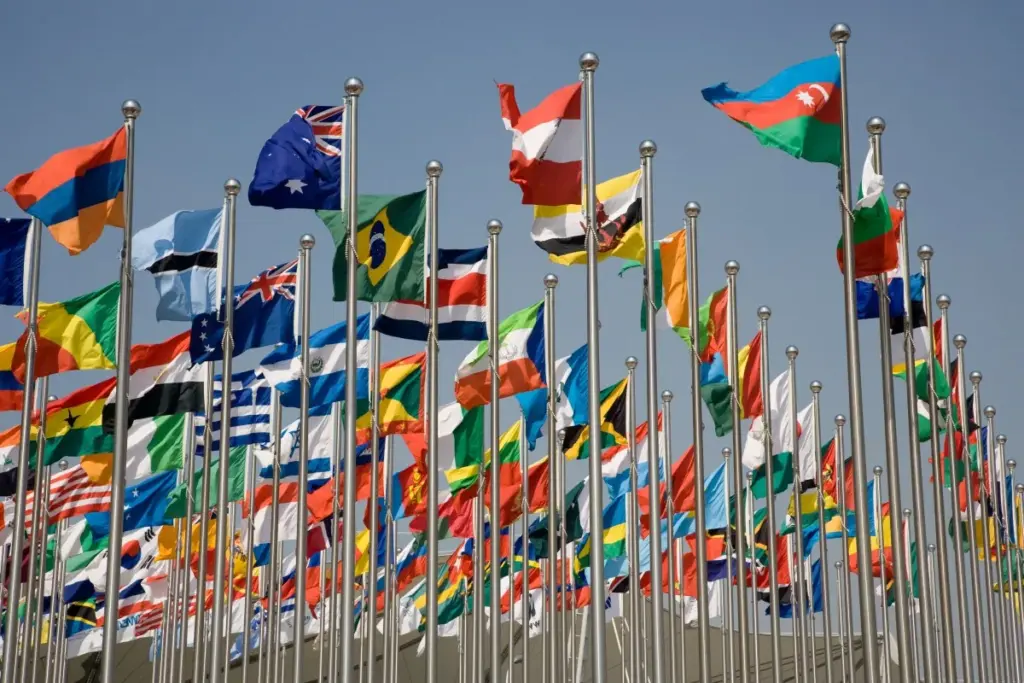
- Otter.ai has added support for 27 new languages, bringing its total supported linguistic catalog to 31 distinct tongues.
- A newly engineered auto-detection feature permits seamless code-switching during live global conference calls without manual user adjustments.
- Thirteen languages are live immediately, including Mandarin Chinese, Korean, German, and Portuguese, with 14 more deploying shortly.
- The expansion coincides with broader enterprise shifts toward automated workspace AI agents, backed by $320 million in General Catalyst financing.
- Otter.ai ajoute 27 nouvelles langues à son répertoire, portant son catalogue linguistique total à 31 langues distinctes.
- Une nouvelle fonction de détection automatique permet de passer d'une langue à l'autre en direct lors de visioconférences mondiales, sans intervention manuelle de l'utilisateur.
- Treize langues sont immédiatement disponibles, parmi lesquelles le mandarin, le coréen, l'allemand et le portugais, tandis que 14 autres seront déployées prochainement.
- Cette expansion coïncide avec une mutation plus large des entreprises vers des agents IA autonomes sur le lieu de travail, soutenue par un financement de 320 millions de dollars mené par General Catalyst.
- Otter.ai ha incorporado soporte para 27 nuevos idiomas, elevando su catálogo lingüístico total a 31 lenguas distintas.
- Una nueva función de autodetección permite alternar idiomas de forma fluida durante conferencias globales en directo sin necesidad de ajustes manuales.
- Trece idiomas ya están disponibles de inmediato, entre ellos el chino mandarín, el coreano, el alemán y el portugués, y próximamente se sumarán otros 14.
- Esta expansión coincide con un cambio estratégico más amplio en el sector empresarial hacia agentes de IA automatizados, respaldados por una financiación de 320 millones de dólares de General Catalyst.
- Otter.ai 新增了对 27 种语言的支持,使其支持的语言总数达到 31 种。
- 新设计的自动检测功能允许在全球实时电话会议中无缝进行语言切换,无需用户手动调整。
- 包括普通话、韩语、德语和葡萄牙语在内的 13 种语言已立即上线,另有 14 种语言也将很快推出。
- 在 General Catalyst 3.2 亿美元融资的支持下,此次语言扩展正值企业向自动化工作空间 AI 代理全面转型之际。
In an aggressive maneuver to dominate the global enterprise communication stack, Otter.ai has announced its most ambitious linguistic expansion to date, introducing support for 27 new languages alongside an advanced dynamic detection engine. The update allows the platform’s conversational AI assistant to effortlessly track, transcribe, and index meetings where speakers fluidly transition between multiple tongues. By removing the traditional friction points of cross-border corporate collaboration, the Silicon Valley-based firm is positioning its proprietary speech models as the definitive system of record for multinational organizations operating across disparate time zones and linguistic borders.
The announcement marks a critical evolutionary milestone for a platform that originally carved out its market share as a straightforward English-language meeting transcriber. With international enterprises increasingly relying on distributed workforces, the inability of legacy speech-to-text tools to handle fluid multilingual exchanges has remained an enduring bottleneck. Otter’s latest technological leap directly addresses this friction, promising an uninterrupted audit trail of corporate decisions regardless of whether a discussion initiates in English, meanders through Korean, and concludes in Portuguese. As global commerce becomes increasingly decentralized, the race to capture international knowledge management workflows has escalated into a high-stakes battleground among artificial intelligence heavyweights.
Engineering the Polyglot Enterprise Infrastructure
At the technical core of this release is a proprietary family of speech recognition models developed entirely in-house. Rather than relying exclusively on off-the-shelf third-party application programming interfaces, Otter’s engineering team constructed these models utilizing a combination of expansive publicly available datasets and rigorous human-in-the-loop verification. Native-speaking volunteers were deployed to review, audit, and refine transcript accuracy, ensuring regional idioms, industry-specific jargon, and colloquialisms are handled with high fidelity.
The rollout is deliberately structured in two strategic phases. Thirteen languages are accessible immediately to enterprise subscribers, encompassing heavily utilized commercial tongues such as Mandarin Chinese, Korean, German, Italian, Cantonese, Portuguese, Russian, Indonesian, Malay, Dutch, Turkish, Vietnamese, and Polish. A subsequent cohort of fourteen additional languages—including Arabic, Hindi, Swedish, Finnish, Hebrew, and Romanian—is slated to debut in the near-term deployment window. Once fully integrated, Otter will support thirty-one distinct languages, creating an unprecedented web of accessible transcription capabilities for cross-continental corporations.

Dynamic Code-Switching and the Death of Manual Settings
Perhaps the most technically impressive element of the update is its zero-friction auto-detection mechanism. Historically, multilingual transcription services required conference organizers to pre-select the operating language or manually toggle settings when a conversation shifted to a secondary dialect. Otter’s new architectural framework eliminates this administrative burden entirely through real-time acoustic and semantic analysis.
During a fast-paced executive sync, the AI continuously evaluates phonemic patterns and vocabulary cues to adapt its transcription pipeline on the fly. If participants seamlessly pivot from English financial reporting to German technical specifications and back again, the platform logs the transition instantaneously. This capability is particularly vital for multinational conglomerates, international law firms, and venture-backed startups whose leadership teams and engineering pools are geographically fragmented across major global hubs.
The Broader Evolution Toward Autonomous Workplace Agents
This linguistic pivot does not occur in a vacuum; it represents a calculated evolution of Otter’s overarching product strategy. Bolstered by a massive $320 million funding injection led by General Catalyst, the company has steadily transitioned from a passive note-taking utility into an active, intelligent workspace agent. Recent feature introductions, including 'Work Mode' and 'Live Assist,' demonstrate a clear institutional ambition to dominate the corporate productivity ecosystem.
Work Mode pulls historical meeting transcripts, connected cloud files, and past customer touchpoints to proactively prepare executives for upcoming discussions. Meanwhile, Live Assist functions as a real-time conversational coach, analyzing live dialogue streams to surface pertinent insights and contextual reminders precisely when decision-makers need them most. By coupling these advanced cognitive agents with a robust 31-language transcription backbone, Otter is constructing a formidable defensive moat. As global businesses evaluate which artificial intelligence platforms will govern their institutional memory, the ability to converse, record, and reason across linguistic barriers may well prove to be the ultimate competitive advantage.
In an aggressive maneuver to dominate the global enterprise communication stack, Otter.ai has announced its most ambitious linguistic expansion to date, introducing support for 27 new languages alongside an advanced dynamic detection engine. The update allows the platform’s conversational AI assistant to effortlessly track, transcribe, and index meetings where speakers fluidly transition between multiple tongues. By removing the traditional friction points of cross-border corporate collaboration, the Silicon Valley-based firm is positioning its proprietary speech models as the definitive system of record for multinational organizations operating across disparate time zones and linguistic borders.
The announcement marks a critical evolutionary milestone for a platform that originally carved out its market share as a straightforward English-language meeting transcriber. With international enterprises increasingly relying on distributed workforces, the inability of legacy speech-to-text tools to handle fluid multilingual exchanges has remained an enduring bottleneck. Otter’s latest technological leap directly addresses this friction, promising an uninterrupted audit trail of corporate decisions regardless of whether a discussion initiates in English, meanders through Korean, and concludes in Portuguese. As global commerce becomes increasingly decentralized, the race to capture international knowledge management workflows has escalated into a high-stakes battleground among artificial intelligence heavyweights.
Engineering the Polyglot Enterprise Infrastructure
At the technical core of this release is a proprietary family of speech recognition models developed entirely in-house. Rather than relying exclusively on off-the-shelf third-party application programming interfaces, Otter’s engineering team constructed these models utilizing a combination of expansive publicly available datasets and rigorous human-in-the-loop verification. Native-speaking volunteers were deployed to review, audit, and refine transcript accuracy, ensuring regional idioms, industry-specific jargon, and colloquialisms are handled with high fidelity.
The rollout is deliberately structured in two strategic phases. Thirteen languages are accessible immediately to enterprise subscribers, encompassing heavily utilized commercial tongues such as Mandarin Chinese, Korean, German, Italian, Cantonese, Portuguese, Russian, Indonesian, Malay, Dutch, Turkish, Vietnamese, and Polish. A subsequent cohort of fourteen additional languages—including Arabic, Hindi, Swedish, Finnish, Hebrew, and Romanian—is slated to debut in the near-term deployment window. Once fully integrated, Otter will support thirty-one distinct languages, creating an unprecedented web of accessible transcription capabilities for cross-continental corporations.
Dynamic Code-Switching and the Death of Manual Settings
Perhaps the most technically impressive element of the update is its zero-friction auto-detection mechanism. Historically, multilingual transcription services required conference organizers to pre-select the operating language or manually toggle settings when a conversation shifted to a secondary dialect. Otter’s new architectural framework eliminates this administrative burden entirely through real-time acoustic and semantic analysis.
During a fast-paced executive sync, the AI continuously evaluates phonemic patterns and vocabulary cues to adapt its transcription pipeline on the fly. If participants seamlessly pivot from English financial reporting to German technical specifications and back again, the platform logs the transition instantaneously. This capability is particularly vital for multinational conglomerates, international law firms, and venture-backed startups whose leadership teams and engineering pools are geographically fragmented across major global hubs.
The Broader Evolution Toward Autonomous Workplace Agents
This linguistic pivot does not occur in a vacuum; it represents a calculated evolution of Otter’s overarching product strategy. Bolstered by a massive $320 million funding injection led by General Catalyst, the company has steadily transitioned from a passive note-taking utility into an active, intelligent workspace agent. Recent feature introductions, including 'Work Mode' and 'Live Assist,' demonstrate a clear institutional ambition to dominate the corporate productivity ecosystem.
Work Mode pulls historical meeting transcripts, connected cloud files, and past customer touchpoints to proactively prepare executives for upcoming discussions. Meanwhile, Live Assist functions as a real-time conversational coach, analyzing live dialogue streams to surface pertinent insights and contextual reminders precisely when decision-makers need them most. By coupling these advanced cognitive agents with a robust 31-language transcription backbone, Otter is constructing a formidable defensive moat. As global businesses evaluate which artificial intelligence platforms will govern their institutional memory, the ability to converse, record, and reason across linguistic barriers may well prove to be the ultimate competitive advantage.
Dans le cadre d'une offensive stratégique visant à s'imposer sur le marché mondial des communications d'entreprise, Otter.ai a annoncé son expansion linguistique la plus ambitieuse à ce jour, introduisant le support de 27 nouvelles langues couplé à un moteur de détection dynamique de pointe. Cette mise à jour permet à l'assistant conversationnel de la plateforme de suivre, transcrire et indexer sans effort les réunions où les intervenants passent naturellement d'une langue à l'autre. En supprimant les frictions traditionnelles de la collaboration professionnelle transfrontalière, l'entreprise établie dans la Silicon Valley positionne ses modèles vocaux propriétaires comme le système de référence incontournable pour les organisations multinationales opérant par-delà les fuseaux horaires et les frontières linguistiques.
Cette annonce marque un tournant évolutif crucial pour une plateforme qui s'était initialement imposée sur le marché comme un simple outil de transcription de réunions en anglais. Alors que les entreprises internationales s'appuient de plus en plus sur des effectifs disséminés à travers le globe, l'incapacité des logiciels de transcription traditionnels à gérer les échanges multilingues fluides constituait un goulet d'étranglement persistant. Le dernier bond technologique d'Otter répond directement à cette problématique, garantissant une traçabilité ininterrompue des décisions d'entreprise, qu'une discussion s'amorce en anglais, se poursuive en coréen et s'achève en portugais. À l'heure où le commerce mondial se décentralise à marche forcée, la course pour s'emparer des flux de gestion des connaissances internationales s'est transformée en un champ de bataille aux enjeux considérables pour les poids lourds de l'intelligence artificielle.
Concevoir l'infrastructure d'une entreprise polyglotte
Au cœur technique de cette mise en service se trouve une famille exclusive de modèles de reconnaissance vocale développés entièrement en interne. Plutôt que de s'en remettre exclusivement à des interfaces de programmation (API) tierces disponibles sur le marché, l'équipe d'ingénieurs d'Otter a bâti ces modèles en combinant de vastes ensembles de données publiques et une rigoureuse vérification humaine (human-in-the-loop). Des volontaires de langues maternelles ont ainsi été mobilisés pour examiner, auditer et affiner la précision des transcriptions, garantissant que les idiomes régionaux, le jargon sectoriel et les tournures familières soient traités avec une haute fidélité.
Le déploiement est méthodiquement structuré en deux phases stratégiques. Treize langues sont immédiatement accessibles aux abonnés professionnels, englobant des langues commerciales à forte diffusion telles que le mandarin, le coréen, l'allemand, l'italien, le cantonais, le portugais, le russe, l'indonésien, le malais, le néerlandais, le turc, le vietnamien et le polonais. Un second groupe de quatorze langues supplémentaires — incluant l'arabe, l'hindi, le suédois, le finnois, l'hébreu et le roumain — fera ses débuts lors de la prochaine phase de déploiement. Une fois l'intégration achevée, Otter prendra en charge trente et une langues distinctes, créant un réseau sans précédent de capacités de transcription accessibles pour les entreprises transcontinentales.
Le code-switching dynamique et l'obsolescence des réglages manuels
L'élément le plus impressionnant de cette mise à jour sur le plan technique est sans doute son mécanisme d'auto-détection sans friction. Auparavant, les services de transcription multilingue exigeaient des organisateurs de réunions qu'ils pré-sélectionnent la langue de travail ou basculent manuellement les paramètres lorsqu'une conversation dérivait vers un dialecte secondaire. Le nouveau cadre architectural d'Otter élimine entièrement cette charge administrative grâce à une analyse acoustique et sémantique en temps réel.
Au cours d'une réunion exécutive au rythme effréné, l'intelligence artificielle évalue en continu les schémas phonémiques et les indices lexicaux pour adapter sa chaîne de transcription à la volée. Si les participants passent sans transition d'un reporting financier en anglais à des spécifications techniques en allemand, puis reviennent à leur point de départ, la plateforme enregistre le changement instantanément. Cette capacité s'avère particulièrement vitale pour les conglomérats multinationaux, les cabinets d'avocats internationaux et les jeunes pousses soutenues par des fonds d'investissement, dont les équipes dirigeantes et les viviers d'ingénieurs sont géographiquement fragmentés à travers les principaux pôles mondiaux.
L'évolution vers des agents autonomes au service de l'espace de travail
Ce viroument linguistique ne s'opère pas en vase clos ; il traduit l'évolution calculée de la stratégie produit globale d'Otter. Soutenue par une levée de fonds massive de 320 millions de dollars menée par General Catalyst, l'entreprise est passée progressivement du statut d'outil de prise de notes passif à celui d'agent de productivité intelligent et proactif. Les récentes innovations introduites, telles que le « Mode Travail » (« Work Mode ») et « l'Assistance en direct » (« Live Assist »), témoignent d'une ambition institutionnelle manifeste de dominer l'écosystème de la productivité en entreprise.
Le Mode Travail exploite les transcriptions de réunions passées, les fichiers cloud connectés et les interactions antérieures avec les clients pour préparer de manière proactive les cadres dirigeants aux discussions à venir. Parallèlement, Live Assist fait office de coach conversationnel en temps réel, analysant les flux de dialogues en direct pour faire surgir des informations pertinentes et des rappels contextuels au moment précis où les décideurs en ont le plus besoin. En associant ces agents cognitifs de pointe à une solide infrastructure de transcription en 31 langues, Otter se dote d'une redoutable barrière concurrentielle. À l'heure où les entreprises mondiales évaluent quelles plateformes d'intelligence artificielle régiront leur mémoire institutionnelle, la capacité à converser, enregistrer et raisonner par-delà les barrières linguistiques pourrait bien s'avérer l'avantage compétitif suprême.
En una maniobra agresiva para dominar el ecosistema de la comunicación empresarial global, Otter.ai ha anunciado su expansión lingüística más ambiciosa hasta la fecha, al introducir soporte para 27 nuevos idiomas junto con un avanzado motor de detección dinámica. La actualización permite al asistente conversacional de inteligencia artificial de la plataforma rastrear, transcribir e indexar sin esfuerzo aquellas reuniones en las que los ponentes alternan de forma fluida entre múltiples lenguas. Al eliminar los tradicionales puntos de fricción de la colaboración corporativa transfronteriza, la firma con sede en Silicon Valley posiciona sus modelos de voz patentados como el sistema de registro definitivo para organizaciones multinacionales que operan a través de husos horarios y fronteras lingüísticas dispares.
Este anuncio marca un hito evolutivo crítico para una plataforma que originalmente se abrió hueco en el mercado como un sencillo transcriptor de reuniones en inglés. Con unas empresas internacionales cada vez más dependientes de plantillas distribuidas, la incapacidad de las herramientas heredadas de conversión de voz a texto para gestionar intercambios multilingües fluidos constituía un cuello de botella persistente. El último salto tecnológico de Otter aborda directamente esta fricción y promete una pista de auditoría ininterrumpida de las decisiones corporativas, con independencia de que un debate comience en inglés, divague por el coreano y concluya en portugués. A medida que el comercio global se vuelve cada vez más descentralizado, la carrera por capturar los flujos de trabajo de gestión del conocimiento internacional se ha convertido en un terreno de juego de alto riesgo entre los gigantes de la inteligencia artificial.
El diseño de la infraestructura empresarial políglota
En el núcleo técnico de este lanzamiento se encuentra una familia patentada de modelos de reconocimiento de voz desarrollada íntegramente de manera interna. En lugar de depender exclusivamente de interfaces de programación de aplicaciones (API) de terceros disponibles en el mercado, el equipo de ingeniería de Otter construyó estos modelos combinando extensos conjuntos de datos públicos con una rigurosa verificación humana en el proceso. Se desplegó a voluntarios nativos para revisar, auditar y afinar la precisión de las transcripciones, garantizando así que los modismos regionales, la jerga específica del sector y los coloquialismos se manejen con una alta fidelidad.
El despliegue se ha estructurado deliberadamente en dos fases estratégicas. Trece idiomas están accesibles de inmediato para los suscriptores empresariales, abarcando lenguas comerciales de uso masivo como el chino mandarín, el coreano, el alemán, el italiano, el cantonés, el portugués, el ruso, el indonesio, el malayo, el holandés, el turco, el vietnamita y el polaco. Un grupo posterior de catorce idiomas adicionales —entre los que se incluyen el árabe, el hindi, el sueco, el finés, el hebreo y el rumano— tiene previsto debutar en la ventana de despliegue a corto plazo. Una vez integrado por completo, Otter admitirá treinta y uno idiomas distintos, creando una red sin precedentes de capacidades de transcripción accesibles para corporaciones intercontinentales.
El cambio de código dinámico y el fin de los ajustes manuales
Quizás el elemento técnicamente más impresionante de la actualización sea su mecanismo de autodetección sin fricción. Históricamente, los servicios de transcripción multilingüe exigían a los organizadores de las conferencias preseleccionar el idioma de trabajo o alternar manualmente los ajustes cuando la conversación cambiaba a un dialecto secundario. El nuevo marco arquitectónico de Otter elimina por completo esta carga administrativa mediante un análisis acústico y semántico en tiempo real.
Durante una sesión ejecutiva de ritmo rápido, la IA evalúa de forma continuada los patrones fonémicos y las pistas de vocabulario para adaptar su canal de transcripción sobre la marcha. Si los participantes pasan sin interrupciones de un informe financiero en inglés a unas especificaciones técnicas en alemán y de regreso al inglés, la plataforma registra la transición de manera instantánea. Esta capacidad resulta especialmente vital para conglomerados multinacionales, bufetes internacionales de abogados y nuevas empresas respaldadas por capital riesgo cuyos equipos directivos y grupos de ingeniería se encuentran geográficamente fragmentados entre los principales centros neurálgicos mundiales.
La evolución hacia los agentes autónomos en el entorno de trabajo
Este giro lingüístico no se produce en el vacío; representa una evolución calculada de la estrategia general de producto de Otter. Impulsada por una inyección masiva de capital de 320 millones de dólares liderada por General Catalyst, la compañía ha pasado de ser una utilidad de toma de notas pasiva a convertirse en un agente activo e inteligente para el espacio de trabajo. Las recientes incorporaciones de funciones, como «Work Mode» (Modo de trabajo) y «Live Assist» (Asistencia en directo), demuestran una clara ambición institucional por dominar el ecosistema de la productividad corporativa.
El Modo de trabajo recopila transcripciones de reuniones anteriores, archivos en la nube conectados y puntos de contacto previos con clientes para preparar de forma proactiva a los directivos de cara a los próximos debates. Por su parte, Asistencia en directo actúa como un preparador conversacional en tiempo real, analizando los flujos de diálogo en directo para ofrecer información pertinente y recordatorios contextuales justo cuando los responsables de la toma de decisiones más los necesitan. Al combinar estos agentes cognitivos avanzados con una sólida infraestructura de transcripción en 31 idiomas, Otter está construyendo una formidable barrera defensiva. A medida que las empresas globales evalúen qué plataformas de inteligencia artificial regirán su memoria institucional, la capacidad de conversar, registrar y razonar a través de las barreras lingüísticas bien puede convertirse en la ventaja competitiva definitiva.
为了在全球企业通信市场中占据主导地位,Otter.ai 采取了激进的举措,宣布了其迄今为止最具雄心的语言扩展计划:在引入 27 种新语言支持的同时,推出先进的动态检测引擎。该更新使得平台的对话式 AI 助手能够毫不费力地追踪、转录和索引那些发言者在多种语言之间自如切换的会议。这家总部位于硅谷的公司消除了跨境企业协作中传统的摩擦点,将其专有的语音模型定位为跨时区和语言边界运营的跨国组织的权威记录系统。
这一宣布标志着该平台演进过程中的一个关键里程碑——它最初是通过提供直接的英语会议转录服务来开拓市场份额的。随着国际企业越来越依赖分布式劳动力,传统语音转文本工具无法处理流式多语言交流的问题,长期以来一直是一个挥之不去的瓶颈。Otter 的最新技术飞跃直接解决了这一摩擦,无论讨论是以英语开始、穿插韩语还是以葡萄牙语结束,它都能确保企业决策过程拥有不间断的审计追踪。随着全球商业日益走向分散化,争夺国际知识管理工作流主导权的竞争已演变为人工智能巨头之间的高风险战场。
构建多语种企业基础设施
这一版本的技术核心是完全在内部开发的一系列专有语音识别模型。Otter 的工程团队没有完全依赖现成的第三方应用程序编程接口(API),而是结合了庞大的公开可用数据集和严格的人工验证流程来构建这些模型。母语志愿者被部署来审查、审计和优化转录准确性,以确保高保真度地处理地方方言、行业特定术语和俗语。
此次推出采取了刻意的两阶段战略部署。企业订阅用户现在可以立即使用 13 种语言,其中包括使用广泛的商业语言:普通话、韩语、德语、意大利语、粤语、葡萄牙语、俄语、印尼语、马来语、荷兰语、土耳其语、越南语和波兰语。第二批十四种语言(包括阿拉伯语、印地语、瑞典语、芬兰语、希伯来语和罗马尼亚语)计划在近期推出。一旦完全整合,Otter 将支持 31 种不同的语言,为跨洲际企业创造前所未有的可访问转录能力网络。
动态代码切换与手动设置的终结
此次更新中最具技术震撼力的元素或许是其零摩擦的自动检测机制。历史上,多语言转录服务要求会议组织者预先选择工作语言,或者在对话切换到第二种方言时手动切换设置。Otter 的新架构框架通过实时声学和语义分析,彻底消除了这一行政负担。
在快节奏的高管同步会议中,AI 会持续评估音素模式和词汇线索,以即时调整其转录管道。如果参与者在英语财务报告、德语技术规范之间无缝切换并折返,平台将即时记录这一转变。对于领导团队和工程人才分布在全球主要枢纽的跨国企业集团、国际律所以及风险投资支持的初创公司而言,这项能力至关重要。
向自主工作空间代理的更广泛演进
这种语言维度的转变并非在真空中发生;它代表了 Otter 整体产品策略的深思熟虑的演进。在由 General Catalyst 领投的高达 3.2 亿美元的大规模资金注入支持下,该公司已从一个被动的记事工具稳步转型为一个积极、智能的工作空间代理。最近推出的功能(包括“工作模式”和“实时辅助”)展示了其主导企业生产力生态系统的明确机构雄心。
“工作模式”汇集了历史会议记录、连接的云端文件和过去的客户接触点,以便为主管人员即将进行的讨论积极做好准备。与此同时,实时辅助(Live Assist)则充当实时的对话教练,分析实时的对话流,以便在决策者最需要的时候准确地呈现相关见解和语境提醒。通过将这些先进的认知代理与强大的 31 语言转录骨干相结合,Otter 正在构建一条令人生畏的防御护城河。随着全球企业评估哪种人工智能平台将管理其机构记忆,跨越语言障碍进行对话、记录和推理的能力,很可能被证明是终极的竞争优势。
Editorial Standards & Multi-Language Synthesis: This dispatch was synthesized and fact-checked by the ParisDaily Editorial Desk across 5 global editions (EN, FR, VI, ES, ZH), cross-referencing primary international wire reports and real-time search intelligence.