The Rhythmic Heart of W.A.S.P.: Remembering Original Drummer Tony Richards
The heavy metal world mourns the loss of Tony Richards, the foundational drummer whose percussive intensity helped define the raw, transgressive sound of W.A.S.P.’s iconic debut era.
Thế giới heavy metal đang tiếc thương sự ra đi của Tony Richards, tay trống nền tảng với kỹ thuật gõ đầy uy lực, người đã góp phần định hình âm hưởng gai góc và đầy tính khiêu khích trong thời kỳ đầu của W.A.S.P. Sự ra đi của ông khép lại một chương quan trọng trong lịch sử của một trong những ban nhạc gây tranh cãi nhất tại Sunset Strip.
Le monde du heavy metal pleure la disparition de Tony Richards, batteur fondateur dont l'intensité percutante a contribué à définir le son brut et transgressif de l'ère iconique des débuts de W.A.S.P. Son décès marque la fin d'un chapitre pour l'un des groupes les plus provocateurs de l'histoire du Sunset Strip.
El mundo del heavy metal llora la pérdida de Tony Richards, el batería fundamental cuya intensidad percusiva ayudó a definir el sonido crudo y transgresor de la icónica etapa debut de W.A.S.P. Su fallecimiento marca el fin de una era para una de las bandas más provocadoras de la historia del Sunset Strip.
重金属乐坛近日痛失托尼·理查兹(Tony Richards),这位奠基性的鼓手以其强劲的打击乐表现,定义了 W.A.S.P. 乐队标志性出道时期的粗犷与叛逆之声。
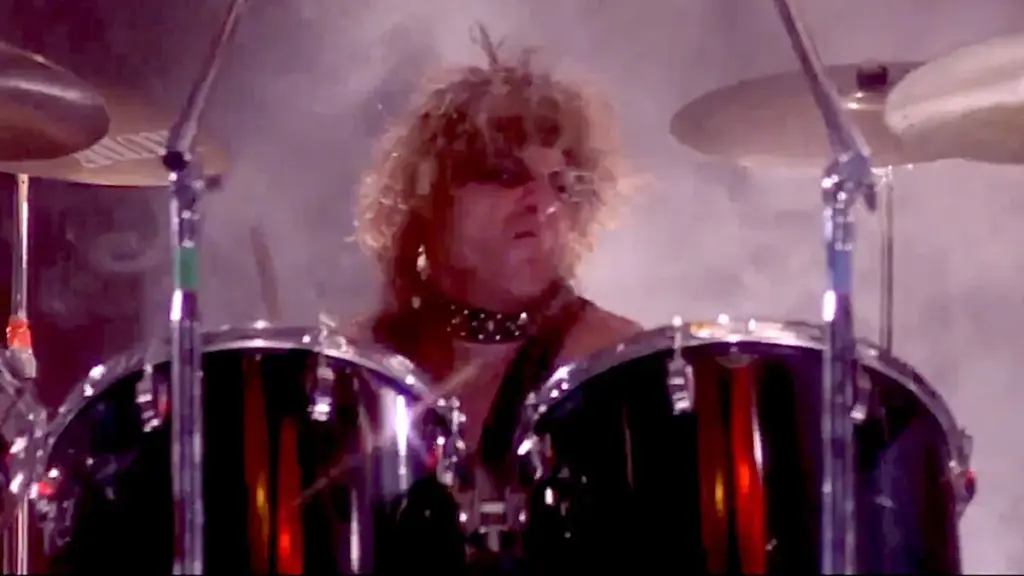
- Tony Richards, original drummer for W.A.S.P., has passed away at the age of 69.
- Richards was a key architect of the band's 1984 self-titled debut and the controversial hit 'Animal (F**k Like a Beast).'
- Band leader Blackie Lawless cited Richards as a 'pivotal element' whose departure left the band permanently altered.
- Richards joins a tragic lineage of W.A.S.P. drummers, following the deaths of Steve Riley and Frankie Banali.
- Tony Richards, tay trống nguyên bản của W.A.S.P., đã qua đời ở tuổi 69.
- Richards là kiến trúc sư chủ chốt trong album đầu tay cùng tên năm 1984 và bản hit gây tranh cãi "Animal (F**k Like a Beast)".
- Thủ lĩnh ban nhạc Blackie Lawless gọi Richards là "nhân tố then chốt" mà sự ra đi của ông đã làm thay đổi vĩnh viễn diện mạo của nhóm.
- Richards gia nhập danh sách những tay trống quá cố của W.A.S.P., tiếp nối sự ra đi của Steve Riley và Frankie Banali.
- Tony Richards, batteur original de W.A.S.P., s'est éteint à l'âge de 69 ans.
- Richards fut un architecte clé du premier album éponyme du groupe en 1984 et du titre controversé "Animal (F**k Like a Beast)".
- Le leader du groupe, Blackie Lawless, a qualifié Richards d'élément "pivot" dont le départ a durablement altéré la trajectoire de la formation.
- Richards rejoint une lignée tragique de batteurs de W.A.S.P., après les disparitions de Steve Riley et Frankie Banali.
- Tony Richards, batería original de W.A.S.P., ha fallecido a los 69 años.
- Richards fue un arquitecto clave del álbum debut homónimo de la banda en 1984 y del controvertido éxito "Animal (F**k Like a Beast)".
- El líder de la banda, Blackie Lawless, citó a Richards como un "elemento fundamental" cuya partida alteró permanentemente al grupo.
- Richards se une a un trágico linaje de baterías de W.A.S.P., tras los fallecimientos de Steve Riley y Frankie Banali.
- W.A.S.P. 乐队初代鼓手托尼·理查兹去世,享年 69 岁。
- 理查兹是乐队 1984 年同名首张专辑及极具争议的热门单曲《Animal (F**k Like a Beast)》的核心缔造者。
- 乐队主脑布莱基·劳利斯(Blackie Lawless)称理查兹是乐队的“关键要素”,他的离队使乐队发生了永久性的改变。
- 理查兹的离世延续了 W.A.S.P. 鼓手群体的悲剧宿命,此前史蒂夫·莱利(Steve Riley)和弗兰基·巴纳利(Frankie Banali)也已相继离世。
The heavy metal landscape of the early 1980s was a volatile, high-octane arena, and few bands captured its dangerous allure quite like W.A.S.P. At the center of that sonic storm was Tony Richards, the original drummer whose rhythmic precision and infectious stage presence provided the backbone for the band’s meteoric rise. News of his passing at age 69 has sent a ripple of nostalgia and mourning through the rock community, marking the end of a chapter for one of the most provocative acts in the history of the Sunset Strip.
While no cause of death has been disclosed, the tributes pouring in from his former bandmates underscore the profound impact Richards had on the trajectory of the group. Band founder Blackie Lawless, who has often spoken of the band’s early chemistry with a sense of reverence, noted that the loss of Richards was a wound from which the band never fully recovered. In an industry defined by constant turnover and shifting lineups, Richards remains a permanent fixture in the DNA of W.A.S.P.’s most enduring anthems, a testament to his role in shaping the aesthetic of a generation.
The Architect of a Controversial Sound
Tony Richards joined W.A.S.P. in 1982, a time when the Los Angeles metal scene was beginning to boil over with excess and ambition. His tenure, though brief, was arguably the most critical in the band's history. He was the rhythmic engine behind the band’s 1984 self-titled debut, a record that remains a cornerstone of the heavy metal canon. Tracks like "I Wanna Be Somebody" and "L.O.V.E. Machine" were not merely songs; they were cultural flashpoints that defined the sound of the era.
Perhaps most famously, Richards was the drummer on the band’s standalone single, "Animal (F**k Like a Beast)." The track became a lightning rod for the Parents Music Resource Center (PMRC) and Tipper Gore, placing W.A.S.P. at the epicenter of the 1980s censorship debates. Richards’ performance on the track—aggressive, driving, and uncompromising—helped cement the band’s reputation as the ultimate outlaws of the metal scene. His ability to balance technical proficiency with a raw, punk-infused energy made him a standout in a scene crowded with virtuosos.
A Legacy Defined by Intensity
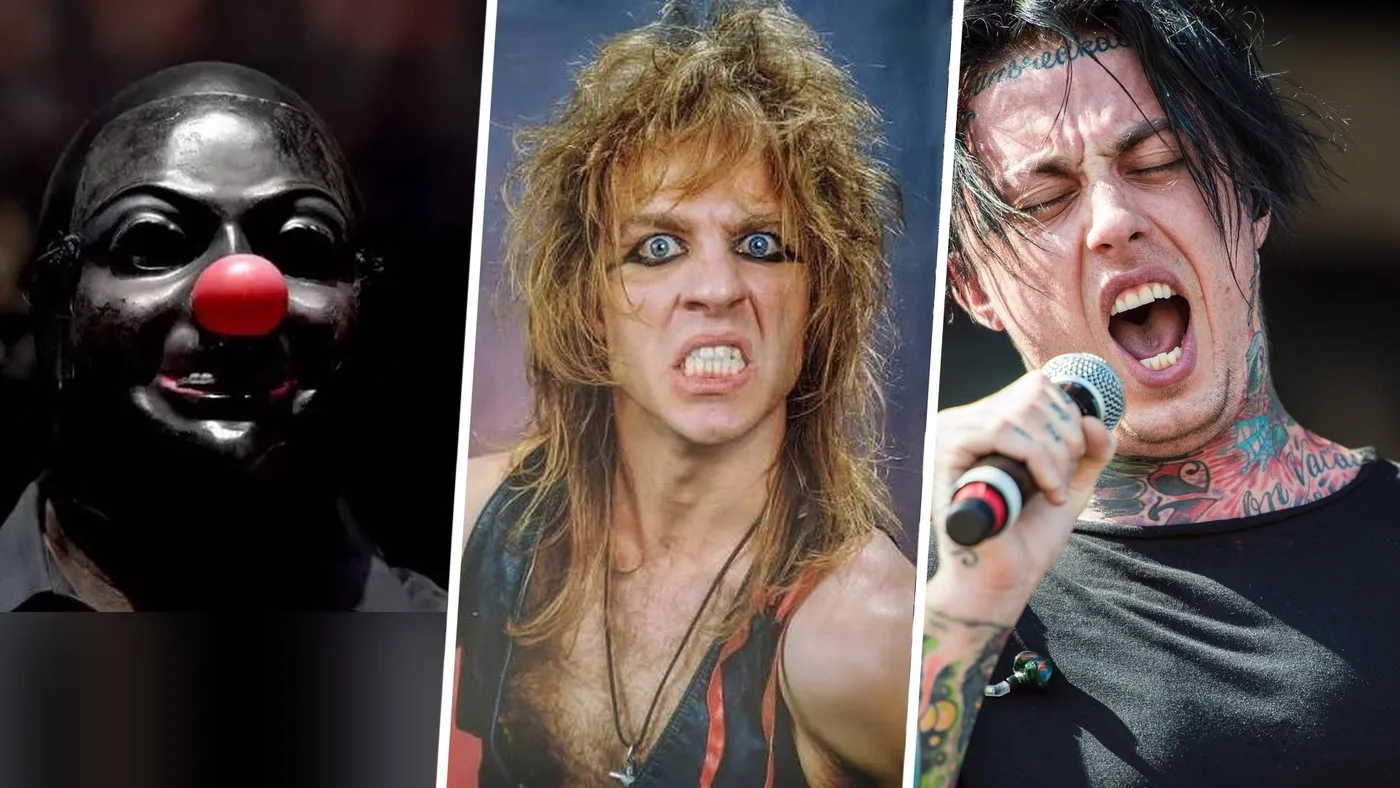
Before his time in W.A.S.P., Richards was a seasoned musician, having played in Dante Fox, the band that would eventually evolve into the multi-platinum act Great White. This background provided him with a melodic sensibility that elevated W.A.S.P. above their peers. As Blackie Lawless noted in his memorial statement, Richards was "absolutely equal" to the other strong personalities in the band, possessing an infectious charisma that made him a focal point for fans and photographers alike.
The tragedy of Richards’ passing is compounded by the history of the drum stool in W.A.S.P. He is the third former drummer of the band to pass away, following the deaths of Steve Riley in 2023 and Frankie Banali in 2020. This somber reality has led many fans to reflect on the fragility of the "classic" era of metal. For those who witnessed the band during their 1982–1984 peak, Richards was not just a hired hand; he was a foundational architect whose personal stamp remains audible on every track he recorded with the group.
The Ripple Effects of a Lost Icon
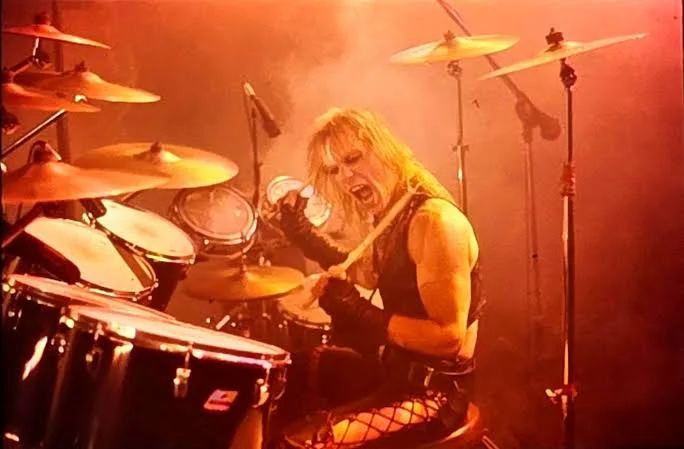
The reaction from the industry has been swift and deeply personal. Chris Holmes, the band's former guitarist, revealed that he had been in regular contact with Richards, speaking with him monthly for the past several years. This revelation highlights the enduring bonds formed in the trenches of the early 80s L.A. music scene—bonds that often outlast the commercial success of the bands themselves. The sentiment shared by Holmes and his wife, Catherine, that Richards "deserved not to be forgotten," serves as a rallying cry for fans to revisit the debut album that started it all.
Beyond the personal loss, Richards’ death prompts a broader conversation about the preservation of heavy metal history. As the pioneers of the 80s enter their later years, the loss of these figures serves as a stark reminder of the passage of time. For W.A.S.P., the legacy of their first album remains their most potent calling card, and Richards’ contribution to that record is now being re-evaluated by a new generation of metal historians who recognize the nuance and power he brought to the kit.
Looking Toward the Future of the Genre
While the music industry continues to evolve—with bands like Slipknot now navigating the landscape of independent labels and "musician’s albums"—the influence of the 80s metal explosion remains a constant. The ethos of autonomy and uncompromising artistic vision that Richards and his peers championed is still the gold standard for rock bands today. As the metal community says goodbye to one of its most reliable and talented percussionists, the focus shifts to ensuring that his contributions are properly archived and celebrated.
Moving forward, the W.A.S.P. camp will undoubtedly continue to honor Richards’ memory through their live performances, where his rhythms still echo nightly. For the fans, the best way to pay tribute is to return to the source: the 1984 debut that shook the foundations of the music industry. Tony Richards may have left the stage, but the thunder he created remains an indelible part of the heavy metal story, a permanent, driving beat that will continue to resonate for decades to come.
Bối cảnh heavy metal đầu thập niên 1980 là một đấu trường đầy biến động và rực lửa, và hiếm có ban nhạc nào nắm bắt được sức hút nguy hiểm đó một cách trọn vẹn như W.A.S.P. Ở trung tâm của cơn bão âm thanh đó là Tony Richards, tay trống nguyên bản với sự chính xác về nhịp điệu và phong cách trình diễn đầy lôi cuốn, người đã tạo nên xương sống cho sự trỗi dậy mạnh mẽ của ban nhạc. Tin tức về sự ra đi của ông ở tuổi 69 đã tạo nên một làn sóng hoài niệm và tiếc thương trong cộng đồng nhạc rock, đánh dấu sự kết thúc một chương cho một trong những nghệ sĩ khiêu khích nhất trong lịch sử Sunset Strip.
Mặc dù nguyên nhân cái chết chưa được công bố, những lời tri ân từ các cựu thành viên ban nhạc đã nhấn mạnh tác động sâu sắc mà Richards để lại đối với quỹ đạo của nhóm. Người sáng lập ban nhạc, Blackie Lawless, người thường nhắc về sự gắn kết thuở sơ khai của nhóm với lòng tôn kính, đã lưu ý rằng sự mất mát Richards là một vết thương mà ban nhạc không bao giờ hoàn toàn chữa lành. Trong một ngành công nghiệp vốn được định nghĩa bởi sự thay đổi nhân sự liên tục, Richards vẫn là một phần vĩnh cửu trong DNA của những bản thánh ca bền bỉ nhất của W.A.S.P., một minh chứng cho vai trò của ông trong việc định hình thẩm mỹ của cả một thế hệ.
Kiến trúc sư của một âm thanh gây tranh cãi
Tony Richards gia nhập W.A.S.P. vào năm 1982, thời điểm mà bối cảnh metal tại Los Angeles bắt đầu bùng nổ với sự dư thừa và đầy tham vọng. Nhiệm kỳ của ông, dù ngắn ngủi, có thể coi là giai đoạn quan trọng nhất trong lịch sử ban nhạc. Ông chính là động cơ nhịp điệu đằng sau album đầu tay cùng tên năm 1984 của nhóm, một bản thu âm vẫn là nền tảng của dòng nhạc heavy metal. Những ca khúc như "I Wanna Be Somebody" và "L.O.V.E. Machine" không chỉ đơn thuần là những bài hát; chúng là những điểm nóng văn hóa đã định nghĩa âm thanh của cả một thời đại.
Có lẽ nổi tiếng nhất, Richards là tay trống trong đĩa đơn độc lập của ban nhạc, "Animal (F**k Like a Beast)." Ca khúc này đã trở thành mục tiêu công kích của Trung tâm Tài nguyên Âm nhạc Phụ huynh (PMRC) và Tipper Gore, đưa W.A.S.P. vào tâm điểm của các cuộc tranh luận về kiểm duyệt trong thập niên 1980. Màn trình diễn của Richards trong ca khúc—đầy hung hăng, dồn dập và không khoan nhượng—đã giúp củng cố danh tiếng của ban nhạc như những kẻ ngoài vòng pháp luật tối thượng của giới metal. Khả năng cân bằng giữa kỹ thuật điêu luyện với nguồn năng lượng thô ráp, đậm chất punk đã khiến ông trở nên nổi bật trong một bối cảnh vốn đông đúc những nghệ sĩ tài năng.
Di sản được định nghĩa bởi sự mãnh liệt
Trước khi gia nhập W.A.S.P., Richards đã là một nhạc sĩ dày dạn kinh nghiệm, từng chơi cho Dante Fox, ban nhạc sau này phát triển thành nhóm nhạc đa bạch kim Great White. Nền tảng này mang lại cho ông sự nhạy bén về giai điệu, giúp nâng tầm W.A.S.P. vượt lên trên các đồng nghiệp. Như Blackie Lawless đã ghi nhận trong tuyên bố tưởng niệm, Richards "hoàn toàn ngang hàng" với những cá tính mạnh mẽ khác trong ban nhạc, sở hữu một sức hút lôi cuốn khiến ông trở thành tâm điểm cho cả người hâm mộ lẫn các nhiếp ảnh gia.
Bi kịch về sự ra đi của Richards càng trở nên nặng nề hơn khi nhìn vào lịch sử của vị trí tay trống tại W.A.S.P. Ông là tay trống thứ ba của ban nhạc qua đời, sau sự ra đi của Steve Riley vào năm 2023 và Frankie Banali vào năm 2020. Thực tế đau buồn này khiến nhiều người hâm mộ suy ngẫm về sự mong manh của thời kỳ "kinh điển" của nhạc metal. Đối với những ai từng chứng kiến ban nhạc trong thời kỳ đỉnh cao 1982–1984, Richards không chỉ là một tay trống làm thuê; ông là một kiến trúc sư nền tảng, người mà dấu ấn cá nhân vẫn còn nghe rõ trong từng bản thu âm với nhóm.
Những dư chấn từ một biểu tượng đã mất
Phản ứng từ ngành công nghiệp âm nhạc diễn ra rất nhanh chóng và đầy tính cá nhân. Chris Holmes, cựu nghệ sĩ guitar của ban nhạc, tiết lộ rằng ông vẫn giữ liên lạc thường xuyên với Richards, trò chuyện hàng tháng trong vài năm qua. Tiết lộ này làm nổi bật những mối liên kết bền chặt được hình thành trong "chiến hào" của bối cảnh âm nhạc L.A. đầu những năm 80—những mối liên kết thường tồn tại lâu hơn cả thành công thương mại của chính các ban nhạc. Cảm xúc mà Holmes và vợ ông, Catherine, chia sẻ rằng Richards "không đáng bị lãng quên," đóng vai trò như một lời kêu gọi người hâm mộ hãy quay lại thưởng thức album đầu tay đã khởi đầu tất cả.
Ngoài sự mất mát cá nhân, cái chết của Richards thúc đẩy một cuộc trò chuyện rộng lớn hơn về việc bảo tồn lịch sử heavy metal. Khi những người tiên phong của thập niên 80 bước vào những năm tháng cuối đời, sự ra đi của những nhân vật này là lời nhắc nhở khắc nghiệt về sự trôi chảy của thời gian. Đối với W.A.S.P., di sản của album đầu tiên vẫn là tấm danh thiếp mạnh mẽ nhất của họ, và đóng góp của Richards cho bản thu đó hiện đang được đánh giá lại bởi một thế hệ sử gia metal mới, những người nhận ra sự tinh tế và sức mạnh mà ông đã mang lại cho bộ trống.
Hướng tới tương lai của thể loại
Trong khi ngành công nghiệp âm nhạc tiếp tục phát triển—với các ban nhạc như Slipknot hiện đang điều hướng bối cảnh của các hãng đĩa độc lập và "album của nhạc sĩ"—ảnh hưởng của sự bùng nổ metal thập niên 80 vẫn là một hằng số. Đặc tính tự chủ và tầm nhìn nghệ thuật không khoan nhượng mà Richards và các đồng nghiệp của ông theo đuổi vẫn là tiêu chuẩn vàng cho các ban nhạc rock ngày nay. Khi cộng đồng metal nói lời tạm biệt với một trong những tay trống đáng tin cậy và tài năng nhất của mình, trọng tâm chuyển sang việc đảm bảo rằng những đóng góp của ông được lưu trữ và tôn vinh đúng cách.
Trong tương lai, W.A.S.P. chắc chắn sẽ tiếp tục tôn vinh ký ức về Richards thông qua các buổi biểu diễn trực tiếp, nơi những nhịp điệu của ông vẫn vang vọng hàng đêm. Đối với người hâm mộ, cách tốt nhất để tri ân là quay trở lại với cội nguồn: album đầu tay năm 1984 đã làm rung chuyển nền tảng của ngành công nghiệp âm nhạc. Tony Richards có thể đã rời khỏi sân khấu, nhưng tiếng sấm mà ông tạo ra vẫn là một phần không thể xóa nhòa trong câu chuyện heavy metal, một nhịp đập vĩnh cửu, dồn dập sẽ tiếp tục vang vọng trong nhiều thập kỷ tới.
Le paysage du heavy metal du début des années 1980 était une arène volatile et survoltée, et rares sont les groupes à avoir capturé cette allure dangereuse aussi bien que W.A.S.P. Au cœur de cette tempête sonore se trouvait Tony Richards, le batteur originel dont la précision rythmique et la présence scénique contagieuse ont constitué l'épine dorsale de l'ascension fulgurante du groupe. La nouvelle de sa disparition à l'âge de 69 ans a provoqué une onde de nostalgie et de deuil au sein de la communauté rock, marquant la fin d'un chapitre pour l'un des groupes les plus provocateurs de l'histoire du Sunset Strip.
Bien qu'aucune cause de décès n'ait été divulguée, les hommages qui affluent de la part de ses anciens compagnons de route soulignent l'impact profond que Richards a eu sur la trajectoire du groupe. Le fondateur Blackie Lawless, qui a souvent évoqué la chimie des débuts avec une certaine révérence, a noté que la perte de Richards était une blessure dont le groupe ne s'est jamais totalement remis. Dans une industrie définie par un turn-over constant et des changements de line-up incessants, Richards demeure une figure permanente dans l'ADN des hymnes les plus durables de W.A.S.P., témoignant de son rôle dans le façonnement de l'esthétique d'une génération.
L'architecte d'un son controversé
Tony Richards a rejoint W.A.S.P. en 1982, à une époque où la scène metal de Los Angeles commençait à déborder d'excès et d'ambition. Son passage, bien que bref, fut sans doute le plus critique de l'histoire du groupe. Il était le moteur rythmique du premier album éponyme de 1984, un disque qui demeure une pierre angulaire du canon heavy metal. Des titres comme "I Wanna Be Somebody" et "L.O.V.E. Machine" n'étaient pas seulement des chansons ; ils étaient des points de bascule culturels qui ont défini le son de toute une époque.
Plus célèbre encore, Richards était le batteur sur le single "Animal (F**k Like a Beast)". Le morceau est devenu un paratonnerre pour le Parents Music Resource Center (PMRC) et Tipper Gore, plaçant W.A.S.P. à l'épicentre des débats sur la censure des années 1980. La performance de Richards sur ce titre — agressive, entraînante et sans compromis — a contribué à cimenter la réputation du groupe en tant que hors-la-loi ultime de la scène metal. Sa capacité à équilibrer prouesse technique et énergie brute infusée de punk a fait de lui une figure marquante dans une scène pourtant saturée de virtuoses.
Un héritage défini par l'intensité
Avant son passage chez W.A.S.P., Richards était un musicien chevronné, ayant joué dans Dante Fox, le groupe qui allait devenir la formation multi-platine Great White. Ce passé lui a conféré une sensibilité mélodique qui a élevé W.A.S.P. au-dessus de ses pairs. Comme l'a souligné Blackie Lawless dans son hommage, Richards était "absolument l'égal" des autres fortes personnalités du groupe, possédant un charisme contagieux qui faisait de lui un point de mire pour les fans comme pour les photographes.
La tragédie de la disparition de Richards est accentuée par l'histoire du siège de batteur au sein de W.A.S.P. Il est le troisième ancien batteur du groupe à nous quitter, après les décès de Steve Riley en 2023 et de Frankie Banali en 2020. Cette sombre réalité a conduit de nombreux fans à réfléchir sur la fragilité de l'ère "classique" du metal. Pour ceux qui ont vu le groupe à son apogée entre 1982 et 1984, Richards n'était pas un simple musicien de session ; il était un architecte fondateur dont la marque personnelle reste audible sur chaque piste qu'il a enregistrée avec le groupe.
Les ondes de choc d'une icône disparue
La réaction de l'industrie a été immédiate et profondément personnelle. Chris Holmes, l'ancien guitariste du groupe, a révélé qu'il était resté en contact régulier avec Richards, lui parlant chaque mois au cours des dernières années. Cette révélation souligne les liens durables formés dans les tranchées de la scène musicale de L.A. du début des années 80 — des liens qui survivent souvent au succès commercial des groupes eux-mêmes. Le sentiment partagé par Holmes et son épouse, Catherine, selon lequel Richards "méritait de ne pas être oublié", sert de cri de ralliement pour que les fans redécouvrent l'album qui a tout déclenché.
Au-delà de la perte personnelle, le décès de Richards suscite une réflexion plus large sur la préservation de l'histoire du heavy metal. Alors que les pionniers des années 80 entrent dans le crépuscule de leur vie, la disparition de ces figures nous rappelle brutalement le passage du temps. Pour W.A.S.P., l'héritage de leur premier album reste leur carte de visite la plus puissante, et la contribution de Richards à ce disque est aujourd'hui réévaluée par une nouvelle génération d'historiens du metal qui reconnaissent la nuance et la puissance qu'il a apportées derrière les fûts.
Vers l'avenir du genre
Alors que l'industrie musicale continue d'évoluer — avec des groupes comme Slipknot naviguant désormais dans le paysage des labels indépendants et des "albums de musiciens" — l'influence de l'explosion metal des années 80 reste une constante. L'éthique d'autonomie et la vision artistique sans compromis que Richards et ses pairs ont défendues restent aujourd'hui l'étalon-or pour les groupes de rock. Alors que la communauté metal fait ses adieux à l'un de ses percussionnistes les plus fiables et talentueux, l'attention se porte désormais sur la nécessité de s'assurer que ses contributions soient correctement archivées et célébrées.
À l'avenir, le camp W.A.S.P. continuera sans aucun doute à honorer la mémoire de Richards lors de ses concerts, où ses rythmes résonnent encore chaque soir. Pour les fans, la meilleure façon de lui rendre hommage est de revenir à la source : ce premier album de 1984 qui a fait trembler les fondations de l'industrie musicale. Tony Richards a peut-être quitté la scène, mais le tonnerre qu'il a créé demeure une partie indélébile de l'histoire du heavy metal, un battement permanent et entraînant qui continuera de résonner pendant des décennies.
El panorama del heavy metal de principios de los años 80 era un escenario volátil y de alto octanaje, y pocas bandas capturaron su peligroso atractivo tanto como W.A.S.P. En el centro de esa tormenta sónica se encontraba Tony Richards, el batería original cuya precisión rítmica y contagiosa presencia escénica proporcionaron la columna vertebral para el meteórico ascenso de la banda. La noticia de su fallecimiento a los 69 años ha provocado una ola de nostalgia y duelo en la comunidad rockera, marcando el cierre de un capítulo para uno de los actos más provocadores en la historia del Sunset Strip.
Aunque no se ha revelado la causa de la muerte, los homenajes que llegan de sus antiguos compañeros de banda subrayan el profundo impacto que Richards tuvo en la trayectoria del grupo. El fundador de la banda, Blackie Lawless, quien a menudo ha hablado de la química inicial del grupo con un sentido de reverencia, señaló que la pérdida de Richards fue una herida de la que la banda nunca se recuperó del todo. En una industria definida por la rotación constante y los cambios de formación, Richards sigue siendo una pieza permanente en el ADN de los himnos más perdurables de W.A.S.P., un testimonio de su papel en la configuración de la estética de toda una generación.
El arquitecto de un sonido controvertido
Tony Richards se unió a W.A.S.P. en 1982, una época en la que la escena metalera de Los Ángeles comenzaba a desbordarse de excesos y ambición. Su etapa, aunque breve, fue posiblemente la más crítica en la historia de la banda. Fue el motor rítmico detrás del debut homónimo de 1984, un disco que sigue siendo una piedra angular del canon del heavy metal. Temas como "I Wanna Be Somebody" y "L.O.V.E. Machine" no fueron meras canciones; fueron puntos de inflexión culturales que definieron el sonido de la era.
Quizás lo más famoso es que Richards fue el batería del sencillo independiente de la banda, "Animal (F**k Like a Beast)". El tema se convirtió en un pararrayos para el Parents Music Resource Center (PMRC) y Tipper Gore, situando a W.A.S.P. en el epicentro de los debates sobre censura de los años 80. La interpretación de Richards en el tema —agresiva, impulsora e intransigente— ayudó a consolidar la reputación de la banda como los forajidos definitivos de la escena metalera. Su capacidad para equilibrar la destreza técnica con una energía cruda e infundida de punk lo convirtió en un destacado en una escena abarrotada de virtuosos.
Un legado definido por la intensidad
Antes de su paso por W.A.S.P., Richards era un músico experimentado, habiendo tocado en Dante Fox, la banda que eventualmente evolucionaría hacia el grupo multiplatino Great White. Este trasfondo le proporcionó una sensibilidad melódica que elevó a W.A.S.P. por encima de sus pares. Como señaló Blackie Lawless en su declaración conmemorativa, Richards era "absolutamente igual" a las otras personalidades fuertes de la banda, poseyendo un carisma contagioso que lo convertía en un punto focal tanto para los fans como para los fotógrafos.
La tragedia del fallecimiento de Richards se ve agravada por la historia del taburete de la batería en W.A.S.P. Es el tercer exbatería de la banda en fallecer, tras las muertes de Steve Riley en 2023 y Frankie Banali en 2020. Esta sombría realidad ha llevado a muchos fans a reflexionar sobre la fragilidad de la era "clásica" del metal. Para aquellos que presenciaron a la banda durante su apogeo entre 1982 y 1984, Richards no fue solo un músico contratado; fue un arquitecto fundamental cuya huella personal permanece audible en cada pista que grabó con el grupo.
Los efectos dominó de un icono perdido
La reacción de la industria ha sido rápida y profundamente personal. Chris Holmes, el antiguo guitarrista de la banda, reveló que había estado en contacto regular con Richards, hablando con él mensualmente durante los últimos años. Esta revelación destaca los vínculos duraderos formados en las trincheras de la escena musical de Los Ángeles de principios de los 80, vínculos que a menudo sobreviven al éxito comercial de las propias bandas. El sentimiento compartido por Holmes y su esposa, Catherine, de que Richards "no merecía ser olvidado", sirve como un grito de guerra para que los fans vuelvan a visitar el álbum debut que lo empezó todo.
Más allá de la pérdida personal, la muerte de Richards provoca una conversación más amplia sobre la preservación de la historia del heavy metal. A medida que los pioneros de los 80 entran en sus últimos años, la pérdida de estas figuras sirve como un crudo recordatorio del paso del tiempo. Para W.A.S.P., el legado de su primer álbum sigue siendo su carta de presentación más potente, y la contribución de Richards a ese disco está siendo reevaluada ahora por una nueva generación de historiadores del metal que reconocen el matiz y la potencia que aportó a la batería.
Mirando hacia el futuro del género
Aunque la industria musical sigue evolucionando —con bandas como Slipknot navegando ahora por el panorama de los sellos independientes y los "álbumes de músico"—, la influencia de la explosión del metal de los 80 sigue siendo una constante. El espíritu de autonomía y la visión artística intransigente que Richards y sus compañeros defendieron sigue siendo el estándar de oro para las bandas de rock de hoy. Mientras la comunidad metalera se despide de uno de sus percusionistas más fiables y talentosos, el enfoque se desplaza a garantizar que sus contribuciones sean debidamente archivadas y celebradas.
De cara al futuro, el equipo de W.A.S.P. sin duda seguirá honrando la memoria de Richards a través de sus actuaciones en directo, donde sus ritmos aún resuenan cada noche. Para los fans, la mejor manera de rendir homenaje es volver a la fuente: el debut de 1984 que sacudió los cimientos de la industria musical. Puede que Tony Richards haya abandonado el escenario, pero el trueno que creó sigue siendo una parte indeleble de la historia del heavy metal, un pulso permanente y conductor que seguirá resonando durante las próximas décadas.
20 世纪 80 年代初的重金属乐坛是一个动荡且充满高能荷尔蒙的竞技场,而很少有乐队能像 W.A.S.P. 那样捕捉到那种危险的诱惑力。在这场音速风暴的中心,是初代鼓手托尼·理查兹(Tony Richards),他精准的节奏感和极具感染力的舞台表现力,为乐队的迅速崛起提供了坚实的脊梁。他以 69 岁之龄离世的消息,在摇滚乐界激起了怀旧与哀悼的涟漪,也为日落大道(Sunset Strip)历史上最具挑衅性的乐队之一画上了一个时代的句点。
尽管目前尚未披露死因,但昔日队友们纷纷发出的悼念,凸显了理查兹对乐队发展轨迹的深远影响。乐队创始人布莱基·劳利斯(Blackie Lawless)常以一种敬畏的态度谈及乐队早期的化学反应,他指出理查兹的离去是乐队从未完全愈合的伤口。在一个以人员频繁更迭和阵容变动为常态的行业中,理查兹的名字始终铭刻在 W.A.S.P. 最经典作品的基因里,这是他塑造一代审美风格的最好证明。
争议之声的缔造者
托尼·理查兹于 1982 年加入 W.A.S.P.,那正是洛杉矶金属乐坛因过度放纵与野心勃勃而开始沸腾的时期。他的任期虽短,却堪称乐队历史上最关键的阶段。他是乐队 1984 年同名首张专辑背后的节奏引擎,这张唱片至今仍是重金属音乐史上的基石。像《I Wanna Be Somebody》和《L.O.V.E. Machine》这样的曲目,不仅仅是歌曲,它们更是定义了那个时代的文化闪光点。
最广为人知的是,理查兹是乐队独立单曲《Animal (F**k Like a Beast)》的鼓手。这首歌成为了“家长音乐资源中心”(PMRC)和蒂珀·戈尔(Tipper Gore)的众矢之的,将 W.A.S.P. 推向了 80 年代审查制度辩论的风口浪尖。理查兹在曲中极具侵略性、驱动力且毫不妥协的演奏,巩固了乐队作为金属乐坛终极“不法之徒”的声誉。他将技术造诣与原始的朋克能量完美平衡,使他在那个名家辈出的时代脱颖而出。
以强度定义的传奇
在加入 W.A.S.P. 之前,理查兹已是一位经验丰富的音乐人,曾效力于 Dante Fox 乐队,该乐队后来演变成了多白金销量的 Great White。这段背景赋予了他旋律感,使 W.A.S.P. 在同侪中更胜一筹。正如布莱基·劳利斯在悼词中所言,理查兹与乐队中其他个性鲜明的成员“完全对等”,他拥有极具感染力的个人魅力,这使他成为粉丝和摄影师关注的焦点。
理查兹离世的悲剧性,因 W.A.S.P. 鼓手席位的历史而显得尤为沉重。他是继 2023 年去世的史蒂夫·莱利(Steve Riley)和 2020 年去世的弗兰基·巴纳利(Frankie Banali)之后,第三位离世的乐队前鼓手。这一严峻的现实让许多粉丝开始反思金属乐“黄金时代”的脆弱性。对于那些曾亲眼见证乐队 1982 年至 1984 年巅峰时期的乐迷来说,理查兹不仅仅是一名受雇的乐手,他是一位奠基性的建筑师,他留下的个人印记至今仍清晰可闻于他参与录制的每一首曲目中。
逝去偶像的涟漪效应
行业内的反应迅速且深情。乐队前吉他手克里斯·霍姆斯(Chris Holmes)透露,他与理查兹一直保持着联系,在过去几年里每月都会通话。这一披露凸显了在 80 年代初洛杉矶音乐圈的战壕中建立起的深厚纽带——这种纽带往往比乐队本身的商业成功更为持久。霍姆斯及其妻子凯瑟琳所表达的“理查兹不应被遗忘”的感言,成为了号召粉丝重温那张一切开端的首张专辑的集结号。
除了个人的损失,理查兹的去世也引发了关于重金属历史保护的更广泛讨论。随着 80 年代的先驱们步入晚年,这些人物的离去是对时光流逝的严酷提醒。对于 W.A.S.P. 而言,首张专辑的遗产依然是他们最强有力的名片,而理查兹对那张唱片的贡献,正被新一代金属乐历史学家重新评估,他们开始认识到他为鼓组演奏所带来的细腻与力量。
展望流派的未来
尽管音乐产业在不断演变——Slipknot 等乐队如今在独立厂牌和“音乐人专辑”的版图中探索——但 80 年代金属乐爆发的影响力依然恒久不变。理查兹及其同侪所倡导的自主性与毫不妥协的艺术愿景,至今仍是摇滚乐队的黄金标准。当金属乐社区向这位最可靠、最有才华的打击乐手告别时,重点已转向确保他的贡献得到妥善的存档与传颂。
展望未来,W.A.S.P. 阵营无疑将继续通过现场演出缅怀理查兹,他的节奏依然每晚在舞台上回响。对于粉丝而言,最好的致敬方式就是回归源头:那张在 1984 年震撼了整个音乐产业的出道专辑。托尼·理查兹或许已经离开了舞台,但他所创造的雷鸣之声仍是重金属故事中不可磨灭的一部分,那是一个将持续回响数十年的、永恒而强劲的节拍。
Editorial Standards & Multi-Language Synthesis: This dispatch was synthesized and fact-checked by the ParisDaily Editorial Desk across 5 global editions (EN, FR, VI, ES, ZH), cross-referencing primary international wire reports and real-time search intelligence.