The Quintet Strategy: How France and Europe Are Reshaping the Ukraine Peace Mandate
As the conflict in Ukraine enters a critical juncture, Brussels has unveiled a high-stakes diplomatic coalition tasked with steering the continent’s future. The move signals a pivot toward a more centralized, power-bloc approach to regional security.
Khi cuộc xung đột tại Ukraine bước vào giai đoạn then chốt, Brussels đã công bố một liên minh ngoại giao cấp cao với nhiệm vụ dẫn dắt tương lai của lục địa. Động thái này đánh dấu bước ngoặt hướng tới một cách tiếp cận tập trung, dựa trên khối quyền lực để đảm bảo an ninh khu vực.
Alors que le conflit en Ukraine atteint un tournant critique, Bruxelles a dévoilé une coalition diplomatique de haut vol chargée de piloter l'avenir du continent. Cette manœuvre marque un pivot vers une approche plus centralisée et structurée de la sécurité régionale.
En un momento en que el conflicto en Ucrania alcanza un punto crítico, Bruselas ha presentado una coalición diplomática de alto nivel encargada de dirigir el futuro del continente. Este movimiento marca un giro hacia un enfoque de seguridad regional más centralizado y basado en bloques de poder.
随着乌克兰冲突进入关键转折点,布鲁塞尔正式揭幕了一个肩负欧洲未来重任的高规格外交联盟。此举标志着欧洲在区域安全问题上正转向一种更加集权化、集团化的权力运作模式。
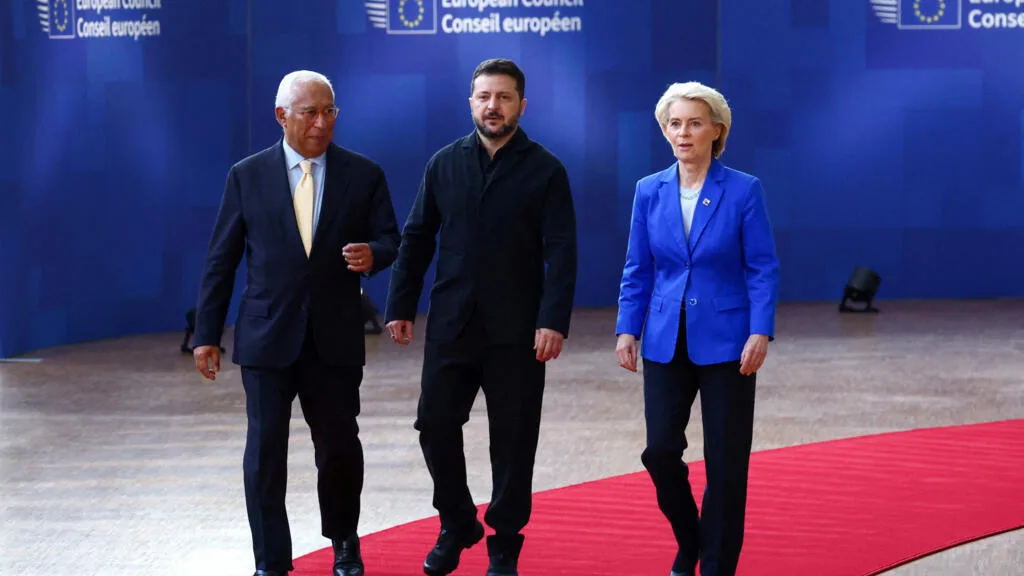
- European Council President Antonio Costa has formalized a five-nation diplomatic vanguard including France, Germany, Italy, Poland, and the UK.
- The coalition aims to harmonize EU interests with non-EU security partners to prevent fragmented negotiations with Moscow.
- France’s inclusion underscores Paris’s role as the primary military and political architect of European strategic autonomy.
- The initiative marks a departure from previous decentralized efforts, signaling a unified front ahead of potential high-level peace summits.
- Chủ tịch Hội đồng châu Âu Antonio Costa đã chính thức hóa một đội tiên phong ngoại giao gồm năm quốc gia: Pháp, Đức, Ý, Ba Lan và Vương quốc Anh.
- Liên minh này nhằm mục đích hài hòa hóa lợi ích của EU với các đối tác an ninh ngoài khối để ngăn chặn các cuộc đàm phán rời rạc với Moscow.
- Sự tham gia của Pháp nhấn mạnh vai trò của Paris với tư cách là kiến trúc sư quân sự và chính trị chủ chốt của quyền tự chủ chiến lược châu Âu.
- Sáng kiến này đánh dấu sự đoạn tuyệt với các nỗ lực phân tán trước đây, tạo ra một mặt trận thống nhất trước thềm các hội nghị thượng đỉnh hòa bình cấp cao tiềm năng.
- Le président du Conseil européen, Antonio Costa, a officialisé une avant-garde diplomatique composée de cinq nations : la France, l'Allemagne, l'Italie, la Pologne et le Royaume-Uni.
- La coalition vise à harmoniser les intérêts de l'UE avec ceux de ses partenaires sécuritaires non-membres pour éviter des négociations fragmentées avec Moscou.
- L'inclusion de la France souligne le rôle de Paris en tant qu'architecte militaire et politique principal de l'autonomie stratégique européenne.
- L'initiative rompt avec les efforts décentralisés du passé, signalant un front uni en amont d'éventuels sommets de paix de haut niveau.
- El presidente del Consejo Europeo, Antonio Costa, ha formalizado una vanguardia diplomática de cinco naciones que incluye a Francia, Alemania, Italia, Polonia y el Reino Unido.
- La coalición busca armonizar los intereses de la UE con socios de seguridad externos para evitar negociaciones fragmentadas con Moscú.
- La inclusión de Francia subraya el papel de París como principal arquitecto militar y político de la autonomía estratégica europea.
- La iniciativa supone un alejamiento de los esfuerzos descentralizados previos, señalando un frente unido ante posibles cumbres de paz de alto nivel.
- 欧洲理事会主席安东尼奥·科斯塔正式确立了一个由法国、德国、意大利、波兰和英国组成的五国外交先锋队。
- 该联盟旨在协调欧盟利益与非欧盟安全伙伴的立场,以防止在对俄谈判中出现碎片化倾向。
- 法国的加入凸显了巴黎作为欧洲战略自主主要军事与政治架构师的核心地位。
- 该倡议标志着欧洲告别了以往分散的外交努力,在潜在的高级别和平峰会前展现出统一战线。
In a move that signals a profound recalibration of European foreign policy, the European Council has officially designated a five-nation diplomatic vanguard to spearhead negotiations regarding the future of Ukraine. This strategic alignment, announced by President Antonio Costa, brings together the continent’s most formidable political and military powers—France, Germany, Italy, Poland, and the United Kingdom—to act as the primary interlocutors for the bloc. The decision represents a decisive shift away from the fragmented, often discordant diplomatic efforts that have characterized the last two years of the conflict, aiming instead to present a singular, ironclad European position to both Kyiv and the Kremlin.
The stakes of this initiative extend far beyond the immediate battlefield, touching upon the very architecture of European security in the post-Cold War era. By formalizing this "Quintet" of influence, Brussels is not merely attempting to streamline communication; it is asserting that the future of the continent will be decided by its major stakeholders, rather than through the disparate channels of individual national interests. As the geopolitical landscape shifts under the weight of changing administrations and evolving military realities, this coalition is designed to serve as a stabilizing anchor, ensuring that European interests remain central to any forthcoming peace architecture.
The Architecture of the New Diplomatic Vanguard
The selection of these specific five nations is far from coincidental; it is a calculated reflection of the current power dynamics within the European security sphere. France and Germany, the traditional engines of EU policy, provide the necessary political gravitas and institutional memory. Poland, meanwhile, serves as the essential frontline state, offering a perspective rooted in the immediate, existential reality of the conflict. Italy’s inclusion highlights the Mediterranean and southern European concerns, while the United Kingdom’s participation—despite its post-Brexit status—reaffirms that the security of the European continent remains inextricably linked to London’s military and intelligence capabilities.
This coalition is tasked with a mandate that is as complex as it is urgent: to synthesize the diverse and sometimes competing priorities of the 27 EU member states into a coherent, actionable negotiation strategy. Historically, the EU has struggled to speak with one voice on matters of high-stakes defense. The reliance on individual capitals often led to diplomatic drift, allowing external actors to exploit internal divisions. By centralizing the negotiation mandate, the European Council is attempting to project a level of unity that has been conspicuously absent since the onset of the full-scale invasion.
The logistical and political integration of these five powers is expected to be a test of endurance. Each nation brings its own historical baggage and strategic preferences to the table. France, under the current administration, has consistently advocated for 'strategic autonomy,' a concept that emphasizes European self-reliance. Germany, conversely, has had to navigate the delicate balance of its historical pacifism and its role as the continent’s industrial powerhouse. The success of this new diplomatic front will depend on the ability of these five nations to subordinate their national agendas to the broader, collective security interests of the European project.
Historical Precedents and the Burden of Unity
To understand the significance of this development, one must look back at the failures of previous diplomatic frameworks, such as the Minsk Agreements, which were widely criticized for their inability to enforce terms or address the root causes of the conflict. The new five-power approach is an explicit attempt to avoid the pitfalls of those earlier, more limited formats. By involving a broader coalition of major powers, the EU is signaling that any future settlement must be backed by the collective economic and military weight of the continent’s most influential states.
The historical context of European diplomacy is littered with attempts to create a 'concert of powers' that could manage the continent's most volatile disputes. From the Congress of Vienna to the post-WWII integration efforts, the goal has always been the same: to prevent the 'Balkanization' of European foreign policy. The inclusion of Poland in this group is particularly telling; it marks a recognition that the center of gravity in European security has shifted eastward. No longer can the continent’s future be decided solely by the 'Paris-Berlin' axis; the security concerns of the Baltic and Central European states are now fundamental to the legitimacy of any diplomatic outcome.
Furthermore, the inclusion of the United Kingdom is a masterstroke of pragmatic diplomacy. Despite the political friction of Brexit, the reality of the battlefield has forced a rapprochement between London and Brussels. The UK’s intelligence apparatus and its early, decisive military support for Ukraine have made it an indispensable partner. By bringing the UK into this formal structure, the EU is acknowledging that the 'European' security space is a geographic and strategic reality that transcends the formal boundaries of the European Union, a move that may well set a precedent for future cooperation on defense and security issues.
Global Ripple Effects and the Path to Resolution
The global implications of this diplomatic shift are profound. As the United States navigates its own internal political cycles, the European powers are clearly preparing for a scenario in which they must take a more proactive, independent role in managing the conflict on their doorstep. This is not necessarily a move toward isolationism, but rather a maturation of the European security identity. The message to the international community is clear: Europe is no longer a passive recipient of security guarantees, but an active architect of its own peace.
Economically, the impact of a unified European diplomatic front cannot be overstated. A coherent negotiation strategy allows for a more effective application of sanctions, a more coordinated approach to reconstruction funding, and a clearer signal to global markets regarding the long-term stability of the region. Investors and multinational corporations, which have been hesitant to commit to long-term projects in the shadow of the conflict, may find a more predictable environment if the EU can demonstrate that it has a unified, long-term plan for the stabilization of Ukraine.
However, the road ahead is fraught with challenges. The coalition must contend with a Russian leadership that has historically preferred bilateral negotiations, which are easier to manipulate, over multilateral frameworks. By insisting on a five-power representation, the EU is effectively closing off the 'divide and conquer' tactics that have served Moscow so well in the past. The success of this strategy will be measured not by the rhetoric of the diplomats, but by the tangible progress toward a sustainable ceasefire and a long-term security guarantee for Ukraine that does not sacrifice the core principles of European sovereignty.
Institutional Expectations and the Road Ahead
As the diplomatic gears begin to turn, the eyes of the world are fixed on how this coalition will interact with the government in Kyiv. Ukraine has long demanded a seat at the table, and the challenge for the five powers will be to ensure that their 'representation' of the EU does not come at the expense of Ukrainian agency. The coalition must act as a bridge, not a barrier, between the needs of the Ukrainian people and the broader geopolitical requirements of the European continent.
Public reaction across the continent has been cautiously optimistic. While there is a widespread desire for an end to the conflict, there is also a deep-seated fear of 'peace at any price.' The inclusion of Poland and the UK in the group serves as a vital check against any potential drift toward appeasement. These nations have been the most vocal proponents of a firm stance against aggression, and their presence in the room ensures that the 'hard' security concerns of the continent remain at the forefront of the discussion.
Looking forward, the next few months will be critical. The coalition is expected to begin a series of 'shuttle diplomacy' missions, testing the waters for a potential high-level summit. Whether this leads to a breakthrough or merely a more organized stalemate remains to be seen. What is certain, however, is that the era of fragmented European diplomacy is coming to a close. The formation of this five-power bloc is a historic acknowledgment that in a world of rising autocracies and shifting alliances, the only way for Europe to survive is to act as a singular, unified force.
Trong một động thái báo hiệu sự tái điều chỉnh sâu sắc chính sách đối ngoại của châu Âu, Hội đồng châu Âu đã chính thức chỉ định một đội tiên phong ngoại giao gồm năm quốc gia để dẫn dắt các cuộc đàm phán về tương lai của Ukraine. Sự liên kết chiến lược này, do Chủ tịch Antonio Costa công bố, tập hợp những cường quốc chính trị và quân sự đáng gờm nhất của lục địa—Pháp, Đức, Ý, Ba Lan và Vương quốc Anh—để đóng vai trò là những bên đối thoại chính của khối. Quyết định này đại diện cho một sự thay đổi mang tính quyết định, rời xa những nỗ lực ngoại giao rời rạc và thường xuyên bất đồng đã đặc trưng cho hai năm xung đột vừa qua, thay vào đó hướng tới việc đưa ra một lập trường châu Âu thống nhất, vững chắc cho cả Kyiv và Điện Kremlin.
Các rủi ro của sáng kiến này vượt xa chiến trường trước mắt, chạm đến chính cấu trúc an ninh châu Âu trong kỷ nguyên hậu Chiến tranh Lạnh. Bằng cách chính thức hóa "Ngũ cường" (Quintet) đầy ảnh hưởng này, Brussels không chỉ đơn thuần cố gắng hợp lý hóa thông tin liên lạc; họ đang khẳng định rằng tương lai của lục địa sẽ được quyết định bởi các bên liên quan chính, thay vì thông qua các kênh riêng lẻ của lợi ích quốc gia. Khi bối cảnh địa chính trị thay đổi dưới sức ép của các chính quyền mới và thực tế quân sự đang tiến hóa, liên minh này được thiết kế để đóng vai trò như một mỏ neo ổn định, đảm bảo rằng lợi ích của châu Âu vẫn là trọng tâm trong bất kỳ cấu trúc hòa bình nào sắp tới.
Kiến trúc của đội tiên phong ngoại giao mới
Việc lựa chọn năm quốc gia cụ thể này không hề ngẫu nhiên; đó là sự phản ánh có tính toán về động lực quyền lực hiện tại trong lĩnh vực an ninh châu Âu. Pháp và Đức, những động cơ truyền thống của chính sách EU, cung cấp trọng lượng chính trị và ký ức thể chế cần thiết. Trong khi đó, Ba Lan đóng vai trò là quốc gia tiền tuyến thiết yếu, mang đến góc nhìn bắt nguồn từ thực tế hiện hữu, cấp bách của cuộc xung đột. Sự tham gia của Ý làm nổi bật những mối quan tâm của Địa Trung Hải và Nam Âu, trong khi sự tham gia của Vương quốc Anh—bất chấp tình trạng hậu Brexit—khẳng định lại rằng an ninh của lục địa châu Âu vẫn gắn bó chặt chẽ với năng lực quân sự và tình báo của London.
Liên minh này được giao một nhiệm vụ phức tạp và cấp bách: tổng hợp các ưu tiên đa dạng và đôi khi cạnh tranh của 27 quốc gia thành viên EU thành một chiến lược đàm phán mạch lạc, có thể thực thi. Trong lịch sử, EU đã gặp khó khăn trong việc nói cùng một tiếng nói về các vấn đề quốc phòng cấp cao. Việc dựa vào các thủ đô riêng lẻ thường dẫn đến sự chệch hướng ngoại giao, cho phép các tác nhân bên ngoài khai thác những chia rẽ nội bộ. Bằng cách tập trung hóa nhiệm vụ đàm phán, Hội đồng châu Âu đang cố gắng thể hiện một mức độ thống nhất vốn vắng bóng một cách rõ rệt kể từ khi cuộc xâm lược toàn diện bắt đầu.
Sự tích hợp về hậu cần và chính trị của năm cường quốc này dự kiến sẽ là một bài kiểm tra về sức bền. Mỗi quốc gia đều mang theo những hành trang lịch sử và ưu tiên chiến lược riêng lên bàn đàm phán. Pháp, dưới chính quyền hiện tại, đã liên tục ủng hộ "quyền tự chủ chiến lược", một khái niệm nhấn mạnh sự tự lực của châu Âu. Ngược lại, Đức đã phải điều hướng sự cân bằng tinh tế giữa chủ nghĩa hòa bình lịch sử và vai trò là cường quốc công nghiệp của lục địa. Sự thành công của mặt trận ngoại giao mới này sẽ phụ thuộc vào khả năng của năm quốc gia này trong việc đặt lợi ích quốc gia xuống dưới lợi ích an ninh tập thể rộng lớn hơn của dự án châu Âu.
Tiền lệ lịch sử và gánh nặng của sự thống nhất
Để hiểu được tầm quan trọng của sự phát triển này, người ta phải nhìn lại những thất bại của các khuôn khổ ngoại giao trước đây, chẳng hạn như Thỏa thuận Minsk, vốn bị chỉ trích rộng rãi vì không có khả năng thực thi các điều khoản hoặc giải quyết các nguyên nhân gốc rễ của xung đột. Cách tiếp cận năm cường quốc mới là một nỗ lực rõ ràng nhằm tránh những cạm bẫy của các định dạng hạn chế trước đó. Bằng cách thu hút một liên minh rộng lớn hơn gồm các cường quốc, EU đang phát đi tín hiệu rằng bất kỳ thỏa thuận tương lai nào cũng phải được hỗ trợ bởi sức mạnh kinh tế và quân sự tập thể của các quốc gia có ảnh hưởng nhất lục địa.
Bối cảnh lịch sử của ngoại giao châu Âu đầy rẫy những nỗ lực tạo ra một "hòa nhạc các cường quốc" có thể quản lý các tranh chấp biến động nhất của lục địa. Từ Đại hội Vienna đến các nỗ lực hội nhập sau Thế chiến II, mục tiêu vẫn luôn giống nhau: ngăn chặn sự "Balkan hóa" chính sách đối ngoại châu Âu. Việc đưa Ba Lan vào nhóm này đặc biệt có ý nghĩa; nó đánh dấu sự công nhận rằng trọng tâm an ninh châu Âu đã chuyển dịch sang phía Đông. Tương lai của lục địa không còn có thể chỉ được quyết định bởi trục "Paris-Berlin"; những mối quan tâm an ninh của các quốc gia Baltic và Trung Âu hiện là nền tảng cho tính chính danh của bất kỳ kết quả ngoại giao nào.
Hơn nữa, việc đưa Vương quốc Anh vào là một nước đi bậc thầy của ngoại giao thực dụng. Bất chấp những ma sát chính trị của Brexit, thực tế chiến trường đã buộc London và Brussels phải xích lại gần nhau. Bộ máy tình báo của Anh và sự hỗ trợ quân sự quyết đoán, sớm sủa cho Ukraine đã biến nước này thành một đối tác không thể thiếu. Bằng cách đưa Anh vào cấu trúc chính thức này, EU đang thừa nhận rằng không gian an ninh "châu Âu" là một thực tế địa lý và chiến lược vượt ra ngoài biên giới chính thức của Liên minh châu Âu, một động thái có thể tạo tiền lệ cho sự hợp tác trong tương lai về các vấn đề quốc phòng và an ninh.
Tác động lan tỏa toàn cầu và con đường dẫn đến giải quyết
Những tác động toàn cầu của sự thay đổi ngoại giao này là rất sâu sắc. Khi Hoa Kỳ điều hướng các chu kỳ chính trị nội bộ của riêng mình, các cường quốc châu Âu rõ ràng đang chuẩn bị cho một kịch bản mà họ phải đóng vai trò chủ động, độc lập hơn trong việc quản lý cuộc xung đột ngay trước cửa nhà mình. Đây không nhất thiết là một bước tiến tới chủ nghĩa biệt lập, mà là sự trưởng thành của bản sắc an ninh châu Âu. Thông điệp gửi tới cộng đồng quốc tế rất rõ ràng: châu Âu không còn là bên thụ hưởng thụ động các đảm bảo an ninh, mà là kiến trúc sư chủ động cho nền hòa bình của chính mình.
Về mặt kinh tế, tác động của một mặt trận ngoại giao châu Âu thống nhất là không thể xem thường. Một chiến lược đàm phán mạch lạc cho phép áp dụng các biện pháp trừng phạt hiệu quả hơn, cách tiếp cận phối hợp hơn đối với nguồn tài trợ tái thiết và tín hiệu rõ ràng hơn cho thị trường toàn cầu về sự ổn định lâu dài của khu vực. Các nhà đầu tư và tập đoàn đa quốc gia, vốn đã do dự trong việc cam kết với các dự án dài hạn dưới cái bóng của xung đột, có thể tìm thấy một môi trường dễ dự đoán hơn nếu EU chứng minh được rằng họ có một kế hoạch thống nhất, dài hạn để ổn định Ukraine.
Tuy nhiên, con đường phía trước đầy rẫy những thách thức. Liên minh phải đối mặt với một giới lãnh đạo Nga vốn ưa chuộng các cuộc đàm phán song phương—vốn dễ thao túng hơn—thay vì các khuôn khổ đa phương. Bằng cách nhấn mạnh vào sự đại diện của năm cường quốc, EU đang thực sự đóng lại các chiến thuật "chia để trị" vốn đã phục vụ Moscow rất tốt trong quá khứ. Sự thành công của chiến lược này sẽ không được đo bằng những lời lẽ của các nhà ngoại giao, mà bằng tiến bộ hữu hình hướng tới một lệnh ngừng bắn bền vững và một đảm bảo an ninh lâu dài cho Ukraine mà không hy sinh các nguyên tắc cốt lõi về chủ quyền châu Âu.
Kỳ vọng thể chế và con đường phía trước
Khi các bánh răng ngoại giao bắt đầu chuyển động, ánh mắt của thế giới đang đổ dồn vào cách liên minh này sẽ tương tác với chính phủ tại Kyiv. Ukraine từ lâu đã yêu cầu một ghế tại bàn đàm phán, và thách thức đối với năm cường quốc sẽ là đảm bảo rằng sự "đại diện" của họ cho EU không phải trả giá bằng quyền tự quyết của Ukraine. Liên minh phải đóng vai trò là cây cầu, chứ không phải rào cản, giữa nhu cầu của người dân Ukraine và các yêu cầu địa chính trị rộng lớn hơn của lục địa châu Âu.
Phản ứng của công chúng trên khắp lục địa đang ở mức lạc quan thận trọng. Mặc dù có mong muốn phổ biến về việc chấm dứt xung đột, nhưng cũng có một nỗi sợ hãi sâu sắc về "hòa bình bằng mọi giá". Việc đưa Ba Lan và Anh vào nhóm đóng vai trò là một sự kiểm soát quan trọng đối với bất kỳ sự trượt dài nào hướng tới chủ nghĩa xoa dịu. Những quốc gia này là những người ủng hộ mạnh mẽ nhất cho lập trường cứng rắn chống lại sự xâm lược, và sự hiện diện của họ trong phòng họp đảm bảo rằng những mối quan tâm an ninh "cứng" của lục địa vẫn là ưu tiên hàng đầu trong cuộc thảo luận.
Nhìn về phía trước, vài tháng tới sẽ rất quan trọng. Liên minh dự kiến sẽ bắt đầu một loạt các sứ mệnh "ngoại giao con thoi", thăm dò khả năng cho một hội nghị thượng đỉnh cấp cao tiềm năng. Liệu điều này có dẫn đến một bước đột phá hay chỉ là một sự bế tắc có tổ chức hơn vẫn còn phải chờ xem. Tuy nhiên, điều chắc chắn là kỷ nguyên ngoại giao châu Âu phân tán đang đi đến hồi kết. Sự hình thành của khối năm cường quốc này là một sự thừa nhận mang tính lịch sử rằng trong một thế giới của các chế độ chuyên quyền đang trỗi dậy và các liên minh đang thay đổi, cách duy nhất để châu Âu tồn tại là hành động như một lực lượng thống nhất, duy nhất.
Dans une manœuvre qui témoigne d'un recalibrage profond de la politique étrangère européenne, le Conseil européen a officiellement désigné une avant-garde diplomatique de cinq nations pour piloter les négociations concernant l'avenir de l'Ukraine. Cet alignement stratégique, annoncé par le président Antonio Costa, réunit les puissances politiques et militaires les plus redoutables du continent — la France, l'Allemagne, l'Italie, la Pologne et le Royaume-Uni — afin d'agir en tant qu'interlocuteurs principaux du bloc. Cette décision représente un changement décisif, tournant le dos aux efforts diplomatiques fragmentés et souvent discordants qui ont caractérisé les deux dernières années du conflit, avec pour objectif de présenter une position européenne unique et inébranlable, tant à Kiev qu'au Kremlin.
Les enjeux de cette initiative dépassent largement le cadre du champ de bataille immédiat, touchant à l'architecture même de la sécurité européenne dans l'ère post-Guerre froide. En formalisant ce "Quintet" d'influence, Bruxelles ne cherche pas seulement à rationaliser la communication ; elle affirme que l'avenir du continent sera décidé par ses acteurs majeurs, plutôt que par le prisme dispersé des intérêts nationaux individuels. Alors que le paysage géopolitique se transforme sous le poids des changements d'administration et de l'évolution des réalités militaires, cette coalition est conçue pour servir d'ancre stabilisatrice, garantissant que les intérêts européens restent au cœur de toute architecture de paix à venir.
L'architecture de la nouvelle avant-garde diplomatique
Le choix de ces cinq nations spécifiques est loin d'être fortuit ; il est le reflet calculé des dynamiques de pouvoir actuelles au sein de la sphère sécuritaire européenne. La France et l'Allemagne, moteurs traditionnels de la politique de l'UE, apportent la gravité politique et la mémoire institutionnelle nécessaires. La Pologne, quant à elle, fait office d'État de première ligne essentiel, offrant une perspective ancrée dans la réalité existentielle et immédiate du conflit. L'inclusion de l'Italie met en lumière les préoccupations méditerranéennes et sud-européennes, tandis que la participation du Royaume-Uni — malgré son statut post-Brexit — réaffirme que la sécurité du continent européen reste inextricablement liée aux capacités militaires et de renseignement de Londres.
Cette coalition est investie d'un mandat aussi complexe qu'urgent : synthétiser les priorités diverses et parfois concurrentes des 27 États membres de l'UE en une stratégie de négociation cohérente et actionnable. Historiquement, l'UE a peiné à parler d'une seule voix sur les questions de défense à enjeux élevés. La dépendance vis-à-vis des capitales individuelles a souvent conduit à une dérive diplomatique, permettant à des acteurs externes d'exploiter les divisions internes. En centralisant le mandat de négociation, le Conseil européen tente de projeter un niveau d'unité qui faisait cruellement défaut depuis le début de l'invasion à grande échelle.
L'intégration logistique et politique de ces cinq puissances devrait être un test d'endurance. Chaque nation apporte son propre bagage historique et ses préférences stratégiques à la table des négociations. La France, sous l'administration actuelle, a constamment plaidé pour une "autonomie stratégique", concept qui met l'accent sur l'autosuffisance européenne. L'Allemagne, à l'inverse, a dû naviguer dans l'équilibre délicat entre son pacifisme historique et son rôle de puissance industrielle du continent. Le succès de ce nouveau front diplomatique dépendra de la capacité de ces cinq nations à subordonner leurs agendas nationaux aux intérêts de sécurité collectifs et plus larges du projet européen.
Précédents historiques et fardeau de l'unité
Pour comprendre la portée de ce développement, il faut se pencher sur les échecs des cadres diplomatiques précédents, tels que les accords de Minsk, largement critiqués pour leur incapacité à faire respecter les termes ou à traiter les causes profondes du conflit. La nouvelle approche à cinq puissances est une tentative explicite d'éviter les écueils de ces formats plus limités. En impliquant une coalition plus large de puissances majeures, l'UE signale que tout règlement futur devra être soutenu par le poids économique et militaire collectif des États les plus influents du continent.
Le contexte historique de la diplomatie européenne est jonché de tentatives visant à créer un "concert des puissances" capable de gérer les différends les plus volatils du continent. Du Congrès de Vienne aux efforts d'intégration d'après-guerre, l'objectif a toujours été le même : empêcher la "balkanisation" de la politique étrangère européenne. L'inclusion de la Pologne dans ce groupe est particulièrement révélatrice ; elle marque la reconnaissance que le centre de gravité de la sécurité européenne s'est déplacé vers l'Est. L'avenir du continent ne peut plus être décidé uniquement par l'axe "Paris-Berlin" ; les préoccupations sécuritaires des États baltes et d'Europe centrale sont désormais fondamentales pour la légitimité de toute issue diplomatique.
Par ailleurs, l'inclusion du Royaume-Uni est un coup de maître de diplomatie pragmatique. Malgré les frictions politiques liées au Brexit, la réalité du terrain a forcé un rapprochement entre Londres et Bruxelles. L'appareil de renseignement britannique et son soutien militaire précoce et décisif à l'Ukraine en ont fait un partenaire indispensable. En intégrant le Royaume-Uni dans cette structure formelle, l'UE reconnaît que l'espace sécuritaire "européen" est une réalité géographique et stratégique qui transcende les frontières formelles de l'Union européenne, une manœuvre qui pourrait bien faire jurisprudence pour une future coopération en matière de défense et de sécurité.
Répercussions mondiales et chemin vers la résolution
Les implications mondiales de ce virage diplomatique sont profondes. Alors que les États-Unis naviguent dans leurs propres cycles politiques internes, les puissances européennes se préparent clairement à un scénario dans lequel elles devront assumer un rôle plus proactif et indépendant dans la gestion du conflit à leur porte. Il ne s'agit pas nécessairement d'une marche vers l'isolationnisme, mais plutôt d'une maturation de l'identité sécuritaire européenne. Le message adressé à la communauté internationale est clair : l'Europe n'est plus un récepteur passif de garanties de sécurité, mais un architecte actif de sa propre paix.
Sur le plan économique, l'impact d'un front diplomatique européen unifié ne saurait être surestimé. Une stratégie de négociation cohérente permet une application plus efficace des sanctions, une approche plus coordonnée du financement de la reconstruction et un signal plus clair aux marchés mondiaux concernant la stabilité à long terme de la région. Les investisseurs et les multinationales, qui hésitaient à s'engager dans des projets à long terme à l'ombre du conflit, pourraient trouver un environnement plus prévisible si l'UE parvient à démontrer qu'elle dispose d'un plan unifié et pérenne pour la stabilisation de l'Ukraine.
Cependant, la route est semée d'embûches. La coalition doit composer avec une direction russe qui a historiquement préféré les négociations bilatérales, plus faciles à manipuler, aux cadres multilatéraux. En insistant sur une représentation à cinq puissances, l'UE ferme effectivement la porte aux tactiques de "diviser pour régner" qui ont si bien servi Moscou par le passé. Le succès de cette stratégie ne se mesurera pas à la rhétorique des diplomates, mais aux progrès tangibles vers un cessez-le-feu durable et une garantie de sécurité à long terme pour l'Ukraine, sans sacrifier les principes fondamentaux de la souveraineté européenne.
Attentes institutionnelles et perspectives
Alors que les rouages diplomatiques commencent à tourner, les yeux du monde sont rivés sur la manière dont cette coalition interagira avec le gouvernement de Kiev. L'Ukraine réclame depuis longtemps une place à la table des négociations, et le défi pour les cinq puissances sera de garantir que leur "représentation" de l'UE ne se fasse pas au détriment de l'autonomie ukrainienne. La coalition doit agir comme un pont, et non comme une barrière, entre les besoins du peuple ukrainien et les exigences géopolitiques plus larges du continent européen.
La réaction du public à travers le continent est prudemment optimiste. Bien qu'il existe un désir généralisé de mettre fin au conflit, une peur profonde d'une "paix à tout prix" persiste. L'inclusion de la Pologne et du Royaume-Uni dans le groupe sert de garde-fou vital contre toute dérive potentielle vers l'apaisement. Ces nations ont été les plus ferventes partisanes d'une position ferme contre l'agression, et leur présence dans la salle garantit que les préoccupations sécuritaires "dures" du continent restent au premier plan de la discussion.
Pour l'avenir, les prochains mois seront critiques. La coalition devrait entamer une série de missions de "diplomatie de navette", testant le terrain en vue d'un éventuel sommet de haut niveau. Reste à savoir si cela mènera à une percée ou simplement à une impasse plus organisée. Ce qui est certain, cependant, c'est que l'ère de la diplomatie européenne fragmentée touche à sa fin. La formation de ce bloc à cinq puissances est une reconnaissance historique du fait que, dans un monde marqué par la montée des autocraties et le basculement des alliances, la seule façon pour l'Europe de survivre est d'agir comme une force singulière et unifiée.
En un movimiento que señala una profunda recalibración de la política exterior europea, el Consejo Europeo ha designado oficialmente una vanguardia diplomática de cinco naciones para encabezar las negociaciones sobre el futuro de Ucrania. Esta alineación estratégica, anunciada por el presidente Antonio Costa, reúne a las potencias políticas y militares más formidables del continente —Francia, Alemania, Italia, Polonia y el Reino Unido— para actuar como los interlocutores principales del bloque. La decisión representa un cambio decisivo frente a los esfuerzos diplomáticos fragmentados y a menudo discordantes que han caracterizado los últimos dos años del conflicto, con el objetivo de presentar una posición europea única e inquebrantable tanto a Kiev como al Kremlin.
Lo que está en juego con esta iniciativa va mucho más allá del campo de batalla inmediato, afectando a la propia arquitectura de la seguridad europea en la era posterior a la Guerra Fría. Al formalizar este "Quinteto" de influencia, Bruselas no solo intenta agilizar la comunicación; está afirmando que el futuro del continente será decidido por sus principales actores, en lugar de a través de los canales dispersos de los intereses nacionales individuales. A medida que el panorama geopolítico cambia bajo el peso de las nuevas administraciones y las realidades militares en evolución, esta coalición está diseñada para servir como un ancla estabilizadora, asegurando que los intereses europeos permanezcan en el centro de cualquier arquitectura de paz futura.
La arquitectura de la nueva vanguardia diplomática
La selección de estas cinco naciones específicas no es una coincidencia; es un reflejo calculado de las dinámicas de poder actuales dentro de la esfera de seguridad europea. Francia y Alemania, los motores tradicionales de la política de la UE, aportan la necesaria gravedad política y memoria institucional. Polonia, por su parte, actúa como el estado de primera línea esencial, ofreciendo una perspectiva arraigada en la realidad existencial inmediata del conflicto. La inclusión de Italia destaca las preocupaciones del Mediterráneo y del sur de Europa, mientras que la participación del Reino Unido —a pesar de su estatus post-Brexit— reafirma que la seguridad del continente europeo sigue estando inextricablemente ligada a las capacidades militares y de inteligencia de Londres.
Esta coalición tiene un mandato tan complejo como urgente: sintetizar las diversas y a veces contrapuestas prioridades de los 27 estados miembros de la UE en una estrategia de negociación coherente y ejecutable. Históricamente, la UE ha tenido dificultades para hablar con una sola voz en asuntos de defensa de alto nivel. La dependencia de las capitales individuales a menudo conducía a una deriva diplomática, permitiendo que actores externos explotaran las divisiones internas. Al centralizar el mandato de negociación, el Consejo Europeo intenta proyectar un nivel de unidad que ha estado notablemente ausente desde el inicio de la invasión a gran escala.
Se espera que la integración logística y política de estas cinco potencias sea una prueba de resistencia. Cada nación aporta su propio bagaje histórico y sus preferencias estratégicas a la mesa. Francia, bajo la actual administración, ha abogado constantemente por la "autonomía estratégica", un concepto que enfatiza la autosuficiencia europea. Alemania, por el contrario, ha tenido que navegar el delicado equilibrio entre su pacifismo histórico y su papel como potencia industrial del continente. El éxito de este nuevo frente diplomático dependerá de la capacidad de estas cinco naciones para subordinar sus agendas nacionales a los intereses de seguridad colectivos y más amplios del proyecto europeo.
Precedentes históricos y la carga de la unidad
Para comprender la importancia de este desarrollo, hay que mirar hacia atrás a los fracasos de los marcos diplomáticos anteriores, como los Acuerdos de Minsk, ampliamente criticados por su incapacidad para hacer cumplir los términos o abordar las causas profundas del conflicto. El nuevo enfoque de las cinco potencias es un intento explícito de evitar los escollos de aquellos formatos anteriores y más limitados. Al involucrar a una coalición más amplia de grandes potencias, la UE señala que cualquier acuerdo futuro debe estar respaldado por el peso económico y militar colectivo de los estados más influyentes del continente.
El contexto histórico de la diplomacia europea está plagado de intentos de crear un "concierto de potencias" que pudiera gestionar las disputas más volátiles del continente. Desde el Congreso de Viena hasta los esfuerzos de integración posteriores a la Segunda Guerra Mundial, el objetivo siempre ha sido el mismo: evitar la "balcanización" de la política exterior europea. La inclusión de Polonia en este grupo es particularmente reveladora; marca el reconocimiento de que el centro de gravedad de la seguridad europea se ha desplazado hacia el este. El futuro del continente ya no puede ser decidido únicamente por el eje "París-Berlín"; las preocupaciones de seguridad de los estados bálticos y de Europa Central son ahora fundamentales para la legitimidad de cualquier resultado diplomático.
Además, la inclusión del Reino Unido es una jugada maestra de diplomacia pragmática. A pesar de la fricción política del Brexit, la realidad del campo de batalla ha forzado un acercamiento entre Londres y Bruselas. El aparato de inteligencia del Reino Unido y su temprano y decisivo apoyo militar a Ucrania lo han convertido en un socio indispensable. Al incorporar al Reino Unido en esta estructura formal, la UE reconoce que el espacio de seguridad "europeo" es una realidad geográfica y estratégica que trasciende las fronteras formales de la Unión Europea, un movimiento que bien podría sentar un precedente para la futura cooperación en materia de defensa y seguridad.
Efectos dominó globales y el camino hacia la resolución
Las implicaciones globales de este cambio diplomático son profundas. A medida que Estados Unidos navega por sus propios ciclos políticos internos, las potencias europeas se preparan claramente para un escenario en el que deben asumir un papel más proactivo e independiente en la gestión del conflicto a sus puertas. Esto no es necesariamente un movimiento hacia el aislacionismo, sino más bien una maduración de la identidad de seguridad europea. El mensaje a la comunidad internacional es claro: Europa ya no es un receptor pasivo de garantías de seguridad, sino un arquitecto activo de su propia paz.
Económicamente, el impacto de un frente diplomático europeo unificado no puede subestimarse. Una estrategia de negociación coherente permite una aplicación más eficaz de las sanciones, un enfoque más coordinado para la financiación de la reconstrucción y una señal más clara a los mercados globales sobre la estabilidad a largo plazo de la región. Los inversores y las corporaciones multinacionales, que han dudado en comprometerse con proyectos a largo plazo bajo la sombra del conflicto, podrían encontrar un entorno más predecible si la UE puede demostrar que tiene un plan unificado y a largo plazo para la estabilización de Ucrania.
Sin embargo, el camino por delante está plagado de desafíos. La coalición debe enfrentarse a un liderazgo ruso que históricamente ha preferido las negociaciones bilaterales, más fáciles de manipular, sobre los marcos multilaterales. Al insistir en una representación de cinco potencias, la UE está cerrando efectivamente las tácticas de "divide y vencerás" que tan bien le han servido a Moscú en el pasado. El éxito de esta estrategia se medirá no por la retórica de los diplomáticos, sino por el progreso tangible hacia un alto el fuego sostenible y una garantía de seguridad a largo plazo para Ucrania que no sacrifique los principios fundamentales de la soberanía europea.
Expectativas institucionales y el camino a seguir
A medida que los engranajes diplomáticos comienzan a girar, los ojos del mundo están puestos en cómo interactuará esta coalición con el gobierno de Kiev. Ucrania ha exigido durante mucho tiempo un asiento en la mesa, y el desafío para las cinco potencias será asegurar que su "representación" de la UE no se produzca a expensas de la agencia ucraniana. La coalición debe actuar como un puente, no como una barrera, entre las necesidades del pueblo ucraniano y los requisitos geopolíticos más amplios del continente europeo.
La reacción pública en todo el continente ha sido cautelosamente optimista. Si bien existe un deseo generalizado de poner fin al conflicto, también existe un temor profundamente arraigado a una "paz a cualquier precio". La inclusión de Polonia y el Reino Unido en el grupo sirve como un freno vital contra cualquier deriva potencial hacia el apaciguamiento. Estas naciones han sido las defensoras más firmes de una postura firme contra la agresión, y su presencia en la sala garantiza que las preocupaciones de seguridad "dura" del continente permanezcan en la vanguardia de la discusión.
Mirando hacia el futuro, los próximos meses serán críticos. Se espera que la coalición comience una serie de misiones de "diplomacia de lanzadera", tanteando el terreno para una posible cumbre de alto nivel. Queda por ver si esto conduce a un avance o simplemente a un estancamiento más organizado. Lo que es seguro, sin embargo, es que la era de la diplomacia europea fragmentada está llegando a su fin. La formación de este bloque de cinco potencias es un reconocimiento histórico de que, en un mundo de autocracias en ascenso y alianzas cambiantes, la única forma de que Europa sobreviva es actuar como una fuerza singular y unificada.
在一项标志着欧洲外交政策深刻重构的举措中,欧洲理事会正式指定了一个由五国组成的外交先锋队,旨在主导关于乌克兰未来的谈判。这一由主席安东尼奥·科斯塔(Antonio Costa)宣布的战略结盟,汇集了欧洲最具影响力的政治与军事大国——法国、德国、意大利、波兰和英国,使其成为欧盟的主要对话方。这一决定标志着欧洲彻底告别了过去两年冲突中那种碎片化、甚至不和谐的外交努力,转而寻求向基辅和克里姆林宫展示一个单一、坚不可摧的欧洲立场。
这一倡议的利害关系远超战场本身,触及了冷战后欧洲安全架构的核心。通过将这一“五国集团”的影响力制度化,布鲁塞尔不仅是在试图精简沟通渠道,更是在宣示:欧洲的未来将由其主要利益相关者决定,而非通过各自为政的国家利益渠道。随着地缘政治格局在政府更迭和军事现实演变的重压下发生偏移,该联盟旨在充当一个稳定的锚点,确保欧洲利益在任何即将到来的和平架构中始终处于核心地位。
新外交先锋队的架构
这五个国家的入选绝非偶然,而是对当前欧洲安全领域权力动态的审慎考量。法国和德国作为欧盟政策的传统引擎,提供了必要的政治威望和制度记忆;波兰作为关键的前线国家,提供了植根于冲突现实的生存视角;意大利的加入凸显了地中海及南欧的关切;而英国的参与——尽管其处于脱欧后的状态——则重申了欧洲大陆的安全与伦敦的军事及情报能力密不可分。
该联盟肩负着一项既复杂又紧迫的任务:将27个欧盟成员国多样化且有时相互冲突的优先事项,综合成一个连贯、可执行的谈判策略。历史上,欧盟在重大防务问题上一直难以发出统一的声音。对个别国家的依赖往往导致外交漂移,使外部行为体能够利用内部的分歧。通过将谈判授权集中化,欧洲理事会正试图展现出一种自全面入侵开始以来就一直缺失的团结感。
这五个大国的后勤与政治整合预计将是一场耐力考验。每个国家都带着各自的历史包袱和战略偏好。在现任政府领导下,法国一直主张“战略自主”,这一概念强调欧洲的自力更生;相反,德国则必须在其历史性的和平主义与其作为欧洲工业强国的角色之间寻找微妙的平衡。这一新外交阵线的成功,将取决于这五个国家能否将其国家议程置于欧洲项目更广泛的集体安全利益之下。
历史先例与团结的重担
要理解这一发展的意义,必须回顾以往外交框架(如《明斯克协议》)的失败,这些框架因无法执行条款或解决冲突根源而广受诟病。新的五国方案是试图避免早期更有限格式陷阱的明确尝试。通过引入更广泛的大国联盟,欧盟正在发出信号:任何未来的解决方案都必须得到欧洲最具影响力国家集体经济和军事力量的支持。
欧洲外交史上充斥着试图建立“大国协调”以管理大陆最动荡争端的尝试。从维也纳会议到二战后的整合努力,目标始终如一:防止欧洲外交政策的“巴尔干化”。波兰被纳入该组织尤其具有深意,这标志着欧洲安全重心已向东转移的共识。欧洲的未来不再能仅由“法德轴心”决定;波罗的海和中欧国家的安全关切现在已成为任何外交成果合法性的基础。
此外,英国的加入是务实外交的神来之笔。尽管存在脱欧带来的政治摩擦,但战场的现实迫使伦敦与布鲁塞尔达成和解。英国的情报机构及其对乌克兰早期果断的军事支持,使其成为不可或缺的伙伴。通过将英国纳入这一正式结构,欧盟承认了“欧洲”安全空间是一个超越欧盟正式边界的地理与战略现实,这一举措很可能为未来在防务和安全问题上的合作树立先例。
全球连锁反应与解决之路
这一外交转变的全球影响是深远的。随着美国经历其内部政治周期,欧洲大国显然正在为一种必须在管理家门口冲突时采取更主动、更独立角色的情景做准备。这未必是走向孤立主义,而是欧洲安全身份的成熟。向国际社会传递的信息很明确:欧洲不再是安全保障的被动接受者,而是自身和平的积极架构师。
在经济层面,统一的欧洲外交阵线的影响不可低估。连贯的谈判策略有助于更有效地实施制裁、更协调地分配重建资金,并向全球市场发出关于该地区长期稳定性的更清晰信号。在冲突阴影下对长期项目犹豫不决的投资者和跨国公司,如果欧盟能证明其拥有统一、长期的乌克兰稳定计划,可能会发现一个更可预测的环境。
然而,前方的道路充满挑战。该联盟必须应对俄罗斯领导层,后者在历史上更倾向于容易操纵的双边谈判,而非多边框架。通过坚持五国代表制,欧盟有效地封堵了过去让莫斯科受益匪浅的“分而治之”策略。这一战略的成功与否,将不取决于外交官的辞令,而取决于在实现可持续停火和为乌克兰提供长期安全保障方面取得的实质性进展,且这种保障不能以牺牲欧洲主权的核心原则为代价。
制度期望与未来之路
随着外交齿轮开始转动,全世界的目光都聚焦于该联盟将如何与基辅政府互动。乌克兰长期以来一直要求在谈判桌上占有一席之地,五国面临的挑战将是确保他们对欧盟的“代表”不会以牺牲乌克兰的主体性为代价。该联盟必须充当乌克兰人民的需求与欧洲大陆更广泛地缘政治要求之间的桥梁,而非障碍。
欧洲大陆的公众反应持谨慎乐观态度。虽然人们普遍渴望结束冲突,但同时也存在对“不惜一切代价换取和平”的深层恐惧。波兰和英国的加入是对任何可能滑向绥靖政策倾向的重要制衡。这些国家一直是反对侵略的坚定支持者,它们在谈判室中的存在确保了欧洲的“硬”安全关切始终处于讨论的前沿。
展望未来,接下来的几个月至关重要。该联盟预计将开始一系列“穿梭外交”任务,为潜在的高级别峰会试水。这是否会带来突破,还是仅仅演变成更有组织的僵局,尚待观察。然而可以肯定的是,碎片化欧洲外交的时代即将结束。这一五国集团的形成是一个历史性的承认:在一个威权主义抬头、联盟关系不断变动的世界里,欧洲生存的唯一途径就是作为一个单一、统一的力量行动。
Editorial Standards & Multi-Language Synthesis: This dispatch was synthesized and fact-checked by the ParisDaily Editorial Desk across 5 global editions (EN, FR, VI, ES, ZH), cross-referencing primary international wire reports and real-time search intelligence.