The New Face of Hillman: Maleah Joi Moon on Inheriting the A Different World Legacy
Tony-winning sensation Maleah Joi Moon steps into the iconic shoes of Whitley and Dwayne’s daughter, navigating the weight of television history and the future of Black storytelling on Netflix.
Ngôi sao vừa giành giải Tony, Maleah Joi Moon, bước vào vai diễn mang tính biểu tượng là con gái của Whitley và Dwayne, gánh vác trọng trách lịch sử truyền hình cùng tương lai của dòng phim kể chuyện về người da đen trên Netflix. Cô đang nỗ lực định hình một bản sắc mới trong khi vẫn trân trọng những giá trị cốt lõi đã làm nên tên tuổi của thương hiệu này.
Révélation récompensée aux Tony Awards, Maleah Joi Moon se glisse dans la peau de la fille de Whitley et Dwayne. Elle navigue avec brio entre le poids de l'histoire télévisuelle et les nouveaux horizons de la narration noire sur Netflix.
La sensación ganadora del Tony, Maleah Joi Moon, asume el icónico papel de la hija de Whitley y Dwayne, navegando entre el peso de la historia televisiva y el futuro de la narrativa negra en Netflix. Su llegada marca un punto de inflexión en la evolución de un clásico generacional.
托尼奖得主 Maleah Joi Moon 接过 Whitley 与 Dwayne 之女的接力棒,在 Netflix 的重启剧中直面电视史的厚重与黑人叙事的未来。她不仅是在重塑经典,更是在当代语境下重新定义这一文化地标。
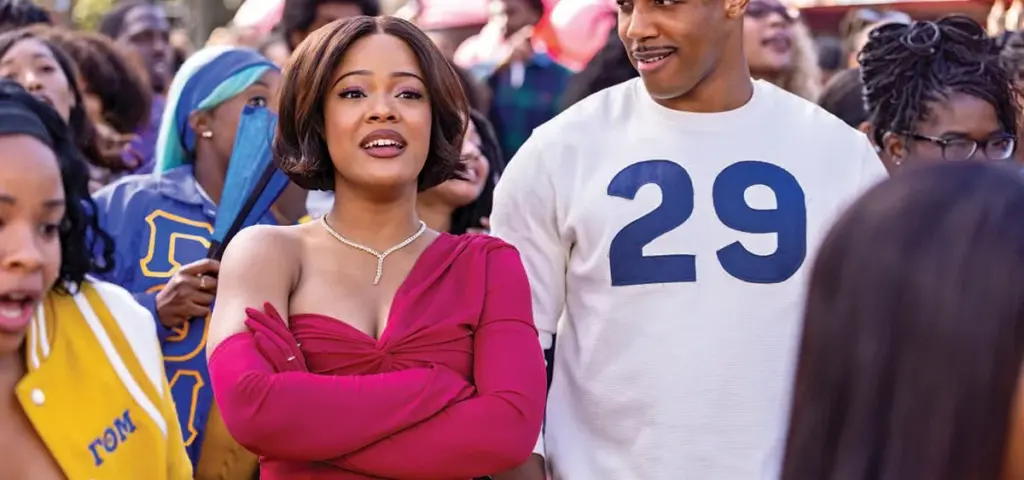
- Maleah Joi Moon was personally selected by Debbie Allen for the role of Deborah, bypassing traditional audition processes.
- The Netflix sequel series actively addresses the 'complicated history' of its origins while establishing its own independent narrative identity.
- The show introduces the franchise's first openly queer character, Amir, framing Black queer identity as a form of 'Black radicalism.'
- Original cast members Jasmine Guy and Kadeem Hardison serve as active mentors, providing both technical guidance and personal support to the new lead.
- Maleah Joi Moon được chính Debbie Allen đích thân lựa chọn cho vai Deborah, bỏ qua các quy trình thử vai truyền thống.
- Loạt phim hậu truyện trên Netflix chủ động đối diện với "lịch sử phức tạp" của nguồn gốc tác phẩm, đồng thời thiết lập một bản sắc tự sự độc lập.
- Bộ phim giới thiệu nhân vật công khai là người đồng tính đầu tiên của thương hiệu, Amir, qua đó khẳng định bản sắc da đen đồng tính như một hình thức của "chủ nghĩa cấp tiến da đen".
- Các diễn viên gốc là Jasmine Guy và Kadeem Hardison đóng vai trò cố vấn tích cực, cung cấp cả hướng dẫn kỹ thuật lẫn sự hỗ trợ tinh thần cho nữ chính mới.
- Maleah Joi Moon a été personnellement choisie par Debbie Allen pour incarner Deborah, court-circuitant ainsi les processus d'audition traditionnels.
- La série dérivée de Netflix aborde ouvertement l'« histoire complexe » de ses origines tout en affirmant sa propre identité narrative.
- Le programme introduit le premier personnage ouvertement queer de la franchise, Amir, érigeant l'identité noire queer en une forme de « radicalisme noir ».
- Les membres du casting original, Jasmine Guy et Kadeem Hardison, agissent en véritables mentors, offrant à la nouvelle tête d'affiche un soutien technique et personnel précieux.
- Maleah Joi Moon fue seleccionada personalmente por Debbie Allen para el papel de Deborah, evitando los procesos de audición tradicionales.
- La serie secuela de Netflix aborda activamente la "complicada historia" de sus orígenes mientras establece su propia identidad narrativa independiente.
- La producción introduce al primer personaje abiertamente queer de la franquicia, Amir, enmarcando la identidad negra queer como una forma de "radicalismo negro".
- Los miembros del reparto original, Jasmine Guy y Kadeem Hardison, actúan como mentores activos, proporcionando tanto orientación técnica como apoyo personal a la nueva protagonista.
- Maleah Joi Moon 由黛比·艾伦(Debbie Allen)亲自选定出演 Deborah 一角,跳过了传统的试镜流程。
- Netflix 的续作系列积极正视其起源的“复杂历史”,同时确立了独立且鲜明的叙事身份。
- 该剧引入了系列首位公开的酷儿角色 Amir,将黑人酷儿身份定义为一种“黑人激进主义”。
- 原版主演 Jasmine Guy 和 Kadeem Hardison 担任导师,为新一代主演提供技术指导与情感支持。
In the high-pressure ecosystem of modern television reboots, few projects carry the cultural gravity of A Different World. When Netflix announced its intention to revisit the hallowed halls of Hillman College, the industry held its collective breath, wondering if any new production could capture the lightning-in-a-bottle energy of the original 1980s classic. Enter Maleah Joi Moon, the Tony-winning powerhouse who didn't just audition for the role of Deborah—Whitley Gilbert and Dwayne Wayne’s daughter—but was hand-selected by the legendary Debbie Allen herself. It was a moment of serendipity backstage at Hell’s Kitchen that cemented the casting, a testament to Allen’s uncanny ability to identify the precise frequency of a star in the making.
For Moon, the role is more than a career milestone; it is a bridge between generations. Growing up in a family where the pursuit of higher education was a hard-won dream rather than a birthright, Moon understands the visceral impact the original series had on Black audiences. By embodying Deborah, she is not merely stepping into a legacy; she is actively participating in the evolution of a cultural touchstone that defined Black excellence, style, and intellectual rigor for millions. As the series positions itself for awards consideration, the spotlight falls squarely on how this new iteration balances the nostalgia of the past with the urgent, intersectional realities of the present.
The Architect of a New Era
The process of building the character of Deborah was an exercise in radical vulnerability. Under the guidance of showrunner Felicia Pride, the writers’ room became a space where Moon’s own life experiences were woven into the fabric of the script. This collaborative approach ensured that Deborah would not be a mere caricature of her famous parents, but a fully realized individual with her own ambitions and internal conflicts. Moon’s preparation involved a deep-dive study of Jasmine Guy’s original performance, not as a fan seeking to mimic, but as an actor seeking to understand the DNA of a character who was unapologetically ambitious and fiercely independent.
The mentorship provided by Jasmine Guy and Kadeem Hardison has been instrumental in this transition. Far from being distant icons, the original stars have been deeply involved in the production, offering both technical advice—such as the precision of hitting one's mark—and the emotional fortitude required to survive the scrutiny of the public eye. Guy, in particular, has become a vital sounding board, encouraging Moon to maintain her sense of self amidst the noise of industry expectations. This intergenerational dialogue is the heartbeat of the new series, ensuring that the torch is passed with intention and respect.
Navigating the Complicated Shadow of the Past
One cannot discuss the revival of A Different World without addressing the elephant in the room: its origins as a spinoff of The Cosby Show. In an era where cultural legacies are frequently re-evaluated, Moon and the production team have chosen a path of transparency rather than evasion. Moon is candid about the "complicated history" surrounding the franchise’s genesis, acknowledging the baggage that comes with the territory while simultaneously asserting the autonomy of the new narrative. She views the two shows as distinct entities that, while linked by history, possess their own unique fortitude.
This approach is strategic. By acknowledging the past without being tethered to it, the production creates space for a new conversation about Black love, education, and community. Moon’s perspective is rooted in the idea of generational storytelling—that love and lessons are passed down through narratives that evolve over time. For the cast and crew, the goal is to ensure that this new version of Hillman stands on its own merits, providing a platform for stories that are as relevant to today’s college students as the original was to the youth of the 1980s.
Redefining Representation and Radical Love
Perhaps the most significant departure in this new iteration is its commitment to a broader, more inclusive definition of the Black experience. The introduction of Amir, played by Jordan Herron Hall, as the franchise’s first openly queer character, marks a pivotal shift in the show’s scope. Moon is adamant that Amir’s identity is not a plot device, but a fundamental aspect of his humanity. By framing his existence as a natural part of the Hillman ecosystem, the show makes a bold statement about the diversity of the Black experience.
Moon’s philosophy on this is clear: "Black love in all forms, in the sexuality sense, in the gender sense, in the community sense, in the familial sense, in the self-sense, is Black radicalism." This perspective elevates the series from a nostalgic comedy to a piece of social commentary. By centering these narratives, the show challenges traditional tropes and invites the audience to engage with a more nuanced, multifaceted depiction of Black life. It is this commitment to authenticity that positions the Netflix revival as a potential game-changer in the landscape of contemporary television.
The Road Ahead: Beyond the Campus Gates
As the series gains momentum, the question remains: what does the future hold for its breakout star? With a Tony and a Grammy already under her belt, Moon is clearly a multi-hyphenate talent with a trajectory that extends far beyond the confines of a single sitcom. She is currently exploring her musical roots, workshopping new sounds in the studio, and keeping an eye on Broadway, with a particular interest in joining the cast of Hadestown. Her ambition is matched only by her groundedness, a quality that will undoubtedly serve her well as she navigates the complexities of global stardom.
For now, however, the focus remains on the success of Hillman College. The industry is watching closely to see if the show can maintain its critical and commercial momentum through the awards season. If the early reception is any indication, Moon’s performance has already secured her place in the pantheon of television icons. Whether she is navigating the halls of academia or the stages of Broadway, one thing is certain: Maleah Joi Moon is a force of nature, and she is only just beginning to show the world the full extent of her light.
Trong hệ sinh thái đầy áp lực của các dự án làm mới (reboot) truyền hình hiện đại, hiếm có tác phẩm nào mang sức nặng văn hóa lớn như A Different World. Khi Netflix công bố ý định quay trở lại những giảng đường thiêng liêng của Đại học Hillman, cả ngành công nghiệp đã nín thở chờ đợi, tự hỏi liệu một sản phẩm mới có thể tái hiện được nguồn năng lượng "bắt lấy tia chớp" của tác phẩm kinh điển thập niên 80 hay không. Câu trả lời chính là Maleah Joi Moon, ngôi sao đầy nội lực vừa giành giải Tony. Cô không chỉ đơn thuần thử vai Deborah—con gái của Whitley Gilbert và Dwayne Wayne—mà đã được chính huyền thoại Debbie Allen đích thân lựa chọn. Đó là khoảnh khắc định mệnh tại hậu trường Hell’s Kitchen, minh chứng cho khả năng nhạy bén của Allen trong việc nhận diện tần số của một ngôi sao đang lên.
Đối với Moon, vai diễn này không chỉ là một cột mốc sự nghiệp; đó là nhịp cầu nối giữa các thế hệ. Lớn lên trong một gia đình coi việc theo đuổi giáo dục đại học là giấc mơ khó nhọc thay vì quyền lợi mặc định, Moon thấu hiểu tác động sâu sắc mà loạt phim gốc đã tạo ra đối với khán giả da đen. Bằng cách hóa thân thành Deborah, cô không chỉ kế thừa một di sản; cô đang tích cực tham gia vào quá trình tiến hóa của một biểu tượng văn hóa—thứ từng định nghĩa sự xuất sắc, phong cách và tư duy trí tuệ của người da đen cho hàng triệu người. Khi loạt phim bắt đầu cuộc đua giành các giải thưởng, sự chú ý đổ dồn vào cách phiên bản mới này cân bằng giữa nỗi hoài niệm quá khứ và những thực tại giao thoa cấp thiết của hiện tại.
Kiến trúc sư của một kỷ nguyên mới
Quá trình xây dựng nhân vật Deborah là một bài tập về sự tổn thương đầy cấp tiến. Dưới sự dẫn dắt của nhà sản xuất Felicia Pride, phòng biên kịch đã trở thành không gian nơi những trải nghiệm cá nhân của Moon được đan cài vào kịch bản. Cách tiếp cận hợp tác này đảm bảo rằng Deborah sẽ không chỉ là một bản sao biếm họa của cha mẹ cô, mà là một cá nhân hoàn chỉnh với những tham vọng và xung đột nội tâm riêng. Sự chuẩn bị của Moon bao gồm việc nghiên cứu sâu sắc màn trình diễn gốc của Jasmine Guy, không phải với tư cách một người hâm mộ muốn bắt chước, mà là một diễn viên tìm cách thấu hiểu DNA của một nhân vật vốn đầy tham vọng và độc lập một cách kiêu hãnh.
Sự cố vấn từ Jasmine Guy và Kadeem Hardison đóng vai trò then chốt trong quá trình chuyển giao này. Thay vì là những biểu tượng xa cách, các ngôi sao gốc đã tham gia sâu vào quá trình sản xuất, cung cấp cả lời khuyên kỹ thuật—như sự chính xác trong việc chọn vị trí đứng trên sân khấu—cho đến sự vững vàng về cảm xúc cần thiết để vượt qua sự soi xét của công chúng. Đặc biệt, Guy đã trở thành một người đồng hành quan trọng, khuyến khích Moon giữ vững bản sắc cá nhân giữa những ồn ào của kỳ vọng ngành công nghiệp. Đối thoại liên thế hệ này chính là nhịp đập của loạt phim mới, đảm bảo ngọn đuốc được trao đi với sự trân trọng và ý thức rõ ràng.
Điều hướng trong cái bóng phức tạp của quá khứ
Người ta không thể thảo luận về sự hồi sinh của A Different World mà không nhắc đến "con voi trong phòng": nguồn gốc của nó là một phần ngoại truyện (spinoff) của The Cosby Show. Trong thời đại mà các di sản văn hóa thường xuyên bị đánh giá lại, Moon và đội ngũ sản xuất đã chọn con đường minh bạch thay vì né tránh. Moon thẳng thắn về "lịch sử phức tạp" xung quanh sự ra đời của thương hiệu, thừa nhận những gánh nặng đi kèm đồng thời khẳng định quyền tự chủ của câu chuyện mới. Cô coi hai loạt phim là những thực thể riêng biệt, dù gắn kết bởi lịch sử nhưng vẫn sở hữu sức mạnh nội tại độc đáo.
Cách tiếp cận này mang tính chiến lược. Bằng cách thừa nhận quá khứ mà không bị trói buộc vào đó, bộ phim tạo ra không gian cho một cuộc đối thoại mới về tình yêu, giáo dục và cộng đồng của người da đen. Quan điểm của Moon bắt nguồn từ tư tưởng kể chuyện thế hệ—rằng tình yêu và những bài học được truyền lại qua các câu chuyện phát triển theo thời gian. Đối với dàn diễn viên và đoàn làm phim, mục tiêu là đảm bảo phiên bản Hillman mới này đứng vững bằng chính thực lực của mình, cung cấp một nền tảng cho những câu chuyện phù hợp với sinh viên đại học ngày nay cũng như cách tác phẩm gốc đã làm với giới trẻ thập niên 80.
Định nghĩa lại sự đại diện và tình yêu cấp tiến
Có lẽ bước ngoặt đáng kể nhất trong phiên bản mới này là cam kết về một định nghĩa rộng mở và bao trùm hơn về trải nghiệm của người da đen. Sự xuất hiện của Amir, do Jordan Herron Hall thủ vai, với tư cách là nhân vật công khai đồng tính đầu tiên của thương hiệu, đánh dấu một sự thay đổi then chốt trong phạm vi của bộ phim. Moon khẳng định rằng bản dạng của Amir không phải là một công cụ dẫn dắt cốt truyện, mà là một khía cạnh cơ bản trong nhân tính của anh. Bằng cách đặt sự tồn tại của anh như một phần tự nhiên trong hệ sinh thái Hillman, bộ phim đưa ra một tuyên bố táo bạo về sự đa dạng trong trải nghiệm của người da đen.
Triết lý của Moon về điều này rất rõ ràng: "Tình yêu da đen dưới mọi hình thức, từ khía cạnh giới tính, cộng đồng, gia đình cho đến bản thân, chính là chủ nghĩa cấp tiến da đen." Quan điểm này nâng tầm loạt phim từ một bộ phim hài hoài niệm thành một tác phẩm bình luận xã hội. Bằng cách tập trung vào những câu chuyện này, bộ phim thách thức các khuôn mẫu truyền thống và mời gọi khán giả tham gia vào một bức tranh đa diện, tinh tế hơn về cuộc sống của người da đen. Chính cam kết về tính chân thực này đã định vị bản làm mới của Netflix như một nhân tố thay đổi cuộc chơi trong bối cảnh truyền hình đương đại.
Con đường phía trước: Vượt ra ngoài cánh cổng trường đại học
Khi loạt phim ngày càng tạo được tiếng vang, câu hỏi đặt ra là: tương lai nào đang chờ đợi ngôi sao đột phá này? Với giải Tony và Grammy trong tay, Moon rõ ràng là một tài năng đa năng với quỹ đạo phát triển vượt xa khuôn khổ của một bộ phim sitcom đơn thuần. Cô hiện đang khám phá cội nguồn âm nhạc của mình, thử nghiệm những âm thanh mới trong phòng thu và để mắt đến sân khấu Broadway, với sự quan tâm đặc biệt đến việc tham gia dàn diễn viên của Hadestown. Tham vọng của cô chỉ đứng sau sự điềm tĩnh và thực tế—một phẩm chất chắc chắn sẽ giúp cô rất nhiều khi điều hướng những phức tạp của sự nổi tiếng toàn cầu.
Tuy nhiên, hiện tại, sự tập trung vẫn nằm ở thành công của Đại học Hillman. Ngành công nghiệp đang theo dõi sát sao liệu bộ phim có thể duy trì đà phát triển về mặt phê bình và thương mại trong suốt mùa giải thưởng hay không. Nếu sự đón nhận ban đầu là một dấu hiệu, thì màn trình diễn của Moon đã đảm bảo cho cô một vị trí trong đền thờ của những biểu tượng truyền hình. Dù cô đang bước đi trong những giảng đường học thuật hay trên sân khấu Broadway, có một điều chắc chắn: Maleah Joi Moon là một sức mạnh tự nhiên, và cô chỉ mới bắt đầu cho thế giới thấy toàn bộ ánh sáng của mình.
Dans l'écosystème sous haute tension des reboots télévisuels contemporains, rares sont les projets qui portent le poids culturel de A Different World. Lorsque Netflix a annoncé son intention de revisiter les couloirs sacrés de Hillman College, l'industrie a retenu son souffle, se demandant si une nouvelle production pourrait capturer l'énergie électrique du classique des années 80. C'est là qu'intervient Maleah Joi Moon, la force de la nature récompensée aux Tony Awards, qui n'a pas seulement auditionné pour le rôle de Deborah — la fille de Whitley Gilbert et Dwayne Wayne — mais a été choisie personnellement par la légendaire Debbie Allen. Une rencontre fortuite en coulisses de Hell’s Kitchen a scellé ce casting, témoignant de l'incroyable flair d'Allen pour identifier la fréquence exacte d'une étoile en devenir.
Pour Moon, ce rôle est bien plus qu'une étape de carrière ; c'est un pont entre les générations. Ayant grandi dans une famille où l'accès aux études supérieures était un rêve durement acquis plutôt qu'un droit de naissance, Moon comprend l'impact viscéral que la série originale a eu sur le public noir. En incarnant Deborah, elle ne se contente pas d'hériter d'un legs ; elle participe activement à l'évolution d'une pierre angulaire culturelle qui a défini l'excellence, le style et la rigueur intellectuelle noirs pour des millions de personnes. Alors que la série se positionne pour la saison des prix, toute l'attention se porte sur la manière dont cette nouvelle itération équilibre la nostalgie du passé avec les réalités urgentes et intersectionnelles du présent.
L'architecte d'une nouvelle ère
Le processus de construction du personnage de Deborah fut un exercice de vulnérabilité radicale. Sous la direction de la showrunneuse Felicia Pride, la salle d'écriture est devenue un espace où les expériences personnelles de Moon ont été tissées dans la trame du scénario. Cette approche collaborative a permis de garantir que Deborah ne soit pas une simple caricature de ses célèbres parents, mais une personne à part entière, dotée de ses propres ambitions et conflits intérieurs. La préparation de Moon a impliqué une étude approfondie de la performance originale de Jasmine Guy, non pas en tant que fan cherchant à imiter, mais en tant qu'actrice cherchant à comprendre l'ADN d'un personnage farouchement ambitieux et indépendant.
Le mentorat prodigué par Jasmine Guy et Kadeem Hardison a été déterminant dans cette transition. Loin d'être des icônes distantes, les stars originales se sont profondément impliquées dans la production, offrant des conseils techniques — comme la précision du placement sur scène — et la force émotionnelle nécessaire pour survivre au regard du public. Guy, en particulier, est devenue une conseillère vitale, encourageant Moon à préserver son identité malgré le tumulte des attentes de l'industrie. Ce dialogue intergénérationnel est le cœur battant de la nouvelle série, garantissant que le flambeau est transmis avec intention et respect.
Naviguer dans l'ombre complexe du passé
Impossible d'évoquer le renouveau de A Different World sans aborder l'éléphant dans la pièce : ses origines en tant que spin-off du Cosby Show. À une époque où les héritages culturels sont fréquemment réévalués, Moon et l'équipe de production ont choisi la voie de la transparence plutôt que celle de l'évitement. Moon est lucide sur l'« histoire complexe » entourant la genèse de la franchise, reconnaissant le bagage qui l'accompagne tout en affirmant l'autonomie du nouveau récit. Elle considère les deux séries comme des entités distinctes qui, bien que liées par l'histoire, possèdent leur propre force unique.
Cette approche est stratégique. En reconnaissant le passé sans y être enchaînée, la production crée un espace pour une nouvelle conversation sur l'amour, l'éducation et la communauté noirs. La perspective de Moon est ancrée dans l'idée d'une narration générationnelle : l'amour et les leçons se transmettent à travers des récits qui évoluent avec le temps. Pour les acteurs et l'équipe, l'objectif est de s'assurer que cette nouvelle version de Hillman se suffise à elle-même, offrant une plateforme à des histoires aussi pertinentes pour les étudiants d'aujourd'hui que l'original l'était pour la jeunesse des années 80.
Redéfinir la représentation et l'amour radical
Le changement le plus significatif dans cette nouvelle itération est sans doute son engagement envers une définition plus large et plus inclusive de l'expérience noire. L'introduction d'Amir, interprété par Jordan Herron Hall, en tant que premier personnage ouvertement queer de la franchise, marque un tournant décisif. Moon est catégorique : l'identité d'Amir n'est pas un ressort scénaristique, mais un aspect fondamental de son humanité. En intégrant son existence comme une composante naturelle de l'écosystème de Hillman, la série porte un message fort sur la diversité de l'expérience noire.
La philosophie de Moon à ce sujet est limpide : « L'amour noir sous toutes ses formes — qu'il s'agisse de sexualité, de genre, de communauté, de famille ou de soi — est un radicalisme noir. » Cette perspective élève la série, la faisant passer de la comédie nostalgique à un véritable commentaire social. En centrant ces récits, le programme défie les tropes traditionnels et invite le public à s'engager dans une représentation plus nuancée et multidimensionnelle de la vie noire. C'est cet engagement envers l'authenticité qui positionne le revival de Netflix comme un potentiel bouleversement dans le paysage télévisuel contemporain.
La route devant : au-delà des portes du campus
Alors que la série gagne en élan, une question demeure : que réserve l'avenir à sa star montante ? Avec un Tony et un Grammy déjà en poche, Moon est clairement un talent aux multiples facettes dont la trajectoire dépasse largement les limites d'une simple sitcom. Elle explore actuellement ses racines musicales, travaille de nouveaux sons en studio et garde un œil sur Broadway, avec un intérêt particulier pour rejoindre la troupe de Hadestown. Son ambition n'a d'égal que son ancrage, une qualité qui lui sera sans aucun doute utile pour naviguer dans les complexités de la célébrité mondiale.
Pour l'instant, cependant, l'accent reste mis sur le succès de Hillman College. L'industrie observe de près si la série pourra maintenir son élan critique et commercial tout au long de la saison des prix. Si l'accueil initial est un indicateur, la performance de Moon lui a déjà assuré une place au panthéon des icônes télévisuelles. Qu'elle arpente les couloirs de l'université ou les planches de Broadway, une chose est certaine : Maleah Joi Moon est une force de la nature, et elle ne fait que commencer à révéler au monde l'étendue de sa lumière.
En el ecosistema de alta presión de los reboots televisivos modernos, pocos proyectos poseen la gravedad cultural de A Different World. Cuando Netflix anunció su intención de revisitar los sagrados pasillos de Hillman College, la industria contuvo el aliento, preguntándose si alguna nueva producción podría capturar la energía irrepetible del clásico original de los años 80. Entra en escena Maleah Joi Moon, la potencia ganadora del Tony que no solo audicionó para el papel de Deborah —la hija de Whitley Gilbert y Dwayne Wayne—, sino que fue seleccionada personalmente por la legendaria Debbie Allen. Fue un momento de serendipia entre bastidores en Hell’s Kitchen lo que consolidó el casting, un testimonio de la asombrosa capacidad de Allen para identificar la frecuencia exacta de una estrella en ciernes.
Para Moon, el papel es más que un hito profesional; es un puente entre generaciones. Al crecer en una familia donde la búsqueda de la educación superior era un sueño difícil de alcanzar y no un derecho de nacimiento, Moon comprende el impacto visceral que la serie original tuvo en el público negro. Al encarnar a Deborah, no solo está asumiendo un legado; está participando activamente en la evolución de un referente cultural que definió la excelencia, el estilo y el rigor intelectual negro para millones de personas. Mientras la serie se posiciona para la temporada de premios, el foco recae directamente en cómo esta nueva iteración equilibra la nostalgia del pasado con las urgentes realidades interseccionales del presente.
La arquitecta de una nueva era
El proceso de construcción del personaje de Deborah fue un ejercicio de vulnerabilidad radical. Bajo la dirección de la showrunner Felicia Pride, la sala de guionistas se convirtió en un espacio donde las experiencias vitales de Moon se entrelazaron con el tejido del guion. Este enfoque colaborativo aseguró que Deborah no fuera una mera caricatura de sus famosos padres, sino una persona plenamente realizada con sus propias ambiciones y conflictos internos. La preparación de Moon implicó un estudio profundo de la interpretación original de Jasmine Guy, no como una fan que busca imitar, sino como una actriz que busca comprender el ADN de un personaje que era ambicioso sin complejos y ferozmente independiente.
La mentoría proporcionada por Jasmine Guy y Kadeem Hardison ha sido fundamental en esta transición. Lejos de ser iconos distantes, las estrellas originales han estado profundamente involucradas en la producción, ofreciendo tanto consejos técnicos —como la precisión de marcar los pasos en el set— como la fortaleza emocional necesaria para sobrevivir al escrutinio de la opinión pública. Guy, en particular, se ha convertido en un apoyo vital, animando a Moon a mantener su sentido de identidad en medio del ruido de las expectativas de la industria. Este diálogo intergeneracional es el corazón de la nueva serie, asegurando que la antorcha se pase con intención y respeto.
Navegando la complicada sombra del pasado
No se puede hablar del renacimiento de A Different World sin abordar el elefante en la habitación: sus orígenes como spin-off de The Cosby Show. En una era en la que los legados culturales se reevalúan constantemente, Moon y el equipo de producción han elegido un camino de transparencia en lugar de evasión. Moon es franca sobre la "complicada historia" que rodea la génesis de la franquicia, reconociendo el equipaje que conlleva el territorio mientras afirma simultáneamente la autonomía de la nueva narrativa. Ella ve ambas series como entidades distintas que, aunque vinculadas por la historia, poseen su propia fortaleza única.
Este enfoque es estratégico. Al reconocer el pasado sin estar atada a él, la producción crea espacio para una nueva conversación sobre el amor negro, la educación y la comunidad. La perspectiva de Moon se basa en la idea de la narrativa generacional: que el amor y las lecciones se transmiten a través de historias que evolucionan con el tiempo. Para el reparto y el equipo, el objetivo es garantizar que esta nueva versión de Hillman se sostenga por sus propios méritos, proporcionando una plataforma para historias que sean tan relevantes para los estudiantes universitarios de hoy como lo fue la original para la juventud de los años 80.
Redefiniendo la representación y el amor radical
Quizás la desviación más significativa en esta nueva iteración es su compromiso con una definición más amplia e inclusiva de la experiencia negra. La introducción de Amir, interpretado por Jordan Herron Hall, como el primer personaje abiertamente queer de la franquicia, marca un giro fundamental en el alcance del programa. Moon insiste en que la identidad de Amir no es un recurso narrativo, sino un aspecto fundamental de su humanidad. Al enmarcar su existencia como una parte natural del ecosistema de Hillman, la serie hace una declaración audaz sobre la diversidad de la experiencia negra.
La filosofía de Moon al respecto es clara: "El amor negro en todas sus formas, en el sentido de la sexualidad, en el sentido de género, en el sentido comunitario, en el sentido familiar, en el sentido del yo, es radicalismo negro". Esta perspectiva eleva la serie de una comedia nostálgica a una pieza de comentario social. Al centrar estas narrativas, el programa desafía los tropos tradicionales e invita a la audiencia a participar en una representación más matizada y multifacética de la vida negra. Es este compromiso con la autenticidad lo que posiciona al revival de Netflix como un posible punto de inflexión en el panorama de la televisión contemporánea.
El camino por delante: más allá de las puertas del campus
A medida que la serie gana impulso, queda la pregunta: ¿qué le depara el futuro a su estrella revelación? Con un Tony y un Grammy ya en su haber, Moon es claramente un talento polifacético con una trayectoria que se extiende mucho más allá de los confines de una comedia de situación. Actualmente está explorando sus raíces musicales, trabajando en nuevos sonidos en el estudio y manteniendo un ojo puesto en Broadway, con un interés particular en unirse al elenco de Hadestown. Su ambición solo es igualada por su sensatez, una cualidad que sin duda le servirá bien mientras navega por las complejidades del estrellato global.
Por ahora, sin embargo, el enfoque sigue centrado en el éxito de Hillman College. La industria observa de cerca para ver si el programa puede mantener su impulso crítico y comercial durante la temporada de premios. Si la recepción inicial sirve de indicativo, la actuación de Moon ya le ha asegurado su lugar en el panteón de los iconos televisivos. Ya sea navegando por los pasillos de la academia o por los escenarios de Broadway, una cosa es segura: Maleah Joi Moon es una fuerza de la naturaleza, y apenas está comenzando a mostrar al mundo la magnitud de su luz.
在当代电视重启剧的高压生态中,很少有项目能像《A Different World》那样承载如此沉重的文化分量。当 Netflix 宣布计划重返希尔曼学院(Hillman College)的殿堂时,整个行业屏息以待,质疑是否有新作能捕捉到这部 80 年代经典剧集那如“瓶中闪电”般的灵气。此时,托尼奖得主、实力派新星 Maleah Joi Moon 登场了——她不仅是为 Deborah(Whitley Gilbert 与 Dwayne Wayne 之女)这一角色试镜,更是被传奇人物黛比·艾伦(Debbie Allen)亲自选中。在《地狱厨房》(Hell's Kitchen)后台的一次偶然相遇促成了这次选角,这充分证明了艾伦发掘明日之星的敏锐直觉。
对于 Moon 而言,这个角色不仅是职业生涯的里程碑,更是跨越世代的桥梁。Moon 在一个将高等教育视为艰苦奋斗目标而非与生俱来权利的家庭中长大,她深刻理解原版剧集对黑人观众产生的深远影响。通过塑造 Deborah,她不仅是在继承一份遗产,更是在积极参与这一文化地标的演变——这一地标曾为数百万观众定义了黑人的卓越、风格与学术严谨。随着该剧向奖项发起冲击,聚光灯正聚焦于这一新版本如何平衡往昔的怀旧情怀与当下紧迫的交叉性现实。
新时代的建筑师
构建 Deborah 这个角色的过程是一场激进的脆弱性实验。在剧集主创 Felicia Pride 的指导下,编剧室成为了一个将 Moon 的个人生活经历融入剧本的创作空间。这种协作方式确保了 Deborah 不会成为其父母形象的简单翻版,而是一个拥有独立抱负与内心冲突的完整人物。Moon 的准备工作包括深入研究 Jasmine Guy 的原版表演,她并非作为一名寻求模仿的粉丝,而是一位试图理解角色基因的演员,去捕捉那个无畏且独立的灵魂。
Jasmine Guy 和 Kadeem Hardison 提供的指导在这一过渡期起到了关键作用。这两位原版主演并未高高在上,而是深度参与了制作,不仅提供技术建议(如走位的精确度),还传授了在公众审视下生存所需的情感韧性。尤其是 Guy,她成为了 Moon 至关重要的倾听者,鼓励她在行业期待的喧嚣中保持自我。这种跨代对话是新剧的核心,确保了火炬的传递既有诚意又充满敬意。
在复杂的过去阴影中前行
谈论《A Different World》的重启,就无法避开那个显而易见的问题:它作为《考斯比一家》(The Cosby Show)衍生剧的起源。在一个文化遗产频繁被重新评估的时代,Moon 和制作团队选择了透明而非回避的路径。Moon 坦诚地谈到了该系列起源所涉及的“复杂历史”,在承认其历史包袱的同时,也坚定地主张新叙事的自主性。她认为这两部剧是截然不同的实体,尽管历史相连,但各自拥有独特的生命力。
这种策略是深思熟虑的。通过在不被束缚的前提下承认过去,制作团队为关于黑人爱情、教育和社区的新对话创造了空间。Moon 的视角植根于代际叙事的理念——爱与经验通过随时间演变的叙事传递下去。对于演职人员而言,目标是确保这个新版本的希尔曼学院能够凭借自身实力立足,为当下的大学生提供与 80 年代青年同样具有现实意义的故事平台。
重新定义代表性与激进的爱
这一新版本最显著的突破或许在于其对黑人体验更广泛、更具包容性的定义。由 Jordan Herron Hall 饰演的 Amir 作为该系列首位公开的酷儿角色,标志着剧集视野的重大转变。Moon 坚信,Amir 的身份并非情节工具,而是他作为人性的基本组成部分。通过将他的存在视为希尔曼生态系统中自然的一部分,该剧对黑人体验的多样性做出了大胆的声明。
Moon 对此的哲学观点非常明确:“黑人以各种形式展现的爱——在性取向意义上、性别意义上、社区意义上、家庭意义上以及自我认知意义上,都是一种黑人激进主义。”这一视角将剧集从怀旧喜剧提升为社会评论。通过聚焦这些叙事,该剧挑战了传统刻板印象,并邀请观众参与到对黑人生活更细致、更多维的描绘中。正是这种对真实性的承诺,使 Netflix 的重启版有望成为当代电视格局中的破局者。
前路漫漫:跨越校园之门
随着剧集热度攀升,人们不禁好奇:这位新星的未来将走向何方?凭借托尼奖和格莱美奖的加持,Moon 显然是一位多栖发展的全能人才,其职业轨迹远不止于一部情景喜剧。她目前正在探索自己的音乐根基,在录音室打磨新作品,并关注着百老汇,特别是对加入《Hadestown》剧组表现出了浓厚兴趣。她的野心与其脚踏实地的作风相得益彰,这种品质无疑将助她在全球明星的复杂环境中游刃有余。
然而,目前的焦点依然是希尔曼学院的成功。业界正密切关注该剧能否在颁奖季保持其口碑与商业势头。如果早期的反响可以作为参考,Moon 的表演已经确保了她在电视偶像殿堂中的位置。无论是在学术殿堂还是百老汇舞台,有一点是肯定的:Maleah Joi Moon 是一股自然力量,而她向世界展现光芒的旅程才刚刚开始。
Editorial Standards & Multi-Language Synthesis: This dispatch was synthesized and fact-checked by the ParisDaily Editorial Desk across 5 global editions (EN, FR, VI, ES, ZH), cross-referencing primary international wire reports and real-time search intelligence.