The Silent Revolution: Why Your Next Personal Assistant Lives in Your Text Inbox
The era of the 'app-for-everything' is fading as a new generation of AI agents integrates directly into SMS and messaging platforms. These autonomous assistants are transforming our phones into proactive, task-executing command centers.
Kỷ nguyên của "mỗi nhu cầu một ứng dụng" đang dần lùi xa khi thế hệ tác nhân AI mới tích hợp trực tiếp vào các nền tảng nhắn tin. Những trợ lý tự hành này đang biến điện thoại của chúng ta thành những trung tâm chỉ huy chủ động, có khả năng thực thi công việc thay cho con người.
L'ère du « tout-application » touche à sa fin, balayée par une nouvelle génération d'agents IA qui s'intègrent directement à nos messageries. Ces assistants autonomes transforment nos smartphones en centres de commandement proactifs, capables d'exécuter des tâches complexes en toute fluidité.
La era de la aplicación para todo se desvanece a medida que una nueva generación de agentes de IA se integra directamente en los SMS y las plataformas de mensajería. Estos asistentes autónomos están transformando nuestros teléfonos en centros de mando proactivos capaces de ejecutar tareas.
“万物皆有App”的时代正在消退,新一代人工智能代理正直接嵌入短信和即时通讯平台。这些自主代理正在将我们的手机转变为主动执行任务的指挥中心。

- AI agents like Instinct, now valued at $10 billion, are shifting from chatbots to autonomous task-executors.
- The 'SMS-first' design philosophy eliminates app fatigue by meeting users within their existing communication habits.
- New agents like Haven and Ask Proxy are introducing 'proactive' AI that anticipates needs rather than waiting for prompts.
- Privacy and security remain the primary hurdles as these agents gain access to personal email, calendars, and financial accounts.
- Các tác nhân AI như Instinct, hiện được định giá 10 tỷ USD, đang chuyển dịch từ chatbot đơn thuần sang vai trò thực thi tác vụ tự hành.
- Triết lý thiết kế "ưu tiên SMS" giúp loại bỏ sự mệt mỏi khi phải quản lý quá nhiều ứng dụng bằng cách tiếp cận người dùng ngay trong thói quen giao tiếp hiện có.
- Các tác nhân mới như Haven và Ask Proxy đang giới thiệu AI "chủ động", có khả năng dự đoán nhu cầu thay vì chỉ chờ đợi mệnh lệnh.
- Quyền riêng tư và bảo mật vẫn là những rào cản chính khi các tác nhân này được quyền truy cập vào email, lịch và tài khoản tài chính cá nhân.
- Des agents IA comme Instinct, valorisé à 10 milliards de dollars, marquent le passage du simple chatbot à l'exécuteur de tâches autonome.
- La philosophie « SMS-first » met fin à la fatigue numérique en rencontrant l'utilisateur là où il communique déjà.
- De nouveaux agents, tels que Haven ou Ask Proxy, introduisent une IA proactive capable d'anticiper les besoins avant même qu'ils ne soient formulés.
- La protection de la vie privée et la sécurité demeurent les défis majeurs, ces agents ayant désormais accès à nos emails, agendas et comptes financiers.
- Los agentes de IA como Instinct, valorado actualmente en 10.000 millones de dólares, están pasando de ser simples chatbots a ejecutores autónomos de tareas.
- La filosofía de diseño "SMS-first" elimina la fatiga de las aplicaciones al encontrarse con los usuarios dentro de sus hábitos de comunicación ya existentes.
- Nuevos agentes como Haven y Ask Proxy introducen una IA "proactiva" que anticipa las necesidades en lugar de esperar a recibir instrucciones.
- La privacidad y la seguridad siguen siendo los principales obstáculos a medida que estos agentes obtienen acceso al correo electrónico personal, calendarios y cuentas financieras.
- 以估值100亿美元的Instinct为代表,AI代理正从聊天机器人转型为自主任务执行者。
- “短信优先”的设计理念通过融入用户现有的沟通习惯,彻底消除了“应用疲劳”。
- Haven和Ask Proxy等新型代理引入了“主动式”AI,它们能在用户发出指令前预判需求。
- 随着这些代理获得访问个人邮件、日历和财务账户的权限,隐私与安全依然是其面临的首要挑战。
For the better part of two decades, the smartphone experience has been defined by the 'app'—a siloed, icon-driven interface that demands constant attention, manual navigation, and repetitive data entry. Today, that paradigm is being dismantled by a quiet, text-based revolution. A new wave of AI agents, led by the $10 billion unicorn Instinct, is bypassing the app store entirely, embedding themselves directly into the messaging threads where we already spend our digital lives.
This shift represents more than just a change in interface; it is a fundamental move toward agentic computing. By treating the AI as a contact in your address book rather than a piece of software to be opened, these tools are positioning themselves as digital proxies. Whether it is scheduling a dinner reservation, managing a family’s complex calendar, or executing multi-step research tasks, these agents are designed to function as an extension of the user’s intent, effectively turning the humble SMS protocol into the most powerful operating system on the planet.
The Architecture of Intent: From Chatbots to Agents
The distinction between a traditional chatbot and the new class of 'agents' is the difference between a library and a personal assistant. While early LLM-based chatbots were designed to answer questions, these new agents are designed to execute tasks. Companies like Folk and Comma are building systems that run code, access private cloud environments, and maintain long-term memory across disparate platforms. They do not merely provide information; they perform the work that the information necessitates.
Instinct, the current heavyweight of the sector, has set the gold standard for this autonomy. By providing its agents with dedicated email addresses, the platform can interact with the outside world—signing up for services, negotiating with customer support, or confirming appointments—without the user ever needing to open a browser. This level of delegation is the holy grail of productivity software, yet it introduces a new layer of complexity. As these agents gain the ability to act on our behalf, the trust required between the user and the developer becomes the most valuable currency in the tech economy.
The Proactive Shift: Anticipation as a Service
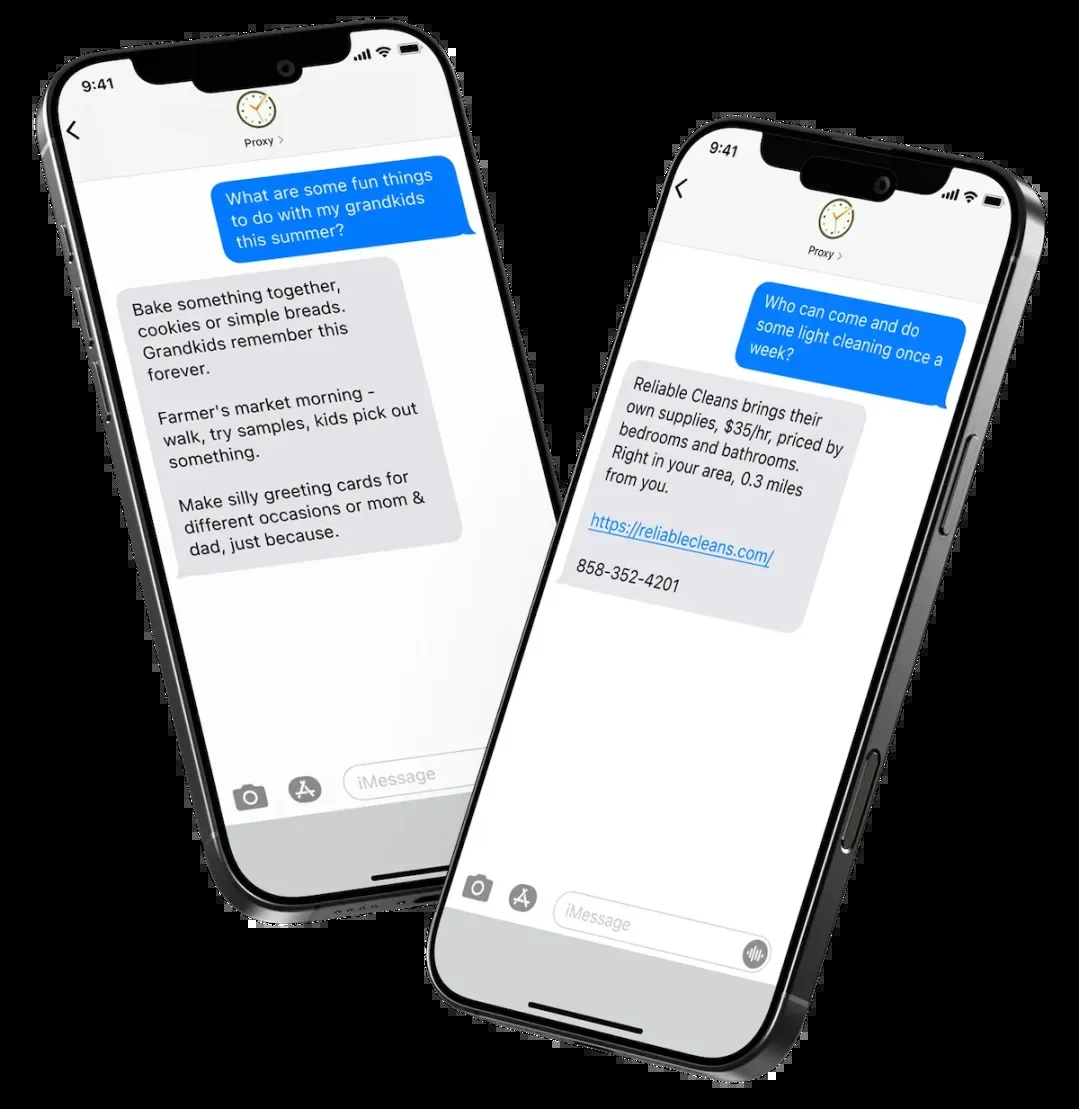
Perhaps the most radical evolution in this space is the move from reactive to proactive assistance. Startups like Ask Proxy and Haven are marketing their services not just as tools, but as 'digital twins' or intuitive partners. Ask Proxy, for instance, claims to 'think like a human,' utilizing a memory graph of user preferences to suggest actions before a request is even made. This is a departure from the 'command-line' style of AI interaction, moving toward a relationship-based model.
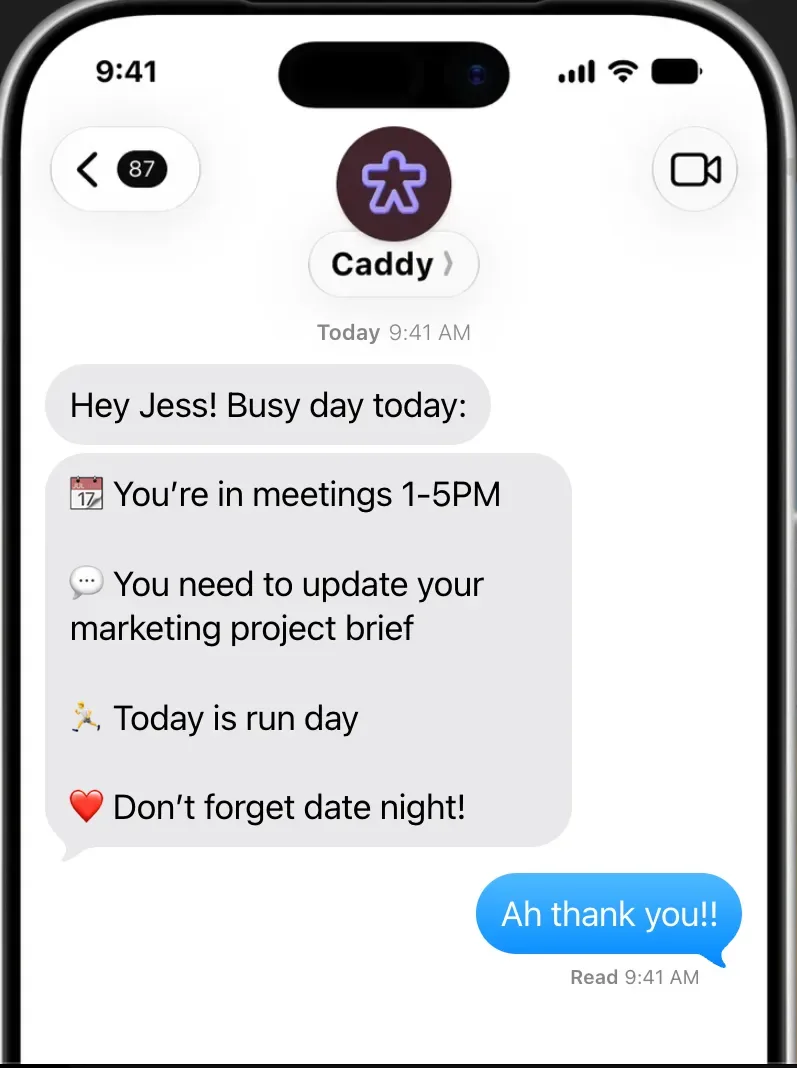
This proactive approach is particularly visible in family-focused tools like Fambot. By aggregating school schedules, meal plans, and sports activities into a single, automated SMS summary, Fambot reduces the cognitive load on parents. These agents are effectively acting as a 'Chief of Staff' for the household, parsing the noise of modern life into actionable, bite-sized updates. The business model here is equally telling: moving away from ad-supported data harvesting toward subscription-based utility, with pricing models that mirror the essential nature of services like Netflix or cloud storage.
The Frictionless Future and the Privacy Paradox
The primary appeal of these agents is the elimination of 'app fatigue.' By living in iMessage, WhatsApp, or Telegram, these agents meet the user where they are, removing the friction of switching contexts. However, this convenience comes with a significant trade-off: the centralization of personal data. When an agent has access to your calendar, your emails, and your private conversations, it becomes a high-value target for security breaches and a point of concern for data privacy advocates.
The industry is currently grappling with how to balance this autonomy with safety. While some companies, like Folk, emphasize their private cloud architecture, others are pushing the boundaries of what is acceptable. The ability for an AI to place phone calls or manage financial accounts on a user's behalf is a double-edged sword. As we move into 2027, the success of these platforms will likely depend less on their technical capabilities and more on their ability to prove that they can act as secure, ethical stewards of our digital identities.
The Road Ahead: What to Watch
As the market matures, we should expect a consolidation of these services. The current landscape is crowded with specialized agents, but the ultimate winner will likely be the one that can provide the most seamless integration across the widest array of services. We are already seeing the early stages of this, with agents beginning to interface with smart home devices and automotive systems, effectively extending their reach from the phone to the physical world.
For the average user, the takeaway is clear: the way we interact with our digital environment is undergoing a permanent change. We are moving away from a world where we serve our devices—constantly tapping, swiping, and updating—to a world where our devices, powered by these agents, serve us. The next year will be a critical testing ground, as these companies move from beta-testing to mass adoption, and as regulators begin to look closer at the implications of autonomous agents operating in our private messaging spaces. The silent revolution is here, and it is arriving one text message at a time.
Trong suốt hai thập kỷ qua, trải nghiệm trên điện thoại thông minh được định hình bởi các "ứng dụng"—một giao diện bị chia cắt, phụ thuộc vào biểu tượng, đòi hỏi sự chú ý liên tục, thao tác thủ công và nhập liệu lặp đi lặp lại. Ngày nay, mô hình đó đang bị phá vỡ bởi một cuộc cách mạng thầm lặng dựa trên văn bản. Một làn sóng tác nhân AI mới, dẫn đầu là kỳ lân trị giá 10 tỷ USD Instinct, đang hoàn toàn bỏ qua kho ứng dụng để nhúng mình trực tiếp vào các luồng tin nhắn nơi chúng ta vốn đã dành phần lớn thời gian trong đời sống số.
Sự thay đổi này không chỉ đơn thuần là thay đổi giao diện; đó là bước tiến căn bản hướng tới điện toán tác nhân (agentic computing). Bằng cách coi AI như một liên hệ trong danh bạ thay vì một phần mềm cần phải mở, các công cụ này đang định vị mình như những đại diện kỹ thuật số. Cho dù là đặt bàn ăn tối, quản lý lịch trình phức tạp của gia đình hay thực hiện các tác vụ nghiên cứu nhiều bước, những tác nhân này được thiết kế để hoạt động như một phần mở rộng ý chí của người dùng, biến giao thức SMS khiêm tốn trở thành hệ điều hành mạnh mẽ nhất hành tinh.
Kiến trúc của ý chí: Từ Chatbot đến Tác nhân
Sự khác biệt giữa một chatbot truyền thống và thế hệ "tác nhân" mới cũng giống như sự khác biệt giữa một thư viện và một trợ lý cá nhân. Trong khi các chatbot dựa trên LLM đời đầu được thiết kế để trả lời câu hỏi, thì các tác nhân mới này được thiết kế để thực thi công việc. Các công ty như Folk và Comma đang xây dựng những hệ thống có khả năng chạy mã, truy cập vào môi trường đám mây riêng và duy trì bộ nhớ dài hạn trên các nền tảng khác nhau. Chúng không chỉ cung cấp thông tin; chúng thực hiện công việc mà thông tin đó yêu cầu.
Instinct, "gã khổng lồ" hiện tại của lĩnh vực này, đã thiết lập tiêu chuẩn vàng cho sự tự hành. Bằng cách cung cấp cho các tác nhân của mình địa chỉ email chuyên dụng, nền tảng này có thể tương tác với thế giới bên ngoài—đăng ký dịch vụ, đàm phán với bộ phận hỗ trợ khách hàng hoặc xác nhận lịch hẹn—mà người dùng không bao giờ cần phải mở trình duyệt. Mức độ ủy quyền này là "chén thánh" của phần mềm năng suất, nhưng nó cũng đưa ra một tầng phức tạp mới. Khi các tác nhân này có khả năng hành động thay mặt chúng ta, sự tin tưởng giữa người dùng và nhà phát triển trở thành loại tiền tệ giá trị nhất trong nền kinh tế công nghệ.
Sự chuyển dịch chủ động: Dự đoán là một dịch vụ
Có lẽ bước tiến triệt để nhất trong không gian này là sự chuyển dịch từ hỗ trợ thụ động sang hỗ trợ chủ động. Các startup như Ask Proxy và Haven đang tiếp thị dịch vụ của họ không chỉ như những công cụ, mà như những "bản sao kỹ thuật số" hoặc đối tác trực giác. Ví dụ, Ask Proxy tuyên bố có khả năng "tư duy như con người", sử dụng biểu đồ bộ nhớ về sở thích của người dùng để gợi ý hành động ngay cả trước khi yêu cầu được đưa ra. Đây là sự rời bỏ phong cách tương tác AI kiểu "dòng lệnh" để tiến tới mô hình dựa trên mối quan hệ.
Cách tiếp cận chủ động này đặc biệt rõ nét trong các công cụ tập trung vào gia đình như Fambot. Bằng cách tổng hợp lịch học, kế hoạch bữa ăn và các hoạt động thể thao vào một bản tóm tắt SMS tự động duy nhất, Fambot giảm bớt gánh nặng nhận thức cho các bậc phụ huynh. Những tác nhân này thực sự đóng vai trò như một "Chánh văn phòng" cho gia đình, phân tích sự ồn ào của cuộc sống hiện đại thành những cập nhật ngắn gọn, dễ thực hiện. Mô hình kinh doanh ở đây cũng rất đáng chú ý: chuyển dịch từ việc thu thập dữ liệu hỗ trợ quảng cáo sang tiện ích dựa trên đăng ký, với các mô hình định giá phản ánh tính thiết yếu của các dịch vụ như Netflix hoặc lưu trữ đám mây.
Tương lai không ma sát và nghịch lý quyền riêng tư
Sức hấp dẫn chính của các tác nhân này là việc loại bỏ "sự mệt mỏi vì ứng dụng". Bằng cách tồn tại trong iMessage, WhatsApp hoặc Telegram, các tác nhân này gặp gỡ người dùng ngay tại nơi họ đang hoạt động, loại bỏ sự ma sát khi phải chuyển đổi ngữ cảnh. Tuy nhiên, sự tiện lợi này đi kèm với một sự đánh đổi đáng kể: sự tập trung hóa dữ liệu cá nhân. Khi một tác nhân có quyền truy cập vào lịch, email và các cuộc trò chuyện riêng tư, nó trở thành mục tiêu giá trị cao cho các vụ vi phạm bảo mật và là điểm đáng lo ngại đối với những người ủng hộ quyền riêng tư dữ liệu.
Ngành công nghiệp hiện đang vật lộn với việc làm thế nào để cân bằng giữa sự tự hành này với tính an toàn. Trong khi một số công ty như Folk nhấn mạnh vào kiến trúc đám mây riêng tư, thì những công ty khác lại đang đẩy giới hạn của những gì được coi là chấp nhận được. Khả năng AI thực hiện các cuộc gọi điện thoại hoặc quản lý tài khoản tài chính thay mặt người dùng là một con dao hai lưỡi. Khi bước sang năm 2027, sự thành công của các nền tảng này có lẽ sẽ phụ thuộc ít hơn vào năng lực kỹ thuật và nhiều hơn vào khả năng chứng minh rằng chúng có thể hành động như những người quản gia đạo đức, an toàn cho danh tính số của chúng ta.
Lộ trình phía trước: Những điều cần theo dõi
Khi thị trường trưởng thành, chúng ta nên kỳ vọng vào sự hợp nhất của các dịch vụ này. Bối cảnh hiện tại đang chật chội với các tác nhân chuyên biệt, nhưng người chiến thắng cuối cùng có lẽ sẽ là đơn vị có thể cung cấp sự tích hợp liền mạch nhất trên phạm vi dịch vụ rộng nhất. Chúng ta đã thấy những giai đoạn đầu của quá trình này, khi các tác nhân bắt đầu giao tiếp với các thiết bị nhà thông minh và hệ thống ô tô, thực sự mở rộng phạm vi hoạt động từ điện thoại ra thế giới vật lý.
Đối với người dùng phổ thông, bài học rút ra rất rõ ràng: cách chúng ta tương tác với môi trường kỹ thuật số đang trải qua một sự thay đổi vĩnh viễn. Chúng ta đang rời xa thế giới mà chúng ta phải phục vụ thiết bị của mình—liên tục chạm, vuốt và cập nhật—để tiến tới một thế giới mà các thiết bị của chúng ta, được vận hành bởi những tác nhân này, sẽ phục vụ chúng ta. Năm tới sẽ là một thử nghiệm quan trọng, khi các công ty này chuyển từ giai đoạn thử nghiệm beta sang áp dụng đại trà, và khi các nhà quản lý bắt đầu xem xét kỹ hơn những tác động của các tác nhân tự hành hoạt động trong không gian nhắn tin riêng tư của chúng ta. Cuộc cách mạng thầm lặng đã ở đây, và nó đang đến từng tin nhắn một.
Pendant près de deux décennies, l'expérience smartphone a été dictée par l'« application » : une interface cloisonnée, centrée sur l'icône, exigeant une attention constante, une navigation manuelle et une saisie de données répétitive. Aujourd'hui, ce paradigme est démantelé par une révolution silencieuse, fondée sur le texte. Une nouvelle vague d'agents IA, menée par la licorne Instinct valorisée à 10 milliards de dollars, contourne totalement l'App Store pour s'immiscer directement dans les fils de discussion où nous passons déjà l'essentiel de notre vie numérique.
Ce basculement représente bien plus qu'une simple évolution d'interface ; c'est une mutation fondamentale vers l'informatique agentique. En traitant l'IA comme un contact dans votre répertoire plutôt que comme un logiciel à ouvrir, ces outils s'imposent comme des mandataires numériques. Qu'il s'agisse de réserver une table au restaurant, de gérer l'agenda complexe d'une famille ou d'effectuer des recherches multi-étapes, ces agents sont conçus pour agir comme le prolongement de l'intention de l'utilisateur, transformant le modeste protocole SMS en le système d'exploitation le plus puissant au monde.
L'architecture de l'intention : des chatbots aux agents
La distinction entre un chatbot traditionnel et cette nouvelle classe d'« agents » est celle qui sépare une bibliothèque d'un assistant personnel. Si les premiers chatbots basés sur les LLM étaient conçus pour répondre à des questions, ces nouveaux agents sont bâtis pour exécuter des tâches. Des entreprises comme Folk ou Comma développent des systèmes capables d'exécuter du code, d'accéder à des environnements cloud privés et de maintenir une mémoire à long terme à travers des plateformes disparates. Ils ne se contentent pas de fournir une information ; ils accomplissent le travail que cette information nécessite.
Instinct, le poids lourd actuel du secteur, a imposé le standard de cette autonomie. En dotant ses agents d'adresses email dédiées, la plateforme peut interagir avec le monde extérieur — s'inscrire à des services, négocier avec un service client ou confirmer des rendez-vous — sans que l'utilisateur n'ait jamais à ouvrir un navigateur. Ce niveau de délégation est le Graal du logiciel de productivité, mais il introduit une nouvelle strate de complexité. À mesure que ces agents gagnent la capacité d'agir en notre nom, la confiance entre l'utilisateur et le développeur devient la monnaie la plus précieuse de l'économie technologique.
Le virage proactif : l'anticipation comme service
L'évolution la plus radicale dans ce domaine est sans doute le passage d'une assistance réactive à une assistance proactive. Des startups comme Ask Proxy et Haven ne commercialisent plus seulement des outils, mais des « jumeaux numériques » ou des partenaires intuitifs. Ask Proxy, par exemple, prétend « penser comme un humain » en utilisant un graphe de mémoire des préférences de l'utilisateur pour suggérer des actions avant même qu'une requête ne soit formulée. On s'éloigne ici de l'interaction de type « ligne de commande » pour privilégier un modèle fondé sur la relation.
Cette approche proactive est particulièrement visible dans les outils dédiés à la famille, comme Fambot. En agrégeant les emplois du temps scolaires, les menus et les activités sportives dans un résumé SMS automatisé, Fambot réduit la charge mentale des parents. Ces agents agissent comme un véritable « chef de cabinet » du foyer, transformant le bruit de la vie moderne en mises à jour actionnables et digestes. Le modèle économique est tout aussi révélateur : on délaisse la collecte de données publicitaires au profit d'un modèle d'utilité par abonnement, aux tarifs comparables à ceux de Netflix ou du stockage cloud.
Le futur sans friction et le paradoxe de la vie privée
L'attrait principal de ces agents réside dans l'élimination de la « fatigue des applications ». En vivant au sein d'iMessage, WhatsApp ou Telegram, ces agents rejoignent l'utilisateur là où il se trouve, supprimant la friction liée au changement de contexte. Cependant, cette commodité s'accompagne d'un compromis majeur : la centralisation des données personnelles. Lorsqu'un agent a accès à votre calendrier, vos emails et vos conversations privées, il devient une cible de choix pour les cyberattaques et un point d'inquiétude pour les défenseurs de la vie privée.
L'industrie tente actuellement de trouver un équilibre entre cette autonomie et la sécurité. Si certaines entreprises, comme Folk, mettent en avant leur architecture cloud privée, d'autres repoussent les limites de ce qui est acceptable. La capacité pour une IA de passer des appels téléphoniques ou de gérer des comptes financiers au nom d'un utilisateur est une arme à double tranchant. À l'horizon 2027, le succès de ces plateformes dépendra moins de leurs prouesses techniques que de leur capacité à prouver qu'elles peuvent agir en tant que gardiens éthiques et sécurisés de nos identités numériques.
La route à suivre : ce qu'il faut surveiller
À mesure que le marché arrivera à maturité, nous devrions assister à une consolidation de ces services. Le paysage actuel est saturé d'agents spécialisés, mais le vainqueur sera probablement celui qui offrira l'intégration la plus fluide sur le plus large éventail de services. Nous en voyons déjà les prémices, avec des agents commençant à interagir avec les objets connectés de la maison et les systèmes automobiles, étendant ainsi leur portée du téléphone au monde physique.
Pour l'utilisateur moyen, la leçon est claire : notre façon d'interagir avec notre environnement numérique est en train de changer durablement. Nous quittons un monde où nous étions au service de nos appareils — à tapoter, balayer et mettre à jour sans cesse — pour un monde où nos appareils, propulsés par ces agents, sont à notre service. L'année à venir sera un terrain d'essai critique, alors que ces entreprises passeront du stade de bêta-test à l'adoption de masse, et que les régulateurs commenceront à examiner de près les implications de ces agents autonomes opérant dans nos espaces de messagerie privés. La révolution silencieuse est en marche, et elle arrive, un SMS à la fois.
Durante casi dos décadas, la experiencia del smartphone ha estado definida por la "aplicación": una interfaz aislada y basada en iconos que exige atención constante, navegación manual y una repetitiva introducción de datos. Hoy, ese paradigma está siendo desmantelado por una silenciosa revolución basada en texto. Una nueva ola de agentes de IA, liderada por el unicornio Instinct, valorado en 10.000 millones de dólares, está evitando por completo la tienda de aplicaciones para integrarse directamente en los hilos de mensajes donde ya transcurre nuestra vida digital.
Este cambio representa mucho más que una simple modificación de la interfaz; es un movimiento fundamental hacia la computación agéntica. Al tratar a la IA como un contacto más en nuestra agenda, en lugar de como un software que hay que abrir, estas herramientas se posicionan como representantes digitales. Ya sea para reservar mesa en un restaurante, gestionar el complejo calendario familiar o ejecutar tareas de investigación de varios pasos, estos agentes están diseñados para funcionar como una extensión de la voluntad del usuario, convirtiendo efectivamente el humilde protocolo SMS en el sistema operativo más potente del planeta.
La arquitectura de la intención: de chatbots a agentes
La distinción entre un chatbot tradicional y la nueva clase de "agentes" es la diferencia entre una biblioteca y un asistente personal. Mientras que los primeros chatbots basados en modelos de lenguaje (LLM) fueron diseñados para responder preguntas, estos nuevos agentes están diseñados para ejecutar tareas. Empresas como Folk y Comma están construyendo sistemas que ejecutan código, acceden a entornos de nube privados y mantienen una memoria a largo plazo a través de plataformas dispares. No solo proporcionan información; realizan el trabajo que dicha información requiere.
Instinct, el actual peso pesado del sector, ha establecido el estándar de oro para esta autonomía. Al proporcionar a sus agentes direcciones de correo electrónico dedicadas, la plataforma puede interactuar con el mundo exterior —registrándose en servicios, negociando con atención al cliente o confirmando citas— sin que el usuario necesite abrir un navegador. Este nivel de delegación es el "santo grial" del software de productividad, aunque introduce una nueva capa de complejidad. A medida que estos agentes adquieren la capacidad de actuar en nuestro nombre, la confianza entre el usuario y el desarrollador se convierte en la moneda más valiosa de la economía tecnológica.
El giro proactivo: la anticipación como servicio
Quizás la evolución más radical en este espacio sea el paso de la asistencia reactiva a la proactiva. Startups como Ask Proxy y Haven comercializan sus servicios no solo como herramientas, sino como "gemelos digitales" o socios intuitivos. Ask Proxy, por ejemplo, afirma "pensar como un humano", utilizando un grafo de memoria de las preferencias del usuario para sugerir acciones incluso antes de que se realice una petición. Se trata de un alejamiento del estilo de interacción con la IA basado en "línea de comandos", avanzando hacia un modelo basado en relaciones.
Este enfoque proactivo es especialmente visible en herramientas centradas en la familia como Fambot. Al agregar horarios escolares, planes de comidas y actividades deportivas en un único resumen automatizado por SMS, Fambot reduce la carga cognitiva de los padres. Estos agentes actúan efectivamente como un "jefe de gabinete" para el hogar, analizando el ruido de la vida moderna para convertirlo en actualizaciones breves y accionables. El modelo de negocio aquí es igualmente revelador: alejarse de la recolección de datos financiada por publicidad hacia una utilidad basada en suscripción, con modelos de precios que reflejan la naturaleza esencial de servicios como Netflix o el almacenamiento en la nube.
El futuro sin fricciones y la paradoja de la privacidad
El principal atractivo de estos agentes es la eliminación de la "fatiga de las aplicaciones". Al vivir en iMessage, WhatsApp o Telegram, estos agentes encuentran al usuario donde ya está, eliminando la fricción de cambiar de contexto. Sin embargo, esta comodidad conlleva un compromiso importante: la centralización de los datos personales. Cuando un agente tiene acceso a su calendario, sus correos electrónicos y sus conversaciones privadas, se convierte en un objetivo de alto valor para las brechas de seguridad y en un motivo de preocupación para los defensores de la privacidad.
La industria se enfrenta actualmente al reto de equilibrar esta autonomía con la seguridad. Mientras que algunas empresas, como Folk, enfatizan su arquitectura de nube privada, otras están traspasando los límites de lo aceptable. La capacidad de una IA para realizar llamadas telefónicas o gestionar cuentas financieras en nombre de un usuario es un arma de doble filo. A medida que avanzamos hacia 2027, el éxito de estas plataformas dependerá probablemente menos de sus capacidades técnicas y más de su habilidad para demostrar que pueden actuar como administradores seguros y éticos de nuestras identidades digitales.
El camino por delante: qué observar
A medida que el mercado madure, debemos esperar una consolidación de estos servicios. El panorama actual está abarrotado de agentes especializados, pero el ganador final será probablemente aquel que pueda ofrecer la integración más fluida a través de la mayor variedad de servicios. Ya estamos viendo las primeras etapas de esto, con agentes que comienzan a interactuar con dispositivos domésticos inteligentes y sistemas automotrices, extendiendo efectivamente su alcance desde el teléfono al mundo físico.
Para el usuario medio, la conclusión es clara: la forma en que interactuamos con nuestro entorno digital está experimentando un cambio permanente. Nos alejamos de un mundo en el que servimos a nuestros dispositivos —tocando, deslizando y actualizando constantemente— hacia un mundo en el que nuestros dispositivos, potenciados por estos agentes, nos sirven a nosotros. El próximo año será un campo de pruebas crítico, a medida que estas empresas pasen de las pruebas beta a la adopción masiva y los reguladores comiencen a examinar más de cerca las implicaciones de los agentes autónomos operando en nuestros espacios de mensajería privada. La revolución silenciosa ya está aquí, y llega mensaje a mensaje.
在过去的二十年里,智能手机的使用体验一直由“App”所定义——这是一种孤立的、以图标为导向的界面,需要用户不断地关注、手动导航和重复输入数据。如今,这一范式正被一场静默的、基于文本的革命所瓦解。以估值100亿美元的独角兽企业Instinct为首,新一波AI代理正完全绕过应用商店,直接嵌入到我们早已习惯的数字生活空间——即时通讯对话框中。
这种转变不仅仅是界面的更迭,更是向“代理式计算”(agentic computing)迈出的根本性一步。通过将AI视为通讯录中的一个联系人,而非一个需要专门打开的软件,这些工具正在将自己定位为数字代理人。无论是预订晚餐、管理复杂的家庭日程,还是执行多步骤的研究任务,这些代理都被设计为用户意图的延伸,有效地将简陋的短信协议变成了地球上最强大的操作系统。
意图的架构:从聊天机器人到代理
传统聊天机器人与新一代“代理”之间的区别,正如图书馆与私人助理的区别。早期的基于大语言模型(LLM)的聊天机器人旨在回答问题,而这些新代理旨在执行任务。像Folk和Comma这样的公司正在构建能够运行代码、访问私有云环境并跨平台维护长期记忆的系统。它们不仅仅提供信息,更是在执行信息所驱动的实际工作。
作为该领域的重量级选手,Instinct为这种自主性树立了黄金标准。通过为代理提供专属的电子邮件地址,该平台能够与外部世界进行交互——无论是注册服务、与客服沟通还是确认预约——用户完全无需打开浏览器。这种授权水平是生产力软件的“圣杯”,但也引入了新的复杂性。随着这些代理获得代表我们行事的权力,用户与开发者之间的信任,已成为科技经济中最宝贵的货币。
主动式转变:将“预判”作为一种服务
这一领域最激进的演变,或许是从被动响应向主动协助的跨越。Ask Proxy和Haven等初创公司不仅将自己定位为工具,更将其营销为“数字孪生”或直觉型伙伴。例如,Ask Proxy声称能够“像人类一样思考”,利用用户偏好的记忆图谱,在用户提出要求之前就主动建议行动。这标志着AI交互从“命令行”风格向基于关系的模式转变。
这种主动式方法在Fambot等家庭类工具中表现得尤为明显。通过将学校日程、膳食计划和体育活动汇总为简明扼要的自动短信摘要,Fambot显著减轻了家长的认知负担。这些代理实际上充当了家庭的“幕僚长”,将现代生活的琐碎噪音解析为可执行的碎片化更新。其商业模式同样具有启示意义:从依赖广告的数据收割转向基于订阅的实用主义,定价模式更接近Netflix或云存储等基础服务。
无摩擦的未来与隐私悖论
这些代理的核心吸引力在于消除了“应用疲劳”。通过驻留在iMessage、WhatsApp或Telegram中,这些代理在用户所在的地方提供服务,消除了切换上下文的摩擦。然而,这种便利伴随着巨大的权衡:个人数据的集中化。当一个代理拥有访问你的日历、邮件和私人对话的权限时,它就成了安全漏洞的高价值目标,也成为了数据隐私倡导者担忧的焦点。
目前,整个行业正在努力平衡这种自主性与安全性。虽然像Folk这样的公司强调其私有云架构,但其他公司正在挑战可接受的边界。AI代表用户拨打电话或管理财务账户的能力是一把双刃剑。随着我们迈向2027年,这些平台的成功可能不再取决于其技术能力,而取决于它们能否证明自己能够成为我们数字身份的安全且合乎道德的管家。
前路展望:值得关注的趋势
随着市场成熟,我们预计这些服务将出现整合。目前的市场充斥着各类专业化代理,但最终的赢家很可能是那些能在最广泛的服务范围内提供无缝集成的平台。我们已经看到了这一趋势的早期迹象,代理开始与智能家居设备和汽车系统进行交互,有效地将其触角从手机延伸到了物理世界。
对于普通用户而言,结论很明确:我们与数字环境的互动方式正在发生永久性的改变。我们正在告别那个必须时刻服务于设备——不断点击、滑动和更新——的世界,转而进入一个由这些代理驱动的、设备服务于我们的时代。未来一年将是关键的测试场,随着这些公司从内测转向大规模普及,监管机构也将开始密切关注这些自主代理在私人通讯空间中运作所带来的影响。静默的革命已经到来,且正伴随着每一条短信悄然降临。
Editorial Standards & Multi-Language Synthesis: This dispatch was synthesized and fact-checked by the ParisDaily Editorial Desk across 5 global editions (EN, FR, VI, ES, ZH), cross-referencing primary international wire reports and real-time search intelligence.