Lights, Camera, Treaty: Inside the High-Stakes Relaunch of the Australian Film Festival of India
As the India-Australia Audio Visual Co-Production Treaty takes effect, the Australian Film Festival of India returns from its COVID-era hiatus with multi-city bootcamps designed to unite two cinematic powerhouses.
Khi Hiệp ước Đồng sản xuất Nghe nhìn Ấn Độ - Úc chính thức có hiệu lực, Liên hoan Phim Úc tại Ấn Độ (AFFI) đã trở lại sau thời gian gián đoạn vì đại dịch bằng chuỗi hội trại điện ảnh đa đô thị, nhằm hợp nhất hai cường quốc điện ảnh lớn.
Alors que le traité de coproduction audiovisuelle entre l'Inde et l'Australie entre en vigueur, le Festival du film australien en Inde sort de sa torpeur pandémique. Il revient avec une série de bootcamps itinérants destinés à unir deux géants du septième art.
Con la entrada en vigor del Tratado de Coproducción Audiovisual entre India y Australia, el Festival de Cine Australiano de la India regresa tras su pausa pandémica con una serie de "bootcamps" en varias ciudades. El objetivo es unir a dos potencias cinematográficas bajo un nuevo marco de colaboración estratégica.
随着《印度-澳大利亚视听合拍条约》正式生效,澳大利亚印度电影节(AFFI)在经历疫情停摆后强势回归,通过多城巡回训练营旨在将两大电影强国深度联结。此次重启不仅是文化交流的复苏,更是一场旨在重塑亚太影视产业格局的商业与外交盛事。
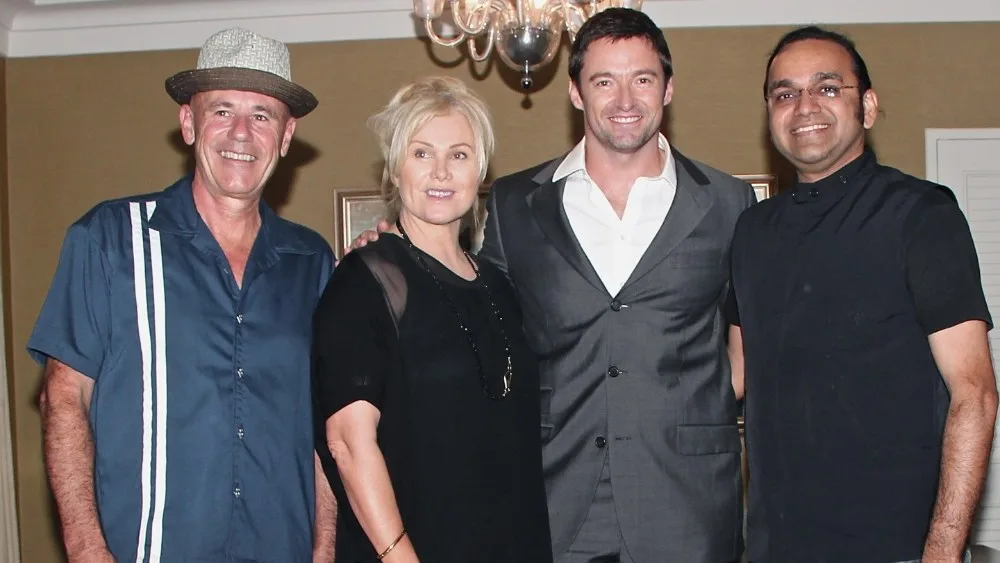
- The Australian Film Festival of India (AFFI) has officially returned after a prolonged pandemic-era hiatus, staging major screenings across prominent Indian metropolitan centers through December 22.
- A major cornerstone of the relaunch is the Screen Australia-backed Australian Cinema Bootcamp series, hitting Bengaluru, Hyderabad, and Trivandrum to court Indian producers, investors, and VFX houses.
- The diplomatic and financial catalyst is the newly operational India-Australia Audio Visual Co-Production Treaty, which pairs Australia's lucrative 40% Producer Offset with India's massive storytelling engine.
- High-profile industry leaders—including Screen Australia COO Grainne Brunsdon, Ausfilm CEO Kate Marks, and festival veterans Anupam Sharma and Peter Castaldi—are driving the bilateral push.
- Liên hoan Phim Úc tại Ấn Độ (AFFI) đã chính thức trở lại sau thời gian dài gián đoạn do đại dịch, tổ chức các suất chiếu lớn tại các trung tâm đô thị nổi bật của Ấn Độ từ nay đến ngày 22 tháng 12.
- Trọng tâm của chiến lược tái khởi động là chuỗi Hội trại Điện ảnh Úc do Screen Australia hậu thuẫn, diễn ra tại Bengaluru, Hyderabad và Trivandrum nhằm thu hút các nhà sản xuất, nhà đầu tư và xưởng kỹ xảo (VFX) Ấn Độ.
- Chất xúc tác về ngoại giao và tài chính chính là Hiệp ước Đồng sản xuất Nghe nhìn Ấn Độ - Úc mới đi vào hoạt động, kết hợp khoản Hoàn thuế Nhà sản xuất 40% vô cùng hấp dẫn của Úc với cỗ máy kể chuyện khổng lồ của Ấn Độ.
- Các nhân vật sừng sỏ trong ngành — bao gồm Giám đốc Vận hành Screen Australia Grainne Brunsdon, Giám đốc điều hành Ausfilm Kate Marks, cùng những tên tuổi kỳ cựu của liên hoan phim là Anupam Sharma và Peter Castaldi — đang thúc đẩy mạnh mẽ mối quan hệ song phương này.
- Le Festival du film australien en Inde (AFFI) fait son grand retour après une longue interruption due à la pandémie, avec des projections majeures dans les grandes métropoles indiennes jusqu'au 22 décembre.
- La pierre angulaire de cette relance est la série de « Australian Cinema Bootcamps », soutenue par Screen Australia, qui sillonne Bengaluru, Hyderabad et Trivandrum pour séduire producteurs, investisseurs et studios d'effets visuels indiens.
- Le catalyseur diplomatique et financier est le nouveau traité de coproduction audiovisuelle indo-australien, qui associe le lucratif « Producer Offset » australien (40 %) à l'immense moteur narratif indien.
- Des figures de proue de l'industrie — dont Grainne Brunsdon (COO de Screen Australia), Kate Marks (CEO d'Ausfilm) et les vétérans du festival Anupam Sharma et Peter Castaldi — pilotent cette offensive bilatérale.
- El Festival de Cine Australiano de la India (AFFI) ha regresado oficialmente tras una larga pausa por la pandemia, organizando proyecciones en los principales centros metropolitanos indios hasta el 22 de diciembre.
- Un pilar fundamental del relanzamiento es la serie de "bootcamps" de cine australiano, respaldada por Screen Australia, que recorre Bengaluru, Hyderabad y Trivandrum para atraer a productores, inversores y estudios de efectos visuales (VFX) indios.
- El catalizador diplomático y financiero es el nuevo Tratado de Coproducción Audiovisual entre India y Australia, que combina el lucrativo "Producer Offset" del 40% de Australia con el masivo motor narrativo de la India.
- Líderes de la industria, como la directora de operaciones de Screen Australia, Grainne Brunsdon, la CEO de Ausfilm, Kate Marks, y los veteranos del festival Anupam Sharma y Peter Castaldi, lideran este impulso bilateral.
- 澳大利亚印度电影节(AFFI)在经历长期疫情中断后正式回归,并将于12月22日前在印度多个主要大都市举行大规模展映。
- 此次重启的核心亮点是由澳大利亚电影局(Screen Australia)支持的“澳大利亚电影训练营”,该活动正深入班加罗尔、海得拉巴和特里凡得琅,旨在吸引印度制片人、投资者及视觉特效公司。
- 外交与金融层面的催化剂是新近生效的《印度-澳大利亚视听合拍条约》,该条约将澳大利亚极具吸引力的40%制片人抵扣政策与印度庞大的叙事引擎成功对接。
- 包括澳大利亚电影局首席运营官Grainne Brunsdon、Ausfilm首席执行官Kate Marks以及电影节资深人士Anupam Sharma和Peter Castaldi在内的行业领袖,正共同推动这一双边合作进程。
When the curtain rose on the inaugural edition of the Australian Film Festival of India (AFFI) in Mumbai back in 2011, it did so under the formidable patronage of Hollywood star Hugh Jackman, setting a high watermark for cross-continental cultural diplomacy. Over the intervening years, subsequent iterations of the festival drew heavy artistic and institutional muscle from industry luminaries such as Baz Luhrmann and Phillip Noyce. Yet, like much of the live global entertainment apparatus, the festival ground to an indefinite halt during the pandemic disruptions, leaving a palpable vacuum in bilateral cinematic exchange between two of the world's most vibrant film cultures. Now, following a carefully orchestrated revival led by festival director Peter Castaldi and founding creative director Anupam Sharma, AFFI has returned with an aggressive mandate that stretches far beyond mere retrospectives and red-carpet screenings.
Staging curated film showcases and industry panels across multiple Indian cities through December 22, the festival's triumphant comeback coincides precisely with the formal operational rollout of the landmark India-Australia Audio Visual Co-Production Treaty. This diplomatic milestone has effectively transformed AFFI from a boutique cultural showcase into a high-stakes commercial conduit. Backed by institutional heavyweights including Disney Studios, Ausfilm, the City of Perth, and the University of New South Wales, the festival is no longer just celebrating shared artistic sensibilities; it is actively constructing the financial and legal plumbing for multi-million-dollar cross-border franchises. With advisory council members of the caliber of producer Lori Fesker, actor-producer Viveck Vaswani, and cultural leaders Vinod Daniel OAM and Sonia Gandhi guiding its trajectory, the festival stands at the vanguard of a lucrative new era in international filmmaking partnerships.
Decoding the Financial Engineering and Incentive Structures
At the beating heart of AFFI’s new industry strand is the Screen Australia-backed Australian Cinema Bootcamp, a rigorous, full-day educational and networking tour hitting key southern and western hubs including Bengaluru, Hyderabad, and Trivandrum, with additional metropolitan stops slated. These masterclasses are meticulously tailored for Indian producers, directors, institutional investors, distributors, and specialized visual effects (VFX) and post-production houses. Rather than focusing purely on abstract artistic collaboration, the bootcamps drill down into the granular mechanics of international finance: how to successfully co-produce under the new bilateral treaty, how to channel Indian capital into Australian productions and hybrid cross-border projects, and how to exploit state and federal government incentives.
Chief among these financial incentives is Australia’s formidable Producer Offset, a government-backed mechanism that refunds up to 40% of qualifying local expenditure on eligible feature films. When coupled with lucrative state-level attraction grants and regional funds, the fiscal architecture drastically minimizes the risk profile for risk-averse private equity and studio investors. Grainne Brunsdon, Chief Operating Officer of Screen Australia, underscored the strategic timing of these initiatives following a dedicated delegation of Australian producers at the recent WAVES Film Bazaar in Goa. By demonstrating how bilateral co-productions can leverage both nations' financial cushions, the initiative is effectively rewriting the calculus for how independent and studio-backed features are capitalized in the Asia-Pacific region.
Bridging Hollywood-Scale Infrastructure with Bollywood Dynamism
For decades, Indian cinema has commanded global box offices through sheer domestic volume, vibrant narrative traditions, and deeply entrenched cultural loyalties. However, as global audiences increasingly demand Hollywood-grade spectacle and seamless technical finish, Indian storytellers are continuously searching for expanded canvases and state-of-the-art post-production ecosystems. Australia offers precisely this rare combination: world-class technical crews, cutting-edge VFX facilities, and an institutional framework that guarantees adherence to strict international delivery schedules and budgets. Ausfilm CEO Kate Marks emphasized that Australia's national film commission is fully mobilized to assist Indian filmmakers in tapping into these deep-bench production capabilities, bridging the operational gap between Mumbai's bustling studios and Sydney's world-class post-production suites.
This synergy was a central theme championed by Anupam Sharma, whose film 'Brand Bollywood Downunder' features prominently in the festival's screening schedule alongside Australia's official international feature Oscar submission, 'First Light,' and the Brett Lee-starrer 'UnIndian.' Sharma noted that the ultimate ambition is to see "Indian money, Indian stories and Australian know-how in the same film, on screens around the world." By spotlighting successful Australian-Indian diaspora talent—including producers Chetan Oberoi and Yogi Devgan—the festival is actively dismantling the historical barriers that once kept Commonwealth film industries operating in isolated silos, proving that cross-cultural fertilization yields commercially potent results.
Institutional Alliances and the Road Ahead for Transnational Cinema
The institutional embrace of AFFI's new mandate has been swift and comprehensive. Major regional powerhouses have embedded themselves directly into the festival's operational footprint, with the prestigious International Film Festival of Kerala curating a specialized slate of contemporary Australian titles alongside high-level bilateral panels, while legendary institutions like AVM Studios and partner Shanmugam are hosting the critical Chennai leg. These partnerships ensure that the festival's artistic offerings are matched by substantive B2B engagement, drawing critical mass from South India's powerhouse technical and creative communities.
As Peter Castaldi and his team look toward the future, the primary objective is to institutionalize these collaborative pathways so that the momentum generated by the new co-production treaty translates into sustained, multi-year production slates. By intentionally elevating a rapidly expanding cadre of Australian screen talent with deep roots in the Indian subcontinent, AFFI is positioning itself as the indispensable matchmaker for the next generation of global cinema. For investors, producers, and auteurs watching from both sides of the Indian Ocean, the message is unequivocal: the bureaucratic hurdles have fallen, the financial incentives are locked in place, and the canvas for transcontinental storytelling has never been wider.
Khi tấm màn nhung kéo lên trong lễ khai mạc Liên hoan Phim Úc tại Ấn Độ (AFFI) tại Mumbai hồi năm 2011, sự kiện diễn ra dưới sự bảo trợ uy tín của ngôi sao Hollywood Hugh Jackman, thiết lập một chuẩn mực cao cho hoạt động ngoại giao văn hóa xuyên lục địa. Trong những năm tiếp theo, các kỳ liên hoan tiếp theo đã huy động nguồn lực nghệ thuật và thể chế hùng hậu từ những tên tuổi lớn trong ngành như Baz Luhrmann và Phillip Noyce. Thế nhưng, giống như phần lớn bộ máy giải trí trực tiếp toàn cầu, liên hoan phim đã phải tạm dừng vô thời hạn trong thời gian đại dịch bùng phát, tạo ra một khoảng trống rõ rệt trong giao lưu điện ảnh song phương giữa hai nền văn hóa điện ảnh sôi động bậc nhất thế giới. Giờ đây, sau một quá trình hồi sinh được dàn dựng công phu do Giám đốc liên hoan Peter Castaldi và Giám đốc sáng tạo kiêm nhà sáng lập Anupam Sharma dẫn dắt, AFFI đã trở lại với một sứ mệnh mạnh mẽ vượt xa các buổi chiếu hồi tưởng và thảm đỏ thông thường.
Tổ chức các buổi giới thiệu phim tuyển chọn và hộipanel ngành tại nhiều thành phố của Ấn Độ cho đến ngày 22 tháng 12, sự trở lại ngoạn mục của liên hoan diễn ra đúng thời điểm Hiệp ước Đồng sản xuất Nghe nhìn Ấn Độ - Úc mang tính bước ngoặt chính thức đi vào hoạt động. Cột mốc ngoại giao này đã biến AFFI từ một không gian văn hóa mang tính boutique thành một huyết mạch thương mại đầy rủi ro và cơ hội. Được hậu thuẫn bởi các "ông lớn" trong ngành như Disney Studios, Ausfilm, Thành phố Perth và Đại học New South Wales, liên hoan không chỉ đơn thuần tôn vinh gu thẩm mỹ nghệ thuật chung mà còn đang tích cực xây dựng nền tảng tài chính và pháp lý cho các thương hiệu xuyên biên giới trị giá hàng triệu đô la. Với sự đồng hành của các thành viên hội đồng cố vấn tầm cỡ như nhà sản xuất Lori Fesker, diễn viên kiêm nhà sản xuất Viveck Vaswani và các nhà lãnh đạo văn hóa Vinod Daniel OAM cùng Sonia Gandhi, liên hoan đang đứng ở tuyến đầu của một kỷ nguyên vàng son mới trong các mối quan hệ hợp tác làm phim quốc tế.
Giải mã kỹ thuật tài chính và cấu trúc ưu đãi
Trái tim trong mảng công nghiệp mới của AFFI là Hội trại Điện ảnh Úc do Screen Australia hậu thuẫn — một chuyến lưu diễn giáo dục và kết nối toàn diện, kéo dài một ngày, đi qua các trung tâm miền nam và miền tây quan trọng bao gồm Bengaluru, Hyderabad và Trivandrum, cùng các điểm dừng chân đô thị khác được lên kế hoạch. Các lớp học chuyên sâu này được thiết kế tỉ mỉ dành riêng cho các nhà sản xuất, đạo diễn, nhà đầu tư tổ chức, nhà phân phối, cũng như các xưởng hậu kỳ và kỹ xảo hình ảnh (VFX) chuyên biệt của Ấn Độ. Thay vì chỉ tập trung vào sự hợp tác nghệ thuật trừu tượng, các hội trại đi sâu vào cơ chế chi tiết của tài chính quốc tế: cách đồng sản xuất thành công theo hiệp ước song phương mới, cách rót vốn từ Ấn Độ vào các tác phẩm của Úc và các dự án lai xuyên biên giới, cũng như cách tận dụng các ưu đãi từ chính phủ bang và liên bang.
Quan trọng nhất trong số các ưu đãi tài chính này là cơ chế Hoàn thuế Nhà sản xuất đầy sức nặng của Úc, một cơ chế được chính phủ bảo trợ nhằm hoàn trả tới 40% chi phí nội địa hợp lệ cho các bộ phim truyện đủ điều kiện. Khi kết hợp với các khoản trợ cấp thu hút cấp tiểu bang và quỹ khu vực sinh lợi, kiến trúc tài chính này giúp giảm thiểu đáng kể mức độ rủi ro cho các nhà đầu tư cổ phần tư nhân và hãng phim vốn thận trọng trước rủi ro. Bà Grainne Brunsdon, Giám đốc Vận hành của Screen Australia, đã nhấn mạnh thời điểm chiến lược của các Sáng kiến này sau khi một phái đoàn chuyên biệt gồm các nhà sản xuất Úc tham gia Chợ Phim WAVES gần đây tại Goa. Bằng cách chứng minh cách các bộ phim đồng sản xuất song phương có thể tận dụng cả hai chiếc đệm tài chính của hai quốc gia, sáng kiến này đang thực sự viết lại cách tính toán về cách thức vốn hóa các bộ phim độc lập và phim hãng tại khu vực Châu Á - Thái Bình Dương.
Thu hẹp khoảng cách giữa cơ sở hạ tầng tầm cỡ Hollywood và sức sống của Bollywood
Trong nhiều thập kỷ, điện ảnh Ấn Độ đã thống trị các phòng vé toàn cầu nhờ doanh thu nội địa khổng lồ, truyền thống tự sự sôi động và lòng trung thành văn hóa sâu sắc. Tuy nhiên, khi khán giả toàn cầu ngày càng đòi hỏi những màn trình diễn hoành tráng tầm cỡ Hollywood và chất lượng kỹ thuật liền mạch, các nhà kể chuyện Ấn Độ liên tục tìm kiếm những không gian sáng tạo rộng lớn hơn và hệ sinh thái hậu kỳ tối tân. Úc mang đến chính xác sự kết hợp hiếm có này: các đoàn làm phim kỹ thuật đẳng cấp thế giới, các cơ sở VFX tiên tiến và một khung thể chế đảm bảo tuân thủ các lịch trình và ngân sách quốc tế nghiêm ngặt. Giám đốc điều hành Ausfilm Kate Marks nhấn mạnh rằng ủy ban điện ảnh quốc gia Úc đã huy động toàn lực để hỗ trợ các nhà làm phim Ấn Độ tiếp cận năng lực sản xuất chuyên sâu này, thu hẹp khoảng cách vận hành giữa các hãng phim nhộn nhịp ở Mumbai và các phòng thu hậu kỳ đẳng cấp thế giới ở Sydney.
Sự cộng hưởng này là chủ đề trung tâm được đề cao bởi Anupam Sharma, người có bộ phim 'Brand Bollywood Downunder' được chiếu nổi bật trong lịch trình của liên hoan cùng với tác phẩm đại diện cho Úc tranh giải Phim truyện Quốc tế xuất sắc nhất tại Oscar là 'First Light', và bộ phim có sự tham gia của Brett Lee là 'UnIndian'. Sharma lưu ý rằng tham vọng cuối cùng là được nhìn thấy "vốn Ấn Độ, câu chuyện Ấn Độ và bí quyết của Úc trong cùng một bộ phim, trên các màn ảnh khắp thế giới." Bằng cách tôn vinh những tài năng kiều bào Úc - Ấn thành công — bao gồm các nhà sản xuất Chetan Oberoi và Yogi Devgan — liên hoan phim đang tích cực dỡ bỏ những rào cản lịch sử từng khiến các ngành công nghiệp điện ảnh Khối Thịnh vượng chung hoạt động trong các không gian biệt lập, chứng minh rằng sự giao thoa văn hóa sẽ mang lại những kết quả thương mại vô cùng mạnh mẽ.
Liên minh thể chế và con đường phía trước cho điện ảnh xuyên quốc gia
Sự đón nhận mang tính thể chế đối với sứ mệnh mới của AFFI diễn ra vô cùng nhanh chóng và toàn diện. Các cường quốc khu vực lớn đã trực tiếp nhúng sâu vào dấu ấn vận hành của liên hoan, với Liên hoan Phim Quốc tế Kerala uy tín tuyển chọn một nhóm phim đương đại Úc chuyên biệt bên cạnh các phiên họp song phương cấp cao, trong khi các tổ chức huyền thoại như AVM Studios và đối tác Shanmugam đang đăng cai chặng Chennai đầy trọng yếu. Những sự hợp tác này đảm bảo rằng các nội dung nghệ thuật của liên hoan được song hành bằng các hoạt động B2B thực chất, thu hút khối lượng lớn từ cộng đồng kỹ thuật và sáng tạo hùng mạnh của Nam Ấn Độ.
Khi Peter Castaldi và đội ngũ hướng về tương lai, mục tiêu chính là thể chế hóa các con đường hợp tác này để đà tăng trưởng do hiệp ước đồng sản xuất mới tạo ra sẽ chuyển hóa thành các dòng sản phẩm sản xuất bền vững trong nhiều năm. Bằng cách cố ý nâng tầm một đội ngũ tài năng màn ảnh Úc đang mở rộng nhanh chóng với gốc rễ sâu bám tại tiểu lục địa Ấn Độ, AFFI đang tự định vị mình là nhân tố kết nối không thể thiếu cho thế hệ điện ảnh toàn cầu tiếp theo. Đối với các nhà đầu tư, nhà sản xuất và tác giả đang theo dõi từ cả hai phía Ấn Độ Dương, thông điệp đưa ra là hoàn toàn rõ ràng: các rào cản quan chức đã sụp đổ, các ưu đãi tài chính đã được khóa chặt, và không gian cho việc kể chuyện xuyên lục địa chưa bao giờ rộng mở đến thế.
Lorsque le rideau s'est levé sur l'édition inaugurale du Festival du film australien en Inde (AFFI) à Mumbai en 2011, ce fut sous le patronage prestigieux de la star hollywoodienne Hugh Jackman, plaçant la barre très haut en matière de diplomatie culturelle transcontinentale. Au fil des années, les éditions suivantes ont attiré des pointures artistiques et institutionnelles telles que Baz Luhrmann et Phillip Noyce. Pourtant, comme une grande partie de l'appareil mondial du spectacle vivant, le festival a été brutalement mis à l'arrêt par la pandémie, laissant un vide palpable dans les échanges cinématographiques entre deux des cultures filmiques les plus vibrantes au monde. Aujourd'hui, après une renaissance minutieusement orchestrée par le directeur du festival Peter Castaldi et le directeur créatif fondateur Anupam Sharma, l'AFFI revient avec un mandat ambitieux qui dépasse largement le cadre des simples rétrospectives et des tapis rouges.
En organisant des sélections de films et des panels industriels dans plusieurs villes indiennes jusqu'au 22 décembre, le retour triomphal du festival coïncide précisément avec l'entrée en vigueur du traité historique de coproduction audiovisuelle entre l'Inde et l'Australie. Ce jalon diplomatique a transformé l'AFFI, passant d'une vitrine culturelle de niche à un véritable canal commercial à enjeux élevés. Soutenu par des poids lourds institutionnels tels que Disney Studios, Ausfilm, la ville de Perth et l'Université de Nouvelle-Galles du Sud, le festival ne se contente plus de célébrer des sensibilités artistiques partagées ; il construit activement l'infrastructure financière et juridique nécessaire à des franchises transfrontalières de plusieurs millions de dollars. Avec des membres du conseil consultatif de la trempe de la productrice Lori Fesker, de l'acteur et producteur Viveck Vaswani, et des leaders culturels Vinod Daniel OAM et Sonia Gandhi pour guider sa trajectoire, le festival se place à l'avant-garde d'une nouvelle ère lucrative pour les partenariats cinématographiques internationaux.
Décoder l'ingénierie financière et les structures d'incitation
Au cœur du nouveau volet industriel de l'AFFI se trouve l'« Australian Cinema Bootcamp », soutenu par Screen Australia : une tournée éducative et de réseautage intensive d'une journée qui fait escale dans des pôles clés du sud et de l'ouest, notamment Bengaluru, Hyderabad et Trivandrum, avec d'autres étapes métropolitaines prévues. Ces masterclasses sont méticuleusement conçues pour les producteurs, réalisateurs, investisseurs institutionnels, distributeurs et maisons de post-production et d'effets visuels (VFX) indiens. Plutôt que de se concentrer uniquement sur une collaboration artistique abstraite, ces bootcamps explorent les rouages concrets de la finance internationale : comment coproduire avec succès sous l'égide du nouveau traité bilatéral, comment canaliser les capitaux indiens vers des productions australiennes ou des projets hybrides, et comment exploiter les incitations des gouvernements fédéraux et des États.
L'élément central de ces incitations financières est le redoutable « Producer Offset » australien, un mécanisme soutenu par le gouvernement qui rembourse jusqu'à 40 % des dépenses locales admissibles pour les longs métrages éligibles. Lorsqu'il est couplé à des subventions attractives au niveau des États et à des fonds régionaux, cette architecture fiscale réduit drastiquement le profil de risque pour les investisseurs en capital-investissement et les studios. Grainne Brunsdon, directrice des opérations de Screen Australia, a souligné le timing stratégique de ces initiatives après la délégation de producteurs australiens présente au récent WAVES Film Bazaar à Goa. En démontrant comment les coproductions bilatérales peuvent tirer parti des coussins financiers des deux nations, l'initiative réécrit efficacement le calcul de la capitalisation des films indépendants et des studios dans la région Asie-Pacifique.
Relier l'infrastructure hollywoodienne au dynamisme de Bollywood
Pendant des décennies, le cinéma indien a dominé les box-offices mondiaux grâce à son volume domestique, ses traditions narratives vibrantes et ses loyautés culturelles profondément ancrées. Cependant, alors que le public mondial exige de plus en plus des spectacles de qualité hollywoodienne et une finition technique irréprochable, les conteurs indiens sont constamment à la recherche de nouveaux horizons et d'écosystèmes de post-production de pointe. L'Australie offre précisément cette combinaison rare : des équipes techniques de classe mondiale, des installations VFX de pointe et un cadre institutionnel garantissant le respect de calendriers de livraison et de budgets internationaux stricts. La PDG d'Ausfilm, Kate Marks, a souligné que la commission nationale du film australien est pleinement mobilisée pour aider les cinéastes indiens à exploiter ces capacités de production, comblant ainsi le fossé opérationnel entre les studios animés de Mumbai et les suites de post-production de classe mondiale de Sydney.
Cette synergie était un thème central défendu par Anupam Sharma, dont le film 'Brand Bollywood Downunder' figure en bonne place dans la programmation du festival, aux côtés du film australien sélectionné pour l'Oscar du meilleur film international, 'First Light', et du film 'UnIndian' avec Brett Lee. Sharma a noté que l'ambition ultime est de voir "de l'argent indien, des histoires indiennes et le savoir-faire australien dans le même film, sur les écrans du monde entier". En mettant en lumière les talents de la diaspora australo-indienne — notamment les producteurs Chetan Oberoi et Yogi Devgan — le festival démantèle activement les barrières historiques qui maintenaient autrefois les industries cinématographiques du Commonwealth dans des silos isolés, prouvant que la fertilisation croisée produit des résultats commercialement puissants.
Alliances institutionnelles et avenir du cinéma transnational
L'adhésion institutionnelle au nouveau mandat de l'AFFI a été rapide et globale. Des puissances régionales majeures se sont directement intégrées à l'empreinte opérationnelle du festival : le prestigieux Festival international du film du Kerala organise une sélection spécialisée de titres australiens contemporains parallèlement à des panels bilatéraux de haut niveau, tandis que des institutions légendaires comme AVM Studios et son partenaire Shanmugam accueillent l'étape cruciale de Chennai. Ces partenariats garantissent que les offres artistiques du festival sont assorties d'un engagement B2B substantiel, attirant une masse critique issue des communautés techniques et créatives du sud de l'Inde.
Alors que Peter Castaldi et son équipe se tournent vers l'avenir, l'objectif principal est d'institutionnaliser ces voies de collaboration afin que l'élan généré par le nouveau traité de coproduction se traduise par des programmes de production durables sur plusieurs années. En valorisant intentionnellement un groupe en pleine expansion de talents australiens ayant des racines profondes dans le sous-continent indien, l'AFFI se positionne comme l'entremetteur indispensable de la prochaine génération du cinéma mondial. Pour les investisseurs, producteurs et auteurs qui observent des deux côtés de l'océan Indien, le message est sans équivoque : les obstacles bureaucratiques ont disparu, les incitations financières sont en place et le champ des possibles pour la narration transcontinentale n'a jamais été aussi vaste.
Cuando se alzó el telón de la edición inaugural del Festival de Cine Australiano de la India (AFFI) en Bombay en 2011, lo hizo bajo el formidable patrocinio de la estrella de Hollywood Hugh Jackman, estableciendo un estándar elevado para la diplomacia cultural transcontinental. A lo largo de los años, las sucesivas ediciones del festival atrajeron un importante músculo artístico e institucional gracias a luminarias de la industria como Baz Luhrmann y Phillip Noyce. Sin embargo, al igual que gran parte del aparato de entretenimiento global en vivo, el festival se detuvo indefinidamente durante las interrupciones de la pandemia, dejando un vacío palpable en el intercambio cinematográfico bilateral entre dos de las culturas cinematográficas más vibrantes del mundo. Ahora, tras un renacimiento cuidadosamente orquestado por el director del festival, Peter Castaldi, y el director creativo fundador, Anupam Sharma, el AFFI ha regresado con un mandato ambicioso que va mucho más allá de las simples retrospectivas y las alfombras rojas.
Con una programación de muestras de cine y paneles industriales en varias ciudades indias hasta el 22 de diciembre, el triunfal regreso del festival coincide precisamente con la puesta en marcha formal del histórico Tratado de Coproducción Audiovisual entre India y Australia. Este hito diplomático ha transformado eficazmente el AFFI de una muestra cultural boutique a un conducto comercial de alto nivel. Respaldado por pesos pesados institucionales como Disney Studios, Ausfilm, la ciudad de Perth y la Universidad de Nueva Gales del Sur, el festival ya no solo celebra las sensibilidades artísticas compartidas; está construyendo activamente la infraestructura financiera y legal para franquicias transfronterizas multimillonarias. Con miembros del consejo asesor de la talla de la productora Lori Fesker, el actor y productor Viveck Vaswani y los líderes culturales Vinod Daniel OAM y Sonia Gandhi guiando su trayectoria, el festival se sitúa a la vanguardia de una nueva y lucrativa era en las asociaciones cinematográficas internacionales.
Descifrando la ingeniería financiera y las estructuras de incentivos
En el corazón de la nueva línea industrial del AFFI se encuentra el "Australian Cinema Bootcamp", respaldado por Screen Australia, una gira educativa y de networking rigurosa de un día de duración que recorre centros clave del sur y el oeste, incluidos Bengaluru, Hyderabad y Trivandrum, con paradas metropolitanas adicionales previstas. Estas clases magistrales están meticulosamente adaptadas para productores, directores, inversores institucionales, distribuidores y casas especializadas en efectos visuales (VFX) y posproducción de la India. En lugar de centrarse puramente en la colaboración artística abstracta, los "bootcamps" profundizan en la mecánica granular de las finanzas internacionales: cómo coproducir con éxito bajo el nuevo tratado bilateral, cómo canalizar el capital indio hacia producciones australianas y proyectos híbridos transfronterizos, y cómo explotar los incentivos estatales y federales.
El principal de estos incentivos financieros es el formidable "Producer Offset" de Australia, un mecanismo respaldado por el gobierno que reembolsa hasta el 40% de los gastos locales calificados en largometrajes elegibles. Cuando se combina con lucrativas subvenciones de atracción a nivel estatal y fondos regionales, la arquitectura fiscal reduce drásticamente el perfil de riesgo para los inversores de capital privado y estudios. Grainne Brunsdon, directora de operaciones de Screen Australia, subrayó la oportunidad estratégica de estas iniciativas tras una delegación dedicada de productores australianos en el reciente WAVES Film Bazaar en Goa. Al demostrar cómo las coproducciones bilaterales pueden aprovechar los colchones financieros de ambas naciones, la iniciativa está reescribiendo eficazmente el cálculo de cómo se capitalizan los largometrajes independientes y respaldados por estudios en la región de Asia-Pacífico.
Tendiendo puentes entre la infraestructura de Hollywood y el dinamismo de Bollywood
Durante décadas, el cine indio ha dominado las taquillas mundiales gracias a su enorme volumen nacional, sus vibrantes tradiciones narrativas y sus lealtades culturales profundamente arraigadas. Sin embargo, a medida que el público global exige cada vez más espectáculos de calidad hollywoodiense y un acabado técnico impecable, los narradores indios buscan continuamente lienzos más amplios y ecosistemas de posproducción de última generación. Australia ofrece precisamente esta rara combinación: equipos técnicos de clase mundial, instalaciones de VFX de vanguardia y un marco institucional que garantiza el cumplimiento de estrictos cronogramas y presupuestos de entrega internacionales. La CEO de Ausfilm, Kate Marks, enfatizó que la comisión nacional de cine de Australia está totalmente movilizada para ayudar a los cineastas indios a aprovechar estas capacidades de producción, cerrando la brecha operativa entre los bulliciosos estudios de Bombay y las suites de posproducción de clase mundial de Sídney.
Esta sinergia fue un tema central defendido por Anupam Sharma, cuya película 'Brand Bollywood Downunder' figura de manera destacada en la programación del festival junto a la presentación oficial de Australia a los Oscar como mejor largometraje internacional, 'First Light', y la película protagonizada por Brett Lee, 'UnIndian'. Sharma señaló que la ambición final es ver "dinero indio, historias indias y conocimientos australianos en la misma película, en pantallas de todo el mundo". Al destacar el talento exitoso de la diáspora australiano-india, incluidos los productores Chetan Oberoi y Yogi Devgan, el festival está desmantelando activamente las barreras históricas que mantenían a las industrias cinematográficas de la Commonwealth operando en silos aislados, demostrando que la fertilización intercultural produce resultados comercialmente potentes.
Alianzas institucionales y el camino a seguir para el cine transnacional
La acogida institucional del nuevo mandato del AFFI ha sido rápida y exhaustiva. Importantes potencias regionales se han integrado directamente en la huella operativa del festival, con el prestigioso Festival Internacional de Cine de Kerala curando una selección especializada de títulos australianos contemporáneos junto a paneles bilaterales de alto nivel, mientras que instituciones legendarias como AVM Studios y su socio Shanmugam albergan la etapa crítica de Chennai. Estas asociaciones garantizan que la oferta artística del festival se vea acompañada por un compromiso B2B sustancial, atrayendo a una masa crítica de las poderosas comunidades técnicas y creativas del sur de la India.
A medida que Peter Castaldi y su equipo miran hacia el futuro, el objetivo principal es institucionalizar estas vías de colaboración para que el impulso generado por el nuevo tratado de coproducción se traduzca en una cartera de producciones sostenida y plurianual. Al elevar intencionalmente a un grupo de talentos de la pantalla australiana en rápida expansión con profundas raíces en el subcontinente indio, el AFFI se está posicionando como el casamentero indispensable para la próxima generación del cine global. Para los inversores, productores y autores que observan desde ambos lados del Océano Índico, el mensaje es inequívoco: los obstáculos burocráticos han caído, los incentivos financieros están asegurados y el lienzo para la narración transcontinental nunca ha sido tan amplio.
2011年,当澳大利亚印度电影节(AFFI)在孟买举行首届开幕式时,好莱坞巨星休·杰克曼(Hugh Jackman)的鼎力支持为这场跨洲文化外交树立了极高的起点。在随后的几年里,巴兹·鲁赫曼(Baz Luhrmann)和菲利普·诺伊斯(Phillip Noyce)等行业泰斗纷纷为电影节注入了深厚的艺术与机构资源。然而,正如全球现场娱乐产业在疫情期间遭遇的重创一样,该电影节被迫无限期停摆,导致这两个全球最具活力的电影文化体之间的双边交流出现了明显的真空。如今,在电影节总监彼得·卡斯塔尔迪(Peter Castaldi)和创始创意总监阿努帕姆·夏尔马(Anupam Sharma)的精心策划下,AFFI带着远超回顾展和红毯秀的宏大愿景强势回归。
从即日起至12月22日,电影节将在印度多个城市举办精选影片展映及行业论坛。此次华丽回归恰逢具有里程碑意义的《印度-澳大利亚视听合拍条约》正式落地。这一外交突破有效地将AFFI从一个精品文化展示平台转型为高规格的商业对接渠道。在迪士尼工作室、Ausfilm、珀斯市政府和新南威尔士大学等重量级机构的支持下,电影节不再仅仅是庆祝共同的艺术审美,而是正在积极构建价值数百万美元的跨国特许经营项目的金融与法律框架。在制片人Lori Fesker、演员兼制片人Viveck Vaswani以及文化领袖Vinod Daniel OAM和Sonia Gandhi等顾问委员会成员的引领下,该电影节正处于国际电影合作新时代的风口浪尖。
解码金融工程与激励机制
AFFI新产业板块的核心是由澳大利亚电影局支持的“澳大利亚电影训练营”。这是一场严谨的、全天候的教育与社交巡回活动,覆盖了班加罗尔、海得拉巴和特里凡得琅等关键的南部和西部枢纽,并计划在更多大都市设站。这些大师班专为印度制片人、导演、机构投资者、发行商以及专业的视觉特效(VFX)和后期制作公司量身定制。训练营不仅关注抽象的艺术合作,更深入探讨国际金融的颗粒度机制:如何在新的双边条约下成功进行合拍,如何将印度资本引入澳大利亚制作及跨国混合项目,以及如何充分利用州政府和联邦政府的激励政策。
这些金融激励措施中,最引人注目的是澳大利亚强大的“制片人抵扣”(Producer Offset)政策,这是一项由政府支持的机制,可为符合条件的剧情片退还高达40%的本地合格支出。当与各州层面的吸引力补助金和区域基金相结合时,这种财政架构极大地降低了风险厌恶型私募股权和工作室投资者的风险门槛。澳大利亚电影局首席运营官Grainne Brunsdon强调,在近期于果阿举行的WAVES电影集市上,澳大利亚制片人代表团的参与凸显了这些举措的战略时机。通过展示双边合拍如何利用两国的财政缓冲,该倡议正在有效地改写亚太地区独立电影和工作室大片的资本运作逻辑。
连接好莱坞级基础设施与宝莱坞活力
几十年来,印度电影凭借庞大的国内市场规模、充满活力的叙事传统和根深蒂固的文化忠诚度,在全球票房中占据重要地位。然而,随着全球观众对好莱坞式奇观和无缝技术质感的需求日益增长,印度电影人不断寻求更广阔的创作画布和最先进的后期制作生态系统。澳大利亚恰好提供了这种罕见的组合:世界级的技术团队、尖端的视觉特效设施,以及确保严格遵守国际交付进度和预算的制度框架。Ausfilm首席执行官Kate Marks强调,澳大利亚国家电影委员会已全面动员,协助印度电影人利用这些深厚的制作能力,弥合孟买繁忙的工作室与悉尼世界级后期制作套件之间的运营差距。
这种协同效应是阿努帕姆·夏尔马(Anupam Sharma)所倡导的核心主题。他的电影《Brand Bollywood Downunder》与澳大利亚官方选送的奥斯卡国际影片《First Light》以及布雷特·李(Brett Lee)主演的《UnIndian》一同出现在电影节的展映名单中。夏尔马指出,最终目标是看到“印度资金、印度故事和澳大利亚技术在同一部电影中结合,并在全球银幕上呈现”。通过聚焦包括制片人Chetan Oberoi和Yogi Devgan在内的成功澳籍印度裔人才,电影节正在积极拆除曾经导致英联邦电影产业孤立运作的历史壁垒,证明跨文化融合能产生极具商业潜力的成果。
机构联盟与跨国电影的未来之路
各界对AFFI新使命的响应迅速且全面。主要的区域性电影重镇已直接嵌入电影节的运营版图:久负盛名的喀拉拉邦国际电影节正在策划一系列当代澳大利亚影片,并举办高层双边论坛;而AVM Studios等传奇机构及其合作伙伴Shanmugam则负责承办至关重要的金奈站活动。这些合作确保了电影节的艺术展映与实质性的B2B对接相辅相成,吸引了印度南部强大的技术与创意社区的关注。
随着彼得·卡斯塔尔迪(Peter Castaldi)及其团队展望未来,首要目标是将这些合作路径制度化,使新合拍条约产生的动力转化为持续的、多年期的制作计划。通过有意提升一批在印度次大陆拥有深厚根基的澳大利亚电影人才,AFFI正将自己定位为下一代全球电影不可或缺的“媒人”。对于从印度洋两岸观察的投资者、制片人和导演来说,信息是明确的:官僚障碍已经消除,金融激励已经锁定,跨洲叙事的画布从未如此广阔。
Editorial Standards & Multi-Language Synthesis: This dispatch was synthesized and fact-checked by the ParisDaily Editorial Desk across 5 global editions (EN, FR, VI, ES, ZH), cross-referencing primary international wire reports and real-time search intelligence.