The New Guardians of Cinema: Why Filmmakers Are Buying Back the Big Screen
From Quentin Tarantino to Jason Reitman, a new wave of A-list directors is purchasing historic theaters to preserve the communal experience of film in a post-streaming world.
Từ Quentin Tarantino đến Jason Reitman, một làn sóng các đạo diễn hạng A đang đổ xô mua lại các rạp chiếu phim lịch sử nhằm bảo tồn trải nghiệm cộng đồng trong kỷ nguyên hậu phát trực tuyến. Đây là nỗ lực đầy tham vọng nhằm giữ vững "thánh đường" điện ảnh trước sự bành trướng của công nghệ số.
De Quentin Tarantino à Jason Reitman, une nouvelle vague de réalisateurs de premier plan s'offre des cinémas historiques pour préserver l'expérience collective du film à l'ère du streaming. Une résistance culturelle qui redessine les contours de l'industrie.
Desde Quentin Tarantino hasta Jason Reitman, una nueva ola de directores de primer nivel está adquiriendo cines históricos para preservar la experiencia comunitaria del séptimo arte en la era del streaming. Esta tendencia marca un cambio radical en la industria, donde los creadores se convierten en los nuevos custodios de las salas.
从昆汀·塔伦蒂诺到杰森·雷特曼,一批好莱坞顶级导演正掀起收购历史悠久电影院的浪潮,旨在流媒体时代守护电影的集体观影体验。
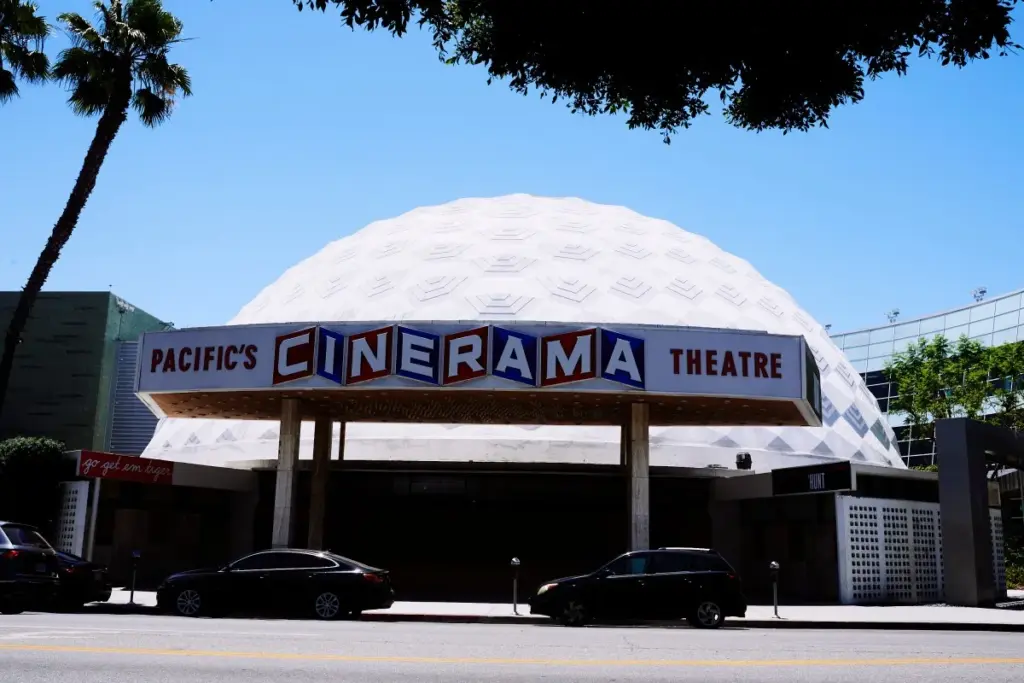
- High-profile filmmakers including Kevin Smith, Jason Reitman, and Kristen Stewart are acquiring historic cinemas to prevent their demolition and preserve celluloid culture.
- The traditional for-profit exhibition model is increasingly being replaced by non-profit and community-supported structures to ensure long-term financial viability.
- Major streamers like Netflix have pivoted to acquiring physical theaters to bypass distribution bottlenecks and secure mandatory Oscar-qualifying runs.
- The 2020 termination of the Paramount Decrees has fundamentally reshaped the industry, allowing studios and creators to vertically integrate in ways previously prohibited for 70 years.
- Các nhà làm phim tên tuổi như Kevin Smith, Jason Reitman và Kristen Stewart đang mua lại các rạp chiếu phim lịch sử để ngăn chặn việc phá dỡ và bảo tồn văn hóa phim nhựa.
- Mô hình kinh doanh rạp chiếu truyền thống đang dần được thay thế bằng các cấu trúc phi lợi nhuận và hỗ trợ từ cộng đồng để đảm bảo tính bền vững về tài chính.
- Các nền tảng phát trực tuyến lớn như Netflix đã chuyển hướng sang mua lại rạp chiếu vật lý để vượt qua các rào cản phân phối và đảm bảo điều kiện cần thiết để tranh giải Oscar.
- Việc bãi bỏ "Sắc lệnh Paramount" vào năm 2020 đã định hình lại hoàn toàn ngành công nghiệp, cho phép các hãng phim và nhà sáng tạo thực hiện tích hợp dọc theo cách mà trước đây bị cấm suốt 70 năm.
- Des figures majeures du cinéma comme Kevin Smith, Jason Reitman et Kristen Stewart acquièrent des salles historiques pour éviter leur démolition et protéger la culture de la pellicule.
- Le modèle économique traditionnel, axé sur le profit, est progressivement remplacé par des structures à but non lucratif et soutenues par la communauté pour assurer leur viabilité à long terme.
- Les géants du streaming, tels que Netflix, ont commencé à racheter des salles physiques pour contourner les obstacles à la distribution et garantir les sorties en salle nécessaires à l'éligibilité aux Oscars.
- L'abrogation des décrets Paramount en 2020 a radicalement transformé l'industrie, permettant aux studios et aux créateurs une intégration verticale interdite pendant 70 ans.
- Cineastas de renombre como Kevin Smith, Jason Reitman y Kristen Stewart están adquiriendo cines históricos para evitar su demolición y preservar la cultura del celuloide.
- El modelo tradicional de exhibición con ánimo de lucro está siendo sustituido por estructuras sin ánimo de lucro y apoyadas por la comunidad para garantizar la viabilidad financiera a largo plazo.
- Las grandes plataformas de streaming, como Netflix, han comenzado a adquirir salas físicas para eludir los cuellos de botella en la distribución y asegurar los estrenos obligatorios para optar a los Oscar.
- La anulación de los Decretos Paramount en 2020 ha transformado la industria, permitiendo a los estudios y creadores una integración vertical que estuvo prohibida durante 70 años.
- 包括凯文·史密斯、杰森·雷特曼和克里斯汀·斯图尔特在内的知名电影人正通过收购历史影院,防止其被拆除并保护胶片文化。
- 传统的营利性放映模式正逐渐被非营利及社区支持型结构所取代,以确保长期的财务生存能力。
- Netflix等主流流媒体平台已转向收购实体影院,以绕过发行瓶颈并确保获得奥斯卡入围资格所需的放映场次。
- 2020年《派拉蒙法案》的废除从根本上重塑了行业格局,允许制片厂和创作者进行长达70年间被禁止的垂直整合。
In the golden age of Hollywood, the 1948 Paramount Decrees served as the industry's constitutional bedrock, forcing studios to divest from their theater chains to prevent monopolistic control. For seven decades, the separation of production and exhibition defined the cinematic ecosystem. Yet, as we move through 2026, that wall has not only crumbled—it has been replaced by a radical new paradigm. Today, the most influential voices in film are no longer just making movies; they are buying the very cathedrals where they are shown, transforming from mere content creators into the new stewards of the theatrical experience.
This shift represents a profound existential pivot for the motion picture industry. Driven by the dual pressures of the post-pandemic "inner recluse" phenomenon and the dominance of streaming platforms, the traditional exhibition model has faced its most severe test since the advent of television. As independent theaters shuttered and corporate chains struggled with the volatility of the box office, a new vanguard of artist-owners has emerged. These filmmakers are not merely purchasing real estate; they are engaging in a high-stakes act of cultural preservation, betting their own capital that the communal darkness of a theater remains an irreplaceable human necessity.
The Artist-Exhibitor: A New Model of Altruism
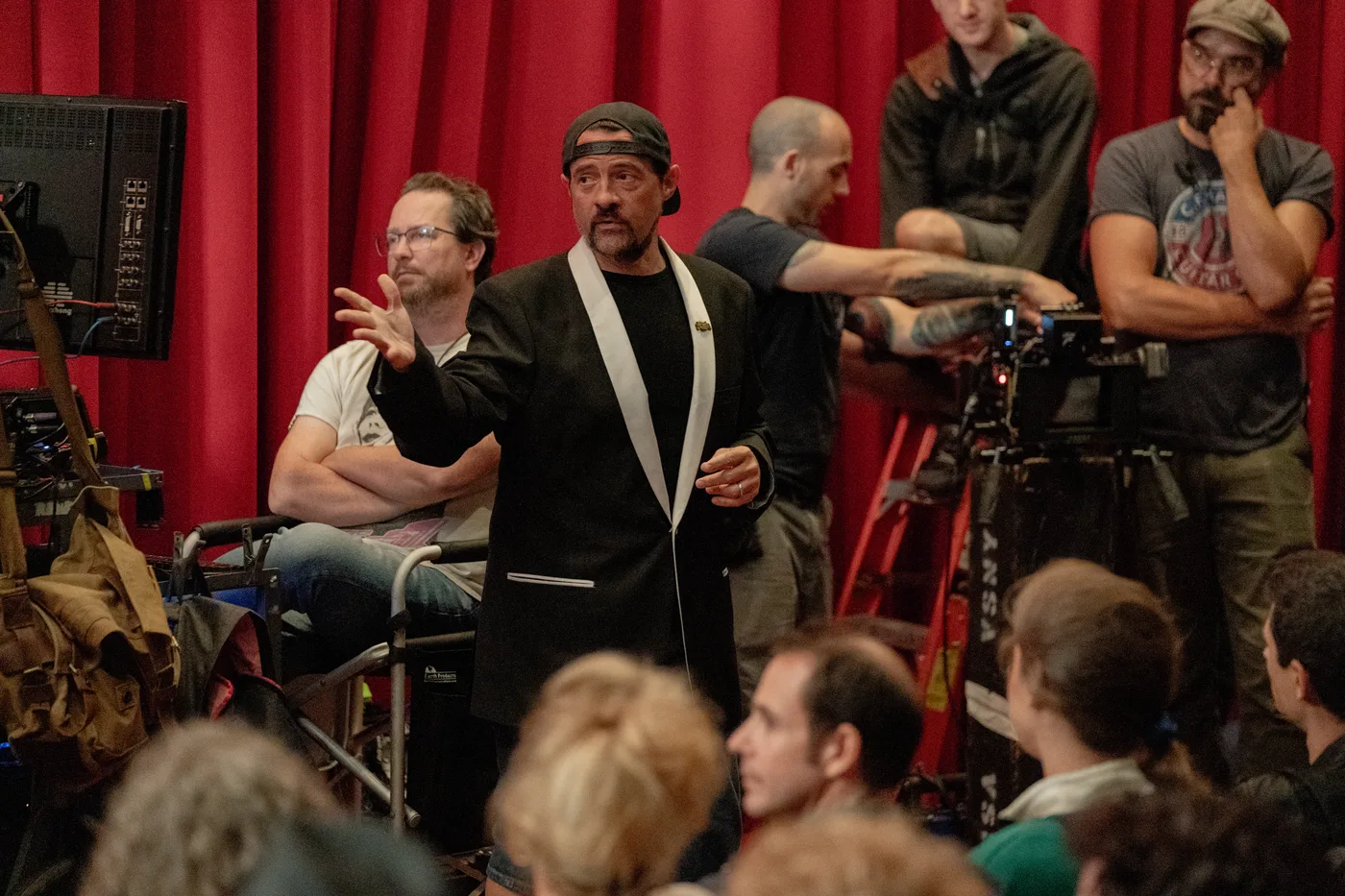
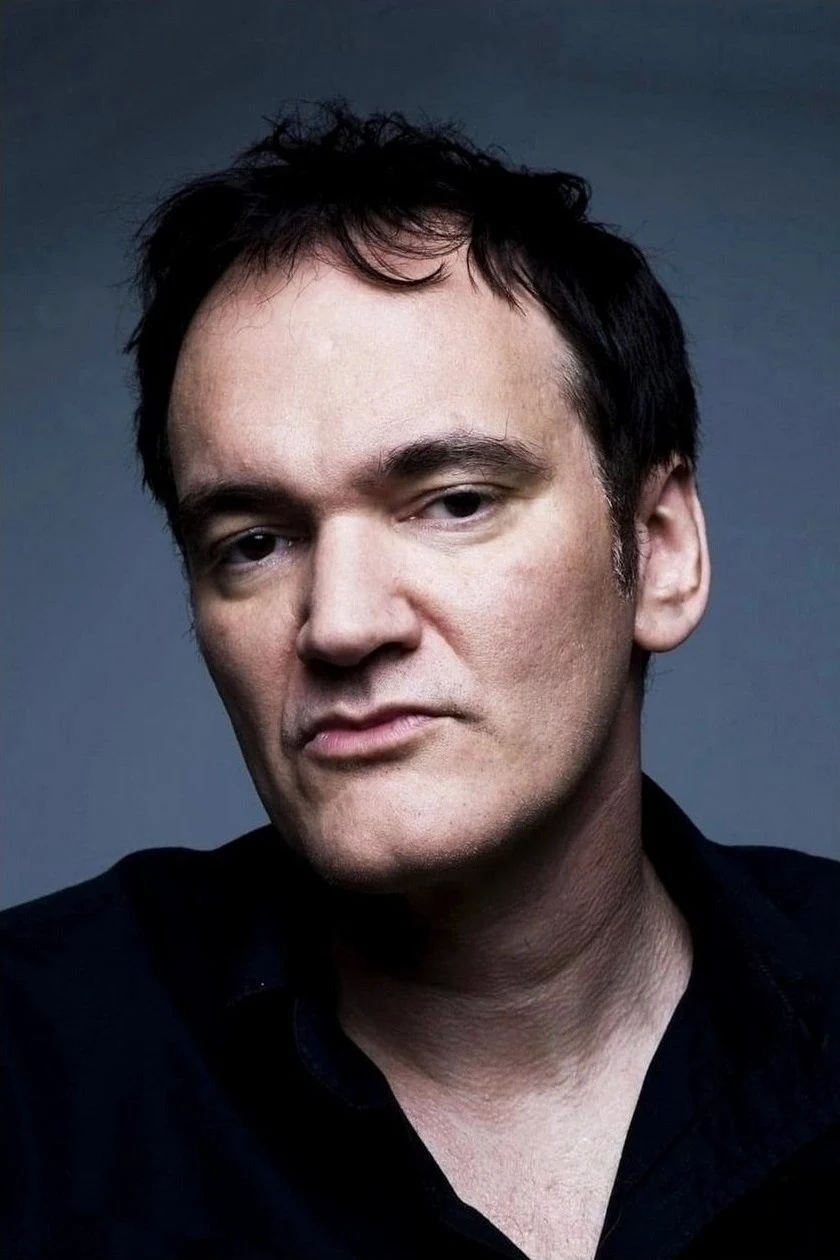
The movement began as a niche passion project, most notably with Quentin Tarantino’s 2014 acquisition of the New Beverly Cinema. Tarantino’s mission was clear: to protect the tactile, analog sanctity of 35mm film in an increasingly digital world. However, the post-COVID landscape has accelerated this trend from a boutique hobby into a widespread movement of necessity. Filmmakers like Kevin Smith, who purchased his hometown Atlantic Twin Cinema in New Jersey, have found that the reality of ownership is far from the glamour of the red carpet. Smith’s Smodcastle Cinemas, now a non-profit entity, serves as a case study in the grit required to keep a local landmark alive, balancing the "business of Kevin Smith"—Q&As, festivals, and personal outreach—against the harsh economic reality of a modern multiplex.
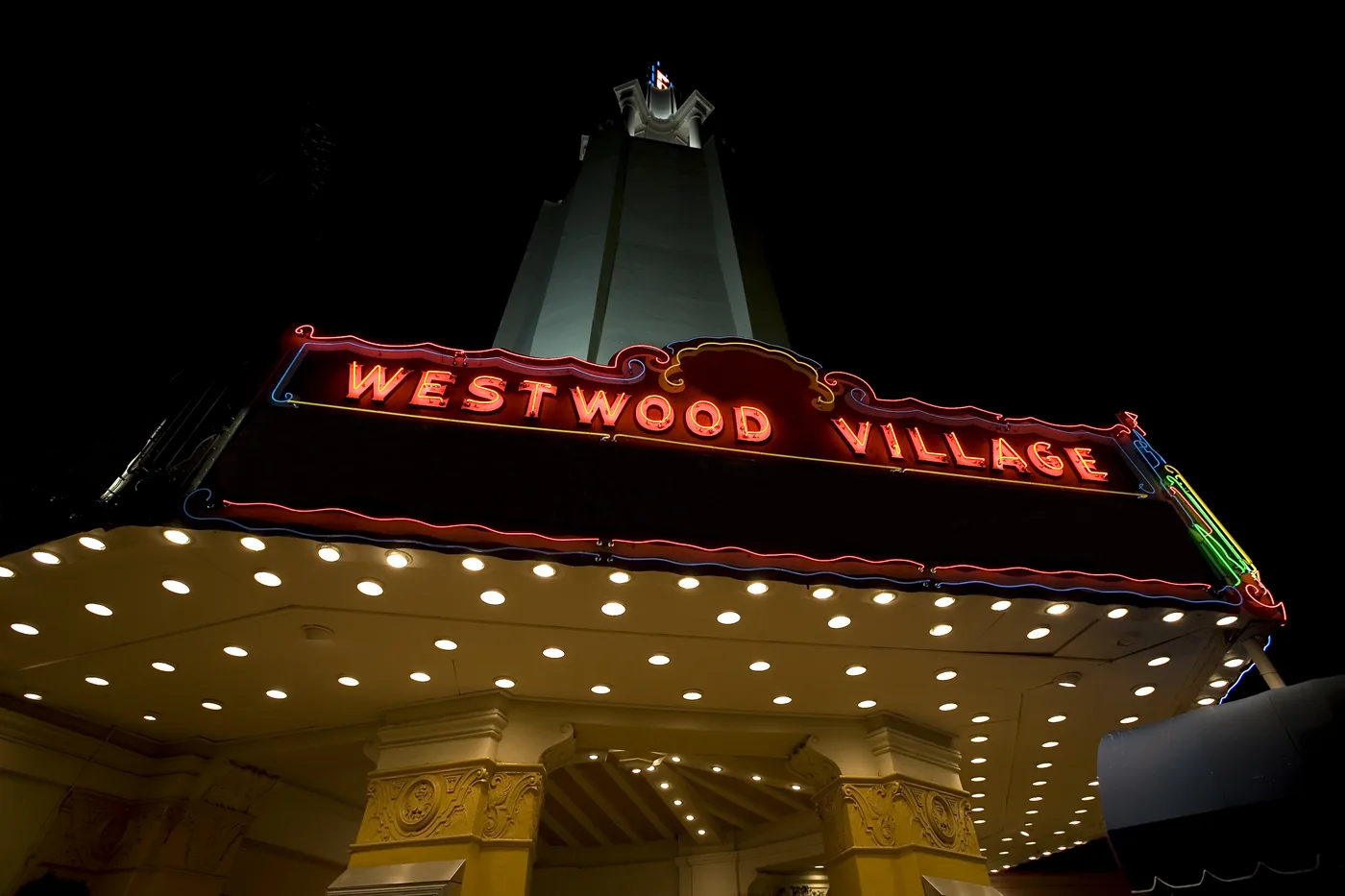
The financial burden of these acquisitions is staggering. When Jason Reitman led a consortium of 30 legendary filmmakers—including Steven Spielberg and Christopher Nolan—to purchase the historic Village Theater in Westwood for $12 million, it was a signal that the industry’s elite were willing to subsidize the infrastructure of their own craft. With an additional $25 million earmarked for renovations, this is not a traditional investment play; it is a defensive maneuver. These artists recognize that if they do not own the screens, the screens will disappear, taking with them the specific cultural weight that only a theatrical release can provide.
The Death of the Paramount Decrees and the Streaming Pivot
The legal landscape facilitating this change was fundamentally altered in August 2020, when the Department of Justice officially terminated the Paramount Decrees. The ruling, which cited the rise of digital distribution as evidence that the old monopoly laws were obsolete, opened the floodgates for a new era of vertical integration. Ironically, the first entities to exploit this were the very streamers that had been blamed for the theater industry's decline. Netflix, having spent years disrupting the 90-day theatrical window, found itself in desperate need of physical real estate to satisfy Academy Award eligibility requirements and secure prestige placements in key markets like New York and Los Angeles.
This corporate pivot has created a strange bedfellows environment. While streamers like Netflix and Amazon Studios acquire theaters to ensure their content has a "home" for qualifying runs, independent distributors and filmmaker-led groups are buying theaters to ensure that the "home" remains accessible to the public. The result is a bifurcated market: one side driven by the strategic necessity of tech giants, and the other by the romantic, mission-driven efforts of creatives. This tension between the "qualifying run" and the "community hub" is the defining conflict of the current exhibition era.
The Economic Reality of the 21st-Century Cinema
For the independent operator, the math of the 21st-century cinema is unforgiving. As Greg Laemmle of Laemmle Theatres notes, the traditional for-profit model is increasingly unviable for smaller, mission-driven spaces. The rise of the non-profit theater—modeled after organizations like Vidiots or the Tasveer Film Center—has become the industry's most viable survival strategy. By augmenting ticket sales with grants, donations, and educational programming, these theaters are insulating themselves from the wild swings of the blockbuster box office.
This shift toward non-profit status is more than a tax strategy; it is a redefinition of the theater as a public utility. When Kevin Smith admits that owning a theater is "the worst financial decision I ever made," he is speaking for a generation of owners who have traded profit margins for cultural legacy. The "side hustle loot" of successful directors is effectively being funneled back into the community, creating a decentralized network of cinemas that are curated, protected, and deeply personal. It is a fragile ecosystem, but one that is arguably more resilient than the monolithic, debt-laden chains that dominated the previous decade.
Looking Ahead: The Future of the Communal Experience
As we look toward 2027 and beyond, the question remains: can this wave of artist-led ownership scale, or will it remain a localized phenomenon for the wealthy and the well-connected? The trend is undeniably growing, with figures like Kristen Stewart and Martin Scorsese joining the ranks of those actively curating the physical space of cinema. Yet, the industry faces a looming challenge: the cost of maintenance, the volatility of audience habits, and the relentless march of home entertainment technology.
The next phase of this evolution will likely involve a deeper integration between these filmmaker-led theaters and the broader film festival circuit. By acting as year-round hubs for local cinema, education, and preservation, these theaters are carving out a space that streaming can never replicate: the feeling of being part of a living, breathing film community. Whether this movement is a temporary reaction to a crisis or the beginning of a permanent restructuring of how we consume art, one thing is certain: the power has shifted back to the creators. In the darkness of the theater, the "great white mirror" is being held by the artists themselves, and for the first time in a century, they are determined not to let it break.
Trong thời kỳ hoàng kim của Hollywood, "Sắc lệnh Paramount" năm 1948 đóng vai trò như nền tảng hiến pháp của ngành, buộc các hãng phim phải thoái vốn khỏi các chuỗi rạp để ngăn chặn sự kiểm soát độc quyền. Suốt bảy thập kỷ, sự tách biệt giữa sản xuất và trình chiếu đã định nghĩa hệ sinh thái điện ảnh. Tuy nhiên, khi bước sang năm 2026, bức tường đó không chỉ sụp đổ—nó đã được thay thế bằng một mô hình mới đầy cấp tiến. Ngày nay, những tiếng nói có ảnh hưởng nhất trong điện ảnh không còn chỉ làm phim; họ đang mua lại chính những "thánh đường" nơi tác phẩm của mình được trình chiếu, chuyển mình từ những người sáng tạo nội dung đơn thuần thành những người bảo hộ mới cho trải nghiệm tại rạp.
Sự thay đổi này đại diện cho một bước ngoặt hiện sinh sâu sắc của ngành công nghiệp điện ảnh. Dưới áp lực kép từ hiện tượng "người ẩn dật" hậu đại dịch và sự thống trị của các nền tảng phát trực tuyến, mô hình trình chiếu truyền thống đã phải đối mặt với thử thách khắc nghiệt nhất kể từ khi truyền hình ra đời. Khi các rạp chiếu độc lập đóng cửa và các chuỗi rạp lớn chật vật với sự biến động của doanh thu phòng vé, một đội ngũ tiên phong gồm các nghệ sĩ-chủ sở hữu đã xuất hiện. Những nhà làm phim này không chỉ đơn thuần mua bất động sản; họ đang tham gia vào một hành động bảo tồn văn hóa đầy rủi ro, đặt cược vốn liếng cá nhân vào niềm tin rằng không gian tối tăm, mang tính cộng đồng của rạp chiếu vẫn là một nhu cầu nhân bản không thể thay thế.
Nghệ sĩ-Nhà trình chiếu: Một mô hình vị tha mới
Phong trào này bắt đầu như một dự án đam mê ngách, đáng chú ý nhất là việc Quentin Tarantino mua lại rạp New Beverly Cinema vào năm 2014. Sứ mệnh của Tarantino rất rõ ràng: bảo vệ sự thiêng liêng, hữu hình của phim nhựa 35mm trong một thế giới ngày càng kỹ thuật số hóa. Tuy nhiên, bối cảnh hậu COVID đã đẩy nhanh xu hướng này từ một sở thích cá nhân thành một phong trào tất yếu. Những nhà làm phim như Kevin Smith, người đã mua lại rạp Atlantic Twin Cinema tại quê nhà New Jersey, nhận ra rằng thực tế sở hữu rạp chiếu khác xa với sự hào nhoáng trên thảm đỏ. Smodcastle Cinemas của Smith, hiện là một thực thể phi lợi nhuận, là một ví dụ điển hình về sự kiên trì cần thiết để duy trì một địa danh địa phương, cân bằng giữa "công việc kinh doanh của Kevin Smith"—các buổi hỏi đáp, liên hoan phim và kết nối cá nhân—với thực tế kinh tế khắc nghiệt của một rạp chiếu hiện đại.
Gánh nặng tài chính của những thương vụ này là rất lớn. Khi Jason Reitman dẫn đầu một nhóm gồm 30 nhà làm phim huyền thoại—bao gồm Steven Spielberg và Christopher Nolan—để mua lại rạp Village Theater lịch sử ở Westwood với giá 12 triệu USD, đó là tín hiệu cho thấy giới tinh hoa của ngành sẵn sàng trợ cấp cho cơ sở hạ tầng của chính nghề nghiệp mình. Với thêm 25 triệu USD được dành riêng cho việc cải tạo, đây không phải là một khoản đầu tư truyền thống; đó là một chiến thuật phòng thủ. Những nghệ sĩ này nhận ra rằng nếu họ không sở hữu các màn ảnh, các rạp chiếu sẽ biến mất, kéo theo đó là sức nặng văn hóa đặc thù mà chỉ có trải nghiệm tại rạp mới có thể mang lại.
Sự sụp đổ của Sắc lệnh Paramount và bước ngoặt phát trực tuyến
Bối cảnh pháp lý tạo điều kiện cho sự thay đổi này đã bị thay đổi căn bản vào tháng 8 năm 2020, khi Bộ Tư pháp chính thức chấm dứt các Sắc lệnh Paramount. Phán quyết này, viện dẫn sự trỗi dậy của phân phối kỹ thuật số như bằng chứng cho thấy các luật chống độc quyền cũ đã lỗi thời, đã mở ra cánh cửa cho một kỷ nguyên tích hợp dọc mới. Trớ trêu thay, những thực thể đầu tiên khai thác điều này lại chính là các nền tảng phát trực tuyến từng bị đổ lỗi cho sự suy tàn của ngành rạp chiếu. Netflix, sau nhiều năm phá vỡ "cửa sổ trình chiếu 90 ngày", nhận thấy mình đang rất cần bất động sản vật lý để đáp ứng các yêu cầu về tư cách tranh giải Oscar và đảm bảo vị trí trình chiếu danh giá tại các thị trường trọng điểm như New York và Los Angeles.
Bước ngoặt doanh nghiệp này đã tạo ra một môi trường "chung giường với đối thủ". Trong khi các nền tảng như Netflix và Amazon Studios mua lại rạp chiếu để đảm bảo nội dung của họ có "nhà" cho các đợt trình chiếu đủ điều kiện, thì các nhà phân phối độc lập và các nhóm do nhà làm phim dẫn đầu lại mua rạp để đảm bảo rằng "ngôi nhà" đó vẫn tiếp cận được với công chúng. Kết quả là một thị trường phân hóa: một bên được thúc đẩy bởi nhu cầu chiến lược của các gã khổng lồ công nghệ, và bên kia bởi những nỗ lực lãng mạn, đầy sứ mệnh của các nhà sáng tạo. Sự căng thẳng giữa "đợt trình chiếu đủ điều kiện" và "trung tâm cộng đồng" chính là xung đột định hình kỷ nguyên trình chiếu hiện nay.
Thực tế kinh tế của rạp chiếu thế kỷ 21
Đối với các nhà vận hành độc lập, bài toán kinh tế của rạp chiếu thế kỷ 21 vô cùng khắt khe. Như Greg Laemmle của Laemmle Theatres lưu ý, mô hình vì lợi nhuận truyền thống ngày càng không khả thi đối với các không gian nhỏ, mang tính sứ mệnh. Sự trỗi dậy của các rạp chiếu phi lợi nhuận—theo mô hình của các tổ chức như Vidiots hoặc Tasveer Film Center—đã trở thành chiến lược sinh tồn khả thi nhất của ngành. Bằng cách bổ sung doanh thu bán vé với các khoản tài trợ, quyên góp và chương trình giáo dục, các rạp chiếu này đang tự bảo vệ mình trước những biến động dữ dội của doanh thu phòng vé bom tấn.
Sự chuyển dịch sang trạng thái phi lợi nhuận không chỉ là chiến lược thuế; đó là sự định nghĩa lại rạp chiếu như một tiện ích công cộng. Khi Kevin Smith thừa nhận rằng sở hữu một rạp chiếu là "quyết định tài chính tồi tệ nhất tôi từng thực hiện", ông đang thay mặt cho một thế hệ chủ sở hữu đã đánh đổi lợi nhuận để lấy di sản văn hóa. "Số tiền kiếm được từ nghề tay trái" của các đạo diễn thành công đang được đổ ngược lại vào cộng đồng, tạo ra một mạng lưới rạp chiếu phi tập trung được tuyển chọn, bảo vệ và mang đậm dấu ấn cá nhân. Đây là một hệ sinh thái mong manh, nhưng có lẽ kiên cường hơn nhiều so với các chuỗi rạp cồng kềnh, nợ nần chồng chất đã thống trị thập kỷ trước.
Hướng tới tương lai: Tương lai của trải nghiệm cộng đồng
Khi nhìn về năm 2027 và xa hơn nữa, câu hỏi vẫn còn đó: liệu làn sóng sở hữu do nghệ sĩ dẫn đầu này có thể mở rộng quy mô, hay nó sẽ chỉ là một hiện tượng cục bộ dành cho những người giàu có và có mối quan hệ tốt? Xu hướng này chắc chắn đang phát triển, với những tên tuổi như Kristen Stewart và Martin Scorsese gia nhập hàng ngũ những người tích cực quản lý không gian vật lý của điện ảnh. Tuy nhiên, ngành công nghiệp đang đối mặt với một thách thức lớn: chi phí bảo trì, thói quen khán giả biến động và sự tiến quân không ngừng của công nghệ giải trí tại gia.
Giai đoạn tiếp theo của quá trình tiến hóa này có khả năng sẽ liên quan đến sự tích hợp sâu sắc hơn giữa các rạp chiếu do nhà làm phim dẫn đầu và hệ thống liên hoan phim rộng lớn hơn. Bằng cách hoạt động như những trung tâm quanh năm cho điện ảnh địa phương, giáo dục và bảo tồn, các rạp chiếu này đang tạo ra một không gian mà phát trực tuyến không bao giờ có thể sao chép: cảm giác được là một phần của cộng đồng điện ảnh sống động. Dù phong trào này là phản ứng tạm thời trước khủng hoảng hay là sự khởi đầu của một cuộc tái cấu trúc vĩnh viễn cách chúng ta tiêu thụ nghệ thuật, có một điều chắc chắn: quyền lực đã quay trở lại với những người sáng tạo. Trong bóng tối của rạp chiếu, "tấm gương trắng vĩ đại" đang được chính các nghệ sĩ nắm giữ, và lần đầu tiên sau một thế kỷ, họ quyết tâm không để nó vỡ tan.
À l'âge d'or d'Hollywood, les décrets Paramount de 1948 constituaient le socle constitutionnel de l'industrie, contraignant les studios à se séparer de leurs chaînes de cinémas pour empêcher toute velléité monopolistique. Pendant sept décennies, cette séparation entre production et exploitation a défini l'écosystème cinématographique. Pourtant, en cette année 2026, ce mur s'est non seulement effondré, mais il a été remplacé par un nouveau paradigme radical. Aujourd'hui, les voix les plus influentes du cinéma ne se contentent plus de réaliser des films ; elles rachètent les cathédrales où ils sont projetés, passant du statut de simples créateurs de contenu à celui de nouveaux gardiens de l'expérience en salle.
Ce basculement représente un tournant existentiel pour l'industrie cinématographique. Sous la double pression du phénomène de "reclus volontaire" post-pandémie et de la domination des plateformes de streaming, le modèle d'exploitation traditionnel a subi son test le plus sévère depuis l'avènement de la télévision. Alors que les cinémas indépendants fermaient leurs portes et que les grandes chaînes luttaient contre la volatilité du box-office, une nouvelle avant-garde de cinéastes-propriétaires a émergé. Ces artistes ne se contentent pas d'acheter de l'immobilier ; ils s'engagent dans une mission de préservation culturelle à haut risque, pariant leur propre capital sur le fait que l'obscurité collective d'une salle de cinéma demeure une nécessité humaine irremplaçable.
L'artiste-exploitant : un nouveau modèle d'altruisme
Le mouvement a débuté comme un projet de passion confidentiel, notamment avec l'acquisition du New Beverly Cinema par Quentin Tarantino en 2014. La mission de Tarantino était claire : protéger la sainteté tactile et analogique du 35 mm dans un monde de plus en plus numérique. Cependant, le paysage post-COVID a transformé cette tendance, passant d'un hobby de niche à un mouvement de nécessité. Des cinéastes comme Kevin Smith, qui a racheté l'Atlantic Twin Cinema de sa ville natale dans le New Jersey, ont découvert que la réalité de la propriété est bien loin du glamour des tapis rouges. Le Smodcastle Cinemas de Smith, désormais une entité à but non lucratif, illustre parfaitement l'opiniâtreté nécessaire pour maintenir en vie un lieu emblématique, jonglant entre le "business Kevin Smith" — séances de questions-réponses, festivals et rencontres personnelles — et la dure réalité économique d'un multiplexe moderne.
Le fardeau financier de ces acquisitions est colossal. Lorsque Jason Reitman a dirigé un consortium de 30 cinéastes légendaires — dont Steven Spielberg et Christopher Nolan — pour racheter le mythique Village Theater de Westwood pour 12 millions de dollars, le message était clair : l'élite de l'industrie est prête à subventionner l'infrastructure même de son art. Avec 25 millions de dollars supplémentaires alloués aux rénovations, il ne s'agit pas d'un investissement traditionnel, mais d'une manœuvre défensive. Ces artistes ont compris que s'ils ne possèdent pas les écrans, ces derniers disparaîtront, emportant avec eux le poids culturel spécifique que seule une sortie en salle peut offrir.
La fin des décrets Paramount et le pivot du streaming
Le cadre juridique facilitant ce changement a été fondamentalement modifié en août 2020, lorsque le ministère de la Justice a officiellement mis fin aux décrets Paramount. Cette décision, justifiée par l'essor de la distribution numérique rendant obsolètes les anciennes lois antitrust, a ouvert les vannes d'une nouvelle ère d'intégration verticale. Ironiquement, les premières entités à en tirer profit furent les plateformes de streaming elles-mêmes, pourtant pointées du doigt pour le déclin de l'industrie cinématographique. Netflix, après avoir passé des années à bousculer la fenêtre d'exploitation en salle de 90 jours, s'est retrouvé dans l'obligation de posséder des salles physiques pour satisfaire aux critères d'éligibilité des Oscars et sécuriser des sorties prestigieuses sur des marchés clés comme New York et Los Angeles.
Ce pivot corporatif a créé une situation pour le moins paradoxale. Tandis que des géants comme Netflix et Amazon Studios acquièrent des salles pour garantir à leurs contenus un "foyer" pour les sorties qualificatives, les distributeurs indépendants et les collectifs de cinéastes rachètent des cinémas pour s'assurer que ce "foyer" reste accessible au public. Le résultat est un marché scindé : d'un côté, la nécessité stratégique des géants de la tech, et de l'autre, les efforts romantiques et militants des créateurs. Cette tension entre la "sortie qualificative" et le "hub communautaire" constitue le conflit majeur de l'ère actuelle de l'exploitation.
La réalité économique du cinéma au XXIe siècle
Pour l'exploitant indépendant, les mathématiques du cinéma au XXIe siècle sont impitoyables. Comme le souligne Greg Laemmle, des cinémas Laemmle, le modèle traditionnel à but lucratif est de moins en moins viable pour les petits espaces portés par une mission culturelle. L'essor des cinémas à but non lucratif — sur le modèle d'organisations comme Vidiots ou le Tasveer Film Center — est devenu la stratégie de survie la plus efficace. En complétant les recettes de billetterie par des subventions, des dons et des programmes éducatifs, ces salles s'isolent des fluctuations erratiques du box-office des blockbusters.
Ce glissement vers le statut non lucratif est bien plus qu'une stratégie fiscale ; c'est une redéfinition du cinéma comme service public. Lorsque Kevin Smith admet que posséder un cinéma est "la pire décision financière de ma vie", il exprime le sentiment d'une génération de propriétaires qui ont troqué leurs marges bénéficiaires contre un héritage culturel. L'argent gagné par les réalisateurs à succès est réinjecté dans la communauté, créant un réseau décentralisé de cinémas curatés, protégés et profondément personnels. C'est un écosystème fragile, mais sans doute plus résilient que les chaînes monolithiques et surendettées qui dominaient la décennie précédente.
Perspectives : l'avenir de l'expérience collective
À l'horizon 2027 et au-delà, la question demeure : cette vague de propriété dirigée par les artistes peut-elle passer à l'échelle, ou restera-t-elle un phénomène localisé pour les plus fortunés et les mieux connectés ? La tendance est indéniablement à la hausse, avec des personnalités comme Kristen Stewart et Martin Scorsese rejoignant les rangs de ceux qui s'impliquent activement dans la gestion physique des lieux de cinéma. Pourtant, l'industrie fait face à un défi de taille : le coût de l'entretien, la volatilité des habitudes des spectateurs et la progression incessante des technologies de divertissement à domicile.
La prochaine étape de cette évolution impliquera probablement une intégration plus profonde entre ces cinémas dirigés par des cinéastes et le circuit des festivals de films. En agissant comme des pôles permanents pour le cinéma local, l'éducation et la préservation, ces salles se taillent une place que le streaming ne pourra jamais reproduire : le sentiment d'appartenir à une communauté cinématographique vivante. Que ce mouvement soit une réaction temporaire à une crise ou le début d'une restructuration permanente de notre consommation d'art, une chose est certaine : le pouvoir est revenu aux créateurs. Dans l'obscurité de la salle, le "grand miroir blanc" est désormais tenu par les artistes eux-mêmes, et pour la première fois depuis un siècle, ils sont bien décidés à ne pas le laisser se briser.
En la edad de oro de Hollywood, los Decretos Paramount de 1948 sirvieron como piedra angular constitucional de la industria, obligando a los estudios a desprenderse de sus cadenas de cines para evitar el control monopolístico. Durante siete décadas, la separación entre producción y exhibición definió el ecosistema cinematográfico. Sin embargo, a medida que avanzamos por 2026, ese muro no solo se ha derrumbado, sino que ha sido sustituido por un nuevo paradigma radical. Hoy, las voces más influyentes del cine ya no se limitan a hacer películas; están comprando las mismas catedrales donde se proyectan, transformándose de meros creadores de contenido en los nuevos guardianes de la experiencia teatral.
Este cambio representa un giro existencial profundo para la industria cinematográfica. Impulsado por la doble presión del fenómeno del "recluso interior" pospandémico y el dominio de las plataformas de streaming, el modelo de exhibición tradicional se ha enfrentado a su prueba más dura desde la llegada de la televisión. A medida que los cines independientes cerraban sus puertas y las cadenas corporativas luchaban contra la volatilidad de la taquilla, ha surgido una nueva vanguardia de artistas-propietarios. Estos cineastas no solo están comprando bienes inmuebles; están participando en un acto de preservación cultural de alto riesgo, apostando su propio capital a que la oscuridad comunitaria de una sala de cine sigue siendo una necesidad humana irremplazable.
El artista-exhibidor: un nuevo modelo de altruismo
El movimiento comenzó como un proyecto de pasión nicho, sobre todo con la adquisición del New Beverly Cinema por parte de Quentin Tarantino en 2014. La misión de Tarantino era clara: proteger la santidad táctil y analógica del celuloide de 35 mm en un mundo cada vez más digital. Sin embargo, el panorama posterior al COVID ha acelerado esta tendencia, convirtiéndola de un pasatiempo boutique en un movimiento de necesidad generalizada. Cineastas como Kevin Smith, quien compró el Atlantic Twin Cinema de su ciudad natal en Nueva Jersey, han descubierto que la realidad de la propiedad dista mucho del glamour de la alfombra roja. El Smodcastle Cinemas de Smith, ahora una entidad sin ánimo de lucro, sirve como caso de estudio sobre el coraje necesario para mantener vivo un hito local, equilibrando el "negocio de Kevin Smith" —sesiones de preguntas y respuestas, festivales y contacto personal— frente a la dura realidad económica de un multicine moderno.
La carga financiera de estas adquisiciones es asombrosa. Cuando Jason Reitman lideró un consorcio de 30 cineastas legendarios —incluidos Steven Spielberg y Christopher Nolan— para comprar el histórico Village Theater en Westwood por 12 millones de dólares, fue una señal de que la élite de la industria estaba dispuesta a subvencionar la infraestructura de su propio oficio. Con 25 millones de dólares adicionales destinados a renovaciones, no se trata de una inversión tradicional; es una maniobra defensiva. Estos artistas reconocen que, si no poseen las pantallas, estas desaparecerán, llevándose consigo el peso cultural específico que solo un estreno en salas puede proporcionar.
La muerte de los Decretos Paramount y el giro del streaming
El panorama legal que facilitó este cambio se alteró fundamentalmente en agosto de 2020, cuando el Departamento de Justicia terminó oficialmente con los Decretos Paramount. El fallo, que citó el auge de la distribución digital como prueba de que las antiguas leyes antimonopolio eran obsoletas, abrió las puertas a una nueva era de integración vertical. Irónicamente, las primeras entidades en explotar esto fueron las mismas plataformas de streaming a las que se culpaba del declive de la industria cinematográfica. Netflix, tras años alterando la ventana de exhibición de 90 días, se encontró con una necesidad desesperada de bienes inmuebles físicos para cumplir con los requisitos de elegibilidad de los premios de la Academia y asegurar posiciones de prestigio en mercados clave como Nueva York y Los Ángeles.
Este giro corporativo ha creado un entorno de aliados inesperados. Mientras que plataformas como Netflix y Amazon Studios adquieren cines para asegurar que su contenido tenga un "hogar" para las proyecciones de calificación, los distribuidores independientes y los grupos liderados por cineastas compran salas para garantizar que ese "hogar" siga siendo accesible al público. El resultado es un mercado bifurcado: un lado impulsado por la necesidad estratégica de los gigantes tecnológicos y el otro por los esfuerzos románticos y orientados a una misión de los creativos. Esta tensión entre la "proyección de calificación" y el "centro comunitario" es el conflicto definitorio de la era actual de la exhibición.
La realidad económica del cine del siglo XXI
Para el operador independiente, las matemáticas del cine del siglo XXI son implacables. Como señala Greg Laemmle, de Laemmle Theatres, el modelo tradicional con ánimo de lucro es cada vez menos viable para espacios más pequeños y orientados a una misión. El auge del cine sin ánimo de lucro —siguiendo el modelo de organizaciones como Vidiots o el Tasveer Film Center— se ha convertido en la estrategia de supervivencia más viable de la industria. Al complementar la venta de entradas con subvenciones, donaciones y programación educativa, estos cines se están aislando de los vaivenes de la taquilla de los grandes éxitos.
Este cambio hacia el estatus de entidad sin ánimo de lucro es más que una estrategia fiscal; es una redefinición del cine como servicio público. Cuando Kevin Smith admite que ser dueño de un cine es "la peor decisión financiera que he tomado", habla en nombre de una generación de propietarios que han cambiado los márgenes de beneficio por un legado cultural. El dinero obtenido de otros proyectos de directores exitosos se está canalizando efectivamente de vuelta a la comunidad, creando una red descentralizada de cines que son curados, protegidos y profundamente personales. Es un ecosistema frágil, pero que podría decirse que es más resistente que las cadenas monolíticas y cargadas de deudas que dominaron la década anterior.
Mirando hacia el futuro: el porvenir de la experiencia comunitaria
A medida que miramos hacia 2027 y más allá, la pregunta sigue siendo: ¿puede esta ola de propiedad liderada por artistas escalar, o seguirá siendo un fenómeno localizado para los ricos y bien conectados? La tendencia es innegablemente creciente, con figuras como Kristen Stewart y Martin Scorsese uniéndose a las filas de quienes curan activamente el espacio físico del cine. Sin embargo, la industria se enfrenta a un desafío inminente: el coste del mantenimiento, la volatilidad de los hábitos de la audiencia y el avance implacable de la tecnología de entretenimiento doméstico.
La siguiente fase de esta evolución probablemente implicará una integración más profunda entre estos cines liderados por cineastas y el circuito más amplio de festivales de cine. Al actuar como centros durante todo el año para el cine local, la educación y la preservación, estas salas están creando un espacio que el streaming nunca podrá replicar: la sensación de ser parte de una comunidad cinematográfica viva y palpitante. Tanto si este movimiento es una reacción temporal a una crisis como si es el comienzo de una reestructuración permanente de cómo consumimos arte, una cosa es segura: el poder ha vuelto a los creadores. En la oscuridad de la sala, el "gran espejo blanco" está siendo sostenido por los propios artistas y, por primera vez en un siglo, están decididos a no dejar que se rompa.
在好莱坞的黄金时代,1948年的《派拉蒙法案》曾是该行业的宪法基石,强制制片厂剥离其院线业务,以防止垄断控制。七十年来,制作与放映的分离定义了电影生态系统。然而,随着我们步入2026年,那道壁垒不仅已经崩塌,更被一种激进的新范式所取代。今天,电影界最具影响力的人物不再仅仅是电影的创作者,他们正买下电影放映的“圣殿”,从单纯的内容生产者转型为电影院线体验的新守护者。
这一转变代表了电影产业深刻的生存转向。在后疫情时代“宅家文化”与流媒体平台统治的双重压力下,传统的放映模式正面临自电视问世以来最严峻的考验。随着独立影院纷纷倒闭,大型连锁院线在票房波动中苦苦挣扎,一批新的艺术家业主应运而生。这些电影人不仅仅是在购买房地产,他们正在进行一场高风险的文化保护行动,押注于自己的资本,坚信影院中那种集体沉浸的黑暗空间依然是人类不可替代的需求。
艺术家-放映商:一种利他主义的新模式
这场运动最初只是一个小众的激情项目,最著名的便是昆汀·塔伦蒂诺在2014年收购新贝弗利电影院(New Beverly Cinema)。昆汀的使命明确:在日益数字化的世界中,保护35毫米胶片那种触手可及的模拟质感。然而,后疫情时代的景观已将这一趋势从精品爱好加速为一种必要的广泛运动。像凯文·史密斯(Kevin Smith)这样买下新泽西州家乡大西洋双子影院(Atlantic Twin Cinema)的电影人发现,现实中的经营远非红毯那般光鲜。史密斯的Smodcastle影院如今已成为一家非营利实体,它成为了维持当地地标生存所需毅力的典型案例,在“凯文·史密斯式商业”(如问答活动、电影节和个人互动)与现代多厅影院严酷的经济现实之间寻求平衡。
这些收购带来的财务负担是惊人的。当杰森·雷特曼(Jason Reitman)带领包括史蒂文·斯皮尔伯格和克里斯托弗·诺兰在内的30位传奇电影人组成的财团,以1200万美元收购韦斯特伍德历史悠久的村庄剧院(Village Theater)时,这释放了一个信号:行业精英们愿意为自己创作的基石设施提供补贴。加上额外拨出的2500万美元翻新费用,这并非传统的投资博弈,而是一种防御性策略。这些艺术家意识到,如果他们不拥有银幕,银幕就会消失,随之而去的还有只有院线发行才能提供的独特文化分量。
《派拉蒙法案》的终结与流媒体的转向
促成这一变化的法律环境在2020年8月发生了根本性改变,当时美国司法部正式终止了《派拉蒙法案》。该裁决援引数字发行的兴起作为旧垄断法已过时的证据,为垂直整合的新时代打开了大门。讽刺的是,首批利用这一点的实体正是那些曾被指责导致影院行业衰落的流媒体巨头。Netflix在多年来一直试图打破90天院线窗口期后,发现自己迫切需要实体房产,以满足奥斯卡奖的入围资格要求,并确保在纽约和洛杉矶等关键市场占据声望极高的放映位置。
这种企业转向创造了一种“同床异梦”的环境。当Netflix和亚马逊影业等流媒体收购影院以确保其内容有“家”可归以满足入围条件时,独立发行商和电影人主导的团体买下影院则是为了确保这个“家”依然对公众开放。结果是一个二元对立的市场:一边是由科技巨头的战略需求驱动,另一边则是由创作者浪漫的使命感驱动。这种“入围放映”与“社区中心”之间的张力,正是当前放映时代最核心的冲突。
21世纪影院的经济现实
对于独立经营者而言,21世纪影院的算术题是无情的。正如Laemmle影院的格雷格·莱姆尔(Greg Laemmle)所指出的,传统的营利模式对于较小的、以使命为导向的空间来说越来越不可行。非营利影院的兴起——以Vidiots或Tasveer电影中心等机构为蓝本——已成为该行业最可行的生存策略。通过将门票销售与赠款、捐款和教育项目相结合,这些影院正将自己与大片票房的剧烈波动隔离开来。
这种向非营利地位的转变不仅仅是一种税务策略,更是对影院作为公共设施的重新定义。当凯文·史密斯承认经营一家影院是“我做过的最糟糕的财务决定”时,他代表了一代业主的心声,他们用利润空间换取了文化遗产。成功导演们的“副业财富”正有效地回流到社区,创造了一个去中心化的影院网络,这些影院经过精心策展、保护,且带有强烈的个人色彩。这是一个脆弱的生态系统,但比起过去十年中那些负债累累、庞大臃肿的连锁院线,它或许更具韧性。
展望未来:集体观影体验的未来
当我们展望2027年及以后,问题依然存在:这股由艺术家主导的收购浪潮能否规模化,还是将仅仅停留在富人和人脉广泛者的小众现象?这一趋势无疑正在增长,克里斯汀·斯图尔特和马丁·斯科塞斯等人物也加入了积极策展电影物理空间的行列。然而,该行业面临着迫在眉睫的挑战:维护成本、观众习惯的波动,以及家庭娱乐技术的无情推进。
这一演变的下一阶段很可能涉及电影人主导的影院与更广泛的电影节巡回展之间的深度整合。通过作为全年无休的本地电影、教育和保护中心,这些影院正在开辟出一块流媒体永远无法复制的空间:那种成为鲜活、呼吸的电影社区一部分的感觉。无论这场运动是对危机的暂时反应,还是我们消费艺术方式永久性重构的开端,有一点是肯定的:权力已经回到了创作者手中。在影院的黑暗中,这面“伟大的白色镜子”正由艺术家们亲自把持,而一个世纪以来,他们第一次下定决心,绝不让它破碎。
Cultural Icons Featured in This Dispatch
Editorial Standards & Multi-Language Synthesis: This dispatch was synthesized and fact-checked by the ParisDaily Editorial Desk across 5 global editions (EN, FR, VI, ES, ZH), cross-referencing primary international wire reports and real-time search intelligence.