The Shadow Over the Ring: Tyson Fury’s Mental Health and the Future of Boxing Governance
As Tyson Fury prepares for a high-stakes clash with Anthony Joshua, revelations regarding his past schizophrenia diagnosis have triggered a rigorous regulatory review by the British Boxing Board of Control.
Trong khi Tyson Fury chuẩn bị cho trận đại chiến với Anthony Joshua, những tiết lộ về chẩn đoán tâm thần phân liệt trong quá khứ của anh đã buộc Ủy ban Kiểm soát Quyền Anh Anh quốc phải tiến hành một cuộc rà soát quy định nghiêm ngặt. Sự việc này đang đặt ra những câu hỏi lớn về tính minh bạch trong sức khỏe tâm thần đối với các vận động viên đỉnh cao.
Alors que Tyson Fury se prépare pour un choc au sommet contre Anthony Joshua, des révélations sur un ancien diagnostic de schizophrénie ont déclenché un examen réglementaire rigoureux de la part du British Boxing Board of Control. Cette situation inédite place les instances dirigeantes face à un dilemme complexe entre transparence médicale et impératifs de sécurité.
Mientras Tyson Fury se prepara para un enfrentamiento de alto nivel contra Anthony Joshua, las revelaciones sobre su pasado diagnóstico de esquizofrenia han desencadenado una rigurosa revisión regulatoria por parte de la Junta de Control del Boxeo Británico. Este proceso pone a prueba el equilibrio entre la transparencia en la salud mental y los estrictos protocolos de seguridad del deporte profesional.
随着泰森·富里备战与安东尼·约书亚的巅峰对决,其过去被诊断出患有精神分裂症的消息引发了英国拳击管理委员会(BBBoC)的严格监管审查。这一事件将职业拳击界推向了运动员心理健康透明度与竞技安全标准的风口浪尖。
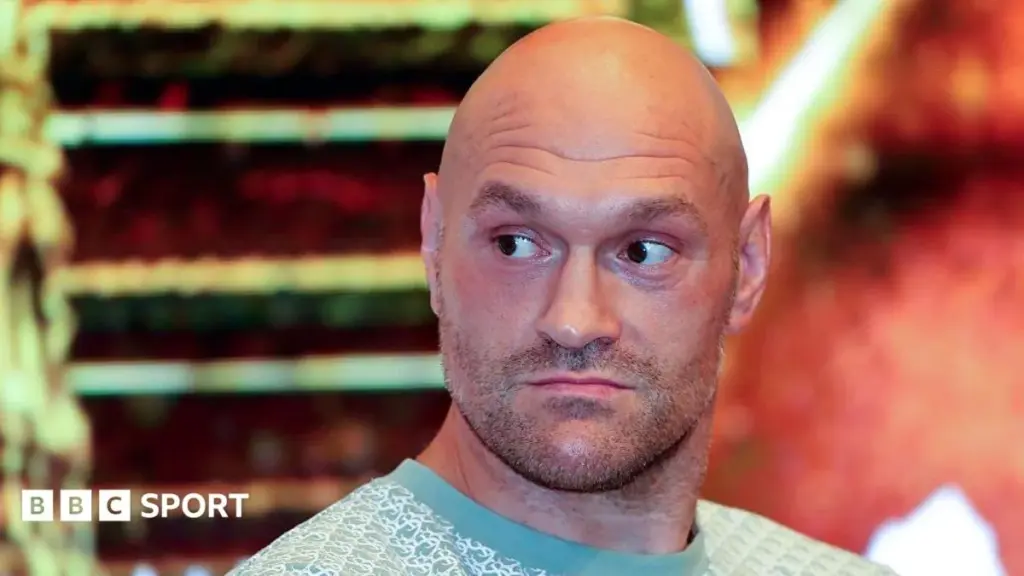
- The British Boxing Board of Control is conducting a medical review of Tyson Fury following his public disclosure of a past schizophrenia diagnosis.
- Robert Smith, General Secretary of the BBBoC, emphasized that athlete safety remains the primary mandate, regardless of the fighter's stature.
- Regulation 8.1(b) grants the board absolute discretion to assess existing license holders, potentially impacting the December 11th Cardiff bout.
- The situation highlights the evolving intersection of mental health transparency in elite sports and the stringent medical requirements for professional combatants.
- Ủy ban Kiểm soát Quyền Anh Anh quốc (BBBoC) đang tiến hành đánh giá y tế đối với Tyson Fury sau khi anh công khai chẩn đoán tâm thần phân liệt trong quá khứ.
- Robert Smith, Tổng thư ký BBBoC, nhấn mạnh rằng sự an toàn của vận động viên luôn là ưu tiên hàng đầu, bất kể danh tiếng của võ sĩ đó ra sao.
- Quy định 8.1(b) trao cho ủy ban quyền quyết định tuyệt đối trong việc đánh giá các võ sĩ đang giữ giấy phép, điều này có thể ảnh hưởng trực tiếp đến trận đấu tại Cardiff vào ngày 11 tháng 12.
- Tình huống này làm nổi bật sự giao thoa ngày càng phức tạp giữa tính minh bạch về sức khỏe tâm thần trong thể thao đỉnh cao và các yêu cầu y tế khắt khe đối với võ sĩ chuyên nghiệp.
- Le British Boxing Board of Control (BBBoC) mène une expertise médicale sur Tyson Fury suite à ses déclarations publiques concernant un diagnostic passé de schizophrénie.
- Robert Smith, secrétaire général du BBBoC, a souligné que la sécurité des athlètes demeure la priorité absolue, indépendamment du statut de la star.
- Le règlement 8.1(b) confère au conseil une discrétion totale pour évaluer les détenteurs de licence, ce qui pourrait compromettre le combat du 11 décembre à Cardiff.
- Cette affaire illustre l'intersection croissante entre la transparence sur la santé mentale dans le sport de haut niveau et les exigences médicales strictes imposées aux combattants professionnels.
- La Junta de Control del Boxeo Británico (BBBoC) está llevando a cabo una revisión médica de Tyson Fury tras su revelación pública sobre un diagnóstico previo de esquizofrenia.
- Robert Smith, secretario general de la BBBoC, enfatizó que la seguridad del atleta sigue siendo el mandato principal, independientemente de la estatura del púgil.
- El reglamento 8.1(b) otorga a la junta una discreción absoluta para evaluar a los titulares de licencias vigentes, lo que podría afectar al combate del 11 de diciembre en Cardiff.
- La situación pone de relieve la intersección, cada vez más compleja, entre la transparencia en salud mental en el deporte de élite y los exigentes requisitos médicos para los combatientes profesionales.
- 英国拳击管理委员会(BBBoC)正对泰森·富里进行医学审查,起因是他公开披露了自己曾被诊断出患有精神分裂症。
- BBBoC秘书长罗伯特·史密斯强调,无论运动员名气如何,保障运动员安全始终是委员会的首要职责。
- 根据第8.1(b)条规定,委员会拥有评估现有执照持有者的绝对裁量权,这可能会影响12月11日在卡迪夫举行的比赛。
- 此事件凸显了精英体育中心理健康透明度与职业格斗严苛医疗要求之间日益复杂的交集。
The world of heavyweight boxing, a sport defined by its brutal physicality and the stoic resilience of its champions, finds itself at a delicate crossroads. As the countdown to the December 11th showdown between Tyson Fury and Anthony Joshua at Cardiff’s Principality Stadium intensifies, the narrative has shifted from tactical analysis and punch statistics to the complex, often opaque domain of mental health regulation. The catalyst for this sudden scrutiny is a candid admission from Fury himself, featured in a new Netflix documentary, where the 38-year-old heavyweight reveals a past diagnosis of schizophrenia—a disclosure that has prompted the British Boxing Board of Control (BBBoC) to initiate a formal medical assessment.
For a sport that has historically prioritized physical trauma over psychological well-being, this moment represents a significant inflection point. Robert Smith, the General Secretary of the BBBoC, has moved quickly to reassure the public that the board is handling the matter with the gravity it demands. While Smith remains "fairly confident" that the bout will proceed, his insistence that the board would not permit any athlete—regardless of their status as a global icon—to compete if they were deemed medically unfit, underscores the precarious nature of the current situation. The intersection of Fury’s storied, turbulent history and the rigid regulatory framework of the sport has created a high-stakes environment where the outcome of the fight may be decided in a medical boardroom long before the first bell rings in Cardiff.
The Regulatory Tightrope of Professional Combat
The regulatory landscape governing professional boxing in the United Kingdom is governed by a set of strict, often unforgiving protocols. Under Regulation 8.1(b) of the BBBoC’s 2026 guidelines, conditions such as schizophrenia are explicitly listed as factors that "may preclude" an individual from obtaining a first-time boxing license. However, for an established athlete like Fury, the board retains "absolute discretion" to determine the fighter's ongoing eligibility. This distinction is crucial; it acknowledges that the board must balance the athlete’s right to earn a living with the absolute necessity of ensuring that a fighter is not a danger to themselves or their opponent in the ring.
Fury’s disclosure, which details a period of profound darkness following his 2015 victory over Wladimir Klitschko, provides a rare, unfiltered look at the psychological toll of elite sports. In the documentary, Fury and his wife, Paris, recount the harrowing events of 2016, including an admission to the hospital for what was initially feared to be a heart attack, but was later identified as an anxiety attack followed by a schizophrenia diagnosis. These revelations are not merely biographical; they are medical data points that the BBBoC must now reconcile with the physical realities of a 12-round heavyweight championship fight. The board’s challenge is to determine whether these past diagnoses represent a dormant chapter in the fighter’s life or a condition that requires ongoing, active management that could be compromised by the extreme stressors of professional combat.
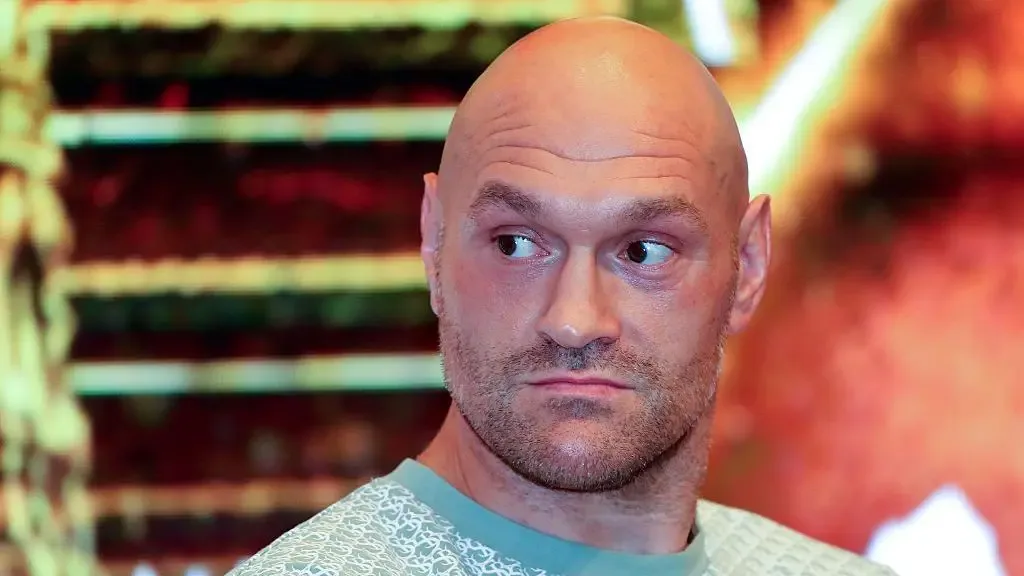
A History of Resilience and Public Scrutiny
To understand the gravity of this situation, one must look at the trajectory of Tyson Fury’s career, which has been defined as much by his personal battles as by his prowess in the ring. Following his historic win against Klitschko, Fury descended into a well-documented struggle with substance abuse and severe depression. His subsequent return to the sport—marked by his epic trilogy against Deontay Wilder—was widely hailed as one of the greatest comeback stories in the history of modern athletics. Yet, the very transparency that endeared him to millions is now the focal point of a regulatory investigation.
Historically, boxing has been slow to address the mental health of its participants, often viewing psychological struggles as a private matter rather than a professional safety concern. By bringing these issues to the forefront, Fury is challenging the industry to modernize its approach. The board’s current investigation is not necessarily an indictment of Fury’s fitness, but rather a necessary procedural step in an era where the "tough it out" mentality is being replaced by a more nuanced understanding of psychological health. The precedent set here will likely influence how the BBBoC handles similar disclosures in the future, potentially forcing a shift toward more comprehensive, ongoing mental health screenings for all licensed fighters.
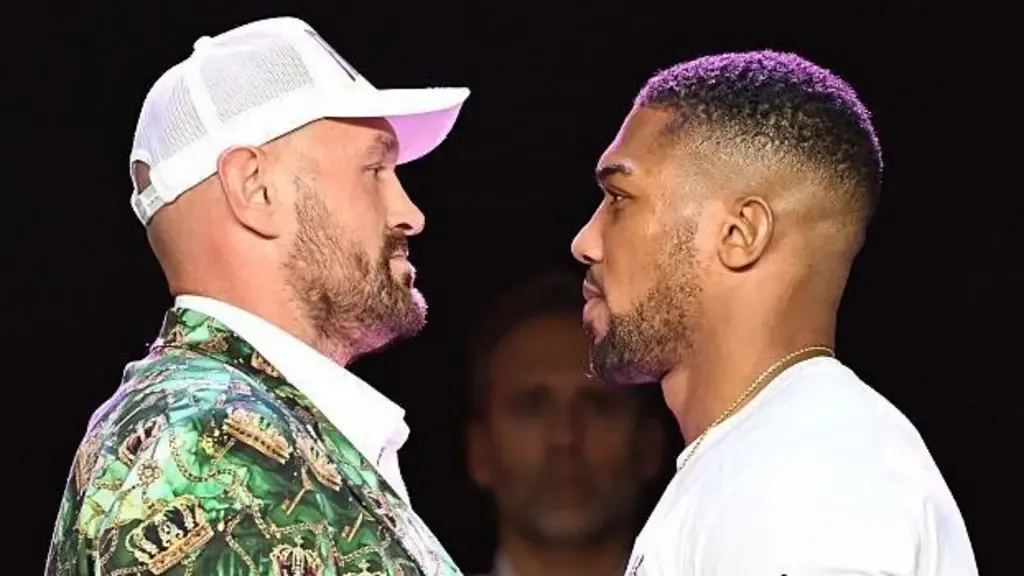
The Global Ripple Effects of the Cardiff Showdown
The economic and cultural stakes of the Fury-Joshua fight are immense. With a massive global audience expected to tune in for the December 12th early-morning finish, the fight is a cornerstone of the current boxing calendar. A cancellation or postponement would not only result in significant financial losses for promoters and broadcasters but would also leave a void in the heavyweight division’s competitive hierarchy. The global boxing community is watching closely, not just for the fight itself, but to see how the sport’s governing bodies handle the tension between individual autonomy and institutional safety.
Furthermore, the public reaction has been polarized. Supporters of Fury argue that his past struggles are exactly that—the past—and that his subsequent performances in the ring prove his capability. Conversely, critics and medical professionals emphasize that the board’s primary responsibility is the preservation of life. The outcome of this assessment will serve as a bellwether for how sports organizations globally navigate the complex intersection of mental health and high-risk athletic performance. If the board clears Fury, it will be a testament to their confidence in his medical management; if they intervene, it will signal a new, more cautious era for the sport.
Institutional Integrity and the Path Forward
As the board’s medical experts continue their review, the focus remains on the upcoming days. Robert Smith has been careful to keep the specifics of the medical assessment private, citing the sensitive nature of the information. This discretion is vital to maintaining the integrity of the process, shielding the fighter from unnecessary public speculation while ensuring that the board’s decision is based on clinical evidence rather than external pressure. The medical team’s evaluation will likely involve a comprehensive review of Fury’s current psychological health, his treatment history, and his readiness to withstand the intense physical and mental pressure of a championship bout.
What happens next will define the narrative of this fight. Whether the bout proceeds as scheduled or faces a delay, the conversation surrounding Tyson Fury’s health has already changed the landscape of the sport. By forcing a dialogue on the intersection of mental health and professional licensure, the BBBoC is performing a difficult but necessary duty. For the fans, the hope remains that the fight will take place, but for the sport of boxing, the ultimate victory will be the assurance that the safety of its athletes is being managed with the same level of rigor as the sport itself.
Thế giới quyền Anh hạng nặng, một môn thể thao vốn được định nghĩa bởi sự khốc liệt về thể chất và khả năng chịu đựng kiên cường của các nhà vô địch, đang đứng trước một ngã rẽ đầy nhạy cảm. Khi thời gian đếm ngược đến trận đại chiến ngày 11 tháng 12 giữa Tyson Fury và Anthony Joshua tại Sân vận động Principality ở Cardiff đang đến gần, câu chuyện đã chuyển hướng từ phân tích chiến thuật và thống kê cú đấm sang lĩnh vực phức tạp và thường thiếu minh bạch của các quy định về sức khỏe tâm thần. Chất xúc tác cho sự giám sát đột ngột này chính là lời thú nhận thẳng thắn từ chính Fury trong một bộ phim tài liệu mới trên Netflix, nơi võ sĩ hạng nặng 38 tuổi tiết lộ về chẩn đoán tâm thần phân liệt trong quá khứ—một tiết lộ đã khiến Ủy ban Kiểm soát Quyền Anh Anh quốc (BBBoC) phải khởi động một cuộc đánh giá y tế chính thức.
Đối với một môn thể thao vốn ưu tiên chấn thương thể chất hơn là sức khỏe tâm lý, thời điểm này đại diện cho một bước ngoặt quan trọng. Robert Smith, Tổng thư ký của BBBoC, đã nhanh chóng trấn an công chúng rằng ủy ban đang xử lý vấn đề với sự nghiêm túc cần thiết. Mặc dù ông Smith vẫn "khá tự tin" rằng trận đấu sẽ diễn ra, nhưng việc ông khẳng định rằng ủy ban sẽ không cho phép bất kỳ vận động viên nào—bất kể vị thế là một biểu tượng toàn cầu—thi đấu nếu họ bị coi là không đủ điều kiện y tế, đã nhấn mạnh tính chất bấp bênh của tình hình hiện tại. Sự giao thoa giữa lịch sử đầy biến động của Fury và khuôn khổ pháp lý cứng nhắc của môn thể thao này đã tạo ra một môi trường đầy áp lực, nơi kết quả của trận đấu có thể được quyết định trong phòng họp y tế từ rất lâu trước khi tiếng chuông khai cuộc vang lên tại Cardiff.
Sợi dây thăng bằng pháp lý trong võ thuật chuyên nghiệp
Bối cảnh pháp lý quản lý quyền Anh chuyên nghiệp tại Vương quốc Anh được điều hành bởi một bộ quy tắc nghiêm ngặt và thường không khoan nhượng. Theo Quy định 8.1(b) trong các hướng dẫn năm 2026 của BBBoC, các tình trạng như tâm thần phân liệt được liệt kê rõ ràng là những yếu tố "có thể ngăn cản" một cá nhân nhận giấy phép quyền Anh lần đầu. Tuy nhiên, đối với một vận động viên đã thành danh như Fury, ủy ban vẫn giữ "quyền quyết định tuyệt đối" để xác định tư cách thi đấu liên tục của võ sĩ. Sự khác biệt này rất quan trọng; nó thừa nhận rằng ủy ban phải cân bằng giữa quyền mưu sinh của vận động viên với sự cần thiết tuyệt đối trong việc đảm bảo rằng võ sĩ không gây nguy hiểm cho bản thân hoặc đối thủ trên võ đài.
Tiết lộ của Fury, mô tả chi tiết khoảng thời gian đen tối sau chiến thắng trước Wladimir Klitschko vào năm 2015, mang đến một cái nhìn hiếm hoi và không lọc về cái giá tâm lý của thể thao đỉnh cao. Trong bộ phim tài liệu, Fury và vợ anh, Paris, kể lại những sự kiện đau lòng năm 2016, bao gồm việc nhập viện vì điều ban đầu được cho là một cơn đau tim, nhưng sau đó được xác định là một cơn hoảng loạn kèm theo chẩn đoán tâm thần phân liệt. Những tiết lộ này không chỉ là dữ liệu tiểu sử; chúng là những điểm dữ liệu y tế mà BBBoC hiện phải đối chiếu với thực tế thể chất của một trận tranh đai hạng nặng 12 hiệp. Thách thức của ủy ban là xác định xem những chẩn đoán trong quá khứ này là một chương đã ngủ yên trong cuộc đời võ sĩ hay là một tình trạng đòi hỏi sự quản lý tích cực, liên tục, vốn có thể bị tổn hại bởi những áp lực cực độ của võ thuật chuyên nghiệp.
Lịch sử của sự kiên cường và sự giám sát của công chúng
Để hiểu được mức độ nghiêm trọng của tình hình này, người ta phải nhìn vào quỹ đạo sự nghiệp của Tyson Fury, vốn được định nghĩa bởi những cuộc chiến cá nhân cũng nhiều như bởi năng lực trên võ đài. Sau chiến thắng lịch sử trước Klitschko, Fury đã rơi vào cuộc vật lộn được ghi chép kỹ lưỡng với việc lạm dụng chất kích thích và trầm cảm nặng. Sự trở lại sau đó của anh với môn thể thao này—được đánh dấu bằng bộ ba trận đấu kinh điển với Deontay Wilder—được ca ngợi rộng rãi là một trong những câu chuyện trở lại vĩ đại nhất trong lịch sử thể thao hiện đại. Tuy nhiên, chính sự minh bạch đã khiến anh được hàng triệu người yêu mến giờ đây lại trở thành tâm điểm của một cuộc điều tra pháp lý.
Trong lịch sử, quyền Anh đã chậm trễ trong việc giải quyết sức khỏe tâm thần của các võ sĩ, thường coi những khó khăn tâm lý là vấn đề riêng tư thay vì mối quan tâm về an toàn nghề nghiệp. Bằng cách đưa những vấn đề này ra ánh sáng, Fury đang thách thức ngành công nghiệp này hiện đại hóa cách tiếp cận của mình. Cuộc điều tra hiện tại của ủy ban không nhất thiết là một bản cáo trạng về thể trạng của Fury, mà là một bước thủ tục cần thiết trong thời đại mà tâm lý "cố gắng chịu đựng" đang được thay thế bằng sự hiểu biết tinh tế hơn về sức khỏe tâm lý. Tiền lệ được thiết lập ở đây có khả năng sẽ ảnh hưởng đến cách BBBoC xử lý các tiết lộ tương tự trong tương lai, có khả năng thúc đẩy sự chuyển dịch hướng tới các cuộc sàng lọc sức khỏe tâm thần toàn diện và liên tục hơn cho tất cả các võ sĩ được cấp phép.
Tác động lan tỏa toàn cầu của trận đấu tại Cardiff
Các lợi ích kinh tế và văn hóa của trận đấu Fury-Joshua là vô cùng to lớn. Với lượng khán giả toàn cầu khổng lồ dự kiến sẽ theo dõi trận đấu vào sáng sớm ngày 12 tháng 12, đây là một cột trụ trong lịch thi đấu quyền Anh hiện tại. Việc hủy bỏ hoặc hoãn trận đấu sẽ không chỉ dẫn đến tổn thất tài chính đáng kể cho các nhà quảng bá và đài truyền hình mà còn để lại một khoảng trống trong hệ thống phân cấp cạnh tranh của hạng nặng. Cộng đồng quyền Anh toàn cầu đang theo dõi sát sao, không chỉ vì bản thân trận đấu, mà còn để xem các cơ quan quản lý của môn thể thao này xử lý sự căng thẳng giữa quyền tự chủ cá nhân và sự an toàn của tổ chức như thế nào.
Hơn nữa, phản ứng của công chúng đã bị phân cực. Những người ủng hộ Fury lập luận rằng những khó khăn trong quá khứ của anh chính xác là như vậy—quá khứ—và những màn trình diễn sau đó của anh trên võ đài đã chứng minh năng lực của anh. Ngược lại, các nhà phê bình và chuyên gia y tế nhấn mạnh rằng trách nhiệm chính của ủy ban là bảo toàn tính mạng. Kết quả của cuộc đánh giá này sẽ đóng vai trò là thước đo cho cách các tổ chức thể thao trên toàn cầu điều hướng sự giao thoa phức tạp giữa sức khỏe tâm thần và hiệu suất thể thao rủi ro cao. Nếu ủy ban cho phép Fury thi đấu, đó sẽ là minh chứng cho sự tin tưởng của họ vào công tác quản lý y tế của anh; nếu họ can thiệp, đó sẽ là tín hiệu cho một kỷ nguyên mới, thận trọng hơn đối với môn thể thao này.
Tính chính trực của tổ chức và con đường phía trước
Khi các chuyên gia y tế của ủy ban tiếp tục đánh giá, trọng tâm vẫn nằm ở những ngày sắp tới. Robert Smith đã cẩn thận giữ kín các chi tiết cụ thể của đánh giá y tế, viện dẫn tính chất nhạy cảm của thông tin. Sự thận trọng này là rất quan trọng để duy trì tính chính trực của quy trình, bảo vệ võ sĩ khỏi những suy đoán không cần thiết của công chúng đồng thời đảm bảo rằng quyết định của ủy ban dựa trên bằng chứng lâm sàng thay vì áp lực bên ngoài. Đánh giá của đội ngũ y tế có khả năng sẽ bao gồm một cuộc rà soát toàn diện về sức khỏe tâm lý hiện tại của Fury, lịch sử điều trị và sự sẵn sàng của anh để chịu đựng áp lực thể chất và tinh thần dữ dội của một trận tranh đai vô địch.
Điều gì xảy ra tiếp theo sẽ định hình câu chuyện của trận đấu này. Cho dù trận đấu diễn ra theo đúng kế hoạch hay phải đối mặt với sự trì hoãn, cuộc trò chuyện xung quanh sức khỏe của Tyson Fury đã thay đổi bối cảnh của môn thể thao này. Bằng cách buộc phải đối thoại về sự giao thoa giữa sức khỏe tâm thần và giấy phép hành nghề, BBBoC đang thực hiện một nhiệm vụ khó khăn nhưng cần thiết. Đối với người hâm mộ, hy vọng vẫn là trận đấu sẽ diễn ra, nhưng đối với môn quyền Anh, chiến thắng cuối cùng sẽ là sự đảm bảo rằng sự an toàn của các vận động viên đang được quản lý với mức độ nghiêm ngặt tương đương với chính môn thể thao này.
Le monde de la boxe poids lourds, un sport défini par sa brutalité physique et la résilience stoïque de ses champions, se trouve à la croisée des chemins. Alors que le compte à rebours pour le choc du 11 décembre entre Tyson Fury et Anthony Joshua au Principality Stadium de Cardiff s'intensifie, le récit a glissé de l'analyse tactique et des statistiques de coups portés vers le domaine complexe, et souvent opaque, de la régulation de la santé mentale. Le catalyseur de cet examen soudain est un aveu sincère de Fury lui-même, dans un nouveau documentaire Netflix, où le poids lourd de 38 ans révèle un diagnostic passé de schizophrénie—une divulgation qui a poussé le British Boxing Board of Control (BBBoC) à initier une évaluation médicale formelle.
Pour un sport qui a historiquement privilégié le traumatisme physique au détriment du bien-être psychologique, ce moment représente un tournant significatif. Robert Smith, secrétaire général du BBBoC, s'est empressé de rassurer le public sur le fait que le conseil traite cette affaire avec la gravité requise. Bien que Smith se dise "assez confiant" quant à la tenue du combat, son insistance sur le fait que le conseil ne permettrait à aucun athlète—quel que soit son statut d'icône mondiale—de concourir s'il était jugé médicalement inapte, souligne la nature précaire de la situation actuelle. L'intersection entre l'histoire tourmentée de Fury et le cadre réglementaire rigide du sport a créé un environnement à enjeux élevés où l'issue du combat pourrait être décidée dans une salle de réunion médicale bien avant que le premier gong ne retentisse à Cardiff.
La corde raide réglementaire du combat professionnel
Le paysage réglementaire régissant la boxe professionnelle au Royaume-Uni est régi par un ensemble de protocoles stricts, souvent impitoyables. En vertu du règlement 8.1(b) des directives 2026 du BBBoC, des pathologies telles que la schizophrénie sont explicitement listées comme des facteurs qui "peuvent empêcher" un individu d'obtenir une première licence de boxe. Cependant, pour un athlète établi comme Fury, le conseil conserve une "discrétion absolue" pour déterminer l'éligibilité continue du combattant. Cette distinction est cruciale ; elle reconnaît que le conseil doit équilibrer le droit de l'athlète à gagner sa vie avec la nécessité absolue de s'assurer qu'un combattant ne représente pas un danger pour lui-même ou pour son adversaire sur le ring.
La révélation de Fury, qui détaille une période de profonde obscurité après sa victoire de 2015 contre Wladimir Klitschko, offre un regard rare et sans filtre sur le coût psychologique du sport de haut niveau. Dans le documentaire, Fury et son épouse, Paris, relatent les événements éprouvants de 2016, notamment une hospitalisation pour ce qui était initialement craint comme une crise cardiaque, mais qui fut plus tard identifié comme une crise d'angoisse suivie d'un diagnostic de schizophrénie. Ces révélations ne sont pas seulement biographiques ; ce sont des données médicales que le BBBoC doit désormais concilier avec les réalités physiques d'un combat de championnat des poids lourds en 12 rounds. Le défi du conseil est de déterminer si ces diagnostics passés représentent un chapitre dormant de la vie du combattant ou une condition nécessitant une gestion active et continue, qui pourrait être compromise par les facteurs de stress extrêmes du combat professionnel.
Une histoire de résilience et de surveillance publique
Pour comprendre la gravité de cette situation, il faut examiner la trajectoire de la carrière de Tyson Fury, définie autant par ses batailles personnelles que par ses prouesses sur le ring. Après sa victoire historique contre Klitschko, Fury a sombré dans une lutte documentée contre l'abus de substances et une dépression sévère. Son retour ultérieur au sport—marqué par sa trilogie épique contre Deontay Wilder—a été largement salué comme l'une des plus grandes histoires de retour dans l'histoire du sport moderne. Pourtant, la transparence même qui l'a rendu cher à des millions de personnes est aujourd'hui au centre d'une enquête réglementaire.
Historiquement, la boxe a été lente à aborder la santé mentale de ses participants, considérant souvent les luttes psychologiques comme une affaire privée plutôt que comme une préoccupation de sécurité professionnelle. En mettant ces questions sur le devant de la scène, Fury met l'industrie au défi de moderniser son approche. L'enquête actuelle du conseil n'est pas nécessairement une mise en cause de l'aptitude de Fury, mais plutôt une étape procédurale nécessaire à une époque où la mentalité du "il faut tenir bon" est remplacée par une compréhension plus nuancée de la santé psychologique. Le précédent établi ici influencera probablement la manière dont le BBBoC traitera des divulgations similaires à l'avenir, forçant potentiellement un virage vers des dépistages de santé mentale plus complets et continus pour tous les combattants licenciés.
Les répercussions mondiales du choc de Cardiff
Les enjeux économiques et culturels du combat Fury-Joshua sont immenses. Avec une audience mondiale massive attendue pour le dénouement au petit matin du 12 décembre, le combat est une pierre angulaire du calendrier actuel de la boxe. Une annulation ou un report entraînerait non seulement des pertes financières importantes pour les promoteurs et les diffuseurs, mais laisserait également un vide dans la hiérarchie compétitive de la catégorie poids lourds. La communauté mondiale de la boxe observe attentivement, non seulement pour le combat lui-même, mais pour voir comment les instances dirigeantes du sport gèrent la tension entre l'autonomie individuelle et la sécurité institutionnelle.
De plus, la réaction du public est polarisée. Les partisans de Fury soutiennent que ses luttes passées appartiennent au passé et que ses performances ultérieures sur le ring prouvent ses capacités. À l'inverse, les critiques et les professionnels de la santé soulignent que la responsabilité première du conseil est la préservation de la vie. L'issue de cette évaluation servira de baromètre pour la manière dont les organisations sportives mondiales naviguent à l'intersection complexe de la santé mentale et de la performance athlétique à haut risque. Si le conseil donne son feu vert à Fury, ce sera un témoignage de leur confiance dans sa gestion médicale ; s'ils interviennent, cela signalera une ère nouvelle, plus prudente, pour le sport.
Intégrité institutionnelle et voie à suivre
Alors que les experts médicaux du conseil poursuivent leur examen, l'attention reste portée sur les jours à venir. Robert Smith a pris soin de garder confidentiels les détails de l'évaluation médicale, citant la nature sensible des informations. Cette discrétion est vitale pour maintenir l'intégrité du processus, protégeant le combattant de spéculations publiques inutiles tout en garantissant que la décision du conseil est basée sur des preuves cliniques plutôt que sur une pression externe. L'évaluation de l'équipe médicale impliquera probablement un examen complet de la santé psychologique actuelle de Fury, de ses antécédents de traitement et de sa préparation à supporter la pression physique et mentale intense d'un combat de championnat.
Ce qui arrivera ensuite définira le récit de ce combat. Que le duel se déroule comme prévu ou qu'il soit retardé, la conversation entourant la santé de Tyson Fury a déjà changé le paysage du sport. En forçant un dialogue sur l'intersection de la santé mentale et de la licence professionnelle, le BBBoC accomplit un devoir difficile mais nécessaire. Pour les fans, l'espoir demeure que le combat aura lieu, mais pour le monde de la boxe, la victoire ultime sera l'assurance que la sécurité de ses athlètes est gérée avec le même niveau de rigueur que le sport lui-même.
El mundo del boxeo de los pesos pesados, un deporte definido por su brutal fisicidad y la estoica resiliencia de sus campeones, se encuentra en una delicada encrucijada. A medida que se intensifica la cuenta atrás para el enfrentamiento del 11 de diciembre entre Tyson Fury y Anthony Joshua en el Principality Stadium de Cardiff, la narrativa ha pasado del análisis táctico y las estadísticas de golpes al complejo y a menudo opaco dominio de la regulación de la salud mental. El catalizador de este repentino escrutinio es una sincera confesión del propio Fury, recogida en un nuevo documental de Netflix, donde el peso pesado de 38 años revela un diagnóstico pasado de esquizofrenia; una revelación que ha llevado a la Junta de Control del Boxeo Británico (BBBoC) a iniciar una evaluación médica formal.
Para un deporte que históricamente ha priorizado el trauma físico sobre el bienestar psicológico, este momento representa un punto de inflexión significativo. Robert Smith, secretario general de la BBBoC, se ha apresurado a asegurar al público que la junta está manejando el asunto con la gravedad que requiere. Aunque Smith se muestra "bastante confiado" en que el combate seguirá adelante, su insistencia en que la junta no permitiría que ningún atleta —independientemente de su estatus como icono mundial— compita si se considera médicamente no apto, subraya la naturaleza precaria de la situación actual. La intersección entre la turbulenta historia de Fury y el rígido marco regulatorio del deporte ha creado un entorno de alto riesgo donde el resultado de la pelea podría decidirse en una sala de juntas médica mucho antes de que suene la primera campana en Cardiff.
La cuerda floja regulatoria del combate profesional
El panorama regulatorio que rige el boxeo profesional en el Reino Unido se basa en un conjunto de protocolos estrictos y, a menudo, implacables. Según el reglamento 8.1(b) de las directrices de 2026 de la BBBoC, condiciones como la esquizofrenia se enumeran explícitamente como factores que "pueden impedir" que una persona obtenga una licencia de boxeo por primera vez. Sin embargo, para un atleta consolidado como Fury, la junta conserva una "discreción absoluta" para determinar la elegibilidad continua del púgil. Esta distinción es crucial; reconoce que la junta debe equilibrar el derecho del atleta a ganarse la vida con la necesidad absoluta de garantizar que un luchador no sea un peligro para sí mismo o para su oponente en el cuadrilátero.
La revelación de Fury, que detalla un periodo de profunda oscuridad tras su victoria de 2015 sobre Wladimir Klitschko, ofrece una mirada poco común y sin filtros al coste psicológico del deporte de élite. En el documental, Fury y su esposa, Paris, relatan los desgarradores acontecimientos de 2016, incluido un ingreso hospitalario por lo que inicialmente se temió que fuera un infarto, pero que más tarde se identificó como un ataque de ansiedad seguido de un diagnóstico de esquizofrenia. Estas revelaciones no son meramente biográficas; son puntos de datos médicos que la BBBoC debe ahora reconciliar con las realidades físicas de una pelea por el campeonato de los pesos pesados a 12 asaltos. El desafío de la junta es determinar si estos diagnósticos pasados representan un capítulo inactivo en la vida del luchador o una condición que requiere un manejo activo y continuo que podría verse comprometido por los estresores extremos del combate profesional.
Una historia de resiliencia y escrutinio público
Para comprender la gravedad de esta situación, hay que observar la trayectoria de la carrera de Tyson Fury, definida tanto por sus batallas personales como por su destreza en el ring. Tras su histórica victoria contra Klitschko, Fury se sumió en una bien documentada lucha contra el abuso de sustancias y una depresión severa. Su posterior regreso al deporte —marcado por su épica trilogía contra Deontay Wilder— fue aclamado como una de las mejores historias de superación en la historia del atletismo moderno. Sin embargo, la misma transparencia que le granjeó el cariño de millones es ahora el punto central de una investigación regulatoria.
Históricamente, el boxeo ha sido lento a la hora de abordar la salud mental de sus participantes, viendo a menudo las luchas psicológicas como un asunto privado en lugar de una preocupación por la seguridad profesional. Al poner estos temas en primer plano, Fury está desafiando a la industria a modernizar su enfoque. La actual investigación de la junta no es necesariamente una acusación contra la aptitud de Fury, sino un paso procedimental necesario en una era en la que la mentalidad de "aguantar" está siendo sustituida por una comprensión más matizada de la salud psicológica. El precedente sentado aquí probablemente influirá en cómo la BBBoC maneje revelaciones similares en el futuro, forzando potencialmente un cambio hacia exámenes de salud mental más completos y continuos para todos los púgiles con licencia.
Los efectos dominó globales del enfrentamiento de Cardiff
Las apuestas económicas y culturales de la pelea Fury-Joshua son inmensas. Con una audiencia mundial masiva que se espera que sintonice el final de la madrugada del 12 de diciembre, la pelea es una piedra angular del calendario actual de boxeo. Una cancelación o aplazamiento no solo supondría importantes pérdidas financieras para promotores y cadenas, sino que también dejaría un vacío en la jerarquía competitiva de la división de los pesos pesados. La comunidad mundial del boxeo observa de cerca, no solo por la pelea en sí, sino para ver cómo los organismos rectores del deporte manejan la tensión entre la autonomía individual y la seguridad institucional.
Además, la reacción pública ha estado polarizada. Los defensores de Fury argumentan que sus luchas pasadas son exactamente eso: el pasado, y que sus actuaciones posteriores en el ring demuestran su capacidad. Por el contrario, los críticos y profesionales médicos enfatizan que la responsabilidad principal de la junta es la preservación de la vida. El resultado de esta evaluación servirá como indicador de cómo las organizaciones deportivas a nivel mundial navegan la compleja intersección entre la salud mental y el rendimiento atlético de alto riesgo. Si la junta autoriza a Fury, será un testimonio de su confianza en su gestión médica; si intervienen, señalará una nueva era, más cautelosa, para el deporte.
Integridad institucional y el camino a seguir
Mientras los expertos médicos de la junta continúan su revisión, el foco permanece en los próximos días. Robert Smith ha sido cuidadoso al mantener en privado los detalles de la evaluación médica, citando la naturaleza sensible de la información. Esta discreción es vital para mantener la integridad del proceso, protegiendo al luchador de especulaciones públicas innecesarias y garantizando que la decisión de la junta se base en evidencia clínica en lugar de presiones externas. La evaluación del equipo médico probablemente implicará una revisión exhaustiva de la salud psicológica actual de Fury, su historial de tratamiento y su preparación para soportar la intensa presión física y mental de un combate por el campeonato.
Lo que suceda a continuación definirá la narrativa de esta pelea. Tanto si el combate sigue adelante según lo previsto como si se enfrenta a un retraso, la conversación en torno a la salud de Tyson Fury ya ha cambiado el panorama del deporte. Al forzar un diálogo sobre la intersección entre la salud mental y la licencia profesional, la BBBoC está cumpliendo con un deber difícil pero necesario. Para los aficionados, la esperanza sigue siendo que la pelea tenga lugar, pero para el mundo del boxeo, la victoria definitiva será la garantía de que la seguridad de sus atletas se gestiona con el mismo nivel de rigor que el deporte en sí.
重量级拳击——这项以残酷的身体对抗和冠军坚韧意志为定义的运动,正处于一个微妙的十字路口。随着12月11日泰森·富里与安东尼·约书亚在卡迪夫公国体育场对决的倒计时日益临近,舆论焦点已从战术分析和出拳数据,转向了复杂且往往晦涩的心理健康监管领域。这场审查的导火索是富里本人在一部新的Netflix纪录片中坦诚的自白,这位38岁的重量级拳手透露自己曾被诊断出患有精神分裂症,这一披露促使英国拳击管理委员会(BBBoC)启动了正式的医学评估。
对于一项历史上更看重身体创伤而非心理健康的运动来说,这一时刻代表了一个重要的转折点。BBBoC秘书长罗伯特·史密斯迅速采取行动,向公众保证委员会正以应有的严谨态度处理此事。尽管史密斯表示“相当有信心”比赛能够如期进行,但他坚持认为,无论运动员是否为全球偶像,只要被判定医学上不适合参赛,委员会绝不会允许其上场,这凸显了当前局势的脆弱性。富里传奇而动荡的过往与拳击界严苛的监管框架交织在一起,创造了一个高风险的环境,比赛的结果可能在卡迪夫的第一声铃响前,就已在医疗会议室中被决定。
职业格斗的监管钢丝
英国职业拳击的监管环境由一套严格且往往不留情面的协议所管辖。根据BBBoC 2026年准则的第8.1(b)条,精神分裂症等疾病被明确列为“可能排除”个人获得首次拳击执照的因素。然而,对于像富里这样已成名的运动员,委员会保留了决定拳手持续参赛资格的“绝对裁量权”。这种区别至关重要;它承认委员会必须在保障运动员谋生权利与确保拳手不会对自己或对手构成危险的绝对必要性之间取得平衡。
富里在纪录片中详细描述了他在2015年战胜弗拉基米尔·克利钦科后经历的那段深沉黑暗时期,为人们提供了一次罕见且未经修饰的视角,窥见精英体育背后的心理代价。在纪录片中,富里和他的妻子帕里斯讲述了2016年令人心碎的经历,包括因被误认为是心脏病发作而入院,随后被确诊为焦虑症并伴有精神分裂症。这些披露不仅仅是个人传记,更是BBBoC现在必须与12回合重量级冠军赛的身体现实相协调的医学数据点。委员会面临的挑战是,确定这些过去的诊断是拳手生命中一段沉睡的篇章,还是需要持续、积极管理,且可能因职业格斗的极端压力而受到影响的病症。
韧性与公众审视的历史
要理解这一局势的严重性,必须审视泰森·富里的职业生涯轨迹,他的生涯既由他在拳台上的英勇表现定义,也由他个人的挣扎所定义。在战胜克利钦科的历史性胜利后,富里陷入了众所周知的药物滥用和严重抑郁的泥潭。他随后重返拳坛——以他与德昂泰·维尔德的三番战为标志——被广泛誉为现代体育史上最伟大的复出故事之一。然而,正是这种让他赢得数百万粉丝喜爱的透明度,现在却成了监管调查的焦点。
从历史上看,拳击界在处理参赛者的心理健康问题上一直反应迟缓,往往将心理挣扎视为私事而非职业安全问题。通过将这些问题推向台前,富里正在挑战整个行业使其方法现代化。委员会目前的调查并不一定是对富里身体状况的指控,而是在“咬牙坚持”的传统心态正被更细致的心理健康理解所取代的时代,一个必要的程序步骤。此处开创的先例可能会影响BBBoC未来处理类似披露的方式,并可能推动行业向为所有持照拳手提供更全面、持续的心理健康筛查的方向转变。
卡迪夫对决的全球连锁反应
富里与约书亚之战的经济和文化利益巨大。随着全球海量观众预计将收看12月12日凌晨的比赛,这场对决已成为当前拳击赛历的基石。取消或推迟比赛不仅会给推广商和转播商带来巨大的经济损失,也会在重量级拳坛的竞争格局中留下空白。全球拳击界正密切关注,不仅是为了比赛本身,更是为了观察这项运动的监管机构如何处理个人自主权与机构安全之间的张力。
此外,公众反应呈现两极分化。富里的支持者认为,他过去的挣扎已成往事,他随后的拳台表现证明了他的能力。相反,批评者和医学专家强调,委员会的首要责任是生命安全。此次评估的结果将成为全球体育组织如何应对心理健康与高风险竞技表现之间复杂交集的风向标。如果委员会批准富里参赛,这将证明他们对其医疗管理的信心;如果他们进行干预,则标志着该项运动进入了一个更加谨慎的新时代。
机构完整性与前行之路
随着委员会的医学专家继续进行审查,焦点依然集中在接下来的几天。罗伯特·史密斯一直谨慎地对医学评估的具体细节保密,理由是这些信息具有敏感性。这种谨慎对于维护程序的完整性至关重要,既能保护拳手免受不必要的公众猜测,又能确保委员会的决定基于临床证据而非外部压力。医疗团队的评估可能包括对富里当前心理健康状况、治疗史以及他是否有能力承受冠军赛带来的巨大身心压力的全面审查。
接下来发生的事情将定义这场比赛的叙事。无论比赛是如期举行还是面临延期,围绕泰森·富里健康的讨论已经改变了这项运动的格局。通过强制开启关于心理健康与职业执照之间关系的对话,BBBoC正在履行一项艰难但必要的职责。对于拳迷而言,希望比赛能够如期举行,但对于拳击运动本身而言,最终的胜利将是确保其运动员的安全正受到与运动本身同等严谨程度的管理。
Editorial Standards & Multi-Language Synthesis: This dispatch was synthesized and fact-checked by the ParisDaily Editorial Desk across 5 global editions (EN, FR, VI, ES, ZH), cross-referencing primary international wire reports and real-time search intelligence.