Fatherhood from the Final Frontier: Canadian Astronaut Welcomes Child Aboard the ISS
Canadian Space Agency astronaut Joshua Kutryk has become just the fourth explorer in history to witness the birth of his child from the International Space Station, bridging a 250-mile cosmic chasm with modern technology and profound sacrifice.
Phi hành gia Joshua Kutryk của Cơ quan Vũ trụ Canada vừa trở thành nhà thám hiểm thứ tư trong lịch sử chứng kiến sự ra đời của con mình từ Trạm Vũ trụ Quốc tế. Khoảng cách không gian 250 dặm đã được khỏa lấp bằng công nghệ hiện đại và những sự hy sinh cao cả.
L'astronaute de l'Agence spatiale canadienne Joshua Kutryk est devenu le quatrième explorateur de l'histoire à assister à la naissance de son enfant depuis la Station spatiale internationale, comblant un abîme cosmique de 400 kilomètres grâce aux technologies modernes et à un sacrifice hors du commun.
El astronauta de la Agencia Espacial Canadiense Joshua Kutryk se ha convertido en el cuarto explorador de la historia en presenciar el nacimiento de su hijo desde la Estación Espacial Internacional, tendiendo un puente sobre un abismo cósmico de 400 kilómetros gracias a la tecnología moderna y a un profundo sacrificio.
加拿大空间局宇航员约书亚·库特里克(Joshua Kutryk)成为人类航天史上第四位在国际空间站上见证自己孩子降生的探险家,他用现代科技与深沉的奉献跨越了250英里的宇宙鸿沟。
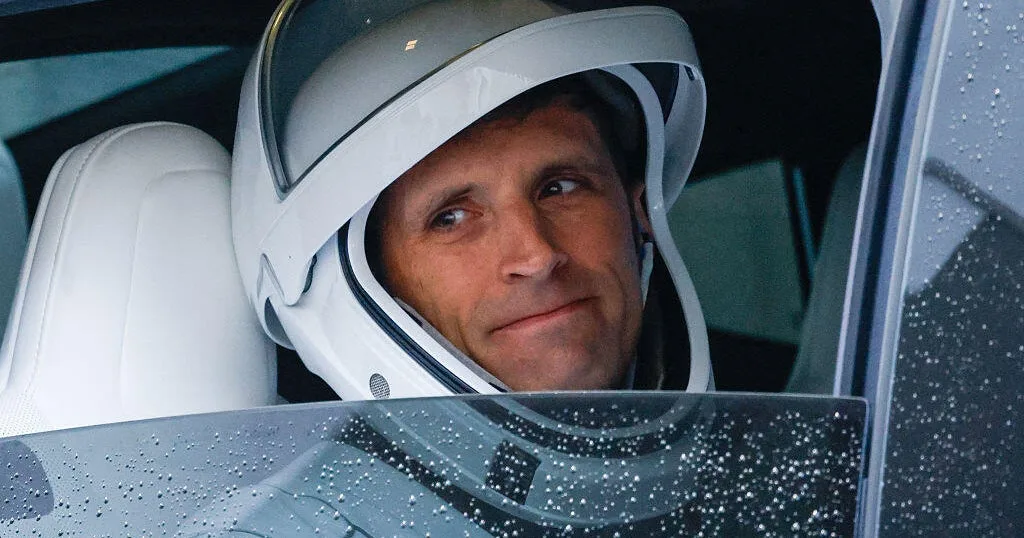
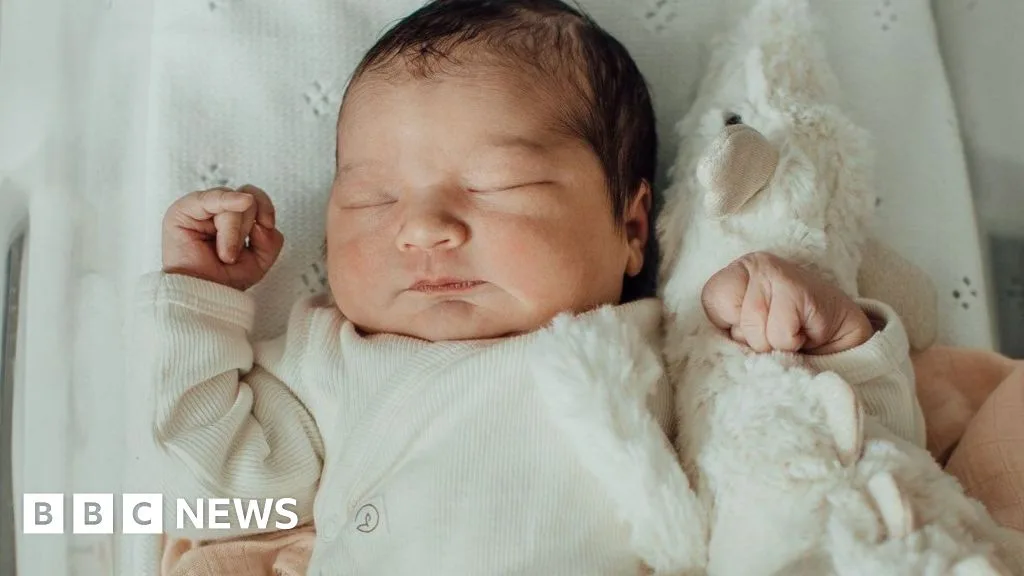
- Canadian astronaut Joshua Kutryk's wife, Heather Kutryk, gave birth to their third child, a baby girl, while he is stationed aboard the International Space Station.
- Kutryk is only the fourth astronaut in the history of human spaceflight to miss the birth of a child while currently on active orbital duty.
- Launched on October 1 via a SpaceX Crew Dragon capsule as part of Crew 13, Kutryk is serving a six-month mission encompassing advanced scientific research.
- The couple shares two other children aged five and seven, navigating the unique domestic realities of military test piloting and modern cosmic exploration.
- Vợ của phi hành gia Canada Joshua Kutryk, chị Heather Kutryk, đã hạ sinh người con thứ ba (một bé gái) khi anh đang làm nhiệm vụ trên Trạm Vũ trụ Quốc tế.
- Kutryk là một trong bốn phi hành gia duy nhất trong lịch sử bay vào vũ trụ lỡ khoảnh khắc con chào đời do đang thực hiện nhiệm vụ ngoài quỹ đạo.
- Bay lên vũ trụ vào ngày 1 tháng 10 trên khoang SpaceX Crew Dragon trong sứ mệnh Crew 13, Kutryk đang thực hiện sứ mệnh kéo dài sáu tháng bao gồm các nghiên cứu khoa học tiên tiến.
- Cặp đôi có với nhau hai người con khác năm và bảy tuổi, cùng nhau vượt qua những thực tế đời thường đặc thù của một phi công thử nghiệm quân sự và nhà thám hiểm vũ trụ đương đại.
- L'épouse de l'astronaute canadien Joshua Kutryk, Heather Kutryk, a donné naissance à leur troisième enfant, une petite fille, pendant qu'il est en poste à bord de la Station spatiale internationale.
- Kutryk est seulement le quatrième astronaute de l'histoire des vols spatiaux habités à manquer la naissance de son enfant en raison de ses fonctions orbitales en cours.
- Lancé le 1er octobre à bord d'une capsule SpaceX Crew Dragon dans le cadre de la mission Crew 13, Kutryk accomplit une mission de six mois dédiée à la recherche scientifique de pointe.
- Le couple élève déjà deux autres enfants âgés de cinq et sept ans, naviguant ainsi entre les réalités domestiques uniques du pilotage d'essai militaire et de l'exploration spatiale moderne.
- Heather Kutryk, esposa del astronauta canadiense Joshua Kutryk, dio a luz a su tercera hija mientras él se encuentra destinado a bordo de la Estación Espacial Internacional.
- Kutryk es apenas el cuarto astronauta en la historia de los vuelos espaciales humanos en perderse el nacimiento de un hijo mientras cumple una misión orbital activa.
- Lanzado el 1 de octubre a bordo de una cápsula SpaceX Crew Dragon como parte de la misión Crew 13, Kutryk cumple una misión de seis meses dedicada a la investigación científica avanzada.
- La pareja tiene otros dos hijos de cinco y siete años, y afronta las singulares realidades domésticas de la aviación de pruebas militares y la exploración cósmica moderna.
- 加拿大宇航员约书亚·库特里克的妻子海瑟·库特里克在国际空间站驻留期间诞下了两人的第三个孩子——一个女婴。
- 库特里克是人类载人航天史上仅有的第四位在执行现役轨道任务期间错过孩子出生的宇航员。
- 作为“远征13”任务的一部分,库特里克于10月1日搭乘SpaceX“龙”飞船发射升空,开启了一项为期六个月、包含前沿科学研究的太空使命。
- 这对夫妇还育有另外两个分别五岁和七岁的孩子,他们共同应对了军事试飞员与现代太空探索所带来的独特家庭现实。
When the SpaceX Crew Dragon capsule carrying Crew 13 lifted off from the launchpads of Florida on October 1, its passengers carried with them the culmination of decades of rigorous preparation, scientific ambition, and personal sacrifice. Among them was Colonel Joshua Kutryk, a veteran fighter pilot and the lone Canadian selected for the mission. Yet, even as he ascended into the breathless expanse of low Earth orbit to join the orbiting laboratory of the International Space Station, a wholly terrestrial drama was unfolding on the ground. Hundreds of miles below, his wife, Heather Kutryk, was preparing to expand their family, navigating the final trimester of an unexpected pregnancy with an uncommon poise that would soon capture the attention of the global press and resonate deeply across cultural archives worldwide.
On Tuesday, the Canadian Space Agency formally announced that Heather had given birth to the couple's third child, a healthy baby girl, joining siblings aged seven and five. In a world accustomed to measuring space missions in orbital mechanics, telemetry data, and payload capacities, the arrival of a new life through a video feed from 250 miles above the Earth's surface injected a poignant reminder of the human heart into the sterile architecture of orbital engineering. Kutryk, marking his maiden spaceflight after transitioning from a distinguished career as a Royal Canadian Air Force test pilot, found himself inducted into an exceedingly exclusive fraternity: he is officially just the fourth astronaut in the annals of human space exploration to experience the birth of a child while actively stationed in space.
The Anatomy of Orbital Sacrifice and Family Resilience
The logistical and emotional architecture required to manage an orbital birth from the International Space Station is as complex as the mechanics of spaceflight itself. Astronauts live and work on an unforgiving schedule governed by coordinated universal time, microgravity adaptation, and relentless scientific experimentation. When Joshua and Heather Kutryk learned that her due date would coincide with the early months of his six-month expedition alongside NASA and Roscosmos colleagues, they faced a reality familiar to military families yet unprecedented in its celestial scale. Speaking candidly prior to his departure, Kutryk acknowledged the profound difficulty of missing such a milestone, noting that while physical absence is agonizing, it transforms into an enriching, historic life experience for the family to reflect upon in the decades to come.The successful coordination of the event relied heavily on the robust support networks provided by both the Canadian Space Agency and NASA. Heather Kutryk noted in interviews leading up to the birth that her anxiety was assuaged by a deeply ingrained community and institutional backing. "It's six months, I feel like we'll be fine," she remarked with striking resilience. When the moment finally arrived, modern communications technology bridged the cosmic gulf, allowing Joshua to share in the emotional resonance of the delivery room from the confines of humanity's most advanced orbital outpost. In a joint statement released by the agency, the couple remarked, "Even with the distance between us, we feel incredibly connected as we welcome our new little star into our lives."
A Legacy Forged in the Royal Canadian Air Force and Beyond
To understand Joshua Kutryk's journey to the stars—and his unique perspective on paternal sacrifice—one must examine a career defined by pushing boundaries. Hailing from Fort Saskatchewan, Alberta, Kutryk built his professional reputation as a fighter pilot and colonel within the Royal Canadian Air Force before being selected by the Canadian Space Agency in 2017. As the 17th Canadian to fly in space, his career has been characterized by calculated risk, high-stress testing environments, and an unwavering commitment to public service. His assignment to the SpaceX Crew-13 mission placed him alongside NASA astronauts Luke Delaney and Jessica Watkins, as well as Russian cosmonaut Sergey Teteryatnikov, symbolizing the enduring, delicate international cooperation that sustains the International Space Station.Kutryk’s transition from military aviation to space exploration reflects a broader cultural shift in how modern astronauts communicate their personal lives to the public. Historically, the private lives of spacefarers were shielded behind a veil of stoic professionalism. Today, figures like Kutryk embrace vulnerability, openly discussing the friction points between demanding national duties and domestic realities. By framing his absence not merely as a professional obligation but as a deliberate sacrifice made in the name of public service and national representation, Kutryk is actively curating a narrative for his children—one where big dreams demand heavy tolls, but yield generational inspiration.
Global Cultural Resonance and the Future of Deep-Space Families
As humanity stands on the precipice of a new era in space exploration—with Artemis missions targeting the lunar surface and commercial entities normalizing orbital tourism—the intersection of human biology and deep-space operations will face unprecedented questions. While military and civilian agencies have long managed deployments that separate parents from newborns, the physical isolation and psychological toll of orbital and interplanetary travel introduce entirely new dimensions to family planning in the aerospace sector. Kutryk's experience serves as a modern touchstone, illustrating both the psychological burdens borne by families on Earth and the psychological anchors that astronauts maintain with their terrestrial roots.As Crew 13 continues its multidisciplinary research and technology demonstrations aboard the ISS—with no definitive return date yet confirmed—the Kutryk family's story has transcended routine mission logs to become a symbol of endurance and joy. For their newborn daughter, the narrative of entering the world while her father orbited the globe provides an inimitable origin story. As Joshua Kutryk noted before his launch, he hopes his new child will ultimately look back upon his mission with pride, recognizing that the distance between them was measured not just in miles of vacuum, but in the profound dedication required to push human civilization forward into the cosmos.
Khi khoang tàu SpaceX Crew Dragon mang theo phi hành đoàn Crew 13 rời bệ phóng tại Florida vào ngày 1 tháng 10, các hành khách đã mang theo thành quả của hàng thập kỷ chuẩn bị khắt khe, tham vọng khoa học và sự hy sinh cá nhân. Trong số đó có Đại tá Joshua Kutryk, một phi công tiêm kích kỳ cựu và là đại diện duy nhất của Canada được chọn cho sứ mệnh này. Thế nhưng, ngay cả khi anh bay vút vào khoảng không bao la của quỹ đạo Trái Đất tầm thấp để gia nhập phòng thí nghiệm quay quanh quỹ đạo của Trạm Vũ trụ Quốc tế (ISS), một câu chuyện hoàn toàn mang tính trần thế vẫn đang diễn ra trên mặt đất. Cách đó hàng trăm dặm bên dưới, người vợ Heather Kutryk của anh đang chuẩn bị đón thêm thành viên mới cho gia đình, bước qua tam cá nguyệt cuối cùng của một thai kỳ bất ngờ với sự điềm tĩnh phi thường — điều sau đó nhanh chóng thu hút sự chú ý của báo chí toàn cầu và gây tiếng vang sâu sắc trong các văn hóa phẩm lưu trữ trên toàn thế giới.
Vào thứ Ba, Cơ quan Vũ trụ Canada chính thức thông báo rằng chị Heather đã hạ sinh người con thứ ba của cặp đôi, một bé gái khỏe mạnh, làm em của hai đứa trẻ lên bảy và lên năm. Trong một thế giới vốn quen đo đạc các sứ mệnh không gian bằng cơ học quỹ đạo, dữ liệu đo đạc từ xa hay tải trọng hàng hóa, sự xuất hiện của một mầm sống mới thông qua đường truyền video từ độ cao 250 dặm trên bề mặt Trái Đất đã gợi nhắc một cách đầy xúc động về trái tim con người giữa kiến trúc vô trùng của ngành kỹ thuật quỹ đạo. Kutryk, người đánh dấu chuyến bay vũ trụ đầu tiên sau khi chuyển đổi từ sự nghiệp lừng lẫy làm phi công thử nghiệm của Không quân Hoàng gia Canada, bỗng gia nhập một hội kín vô cùng đặc quyền: anh chính thức là phi hành gia thứ tư trong biên niên sử thám hiểm không gian của loài người trải nghiệm khoảnh khắc con chào đời khi đang làm nhiệm vụ ngoài không gian.
Giải phẫu sự hy sinh nơi quỹ đạo và sức bền của gia đình
Cấu trúc hậu cần và cảm xúc cần thiết để quản lý một ca sinh nở từ quỹ đạo ngoài Trạm Vũ trụ Quốc tế phức tạp chẳng kém gì cơ học bay vào vũ trụ. Các phi hành gia sống và làm việc theo một lịch trình khắt khe, chi phối bởi giờ phối hợp quốc tế (UTC), sự thích nghi với vi trọng lực và các thí nghiệm khoa học không ngừng nghỉ. Khi Joshua và Heather Kutryk nhận ra ngày dự sinh của cô trùng vào những tháng đầu trong chuyến thám hiểm sáu tháng của anh cùng các đồng nghiệp tại NASA và Roscosmos, họ phải đối mặt với một thực tế quen thuộc với các gia đình quân nhân nhưng lại chưa từng có tiền lệ về quy mô không gian. Phát biểu thẳng thắn trước ngày lên đường, Kutryk thừa nhận sự khó khăn tột cùng khi bỏ lỡ một cột mốc trọng đại như vậy, đồng thời lưu ý rằng dẫu sự vắng mặt về mặt thể xác là nỗi đau đớn giằng xé, nó lại hóa thành một trải nghiệm sống mang tầm lịch sử, giàu ý nghĩa để gia đình nhìn lại trong những thập kỷ tới.
Việc phối hợp thành công sự kiện này phụ thuộc phần lớn vào các mạng lưới hỗ trợ vững chắc từ cả Cơ quan Vũ trụ Canada lẫn NASA. Chị Heather Kutryk chia sẻ trong các cuộc phỏng vấn trước ngày sinh rằng nỗi lo lắng của cô đã được xoa dịu nhờ sự hậu thuẫn vững chắc từ cộng đồng và thể chế. "Mọi chuyện kéo dài sáu tháng, tôi nghĩ chúng tôi sẽ ổn thôi," cô nhận xét với sự kiên cường đáng kinh ngạc. Khi thời khắc ấy cuối cùng cũng đến, công nghệ truyền thông hiện đại đã thu hẹp khoảng cách vũ trụ, cho phép Joshua cùng hòa chung nhịp đập cảm xúc tại phòng sinh từ không gian của tiền đồn quỹ đạo tiên tiến nhất nhân loại. Trong một tuyên bố chung do cơ quan này công bố, cặp đôi bày tỏ: "Dù khoảng cách giữa chúng tôi có xa xôi, chúng tôi vẫn cảm thấy vô cùng gắn kết khi chào đón ngôi sao nhỏ bé mới đến với cuộc sống của mình diễm phúc biết bao.">
Di sản được tôi luyện trong Không quân Hoàng gia Canada và hơn thế nữa
Để thấu hiểu hành trình vươn tới các vì sao của Joshua Kutryk — và góc nhìn độc đáo của anh về sự hy sinh của người cha — người ta phải nhìn nhận một sự nghiệp được định hình bằng việc phá vỡ mọi giới hạn. Đến từ Fort Saskatchewan, Alberta, Kutryk đã xây dựng uy tín nghề nghiệp của mình với tư cách là một phi công tiêm kích và đại tá trong Không quân Hoàng gia Canada trước khi được Cơ quan Vũ trụ Canada tuyển chọn vào năm 2017. Là người Canada thứ 17 bay vào không gian, sự nghiệp của anh được định nghĩa bởi những rủi ro đã được tính toán kỹ lưỡng, môi trường thử nghiệm áp lực cao và sự tận tụy không lay chuyển đối với dịch vụ công. Việc anh được phân công tham gia sứ mệnh SpaceX Crew-13 cùng với các phi hành gia NASA Luke Delaney và Jessica Watkins, cũng như nhà du hành vũ trụ người Nga Sergey Teteryatnikov, là biểu tượng cho sự hợp tác quốc tế bền bỉ và tinh tế nhằm duy trì hoạt động của Trạm Vũ trụ Quốc tế.
Chuyển đổi của Kutryk từ ngành hàng không quân sự sang thám hiểm không gian phản ánh một sự chuyển dịch văn hóa rộng lớn hơn trong cách các phi hành gia hiện đại chia sẻ đời sống cá nhân với công chúng. Về mặt lịch sử, đời tư của những nhà thám hiểm vũ trụ luôn được che giấu đằng sau bức màn chuyên nghiệp đầy tính kiên định. Ngày nay, những nhân vật như Kutryk đã cởi mở đón nhận sự tổn thương, thẳng thắn thảo luận về những điểm va chạm giữa các nghĩa vụ quốc gia đòi hỏi khắt khe và thực tế đời sống gia đình. Bằng cách định hình sự vắng mặt của mình không chỉ đơn thuần là một nghĩa vụ nghề nghiệp mà là một sự hy sinh có chủ đích nhân danh công ích và đại diện quốc gia, Kutryk đang tích cực kiến tạo một câu chuyện cho con cái mình — nơi những giấc mơ lớn đòi hỏi cái giá đắt đỏ, nhưng mang lại nguồn cảm hứng cho các thế hệ mai sau.
Tiếng vang văn hóa toàn cầu và tương lai của các gia đình dấn thân vào vũ trụ sâu thẳm
Khi nhân loại đang đứng trước ngưỡng cửa của một kỷ nguyên mới trong công cuộc thám hiểm không gian — với các sứ mệnh Artemis hướng tới bề mặt mặt trăng và các thực thể thương mại đang bình thường hóa hoạt động du lịch quỹ đạo — sự giao thoa giữa sinh học con người và các hoạt động thám hiểm không gian sâu sẽ phải đối mặt với những câu hỏi chưa từng có tiền lệ. Mặc dù các cơ quan quân sự và dân sự từ lâu đã quen thuộc với việc quản lý các đợt công tác xa nhà khiến cha mẹ phải rời xa trẻ sơ sinh, sự cô lập về thể xác cùng gánh nặng tâm lý của những chuyến du hành quỹ đạo và liên hành tinh lại đặt ra những khía cạnh hoàn toàn mới cho kế hoạch hóa gia đình trong lĩnh vực hàng không vũ trụ. Trải nghiệm của Kutryk đóng vai trò như một cột mốc thời đại mới, minh họa rõ nét cả gánh nặng tâm lý mà các gia đình phải gánh chịu trên Trái Đất lẫn điểm tựa tinh thần mà các phi hành gia vẫn luôn gìn giữ với cội nguồn trần thế của mình.
Khi phi hành đoàn Crew 13 tiếp tục các nghiên cứu đa ngành và thử nghiệm công nghệ trên ISS — mà chưa có ngày trở về cụ thể nào được ấn định — câu chuyện của gia đình Kutryk đã vượt qua những nhật ký sứ mệnh thông thường để trở thành biểu tượng của sự kiên cường và niềm vui. Đối với cô con gái vừa chào đời của họ, câu chuyện cất tiếng khóc chào đời khi người cha đang bay quanh quỹ đạo Trái Đất mang lại một nguồn gốc độc nhất vô nhị. Như Joshua Kutryk đã lưu ý trước khi phóng tàu, anh hy vọng đứa con thơ sẽ nhìn lại sứ mệnh của cha mình với niềm tự hào, nhận ra rằng khoảng cách giữa họ không chỉ được đo bằng những dặm dài chân không, mà bằng sự cống hiến sâu sắc cần thiết để đưa nền văn minh nhân loại tiến bước vào vũ trụ bao la.
Lorsque la capsule SpaceX Crew Dragon transportant l'équipage de la mission Crew 13 a décollé des pas de tir de Floride le 1er octobre dernier, ses passagers emportaient avec eux l'aboutissement de décennies de préparation rigoureuse, d'ambition scientifique et de sacrifices personnels. Parmi eux figurait le colonel Joshua Kutryk, pilote de chasse émérite et unique Canadien sélectionné pour cette mission. Pourtant, alors qu'il s'élevait vers l'immensité vertigineuse de l'orbite terrestre basse pour rejoindre le laboratoire orbital de la Station spatiale internationale, un drame éminemment terrestre se jouait sur la plancher des vaches. À des centaines de kilomètres en dessous, son épouse, Heather Kutryk, s'apprêtait à agrandir leur famille, traversant le dernier trimestre d'une grossesse inattendue avec une assurance peu commune qui n'allait pas tarder à captiver la presse internationale et à résonner profondément au sein des archives culturelles du monde entier.
Mardi, l'Agence spatiale canadienne a officiellement annoncé qu'Heather avait donné naissance au troisième enfant du couple, une petite fille en parfaite santé, qui vient rejoindre ses aînés de sept et cinq ans. Dans un monde habitué à mesurer les missions spatiales à l'aune de la mécanique orbitale, des données de télémétrie et des capacités de charge utile, l'arrivée d'une vie nouvelle transmise par flux vidéo depuis 400 kilomètres au-dessus de la surface terrestre a insufflé un rappel poignant du cœur humain au sein de l'architecture stérile de l'ingénierie orbitale. Kutryk, qui effectue son premier vol spatial après une brillante carrière de pilote d'essai au sein de l'Aviation royale canadienne, se retrouve ainsi intronisé dans une fraternité des plus exclusives : il est officiellement le quatrième astronaute des annales de l'exploration spatiale humaine à vivre la naissance de son enfant tout en étant en poste dans l'espace.
L'anatomie du sacrifice orbital et de la résilience familiale
L'architecture logistique et émotionnelle requise pour gérer une naissance en orbite depuis la Station spatiale internationale est aussi complexe que la mécanique du vol spatial elle-même. Les astronautes vivent et travaillent selon un calendrier impitoyable régi par le temps universel coordonné, l'adaptation à la microgravité et une recherche scientifique incessante. Lorsque Joshua et Heather Kutryk ont appris que le terme de la grossesse coïnciderait avec les premiers mois de son expédition de six mois aux côtés de ses collègues de la NASA et de Roscosmos, ils ont dû faire face à une réalité familière aux familles de militaires, mais inédite par son ampleur céleste. S'exprimant sans détour avant son départ, Kutryk a reconnu la difficulté profonde de manquer un tel jalon, soulignant que si l'absence physique est déchirante, elle se transforme en une expérience de vie enrichissante et historique sur laquelle la famille pourra méditer dans les décennies à venir.
La coordination réussie de l'événement s'est largement appuyée sur les solides réseaux de soutien fournis par l'Agence spatiale canadienne et la NASA. Heather Kutryk a souligné lors d'entretiens précédant l'accouchement que son anxiété avait été apaisée par un soutien communautaire et institutionnel profondément ancré. « C'est six mois, j'ai l'impression que tout va bien se passer », a-t-elle fait remarquer avec une résilience frappante. Lorsque le moment tant redouté est enfin arrivé, la technologie des communications modernes a comblé le gouffre cosmique, permettant à Joshua de participer à la charge émotionnelle de la salle d'accouchement depuis les confins de l'avant-poste orbital le plus sophistiqué de l'humanité. Dans un communiqué conjoint publié par l'agence, le couple a déclaré : « Malgré la distance qui nous sépare, nous nous sentons incroyablement connectés alors que nous accueillons notre nouvelle petite étoile dans nos vies. »
Un héritage forgé au sein de l'Aviation royale canadienne et au-delà
Pour comprendre le parcours de Joshua Kutryk vers les étoiles — et sa perspective unique sur le sacrifice paternel —, il convient d'examiner une carrière définie par le dépassement des limites. Originaire de Fort Saskatchewan, en Alberta, Kutryk s'est forgé une réputation professionnelle en tant que pilote de chasse et colonel au sein de l'Aviation royale canadienne avant d'être sélectionné par l'Agence spatiale canadienne en 2017. En tant que 17e Canadien à voyager dans l'espace, son parcours a été caractérisé par des risques calculés, des environnements de test à haute tension et un engagement indéfectible envers le service public. Son affectation à la mission SpaceX Crew-13 l'a placé aux côtés des astronautes de la NASA Luke Delaney et Jessica Watkins, ainsi que du cosmonaste russe Sergey Teteryatnikov, symbolisant la coopération internationale durable et délicate qui maintient en vie la Station spatiale internationale.
La transition de Kutryk de l'aviation militaire à l'exploration spatiale reflète une évolution culturelle plus large dans la manière dont les astronautes modernes communiquent leur vie privée au grand public. Historiquement, la vie intime des voyageurs de l'espace était protégée par un voile de professionnalisme stoïque. Aujourd'hui, des figures telles que Kutryk embrassent la vulnérabilité, discutant ouvertement des points de friction entre des devoirs nationaux exigeants et les réalités domestiques. En présentant son absence non seulement comme une obligation professionnelle, mais comme un sacrifice délibéré consenti au nom du service public et de la représentation nationale, Kutryk façonne activement un récit pour ses enfants — un monde où les grands rêves exigent de lourds tributs, mais engendrent une inspiration générationnelle.
Résonance culturelle mondiale et avenir des familles de l'espace lointain
Alors que l'humanité se tient au prélude d'une nouvelle ère de l'exploration spatiale — avec des missions Artemis visant la surface lunaire et des entités commerciales qui normalisent le tourisme orbital —, l'intersection entre la biologie humaine et les opérations dans l'espace lointain soulèvera des questions sans précédent. Bien que les agences militaires et civiles gèrent depuis longtemps des déploiements qui séparent des parents de nouveau-nés, l'isolement physique et le péage psychologique inhérents aux voyages orbitaux et interplanétaires introduisent des dimensions entièrement inédites pour la planification familiale dans le secteur aérospatial. L'expérience de Kutryk sert de pierre de touche moderne, illustrant à la fois les fardeaux psychologiques supportés par les familles sur Terre et les ancrages psychologiques que les astronautes maintiennent avec leurs racines terrestres.
Alors que l'équipage de Crew-13 poursuit ses recherches multidisciplinaires et ses démonstrations technologiques à bord de l'ISS — sans date de retour définitive confirmée à ce jour —, l'histoire de la famille Kutryk a transcendé les journaux de mission de routine pour devenir un symbole de persévérance et de joie. Pour leur nouveau-né, le récit d'une venue au monde alors que son père orbitait autour du globe offre une origin-story inestimable. Comme l'a souligné Joshua Kutryk avant son lancement, il espère que son enfant portera un jour un regard fier sur sa mission, reconnaissant que la distance qui les séparait se mesurait non seulement en kilomètres de vide, mais en cette dévotion profonde requise pour faire progresser la civilisation humaine dans le cosmos.
Cuando la cápsula SpaceX Crew Dragon, que transportaba a la tripulación de la misión Crew 13, despegó de las plataformas de lanzamiento de Florida el 1 de octubre, sus pasajeros cargaban con el culmen de décadas de rigurosa preparación, ambición científica y sacrificio personal. Entre ellos se encontraba el coronel Joshua Kutryk, un veterano piloto de caza y el único canadiense seleccionado para la misión. Sin embargo, incluso mientras ascendía hacia la vasta incesante de la órbita terrestre baja para unirse al laboratorio orbital de la Estación Espacial Internacional, en tierra firme se desarrollaba un drama profundamente terrenal. A cientos de kilómetros por debajo, su esposa, Heather Kutryk, se preparaba para ampliar la familia, afrontando el tramo final de un embarazo inesperado con una elegancia inusual que pronto captaría la atención de la prensa global y resonaría con fuerza en los archivos culturales de todo el mundo.
El martes, la Agencia Espacial Canadiense anunció formalmente que Heather había dado a luz al tercer hijo de la pareja, una niña sana, que se suma a sus hermanos de siete y cinco años. En un mundo acostumbrado a medir las misiones espaciales en mecánicas orbitales, datos de telemetría y capacidades de carga útil, la llegada de una nueva vida a través de una videollamada desde 400 kilómetros sobre la superficie terrestre supuso un conmovedor recordatorio del corazón humano en medio de la estéril arquitectura de la ingeniería orbital. Kutryk, que debuta en los vuelos espaciales tras una distinguida carrera como piloto de pruebas de la Real Fuerza Aérea Canadiense, pasó a formar parte de una cofradía sumamente exclusiva: es oficialmente el cuarto astronauta en los anales de la exploración espacial humana en presenciar el nacimiento de un hijo mientras se encuentra de servicio activo en el espacio.
La anatomía del sacrificio orbital y la resiliencia familiar
La arquitectura logística y emocional necesaria para gestionar un parto orbital desde la Estación Espacial Internacional es tan compleja como la propia mecánica de los vuelos espaciales. Los astronautas viven y trabajan bajo un horario implacable regido por el tiempo universal coordinado, la adaptación a la microgravedad y una experimentación científica incansable. Cuando Joshua y Heather Kutryk supieron que la fecha prevista para el parto coincidiría con los primeros meses de su expedición de seis meses junto a sus colegas de la NASA y Roscosmos, se enfrentaron a una realidad familiar para las familias militares, pero sin precedentes por su escala celeste. En declaraciones sinceras previas a su partida, Kutryk reconoció la profunda dificultad de perderse un hito semejante, señalando que, aunque la ausencia física es angustiosa, se transforma en una experiencia de vida enriquecedora e histórica sobre la cual la familia podrá reflexionar en las próximas décadas.
La exitosa coordinación del acontecimiento dependió en gran medida de las sólidas redes de apoyo proporcionadas tanto por la Agencia Espacial Canadiense como por la NASA. Heather Kutryk señaló en las entrevistas concedidas antes del nacimiento que su ansiedad se vio mitigada por una comunidad profundamente arraigada y por el respaldo institucional. «Son seis meses, siento que todo irá bien», comentó con una resiliencia sobresaliente. Cuando por fin llegó el momento, la tecnología de comunicaciones moderna acortó el abismo cósmico, permitiendo a Joshua compartir la resonancia emocional de la sala de partos desde los confines del puesto avanzado orbital más sofisticado de la humanidad. En un comunicado conjunto emitido por la agencia, la pareja señaló: «A pesar de la distancia que nos separa, nos sentimos increíblemente conectados al dar la bienvenida a nuestra nueva pequeña estrella en nuestras vidas».
Un legado forjado en la Real Fuerza Aérea Canadiense y más allá
Para comprender el camino de Joshua Kutryk hacia las estrellas —y su perspectiva única sobre el sacrificio paternal—, es necesario examinar una carrera definida por la superación de límites. Natural de Fort Saskatchewan (Alberta), Kutryk forjó su reputación profesional como piloto de caza y coronel de la Real Fuerza Aérea Canadiense antes de ser seleccionado por la Agencia Espacial Canadiense en 2017. Como el decimoséptimo canadiense en volar al espacio, su trayectoria se ha caracterizado por el riesgo calculado, los entornos de pruebas de alta tensión y un compromiso inquebrantable con el servicio público. Su asignación a la misión SpaceX Crew-13 lo situó junto a los astronautas de la NASA Luke Delaney y Jessica Watkins, así como junto al cosmonauta ruso Sergey Teteryatnikov, simbolizando la perdurable y delicada cooperación internacional que sustenta la Estación Espacial Internacional.
La transición de Kutryk de la aviación militar a la exploración espacial refleja un cambio cultural más amplio en la forma en que los astronautas modernos comunican su vida personal al público. Históricamente, la vida privada de los viajeros espaciales se protegía tras un velo de estoico profesionalismo. Hoy en día, figuras como Kutryk abrazan la vulnerabilidad y discuten abiertamente los puntos de fricción entre las exigentes obligaciones nacionales y las realidades domésticas. Al enmarcar su ausencia no meramente como una obligación profesional, sino como un sacrificio deliberado realizado en aras del servicio público y la representación nacional, Kutryk está tejiendo activamente un relato para sus hijos: uno en el que los grandes sueños exigen un alto precio, pero reportan una inspiración generacional.
Resonancia cultural global y el futuro de las familias en el espacio profundo
A medida que la humanidad se asoma al precipicio de una nueva era en la exploración espacial —con las misiones Artemis apuntando a la superficie lunar y las entidades comerciales normalizando el turismo orbital—, la intersección entre la biología humana y las operaciones en el espacio profundo se enfrentará a interrogantes sin precedentes. Aunque las agencias militares y civiles llevan mucho tiempo gestionando despliegues que separan a los progenitores de los recién nacidos, el aislamiento físico y el peaje psicológico de los viajes orbitales e interplanetarios introducen dimensiones totalmente nuevas en la planificación familiar dentro del sector aeroespacial. La experiencia de Kutryk sirve de referente moderno, ilustrando tanto las cargas psicológicas que soportan las familias en la Tierra como los anclajes psicológicos que los astronautas mantienen con sus raíces terrestres.
Mientras la misión Crew-13 prosigue con sus investigaciones multidisciplinares y sus demostraciones tecnológicas a bordo de la EEI —sin una fecha de regreso definitiva confirmada todavía—, la historia de la familia Kutryk ha trascendido los registros de misiones rutinarias para convertirse en un símbolo de resistencia y alegría. Para su hija recién nacida, la narrativa de haber llegado al mundo mientras su padre orbitaba el planeta constituye una historia de origen inimitable. Como señaló Joshua Kutryk antes de su lanzamiento, espera que su nueva hija contemple algún día su misión con orgullo, reconociendo que la distancia entre ambos se midió no solo en kilómetros de vacío, sino en la profunda dedicación necesaria para impulsar a la civilización humana hacia el cosmos.
10月1日,载有“远征13”任务乘组的SpaceX“龙”飞船从佛罗里达州的发射场腾空而起,其乘客携带着数十年来严苛准备、科学雄心与个人牺牲的结晶。其中就包括资深战斗机飞行员、也是本次任务中唯一的加拿大宇航员约书亚·库特里克上校(Colonel Joshua Kutryk)。然而,就在他升入令人屏息的近地轨道、加入国际空间站这个轨道实验室时,一场彻头彻尾的地面世俗生活剧目正在上演。在数百英里之遥的地面下方,他的妻子海瑟·库特里克(Heather Kutryk)正准备扩充他们的家庭,她以一种罕见的镇定度过了这场意料之外的怀孕后期,而这份镇定很快便吸引了全球媒体的关注,并在全球文化档案中引起了强烈的共鸣。
周二,加拿大空间局正式宣布,海瑟已诞下了这对夫妇的第三个孩子——一个健康的宝宝,她加入了他们分别七岁和五岁的哥哥姐姐的行列。在一个习惯于用轨道力学、遥测数据和有效载荷能力来衡量太空任务的世界里,通过来自地球表面上方250英里的视频画面迎来新生命,为冰冷的轨道工程建筑注入了一剂触动人类心弦的温情。库特里克在完成了作为加拿大皇家空军试飞员的杰出职业生涯后,迎来了他的首次太空飞行,这使他得以进入一个极为排他的兄弟会:他正式成为了人类太空探索史上,仅有的第四位在空间站现役驻留期间经历孩子出生奇迹的宇航员。
轨道牺牲与家庭韧性的剖析
从国际空间站统筹一场轨道降生所需的后勤与情感架构,其复杂程度绝不亚于太空飞行本身的力学原理。宇航员在遵循协调世界时、微量重力适应以及不间断科学实验的严苛时间表上生活和工作。当约书亚和海瑟·库特里克得知预产期将与他同NASA及俄罗斯国家航天集团(Roscosmos)同僚共同执行六个月远征任务的前几个月重合时,他们面对的是一种军事家庭既熟悉、却又在太空尺度上空前绝后的现实。在出发前坦诚的发言中,库特里克承认错过这样一个里程碑是极其痛苦的,并指出尽管身体的缺席令人备受煎熬,但它转化为了一段丰富且具有历史意义的人生经历,供这个家庭在未来的几十年里细细回味。
这一事件的成功协调很大程度上依赖于加拿大空间局和NASA所提供的强大支持网络。海瑟·库特里克在产前采访中指出,她内心的焦虑得到了根深蒂固的社群与机构后盾的抚平。“这只是六个月,我觉得我们会挺过去的,”她以惊人的韧性如是说道。当这一时刻终于来临,现代通信技术跨越了宇宙深渊,让约书亚得以在人类最先进的轨道前哨站内,分享分娩室里的情感共鸣。在该机构发布的一份联合声明中,这对夫妇表示:“尽管我们之间存在着距离,但当我们把我们的小新星迎来世上时,我们感到了无比的紧密相连。”
在加拿大皇家空军及更广阔天地中铸就的传奇
要理解约书亚·库特里克通往星辰大海的征途——以及他关于父爱牺牲的独到视角——必须审视一段以不断突破极限为特征的职业生涯。库特里克来自阿尔伯塔省萨斯喀彻温堡(Fort Saskatchewan),在2017年被加拿大空间局选中之前,他曾作为加拿大皇家空军的战斗机飞行员和上校树立了卓越的专业声誉。作为第17位飞向太空的加拿大人,他的职业生涯以权衡风险、高压测试环境以及对公共服务的坚定承诺为标志。他被指派执行SpaceX“远征-13”任务,与NASA宇航员卢克·德莱尼(Luke Delaney)、杰西卡·沃特金斯(Jessica Watkins)以及俄罗斯宇航员谢尔盖·捷捷里扬尼科夫(Sergey Teteryatnikov)并肩作战,这象征着维持国际空间站运转的那种历久弥新且微妙的国际合作。
库特里克从军事航空向太空探索的转变,反映了现代宇航员向公众传达其个人生活方式的更广泛文化转变。历史上的太空远航者们的私生活往往被一层坚忍的专业面纱所遮蔽。而今天,像库特里克这样的人物则坦然拥抱脆弱,公开讨论严苛的国家职责与家庭现实之间的摩擦点。通过将自己的缺席不仅视为一种职业义务,更是以公共服务和国家代表的名义做出的一种深思熟虑的牺牲,库特里克正在积极为他的孩子们构建一种叙事——在这里,伟大的梦想需要付出沉重的代价,但却能带来世代相传的灵感。
全球文化共鸣与深空家庭的未来
正当人类站在太空探索新时代门槛之上——阿耳忒弥斯(Artemis)任务将目光投向月球表面,商业实体使轨道旅游趋于常态化——人类生物学与深空任务的交集将面临空前绝后的问题。尽管军方和民事机构长期以来一直在处理将父母与新生儿分隔两地的部署任务,但轨道与星际旅行带来的身体隔离和心理损耗,为航空航天部门的家庭规划引入了全新维度。库特里克的经历堪称一个现代试金石,既展现了地球上家庭所承受的心理重负,也展现了宇航员与地球根基之间维持的精神锚点。
随着“远征13”在国际空间站上继续开展多学科研究与技术验证(目前尚未确定具体的返回日期),库特里克一家的故事已经超越了常规的任务日志,成为了坚韧与快乐的象征。对于他们刚出生的女儿来说,在父亲环绕地球飞行时来到这个世界的故事,提供了一个独一无二的起源传奇。正如约书亚·库特里克在发射前所指出的那样,他希望自己的新孩子最终能带着自豪回顾他的任务,并认识到他们之间的距离不仅是用真空的英里数来衡量的,更是用推动人类文明向宇宙迈进所需的深切奉献来衡量的。
Editorial Standards & Multi-Language Synthesis: This dispatch was synthesized and fact-checked by the ParisDaily Editorial Desk across 5 global editions (EN, FR, VI, ES, ZH), cross-referencing primary international wire reports and real-time search intelligence.