When Iowa’s Governor-Elect Posed for Steven Meisel in Vogue Italia
Before making political history, Democrat Rob Sand was walking runways for Prada and starring in iconic fashion editorials. Revisit his unexpected past in high style.
Trước khi ghi dấu ấn vào lịch sử chính trị, đảng viên Dân chủ Rob Sand từng là gương mặt quen thuộc trên sàn diễn Prada và xuất hiện trong các bộ hình thời trang mang tính biểu tượng. Hãy cùng nhìn lại quá khứ đầy bất ngờ của ông trong thế giới thời trang cao cấp.
Avant d'écrire une page d'histoire politique, le démocrate Rob Sand foulait les podiums pour Prada et incarnait des éditoriaux de mode cultes. Retour sur un passé inattendu placé sous le signe de l'élégance.
Antes de hacer historia en la política, el demócrata Rob Sand desfilaba para Prada y protagonizaba icónicos editoriales de moda. Redescubra su inesperado pasado en la alta costura.
在创造政治历史之前,民主党人罗布·桑曾为普拉达(Prada)走秀,并主演标志性的时尚大片。让我们重温他那段令人意想不到的高级时尚过往。
- Rob Sand made political history by defeating Republican Zach Lahn to become Iowa's first Democratic governor in 20 years.
- Long before public office, the six-foot-three Iowan studied at Brown University and worked as a high-fashion model in Milan and Paris.
- Sand famously walked the runway for Prada's spring 2003 menswear show and cult label Number (N)ine.
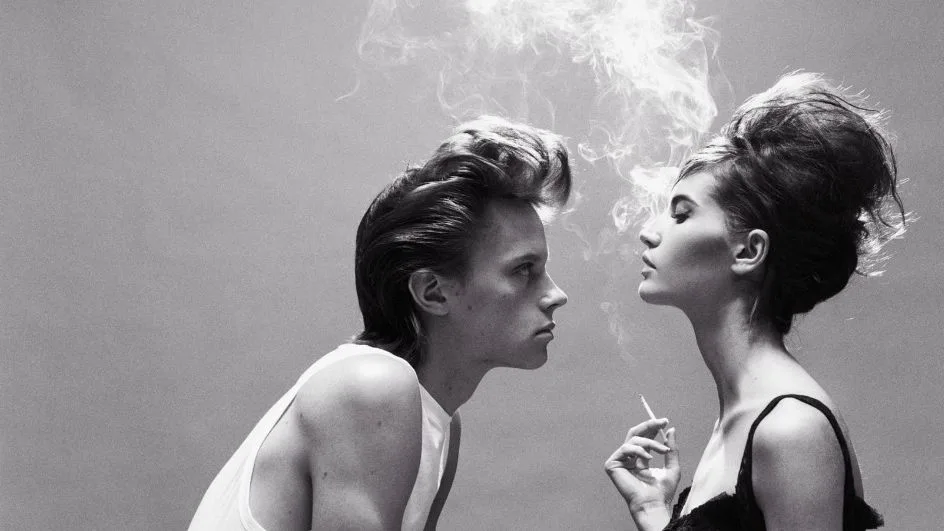
- In February 2004, Sand was photographed by Steven Meisel and styled by Brana Wolf for a moody Vogue Italia editorial titled 'Be My Baby'.
- Rob Sand đã tạo nên lịch sử chính trị khi đánh bại đối thủ thuộc đảng Cộng hòa Zach Lahn để trở thành vị thống đốc thuộc đảng Dân chủ đầu tiên của Iowa trong suốt 20 năm qua.
- Từ lâu trước khi bước chân vào chính trường, chàng trai cao 1m91 gốc Iowa từng theo học tại Đại học Brown và làm người mẫu thời trang cao cấp tại Milan cùng Paris.
- Sand từng ghi dấu ấn khi sải bước trên sàn diễn bộ sưu tập thời trang nam Xuân 2003 của Prada và thương hiệu mang tính sùng bái Number (N)ine.
- Vào tháng 2 năm 2004, Sand được nhiếp ảnh gia Steven Meisel ghi hình và biên tập viên thời trang Brana Wolf tạo dựng phong cách cho bộ ảnh đầy tâm trạng trên tạp chí Vogue Italia mang tựa đề 'Be My Baby'.
- Rob Sand a marqué l'histoire politique en battant le républicain Zach Lahn pour devenir le premier gouverneur démocrate de l'Iowa en 20 ans.
- Bien avant d'entrer en fonction, cet Iowan d'1m90 a étudié à l'Université Brown et a exercé comme mannequin international de haute volée à Milan et à Paris.
- Sand a notamment défilé pour la collection menswear printemps 2003 de Prada ainsi que pour le label culte Number (N)ine.
- En février 2004, Sand a été photographié par Steven Meisel et stylisé par Brana Wolf pour un éditorial ténébreux de Vogue Italia intitulé « Be My Baby ».
- Rob Sand hizo historia política al derrotar al republicano Zach Lahn para convertirse en el primer gobernador demócrata de Iowa en 20 años.
- Mucho antes de ocupar cargos públicos, este nativo de Iowa de 1,90 metros de altura estudió en la Universidad Brown y trabajó como modelo de alta costura en Milán y París.
- Sand desfiló memorablemente para la colección masculina de Prada en la primavera de 2003 y para la emblemática firma de culto Number (N)ine.
- En febrero de 2004, Sand fue fotografiado por Steven Meisel y estilizado por Brana Wolf para un evocador editorial de Vogue Italia titulado 'Be My Baby'.
- 罗布·桑击败共和党人扎克·拉恩,成为20年来艾奥瓦州首位民主党州长,创造了政治历史。
- 在步入政坛的很久以前,这位身高6英尺3英寸的艾奥瓦人曾在布朗大学就读,并在米兰和巴黎担任高级时装模特。
- 桑曾为普拉达2003年春季男装秀以及备受追捧的前卫品牌Number (N)ine走秀,这段经历广为人知。
- 2004年2月,桑由摄影师史蒂芬·梅塞尔(Steven Meisel)掌镜、造型师布拉娜·沃尔夫(Brana Wolf)造型,拍摄了一组名为《做我的宝贝》(Be My Baby)的 moody(情绪化)风格《意大利版Vogue》时尚大片。
In the rarefied archives of global fashion, unexpected intersections of high style and public service rarely surface with such cinematic flair. Long before he captured the political imagination of the American Midwest, Iowa’s newly elected governor was trading in a very different kind of cultural currency: the high-stakes, strobe-lit runways of Milan and Paris. In February 2004, a fresh-faced college undergraduate named Rob Sand appeared in the pages of Vogue Italia, immortalized by master lensman Steven Meisel in an editorial that has since transcended its glossy origins to become an internet sensation.
The rediscovery of Sand’s past life as a top-tier international menswear model offers a fascinating study in modern biographical dualism. Today, he stands as a triumphant political figure who broke a two-decade Republican stronghold in the Hawkeye State. Yet, two decades ago, his primary arena was defined by Belstaff leather jackets, Helmut Lang tailoring, and towering rockabilly quiffs crafted by legendary hair stylist Garren. As political landscapes shift and public figures increasingly navigate the porous boundaries between personal authenticity and curated imagery, Sand’s archival fashion portfolio serves as a delightful reminder of the winding, unpredictable paths that lead leaders to public office.
The Genesis of a High-Fashion Arc
The story of Rob Sand’s brief but impactful tenure in the global fashion capitals begins not in the heartland of America, but within the intellectual corridors of Brown University. Standing at six-foot-three, the political science student possessed the architectural bone structure and effortless physical presence that scouts in New York and Europe immediately coveted. Rather than spending his college summers interning at traditional political think tanks or Washington law firms, Sand found himself boarding transatlantic flights to participate in the grueling, exhilarating rhythm of European fashion weeks.
His resume during this period is nothing short of a purist's dream of early-2000s menswear. Sand walked the runway for Prada during their seminal spring 2003 menswear presentation, an era defined by intellectualized minimalism and sleek tailoring. He also lent his visage to cult Japanese avant-garde label Number (N)ine and menswear pioneer Giuliano Fujiwara. In fact, the gravitational pull of the European runways was occasionally so absolute that it directly collided with civic duty; Sand infamously missed the 2004 Iowa caucuses in his hometown of Decorah simply because he was working in Milan.
Inside Steven Meisel’s Cinematic Lens
The pinnacle of Sand’s modeling trajectory arrived in the pages of the February 2004 issue of Vogue Italia. Titled “Be My Baby,” the legendary editorial was the collaborative product of photographer Steven Meisel and stylist Brana Wolf, capturing a romanticized, gritty interpretation of 1950s youth culture. The accompanying text in the original Italian edition described the mood as a sophisticated collision of bon ton—traditional propriety and good manners—and dark, rebellious transgression.
Surrounded by a cast of rising stars that included a young Caroline Trentini, Sand posed in a series of moody, high-contrast black-and-white portraits. The styling was an eclectic masterclass in early-2000s cool, blending Belstaff biker jackets and Guess white T-shirts with Helmut Lang tank tops, Gucci crocodile belts, and razor-sharp Prada separates, all finished with smudgy, kohl-rimmed eyes by Pat McGrath. For Sand, it was simply an enjoyable chapter of youth, noting in a social media comment years later that it was quite simply “a fun day.”
From Prada to Public Office and Beyond
When Sand defeated Republican opponent Zach Lahn to capture the governorship, ending a twenty-year drought for Democrats in Iowa, political pundits naturally dissected his background as a state auditor and prosecutor. However, internet sleuths and fashion archivists quickly pivoted the national conversation toward his glamorous past. Rather than running from his days in Milan and Paris, Sand leaned into the surreal cultural overlap with characteristic self-deprecation, sharing his vintage editorials online with wry humor.
The cultural ripple effect of the revelation has been immediate and unexpectedly lucrative. The gubernatorial campaign quickly pivoted to embrace the viral moment, launching a line of “My Model Governor” merchandise that turned archival haute couture into populist political marketing. In an era where authenticity is relentlessly scrutinized, Sand’s ability to effortlessly bridge the gap between high fashion and heartland politics underscores a new archetype of modern leadership—one comfortable enough in its own skin to wear both a Prada suit and a Carhartt jacket with equal grace.
Trong những kho lưu trữ quý hiếm của làng mốt toàn cầu, những điểm giao thoa bất ngờ giữa phong cách đỉnh cao và phụng sự công cộng hiếm khi xuất hiện với vẻ đẹp điện ảnh đầy cuốn hút như vậy. Long trước khi chiếm trọn trí tưởng tượng chính trị của miền Trung Tây nước Mỹ, vị thống đốc mới đắc cử của bang Iowa từng trao đổi một loại tiền tệ văn hóa hoàn toàn khác biệt: những sàn diễn khốc liệt, chói lóa ánh đèn chớp tại Milan và Paris. Vào tháng 2 năm 2004, một sinh viên đại học với gương mặt thư sinh tên là Rob Sand đã xuất hiện trên các trang của tạp chí Vogue Italia, được bất tử hóa qua ống kính của bậc thầy nhiếp ảnh Steven Meisel trong một bộ hình kể từ đó đã vượt qua giới hạn của những trang giấy bóng bẩy để trở thành một hiện tượng trên mạng internet.
Sự tái khám phá về cuộc đời trong quá khứ của Sand với tư cách là một người mẫu nam quốc tế hàng đầu mang đến một góc nhìn nghiên cứu đầy hấp dẫn về tính lưỡng nguyên tiểu sử hiện đại. Ngày nay, ông đứng hiên ngang như một nhân vật chính trị đắc thắng, người đã phá vỡ sự kìm kẹp kéo dài hai thập kỷ của đảng Cộng hòa tại Bang Mắt Hổ (Hawkeye State). Thế giới của ông hai thập kỷ trước lại được định hình bởi những chiếc áo khoác da Belstaff, trang phục may đo tinh tế của Helmut Lang, và kiểu tóc dựng rockabilly cao vút được chăm chút bởi nhà tạo mẫu tóc huyền thoại Garren. Khi cục diện chính trị xoay vần và các nhân vật công chúng ngày càng phải xoay xở giữa ranh giới mỏng manh của tính xác thực cá nhân và hình ảnh được trau chuốt kỹ lưỡng, danh mục đầu tư thời trang lưu trữ của Sand phục vụ như một lời nhắc nhở thú vị về những con đường quanh co, khó đoán đã dẫn dắt các nhà lãnh đạo đến với chính trường.
Sự khởi đầu của một hành trình thời trang cao cấp
Câu chuyện về khoảng thời gian ngắn ngủi nhưng đầy sức ảnh hưởng của Rob Sand tại các kinh đô thời trang thế giới không bắt đầu từ vùngheartland của nước Mỹ, mà xuất phát từ những hành lang trí tuệ của Đại học Brown. Sở hữu chiều cao 1m91, sinh viên ngành khoa học chính trị này mang cấu trúc xương góc cạnh cùng thần thái tự nhiên đầy cuốn hút mà các chuyên gia săn tìm người mẫu tại New York và châu Âu hằng khao khát. Thay vì dành những kỳ nghỉ hè đại học để thực tập tại các think tank chính trị truyền thống hay các hãng luật ở Washington, Sand lại thấy mình bước lên những chuyến bay xuyên Đại Tây Dương để hòa mình vào nhịp điệu khắc nghiệt nhưng đầy phấn khích của các tuần lễ thời trang châu Âu.
Hồ sơ sự nghiệp của ông trong giai đoạn này không khác gì giấc mơ thuần túy của dòng thời trang nam đầu những năm 2000. Sand từng sải bước trên sàn diễn của Prada trong buổi trình diễn thời trang nam Xuân 2003 mang tính bước ngoặt — một kỷ nguyên được định hình bởi chủ nghĩa tối giản mang tính trí tuệ và những đường may sắc sảo. Ông cũng từng làm gương mặt đại diện cho thương hiệu avant-garde mang tính sùng bái của Nhật Bản là Number (N)ine và người tiên phong trong ngành thời trang nam Giuliano Fujiwara. Trên thực tế, sức hút mãnh liệt từ các sàn diễn châu Âu đôi khi mạnh mẽ đến mức mâu thuẫn trực tiếp với nghĩa vụ công dân; Sand từng vướng vào sự việc đình đám là bỏ lỡ các buổi họp kín (caucus) tại quê nhà Decorah vào năm 2004 chỉ vì ông đang bận làm việc tại Milan.
Bên trong ống kính đậm chất điện ảnh của Steven Meisel
Đỉnh cao trong sự nghiệp người mẫu của Sand xuất hiện trên các trang của ấn bản tháng 2 năm 2004 của tờ Vogue Italia. Mang tựa đề “Be My Baby,” bộ hình huyền thoại này là thành quả cộng tác giữa nhiếp ảnh gia Steven Meisel và biên tập viên thời trang Brana Wolf, nắm bắt một góc nhìn lãng mạn và gai góc về văn hóa giới trẻ thập niên 1950. Đoạn văn bản đi kèm trong ấn bản tiếng Ý gốc đã mô tả tâm trạng của bộ hình như một sự va chạm tinh tế giữa bon ton — sự chuẩn mực truyền thống và phép lịch sự — với những nét nổi loạn đen tối.
Được vây quanh bởi dàn sao đang lên lúc bấy giờ bao gồm cả một Caroline Trentini trẻ tuổi, Sand tạo dáng trong chuỗi chân dung đen trắng đầy tâm trạng và độ tương phản cao. Phong cách thời trang là một bài học tổng hợp đầy chiết trung về vẻ đẹp thời thượng đầu những năm 2000, pha trộn giữa áo khoác biker Belstaff và áo thun trắng Guess với áo ba lỗ Helmut Lang, thắt lưng cá sấu Gucci, và những thiết kế cắt may sắc lẹm từ Prada, tất cả được hoàn thiện bởi lớp trang điểm mắt nhòe mờ viền kohl đậm chất nghệ thuật từ Pat McGrath. Đối với Sand, đó đơn giản là một chương tuổi trẻ đầy thú vị, như ông từng chia sẻ trong một bình luận mạng xã hội nhiều năm sau đó rằng đó chỉ đơn giản là “một ngày vui vẻ.”
Từ sàn diễn Prada đến chính trường và hơn thế nữa
Khi Sand đánh bại đối thủ thuộc đảng Cộng hòa Zach Lahn để giành ghế thống đốc, chấm dứt cơn hạn hán kéo dài hai thập kỷ của đảng Dân chủ tại Iowa, các nhà bình luận chính trị dĩ nhiên đã mổ xẻ lý lịch của ông với tư cách là một kiểm toán viên bang và công tố viên. Tuy nhiên, những thám tử mạng và các nhà lưu trữ thời trang đã nhanh chóng chuyển hướng cuộc trò chuyện quốc gia sang quá khứ hào nhoáng của ông. Thay vì né tránh những ngày tháng ở Milan và Paris, Sand lại cởi mở đón nhận sự giao thoa văn hóa đầy kỳ ảo này với sự tự trào quen thuộc, chia sẻ những bộ hình thời trang cổ điển của mình lên mạng xã hội kèm theo khiếu hài hước châm biếm.
Hiệu ứng lan tỏa văn hóa từ tiết lộ này diễn ra ngay lập tức và mang lại nguồn lợi nhuận bất ngờ. Chiến dịch tranh cử thống đốc đã nhanh chóng chuyển hướng để tận dụng khoảnh khắc gây bão mạng, cho ra mắt dòng sản phẩm lưu niệm “My Model Governor” (Vị Thống đốc người mẫu của tôi), biến những bộ haute couture lưu trữ thành công cụ tiếp thị chính trị mang tính đại chúng. Trong kỷ nguyên mà tính chân thực bị soi xét không ngừng, khả năng của Sand trong việc thu hẹp khoảng cách giữa thời trang cao cấp và chính trị miền trung tây một cách tự nhiên đã làm nổi bật một hình mẫu lãnh đạo hiện đại hoàn toàn mới — một người đủ tự tin để vừa diện bộ suit Prada vừa khoác chiếc áo khoác Carhartt với sự duyên dáng trọn vẹn.
Dans les archives raréfiées de la mode internationale, les intersections inopinées entre le grand style et la chose publique font rarement surface avec une telle flamboyance cinématographique. Bien avant de capturer l'imaginaire politique du Midwest américain, le nouveau gouverneur de l'Iowa troquait son capital culturel contre une monnaie bien différente : les podiums survoltés et stroboscopiques de Milan et de Paris. En février 2004, un étudiant au visage juvénile nommé Rob Sand apparaissait dans les pages de Vogue Italia, immortalisé par le maître de l'objectif Steven Meisel dans un éditorial qui a depuis transcendé ses origines glacées pour devenir un phénomène viral sur Internet.
La redécouverte de la vie antérieure de Sand en tant que mannequin international de premier plan offre une étude fascinante sur le dualisme biographique moderne. Aujourd'hui, il s'impose comme une figure politique triomphante, brisant un bastion républicain vieux de deux décennies dans l'État de Hawkeye. Pourtant, il y a vingt ans, son terrain de jeu se définissait par des blousons en cuir Belstaff, des tailleurs Helmut Lang et une haute banane rockabilly sculptée par le légendaire coiffeur Garren. À l'heure où les paysages politiques se métamorphosent et où les personnalités publiques naviguent sans cesse aux confins poreux de l'authenticité personnelle et de l'image léchée, le portfolio de mode de Sand constitue un délicieux rappel des sentiers sinueux et imprévisibles qui mènent les dirigeants vers l'exercice du pouvoir.
La genèse d'un parcours haut couture
L'histoire de la brève mais percutante incursion de Rob Sand dans les capitales mondiales de la mode ne commence pas au cœur de l'Amérique profonde, mais dans les couloirs intellectuels de l'Université Brown. Du haut de son mètre quatre-vingt-dix, l'étudiant en sciences politiques possédait cette architecture osseuse et cette présence physique naturelle que les directeurs de casting à New York et en Europe convoitaient immédiatement. Plutôt que de passer ses étés étudiants à faire des stages dans des think-tanks traditionnels ou des cabinets d'avocats washingtoniens, Sand se surprenait à embarquer sur des vols transatlantiques pour participer au rythme éreintant et exaltant des semaines de la mode européennes.
Son CV de cette période s'apparente ni plus ni moins au fantasme du puriste du vestiaire masculin du début des années 2000. Sand a défilé pour Prada lors de leur présentation masculine séminale du printemps 2003, une époque définie par un minimalisme intellectualisé et une confection épurée. Il a également prêté ses traits au label avant-gardiste japonais culte Number (N)ine ainsi qu'au pionnier de la mode masculine Giuliano Fujiwara. En réalité, l'attraction gravitationnelle des podiums européens était parfois si absolue qu'elle entrait directement en collision avec le devoir civique : Sand a ainsi manqué de façon célèbre les caucus de l'Iowa de 2004 dans sa ville natale de Decorah, simplement parce qu'il travaillait à Milan.
L’œil cinématographique de Steven Meisel
Le zénith de la trajectoire de mannequin de Sand s'est matérialisé dans les pages du numéro de février 2004 de Vogue Italia. Intitulé « Be My Baby », cet éditorial mythique est le fruit de la collaboration entre le photographe Steven Meisel et la styliste Brana Wolf, capturant une interprétation romantisée et âpre de la culture jeunesse des années 1950. Le texte accompagnant l'édition originale italienne décrivait l'atmosphère comme une collision sophistiquée entre le bon ton — la bienséance traditionnelle et les bonnes manières — et une transgression sombre et rebelle.
Entouré d'une distribution de jeunes talents montants comprenant notamment une toute jeune Caroline Trentini, Sand a pris la pose dans une série de portraits ténébreux en noir et blanc à fort contraste. Le stylisme relevait de la masterclass éclectique du chic des années 2000, mariant des blousons de motard Belstaff et des t-shirts blancs Guess à des débardeurs Helmut Lang, des ceintures en crocodile Gucci et des pièces Prada d'une précision chirurgicale, le tout parachevé par un regard ténébreux ourlé de khôl signé Pat McGrath. Pour Sand, il ne s'agissait là que d'un chapitre réjouissant de sa jeunesse, ainsi qu'il le confia dans un commentaire sur les réseaux sociaux des années plus tard : tout cela n'était, très simplement, « qu'une journée amusante ».
De Prada aux responsabilités publiques
Lorsque Sand a battu son opposant républicain Zach Lahn pour s'emparer du poste de gouverneur, mettant fin à vingt ans de disette pour les démocrates dans l'Iowa, les commentateurs politiques ont naturellement disséqué son parcours d'auditeur d'État et de procureur. Cependant, les fins limiers du web et les archivistes de la mode ont rapidement redirigé la conversation nationale vers son passé glamour. Loin de fuir ses années milanaises et parisiennes, Sand s'est emparé de ce chevauchement culturel surréaliste avec une autodérision caractéristique, partageant ses éditoriaux d'époque en ligne avec un humour pince-sans-rire.
L'onde de choc culturelle de cette révélation s'est avérée immédiate et inopinément lucrative. L'équipe de campagne s'est rapidement emparée du buzz viral, lançant une collection de produits dérivés estampillés « My Model Governor » (« Mon gouverneur mannequin »), transformant ainsi la haute couture d'archives en marketing politique populiste. À une époque où l'authenticité est impitoyablement passée au crible, la capacité de Sand à concilier avec aisance la haute couture et la politique du cœur de l'Amérique dessine les contours d'un nouvel archétype de leadership moderne : celui d'un homme suffisamment bien dans ses baskets pour endosser, avec la même grâce, un costume Prada et une veste Carhartt.
En los selectos archivos de la moda global, las intersecciones inesperadas entre la alta costura y el servicio público rara vez emergen con semejante garbo cinematográfico. Mucho antes de capturar la imaginación política del medio oeste estadounidense, el recién elegido gobernador de Iowa comerciaba con un tipo de divisa cultural muy diferente: las pasarelas de Milán y París, de alto riesgo y bañadas por luces estroboscópicas. En febrero de 2004, un universitario de rostro angelical llamado Rob Sand apareció en las páginas de Vogue Italia, inmortalizado por el maestro de la lente Steven Meisel en un editorial que desde entonces ha trascendido sus orígenes en papel couché para convertirse en un fenómeno de internet.
El redescubrimiento de la vida pasada de Sand como modelo internacional de primera línea ofrece un estudio fascinante sobre el dualismo biográfico moderno. Hoy en día, se erige como una figura política triunfante que rompió un bastión republicano de dos décadas en el estado de Ojo de Halcón. Sin embargo, hace veinte años, su principal escenario estaba definido por las chaquetas de cuero de Belstaff, la sastrería de Helmut Lang y los imponentes tupés rockabilly creados por el legendario peluquero Garren. A medida que el panorama político cambia y las figuras públicas navegan cada vez más por las porosas fronteras entre la autenticidad personal y la imagen comisariada, el archivo de moda de Sand sirve como un encantador recordatorio de los caminos sinuosos e impredecibles que conducen a los líderes al cargo público.
La génesis de un arco en la alta moda
La historia del breve pero impactante paso de Rob Sand por las capitales mundiales de la moda no comienza en el corazón de Estados Unidos, sino en los pasillos intelectuales de la Universidad Brown. Con sus 1,90 metros de estatura, el estudiante de ciencias políticas poseía la estructura ósea arquitectónica y la presencia física natural que los ojeadores de Nueva York y Europa codiciaban de inmediato. En lugar de pasar sus veranos universitarios haciendo prácticas en think tanks políticos tradicionales o bufetes de abogados en Washington, Sand se encontraba subiendo a vuelos transatlánticos para participar en el agotador y estimulante ritmo de las semanas de la moda europeas.
Su currículum durante este periodo es poco menos que el sueño de un purista de la moda masculina de principios de los años 2000. Sand desfiló para Prada en su influyente presentación masculina de la primavera de 2003, una era definida por el minimalismo intelectualizado y la sastrería depurada. También prestó su rostro a la marca vanguardista japonesa de culto Number (N)ine y al pionero de la moda masculina Giuliano Fujiwara. De hecho, la fuerza gravitatoria de las pasarelas europeas era a veces tan absoluta que chocaba directamente con el deber cívico; Sand se perdió famosamente los caucus de Iowa de 2004 en su ciudad natal de Decorah simplemente porque estaba trabajando en Milán.
Dentro de la lente cinematográfica de Steven Meisel
El punto culminante de la trayectoria como modelo de Sand llegó en las páginas del número de febrero de 2004 de Vogue Italia. Titulado “Be My Baby”, el legendario editorial fue el producto de la colaboración entre el fotógrafo Steven Meisel y la estilista Brana Wolf, capturando una interpretación romántica y descarnada de la cultura juvenil de los años cincuenta. El texto que lo acompañaba en la edición original italiana describía el ambiente como una sofisticada colisión entre el bon ton —la propiedad tradicional y los modales refinados— y la transgresión oscura y rebelde.
Rodeado de un elenco de estrellas emergentes que incluía a una joven Caroline Trentini, Sand posó en una serie de retratos en blanco y negro, llenos de claroscuros y gran intensidad atmosférica. El estilismo fue una magistral clase magistral y ecléctica sobre la estética cool de principios de los dos mil, combinando chaquetas moteras de Belstaff y camisetas blancas de Guess con camisetas de tirantes de Helmut Lang, cinturones de cocodrilo de Gucci y prendas de Prada de corte impecable, todo ello rematado con ojos difuminados y perfilados con kohl por Pat McGrath. Para Sand, fue simplemente un capítulo divertido de su juventud, comentando en una publicación en redes sociales años más tarde que se trató, sencillamente, de “un día divertido”.
De Prada al cargo público y más allá
Cuando Sand derrotó a su oponente republicano Zach Lahn para hacerse con la gobernatura, poniendo fin a una sequía de veinte años para los demócratas en Iowa, los analistas políticos disecaron naturalmente su trayectoria como auditor estatal y fiscal. Sin embargo, los sabuesos de internet y los archivistas de la moda desviaron rápidamente la conversación nacional hacia su glamuroso pasado. En lugar de huir de sus días en Milán y París, Sand se inclinó hacia el surrealista solapamiento cultural con su característico sentido de la autocrítica, compartiendo sus editoriales de época en la red con un humor socarrón.
El impacto cultural de esta revelación ha sido inmediato e inesperadamente lucrativo. La campaña para la gobernatura adoptó rápidamente este momento viral, lanzando una línea de productos de merchandising bajo el lema “My Model Governor” (Mi gobernador modelo) que convirtió la alta costura de archivo en marketing político populista. En una era en la que la autenticidad se escruta implacablemente, la capacidad de Sand para tender un puente sin esfuerzo entre la alta costura y la política del corazón de América subraya un nuevo arquetipo de liderazgo moderno: uno lo suficientemente seguro de sí mismo como para llevar tanto un traje de Prada como una chaqueta Carhartt con la misma elegancia.
在高级全球时尚的珍稀档案中,高级时装与公共服务的意外交集极少以如此具有电影质感的风格浮出水面。早在进入美国中西部的政治视野之前,这位艾奥瓦州新当选的州长曾在一种截然不同的文化货币中穿梭:米兰和巴黎那些高风险、闪光灯闪烁的T台。2004年2月,一位名叫罗布·桑(Rob Sand)的面孔清秀的大学本科生出现在《意大利版Vogue》的内页中,被传奇镜头大师史蒂芬·梅塞尔(Steven Meisel)永恒定格在一组后来超越其杂志本身、成为互联网轰动话题的时尚大片中。
重新发现桑作为顶级国际男装模特的过往生活,为现代传记二元论提供了一个引人入胜的研究样本。如今,他作为一个凯旋的政治人物,打破了“鹰眼之州”(艾奥瓦州别称)长达二十年的共和党堡垒。然而,在二十年前,他的主要舞台是由贝尔斯塔夫(Belstaff)皮夹克、海尔姆特·朗(Helmut Lang)剪裁西服,以及由传奇发型师加伦(Garren)打造的高耸摇滚风飞机头所定义的。随着政治格局的变迁以及公众人物日益在个人真实性与精心策划的形象之间驾驭着那层脆弱的界限,桑的时尚档案完美地提醒了人们:通往公职的道路往往是曲折且不可预测的。
高级时尚之旅的起源
罗布·桑这段短暂却影响深远的全球时尚之都生涯,始于的并非美国的腹地,而是布朗大学充满学术气息的走廊。身高6英尺3英寸的这位政治学专业学生,拥有令纽约和欧洲星探一眼相中的建筑般硬朗的骨相和不费力气的气场。桑的大学暑假并没有在传统的政治智库或华盛顿律师事务所实习,而是登上了飞越大西洋的航班,去体验欧洲时装周那残酷而又令人兴奋的快节奏。
他在这一时期的履历简直就是2003年前后男装纯粹主义者的梦想。桑曾为普拉达(Prada)2003年春季男装发布会走秀——那是一个由知识分子式极简主义和流畅剪裁所定义的时代。他还将自己的面孔借给了日本前卫先锋品牌Number (N)ine以及男装先驱朱利亚诺·藤原(Giuliano Fujiwara)。事实上,欧洲T台的引力有时如此绝对,以至于它直接与公民职责发生了冲突:桑曾在2004年因在米兰工作,而错过了他家乡得科拉(Decorah)的艾奥瓦州党团会议,此事一度成为坊间笑谈。
走入史蒂芬·梅塞尔的电影镜头
桑模特生涯的巅峰出现在2004年2月版的《意大利版Vogue》杂志中。这组名为《做我的宝贝》(“Be My Baby”)的传奇时尚大片,是摄影师史蒂芬·梅塞尔与造型师布拉娜·沃尔夫合作的产物,捕捉了一种将20世纪50年代青年文化进行浪漫化且略带粗粝感的演绎。意大利原版杂志中的配套文字将这种情绪描述为 *bon ton*(传统礼仪与良好教养)与黑暗、叛逆越轨的精致碰撞。
在一群包括年轻卡罗琳·特伦蒂尼(Caroline Trentini)在内的后起之星的陪伴下,桑在一系列情绪饱满、高对比度的黑白肖像中摆出姿势。其造型堪称2000年代初期酷文化的杂收大成之作,将贝尔斯塔夫(Belstaff)机车夹克、盖斯(Guess)白T恤与海尔姆特·朗背心、古驰(Gucci)鳄鱼皮腰带以及剪裁锐利的普拉达单品完美融合,最后由帕特·麦格拉斯(Pat McGrath)为其画上带有烟熏感的、用眼线笔勾勒的眼睛。对桑而言,这不过是青春期里一段令人愉快的篇章,他在几年后的一条社交媒体评论中指出,这其实就是“非常有趣的一天”。
从普拉达(Prada)到公职及更远
当桑击败共和党对手扎克·拉恩(Zach Lahn)赢得州长宝贵席位、结束了民主党人在艾奥瓦州长达二十年的干旱期时,政治评论员们自然而然地剖析了他作为州审计师和检察官的背景。然而,网络侦探和时尚档案管理员迅速将全美对话的焦点转向了他那光鲜亮丽的过去。桑并没有刻意回避他在米兰和巴黎的日子,而是以特有的自嘲态度拥抱了这种超现实的文化重叠,在网上幽默地分享了他早年的时尚大片。
这一曝光所带来的文化涟漪是即刻且出人意料地丰厚的。州长竞选团队迅速转变方向,拥抱了这一病毒式传播的时刻,推出了“我的模特州长”(“My Model Governor”)系列周边商品,将高级时装档案转化为民粹主义政治营销。在这个真实性受到无情审视的时代,桑能够轻而易举地跨越高级时尚与腹地政治之间的鸿沟,这突显了一种现代领导力的新原型——一种足够自在、既能穿得起普拉达西装也能同样优雅地驾驭卡哈特(Carhartt)夹克的人格魅力。
Editorial Standards & Multi-Language Synthesis: This dispatch was synthesized and fact-checked by the ParisDaily Editorial Desk across 5 global editions (EN, FR, VI, ES, ZH), cross-referencing primary international wire reports and real-time search intelligence.