Nine Hours in the Pacific: The Miraculous Rescue of a Cruise Ship Pianist
A Royal Caribbean pianist is recovering in stable condition after enduring nine harrowing hours treading water 20 miles off the Californian coast.
Một nghệ sĩ piano thuộc biên chế của hãng Royal Caribbean hiện đang hồi phục trong tình trạng ổn định sau khi trải qua chín giờ đồng hồ kinh hoàng ngụp lặn giữa vùng biển cách bờ biển California 20 hải lý.
Un pianiste de la compagnie Royal Caribbean se rétablit et se trouve dans un état stable après avoir survécu à neuf heures d'angoisse, à nager en eaux troubles à une trentaine de kilomètres des côtes californiennes.
El pianista de un crucero de Royal Caribbean se recupera con pronóstico estable tras resistir nueve aterradoras horas a flote en el océano, a veinte millas de la costa de California.
一名皇家加勒比邮轮的钢琴师在距离加州海岸20英里的海域历经九个小时的九死一生后,目前正在康复中,生命体征平稳。这起罕见的落水事件引发了全球关注。
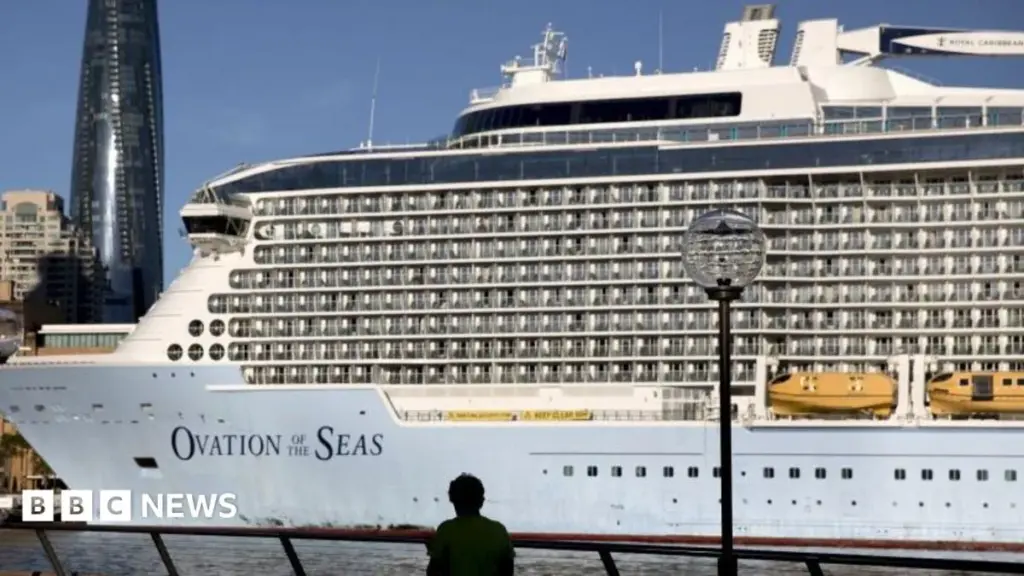
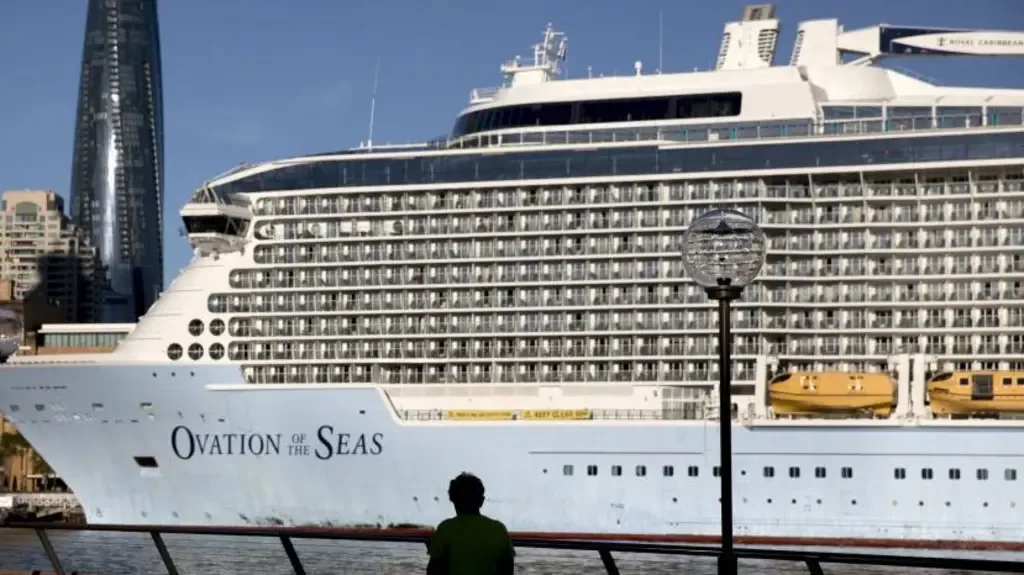
- The unidentified pianist was working aboard the 14-deck mega-liner Ovation of the Seas before falling overboard.
- Two local fishermen, Grant Garrett and Sean Norton, spotted the man approximately 20 miles off the coast of Catalina Island.
- Coast Guard and lifeguard officials estimate the crew member spent roughly nine hours in the open ocean after falling at approximately 02:30.
- Experts credit his survival to unseasonably warm Pacific waters driven by a powerful El Niño climate cycle.
- Nghệ sĩ piano giấu tên đang làm việc trên siêu du thuyền 14 tầng Ovation of the Seas trước khi rơi xuống biển.
- Hai ngư dân địa phương, Grant Garrett và Sean Norton, đã phát hiện người đàn ông này cách bờ biển Đảo Catalina khoảng 20 hải lý.
- Lực lượng Cảng vụ và Cứu hộ ước tính thành viên thủy thủ đoàn đã lênh đênh khoảng chín giờ trên biển khơi sau khi rơi xuống nước vào khoảng 02:30.
- Các chuyên gia cho rằng khả năng sống sót của anh là nhờ dòng nước Thái Bình Dương ấm áp bất thường do hiện tượng khí hậu El Niño mạnh mẽ chi phối.
- Le pianiste, dont l'identité n'a pas été révélée, travaillait à bord de l'Ovation of the Seas, un paquebot géant de 14 ponts, avant de passer par-dessus bord.
- Deux pêcheurs locaux, Grant Garrett et Sean Norton, ont repéré l'homme à environ 20 miles (32 kilomètres) au large de Catalina Island.
- Les gardes-côtes et les maîtres-nageurs estiment que le membre d'équipage a passé près de neuf heures en haute mer après une chute survenue vers 02h30.
- Les experts attribuent sa survie à des eaux du Pacifique anormalement chaudes, portées par un puissant cycle climatique El Niño.
- El pianista, cuya identidad no ha trascendido, trabajaba a bordo del megabuque de 14 plantas Ovation of the Seas antes de caer por la borda.
- Dos pescadores locales, Grant Garrett y Sean Norton, avistaron al hombre a unas 20 millas de la costa de la isla Catalina.
- La Guardia Costera y los servicios de salvamento estiman que el tripulante pasó cerca de nueve horas en alta mar tras precipitarse al agua sobre las 02:30.
- Los expertos atribuyen su supervivencia a unas aguas del Pacífico inusualmente cálidas debido a un potente ciclo climático de El Niño.
- 这名身份未公开的钢琴师此前在拥有14层甲板的超级巨轮“海洋赞礼号”(Ovation of the Seas)上工作,后不幸坠海。
- 两名当地渔民格兰特·加勒特(Grant Garrett)和肖恩·诺顿(Sean Norton)在距离卡特琳娜岛约20英里的海域发现了这名男子。
- 海岸警卫队和救生员官员估计,这名船员在凌晨2点30分左右落水后,在公海上漂浮了大约九个小时。
- 专家将他的生还归功于受强大的厄尔尼诺气候周期影响而异常温暖的太平洋海水。
In the vast, unforgiving expanse of the Pacific Ocean, where the horizon dissolves into an indifferent blue, survival is typically measured in minutes rather than hours. Yet, in a remarkable intersection of maritime serendipity and sheer human endurance, a cruise ship pianist who plunged into the chilly depths off the coast of Southern California cheated death against staggering odds. Recovered after an estimated nine hours treading water nearly twenty miles offshore, the unidentified musician's ordeal has captivated global audiences, transforming a routine maritime transit into a profound meditation on resilience, environmental anomalies, and the enduring power of human will.
The unfolding drama began in the dead of night aboard the Ovation of the Seas, a colossal 14-deck floating resort operated by Royal Caribbean. Somewhere around 02:30 local time, while the vessel cleaved through the Pacific swells on its voyage, the crew member went overboard unnoticed by passengers and immediate watchstanders. For hours, as the mega-liner pressed forward on its itinerary, the pianist was left entirely alone in the open ocean, sustained only by instinct, adrenaline, and whatever fragments of hope remained as the stars wheeled overhead and the gray light of dawn slowly broke over the California current.
The Miraculous Spotting by Two California Fishermen
The turning point in the pianist's harrowing journey arrived mid-morning, courtesy of two seasoned local fishermen, Grant Garrett and Sean Norton. Out on the water for what was supposed to be an ordinary day of fishing near Catalina Island, the pair noticed an anomaly bobbing amidst the rolling swells roughly fifteen to twenty miles from the mainland. Initially unsure of what they were witnessing, the fishermen quickly realized the dark shape cutting through the surface foam was not marine life or debris, but a struggling human being.
Recalling the intense, split-second decision to abandon their fishing gear and rush to the rescue, Garrett recounted his immediate realization to media outlets: 'I'm like, "Yeah, it's a human being. Stop the boat; let's get all of our lines in."' As they maneuvered their vessel alongside the exhausted man, hauling him safely onto the deck, the full gravity of the situation set in. According to the rescuers, the sole phrase uttered by the shivering, traumatized musician was a profound expression of relief: 'Thank you. I thought I was gonna die.'
The Good Samaritans immediately contacted maritime authorities, transferring the survivor to Newport Beach Lifeguards before he was rushed to a nearby hospital. The United States Coast Guard subsequently confirmed that the rescued individual was indeed a contracted employee of the Ovation of the Seas, working on board as a piano entertainer. While federal officials and maritime investigators immediately launched inquiries into how the crew member managed to fall overboard without immediate detection, the immediate focus remained on his fragile physical and psychological stabilization.
The Climatological Anomaly That Staved Off Hypothermia
In medical and maritime circles, the survival of a human being after nearly ten hours in the open ocean is viewed as an extreme statistical anomaly. Normally, the cold waters of the Pacific Northwest and Central California induce rapid-onset hypothermia within a fraction of that timeframe, shutting down motor functions and leading to unconsciousness and drowning. That the pianist lived to tell his tale is largely attributed to a powerful and controversial environmental phenomenon reshaping global weather patterns: an unusually intense El Niño cycle.
Sean Norton, one of the primary rescuers, was quick to point out the crucial role played by elevated ocean temperatures. 'You have this crazy super El Niño year,' Norton noted in post-rescue interviews. 'This guy was in the water for probably 10 hours, but the water's 76 degrees [about 24°C]. A different year, no way he makes it.' Climatologists monitoring the region corroborate that Pacific sea surface temperatures have hovered significantly above historical averages, creating an uncharacteristic thermal buffer that inadvertently shielded the stranded musician from the lethal chill of the deep sea.
This environmental quirk transformed what should have been a tragic casualty into a miraculous survival narrative. However, marine safety experts caution that while the warm water staved off hypothermia, the physical toll of treading water for the better part of a half-day—battling fatigue, dehydration, disorientation, and the psychological terror of marine predators—demanded extraordinary core strength and mental fortitude from the exhausted musician.
Corporate Silence and the Broader Safety Debate
As the pianist continues his recovery in stable condition, the incident has inevitably cast a sharp spotlight on cruise line safety protocols, crew welfare, and the notoriously complex logistics of monitoring personnel on massive cruise ships. Royal Caribbean Group issued a measured response following the rescue, stating, 'We are providing support and assistance to our crew member during this difficult time. To respect the privacy of our employee, we have no additional details to share.'
Despite the corporate discretion, maritime security advocates and labor representatives are likely to scrutinize the circumstances surrounding the fall. Crew overboard incidents, while statistically rare relative to the millions of passengers and workers who sail annually, present monumental detection challenges. Even with modern closed-circuit television and bridge-mounted sensor technologies, the sheer scale of vessels like the Ovation of the Seas means that individuals who go overboard during night hours can slip through the cracks of even the most rigorous watchkeeping routines until hours later.
Ultimately, the story transcends corporate policy and maritime logistics, settling firmly in the realm of human triumph. For the public and the tight-knit community of cruise entertainers, the pianist's survival serves as a stunning reminder of the fragility of life at sea and the profound impact of unexpected grace. As investigations wind down and the musician heals from his ordeal, his miraculous nine-hour battle against the Pacific will undoubtedly endure as one of the most astonishing maritime survival tales of the decade.
Trong không gian bao la và khắc nghiệt của Thái Bình Dương — nơi đường chân trời hòa lẫn vào một sắc xanh vô cảm — sự sống còn thường được tính bằng phút thay vì giờ. Thế nhưng, tại một sự giao thoa kỳ diệu giữa cơ duyên hàng hải và sức chịu đựng bền bỉ của con người, một nghệ sĩ piano trên tàu du lịch đã rơi xuống vùng nước lạnh giá ngoài khơi Nam California và thoát chết ngoạn mục trước những nghịch cảnh tưởng chừng không thể vượt qua. Được cứu sống sau khoảng chín giờ ngụp lặn cách bờ biển gần hai mươi hải lý, câu chuyện khổ nạn của người nhạc sĩ giấu tên đã thu hút sự chú ý của dư luận toàn cầu, biến một chuyến hải trình thông thường thành một bài học sâu sắc về sự kiên cường, những dị thường của môi trường và sức mạnh bền bỉ của ý chí con người.
Vở kịch đời thực này bắt đầu vào giữa đêm sâu trên con tàu Ovation of the Seas, một khu nghỉ dưỡng nổi khổng lồ cao 14 tầng do Royal Caribbean vận hành. Khoảng 02:30 giờ địa phương, khi con tàu đang rẽ sóng Thái Bình Dương trong chuyến hành trình của mình, thành viên thủy thủ đoàn đã rơi xuống biển mà không bị các hành khách hay sĩ quan trực ban ngay lúc đó phát hiện. Trong nhiều giờ liền, khi siêu du thuyền tiếp tục tiến về phía trước theo lịch trình, người nghệ sĩ piano bị bỏ lại hoàn toàn đơn độc giữa đại dương bao la, chỉ được duy trì sự sống bằng bản năng, adrenaline và những tia hy vọng mong manh khi các vì sao quay vòng trên đỉnh đầu và ánh sáng xám xợt của bình minh dần ló dạng trên dòng hải lưu California.
Khoảnh khắc phát hiện kỳ diệu của hai ngư dân California
Bước ngoặt trong hành trình đầy gian truân của nghệ sĩ piano diễn ra vào giữa buổi sáng, nhờ công của hai ngư dân kỳ cựu tại địa phương là Grant Garrett và Sean Norton. Ra khơi cho một ngày đánh bắt bình thường gần Đảo Catalina, cả hai phát hiện một vật thể lạ đang nhấp nhô giữa những con sóng cuồn cuộn cách đất liền khoảng mười lăm đến hai mươi hải lý. Ban đầu không chắc chắn về những gì mình đang chứng kiến, hai ngư dân nhanh chóng nhận ra hình thù tối màu đang rẽ qua lớp bọt nước bề mặt không phải là sinh vật biển hay rác thải, mà là một con người đang vật lộn để sinh tồn.
Nhớ lại quyết định mang tính quyết định trong tích tắc là vứt bỏ ngư cụ và lao đến giải cứu, Garrett kể lại sự nhận thức tức thì của mình với các hãng truyền thông: 'Tôi kiểu như, "Được rồi, đó là một con người. Dừng thuyền lại; thu tất cả lưới lên nào."' Khi họ điều khiển con tàu áp sát người đàn ông kiệt sức và kéo anh lên boong an toàn, toàn bộ sự nghiêm trọng của tình hình mới hiện rõ. Theo những người cứu hộ, cụm từ duy nhất thốt lên từ người nhạc sĩ đang run lẩy bẩy và bị sang chấn tâm lý là một lời bộc lộ sự nhẹ nhõm sâu sắc: 'Cảm ơn các anh. Tôi tưởng mình chết rồi.'
Những người Samaritanô nhân hậu lập tức liên hệ với giới chức hàng hải, bàn giao người sống sót cho Đội Cứu hộ Newport Beach trước khi anh được đưa đi cấp cứu tại một bệnh viện gần đó. Lực lượng Tuần duyên Hoa Kỳ sau đó xác nhận nạn nhân được giải cứu thực sự là một nhân viên có hợp đồng với tàu Ovation of the Seas, làm việc trên tàu với tư cách là nghệ sĩ biểu diễn piano. Trong khi các quan chức liên bang và các nhà điều tra hàng hải ngay lập tức mở cuộc điều tra về việc làm thế nào mà thành viên thủy thủ đoàn lại rơi xuống biển mà không bị phát hiện ngay lập tức, trọng tâm trước mắt vẫn là việc ổn định tình trạng thể chất và tâm lý mỏng manh của anh.
Dị thường khí hậu đã ngăn chặn cơn sốc hạ thân nhiệt
Trong giới y học và hàng hải, việc một con người sống sót sau gần mười giờ lênh đênh trên biển khơi được coi là một dị thường thống kê ở mức độ cực đoan. Thông thường, vùng nước lạnh giá ở Tây Bắc Thái Bình Dương và Trung California gây ra hiện tượng hạ thân nhiệt khởi phát nhanh chóng chỉ trong một phần tư khoảng thời gian đó, làm tê liệt các chức năng vận động và dẫn đến bất tỉnh cùng việc ngạt nước. Việc nghệ sĩ piano sống sót để kể lại câu chuyện của mình phần lớn là nhờ vào một hiện tượng môi trường mạnh mẽ và gây nhiều tranh cãi đang định hình lại các mô hình thời tiết toàn cầu: một chu kỳ El Niño mạnh mẽ bất thường.
Sean Norton, một trong những người cứu hộ chính, nhanh chóng chỉ ra vai trò cốt lõi của nhiệt độ đại dương tăng cao. 'Chúng ta đang trải qua một năm siêu El Niño điên rồ,' Norton lưu ý trong các cuộc phỏng vấn sau khi giải cứu. 'Anh chàng này ở dưới nước có lẽ tới 10 giờ, nhưng nước ấm tới 76 độ [khoảng 24°C]. Ở một năm khác, chắc chắn anh ta không thể sống sót.' Các nhà khí hậu học theo dõi khu vực này xác nhận rằng nhiệt độ bề mặt nước biển Thái Bình Dương đã dao động cao hơn đáng kể so với mức trung bình lịch sử, tạo ra một lớp đệm nhiệt không đặc trưng, vô tình che chắn cho nhạc sĩ bị nạn khỏi cái lạnh chết chóc của vùng biển sâu.
Sự biến đổi kỳ lạ của môi trường này đã biến một thảm kịch đáng lẽ phải xảy ra thành một câu chuyện sống sót kỳ diệu. Tuy nhiên, các chuyên gia an toàn hàng hải cảnh báo rằng mặc dù làn nước ấm đã ngăn chặn được hiện tượng hạ thân nhiệt, nhưng cái giá phải trả về thể xác khi phải ngụp lặn suốt nửa ngày trời — chống lại sự mệt mỏi, mất nước, sự mất phương hướng và nỗi kinh hoàng tâm lý trước các loài săn mồi dưới biển — đòi hỏi sức mạnh cơ bắp phi thường và tinh thần thép từ người nhạc sĩ kiệt sức.
Sự im lặng của doanh nghiệp và cuộc tranh luận rộng lớn hơn về an toàn
Khi nghệ sĩ piano tiếp tục quá trình hồi phục trong tình trạng ổn định, sự việc này một lần nữa chiếu rọi ánh đèn soi mói vào các quy tắc an toàn của các hãng tàu du lịch, phúc lợi của thủy thủ đoàn và công tác hậu cần nổi tiếng là phức tạp trong việc giám sát nhân sự trên những con tàu du lịch khổng lồ. Tập đoàn Royal Caribbean đã đưa ra một phản hồi có chừng mực sau cuộc giải cứu, tuyên bố: 'Chúng tôi đang cung cấp sự hỗ trợ và giúp đỡ cho thành viên thủy thủ đoàn của mình trong thời điểm khó khăn này. Để tôn trọng quyền riêng tư của nhân viên, chúng tôi không có thêm chi tiết nào để chia sẻ.'
Bất chấp sự kín tiếng của doanh nghiệp, những người ủng hộ an ninh hàng hải và đại diện người lao động nhiều khả năng sẽ xem xét kỹ lưỡng các tình huống xung quanh vụ tai nạn ngã xuống nước. Các sự cố rơi xuống biển của thủy thủ đoàn, mặc dù mang tính thống kê là hiếm hoi so với hàng triệu hành khách và công nhân đi biển hàng năm, lại đặt ra những thách thức khổng lồ về mặt phát hiện. Ngay cả với công nghệ truyền hình mạch kín hiện đại và các cảm biến gắn trên đài chỉ huy, quy mô khổng lồ của các con tàu như Ovation of the Seas đồng nghĩa với việc những cá nhân rơi xuống biển vào ban đêm vẫn có thể lọt qua kẽ hở của cả những quy trình canh gác nghiêm ngặt nhất cho đến tận nhiều giờ sau đó.
Cuối cùng, câu chuyện vượtity ra ngoài khuôn khổ chính sách của doanh nghiệp và hậu cần hàng hải, để neo đậu vững chắc vào lãnh Ɑ của sự chiến thắng của con người. Đối với công chúng và cộng đồng gắn kết chặt chẽ của các nghệ sĩ biểu diễn trên tàu du lịch, sự sống còn của nghệ sĩ piano là một lời nhắc nhở tuyệt vời về sự mong manh của sự sống trên biển và tác động sâu sắc của những ân huệ bất ngờ. Khi các cuộc điều tra dần khép lại và người nhạc sĩ chữa lành những vết thương từ cơn ác mộng của mình, cuộc chiến chín giờ đầy phép màu của anh chống lại Thái Bình Dương chắc chắn sẽ tồn tại như một trong những câu chuyện sinh tồn trên biển đáng kinh ngạc nhất của thập kỷ.
Dans l'immensité impitoyable de l'océan Pacifique, là où l'horizon se dissout dans un bleu indifférent, la survie se mesure généralement en minutes plutôt qu'en heures. Pourtant, au carrefour improbable de la sérendipité maritime et de la pure endurance humaine, un pianiste de navire de croisière, basculé dans les profondeurs glacées au large de la Californie du Sud, a défié la mort contre toute attente. Retiré de l'eau après avoir passé environ neuf heures à faire la planche à près de vingt milles des côtes, le calvaire de ce musicien anonyme a captivé l'opinion mondiale, transformant une banale traversée maritime en une profonde méditation sur la résilience, les anomalies environnementales et la puissance inextinguible de la volonté humaine.
Le drame s'est noué au cœur de la nuit à bord de l'Ovation of the Seas, un gigantesque hôtel flottant de 14 ponts exploité par Royal Caribbean. Aux alentours de 02h30 heure locale, alors que le navire fendait la houle du Pacifique, le membre d'équipage est tombé à l'eau sans que ni les passagers ni les veilleurs immédiats ne s'en aperçoivent. Pendant des heures, tandis que le paquebot poursuivait sa route, le pianiste s'est retrouvé totalement livré à lui-même en haute mer, soutenu uniquement par son instinct, son adrénaline et les maigres fragments d'espoir qui lui restaient alors que les étoiles tournaient au-dessus de sa tête et que la lueur grise de l'aube finissait par percer le courant californien.
La miraculeuse observation de deux pêcheurs californiens
Le tournant de ce voyage cauchemardesque est survenu en milieu de journée grâce à deux pêcheurs locaux chevronnés, Grant Garrett et Sean Norton. Alors qu'ils se trouvaient sur l'eau pour ce qui devait être une simple journée de pêche près de Catalina Island, le duo a remarqué une anomalie qui oscillait au milieu des vagues, à une quinzaine ou vingtaine de milles de la terre ferme. D'abord incertains de ce qu'ils voyaient, les pêcheurs ont rapidement compris que la forme sombre coupant l'écume de surface n'était ni de la faune marine ni des débris, mais un être humain en détresse.
Se remémorant cette décision cruciale prise en une fraction de seconde d'abandonner leur matériel pour foncer au secours de l'homme, Garrett a confié sa prise de conscience immédiate aux médias : « Je me suis dit : "Ouais, c'est un être humain. Arrêtez le bateau, rentrons toutes nos lignes." » En manœuvrant leur embarcation à côté du musicien épuisé et en le hissant sain et sauf sur le pont, toute la gravité de la situation s'est imposée à eux. Selon ses sauveteurs, la seule phrase prononcée par le musicien grelottant et traumatisé fut une profonde expression de soulagement : « Merci. J'ai cru que j'allais mourir. »
Les bons samaritains ont immédiatement contacté les autorités maritimes, confiant le rescapé aux maîtres-nageurs de Newport Beach avant qu'il ne soit transporté d'urgence dans un hôpital voisin. La Garde côtière des États-Unis a par la suite confirmé que l'individu secouru était bien un employé sous contrat de l'Ovation of the Seas, engagé à bord en tant que pianiste-entertainer. Alors que les fonctionnaires fédéraux et les enquêteurs maritimes ont immédiatement ouvert des enquêtes pour comprendre comment le membre d'équipage avait pu passer par-dessus bord sans être détecté sur-le-champ, toute l'attention s'est d'abord portée sur sa stabilisation physique et psychologique précaire.
L'anomalie climatologique qui a conjuré l'hypothermie
Dans les cercles médicaux et maritimes, la survie d'un être humain après près de dix heures en haute mer est considérée comme une anomalie statistique extrême. Normalement, les eaux froides du nord-ouest du Pacifique et du centre de la Californie provoquent une hypothermie fulgurante en une fraction de ce laps de temps, entraînant la défaillance des fonctions motrices, l'inconscience et la noyade. Si le pianiste a pu raconter son histoire, c'est en grande partie grâce à un phénomène environnemental puissant et controversé qui redessine les schémas climatiques mondiaux : un cycle El Niño d'une intensité inhabituelle.
Sean Norton, l'un des principaux sauveteurs, n'a pas manqué de souligner le rôle crucial joué par des températures océaniques élevées. « Nous traversons cette folle année de super El Niño », a fait remarquer Norton lors d'entretiens postérieurs au sauvetage. « Ce type est resté dans l'eau pendant probablement 10 heures, mais l'eau était à 24 °C (76 degrés Fahrenheit). Une autre année, il n'aurait eu aucune chance. » Les climatologues qui surveillent la région confirment que la température de surface de la mer dans le Pacifique est restée nettement supérieure aux moyennes historiques, créant un tampon thermique atypique qui a involontairement protégé le musicien naufragé de la morsure glaciale des grands fonds.
Cette bizarrerie environnementale a transformé ce qui aurait dû être un drame en un récit de survie miraculeux. Les experts en sécurité maritime rappellent toutefois que si l'eau tiède a permis d'écarter l'hypothermie, l'épreuve physique de neuf heures de natation — luttant contre la fatigue, la déshydratation, la désorientation et la terreur psychologique des prédateurs marins — a exigé une force abdominale et un mental hors du commun de la part du musicien épuisé.
Le silence de l'entreprise et le débat plus large sur la sécurité
Alors que le pianiste poursuit sa convalescence dans un état stable, cet incident a inévitablement braqué les projecteurs sur les protocoles de sécurité des compagnies de croisière, le bien-être des équipages et la logistique notoirement complexe de la surveillance du personnel sur les navires de croisière géants. Le groupe Royal Caribbean a publié une réponse mesurée à la suite du sauvetage, déclarant : « Nous fournissons un soutien et une assistance à notre membre d'équipage en cette période difficile. Par respect pour la vie privée de notre employé, nous n'avons aucun détail supplémentaire à partager. »
Malgré cette discrétion corporative, les défenseurs de la sécurité maritime et les représentants syndicaux ne manqueront pas de scruter les circonstances de cette chute. Les incidents de membres d'équipage tombés à l'eau, bien que statistiquement rares par rapport aux millions de passagers et de travailleurs qui naviguent chaque année, posent des défis monumentaux en matière de détection. Même dotés de caméras de vidéosurveillance modernes et de technologies de capteurs montés sur les passerelles, les paquebots de la taille de l'Ovation of the Seas sont si immenses que les personnes passant par-dessus bord pendant la nuit peuvent passer entre les mailles des protocoles de veille les plus rigoureux pendant des heures.
En fin de compte, l'histoire transcende la politique d'entreprise et la logistique maritime pour s'enraciner profondément dans le triomphe humain. Pour le grand public et la communauté très unie des artistes de croisière, la survie de ce pianiste rappelle avec force la fragilité de la vie en mer et l'impact profond d'une grâce inattendue. Alors que les enquêtes se concluent et que le musicien se remet de son épreuve, sa bataille miraculeuse de neuf heures contre le Pacifique restera sans aucun doute comme l'un des contes de survie maritime les plus stupéfiants de la décennie.
En la vasta e implacable inmensidad del océano Pacífico, donde el horizonte se disuelve en un azul indiferente, la supervivencia suele medirse en minutos más que en horas. Sin embargo, en una extraordinaria intersección de serendipia marítima y pura resistencia humana, el pianista de un crucero que se precipitó a las frías profundidades frente a las costas del sur de California burló a la muerte contra todo pronóstico. Rescatado tras calcularse unas nueve horas a flote a casi veinte millas de la costa, el suplicio del músico anónimo ha cautivado a la opinión pública mundial, transformando una rutinaria travesía marítima en una profunda reflexión sobre la resiliencia, las anomalías medioambientales y el poder perdurable de la voluntad humana.
El drama comenzó en plena noche a bordo del Ovation of the Seas, un colosal complejo flotante de 14 cubiertas operado por Royal Caribbean. Alrededor de las 02:30, hora local, mientras la embarcación surcaba el oleaje del Pacífico en su travesía, el miembro de la tripulación cayó por la borda sin que los pasajeros ni los vigías inmediatos se percataran. Durante horas, mientras el megabuque avanzaba inexorablemente en su itinerario, el pianista quedó completamente solo en mar abierto, sostenido únicamente por el instinto, la adrenalina y los escasos destellos de esperanza que quedaban mientras las estrellas giraban en el firmamento y la pálida luz del alba rompía lentamente sobre la corriente de California.
El milagroso avistamiento de dos pescadores californianos
El punto de inflexión en el desgarrador viaje del pianista llegó a media mañana gracias a dos experimentados pescadores locales, Grant Garrett y Sean Norton. Salidos a navegar para lo que se suponía que iba a ser una jornada ordinaria de pesca cerca de la isla Catalina, ambos divisaron una anomalía que flotaba entre el oleaje, a entre quince y veinte millas de tierra firme. Aunque al principio no sabían con certeza qué estaban presenciando, los pescadores comprendieron enseguida que aquella silueta oscura que cortaba la espuma de la superficie no era fauna marina ni restos flotantes, sino un ser humano que luchaba por sobrevivir.
Al recordar aquella intensa e instantánea decisión de abandonar sus aparejos de pesca y lanzarse al rescate, Garrett relató su inmediata constatación a los medios de comunicación: «Pensé: "Sí, es un ser humano. Detened el barco; saquemos todas las líneas"». A medida que maniobraban su embarcación junto al hombre, exhausto, y lo izaban a cubierta a salvo, la absoluta gravedad de la situación se hizo patente. Según los rescatadores, las únicas palabras pronunciadas por el músico, tiritando y traumatizado, fueron una profunda expresión de alivio: «Gracias. Creí que iba a morir».
Los buenos samaritanos se pusieron en contacto inmediato con las autoridades marítimas y trasladaron al superviviente a los socorristas de Newport Beach antes de ser evacuado de urgencia a un hospital cercano. Posteriormente, la Guardia Costera de Estados Unidos confirmó que el individuo rescatado era efectivamente un empleado contratado del Ovation of the Seas, que trabajaba a bordo como pianista. Mientras los funcionarios federales y los investigadores marítimos iniciaban de inmediato pesquisas para esclarecer cómo el tripulante logró caer al agua sin ser detectado de forma inmediata, la atención prioritaria se centró en su frágil estabilización física y psicológica.
La anomalía climatológica que evitó la hipotermia
En los círculos médicos y marítimos, la supervivencia de un ser humano tras casi diez horas en mar abierto se considera una anomalía estadística extrema. Por lo general, las frías aguas del noroeste del Pacífico y del centro de California provocan una hipotermia de aparición rápida en una fracción de ese tiempo, bloqueando las funciones motoras y conduciendo a la pérdida de conciencia y al ahogamiento. Que el pianista viviera para contarlo se atribuye en gran medida a un potente y controvertido fenómeno medioambiental que está alterando los patrones climáticos globales: un ciclo de El Niño inusualmente intenso.
Sean Norton, uno de los principales rescatadores, no dudó en señalar el papel crucial que desempeñaron las elevadas temperaturas del océano. «Tenemos este loco año de súper El Niño», señaló Norton en entrevistas posteriores al rescate. «Este tipo estuvo en el agua probablemente 10 horas, pero el agua está a 24 °C. En otro año, ni hablar de que lo cuenta». Los climatólogos que vigilan la región corroboran que la temperatura superficial del mar en el Pacífico se ha mantenido notablemente por encima de las medias históricas, creando un colchón térmico inusual que protegió de forma involuntaria al músico del frío letal de las profundidades marinas.
Esta peculiaridad ambiental transformó lo que debió ser una trágica baja en una narrativa de supervivencia milagrosa. No obstante, los expertos en seguridad marítima advierten de que, si bien el agua templada frenó la hipotermia, el desgaste físico de mantenerse a flote durante la mayor parte de medio día —luchando contra el cansancio, la deshidratación, la desorientación y el terror psicológico ante los depredadores marinos— exigió una extraordinaria fuerza central y una fortaleza mental fuera de lo común por parte del agotado músico.
Silencio corporativo y el debate más amplio sobre la seguridad
Mientras el pianista continúa su recuperación en condición estable, el incidente ha reavivado inevitablemente el debate sobre los protocolos de seguridad de las navieras, el bienestar de las tripulaciones y la proverbial complejidad logística que entraña vigilar al personal en los grandes cruceros. El grupo Royal Caribbean emitió una prudente respuesta tras el rescate, afirmando: «Estamos prestando apoyo y asistencia a nuestro tripulante durante este difícil momento. Por respeto a la intimidad de nuestro empleado, no tenemos más detalles que compartir».
A pesar de la discreción corporativa, es previsible que los defensores de la seguridad marítima y los representantes sindicales examinen con lupa las circunstancias que rodearon la caída. Los incidentes de hombres al agua, aunque estadísticamente raros en relación con los millones de pasajeros y trabajadores que navegan cada año, plantean enormes desafíos de detección. A pesar de los modernos circuitos cerrados de televisión y las tecnologías de sensores instaladas en el puente de mando, las descomunales dimensiones de buques como el Ovation of the Seas hacen que las personas que caen al agua durante la noche puedan escabullirse incluso de los protocolos de vigilancia más rigurosos hasta horas más tarde.
En última instancia, la historia trasciende la política corporativa y la logística marítima para instalarse de lleno en el terreno del triunfo humano. Para la opinión pública y la unida comunidad de artistas de cruceros, la supervivencia del pianista sirve como un impactante recordatorio de la fragilidad de la vida en el mar y del profundo impacto de una gracia inesperada. A medida que las investigaciones concluyan y el músico sane de su terrible experiencia, su milagrosa batalla de nueve horas contra el Pacífico perdurará sin duda como uno de los relatos de supervivencia marítima más asombrosos de la década.
在广袤而冷酷的太平洋上,地平线融入无垠的蔚蓝,生命的存续通常以分钟而非小时来衡量。然而,凭借着海上命运的巧合与人类坚韧意志的交织,一名在南加州海岸附近坠入冰冷深渊的邮轮钢琴师,在极度渺茫的生还几率中战胜了死神。这名身份不明的音乐家在离岸近二十英里的海域踩水约九小时后获救,这段惊心动魄的经历吸引了全球的目光,将一次常规的海上航行升华为了对人类韧性、环境异常以及生命意志的不朽赞歌。
这场惊心动魄的戏剧性事件发生在深夜的“海洋赞礼号”(Ovation of the Seas)上。这是一艘由皇家加勒比运营、拥有14层甲板的庞大海上度假宫殿。当地时间凌晨2点30分左右,当巨轮破浪前行时,这名船员坠入海中,却并未引起乘客和当班值守人员的注意。在长达数小时的时间里,巨轮继续按原定航线疾驰,而这位钢琴师则被完全留在了孤立无援的开阔洋面上。陪伴他的只有生存的本能、肾上腺素,以及在头顶盘旋的繁星与加州寒流上空缓缓破晓的微光中残存的最后一丝希望。
两名加州渔民的奇迹发现
钢琴师这场悲惨旅程的转机出现在上午中段,归功于两位经验丰富的当地渔民格兰特·加勒特(Grant Garrett)和肖恩·诺顿(Sean Norton)。两人原本只是在卡特琳娜岛附近进行一次普通的日常捕鱼,却突然注意到在起伏的涌浪中有一个异常的黑影在沉浮,距离大陆约十五到二十英里。起初,渔民们并不确定自己看到了什么,但他们很快意识到,那个在表面白沫中切开波浪的暗色形状并非海洋生物或漂浮碎片,而是一个挣扎着的人类。
加勒特在回忆起当时果断放弃渔具、火速前去救援的瞬间时,向媒体讲述了他认出目标时的情景:“我当时想:‘天哪,是个活人。停船,快把所有的渔线收起来。’”当他们将船驶近这名精疲力竭的男子并将其安全拉上甲板时,局势的严重性才彻底显现。据救援人员回忆,这名瑟瑟发抖、饱受创伤的音乐家吐露的唯一一句话充满了深深的释然:“谢谢你们。我以为我要死了。”
这两位热心肠的渔民立即联系了海上执法部门,将幸存者移交给纽波特海滩救生员(Newport Beach Lifeguards),随后他被紧急送往附近医院。美国海岸警卫队随后证实,获救人员确系“海洋赞礼号”的合同员工,在船上担任钢琴艺人。尽管联邦官员和海事调查人员随即对该船员如何在未被及时察觉的情况下坠海展开了调查,但眼下的核心任务依然是让他脆弱的身体和心理状态保持稳定。
化解低体温症的气候异象
在医学和航海界,一个人在公海上漂浮近十小时后还能生还,被视为极端罕见的统计学奇迹。通常情况下,太平洋西北部和中加州冰冷的海水会在极短时间内引发急性低体温症,导致运动机能关闭、意识丧失直至溺水身亡。这位钢琴师能够死里逃生,很大程度上要归功于一个正在重塑全球天气模式的强大且备受争议的环境现象:异常强烈的厄尔尼诺周期。
作为主要救援人员之一的肖恩·诺顿指出,升高的海水温度在其中发挥了关键作用。“今年遇到了疯狂的超级厄尔尼诺,”诺顿在获救后的采访中指出,“这家伙在水里泡了大概10个小时,但水温有76华氏度(约合24摄氏度)。如果换作其他年份,他绝对活不下来。”监测该地区的的气候学家证实,太平洋海面温度一直显著高于历史平均水平,这种不同寻常的热力缓冲无意中保护了这名受困的音乐家,使其免受深海致命寒意的侵袭。
这种环境上的巧合将一场本该化为悲剧的事故变成了一个奇迹般的生存故事。不过,海洋安全专家也警告称,尽管温暖的海水阻止了低体温症的发生,但大半天踩水所带来的巨大身体消耗——与疲劳、脱水、方向感丧失以及海洋掠食者的心理恐惧作斗争——依然对这位精疲力竭的音乐家提出了非凡的核心力量和心理意志的考验。
企业沉默与更广泛的安全辩论
随着这名钢琴师在生命体征平稳的情况下继续康复,这起事件不可避免地将人们的视线聚焦于邮轮安全协议、船员福利以及在庞大邮轮上监控人员这一出了名复杂的后勤难题。皇家加勒比集团在救援后发表了一份谨慎的声明,称:“我们正在这场艰难的时期为我们的船员提供支持和协助。为了尊重员工的隐私,我们没有更多的细节可以分享。”
尽管企业保持低调,但海事安全倡导者和劳工代表很可能对坠海事件背后的环境进行审视。与每年出海数百万的乘客和工作人员相比,船员落水事件在统计学上虽然罕见,却带来了巨大的探测挑战。即便拥有现代闭路电视和桥楼搭载的传感器技术,像“海洋赞礼号”这样体量的巨轮,其庞大的规模也意味着夜间落水的人员极易滑落至哪怕最严格的值班监测程序的盲区,数小时后方能被发现。
归根结底,这个故事超越了企业政策和海事物流的范畴,稳稳地落在了人类凯旋的领域。对于公众和紧密团结的邮轮艺人群体而言,这位钢琴师的生还宛如一记震撼的提醒,让人清醒地认识到海上生命的脆弱以及意外恩典的深远影响。随着调查的逐渐平息以及这位音乐家从创伤中逐渐恢复,他与太平洋长达九小时的奇迹般抗争,无疑将成为本十年中最令人惊叹的海上求生传奇之一。
Editorial Standards & Multi-Language Synthesis: This dispatch was synthesized and fact-checked by the ParisDaily Editorial Desk across 5 global editions (EN, FR, VI, ES, ZH), cross-referencing primary international wire reports and real-time search intelligence.