数字替身:出售“面孔”会成为演员的新常态吗?
As microdrama startup Shortical pioneers AI-driven content, the line between human performance and synthetic replication is blurring, sparking a debate over the future of the acting profession.
Khi startup microdrama Shortical tiên phong trong nội dung do AI điều khiển, ranh giới giữa diễn xuất của con người và sự sao chép tổng hợp đang dần bị xóa nhòa, làm dấy lên cuộc tranh luận gay gắt về tương lai của nghề diễn viên. Sự chuyển dịch này không chỉ là một bước tiến công nghệ mà còn là một cuộc tái cấu trúc căn bản mối quan hệ giữa người nghệ sĩ và tác phẩm của họ.
Alors que la startup Shortical révolutionne le micro-drame grâce à l'intelligence artificielle, la frontière entre performance humaine et réplication synthétique s'efface. Une mutation qui soulève des questions existentielles sur l'avenir du métier de comédien.
Mientras la startup de microdramas Shortical lidera la creación de contenido mediante inteligencia artificial, la línea entre la interpretación humana y la réplica sintética se desdibuja, avivando un intenso debate sobre el futuro de la profesión actoral.
随着微短剧初创公司 Shortical 率先推动人工智能驱动的内容创作,人类表演与合成复制品之间的界限正变得愈发模糊,引发了关于演艺行业未来的激烈辩论。这场技术变革不仅挑战了表演的定义,更将人类的面部特征推向了资本市场的交易前沿。
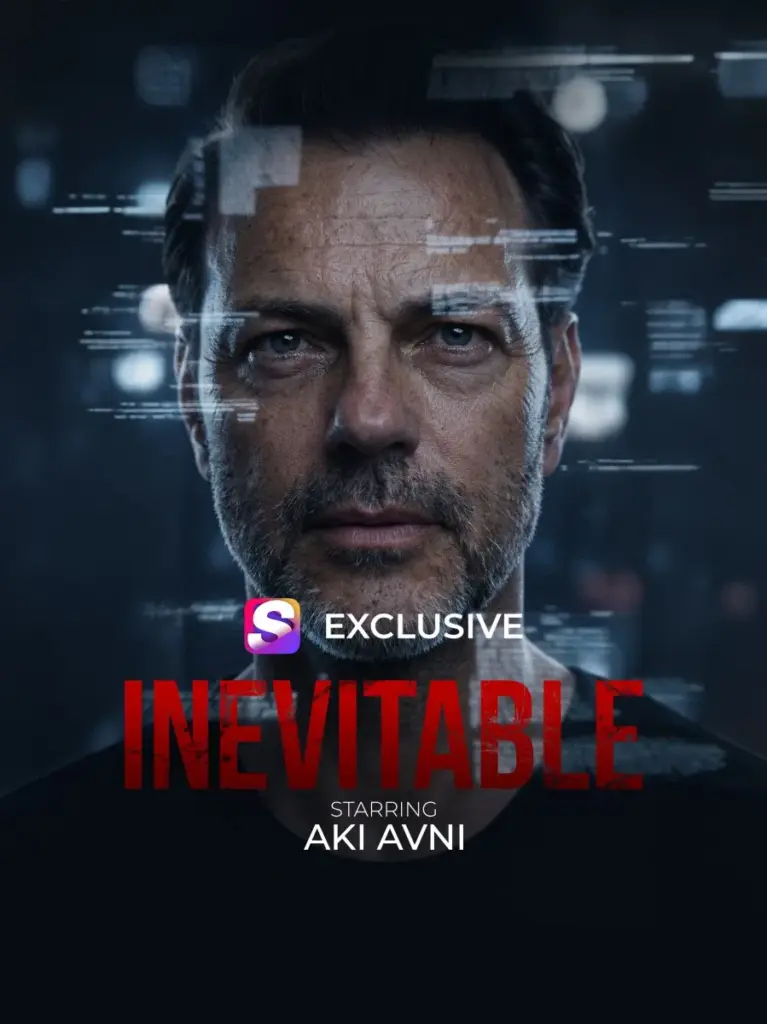
- Actor Aki Avni has become the first to license his likeness to Shortical for a fully AI-generated series, signaling a shift in Hollywood's approach to digital avatars.
- Shortical is actively soliciting social media users to license their faces for AI content, aiming to bypass traditional production overheads.
- The microdrama industry, heavily influenced by Chinese market trends, is increasingly pivoting toward AI to satisfy VC demand for automation and scalability.
- Critics and industry insiders warn that this 'gig-ification' of likenesses risks devaluing human craft and creating a precarious labor market for emerging actors.
- Diễn viên Aki Avni đã trở thành người đầu tiên cấp phép sử dụng hình ảnh của mình cho Shortical để thực hiện một loạt phim hoàn toàn do AI tạo ra, đánh dấu một bước ngoặt trong cách tiếp cận của Hollywood đối với các nhân vật đại diện kỹ thuật số.
- Shortical đang tích cực kêu gọi người dùng mạng xã hội cấp phép gương mặt của họ cho nội dung AI, với mục tiêu cắt giảm chi phí sản xuất truyền thống.
- Ngành công nghiệp microdrama, chịu ảnh hưởng nặng nề từ các xu hướng thị trường Trung Quốc, đang ngày càng chuyển hướng sang AI để đáp ứng nhu cầu của các nhà đầu tư mạo hiểm về tự động hóa và khả năng mở rộng.
- Các nhà phê bình và chuyên gia trong ngành cảnh báo rằng việc "gig-hóa" (biến thành công việc thời vụ) hình ảnh cá nhân có nguy cơ làm mất giá trị nghệ thuật của con người và tạo ra một thị trường lao động bấp bênh cho các diễn viên mới vào nghề.
- L'acteur Aki Avni est devenu le premier à céder les droits de son image à Shortical pour une série entièrement générée par IA, marquant un tournant dans l'usage des avatars numériques à Hollywood.
- Shortical sollicite activement les utilisateurs des réseaux sociaux pour qu'ils monnaient leur visage, cherchant ainsi à contourner les coûts de production traditionnels.
- L'industrie du micro-drame, fortement influencée par les tendances du marché chinois, pivote vers l'IA pour répondre aux exigences de rentabilité et de scalabilité des fonds de capital-risque.
- Critiques et professionnels du secteur s'inquiètent de cette « ubérisation » de l'image, qui risque de dévaloriser le travail artistique et de précariser les jeunes talents.
- El actor Aki Avni se ha convertido en el primero en licenciar su imagen a Shortical para una serie generada íntegramente por IA, marcando un cambio de paradigma en Hollywood respecto a los avatares digitales.
- Shortical busca activamente usuarios de redes sociales para licenciar sus rostros para contenido de IA, con el objetivo de evitar los costes de producción tradicionales.
- La industria del microdrama, fuertemente influenciada por las tendencias del mercado chino, apuesta cada vez más por la IA para satisfacer la demanda de automatización y escalabilidad de los fondos de capital riesgo.
- Críticos y expertos del sector advierten que esta "uberización" de la imagen personal corre el riesgo de devaluar el oficio humano y crear un mercado laboral precario para los actores emergentes.
- 演员 Aki Avni 成为首位将其肖像权授权给 Shortical 用于全 AI 生成剧集的艺人,标志着好莱坞对待数字替身态度的重大转变。
- Shortical 正积极招募社交媒体用户授权其面部信息用于 AI 内容创作,旨在绕过传统的制作成本。
- 受中国市场趋势影响,微短剧行业正加速转向 AI,以满足风险投资对自动化和规模化生产的迫切需求。
- 评论家和业内人士警告称,这种肖像权的“零工化”存在贬低人类艺术价值的风险,并可能为新兴演员创造一个极不稳定的就业市场。
In the neon-lit, high-velocity world of mobile entertainment, the latest star to grace the screen is not a product of years of method acting or the grueling audition circuit. Instead, he is a mathematical approximation—a digital ghost rendered in the likeness of Israeli actor Aki Avni. As the face of the new AI-generated microdrama Inevitable, Avni has stepped into a frontier that many in Hollywood have long feared: the commodification of the human visage as a scalable, automated asset. This is not merely a technological novelty; it is a fundamental restructuring of the relationship between the performer and the performance.
The rise of Shortical, a startup specializing in the addictive, bite-sized narratives that have taken the digital world by storm, marks a pivotal moment for the entertainment industry. By replacing traditional production workflows with AI-generated avatars, the company is attempting to solve the oldest problem in media: how to maximize output while minimizing the friction of human labor. As the industry watches, the question is no longer whether AI can replicate a human face, but whether the audience will accept the trade-off, and what becomes of the actors who once held the monopoly on human emotion.
The Mechanics of the Synthetic Star
Shortical’s business model is built on the foundation of the "microdrama"—a genre characterized by rapid-fire, soap-opera-style cliffhangers designed to keep viewers scrolling during their commutes or before sleep. While the company initially relied on live-action talent, the pivot to AI has been swift and deliberate. By utilizing AI, Shortical claims it can produce "movie-scale" productions—complete with dragons, superheroes, and supernatural kingdoms—that would be financially impossible under traditional budgetary constraints. The inclusion of Aki Avni in Inevitable serves as the company’s proof of concept: a meta-narrative where the actor plays an actor who licenses his face to a studio, effectively mirroring the real-world transaction that birthed the series.
For Avni, the decision to participate was framed as an embrace of a new artistic era. However, the economic reality behind the scenes remains opaque. While Shortical insists that Avni’s compensation was "in line with industry standards," the company has been notably vague regarding future royalty structures for other contributors. This ambiguity is a hallmark of the burgeoning "face-licensing" economy. As Shortical begins to solicit likenesses from the general public, the company is positioning itself not just as a content producer, but as a platform for the gig-ification of human identity, utilizing infrastructure like Payouts.com to manage a decentralized workforce of digital avatars.

The Shadow of the Chinese Microdrama Model
To understand the trajectory of Shortical, one must look toward China, where the microdrama industry originated and where the commodification of likenesses is already a mature, if controversial, market. In the Chinese ecosystem, the rapid production of AI-generated content has created a race to the bottom, with reports indicating that individuals are often paid paltry sums—sometimes as little as $15—to surrender their facial data. This precedent serves as a cautionary tale for Western creators who fear that the "democratization" of acting through AI will inevitably lead to the devaluation of the craft.
The cultural impact of this shift is profound. For decades, the barrier to entry in Hollywood was talent, training, and the physical presence of the actor. Now, that barrier is being dismantled by software. As Jennifer Cooper, founder of the consultancy firm Vertical Drama Love, points out, the industry is currently in a state of deep distrust. For young actors who once viewed microdramas as a legitimate entry point into the entertainment business, the rise of AI represents a direct threat to their livelihood. The "gold rush" mentality, driven by venture capital firms eager to see automation in every pitch deck, is effectively prioritizing efficiency over the nuanced, unpredictable nature of human performance.
The Institutional Reaction and Future Risks
The institutional response to this trend has been one of cautious skepticism. While audiences have shown a voracious appetite for the "dopamine hits" provided by microdramas, it remains unclear whether they will remain loyal to content that lacks a human soul. Critics argue that the current surge in AI-generated views is a result of aggressive platform promotion rather than genuine organic demand. Furthermore, the legal and ethical minefield surrounding consent—specifically the unauthorized use of likenesses—continues to plague the industry, forcing companies like Shortical to formalize their licensing agreements as a defensive measure.
As we look toward the future, the "Shortical model" poses a critical question for the global entertainment landscape: can the industry sustain a model where the actor is reduced to a data point? If the goal is to produce infinite content for a distracted audience, then AI is undoubtedly the superior tool. However, if the value of cinema lies in the connection between the viewer and the lived experience of the performer, then the industry may be walking into a trap of its own making. The next few years will be a litmus test for whether the public is willing to trade the authenticity of the human spirit for the endless, synthetic convenience of the digital doppelgänger.
Trong thế giới giải trí di động tốc độ cao và rực rỡ ánh đèn neon, ngôi sao mới nhất xuất hiện trên màn hình không phải là sản phẩm của nhiều năm khổ luyện diễn xuất hay những vòng casting khắc nghiệt. Thay vào đó, anh là một phép tính toán học—một bóng ma kỹ thuật số được tái tạo dựa trên hình ảnh của nam diễn viên người Israel Aki Avni. Với tư cách là gương mặt đại diện cho bộ phim microdrama mới do AI tạo ra mang tên Inevitable, Avni đã bước vào một biên giới mà nhiều người ở Hollywood từ lâu đã lo sợ: sự thương mại hóa gương mặt con người thành một tài sản có thể mở rộng và tự động hóa. Đây không chỉ đơn thuần là một sự mới lạ về công nghệ; mà là một cuộc tái cấu trúc căn bản mối quan hệ giữa người biểu diễn và màn trình diễn.
Sự trỗi dậy của Shortical, một startup chuyên về các câu chuyện ngắn gọn, gây nghiện đang làm mưa làm gió trên thế giới kỹ thuật số, đánh dấu một thời điểm then chốt cho ngành công nghiệp giải trí. Bằng cách thay thế quy trình sản xuất truyền thống bằng các nhân vật đại diện (avatar) do AI tạo ra, công ty đang cố gắng giải quyết vấn đề lâu đời nhất trong truyền thông: làm thế nào để tối đa hóa sản lượng trong khi giảm thiểu sự ma sát của lao động con người. Khi cả ngành công nghiệp đang dõi theo, câu hỏi không còn là liệu AI có thể sao chép gương mặt con người hay không, mà là liệu khán giả có chấp nhận sự đánh đổi này, và điều gì sẽ xảy ra với những diễn viên từng nắm giữ độc quyền về cảm xúc con người.
Cơ chế của ngôi sao tổng hợp
Mô hình kinh doanh của Shortical được xây dựng trên nền tảng "microdrama"—một thể loại đặc trưng bởi những tình tiết gay cấn, dồn dập theo phong cách phim truyền hình dài tập, được thiết kế để giữ chân người xem lướt màn hình trong khi đi làm hoặc trước khi ngủ. Mặc dù ban đầu công ty dựa vào tài năng diễn xuất trực tiếp, nhưng việc chuyển hướng sang AI đã diễn ra nhanh chóng và có chủ đích. Bằng cách sử dụng AI, Shortical tuyên bố họ có thể sản xuất các tác phẩm "quy mô điện ảnh"—với đầy đủ rồng, siêu anh hùng và các vương quốc siêu nhiên—những thứ vốn không thể thực hiện được về mặt tài chính theo các hạn chế ngân sách truyền thống. Việc đưa Aki Avni vào Inevitable đóng vai trò là bằng chứng về khái niệm của công ty: một siêu tự sự (meta-narrative), nơi diễn viên đóng vai một người đi cấp phép gương mặt của mình cho một studio, phản chiếu chính xác giao dịch ngoài đời thực đã khai sinh ra loạt phim này.
Đối với Avni, quyết định tham gia được coi là sự đón nhận một kỷ nguyên nghệ thuật mới. Tuy nhiên, thực tế kinh tế đằng sau hậu trường vẫn còn khá mờ mịt. Trong khi Shortical khẳng định rằng thù lao của Avni là "phù hợp với tiêu chuẩn ngành", công ty vẫn tỏ ra mơ hồ về cấu trúc tiền bản quyền trong tương lai cho những người đóng góp khác. Sự mơ hồ này là đặc điểm nổi bật của nền kinh tế "cấp phép gương mặt" đang chớm nở. Khi Shortical bắt đầu thu thập hình ảnh từ công chúng, công ty đang định vị mình không chỉ là một nhà sản xuất nội dung, mà là một nền tảng cho việc "gig-hóa" bản sắc con người, sử dụng cơ sở hạ tầng như Payouts.com để quản lý một lực lượng lao động phi tập trung gồm các avatar kỹ thuật số.
Cái bóng của mô hình microdrama Trung Quốc
Để hiểu quỹ đạo của Shortical, người ta phải nhìn về Trung Quốc, nơi ngành công nghiệp microdrama bắt nguồn và nơi việc thương mại hóa hình ảnh đã trở thành một thị trường trưởng thành, dù còn nhiều tranh cãi. Trong hệ sinh thái Trung Quốc, việc sản xuất nhanh chóng nội dung do AI tạo ra đã tạo ra một cuộc đua xuống đáy, với các báo cáo chỉ ra rằng các cá nhân thường được trả những khoản tiền ít ỏi—đôi khi chỉ 15 đô la—để từ bỏ dữ liệu gương mặt của họ. Tiền lệ này đóng vai trò như một lời cảnh báo cho các nhà sáng tạo phương Tây, những người lo ngại rằng việc "dân chủ hóa" diễn xuất thông qua AI sẽ tất yếu dẫn đến sự mất giá của nghề nghiệp.
Tác động văn hóa của sự thay đổi này là rất sâu sắc. Trong nhiều thập kỷ, rào cản gia nhập Hollywood là tài năng, sự đào tạo và sự hiện diện vật lý của diễn viên. Giờ đây, rào cản đó đang bị phần mềm tháo dỡ. Như Jennifer Cooper, người sáng lập công ty tư vấn Vertical Drama Love, chỉ ra, ngành công nghiệp hiện đang trong trạng thái mất lòng tin sâu sắc. Đối với những diễn viên trẻ từng coi microdrama là điểm khởi đầu hợp pháp vào ngành giải trí, sự trỗi dậy của AI đại diện cho một mối đe dọa trực tiếp đến sinh kế của họ. Tâm lý "cơn sốt vàng", được thúc đẩy bởi các công ty đầu tư mạo hiểm đang khao khát thấy sự tự động hóa trong mọi bản thuyết trình, đang thực sự ưu tiên hiệu quả hơn là bản chất tinh tế, khó đoán của diễn xuất con người.
Phản ứng của các tổ chức và những rủi ro tương lai
Phản ứng của các tổ chức đối với xu hướng này là sự hoài nghi thận trọng. Mặc dù khán giả đã thể hiện sự thèm khát mãnh liệt đối với những "liều dopamine" do microdrama cung cấp, nhưng vẫn chưa rõ liệu họ có duy trì sự trung thành với nội dung thiếu đi linh hồn con người hay không. Các nhà phê bình lập luận rằng sự gia tăng đột biến về lượt xem do AI tạo ra là kết quả của việc quảng bá nền tảng mạnh mẽ thay vì nhu cầu tự nhiên thực sự. Hơn nữa, bãi mìn pháp lý và đạo đức xung quanh sự đồng ý—đặc biệt là việc sử dụng hình ảnh trái phép—tiếp tục gây khó khăn cho ngành, buộc các công ty như Shortical phải chính thức hóa các thỏa thuận cấp phép của họ như một biện pháp phòng thủ.
Khi nhìn về tương lai, "mô hình Shortical" đặt ra một câu hỏi quan trọng cho bối cảnh giải trí toàn cầu: liệu ngành công nghiệp có thể duy trì một mô hình mà ở đó diễn viên bị giảm xuống thành một điểm dữ liệu? Nếu mục tiêu là sản xuất nội dung vô tận cho một khán giả đang mất tập trung, thì AI chắc chắn là công cụ vượt trội. Tuy nhiên, nếu giá trị của điện ảnh nằm ở sự kết nối giữa người xem và trải nghiệm sống của người biểu diễn, thì ngành công nghiệp có thể đang bước vào một cái bẫy do chính mình tạo ra. Vài năm tới sẽ là bài kiểm tra xem liệu công chúng có sẵn sàng đánh đổi tính chân thực của tinh thần con người lấy sự tiện lợi, tổng hợp vô tận của những bản sao kỹ thuật số hay không.
Dans l'univers effréné et saturé de néons du divertissement mobile, la nouvelle star qui crève l'écran n'est pas le fruit d'années d'Actors Studio ou d'un parcours épuisant d'auditions. Il s'agit d'une approximation mathématique, un spectre numérique calqué sur les traits de l'acteur israélien Aki Avni. En devenant le visage de la nouvelle série générée par IA Inevitable, Avni a franchi une frontière que beaucoup à Hollywood redoutaient : la marchandisation du visage humain en tant qu'actif automatisé et scalable. Ce n'est pas seulement une prouesse technologique, c'est une restructuration fondamentale du lien entre l'artiste et sa performance.
L'ascension de Shortical, startup spécialisée dans ces récits addictifs au format court qui ont conquis le monde numérique, marque un tournant décisif pour l'industrie. En remplaçant les flux de production traditionnels par des avatars générés par IA, l'entreprise tente de résoudre le problème éternel des médias : comment maximiser la production tout en réduisant les frictions liées au travail humain. Alors que le secteur observe la manœuvre, la question n'est plus de savoir si l'IA peut répliquer un visage humain, mais si le public acceptera ce troc, et quel sort sera réservé aux acteurs qui détenaient autrefois le monopole de l'émotion.
La mécanique de la star synthétique
Le modèle économique de Shortical repose sur le « micro-drame », un genre caractérisé par des cliffhangers rapides, dignes des meilleurs soap-operas, conçus pour maintenir l'attention des spectateurs durant leurs trajets ou avant le sommeil. Bien que la société ait initialement fait appel à des talents réels, le virage vers l'IA a été rapide et délibéré. Grâce à l'IA, Shortical affirme pouvoir produire des contenus à « l'échelle cinématographique » — dragons, super-héros et royaumes surnaturels inclus — qui seraient financièrement impossibles selon les contraintes budgétaires classiques. L'implication d'Aki Avni dans Inevitable sert de preuve de concept : une méta-narration où l'acteur joue un acteur qui vend son image à un studio, reflétant ainsi la transaction réelle qui a donné naissance à la série.
Pour Avni, cette décision a été présentée comme une adhésion à une nouvelle ère artistique. Pourtant, la réalité économique en coulisses reste opaque. Si Shortical insiste sur le fait que la rémunération d'Avni est « conforme aux standards de l'industrie », l'entreprise reste singulièrement floue sur les structures de redevances futures pour les autres contributeurs. Cette ambiguïté est la marque de fabrique de l'économie naissante de la « licence de visage ». Alors que Shortical commence à solliciter les traits du grand public, l'entreprise se positionne non plus comme un simple producteur, mais comme une plateforme d'ubérisation de l'identité humaine, utilisant des infrastructures comme Payouts.com pour gérer une main-d'œuvre décentralisée d'avatars numériques.
L'ombre du modèle chinois du micro-drame
Pour comprendre la trajectoire de Shortical, il faut se tourner vers la Chine, berceau de l'industrie du micro-drame, où la marchandisation de l'image est déjà un marché mature, bien que controversé. Dans l'écosystème chinois, la production effrénée de contenus générés par IA a déclenché une course au moins-disant, avec des rapports indiquant que des individus sont parfois payés des sommes dérisoires — parfois à peine 15 dollars — pour céder leurs données faciales. Ce précédent sert d'avertissement aux créateurs occidentaux qui craignent que la « démocratisation » du jeu d'acteur par l'IA ne conduise inévitablement à une dévaluation du métier.
L'impact culturel de ce basculement est profond. Pendant des décennies, la barrière à l'entrée à Hollywood était le talent, la formation et la présence physique de l'acteur. Aujourd'hui, cette barrière est démantelée par le logiciel. Comme le souligne Jennifer Cooper, fondatrice du cabinet de conseil Vertical Drama Love, l'industrie est actuellement plongée dans une méfiance profonde. Pour les jeunes acteurs qui voyaient autrefois les micro-drames comme une porte d'entrée légitime dans le métier, l'essor de l'IA représente une menace directe pour leur subsistance. La mentalité de « ruée vers l'or », alimentée par des sociétés de capital-risque avides d'automatisation, privilégie l'efficacité au détriment de la nature imprévisible et nuancée de la performance humaine.
La réaction institutionnelle et les risques futurs
La réponse institutionnelle à cette tendance est empreinte d'un scepticisme prudent. Si le public a montré un appétit vorace pour les « doses de dopamine » offertes par les micro-drames, il reste à voir s'il restera fidèle à un contenu dépourvu d'âme humaine. Les critiques soutiennent que l'actuelle flambée des vues générées par IA est le résultat d'une promotion agressive des plateformes plutôt que d'une demande organique réelle. De plus, le champ de mines juridique et éthique entourant le consentement — en particulier l'utilisation non autorisée de l'image — continue de hanter l'industrie, forçant des entreprises comme Shortical à formaliser leurs accords de licence par mesure défensive.
À l'avenir, le « modèle Shortical » pose une question cruciale pour le paysage mondial du divertissement : l'industrie peut-elle soutenir un modèle où l'acteur est réduit à un simple point de données ? Si l'objectif est de produire un contenu infini pour un public distrait, alors l'IA est sans aucun doute l'outil supérieur. Cependant, si la valeur du cinéma réside dans la connexion entre le spectateur et l'expérience vécue par l'interprète, alors l'industrie court peut-être à sa propre perte. Les prochaines années serviront de test : le public est-il prêt à troquer l'authenticité de l'esprit humain contre la commodité infinie et synthétique du double numérique ?
En el mundo de neón y alta velocidad del entretenimiento móvil, la última estrella en aparecer en pantalla no es producto de años de método interpretativo ni de un agotador circuito de audiciones. Se trata, en cambio, de una aproximación matemática: un fantasma digital renderizado a imagen y semejanza del actor israelí Aki Avni. Como rostro del nuevo microdrama generado por IA Inevitable, Avni ha entrado en una frontera que muchos en Hollywood temían desde hace tiempo: la mercantilización del rostro humano como un activo escalable y automatizado. No se trata solo de una novedad tecnológica; es una reestructuración fundamental de la relación entre el intérprete y la interpretación.
El auge de Shortical, una startup especializada en las adictivas narrativas de formato breve que han arrasado en el mundo digital, marca un momento crucial para la industria del entretenimiento. Al sustituir los flujos de trabajo de producción tradicionales por avatares generados por IA, la empresa intenta resolver el problema más antiguo de los medios: cómo maximizar la producción minimizando la fricción de la mano de obra humana. Mientras la industria observa, la pregunta ya no es si la IA puede replicar un rostro humano, sino si el público aceptará este intercambio y qué será de los actores que antes ostentaban el monopolio de la emoción humana.
La mecánica de la estrella sintética
El modelo de negocio de Shortical se basa en el "microdrama", un género caracterizado por cliffhangers rápidos al estilo de las telenovelas, diseñados para mantener a los espectadores haciendo scroll durante sus trayectos diarios o antes de dormir. Aunque la empresa dependía inicialmente de talento humano, el giro hacia la IA ha sido rápido y deliberado. Al utilizar IA, Shortical afirma poder producir contenidos a "escala cinematográfica" —con dragones, superhéroes y reinos sobrenaturales— que serían financieramente imposibles bajo las restricciones presupuestarias tradicionales. La inclusión de Aki Avni en Inevitable sirve como prueba de concepto de la empresa: una metanarrativa donde el actor interpreta a un actor que licencia su rostro a un estudio, reflejando eficazmente la transacción real que dio origen a la serie.
Para Avni, la decisión de participar se presentó como una apuesta por una nueva era artística. Sin embargo, la realidad económica entre bastidores sigue siendo opaca. Aunque Shortical insiste en que la compensación de Avni estuvo "en línea con los estándares de la industria", la empresa ha sido notablemente vaga respecto a las futuras estructuras de derechos de autor para otros colaboradores. Esta ambigüedad es un sello distintivo de la floreciente economía de la "licencia de rostros". A medida que Shortical comienza a solicitar imágenes al público general, la empresa se posiciona no solo como productora de contenido, sino como una plataforma para la "uberización" de la identidad humana, utilizando infraestructuras como Payouts.com para gestionar una fuerza laboral descentralizada de avatares digitales.
La sombra del modelo de microdrama chino
Para entender la trayectoria de Shortical, hay que mirar hacia China, donde se originó la industria del microdrama y donde la mercantilización de la imagen es ya un mercado maduro, aunque controvertido. En el ecosistema chino, la rápida producción de contenido generado por IA ha creado una carrera hacia el abismo, con informes que indican que a menudo se paga a las personas sumas irrisorias —a veces tan solo 15 dólares— por ceder sus datos faciales. Este precedente sirve como advertencia para los creadores occidentales que temen que la "democratización" de la actuación a través de la IA conduzca inevitablemente a la devaluación del oficio.
El impacto cultural de este cambio es profundo. Durante décadas, la barrera de entrada en Hollywood fue el talento, la formación y la presencia física del actor. Ahora, esa barrera está siendo desmantelada por el software. Como señala Jennifer Cooper, fundadora de la consultora Vertical Drama Love, la industria se encuentra actualmente en un estado de profunda desconfianza. Para los actores jóvenes que veían en los microdramas un punto de entrada legítimo al mundo del espectáculo, el auge de la IA representa una amenaza directa a su sustento. La mentalidad de "fiebre del oro", impulsada por firmas de capital riesgo ansiosas por ver automatización en cada presentación, está priorizando la eficiencia sobre la naturaleza matizada e impredecible de la interpretación humana.
La reacción institucional y los riesgos futuros
La respuesta institucional a esta tendencia ha sido de cauteloso escepticismo. Aunque el público ha mostrado un apetito voraz por los "golpes de dopamina" que proporcionan los microdramas, no está claro si seguirán siendo leales a un contenido que carece de alma humana. Los críticos sostienen que el actual aumento de visualizaciones generadas por IA es resultado de una agresiva promoción de las plataformas y no de una demanda orgánica genuina. Además, el campo de minas legal y ético que rodea al consentimiento —específicamente el uso no autorizado de la imagen— sigue acosando al sector, obligando a empresas como Shortical a formalizar sus acuerdos de licencia como medida defensiva.
De cara al futuro, el "modelo Shortical" plantea una pregunta crítica para el panorama global del entretenimiento: ¿puede la industria sostener un modelo donde el actor se reduce a un punto de datos? Si el objetivo es producir contenido infinito para una audiencia distraída, entonces la IA es, sin duda, la herramienta superior. Sin embargo, si el valor del cine reside en la conexión entre el espectador y la experiencia vivida por el intérprete, entonces la industria podría estar cayendo en una trampa de su propia creación. Los próximos años serán una prueba de fuego para determinar si el público está dispuesto a cambiar la autenticidad del espíritu humano por la infinita y sintética comodidad del doble digital.
在霓虹闪烁、节奏极快的移动娱乐世界中,最新登上屏幕的明星并非源于多年的方法派表演训练或残酷的试镜选拔。相反,他是一个数学近似值——一个以以色列演员 Aki Avni 为原型渲染出的数字幽灵。作为 AI 生成微短剧《Inevitable》的主角,Avni 踏入了一个好莱坞长期以来深感恐惧的领域:将人类面孔商品化为一种可扩展、自动化的资产。这不仅仅是一项技术创新,更是表演者与表演之间关系的根本性重构。
Shortical 是一家专注于制作令人上瘾的短小叙事内容的初创公司,它的崛起标志着娱乐业的一个关键时刻。通过用 AI 生成的虚拟形象取代传统的制作流程,该公司正试图解决媒体行业最古老的问题:如何在最大限度减少人类劳动摩擦的同时实现产出最大化。随着行业密切关注,问题已不再是 AI 能否复制人脸,而是观众是否会接受这种置换,以及那些曾经垄断人类情感表达的演员们将何去何从。
合成明星的运作机制
Shortical 的商业模式建立在“微短剧”的基础上——这是一种以快节奏、肥皂剧式悬念为特征的类型,旨在让观众在通勤或睡前不断刷剧。虽然该公司最初依赖真人演员,但向 AI 的转型迅速且果断。Shortical 声称,通过利用 AI,他们可以制作出包含巨龙、超级英雄和超自然王国等在传统预算限制下无法实现的“电影级”作品。Aki Avni 在《Inevitable》中的出演成为了该公司的概念验证:这是一种元叙事,剧中演员将自己的面孔授权给制片厂,这实际上映射了现实中促成该剧诞生的交易过程。
对于 Avni 而言,参与此项目的决定被包装成对新艺术时代的拥抱。然而,幕后的经济现实依然模糊不清。尽管 Shortical 坚称 Avni 的报酬“符合行业标准”,但对于其他贡献者未来的版税结构,该公司却语焉不详。这种模糊性是新兴“面孔授权”经济的典型特征。随着 Shortical 开始向公众征集肖像权,该公司不仅将自己定位为内容生产者,更是一个人类身份“零工化”的平台,利用 Payouts.com 等基础设施来管理一个去中心化的数字替身劳动力大军。
中国微短剧模式的阴影
要理解 Shortical 的发展轨迹,必须审视中国市场。微短剧行业起源于中国,在那里,肖像权的商品化已经是一个成熟但充满争议的市场。在中国生态系统中,AI 生成内容的快速生产引发了恶性竞争,有报道称,个人往往只能获得微薄的报酬——有时仅为 15 美元——便交出了自己的面部数据。这一先例为西方创作者敲响了警钟,他们担心通过 AI 实现的表演“民主化”将不可避免地导致艺术价值的贬值。
这种转变带来的文化影响是深远的。几十年来,进入好莱坞的门槛是天赋、训练和演员的现场表现。现在,这一门槛正被软件拆解。正如咨询公司 Vertical Drama Love 的创始人 Jennifer Cooper 所指出的,该行业目前处于一种深度不信任的状态。对于那些曾经将微短剧视为进入娱乐业合法切入点的年轻演员来说,AI 的崛起直接威胁到了他们的生计。这种由风险投资公司驱动的“淘金热”心态,急于在每一份商业计划书中看到自动化,实际上是将效率置于人类表演那种微妙且不可预测的特质之上。
机构反应与未来风险
机构对这一趋势的反应表现出谨慎的怀疑。虽然观众对微短剧提供的“多巴胺刺激”表现出了极大的胃口,但他们是否会长期忠于缺乏人类灵魂的内容仍未可知。评论家认为,目前 AI 生成内容观看量的激增是平台激进推广的结果,而非真正的有机需求。此外,围绕同意权的法律和伦理雷区——特别是未经授权使用肖像权的问题——继续困扰着该行业,迫使像 Shortical 这样的公司将许可协议正规化,作为一种防御手段。
展望未来,“Shortical 模式”为全球娱乐景观提出了一个关键问题:当演员被简化为一个数据点时,行业能否持续发展?如果目标是为注意力涣散的观众生产无限的内容,那么 AI 无疑是更优越的工具。然而,如果电影的价值在于观众与表演者真实生活体验之间的联结,那么该行业可能正在步入自己设下的陷阱。未来几年将成为一块试金石,检验公众是否愿意用人类精神的真实性,去交换数字替身带来的无尽、合成的便利。
Editorial Standards & Multi-Language Synthesis: This dispatch was synthesized and fact-checked by the ParisDaily Editorial Desk across 5 global editions (EN, FR, VI, ES, ZH), cross-referencing primary international wire reports and real-time search intelligence.