AI và những tầm nhìn bản địa đang vẽ lại ranh giới điện ảnh Ấn Độ như thế nào
From the Andaman Islands to Calicut, groundbreaking AI-assisted shorts selected by WIF India and Google Flow are making their global debut at IFFI Goa.
Từ Quần đảo Andaman cho đến Calicut, những thước phim ngắn đột phá ứng dụng trí tuệ nhân tạo (AI) do WIF India và Google Flow tuyển chọn đang có màn ra mắt toàn cầu tại Liên hoan Phim Quốc tế Ấn Độ (IFFI) Goa.
Des îles Andaman à Calicut, des courts-métrages novateurs assistés par l'IA et sélectionnés par WIF India et Google Flow font leurs débuts mondiaux à l'IFFI de Goa. Cette initiative marque un tournant démocratique dans le paysage audiovisuel du sous-continent.
Desde las islas Andamán hasta Calicut, revolucionarios cortometrajes asistidos por IA y seleccionados por WIF India y Google Flow debutan a nivel mundial en el IFFI de Goa.
从安达曼群岛到卡利卡特,由WIF India与Google Flow联合选拔的开创性人工智能辅助短片正在果阿国际电影节(IFFI)上迎来全球首映。
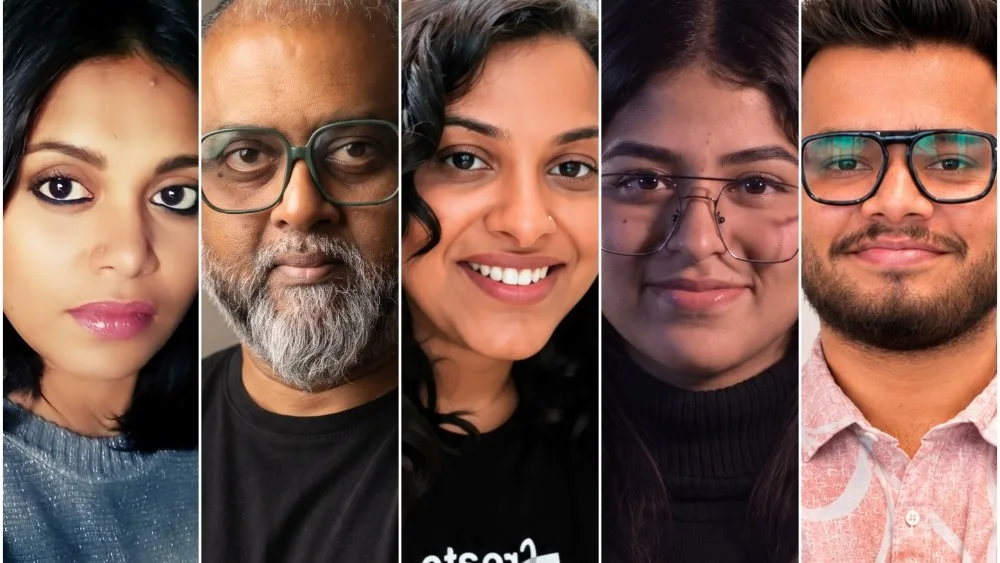
- Five pioneering AI-assisted short films have been selected as finalists for the inaugural WIF India x Google Flow Filmathon.
- Three of the five selected finalist films are directed by women, underscoring WIF India's commitment to gender parity in technological adoption.
- The open call drew over 850 registrations, with 40% of applicants hailing from Tier 2 and Tier 3 cities outside India's traditional media hubs.
- The winning shorts are scheduled for a high-profile screening at the International Film Festival of India (IFFI) in Goa.
- Năm bộ phim ngắn tiên phong ứng dụng AI đã được chọn vào vòng chung kết của cuộc thi Filmathon WIF India x Google Flow lần đầu tiên tổ chức.
- Ba trong số năm tác phẩm lọt vào chung kết do các nữ đạo diễn cầm trịch, nhấn mạnh cam kết của WIF India đối với sự bình đẳng giới trong việc tiếp nhận công nghệ.
- Lời kêu gọi mở đã thu hút hơn 850 lượt đăng ký, với 40% ứng viên đến từ các thành phố Cấp 2 và Cấp 3 nằm ngoài các trung tâm truyền thông truyền thống của Ấn Độ.
- Các bộ phim ngắn đoạt giải dự kiến sẽ có buổi chiếu trang trọng tại Liên hoan Phim Quốc tế Ấn Độ (IFFI) ở Goa.
- Cinq courts-métrages pionniers, conçus avec l'aide de l'intelligence artificielle, ont été désignés finalistes du premier « Filmathon » WIF India x Google Flow.
- Trois de ces cinq films finalistes sont réalisés par des femmes, soulignant l'engagement de WIF India en faveur de la parité dans l'adoption technologique.
- L'appel à projets a généré plus de 850 inscriptions, dont 40 % émanant de villes de deuxième et troisième catégories, situées hors des traditionnels pôles médiatiques indiens.
- Les films primés feront l'objet d'une projection très attendue lors du Festival international du film de l'Inde (IFFI) à Goa.
- Cinco cortometrajes pioneros asistidos por IA han sido seleccionados como finalistas para el Filmathon inaugural de WIF India x Google Flow.
- Tres de los cinco cortometrajes finalistas están dirigidos por mujeres, lo que subraya el compromiso de WIF India con la paridad de género en la adopción tecnológica.
- La convocatoria abierta recibió más de 850 inscripciones, y el 40 % de los solicitantes procedían de ciudades de nivel 2 y 3 ajenas a los centros mediáticos tradicionales de la India.
- Los cortos ganadores tienen previsto un prestigioso pase en el Festival Internacional de Cine de la India (IFFI) en Goa.
- 五部具有开拓意义的人工智能辅助短片成功入围首届 WIF India x Google Flow 电影马拉松决赛。
- 五部入围作品中有三部由女性导演执导,彰显了 WIF India 致力于在技术应用中实现性别平等的承诺。
- 此次公开征集吸引了超过 850 个报名申请,其中 40% 的申请者来自印度传统媒体中心以外的二线和三线城市。
- 获奖短片计划在果阿国际电影节(IFFI)上进行备受瞩目的展映。
In an era where the cinematic landscape is routinely dominated by the colossal budgets of franchise filmmaking and the rigid logistics of traditional studio systems, a quiet revolution is taking root across the sub-continent. Five visionary short films, forged in the digital crucibles of remote Indian geographies ranging from the emerald coast of Kerala to the isolated shores of the Andaman and Nicobar Islands, are set to make their premiere at the International Film Festival of India (IFFI) in Goa. These works are not merely exercises in technical novelty; they represent the vibrant, unexpected fruits of the inaugural Women in Film India (WIF India) x Google Flow Filmathon, a landmark initiative designed to democratize the silver screen through cutting-edge generative artificial intelligence.
Selected from a staggering pool of over 850 initial registrations, the final quintet of films offers a fascinating glimpse into the future of digital storytelling. Crucially, the initiative has shattered traditional urban-centric paradigms: while 60 percent of entries emerged from Tier 1 metropolitan centers, a full 30 percent originated in Tier 2 cities, and 10 percent rose from Tier 3 locations. More importantly, women directors claimed three of the five coveted finalist spots, a triumphant affirmation of WIF India’s foundational mission to ensure that the gender disparities historically plaguing the film industry are not replicated in the dawn of the AI era. Backed by the Entertainment Society of Goa and the Government of Goa, this showcase at IFFI positions these regional creators not as peripheral experimenters, but as vanguard voices in a rapidly evolving global medium.
Democratizing the Lens: Decentralizing Indian Cinema
For decades, the lifeblood of Indian cinema has flowed through a handful of entrenched epicenters—Mumbai, Chennai, Hyderabad, and latterly Delhi. The infrastructure of prestige filmmaking—access to elite cinematography gear, sound stages, post-production suites, and the all-important industry networking circles—has historically functioned as a formidable barrier to entry for prospective artists working in the provinces. The WIF India and Google Flow partnership sought to systematically dismantle these structural gatekeepers. By deploying Google Flow, an advanced AI creative workspace, the organizers handed powerful cinematic tools directly to individuals whose imaginations far outstripped their production budgets.
Guneet Monga Kapoor, the powerhouse founder and CEO of WIF India whose international pedigree includes Academy Award-winning documentary production, immediately recognized the profound stakes of this technological juncture. In her public statements surrounding the Filmathon, Monga Kapoor emphasized that every major technological shift in the history of the medium presents a pivotal moral and cultural crossroads: an opportunity to radically rethink who gets to make films, whose narratives find a receptive audience, and whose lived perspectives ultimately shape the cultural consciousness. The fact that women creators seized the majority of the finalist slots is viewed by the organization not as a happy accident, but as vital validation that proactive inclusivity can rewrite the demographics of cinematic authorship.
Regional Tapestries and Algorithmic Canvases
The resulting five finalist films are as geographically and topically diverse as the Indian subcontinent itself, proving that advanced generative tools do not homogenize artistic vision, but rather amplify idiosyncratic, localized storytelling. From Calicut in Kerala, filmmaker Aswathi Naduthodi crafted “Bombay Mumbai – Vada Pav,” an evocative visual essay that charts decades of dizzying socioeconomic change in the sprawling metropolis of Mumbai through the intimate prism of its ubiquitous street snack. Down the coast in Kochi, fellow Keralite Syam Manohar delivered “Kuli,” a Tamil-language black comedy wherein an outsider digging a mysterious, unexplained hole in a sleepy village triggers a devastating cascade of local gossip and paranoia.
Perhaps most striking in its geographic isolation is Promita Banerjee’s entry from Port Blair in the Andaman and Nicobar Islands. Titled “Sikkal,” Banerjee’s Hindi folk-horror piece plunges into the murky psychological depths of guilt and grief, following a protagonist relentlessly haunted by apparitions of his deceased sister. Meanwhile, in the bustling arena of animation, Mumbai’s Nikhil Shinde presented “Pedals of Joy,” a heartwarming Hindi tale of brotherhood centering on an impoverished balloon vendor yearning for a sports bike, and Delhi-based artist Srishti Chaudhary contributed “Nazar,” a dialogue-free animated meditation on the psychological burdens of the unwanted gaze, meticulously storyboarded and designed within the Google Flow interface.
The Jury’s Mandate and the New Industry Paradigm
Evaluating this unprecedented cinematic corpus required an equally formidable tribunal. A seven-member jury comprising some of the most discerning minds in global and contemporary Indian cinema—including acclaimed directors Shakun Batra and Pan Nalin, master editors Nitin Baid and Deepa Bhatia, streaming executive Aparna Purohit, Google Envisioning Studio’s Prashant Paulose, and Cannes Next head Sten Saluveer—sat in judgment of the submissions. Their selection process focused not merely on technical proficiency in manipulating AI prompts, but on the emotional resonance, thematic depth, and distinct artistic voice underpinning each frame.
As Arathi Sethumadhavan, director of international activations and product insights at Google, aptly noted, these five finalists powerfully demonstrate how AI creative studios can expand an artist’s horizon without eroding their humanity, ensuring that human imagination remains the undisputed heart of the narrative. Rabia Chopra, WIF India’s director of programs and development, echoed this sentiment, reiterating that a creator's socioeconomic station or lack of industry connections should never dictate their right to a voice in cinema. As these AI-assisted works illuminate the screens at IFFI Goa, they signal a profound structural shift: the future of filmmaking no longer belongs exclusively to those with deep pockets and studio greenlights, but to anyone with a compelling story and the courage to tell it.
Trong kỷ cảnh mà bức tranh điện ảnh thường xuyên bị thống trị bởi những ngân sách khổng lồ của các thương hiệu phim nhượng quyền cùng hậu cần cứng nhắc của hệ thống hãng phim truyền thống, một cuộc cách mạng âm thầm đang bén rễ khắp tiểu lục địa. Năm bộ phim ngắn mang tầm nhìn chiến lược, được tôi luyện trong những lò nung kỹ thuật số tại các vùng đất xa xôi của Ấn Độ — từ bờ biển ngọc lục bảo của Kerala đến những bờ đảo cô lập của Andaman và Nicobar — chuẩn bị ra mắt tại Liên hoan Phim Quốc tế Ấn Độ (IFFI) ở Goa. Những tác phẩm này không đơn thuần là bài tập về sự mới lạ về mặt kỹ thuật; chúng đại diện cho những thành quả sinh động và bất ngờ từ Cuộc thi làm phim Filmathon Women in Film India (WIF India) kết hợp cùng Google Flow lần đầu tiên tổ chức, một sáng kiến bước ngoặt được thiết kế nhằm dân chủ hóa màn bạc thông qua công nghệ trí tuệ nhân tạo tạo sinh tiên tiến.
Được tuyển chọn từ hơn 850 hồ sơ đăng ký ban đầu, nhóm năm bộ phim cuối cùng mang đến một góc nhìn đầy mê hoặc về tương lai của nghệ thuật kể chuyện kỹ thuật số. Quan trọng hơn, sáng kiến này đã phá vỡ các mô hình tập trung đô thị truyền thống: trong khi 60% số lượng bài dự thi xuất hiện từ các trung tâm đô thị Cấp 1, thì có tới 30% đến từ các thành phố Cấp 2 và 10% vươn lên từ các địa điểm Cấp 3. Đáng chú ý hơn, các nữ đạo diễn đã giành được ba trong số năm vị trí chung kết đáng thèm muốn, một lời khẳng định vang dội cho sứ mệnh nền tảng của WIF India nhằm đảm bảo rằng sự bất bình đẳng giới từng hoành hành trong ngành công nghiệp điện ảnh sẽ không lặp lại ở bình minh của kỷ nguyên AI. Được sự hậu thuẫn của Hiệp hội Điện ảnh Goa và Chính quyền bang Goa, buổi giới thiệu này tại IFFI định vị những nhà sáng tạo vùng miền không phải là những kẻ thử nghiệm ngoại vi, mà là những giọng nói tiên phong trong một phương tiện truyền thông toàn cầu đang phát triển với tốc độ chóng mặt.
Dân chủ hóa ống kính: Phi tập trung hóa điện ảnh Ấn Độ
Trong nhiều thập kỷ, huyết mạch của điện ảnh Ấn Độ đã chảy qua một vài trung tâm cố thủ — Mumbai, Chennai, Hyderabad và gần đây là Delhi. Cơ sở hạ tầng làm phim đỉnh cao — quyền tiếp cận thiết bị quay phim cao cấp, phim trường, phòng hậu kỳ và các vòng kết nối mạng lưới ngành quan trọng — trong lịch sử đã đóng vai trò là rào cản gia nhập đáng gờm đối với các nghệ sĩ đầy tham vọng đang làm việc tại các tỉnh thành. Sự hợp tác giữa WIF India và Google Flow đã tìm cách tháo dỡ có hệ thống những người gác cổng cấu trúc này. Bằng cách triển khai Google Flow, một không gian làm việc sáng tạo AI tiên tiến, ban tổ chức đã trao trực tiếp các công cụ điện ảnh mạnh mẽ vào tay những cá nhân có trí tưởng tượng vượt xa ngân sách sản xuất của họ.
Guneet Monga Kapoor, người sáng lập kiêm Giám đốc điều hành đầy quyền lực của WIF India — người có uy tín quốc tế bao gồm việc sản xuất phim tài liệu đoạt giải Oscar — đã lập tức nhận thức được tính chất cọc cạch sâu sắc của bước ngoặt công nghệ này. Trong các phát biểu công khai xung quanh sự kiện Filmathon, Monga Kapoor nhấn mạnh rằng mọi bước chuyển đổi công nghệ lớn trong lịch sử của phương tiện này đều mang lại một ngã rẽ đạo đức và văn hóa cốt lõi: cơ hội để suy nghĩ lại một cách căn cơ về việc ai được làm phim, góc nhìn của ai tìm được khán giả tiếp nhận, và quan điểm sống của ai cuối cùng sẽ định hình ý thức văn hóa. Việc các nhà sáng tạo nữ chiếm đa số các suất chung kết được tổ chức coi không phải là một sự tình cờ hạnh phúc, mà là sự xác thực quan trọng rằng tính bao trùm chủ động có thể viết lại nhân khẩu học của quyền tác giả điện ảnh.
Thảm dệt vùng miền và những bức tranh toán học
Năm bộ phim lọt vào vòng chung kết có sự đa dạng về địa lý và chủ đề hệt như chính tiểu lục địa Ấn Độ, chứng minh rằng các công cụ tạo sinh tiên tiến không làm đồng hóa tầm nhìn nghệ thuật, mà thay vào đó khuếch đại nghệ thuật kể chuyện mang tính bản địa hóa và độc đáo. Từ Calicut ở Kerala, nhà làm phim Aswathi Naduthodi đã tạo ra tác phẩm "Bombay Mumbai – Vada Pav", một bài luận hình ảnh gợi cảm, phác họa những thập kỷ thay đổi kinh tế xã hội chóng mặt tại đô thị trải dài Mumbai qua lăng kính thân mật của món ăn vặt đường phố quen thuộc của thành phố này. Dọc xuống bờ biển Kochi, đồng hương Syam Manohar mang đến "Kuli", một bộ phim hài đen bằng tiếng Tamil, trong đó một người ngoài cuộc đào một cái hố bí ẩn, không rõ lý do tại một ngôi làng buồn ngủ đã châm ngòi cho một chuỗi thảm họa về lời đàm tiếu và sự hoang tưởng của địa phương.
Có lẽ nổi bật nhất về sự cô lập về địa lý là tác phẩm dự thi của Promita Banerjee từ Port Blair thuộc Quần đảo Andaman và Nicobar. Mang tên "Sikkal", tác phẩm kinh dị dân gian tiếng Hindi của Banerjee lao sâu vào những tầng sâu tâm lý u ám của sự tội lỗi và nỗi đau, theo chân một nhân vật chính bị ám ảnh khôn nguôi bởi những bóng ma của người em gái đã khuất. Trong khi đó, tại đấu trường hoạt hình nhộn nhịp, Nikhil Shinde của Mumbai đã trình bày "Pedals of Joy", một câu chuyện tiếng Hindi ấm lòng về tình anh em tập trung vào một người bán bóng bay nghèo khó khao khát một chiếc xe đạp thể thao, và nghệ sĩ có trụ sở tại Delhi Srishti Chaudhary đã đóng góp tác phẩm "Nazar", một thiền định hoạt hình không lời thoại về gánh nặng tâm lý của ánh mắt không mong muốn, được lên kịch bản chi tiết và thiết kế tỉ mỉ trong giao diện Google Flow.
Nhiệm vụ của Hội đồng Giám khảo và mô hình ngành công nghiệp mới
Việc đánh giá một tập thể điện ảnh chưa từng có này đòi hỏi một hội đồng tài phán cũng đáng gờm không kém. Một hội đồng giám khảo gồm bảy thành viên bao gồm một số bộ óc tinh tường nhất trong nền điện ảnh đương đại và toàn cầu của Ấn Độ — bao gồm các đạo diễn nổi tiếng Shakun Batra và Pan Nalin, các bậc thầy dựng phim Nitin Baid và Deepa Bhatia, giám đốc điều hành phát trực tuyến Aparna Purohit, Prashant Paulose của Google Envisioning Studio, và trưởng nhóm Cannes Next Sten Saluveer — đã ngồi ghế phán quyết các bài dự thi. Quá trình lựa chọn của họ không chỉ tập trung vào sự thành thạo kỹ thuật trong việc thao túng các câu lệnh AI, mà còn chú trọng vào sức nặng cảm xúc, chiều sâu chủ đề và giọng điệu nghệ thuật riêng biệt làm nền tảng cho từng khung hình.
Như Arathi Sethumadhavan, giám đốc các hoạt động quốc tế và thông tin chi tiết về sản phẩm tại Google, đã nhận xét đầy xác đáng, năm ứng viên vào chung kết này chứng minh một cách mạnh mẽ cách các studio sáng tạo AI có thể mở rộng chân trời của nghệ sĩ mà không làm suy yếu tính nhân văn của họ, đảm bảo rằng trí tưởng tượng của con người vẫn là trái tim không thể bàn cãi của câu chuyện. Rabia Chopra, giám đốc chương trình và phát triển của WIF India, đã lặp lại cảm sentiment này, nhắc lại rằng hoàn cảnh kinh tế xã hội hay việc thiếu các mối quan hệ trong ngành của một nhà sáng tạo không bao giờ được phép quyết định quyền cất lên tiếng nói trong điện ảnh của họ. Khi những tác phẩm hỗ trợ bằng AI này thắp sáng các màn ảnh tại IFFI Goa, chúng báo hiệu một sự thay đổi cấu trúc sâu sắc: tương lai của việc làm phim không còn thuộc độc quyền về những kẻ lắm tiền nhiều của và những dự án được hãng phim bật đèn xanh, mà thuộc về bất kỳ ai có một câu chuyện hấp dẫn và can đảm để kể nó.
À une époque où le paysage cinématographique est immuablement dominé par les budgets colossaux des superproductions franchisées et par la logistique rigide des studios traditionnels, une révolution silencieuse s'opère à travers tout le sous-continent. Cinq courts-métrages visionnaires, façonnés dans les creusets numériques de régions indiennes excentrées – allant de la côte d'émeraude du Kerala aux rivages isolés des îles Andaman-et-Nicobar –, s'apprêtent à être présentés en première mondiale au Festival international du film de l'Inde (IFFI) à Goa. Ces œuvres ne relèvent pas du simple gadget technique ; elles incarnent les fruits vibrants et inattendus du tout premier « Filmathon » Women in Film India (WIF India) x Google Flow, une initiative historique pensée pour démocratiser le grand écran grâce à l'intelligence artificielle générative de pointe.
Sélectionnés parmi un impressionnant vivier de plus de 850 candidatures initiales, ces cinq films offrent un aperçu fascinant de l'avenir de la narration numérique. Fait capital : cette démarche a brisé les paradigmes traditionnels centrés sur les métropoles. Si 60 % des propositions provenaient de grands centres urbains de premier plan, 30 % émanaient de villes secondaires et 10 % de localités de troisième rang. Plus important encore, des réalisatrices ont décroché trois des cinq places de finalistes convoitées, constituant une éclatante confirmation de la mission fondamentale de WIF India : veiller à ce que les disparités genrées qui gangrènent l'industrie ne se reproduisent pas à l'aube de l'ère de l'IA. Soutenue par la Entertainment Society de Goa et le gouvernement de l'État, cette vitrine présentée à l'IFFI érige ces créateurs régionaux non pas en simples expérimentateurs périphériques, mais en véritables figures de proue d'un médium mondial en mutation rapide.
Démocratiser l'objectif : la décentralisation du cinéma indien
Pendant des décennies, l'élément vital du cinéma indien a circulé à travers une poignée d'épicentres bien ancrés : Bombay, Chennai, Hyderabad et, plus récemment, Delhi. L'infrastructure du cinéma d'auteur – l'accès au matériel de prise de vue de pointe, aux plateaux sonores, aux studios de post-production et aux cercles d'influence indispensables de l'industrie – a historiquement fonctionné comme une barrière à l'entrée quasi infranchissable pour les artistes en herbe originaires des provinces. Le partenariat entre WIF India et Google Flow a entrepris de démanteler systématiquement ces gardiens structurels. En déployant Google Flow, un espace de création dopé à l'IA, les organisateurs ont confié de puissants outils cinématographiques directement à des individus dont l'imagination dépassait de loin les budgets de production.
Guneet Monga Kapoor, la fondatrice et directrice générale de WIF India – une force motrice dont le rayonnement international inclut une production documentaire récompensée aux Oscars –, a immédiatement mesuré les enjeux capitaux de ce carrefour technologique. Dans ses déclarations publiques autour du Filmathon, elle a insisté sur le fait que chaque grand bouleversement technologique de l'histoire du médium représente un carrefour moral et culturel décisif : l'occasion de repenser radicalement qui a le droit de faire des films, quelles histoires trouvent un public réceptif et quelles perspectives vécues façonnent en fin de compte la conscience culturelle. Le fait que les femmes créatrices se soient emparées de la majorité des places en finale est perçu par l'organisation non pas comme un heureux hasard, mais comme la validation essentielle qu'une inclusivité proactive peut redéfinir la démographie de la création cinématographique.
Tissages régionaux et canevas algorithmiques
Les cinq films finalistes qui en résultent sont aussi divers, tant sur le plan géographique que thématique, que le sous-continent indien lui-même, prouvant que les outils génératifs de pointe n'homogénéisent pas la vision artistique, mais amplifient au contraire une narration singulière et ancrée localement. Depuis Calicut, au Kerala, la cinéaste Aswathi Naduthodi a ainsi imaginé « Bombay Mumbai – Vada Pav », un essai visuel évocateur qui retrace des décennies de métamorphoses socio-économiques fulgurantes dans la mégapole tentaculaire de Bombay, à travers le prisme intime de son en-cas de rue omniprésent. Plus bas sur la côte, à Kochi, son compatriote kéralais Syam Manohar a livré « Kuli », une comédie noire en langue tamoule où un étranger creusant un trou mystérieux et inexpliqué dans un village somnolent déclenche une cascade dévastatrice de rumeurs et de paranoïa locales.
L'œuvre de Promita Banerjee, originaire de Port Blair dans les îles Andaman-et-Nicobar, frappe peut-être davantage encore par son isolement géographique. Intitulé « Sikkal », son film d'horreur folklorique en hindi plonge dans les profondeurs psychologiques troubles de la culpabilité et du deuil, suivant un protagoniste hanté de manière obsessionnelle par les apparitions de sa sœur décédée. Pendant ce temps, dans l'arène bouillonnante de l'animation, le Bombayen Nikhil Shinde a présenté « Pedals of Joy », un conte hindi réconfortant sur la fraternité, axé sur un vendeur de ballons pauvre qui rêve d'un vélo de sport. De son côté, l'artiste zurichoise de Delhi Srishti Chaudhary a contribué avec « Nazar », une méditation animée et sans dialogue sur les fardeaux psychologiques du regard non désiré, minutieusement storyboardée et conçue au sein de l'interface Google Flow.
Le mandat du jury et le nouveau paradigme de l'industrie
Évaluer ce corpus cinématographique sans précédent exigeait un tribunal tout aussi redoutable. Un jury de sept membres, composé de quelques-uns des esprits les plus aiguisés du cinéma mondial et indien contemporain – parmi lesquels les réalisateurs acclamés Shakun Batra et Pan Nalin, les chefs monteurs Nitin Baid et Deepa Bhatia, la cadre de la diffusion en continu Aparna Purohit, Prashant Paulose du Google Envisioning Studio, et Sten Saluveer, à la tête de Cannes Next –, s'est prononcé sur les candidatures. Leur processus de sélection ne s'est pas seulement attardé sur la maîtrise technique dans la manipulation des instructions textuelles (les fameux « prompts »), mais bien sur la résonance émotionnelle, la profondeur thématique et la singularité de la voix artistique sous-tendant chaque plan.
Comme l'a si bien relevé Arathi Sethumadhavan, directrice des activations internationales et des perspectives de produits chez Google, ces cinq finalistes démontrent avec force comment les studios créatifs d'IA peuvent élargir les horizons d'un artiste sans éroder son humanité, garantissant que l'imagination humaine demeure le cœur incontesté du récit. Rabia Chopra, directrice des programmes et du développement chez WIF India, a fait écho à ce sentiment, réaffirmant que la condition socio-économique d'un créateur ou son manque de relations dans l'industrie ne devraient jamais dicter son droit à la parole au cinéma. Alors que ces œuvres assistées par l'intelligence artificielle illuminent les écrans de l'IFFI de Goa, elles signalent un profond changement structurel : l'avenir du cinéma n'appartient plus exclusivement à ceux qui possèdent des poches profondes et l'aval des studios, mais à quiconque porte une histoire captivante et le courage de la raconter.
En una época en la que el panorama cinematográfico está habitualmente dominado por los colosales presupuestos de las franquicias y la rígida logística de los sistemas tradicionales de los estudios, una revolución silenciosa está echando raíces en todo el subcontinente. Cinco cortometrajes visionarios, forjados en los crisoles digitales de geografías remotas de la India que van desde la esmeraldina costa de Kerala hasta las aisladas costas de las islas Andamán y Nicobar, se preparan para su estreno en el Festival Internacional de Cine de la India (IFFI) en Goa. Estas obras no son meros ejercicios de novedad técnica; representan los frutos vibrantes e inesperados del Filmathon inaugural de Women in Film India (WIF India) y Google Flow, una iniciativa histórica concebida para democratizar la gran pantalla a través de la inteligencia artificial generativa de vanguardia.
Seleccionados de un abrumador grupo de más de 850 inscripciones iniciales, el quinteto final de obras ofrece un vistazo fascinante al futuro de la narración digital. De manera crucial, la iniciativa ha hecho añicos los paradigmas tradicionales de carácter urbano: mientras que el 60 % de las propuestas procedían de metrópolis de nivel 1, un rotundo 30 % se originó en ciudades de nivel 2 y un 10 % surgió en enclaves de nivel 3. Aún más importante es que las directoras se alzarán con tres de las cinco codiciadas plazas de finalistas, una afirmación triunfal de la misión fundacional de WIF India de garantizar que las disparidades de género que históricamente han plagado a la industria cinematográfica no se repliquen en el alba de la era de la IA. Respaldado por la Sociedad de Entretenimiento de Goa y el Gobierno de Goa, este escaparate en el IFFI sitúa a estos creadores regionales no como experimentadores periféricos, sino como voces de vanguardia en un medio global en rápida evolución.
Democratizar la lente: la descentralización del cine indio
Durante décadas, el alma del cine indio ha fluido a través de un puñado de epicentros consagrados: Bombay, Chennai, Hyderabad y, más recientemente, Delhi. La infraestructura del cine de prestigio —el acceso a equipos de cinematografía de élite, platós de sonido, estudios de postproducción y los círculos de contactos de la industria, tan cruciales— ha funcionado históricamente como una formidable barrera de entrada para los artistas noveles que trabajan en las provincias. La colaboración entre WIF India y Google Flow se propuso desmantelar sistemáticamente a estos guardianes estructurales. Al desplegar Google Flow, un avanzado espacio de trabajo creativo basado en IA, los organizadores entregaron potentes herramientas cinematográficas directamente a personas cuya imaginación superaba con creces sus presupuestos de producción.
Guneet Monga Kapoor, la poderosa fundadora y directora ejecutiva de WIF India, cuyo pedigrí internacional incluye la producción de documentales galardonados con los premios Óscar, reconoció de inmediato lo que está en juego en esta encrucijada tecnológica. En sus declaraciones públicas en torno al Filmathon, Monga Kapoor recalcó que cada gran cambio tecnológico en la historia del medio presenta una encrucijada moral y cultural decisiva: la oportunidad de replantearse radicalmente quién puede hacer películas, cuyas narrativas encuentran una audiencia receptiva y qué perspectivas vitales configuran, en última instancia, la conciencia cultural. El hecho de que las creadoras se hayan adjudicado la mayoría de las plazas de finalistas es visto por la organización no como un feliz accidente, sino como una validación vital de que la inclusión proactiva puede reescribir la demografía de la autoría cinematográfica.
Tapices regionales y lienzos algorítmicos
Los cinco cortometrajes finalistas resultantes son tan diversos geográfica y temáticamente como el propio subcontinente indio, lo que demuestra que las herramientas generativas avanzadas no homogeneizan la visión artística, sino que amplifican una narrativa idiosincrásica y localizada. Desde Calicut (Kerala), la cineasta Aswathi Naduthodi ha dado forma a «Bombay Mumbai – Vada Pav», un evocador ensayo visual que traza décadas de vertiginosos cambios socioeconómicos en la vasta metrópolis de Bombay a través del prisma íntimo de su ubicuo aperitivo callejero. Más abajo en la costa, en Kochi, su compatriota keralí Syam Manohar ha presentado «Kuli», una comedia negra en tamil en la que un forastero que cava un misterioso e inexplicado agujero en un soñoliento pueblo desencadena una devastadora cascada de cotilleos y paranoia local.
Quizás lo más llamativo por su aislamiento geográfico sea la obra de Promita Banerjee, procedente de Port Blair, en las islas Andamán y Nicobar. Titulada «Sikkal», la pieza de terror folclórico en hindi de Banerjee se sumerge en las turbias profundidades psicológicas de la culpa y el duelo, siguiendo a un protagonista implacablemente perseguido por las apariciones de su difunta hermana. Mientras tanto, en el bullicioso ámbito de la animación, Nikhil Shinde (de Bombay) ha presentado «Pedals of Joy», un conmovedor relato fraternal en hindi centrado en un vendedor de globos empobrecido que ansía tener una bicicleta deportiva; y la artista Srishti Chaudhary, afincada en Delhi, ha contribuido con «Nazar», una meditación animada y sin diálogos sobre las cargas psicológicas de la mirada no deseada, meticulosamente guionizada y diseñada dentro de la interfaz de Google Flow.
El mandato del jurado y el nuevo paradigma de la industria
Evaluar este corpus cinematográfico sin precedentes requirió un tribunal igualmente formidable. Un jurado de siete miembros compuesto por algunas de las mentes más agudas del cine indio contemporáneo y mundial —incluidos los aclamados directores Shakun Batra y Pan Nalin, los maestros del montaje Nitin Baid y Deepa Bhatia, la ejecutiva de plataformas de streaming Aparna Purohit, Prashant Paulose (del Google Envisioning Studio) y Sten Saluveer (responsable de Cannes Next)— se encargó de enjuiciar las candidaturas. Su proceso de selección no se centró meramente en la competencia técnica para manipular órdenes o prompts de IA, sino en la resonancia emocional, la profundidad temática y la inequívoca voz artística que sustentan cada plano.
Como señaló acertadamente Arathi Sethumadhavan, directora de activaciones internacionales y perspectivas de producto en Google, estos cinco finalistas demuestran con contundencia cómo los estudios creativos de IA pueden ampliar los horizontes de un artista sin erosionar su humanidad, garantizando que la imaginación humana siga siendo el corazón indiscutible de la narrativa. Rabia Chopra, directora de programas y desarrollo de WIF India, se hizo eco de este sentimiento al reiterar que la posición socioeconómica de un creador o la falta de contactos en la industria jamás deben dictar su derecho a tener voz en el cine. A medida que estas obras asistidas por IA iluminan las pantallas del IFFI de Goa, señalan un profundo cambio estructural: el futuro del cine ya no pertenece exclusivamente a quienes tienen bolsillos profundos y luz verde de los estudios, sino a cualquiera que posea una historia fascinante y el valor de contarla.
在传统电影由巨额特许经营预算和僵化制片厂后勤逻辑主导的时代,一场静悄悄的革命正在南亚次大陆悄然兴起。五部极具远见的短片在印度偏远地区的数字熔炉中孕育而生——从喀拉拉邦的翡翠海岸到与世隔绝的安达曼和尼科巴群岛——它们即将在果阿举行的印度国际电影节(IFFI)上惊艳首映。这些作品绝非仅仅是技术新奇的炫技,它们是由印度女性电影人组织(WIF India)与 Google Flow 首次合作举办的“电影马拉松”(Filmathon)结出的充满活力、意料之外的硕果。这是一项旨在通过尖端生成式人工智能将大银幕民主化的里程碑式倡议。
从惊人的 850 多个初始报名名额中脱颖而出,这五部入围短片为我们提供了一个窥探数字叙事未来的迷人窗口。至关重要的是,该倡议打破了传统以城市为中心的范式:虽然 60% 的参赛作品来自一线大都市,但足足有 30% 源自二线城市,另有 10% 崛起于三线城市。更重要的是,女导演占据了五个令人艳羡的决赛名额中的三个,这是对 WIF India 核心使命的胜利宣示——确保电影历史上长期存在的性别失调不会在人工智能黎明时期重演。在果阿娱乐协会(Entertainment Society of Goa)和果阿邦政府的支持下,IFFI 的这一展映将这些区域创作者定位为快速演变的全球媒介中的先锋声音,而非边缘的实验者。
镜头民主化:去中心化印度电影
几十年来,印度电影的生命之源一直流经少数几个根深蒂固的中心——孟买、金奈、海得拉巴以及后来的德里。声望级电影制作的基础设施——获得精英级摄影器材、摄影棚、后期制作套件以及至关重要的行业社交圈——在历史上一直是 провинции(各省)青年艺术家进入这一领域的巨大壁垒。WIF India 与 Google Flow 的合作旨在系统性地拆除这些结构化的守门人。通过部署先进的人工智能创意工作空间 Google Flow,组织者将强大的电影制作工具直接交到了那些想象力远超其制作预算的个人手中。
Guneet Monga Kapoor 作为 WIF India 充满活力创始人兼首席执行官,其国际背景包括奥斯卡获奖纪录片的制作,她敏锐地认识到了这一技术转折点的深远利害关系。在围绕电影马拉松发表的公开声明中,Monga Kapoor 强调,该媒介历史上的每一次重大技术变革都标志着一个关键的道德与文化十字路口:这是一个重新审视“谁来拍电影”、“谁的叙事能找到接受群体”以及“谁的生活视角最终塑造文化意识”的绝佳契机。女性创作者夺得多数决赛席位,在该组织看来并非幸运的巧合,而是对“前瞻性的包容能够重塑电影创作人口统计学”这一理念的至关重要的验证。
地方图景与算法画布
最终入围的五部短片在地理和主题上的多样性正如印度次大陆本身一样丰富,证明了先进的生成式工具并不会同质化艺术视野,反而能放大独特、本土化的叙事。来自喀拉拉邦卡利卡特的电影制作人 Aswathi Naduthodi 创作了《孟买孟买 – Vada Pav》(Bombay Mumbai – Vada Pav),这是一部富有唤起力的视觉散文,通过无处不在的街头小吃这一亲密视角,勾勒出庞大孟买大都市数十年间令人眼花缭乱的社会经济变迁。顺着海岸来到科契,同为喀拉拉邦人的 Syam Manohar 推出了《库利》(Kuli),这是一部泰米尔语黑色喜剧,讲述了一个局外人在一个沉睡的村庄里挖掘一个神秘、原因不明的洞,从而引发了一连串毁灭性的当地八卦和偏执的故事。
在地理隔离方面最为惊艳的,当属 Promita Banerjee 来自安达曼和尼科巴群岛首府布莱尔港的参赛作品。这部名为《西卡尔》(Sikkal)的印地语民间恐怖短片潜入了内疚与悲伤的幽暗心理深处,讲述了一位主角不断被其亡故姐姐的幻影纠缠的故事。与此同时,在繁华的动画竞技场中,孟买的 Nikhil Shinde 呈现了《快乐的踏板》(Pedals of Joy),这是一部以兄弟情谊为主题的温馨印地语故事,聚焦于一个渴望拥有一辆运动自行车的贫困气球小贩;而总部位于德里的艺术家 Srishti Chaudhary 则贡献了《目光》(Nazar),这是一部关于不受欢迎目光之心理负担的无对白动画冥想,在 Google Flow 界面内进行了细致的故事板绘制和设计。
评审团的使命与新行业范式
评估这批前所未有的电影语料库需要一个同样强大的评审团。一个由七名成员组成的评审团汇集了全球和当代印度电影中最具鉴赏力的头脑——包括广受赞誉的导演沙昆·巴特拉(Shakun Batra)和帕恩·纳林(Pan Nalin)、剪辑大师尼廷·拜德(Nitin Baid)和迪帕·巴蒂亚(Deepa Bhatia)、流媒体高管阿帕娜·普罗希特(Aparna Purohit)、谷歌远见工作室的普拉尚特·保罗塞(Prashant Paulose)以及戛纳新视野负责人斯特恩·萨尔维尔(Sten Saluveer)——对参赛作品进行了评审。他们的评选过程不仅关注操作人工智能提示词的技术熟练度,更聚焦于支撑每一个画面的情感共鸣、主题深度和独特的艺术声音。
正如谷歌国际活动和产品洞察总监阿拉蒂·塞图马达万(Arathi Sethumadhavan)精辟指出的那样,这五部入围作品有力地证明了人工智能创意工作室如何在不侵蚀人性的情况下拓展艺术家的视野,确保人类的想象力仍然是叙事无可争议的核心。WIF India 的项目与发展总监拉比亚·乔普拉(Rabia Chopra)呼应了这一观点,重申创作者的社会经济地位或缺乏行业关系绝不应该决定他们在电影中拥有发言权的权利。当这些人工智能辅助的作品照亮果阿 IFFI 的银幕时,它们标志着一个深刻的结构性转变:电影制作的未来不再专属于那些腰缠万贯、获得制片厂绿灯放行的人,而是属于任何拥有引人入胜的故事和讲述它的勇气的人。
Editorial Standards & Multi-Language Synthesis: This dispatch was synthesized and fact-checked by the ParisDaily Editorial Desk across 5 global editions (EN, FR, VI, ES, ZH), cross-referencing primary international wire reports and real-time search intelligence.