Le bureau intelligent : comment l'IA redéfinit notre espace de travail
As artificial intelligence migrates from software assistants to physical hardware, a new generation of smart office gadgets promises to revolutionize how we work, write, and manage our daily productivity.
Khi trí tuệ nhân tạo chuyển dịch từ các phần mềm hỗ trợ sang phần cứng vật lý, một thế hệ thiết bị văn phòng thông minh mới đang hứa hẹn tạo ra cuộc cách mạng trong cách chúng ta làm việc, viết lách và quản lý năng suất hàng ngày. Sự giao thoa giữa công nghệ thần kinh và thiết kế công thái học đang biến những công cụ thụ động thành những cộng sự đắc lực trong kỷ nguyên số.
Alors que l'intelligence artificielle quitte les logiciels pour s'incarner dans le matériel, une nouvelle génération d'accessoires de bureau promet de révolutionner notre manière de travailler, d'écrire et de gérer notre productivité. Ces outils connectés transforment le télétravail en une expérience augmentée, fluide et intuitive.
A medida que la inteligencia artificial migra de los asistentes de software al hardware físico, una nueva generación de dispositivos de oficina promete revolucionar nuestra forma de trabajar, escribir y gestionar la productividad diaria. Esta evolución marca el inicio de una era donde el entorno laboral se convierte en un colaborador activo y consciente.
随着人工智能从软件助手向物理硬件演进,新一代智能办公小工具正承诺彻底革新我们工作、写作及日常生产力管理的方式。

- Flowtica's Scribe and Anker's Soundcore Work introduce advanced ambient audio capture and multi-speaker transcription directly to the desktop.
- Hardware shortcuts like Logitech's MX Keypad bridge physical ergonomics with enterprise AI engines like GitHub Copilot and Claude Code.
- Visual and spatial automation tools, including the Insta360 Link 2 Pro, bring cinematic auto-framing and noise cancellation to video collaboration.
- Environmental and behavioral monitoring desks like the Autonomous Desk Pro integrate sensors to track wellness, posture, and room air quality.
- Scribe của Flowtica và Soundcore Work của Anker giới thiệu khả năng thu âm môi trường tiên tiến và chuyển đổi giọng nói đa người dùng trực tiếp trên máy tính để bàn.
- Các phím tắt phần cứng như Logitech MX Keypad kết nối công thái học vật lý với các công cụ AI doanh nghiệp như GitHub Copilot và Claude Code.
- Các công cụ tự động hóa không gian và hình ảnh, tiêu biểu là Insta360 Link 2 Pro, mang đến khả năng tự động căn khung hình chuẩn điện ảnh và khử tiếng ồn cho các cuộc họp trực tuyến.
- Các mẫu bàn làm việc như Autonomous Desk Pro tích hợp cảm biến để theo dõi sức khỏe, tư thế ngồi và chất lượng không khí trong phòng.
- Le Scribe de Flowtica et le Soundcore Work d'Anker introduisent une capture audio ambiante avancée et une transcription multi-locuteurs directement sur le bureau.
- Les raccourcis matériels, comme le MX Keypad de Logitech, font le pont entre l'ergonomie physique et les moteurs d'IA d'entreprise tels que GitHub Copilot et Claude Code.
- Les outils d'automatisation spatiale, à l'instar de l'Insta360 Link 2 Pro, apportent un cadrage automatique cinématographique et une suppression du bruit de pointe aux visioconférences.
- Les bureaux connectés comme l'Autonomous Desk Pro intègrent des capteurs pour surveiller le bien-être, la posture et la qualité de l'air ambiant.
- El Scribe de Flowtica y el Soundcore Work de Anker introducen una captura de audio ambiental avanzada y transcripción multiorador directamente en el escritorio.
- Los atajos de hardware, como el MX Keypad de Logitech, conectan la ergonomía física con motores de IA empresarial como GitHub Copilot y Claude Code.
- Las herramientas de automatización visual y espacial, como la Insta360 Link 2 Pro, aportan encuadre automático cinematográfico y cancelación de ruido a la colaboración por vídeo.
- Los escritorios de monitorización ambiental y conductual, como el Autonomous Desk Pro, integran sensores para realizar un seguimiento del bienestar, la postura y la calidad del aire en la habitación.
- Flowtica的Scribe和Anker的Soundcore Work将先进的环境音频采集和多说话人转录功能直接引入桌面。
- 如罗技MX Keypad等硬件快捷方式,将物理人体工程学与GitHub Copilot、Claude Code等企业级AI引擎完美结合。
- 包括Insta360 Link 2 Pro在内的视觉与空间自动化工具,为视频协作带来了电影级的自动取景与降噪功能。
- 以Autonomous Desk Pro为代表的环境与行为监测桌,集成了追踪健康状况、坐姿及室内空气质量的传感器。
The evolution of artificial intelligence has largely been defined by what happens inside our screens—browser windows, chat interfaces, and complex code editors. But as the technology matures, a profound shift is underway: AI is stepping out of the virtual ether and taking physical form. Across the global consumer and enterprise hardware markets, manufacturers are locked in a race to infuse everyday desk accessories with on-board neural processing, transforming passive tools into active, intelligent collaborators. From hybrid writing instruments that instantly parse multi-speaker boardrooms to motor-driven standing desks that monitor your posture and indoor oxygen levels, the modern home office is undergoing its most radical redesign since the invention of the personal computer.
This hardware renaissance arrives at a critical inflection point for the global workforce. With remote and hybrid work models firmly entrenched in corporate culture, the home office has evolved from a temporary makeshift corner into a permanent operational nerve center. Professionals are no longer simply looking for faster processors or sharper displays; they are demanding frictionless infrastructure that can mitigate administrative fatigue, streamline cognitive overhead, and bridge the gap between physical execution and digital organization. The latest wave of AI-embedded hardware targets these exact pain points, promising to automate the tedious minutiae of meeting notes, video framing, and ergonomic wellness so that human operators can focus on higher-order strategy.
The Convergence of Analog Craft and Neural Transcriptions
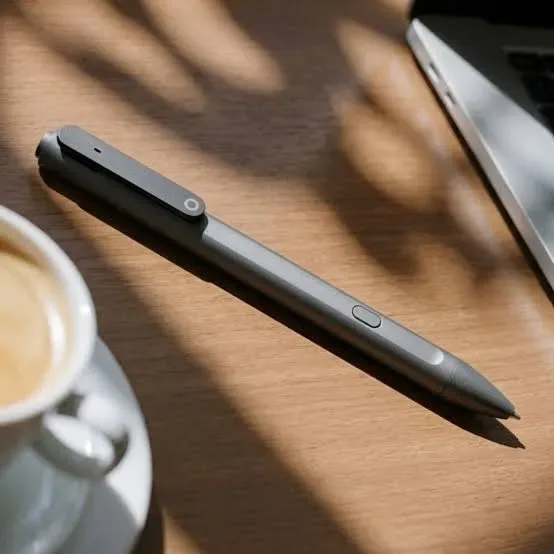
For decades, the ritual of note-taking remained stubbornly analog. The friction between listening intently in a fast-moving strategy session and capturing exhaustive meeting minutes has long plagued professionals across law, finance, and technology. Enter devices like Flowtica’s Scribe and Anker’s Soundcore Work, which represent a sophisticated marriage of traditional pen-and-paper ergonomics and advanced cloud-edge neural transcription. Flowtica’s Scribe bypasses the distraction of laptop keyboards by combining a high-precision gel ink mechanism with integrated audio recording, 32 gigabytes of onboard storage, and sophisticated diarization models capable of distinguishing up to 15 distinct speakers across 92 languages.
Simultaneously, Anker’s coin-sized Soundcore Work pin offers a discreet, highly portable recording footprint designed for conference tables and agile workspaces. By offloading the heavy lifting of summarization, action-item extraction, and contextual query search to specialized AI models, these tools effectively dissolve the boundary between a casual conversation and a searchable corporate database. Users no longer need to scrub through hours of audio timestamps to find a specific decision; they can simply interrogate their notes as they would a digital archivist, fundamentally altering the evidentiary and operational trail of modern business meetings.
Physical Shortcuts for the Cognitive Economy
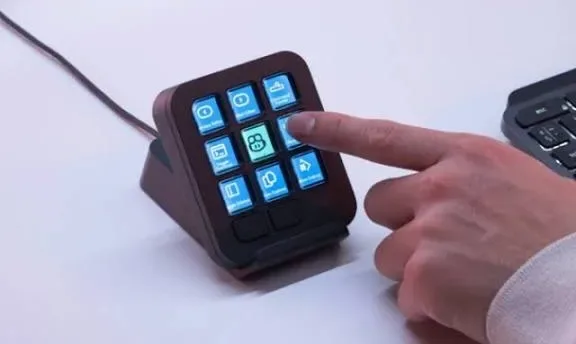
As software developers and knowledge workers juggle an expanding constellation of specialized large language models and productivity apps, interface fatigue has emerged as a silent productivity killer. Constantly switching windows between OpenAI Codex, GitHub Copilot, Claude Code, Slack, and Notion introduces micro-interruptions that fracture deep work. Logitech’s MX Keypad addresses this friction by externalizing software shortcuts into dedicated physical hardware. By placing single-press access to preferred AI assistants and creative applications directly under the user's fingertips, the device bridges the physical-digital divide.
This design philosophy reflects a broader realization in industrial design: keyboard and mouse paradigms, perfected for static text entry, are ill-equipped for the fluid, multi-modal demands of AI-assisted workflows. By allowing creators and engineers to trigger complex automation sequences, macro-prompt libraries, and tool-switching commands via tactile keys, hardware manufacturers are acknowledging that the most efficient interface is one that minimizes cognitive load and keeps the user's eyes focused on the primary task rather than the menu bar.
Spatial Intelligence and Ergonomic Self-Regulation
Beyond the keyboard and the notepad, the physical architecture of the desk itself is becoming sentient. The Insta360 Link 2 Pro exemplifies how computer vision and automated mechanics are redefining video communication. By deploying a 4K sensor coupled with intelligent tracking algorithms that dynamically follow a speaker across the room, the device eliminates the rigid constraints of traditional static webcams. For educators, webinar hosts, and executives who alternate between seated desk work and standing presentations, spatial AI ensures that the camera acts as an autonomous director, maintaining professional framing without manual intervention.
At the foundation of this ecosystem sits the Autonomous Desk Pro, which elevates the adjustable standing desk from a mechanical furniture piece into a proactive wellness monitor. Equipped with embedded sensors that track sitting-versus-standing ratios, posture habits, and even ambient room carbon dioxide levels, the desk actively prompts users when it is time to stretch, adjust their posture, or ventilate a stale home office. By synthesizing environmental data with personal physical habits, these smart furnishings frame workstation health not as an afterthought, but as an integral metric of professional output.
The Institutional Horizon and What to Watch Next
As these intelligent gadgets transition from early-adopter novelties to standard enterprise provisioning, they raise critical questions regarding data privacy, corporate security, and subscription fatigue. Devices that continuously record room audio, track personal movements, and monitor home office micro-environments generate sensitive telemetry data that must be rigorously encrypted and governed. Furthermore, with hardware ecosystems increasingly relying on recurring SaaS subscription tiers—such as Anker's multi-tiered transcription plans—consumers must evaluate the long-term total cost of ownership against productivity gains.
Looking ahead, the market will likely see deeper consolidation between standalone office accessories and unified operating systems. As edge-computing chips become cheaper and more powerful, more of this heavy AI inference will migrate directly onto the device itself, reducing cloud dependency and easing privacy concerns. For the modern professional navigating an increasingly complex digital landscape, the home office of tomorrow will not just be a place where work gets done—it will be an active participant in how we think, create, and sustain our well-being.
Sự tiến hóa của trí tuệ nhân tạo phần lớn được định hình bởi những gì diễn ra bên trong màn hình—cửa sổ trình duyệt, giao diện trò chuyện và các trình soạn thảo mã nguồn phức tạp. Nhưng khi công nghệ dần hoàn thiện, một sự thay đổi sâu sắc đang diễn ra: AI đang bước ra khỏi thế giới ảo để mang hình hài vật lý. Trên thị trường phần cứng tiêu dùng và doanh nghiệp toàn cầu, các nhà sản xuất đang chạy đua để tích hợp bộ xử lý thần kinh vào các phụ kiện bàn làm việc hàng ngày, biến những công cụ thụ động thành những cộng sự thông minh và chủ động. Từ các thiết bị viết lai có khả năng phân tích tức thì các cuộc họp đa người dùng cho đến những chiếc bàn đứng có động cơ theo dõi tư thế và nồng độ oxy trong phòng, văn phòng tại gia đang trải qua cuộc tái thiết triệt để nhất kể từ khi máy tính cá nhân ra đời.
Sự phục hưng của phần cứng này xuất hiện tại một thời điểm bước ngoặt đối với lực lượng lao động toàn cầu. Với các mô hình làm việc từ xa và kết hợp đã trở thành một phần vững chắc trong văn hóa doanh nghiệp, văn phòng tại gia đã tiến hóa từ một góc làm việc tạm bợ thành một trung tâm điều hành thường trực. Các chuyên gia không còn chỉ tìm kiếm bộ vi xử lý nhanh hơn hay màn hình sắc nét hơn; họ đòi hỏi một cơ sở hạ tầng trơn tru có khả năng giảm thiểu sự mệt mỏi về hành chính, tối ưu hóa gánh nặng nhận thức và thu hẹp khoảng cách giữa thực thi vật lý và tổ chức kỹ thuật số. Làn sóng phần cứng tích hợp AI mới nhất nhắm trực tiếp vào những điểm yếu này, hứa hẹn tự động hóa các công việc tẻ nhạt như ghi chú cuộc họp, căn khung hình video và chăm sóc sức khỏe công thái học để con người có thể tập trung vào các chiến lược cấp cao hơn.
Sự hội tụ giữa kỹ nghệ thủ công và chuyển đổi thần kinh
Trong nhiều thập kỷ, nghi thức ghi chú vẫn giữ nguyên tính chất thủ công. Sự xung đột giữa việc lắng nghe chăm chú trong các phiên họp chiến lược tốc độ cao và việc ghi chép biên bản cuộc họp đầy đủ từ lâu đã là nỗi trăn trở của các chuyên gia trong lĩnh vực luật, tài chính và công nghệ. Sự xuất hiện của các thiết bị như Scribe của Flowtica và Soundcore Work của Anker đại diện cho sự kết hợp tinh tế giữa công thái học bút-giấy truyền thống và công nghệ chuyển đổi thần kinh tiên tiến trên nền tảng đám mây. Scribe của Flowtica loại bỏ sự xao nhãng từ bàn phím máy tính bằng cách kết hợp cơ chế mực gel độ chính xác cao với khả năng ghi âm tích hợp, bộ nhớ trong 32 gigabyte và các mô hình phân loại giọng nói tinh vi có khả năng phân biệt tới 15 người nói khác nhau bằng 92 ngôn ngữ.
Đồng thời, thiết bị Soundcore Work của Anker với kích thước nhỏ gọn như đồng xu mang đến một giải pháp ghi âm kín đáo, linh hoạt, được thiết kế riêng cho các bàn hội nghị và không gian làm việc năng động. Bằng cách chuyển giao các công việc nặng nhọc như tóm tắt, trích xuất các đầu việc và truy vấn ngữ cảnh cho các mô hình AI chuyên biệt, những công cụ này xóa nhòa ranh giới giữa một cuộc trò chuyện thông thường và một cơ sở dữ liệu doanh nghiệp có thể tìm kiếm. Người dùng không còn cần phải rà soát hàng giờ đồng hồ âm thanh để tìm ra một quyết định cụ thể; họ có thể truy vấn ghi chú của mình như cách làm việc với một nhân viên lưu trữ kỹ thuật số, từ đó thay đổi căn bản dấu vết vận hành và bằng chứng trong các cuộc họp kinh doanh hiện đại.
Phím tắt vật lý cho nền kinh tế nhận thức
Khi các nhà phát triển phần mềm và nhân viên tri thức phải xoay xở với một loạt các mô hình ngôn ngữ lớn và ứng dụng năng suất chuyên biệt, sự mệt mỏi do giao diện đã trở thành kẻ giết chết năng suất thầm lặng. Việc liên tục chuyển đổi cửa sổ giữa OpenAI Codex, GitHub Copilot, Claude Code, Slack và Notion tạo ra những gián đoạn nhỏ làm đứt quãng quá trình làm việc sâu. Logitech MX Keypad giải quyết sự ma sát này bằng cách đưa các phím tắt phần mềm ra ngoài thành phần cứng vật lý chuyên dụng. Bằng cách đặt quyền truy cập một chạm vào các trợ lý AI và ứng dụng sáng tạo yêu thích ngay dưới đầu ngón tay người dùng, thiết bị này đã thu hẹp khoảng cách giữa vật lý và kỹ thuật số.
Triết lý thiết kế này phản ánh một nhận thức rộng hơn trong thiết kế công nghiệp: các mô hình bàn phím và chuột, vốn được hoàn thiện cho việc nhập văn bản tĩnh, đã không còn phù hợp với các yêu cầu đa phương thức, linh hoạt của các quy trình làm việc có sự hỗ trợ của AI. Bằng cách cho phép những người sáng tạo và kỹ sư kích hoạt các chuỗi tự động hóa phức tạp, thư viện câu lệnh macro và các lệnh chuyển đổi công cụ thông qua các phím bấm xúc giác, các nhà sản xuất phần cứng đang thừa nhận rằng giao diện hiệu quả nhất là giao diện giảm thiểu tải nhận thức và giữ cho mắt người dùng tập trung vào nhiệm vụ chính thay vì thanh menu.
Trí tuệ không gian và tự điều chỉnh công thái học
Vượt ra ngoài bàn phím và sổ ghi chú, kiến trúc vật lý của bàn làm việc đang trở nên "có tri giác". Insta360 Link 2 Pro là minh chứng cho cách thị giác máy tính và cơ học tự động đang định nghĩa lại giao tiếp video. Bằng cách triển khai cảm biến 4K kết hợp với các thuật toán theo dõi thông minh tự động bám theo người nói trong phòng, thiết bị này loại bỏ những hạn chế cứng nhắc của webcam tĩnh truyền thống. Đối với các nhà giáo dục, người dẫn chương trình hội thảo và các giám đốc điều hành thường xuyên luân chuyển giữa làm việc tại bàn và thuyết trình đứng, AI không gian đảm bảo rằng camera đóng vai trò như một đạo diễn tự động, duy trì khung hình chuyên nghiệp mà không cần sự can thiệp thủ công.
Nền tảng của hệ sinh thái này là Autonomous Desk Pro, chiếc bàn đứng có thể điều chỉnh giúp nâng tầm từ một món đồ nội thất cơ học thành một thiết bị giám sát sức khỏe chủ động. Được trang bị các cảm biến nhúng theo dõi tỷ lệ ngồi-đứng, thói quen tư thế và thậm chí cả nồng độ carbon dioxide trong phòng, chiếc bàn chủ động nhắc nhở người dùng khi nào cần vươn vai, điều chỉnh tư thế hoặc thông gió cho văn phòng tại gia. Bằng cách tổng hợp dữ liệu môi trường với thói quen thể chất cá nhân, những món đồ nội thất thông minh này định hình sức khỏe tại nơi làm việc không phải là một yếu tố phụ, mà là một chỉ số không thể thiếu của hiệu suất chuyên môn.
Tầm nhìn thể chế và những điều cần theo dõi
Khi các thiết bị thông minh này chuyển dịch từ những món đồ mới lạ dành cho người tiên phong sang các trang thiết bị tiêu chuẩn của doanh nghiệp, chúng đặt ra những câu hỏi quan trọng về quyền riêng tư dữ liệu, bảo mật doanh nghiệp và sự mệt mỏi do đăng ký dịch vụ. Các thiết bị liên tục ghi âm phòng, theo dõi chuyển động cá nhân và giám sát môi trường văn phòng tạo ra dữ liệu đo từ xa nhạy cảm, đòi hỏi phải được mã hóa và quản lý nghiêm ngặt. Hơn nữa, với việc các hệ sinh thái phần cứng ngày càng dựa vào các gói đăng ký SaaS định kỳ—như các gói chuyển đổi giọng nói đa tầng của Anker—người tiêu dùng phải đánh giá tổng chi phí sở hữu dài hạn so với những lợi ích năng suất mang lại.
Nhìn về tương lai, thị trường có khả năng sẽ chứng kiến sự hợp nhất sâu sắc hơn giữa các phụ kiện văn phòng độc lập và hệ điều hành thống nhất. Khi các chip xử lý tại biên (edge-computing) trở nên rẻ hơn và mạnh mẽ hơn, phần lớn các tác vụ suy luận AI nặng nề sẽ chuyển trực tiếp vào thiết bị, giảm sự phụ thuộc vào đám mây và giảm bớt lo ngại về quyền riêng tư. Đối với các chuyên gia hiện đại đang điều hướng trong một bối cảnh kỹ thuật số ngày càng phức tạp, văn phòng tại gia của tương lai sẽ không chỉ là nơi công việc được hoàn thành—nó sẽ là một thực thể tham gia tích cực vào cách chúng ta tư duy, sáng tạo và duy trì sự an lạc của chính mình.
L'évolution de l'intelligence artificielle a longtemps été confinée à l'intérieur de nos écrans : fenêtres de navigateur, interfaces de chat et éditeurs de code complexes. Mais à mesure que la technologie arrive à maturité, un changement profond s'opère : l'IA sort de l'éther virtuel pour prendre une forme physique. Sur le marché mondial du matériel grand public et professionnel, les fabricants se livrent une course effrénée pour infuser nos accessoires de bureau quotidiens avec des processeurs neuronaux, transformant des outils passifs en collaborateurs actifs et intelligents. Des instruments d'écriture hybrides capables d'analyser instantanément les réunions aux bureaux motorisés qui surveillent votre posture et le taux d'oxygène de votre pièce, le bureau à domicile connaît sa refonte la plus radicale depuis l'invention de l'ordinateur personnel.
Cette renaissance matérielle survient à un moment charnière pour la main-d'œuvre mondiale. Avec des modèles de travail hybrides désormais ancrés dans la culture d'entreprise, le bureau à domicile a cessé d'être un coin improvisé pour devenir un centre névralgique permanent. Les professionnels ne cherchent plus seulement des processeurs plus rapides ou des écrans plus nets ; ils exigent une infrastructure sans friction capable d'atténuer la fatigue administrative, de réduire la charge cognitive et de combler le fossé entre l'exécution physique et l'organisation numérique. Cette nouvelle vague de matériel intégrant l'IA cible précisément ces points de douleur, promettant d'automatiser les tâches fastidieuses comme la prise de notes, le cadrage vidéo et le suivi ergonomique, afin que les opérateurs humains puissent se concentrer sur des stratégies de haut niveau.
La convergence de l'artisanat analogique et de la transcription neuronale
Pendant des décennies, le rituel de la prise de notes est resté obstinément analogique. La difficulté de devoir écouter attentivement lors d'une session stratégique tout en capturant des comptes-rendus exhaustifs a longtemps pesé sur les professionnels du droit, de la finance et de la technologie. C'est ici qu'interviennent des appareils comme le Scribe de Flowtica et le Soundcore Work d'Anker, qui représentent un mariage sophistiqué entre l'ergonomie traditionnelle du papier et la transcription neuronale avancée. Le Scribe de Flowtica évite la distraction des claviers d'ordinateur en combinant un mécanisme d'encre gel de haute précision avec un enregistrement audio intégré, 32 gigaoctets de stockage et des modèles de diarisation sophistiqués capables de distinguer jusqu'à 15 locuteurs différents dans 92 langues.
Parallèlement, le Soundcore Work d'Anker, de la taille d'une pièce de monnaie, offre une solution d'enregistrement discrète et hautement portable, conçue pour les tables de conférence et les espaces de travail agiles. En déléguant le travail fastidieux de synthèse, d'extraction de tâches et de recherche contextuelle à des modèles d'IA spécialisés, ces outils dissolvent efficacement la frontière entre une conversation informelle et une base de données d'entreprise interrogeable. Les utilisateurs n'ont plus besoin de parcourir des heures d'enregistrements pour retrouver une décision précise ; ils peuvent simplement interroger leurs notes comme ils le feraient avec un archiviste numérique, modifiant ainsi fondamentalement la traçabilité opérationnelle des réunions d'affaires modernes.
Des raccourcis physiques pour l'économie cognitive
Alors que les développeurs et les travailleurs du savoir jonglent avec une constellation croissante de modèles de langage spécialisés et d'applications de productivité, la fatigue liée aux interfaces est devenue un tueur silencieux de productivité. Passer constamment d'une fenêtre à l'autre entre OpenAI Codex, GitHub Copilot, Claude Code, Slack et Notion génère des micro-interruptions qui brisent la concentration. Le MX Keypad de Logitech répond à cette friction en externalisant les raccourcis logiciels vers un matériel physique dédié. En plaçant l'accès direct aux assistants IA et aux applications créatives sous les doigts de l'utilisateur, l'appareil comble le fossé entre le physique et le numérique.
Cette philosophie de conception reflète une prise de conscience plus large dans le design industriel : les paradigmes du clavier et de la souris, perfectionnés pour la saisie de texte statique, sont mal adaptés aux exigences fluides et multimodales des flux de travail assistés par l'IA. En permettant aux créateurs et aux ingénieurs de déclencher des séquences d'automatisation complexes, des bibliothèques de prompts et des commandes de changement d'outils via des touches tactiles, les fabricants reconnaissent que l'interface la plus efficace est celle qui minimise la charge cognitive et permet à l'utilisateur de garder les yeux fixés sur sa tâche principale plutôt que sur la barre de menus.
Intelligence spatiale et autorégulation ergonomique
Au-delà du clavier et du bloc-notes, l'architecture physique du bureau lui-même devient sensible. L'Insta360 Link 2 Pro illustre comment la vision par ordinateur et la mécanique automatisée redéfinissent la communication vidéo. En déployant un capteur 4K couplé à des algorithmes de suivi intelligents qui suivent dynamiquement l'orateur dans la pièce, l'appareil élimine les contraintes rigides des webcams statiques traditionnelles. Pour les enseignants, les animateurs de webinaires et les cadres qui alternent entre travail assis et présentations debout, l'IA spatiale garantit que la caméra agit comme un réalisateur autonome, maintenant un cadrage professionnel sans intervention manuelle.
À la base de cet écosystème se trouve l'Autonomous Desk Pro, qui élève le bureau assis-debout d'un simple meuble mécanique à un moniteur de bien-être proactif. Équipé de capteurs intégrés qui suivent les ratios assis/debout, les habitudes de posture et même les niveaux de dioxyde de carbone ambiant, le bureau incite activement les utilisateurs à s'étirer, à ajuster leur posture ou à ventiler un bureau devenu trop confiné. En synthétisant les données environnementales avec les habitudes physiques personnelles, ces meubles intelligents font de la santé au poste de travail non plus une réflexion après-coup, mais une mesure intégrale de la performance professionnelle.
L'horizon institutionnel et les perspectives d'avenir
À mesure que ces gadgets intelligents passent du statut de curiosités pour technophiles à celui d'équipements standard en entreprise, ils soulèvent des questions cruciales concernant la confidentialité des données, la sécurité informatique et la fatigue liée aux abonnements. Les appareils qui enregistrent en continu l'audio, suivent les mouvements personnels et surveillent les micro-environnements génèrent des données télémétriques sensibles qui doivent être rigoureusement chiffrées et gouvernées. De plus, avec des écosystèmes matériels reposant de plus en plus sur des abonnements SaaS récurrents — comme les plans de transcription multi-niveaux d'Anker — les consommateurs doivent évaluer le coût total de possession à long terme par rapport aux gains de productivité.
À l'avenir, le marché connaîtra probablement une consolidation plus profonde entre les accessoires de bureau autonomes et les systèmes d'exploitation unifiés. À mesure que les puces d'informatique en périphérie (edge computing) deviennent moins chères et plus puissantes, une plus grande partie de ces calculs d'IA complexes sera effectuée directement sur l'appareil, réduisant la dépendance au cloud et apaisant les préoccupations en matière de confidentialité. Pour le professionnel moderne naviguant dans un paysage numérique de plus en plus complexe, le bureau de demain ne sera pas seulement un lieu où le travail est effectué ; il sera un participant actif dans notre façon de penser, de créer et de préserver notre bien-être.
La evolución de la inteligencia artificial se ha definido en gran medida por lo que ocurre dentro de nuestras pantallas: ventanas de navegador, interfaces de chat y complejos editores de código. Pero a medida que la tecnología madura, se está produciendo un cambio profundo: la IA está saliendo del éter virtual para adoptar una forma física. En los mercados globales de hardware de consumo y empresarial, los fabricantes están inmersos en una carrera por dotar a los accesorios de escritorio cotidianos de procesamiento neuronal integrado, transformando herramientas pasivas en colaboradores activos e inteligentes. Desde instrumentos de escritura híbridos que analizan instantáneamente reuniones con múltiples participantes hasta escritorios motorizados que controlan su postura y los niveles de oxígeno en interiores, la oficina en casa está experimentando su rediseño más radical desde la invención del ordenador personal.
Este renacimiento del hardware llega en un punto de inflexión crítico para la fuerza laboral global. Con los modelos de trabajo remoto e híbrido firmemente arraigados en la cultura corporativa, la oficina en casa ha evolucionado de ser un rincón improvisado a un centro neurálgico operativo permanente. Los profesionales ya no buscan simplemente procesadores más rápidos o pantallas más nítidas; exigen una infraestructura fluida que pueda mitigar la fatiga administrativa, optimizar la carga cognitiva y cerrar la brecha entre la ejecución física y la organización digital. La última oleada de hardware con IA integrada aborda estos puntos críticos, prometiendo automatizar las tediosas minucias de las notas de reuniones, el encuadre de vídeo y el bienestar ergonómico para que los operadores humanos puedan centrarse en estrategias de mayor nivel.
La convergencia entre la artesanía analógica y las transcripciones neuronales
Durante décadas, el ritual de tomar notas se mantuvo obstinadamente analógico. La fricción entre escuchar atentamente en una sesión de estrategia dinámica y capturar actas de reuniones exhaustivas ha afectado durante mucho tiempo a profesionales del derecho, las finanzas y la tecnología. Aquí es donde entran dispositivos como el Scribe de Flowtica y el Soundcore Work de Anker, que representan una sofisticada unión entre la ergonomía tradicional de papel y lápiz y la avanzada transcripción neuronal en la nube. El Scribe de Flowtica evita la distracción de los teclados de ordenador al combinar un mecanismo de tinta de gel de alta precisión con grabación de audio integrada, 32 gigabytes de almacenamiento interno y sofisticados modelos de diarización capaces de distinguir hasta 15 hablantes distintos en 92 idiomas.
Simultáneamente, el Soundcore Work de Anker, del tamaño de una moneda, ofrece una opción de grabación discreta y altamente portátil, diseñada para mesas de conferencias y espacios de trabajo ágiles. Al delegar el trabajo pesado de la síntesis, la extracción de tareas pendientes y la búsqueda de consultas contextuales a modelos de IA especializados, estas herramientas disuelven efectivamente la frontera entre una conversación casual y una base de datos corporativa consultable. Los usuarios ya no necesitan revisar horas de grabaciones para encontrar una decisión específica; pueden interrogar a sus notas como lo harían con un archivero digital, alterando fundamentalmente el rastro probatorio y operativo de las reuniones de negocios modernas.
Atajos físicos para la economía cognitiva
A medida que los desarrolladores de software y los trabajadores del conocimiento manejan una constelación cada vez mayor de modelos de lenguaje extensos y aplicaciones de productividad, la fatiga de interfaz ha surgido como un asesino silencioso de la productividad. Cambiar constantemente de ventana entre OpenAI Codex, GitHub Copilot, Claude Code, Slack y Notion introduce microinterrupciones que fracturan el trabajo profundo. El MX Keypad de Logitech aborda esta fricción externalizando los atajos de software en hardware físico dedicado. Al colocar el acceso mediante una sola pulsación a los asistentes de IA y aplicaciones creativas preferidas directamente bajo las yemas de los dedos del usuario, el dispositivo salva la brecha físico-digital.
Esta filosofía de diseño refleja una comprensión más amplia en el diseño industrial: los paradigmas de teclado y ratón, perfeccionados para la entrada de texto estático, están mal equipados para las demandas fluidas y multimodales de los flujos de trabajo asistidos por IA. Al permitir que creadores e ingenieros activen secuencias complejas de automatización, bibliotecas de macros y comandos de cambio de herramientas mediante teclas táctiles, los fabricantes de hardware reconocen que la interfaz más eficiente es aquella que minimiza la carga cognitiva y mantiene los ojos del usuario enfocados en la tarea principal en lugar de en la barra de menús.
Inteligencia espacial y autorregulación ergonómica
Más allá del teclado y el bloc de notas, la arquitectura física del escritorio se está volviendo sensible. La Insta360 Link 2 Pro ejemplifica cómo la visión artificial y la mecánica automatizada están redefiniendo la comunicación por vídeo. Al desplegar un sensor 4K junto con algoritmos de seguimiento inteligente que siguen dinámicamente a un orador por la habitación, el dispositivo elimina las restricciones rígidas de las cámaras web estáticas tradicionales. Para educadores, presentadores de seminarios web y ejecutivos que alternan entre el trabajo sentado y las presentaciones de pie, la IA espacial garantiza que la cámara actúe como un director autónomo, manteniendo un encuadre profesional sin intervención manual.
En la base de este ecosistema se encuentra el Autonomous Desk Pro, que eleva el escritorio de pie ajustable de ser un mueble mecánico a un monitor de bienestar proactivo. Equipado con sensores integrados que rastrean las proporciones de tiempo sentado frente a tiempo de pie, los hábitos posturales e incluso los niveles de dióxido de carbono en la habitación, el escritorio avisa activamente a los usuarios cuando es hora de estirarse, ajustar su postura o ventilar una oficina en casa viciada. Al sintetizar datos ambientales con hábitos físicos personales, este mobiliario inteligente plantea la salud en el puesto de trabajo no como una ocurrencia tardía, sino como una métrica integral del rendimiento profesional.
El horizonte institucional y qué observar a continuación
A medida que estos dispositivos inteligentes pasan de ser novedades para los primeros usuarios a convertirse en suministros estándar de las empresas, plantean cuestiones críticas sobre la privacidad de los datos, la seguridad corporativa y la fatiga por suscripción. Los dispositivos que graban continuamente el audio de la habitación, rastrean los movimientos personales y controlan los microentornos de la oficina en casa generan datos de telemetría sensibles que deben ser rigurosamente cifrados y gobernados. Además, dado que los ecosistemas de hardware dependen cada vez más de niveles de suscripción SaaS recurrentes —como los planes de transcripción multinivel de Anker—, los consumidores deben evaluar el coste total de propiedad a largo plazo frente a las ganancias de productividad.
De cara al futuro, es probable que el mercado vea una consolidación más profunda entre los accesorios de oficina independientes y los sistemas operativos unificados. A medida que los chips de computación de borde (edge computing) se vuelven más baratos y potentes, gran parte de esta inferencia de IA pesada migrará directamente al propio dispositivo, reduciendo la dependencia de la nube y aliviando las preocupaciones sobre la privacidad. Para el profesional moderno que navega por un panorama digital cada vez más complejo, la oficina en casa del mañana no será solo un lugar donde se hace el trabajo; será un participante activo en cómo pensamos, creamos y sostenemos nuestro bienestar.
人工智能的发展在很大程度上一直由屏幕内部发生的事情所定义——浏览器窗口、聊天界面和复杂的代码编辑器。然而,随着技术的成熟,一场深刻的变革正在悄然进行:人工智能正走出虚拟的以太网,化为实体形态。在全球消费和企业硬件市场中,制造商们正展开一场竞赛,将板载神经处理技术注入日常桌面配件中,将被动的工具转变为主动、智能的协作者。从能够即时解析多方会议的混合书写工具,到能够监测坐姿和室内含氧量的高科技升降办公桌,现代居家办公正经历自个人电脑发明以来最激进的重新设计。
这场硬件复兴恰逢全球劳动力市场的一个关键转折点。随着远程和混合办公模式在企业文化中牢固确立,居家办公环境已经从一个临时拼凑的角落演变为永久性的运营神经中枢。专业人士不再仅仅追求更快的处理器或更清晰的显示器;他们需要的是能够减轻行政疲劳、精简认知开销,并弥合物理执行与数字组织之间鸿沟的无摩擦基础设施。最新一波嵌入AI的硬件正是针对这些痛点,致力于将会议记录、视频取景和人体工学健康等繁琐的日常琐事自动化,从而让人类操作员能够专注于更高层次的战略规划。
模拟工艺与神经转录的融合
几十年来,记笔记的仪式感依然顽固地停留在模拟阶段。在快节奏的战略会议中,全神贯注聆听与记录详尽会议纪要之间的冲突,长期以来一直困扰着法律、金融和技术领域的专业人士。此时,诸如Flowtica的Scribe和Anker的Soundcore Work等设备应运而生,它们代表了传统纸笔人体工程学与先进云边端神经转录技术的精妙结合。Flowtica的Scribe结合了高精度凝胶墨水机制与集成录音功能、32GB的板载存储空间,以及能够区分92种语言中多达15个不同说话人的复杂说话人分离(diarization)模型,从而绕开了笔记本电脑键盘所带来的分心。
与此同时,Anker硬币大小的Soundcore Work别针为会议桌和敏捷工作空间设计了一个低调且高度便携的录音底座。通过将总结、行动项提取和上下文查询搜索等繁重工作卸载到专门的AI模型中,这些工具有效地打破了随性对话与可搜索企业数据库之间的界限。用户不再需要翻找数小时的音频时间戳来寻找特定的决策,而是可以像查阅数字档案员一样审问自己的笔记,这从根本上改变了现代商业会议的证据和运营轨迹。
认知经济的物理快捷方式
正当软件开发人员和知识工作者在不断扩展的专用大语言模型和生产力应用程序中左支右绌时,界面疲劳已成为无声的生产力杀手。在OpenAI Codex、GitHub Copilot、Claude Code、Slack和Notion之间不断切换窗口,会带来打断深度工作的微小中断。罗技的MX Keypad(MX键盘)通过将软件快捷方式外部化为专用的物理硬件来解决这一摩擦。通过将对首选AI助手和创意应用程序的单键访问直接置于用户的指尖之下,该设备弥合了物理与数字之间的鸿沟。
这种设计哲学反映了工业设计中更广泛的认识:为静态文本输入而完善的键盘和鼠标范式,已无法胜任AI辅助工作流中流动、多模态的需求。通过允许创作者和工程师通过触觉按键触发复杂的自动化序列、宏提示词库和工具切换命令,硬件制造商们正在承认:最高效的界面是那种能够最大限度地减少认知负荷,并让用户的目光聚焦于主要任务而非菜单栏的界面。
空间智能与人体工学自我调节
除了键盘和记事本,办公桌本身的物理架构也正在变得具有感知力。Insta360 Link 2 Pro便是计算机视觉和自动化机械如何重新定义视频通讯的典范。通过部署4K传感器以及能够动态追踪房间内发言者的智能追踪算法,该设备消除了传统静态网络摄像头的死板限制。对于在坐姿办公和站立演讲之间切换的教育工作者、网络研讨会主持人和高管而言,空间AI确保了摄像头能够充当自主导演,在无需人工干预的情况下保持专业取景。
在这个生态系统的基石上坐落着Autonomous Desk Pro,它将可调节的升降桌从一件机械家具提升为主动的健康监测器。该办公桌配备了内置传感器,可追踪坐姿与站立比例、姿势习惯甚至室内环境二氧化碳水平,它会在需要伸展身体、调整姿势或为闷热的家庭办公室通风时主动提示用户。通过将环境数据与个人身体习惯相结合,这些智能家具将工作站健康不再视为事后的补充,而是作为衡量专业产出的一个整体指标。
制度视野与未来展望
随着这些智能小工具从早期采用者的猎奇玩物过渡到标准的企业配置,它们引发了关于数据安全性、企业安全和订阅疲劳的关键问题。持续记录房间音频、追踪个人运动并监测居家办公微环境的设备会生成必须经过严格加密和治理的敏感遥测数据。此外,由于硬件生态系统越来越多地依赖循环的SaaS订阅层级——例如Anker的多层转录计划——消费者必须评估长期总体拥有成本与生产力收益之间的关系。
展望未来,市场可能会看到独立办公配件与统一操作系统之间更深层次的整合。随着边缘计算芯片变得更加便宜和强大,更多繁重的AI推理将直接迁移到设备本身,从而减少对云端的依赖并缓解隐私顾虑。对于在日益复杂的数字景观中前行的现代专业人士而言,明天的居家办公不仅将是一个完成工作的地方——它还将成为我们思考、创造和维持福祉的积极参与者。
Editorial Standards & Multi-Language Synthesis: This dispatch was synthesized and fact-checked by the ParisDaily Editorial Desk across 5 global editions (EN, FR, VI, ES, ZH), cross-referencing primary international wire reports and real-time search intelligence.