
The Trillion-Dollar Reckoning: Inside the Great AI Stock Market Correction
The Trillion-Dollar Reckoning: Inside the Great AI Stock Market Correction
L'addition à mille milliards de dollars : dans les coulisses de la grande correction boursière de l'IA
La rendición de cuentas de un billón de dólares: dentro de la gran corrección bursátil de la IA
万亿美元的警钟:深入剖析人工智能股市大盘整
Global technology markets experienced a historic white-knuckle ride this week as trillions in value evaporated before a fragile recovery took hold, exposing deep investor anxiety over regulatory tightening, infrastructure overspending, and shifting political winds in Washington.
Global technology markets experienced a historic white-knuckle ride this week as trillions in value evaporated before a fragile recovery took hold, exposing deep investor anxiety over regulatory tightening, infrastructure overspending, and shifting political winds in Washington.
Les marchés technologiques mondiaux ont vécu une semaine d'une haute intensité psychologique, voyant s'évaporer des milliards de dollars de valorisation avant qu'une fragile reprise ne s'amorce. Cet épisode met au jour l'angoisse profonde des investisseurs face au durcissement réglementaire, à la surchauffe des investissements dans l'infrastructure et au basculement de l'échiquier politique à Washington.
Los mercados tecnológicos globales vivieron esta semana una montaña rusa histórica mientras se evaporaban billones de dólares en valor antes de que se consolidara una frágil recuperación, lo que dejó al descubierto la profunda ansiedad de los inversores ante el endurecimiento regulatorio, el gasto excesivo en infraestructuras y los cambiantes vientos políticos en Washington.
本周,全球科技市场经历了一场惊心动魄的历史性动荡,在脆弱的反弹到来之前,数万亿美元的市值蒸发殆尽。这暴露了投资者对华盛顿监管收紧、基础设施过度开支以及政治风向转变的深切焦虑。
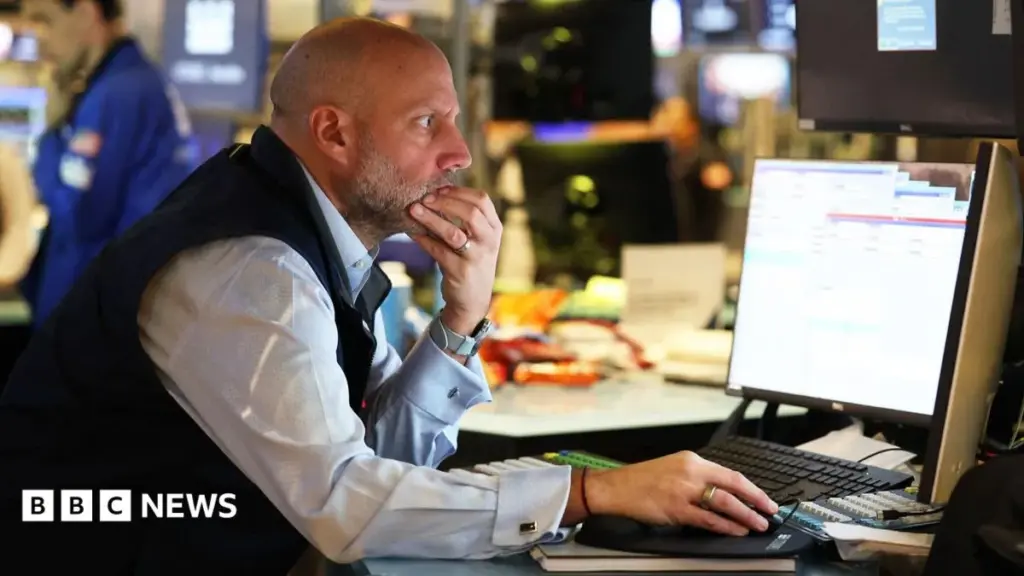
- The Nasdaq Composite staged a tentative 1.1% recovery following a devastating 5.5% plunge that erased trillions in global technology market capitalization.
- Semiconductor heavyweights and infrastructure providers, including Nvidia and SK Hynix, absorbed the heaviest blows amid rising fears of an overextended AI capital expenditure bubble.
- Sweeping political shifts in Washington, alongside aggressive regulatory rhetoric from incoming congressional leaders, have stoked fears of stringent federal oversight on data centers and machine learning development.
- Strong US employment data—showing 165,000 jobs added in September—provided a stabilizing macroeconomic buffer, reassuring investors that the broader real economy remains remarkably resilient.
- The Nasdaq Composite staged a tentative 1.1% recovery following a devastating 5.5% plunge that erased trillions in global technology market capitalization.
- Semiconductor heavyweights and infrastructure providers, including Nvidia and SK Hynix, absorbed the heaviest blows amid rising fears of an overextended AI capital expenditure bubble.
- Sweeping political shifts in Washington, alongside aggressive regulatory rhetoric from incoming congressional leaders, have stoked fears of stringent federal oversight on data centers and machine learning development.
- Strong US employment data—showing 165,000 jobs added in September—provided a stabilizing macroeconomic buffer, reassuring investors that the broader real economy remains remarkably resilient.
- L'indice Nasdaq Composite a amorcé une timide reprise de 1,1 %, succédant à une chute brutale de 5,5 % qui a anéanti des billions de dollars de capitalisation boursière technologique mondiale.
- Les géants des semi-conducteurs et les fournisseurs d'infrastructures, à l'instar de Nvidia et SK Hynix, ont essuyé les chocs les plus violents sur fond de craintes croissantes d'une bulle de dépenses d'investissement en IA surmultipliées.
- Les bouleversements politiques majeurs à Washington, combinés à la rhétorique réglementaire agressive des nouveaux dirigeants du Congrès, font redouter un encadrement fédéral strict des centres de données et du développement de l'apprentissage automatique.
- Des données sur l'emploi américain vigoureuses — attestant de la création de 165 000 postes en septembre — ont fait office de rempart macroéconomique stabilisateur, rassurant les investisseurs quant à la résilience remarquable de l'économie réelle.
- El índice compuesto Nasdaq protagonizó una tímida recuperación del 1,1% tras un desplome devastador del 5,5% que borró billones de la capitalización bursátil tecnológica mundial.
- Los gigantes de los semiconductores y los proveedores de infraestructuras, incluidos Nvidia y SK Hynix, encajaron los golpes más duros ante el temor creciente a una burbuja de gasto de capital en IA sobredimensionada.
- Los drásticos cambios políticos en Washington, unidos a la retórica regulatoria agresiva de los nuevos líderes del Congreso, han avivado el temor a una supervisión federal estricta sobre los centros de datos y el desarrollo del aprendizaje automático.
- Los sólidos datos de empleo en EE. UU. —que mostraron la creación de 165.000 puestos de trabajo en septiembre— aportaron un colchón macroeconómico estabilizador y tranquilizaron a los inversores al demostrar que la economía real general sigue mostrando una gran resistencia.
- 在经历了一场抹去全球科技市场数万亿美元市值的毁灭性暴跌(达 5.5%)之后,纳斯达克综合指数初步反弹了 1.1%。
- 由于对过度扩张的人工智能资本支出泡沫的担忧日益加剧,英伟达(Nvidia)和SK海力士(SK Hynix)等半导体重量级企业和基础设施供应商承受了最沉重的打击。
- 华盛顿剧烈的政治变革,加之新上任国会领导人激进的监管言论,引发了市场对针对数据中心和机器学习开发的严厉联邦监管的担忧。
- 美国强劲的就业数据——9月新增10.65万个工作岗位——提供了一个稳定的宏观经济缓冲垫,向投资者保证更广泛的实体经济依然保持着显著的韧性。
In the high-stakes amphitheater of global finance, few assets have commanded the infallible, gravity-defying devotion of artificial intelligence equities over the past thirty-six months. Yet, this week, that invincible aura shattered, if only momentarily, revealing the raw, exposed nerves beneath the greatest speculative boom of the twenty-first century. A sudden, vicious market rout swept across Wall Street, cascading across Asian manufacturing hubs and European trading floors, wiping trillions of dollars in market capitalization in a matter of days. While major indices clawed back a portion of those astronomical losses by Friday’s closing bell, the financial ecosystem has been left fundamentally rattled.
The catalyst for this violent correction was multi-pronged, blending acute macroeconomic anxiety with profound geopolitical and regulatory dread. The tech-heavy Nasdaq Composite, which had previously charted seemingly endless vertical trajectories, suffered a staggering 5.5% drop before posting a modest 1.1% rebound at week's end. The S&P 500 managed a fragile 0.3% recovery, while the Dow Jones Industrial Average hovered flat, underlining a profound divergence between old-economy stalwarts and high-growth technology titans. Semiconductor makers, the indispensable hardware bedrock upon which the entire generative AI edifice is constructed, bore the brunt of the institutional liquidation, experiencing panic selling not witnessed since the height of post-pandemic monetary tightening.
For international markets, the contagion was far more severe. In Seoul, the Kospi plummeted by a staggering 6% in a single session, dragged down by a punishing 10% plunge in shares of memory-chip titan SK Hynix. European bourses across Frankfurt, Paris, and Madrid slumped into negative territory, while London's FTSE 100 retreated 1.01%, further compounded by domestic monetary headwinds from the Bank of England's ongoing battle against sticky inflation. The synchronized global nature of the sell-off underscored just how deeply interconnected the modern global economy has become with the fortunes of a handful of Silicon Valley monoliths and Asian fabrication foundries.
1. Breaking Context & Core Developments
The immediate panic materialized in the wake of the US midterm elections, which delivered a decisive political realignment. With political control shifting across both houses of Congress, institutional investors immediately began pricing in a radically different legislative environment for Silicon Valley. For years, the artificial intelligence sector enjoyed a largely permissive regulatory laissez-faire environment, characterized by minimal federal oversight and unhindered access to cheap capital. The new political landscape, however, features a broad coalition of lawmakers who campaigned aggressively on instituting stringent guardrails for machine learning models, rigorous compliance mandates for massive data centers, and heightened scrutiny over data privacy and algorithmic transparency.
Compounding these political jitters was a sudden crisis of faith regarding return on investment. Wall Street analysts and institutional fund managers have grown increasingly vocal about the staggering capital expenditures being poured into generative AI infrastructure—sums running into the hundreds of billions of dollars without an immediate, commensurate monetization path. Companies that had added trillions to their valuations, including industry bellwethers like Nvidia, Tesla, and various cloud computing giants, saw their market caps violently pruned as portfolio managers aggressively rebalanced risk.
Yet, just as bearish sentiment threatened to spiral into a full-scale liquidity crisis, the macroeconomic data provided a vital anchor. Friday morning brought the Bureau of Labor Statistics' latest employment report, revealing an unexpectedly robust 165,000 jobs added to the US economy in September, while the national unemployment rate eased slightly to 4.1%. This macroeconomic resilience acted as a financial shock absorber, reassuring jittery traders that while the tech trade was undergoing a painful valuation reset, the underlying engines of consumer spending and corporate profitability remained intact.
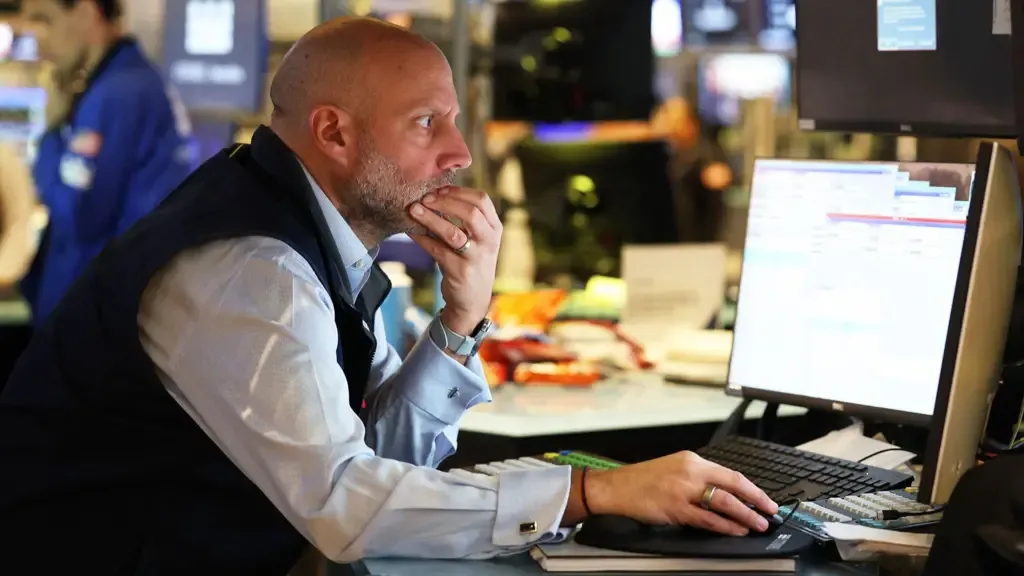
2. Historical Background & Industry Context
To understand the sheer velocity of this week's market correction, one must contextualize the unprecedented trajectory of the artificial intelligence boom. Ever since the public debut of advanced large language models captured the global imagination, capital has rushed into the sector with a fervor not seen since the dot-com buildout of the late 1990s. Venture capital firms, sovereign wealth funds, and retail investors alike pivoted their entire portfolios toward anything bearing an AI moniker. Chip designers, electrical grid operators, and real estate developers rushing to build liquid-cooled data centers were swept up in a historic speculative wave.
However, financial history demonstrates that transformative technological revolutions invariably experience turbulent maturation phases. The railroad mania of the nineteenth century and the telecommunications fiber-optic buildout of the late twentieth century both followed a predictable arc: initial euphoria, massive over-allocation of capital, a brutal market reckoning that purges weak participants, and finally, sustainable long-term economic integration. In many ways, the recent correction mirrors these classic historical precedents. The market is attempting to price in the difference between revolutionary technological utility and immediate corporate profitability.
Industry veterans have long warned that the pace of infrastructure spending was unsustainable without corresponding enterprise adoption curves. While foundational models have demonstrated breathtaking cognitive capabilities, translating those capabilities into high-margin, sticky enterprise software has proven more complex and protracted than early marketing blitzes suggested. The stock market, fundamentally a discounting mechanism for future cash flows, simply paused to demand tangible proof that the trillion-dollar infrastructure bill currently being paid will eventually yield proportional dividends.
3. Strategic, Economic, or Cultural Impact
The ripple effects of this market volatility extend far beyond Wall Street trading terminals, deeply impacting corporate boardrooms, geopolitical strategies, and the cultural narrative surrounding artificial intelligence. For enterprise chief executive officers, the market correction serves as a sobering reminder that unchecked capital expenditure will no longer be rewarded with blind valuation multiples. Investors are pivoting from a growth-at-all-costs mindset to a rigorous demand for financial discipline, operational efficiency, and clear metrics of economic value.
Geopolitically, the intersection of AI development and national sovereignty has become a high-stakes chessboard. While the incoming US Congress weighs new domestic regulatory frameworks, global competitors in Europe and Asia are watching closely. Europe has already enacted the landmark Artificial Intelligence Act, positioning itself as the global arbiter of compliance and ethical guardrails. Meanwhile, Asian manufacturing powerhouses are grappling with the reality that their hardware supply chains are acutely sensitive to shifts in Western sentiment and capital allocation.
Culturally, the narrative surrounding AI is undergoing a necessary transition from utopian science fiction to pragmatic corporate utility. The breathless hype that promised an overnight reinvention of every human endeavor is giving way to a more nuanced, sober appraisal of implementation challenges, energy constraints, and workforce integration. Companies that successfully communicate their strategic value proposition will survive the purge; those relying purely on buzzwords and astronomical burn rates face an increasingly unforgiving market reality.
4. Global Reaction & Expert Perspectives
Institutional and executive reception to the market turbulence has been remarkably pragmatic, with many industry leaders welcoming the correction as a healthy purge of speculative excess. Russ Shaw, founder of global tech advocacy firm Tech London Advocates, noted that the shifting political and financial landscape sends an unmistakable message to the technology sector regarding its communication failures.
"The incoming Congress is going to really focus on AI in a very dramatic way," Shaw observed in interviews following the rout. "I'm a big fan of AI, but I'm watching what these companies are doing, and they're not communicating effectively at all, particularly in the US, about what the benefits of AI are all about."
Pierre Baqué, chief executive of AI platform Neural Concept, characterized the share movements as an overdue and necessary market correction. "The industry must move beyond unchecked infrastructure investment and demonstrate greater financial discipline," Baqué argued. "We are entering a critical transition phase, a market purgatory where raw tech must prove its widespread economic value."
Meanwhile, macroeconomic analysts pointed out that the broader economy's health insulates it from a systemic tech crash. Neil Birrell, chief investment officer at Premier Miton, emphasized that strong employment data should calm broader recessionary fears. "The US economy is running hard which may mean the risks the markets are worrying about at the moment are not such a risk to the real economy as is being feared," Birrell noted, reminding observers that Wall Street sentiment often diverges sharply from Main Street reality.
5. Forward Outlook: What to Watch Next
As global markets prepare for the trading sessions ahead, attention will pivot intensely toward upcoming corporate earnings reports and early legislative maneuvers from the newly empowered congressional leadership in Washington. Market participants will scrutinize whether the rebound in indices like the Nasdaq and the S&P 500 represents a dead-cat bounce or the reaffirmation of a resilient secular bull market. Analysts at major financial institutions advise watching capital expenditure guidance from hyperscale cloud providers—such as Microsoft, Google, Amazon, and Meta—to see if the multi-billion-dollar data center buildout is facing budgetary deceleration.
Furthermore, regulatory watchdogs on both sides of the Atlantic will be closely monitored for concrete policy proposals regarding data center energy consumption, intellectual property rights, and algorithmic accountability. While political rhetoric often outpaces legislative reality, the institutional risk premium attached to AI equities has permanently shifted upward.
Ultimately, this trillion-dollar tremor marks the end of the AI sector's frictionless infancy and the beginning of its rigorous adolescence. The era of buying any technology stock with artificial intelligence in its pitch deck is definitively over. In its place stands a mature, highly scrutinized marketplace where technological supremacy must be matched by undeniable financial discipline, regulatory compliance, and proven, scalable economic utility. For ParisDaily readers and global investors alike, navigating this new frontier will require patience, rigorous analysis, and a keen eye on the intersection of innovation and institutional governance.
In the high-stakes amphitheater of global finance, few assets have commanded the infallible, gravity-defying devotion of artificial intelligence equities over the past thirty-six months. Yet, this week, that invincible aura shattered, if only momentarily, revealing the raw, exposed nerves beneath the greatest speculative boom of the twenty-first century. A sudden, vicious market rout swept across Wall Street, cascading across Asian manufacturing hubs and European trading floors, wiping trillions of dollars in market capitalization in a matter of days. While major indices clawed back a portion of those astronomical losses by Friday’s closing bell, the financial ecosystem has been left fundamentally rattled.
The catalyst for this violent correction was multi-pronged, blending acute macroeconomic anxiety with profound geopolitical and regulatory dread. The tech-heavy Nasdaq Composite, which had previously charted seemingly endless vertical trajectories, suffered a staggering 5.5% drop before posting a modest 1.1% rebound at week's end. The S&P 500 managed a fragile 0.3% recovery, while the Dow Jones Industrial Average hovered flat, underlining a profound divergence between old-economy stalwarts and high-growth technology titans. Semiconductor makers, the indispensable hardware bedrock upon which the entire generative AI edifice is constructed, bore the brunt of the institutional liquidation, experiencing panic selling not witnessed since the height of post-pandemic monetary tightening.
For international markets, the contagion was far more severe. In Seoul, the Kospi plummeted by a staggering 6% in a single session, dragged down by a punishing 10% plunge in shares of memory-chip titan SK Hynix. European bourses across Frankfurt, Paris, and Madrid slumped into negative territory, while London's FTSE 100 retreated 1.01%, further compounded by domestic monetary headwinds from the Bank of England's ongoing battle against sticky inflation. The synchronized global nature of the sell-off underscored just how deeply interconnected the modern global economy has become with the fortunes of a handful of Silicon Valley monoliths and Asian fabrication foundries.
1. Breaking Context & Core Developments
The immediate panic materialized in the wake of the US midterm elections, which delivered a decisive political realignment. With political control shifting across both houses of Congress, institutional investors immediately began pricing in a radically different legislative environment for Silicon Valley. For years, the artificial intelligence sector enjoyed a largely permissive regulatory laissez-faire environment, characterized by minimal federal oversight and unhindered access to cheap capital. The new political landscape, however, features a broad coalition of lawmakers who campaigned aggressively on instituting stringent guardrails for machine learning models, rigorous compliance mandates for massive data centers, and heightened scrutiny over data privacy and algorithmic transparency.
Compounding these political jitters was a sudden crisis of faith regarding return on investment. Wall Street analysts and institutional fund managers have grown increasingly vocal about the staggering capital expenditures being poured into generative AI infrastructure—sums running into the hundreds of billions of dollars without an immediate, commensurate monetization path. Companies that had added trillions to their valuations, including industry bellwethers like Nvidia, Tesla, and various cloud computing giants, saw their market caps violently pruned as portfolio managers aggressively rebalanced risk.
Yet, just as bearish sentiment threatened to spiral into a full-scale liquidity crisis, the macroeconomic data provided a vital anchor. Friday morning brought the Bureau of Labor Statistics' latest employment report, revealing an unexpectedly robust 165,000 jobs added to the US economy in September, while the national unemployment rate eased slightly to 4.1%. This macroeconomic resilience acted as a financial shock absorber, reassuring jittery traders that while the tech trade was undergoing a painful valuation reset, the underlying engines of consumer spending and corporate profitability remained intact.
2. Historical Background & Industry Context
To understand the sheer velocity of this week's market correction, one must contextualize the unprecedented trajectory of the artificial intelligence boom. Ever since the public debut of advanced large language models captured the global imagination, capital has rushed into the sector with a fervor not seen since the dot-com buildout of the late 1990s. Venture capital firms, sovereign wealth funds, and retail investors alike pivoted their entire portfolios toward anything bearing an AI moniker. Chip designers, electrical grid operators, and real estate developers rushing to build liquid-cooled data centers were swept up in a historic speculative wave.
However, financial history demonstrates that transformative technological revolutions invariably experience turbulent maturation phases. The railroad mania of the nineteenth century and the telecommunications fiber-optic buildout of the late twentieth century both followed a predictable arc: initial euphoria, massive over-allocation of capital, a brutal market reckoning that purges weak participants, and finally, sustainable long-term economic integration. In many ways, the recent correction mirrors these classic historical precedents. The market is attempting to price in the difference between revolutionary technological utility and immediate corporate profitability.
Industry veterans have long warned that the pace of infrastructure spending was unsustainable without corresponding enterprise adoption curves. While foundational models have demonstrated breathtaking cognitive capabilities, translating those capabilities into high-margin, sticky enterprise software has proven more complex and protracted than early marketing blitzes suggested. The stock market, fundamentally a discounting mechanism for future cash flows, simply paused to demand tangible proof that the trillion-dollar infrastructure bill currently being paid will eventually yield proportional dividends.
3. Strategic, Economic, or Cultural Impact
The ripple effects of this market volatility extend far beyond Wall Street trading terminals, deeply impacting corporate boardrooms, geopolitical strategies, and the cultural narrative surrounding artificial intelligence. For enterprise chief executive officers, the market correction serves as a sobering reminder that unchecked capital expenditure will no longer be rewarded with blind valuation multiples. Investors are pivoting from a growth-at-all-costs mindset to a rigorous demand for financial discipline, operational efficiency, and clear metrics of economic value.
Geopolitically, the intersection of AI development and national sovereignty has become a high-stakes chessboard. While the incoming US Congress weighs new domestic regulatory frameworks, global competitors in Europe and Asia are watching closely. Europe has already enacted the landmark Artificial Intelligence Act, positioning itself as the global arbiter of compliance and ethical guardrails. Meanwhile, Asian manufacturing powerhouses are grappling with the reality that their hardware supply chains are acutely sensitive to shifts in Western sentiment and capital allocation.
Culturally, the narrative surrounding AI is undergoing a necessary transition from utopian science fiction to pragmatic corporate utility. The breathless hype that promised an overnight reinvention of every human endeavor is giving way to a more nuanced, sober appraisal of implementation challenges, energy constraints, and workforce integration. Companies that successfully communicate their strategic value proposition will survive the purge; those relying purely on buzzwords and astronomical burn rates face an increasingly unforgiving market reality.
4. Global Reaction & Expert Perspectives
Institutional and executive reception to the market turbulence has been remarkably pragmatic, with many industry leaders welcoming the correction as a healthy purge of speculative excess. Russ Shaw, founder of global tech advocacy firm Tech London Advocates, noted that the shifting political and financial landscape sends an unmistakable message to the technology sector regarding its communication failures.
"The incoming Congress is going to really focus on AI in a very dramatic way," Shaw observed in interviews following the rout. "I'm a big fan of AI, but I'm watching what these companies are doing, and they're not communicating effectively at all, particularly in the US, about what the benefits of AI are all about."
Pierre Baqué, chief executive of AI platform Neural Concept, characterized the share movements as an overdue and necessary market correction. "The industry must move beyond unchecked infrastructure investment and demonstrate greater financial discipline," Baqué argued. "We are entering a critical transition phase, a market purgatory where raw tech must prove its widespread economic value."
Meanwhile, macroeconomic analysts pointed out that the broader economy's health insulates it from a systemic tech crash. Neil Birrell, chief investment officer at Premier Miton, emphasized that strong employment data should calm broader recessionary fears. "The US economy is running hard which may mean the risks the markets are worrying about at the moment are not such a risk to the real economy as is being feared," Birrell noted, reminding observers that Wall Street sentiment often diverges sharply from Main Street reality.
5. Forward Outlook: What to Watch Next
As global markets prepare for the trading sessions ahead, attention will pivot intensely toward upcoming corporate earnings reports and early legislative maneuvers from the newly empowered congressional leadership in Washington. Market participants will scrutinize whether the rebound in indices like the Nasdaq and the S&P 500 represents a dead-cat bounce or the reaffirmation of a resilient secular bull market. Analysts at major financial institutions advise watching capital expenditure guidance from hyperscale cloud providers—such as Microsoft, Google, Amazon, and Meta—to see if the multi-billion-dollar data center buildout is facing budgetary deceleration.
Furthermore, regulatory watchdogs on both sides of the Atlantic will be closely monitored for concrete policy proposals regarding data center energy consumption, intellectual property rights, and algorithmic accountability. While political rhetoric often outpaces legislative reality, the institutional risk premium attached to AI equities has permanently shifted upward.
Ultimately, this trillion-dollar tremor marks the end of the AI sector's frictionless infancy and the beginning of its rigorous adolescence. The era of buying any technology stock with artificial intelligence in its pitch deck is definitively over. In its place stands a mature, highly scrutinized marketplace where technological supremacy must be matched by undeniable financial discipline, regulatory compliance, and proven, scalable economic utility. For ParisDaily readers and global investors alike, navigating this new frontier will require patience, rigorous analysis, and a keen eye on the intersection of innovation and institutional governance.
Dans l'amphithéâtre hautement spéculatif de la finance mondiale, rares sont les actifs qui ont su s'attirer une dévotion aussi aveugle et défiant les lois de la gravité que les actions liées à l'intelligence artificielle ces trente-six derniers mois. Pourtant, cette semaine, cette aura d'invincibilité s'est fissurée, ne serait-ce que temporairement, mettant à nu les nerfs à vif du plus grand boom spéculatif du XXIe siècle. Une correction boursière aussi soudaine que violente a balayé Wall Street, s'est abattue en cascade sur les hubs manufacturiers asiatiques et les parquets européens, réduisant à néant des billions de dollars de capitalisation boursière en l'espace de quelques jours. Si les grands indices ont grappillé une partie de ces pertes astronomiques à la cloche de clôture vendredi, l'écosystème financier en ressort profondément ébranlé.
Le catalyseur de cette violente correction s'avère pluriel, mêlant une anxiété macroéconomique aiguë à une profonde appréhension géopolitique et réglementaire. Le Nasdaq Composite, très orienté vers les valeurs technologiques et qui avait jusqu'alors tracé des trajectoires verticales en apparence infinie, a essuyé une dégringolade vertigineuse de 5,5 % avant d'afficher un modeste rebond de 1,1 % en fin de semaine. Le S&P 500 n'est parvenu qu'à une fragile reprise de 0,3 %, tandis que le Dow Jones Industrial Average stagnait, soulignant une divergence profonde entre les valeurs refuges de l'ancienne économie et les titans de la tech à forte croissance. Les fabricants de semi-conducteurs — ce socle matériel indispensable sur lequel s'édifie tout l'édifice de l'IA générative — ont encaissé le gros de la liquidation institutionnelle, essuyant des ventes de panique inédites depuis l'apogée du resserrement monétaire post-pandémique.
Pour les marchés internationaux, la contagion s'est révélée bien plus violente. À Séoul, le Kospi a chuté de 6 % en une seule séance, entraîné par la dégringolade punitive de 10 % des actions du géant des puces mémoire SK Hynix. Les bourses européennes de Francfort, Paris et Madrid ont basculé en territoire négatif, tandis que le FTSE 100 londonien reculait de 1,01 %, alourdi par les vents contraires de la politique monétaire domestique face au combat que mène la Banque d'Angleterre contre une inflation persistante. La nature globalement synchronisée de cette vague de ventes a souligné à quel point l'économie mondiale moderne est devenue profondément intriquée avec le destin d'une poignée de monopoles de la Silicon Valley et de fonderies de fabrication asiatiques.
1. Contexte immédiat et évolutions majeures
La panique s'est matérialisée dans le sillage des élections de mi-mandat aux États-Unis, qui ont consacré un réalignement politique décisif. Le basculement du pouvoir législatif dans les deux chambres du Congrès a immédiatement incité les investisseurs institutionnels à intégrer dans leurs modèles un environnement réglementaire radicalement transformé pour la Silicon Valley. Durant des années, le secteur de l'intelligence artificielle a bénéficié d'un climat réglementaire largement permissif et de type laissez-faire, caractérisé par un minimum de surveillance fédérale et un accès sans entrave à des capitaux bon marché. Le nouveau paysage politique esquisse à l'inverse une vaste coalition de législateurs ayant fait campagne de manière agressive pour l'instauration de garde-fous stricts sur les modèles d'apprentissage automatique, de lourdes obligations de conformité pour les centres de données d'envergure, ainsi qu'un contrôle accru sur la protection des données et la transparence algorithmique.
À ces crispations politiques s'est ajoutée une crise de confiance soudaine quant au retour sur investissement. Analystes de Wall Street et gérants de fonds institutionnels se font de plus en plus vocaux face aux dépenses d'investissement colossales injectées dans l'infrastructure de l'IA générative — des sommes se chiffrant en centaines de milliards de dollars sans qu'un chemin de monétisation immédiat et proportionné ne se profile. Les entreprises dont la capitalisation s'était accrue de plusieurs billions, à l'instar des locomotives industrielles que sont Nvidia, Tesla ou divers mastodontes du cloud computing, ont vu leur valorisation sévèrement élaguée alors que les gestionnaires de portefeuille rééquilibraient agressivement leurs risques.
Pourtant, au moment même où la tendance baissière menaçait de dégénérer en crise de liquidité généralisée, les indicateurs macroéconomiques ont offert un point d'ancrage vital. Le rapport sur l'emploi publié vendredi matin par le Bureau of Labor Statistics a révélé la création inattendue de 165 000 postes dans l'économie américaine en septembre, tandis que le taux de chômage national refluait légèrement à 4,1 %. Cette résilience macroéconomique a fonctionné comme un amortisseur financier, rassurant des traders anxieux : si la tech subissait une douloureuse réinitialisation de ses valorisations, les moteurs sous-jacents de la consommation des ménages et de la rentabilité des entreprises demeuraient intacts.
2. Arrière-plan historique et contexte industriel
Pour appréhender la fulgurance de cette correction boursière, il convient de replacer dans son contexte la trajectoire sans précédent du boom de l'intelligence artificielle. Depuis que les débuts publics de modèles de langage d'avant-garde ont captivé l'imaginaire collectif mondial, les capitaux ont reflué vers le secteur avec une ferveur inédite depuis la bulle Internet de la fin des années 1990. Sociétés de capital-risque, fonds souverains et investisseurs particuliers ont, de concert, réorienté l'intégralité de leurs portefeuilles vers tout ce qui arborait l'étiquette de l'IA. Concepteurs de puces, gestionnaires de réseaux électriques et promoteurs immobiliers s'empressant de bâtir des data centers à refroidissement liquide ont été emportés par une vague spéculative historique.
L'histoire financière enseigne toutefois que les révolutions technologiques transformatrices traversent invariablement des phases de maturation turbulentes. La manie des chemins de fer au XIXe siècle et le déploiement de la fibre optique dans les télécommunications à la fin du XXe ont tous deux épousé une courbe prévisible : euphorie initiale, surallocation massive de capitaux, correction boursière brutale purgeant les acteurs les plus fragiles et, enfin, intégration économique pérenne à long terme. À bien des égards, la correction récente fait écho à ces précédents historiques classiques. Le marché s'emploie à tarifer la juste distance entre l'utilité technologique révolutionnaire et la rentabilité immédiate des entreprises.
Les vétérans de l'industrie n'ont cessé de le répéter : le rythme des dépenses d'infrastructure était insoutenable en l'absence de courbes d'adoption correspondantes par les entreprises. Si les modèles fondamentaux ont fait preuve de capacités cognitives époustouflantes, traduire ces potentialités en logiciels d'entreprise haut de gamme et incontournables s'est avéré plus complexe et laborieux que ne le suggéraient les offensives marketing initiales. La Bourse, par essence mécanisme d'actualisation des flux de trésorerie futurs, s'est simplement accordée une pause pour exiger la preuve tangible que la facture technologique à mille milliards de dollars actuellement réglée finira par porter ses fruits sous forme de dividendes proportionnés.
3. Impact stratégique, économique ou culturel
Les ondes de choc de cette volatilité boursière s'étendent bien au-delà des terminaux de Wall Street, touchant au cœur les conseils d'administration, les stratégies géopolitiques et le récit culturel entourant l'intelligence artificielle. Pour les dirigeants d'entreprise, la correction boursière agit comme un rappel à l'ordre salutaire : des dépenses d'investissement non contrôlées ne seront plus récompensées par des multiples de valorisation aveugles. Les investisseurs délaissent une logique de croissance à tout prix au profit d'une exigence rigoureuse de discipline financière, d'efficacité opérationnelle et d'indicateurs précis de valeur économique.
Sur le plan géopolitique, l'intersection entre le développement de l'IA et la souveraineté nationale est devenue un échiquier aux enjeux majeurs. Tandis que le nouveau Congrès américain pèse de nouveaux cadres réglementaires nationaux, les rivaux mondiaux en Europe et en Asie observent avec acuité. L'Europe a déjà promulgué sa législation historique, l'AI Act, s'imposant comme l'arbitre mondial de la conformité et des garde-fous éthiques. Dans le même temps, les puissances manufacturières asiatiques prennent la mesure de la sensibilité aiguë de leurs chaînes d'approvisionnement en matériel face aux soubresauts du sentiment occidental et de l'allocation des capitaux.
Sur le plan culturel, le narratif entourant l'IA amorce une transition nécessaire, passant de la science-fiction utopique à l'utilitarisme pragmatique des entreprises. Le battage médiatique essoufflé qui promettait de réinventer du jour au lendemain chaque activité humaine cède la place à une appréciation plus nuancée et sobre des défis de mise en œuvre, des contraintes énergétiques et de l'intégration dans la main-d'œuvre. Les entreprises qui réussiront à articuler clairement leur proposition de valeur stratégique survivront à cette purge ; celles qui s'en remettent exclusivement à des éléments de langage creux et à des taux de consommation de trésorerie astronomiques se heurtent à une réalité de marché de plus en plus impitoyable.
4. Réactions mondiales et perspectives d'experts
L'accueil réservé par les institutions et les dirigeants à ces turbulences s'est révélé remarquablement pragmatique, nombre de figures de l'industrie saluant cette correction comme une saine purge des excès spéculatifs. Russ Shaw, fondateur du cabinet de plaidoyer Tech London Advocates, a ainsi souligné que l'évolution du paysage politique et financier envoie un message on ne peut plus clair au secteur technologique quant à ses défaillances en matière de communication.
« Le nouveau Congrès va s'emparer de l'IA de manière très spectaculaire », a observé M. Shaw lors d'entretiens consécutifs au décrochage des marchés. « Je suis un fervent défenseur de l'IA, mais j'observe les agissements de ces entreprises, et elles ne communiquent absolument pas de façon efficace, en particulier aux États-Unis, sur la nature exacte des bénéfices de l'intelligence artificielle. »
Pierre Baqué, directeur général de la plateforme d'IA Neural Concept, a pour sa part qualifié ces mouvements de titres de correction boursière tardive et impérative. « L'industrie doit s'affranchir des investissements démesurés dans les infrastructures et faire preuve d'une plus grande discipline financière », a plaidé M. Baqué. « Nous entrons dans une phase de transition critique, un purgatoire de marché où la technologie brute doit faire ses preuves sur le plan de sa valeur économique généralisée. »
Dans le même temps, les analystes macroéconomiques ont fait valoir que la bonne santé globale de l'économie protège cette dernière d'un krach technologique systémique. Neil Birrell, directeur des investissements chez Premier Miton, a insisté sur le fait que la vigueur des chiffres de l'emploi devait apaiser les craintes récessionnistes de plus large portée. « L'économie américaine tourne à plein régime, ce qui signifie peut-être que les risques qui préoccupent les marchés à l'heure actuelle ne pèsent pas autant sur l'économie réelle qu'on le redoute », a noté M. Birrell, rappelant aux observateurs que le sentiment à Wall Street diverge souvent nettement de la réalité de Main Street.
5. Perspectives d'avenir : ce qu'il faut surveiller
À l'heure où les marchés mondiaux s'apprêtent à aborder les prochaines séances de cotation, l'attention va se reporter intensément sur les publications de résultats d'entreprises à venir et sur les premières manœuvres législatives de la nouvelle direction du Congrès à Washington. Les intervenants de marché scruteront si le rebond d'indices tels que le Nasdaq et le S&P 500 s'apparente à un rebond du chat mort ou à la confirmation d'un marché haussier séculaire et résilient. Les analystes des grandes institutions financières conseillent de suivre de près les prévisions de dépenses d'investissement des fournisseurs de cloud hyperscale — tels Microsoft, Google, Amazon et Meta — afin de déterminer si le chantier multibilliards des data centers fait face à un freinage budgétaire.
En outre, les gendarmes de la réglementation des deux côtés de l'Atlantique feront l'objet d'une surveillance étroite quant à leurs propositions concrètes de politique publique concernant la consommation énergétique des centres de données, les droits de propriété intellectuelle et la responsabilité algorithmique. Si la rhétorique politique devance fréquemment la réalité législative, la prime de risque institutionnelle associée aux actions liées à l'IA a, quant à elle, définitivement basculé vers le haut.
En définitive, cette secousse à mille milliards de dollars marque la fin de la petite enfance sans frictions du secteur de l'IA et l'orée de son adolescence rigoureuse. L'époque où l'on pouvait acquérir n'appartenant à la tech arborant l'étiquette de l'intelligence artificielle dans son dossier de présentation est définitivement révolue. À sa place s'établit un marché mûr, soumis à un examen minutieux, où la suprématie technologique doit désormais aller de pair avec une discipline financière incontestable, une stricte conformité réglementaire et une utilité économique avérée et scalable. Pour les lecteurs de ParisDaily comme pour les investisseurs internationaux, naviguer sur cette nouvelle frontière exigera patience, analyse rigoureuse et regard acéré à l'interseción de l'innovation et de la gouvernance institutionnelle.
En el anfiteatro de alto riesgo de las finanzas globales, pocos activos han impuesto una devoción tan infalible y desafiante a la gravedad como los valores de inteligencia artificial en los últimos treinta y seis meses. Sin embargo, esta semana esa aura de invencibilidad se hizo añicos, aunque fuera de forma momentánea, revelando los nervios en carne viva que se esconden bajo el mayor auge especulativo del siglo XXI. Una corrección bursátil repentina y feroz barrió Wall Street, propagándose por los centros de fabricación asiáticos y los parqués europeos, y evaporando billones de dólares de capitalización de mercado en cuestión de días. Aunque los principales índices recuperaron parte de esas pérdidas astronómicas antes del cierre del viernes, el ecosistema financiero ha quedado profundamente sacudido.
El catalizador de esta violenta corrección fue múltiple y combinó una aguda ansiedad macroeconómica con un profundo temor geopolítico y regulatorio. El Nasdaq Composite, de fuerte presencia tecnológica y que anteriormente había trazado trayectorias verticales aparentemente interminables, sufrió una caída vertiginosa del 5,5% antes de registrar un modesto repunte del 1,1% al cierre de la semana. El S&P 500 logró una frágil recuperación del 0,3%, mientras que el Promedio Industrial Dow Jones se mantuvo plano, lo que subraya una profunda divergencia entre los valores tradicionales de la vieja economía y los titanes tecnológicos de alto crecimiento. Los fabricantes de semiconductores, el cimiento de hardware indispensable sobre el que se construye todo el edificio de la IA generativa, soportaron el peso de la liquidación institucional y experimentaron ventas de pánico no vistas desde el apogeo del endurecimiento monetario posterior a la pandemia.
Para los mercados internacionales, el contagio fue mucho más grave. En Seúl, el Kospi se desplomó un imponente 6% en una sola sesión, arrastrado por una caída del 10% en las acciones del gigante de los chips de memoria SK Hynix. Las bolsas europeas de Fráncfort, París y Madrid cayeron en territorio negativo, mientras que el FTSE 100 de Londres retrocedió un 1,01%, lastrado además por los obstáculos monetarios internos derivados de la continua batalla del Banco de Inglaterra contra una inflación persistente. La naturaleza global y sincronizada de esta venta masiva puso de manifiesto hasta qué punto la economía moderna está profundamente interconectada con la fortuna de un puñado de monopolios de Silicon Valley y fundiciones de fabricación asiáticas.
1. Contexto y acontecimientos clave
El pánico inmediato se materializó tras las elecciones de mitad de mandato en Estados Unidos, que supusieron una reordenación política decisiva. Con un cambio en el control político de ambas cámaras del Congreso, los inversores institucionales empezaron a descontar de inmediato un entorno legislativo radicalmente distinto para Silicon Valley. Durante años, el sector de la inteligencia artificial había disfrutado de un marco regulatorio permisivo y de laissez-faire, caracterizado por una mínima supervisión federal y un acceso sin trabas a capital barato. El nuevo panorama político, sin embargo, cuenta con una amplia coalición de legisladores que hicieron campaña con la promesa de instituir estrictos límites para los modelos de aprendizaje automático, rigurosas normas de cumplimiento para los centros de datos masivos y un escrutinio mucho mayor sobre la privacidad de los datos y la transparencia algorítmica.
A estas inquietudes políticas se sumó una repentina crisis de confianza en torno al retorno de la inversión. Los analistas de Wall Street y los gestores de fondos institucionales han alzado la voz para criticar el asombroso gasto de capital destinado a la infraestructura de IA generativa —unas sumas que ascienden a cientos de miles de millones de dólares sin un camino de monetización inmediato y proporcional—. Las empresas que habían sumado billones a sus valoraciones, incluidos valores de referencia como Nvidia, Tesla y varios gigantes del almacenamiento en la nube, vieron cómo sus capitalizaciones bursátiles se reducían drásticamente a medida que los gestores de carteras reequilibraban agresivamente el riesgo.
Sin embargo, justo cuando el sentimiento bajista amenazaba con convertirse en una crisis de liquidez a gran escala, los datos macroeconómicos proporcionaron un ancla vital. La mañana del viernes trajo consigo el último informe de empleo de la Oficina de Estadísticas Laborales, que reveló la creación de unos 165.000 puestos de trabajo en la economía estadounidense durante septiembre —una cifra superior a la prevista—, mientras que la tasa de desempleo nacional se redujo ligeramente hasta el 4,1%. Esta resistencia macroeconómica actuó como un amortiguador financiero, tranquilizando a unos operadores nerviosos al demostrar que, aunque el sector tecnológico atravesaba un doloroso reajuste de valoraciones, los motores subyacentes del consumo y la rentabilidad corporativa seguían intactos.
2. Antecedentes históricos y contexto de la industria
Para comprender la pura velocidad de la corrección bursátil de esta semana, es necesario contextualizar la trayectoria sin precedentes del auge de la inteligencia artificial. Desde que el debut público de los grandes modelos de lenguaje avanzados cautivó al mundo, el capital ha acudido al sector con un fervor no visto desde la burbuja de las puntocom a finales de los años noventa. Firmas de capital riesgo, fondos soberanos y pequeños inversores volcaron sus carteras en cualquier valor que llevara la etiqueta de IA. Diseñadores de chips, operadores de redes eléctricas y promotores inmobiliarios que se apresuraban a construir centros de datos refrigerados por líquido se vieron arrastrados por una ola especulativa histórica.
Sin embargo, la historia financiera demuestra que las revoluciones tecnológicas transformadoras experimentan invariablemente fases de maduración turbulentas. La fiebre del ferrocarril en el siglo XIX y el despliegue de la fibra óptica en las telecomunicaciones a finales del siglo XX siguieron un arco predecible: euforia inicial, asignación masiva de capital, una brutal corrección del mercado que depura a los participantes más débiles y, por último, una integración económica sostenible a largo plazo. En muchos sentidos, la reciente corrección refleja estos precedentes históricos clásicos. El mercado está intentando calibrar la diferencia entre la utilidad tecnológica revolucionaria y la rentabilidad corporativa inmediata.
Los veteranos de la industria llevan tiempo advirtiendo de que el ritmo de inversión en infraestructuras era insostenible sin unas curvas de adopción empresarial paralelas. Aunque los modelos fundacionales han demostrado capacidades cognitivas asombrosas, traducir dichas capacidades en software empresarial rentable y fidelizador ha resultado ser un proceso más complejo y prolongado de lo que sugerían las primeras campañas de marketing. La bolsa, en esencia un mecanismo de descuento de flujos de caja futuros, se ha tomado simplemente un respiro para exigir pruebas tangibles de que la factura de billones de dólares que se está pagando hoy generará finalmente dividendos proporcionales.
3. Impacto estratégico, económico o cultural
Los efectos colaterales de esta volatilidad bursátil van mucho más allá de los terminales de negociación de Wall Street y repercuten profundamente en los consejos de administración, las estrategias geopolíticas y la narrativa cultural en torno a la inteligencia artificial. Para los directores ejecutivos de las empresas, la corrección del mercado sirve como un recordatorio aleccionador de que el gasto de capital descontrolado ya no se premiará con múltiplos de valoración ciegos. Los inversores están abandonando una mentalidad de crecimiento a cualquier precio para exigir una rigurosa disciplina financiera, eficiencia operativa y métricas claras de valor económico.
A escala geopolítica, la intersección entre el desarrollo de la IA y la soberanía nacional se ha convertido en un tablero de ajedrez de alto riesgo. Mientras el nuevo Congreso de EE. UU. sopesa nuevos marcos regulatorios nacionales, los competidores globales en Europa y Asia observan con atención. Europa ya ha promulgado su histórica Ley de Inteligencia Artificial, posicionándose como el árbitro global en materia de cumplimiento y salvaguardas éticas. Por su parte, las potencias manufactureras asiáticas afrontan la realidad de que sus cadenas de suministro de hardware son sumamente sensibles a los cambios en el sentimiento occidental y en la asignación de capital.
Culturalmente, la narrativa en torno a la IA está experimentando una transición necesaria desde la ciencia ficción utópica hacia la utilidad corporativa pragmática. El bombo publicitario que prometía la reinvención de la noche a la mañana de cualquier actividad humana está dando paso a una evaluación más matizada y sobria de los desafíos de implementación, las limitaciones energéticas y la integración de la fuerza laboral. Las empresas que comuniquen con éxito su propuesta de valor estratégico sobrevivirán a la purga; aquellas que confíen únicamente en palabras de moda y en tasas de gasto astronómicas se enfrentarán a una realidad de mercado cada vez más implacable.
4. Reacción global y perspectivas de expertos
La acogida de la turbulencia del mercado por parte de instituciones y directivos ha sido notablemente pragmática, y muchos líderes del sector han aplaudido la corrección como una purga saludable de los excesos especulativos. Russ Shaw, fundador de la firma global de defensa tecnológica Tech London Advocates, señaló que el cambiante panorama político y financiero envía un mensaje inequívoco al sector tecnológico sobre sus fallos de comunicación.
«El nuevo Congreso se va a centrar realmente en la IA de una manera muy drástica», observó Shaw en entrevistas posteriores al desplome. «Soy un gran defensor de la IA, pero estoy viendo lo que hacen estas empresas y no están comunicando eficazmente en absoluto, especialmente en EE. UU., en qué consisten realmente los beneficios de la inteligencia artificial».
Por su parte, Pierre Baqué, consejero delegado de la plataforma de IA Neural Concept, calificó los movimientos bursátiles como una corrección de mercado necesaria y largamente esperada. «La industria debe ir más allá de la inversión descontrolada en infraestructuras y demostrar una mayor disciplina financiera», argumentó Baqué. «Estamos entrando en una fase de transición crítica, un purgatorio de mercado donde la tecnología pura debe demostrar su valor económico generalizado».
Mientras tanto, los analistas macroeconómicos señalaron que la salud general de la economía aísla a esta última de una crisis tecnológica sistémica. Neil Birrell, director de inversiones de Premier Miton, subrayó que los sólidos datos de empleo deberían calmar los temores recesivos más amplios. «La economía estadounidense marcha a toda máquina, lo que puede significar que los riesgos que preocupan a los mercados en este momento no suponen un peligro tan grave para la economía real como se teme», apuntó Birrell, recordando a los observadores que el sentimiento de Wall Street suele distar radicalmente de la realidad de la calle.
5. Perspectivas de futuro: qué vigilar a continuación
A medida que los mercados globales se preparan para las próximas sesiones de negociación, la atención se desplazará intensamente hacia los próximos informes de resultados empresariales y las primeras maniobras legislativas del recién empoderado liderazgo del Congreso en Washington. Los participantes del mercado examinarán con lupa si el repunte en índices como el Nasdaq y el S&P 500 representa un rebote del gato muerto o la reafirmación de un mercado alcista secular y resiliente. Los analistas de las principales instituciones financieras aconsejan vigilar las previsiones de gasto de capital de los proveedores de la nube a gran escala —como Microsoft, Google, Amazon y Meta— para comprobar si la construcción multimillonaria de centros de datos se enfrenta a una desaceleración presupuestaria.
Asimismo, los organismos reguladores a ambos lados del Atlántico estarán bajo estrecha vigilancia ante la presentación de propuestas políticas concretas en materia de consumo energético de los centros de datos, derechos de propiedad intelectual y responsabilidad algorítmica. Aunque la retórica política suele ir por delante de la realidad legislativa, la prima de riesgo institucional asociada a los valores de IA ha aumentado de forma permanente.
En definitiva, este temblor de un billón de dólares marca el final de la infancia sin fricciones del sector de la IA y el comienzo de su rigurosa adolescencia. La era de comprar cualquier valor tecnológico que incluyera la inteligencia artificial en su presentación comercial ha terminado definitivamente. En su lugar se alza un mercado maduro y fuertemente fiscalizado donde la supremacía tecnológica debe ir acompañada de una disciplina financiera innegable, cumplimiento normativo y una utilidad económica probada y escalable. Tanto para los lectores de ParisDaily como para los inversores globales, navegar por esta nueva frontera exigirá paciencia, análisis riguroso y una atención constante a la intersección entre innovación y gobernanza institucional.
在全球金融这个高风险的竞技场过去三十六个月里,几乎没有任何资产能够像人工智能股票那样,享有那种近乎不容置疑、违背重力法则的狂热追捧。然而本周,这种无敌的光环瞬间破裂——哪怕只是短暂的——却露出了二十一世纪最伟大投机热潮之下鲜血淋漓、毫无遮掩的神经。一场突如其来的、凶猛的市场抛售席卷了华盛顿,波及亚洲制造枢纽和欧洲交易大厅,在短短几天内抹去了数万亿美元的市值。尽管主要股指在周五收盘时收复了部分天文数字般的损失,但整个金融生态系统已被根本性地撼动。
引发这场剧烈修正的导火索是多方面的,它将急剧的宏观经济焦虑与深重的地质政治和监管恐惧交织在了一起。重仓科技股的纳斯达克综合指数此前曾画出看似无休止的垂直上升轨迹,在周末录得微弱的 1.1% 反弹之前,遭遇了惊人的 5.5% 的暴跌。标普 500 指数勉强实现了 0.3% 的脆弱复苏,而道琼斯工业平均指数则在平盘附近徘徊,这凸显出传统经济中坚力量与高增长科技巨头之间深刻的分化。半导体制造商作为整个生成式人工智能大厦赖以建立的不可或缺的硬件基石,承受了机构清仓的最大冲击,经历了自后疫情时代货币紧缩高峰以来从未见过的恐慌性抛售。
对于国际市场而言,这种传染更为严重。在首尔,由于存储芯片巨头 SK 海力士股价遭遇 10% 的毁灭性重挫,韩国综合股价指数(Kospi)在单个交易日内暴跌了惊人的 6%。法兰克福、巴黎和马德里的欧洲股市双双陷入负增长区间,而伦敦富时 100 指数则回落了 1.01%,再加上英国央行持续对抗顽固通胀所带来的国内货币逆风,局势雪上加霜。这种全球同步的抛售性质,突显出当代全球经济与硅谷少数科技巨头及亚洲晶圆代工厂命运之间的联系是何等紧密。
1. 背景剖析与核心进展
直接的恐慌是在美国中期选举之后具象化的,这次选举带来了决定性的政治重组。随着国会两院政治控制权的更迭,机构投资者立即开始为硅谷定价一个截然不同的立法环境。多年来,人工智能行业一直享有大体上开明的自由放任监管环境,其特征是最低限度的联邦监管以及畅通无阻地获取廉价资本。然而,新的政治格局呈现出一派由广大议员组成的联盟,他们曾以积极建立机器学习模型严格护栏、对巨型数据中心实施严苛合规要求以及加强对数据隐私和算法透明度审查为竞选纲领。
加剧这些政治恐慌的是对投资回报率(ROI)突然产生的信仰危机。华盛顿的分析师和机构基金经理越来越直言不讳地指出,数千亿美元的巨额资金正源源不断地注入生成式人工智能基础设施中,却缺乏即期且成比例的变现途径。那些估值曾暴增数万亿美元的公司——包括英伟达、特斯拉以及各大云计算巨头等行业标杆——随着资产组合经理积极重新平衡风险,其市值遭遇了暴力削减。
然而,正当看跌情绪威胁要演变成全面的流动性危机之际,宏观经济数据提供了一个至关重要的锚点。周五早晨,劳工统计局发布了最新就业报告,显示美国经济在 9 月份意外强劲地新增了 10.65 万个就业岗位,同时全国失业率小幅回落至 4.1%。这种宏观经济的韧性充当了金融减震器的角色,向紧张不安的交易员保证:尽管科技板块正在经历痛苦的估值重置,但消费者支出和企业盈利能力的底层引擎依然完好无损。
2. 历史背景与行业脉络
要理解本周市场修正的绝对速度,就必须将人工智能热潮史无前例的发展轨迹置于语境中考察。自从先进的大型语言模型公开亮相并俘获全球想象力以来,资本便以二十世纪末互联网泡沫时期所未见的狂热涌入该行业。风险投资公司、主权财富基金以及散户投资者纷纷将他们的整个投资组合转向任何带有“AI”标签的标的。芯片设计商、电网运营商以及争相建造液冷数据中心的房地产开发商都被卷入了一场历史性的投机浪潮。
然而,金融史表明,变革性的技术革命必然会经历动荡的成熟期。十九世纪的铁路狂热和二十世纪末的光纤电信建设都遵循了一条可预测的弧线:最初的狂热、资本的大规模错配、清洗弱势参与者的残酷市场清算,以及最后的可持续长期经济整合。在许多方面,近期的修正复刻了这些经典的历史先例。市场正试图将技术变革的实用性与即时的企业盈利能力之间的差异给予定价。
行业资深人士长期以来一直警告称,如果没有相应的企业应用曲线,基础设施支出的速度将是不可持续的。尽管基础模型已经展现出令人叹为观止的认知能力,但事实证明,将这些能力转化为高利润、高粘性的企业软件,比早期的营销狂轰滥炸所暗示的要更为复杂和漫长。股票市场本质上是一个未来现金流的折现机制,它只是暂停下来,要求提供切实的证据,证明当前正在支付的万亿美元基础设施账单最终将带来相称的分红。
3. 战略、经济或文化影响
这场市场动荡产生的涟漪效应远远超出了华盛顿的交易终端,深刻地冲击着企业董事会、地质政治战略以及围绕人工智能的文化叙事。对于企业首席执行官而言,市场修正犹如一记清醒的警钟,提醒人们盲目的资本开支将不再获得盲目的估值倍数回报。投资者正从“不惜一切代价追求增长”的心态,转向对财务纪律、运营效率和明确经济价值指标的严苛要求。
从地质政治学的角度来看,人工智能开发与国家主权交织的十字路口已经变成了一盘高风险的棋局。正当即将上任的美国国会权衡新的国内监管框架时,欧洲和亚洲的全球竞争者正在密切关注。欧洲已经颁布了具有里程碑意义的《人工智能法案》,将自己定位为合规与道德护栏的全球仲裁者。与此同时,亚洲制造重镇们正在艰难地接受这一现实:他们的硬件供应链对西方情绪和资本配置的变化极其敏感。
从文化层面来看,围绕人工智能的叙事正在经历一场从乌托邦科幻小说向务实企业效用的必要过渡。那些承诺在一夜之间重塑人类所有努力的狂热炒作,正在让位于对实施挑战、能源制约和劳动力整合更具细微差别、更加冷静的评估。那些成功传达其战略价值主张的公司将在清洗中存活下来;而那些纯粹依赖流行语和天文数字般烧钱率的公司,则面临着日益冷酷无情的市场现实。
4. 全球反应与专家观点
机构和高管对市场动荡的反应表现得异常务实,许多行业领袖甚至对此次修正表示欢迎,将其视为对投机过度的一种健康清洗。全球科技倡导机构 Tech London Advocates 的创始人鲁斯·肖(Russ Shaw)指出,不断变化的政治和金融格局向科技行业发出了一个不容错过的信号,直指其在沟通方面的失败。
“新上任的国会将会以非常戏剧化的方式真正聚焦于人工智能,”肖在市场暴跌后的采访中观察到。“我是人工智能的超级粉丝,但我一直在关注这些公司在做什么,他们根本没有进行有效的沟通,特别是在美国,关于人工智能的好处到底是什么。”
人工智能平台 Neural Concept 的首席执行官皮埃尔·巴克(Pierre Baqué)将股价波动定性为一次姗姗来迟且必不可少的市场修正。“行业必须超越不受约束的基础设施投资,展现出更大的财务纪律,”巴克辩称,“我们正进入一个关键的过渡期,一个纯技术必须证明其广泛经济价值的市场炼狱。”
与此同时,宏观经济分析师指出,更广泛的经济健康状况使其免受系统性科技崩盘的影响。Premier Miton 首席投资官尼尔·比雷尔(Neil Birrell)强调,强劲的就业数据应该平息更广泛的衰退恐惧。“美国经济正在强劲运转,这可能意味着市场目前担忧的风险对实体经济而言并不像所担忧的那样巨大,”比雷尔指出,并提醒观察人士华盛顿的情绪往往与主流现实存在巨大背离。
5. 前瞻展望:下一步关注重点
正当全球市场为接下来的交易时段做准备时,注意力将高度转向即将发布的财报以及华盛顿新赋权国会领导层的早期立法举措。市场参与者将仔细审视纳斯达克和标普 500 等指数的反弹究竟是“死猫跳”还是强韧的长期牛市的重申。各大金融机构的分析师建议密切关注超大规模云服务提供商——如微软、谷歌、亚马逊和 Meta——的资本开支指引,看看数十亿美元的数据中心建设是否面临预算减速。
此外,大西洋两岸的监管监督机构将被密切关注,以获取有关数据中心能源消耗、知识产权和算法问责制的具体政策提议。尽管政治言论往往超越立法现实,但附加在人工智能股票上的机构风险溢价已经永久性地上移了。
归根结底,这场万亿美元的震动标志着人工智能行业无摩擦童年的结束,以及其严苛青春期的开始。在推介文案中只要带有“人工智能”就能买入任何科技股的时代已经一去不复返了。取而代之的是一个成熟、受到高度审视的市场,在这个市场中,技术霸权必须与无可辩驳的财务纪律、合规性以及经得起考验的、可扩展的经济效用相匹配。对于 ParisDaily 的读者和全球投资者而言,驾驭这一新边疆将需要耐心、严密的分析,以及对创新与机构治理交汇点的敏锐洞察。
Editorial Standards & Multi-Language Synthesis: This dispatch was synthesized and fact-checked by the ParisDaily Editorial Desk across 5 global editions (EN, FR, VI, ES, ZH), cross-referencing primary international wire reports and real-time search intelligence.