Amanda Seyfried phá vỡ im lặng về việc tái xuất trong vai Elizabeth Holmes trong bộ phim tài liệu gây sốt
Amanda Seyfried reflects on reprising her role as disgraced Theranos founder Elizabeth Holmes in Nathan Fielder's box office phenomenon, 'You Can See Everything.'
Amanda Seyfried chia sẻ về việc đảm nhận lại vai diễn Elizabeth Holmes, nhà sáng lập Theranos đầy tai tiếng, trong hiện tượng phòng vé 'You Can See Everything' của đạo diễn Nathan Fielder. Bộ phim đã tạo nên một cú sốc văn hóa khi xóa nhòa ranh giới giữa tư liệu thực tế và diễn xuất kịch tính.
Amanda Seyfried revient sur sa réinterprétation de la fondatrice déchue de Theranos, Elizabeth Holmes, dans le ovni cinématographique de Nathan Fielder, « You Can See Everything ».
Amanda Seyfried reflexiona sobre cómo retomó su papel como la desacreditada fundadora de Theranos, Elizabeth Holmes, en el fenómeno de taquilla de Nathan Fielder, 'You Can See Everything'.
阿曼达·塞弗里德近日打破沉默,分享了她在内森·菲尔德执导的现象级纪录片《你能看见一切》(You Can See Everything)中,再次饰演身陷囹圄的Theranos创始人伊丽莎白·霍姆斯的幕后心路。这部作品以其大胆的叙事结构横扫北美票房,成为影史上最具话题性的纪录片之一。
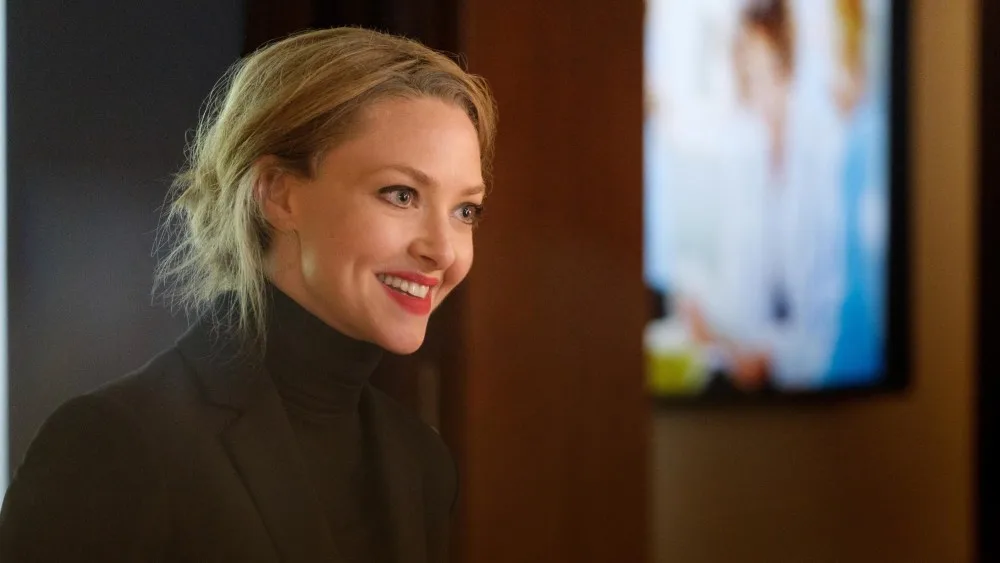
- Amanda Seyfried participated in Nathan Fielder and Lance Oppenheim's secret documentary project, 'You Can See Everything.'
- The project blends documentary footage of Holmes before prison with dramatic reenactments featuring Seyfried.
- The film has dominated the domestic box office, grossing $80 million and becoming North America's second-biggest documentary ever.
- Seyfried admits the unconventional project and heavy subject matter initially 'scared' her into taking the risk.
- Amanda Seyfried đã tham gia vào dự án phim tài liệu bí mật mang tên 'You Can See Everything' của Nathan Fielder và Lance Oppenheim.
- Tác phẩm kết hợp nhuần nhuyễn giữa những thước phim tài liệu về Holmes trước khi vào tù và các phân cảnh tái hiện đầy kịch tính với sự góp mặt của Seyfried.
- Bộ phim đã thống trị phòng vé nội địa với doanh thu 80 triệu USD, trở thành bộ phim tài liệu có doanh thu cao thứ hai trong lịch sử Bắc Mỹ.
- Seyfried thừa nhận rằng chính dự án phi truyền thống cùng chủ đề gai góc này ban đầu đã khiến cô cảm thấy 'sợ hãi' trước khi quyết định chấp nhận rủi ro.
- Amanda Seyfried a participé au projet documentaire secret de Nathan Fielder et Lance Oppenheim, « You Can See Everything ».
- Le film mêlant images d'archives d'Holmes avant son incarcération et reconstitutions dramatiques avec Seyfried.
- Le long-métrage a dominé le box-office national, engrangeant 80 millions de dollars et devenant le deuxième plus grand succès documentaire de l'histoire en Amérique du Nord.
- Seyfried admet que ce projet non conventionnel et ce sujet lourd l'ont d'abord « effrayée » avant qu'elle ne prenne le risque.
- Amanda Seyfried participó en el proyecto documental secreto de Nathan Fielder y Lance Oppenheim, 'You Can See Everything'.
- El proyecto combina imágenes documentales de Holmes antes de entrar en prisión con recreaciones dramáticas protagonizadas por Seyfried.
- La película ha dominado la taquilla nacional, recaudando 80 millones de dólares y convirtiéndose en el segundo documental más taquillero de la historia de Norteamérica.
- Seyfried admite que la naturaleza poco convencional del proyecto y la dureza del tema la 'asustaron' inicialmente antes de aceptar el riesgo.
- 阿曼达·塞弗里德参与了由内森·菲尔德与兰斯·奥本海姆共同打造的秘密纪录片项目《你能看见一切》。
- 该片巧妙融合了霍姆斯入狱前的真实纪录影像与塞弗里德的戏剧化重演,模糊了现实与表演的边界。
- 影片在北美票房表现惊人,斩获8000万美元,跃升为北美影史票房第二高的纪录片。
- 塞弗里德坦言,这一非传统的叙事方式及沉重的题材起初让她感到“恐惧”,但这种挑战最终促使她完成了这次大胆的艺术冒险。
In the quiet echelon of Hollywood prestige, few casting choices have blurred the boundaries between scripted drama and harrowing documentary reality quite as thoroughly as Amanda Seyfried’s return to the persona of Elizabeth Holmes. When the secretive three-hour feature You Can See Everything shock-premiered at the Telluride Film Festival, industry observers and casual audiences alike were left reeling by its structural audacity. Conceived and directed by Nathan Fielder and Lance Oppenheim, the film begins as a bizarrely intimate, vérité-style chronicle, tracking the disgraced Theranos founder and her partner, Billy Evans, during the tense weeks leading up to her federal prison surrender. Yet, the true shockwave hit theaters when the narrative shifted behind bars, where Fielder enlisted Seyfried—who previously immortalized the turtleneck-wearing visionary in Hulu’s acclaimed limited series The Dropout—to physically embody Holmes once more in a series of uncanny, reality-bending reenactments.
For weeks following its explosive rollout, the production’s marketing campaigns successfully shielded Seyfried’s covert involvement, leaving critics to puzzle over the seamless integration of documentary footage and stylized dramatic staging. Now, as the dust settles and the film continues an unprecedented box-office march, Seyfried has finally broken her silence. Speaking candidly on the red carpet, the Academy Award nominee confessed to feeling a mixture of relief and intense excitement now that the industry-shaking cat is out of the bag. For an artist balancing the relentless demands of motherhood and a celebrated cinematic career, leaning back into the psychological labyrinth of America’s most infamous biotech fraudster was not merely a professional choice—it was an existential challenge.
The Anatomy of a Cinematic Ambush
The genesis of You Can See Everything remains one of the most guarded logistical feats in modern documentary filmmaking. Nathan Fielder, renowned for his systemic deconstructions of social reality and performance art in television, brought his signature deadpan absurdity and meticulous investigative lens to the project, co-directing alongside documentary wunderkind Lance Oppenheim. Rather than delivering a conventional post-mortem of the Theranos collapse, the filmmaking duo embedded themselves directly within Holmes’s immediate orbit, capturing the surreal twilight period of her freedom before the prison gates of Federal Prison Camp, Bryan, slammed shut.
However, the film’s narrative pivot into scripted reenactments featuring Seyfried elevated the work from standard journalistic exposé into a profound meditation on identity, performance, and public perception. Seyfried, who won an Emmy for capturing Holmes’s unsettling vocal register and unblinking gaze in The Dropout, found herself stepping through the looking glass. Re-entering a psychological space she had rigorously worked to purge from her system required a distinct brand of artistic bravery. The blurring of lines between the real Holmes and her dramatic surrogate created an unsettling mirror for viewers, interrogating how modern society consumes accountability, notoriety, and the theatricality of downfall.
Box Office Defiance and the Non-Fiction Renaissance
From a commercial standpoint, the film's trajectory has rewritten the economic rules governing documentary distribution. Hollywood pundits historically relegate feature-length documentaries to specialized art-house circuits or streaming algorithms, viewing them as prestige plays rather than financial engines. Yet, You Can See Everything completely shattered those outdated paradigms, storming the domestic box office to rake in an astounding $80 million over its first four weekends in wide release. Propelled by word-of-mouth frenzy and the sheer audacity of its premise, it has officially cemented its status as the second-highest-grossing documentary in North American box office history.
This unprecedented commercial triumph underscores a profound shift in audience appetites. Viewers are no longer satisfied with passive historical retrospectives; they demand immersion, narrative subversion, and emotional friction. The unique hybridization of Fielder’s deadpan investigative framework and Seyfried’s deeply human, empathetic yet unflinching portrayal created a cultural lightning rod. It proved that non-fiction cinema, when executed with audacious creative vision, can command multiplex screens with the same gravitational pull as mega-budget superhero franchises or high-stakes action thrillers.
Embracing Artistic Fear in the Spotlight
At the heart of Seyfried’s return to the role is a self-imposed creative philosophy centered on vulnerability and creative danger. In an era where established stars frequently gravitate toward safe, predictable franchise IP to safeguard their marketability, Seyfried’s willingness to plunge back into the dark, controversial waters of the Theranos scandal stands as a masterclass in fearless career curation. It highlights an artist actively seeking out projects that test the boundaries of her craft, unconcerned with the comfort of audience expectations.
As Hollywood digests the cultural fallout and financial windfall of You Can See Everything, the project leaves an indelible mark on both documentary history and contemporary acting lore. For Seyfried, the gamble has paid off in spades, validating her core belief that stepping into the unknown—and courting discomfort—is the ultimate prerequisite for enduring artistic relevance. As audiences continue to unpack the layers of this cinematic anomaly, one thing remains certain: the appetite for brave, boundary-pushing storytelling has never been more insatiable, and Amanda Seyfried has once again proven herself to be one of her generation's most fearless talents.
Trong những tầng nấc tĩnh lặng của sự danh giá tại Hollywood, hiếm có lựa chọn tuyển vai nào xóa nhòa ranh giới giữa kịch bản hư cấu và thực tế tài liệu nghiệt ngã một cách triệt để như sự trở lại của Amanda Seyfried trong hình tượng Elizabeth Holmes. Khi bộ phim dài ba tiếng đầy bí ẩn You Can See Everything ra mắt gây sốc tại Liên hoan phim Telluride, cả giới quan sát lẫn khán giả đại chúng đều không khỏi bàng hoàng trước sự táo bạo trong cấu trúc của nó. Được thai nghén và đạo diễn bởi Nathan Fielder và Lance Oppenheim, bộ phim bắt đầu như một biên niên sử theo phong cách vérité đầy thân mật một cách kỳ lạ, theo chân nhà sáng lập Theranos thất thế và bạn đời của bà, Billy Evans, trong những tuần căng thẳng trước khi bà đầu thú tại nhà tù liên bang. Tuy nhiên, cú sốc thực sự đã ập đến các rạp chiếu khi câu chuyện chuyển sang bối cảnh sau song sắt, nơi Fielder đã mời Seyfried—người trước đó đã bất tử hóa vị nữ doanh nhân ưa chuộng áo cổ lọ trong loạt phim giới hạn đình đám The Dropout của Hulu—để một lần nữa hóa thân vào Holmes trong một loạt các phân cảnh tái hiện đầy ám ảnh và thách thức thực tại.
Trong nhiều tuần sau khi ra mắt, các chiến dịch quảng bá của bộ phim đã thành công trong việc che giấu sự tham gia bí mật của Seyfried, khiến các nhà phê bình phải đau đầu giải mã sự tích hợp liền mạch giữa những thước phim tài liệu và dàn dựng kịch tính cách điệu. Giờ đây, khi dư âm đã lắng xuống và bộ phim tiếp tục hành trình chinh phục phòng vé chưa từng có, Seyfried cuối cùng đã phá vỡ sự im lặng. Chia sẻ thẳng thắn trên thảm đỏ, nữ diễn viên được đề cử giải Oscar thú nhận rằng cô cảm thấy vừa nhẹ nhõm vừa vô cùng phấn khích khi bí mật gây chấn động ngành công nghiệp này cuối cùng đã được hé lộ. Đối với một nghệ sĩ đang cân bằng giữa những đòi hỏi không ngừng nghỉ của thiên chức làm mẹ và một sự nghiệp điện ảnh lẫy lừng, việc dấn thân trở lại vào mê cung tâm lý của kẻ lừa đảo công nghệ sinh học khét tiếng nhất nước Mỹ không chỉ là một lựa chọn nghề nghiệp—đó là một thách thức mang tính hiện sinh.
Giải phẫu một cuộc phục kích điện ảnh
Nguồn gốc của You Can See Everything vẫn là một trong những kỳ tích hậu cần được bảo mật nghiêm ngặt nhất trong làm phim tài liệu hiện đại. Nathan Fielder, người nổi tiếng với những màn giải cấu trúc hệ thống về thực tại xã hội và nghệ thuật trình diễn trên truyền hình, đã mang tư duy phi lý đầy điềm tĩnh cùng ống kính điều tra tỉ mỉ của mình vào dự án, đồng đạo diễn cùng tài năng trẻ của dòng phim tài liệu Lance Oppenheim. Thay vì đưa ra một bản tổng kết thông thường về sự sụp đổ của Theranos, bộ đôi đạo diễn đã thâm nhập trực tiếp vào quỹ đạo gần gũi nhất của Holmes, ghi lại thời kỳ hoàng hôn siêu thực của sự tự do trước khi cánh cửa nhà tù liên bang tại Bryan đóng sập lại.
Tuy nhiên, bước ngoặt tự sự của bộ phim khi đưa vào các phân cảnh tái hiện có sự tham gia của Seyfried đã nâng tầm tác phẩm từ một bài phóng sự báo chí tiêu chuẩn thành một sự suy ngẫm sâu sắc về bản sắc, sự trình diễn và nhận thức của công chúng. Seyfried, người từng giành giải Emmy nhờ nắm bắt được tông giọng gây bất an và ánh nhìn không chớp của Holmes trong The Dropout, đã thấy mình bước qua tấm gương soi. Việc quay trở lại một không gian tâm lý mà cô đã nỗ lực gột rửa khỏi tâm trí đòi hỏi một sự dũng cảm nghệ thuật khác biệt. Sự xóa nhòa ranh giới giữa Holmes thực và bản sao kịch tính đã tạo ra một tấm gương gây bất an cho người xem, chất vấn cách xã hội hiện đại tiêu thụ trách nhiệm giải trình, sự khét tiếng và tính sân khấu của một sự sụp đổ.
Sự thách thức phòng vé và sự phục hưng của dòng phim phi hư cấu
Xét trên phương diện thương mại, quỹ đạo của bộ phim đã viết lại các quy tắc kinh tế chi phối việc phát hành phim tài liệu. Các chuyên gia Hollywood trước đây thường xếp các bộ phim tài liệu dài vào các rạp nghệ thuật chuyên biệt hoặc các thuật toán phát trực tuyến, coi chúng là những tác phẩm mang tính danh giá hơn là động cơ tài chính. Tuy nhiên, You Can See Everything đã hoàn toàn phá vỡ những mô hình lỗi thời đó, càn quét phòng vé nội địa để thu về con số đáng kinh ngạc 80 triệu USD chỉ trong bốn tuần đầu tiên công chiếu rộng rãi. Được thúc đẩy bởi cơn sốt truyền miệng và sự táo bạo trong tiền đề, bộ phim đã chính thức khẳng định vị thế là bộ phim tài liệu có doanh thu cao thứ hai trong lịch sử phòng vé Bắc Mỹ.
Thành công thương mại chưa từng có này nhấn mạnh một sự thay đổi sâu sắc trong khẩu vị của khán giả. Người xem không còn hài lòng với những thước phim hồi tưởng lịch sử thụ động; họ đòi hỏi sự đắm chìm, sự lật đổ tự sự và những va chạm cảm xúc. Sự lai tạo độc đáo giữa khung hình điều tra điềm tĩnh của Fielder và lối diễn xuất đầy nhân văn, đồng cảm nhưng không khoan nhượng của Seyfried đã tạo nên một cột thu lôi văn hóa. Nó chứng minh rằng điện ảnh phi hư cấu, khi được thực hiện với tầm nhìn sáng tạo táo bạo, hoàn toàn có thể chiếm lĩnh các cụm rạp với sức hút tương đương các thương hiệu siêu anh hùng kinh phí lớn hay các bộ phim hành động kịch tính.
Chấp nhận nỗi sợ nghệ thuật dưới ánh đèn sân khấu
Trọng tâm trong sự trở lại của Seyfried với vai diễn này là một triết lý sáng tạo tự thân, tập trung vào sự tổn thương và rủi ro nghệ thuật. Trong thời đại mà các ngôi sao tên tuổi thường hướng tới các thương hiệu IP an toàn, dễ đoán để bảo vệ giá trị thương mại của mình, sự sẵn lòng của Seyfried khi lao mình trở lại vùng nước đen tối, đầy tranh cãi của vụ bê bối Theranos là một bài học bậc thầy về việc định hình sự nghiệp không sợ hãi. Điều này làm nổi bật một nghệ sĩ đang chủ động tìm kiếm những dự án thử thách ranh giới nghề nghiệp của mình, không bận tâm đến sự an toàn từ kỳ vọng của khán giả.
Khi Hollywood tiêu hóa những dư chấn văn hóa và lợi nhuận tài chính từ You Can See Everything, dự án này để lại một dấu ấn không thể phai mờ trong cả lịch sử phim tài liệu lẫn truyền thuyết diễn xuất đương đại. Đối với Seyfried, canh bạc đã được đền đáp xứng đáng, củng cố niềm tin cốt lõi của cô rằng việc bước vào những điều chưa biết—và chấp nhận sự khó chịu—là điều kiện tiên quyết tối thượng cho sự phù hợp nghệ thuật bền bỉ. Khi khán giả tiếp tục giải mã các lớp nghĩa của hiện tượng điện ảnh này, một điều vẫn chắc chắn: nhu cầu về lối kể chuyện dũng cảm, phá vỡ ranh giới chưa bao giờ lớn đến thế, và Amanda Seyfried một lần nữa chứng minh cô là một trong những tài năng không sợ hãi nhất của thế hệ mình.
Dans le cercle feutré du prestige hollywoodien, rares sont les choix de casting qui ont aussi radicalement brouillé les frontières entre la fiction scriptée et la réalité documentaire poignante que le retour d'Amanda Seyfried dans la peau d'Elizabeth Holmes. Lorsque le long-métrage de trois heures, gardé secret jusqu'alors, You Can See Everything a été projeté en avant-première surprise au Festival de Telluride, observateurs de l'industrie et spectateurs ont été saisis par son audace structurelle. Conçu et réalisé par Nathan Fielder et Lance Oppenheim, le film s'ouvre comme une chronique au réalisme intime, façon cinéma vérité, suivant la fondatrice déchue de Theranos et son compagnon, Billy Evans, durant les semaines tendues précédant son incarcération fédérale. Pourtant, c'est véritablement l'irruption de la fiction derrière les barreaux qui a provoqué un séisme dans les salles obscures : Fielder y a fait appel à Seyfried — qui avait déjà immortalisé la visionnaire au col roulé dans la série acclamée de Hulu, The Dropout — pour incarner à nouveau physiquement Holmes à travers une série de reconstitutions troublantes qui flirtent avec le surréalisme.
Pendant les semaines suivant son lancement explosif, les campagnes marketing de la production ont habilement protégé l'implication clandestine de Seyfried, laissant les critiques s'interroger sur l'intégration fluide entre images documentaires et mises en scène dramatiques stylisées. Aujourd'hui, tandis que la poussière retombe et que le film poursuit sa marche triomphale et inédite au box-office, Amanda Seyfried a enfin rompu le silence. S'exprimant sans détour sur le tapis rouge, la nommée aux Oscars a confessé ressentir un mélange de soulagement et d'excitation intense maintenant que le secret de polichinelle a été levé. Pour une artiste jonglant entre les exigences impérieuses de la maternité et une carrière cinématographique célébrée, replonger dans le labyrinthe psychologique de la fraudeuse en biotechnologie la plus célèbre d'Amérique n'était pas seulement un choix professionnel : c'était un défi existentiel.
L'anatomie d'une embuscade cinématographique
La genèse de You Can See Everything demeure l'un des tours de force logistiques les mieux gardés du cinéma documentaire contemporain. Nathan Fielder, réputé pour ses déconstruction systémiques de la réalité sociale et de l'art performance à la télévision, a apporté au projet son sens de l'absurde pince-sans-rire et son regard d'enquêteur méticuleux, coréalisant le film aux côtés du prodige du documentaire Lance Oppenheim. Plutôt que de livrer un post-mortem conventionnel sur l'effondrement de Theranos, le duo de cinéastes s'est immiscé directement dans l'orbite immédiate d'Elizabeth Holmes, capturant cette période crépusculaire et surréaliste de sa liberté avant que les grilles du camp pénitentiaire fédéral de Bryan ne se referment sur elle.
Cependant, le virage narratif du film vers des reconstitutions fictionnelles portées par Seyfried a élevé l'œuvre au-delà du simple reportage journalistique pour en faire une méditation profonde sur l'identité, la performance et la perception publique. Seyfried, qui avait remporté un Emmy pour avoir restitué le timbre vocal troublant et le regard fixe d'Holmes dans The Dropout, s'est vue traverser le miroir. Réinvestir un espace psychologique qu'elle s'efforçait d'expurger de son esprit exigeait une forme singulière de bravoure artistique. L'abolition des frontières entre la véritable Holmes et son double dramatique a agi comme un miroir dérangeant pour les spectateurs, interrogeant la manière dont la société moderne consomme la responsabilité, la notoriété et la théâtralité de la chute.
Le pied de nez au box-office et la renaissance du non-fictionnel
D'un point de vue commercial, la trajectoire du film a réécrit les règles économiques régissant la distribution documentaire. Historiquement, les pontes d'Hollywood relèguent les documentaires de long métrage aux circuits d'art et essai spécialisés ou aux algorithmes de streaming, les considérant comme des jalons de prestige plutôt que comme des leviers financiers. Pourtant, You Can See Everything a pulvérisé ces paradigmes obsolètes, s'emparant du box-office national pour amasser la somme stupéfiante de 80 millions de dollars au cours de ses quatre premiers week-ends d'exploitation en salles. Porté par la frénésie du bouche-à-oreille et l'audace absolue de son postulat, il a officiellement scellé son statut de deuxième documentaire le plus lucratif de l'histoire du box-office nord-américain.
Ce triomphe commercial inédit souligne une mutation profonde des appétits du public. Les spectateurs ne se satisfont plus de rétrospectives historiques passives ; ils réclament de l'immersion, de la subversion narrative et des frictions émotionnelles. L'hybridation unique entre le cadre d'investigation pince-sans-rire de Fielder et la performance profondément humaine, empathique mais implacable de Seyfried a fonctionné comme un véritable catalyseur culturel. Elle a prouvé que le cinéma du réel, lorsqu'il est mené avec une vision créative audacieuse, peut s'imposer dans les multiplexes avec la même force gravitationnelle que les franchises super-héroïques à mégabudget ou les thrillers d'action à haut risque.
Cultiver la peur artistique sous les feux de la rampe
Au cœur du retour de Seyfried dans ce rôle se trouve une philosophie créative qu'elle s'impose à elle-même, axée sur la vulnérabilité et le danger artistique. À une époque où les têtes d'affiche établies se tournent fréquemment vers des franchises prévisibles et sans risque pour préserver leur valeur marchande, la volonté de Seyfried de replonger dans les eaux sombres et controversées du scandale Theranos s'apparente à une masterclass de gestion de carrière intrépide. Cela met en lumière une artiste en quête permanente de projets repoussant les limites de son art, totalement affranchie du confort des attentes du public.
Alors qu'Hollywood assimile les retombées culturelles et la manne financière de You Can See Everything, le projet laisse une empreinte indélébile tant sur l'histoire du documentaire que sur les canons de l'acteur contemporain. Pour Seyfried, ce pari s'avère hautement gagnant, validant sa conviction intime selon laquelle s'aventurer dans l'inconnu — et flirter avec l'inconfort — demeure la condition sine qua non de la pertinence artistique durable. Tandis que les spectateurs continuent de décrypter les strates de cette anomalie cinématographique, une certitude demeure : l'appétit pour un storytelling courageux et novateur n'a jamais été aussi insatiable, et Amanda Seyfried a prouvé une fois de plus qu'elle incarne l'un des talents les plus intrépides de sa génération.
En el discreto escalafón del prestigio de Hollywood, pocas decisiones de casting han desdibujado las fronteras entre el drama guionizado y la desgarradora realidad documental con tanta precisión como el regreso de Amanda Seyfried al personaje de Elizabeth Holmes. Cuando el hermético largometraje de tres horas You Can See Everything se estrenó por sorpresa en el Festival de Cine de Telluride, tanto los observadores de la industria como el público general quedaron conmocionados por su audacia estructural. Concebida y dirigida por Nathan Fielder y Lance Oppenheim, la película comienza como una crónica de estilo vérité, extrañamente íntima, que sigue a la desacreditada fundadora de Theranos y a su pareja, Billy Evans, durante las tensas semanas previas a su entrega en la prisión federal. Sin embargo, el verdadero impacto llegó a las salas cuando la narrativa se trasladó tras los muros de la cárcel, donde Fielder reclutó a Seyfried —quien ya inmortalizó a la visionaria del cuello alto en la aclamada miniserie de Hulu The Dropout— para encarnar físicamente a Holmes una vez más en una serie de recreaciones inquietantes que desafían la realidad.
Durante las semanas posteriores a su explosivo lanzamiento, las campañas de marketing de la producción lograron ocultar con éxito la participación encubierta de Seyfried, dejando a los críticos desconcertados ante la perfecta integración de las imágenes documentales y la puesta en escena dramática estilizada. Ahora, mientras las aguas se calman y la película continúa su marcha sin precedentes en la taquilla, Seyfried ha roto finalmente su silencio. Hablando con franqueza en la alfombra roja, la nominada al Oscar confesó sentir una mezcla de alivio y gran entusiasmo ahora que el secreto, que ha sacudido a la industria, ha salido a la luz. Para una artista que equilibra las incesantes exigencias de la maternidad y una celebrada carrera cinematográfica, volver a sumergirse en el laberinto psicológico de la estafadora biotecnológica más infame de Estados Unidos no fue solo una elección profesional: fue un desafío existencial.
La anatomía de una emboscada cinematográfica
La génesis de You Can See Everything sigue siendo una de las proezas logísticas mejor guardadas del cine documental moderno. Nathan Fielder, reconocido por sus deconstrucciones sistémicas de la realidad social y el arte performativo en televisión, aportó al proyecto su característico absurdo impasible y su meticulosa lente investigadora, codirigiendo junto al prodigio del documental Lance Oppenheim. En lugar de ofrecer una autopsia convencional del colapso de Theranos, el dúo de cineastas se integró directamente en la órbita inmediata de Holmes, capturando el surrealista periodo crepuscular de su libertad antes de que las puertas del campo de prisioneros federal de Bryan se cerraran de golpe.
Sin embargo, el giro narrativo de la película hacia recreaciones guionizadas con Seyfried elevó la obra, pasando de ser un reportaje periodístico estándar a una profunda meditación sobre la identidad, la interpretación y la percepción pública. Seyfried, que ganó un Emmy por capturar el inquietante registro vocal y la mirada fija de Holmes en The Dropout, se encontró atravesando el espejo. Volver a entrar en un espacio psicológico del que se había esforzado rigurosamente por desprenderse requirió una clase distinta de valentía artística. La difuminación de las líneas entre la verdadera Holmes y su sustituta dramática creó un espejo inquietante para los espectadores, cuestionando cómo la sociedad moderna consume la rendición de cuentas, la notoriedad y la teatralidad de la caída.
El desafío a la taquilla y el renacimiento de la no ficción
Desde un punto de vista comercial, la trayectoria de la película ha reescrito las reglas económicas que rigen la distribución de documentales. Históricamente, los expertos de Hollywood relegaban los documentales de larga duración a circuitos de arte y ensayo especializados o a algoritmos de streaming, considerándolos apuestas de prestigio más que motores financieros. Sin embargo, You Can See Everything rompió por completo esos paradigmas obsoletos, arrasando en la taquilla nacional hasta recaudar la asombrosa cifra de 80 millones de dólares en sus cuatro primeras semanas de estreno general. Impulsada por el frenesí del boca a boca y la pura audacia de su premisa, ha consolidado oficialmente su estatus como el segundo documental más taquillero en la historia de la taquilla norteamericana.
Este triunfo comercial sin precedentes subraya un cambio profundo en el apetito del público. Los espectadores ya no se conforman con retrospectivas históricas pasivas; exigen inmersión, subversión narrativa y fricción emocional. La hibridación única del marco de investigación impasible de Fielder y la interpretación profundamente humana, empática pero inquebrantable de Seyfried, creó un pararrayos cultural. Demostró que el cine de no ficción, cuando se ejecuta con una visión creativa audaz, puede dominar las pantallas de los multicines con la misma fuerza gravitatoria que las franquicias de superhéroes de gran presupuesto o los thrillers de acción de alto riesgo.
Abrazar el miedo artístico bajo los focos
En el corazón del regreso de Seyfried al papel se encuentra una filosofía creativa autoimpuesta centrada en la vulnerabilidad y el peligro creativo. En una era en la que las estrellas consagradas gravitan frecuentemente hacia franquicias seguras y predecibles para salvaguardar su valor comercial, la disposición de Seyfried a sumergirse de nuevo en las oscuras y controvertidas aguas del escándalo de Theranos se erige como una clase magistral de gestión de carrera sin miedo. Destaca a una artista que busca activamente proyectos que pongan a prueba los límites de su oficio, sin preocuparse por la comodidad de las expectativas del público.
Mientras Hollywood digiere las consecuencias culturales y el beneficio financiero de You Can See Everything, el proyecto deja una huella indeleble tanto en la historia del documental como en la tradición interpretativa contemporánea. Para Seyfried, la apuesta ha dado sus frutos con creces, validando su creencia fundamental de que adentrarse en lo desconocido —y cortejar la incomodidad— es el requisito previo definitivo para una relevancia artística duradera. Mientras el público sigue desentrañando las capas de esta anomalía cinematográfica, una cosa permanece clara: el apetito por una narrativa valiente y rompedora nunca ha sido tan insaciable, y Amanda Seyfried ha demostrado una vez más ser uno de los talentos más intrépidos de su generación.
在好莱坞那片静谧的精英阶层领地中,极少有选角能像阿曼达·塞弗里德(Amanda Seyfried)重塑伊丽莎白·霍姆斯(Elizabeth Holmes)这一角色般,将剧本化的戏剧表演与残酷的纪录片现实彻底融合。当那部时长三小时、充满神秘色彩的纪录长片《你能看见一切》(You Can See Everything)在特柳赖德电影节(Telluride Film Festival)惊艳首映时,无论是业内观察家还是普通观众,都被其结构上的大胆创新所震撼。该片由内森·菲尔德(Nathan Fielder)与兰斯·奥本海姆(Lance Oppenheim)共同构思并执导,影片开篇以一种诡异而亲密的“真实电影”(vérité-style)视角,记录了这位声名狼藉的Theranos创始人在入狱前几周,与伴侣比利·埃文斯(Billy Evans)在联邦监狱服刑前夕的紧张生活。然而,当叙事转入高墙之内时,真正的冲击波才随之而来——菲尔德邀请了曾在Hulu高分剧集《辍学生》(The Dropout)中完美诠释过这位“高领毛衣梦想家”的塞弗里德,通过一系列超现实、打破现实边界的重演,再次赋予了霍姆斯血肉之躯。
在影片爆炸式公映后的数周里,制作方通过严密的营销策略成功掩盖了塞弗里德的秘密参与,让影评人一度困惑于纪录影像与风格化戏剧重演之间那无缝衔接的质感。如今,随着热度逐渐沉淀,影片在票房上持续高歌猛进,塞弗里德终于打破了沉默。在红毯采访中,这位奥斯卡提名女星坦言,当这个震撼行业的秘密终于公之于众时,她感到了一种如释重负与极度兴奋的交织。对于一位既要兼顾母亲职责,又要维持辉煌演艺事业的艺术家而言,再次坠入这位美国最臭名昭著的生物科技诈骗犯的心理迷宫,不仅是一个职业选择,更是一场存在主义的挑战。
电影伏击的解构
《你能看见一切》的诞生过程,至今仍是现代纪录片制作中最严密的后勤壮举之一。内森·菲尔德以其在电视领域对社会现实和行为艺术的系统性解构而闻名,他将标志性的冷幽默与细致入微的调查视角带入该项目,并与纪录片新锐导演兰斯·奥本海姆共同执导。这对导演组合并没有选择对Theranos的崩塌进行常规的“验尸式”回顾,而是直接嵌入霍姆斯的私人轨道,捕捉了她在布莱恩联邦监狱大门关闭前,那段自由时光中超现实的黄昏时刻。
然而,影片叙事转向塞弗里德参与的剧本化重演,将作品从标准的新闻曝光提升为一场关于身份、表演与公众认知的深刻冥想。塞弗里德曾在《辍学生》中凭借对霍姆斯那令人不安的嗓音和不眨眼凝视的精准捕捉而斩获艾美奖,此次她再次穿过“镜中世界”。重新进入一个她曾竭力从系统中清除的心理空间,需要一种独特的艺术勇气。现实中的霍姆斯与她戏剧化的替身之间界限的模糊,为观众创造了一面令人不安的镜子,审视着现代社会如何消费问责、名声以及坠落的戏剧性。
票房的抗争与非虚构电影的复兴
从商业角度来看,该片的轨迹改写了纪录片发行的经济规则。好莱坞专家历来将长篇纪录片归入专业艺术影院或流媒体算法的范畴,将其视为提升格调的筹码,而非财务引擎。然而,《你能看见一切》彻底粉碎了这些过时的范式,在广泛公映的前四周内,以惊人的8000万美元票房横扫北美市场。在口碑狂潮和其大胆前提的推动下,它已正式确立了北美影史票房第二高纪录片的地位。
这一前所未有的商业胜利凸显了观众口味的深刻转变。观众不再满足于被动的历史回顾;他们要求沉浸感、叙事颠覆和情感摩擦。菲尔德冷峻的调查框架与塞弗里德深刻、人性化且毫不留情的表演,共同构成了文化焦点。这证明了非虚构电影只要具备大胆的创意愿景,同样能在多厅影院中拥有与超级英雄大片或高风险动作惊悚片同等的号召力。
在聚光灯下拥抱艺术恐惧
塞弗里德回归该角色的核心,是一种基于脆弱感与创作风险的自我哲学。在一个主流明星频繁倾向于安全、可预测的IP系列以保障市场价值的时代,塞弗里德愿意再次跳入Theranos丑闻这片黑暗且充满争议的水域,堪称无畏职业规划的典范。这凸显了一位艺术家在积极寻找那些挑战其技艺边界的项目,而不受观众预期舒适区的束缚。
随着好莱坞消化《你能看见一切》带来的文化影响与财务红利,该项目在纪录片历史和当代表演史上留下了不可磨灭的印记。对于塞弗里德而言,这场赌博获得了巨大的回报,验证了她内心深处的信念:步入未知并拥抱不适,是实现持久艺术价值的终极前提。随着观众继续拆解这部电影异象的层层含义,有一点是肯定的:人们对勇敢、突破边界的叙事渴求从未如此强烈,而阿曼达·塞弗里德再次证明了她是这一代人中最无畏的天才之一。
Editorial Standards & Multi-Language Synthesis: This dispatch was synthesized and fact-checked by the ParisDaily Editorial Desk across 5 global editions (EN, FR, VI, ES, ZH), cross-referencing primary international wire reports and real-time search intelligence.