釜山影展备受瞩目的导演阿努普·洛库尔将个人租房噩梦搬上银幕,打造班加罗尔黑色喜剧
Following his acclaimed debut at Busan, Indian-Australian filmmaker Anoop Lokkur is pitching 'Melgade Mane Kelgade Mane' at the WAVES Film Bazaar, turning a vicious real-life housing dispute into a high-stakes cinematic tennis match.
Tiếp nối thành công vang dội tại LHP Busan, đạo diễn gốc Ấn-Úc Anoop Lokkur đang mang tác phẩm 'Melgade Mane Kelgade Mane' đến Chợ phim WAVES Film Bazaar. Anh biến một vụ tranh chấp nhà cửa đời thực thành một trận đấu tennis điện ảnh đầy kịch tính.
Après un premier film salué à Busan, le cinéaste indo-australien Anoop Lokkur présente 'Melgade Mane Kelgade Mane' au WAVES Film Bazaar. Une comédie noire grinçante qui transpose un véritable conflit locatif en une lutte acharnée.
Tras su aclamado debut en Busan, el cineasta indo-australiano Anoop Lokkur presenta "Melgade Mane Kelgade Mane" en el mercado WAVES Film Bazaar. La película transforma un violenso conflicto inmobiliario real en un duelo cinematográfico de alta tensión.
印度-澳大利亚籍电影人阿努普·洛库尔凭借在釜山影展广受好评的处女作崭露头角后,携新片《Melgade Mane Kelgade Mane》亮相WAVES电影市场,将现实中一场棘手的房产纠纷转化为高强度的电影“网球赛”。
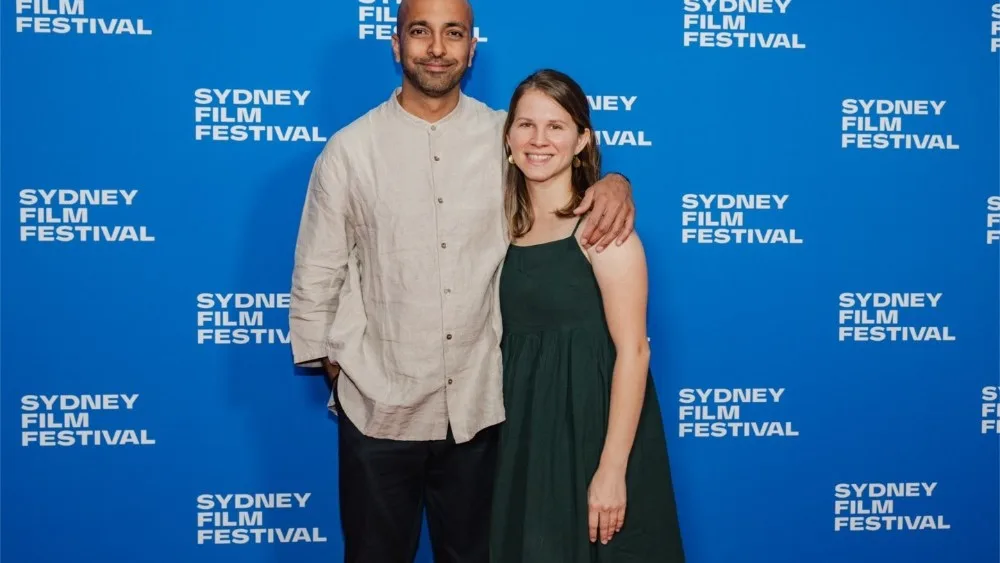
- Anoop Lokkur's second feature, 'Melgade Mane Kelgade Mane' (Upstairs Downstairs), is being presented in the Co-Production Market at India's WAVES Film Bazaar.
- The Kannada and English-language dark comedy is inspired by Lokkur's real-life standoff with tenants who refused to vacate his ancestral home in Bengaluru.
- The project is budgeted at $1.3 million, with $156,000 currently secured, as producers Lokkur and Mikayla Henke seek international co-producers and sales agents.
- The film examines hyper-urbanization in Bengaluru alongside universal anxieties of property ownership, shifting moral boundaries, and domestic warfare.
- Bộ phim điện ảnh thứ hai của Anoop Lokkur, 'Melgade Mane Kelgade Mane' (Lầu trên, Lầu dưới), đang được giới thiệu tại Thị trường Đồng sản xuất của WAVES Film Bazaar tại Ấn Độ.
- Tác phẩm hài đen bằng tiếng Kannada và tiếng Anh này lấy cảm hứng từ biến cố có thật của Lokkur với những người thuê nhà kiên quyết không chịu trả lại ngôi nhà tổ tiên của anh tại Bengaluru.
- Dự án có kinh phí 1,3 triệu USD, với 156.000 USD đã được huy động, trong khi bộ đôi nhà sản xuất Lokkur và Mikayla Henke đang tìm kiếm các nhà đồng sản xuất quốc tế và đại diện phát hành.
- Bộ phim khám phá quá trình siêu đô thị hóa tại Bengaluru song song với những lo âu phổ quát về quyền sở hữu tài sản, ranh giới đạo đức dao động và những cuộc chiến ngầm trong gia đình.
- Le deuxième long-métrage d'Anoop Lokkur, 'Melgade Mane Kelgade Mane' (Haut et Bas), est présenté au marché de la coproduction du WAVES Film Bazaar en Inde.
- Cette comédie noire en kannada et en anglais s'inspire du bras de fer réel qu'a vécu le réalisateur avec des locataires refusant de quitter sa maison familiale à Bengaluru.
- Doté d'un budget de 1,3 million de dollars dont 156 000 sont déjà sécurisés, le projet mené par Lokkur et la productrice Mikayla Henke recherche des coproducteurs internationaux.
- Le film explore l'hyper-urbanisation de Bengaluru tout en disséquant l'angoisse universelle de la propriété et la dérive progressive des frontières morales.
- El segundo largometraje de Anoop Lokkur, "Melgade Mane Kelgade Mane" (Arriba y abajo), se presenta en el mercado de coproducción del WAVES Film Bazaar de la India.
- Esta comedia negra en kannada e inglés está inspirada en el enfrentamiento real que vivió el propio Lokkur con unos inquilinos que se negaban a desalojar su casa familiar en Bangalore.
- El proyecto cuenta con un presupuesto de 1,3 millones de dólares, de los cuales ya se han asegurado 156.000, mientras los productores Lokkur y Mikayla Henke buscan coproductores internacionales y agentes de ventas.
- La película analiza la hiperurbanización en Bangalore junto con las ansiedades universales en torno a la propiedad inmobiliaria, la mutación de las fronteras morales y la guerra doméstica.
- 阿努普·洛库尔的第二部故事长片《Melgade Mane Kelgade Mane》(上下楼)目前正于印度WAVES电影市场的合拍片单元进行推介。
- 这部卡纳达语与英语双语黑色喜剧的灵感,源于洛库尔在班加罗尔收回祖宅时,遭遇租客拒绝腾房的真实对峙经历。
- 该项目预算为130万美元,目前已落实15.6万美元资金,导演洛库尔与制片人米凯拉·亨克正积极寻求国际联合制片人及销售代理。
- 影片在审视班加罗尔极速城市化进程的同时,也探讨了关于房产所有权的普遍焦虑、不断模糊的道德底线以及家庭内部的“战争”。
Few creative impulses are as potent as raw, unadulterated frustration. For Indian-Australian filmmaker Anoop Lokkur, whose debut feature “Don’t Tell Mother” earned critical praise on the festival circuit including a coveted berth at the Busan International Film Festival, that frustration manifested on the staircase of his family’s ancestral home in Bengaluru. When Lokkur, his wife, and their one-year-old daughter returned to India in 2025 expecting to occupy the upper floor of a three-generation family residence, they found their path blocked by entrenched tenants whose lease had expired. What followed was not a swift administrative resolution, but a protracted, psychological trench war defined by cut power lines, blocked access points, and escalating passive-aggression.
Rather than letting the domestic nightmare drain his energy entirely, Lokkur has channeled the ordeal into celluloid. His sophomore feature project, the Kannada and English-language dark comedy “Melgade Mane Kelgade Mane” (Upstairs Downstairs), is currently generating significant industry buzz within the Co-Production Market at India’s premier WAVES Film Bazaar in Goa. Co-produced alongside frequent collaborator Mikayla Henke under their Papunu Films banner, the project deftly converts personal displacement into a sharply observed theatrical examination of modern urban ego, housing precarity, and the fragile boundaries of civility.
From Real-Life Standoff to Cinematic Tennis Match
The narrative framework of “Melgade Mane Kelgade Mane” mirrors the precise anatomy of Lokkur’s own domestic deadlock. The film centers on Karthik, a protagonist returning from Melbourne with his wife and young daughter to care for an ailing father in an established Bengaluru neighborhood. Their homecoming hits an immovable brick wall when Ramesh, a government contractor and sitting tenant who had previously agreed to vacate, abruptly changes his mind and digs in his heels. As conventional legal avenues prove sluggish and ineffective, polite negotiations rapidly degenerate into a petty, tit-for-tat war of attrition.
Lokkur notes that the genesis of the film was complicated by a profound sense of dramatic irony. Only years prior, he and his wife had themselves been forced out of a rented property in Australia, giving them a firsthand look at housing insecurity from both sides of the domestic threshold. This dual perspective shaped the artistic tone of the script. Rather than relying on a simplistic hero-versus-villain dynamic, Lokkur has structured the screenplay to function like a high-stakes tennis match. Audience sympathies are deliberately pulled back and forth between the embattled homeowner and the defiant tenant until moral distinctions blur completely.
"We are interested in how ego quietly takes over and how ordinary decent people justify each small act of revenge until they no longer recognize themselves."
Producer Mikayla Henke, who lived through the real-life dispute alongside Lokkur, observes that the film serves as a natural, albeit bolder, evolution of their creative partnership. While “Don’t Tell Mother” operated as a tender, deeply intimate character study, their new venture embraces a wilder, more satirical palette without sacrificing its microscopic focus on domestic friction and unspoken familial tensions.
Navigating the Global Financing Landscape at WAVES
As the project makes its rounds at the WAVES Film Bazaar—the robust industry market operating alongside the International Film Festival of India (IFFI)—the production team is aggressively laying the groundwork for international financing. Carried by a modest yet ambitious $1.3 million budget, with $156,000 already locked in, Papunu Films is actively courting global co-producers, strategic equity financiers, and sales agents who recognize the international appeal of localized urban drama.
The economic strategy behind the film hinges on a paradox: while the cultural specificity of Bengaluru anchors its visual identity, the underlying theme of urban real estate conflict is unmistakably borderless. In major metropolitan centers from Sydney and London to New York and Mumbai, housing scarcity has transformed the concept of home into a battleground. By framing a hyper-local neighborhood dispute through the universally understood language of dark comedy, Lokkur and Henke are betting that the film will easily transcend its linguistic origins and resonate with global festival juries and arthouse audiences alike.
Documenting the Erasure of Old Bengaluru
Beyond the interpersonal fireworks between landlord and tenant, “Melgade Mane Kelgade Mane” functions as an elegiac postcard for a vanishing urban landscape. Bengaluru, long celebrated as India’s Silicon Valley and garden city, is currently undergoing a relentless hyper-urban transformation. Traditional neighborhoods, family-owned plots, and architectural echoes of the past are vanishing beneath a tidal wave of high-density concrete developments and soaring commercial valuations.
In this sense, the physical house in the film becomes a character in its own right—a contested relic representing the clash between sentimental heritage and ruthless modern utility. Lokkur’s lens captures the melancholia of a city mutating faster than its inhabitants can process, where ancestral roots are routinely uprooted by the sheer economic velocity of the twenty-first century. As the project moves through the development pipeline, industry insiders will be watching closely to see how Lokkur balances the biting, farcical comedy of cut power cords with the deeper, sobering reality of a metropolis losing its soul. If his previous festival trajectory is any indicator, this domestic warzone is destined for major international stages.
Rất ít xung lực sáng tạo mang sức mạnh lớn bằng sự thất vọng nguyên thủy, chân thực. Đối với nhà làm phim gốc Ấn-Úc Anoop Lokkur — người có tác phẩm đầu tay 'Don’t Tell Mother' từng giành được nhiều lời khen ngợi từ giới phê bình tại các liên quan phim, bao gồm cả suất chiếu danh giá tại Liên hoan Phim Quốc tế Busan — niềm thất vọng ấy đã bùng phát ngay trên cầu thang ngôi nhà tổ tiên của gia đình tại Bengaluru. Khi Lokkur, vợ anh và cô con gái một tuổi trở về Ấn Độ vào năm 2025 với kỳ vọng sẽ sinh sống ở tầng trên của căn nhà ba thế hệ, họ bàng hoàng nhận ra lối đi bị chặn đứng bởi những người thuê nhà ngoan cố từ chối trả lại mặt bằng dù hợp đồng đã hết hạn. Tiếp sau đó không phải là một giải pháp hành chính nhanh gọn, mà là một cuộc chiến hào tâm lý kéo dài, được định hình bằng những đường dây điện bị cắt đứt, các lối đi bị phong tỏa và thái độ công kích thụ động ngày một leo thang.
Thay vì để cơn ác mộng gia đình ấy vắt kiệt năng lượng, Lokkur đã chuyển hóa nỗi truân chuyên đó lên màn ảnh rộng. Dự án phim điện ảnh thứ hai của anh, bộ phim hài đen mang hai ngôn ngữ Kannada và tiếng Anh 'Melgade Mane Kelgade Mane' (Lầu trên, Lầu dưới), hiện đang tạo nên làn sóng quan tâm mạnh mẽ trong Thị trường Đồng sản xuất tại WAVES Film Bazaar — sự kiện điện ảnh hàng đầu Ấn Độ tổ chức ở Goa. Được đồng sản xuất với cộng sự lâu năm Mikayla Henke dướiσ công ty Papunu Films, dự án khéo léo chuyển đổi nỗi bất an cá nhân thành một lăng kính quan sát sắc sảo về cái tôi đô thị hiện đại, sự bấp bênh trong vấn đề nhà ở và ranh giới mong manh của sự văn minh.
Từ vụ giằng co đời thực đến trận đấu tennis điện ảnh
Cấu trúc tự sự của 'Melgade Mane Kelgade Mane' phản ánh chính xác giải phẫu của bế tắc gia đình mà Lokkur từng trải qua. Phim xoay quanh Karthik, một nhân vật chính trở về từ Melbourne cùng vợ và cô con gái nhỏ để chăm sóc người cha đang bệnh nặng tại một khu phố lâu đời ở Bengaluru. Sự trở về của họ vấp phải bức tường kiên cố mang tên Ramesh — một nhà thầu chính phủ kiêm người thuê nhà, kẻ từng đồng ý dọn đi nhưng đột ngột đổi ý và kiên quyết bám trụ. Khi các con đường pháp lý thông thường tỏ ra chậm chạp và kém hiệu quả, những cuộc đàm phán lịch sự nhanh chóng thoái hóa thành một cuộc chiến tiêu hao nhỏ mọn, ăn miếng trả miếng.
Lokkur lưu ý rằng tiền đề của bộ phim vốn dĩ đã mang sẵn một tầng mỉa mai đầy kịch tính. Chỉ vài năm trước đó, chính anh và vợ cũng từng bị buộc phải rời khỏi một căn nhà thuê ở Úc, qua đó mang lại cho họ cái nhìn trực diện về sự bất an nhà ở từ cả hai phía của ngưỡng cửa gia đình. Góc nhìn kép này đã nhào nặn nên tông màu nghệ thuật của kịch bản. Thay vì dựa dẫm vào mô típ thiện - ác đơn giản, Lokkur đã cấu trúc kịch bản vận hành giống như một trận đấu tennis đầy căng thẳng. Sự đồng cảm của khán giả liên tục bị kéo qua kéo lại giữa người chủ nhà khốn đốn và vị khách thuê bất tuân, cho đến khi ranh giới đạo đức hoàn toàn nhòa đi.
'Chúng tôi quan tâm đến việc cái tôi âm thầm chiếm lấy con người ta như thế nào và làm sao những người bình thường, tử tế lại biện minh cho từng hành động trả thù nhỏ nhặt cho đến khi chính họ cũng không còn nhận ra bản thân nữa.'
Nhà sản xuất Mikayla Henke, người đã cùng Lokkur trải qua vụ tranh chấp ngoài đời thực, nhận định rằng bộ phim là một bước tiến tự nhiên nhưng táo bạo hơn trong sự hợp tác sáng tạo của họ. Nếu như 'Don’t Tell Mother' vận hành như một bức tranh khắc họa nhân vật tinh tế và đậm chất riêng tư, thì dự án mới này lại ôm ấp một bảng màu hoang dã và châm biếm hơn, nhưng vẫn giữ nguyên sự tập trung tỉ mỉ vào những mâu thuẫn gia đình và sự căng thẳng ngấm ngầm.
Điều hướng bức tranh tài chính toàn cầu tại WAVES
Khi dự án đang thực hiện vòng quảng bá tại WAVES Film Bazaar — thị trường công nghiệp sôi động diễn ra song song với Liên hoan Phim Quốc tế Ấn Độ (IFFI) — đội ngũ sản xuất đang tích cực đặt nền móng cho nguồn vốn quốc tế. Được nâng đỡ bởi một ngân sách khiêm tốn nhưng đầy tham vọng trị giá 1,3 triệu USD, với 156.000 USD đã được đảm bảo, Papunu Films đang nhiệt thành chiêu mộ các nhà đồng sản xuất toàn cầu, nhà tài trợ cổ phần chiến lược và các đại lý phát hành nhận thức được sức hút quốc tế của một bộ phim mang đậm sắc thái đô thị địa phương.
Chiến lược kinh tế đằng sau bộ phim dựa trên một nghịch lý: trong khi nét đặc thù văn hóa của Bengaluru định hình bản sắc thị giác của tác phẩm, thì chủ đề cốt lõi về xung đột bất động sản đô thị lại không có biên giới. Tại các trung tâm đô thị lớn từ Sydney, Luân Đôn cho đến New York và Mumbai, sự khan hiếm nhà ở đã biến khái niệm mái ấm thành một chiến địa. Bằng cách đóng khung một tranh chấp khu phố siêu cục bộ thông qua thứ ngôn ngữ hài đen được hiểu ở mọi nơi, Lokkur và Henke đang đặt cược rằng bộ phim sẽ dễ dàng vượt qua nguồn gốc ngôn ngữ của mình để chạm đến cảm xúc của các ban giám khảo liên hoan phim quốc tế cũng như khán giả yêu điện ảnh nghệ thuật.
Ghi chép lại sự phai mờ của Bengaluru cổ kính
Vượt lên trên những màn pháo hoa tương tác giữa chủ nhà và người thuê, 'Melgade Mane Kelgade Mane' còn đóng vai trò như một tấm bưu thiếp đầy hoài niệm cho một cảnh quan đô thị đang dần biến mất. Bengaluru, nơi từ lâu được ca tụng là Thung lũng Silicon và thành phố vườn của Ấn Độ, đang trải qua quá trình chuyển đổi siêu đô thị không ngừng nghỉ. Những khu phố truyền thống, những mảnh đất thuộc sở hữu gia đình và các dấu ấn kiến trúc của quá khứ đang phai nhạt dần dưới làn sóng phát triển bê tông mật độ cao và định giá thương mại tăng vọt.
Theo nghĩa đó, ngôi nhà vật lý trong phim trở thành một nhân vật mang bản sắc riêng — một di sản gây tranh c tranh đại diện cho cuộc đụng độ giữa di sản tình cảm và tiện ích hiện đại tàn nhẫn. Ống kính của Lokkur nắm bắt nỗi u sầu của một thành phố đang đột biến nhanh hơn khả năng tiếp thu của cư dân, nơi những cội nguồn tổ tiên thường xuyên bị bứng gốc bởi tốc độ kinh tế chóng mặt của thế kỷ 21. Khi dự án tiếp tục tiến qua giai đoạn phát triển, những người trong ngành sẽ theo dõi sát sao để xem Lokkur cân bằng như thế nào giữa tiếng cười trào phúng, châm biếm của những sợi dây điện bị cắt với thực tế sâu sắc, tỉnh táo của một đô thị đang đánh mất đi phần linh hồn. Nếu quỹ đạo liên hoan phim trước đây của anh là một dấu hiệu báo trước, thì vùng chiến sự gia đình này chắc chắn sẽ tiến bước đến những sân khấu quốc tế lớn.
Peu d'impulsions créatives sont aussi puissantes que la frustration brute et non diluée. Pour le cinéaste indo-australien Anoop Lokkur — dont le premier long-métrage, Don’t Tell Mother
, a conquis la critique et décroché une sélection convoitée au Festival international du film de Busan —, cette frustration est née sur le seuil de la maison ancestrale de sa famille à Bengaluru. Lorsque Lokkur, son épouse et leur fillette d'un an rentrent en Inde en 2025 avec l'intention de s'installer à l'étage de cette résidence multigénérationnelle, ils se heurtent au refus catégorique de locataires en place dont le bail est échu. S'ensuit non pas une résolution administrative rapide, mais une guerre de tranchées psychologique faite de coupures de courant, d'accès bloqués et d'une escalade de passivité-agressivité.
Plutôt que de laisser ce cauchemar domestique consumer son énergie, Anoop Lokkur a choisi de le transposer sur pellicule. Son deuxième long-métrage, une comédie noire en langues kannada et anglaise intitulée Melgade Mane Kelgade Mane
(Haut et Bas), suscite actuellement un vif intérêt au sein du marché de la coproduction du prestigieux WAVES Film Bazaar, à Goa. Coordonné avec sa complice de longue date Mikayla Henke sous leur bannière Papunu Films, le projet transforme habilement un déplacement personnel en une satire incisive de l'ego urbain moderne, de la précarité du logement et de la fragilité des conventions sociales.
D'un litige réel à un match de tennis cinématographique
La trame narrative de Melgade Mane Kelgade Mane
épouse fidèlement l'anatomie du blocage domestique qu'a traversé le cinéaste. Le film suit Karthik, un protagoniste rentrant de Melbourne avec sa femme et sa jeune fille pour veiller sur son père vieillissant dans un quartier historique de Bengaluru. Leur retour se fracasse sur un mur d'inertie lorsque Ramesh, un entrepreneur public et locataire en place qui s'était engagé à libérer les lieux, change brusquement d'avis et s'accroche à son bail. Face à la lenteur et à l'inefficacité des voies légales traditionnelles, les courtoisies initiales cèdent rapidement la place à une guerre d'usure mesquine, faite de représailles réciproques.
Anoop Lokkur souligne que la genèse de l'œuvre fut complexifiée par une profonde ironie dramatique. Quelques années plus tôt, son épouse et lui avaient eux-mêmes été contraints de quitter un bien loué en Australie, éprouvant ainsi l'insécurité locative des deux côtés de la barrière. Cette double perspective a façonné la tonalité artistique du scénario. Plutôt que de s'en remettre à une dichotomie simpliste entre héros et méchants, Lokkur a structuré son récit comme un match de tennis sous haute tension. La sympathie du spectateur oscille constamment entre le propriétaire assiégé et le locataire rebelle, jusqu'à ce que les frontières morales s'effacent complètement.
"Ce qui nous intéresse, c'est la manière dont l'ego s'insinue en silence et comment des gens ordinaires et décents justifient chaque petite vengeance jusqu'à ne plus se reconnaître."
La productrice Mikayla Henke, qui a partagé cette épreuve aux côtés du réalisateur, observe que le film s'inscrit comme la suite logique, bien que plus audacieuse, de leur collaboration artistique. Si Don’t Tell Mother
s'apparentait à une étude de personnages intimiste, leur nouveau projet adopte une palette plus sauvage et satirique, sans jamais perdre de vue la loupe grossissante braquée sur la friction domestique et les non-dits familiaux.
Naviguer dans le paysage du financement international à WAVES
Alors que le projet fait ses classes au WAVES Film Bazaar — le marché professionnel adossé au Festival international du film de l'Inde (IFFI) —, l'équipe de production pose activement les jalons d'un financement d'envergure internationale. Porté par un budget à la fois modeste et ambitieux de 1,3 million de dollars, dont 156 000 sont d'ores et déjà acquis, Papunu Films démarche activement des coproducteurs internationaux, des fonds d'équité stratégiques et des vendeurs internationaux sensibles à la portée universelle du drame urbain localisé.
La stratégie économique du film repose sur un paradoxe : si la singularité culturelle de Bengaluru ancre son identité visuelle, la thématique sous-jacente des conflits immobiliers urbains transcende les frontières. De Sydney à Londres, et de New York à Mumbai, la pénurie de logements a transformé le foyer en véritable champ de bataille. En traitant un différend de quartier ultra-local à travers le prisme universel de la comédie noire, Anoop Lokkur et Mikayla Henke parient sur le fait que le film saura s'affranchir de ses origines linguistiques pour séduire les jurys internationaux et le public cinéphile.
Chronique de l'effacement du vieux Bengaluru
Au-delà des étincelles interpersonnelles entre propriétaire et locataire, Melgade Mane Kelgade Mane
s'impose comme une carte postale élégiaque dédiée à un paysage urbain en train de s'évanouir. Bengaluru, longtemps célébrée comme la Silicon Valley et la cité-jardin de l'Inde, subit de plein fouet une transformation hyper-urbanisée et implacable. Les quartiers traditionnels, les parcelles familiales et les vestiges architecturaux du passé disparaissent sous une déferlante de tours en béton et de valorisations commerciales vertonnantes.
En ce sens, la maison du film devient un personnage à part entière — une relique disputée qui symbolise le choc entre le patrimoine sentimental et la froideur utilitaire de la modernité. La caméra de Lokkur capture la mélancolie d'une métropole qui mute plus vite que ses habitants ne peuvent l'assimiler, où les racines ancestrales sont impitoyablement arrachées par la vélocité économique du XXIe siècle. Tandis que le projet poursuit son parcours de développement, les professionnels du secteur scruteront la manière dont le réalisateur parvient à équilibrer la farce mordante des fils électriques coupés avec la réalité plus grave et désabusée d'une ville en perdition. Si l'on en croit son parcours festivalier passé, cette zone de guerre domestique est promise aux plus grandes scènes internationales.
Pocas pulsiones creativas son tan potentes como la frustración en estado puro, sin diluir. Para el cineasta indo-australiano Anoop Lokkur, cuyo ópera prima "Don’t Tell Mother" cosechó elogios de la crítica en el circuito de festivales y una codiciada selección en el Festival Internacional de Cine de Busan, dicha frustración se materializó en la escalera de la casa ancestral de su familia en Bangalore. Cuando Lokkur, su esposa y su hija de un año regresaron a la India en 2025 con la expectativa de ocupar la planta superior de una residencia familiar de tres generaciones, se encontraron el paso bloqueado por unos inquilinos atrincherados cuyo contrato de alquiler había expirado. Lo que siguió no fue una rápida resolución administrativa, sino una prolongada guerra de trincheras psicológica definida por cortes de luz, accesos bloqueados y una agresividad pasiva cada vez mayor.
Lejos de dejar que esta pesadilla doméstica agotara por completo su energía, Lokkur ha canalizado el trance en celuloide. Su segundo proyecto como director, la comedia negra en idiomas kannada e inglés “Melgade Mane Kelgade Mane” (Arriba y abajo), está generando un gran revuelo en la industria dentro del mercado de coproducción del WAVES Film Bazaar de la India, celebrado en Goa. Coproducida junto a su colaboradora habitual Mikayla Henke bajo el sello Papunu Films, la propuesta convierte con destreza el desarraigo personal en un examen teatral y agudo sobre el ego urbano moderno, la precariedad habitacional y las frágiles fronteras de la civilidad.
De un enfrentamiento real a un pulso cinematográfico
El armazón narrativo de “Melgade Mane Kelgade Mane” calca la anatomía exacta del propio callejón sin salida doméstico de Lokkur. La película se centra en Karthik, un protagonista que regresa de Melbourne junto a su esposa y su hija pequeña para cuidar de su padre enfermo en un barrio consolidado de Bangalore. Su retorno tropieza con un muro infranqueable cuando Ramesh, un contratista gubernamental y inquilino actual que previamente había accedido a marchar darse de baja, cambia bruscamente de opinión y se enroca en su postura. A medida que las vías legales convencionales demuestran ser lentas e ineficaces, las negociaciones cordiales degeneran rápidamente en una guerra de desgaste tan mezquina como recíproca.
Lokkur señala que la génesis del filme se vio complicada por una profunda carga de ironía dramática. Apenas unos años antes, él y su esposa se habían visto obligados a abandonar una propiedad alquilada en Australia, lo que les otorgó una perspectiva directa de la inseguridad habitacional a ambos lados del umbral doméstico. Esta doble mirada moldeó el tono artístico del guion. En lugar de apostar por una simplista dinámica de héroes contra villanos, Lokkur ha estructurado el libreto para que funcione como un partido de tenis de alto voltaje. La empatía del público oscila deliberadamente entre el acosado propietario y el inquilino desafiante hasta que las distancias morales se difuminan por completo.
"Nos interesa examinar cómo el ego toma el control silenciosamente y cómo personas corrientes y decentes justifican cada pequeño acto de venganza hasta que dejan de reconocerse a sí mismas".
La productora Mikayla Henke, quien vivió el conflicto real junto a Lokkur, observa que la película actúa como una evolución natural, aunque más audaz, de su alianza creativa. Mientras que “Don’t Tell Mother” operaba como un estudio de personajes tierno y profundamente íntimo, su nueva aventura abraza una paleta más salvaje y satírica, sin sacrificar por ello su enfoque microscópico sobre la fricción doméstica y las tensiones familiares no verbalizadas.
Navegando el panorama financiero global en WAVES
Mientras el proyecto recorre el WAVES Film Bazaar —el potente mercado industrial que opera de manera paralela al Festival Internacional de Cine de India (IFFI)—, el equipo de producción sienta con firmeza las bases de la financiación internacional. Respaldada por un presupuesto modesto pero ambicioso de 1,3 millones de dólares, con 156.000 ya asegurados, Papunu Films corteja activamente a coproductores globales, inversores de capital estratégico y agentes de ventas que comprenden el atractivo internacional de los dramas urbanos de raíz local.
La estrategia económica tras la película pivota sobre una paradoja: mientras la especificidad cultural de Bangalore cimenta su identidad visual, el trasfondo del conflicto inmobiliario urbano resulta innegablemente universal. En grandes metrópolis desde Sídney y Londres hasta Nueva York y Bombay, la escasez de vivienda ha transformado el concepto de hogar en un auténtico campo de batalla. Al enmarcar una disputa vecinal hiperlocal bajo el lenguaje, universalmente comprendido, de la comedia negra, Lokkur y Henke apuestan a que la película trascenderá con facilidad sus orígenes lingüísticos para conectar tanto con los jurados de festivales internacionales como con el público del cine de autor.
Documentando la desaparición del viejo Bangalore
Más allá de los fuegos artificiales interpersonales entre arrendador e inquilino, “Melgade Mane Kelgade Mane” funciona como una postal elegíaca de un paisaje urbano en extinción. Bangalore, celebrada durante mucho tiempo como la meca tecnológica de la India y su ciudad jardín, atraviesa un implacable proceso de transformación hiperurbana. Los barrios tradicionales, las parcelas de propiedad familiar y los ecos arquitectónicos del pasado se desvanecen bajo una marea de desarrollos de hormigón de alta densidad y valoraciones comerciales desorbitadas.
En este sentido, la casa física de la película adquiere entidad propia como un personaje más: una reliquia en disputa que representa el choque entre la herencia sentimental y la despiadada utilidad moderna. El objetivo de Lokkur captura la melancolía de una metrópoli que muta con mayor velocidad de la que sus habitantes logran asimilar, donde las raíces ancestrales se arrancan de cuajo a merced de la pura velocidad económica del siglo XXI. A medida que el proyecto avanza por la fase de desarrollo, los expertos de la industria seguirán de cerca cómo Lokkur equilibra la comedia mordaz y farsesca de los cables cortados con la realidad más profunda y sobria de un núcleo urbano que pierde su alma. Si su anterior trayectoria en festivales sirve de indicio, este polvorín doméstico está destinado a pisar los principales escenarios internacionales.
很少有什么创作冲动能像纯粹而原始的挫败感那样具有爆发力。对于印度-澳大利亚籍电影人阿努普·洛库尔(Anoop Lokkur)而言,这种挫败感最初凝结在班加罗尔家族祖宅的阶梯上。他的长片处女作《别告诉母亲》(Don’t Tell Mother)曾在各大电影节上赢得评论界赞誉,并成功入围备受瞩目的釜山国际电影节。2025年,当洛库尔携妻子和一岁的女儿回到印度,本想入住这栋三代同堂祖宅的楼上时,却发现去路被赖着不走的租客强行阻断——对方的租约早已到期。随之而来的并非行政手段的迅速解决,而是一场旷日持久的心理战:被切断的电源、被封锁的通道,以及不断升级的冷暴力。
洛库尔没有让这场家庭噩梦彻底耗尽自己的精力,而是将这段难熬的经历转化为了光影艺术。他的第二部故事长片、卡纳达语与英语双语黑色喜剧《Melgade Mane Kelgade Mane》(上下楼)目前正在印度果阿举行的顶级WAVES电影市场(WAVES Film Bazaar)合拍片单元中引发热烈反响。该项目由他和长期合作伙伴米凯拉·亨克(Mikayla Henke)共同创立的Papunu Films公司联合制作,巧妙地将个人的颠沛流离转化为一出对现代都市自我意识、住房不稳定性和脆弱文明边界的辛辣戏剧解剖。
从现实对峙到电影级的“网球赛”
《Melgade Mane Kelgade Mane》的叙事结构几乎完美复刻了洛库尔自身的家庭僵局。影片围绕男主角卡尔蒂克(Karthik)展开,他携妻子和幼女从墨尔本回到班加罗尔一个成熟的社区,以照顾生病的父亲。然而,当他们满心欢喜地返回故里时,却撞上了一堵不可撼动的南墙——原本答应搬迁的政府承包商兼现租客拉梅什(Ramesh)突然变卦,死赖着不走。随着常规法律途径变得迟钝而低效,原本礼貌的协商迅速退化为一场针锋相对、互相消耗的拉锯战。
洛库尔指出,这部电影的构思过程充满了强烈的戏剧性讽刺。就在数年前,他和妻子在澳大利亚也曾被迫从一处租来的房产中搬走,这让他们从房产门槛的两侧都亲身体验到了居住的不安全感。这种双重视角塑造了剧本的艺术基调。洛库尔没有流于简单的“善恶二元对立”,而是将剧本结构设计得像一场高强度的网球赛。观众的同情心在焦头烂额的房东与强硬的租客之间来回拉扯,直到道德界限彻底模糊。
"我们感兴趣的是,自我是如何悄无声息地接管一切的,以及普通而正派的人们是如何为自己的每一次小小报复寻找借口,直到他们再也认不出自己。"
曾与洛库尔一同经历现实中这场房产纠纷的制片人米凯拉·亨克认为,这部电影是他们创作伙伴关系自然而然却又更大胆的演进。如果说《Don’t Tell Mother》是一部温柔、极其内敛的人物特写,那么他们的新冒险则拥抱了更狂野、更具讽刺意味的调色板,同时依然保持了对家庭摩擦和未言明之家族张力的微观聚焦。
在WAVES航行:探寻全球融资版图
随着该项目在WAVES电影市场(与印度国际电影节同期举办的强大产业市场)四处亮相,制作团队正在为国际融资积极奠定基础。凭借一个虽然精干却雄心勃勃的130万美元预算(目前已锁定15.6万美元),Papunu Films正积极寻求全球联合制片人、战略股权投资者以及认可本土化都市戏剧国际吸引力的销售代理。
影片背后的经济策略隐喻了一个悖论:虽然班加罗尔独特的文化个性构成了其视觉身份的基石,但都市房地产冲突这一底层主题却是不分国界的。从悉尼、伦敦到纽约和孟买,住房短缺已将“家”的概念变成了战场。洛库尔和亨克通过黑色喜剧这种普遍易懂的语言,来构架这场极具地域色彩的邻里纠纷,他们坚信这部电影能够轻松超越其语言本身的局限,引起全球电影节评委和艺术片观众的强烈共鸣。
记录旧班加罗尔的消逝
除了房东与租客之间的人际火花,《Melgade Mane Kelgade Mane》还犹如一封献给消逝中的城市景观的挽歌式明信片。班加罗尔长期以来被誉为印度的硅谷和花园城市,目前正经历着无情且超常规的城市化转型。传统的街区、家族拥有的地块以及昔日的建筑痕迹,正在高密度混凝土开发浪潮和飙升的商业估值下逐渐消失。
从这个意义上说,电影中的那栋实体房屋本身也成为了一个角色——一个承载着感伤遗产与冷酷现代功利主义碰撞的争议遗迹。洛库尔的镜头捕捉到了这座城市变异速度超过居民心理承受能力时的那种忧郁,在这里,祖先的根基正被二十一世纪纯粹的经济速度无情地拔起。随着项目在开发流程中不断推进,业内人士将密切关注洛库尔将如何平衡由断电引发的辛辣荒诞喜剧,以及大都市失去灵魂这一更深沉、更清醒的现实。如果他之前的电影节能证明什么的话,那么这个家庭战场注定将登上更大的国际舞台。
Editorial Standards & Multi-Language Synthesis: This dispatch was synthesized and fact-checked by the ParisDaily Editorial Desk across 5 global editions (EN, FR, VI, ES, ZH), cross-referencing primary international wire reports and real-time search intelligence.