Apple đối mặt với vụ kiện 162 triệu USD tại Tòa án cấp cao Bombay vì vi phạm bằng sáng chế NameDrop
U.S. startup GG Technologies is seeking $162 million in damages and an import injunction in India against Apple's flagship NameDrop contact-sharing feature.
Công ty khởi nghiệp GG Technologies của Mỹ đang yêu cầu khoản bồi thường 162 triệu USD và lệnh cấm nhập khẩu tại Ấn Độ đối với tính năng chia sẻ danh bạ NameDrop của Apple. Vụ kiện này đánh dấu một bước leo thang đáng kể trong cuộc chiến pháp lý về quyền sở hữu trí tuệ giữa các công ty công nghệ mới nổi và tập đoàn khổng lồ tại Thung lũng Silicon.
La startup américaine GG Technologies réclame 162 millions de dollars de dommages et intérêts et demande l'interdiction d'importation en Inde de la fonctionnalité de partage de contacts d'Apple, NameDrop. Cette offensive judiciaire marque une escalade majeure dans la bataille pour la propriété intellectuelle sur le marché indien.
La startup estadounidense GG Technologies reclama 162 millones de dólares en concepto de daños y perjuicios, además de una orden judicial para bloquear la importación en la India de dispositivos con la función de intercambio de contactos NameDrop. El litigio supone un desafío significativo para la estrategia de expansión de Apple en uno de sus mercados de crecimiento más críticos.
美国初创公司GG Technologies在印度对苹果旗舰功能NameDrop提起专利侵权诉讼,寻求1.62亿美元赔偿并要求禁止相关设备进口。此举标志着双方在全球范围内针对知识产权保护的法律博弈进一步升级。
- Santa Monica-based GG Technologies is seeking ₹15 billion (~$161.86 million) in damages from Apple in the Bombay High Court.
- The startup is asking for a judicial injunction to block the sale and importation of iPhones and Apple Watches preloaded with NameDrop into India.
- The legal battle stems from GG Technologies' StayTouch app, with an Indian patent granted in July 2024 following 2021 filings.
- The litigation coincides with parallel U.S. proceedings, including an active International Trade Commission investigation launched in August.
- GG Technologies, có trụ sở tại Santa Monica, đang yêu cầu bồi thường 15 tỷ Rupee (~161,86 triệu USD) từ Apple tại Tòa án cấp cao Bombay.
- Công ty khởi nghiệp này đang đề nghị tòa án ban hành lệnh tư pháp nhằm ngăn chặn việc bán và nhập khẩu iPhone cũng như Apple Watch có cài đặt sẵn tính năng NameDrop vào Ấn Độ.
- Tranh chấp pháp lý bắt nguồn từ ứng dụng StayTouch của GG Technologies, với bằng sáng chế tại Ấn Độ được cấp vào tháng 7 năm 2024 sau khi nộp đơn từ năm 2021.
- Vụ kiện này diễn ra song song với các thủ tục pháp lý tại Mỹ, bao gồm cuộc điều tra của Ủy ban Thương mại Quốc tế (ITC) được khởi động từ tháng 8.
- La société GG Technologies, basée à Santa Monica, réclame 15 milliards de roupies (environ 161,86 millions de dollars) à Apple devant la Haute Cour de Bombay.
- La startup sollicite une injonction judiciaire pour bloquer la vente et l'importation en Inde des iPhone et Apple Watch équipés de la technologie NameDrop.
- Le litige porte sur l'application StayTouch de GG Technologies, dont le brevet indien a été délivré en juillet 2024 après des dépôts effectués en 2021.
- Cette action en justice s'inscrit dans un cadre plus large, incluant une enquête active de la Commission américaine du commerce international (ITC) ouverte en août.
- La firma GG Technologies, con sede en Santa Mónica, reclama 15.000 millones de rupias (aproximadamente 161,86 millones de dólares) a Apple ante el Tribunal Superior de Bombay.
- La startup solicita una medida cautelar para prohibir la venta e importación en la India de iPhones y Apple Watches que incluyan la función NameDrop preinstalada.
- El conflicto legal se basa en la aplicación StayTouch de GG Technologies, cuya patente india fue concedida en julio de 2024 tras las solicitudes presentadas en 2021.
- Este litigio coincide con procedimientos paralelos en Estados Unidos, incluida una investigación activa de la Comisión de Comercio Internacional iniciada en agosto.
- 总部位于圣莫尼卡的GG Technologies在孟买高等法院向苹果索赔150亿卢比(约合1.6186亿美元)。
- 该公司正寻求司法禁令,以阻止预装NameDrop功能的iPhone和Apple Watch进入印度市场。
- 该诉讼源于GG Technologies的StayTouch应用,其印度专利于2021年申请,并于2024年7月正式获批。
- 此次诉讼与美国境内的法律行动同步进行,包括美国国际贸易委员会(ITC)于8月启动的调查。
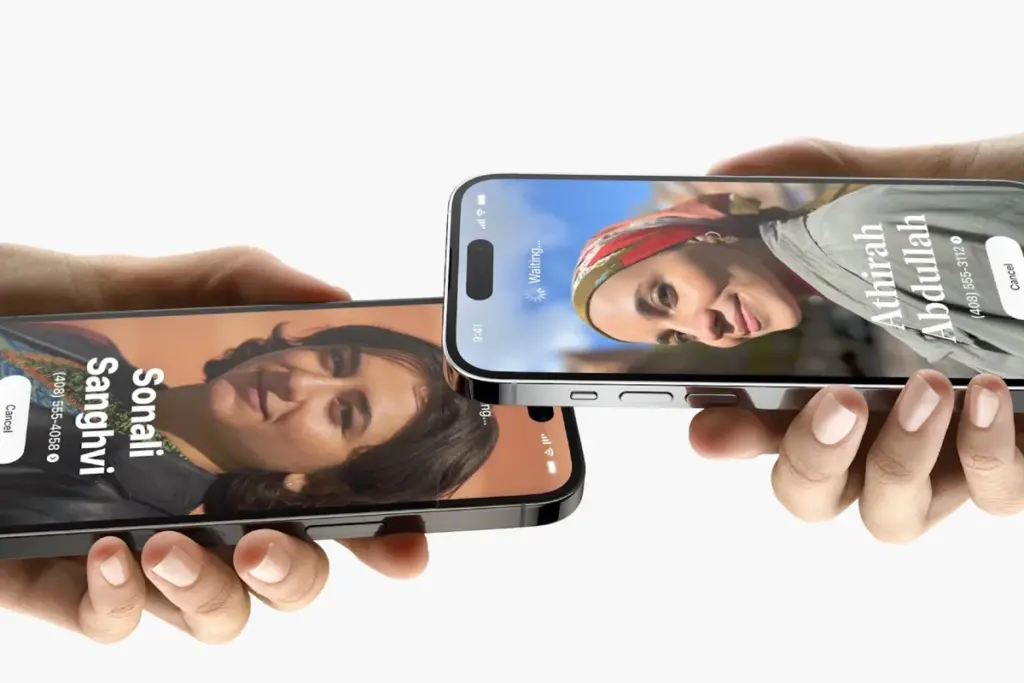
In an escalating cross-continental legal confrontation that threatens to disrupt its operations in one of its most critical growth markets, Apple is facing a high-stakes patent infringement lawsuit in India filed by U.S.-based software startup GG Technologies. The litigation, lodged before the esteemed Bombay High Court, centers on Apple’s ubiquitous NameDrop functionality—a native iOS capability that enables users to effortlessly exchange contact coordinates by simply bringing two compatible devices into close physical proximity. GG Technologies, the corporate architect behind the proximity-sharing application StayTouch, is demanding ₹15 billion, equivalent to roughly $161.86 million, in financial restitution alongside a sweeping judicial injunction designed to halt the importation and commercial distribution of iPhones and Apple Watches into the South Asian subcontinent.
The legal filing represents a watershed moment in the ongoing battle between agile technology startups and dominant Silicon Valley conglomerates over intellectual property rights in emerging markets. According to exhaustive court documentation spanning 781 pages, the dispute erupted following the breakdown of pre-institution mediation proceedings required under Indian commercial litigation statutes. Negotiations initiated between the opposing parties in April ultimately disintegrated by September, forcing the startup's hand. For Apple, the lawsuit lands at an exceptionally delicate juncture as Cupertino doubles down on its strategic pivot toward India, balancing massive manufacturing investments with aggressive retail expansion to capture a consumer demographic where iOS currently commands a single-digit market share.
Anatomy of a Proximity-Sharing Patent Dispute
The core of the legal contention revolves around proprietary mechanisms governing contactless data exchange between mobile hardware. GG Technologies contends that Apple’s NameDrop feature—officially unveiled during WWDC 2013 as part of the iOS 17 rollout and subsequently integrated into watchOS 10.1—directly misappropriates foundational inventions protected under Indian patent law. The startup originally conceived and launched StayTouch in 2019 as a modern, digital alternative to traditional paper business cards, simultaneously initiating international intellectual property protection strategies. While the enterprise first sought U.S. patent safeguards in 2019, its corresponding Indian patent application was formally lodged in 2021 and subsequently issued by the patent office in July 2024.
The litigation highlights the intricate and often perilous path navigated by early-stage technology innovators who challenge established industrial titans. Founded in 2018 by Gaurav Goel, an alumnus of the prestigious Indian Institute of Technology (IIT) Delhi and a former Goldman Sachs investment banker, GG Technologies engineered StayTouch to eliminate manual pairing barriers when sharing contact information. The startup’s legal counsel argues that Apple's native implementation mirrors the core architectural framework of their patented protocol, bypassing traditional Bluetooth or manual scanning interfaces in favor of seamless proximity detection. Although the Bombay High Court has yet to officially list the matter for an initial substantive hearing, the sheer scale of the financial damages demanded signals a deeply aggressive legal posture.

Global Ripple Effects and Parallel U.S. Proceedings
The Indian lawsuit does not exist in a vacuum; rather, it forms a critical theater in a coordinated, multi-jurisdictional blitz against Apple’s hardware ecosystem. Earlier in April, GG Technologies initiated parallel patent infringement litigation against Apple within the United States judicial system. That domestic pressure escalated significantly in August when the U.S. International Trade Commission (ITC) formally opened a comprehensive investigation into Apple's alleged IP violations following a formal petition from the startup. Should the ITC rule in favor of GG Technologies, the regulatory body possesses the federal authority to issue exclusion orders barring the importation of infringing Apple devices into the American market.
The synchronization of legal maneuvers across both Washington and Mumbai underscores a sophisticated global enforcement strategy rarely seen among early-stage software enterprises. By targeting both its home turf and its fastest-growing international manufacturing hub, GG Technologies is applying maximum commercial leverage against the world’s most valuable technology corporation. Legal experts note that while preliminary injunctions in India requiring the restriction of device imports are notoriously difficult to secure without extensive evidentiary hearings, the mere existence of the lawsuit creates immediate compliance and reputational complications for Apple's local executive leadership.
For Apple, the Indian market occupies a dual significance that magnifies the stakes of this litigation. Beyond serving as an increasingly vital retail frontier characterized by burgeoning middle-class consumer demand, India has been transformed into a primary geopolitical manufacturing hedge, with major suppliers scaling up local assembly lines to diversify away from traditional supply chains in China. Disruptions to import channels or judicial scrutiny over core software features threaten to complicate this delicate industrial transition. As the Bombay High Court prepares to schedule its initial hearings, global technology analysts and intellectual property attorneys alike will be closely monitoring the docket, recognizing that the outcome could establish a pivotal judicial precedent for how software patents are enforced in the developing world's most dynamic digital economy.
Trong một cuộc đối đầu pháp lý xuyên lục địa đang leo thang, đe dọa làm gián đoạn hoạt động của Apple tại một trong những thị trường tăng trưởng quan trọng nhất, "gã khổng lồ" công nghệ này đang phải đối mặt với vụ kiện vi phạm bằng sáng chế đầy cam go tại Ấn Độ do công ty phần mềm GG Technologies của Mỹ khởi xướng. Vụ kiện được đệ trình lên Tòa án cấp cao Bombay danh giá, tập trung vào tính năng NameDrop phổ biến của Apple—một khả năng gốc trên iOS cho phép người dùng trao đổi thông tin liên lạc một cách dễ dàng bằng cách đặt hai thiết bị tương thích lại gần nhau. GG Technologies, đơn vị đứng sau ứng dụng chia sẻ khoảng cách StayTouch, đang yêu cầu khoản bồi thường 15 tỷ Rupee, tương đương khoảng 161,86 triệu USD, cùng với một lệnh tư pháp sâu rộng nhằm ngăn chặn việc nhập khẩu và phân phối thương mại iPhone và Apple Watch vào tiểu lục địa Nam Á.
Hồ sơ pháp lý này đại diện cho một thời điểm bước ngoặt trong cuộc chiến đang diễn ra giữa các công ty khởi nghiệp công nghệ linh hoạt và các tập đoàn thống trị tại Thung lũng Silicon về quyền sở hữu trí tuệ tại các thị trường mới nổi. Theo tài liệu tòa án dày 781 trang, tranh chấp bùng phát sau khi các thủ tục hòa giải tiền tố tụng theo quy định của luật tố tụng thương mại Ấn Độ thất bại. Các cuộc đàm phán giữa hai bên bắt đầu từ tháng 4 nhưng cuối cùng đã đổ vỡ vào tháng 9, buộc công ty khởi nghiệp phải thực hiện hành động pháp lý. Đối với Apple, vụ kiện này xảy ra vào thời điểm đặc biệt nhạy cảm khi Cupertino đang đẩy mạnh chiến lược xoay trục sang Ấn Độ, cân bằng giữa các khoản đầu tư sản xuất khổng lồ và mở rộng bán lẻ để chiếm lĩnh phân khúc khách hàng mà iOS hiện chỉ chiếm thị phần một con số.
Giải phẫu tranh chấp bằng sáng chế chia sẻ khoảng cách
Trọng tâm của tranh chấp pháp lý xoay quanh các cơ chế độc quyền quản lý việc trao đổi dữ liệu không tiếp xúc giữa các thiết bị di động. GG Technologies lập luận rằng tính năng NameDrop của Apple—được công bố chính thức tại WWDC 2013 như một phần của bản cập nhật iOS 17 và sau đó tích hợp vào watchOS 10.1—đã trực tiếp chiếm dụng các phát minh nền tảng được bảo hộ theo luật bằng sáng chế Ấn Độ. Công ty khởi nghiệp này đã hình thành và ra mắt StayTouch vào năm 2019 như một giải pháp thay thế kỹ thuật số hiện đại cho danh thiếp giấy truyền thống, đồng thời khởi xướng các chiến lược bảo hộ sở hữu trí tuệ quốc tế. Trong khi doanh nghiệp này tìm kiếm sự bảo hộ bằng sáng chế tại Mỹ từ năm 2019, đơn đăng ký bằng sáng chế tương ứng tại Ấn Độ đã được nộp chính thức vào năm 2021 và được cơ quan cấp bằng sáng chế phê duyệt vào tháng 7 năm 2024.
Vụ kiện làm nổi bật con đường phức tạp và đầy rủi ro mà các nhà đổi mới công nghệ giai đoạn đầu phải đối mặt khi thách thức các "ông lớn" công nghiệp. Được thành lập vào năm 2018 bởi Gaurav Goel, cựu sinh viên Viện Công nghệ Ấn Độ (IIT) Delhi và cựu chuyên viên ngân hàng đầu tư tại Goldman Sachs, GG Technologies đã thiết kế StayTouch để loại bỏ các rào cản ghép nối thủ công khi chia sẻ thông tin liên lạc. Luật sư của công ty khởi nghiệp lập luận rằng cách triển khai gốc của Apple phản chiếu khung kiến trúc cốt lõi của giao thức đã được cấp bằng sáng chế của họ, bỏ qua các giao diện Bluetooth hoặc quét thủ công truyền thống để ưu tiên phát hiện khoảng cách liền mạch. Mặc dù Tòa án cấp cao Bombay chưa chính thức đưa vụ việc vào lịch xét xử sơ thẩm, nhưng quy mô thiệt hại tài chính được yêu cầu cho thấy một lập trường pháp lý vô cùng quyết liệt.
Tác động lan tỏa toàn cầu và các thủ tục song song tại Mỹ
Vụ kiện tại Ấn Độ không tồn tại độc lập; thay vào đó, nó tạo thành một chiến trường quan trọng trong một chiến dịch phối hợp đa quốc gia chống lại hệ sinh thái phần cứng của Apple. Trước đó vào tháng 4, GG Technologies đã khởi xướng vụ kiện vi phạm bằng sáng chế song song chống lại Apple trong hệ thống tư pháp Hoa Kỳ. Áp lực trong nước đó đã leo thang đáng kể vào tháng 8 khi Ủy ban Thương mại Quốc tế Hoa Kỳ (ITC) chính thức mở một cuộc điều tra toàn diện về các cáo buộc vi phạm sở hữu trí tuệ của Apple sau đơn kiến nghị từ công ty khởi nghiệp. Nếu ITC ra phán quyết có lợi cho GG Technologies, cơ quan quản lý này có thẩm quyền liên bang để ban hành lệnh loại trừ, cấm nhập khẩu các thiết bị Apple vi phạm vào thị trường Mỹ.
Việc đồng bộ hóa các động thái pháp lý trên cả Washington và Mumbai nhấn mạnh một chiến lược thực thi toàn cầu tinh vi hiếm thấy ở các doanh nghiệp phần mềm giai đoạn đầu. Bằng cách nhắm mục tiêu vào cả sân nhà và trung tâm sản xuất quốc tế phát triển nhanh nhất, GG Technologies đang áp dụng đòn bẩy thương mại tối đa chống lại tập đoàn công nghệ giá trị nhất thế giới. Các chuyên gia pháp lý lưu ý rằng mặc dù các lệnh cấm sơ bộ tại Ấn Độ yêu cầu hạn chế nhập khẩu thiết bị thường rất khó đạt được nếu không có các phiên điều trần chứng cứ sâu rộng, nhưng sự tồn tại của vụ kiện đã tạo ra những rắc rối ngay lập tức về tuân thủ và uy tín đối với ban lãnh đạo địa phương của Apple.
Đối với Apple, thị trường Ấn Độ mang ý nghĩa kép làm tăng thêm tính chất nghiêm trọng của vụ kiện này. Ngoài việc là một biên giới bán lẻ ngày càng quan trọng với nhu cầu tiêu dùng của tầng lớp trung lưu đang bùng nổ, Ấn Độ đã trở thành một chốt chặn sản xuất địa chính trị chính, với các nhà cung cấp lớn đang mở rộng các dây chuyền lắp ráp địa phương để đa dạng hóa chuỗi cung ứng truyền thống từ Trung Quốc. Những gián đoạn đối với các kênh nhập khẩu hoặc sự giám sát tư pháp đối với các tính năng phần mềm cốt lõi đe dọa làm phức tạp quá trình chuyển đổi công nghiệp tinh tế này. Khi Tòa án cấp cao Bombay chuẩn bị lên lịch cho các phiên điều trần ban đầu, các nhà phân tích công nghệ toàn cầu và luật sư sở hữu trí tuệ sẽ theo dõi sát sao hồ sơ vụ án, vì kết quả có thể thiết lập một tiền lệ tư pháp quan trọng về cách thực thi bằng sáng chế phần mềm trong nền kinh tế kỹ thuật số năng động nhất của thế giới đang phát triển.
Dans une confrontation juridique transcontinentale qui menace de perturber ses opérations sur l'un de ses marchés de croissance les plus stratégiques, Apple fait face à une plainte pour violation de brevet en Inde, déposée par la startup logicielle américaine GG Technologies. Le litige, enregistré devant la prestigieuse Haute Cour de Bombay, se concentre sur la fonctionnalité omniprésente NameDrop d'Apple — une capacité native d'iOS permettant aux utilisateurs d'échanger leurs coordonnées en rapprochant simplement deux appareils compatibles. GG Technologies, l'architecte de l'application de partage par proximité StayTouch, exige 15 milliards de roupies, soit environ 161,86 millions de dollars, en réparation financière, ainsi qu'une injonction judiciaire radicale visant à stopper l'importation et la distribution commerciale des iPhone et Apple Watch sur le sous-continent sud-asiatique.
Ce dossier constitue un tournant dans la bataille qui oppose les startups technologiques agiles aux conglomérats dominants de la Silicon Valley concernant les droits de propriété intellectuelle sur les marchés émergents. Selon une documentation judiciaire exhaustive de 781 pages, le conflit a éclaté après l'échec des procédures de médiation préalables, pourtant requises par le droit commercial indien. Les négociations entamées entre les deux parties en avril ont finalement capoté en septembre, forçant la main de la startup. Pour Apple, cette plainte arrive à un moment particulièrement délicat, alors que Cupertino mise tout sur son pivot stratégique vers l'Inde, jonglant entre des investissements industriels massifs et une expansion commerciale agressive pour conquérir une démographie où iOS ne détient actuellement qu'une part de marché à un chiffre.
Anatomie d'un litige sur le brevet de partage par proximité
Le cœur du contentieux repose sur les mécanismes propriétaires régissant l'échange de données sans contact entre matériels mobiles. GG Technologies soutient que la fonctionnalité NameDrop d'Apple — officiellement dévoilée lors de la WWDC 2023 dans le cadre du déploiement d'iOS 17 et intégrée par la suite à watchOS 10.1 — détourne directement des inventions fondamentales protégées par le droit indien des brevets. La startup a conçu et lancé StayTouch en 2019 comme une alternative numérique moderne aux cartes de visite traditionnelles, tout en initiant simultanément des stratégies de protection de la propriété intellectuelle à l'international. Si l'entreprise a d'abord cherché à sécuriser ses brevets aux États-Unis en 2019, sa demande indienne a été formellement déposée en 2021, puis délivrée par l'office des brevets en juillet 2024.
Ce litige met en lumière le parcours complexe et souvent périlleux des innovateurs technologiques qui osent défier les titans de l'industrie. Fondée en 2018 par Gaurav Goel, ancien élève du prestigieux Indian Institute of Technology (IIT) de Delhi et ex-banquier d'affaires chez Goldman Sachs, GG Technologies a conçu StayTouch pour éliminer les barrières de couplage manuel lors du partage d'informations. Les conseils juridiques de la startup soutiennent que l'implémentation native d'Apple reflète le cadre architectural central de leur protocole breveté, contournant le Bluetooth traditionnel ou les interfaces de scan manuel au profit d'une détection de proximité fluide. Bien que la Haute Cour de Bombay n'ait pas encore officiellement inscrit l'affaire à son rôle pour une première audience au fond, l'ampleur des dommages financiers réclamés témoigne d'une posture juridique extrêmement offensive.
Répercussions mondiales et procédures parallèles aux États-Unis
La plainte indienne ne s'inscrit pas dans le vide ; elle constitue un théâtre critique au sein d'une offensive coordonnée et multi-juridictionnelle contre l'écosystème matériel d'Apple. En avril dernier, GG Technologies avait déjà engagé une procédure parallèle pour violation de brevet contre Apple au sein du système judiciaire américain. Cette pression domestique s'est intensifiée en août lorsque la Commission américaine du commerce international (ITC) a formellement ouvert une enquête approfondie sur les violations présumées de propriété intellectuelle par Apple, suite à une pétition formelle de la startup. Si l'ITC devait trancher en faveur de GG Technologies, l'organisme de régulation disposerait du pouvoir fédéral d'émettre des ordonnances d'exclusion interdisant l'importation des appareils Apple incriminés sur le marché américain.
La synchronisation des manœuvres juridiques entre Washington et Bombay souligne une stratégie d'application mondiale sophistiquée, rarement observée chez des entreprises logicielles en phase de démarrage. En ciblant à la fois son marché domestique et son hub de fabrication international à la croissance la plus rapide, GG Technologies exerce une pression commerciale maximale sur la corporation technologique la plus valorisée au monde. Les experts juridiques notent que si les injonctions préliminaires en Inde exigeant la restriction des importations d'appareils sont notoirement difficiles à obtenir sans audiences probatoires approfondies, la simple existence de cette plainte crée des complications immédiates en matière de conformité et de réputation pour la direction locale d'Apple.
Pour Apple, le marché indien revêt une double importance qui amplifie les enjeux de ce litige. Au-delà de servir de frontière commerciale vitale, caractérisée par une demande croissante de la classe moyenne, l'Inde a été transformée en un rempart géopolitique de fabrication, les principaux fournisseurs augmentant leurs chaînes d'assemblage locales pour se diversifier des chaînes d'approvisionnement traditionnelles en Chine. Les perturbations des canaux d'importation ou l'examen judiciaire de fonctionnalités logicielles clés menacent de compliquer cette transition industrielle délicate. Alors que la Haute Cour de Bombay se prépare à fixer ses premières audiences, les analystes technologiques et les avocats spécialisés en propriété intellectuelle du monde entier suivront le dossier de près, conscients que l'issue pourrait établir un précédent judiciaire pivot sur la manière dont les brevets logiciels sont appliqués dans l'économie numérique la plus dynamique du monde en développement.
En una escalada de confrontación legal transcontinental que amenaza con alterar sus operaciones en uno de sus mercados de crecimiento más críticos, Apple se enfrenta a una demanda por infracción de patentes de alto riesgo en la India, presentada por la startup de software estadounidense GG Technologies. El litigio, interpuesto ante el prestigioso Tribunal Superior de Bombay, se centra en la omnipresente funcionalidad NameDrop de Apple, una capacidad nativa de iOS que permite a los usuarios intercambiar coordenadas de contacto sin esfuerzo simplemente acercando dos dispositivos compatibles. GG Technologies, la firma responsable de la aplicación de intercambio por proximidad StayTouch, exige 15.000 millones de rupias, equivalentes a unos 161,86 millones de dólares, en concepto de restitución financiera, además de una amplia medida cautelar destinada a detener la importación y distribución comercial de iPhones y Apple Watches en el subcontinente asiático.
La demanda representa un punto de inflexión en la batalla constante entre las ágiles startups tecnológicas y los conglomerados dominantes de Silicon Valley por los derechos de propiedad intelectual en los mercados emergentes. Según la exhaustiva documentación judicial, que abarca 781 páginas, la disputa estalló tras el fracaso de los procedimientos de mediación previos a la demanda, exigidos por los estatutos de litigios comerciales de la India. Las negociaciones iniciadas entre las partes en abril se desmoronaron finalmente en septiembre, obligando a la startup a tomar medidas legales. Para Apple, la demanda llega en un momento excepcionalmente delicado, mientras Cupertino apuesta firmemente por su giro estratégico hacia la India, equilibrando inversiones masivas en fabricación con una agresiva expansión minorista para captar un segmento demográfico de consumidores donde iOS actualmente ostenta una cuota de mercado de un solo dígito.
Anatomía de una disputa de patentes sobre intercambio por proximidad
El núcleo de la controversia legal gira en torno a los mecanismos propietarios que rigen el intercambio de datos sin contacto entre hardware móvil. GG Technologies sostiene que la función NameDrop de Apple —presentada oficialmente durante la WWDC 2023 como parte del lanzamiento de iOS 17 e integrada posteriormente en watchOS 10.1— se apropia directamente de invenciones fundamentales protegidas por la ley de patentes india. La startup concibió y lanzó StayTouch en 2019 como una alternativa digital moderna a las tradicionales tarjetas de visita de papel, iniciando simultáneamente estrategias internacionales de protección de propiedad intelectual. Aunque la empresa buscó por primera vez salvaguardas de patentes en EE. UU. en 2019, su solicitud de patente india correspondiente se presentó formalmente en 2021 y fue emitida posteriormente por la oficina de patentes en julio de 2024.
El litigio pone de relieve el intrincado y a menudo peligroso camino que recorren los innovadores tecnológicos en sus primeras etapas cuando desafían a los titanes industriales establecidos. Fundada en 2018 por Gaurav Goel, exalumno del prestigioso Instituto Indio de Tecnología (IIT) de Delhi y antiguo banquero de inversión en Goldman Sachs, GG Technologies diseñó StayTouch para eliminar las barreras de emparejamiento manual al compartir información de contacto. El equipo legal de la startup argumenta que la implementación nativa de Apple refleja el marco arquitectónico central de su protocolo patentado, evitando las interfaces tradicionales de Bluetooth o escaneo manual en favor de una detección de proximidad fluida. Aunque el Tribunal Superior de Bombay aún no ha programado oficialmente el asunto para una audiencia sustantiva inicial, la magnitud de los daños financieros exigidos señala una postura legal profundamente agresiva.
Efectos dominó globales y procedimientos paralelos en EE. UU.
La demanda india no existe en el vacío; más bien, constituye un escenario crítico en una ofensiva coordinada y multijurisdiccional contra el ecosistema de hardware de Apple. A principios de abril, GG Technologies inició un litigio paralelo por infracción de patentes contra Apple dentro del sistema judicial de Estados Unidos. Esa presión interna se intensificó significativamente en agosto, cuando la Comisión de Comercio Internacional (ITC) de EE. UU. abrió formalmente una investigación exhaustiva sobre las supuestas violaciones de propiedad intelectual de Apple tras una petición formal de la startup. Si la ITC falla a favor de GG Technologies, el organismo regulador posee la autoridad federal para emitir órdenes de exclusión que prohíban la importación de dispositivos Apple infractores en el mercado estadounidense.
La sincronización de las maniobras legales tanto en Washington como en Bombay subraya una sofisticada estrategia de ejecución global rara vez vista entre empresas de software en fase inicial. Al atacar tanto su territorio nacional como su centro de fabricación internacional de más rápido crecimiento, GG Technologies está aplicando la máxima presión comercial contra la corporación tecnológica más valiosa del mundo. Los expertos legales señalan que, si bien las medidas cautelares en la India que requieren la restricción de importaciones de dispositivos son notoriamente difíciles de obtener sin audiencias probatorias extensas, la mera existencia de la demanda crea complicaciones inmediatas de cumplimiento y reputación para el liderazgo ejecutivo local de Apple.
Para Apple, el mercado indio ocupa una doble importancia que magnifica lo que está en juego en este litigio. Más allá de servir como una frontera minorista cada vez más vital, caracterizada por una creciente demanda de los consumidores de clase media, la India se ha transformado en un refugio geopolítico de fabricación primaria, con proveedores clave ampliando las líneas de montaje locales para diversificarse de las cadenas de suministro tradicionales en China. Las interrupciones en los canales de importación o el escrutinio judicial sobre funciones de software básicas amenazan con complicar esta delicada transición industrial. A medida que el Tribunal Superior de Bombay se prepara para programar sus audiencias iniciales, los analistas tecnológicos globales y los abogados de propiedad intelectual seguirán de cerca el expediente, reconociendo que el resultado podría establecer un precedente judicial fundamental sobre cómo se aplican las patentes de software en la economía digital más dinámica del mundo en desarrollo.
在一场日益升级的跨国法律对抗中,苹果公司正面临来自美国软件初创公司GG Technologies在印度提起的重大专利侵权诉讼,这可能对其关键增长市场之一的运营造成冲击。该诉讼已提交至享有盛誉的孟买高等法院,核心争议点在于苹果无处不在的NameDrop功能——这一iOS原生功能允许用户通过将两台兼容设备靠近,即可轻松交换联系人信息。作为近场共享应用StayTouch的开发商,GG Technologies要求苹果支付150亿卢比(约合1.6186亿美元)的经济赔偿,并申请了一项广泛的司法禁令,旨在阻止iPhone和Apple Watch在印度次大陆的进口与商业分销。
此次法律诉讼是敏捷科技初创公司与硅谷巨头之间,围绕新兴市场知识产权保护权博弈的一个重要转折点。根据长达781页的详尽法庭文件显示,此次纠纷源于印度商业诉讼法规要求的庭前调解程序破裂。双方于4月启动的谈判最终在9月彻底崩盘,迫使该初创公司采取法律行动。对于苹果而言,这起诉讼发生在一个极其敏感的时刻,库比蒂诺总部正加倍押注印度市场,试图在平衡大规模制造投资的同时,通过激进的零售扩张来吸引消费者,而目前iOS在印度市场的份额仍处于个位数。
近场共享专利纠纷的剖析
法律争议的核心围绕着移动硬件之间非接触式数据交换的专有机制。GG Technologies主张,苹果的NameDrop功能(于2023年WWDC作为iOS 17的一部分首次亮相,随后集成至watchOS 10.1)直接挪用了受印度专利法保护的基础发明。该公司最初于2019年构思并推出了StayTouch,作为传统纸质名片的现代数字替代方案,并同步启动了国际知识产权保护战略。尽管该公司于2019年首次寻求美国专利保护,但其对应的印度专利申请于2021年提交,并于2024年7月由专利局正式授予。
这起诉讼凸显了早期科技创新者在挑战行业巨头时所面临的复杂且充满风险的路径。GG Technologies由印度理工学院(IIT)德里分校校友、前高盛投资银行家高拉夫·戈尔(Gaurav Goel)于2018年创立,其研发StayTouch的初衷是为了消除分享联系信息时手动配对的障碍。该公司的法律顾问辩称,苹果的原生实现方式镜像了其专利协议的核心架构,绕过了传统的蓝牙或手动扫描接口,转而采用无缝近场检测。尽管孟买高等法院尚未正式将此案列入初步实质性听证日程,但其索赔金额的巨大规模显示出极具侵略性的法律姿态。
全球连锁反应与美国同步诉讼
这起印度诉讼并非孤立事件,而是针对苹果硬件生态系统进行的一场协调一致、多司法管辖区的“闪电战”中的关键一环。早在4月,GG Technologies便已在美国司法系统内对苹果发起了类似的专利侵权诉讼。随着该初创公司提交正式请愿书,美国国际贸易委员会(ITC)于8月正式对苹果涉嫌侵犯知识产权的行为展开全面调查,国内压力显著升级。如果ITC裁定GG Technologies胜诉,该监管机构有权发布排除令,禁止侵权的苹果设备进入美国市场。
华盛顿与孟买两地法律行动的同步,凸显了一种在早期软件企业中罕见的复杂全球执法战略。通过同时瞄准其大本营和增长最快的国际制造中心,GG Technologies正对全球市值最高的科技公司施加最大的商业杠杆。法律专家指出,虽然在印度获得限制设备进口的初步禁令,在没有经过广泛证据听证的情况下难度极大,但诉讼本身的存在已对苹果当地高管团队造成了即时的合规与声誉困扰。
对于苹果而言,印度市场具有双重重要性,这进一步放大了诉讼的风险。印度不仅是一个以中产阶级消费需求增长为特征的日益重要的零售前沿,还已转型为苹果主要的地理政治制造对冲基地,主要供应商正在扩大当地组装线,以实现供应链多元化,减少对中国传统供应链的依赖。进口渠道的中断或对核心软件功能的司法审查,可能会使这一微妙的工业转型变得复杂。随着孟买高等法院准备安排初步听证会,全球科技分析师和知识产权律师都在密切关注案件进展,因为其结果可能为软件专利如何在发展中国家最具活力的数字经济体中执行,树立一个关键的司法先例。
Editorial Standards & Multi-Language Synthesis: This dispatch was synthesized and fact-checked by the ParisDaily Editorial Desk across 5 global editions (EN, FR, VI, ES, ZH), cross-referencing primary international wire reports and real-time search intelligence.