ARIA Awards 2026 : Triomphe psychédélique et ligne rouge face à l'IA
As Kevin Parker cements his legacy and Ecca Vandal ascends to stardom, the Australian music industry uses its biggest night to launch a fierce, star-studded offensive against unchecked AI development.
Trong khi Kevin Parker củng cố di sản âm nhạc và Ecca Vandal vươn mình thành ngôi sao hạng A, ngành công nghiệp âm nhạc Úc đã tận dụng đêm trao giải lớn nhất của mình để phát động một chiến dịch phản kháng quyết liệt chống lại sự phát triển không kiểm soát của trí tuệ nhân tạo (AI).
Alors que Kevin Parker assoit sa légende et qu'Ecca Vandal accède au rang de star, l'industrie musicale australienne a profité de sa plus grande soirée pour lancer une offensive féroce contre le développement incontrôlé de l'intelligence artificielle. Une cérémonie sous haute tension, entre consécration artistique et résistance technologique.
Mientras Kevin Parker consolida su legado y Ecca Vandal asciende al estrellato, la industria musical australiana aprovecha su noche más importante para lanzar una feroz ofensiva contra el desarrollo descontrolado de la inteligencia artificial. El evento se convirtió en un escenario de reivindicación política y celebración artística sin precedentes.
随着凯文·帕克(Kevin Parker)巩固其乐坛传奇地位,埃卡·范达尔(Ecca Vandal)强势崛起,澳大利亚音乐产业利用这一年度盛事,对不受监管的人工智能发展发起了猛烈的舆论攻势。
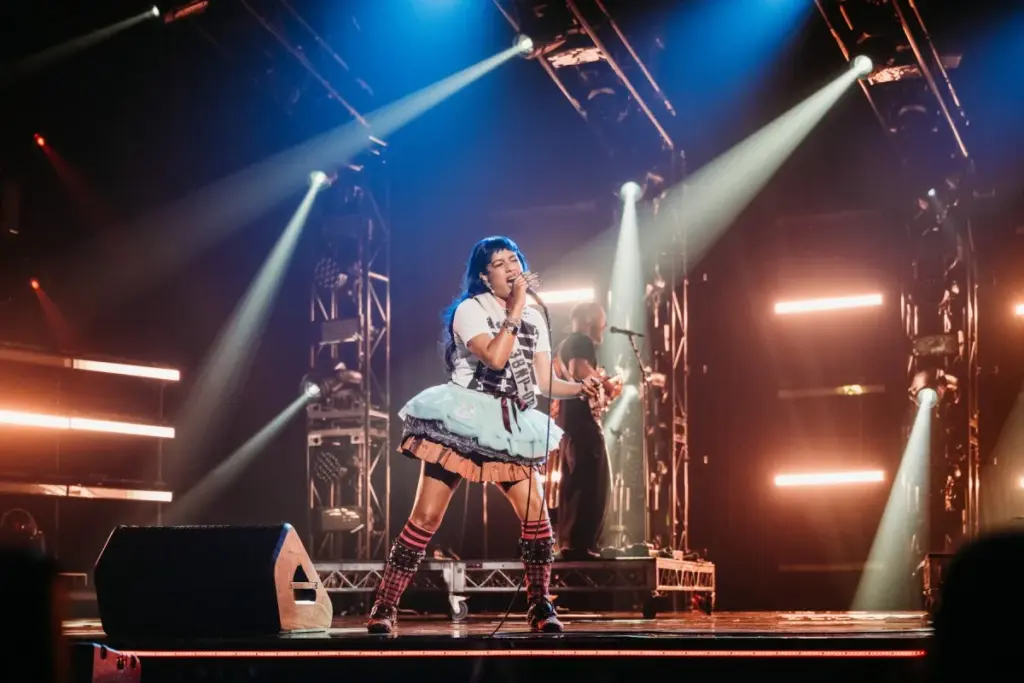
- Kevin Parker's Tame Impala dominated the 2026 ARIAs, winning Album of the Year and finally settling the 'solo artist vs. band' debate.
- Ecca Vandal emerged as the night's breakout star, securing four trophies including Best Independent Release.
- Genesis Owusu, despite leading with eight nominations, suffered a surprising shutout, marking a rare awards-season anomaly.
- The industry united under the 'Not AI’s To Take' campaign, with vocal support from Elton John and ARIA leadership demanding federal copyright protections.
- Dự án Tame Impala của Kevin Parker thống trị giải ARIA 2026, giành giải Album của năm và chính thức khép lại cuộc tranh luận kéo dài về danh xưng "nghệ sĩ solo hay ban nhạc".
- Ecca Vandal trở thành ngôi sao đột phá của đêm trao giải với bốn chiếc cúp, bao gồm giải Nghệ sĩ độc lập xuất sắc nhất.
- Genesis Owusu, dù dẫn đầu với tám đề cử, đã bất ngờ trắng tay, tạo nên một ngoại lệ hiếm hoi trong mùa giải thưởng năm nay.
- Ngành công nghiệp âm nhạc đồng lòng dưới chiến dịch 'Not AI’s To Take' (Không phải thứ để AI chiếm đoạt), với sự ủng hộ mạnh mẽ từ Elton John và ban lãnh đạo ARIA nhằm yêu cầu chính phủ ban hành các quy định bảo vệ bản quyền.
- Tame Impala, le projet de Kevin Parker, a dominé les ARIA en remportant l'Album de l'année, mettant enfin un terme au débat sur le statut de « groupe vs artiste solo ».
- Ecca Vandal s'est imposée comme la révélation de la soirée, décrochant quatre trophées, dont celui de la meilleure sortie indépendante.
- Genesis Owusu, pourtant grand favori avec huit nominations, est reparti bredouille, une anomalie rare dans le paysage des remises de prix.
- L'industrie s'est unie sous la bannière « Not AI’s To Take », avec le soutien appuyé d'Elton John et des dirigeants des ARIA, exigeant du gouvernement fédéral des protections strictes sur le droit d'auteur.
- Tame Impala, el proyecto de Kevin Parker, dominó los ARIA 2026 al ganar el Álbum del Año y zanjar definitivamente el debate sobre si es un artista en solitario o una banda.
- Ecca Vandal se consagró como la revelación de la noche, alzándose con cuatro galardones, incluido el de Mejor Lanzamiento Independiente.
- Genesis Owusu, a pesar de partir como favorito con ocho nominaciones, sufrió un sorprendente vacío, marcando una anomalía inusual en la temporada de premios.
- La industria se unió bajo la campaña 'Not AI’s To Take', con el apoyo vocal de Elton John y la cúpula de los ARIA, exigiendo al gobierno federal protecciones urgentes sobre los derechos de autor.
- 凯文·帕克的Tame Impala项目横扫2026年ARIA音乐奖,斩获年度最佳专辑,并终结了关于“个人艺人与乐队”定义的长期争论。
- 埃卡·范达尔成为当晚的最大黑马,一举夺得包括最佳独立发行在内的四项大奖。
- 尽管创纪录地获得了八项提名,创作者Genesis Owusu却意外颗粒无收,成为本届颁奖季罕见的冷门事件。
- 在埃尔顿·约翰(Elton John)及ARIA高层的声援下,音乐界发起了“非AI所能夺取”(Not AI’s To Take)运动,向联邦政府施压要求提供版权保护。
The 40th annual ARIA Awards, held at Sydney’s historic Hordern Pavilion, served as a vivid microcosm of the current state of the global music industry: a blend of high-art celebration, shifting definitions of musical identity, and a burgeoning, existential anxiety regarding the encroachment of artificial intelligence. While the ceremony was punctuated by the triumphant return of psychedelic pop visionary Kevin Parker and the meteoric rise of Melbourne-based powerhouse Ecca Vandal, the evening was equally defined by a collective, defiant stance against the rapid, unregulated integration of AI into the creative process.
For the Australian recording industry, this year’s milestone event was not merely a showcase of talent but a strategic assertion of value. As the industry navigates a post-streaming, AI-saturated landscape, the awards highlighted a tension between the traditional veneration of the singular auteur and the urgent need for legislative protection of human-authored intellectual property. The night’s narrative arc—from Parker’s long-overdue recognition as a solo artist to the fiery rhetoric regarding copyright—underscored a community that is as protective of its past as it is anxious about its future.
The Solo Auteur and the Silent Frontrunner
The headline of the evening was undoubtedly the dominance of Kevin Parker, whose project Tame Impala has long occupied a unique space in the Australian consciousness. By securing Album of the Year for Deadbeat, along with Best Solo Artist and Song of the Year for “Dracula,” Parker effectively ended a decade-long semantic debate. His victory speech, delivered with characteristic dry wit, served as a final punctuation mark on the question of whether Tame Impala constitutes a band or a solo endeavor. “Hopefully once and for all,” Parker quipped, “everyone can accept and realize and not need to joke about it that Tame Impala is in fact just one guy.”
Conversely, the night provided a jarring contrast in the form of Genesis Owusu. Entering the evening as the joint-leader with eight nominations, the Canberra-raised artist—who has been a darling of the critical establishment and a consistent winner at other ceremonies like the Australian Music Prize—found himself entirely shut out. This unexpected outcome sent ripples through the Hordern Pavilion, serving as a reminder of the capricious nature of academy voting, even for artists who have successfully bridged the gap between underground credibility and mainstream acclaim.
The success of Ecca Vandal, however, provided the night’s most electrifying narrative. With four trophies, including the Michael Gudinski Breakthrough Artist award, Vandal’s ascent represents a shift toward a more globalized, genre-fluid Australian sound. Having recently conquered U.S. late-night television and major festival circuits like Coachella, Vandal’s recognition by the ARIAs confirms that the local industry is increasingly looking toward artists who can maintain a high-octane, international touring profile while retaining their independent roots.
A Unified Front Against the Silicon Threat
If the awards were the carrot, the political messaging was the stick. The 2026 ceremony will likely be remembered as the moment the Australian music industry formally declared war on the unauthorized use of creative data by AI platforms. The “Not AI’s To Take” campaign was omnipresent, manifesting in everything from subtle guitar picks on industry tables to the commanding, authoritative presence of Sir Elton John, who delivered a taped address urging the Australian government to implement strict licensing requirements for AI training.
ARIA CEO Annabelle Herd utilized the platform to deliver a blistering critique of the tech giants currently scraping the industry’s output. Her call to action was clear: the federal government must act before the summer recess to ensure that human creativity is not treated as free raw material for machine learning. “Every song that you’ve written has taken blood, sweat, and tears,” Herd stated, framing the issue not just as a matter of copyright, but as a fundamental human rights issue for the creative class. The sentiment was echoed by artists like Tash Sultana, whose blunt, expletive-laden rejection of AI music underscored the raw, visceral frustration felt by those whose livelihoods are most directly threatened.
This industry-wide mobilization is a significant escalation from previous years, moving beyond mere industry chatter into the realm of active, coordinated lobbying. By aligning with global figures like John, the Australian industry is attempting to set a precedent that could influence international copyright standards, positioning Australia as a potential testing ground for more robust protections against generative AI.
The Legacy of the Hordern Pavilion
The absence of a traditional Hall of Fame induction at the ceremony—having been moved to a standalone June presentation—allowed the 2026 broadcast to focus more heavily on the current state of the industry. The inclusion of legacy acts like Spiderbait, who closed the show with a medley of their most iconic tracks, provided a necessary bridge between the industry’s storied past and the new guard represented by Vandal and Parker. The opening performance by Darren Hayes, performing a nostalgic rendition of Savage Garden’s “Affirmation,” further leaned into the cultural pride that the ARIAs aim to cultivate, particularly with the 2032 Brisbane Olympics on the horizon.
Yet, the “snubs” of established heavyweights like Kylie Minogue, Troye Sivan, and the Hilltop Hoods serve as a reminder that the ARIA landscape is becoming increasingly crowded and competitive. The Hilltop Hoods, despite their record-breaking arena tours and consistent chart performance, were left empty-handed, highlighting a potential disconnect between commercial ubiquity and the specific criteria favored by the voting academy. For these artists, the lack of a trophy is rarely a career setback, but it does signal a shift in the academy’s focus toward newer, perhaps more experimental, sounds.
As the dust settles on the 2026 ceremony, the industry now turns its gaze toward Canberra. The coming months will be critical in determining whether the impassioned rhetoric of the Hordern Pavilion translates into tangible policy. The ARIAs have proven that they are more than just a celebration of record sales; they are a powerful, unified voice capable of commanding the attention of the state. Whether that voice is enough to hold back the tide of AI remains the defining question for the next generation of Australian music.
Lễ trao giải ARIA thường niên lần thứ 40, diễn ra tại Hordern Pavilion lịch sử ở Sydney, đã trở thành một bức tranh thu nhỏ đầy sống động về tình trạng hiện tại của ngành công nghiệp âm nhạc toàn cầu: sự pha trộn giữa tôn vinh nghệ thuật đỉnh cao, những định nghĩa thay đổi về bản sắc âm nhạc và nỗi lo âu hiện sinh đang trỗi dậy trước sự xâm lấn của trí tuệ nhân tạo. Trong khi buổi lễ được điểm xuyết bởi sự trở lại đầy vinh quang của "phù thủy" nhạc psychedelic pop Kevin Parker và sự trỗi dậy mạnh mẽ của "cỗ máy" âm nhạc Ecca Vandal đến từ Melbourne, thì đêm diễn cũng được định hình bởi một lập trường tập thể đầy thách thức chống lại việc tích hợp AI vào quy trình sáng tạo một cách nhanh chóng và thiếu kiểm soát.
Đối với ngành công nghiệp thu âm Úc, sự kiện cột mốc năm nay không chỉ là nơi phô diễn tài năng mà còn là một lời khẳng định chiến lược về giá trị. Khi ngành công nghiệp đang điều hướng trong một bối cảnh hậu streaming và bão hòa AI, các giải thưởng đã làm nổi bật sự căng thẳng giữa việc tôn vinh truyền thống của những tác giả đơn lẻ và nhu cầu cấp thiết về bảo vệ pháp lý cho sở hữu trí tuệ do con người tạo ra. Cung bậc cảm xúc của đêm diễn—từ sự công nhận muộn màng dành cho Parker với tư cách nghệ sĩ solo đến những luận điệu đanh thép về bản quyền—đã nhấn mạnh một cộng đồng đang nỗ lực bảo vệ quá khứ cũng như đầy lo âu về tương lai của chính mình.
Tác giả đơn độc và ứng cử viên lặng lẽ
Tiêu điểm của buổi tối chắc chắn là sự thống trị của Kevin Parker, người có dự án Tame Impala từ lâu đã chiếm giữ một vị trí độc tôn trong tâm thức người Úc. Bằng việc giành giải Album của năm cho Deadbeat, cùng với giải Nghệ sĩ solo xuất sắc nhất và Bài hát của năm cho “Dracula”, Parker đã thực sự chấm dứt cuộc tranh luận về ngữ nghĩa kéo dài cả thập kỷ. Bài phát biểu nhận giải của anh, với phong cách hài hước châm biếm đặc trưng, như một dấu chấm hết cho câu hỏi liệu Tame Impala là một ban nhạc hay một nỗ lực cá nhân. “Hy vọng rằng một lần và mãi mãi,” Parker nói đùa, “mọi người có thể chấp nhận, nhận ra và không cần phải đùa cợt về việc Tame Impala thực chất chỉ là một người.”
Ngược lại, đêm trao giải mang đến một sự tương phản đầy nhức nhối dưới hình hài của Genesis Owusu. Bước vào buổi tối với tư cách là người dẫn đầu cùng tám đề cử, nghệ sĩ lớn lên tại Canberra—vốn là "con cưng" của giới phê bình và là người chiến thắng thường xuyên tại các lễ trao giải khác như Australian Music Prize—lại hoàn toàn trắng tay. Kết quả bất ngờ này đã tạo nên những gợn sóng tại Hordern Pavilion, như một lời nhắc nhở về bản chất thất thường của việc bỏ phiếu tại các học viện, ngay cả đối với những nghệ sĩ đã thành công trong việc xóa nhòa khoảng cách giữa sự tín nhiệm trong giới underground và sự hoan nghênh của dòng nhạc chính thống.
Tuy nhiên, thành công của Ecca Vandal đã mang đến câu chuyện ấn tượng nhất đêm diễn. Với bốn chiếc cúp, bao gồm giải Nghệ sĩ đột phá Michael Gudinski, sự thăng tiến của Vandal đại diện cho một sự chuyển dịch hướng tới âm thanh Úc mang tính toàn cầu và linh hoạt về thể loại hơn. Sau khi chinh phục các chương trình truyền hình đêm khuya tại Mỹ và các chuỗi lễ hội lớn như Coachella, sự công nhận của ARIA dành cho Vandal khẳng định rằng ngành công nghiệp nội địa đang ngày càng hướng tới những nghệ sĩ có khả năng duy trì hồ sơ lưu diễn quốc tế sôi động trong khi vẫn giữ vững cội rễ độc lập của mình.
Mặt trận thống nhất chống lại mối đe dọa từ Silicon
Nếu các giải thưởng là "củ cà rốt", thì thông điệp chính trị chính là "cây gậy". Lễ trao giải năm 2026 có lẽ sẽ được ghi nhớ như thời điểm ngành công nghiệp âm nhạc Úc chính thức tuyên chiến với việc sử dụng trái phép dữ liệu sáng tạo bởi các nền tảng AI. Chiến dịch “Not AI’s To Take” (Không phải thứ để AI chiếm đoạt) xuất hiện ở khắp mọi nơi, từ những miếng gảy đàn guitar tinh tế trên bàn tiệc cho đến sự hiện diện đầy uy quyền của Ngài Elton John, người đã gửi một thông điệp ghi hình thúc giục chính phủ Úc thực thi các yêu cầu cấp phép nghiêm ngặt cho việc đào tạo AI.
Giám đốc điều hành ARIA, Annabelle Herd, đã tận dụng diễn đàn này để đưa ra lời chỉ trích gay gắt đối với các gã khổng lồ công nghệ đang khai thác sản phẩm của ngành công nghiệp. Lời kêu gọi hành động của bà rất rõ ràng: chính phủ liên bang phải hành động trước kỳ nghỉ hè để đảm bảo rằng sự sáng tạo của con người không bị coi là nguyên liệu thô miễn phí cho máy học. “Mỗi bài hát bạn viết ra đều đánh đổi bằng máu, mồ hôi và nước mắt,” Herd tuyên bố, định hình vấn đề không chỉ là bản quyền, mà là vấn đề nhân quyền cơ bản của tầng lớp sáng tạo. Quan điểm này được lặp lại bởi các nghệ sĩ như Tash Sultana, người đã thẳng thừng bác bỏ âm nhạc AI bằng những từ ngữ mạnh mẽ, nhấn mạnh sự thất vọng sâu sắc của những người có sinh kế bị đe dọa trực tiếp nhất.
Sự huy động toàn ngành này là một bước leo thang đáng kể so với những năm trước, vượt ra khỏi những cuộc thảo luận thông thường để tiến tới lĩnh vực vận động hành lang chủ động và phối hợp. Bằng cách liên kết với các nhân vật toàn cầu như John, ngành công nghiệp Úc đang cố gắng thiết lập một tiền lệ có thể ảnh hưởng đến các tiêu chuẩn bản quyền quốc tế, định vị Úc như một "phòng thí nghiệm" tiềm năng cho các biện pháp bảo vệ mạnh mẽ hơn chống lại AI tạo sinh.
Di sản của Hordern Pavilion
Việc thiếu vắng lễ vinh danh Đại sảnh Danh vọng (Hall of Fame) tại buổi lễ—do đã được chuyển sang một buổi trình diễn độc lập vào tháng 6—đã cho phép chương trình phát sóng năm 2026 tập trung nhiều hơn vào tình trạng hiện tại của ngành. Sự góp mặt của các tên tuổi di sản như Spiderbait, những người đã khép lại chương trình bằng một liên khúc các bản hit mang tính biểu tượng nhất, đã tạo ra một nhịp cầu cần thiết giữa quá khứ lừng lẫy của ngành và thế hệ mới do Vandal và Parker đại diện. Màn trình diễn mở màn của Darren Hayes với bản phối đầy hoài niệm “Affirmation” của Savage Garden càng làm tăng thêm niềm tự hào văn hóa mà ARIA hướng tới, đặc biệt là khi Thế vận hội Brisbane 2032 đang đến gần.
Tuy nhiên, việc những tên tuổi lớn như Kylie Minogue, Troye Sivan và Hilltop Hoods "trắng tay" là lời nhắc nhở rằng bối cảnh ARIA đang ngày càng trở nên chật chội và cạnh tranh. Hilltop Hoods, bất chấp những chuyến lưu diễn cháy vé và thành tích bảng xếp hạng ổn định, vẫn không nhận được giải thưởng nào, làm nổi bật sự ngắt kết nối tiềm tàng giữa sự phổ biến thương mại và các tiêu chí cụ thể mà hội đồng bỏ phiếu ưu tiên. Đối với những nghệ sĩ này, việc thiếu một chiếc cúp hiếm khi là một bước lùi trong sự nghiệp, nhưng nó báo hiệu sự thay đổi trong trọng tâm của học viện hướng tới những âm thanh mới mẻ và có lẽ là thử nghiệm hơn.
Khi bụi đã lắng xuống sau lễ trao giải năm 2026, ngành công nghiệp giờ đây hướng ánh nhìn về Canberra. Những tháng tới sẽ rất quan trọng để xác định liệu những luận điệu đầy nhiệt huyết tại Hordern Pavilion có chuyển hóa thành chính sách hữu hình hay không. ARIA đã chứng minh rằng họ không chỉ là nơi tôn vinh doanh số đĩa hát; họ là một tiếng nói mạnh mẽ, thống nhất có khả năng thu hút sự chú ý của nhà nước. Liệu tiếng nói đó có đủ để ngăn chặn làn sóng AI hay không vẫn là câu hỏi định mệnh cho thế hệ tiếp theo của âm nhạc Úc.
La 40e édition annuelle des ARIA Awards, organisée dans l'historique Hordern Pavilion de Sydney, a servi de microcosme vibrant à l'état actuel de l'industrie musicale mondiale : un mélange de célébration artistique de haut vol, de redéfinition de l'identité musicale et d'une anxiété existentielle grandissante face à l'empiètement de l'intelligence artificielle. Si la cérémonie a été ponctuée par le retour triomphal du visionnaire de la pop psychédélique Kevin Parker et l'ascension fulgurante de la puissance mélbourneoise Ecca Vandal, la soirée a été tout autant marquée par une posture collective et défiante contre l'intégration rapide et non régulée de l'IA dans le processus créatif.
Pour l'industrie du disque australienne, cet événement marquant n'était pas seulement une vitrine de talents, mais une affirmation stratégique de valeur. Alors que le secteur navigue dans un paysage post-streaming saturé par l'IA, les prix ont mis en lumière une tension entre la vénération traditionnelle de l'auteur singulier et le besoin urgent de protection législative de la propriété intellectuelle humaine. L'arc narratif de la soirée — de la reconnaissance tardive de Parker en tant qu'artiste solo à la rhétorique enflammée sur le droit d'auteur — a souligné une communauté aussi protectrice de son passé qu'anxieuse quant à son avenir.
L'auteur solo et le favori silencieux
Le titre de la soirée revient sans conteste à la domination de Kevin Parker, dont le projet Tame Impala occupe depuis longtemps une place unique dans la conscience australienne. En décrochant l'Album de l'année pour Deadbeat, ainsi que le prix du Meilleur artiste solo et de la Chanson de l'année pour « Dracula », Parker a mis fin à une décennie de débat sémantique. Son discours de victoire, prononcé avec son humour pince-sans-rire caractéristique, a servi de point final à la question de savoir si Tame Impala constitue un groupe ou une entreprise solo. « J'espère qu'une bonne fois pour toutes », a plaisanté Parker, « tout le monde pourra accepter, réaliser et ne plus avoir besoin de plaisanter sur le fait que Tame Impala est en réalité juste un seul gars. »
À l'inverse, la soirée a offert un contraste saisissant avec Genesis Owusu. Arrivé en tant que co-favori avec huit nominations, l'artiste originaire de Canberra — chouchou de la critique et lauréat régulier d'autres cérémonies comme l'Australian Music Prize — s'est retrouvé totalement ignoré. Ce résultat inattendu a fait l'effet d'une onde de choc dans le Hordern Pavilion, rappelant le caractère capricieux du vote de l'académie, même pour les artistes ayant réussi à combler le fossé entre crédibilité underground et succès grand public.
Le succès d'Ecca Vandal a cependant offert le récit le plus électrisant de la soirée. Avec quatre trophées, dont le prix Michael Gudinski de la révélation de l'année, l'ascension de Vandal représente un virage vers un son australien plus globalisé et fluide. Ayant récemment conquis les plateaux de télévision américains et les circuits de festivals majeurs comme Coachella, la reconnaissance de Vandal par les ARIA confirme que l'industrie locale se tourne de plus en plus vers des artistes capables de maintenir un profil de tournée international à haute intensité tout en conservant leurs racines indépendantes.
Un front uni contre la menace de la Silicon Valley
Si les récompenses étaient la carotte, le message politique était le bâton. La cérémonie de 2026 restera probablement dans les mémoires comme le moment où l'industrie musicale australienne a formellement déclaré la guerre à l'utilisation non autorisée des données créatives par les plateformes d'IA. La campagne « Not AI’s To Take » était omniprésente, se manifestant par des détails subtils sur les tables des professionnels jusqu'à la présence imposante de Sir Elton John, qui a délivré un message enregistré exhortant le gouvernement australien à mettre en œuvre des exigences de licence strictes pour l'entraînement des IA.
La PDG des ARIA, Annabelle Herd, a profité de la tribune pour livrer une critique cinglante des géants de la technologie qui pillent actuellement la production de l'industrie. Son appel à l'action était clair : le gouvernement fédéral doit agir avant la pause estivale pour garantir que la créativité humaine ne soit pas traitée comme une matière première gratuite pour l'apprentissage automatique. « Chaque chanson que vous avez écrite a nécessité du sang, de la sueur et des larmes », a déclaré Herd, qualifiant la question non seulement de problème de droit d'auteur, mais de question fondamentale de droits humains pour la classe créative. Ce sentiment a été relayé par des artistes comme Tash Sultana, dont le rejet brutal et fleuri de la musique générée par IA a souligné la frustration viscérale ressentie par ceux dont les moyens de subsistance sont le plus directement menacés.
Cette mobilisation à l'échelle de l'industrie marque une escalade significative par rapport aux années précédentes, dépassant le simple bavardage pour entrer dans le domaine du lobbying actif et coordonné. En s'alignant sur des figures mondiales comme John, l'industrie australienne tente de créer un précédent susceptible d'influencer les normes internationales du droit d'auteur, positionnant l'Australie comme un terrain d'essai potentiel pour des protections plus robustes contre l'IA générative.
L'héritage du Hordern Pavilion
L'absence d'une intronisation traditionnelle au Hall of Fame lors de la cérémonie — déplacée vers une présentation autonome en juin — a permis à la diffusion de 2026 de se concentrer davantage sur l'état actuel de l'industrie. L'inclusion d'actes historiques comme Spiderbait, qui ont clôturé le spectacle avec un medley de leurs titres les plus emblématiques, a fourni un pont nécessaire entre le passé glorieux de l'industrie et la nouvelle garde représentée par Vandal et Parker. La performance d'ouverture de Darren Hayes, interprétant une version nostalgique de « Affirmation » de Savage Garden, a davantage misé sur la fierté culturelle que les ARIA cherchent à cultiver, notamment avec les Jeux olympiques de Brisbane 2032 à l'horizon.
Pourtant, les « oublis » de poids lourds établis comme Kylie Minogue, Troye Sivan et les Hilltop Hoods rappellent que le paysage des ARIA devient de plus en plus encombré et compétitif. Les Hilltop Hoods, malgré leurs tournées dans les stades et leurs performances constantes dans les charts, sont repartis les mains vides, soulignant une déconnexion potentielle entre l'ubiquité commerciale et les critères spécifiques privilégiés par l'académie de vote. Pour ces artistes, l'absence de trophée est rarement un revers de carrière, mais elle signale un changement d'orientation de l'académie vers des sons plus récents, peut-être plus expérimentaux.
Alors que la poussière retombe sur la cérémonie de 2026, l'industrie tourne désormais son regard vers Canberra. Les mois à venir seront cruciaux pour déterminer si la rhétorique passionnée du Hordern Pavilion se traduira par une politique tangible. Les ARIA ont prouvé qu'ils sont bien plus qu'une simple célébration des ventes de disques ; ils sont une voix puissante et unifiée capable de commander l'attention de l'État. Reste à savoir si cette voix suffira à endiguer la marée de l'IA, la question déterminante pour la prochaine génération de la musique australienne.
La 40ª edición anual de los premios ARIA, celebrada en el histórico Hordern Pavilion de Sídney, sirvió como un vívido microcosmos del estado actual de la industria musical global: una mezcla de celebración del arte elevado, definiciones cambiantes de la identidad musical y una creciente ansiedad existencial ante la incursión de la inteligencia artificial. Aunque la ceremonia estuvo marcada por el triunfal regreso del visionario del pop psicodélico Kevin Parker y el ascenso meteórico de la potencia melburniana Ecca Vandal, la velada quedó igualmente definida por una postura colectiva y desafiante contra la rápida e irregular integración de la IA en el proceso creativo.
Para la industria discográfica australiana, el evento de este año no fue solo un escaparate de talento, sino una afirmación estratégica de valor. Mientras el sector navega por un panorama post-streaming y saturado de IA, los premios pusieron de relieve la tensión entre la veneración tradicional del autor singular y la urgente necesidad de protección legislativa de la propiedad intelectual creada por humanos. El arco narrativo de la noche —desde el reconocimiento largamente esperado de Parker como artista en solitario hasta la encendida retórica sobre los derechos de autor— subrayó a una comunidad tan protectora de su pasado como ansiosa por su futuro.
El autor en solitario y el favorito silencioso
El titular de la velada fue, sin duda, el dominio de Kevin Parker, cuyo proyecto Tame Impala ha ocupado durante mucho tiempo un espacio único en la conciencia australiana. Al asegurarse el Álbum del Año por Deadbeat, junto con el de Mejor Artista en Solitario y Canción del Año por “Dracula”, Parker puso fin de manera efectiva a un debate semántico que duraba una década. Su discurso de victoria, pronunciado con su característico ingenio seco, sirvió como punto final a la cuestión de si Tame Impala constituye una banda o un esfuerzo individual. “Espero que, de una vez por todas”, bromeó Parker, “todo el mundo pueda aceptar, darse cuenta y no necesitar bromear sobre el hecho de que Tame Impala es, de hecho, solo un tipo”.
Por el contrario, la noche ofreció un contraste discordante en la figura de Genesis Owusu. Tras llegar a la velada como líder conjunto con ocho nominaciones, el artista criado en Canberra —que ha sido el favorito del establishment crítico y un ganador constante en otras ceremonias como el Australian Music Prize— se vio completamente ignorado. Este resultado inesperado provocó ondas de choque en el Hordern Pavilion, sirviendo como recordatorio de la naturaleza caprichosa de la votación de la academia, incluso para artistas que han logrado cerrar la brecha entre la credibilidad underground y el reconocimiento masivo.
El éxito de Ecca Vandal, sin embargo, proporcionó la narrativa más electrizante de la noche. Con cuatro trofeos, incluido el premio Michael Gudinski al Artista Revelación, el ascenso de Vandal representa un cambio hacia un sonido australiano más globalizado y fluido en cuanto a géneros. Tras haber conquistado recientemente la televisión nocturna estadounidense y los principales circuitos de festivales como Coachella, el reconocimiento de Vandal por parte de los ARIA confirma que la industria local mira cada vez más hacia artistas capaces de mantener un perfil de gira internacional de alto octanaje sin perder sus raíces independientes.
Un frente unido contra la amenaza del silicio
Si los premios fueron la zanahoria, el mensaje político fue el palo. Es probable que la ceremonia de 2026 sea recordada como el momento en que la industria musical australiana declaró formalmente la guerra al uso no autorizado de datos creativos por parte de las plataformas de IA. La campaña “Not AI’s To Take” fue omnipresente, manifestándose en todo, desde sutiles púas de guitarra en las mesas de la industria hasta la imponente y autoritaria presencia de Sir Elton John, quien envió un mensaje grabado instando al gobierno australiano a implementar estrictos requisitos de licencia para el entrenamiento de IA.
La directora ejecutiva de ARIA, Annabelle Herd, utilizó la plataforma para lanzar una crítica mordaz contra los gigantes tecnológicos que actualmente rastrean la producción de la industria. Su llamamiento a la acción fue claro: el gobierno federal debe actuar antes del receso de verano para garantizar que la creatividad humana no sea tratada como materia prima gratuita para el aprendizaje automático. “Cada canción que has escrito ha costado sangre, sudor y lágrimas”, afirmó Herd, enmarcando el problema no solo como una cuestión de derechos de autor, sino como un derecho humano fundamental para la clase creativa. El sentimiento fue secundado por artistas como Tash Sultana, cuya contundente y explícita negativa a la música generada por IA subrayó la frustración visceral que sienten aquellos cuyos medios de subsistencia están más directamente amenazados.
Esta movilización de toda la industria supone una escalada significativa respecto a años anteriores, pasando de la mera charla sectorial al ámbito del cabildeo activo y coordinado. Al alinearse con figuras globales como John, la industria australiana intenta sentar un precedente que podría influir en los estándares internacionales de derechos de autor, posicionando a Australia como un posible campo de pruebas para protecciones más robustas contra la IA generativa.
El legado del Hordern Pavilion
La ausencia de una inducción tradicional al Salón de la Fama en la ceremonia —tras haber sido trasladada a una presentación independiente en junio— permitió que la retransmisión de 2026 se centrara más en el estado actual de la industria. La inclusión de actos legendarios como Spiderbait, que cerraron el espectáculo con un popurrí de sus temas más icónicos, proporcionó un puente necesario entre el pasado histórico de la industria y la nueva guardia representada por Vandal y Parker. La actuación inicial de Darren Hayes, con una nostálgica interpretación de “Affirmation” de Savage Garden, se apoyó aún más en el orgullo cultural que los ARIA pretenden cultivar, especialmente con los Juegos Olímpicos de Brisbane 2032 en el horizonte.
Sin embargo, los “desaires” a pesos pesados consagrados como Kylie Minogue, Troye Sivan y los Hilltop Hoods sirven como recordatorio de que el panorama de los ARIA es cada vez más concurrido y competitivo. Los Hilltop Hoods, a pesar de sus giras por estadios que rompen récords y su constante presencia en las listas de éxitos, se fueron con las manos vacías, lo que pone de relieve una posible desconexión entre la ubicuidad comercial y los criterios específicos favorecidos por la academia de votación. Para estos artistas, la falta de un trofeo rara vez es un revés profesional, pero sí señala un cambio en el enfoque de la academia hacia sonidos más nuevos y, quizás, más experimentales.
A medida que se asienta el polvo de la ceremonia de 2026, la industria dirige ahora su mirada hacia Canberra. Los próximos meses serán críticos para determinar si la apasionada retórica del Hordern Pavilion se traduce en políticas tangibles. Los ARIA han demostrado que son algo más que una celebración de las ventas de discos; son una voz poderosa y unificada capaz de captar la atención del Estado. Si esa voz es suficiente para contener la marea de la IA sigue siendo la pregunta definitoria para la próxima generación de la música australiana.
第40届ARIA音乐奖在悉尼历史悠久的霍登馆(Hordern Pavilion)举行,这不仅是一场高水准的艺术庆典,更是全球音乐产业现状的生动缩影:它融合了对音乐身份定义的重塑,以及对人工智能入侵创作领域日益增长的生存焦虑。当晚,迷幻流行乐先驱凯文·帕克的凯旋回归与墨尔本实力派歌手埃卡·范达尔的星光闪耀固然引人注目,但整场盛会同样被一种集体性的、反抗人工智能无序融入创作过程的坚定立场所定义。
对于澳大利亚唱片业而言,今年的里程碑式盛会不仅是才华的展示,更是对行业价值的战略性宣示。随着产业在流媒体时代之后进入AI饱和的困境,本次颁奖礼凸显了传统对“独立创作者”的尊崇与对人类原创知识产权进行立法保护的迫切需求之间的张力。从帕克作为个人艺人获得迟来的认可,到关于版权问题的激烈言辞,当晚的叙事弧线勾勒出一个既珍视过去、又对未来充满忧虑的音乐共同体。
个人创作者与沉默的领跑者
当晚的焦点无疑是凯文·帕克的统治力,他的Tame Impala项目长期以来在澳大利亚人的意识中占据着独特地位。凭借《Deadbeat》摘得年度最佳专辑,并包揽最佳个人艺人及凭借《Dracula》获得年度最佳歌曲,帕克有效地终结了长达十年的语义之争。他在获奖感言中以标志性的冷幽默为这场关于Tame Impala究竟是乐队还是个人项目的争论画上了句号。“希望这一次,”帕克打趣道,“大家能彻底接受并意识到,不需要再拿这个开玩笑了,Tame Impala实际上就是一个人的项目。”
相比之下,Genesis Owusu的遭遇则形成了鲜明的对比。作为当晚八项提名的共同领跑者,这位在堪培拉成长、一直备受评论界宠爱且在澳大利亚音乐奖等其他颁奖礼上屡获殊荣的艺术家,最终却意外地颗粒无收。这一出人意料的结果在霍登馆内引发了震动,提醒着人们学院投票的反复无常,即便对于那些成功跨越了地下口碑与主流赞誉鸿沟的艺术家来说,亦是如此。
然而,埃卡·范达尔的成功为当晚提供了最令人振奋的叙事。范达尔斩获包括迈克尔·古丁斯基(Michael Gudinski)突破艺人奖在内的四座奖杯,她的崛起代表了澳大利亚音乐向更全球化、流派融合方向的转变。在近期征服了美国深夜电视节目及科切拉(Coachella)等大型音乐节巡演后,ARIA的认可证实了本土产业正日益关注那些既能保持高强度国际巡演形象,又能坚守独立根基的艺人。
对抗硅谷威胁的统一战线
如果说奖项是“胡萝卜”,那么政治诉求就是“大棒”。2026年的颁奖典礼很可能被铭记为澳大利亚音乐产业正式向AI平台未经授权使用创作数据“宣战”的时刻。“非AI所能夺取”(Not AI’s To Take)运动无处不在,从行业餐桌上细微的吉他拨片,到埃尔顿·约翰爵士(Sir Elton John)权威的录像致辞——他敦促澳大利亚政府对AI训练实施严格的许可要求。
ARIA首席执行官安娜贝尔·赫德(Annabelle Herd)利用这一平台对目前正在抓取行业成果的科技巨头进行了猛烈抨击。她的行动呼吁非常明确:联邦政府必须在夏季休会前采取行动,确保人类的创造力不会被视为机器学习的免费原材料。“你创作的每一首歌都凝聚了血汗与泪水,”赫德指出,她将此问题不仅定义为版权纠纷,更视为创意阶层的基本人权问题。塔什·苏尔塔纳(Tash Sultana)等艺人也表达了同样的观点,她直言不讳且带有粗口的抗议,凸显了那些生计直接受到威胁的创作者内心深处的愤怒。
这种全行业的动员标志着比往年更显著的升级,已从单纯的行业讨论转向了积极、协调的游说行动。通过与埃尔顿·约翰等全球人物结盟,澳大利亚产业正试图树立一个可能影响国际版权标准的先例,将澳大利亚定位为对抗生成式AI更强有力保护措施的试验场。
霍登馆的遗产
由于传统的名人堂入选仪式被移至6月的独立活动中举行,2026年的颁奖礼得以将更多精力集中在行业现状上。Spiderbait等传奇乐队的加入——他们以一系列经典曲目的串烧压轴演出——在行业辉煌的过去与以范达尔和帕克为代表的新生代之间架起了一座必要的桥梁。达伦·海耶斯(Darren Hayes)开场演唱的野人花园(Savage Garden)经典曲目《Affirmation》,进一步激发了ARIA旨在培养的文化自豪感,特别是在2032年布里斯班奥运会即将到来的背景下。
然而,凯莉·米洛(Kylie Minogue)、特洛伊·希文(Troye Sivan)和Hilltop Hoods等重量级艺人的“落选”,提醒人们ARIA的竞争环境正变得日益拥挤。尽管Hilltop Hoods拥有破纪录的体育场巡演和稳定的榜单表现,却依然空手而归,这凸显了商业普及度与投票学院偏好标准之间潜在的脱节。对于这些艺人来说,缺乏奖杯很少会成为职业生涯的挫折,但这确实标志着学院的关注点正转向更新、或许更具实验性的声音。
随着2026年颁奖礼尘埃落定,业界目光已转向堪培拉。未来几个月对于霍登馆内的激情言辞能否转化为切实政策至关重要。ARIA已经证明,它们不仅仅是对唱片销量的庆祝,更是一个能够引起国家关注的强大、统一的声音。这种声音是否足以抵挡AI的浪潮,仍是下一代澳大利亚音乐人面临的决定性问题。
Editorial Standards & Multi-Language Synthesis: This dispatch was synthesized and fact-checked by the ParisDaily Editorial Desk across 5 global editions (EN, FR, VI, ES, ZH), cross-referencing primary international wire reports and real-time search intelligence.