布宜诺斯艾利斯严阵以待:气象预警席卷阿根廷,长周末出行面临挑战
As the AMBA region navigates a transition toward summer heat, a complex weather system triggers alerts across 16 provinces, complicating travel for the national holiday.
Trong khi khu vực AMBA đang chuyển mình sang tiết trời nóng bức của mùa hè, một hệ thống thời tiết phức tạp đã kích hoạt các cảnh báo trên 16 tỉnh thành, gây khó khăn cho việc di chuyển trong kỳ nghỉ lễ quốc gia.
Alors que la région métropolitaine de Buenos Aires (AMBA) amorce sa transition vers les chaleurs estivales, un système dépressionnaire complexe déclenche des alertes dans 16 provinces, compliquant les déplacements pour ce jour férié national.
Mientras el AMBA transita hacia el calor estival, un complejo sistema meteorológico ha activado alertas en 16 provincias, complicando los desplazamientos por el festivo nacional. La capital argentina se enfrenta a un escenario de temperaturas elevadas y posibles tormentas aisladas.
随着布宜诺斯艾利斯大都会区(AMBA)向夏季高温过渡,一套复杂的天气系统已在全国16个省份触发气象预警,为即将到来的国家法定假日出行增添了不确定性。
- Buenos Aires expects temperatures peaking at 30°C, with isolated storm risks on Saturday night.
- 16 provinces are under official meteorological alerts for storms, heavy winds, and mountain snow.
- The Illia Highway in Buenos Aires faces significant closures, impacting transit during the long weekend.
- Climate data suggests November 2026 may rank among the ten warmest on record for the capital.
- Buenos Aires dự kiến đạt mức nhiệt đỉnh điểm 30°C, kèm theo nguy cơ giông lốc cục bộ vào đêm thứ Bảy.
- 16 tỉnh thành đang nằm trong diện cảnh báo khí tượng chính thức về giông bão, gió mạnh và tuyết rơi ở vùng núi.
- Đường cao tốc Illia tại Buenos Aires đối mặt với việc đóng cửa đáng kể, ảnh hưởng đến giao thông trong kỳ nghỉ dài.
- Dữ liệu khí hậu cho thấy tháng 11 năm 2026 có thể nằm trong top 10 tháng 11 nóng nhất từng được ghi nhận tại thủ đô.
- Buenos Aires prévoit des températures atteignant 30°C, avec un risque d'orages isolés samedi soir.
- 16 provinces sont sous alerte météorologique officielle pour des risques d'orages, de vents violents et de chutes de neige en montagne.
- L'autoroute Illia à Buenos Aires fait face à des fermetures nocturnes importantes, perturbant le trafic durant ce week-end prolongé.
- Les données climatiques suggèrent que novembre 2026 pourrait figurer parmi les dix mois de novembre les plus chauds jamais enregistrés dans la capitale.
- Buenos Aires espera temperaturas máximas de 30°C, con riesgo de tormentas aisladas durante la noche del sábado.
- 16 provincias se encuentran bajo alerta meteorológica oficial por tormentas, vientos fuertes y nevadas en zonas cordilleranas.
- La Autopista Illia en Buenos Aires enfrenta cierres significativos, lo que afectará el tránsito durante el fin de semana largo.
- Los datos climáticos sugieren que noviembre de 2026 podría situarse entre los diez más cálidos registrados en la capital.
- 布宜诺斯艾利斯预计气温将达到30°C,周六晚间存在局部雷暴风险。
- 全国16个省份发布了针对雷暴、大风和山区降雪的官方气象预警。
- 布宜诺斯艾利斯的伊利亚高速公路(Illia Highway)面临全面封闭,影响长周末交通。
- 气候数据显示,2026年11月可能成为该首都自有记录以来最热的十个11月之一。
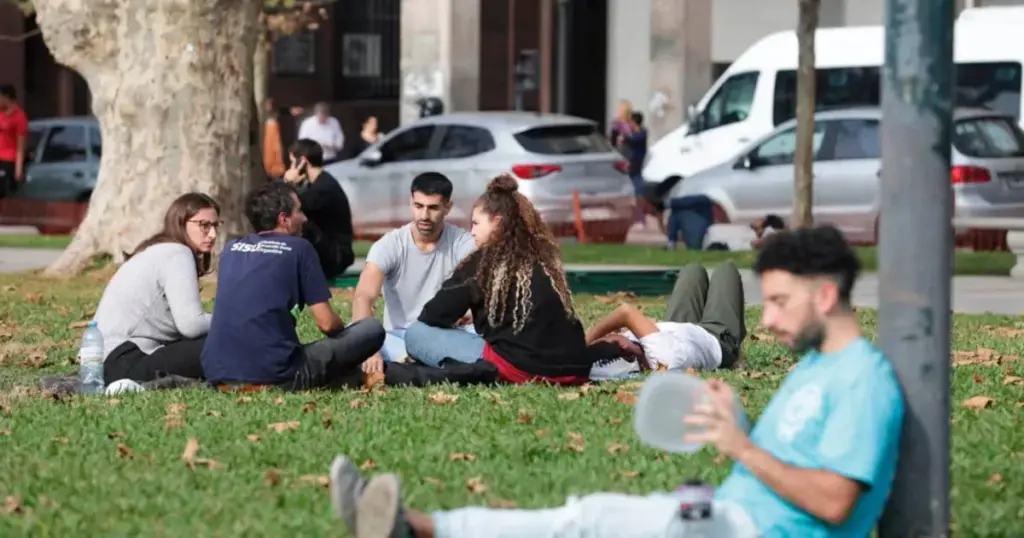
As the residents of the Buenos Aires Metropolitan Area (AMBA) prepare for the long holiday weekend, the atmosphere is proving as volatile as the shifting seasonal currents. While the capital enjoys a reprieve from the extreme weather patterns currently sweeping across the broader Argentine landscape, the forecast remains a delicate balance of moderate heat and the looming threat of nocturnal instability. For the millions planning travel or outdoor gatherings, the coming days represent a classic spring transition, where the promise of 30°C afternoons is frequently tempered by the unpredictable arrival of isolated, localized storms.
The meteorological narrative for this weekend is one of sharp regional contrast. While the urban centers of the AMBA are navigating a relatively stable, albeit cloudy, transition into the summer months, the National Meteorological Service (SMN) has issued a series of urgent alerts affecting 16 provinces. From the high-altitude snowfalls in the cordilleran sectors of San Juan and Mendoza to the storm-prone corridors of Santa Fe, Entre Ríos, and Misiones, the country is currently contending with a complex atmospheric front. This divergence highlights the inherent difficulty of planning in a climate that is increasingly characterized by rapid, localized shifts rather than broad, predictable patterns.
The Urban Climate Paradox: Heat and Humidity
For those remaining in Buenos Aires, the weekend presents a paradox of comfort and caution. Meteorologists note that while the daytime highs are expected to hover around 28°C to 30°C, the true story of this November lies in the persistent warmth of the nights. With minimum temperatures consistently staying above 20°C, the daily average is trending significantly higher than historical norms. If this trajectory holds, November 2026 is poised to secure a place among the ten warmest months of November ever recorded in the capital.
The Saturday forecast suggests a day of variable cloud cover, providing a buffer against the intense ultraviolet radiation typical of this time of year. However, as the sun sets, the probability of isolated storms—currently estimated at 40%—introduces a layer of uncertainty for late-night commuters and event-goers. By Sunday, the skies are expected to clear slightly, offering the most stable window for outdoor activities before a return to higher humidity and rising temperatures on Monday, which coincides with the national holiday commemorating the Day of National Sovereignty.
A Nation Under Alert: Beyond the Capital
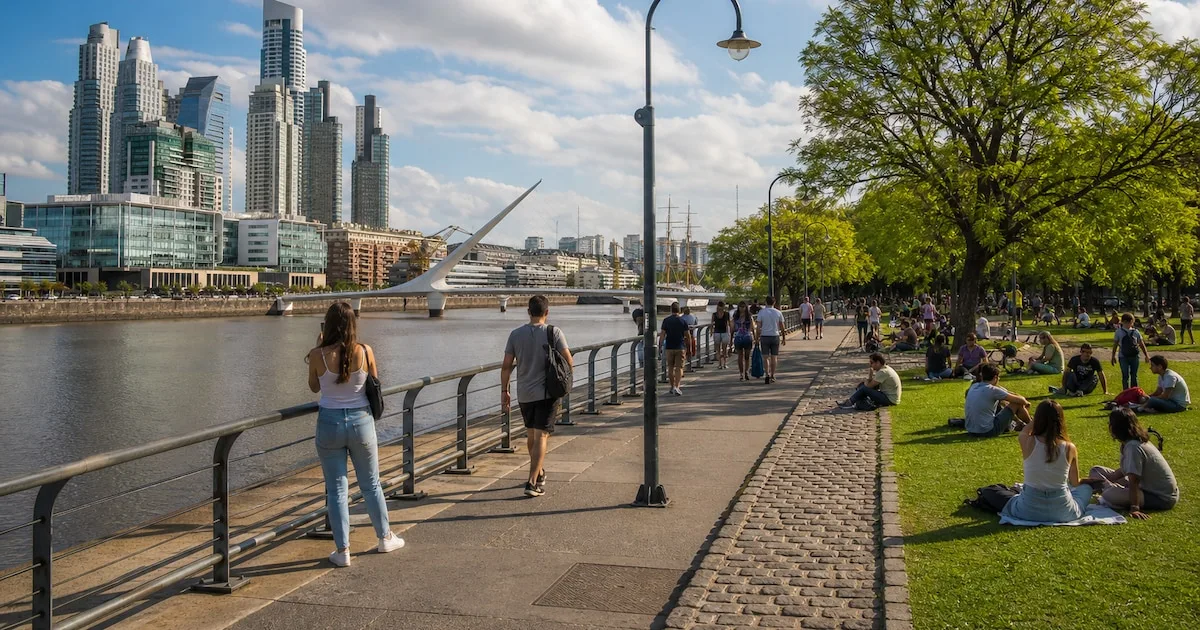
While the AMBA remains outside the primary danger zones, the situation in the interior of the country is far more severe. The SMN has activated yellow alerts across a vast swathe of the Argentine territory. In the central and northern regions, including Santa Fe, Corrientes, and Formosa, the primary concern is the development of intense electrical storms. Simultaneously, the western provinces are grappling with a different set of challenges: the Zonda wind—a hot, dry, and powerful downslope wind—is expected to impact La Rioja and San Juan, while mountain passes in the cordillera are bracing for unseasonable snow.
These alerts serve as a critical reminder of the logistical vulnerabilities inherent in Argentina’s geography. For travelers navigating the national highways, the combination of high winds, potential flooding in low-lying areas, and mountain snow creates a hazardous environment. Authorities have urged citizens to monitor official channels closely, as the rapid evolution of these systems means that conditions can deteriorate within hours, particularly in the mountainous regions where road circulation is most sensitive to weather-induced closures.

Infrastructure and the Pulse of the City
The weather is not the only factor shaping the weekend experience in Buenos Aires. The city’s infrastructure is undergoing a significant transformation, with the total nocturnal closure of the Illia Highway—a vital artery for traffic—due to ongoing construction. This logistical hurdle, combined with the unpredictable weather, has forced a recalibration of travel plans for many residents. The intersection of public works and climate instability underscores the complexities of managing a modern metropolis that is simultaneously trying to modernize its transit systems while facing the environmental pressures of a warming climate.
As the weekend progresses, the focus will shift from the immediate forecast to the broader implications of these weather patterns. The reliance on short-term, high-resolution modeling has become essential, as the atmosphere in the Southern Hemisphere becomes increasingly less predictable during the transition to summer. For the citizens of Buenos Aires and beyond, the message from the meteorological community is clear: enjoy the warmth, but remain vigilant. In an era of shifting climate norms, the ability to adapt to the sudden arrival of a storm—or the unexpected intensity of a heatwave—has become a necessary skill for the modern urbanite.
Looking Ahead: A Season of Uncertainty
As we look toward the remainder of the week, the outlook remains consistent with the current trends: a mix of sun, cloud, and sporadic, short-lived precipitation. The persistence of these conditions suggests that the coming weeks will require a heightened level of awareness. Whether it is the heat-retaining properties of urban concrete or the sudden, violent shifts in the interior provinces, Argentina is currently a microcosm of the global challenge of climate variability.
Ultimately, the weekend serves as a test of resilience for both the public and the infrastructure. As the nation observes the Day of National Sovereignty, the focus will be on balancing the desire for leisure and movement with the realities of a changing environment. For now, the advice is to keep a close watch on the horizon, prepare for the humidity, and respect the alerts issued by the authorities, ensuring that the holiday remains a time of reflection and rest rather than one of unnecessary risk.
Khi cư dân tại Khu vực Đô thị Buenos Aires (AMBA) chuẩn bị cho kỳ nghỉ lễ dài ngày, bầu không khí đang trở nên biến động không kém gì các luồng khí hậu chuyển mùa. Trong khi thủ đô được tận hưởng sự tạm lắng trước các hình thái thời tiết cực đoan đang quét qua diện rộng trên khắp lãnh thổ Argentina, dự báo vẫn là một sự cân bằng mong manh giữa cái nóng ôn hòa và mối đe dọa tiềm tàng từ sự bất ổn về đêm. Đối với hàng triệu người đang lên kế hoạch du lịch hoặc tụ họp ngoài trời, những ngày tới đại diện cho một giai đoạn chuyển giao mùa xuân điển hình, nơi hứa hẹn về những buổi chiều 30°C thường xuyên bị làm dịu bởi sự xuất hiện khó lường của các cơn giông cục bộ.
Câu chuyện khí tượng của cuối tuần này là sự tương phản gay gắt giữa các vùng miền. Trong khi các trung tâm đô thị của AMBA đang trải qua giai đoạn chuyển tiếp tương đối ổn định, dù có nhiều mây, sang những tháng mùa hè, thì Cơ quan Khí tượng Quốc gia (SMN) đã ban hành một loạt cảnh báo khẩn cấp ảnh hưởng đến 16 tỉnh. Từ những đợt tuyết rơi ở độ cao lớn tại các khu vực thuộc dãy Andes ở San Juan và Mendoza cho đến các hành lang dễ xảy ra giông bão ở Santa Fe, Entre Ríos và Misiones, cả nước hiện đang phải đối mặt với một mặt trận khí quyển phức tạp. Sự phân hóa này làm nổi bật khó khăn cố hữu trong việc lập kế hoạch khi khí hậu ngày càng được đặc trưng bởi những thay đổi nhanh chóng, cục bộ thay vì các mô hình rộng lớn, có thể dự đoán được.
Nghịch lý khí hậu đô thị: Nóng và ẩm
Đối với những người ở lại Buenos Aires, cuối tuần mang đến một nghịch lý giữa sự thoải mái và thận trọng. Các nhà khí tượng học lưu ý rằng mặc dù nhiệt độ cao nhất ban ngày dự kiến dao động từ 28°C đến 30°C, nhưng câu chuyện thực sự của tháng 11 này nằm ở sự ấm áp dai dẳng của những đêm. Với nhiệt độ tối thiểu liên tục duy trì trên 20°C, mức trung bình hàng ngày đang có xu hướng cao hơn đáng kể so với các chuẩn mực lịch sử. Nếu quỹ đạo này tiếp tục, tháng 11 năm 2026 có khả năng sẽ giành một vị trí trong số mười tháng 11 nóng nhất từng được ghi nhận tại thủ đô.
Dự báo thứ Bảy cho thấy một ngày có độ che phủ mây thay đổi, tạo ra một lớp đệm chống lại bức xạ tia cực tím cường độ cao điển hình của thời điểm này trong năm. Tuy nhiên, khi mặt trời lặn, xác suất xảy ra giông bão cục bộ—hiện ước tính ở mức 40%—mang lại một lớp bất ổn cho những người đi làm về muộn và những người tham gia sự kiện. Đến Chủ nhật, bầu trời dự kiến sẽ quang đãng hơn một chút, mang lại khoảng thời gian ổn định nhất cho các hoạt động ngoài trời trước khi quay trở lại với độ ẩm cao hơn và nhiệt độ tăng vào thứ Hai, trùng với ngày lễ quốc gia kỷ niệm Ngày Chủ quyền Quốc gia.
Quốc gia dưới cảnh báo: Ngoài thủ đô
Trong khi AMBA vẫn nằm ngoài các vùng nguy hiểm chính, tình hình ở nội địa đất nước lại nghiêm trọng hơn nhiều. SMN đã kích hoạt cảnh báo vàng trên một vùng lãnh thổ rộng lớn của Argentina. Ở các khu vực miền trung và miền bắc, bao gồm Santa Fe, Corrientes và Formosa, mối quan tâm chính là sự phát triển của các cơn giông điện cường độ mạnh. Đồng thời, các tỉnh phía tây đang phải vật lộn với một loạt thách thức khác: gió Zonda—một loại gió khô, nóng và mạnh từ sườn núi—dự kiến sẽ ảnh hưởng đến La Rioja và San Juan, trong khi các đèo núi ở dãy Andes đang chuẩn bị đón những đợt tuyết trái mùa.
Những cảnh báo này đóng vai trò như một lời nhắc nhở quan trọng về những lỗ hổng hậu cần vốn có trong địa lý của Argentina. Đối với những du khách di chuyển trên các tuyến đường quốc lộ, sự kết hợp giữa gió mạnh, khả năng ngập lụt ở các vùng trũng thấp và tuyết núi tạo ra một môi trường nguy hiểm. Các nhà chức trách đã kêu gọi người dân theo dõi chặt chẽ các kênh thông tin chính thức, vì sự tiến triển nhanh chóng của các hệ thống này có nghĩa là điều kiện có thể xấu đi trong vòng vài giờ, đặc biệt là ở các vùng núi nơi lưu thông đường bộ nhạy cảm nhất với các đợt đóng cửa do thời tiết.
Cơ sở hạ tầng và nhịp đập của thành phố
Thời tiết không phải là yếu tố duy nhất định hình trải nghiệm cuối tuần ở Buenos Aires. Cơ sở hạ tầng của thành phố đang trải qua một sự chuyển đổi đáng kể, với việc đóng cửa hoàn toàn vào ban đêm của đường cao tốc Illia—một huyết mạch quan trọng đối với giao thông—do đang trong quá trình thi công. Rào cản hậu cần này, kết hợp với thời tiết khó lường, đã buộc nhiều cư dân phải điều chỉnh lại kế hoạch đi lại. Sự giao thoa giữa các công trình công cộng và sự bất ổn khí hậu nhấn mạnh sự phức tạp của việc quản lý một đô thị hiện đại, nơi đang đồng thời cố gắng hiện đại hóa hệ thống giao thông trong khi phải đối mặt với áp lực môi trường của một khí hậu đang nóng lên.
Khi cuối tuần trôi qua, trọng tâm sẽ chuyển từ dự báo tức thời sang những tác động rộng lớn hơn của các hình thái thời tiết này. Việc dựa vào các mô hình độ phân giải cao, ngắn hạn đã trở nên thiết yếu, khi bầu khí quyển ở Nam bán cầu ngày càng trở nên khó dự đoán hơn trong quá trình chuyển sang mùa hè. Đối với công dân của Buenos Aires và xa hơn nữa, thông điệp từ cộng đồng khí tượng rất rõ ràng: hãy tận hưởng sự ấm áp, nhưng hãy luôn cảnh giác. Trong kỷ nguyên của các chuẩn mực khí hậu đang thay đổi, khả năng thích nghi với sự xuất hiện đột ngột của một cơn bão—hoặc cường độ bất ngờ của một đợt nắng nóng—đã trở thành một kỹ năng cần thiết cho cư dân đô thị hiện đại.
Nhìn về phía trước: Một mùa của sự không chắc chắn
Khi nhìn về phần còn lại của tuần, triển vọng vẫn nhất quán với các xu hướng hiện tại: sự kết hợp giữa nắng, mây và lượng mưa rải rác, ngắn hạn. Sự tồn tại dai dẳng của những điều kiện này cho thấy rằng những tuần tới sẽ đòi hỏi mức độ nhận thức cao hơn. Cho dù đó là đặc tính giữ nhiệt của bê tông đô thị hay những thay đổi đột ngột, dữ dội ở các tỉnh nội địa, Argentina hiện là một mô hình thu nhỏ của thách thức toàn cầu về biến đổi khí hậu.
Cuối cùng, cuối tuần đóng vai trò là bài kiểm tra khả năng phục hồi cho cả công chúng và cơ sở hạ tầng. Khi quốc gia kỷ niệm Ngày Chủ quyền Quốc gia, trọng tâm sẽ là cân bằng giữa mong muốn giải trí, di chuyển và thực tế của một môi trường đang thay đổi. Hiện tại, lời khuyên là hãy để mắt đến đường chân trời, chuẩn bị cho độ ẩm và tôn trọng các cảnh báo do chính quyền ban hành, đảm bảo rằng kỳ nghỉ vẫn là thời gian để suy ngẫm và nghỉ ngơi thay vì đối mặt với những rủi ro không đáng có.
Alors que les habitants de la région métropolitaine de Buenos Aires (AMBA) se préparent pour ce long week-end férié, l'atmosphère se révèle aussi volatile que les courants saisonniers en pleine mutation. Si la capitale bénéficie d'un répit face aux phénomènes météorologiques extrêmes qui balaient actuellement le reste du territoire argentin, les prévisions restent un équilibre fragile entre une chaleur modérée et la menace latente d'une instabilité nocturne. Pour les millions de personnes prévoyant des voyages ou des sorties en plein air, les jours à venir illustrent parfaitement cette transition printanière classique, où la promesse d'après-midis à 30°C est fréquemment tempérée par l'arrivée imprévisible d'orages isolés et localisés.
Le récit météorologique de ce week-end est marqué par un contraste régional saisissant. Tandis que les centres urbains de l'AMBA connaissent une transition relativement stable, bien que nuageuse, vers les mois d'été, le Service Météorologique National (SMN) a émis une série d'alertes urgentes touchant 16 provinces. Des chutes de neige en haute altitude dans les secteurs cordillérans de San Juan et Mendoza aux couloirs orageux de Santa Fe, Entre Ríos et Misiones, le pays est actuellement aux prises avec un front atmosphérique complexe. Cette divergence souligne la difficulté inhérente à la planification dans un climat désormais caractérisé par des changements rapides et localisés plutôt que par des modèles larges et prévisibles.
Le paradoxe climatique urbain : chaleur et humidité
Pour ceux qui restent à Buenos Aires, le week-end présente un paradoxe entre confort et prudence. Les météorologues notent que si les maximales diurnes devraient osciller entre 28°C et 30°C, la véritable particularité de ce mois de novembre réside dans la chaleur persistante des nuits. Avec des températures minimales restant constamment au-dessus de 20°C, la moyenne quotidienne affiche une tendance nettement supérieure aux normes historiques. Si cette trajectoire se maintient, novembre 2026 est en passe de se hisser parmi les dix mois de novembre les plus chauds jamais enregistrés dans la capitale.
Les prévisions de samedi suggèrent une journée à la couverture nuageuse variable, offrant un rempart contre l'intense rayonnement ultraviolet typique de cette période de l'année. Cependant, à la tombée de la nuit, la probabilité d'orages isolés — actuellement estimée à 40 % — introduit une part d'incertitude pour les voyageurs nocturnes et les organisateurs d'événements. Dimanche, le ciel devrait se dégager légèrement, offrant la fenêtre la plus stable pour les activités en extérieur avant un retour de l'humidité et une hausse des températures lundi, jour férié commémorant la Journée de la Souveraineté Nationale.
Une nation en alerte : au-delà de la capitale
Si l'AMBA reste en dehors des zones de danger immédiat, la situation à l'intérieur du pays est bien plus préoccupante. Le SMN a activé des alertes jaunes sur une vaste étendue du territoire argentin. Dans les régions du centre et du nord, notamment à Santa Fe, Corrientes et Formosa, la principale inquiétude concerne le développement d'orages électriques intenses. Parallèlement, les provinces de l'ouest sont confrontées à un défi différent : le vent Zonda — un vent descendant chaud, sec et puissant — devrait impacter La Rioja et San Juan, tandis que les cols de montagne de la cordillère se préparent à des chutes de neige hors saison.
Ces alertes rappellent cruellement les vulnérabilités logistiques inhérentes à la géographie argentine. Pour les voyageurs empruntant les routes nationales, la combinaison de vents violents, d'inondations potentielles dans les zones basses et de neige en montagne crée un environnement périlleux. Les autorités ont exhorté les citoyens à surveiller de près les canaux officiels, car l'évolution rapide de ces systèmes signifie que les conditions peuvent se dégrader en quelques heures, en particulier dans les régions montagneuses où la circulation routière est la plus sensible aux fermetures liées aux intempéries.
Infrastructures et pouls de la ville
La météo n'est pas le seul facteur influençant l'expérience de ce week-end à Buenos Aires. Les infrastructures de la ville subissent une transformation majeure, avec la fermeture nocturne totale de l'autoroute Illia — une artère vitale pour le trafic — en raison de travaux en cours. Cet obstacle logistique, combiné à l'imprévisibilité météorologique, a contraint de nombreux résidents à recalibrer leurs projets de déplacement. L'intersection entre travaux publics et instabilité climatique souligne la complexité de gérer une métropole moderne qui tente simultanément de moderniser ses systèmes de transport tout en faisant face aux pressions environnementales d'un climat qui se réchauffe.
À mesure que le week-end progressera, l'attention se déplacera des prévisions immédiates vers les implications plus larges de ces schémas météorologiques. Le recours à une modélisation à court terme et à haute résolution est devenu essentiel, l'atmosphère dans l'hémisphère sud devenant de moins en moins prévisible lors de la transition vers l'été. Pour les citoyens de Buenos Aires et d'ailleurs, le message de la communauté météorologique est clair : profitez de la chaleur, mais restez vigilants. À une époque où les normes climatiques changent, la capacité à s'adapter à l'arrivée soudaine d'un orage — ou à l'intensité inattendue d'une vague de chaleur — est devenue une compétence nécessaire pour l'urbain moderne.
Perspectives : une saison d'incertitude
En nous tournant vers la fin de la semaine, les perspectives restent conformes aux tendances actuelles : un mélange de soleil, de nuages et de précipitations sporadiques et de courte durée. La persistance de ces conditions suggère que les semaines à venir exigeront un niveau de vigilance accru. Qu'il s'agisse des propriétés de rétention de chaleur du béton urbain ou des changements soudains et violents dans les provinces intérieures, l'Argentine est actuellement un microcosme du défi mondial que représente la variabilité climatique.
En fin de compte, ce week-end sert de test de résilience tant pour le public que pour les infrastructures. Alors que la nation célèbre la Journée de la Souveraineté Nationale, l'accent sera mis sur l'équilibre entre le désir de loisirs et de mobilité et les réalités d'un environnement en mutation. Pour l'heure, le conseil est de garder un œil attentif sur l'horizon, de se préparer à l'humidité et de respecter les alertes émises par les autorités, afin que ce jour férié reste un moment de réflexion et de repos plutôt qu'une source de risques inutiles.
Mientras los residentes del Área Metropolitana de Buenos Aires (AMBA) se preparan para el fin de semana largo, la atmósfera se muestra tan volátil como las cambiantes corrientes estacionales. Aunque la capital disfruta de una tregua frente a los fenómenos extremos que azotan el resto del territorio argentino, el pronóstico mantiene un delicado equilibrio entre un calor moderado y la amenaza latente de inestabilidad nocturna. Para los millones de personas que planean viajar o realizar actividades al aire libre, los próximos días representan una clásica transición primaveral, donde la promesa de tardes a 30°C se ve frecuentemente matizada por la llegada impredecible de tormentas aisladas y localizadas.
La narrativa meteorológica de este fin de semana se define por un marcado contraste regional. Mientras los centros urbanos del AMBA transitan hacia los meses de verano con una estabilidad relativa, aunque nublada, el Servicio Meteorológico Nacional (SMN) ha emitido una serie de alertas urgentes que afectan a 16 provincias. Desde las nevadas en las zonas cordilleranas de San Juan y Mendoza hasta los corredores propensos a tormentas en Santa Fe, Entre Ríos y Misiones, el país se enfrenta a un frente atmosférico complejo. Esta divergencia subraya la dificultad inherente de planificar en un clima caracterizado cada vez más por cambios rápidos y localizados, en lugar de patrones amplios y predecibles.
La paradoja climática urbana: calor y humedad
Para quienes permanecen en Buenos Aires, el fin de semana presenta una paradoja entre el confort y la precaución. Los meteorólogos señalan que, si bien se espera que las máximas diurnas oscilen entre los 28°C y los 30°C, la verdadera noticia de este noviembre reside en la persistente calidez de las noches. Con temperaturas mínimas que se mantienen constantemente por encima de los 20°C, el promedio diario tiende a ser significativamente más alto que las normas históricas. Si esta trayectoria se mantiene, noviembre de 2026 está en camino de asegurarse un lugar entre los diez meses de noviembre más cálidos registrados en la capital.
El pronóstico para el sábado sugiere una jornada de nubosidad variable, lo que proporcionará un respiro frente a la intensa radiación ultravioleta típica de esta época del año. Sin embargo, al caer el sol, la probabilidad de tormentas aisladas —estimada actualmente en un 40%— introduce un factor de incertidumbre para quienes circulan de noche o asisten a eventos. Para el domingo, se espera que los cielos se despejen ligeramente, ofreciendo la ventana más estable para actividades al aire libre antes de un retorno a la alta humedad y al aumento de las temperaturas el lunes, coincidiendo con el feriado nacional por el Día de la Soberanía Nacional.
Una nación bajo alerta: más allá de la capital
Aunque el AMBA permanece fuera de las zonas de peligro principal, la situación en el interior del país es mucho más severa. El SMN ha activado alertas amarillas en una vasta extensión del territorio argentino. En las regiones central y norte, incluyendo Santa Fe, Corrientes y Formosa, la preocupación principal es el desarrollo de intensas tormentas eléctricas. Simultáneamente, las provincias occidentales se enfrentan a desafíos distintos: se espera que el viento Zonda —un viento descendente, cálido, seco y potente— afecte a La Rioja y San Juan, mientras que los pasos de montaña en la cordillera se preparan para nevadas inusuales.
Estas alertas sirven como un recordatorio crítico de las vulnerabilidades logísticas inherentes a la geografía argentina. Para los viajeros que transitan las rutas nacionales, la combinación de vientos fuertes, posibles inundaciones en zonas bajas y nieve en la montaña crea un entorno peligroso. Las autoridades han instado a la ciudadanía a seguir de cerca los canales oficiales, ya que la rápida evolución de estos sistemas implica que las condiciones pueden deteriorarse en cuestión de horas, especialmente en las regiones montañosas donde la circulación vial es más sensible a los cierres provocados por el clima.
Infraestructura y el pulso de la ciudad
El clima no es el único factor que condiciona la experiencia del fin de semana en Buenos Aires. La infraestructura de la ciudad atraviesa una transformación significativa, con el cierre nocturno total de la Autopista Illia —una arteria vital para el tráfico— debido a las obras en curso. Este obstáculo logístico, sumado a la imprevisibilidad meteorológica, ha obligado a muchos residentes a recalibrar sus planes de viaje. La intersección entre las obras públicas y la inestabilidad climática subraya las complejidades de gestionar una metrópolis moderna que intenta, simultáneamente, modernizar sus sistemas de tránsito mientras enfrenta las presiones ambientales de un clima en calentamiento.
A medida que avance el fin de semana, el foco se desplazará desde el pronóstico inmediato hacia las implicaciones más amplias de estos patrones climáticos. La dependencia de modelos de alta resolución a corto plazo se ha vuelto esencial, a medida que la atmósfera en el hemisferio sur se vuelve cada vez menos predecible durante la transición al verano. Para los ciudadanos de Buenos Aires y el resto del país, el mensaje de la comunidad meteorológica es claro: disfruten del calor, pero manténganse vigilantes. En una era de normas climáticas cambiantes, la capacidad de adaptarse a la llegada repentina de una tormenta —o a la intensidad inesperada de una ola de calor— se ha convertido en una habilidad necesaria para el habitante urbano moderno.
Mirando hacia el futuro: una temporada de incertidumbre
Al observar el resto de la semana, las perspectivas se mantienen coherentes con las tendencias actuales: una mezcla de sol, nubes y precipitaciones esporádicas de corta duración. La persistencia de estas condiciones sugiere que las próximas semanas requerirán un mayor nivel de atención. Ya sea por las propiedades de retención de calor del hormigón urbano o por los cambios repentinos y violentos en las provincias del interior, Argentina es actualmente un microcosmos del desafío global que supone la variabilidad climática.
En última instancia, el fin de semana sirve como una prueba de resiliencia tanto para el público como para la infraestructura. Mientras la nación conmemora el Día de la Soberanía Nacional, el objetivo será equilibrar el deseo de ocio y movimiento con la realidad de un entorno cambiante. Por ahora, el consejo es mantener una mirada atenta al horizonte, prepararse para la humedad y respetar las alertas emitidas por las autoridades, asegurando que el festivo sea un tiempo de reflexión y descanso, en lugar de uno de riesgos innecesarios.
正当布宜诺斯艾利斯大都会区(AMBA)的居民准备迎接长周末假期时,大气环境正如同季节交替的洋流般变幻莫测。尽管首都暂时避开了席卷阿根廷大范围地区的极端天气,但天气预报仍处于温和高温与夜间不稳定性威胁之间的微妙平衡中。对于数百万计划出行或进行户外活动的民众而言,接下来的几天将是典型的春季过渡期,30°C的午后暖阳往往会被突如其来的局部雷暴所打破。
本周末的气象叙事呈现出强烈的区域反差。当AMBA的城市中心在多云天气中平稳过渡至夏季时,国家气象局(SMN)已对全国16个省份发布了紧急预警。从圣胡安和门多萨科迪勒拉山脉的高海拔降雪,到圣达菲、恩特雷里奥斯和米西奥内斯的雷暴多发走廊,全国正面临一个复杂的大气锋面。这种差异凸显了在气候日益呈现快速、局部化波动而非广泛、可预测模式的背景下,进行行程规划的固有难度。
城市气候悖论:高温与潮湿
对于留在布宜诺斯艾利斯的居民来说,这个周末呈现出舒适与谨慎并存的悖论。气象学家指出,虽然预计白天气温将徘徊在28°C至30°C之间,但今年11月的真正特征在于夜间的持续高温。由于最低气温持续保持在20°C以上,日平均气温正显著高于历史常态。如果这一趋势持续,2026年11月有望跻身该首都自有记录以来最热的十个11月之列。
周六的预报显示,当天云量多变,这为抵御该季节典型的强烈紫外线辐射提供了一层缓冲。然而,随着夜幕降临,局部雷暴的概率(目前估计为40%)为深夜通勤者和活动参与者带来了一层不确定性。预计周日天空将略微放晴,为户外活动提供最稳定的窗口期,随后周一(国家主权日)将迎来湿度回升和气温升高。
全国预警:首都之外的严峻形势
尽管AMBA仍处于主要危险区之外,但阿根廷内陆地区的形势则严峻得多。国家气象局已在阿根廷大片领土上启动了黄色预警。在中部和北部地区,包括圣达菲、科连特斯和福尔摩沙,主要担忧是强雷暴的发展。与此同时,西部省份正面临另一组挑战:预计“桑达风”(Zonda,一种炎热、干燥且强劲的下坡风)将影响拉里奥哈和圣胡安,而科迪勒拉山脉的山口则在为反季节降雪做准备。
这些预警有力地提醒人们,阿根廷的地理环境存在固有的后勤脆弱性。对于在国道上行驶的旅客而言,大风、低洼地区潜在的洪水以及山区降雪共同构成了一个危险的环境。当局敦促市民密切关注官方渠道,因为这些天气系统的快速演变意味着条件可能在数小时内恶化,特别是在山区,道路通行对天气引发的封闭最为敏感。
基础设施与城市脉动
天气并非影响布宜诺斯艾利斯周末体验的唯一因素。由于正在进行的施工,作为交通大动脉的伊利亚高速公路(Illia Highway)将进行夜间全面封闭,城市基础设施正在经历重大转型。这一后勤障碍与不可预测的天气相结合,迫使许多居民重新调整出行计划。公共工程与气候不稳定性之间的交集,凸显了现代大都市在试图实现交通系统现代化的同时,又面临气候变暖环境压力的复杂性。
随着周末的推进,焦点将从即时预报转向这些天气模式的更广泛影响。随着南半球在向夏季过渡期间大气变得越来越不可预测,对短期高分辨率建模的依赖已变得至关重要。对于布宜诺斯艾利斯及其他地区的公民来说,气象界的讯息很明确:享受温暖,但保持警惕。在气候常态不断变化的时代,适应突如其来的风暴或意想不到的热浪,已成为现代城市居民的必备技能。
展望未来:充满不确定性的季节
展望本周余下时间,前景与当前趋势保持一致:阳光、云层与零星、短暂的降水交织。这些条件的持续存在表明,未来几周需要提高警惕。无论是城市混凝土的蓄热特性,还是内陆省份突如其来的剧烈变化,阿根廷目前正是全球气候变率挑战的一个缩影。
归根结底,这个周末是对公众和基础设施韧性的一次考验。在全国纪念国家主权日之际,重点将在于平衡休闲与出行的愿望与不断变化的环境现实。目前,建议是密切关注地平线,为湿度做好准备,并尊重当局发布的预警,确保假期成为反思与休息的时光,而非承担不必要的风险。
Editorial Standards & Multi-Language Synthesis: This dispatch was synthesized and fact-checked by the ParisDaily Editorial Desk across 5 global editions (EN, FR, VI, ES, ZH), cross-referencing primary international wire reports and real-time search intelligence.