The Erasure of an Icon: Channel 4 Joins Industry-Wide Blacklisting of David Walliams
As Channel 4 joins the BBC and Sky in purging David Walliams from their archives, the British television industry faces a reckoning over the legacy of its most prominent stars.
As Channel 4 joins the BBC and Sky in purging David Walliams from their archives, the British television industry faces a reckoning over the legacy of its most prominent stars.
As Channel 4 joins the BBC and Sky in purging David Walliams from their archives, the British television industry faces a reckoning over the legacy of its most prominent stars.
As Channel 4 joins the BBC and Sky in purging David Walliams from their archives, the British television industry faces a reckoning over the legacy of its most prominent stars.
As Channel 4 joins the BBC and Sky in purging David Walliams from their archives, the British television industry faces a reckoning over the legacy of its most prominent stars.
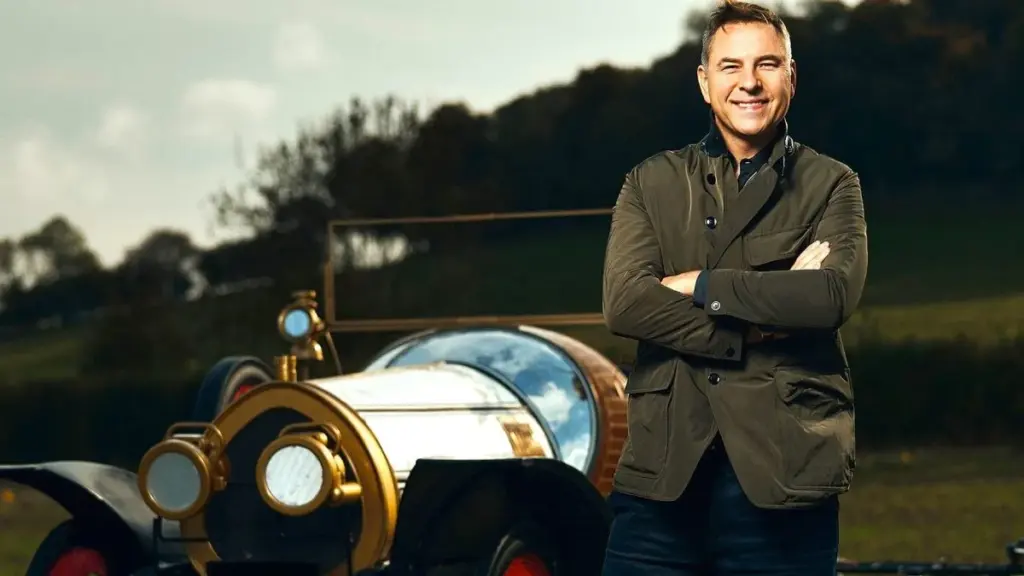
- Channel 4 has removed all content featuring David Walliams from its streaming platforms following serious allegations of misconduct.
- The move aligns Channel 4 with the BBC and Sky, effectively creating a near-total broadcast blackout of the comedian's work.
- Walliams has vehemently denied the allegations, characterizing his past behavior as 'thoughtless' rather than predatory.
- The industry-wide response signals a shift toward 'de-platforming' as a standard corporate risk-management strategy in the post-Me-Too era.
The British television landscape is undergoing a profound and rapid transformation, one defined not by the creation of new content, but by the systematic erasure of the old. Channel 4’s recent decision to scrub David Walliams from its streaming archives—removing titles such as Chitty Flies Again and appearances on 8 Out of 10 Cats Does Countdown—marks a definitive turning point in the industry’s approach to talent management. This move is not merely a technical update to a content library; it is a symbolic severing of ties between a national broadcaster and one of its most recognizable faces, triggered by grave allegations regarding the comedian’s conduct toward teenage girls.
For a figure who once occupied the very center of British cultural life, the speed of this institutional retreat is staggering. Walliams, a titan of comedy and a prolific children’s author, now finds himself in a state of professional exile, as the major pillars of UK broadcasting—the BBC, Sky, and now Channel 4—have collectively decided that his presence on their platforms is no longer tenable. This coordinated action reflects a new, uncompromising reality for media conglomerates: in an era of heightened sensitivity and public scrutiny, the mere association with an accused individual is viewed as a liability that outweighs the historical value of the content itself.
The Anatomy of an Institutional Purge
The allegations, brought to light through a rigorous investigation by ITV News and The Guardian, paint a troubling picture of power dynamics within the entertainment industry. The reports detail claims that Walliams allegedly leveraged his celebrity status to pursue sexual contact with teenagers, a narrative that has sent shockwaves through the corridors of London’s media hubs. Walliams has responded with a firm, albeit nuanced, defense. In a statement, he asserted, “I am not a sexual predator… I have not broken the law,” while simultaneously acknowledging that his past behavior was “thoughtless” and lacked the necessary consideration for the feelings of those involved.
Despite his protestations, the corporate response has been swift and unforgiving. The BBC set the precedent by removing Little Britain—a show that was once a cornerstone of British humor—from the iPlayer, alongside his children’s adaptations like Gangsta Granny. Sky followed suit, and now Channel 4 has confirmed that it will keep the matter “under review,” a phrase that in corporate parlance often serves as a precursor to a permanent ban. This is a significant departure from the traditional “separate the art from the artist” philosophy that once governed the industry. Today, the artist is the art, and when the former is tarnished, the latter is deemed toxic.
Historical Precedents and the Shifting Moral Compass
To understand the gravity of this moment, one must look at the historical trajectory of British television. For decades, the industry operated under a culture of indulgence, where the eccentricities of high-profile talent were often overlooked in favor of ratings and commercial success. The case of David Walliams is being treated as a definitive break from this past. It is not the first time a network has purged its archives, but the scale of this particular blacklisting is rare. It mirrors the industry’s reaction to other high-profile scandals, yet it feels more comprehensive, targeting not just current projects but the foundational works of a career spanning two decades.
The cultural context here is vital. We are witnessing the evolution of the 'reputational risk' model. Broadcasters are no longer waiting for legal verdicts to act; they are acting on the basis of public perception and internal ethical standards. This shift is driven by a desire to protect brand integrity in a digital age where content is easily accessible and perpetually searchable. By removing these shows, the networks are effectively attempting to rewrite the digital history of their platforms, ensuring that the legacy of their service is not tethered to a figure currently embroiled in a firestorm of controversy.

The Ripple Effects on Global Media Strategy
The economic and strategic implications of this purge are substantial. For Channel 4, a public-service broadcaster that relies on a delicate balance of commercial revenue and public trust, the decision is a calculated move to maintain its standing with its audience. However, it also raises complex questions about the ownership and preservation of cultural artifacts. When a network deletes a show, it is not just removing a performance; it is removing a piece of the cultural record. This creates a vacuum that will inevitably be filled by secondary markets and unauthorized archives, complicating the ability of institutions to control the narrative surrounding their own history.
Globally, this trend is being watched closely by other media giants. The strategy of 'de-platforming' as a crisis management tool is becoming a standard operating procedure. Whether it is Netflix, Disney, or local broadcasters in Europe and Asia, the pressure to align with modern social standards is forcing executives to make difficult choices about their back catalogs. The Walliams case serves as a case study for the future: how does a network handle a library of content when the creator becomes a lightning rod for societal anger? The answer, it seems, is increasingly to hit the delete button.
Looking Ahead: The Future of Accountability
As the dust settles, the industry must grapple with what comes next. The public and institutional reaction to the allegations against Walliams has been decisive, but it also leaves a void. What happens to the writers, producers, and actors who worked alongside him on these now-deleted projects? The collateral damage of such a purge is rarely discussed, yet it is a reality that the industry will have to confront. Furthermore, the question remains whether this trend of erasure will lead to a more ethical industry or simply a more sanitized one, where the complexities of human behavior are scrubbed away in favor of a pristine, risk-averse corporate image.
For now, David Walliams remains in the crosshairs of a public and institutional storm. As he continues to refute the claims against him, the broadcasters have made their stance clear: the association is over. The coming months will likely see further scrutiny of his past work and perhaps more content being pulled from the digital ether. For the viewer, the takeaway is clear: the era of the untouchable celebrity is firmly in the past, replaced by a new, more volatile landscape where reputation is the most fragile currency of all. The story of David Walliams is no longer about his comedy; it is about the power of the institutions that once championed him to turn their backs with equal, if not greater, force.
The British television landscape is undergoing a profound and rapid transformation, one defined not by the creation of new content, but by the systematic erasure of the old. Channel 4’s recent decision to scrub David Walliams from its streaming archives—removing titles such as Chitty Flies Again and appearances on 8 Out of 10 Cats Does Countdown—marks a definitive turning point in the industry’s approach to talent management. This move is not merely a technical update to a content library; it is a symbolic severing of ties between a national broadcaster and one of its most recognizable faces, triggered by grave allegations regarding the comedian’s conduct toward teenage girls.
For a figure who once occupied the very center of British cultural life, the speed of this institutional retreat is staggering. Walliams, a titan of comedy and a prolific children’s author, now finds himself in a state of professional exile, as the major pillars of UK broadcasting—the BBC, Sky, and now Channel 4—have collectively decided that his presence on their platforms is no longer tenable. This coordinated action reflects a new, uncompromising reality for media conglomerates: in an era of heightened sensitivity and public scrutiny, the mere association with an accused individual is viewed as a liability that outweighs the historical value of the content itself.
The Anatomy of an Institutional Purge
The allegations, brought to light through a rigorous investigation by ITV News and The Guardian, paint a troubling picture of power dynamics within the entertainment industry. The reports detail claims that Walliams allegedly leveraged his celebrity status to pursue sexual contact with teenagers, a narrative that has sent shockwaves through the corridors of London’s media hubs. Walliams has responded with a firm, albeit nuanced, defense. In a statement, he asserted, “I am not a sexual predator… I have not broken the law,” while simultaneously acknowledging that his past behavior was “thoughtless” and lacked the necessary consideration for the feelings of those involved.
Despite his protestations, the corporate response has been swift and unforgiving. The BBC set the precedent by removing Little Britain—a show that was once a cornerstone of British humor—from the iPlayer, alongside his children’s adaptations like Gangsta Granny. Sky followed suit, and now Channel 4 has confirmed that it will keep the matter “under review,” a phrase that in corporate parlance often serves as a precursor to a permanent ban. This is a significant departure from the traditional “separate the art from the artist” philosophy that once governed the industry. Today, the artist is the art, and when the former is tarnished, the latter is deemed toxic.
Historical Precedents and the Shifting Moral Compass
To understand the gravity of this moment, one must look at the historical trajectory of British television. For decades, the industry operated under a culture of indulgence, where the eccentricities of high-profile talent were often overlooked in favor of ratings and commercial success. The case of David Walliams is being treated as a definitive break from this past. It is not the first time a network has purged its archives, but the scale of this particular blacklisting is rare. It mirrors the industry’s reaction to other high-profile scandals, yet it feels more comprehensive, targeting not just current projects but the foundational works of a career spanning two decades.
The cultural context here is vital. We are witnessing the evolution of the 'reputational risk' model. Broadcasters are no longer waiting for legal verdicts to act; they are acting on the basis of public perception and internal ethical standards. This shift is driven by a desire to protect brand integrity in a digital age where content is easily accessible and perpetually searchable. By removing these shows, the networks are effectively attempting to rewrite the digital history of their platforms, ensuring that the legacy of their service is not tethered to a figure currently embroiled in a firestorm of controversy.
The Ripple Effects on Global Media Strategy
The economic and strategic implications of this purge are substantial. For Channel 4, a public-service broadcaster that relies on a delicate balance of commercial revenue and public trust, the decision is a calculated move to maintain its standing with its audience. However, it also raises complex questions about the ownership and preservation of cultural artifacts. When a network deletes a show, it is not just removing a performance; it is removing a piece of the cultural record. This creates a vacuum that will inevitably be filled by secondary markets and unauthorized archives, complicating the ability of institutions to control the narrative surrounding their own history.
Globally, this trend is being watched closely by other media giants. The strategy of 'de-platforming' as a crisis management tool is becoming a standard operating procedure. Whether it is Netflix, Disney, or local broadcasters in Europe and Asia, the pressure to align with modern social standards is forcing executives to make difficult choices about their back catalogs. The Walliams case serves as a case study for the future: how does a network handle a library of content when the creator becomes a lightning rod for societal anger? The answer, it seems, is increasingly to hit the delete button.
Looking Ahead: The Future of Accountability
As the dust settles, the industry must grapple with what comes next. The public and institutional reaction to the allegations against Walliams has been decisive, but it also leaves a void. What happens to the writers, producers, and actors who worked alongside him on these now-deleted projects? The collateral damage of such a purge is rarely discussed, yet it is a reality that the industry will have to confront. Furthermore, the question remains whether this trend of erasure will lead to a more ethical industry or simply a more sanitized one, where the complexities of human behavior are scrubbed away in favor of a pristine, risk-averse corporate image.
For now, David Walliams remains in the crosshairs of a public and institutional storm. As he continues to refute the claims against him, the broadcasters have made their stance clear: the association is over. The coming months will likely see further scrutiny of his past work and perhaps more content being pulled from the digital ether. For the viewer, the takeaway is clear: the era of the untouchable celebrity is firmly in the past, replaced by a new, more volatile landscape where reputation is the most fragile currency of all. The story of David Walliams is no longer about his comedy; it is about the power of the institutions that once championed him to turn their backs with equal, if not greater, force.
Editorial Standards & Multi-Language Synthesis: This dispatch was synthesized and fact-checked by the ParisDaily Editorial Desk across 5 global editions (EN, FR, VI, ES, ZH), cross-referencing primary international wire reports and real-time search intelligence.