La arquitectura de la elegancia: por qué el tacón curvo define el calzado moderno
As Claire Foy steps into the spotlight for her latest film, her choice of footwear signals a broader shift in luxury design toward the sculptural, gravity-defying curved heel.
Khi Claire Foy xuất hiện đầy ấn tượng trong bộ phim mới nhất, lựa chọn giày dép của cô đã đánh dấu một bước chuyển mình rõ rệt trong thiết kế xa xỉ, hướng tới những chiếc gót cong điêu khắc đầy thách thức trọng lực. Đây không chỉ là một xu hướng thời trang, mà là minh chứng cho sự lên ngôi của tư duy thẩm mỹ kiến trúc trong phục trang.
Alors que Claire Foy occupe le devant de la scène pour son dernier film, son choix de chaussures témoigne d'une évolution majeure du design de luxe vers des talons sculpturaux défiant la gravité. Cette tendance marque un tournant décisif où l'accessoire devient une véritable œuvre d'art.
Mientras Claire Foy acapara los focos por su última película, su elección de calzado señala un cambio más amplio en el diseño de lujo hacia el tacón curvo, una pieza escultórica que desafía la gravedad. Esta tendencia marca una evolución hacia formas más fluidas que transforman el zapato en una auténtica obra de arte.
随着克莱尔·芙伊(Claire Foy)为新片宣传亮相,她所选择的鞋履揭示了奢侈品设计领域向雕塑感、反重力弧形鞋跟转型的宏大趋势。这一设计不仅是时尚的更迭,更标志着鞋履正从实用工具演变为可穿戴的艺术品。
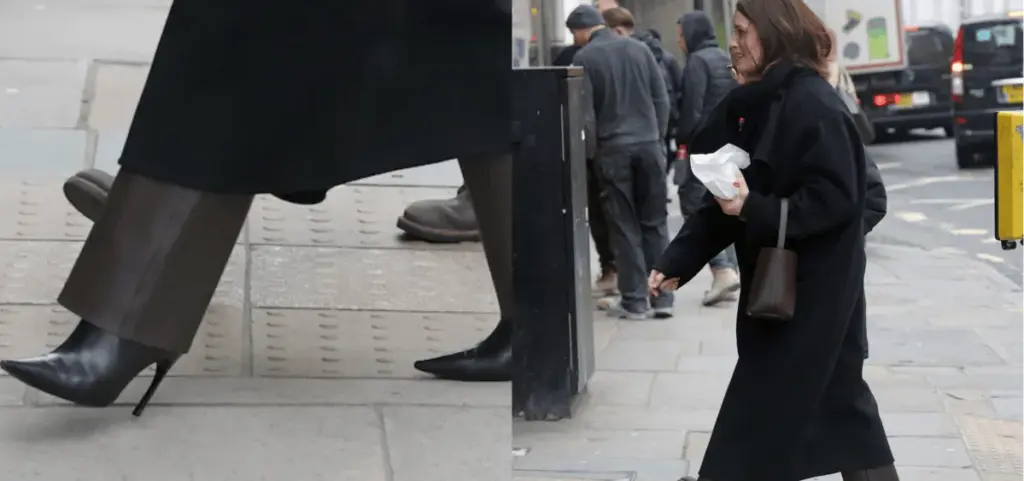
- Claire Foy’s recent London appearance highlights the mainstream adoption of the architectural curved heel trend.
- The trend represents a departure from traditional stiletto geometry toward more fluid, sculptural forms.
- High-profile endorsements from Rihanna and Lady Gaga have solidified the curved heel as a staple of avant-garde luxury.
- The aesthetic shift mirrors a wider movement in fashion where footwear is increasingly treated as wearable art rather than mere utility.
- Sự xuất hiện gần đây của Claire Foy tại London đã làm nổi bật việc xu hướng gót giày kiến trúc cong đang dần trở thành trào lưu chủ đạo.
- Xu hướng này đại diện cho sự rời bỏ hình học stiletto truyền thống để hướng tới những hình khối uyển chuyển và mang tính điêu khắc hơn.
- Sự ủng hộ từ các ngôi sao hàng đầu như Rihanna và Lady Gaga đã củng cố vị thế của gót cong như một biểu tượng của sự xa xỉ tiên phong (avant-garde).
- Sự thay đổi thẩm mỹ này phản ánh một phong trào rộng lớn hơn trong thời trang, nơi giày dép ngày càng được coi là tác phẩm nghệ thuật có thể mặc được thay vì chỉ là vật dụng tiện ích.
- L'apparition récente de Claire Foy à Londres souligne l'adoption massive de la tendance du talon architectural incurvé.
- Cette tendance marque une rupture avec la géométrie traditionnelle du stiletto au profit de formes plus fluides et sculpturales.
- Les soutiens de personnalités comme Rihanna et Lady Gaga ont imposé le talon incurvé comme un pilier du luxe avant-gardiste.
- Ce changement esthétique reflète un mouvement plus large où la chaussure est désormais perçue comme un objet d'art plutôt que comme un simple accessoire utilitaire.
- La reciente aparición de Claire Foy en Londres subraya la adopción masiva de la tendencia del tacón arquitectónico curvo.
- Esta tendencia representa un alejamiento de la geometría tradicional del estilete hacia formas más fluidas y escultóricas.
- El respaldo de figuras como Rihanna y Lady Gaga ha consolidado el tacón curvo como un elemento básico del lujo vanguardista.
- El cambio estético refleja un movimiento más amplio en la moda donde el calzado se trata cada vez más como arte vestible que como mera utilidad.
- 克莱尔·芙伊近期的伦敦造型凸显了建筑感弧形鞋跟已成为主流时尚趋势。
- 该趋势标志着鞋履设计从传统的细高跟几何结构,向更具流动性与雕塑感的形态转变。
- 蕾哈娜(Rihanna)与Lady Gaga等顶流明星的加持,巩固了弧形鞋跟作为先锋奢侈品核心单品的地位。
- 这一审美转向反映了时尚界的深层变革:鞋履正日益被视为一种艺术表达,而非单纯的实用配件。
When Claire Foy was captured on the cobblestones of London’s Fleet Street this past Friday, the image was more than a routine press appearance for her upcoming biographical drama, Ink. Clad in an oversized trench coat and wide-legged trousers, Foy’s ensemble was a masterclass in understated winter chic. Yet, it was the subtle, gleaming black boots peeking from beneath her hemline that commanded the attention of the fashion cognoscenti. Featuring an elongated, sharply pointed toe and a distinctively arched, inward-curving stiletto heel, the footwear served as a definitive punctuation mark on a look that bridges the gap between classic British tailoring and the avant-garde sensibilities currently dominating the global runway.
The curved heel—a design element that challenges the structural equilibrium of the traditional pump—has quietly transitioned from the fringes of experimental design to the center of the celebrity wardrobe. As Foy navigates the promotional circuit for her role as Jules Davis, a character synthesized from the high-pressure world of tabloid journalism, her footwear choice reflects a broader cultural recalibration. In an era where fashion is increasingly defined by its ability to marry historical silhouettes with disruptive, sculptural geometry, the curved heel stands as the season’s most potent symbol of modern sophistication.
The Geometry of the Avant-Garde
The evolution of the curved heel is not merely a fleeting aesthetic whim; it is a profound departure from the rigid, vertical geometry that has dominated footwear for decades. Historically, the stiletto was defined by its uncompromising linearity—a straight, needle-like descent that prioritized height and poise above all else. The current iteration, however, embraces the curve, drawing inspiration from mid-century modern architecture and the fluid lines of organic design. By introducing a gentle, inward arc, designers are effectively transforming the shoe from a functional accessory into a piece of kinetic sculpture.
This shift is emblematic of a wider movement within the luxury sector, where brands are moving away from minimalist uniformity toward pieces that demand a second look. The curved heel provides a visual tension, a sense of precarious balance that mirrors the complexity of the modern wardrobe. It is a design language that speaks to those who view fashion as an intellectual pursuit. As seen in the recent Matières Fécales x Christian Louboutin collaboration, the curve is being pushed to its limits, often paired with bold textures and unconventional materials that challenge the very definition of what a heel should be.
From Runway to Red Carpet
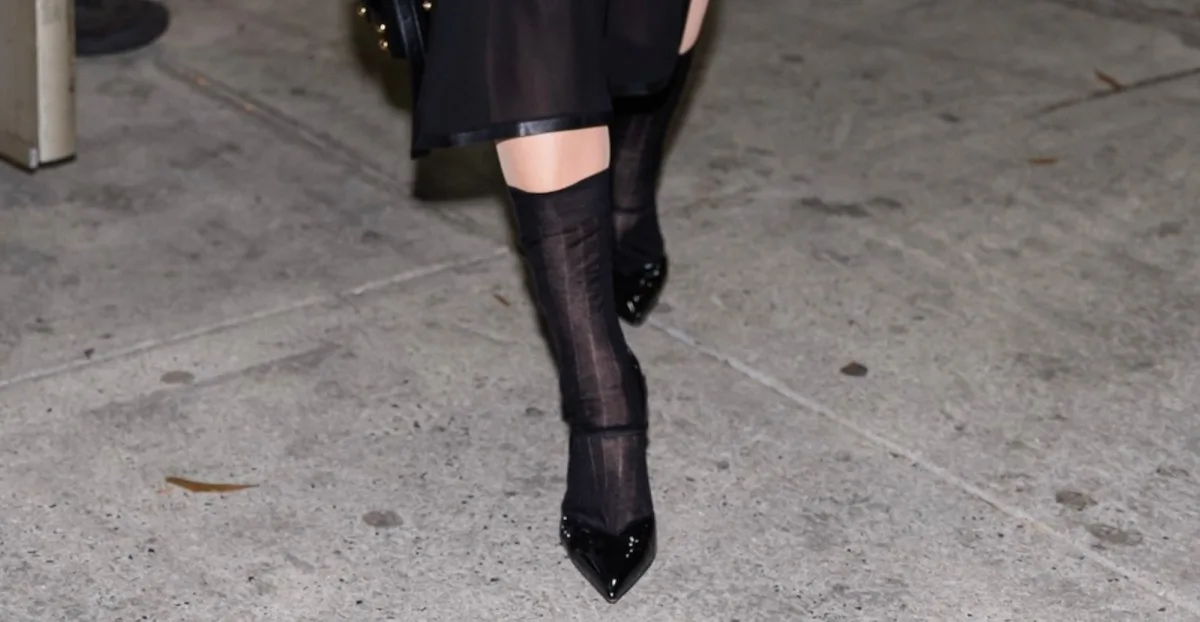
The trajectory of the curved heel can be traced through a series of high-profile cultural moments that have solidified its status as a must-have silhouette. Rihanna, ever the arbiter of the cutting edge, brought the trend into the spotlight during Paris Fashion Week, opting for patent leather pumps that featured a daring, exaggerated curve. Her endorsement, coupled with Lady Gaga’s earlier forays into flamboyant, platform-based curved heels, has effectively dismantled the notion that such designs are reserved for the runway. Even mainstream luxury labels have pivoted, with brands like Schutz integrating sculptural heels into their seasonal collections, making the trend accessible to a wider demographic of fashion-forward consumers.
For celebrities like Foy, the curved heel offers a way to ground a look that might otherwise feel too traditional. By pairing a classic, oversized trench with a shoe that possesses such a distinct architectural signature, the wearer creates a dialogue between the timeless and the contemporary. It is a strategic styling choice that acknowledges the gravity of the film industry’s current aesthetic—one that values substance and narrative, yet refuses to sacrifice the visual impact that defines the modern red carpet experience.
The Cultural Ripple Effect
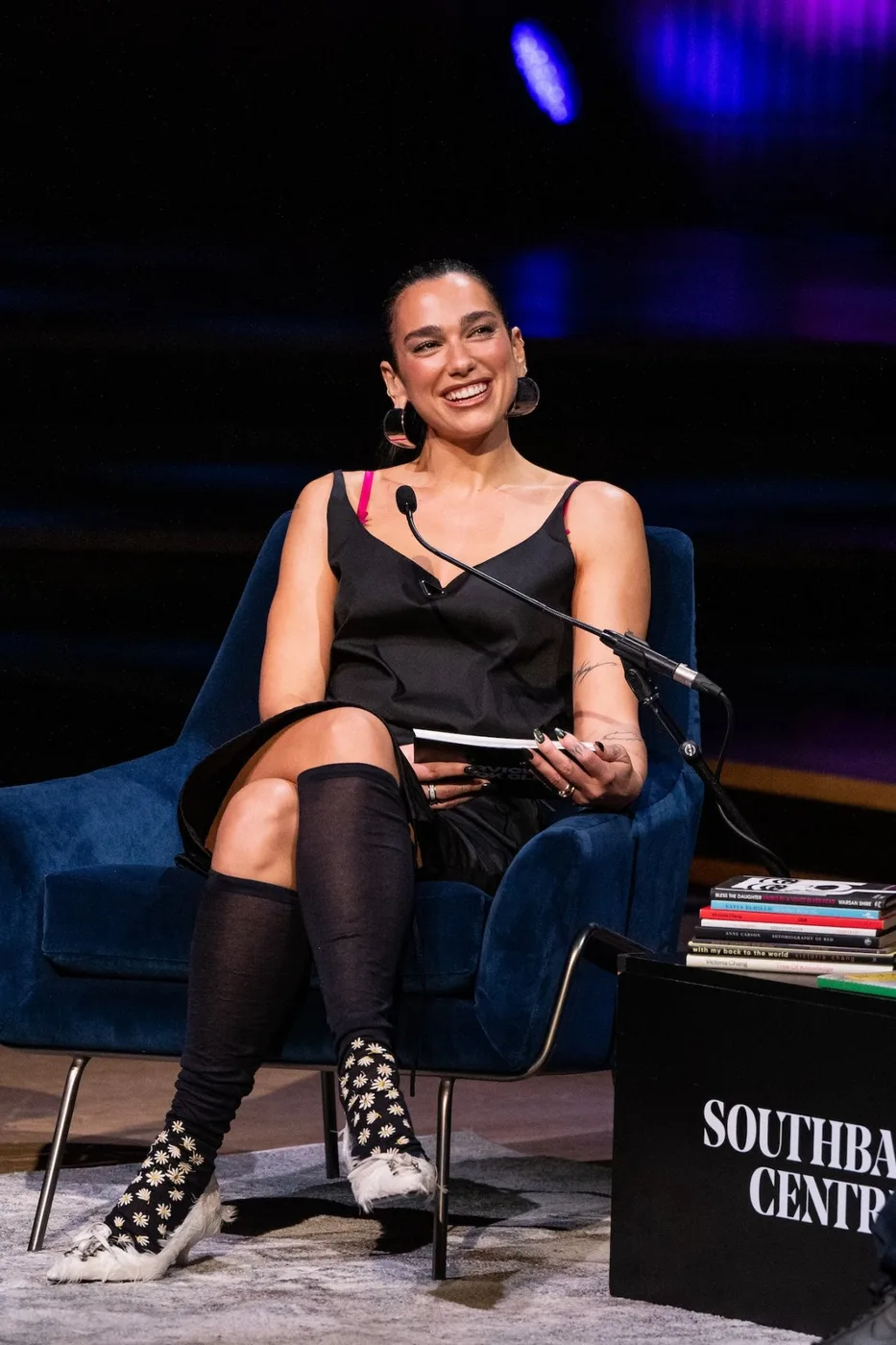
The rise of the curved heel is symptomatic of a broader trend in the luxury market: the democratization of the avant-garde. As consumers become more design-literate, the demand for footwear that offers a unique narrative has surged. We are witnessing a period where the 'it' shoe is no longer defined by a logo, but by its silhouette. This shift has forced designers to rethink the structural integrity of their collections, leading to a surge in innovation that prioritizes form, balance, and the interplay of light and shadow on the heel’s surface.
Beyond the aesthetic, there is an economic imperative at play. Luxury houses are increasingly looking to differentiate themselves in a crowded marketplace, and the sculptural heel provides a recognizable, high-impact point of difference. Whether it is the subtle inward arc seen on Foy or the dramatic, gravity-defying curves favored by Rihanna, these designs serve as a shorthand for luxury and intentionality. As we look toward the upcoming season, it is clear that the curved heel is not merely a trend, but a foundational shift in how we perceive the relationship between the foot, the shoe, and the ground upon which we walk.
What to Watch: The Future of Footwear Architecture
As the industry moves forward, the question remains: how far can the curve be pushed? We are already seeing a fusion of traditional craftsmanship with 3D-printed elements and bio-materials, suggesting that the future of the heel lies in the intersection of technology and art. For the discerning fashion observer, the coming months will be a masterclass in how these sculptural forms are integrated into everyday wear. Will the curve become the new standard, or will it remain a bold outlier for the daring?
One thing is certain: the era of the mundane stiletto is being challenged. As Claire Foy continues her press tour for Ink, her choice of footwear serves as a reminder that even the most subtle style decisions are part of a larger, evolving conversation. The curved heel is more than just a trend; it is a testament to the enduring power of design to surprise, delight, and redefine our expectations. For those watching the runways of Paris, Milan, and London, the message is clear: the future of fashion is not straight—it is beautifully, intentionally curved.
Khi Claire Foy lướt đi trên những con đường lát đá tại Fleet Street, London vào thứ Sáu vừa qua, hình ảnh đó không chỉ đơn thuần là một buổi họp báo thường lệ cho bộ phim tiểu sử sắp ra mắt của cô, Ink. Trong chiếc áo khoác trench coat ngoại cỡ và quần ống rộng, bộ trang phục của Foy là một bài học mẫu mực về phong cách thanh lịch mùa đông đầy tinh tế. Tuy nhiên, chính đôi bốt đen bóng loáng thấp thoáng dưới gấu quần mới là thứ thu hút sự chú ý của giới mộ điệu. Với phần mũi nhọn kéo dài và chiếc gót stiletto cong vào trong đầy khác biệt, đôi giày đóng vai trò như một dấu chấm câu quyết định cho một diện mạo kết nối giữa kỹ thuật may đo cổ điển của Anh và tinh thần avant-garde đang thống trị các sàn diễn toàn cầu.
Gót cong—một yếu tố thiết kế thách thức sự cân bằng cấu trúc của kiểu giày pump truyền thống—đã âm thầm chuyển mình từ những rìa cạnh của thiết kế thử nghiệm sang vị trí trung tâm trong tủ đồ của các ngôi sao. Khi Foy thực hiện chuỗi quảng bá cho vai diễn Jules Davis, một nhân vật được tổng hòa từ thế giới đầy áp lực của báo chí lá cải, lựa chọn giày dép của cô phản ánh một sự tái định chuẩn văn hóa rộng lớn hơn. Trong kỷ nguyên mà thời trang ngày càng được định nghĩa bởi khả năng kết hợp các phom dáng lịch sử với hình học điêu khắc đầy phá cách, gót cong nổi lên như biểu tượng mạnh mẽ nhất của sự tinh tế hiện đại trong mùa này.
Hình học của sự tiên phong
Sự tiến hóa của gót cong không chỉ là một ý thích thẩm mỹ nhất thời; đó là một sự rời bỏ sâu sắc khỏi hình học thẳng đứng cứng nhắc đã thống trị ngành giày dép trong nhiều thập kỷ. Trong lịch sử, giày stiletto được định nghĩa bởi tính tuyến tính không khoan nhượng—một đường xuống thẳng tắp như kim, ưu tiên chiều cao và sự kiêu hãnh trên hết. Tuy nhiên, phiên bản hiện tại lại đón nhận đường cong, lấy cảm hứng từ kiến trúc hiện đại giữa thế kỷ và những đường nét uyển chuyển của thiết kế hữu cơ. Bằng cách giới thiệu một vòng cung nhẹ nhàng hướng vào trong, các nhà thiết kế đang thực sự biến đôi giày từ một phụ kiện chức năng thành một tác phẩm điêu khắc động.
Sự thay đổi này là biểu tượng của một phong trào rộng lớn hơn trong lĩnh vực xa xỉ, nơi các thương hiệu đang rời xa sự đồng nhất tối giản để hướng tới những tác phẩm đòi hỏi người xem phải nhìn lại lần thứ hai. Gót cong tạo ra một sự căng thẳng về thị giác, một cảm giác cân bằng bấp bênh phản ánh sự phức tạp của tủ đồ hiện đại. Đó là một ngôn ngữ thiết kế dành cho những ai coi thời trang là một cuộc theo đuổi trí tuệ. Như đã thấy trong sự hợp tác gần đây giữa Matières Fécales và Christian Louboutin, đường cong đang được đẩy đến giới hạn, thường kết hợp với các kết cấu táo bạo và vật liệu phi truyền thống thách thức chính định nghĩa về một chiếc gót giày.
Từ sàn diễn đến thảm đỏ
Quỹ đạo của gót cong có thể được truy vết qua một loạt các khoảnh khắc văn hóa nổi bật đã củng cố vị thế của nó như một phom dáng "phải có". Rihanna, người luôn dẫn đầu xu hướng, đã đưa trào lưu này vào tâm điểm trong Tuần lễ Thời trang Paris khi lựa chọn những đôi giày pump da bóng với đường cong táo bạo và cường điệu. Sự ủng hộ của cô, cùng với những thử nghiệm trước đó của Lady Gaga với những đôi gót cong trên nền đế platform rực rỡ, đã thực sự xóa bỏ quan niệm rằng những thiết kế như vậy chỉ dành cho sàn diễn. Ngay cả các nhãn hàng xa xỉ phổ thông cũng đã xoay trục, với các thương hiệu như Schutz tích hợp gót điêu khắc vào các bộ sưu tập theo mùa, giúp xu hướng này tiếp cận được với đông đảo người tiêu dùng sành điệu hơn.
Đối với những ngôi sao như Foy, gót cong mang đến cách để cân bằng một diện mạo vốn có thể trở nên quá truyền thống. Bằng cách kết hợp một chiếc áo trench coat cổ điển, ngoại cỡ với một đôi giày mang dấu ấn kiến trúc đặc trưng, người mặc tạo ra một cuộc đối thoại giữa cái vượt thời gian và cái đương đại. Đây là một lựa chọn phong cách chiến lược, thừa nhận sức nặng của thẩm mỹ ngành điện ảnh hiện nay—một thẩm mỹ coi trọng nội dung và câu chuyện, nhưng không từ bỏ tác động thị giác vốn định nghĩa trải nghiệm thảm đỏ hiện đại.
Hiệu ứng lan tỏa văn hóa
Sự trỗi dậy của gót cong là triệu chứng của một xu hướng rộng lớn hơn trong thị trường xa xỉ: sự dân chủ hóa của phong cách avant-garde. Khi người tiêu dùng ngày càng am hiểu về thiết kế, nhu cầu về những đôi giày mang lại một câu chuyện độc đáo đã tăng vọt. Chúng ta đang chứng kiến một thời kỳ mà đôi giày "it" không còn được định nghĩa bởi logo, mà bởi phom dáng của nó. Sự thay đổi này buộc các nhà thiết kế phải suy nghĩ lại về tính toàn vẹn cấu trúc trong các bộ sưu tập của họ, dẫn đến làn sóng đổi mới ưu tiên hình khối, sự cân bằng và sự tương tác giữa ánh sáng và bóng tối trên bề mặt gót giày.
Ngoài tính thẩm mỹ, còn có một mệnh lệnh kinh tế đang vận hành. Các nhà mốt xa xỉ ngày càng tìm cách tạo sự khác biệt trong một thị trường đông đúc, và gót giày điêu khắc cung cấp một điểm nhấn dễ nhận biết và có tác động mạnh mẽ. Cho dù đó là vòng cung hướng vào trong tinh tế trên đôi giày của Foy hay những đường cong kịch tính, thách thức trọng lực mà Rihanna ưa chuộng, những thiết kế này đóng vai trò như một cách viết tắt cho sự xa xỉ và tính chủ đích. Khi nhìn về mùa sắp tới, rõ ràng gót cong không chỉ là một xu hướng, mà là một sự thay đổi nền tảng trong cách chúng ta nhận thức mối quan hệ giữa bàn chân, đôi giày và mặt đất mà chúng ta bước đi.
Điều cần theo dõi: Tương lai của kiến trúc giày dép
Khi ngành công nghiệp tiến về phía trước, câu hỏi vẫn còn đó: đường cong có thể được đẩy đi bao xa? Chúng ta đã thấy sự kết hợp giữa kỹ nghệ thủ công truyền thống với các yếu tố in 3D và vật liệu sinh học, cho thấy tương lai của gót giày nằm ở sự giao thoa giữa công nghệ và nghệ thuật. Đối với những người quan sát thời trang sành sỏi, những tháng tới sẽ là bài học mẫu mực về cách các hình khối điêu khắc này được tích hợp vào trang phục thường ngày. Liệu đường cong sẽ trở thành tiêu chuẩn mới, hay nó sẽ vẫn là một ngoại lệ táo bạo dành cho những người ưa mạo hiểm?
Một điều chắc chắn là: kỷ nguyên của chiếc stiletto tầm thường đang bị thách thức. Khi Claire Foy tiếp tục chuyến lưu diễn quảng bá cho Ink, lựa chọn giày dép của cô đóng vai trò như một lời nhắc nhở rằng ngay cả những quyết định phong cách tinh tế nhất cũng là một phần của cuộc đối thoại lớn hơn, không ngừng phát triển. Gót cong không chỉ là một xu hướng; đó là minh chứng cho sức mạnh bền bỉ của thiết kế trong việc gây ngạc nhiên, làm hài lòng và định nghĩa lại những kỳ vọng của chúng ta. Đối với những ai đang theo dõi các sàn diễn tại Paris, Milan và London, thông điệp đã rõ ràng: tương lai của thời trang không phải là đường thẳng—nó là một đường cong đầy chủ đích và tuyệt đẹp.
Lorsque Claire Foy a été photographiée sur les pavés de Fleet Street à Londres vendredi dernier, l'image représentait bien plus qu'une simple apparition promotionnelle pour son prochain drame biographique, Ink. Vêtue d'un trench-coat oversize et d'un pantalon large, la silhouette de Foy était une leçon de chic hivernal tout en retenue. Pourtant, ce sont les bottines noires, subtiles et étincelantes, dépassant de son ourlet, qui ont captivé l'attention des connaisseurs de mode. Dotées d'un bout allongé et pointu ainsi que d'un talon aiguille distinctement arqué vers l'intérieur, ces chaussures ont agi comme le point final d'un look qui fait le pont entre le tailoring britannique classique et les sensibilités avant-gardistes qui dominent actuellement les podiums mondiaux.
Le talon incurvé — un élément de design qui défie l'équilibre structurel de l'escarpin traditionnel — a discrètement quitté les marges du design expérimental pour s'imposer au cœur de la garde-robe des célébrités. Alors que Foy parcourt la tournée promotionnelle pour son rôle de Jules Davis, un personnage inspiré par le monde sous haute pression du journalisme à scandale, son choix de chaussures reflète une recalibration culturelle plus large. À une époque où la mode se définit de plus en plus par sa capacité à marier silhouettes historiques et géométrie sculpturale disruptive, le talon incurvé s'impose comme le symbole le plus puissant de la sophistication moderne.
La géométrie de l'avant-garde
L'évolution du talon incurvé n'est pas qu'un simple caprice esthétique passager ; c'est une rupture profonde avec la géométrie rigide et verticale qui a dominé la chaussure pendant des décennies. Historiquement, le stiletto se définissait par sa linéarité intransigeante : une descente droite, semblable à une aiguille, privilégiant la hauteur et l'aplomb avant tout. L'itération actuelle, en revanche, embrasse la courbe, s'inspirant de l'architecture moderne du milieu du siècle et des lignes fluides du design organique. En introduisant une légère cambrure vers l'intérieur, les créateurs transforment efficacement la chaussure, passant d'un accessoire fonctionnel à une pièce de sculpture cinétique.
Ce changement est emblématique d'un mouvement plus vaste au sein du secteur du luxe, où les marques s'éloignent de l'uniformité minimaliste pour proposer des pièces qui exigent un second regard. Le talon incurvé offre une tension visuelle, un sentiment d'équilibre précaire qui reflète la complexité de la garde-robe moderne. C'est un langage de design qui s'adresse à ceux qui considèrent la mode comme une quête intellectuelle. Comme on a pu le voir dans la récente collaboration Matières Fécales x Christian Louboutin, la courbe est poussée dans ses retranchements, souvent associée à des textures audacieuses et des matériaux non conventionnels qui remettent en question la définition même de ce qu'un talon devrait être.
Du podium au tapis rouge
La trajectoire du talon incurvé peut être retracée à travers une série de moments culturels de haut vol qui ont solidifié son statut de silhouette incontournable. Rihanna, toujours arbitre de la pointe de la mode, a mis cette tendance en lumière lors de la Fashion Week de Paris, en optant pour des escarpins en cuir verni arborant une courbe audacieuse et exagérée. Son approbation, couplée aux incursions antérieures de Lady Gaga dans les talons compensés flamboyants et incurvés, a effectivement démantelé l'idée que de tels designs étaient réservés aux podiums. Même les marques de luxe grand public ont pivoté, des maisons comme Schutz intégrant des talons sculpturaux dans leurs collections saisonnières, rendant la tendance accessible à un éventail plus large de consommateurs férus de mode.
Pour des célébrités comme Foy, le talon incurvé offre un moyen d'ancrer un look qui pourrait autrement paraître trop traditionnel. En associant un trench classique et oversize à une chaussure possédant une signature architecturale aussi distincte, celle qui la porte crée un dialogue entre l'intemporel et le contemporain. C'est un choix stylistique stratégique qui reconnaît la gravité de l'esthétique actuelle de l'industrie cinématographique : une esthétique qui valorise la substance et la narration, tout en refusant de sacrifier l'impact visuel qui définit l'expérience moderne du tapis rouge.
L'effet d'entraînement culturel
L'essor du talon incurvé est symptomatique d'une tendance plus large sur le marché du luxe : la démocratisation de l'avant-garde. À mesure que les consommateurs deviennent plus avertis en matière de design, la demande pour des chaussures offrant un récit unique a explosé. Nous assistons à une période où la chaussure "it" n'est plus définie par un logo, mais par sa silhouette. Ce changement a contraint les créateurs à repenser l'intégrité structurelle de leurs collections, menant à une vague d'innovation qui privilégie la forme, l'équilibre et le jeu d'ombre et de lumière sur la surface du talon.
Au-delà de l'esthétique, un impératif économique est à l'œuvre. Les maisons de luxe cherchent de plus en plus à se différencier sur un marché saturé, et le talon sculptural fournit un point de différenciation reconnaissable et à fort impact. Qu'il s'agisse de la subtile cambrure intérieure vue sur Foy ou des courbes dramatiques défiant la gravité privilégiées par Rihanna, ces designs servent de raccourci pour le luxe et l'intentionnalité. Alors que nous nous tournons vers la saison à venir, il est clair que le talon incurvé n'est pas simplement une tendance, mais un changement fondamental dans la façon dont nous percevons la relation entre le pied, la chaussure et le sol sur lequel nous marchons.
À surveiller : l'avenir de l'architecture de la chaussure
Alors que l'industrie progresse, la question demeure : jusqu'où la courbe peut-elle être poussée ? Nous voyons déjà une fusion de l'artisanat traditionnel avec des éléments imprimés en 3D et des biomatériaux, suggérant que l'avenir du talon réside à l'intersection de la technologie et de l'art. Pour l'observateur de mode averti, les mois à venir seront une leçon magistrale sur la façon dont ces formes sculpturales sont intégrées au quotidien. La courbe deviendra-t-elle la nouvelle norme, ou restera-t-elle une exception audacieuse pour les plus téméraires ?
Une chose est certaine : l'ère du stiletto banal est remise en question. Alors que Claire Foy poursuit sa tournée de presse pour Ink, son choix de chaussures rappelle que même les décisions stylistiques les plus subtiles font partie d'une conversation plus large et en constante évolution. Le talon incurvé est bien plus qu'une simple tendance ; c'est un témoignage du pouvoir durable du design à surprendre, ravir et redéfinir nos attentes. Pour ceux qui observent les podiums de Paris, Milan et Londres, le message est clair : l'avenir de la mode n'est pas droit, il est magnifiquement et intentionnellement incurvé.
Cuando Claire Foy fue captada sobre los adoquines de Fleet Street en Londres el pasado viernes, la imagen supuso mucho más que una rutinaria aparición de prensa para su próximo drama biográfico, Ink. Ataviada con una gabardina de corte oversize y pantalones de pernera ancha, el conjunto de Foy fue una clase magistral de elegancia invernal discreta. Sin embargo, fueron los sutiles y brillantes botines negros que asomaban bajo el dobladillo los que captaron la atención de los expertos en moda. Con una puntera alargada y afilada, y un tacón de aguja distintivamente arqueado hacia el interior, el calzado sirvió como punto final definitivo a un look que tiende un puente entre la sastrería británica clásica y la sensibilidad vanguardista que domina actualmente las pasarelas internacionales.
El tacón curvo —un elemento de diseño que desafía el equilibrio estructural del zapato tradicional— ha pasado discretamente de los márgenes del diseño experimental al centro del armario de las celebridades. Mientras Foy recorre el circuito promocional de su papel como Jules Davis, un personaje sintetizado a partir del mundo de alta presión del periodismo sensacionalista, su elección de calzado refleja una recalibración cultural más amplia. En una era donde la moda se define cada vez más por su capacidad de casar siluetas históricas con una geometría disruptiva y escultórica, el tacón curvo se erige como el símbolo más potente de la sofisticación moderna esta temporada.
La geometría de la vanguardia
La evolución del tacón curvo no es un mero capricho estético pasajero; es un alejamiento profundo de la geometría rígida y vertical que ha dominado el calzado durante décadas. Históricamente, el estilete se definía por su linealidad intransigente: un descenso recto, similar a una aguja, que priorizaba la altura y el porte por encima de todo. La iteración actual, sin embargo, abraza la curva, inspirándose en la arquitectura moderna de mediados de siglo y en las líneas fluidas del diseño orgánico. Al introducir un arco suave hacia el interior, los diseñadores están transformando efectivamente el zapato de un accesorio funcional a una pieza de escultura cinética.
Este cambio es emblemático de un movimiento más amplio dentro del sector del lujo, donde las marcas se alejan de la uniformidad minimalista hacia piezas que exigen una segunda mirada. El tacón curvo proporciona una tensión visual, una sensación de equilibrio precario que refleja la complejidad del armario moderno. Es un lenguaje de diseño que habla a quienes ven la moda como una búsqueda intelectual. Como se vio en la reciente colaboración de Matières Fécales x Christian Louboutin, la curva se está llevando al límite, a menudo combinada con texturas audaces y materiales poco convencionales que desafían la definición misma de lo que debería ser un tacón.
De la pasarela a la alfombra roja
La trayectoria del tacón curvo puede rastrearse a través de una serie de momentos culturales de alto perfil que han consolidado su estatus como silueta imprescindible. Rihanna, siempre árbitro de la vanguardia, puso la tendencia en el punto de mira durante la Semana de la Moda de París, optando por salones de charol que presentaban una curva atrevida y exagerada. Su respaldo, sumado a las incursiones previas de Lady Gaga en tacones curvos extravagantes con plataforma, ha desmantelado eficazmente la noción de que tales diseños están reservados para la pasarela. Incluso las firmas de lujo convencionales han dado un giro, con marcas como Schutz integrando tacones escultóricos en sus colecciones estacionales, haciendo que la tendencia sea accesible a un grupo demográfico más amplio de consumidores amantes de la moda.
Para celebridades como Foy, el tacón curvo ofrece una forma de aterrizar un look que, de otro modo, podría resultar demasiado tradicional. Al combinar una gabardina clásica y oversize con un zapato que posee una firma arquitectónica tan distintiva, quien lo lleva crea un diálogo entre lo atemporal y lo contemporáneo. Es una elección de estilo estratégica que reconoce la gravedad de la estética actual de la industria cinematográfica: una que valora la sustancia y la narrativa, pero que se niega a sacrificar el impacto visual que define la experiencia moderna de la alfombra roja.
El efecto dominó cultural
El auge del tacón curvo es sintomático de una tendencia más amplia en el mercado del lujo: la democratización de la vanguardia. A medida que los consumidores se vuelven más expertos en diseño, la demanda de calzado que ofrezca una narrativa única se ha disparado. Estamos siendo testigos de un periodo en el que el zapato del momento ya no se define por un logotipo, sino por su silueta. Este cambio ha obligado a los diseñadores a repensar la integridad estructural de sus colecciones, lo que ha llevado a un aumento de la innovación que prioriza la forma, el equilibrio y la interacción de luces y sombras sobre la superficie del tacón.
Más allá de la estética, existe un imperativo económico en juego. Las casas de lujo buscan diferenciarse cada vez más en un mercado saturado, y el tacón escultórico proporciona un punto de diferencia reconocible y de alto impacto. Ya sea el sutil arco interior visto en Foy o las curvas dramáticas que desafían la gravedad favorecidas por Rihanna, estos diseños sirven como abreviatura de lujo e intencionalidad. De cara a la próxima temporada, queda claro que el tacón curvo no es solo una tendencia, sino un cambio fundamental en cómo percibimos la relación entre el pie, el zapato y el suelo sobre el que caminamos.
Qué observar: el futuro de la arquitectura del calzado
A medida que la industria avanza, la pregunta sigue siendo: ¿hasta dónde se puede llevar la curva? Ya estamos viendo una fusión de la artesanía tradicional con elementos impresos en 3D y biomateriales, lo que sugiere que el futuro del tacón reside en la intersección de la tecnología y el arte. Para el observador de moda exigente, los próximos meses serán una clase magistral sobre cómo estas formas escultóricas se integran en el uso diario. ¿Se convertirá la curva en el nuevo estándar o seguirá siendo un valor atípico audaz para los más atrevidos?
Una cosa es segura: la era del estilete mundano está siendo desafiada. Mientras Claire Foy continúa su gira de prensa para Ink, su elección de calzado sirve como recordatorio de que incluso las decisiones de estilo más sutiles forman parte de una conversación más amplia y en constante evolución. El tacón curvo es más que una tendencia; es un testimonio del poder duradero del diseño para sorprender, deleitar y redefinir nuestras expectativas. Para aquellos que observan las pasarelas de París, Milán y Londres, el mensaje es claro: el futuro de la moda no es recto; es bella e intencionadamente curvo.
上周五,当克莱尔·芙伊(Claire Foy)被拍到漫步在伦敦舰队街(Fleet Street)的鹅卵石路上时,这组照片的意义远超她为即将上映的传记剧情片《Ink》所做的常规宣传。芙伊身着超大廓形风衣搭配阔腿裤,展现了低调冬日时尚的典范。然而,真正吸引时尚界敏锐目光的,是她裙摆下若隐若现的黑色亮面短靴。这双鞋拥有修长尖头设计,以及标志性的向内弯曲的弧形细高跟,为整套造型画上了点睛之笔,完美衔接了英伦经典剪裁与当前席卷全球秀场的先锋美学。
弧形鞋跟——这一挑战传统高跟鞋结构平衡的设计元素,已悄然从实验性设计的边缘走向了明星衣橱的中心。随着芙伊为她在片中饰演的朱尔斯·戴维斯(Jules Davis)一角进行宣传,她的鞋履选择反映了一种更广泛的文化重塑。在一个时尚日益由“将历史廓形与颠覆性雕塑几何相结合”的能力所定义的时代,弧形鞋跟成为了本季现代精致感的最佳象征。
先锋派的几何美学
弧形鞋跟的演变并非昙花一现的审美冲动,而是对数十年来统治鞋履界的僵硬垂直几何学的深刻背离。从历史上看,细高跟鞋(Stiletto)的定义在于其不妥协的线性——一种优先考虑高度与姿态的针状垂直下坠。然而,当前的迭代拥抱了曲线,从现代主义建筑和有机设计的流动线条中汲取灵感。通过引入柔和的内弧,设计师们有效地将鞋履从功能性配件转化为一件动态雕塑。
这种转变是奢侈品行业内部更广泛运动的缩影,品牌正从极简主义的统一性转向那些引人注目的作品。弧形鞋跟提供了一种视觉张力,一种与现代衣橱复杂性相呼应的微妙平衡感。这是一种与那些将时尚视为智力追求的人群对话的设计语言。正如近期Matières Fécales与Christian Louboutin的联名系列所展示的那样,这种曲线被推向了极致,常与大胆的纹理和非常规材料搭配,挑战着人们对“鞋跟”定义的认知。
从秀场到红毯
弧形鞋跟的轨迹可以通过一系列巩固其“必备廓形”地位的高调文化时刻来追溯。作为尖端潮流的引领者,蕾哈娜(Rihanna)在巴黎时装周期间将这一趋势推向了聚光灯下,她选择了一双带有大胆夸张弧度的漆皮高跟鞋。她的背书,加上Lady Gaga早期对华丽平台弧形鞋跟的尝试,有效地打破了此类设计仅限于秀场的观念。即便是主流奢侈品牌也已转向,Schutz等品牌将雕塑感鞋跟融入季节性系列,使这一趋势能够触及更广泛的时尚消费者群体。
对于像芙伊这样的明星来说,弧形鞋跟提供了一种平衡感,能让原本可能显得过于传统的造型焕发新生。通过将经典的超大廓形风衣与具有独特建筑特征的鞋履搭配,穿着者在永恒与当代之间创造了一种对话。这是一种战略性的造型选择,既认可了电影行业当前审美中对深度与叙事的重视,又未牺牲现代红毯体验所必需的视觉冲击力。
文化的连锁反应
弧形鞋跟的兴起是奢侈品市场更广泛趋势的征兆:先锋派的民主化。随着消费者对设计认知的提升,对具有独特叙事性的鞋履需求激增。我们正见证一个时代,当季最火的鞋履不再由Logo定义,而是由其廓形决定。这种转变迫使设计师重新思考其系列的结构完整性,从而引发了一场优先考虑形式、平衡以及鞋跟表面光影交错的创新浪潮。
除了审美之外,背后还存在着经济驱动力。奢侈品牌正日益寻求在拥挤的市场中实现差异化,而雕塑感鞋跟提供了一个可识别的、高影响力的差异点。无论是芙伊所穿的微妙内弧,还是蕾哈娜所钟爱的反重力夸张曲线,这些设计都是奢侈感与设计意图的缩影。展望即将到来的季节,显而易见的是,弧形鞋跟不仅是一种趋势,更是我们感知足部、鞋履与地面之间关系的基础性转变。
未来展望:鞋履建筑学的走向
随着行业的发展,问题依然存在:曲线还能被推向多远?我们已经看到传统工艺与3D打印元素及生物材料的融合,这表明鞋跟的未来在于技术与艺术的交汇。对于敏锐的时尚观察者来说,未来几个月将是这些雕塑形态如何融入日常穿搭的教学范本。曲线会成为新的标准,还是会继续作为大胆的异类存在?
有一点是肯定的:平庸细高跟的时代正受到挑战。随着克莱尔·芙伊继续她的《Ink》宣传之旅,她的鞋履选择提醒我们,即使是最细微的风格决策,也是更大、不断演变的对话的一部分。弧形鞋跟不仅仅是一种趋势,它是设计力量的证明——它能带来惊喜、愉悦,并重新定义我们的期望。对于那些关注巴黎、米兰和伦敦秀场的人来说,信息很明确:时尚的未来不是直线的,它是优美且刻意弯曲的。
Editorial Standards & Multi-Language Synthesis: This dispatch was synthesized and fact-checked by the ParisDaily Editorial Desk across 5 global editions (EN, FR, VI, ES, ZH), cross-referencing primary international wire reports and real-time search intelligence.