Khúc khải hoàn của 'Tiếng khóc Serankwa': Bộ phim sinh thái giật gân thổ dân chinh phục Mỹ Latinh
Latin American distributor Cineplex has acquired the rights to Yull Núñez's acclaimed Indigenous eco-thriller 'The Cry of Serankwa,' setting a new benchmark for environmental cinema.
Hãng phát hành Cineplex tại Mỹ Latinh vừa mua lại bản quyền bộ phim sinh thái thổ dân tiếng tăm 'The Cry of Serankwa' của đạo diễn Yull Núñez, thiết lập một tiêu chuẩn mới cho điện ảnh môi trường.
Le distributeur latino-américain Cineplex a acquis les droits du thriller écologique indigène acclamé de Yull Núñez, « The Cry of Serankwa », établissant une nouvelle référence pour le cinéma environnemental. Ce projet ambitieux marque un tournant majeur dans la représentation des cultures ancestrales à l'écran.
La distribuidora latinoamericana Cineplex ha adquirido los derechos del aclamado eco-thriller indígena 'El grito de Serankwa', dirigido por Yull Núñez, estableciendo un nuevo referente para el cine de temática medioambiental.
拉丁美洲发行公司Cineplex已买下尤尔·努涅斯备受赞誉的本土生态惊悚片《塞兰夸的哭泣》的版权,为环境电影树立了新的标杆。
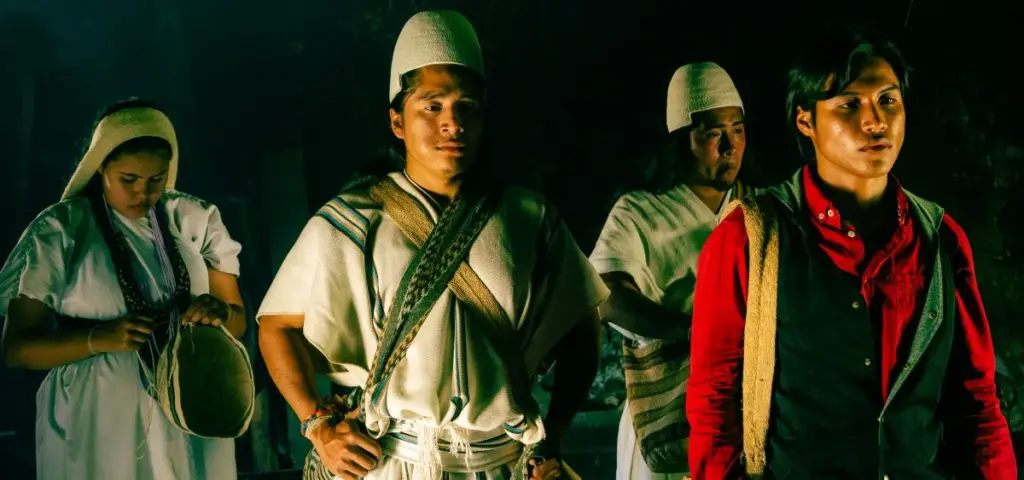
- Cineplex secured the Colombian and broader Latin American rights to 'The Cry of Serankwa' following its triple-prize sweep at the Santiago Film Festival (Sanfic Industria).
- Director Yull Núñez—known for starring in Ciro Guerra's 'The Wind Journeys'—spent years building authentic ties with the Iku, Wiwa, Kogui, and Kankwamo communities of the Sierra Nevada de Santa Marta.
- The narrative centers on two Iku friends whose paths diverge over corporate mining encroachment on sacred ancestral lands.
- Filmed over 40 days in the remote, restricted mountain village of Nabuzimake, the project blends natural acting talent with profound ecological urgency.
- Cineplex đã nắm giữ bản quyền phân phối tại Colombia và toàn khu vực Mỹ Latinh cho tác phẩm 'The Cry of Serankwa' sau khi bộ phim giành trọn ba giải thưởng lớn tại Liên hoan Phim Santiago (Sanfic Industria).
- Đạo diễn Yull Núñez — nổi tiếng với vai chính trong 'The Wind Journeys' của Ciro Guerra — đã dành nhiều năm để xây dựng mối quan hệ chân thực với các cộng đồng Iku, Wiwa, Kogui và Kankwamo tại dãy núi Sierra Nevada de Santa Marta.
- Câu chuyện xoay quanh hai người bạn người Iku có ngã rẽ cuộc đời chia lìa do sự xâm lấn của ngành khai thác mỏ công nghiệp trên các vùng đất thiêng tổ tiên.
- Được quay trong 40 ngày tại ngôi làng núi hẻo lánh và bị kiểm soát nghiêm ngặt Nabuzimake, dự án kết hợp tài năng diễn xuất tự nhiên cùng tính cấp bách sinh thái sâu sắc.
- Cineplex a obtenu les droits pour la Colombie et l'Amérique latine après le triomphe du film au Festival du film de Santiago (Sanfic Industria), où il a remporté trois prix majeurs.
- Le réalisateur Yull Núñez, connu pour son rôle principal dans « L'Étreinte du serpent » (The Wind Journeys) de Ciro Guerra, a passé des années à tisser des liens authentiques avec les communautés Iku, Wiwa, Kogui et Kankwamo de la Sierra Nevada de Santa Marta.
- Le récit suit le destin de deux amis Iku dont les chemins divergent face à l'empiétement des entreprises minières sur leurs terres ancestrales sacrées.
- Tourné pendant 40 jours dans le village reculé et protégé de Nabuzimake, le film mêle talents naturels et urgence écologique profonde.
- Cineplex se hizo con los derechos para Colombia y el conjunto de América Latina de 'El grito de Serankwa' tras su rotundo éxito en el Festival de Cine de Santiago (Sanfic Industria), donde arrasó con tres galardones.
- El director Yull Núñez —conocido por protagonizar 'Los viajes del viento' de Ciro Guerra— pasó años tejiendo vínculos auténticos con las comunidades iku, wiwa, kogui y kankwamo de la Sierra Nevada de Santa Marta.
- La trama sigue los pasos de dos amigos iku cuyos caminos se separan drásticamente debido a la invasión de la minería corporativa en sus tierras ancestrales sagradas.
- Rodada durante 40 días en el remoto y restringido enclave montañoso de Nabuzimake, la película combina un talento actoral natural con una profunda urgencia ecológica.
- 在圣地亚哥电影节(Sanfic Industria)斩获三项大奖后,《塞兰夸的哭泣》由Cineplex成功拿下哥伦比亚及更广泛拉美地区的发行权。
- 导演尤尔·努涅斯曾主演西罗·格拉的《风的旅程》,他花费数年时间与圣玛尔塔内华达山的伊库、维瓦、科吉和坎克瓦莫等社区建立了真正的信任纽带。
- 故事围绕两名伊库族朋友展开,由于企业采矿侵占了神圣的祖传土地,他们的生活道路走向了不同的方向。
- 该片在偏远且限制严格的山村纳布齐马克(Nabuzimake)历时40天拍摄完成,完美融合了天然的表演天赋与深刻的生态紧迫感。
In an era where global cinema frequently struggles to balance commercial viability with urgent ecological and cultural truths, rare works emerge that bridge this divide with breathtaking artistic precision. Such is the trajectory of The Cry of Serankwa (El grito de Serankwa), the sophomore feature by Colombian multi-hyphenate Yull Núñez. Following a dominant run at the Santiago Film Festival (Sanfic Industria), where the project swept three major industry awards in the WIP Iberoamericana section, the film has officially secured a high-profile distribution pact with leading Latin American distributor Cineplex. This acquisition marks a watershed moment for Indigenous-focused cinema in the region, positioning a deeply localized narrative about ancestral preservation and modern corporate greed for a sweeping theatrical rollout across Colombia and the broader Latin American market in 2027.
For Cineplex, the decision to swoop on the rights was instantaneous upon encountering the script's vivid evocation of the Sierra Nevada de Santa Marta—the sacred heartland of Colombia’s Iku, Wiwa, Kogui, and Kankwamo peoples. Elba McAllister of Cineplex noted that the film’s meticulous immersion into the ancestral worldview of these communities, largely spoken in the native Iku language, offers a profound cinematic encounter. As environmental degradation accelerates across the globe, The Cry of Serankwa steps boldly into the cultural zeitgeist, transforming the pressing anxieties of deforestation, mineral extraction, and climate collapse into a gripping human drama that promises to provoke intense public discourse throughout the continent.
A Cinematic Lineage Rooted in the Sierra Nevada
Films that authentically render the realities, spiritualities, and struggles of Colombia’s Indigenous communities remain extraordinarily rare. Aside from Cristina Gallego and Ciro Guerra’s Academy Award-submitted masterpiece Birds of Passage in 2018, few contemporary productions have achieved large-scale international visibility while maintaining rigorous cultural fidelity. Yull Núñez is uniquely positioned to carry this torch. As an actor who famously played the lead in Ciro Guerra’s critically revered 2009 film The Wind Journeys and contributed to Birds of Passage, Núñez brings an insider’s understanding of the patience, aesthetic discipline, and cultural respect required to portray these communities without resorting to ethnographic caricature.
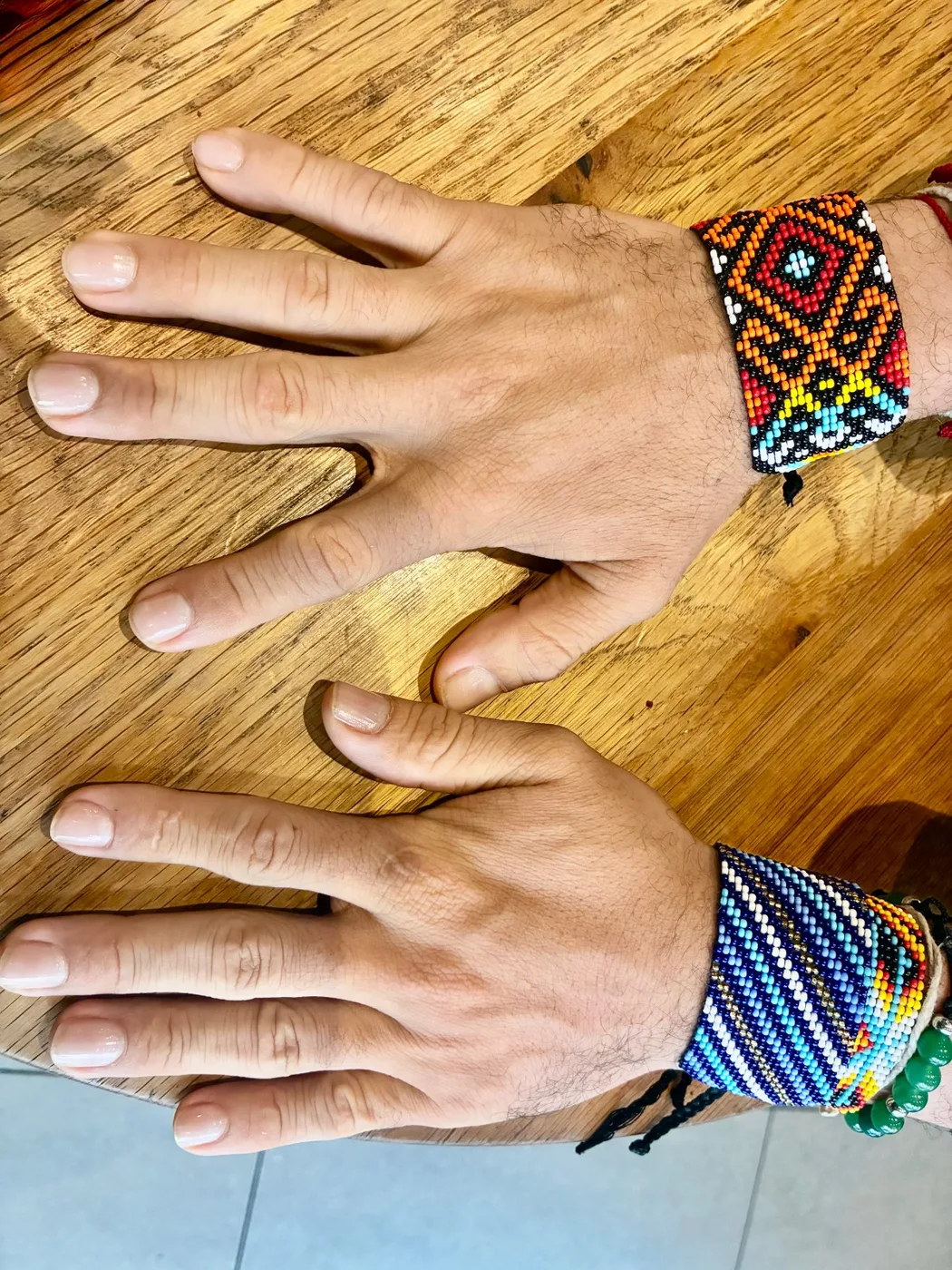
Núñez’s personal connection to the region runs deep. Hailing from Colombia’s Caribbean coast and of Afro-Colombian descent, he began drafting the script for The Cry of Serankwa as early as 2017, drawing on formative childhood memories accompanying his father on visits to the mountains. Gaining access to the remote, isolated mountain village of Nabuzimake—a sanctuary strictly closed off to the outside world—required years of trust-building and cultural integration, symbolized by the beaded bracelets Núñez wears that grant him passage. Rather than imposing an external Hollywood grammar onto the landscape, Núñez spent forty grueling days capturing the Sierra, utilizing a cast of mostly natural actors shaped by a rigorous three-month intensive workshop.
Mythology, Modernity, and the Tragedy of Extraction
At its core, The Cry of Serankwa constructs a microcosm of contemporary Latin American conflict through the lens of ancient mythology. Serankwa, revered as the supreme god of creation and balance within these Indigenous belief systems, watches over a world imperiled by human hubris. The narrative traces the divergent fates of two Iku friends, Marcelo and Aníbal, who are initially trained to become spiritual leaders known as Mamus. Their sacred duty is to safeguard Mother Earth from the relentless destruction wrought by modern mining conglomerates carving into indigenous territories.
When Aníbal fails to ascend to the status of a Mamu, he leaves the mountains for the sprawling temptations of the urban centers, ultimately returning years later not as a guardian, but as an engineer in the employ of the very mining corporation threatening his ancestral home. This dramatic wedge shatters his lifelong bond with Marcelo, who has taken up the mantle of defender of the Sierra. Through this poignant parable of estrangement and betrayal, Núñez examines how global capitalism seduces individuals away from their heritage, weaponizing former community members against their own sacred geography in the name of economic "progress."
The Long Road from Development Incubators to Regional Prominence
The journey of The Cry of Serankwa from conception to distribution serves as a masterclass in independent film financing and international co-production resilience. Long before its triumphant triple-award sweep at Sanfic Industria, the project navigated a rigorous institutional development trajectory. Núñez and producing partner Daylín Vega of Cinequipos Prods secured support from an elite circuit of labs and funding bodies, including a script development residency with the Desde la Raíz foundation, the Lenguas Originarias initiative in Lima, Peru, the MAR market at the Cartagena Film Festival, the Regional Office of Colombia’s Ministry of Culture, and the prestigious Berlinale Talents Toolbox.
Furthermore, financial backing from Colombia’s Film Development Fund (FDC) and the ERA Fund of the Manos Visibles Foundation allowed Núñez to maintain uncompromising artistic integrity. This institutional backing mirrors his broader commitment to regional capacity-building; over the past four years, the filmmaker has run an audiovisual collective dedicated to training aspiring local crew members, ensuring that the production of Indigenous stories directly empowers the communities telling them. As Núñez expands his cinematic exploration of ecological collapse—following his debut feature The Palafite’s Silence and his upcoming third feature, The Mystery of the Guatapuri—The Cry of Serankwa stands ready to prove that stories rooted in the specific cosmology of the Sierra Nevada possess universal resonance, demanding attention from international cinephiles and policy-makers alike when it hits screens in 2027.
Trong thời đại mà điện ảnh toàn cầu thường xuyên chật vật trong việc cân bằng giữa khả năng thương mại và những chân lý sinh thái, văn hóa cấp thiết, thỉnh thoảng lại xuất hiện những tác phẩm hiếm hoi vượt qua khoảng cách đó bằng sự chính xác nghệ thuật đầy ngoạn mục. Đó chính là quỹ đạo của The Cry of Serankwa (tựa gốc: El grito de Serankwa), bộ phim truyện thứ hai của nhà làm phim đa tài người Colombia Yull Núñez. Tiếp nối chuỗi thành công vang dội tại Liên hoan Phim Santiago (Sanfic Industria) — nơi dự án càn quét ba giải thưởng công nghiệp lớn ở hạng mục WIP Iberoamericana — bộ phim đã chính thức ký kết một thỏa thuận phân phối tầm cỡ với nhà phát hành hàng đầu Mỹ Latinh Cineplex. Thương vụ này đánh dấu một bước ngoặt lịch sử đối với dòng điện ảnh tập trung vào người bản địa trong khu vực, đưa một tựa phim mang đậm bản sắc địa phương về việc bảo tồn tổ tiên và lòng tham doanh nghiệp hiện đại đến với đợt phát hành rạp rộng rãi khắp Colombia và thị trường Mỹ Latinh rộng lớn hơn vào năm 2027.
Đối với Cineplex, quyết định chớp lấy bản quyền diễn ra ngay lập tức khi họ tiếp xúc với phần kịch bản phác họa sống động về Sierra Nevada de Santa Marta — trái tim linh thiêng của các cộng đồng người Iku, Wiwa, Kogui và Kankwamo tại Colombia. Elba McAllister thuộc Cineplex nhận định rằng sự thâm nhập tỉ mỉ của bộ phim vào thế giới quan tổ tiên của các cộng đồng này, được thể hiện phần lớn bằng ngôn ngữ bản địa Iku, mang lại một trải nghiệm điện ảnh sâu sắc. Khi tình trạng suy thoái môi trường ngày càng gia tốc trên toàn cầu, The Cry of Serankwa mạnh mẽ bước vào dòng chảy thời đại văn hóa, biến những nỗi lo âu cấp bách về nạn phá rừng, khai thác khoáng sản và sụp đổ khí hậu thành một bộ phim truyền hình con người đầy lôi cuốn, hứa hẹn khơi dậy những cuộc thảo luận công khai mạnh mẽ trên khắp lục địa.
Dòng dõi điện ảnh bắt nguồn từ dãy Sierra Nevada
Những bộ phim thể hiện một cách chân thực thực tại, đời sống tâm linh và cuộc đấu tranh của các cộng đồng bản địa Colombia vẫn vô cùng hiếm hoi. Ngoại trừ kiệt tác từng được đề cử giải Oscar Birds of Passage của Cristina Gallego và Ciro Guerra vào năm 2018, rất ít tác phẩm đương đại đạt được tầm nhìn quốc tế quy mô lớn mà vẫn duy trì được sự trung thực văn hóa nghiêm ngặt. Yull Núñez có vị thế độc tôn để tiếp ngọn đuốc này. Là một diễn viên từng nổi danh với vai chính trong bộ phim được giới phê bình ca ngợi năm 2009 của Ciro Guerra — The Wind Journeys — và từng đóng góp cho Birds of Passage, Núñez mang đến sự thấu hiểu từ người trong cuộc về sự kiên nhẫn, kỷ luật thẩm mỹ và sự tôn trọng văn hóa cần thiết để khắc họa những cộng đồng này mà không rơi vào lối mòn biếm họa dân tộc học.
Mối liên hệ cá nhân của Núñez với vùng đất này vô cùng sâu sắc. Xu thân từ bờ biển Caribe của Colombia và mang dòng máu Phi-Colombia, anh bắt đầu phác thảo kịch bản cho The Cry of Serankwa từ năm 2017, dựa trên những ký ức tuổi thơ định hình khi theo chân cha đến thăm những vùng núi cao. Việc có được quyền tiếp cận ngôi làng núi hẻo lánh, bị cô lập Nabuzimake — một thánh địa hoàn toàn khép kín với thế giới bên ngoài — đòi hỏi nhiều năm xây dựng lòng tin và hòa nhập văn hóa, được tượng trưng bằng những chiếc vòng cườm mà Núñez đeo trên tay để được cho phép qua lại. Thay vì áp đặt một thứ ngữ pháp Hollywood bên ngoài lên khung cảnh thiên nhiên, Núñez đã dành bốn mươi ngày gian khổ để ghi lại hình ảnh của dãy Sierra, sử dụng dàn diễn viên hầu hết là tài năng tự nhiên được nhào nặn qua một xưởng đào tạo cường độ cao kéo dài ba tháng.
Thần thoại, tính hiện đại và bi kịch khai thác
Về cốt lõi, The Cry of Serankwa xây dựng một thế giới thu nhỏ về xung đột Mỹ Latinh đương đại qua lăng kính thần thoại cổ xưa. Serankwa, được tôn sùng là vị thần tối cao của sự sáng tạo và cân bằng trong hệ thống tín ngưỡng bản địa này, đang giám sát một thế giới đang bị đe dọa bởi sự kiêu ngạo của con người. Tác phẩm theo chân số phận rẽ hướng của hai người bạn người Iku là Marcelo và Aníbal, những người ban đầu được đào tạo để trở thành các nhà lãnh đạo tâm linh được gọi là Mamu. Nhiệm vụ linh thiêng của họ là bảo vệ Đất Mẹ khỏi sự tàn phá không ngừng do các tập đoàn khai mỏ hiện đại đang đục khoét các lãnh thổ bản địa gây ra.
Khi Aníbal không thể bước lên vị thế Mamu, anh rời bỏ những ngọn núi để đến với những cám dỗ phù phiếm của các trung tâm đô thị, để rồi nhiều năm sau quay trở lại không phải với tư cách là một người bảo vệ, mà là một kỹ sư làm thuê cho chính tập đoàn khai mỏ đang đe dọa ngôi nhà tổ tiên của mình. Sự rạn nứt kịch tính này làm tan vỡ mối thâm tình cả đời với Marcelo — người đã nhận lấy trọng trách bảo vệ dãy Sierra. Qua ngụ ngôn đầy thổn thức về sự xa lánh và phản bội này, Núñez khảo sát cách chủ nghĩa tư bản toàn cầu dụ dỗ con người rời bỏ cội nguồn của họ, biến những cựu thành viên cộng đồng thành vũ khí chống lại chính địa lý linh thiêng của họ nhân danh "sự tiến bộ" kinh tế.
Hành trình dài từ các vườn ươm phát triển đến vị thế nổi bật khu vực
Hành trình của The Cry of Serankwa từ khâu hình thành đến phân phối đóng vai trò là một bài học vỡ lòng về tài chính phim độc lập và khả năng chống chịu của hoạt động đồng sản xuất quốc tế. Từ lâu trước khi giành được cú hat-trick giải thưởng tại Sanfic Industria, dự án đã trải qua một lộ trình phát triển thể chế vô cùng khắt khe. Núñez cùng đối tác sản xuất Daylín Vega của Cinequipos Prods đã bảo đảm sự hỗ trợ từ một hệ sinh thái tinh hoa gồm các phòng thí nghiệm và quỹ tài trợ, bao gồm chương trình lưu trú phát triển kịch bản với quỹ Desde la Raíz, sáng kiến Lenguas Originarias tại Lima (Peru), thị trường MAR tại Liên hoan Phim Cartagena, Văn phòng Khu vực thuộc Bộ Văn hóa Colombia, cùng công cụ danh giá Berlinale Talents Toolbox.
Hơn nữa, sự hậu thuẫn tài chính từ Quỹ Phát triển Điện ảnh Colombia (FDC) và Quỹ ERA của Tổ chức Manos Visibles đã cho phép Núñez duy trì sự toàn vẹn nghệ thuật không khoan nhượng. Sự hậu thuẫn từ các thể chế này phản ánh cam kết rộng lớn hơn của anh đối với việc xây dựng năng lực khu vực; trong bốn năm qua, nhà làm phim này đã điều hành một tập thể AV chuyên đào tạo các thành viên đoàn làm phim địa phương đầy tham vọng, đảm bảo rằng quá trình sản xuất các câu chuyện bản địa trao quyền trực tiếp cho chính những cộng đồng đang kể chúng. Khi Núñez mở rộng cuộc thám hiểm điện ảnh về sự sụp đổ sinh thái — nối tiếp bộ phim đầu tay The Palafite’s Silence và dự án phim thứ ba sắp ra mắt The Mystery of the Guatapuri — The Cry of Serankwa sẵn sàng chứng minh rằng những câu chuyện bắt nguồn từ vũ trụ quan đặc thù của dãy Sierra Nevada mang âm hưởng cộng hưởng mang tính phổ quát, đòi hỏi sự quan tâm từ các tín đồ điện ảnh quốc tế cũng như các nhà hoạch định chính sách khi tác phẩm chính thức công chiếu vào năm 2027.
À une époque où le cinéma mondial peine souvent à concilier viabilité commerciale et vérités écologiques et culturelles urgentes, rares sont les œuvres qui parviennent à combler ce fossé avec une précision artistique saisissante. Telle est la trajectoire de The Cry of Serankwa (El grito de Serankwa), le deuxième long-métrage du réalisateur colombien Yull Núñez. Après un parcours dominant au Festival du film de Santiago (Sanfic Industria), où le projet a raflé trois prix majeurs de l'industrie dans la section WIP Iberoamericana, le film a officiellement conclu un accord de distribution de haut niveau avec Cineplex, l'un des principaux distributeurs d'Amérique latine. Cette acquisition marque un tournant décisif pour le cinéma axé sur les peuples autochtones dans la région, positionnant un récit profondément ancré dans la préservation ancestrale et la cupidité des entreprises modernes pour une sortie en salles d'envergure en Colombie et sur l'ensemble du marché latino-américain en 2027.
Pour Cineplex, la décision d'acquérir les droits a été immédiate dès la lecture du scénario, qui évoque avec une vivacité rare la Sierra Nevada de Santa Marta, cœur sacré des peuples Iku, Wiwa, Kogui et Kankwamo de Colombie. Elba McAllister, de Cineplex, a souligné que l'immersion méticuleuse du film dans la vision du monde ancestrale de ces communautés, largement exprimée dans la langue indigène Iku, offre une expérience cinématographique profonde. Alors que la dégradation de l'environnement s'accélère à travers le globe, The Cry of Serankwa s'inscrit avec audace dans l'air du temps, transformant les angoisses liées à la déforestation, à l'extraction minière et à l'effondrement climatique en un drame humain captivant qui promet de susciter un débat public intense sur tout le continent.
Une lignée cinématographique ancrée dans la Sierra Nevada
Les films qui rendent compte avec authenticité des réalités, des spiritualités et des luttes des communautés indigènes de Colombie restent extrêmement rares. Hormis le chef-d'œuvre de Cristina Gallego et Ciro Guerra, Les Oiseaux de passage (2018), peu de productions contemporaines ont réussi à atteindre une visibilité internationale tout en maintenant une rigueur culturelle absolue. Yull Núñez est idéalement placé pour porter ce flambeau. En tant qu'acteur ayant tenu le rôle principal dans le film de Ciro Guerra, L'Étreinte du serpent (2009), et ayant contribué à Les Oiseaux de passage, Núñez apporte une compréhension intime de la patience, de la discipline esthétique et du respect culturel nécessaires pour dépeindre ces communautés sans tomber dans la caricature ethnographique.
Le lien personnel de Núñez avec la région est profond. Originaire de la côte caraïbe colombienne et d'ascendance afro-colombienne, il a commencé à rédiger le scénario de The Cry of Serankwa dès 2017, s'inspirant de souvenirs d'enfance où il accompagnait son père dans les montagnes. Obtenir l'accès au village reculé et isolé de Nabuzimake — un sanctuaire strictement fermé au monde extérieur — a nécessité des années de confiance et d'intégration culturelle, symbolisées par les bracelets de perles que porte Núñez et qui lui ouvrent les portes de la communauté. Plutôt que d'imposer une grammaire hollywoodienne au paysage, Núñez a passé quarante jours éprouvants à filmer la Sierra, s'appuyant sur une distribution composée majoritairement d'acteurs naturels formés lors d'un atelier intensif de trois mois.
Mythologie, modernité et tragédie de l'extraction
Au cœur de The Cry of Serankwa, le film construit un microcosme du conflit latino-américain contemporain à travers le prisme de la mythologie ancienne. Serankwa, vénéré comme le dieu suprême de la création et de l'équilibre dans ces systèmes de croyances indigènes, veille sur un monde mis en péril par l'hubris humain. Le récit suit les destins divergents de deux amis Iku, Marcelo et Aníbal, initialement formés pour devenir des guides spirituels, les Mamus. Leur devoir sacré est de protéger la Terre-Mère contre la destruction incessante causée par les conglomérats miniers modernes qui déchirent les territoires indigènes.
Lorsqu'Aníbal échoue à atteindre le statut de Mamu, il quitte les montagnes pour les tentations tentaculaires des centres urbains, pour finalement revenir des années plus tard, non pas en tant que gardien, mais en tant qu'ingénieur au service de la société minière qui menace sa terre ancestrale. Cette fracture dramatique brise le lien qui l'unissait à Marcelo, devenu le défenseur de la Sierra. À travers cette parabole poignante sur l'aliénation et la trahison, Núñez examine comment le capitalisme mondial séduit les individus pour les détourner de leur héritage, transformant d'anciens membres de la communauté en instruments contre leur propre géographie sacrée au nom du « progrès » économique.
Le long chemin des incubateurs de développement à la reconnaissance régionale
Le parcours de The Cry of Serankwa, de sa conception à sa distribution, constitue une leçon magistrale de résilience en matière de financement de film indépendant et de coproduction internationale. Bien avant son triomphe au Sanfic Industria, le projet a suivi un parcours de développement institutionnel rigoureux. Núñez et sa partenaire de production Daylín Vega, de Cinequipos Prods, ont obtenu le soutien d'un circuit d'élite de laboratoires et d'organismes de financement, notamment une résidence d'écriture avec la fondation Desde la Raíz, l'initiative Lenguas Originarias à Lima (Pérou), le marché MAR du Festival du film de Carthagène, le bureau régional du ministère colombien de la Culture et le prestigieux Berlinale Talents Toolbox.
En outre, le soutien financier du Fonds de développement cinématographique (FDC) de Colombie et du Fonds ERA de la fondation Manos Visibles a permis à Núñez de maintenir une intégrité artistique sans compromis. Ce soutien institutionnel reflète son engagement plus large en faveur du renforcement des capacités régionales ; au cours des quatre dernières années, le cinéaste a dirigé un collectif audiovisuel dédié à la formation de techniciens locaux, garantissant que la production d'histoires indigènes autonomise directement les communautés qui les racontent. Alors que Núñez poursuit son exploration cinématographique de l'effondrement écologique — après son premier long-métrage The Palafite’s Silence et son troisième film à venir, The Mystery of the Guatapuri — The Cry of Serankwa est prêt à prouver que les histoires ancrées dans la cosmologie spécifique de la Sierra Nevada possèdent une résonance universelle, exigeant l'attention des cinéphiles et des décideurs politiques internationaux lors de sa sortie en 2027.
En una época en la que el cine global suele debatir entre la viabilidad comercial y las urgencias de la verdad ecológica y cultural, de vez en cuando surge una obra excepcional capaz de tender puentes con una precisión artística abrumadora. Tal es la trayectoria de El grito de Serankwa (The Cry of Serankwa), el segundo largometraje del cineasta colombiano Yull Núñez. Tras una trayectoria triunfal en el Festival de Cine de Santiago (Sanfic Industria), donde el proyecto se alzó con tres importantes premios de la sección WIP Iberoamericana, la película ha sellado un acuerdo de distribución de alto nivel con la destacada distribuidora latinoamericana Cineplex. Esta adquisición marca un punto de inflexión para el cine de raíz indígena en la región, situando una narrativa profundamente arraigada en la preservación ancestral y la codicia corporativa contemporánea de cara a su inminente estreno en salas comerciales de Colombia y el resto de América Latina en 2027.
Para Cineplex, la decisión de hacerse con los derechos fue inmediata tras adentrarse en la vívida evocación que el guion hace de la Sierra Nevada de Santa Marta, el corazón sagrado de los pueblos iku, wiwa, kogui y kankwamo de Colombia. Elba McAllister, de Cineplex, señaló que la inmersión meticulosa de la película en la cosmovisión ancestral de estas comunidades —hablada en su mayor parte en lengua iku— ofrece una experiencia cinematográfica profunda. En un contexto de acelerada degradación medioambiental a escala global, El grito de Serankwa se instala con audacia en el centro del debate cultural, transformando las acuciantes amenazas de la deforestación, la extracción minera y el colapso climático en un drama humano absorbente que promete avivar intensas conversaciones en todo el continente.
Una estirpe cinematográfica arraigada en la Sierra Nevada
Las películas que retratan con autenticidad las realidades, espiritualidades y luchas de las comunidades indígenas de Colombia siguen siendo extraordinariamente escasas. A excepción de la obra maestra candidata al Óscar Pájaros de verano (2018), dirigida por Cristina Gallego y Ciro Guerra, pocas producciones contemporáneas han alcanzado una visibilidad internacional de gran escala manteniendo al mismo tiempo un rigor cultural intachable. Yull Núñez se encuentra en una posición inmejorable para tomar el relevo. Como actor que protagonizó con aplomo el aclamado filme de Ciro Guerra Los viajes del viento (2009) y colaboró en Pájaros de verano, Núñez aporta una perspectiva íntima sobre la paciencia, la disciplina estética y el respeto cultural necesarios para representar a estas comunidades sin caer en la caricatura etnográfica.
El vínculo personal de Núñez con la región es profundo. Originario de la costa Caribe colombiana y de ascendencia afrocolombiana, comenzó a redactar el guion de El grito de Serankwa en 2017, inspirándose en los recuerdos de infancia en los que acompañaba a su padre a las montañas. Obtener acceso al remoto y aislado poblado de Nabuzimake —un santuario estrictamente blindado al mundo exterior— requirió años de construcción de confianza e integración cultural, simbolizados por las pulseras de abalorios que Núñez lleva y que le otorgan paso franco. Lejos de imponer una gramática foránea de Hollywood al paisaje, el director pasó cuarenta jornadas extenuantes capturando la Sierra con un reparto compuesto mayoritariamente por actores naturales, pulidos mediante un riguroso taller intensivo de tres meses.
Mitología, modernidad y la tragedia extractivista
En su núcleo, El grito de Serankwa construye un microcosmos del conflicto latinoamericano contemporáneo a través del prisma de la mitología ancestral. Serankwa, venerado como la divinidad suprema de la creación y el equilibrio en estas cosmogonías indígenas, vela por un mundo amenazado por la soberbia humana. La trama sigue los destinos divergentes de dos amigos iku, Marcelo y Aníbal, quienes inicialmente son formados para convertirse en líderes espirituales conocidos como mamos. Su deber sagrado consiste en custodiar a la Madre Tierra frente a la implacable destrucción perpetrada por los conglomerados mineros modernos que desgarran los territorios originarios.
Cuando Aníbal no logra ascender al rango de mamo, abandona las montañas seducido por las urbes, para regresar años más tarde no ya en calidad de guardián, sino como ingeniero a sueldo de la misma corporación minera que pone en peligro su hogar ancestral. Esta dolorosa brecha destruye su vínculo de toda la vida con Marcelo, quien ha asumido la defensa de la Sierra. A través de esta conmovedora parábola sobre el extrañamiento y la traición, Núñez examina cómo el capitalismo global aparta a los individuos de su legado, instrumentalizando a antiguos miembros de la comunidad en contra de su propia geografía sagrada bajo el pretexto del "progreso" económico.
El largo trayecto desde las incubadoras de desarrollo hasta la proyección regional
El recorrido de El grito de Serankwa, desde su concepción hasta su distribución, ejemplifica la resiliencia en la financiación de cine independiente y coproducción internacional. Mucho antes de su triplete triunfal en Sanfic Industria, el proyecto transitó por un riguroso proceso de desarrollo institucional. Núñez y su socia productora Daylín Vega, de Cinequipos Prods, consiguieron el respaldo de un selecto circuito de laboratorios y fondos, que incluye una residencia de escritura de guiones con la fundación Desde la Raíz, la iniciativa Lenguas Originarias en Lima (Perú), el mercado MAR del Festival Internacional de Cine de Cartagena, la Oficina Regional del Ministerio de las Culturas de Colombia y el prestigioso Berlinale Talents Toolbox.
Asimismo, el apoyo financiero del Fondo para el Desarrollo Cinematográfico (FDC) de Colombia y del Fondo ERA de la Fundación Manos Visibles permitió a Núñez preservar una integridad artística intransigente. Este respaldo institucional se alinea con su compromiso más amplio hacia la formación de capacidades locales; durante los últimos cuatro años, el cineasta ha impulsado un colectivo audiovisual consagrado a capacitar a futuros talentos locales, garantizando que la producción de relatos indígenas empodere directamente a las comunidades que los protagonizan. Mientras amplía su exploración cinematográfica sobre el colapso ecológico —tras su ópera prima El silencio de los palafitos y su próximo tercer largometraje, El misterio del Guatapurí—, El grito de Serankwa se alza dispuesto a demostrar que las historias arraigadas en la cosmología específica de la Sierra Nevada poseen una resonancia universal, reclamando la atención de cinéfilos y responsables políticos internacionales por igual cuando llegue a las pantallas en 2027.
在这个全球电影常常难以在商业可行性与紧迫的生态及文化真相之间取得平衡的时代,罕见的作品横空出世,以令人惊叹的艺术精准度弥合了这一鸿沟。哥伦比亚多栖影人尤尔·努涅斯(Yull Núñez)的第二部长片《塞兰夸的哭泣》(El grito de Serankwa)便是如此。在圣地亚哥电影节(Sanfic Industria)的“WIP伊美罗美洲”单元中,该片横扫三项重要行业大奖,表现强势。此后,它正式与拉美领先发行商Cineplex签订了备受瞩目的发行协议。这次版权收购标志着该地区以原住民为核心的电影制作迎来了一个分水岭,将一部关于祖传保护和现代企业贪婪的高度本土化叙事推向了前台,并计划于2027年在哥伦比亚及更广阔的拉美市场进行全面院线公映。
对Cineplex而言,当读到剧本中对圣玛尔塔内华达山脉(哥伦比亚伊库族、维瓦族、科吉族和坎克瓦莫族的神圣发源地)的生动刻画时,他们便毫不犹豫地决定拿下版权。Cineplex的埃尔巴·麦卡利斯特(Elba McAllister)指出,该片对这些社区祖传世界观的细致沉浸(绝大部分对白使用伊库族母语),提供了一次深刻的电影体验。随着全球环境退化的加剧,《塞兰夸的哭泣》大步迈入当下的文化思潮,将砍伐森林、矿产开采和气候崩溃的紧迫焦虑转化为扣人心弦的人性戏剧,注定将在整个拉美大陆引发激烈的公众讨论。
扎根内华达山的电影血脉
真实呈现哥伦比亚原住民社区现实、灵性和抗争的电影依然极其罕见。除了克里斯蒂娜·加利戈(Cristina Gallego)和西罗·格拉(Ciro Guerra)于2018年推出的奥斯卡提名杰作《候鸟》之外,很少有当代作品在保持严谨文化忠实度的同时,获得了大规模的国际曝光。尤尔·努涅斯在传承这一火炬方面具有得天独厚的优势。作为西罗·格拉备受好评的2009年电影《风的旅程》的男主角,并曾参与《候鸟》的制作,努涅斯带有一种“局内人”的理解——懂得在不诉诸人种志漫画化(ethnographic caricature)的前提下,描绘这些社区所需的耐心、美学纪律和文化尊重。
努涅斯与该地区的个人渊源极深。他拥有非裔哥伦比亚血统,来自哥伦比亚加勒比海沿岸。早在2017年,他就开始着手撰写《塞兰夸的哭泣》的剧本,灵感汲取自他童年时期跟随父亲造访群山的 formative 记忆。纳布齐马克是一个与世隔绝、严格对外界封闭的偏远山村,为了获得进入该村的许可,他经历了多年的信任建立和文化融入,努涅斯手腕上佩戴的串珠手链便象征着这种赋予他通行权的信任。努涅斯没有将好莱坞的外部语法强加于这片风景,而是花费了艰苦的四十天来捕捉内华达山脉的影像,并启用了一支主要由素人演员组成的演员阵容,这些演员经过了严格的三个月密集工作坊的塑造。
神话、现代性与掠夺的悲剧
《塞兰夸的哭泣》的核心,是通过古老神话的镜头构建了一个当代拉美冲突的微观世界。塞兰夸在这些原住民的信仰系统中被奉为创造与平衡的至高神,守护着一个正因人类傲慢而陷入危机的世界。故事追溯了两位伊库族朋友马塞洛(Marcelo)和阿尼巴尔(Aníbal)分道扬镳的命运,他们最初接受培训,以成为被称为马穆(Mamus)的精神领袖。他们神圣的职责是守护大地母亲,免受现代矿业集团侵入原住民领土所造成的无情破坏。
当阿尼巴尔未能晋升为马穆时,他离开了大山,前往城市中心寻求铺天盖地的诱惑。多年后,他最终回归,但不再是以守护者的身份,而是作为威胁其祖屋的矿业公司的工程师。这一戏剧性的决裂粉碎了他与马塞洛一生的情谊,而马塞洛则承担起了内华达山脉捍卫者的重任。通过这则关于疏离与背叛的尖锐寓言,努涅斯审视了全球资本主义如何诱使个人背叛传统,并以经济“进步”的名义将前社区成员武器化,让他们对抗自己神圣的地理家园。
从发展孵化器到地区瞩目的漫长道路
《塞兰夸的哭泣》从构思走向发行的历程,堪称独立电影融资和国际联合制作韧性的教科书。早在其在圣地亚哥电影节上斩获三项大奖之前,该项目就经历了一套严格的机构发展轨迹。努涅斯与制片伙伴——Cinequipos Prods公司的达利恩·维加(Daylín Vega)——争取到了来自精英实验室和资助机构的支持,包括“Desde la Raíz”基金会的剧本开发驻留项目、秘鲁利马的“Lenguas Originarias”计划、卡塔赫纳电影节的MAR市场、哥伦比亚文化部区域办事处以及久负盛名的柏林天才训练营工具箱(Berlinale Talents Toolbox)。
此外,哥伦比亚电影发展基金(FDC)和“万苏维莱斯基金会”(Manos Visibles Foundation)的ERA基金的财政支持,使努涅斯能够保持毫不妥协的艺术完整性。这种体制上的支持呼应了他对地区能力建设的更广泛承诺:在过去的四年里,这位电影人一直运营着一个视听集体,致力于培训有志向的当地剧组成员,确保原住民故事的制作能直接赋能讲述这些故事的社区。随着努涅斯不断扩大他对生态崩溃的电影探索——继其处女作《高脚屋的沉默》(The Palafite’s Silence)以及即将上映的第三部长片《瓜塔普里之谜》(The Mystery of the Guatapuri)之后——《Cineplex》发行的《塞兰夸的哭泣》已然准备好证明:根植于内华达山脉特定宇宙观的故事具有普世的共鸣,当它在2027年登陆银幕时,必将吸引国际影迷和政策制定者的一致关注。
Cultural Icons Featured in This Dispatch

Editorial Standards & Multi-Language Synthesis: This dispatch was synthesized and fact-checked by the ParisDaily Editorial Desk across 5 global editions (EN, FR, VI, ES, ZH), cross-referencing primary international wire reports and real-time search intelligence.