Le prix de la sortie : Dani Flow, la téléréalité et la fragilité de la célébrité numérique
Reggaeton sensation Dani Flow faces potential legal fallout after abruptly exiting the viral reality series 'La Mansión VIP,' sparking a debate on mental health and influencer accountability.
Ngôi sao nhạc Reggaeton Dani Flow đang đối mặt với những hệ lụy pháp lý tiềm tàng sau khi đột ngột rời khỏi chương trình thực tế lan truyền 'La Mansión VIP'. Sự việc đã làm dấy lên một cuộc tranh luận gay gắt về sức khỏe tâm thần và trách nhiệm giải trình của những người có sức ảnh hưởng (influencer).
La star du reggaeton Dani Flow fait face à d'éventuelles poursuites judiciaires après son départ précipité de la téléréalité virale « La Mansión VIP ». Cet incident relance le débat sur la santé mentale et la responsabilité des influenceurs dans les productions numériques.
La sensación del reguetón, Dani Flow, se enfrenta a posibles consecuencias legales tras abandonar abruptamente el viral 'reality show' 'La Mansión VIP'. El suceso ha desatado un intenso debate sobre la salud mental y la responsabilidad de los creadores de contenido.
雷鬼音乐新星 Dani Flow 在突然退出病毒式传播的真人秀节目《La Mansión VIP》后,面临潜在的法律纠纷。这一事件引发了关于心理健康与网红责任制的深度讨论。
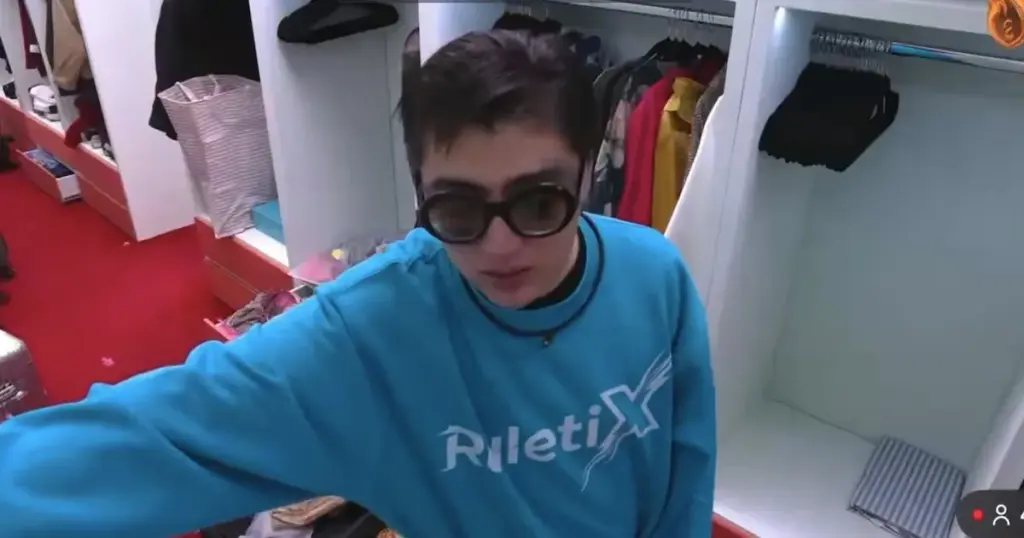
- Dani Flow exited 'La Mansión VIP' within hours of entry, citing severe mental health concerns and a lack of promised psychological support.
- The artist acknowledges potential contractual penalties and legal action from creator Hot Spanish, though no formal suit has been confirmed.
- The incident highlights the growing tension between the 'wild west' of influencer-led reality shows and the professional standards of traditional media.
- Dani Flow’s public admission underscores the rising demand for duty-of-care protocols in high-pressure digital content production.
- Dani Flow rời 'La Mansión VIP' chỉ vài giờ sau khi tham gia, viện dẫn lý do sức khỏe tâm thần nghiêm trọng và sự thiếu hụt hỗ trợ tâm lý như đã cam kết.
- Nghệ sĩ này thừa nhận khả năng phải đối mặt với các khoản phạt hợp đồng và hành động pháp lý từ nhà sáng tạo nội dung Hot Spanish, dù chưa có đơn kiện chính thức nào được xác nhận.
- Sự việc làm nổi bật căng thẳng ngày càng tăng giữa môi trường 'miền Tây hoang dã' của các chương trình thực tế do influencer dẫn dắt và các tiêu chuẩn chuyên nghiệp của truyền thông truyền thống.
- Lời thừa nhận công khai của Dani Flow nhấn mạnh nhu cầu cấp thiết về các quy trình 'nghĩa vụ chăm sóc' (duty-of-care) trong sản xuất nội dung kỹ thuật số áp lực cao.
- Dani Flow a quitté « La Mansión VIP » quelques heures après son arrivée, invoquant des problèmes de santé mentale et l'absence de soutien psychologique promis.
- L'artiste reconnaît s'exposer à des pénalités contractuelles et à des poursuites de la part du créateur Hot Spanish, bien qu'aucune plainte formelle n'ait été confirmée.
- L'incident souligne la tension croissante entre le « Far West » des émissions de téléréalité produites par des influenceurs et les normes professionnelles des médias traditionnels.
- L'aveu public de Dani Flow met en lumière le besoin urgent de protocoles de « devoir de vigilance » dans la production de contenus numériques à haute pression.
- Dani Flow abandonó 'La Mansión VIP' a las pocas horas de entrar, alegando graves problemas de salud mental y la falta del apoyo psicológico prometido.
- El artista reconoce la posibilidad de enfrentarse a penalizaciones contractuales y acciones legales por parte del creador Hot Spanish, aunque no se ha confirmado ninguna demanda formal.
- El incidente pone de relieve la creciente tensión entre el 'salvaje oeste' de los 'realities' liderados por influencers y los estándares profesionales de los medios tradicionales.
- La confesión pública de Dani Flow subraya la creciente demanda de protocolos de cuidado y protección en la producción de contenidos digitales de alta presión.
- Dani Flow 在入驻《La Mansión VIP》数小时后便宣布退出,理由是严重的心理健康问题及制作方未能提供承诺的心理支持。
- 尽管尚未收到正式起诉,但该艺人已承认可能面临合同违约金及来自节目创作者 Hot Spanish 的法律追责。
- 此事件凸显了网红主导的真人秀“狂野西部”式运作与传统媒体专业标准之间的日益紧张的关系。
- Dani Flow 的公开表态强调了在高压数字内容生产中,建立“关怀义务”(duty-of-care)协议的迫切需求。
In the high-octane world of digital-first reality television, the line between authentic human experience and manufactured drama is often blurred, but rarely does it snap as publicly as it did with the abrupt departure of reggaeton artist Dani Flow from La Mansión VIP. Within hours of entering the high-profile production—a project helmed by the influential content creator Hot Spanish—the singer walked away, citing an untenable mental state and a perceived failure of the production team to provide promised psychological support. The fallout has been immediate, shifting the conversation from the spectacle of the show to the cold, hard realities of contractual liability and the ethical responsibilities of digital media moguls.
This incident serves as a critical case study in the evolution of the influencer economy, where the rapid scaling of reality-style content often outpaces the development of the institutional safeguards found in traditional television. As Dani Flow navigates the potential for significant financial penalties, the industry is forced to confront a growing question: when the cameras are always rolling, what happens when the human subject decides they have had enough? The tension between his artistic brand and the rigid demands of a reality competition highlights a broader systemic friction, one where the promise of viral engagement often clashes with the psychological well-being of the participants involved.
The Anatomy of a High-Stakes Departure
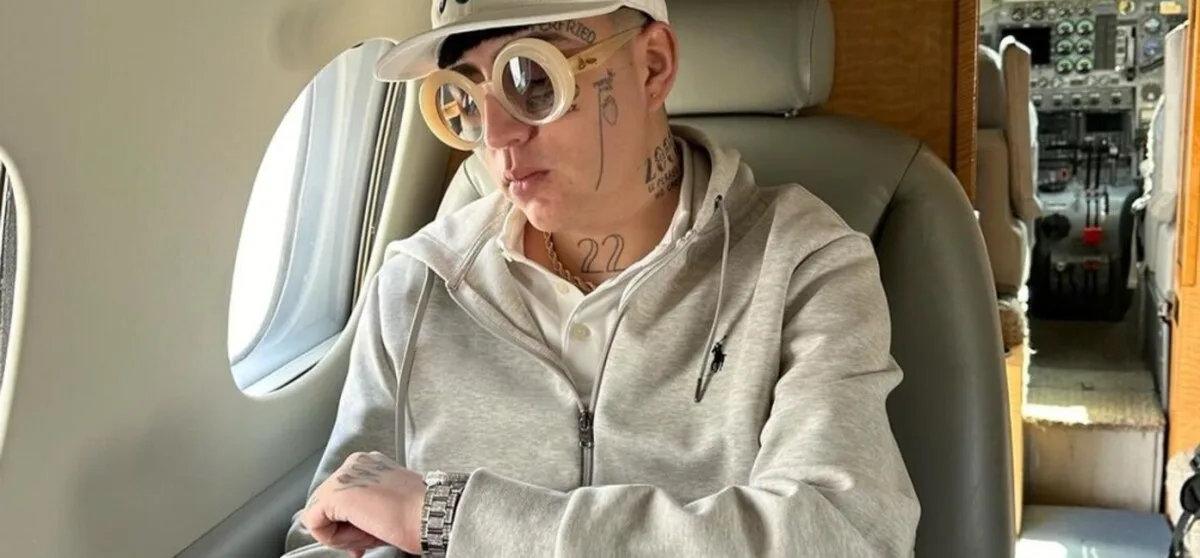
The departure of Dani Flow was not merely a logistical hiccup; it was a calculated risk that pitted his personal well-being against a potentially ruinous legal battle. In an exclusive interview with Sale el Sol, the artist was characteristically candid, acknowledging that the decision to leave was his alone, driven by a desire to prevent further damage to his public image and personal psyche. “With all the consequences, I left because I believe my mental state came first,” he stated, framing his exit as a necessary act of self-preservation rather than a whim.
At the center of this dispute lies the contract—a document that, in the world of influencer-led projects, often lacks the robust legal protections found in legacy network television. Dani Flow noted that the decision to pursue damages rests entirely with Hot Spanish, the architect of La Mansión VIP. While the singer maintains that he harbors no personal animosity toward the creator, he is acutely aware that the legal teams are now the primary arbiters of his fate. This ambiguity creates a volatile environment where the threat of litigation serves as a constant shadow over the participants, turning a creative collaboration into a potential courtroom drama.
The Growing Pains of Influencer-Led Media
To understand why this departure has resonated so deeply, one must look at the historical context of the "creator-led" reality show. Unlike traditional productions that operate under strict labor laws and union oversight, projects like La Mansión VIP often exist in a regulatory gray area. These shows are designed for maximum engagement, leveraging the massive followings of their participants to drive viewership on platforms like YouTube and TikTok. However, this model often prioritizes the "viral moment" over the long-term health of the talent.
Dani Flow’s specific grievance—the alleged failure to provide timely psychological support—strikes at the heart of the duty-of-care debate. In the past, reality television has faced intense scrutiny for its treatment of contestants, leading to the implementation of mandatory mental health screenings and on-site support staff. By failing to deliver on these promises, the production team behind La Mansión VIP has inadvertently highlighted the dangers of scaling up digital content without the corresponding infrastructure. The incident serves as a stark reminder that as these productions grow in budget and reach, they can no longer afford to operate with the informality of a startup.
Strategic Fallout and the Future of Reality TV
The ripple effects of this controversy are likely to be felt across the influencer marketing landscape. For brands and creators, the lesson is clear: the cost of a "viral exit" is not just financial, but reputational. If participants feel that their mental health is being treated as an afterthought, the industry risks alienating the very talent it relies upon to sustain its growth. We are already seeing a shift in how talent agents negotiate these contracts, with a newfound emphasis on exit clauses and mental health guarantees that were previously overlooked in the rush to secure screen time.
Furthermore, the public reaction has been largely sympathetic to the artist, signaling a shift in audience sentiment. Fans are increasingly vocal about the treatment of their favorite stars, demanding transparency and accountability from the platforms they consume. This public pressure is a powerful tool, one that may force creators like Hot Spanish to adopt more rigorous production standards. If the industry fails to adapt, it risks a "talent drain," where established artists refuse to participate in projects that do not provide a safe and professional environment.
Institutional Reckoning and What Lies Ahead
As the legal teams for both parties weigh their options, the industry watches with bated breath. Whether or not a lawsuit is filed, the damage—or perhaps the lesson—has already been delivered. The case of Dani Flow vs. La Mansión VIP is a watershed moment for digital media, marking the end of the era where "anything goes" in the pursuit of clicks. The future of the genre will likely be defined by a more professionalized approach, where the contract is as much about the protection of the individual as it is about the obligations of the production.
Looking forward, we can expect to see a surge in "duty-of-care" clauses becoming standard in influencer contracts. The days of relying on verbal agreements and informal support systems are numbered. For Dani Flow, the immediate future involves navigating the fallout of his decision, but his legacy in this instance may be the catalyst for a much-needed industry-wide reform. As we move into an era where digital content is the primary driver of global culture, the institutions that produce it must rise to the occasion, ensuring that the human cost of entertainment is never again treated as an acceptable line item in a budget.
Trong thế giới truyền hình thực tế ưu tiên kỹ thuật số đầy sôi động, ranh giới giữa trải nghiệm con người chân thực và kịch bản dàn dựng thường bị xóa nhòa, nhưng hiếm khi nào nó đứt gãy một cách công khai như trường hợp rút lui đột ngột của nghệ sĩ Reggaeton Dani Flow khỏi La Mansión VIP. Chỉ vài giờ sau khi bước vào dự án sản xuất đình đám này—một dự án do nhà sáng tạo nội dung có tầm ảnh hưởng Hot Spanish cầm trịch—nam ca sĩ đã rời đi, viện dẫn trạng thái tinh thần không thể chịu đựng nổi và sự thất bại của đội ngũ sản xuất trong việc cung cấp hỗ trợ tâm lý như đã hứa. Hệ lụy kéo theo là tức thì, chuyển hướng cuộc thảo luận từ sự hào nhoáng của chương trình sang những thực tế lạnh lùng, khắc nghiệt của trách nhiệm hợp đồng và đạo đức nghề nghiệp của các ông trùm truyền thông kỹ thuật số.
Sự cố này đóng vai trò như một nghiên cứu điển hình quan trọng về sự tiến hóa của nền kinh tế influencer, nơi tốc độ mở rộng nhanh chóng của nội dung thực tế thường vượt xa sự phát triển của các cơ chế bảo vệ thể chế vốn có trong truyền hình truyền thống. Khi Dani Flow đối mặt với khả năng chịu các khoản phạt tài chính đáng kể, ngành công nghiệp buộc phải đối mặt với một câu hỏi ngày càng nhức nhối: khi máy quay luôn hoạt động, điều gì sẽ xảy ra khi chủ thể con người quyết định rằng họ đã chịu đựng đủ? Sự căng thẳng giữa thương hiệu nghệ thuật của anh và những yêu cầu cứng nhắc của một cuộc thi thực tế làm nổi bật một sự xung đột hệ thống rộng lớn hơn, nơi lời hứa về sự tương tác lan truyền thường va chạm với sức khỏe tâm thần của những người tham gia.
Giải phẫu một cuộc rút lui đầy rủi ro
Việc Dani Flow rời đi không chỉ là một trục trặc hậu cần; đó là một rủi ro có tính toán, đặt sức khỏe cá nhân của anh lên bàn cân với một cuộc chiến pháp lý có khả năng gây tổn hại nghiêm trọng. Trong một cuộc phỏng vấn độc quyền với Sale el Sol, nam nghệ sĩ đã thẳng thắn thừa nhận rằng quyết định rời đi là của riêng anh, xuất phát từ mong muốn ngăn chặn những tổn hại thêm cho hình ảnh công chúng và tâm lý cá nhân. “Dù phải chịu mọi hậu quả, tôi vẫn rời đi vì tôi tin rằng trạng thái tinh thần của mình là ưu tiên hàng đầu,” anh khẳng định, coi việc rút lui là một hành động tự bảo vệ cần thiết thay vì một quyết định bốc đồng.
Trọng tâm của tranh chấp này nằm ở bản hợp đồng—một tài liệu mà trong thế giới các dự án do influencer dẫn dắt, thường thiếu các biện pháp bảo vệ pháp lý vững chắc như trong các mạng lưới truyền hình lâu đời. Dani Flow lưu ý rằng quyết định theo đuổi các khoản bồi thường thiệt hại hoàn toàn phụ thuộc vào Hot Spanish, kiến trúc sư của La Mansión VIP. Mặc dù nam ca sĩ khẳng định anh không có ác cảm cá nhân với nhà sáng tạo này, anh nhận thức rõ rằng các đội ngũ pháp lý hiện là những người phân xử chính cho số phận của mình. Sự mơ hồ này tạo ra một môi trường đầy biến động, nơi mối đe dọa kiện tụng luôn bao trùm lên những người tham gia, biến một sự hợp tác sáng tạo thành một vở kịch pháp đình tiềm tàng.
Những nỗi đau tăng trưởng của truyền thông do Influencer dẫn dắt
Để hiểu tại sao cuộc rút lui này lại gây tiếng vang lớn đến vậy, người ta phải nhìn vào bối cảnh lịch sử của các chương trình thực tế “do nhà sáng tạo dẫn dắt”. Không giống như các sản phẩm truyền thống hoạt động dưới luật lao động nghiêm ngặt và sự giám sát của công đoàn, các dự án như La Mansión VIP thường tồn tại trong một vùng xám pháp lý. Những chương trình này được thiết kế để tối đa hóa sự tương tác, tận dụng lượng người theo dõi khổng lồ của những người tham gia để thúc đẩy lượt xem trên các nền tảng như YouTube và TikTok. Tuy nhiên, mô hình này thường ưu tiên “khoảnh khắc lan truyền” hơn là sức khỏe dài hạn của tài năng.
Khiếu nại cụ thể của Dani Flow—cáo buộc thất bại trong việc cung cấp hỗ trợ tâm lý kịp thời—đánh thẳng vào trọng tâm của cuộc tranh luận về nghĩa vụ chăm sóc. Trong quá khứ, truyền hình thực tế đã phải đối mặt với sự giám sát chặt chẽ về cách đối xử với thí sinh, dẫn đến việc triển khai các đợt kiểm tra sức khỏe tâm thần bắt buộc và đội ngũ hỗ trợ tại chỗ. Bằng cách không thực hiện những lời hứa này, đội ngũ sản xuất đằng sau La Mansión VIP đã vô tình làm nổi bật những nguy hiểm của việc mở rộng quy mô nội dung kỹ thuật số mà không có cơ sở hạ tầng tương ứng. Sự cố này là một lời nhắc nhở đanh thép rằng khi các sản phẩm này tăng ngân sách và phạm vi tiếp cận, họ không còn có thể hoạt động với sự tùy tiện của một công ty khởi nghiệp.
Hệ lụy chiến lược và tương lai của truyền hình thực tế
Những tác động lan tỏa của cuộc tranh cãi này có khả năng sẽ lan rộng khắp bối cảnh tiếp thị influencer. Đối với các thương hiệu và nhà sáng tạo, bài học rất rõ ràng: cái giá của một “cuộc rút lui lan truyền” không chỉ là tài chính, mà còn là danh tiếng. Nếu những người tham gia cảm thấy sức khỏe tâm thần của họ bị coi là thứ yếu, ngành công nghiệp này có nguy cơ xa lánh chính những tài năng mà họ dựa vào để duy trì sự tăng trưởng. Chúng ta đã thấy sự thay đổi trong cách các đại diện tài năng đàm phán các hợp đồng này, với sự chú trọng mới vào các điều khoản rút lui và bảo đảm sức khỏe tâm thần vốn trước đây bị bỏ qua trong cơn sốt giành lấy thời lượng lên sóng.
Hơn nữa, phản ứng của công chúng phần lớn nghiêng về phía nghệ sĩ, báo hiệu một sự thay đổi trong tâm lý khán giả. Người hâm mộ ngày càng lên tiếng mạnh mẽ về cách đối xử với các ngôi sao yêu thích của họ, đòi hỏi sự minh bạch và trách nhiệm giải trình từ các nền tảng mà họ tiêu thụ. Áp lực công chúng này là một công cụ mạnh mẽ, có thể buộc những nhà sáng tạo như Hot Spanish phải áp dụng các tiêu chuẩn sản xuất nghiêm ngặt hơn. Nếu ngành công nghiệp không thích nghi, nó sẽ đối mặt với nguy cơ “chảy máu chất xám”, nơi các nghệ sĩ tên tuổi từ chối tham gia vào các dự án không cung cấp một môi trường an toàn và chuyên nghiệp.
Sự tính toán của thể chế và những điều sắp tới
Khi các đội ngũ pháp lý của cả hai bên cân nhắc các lựa chọn của mình, ngành công nghiệp đang theo dõi trong sự nín thở. Dù có đơn kiện hay không, thiệt hại—hoặc có lẽ là bài học—đã được đưa ra. Vụ việc Dani Flow đối đầu với La Mansión VIP là một thời điểm bước ngoặt đối với truyền thông kỹ thuật số, đánh dấu sự kết thúc của kỷ nguyên “muốn làm gì thì làm” trong việc theo đuổi lượt nhấp chuột. Tương lai của thể loại này có khả năng sẽ được định hình bởi một cách tiếp cận chuyên nghiệp hơn, nơi hợp đồng không chỉ nói về nghĩa vụ của sản xuất mà còn về sự bảo vệ cá nhân.
Hướng tới tương lai, chúng ta có thể mong đợi sự gia tăng của các điều khoản “nghĩa vụ chăm sóc” trở thành tiêu chuẩn trong các hợp đồng influencer. Những ngày dựa vào thỏa thuận miệng và hệ thống hỗ trợ không chính thức đã được đếm ngược. Đối với Dani Flow, tương lai trước mắt bao gồm việc giải quyết những hệ lụy từ quyết định của mình, nhưng di sản của anh trong trường hợp này có thể là chất xúc tác cho một cuộc cải cách toàn ngành rất cần thiết. Khi chúng ta bước vào kỷ nguyên mà nội dung kỹ thuật số là động lực chính của văn hóa toàn cầu, các thể chế sản xuất ra nó phải vươn mình đáp ứng, đảm bảo rằng cái giá phải trả về mặt con người của giải trí sẽ không bao giờ bị coi là một khoản mục có thể chấp nhận được trong ngân sách nữa.
Dans le monde effréné de la téléréalité numérique, la frontière entre l'expérience humaine authentique et le drame scénarisé est souvent floue, mais elle rompt rarement de manière aussi publique que lors du départ précipité de l'artiste reggaeton Dani Flow de La Mansión VIP. Quelques heures seulement après avoir intégré cette production de haut vol — un projet dirigé par l'influent créateur de contenu Hot Spanish — le chanteur a quitté l'aventure, invoquant un état mental intenable et le manquement de l'équipe de production à fournir le soutien psychologique promis. Les retombées ont été immédiates, déplaçant le débat du spectacle de l'émission vers les réalités froides et brutales de la responsabilité contractuelle et de l'éthique des magnats des médias numériques.
Cet incident constitue une étude de cas cruciale sur l'évolution de l'économie des influenceurs, où le passage à l'échelle rapide des contenus de type téléréalité dépasse souvent le développement des garde-fous institutionnels propres à la télévision traditionnelle. Alors que Dani Flow fait face à la perspective de lourdes pénalités financières, l'industrie est contrainte de se confronter à une question grandissante : lorsque les caméras tournent en permanence, que se passe-t-il quand le sujet humain décide qu'il en a assez ? La tension entre son image d'artiste et les exigences rigides d'une compétition de téléréalité met en lumière une friction systémique plus large, où la promesse d'un engagement viral se heurte souvent au bien-être psychologique des participants.
Anatomie d'un départ à haut risque
Le départ de Dani Flow n'était pas qu'un simple contretemps logistique ; c'était un risque calculé, opposant son bien-être personnel à une bataille juridique potentiellement ruineuse. Dans une interview exclusive accordée à Sale el Sol, l'artiste s'est montré particulièrement franc, reconnaissant que la décision de partir lui appartenait, motivée par le désir d'éviter des dommages supplémentaires à son image publique et à sa psyché. « Malgré toutes les conséquences, je suis parti parce que j'estime que mon état mental passait avant tout », a-t-il déclaré, présentant son départ comme un acte nécessaire de préservation de soi plutôt que comme un caprice.
Au cœur de ce litige se trouve le contrat — un document qui, dans le monde des projets menés par des influenceurs, manque souvent des protections juridiques robustes présentes dans les réseaux de télévision classiques. Dani Flow a noté que la décision d'engager des poursuites dépend entièrement de Hot Spanish, l'architecte de La Mansión VIP. Bien que le chanteur maintienne qu'il ne nourrit aucune animosité personnelle envers le créateur, il est parfaitement conscient que les équipes juridiques sont désormais les principaux arbitres de son sort. Cette ambiguïté crée un environnement volatil où la menace de litige plane comme une ombre constante sur les participants, transformant une collaboration créative en un potentiel drame judiciaire.
Les douleurs de croissance des médias dirigés par des influenceurs
Pour comprendre pourquoi ce départ a suscité un tel écho, il faut se pencher sur le contexte historique de la téléréalité « dirigée par des créateurs ». Contrairement aux productions traditionnelles qui opèrent sous des lois du travail strictes et une surveillance syndicale, des projets comme La Mansión VIP évoluent souvent dans une zone grise réglementaire. Ces émissions sont conçues pour un engagement maximal, tirant parti des audiences massives de leurs participants pour stimuler les vues sur des plateformes comme YouTube et TikTok. Cependant, ce modèle privilégie souvent le « moment viral » au détriment de la santé à long terme des talents.
Le grief spécifique de Dani Flow — le prétendu défaut de soutien psychologique en temps opportun — touche au cœur du débat sur le devoir de vigilance. Par le passé, la téléréalité a fait l'objet d'un examen minutieux concernant le traitement de ses candidats, conduisant à la mise en place de dépistages obligatoires de santé mentale et de personnel de soutien sur place. En ne tenant pas ces promesses, l'équipe de production derrière La Mansión VIP a involontairement mis en lumière les dangers de développer des contenus numériques sans l'infrastructure correspondante. L'incident rappelle brutalement qu'à mesure que ces productions gagnent en budget et en portée, elles ne peuvent plus se permettre d'opérer avec l'informalité d'une start-up.
Retombées stratégiques et avenir de la téléréalité
Les ondes de choc de cette controverse se feront probablement sentir dans tout le paysage du marketing d'influence. Pour les marques et les créateurs, la leçon est claire : le coût d'une « sortie virale » n'est pas seulement financier, il est aussi réputationnel. Si les participants ont le sentiment que leur santé mentale est traitée comme une réflexion après-coup, l'industrie risque de s'aliéner les talents mêmes sur lesquels elle compte pour soutenir sa croissance. Nous observons déjà un changement dans la manière dont les agents négocient ces contrats, avec un accent nouveau mis sur les clauses de sortie et les garanties de santé mentale, auparavant négligées dans la précipitation pour obtenir du temps d'écran.
De plus, la réaction du public a été largement favorable à l'artiste, signalant un changement dans le sentiment des spectateurs. Les fans sont de plus en plus vocaux concernant le traitement de leurs stars préférées, exigeant transparence et responsabilité de la part des plateformes qu'ils consomment. Cette pression publique est un outil puissant, susceptible de forcer des créateurs comme Hot Spanish à adopter des normes de production plus rigoureuses. Si l'industrie ne s'adapte pas, elle risque une « fuite des talents », où les artistes établis refuseront de participer à des projets n'offrant pas un environnement sûr et professionnel.
Prise de conscience institutionnelle et perspectives d'avenir
Alors que les équipes juridiques des deux parties pèsent leurs options, l'industrie observe avec appréhension. Qu'une plainte soit déposée ou non, le dommage — ou peut-être la leçon — a déjà été infligé. L'affaire Dani Flow contre La Mansión VIP est un moment charnière pour les médias numériques, marquant la fin de l'ère du « tout est permis » dans la course aux clics. L'avenir du genre sera probablement défini par une approche plus professionnalisée, où le contrat concernera autant la protection de l'individu que les obligations de la production.
À l'avenir, nous pouvons nous attendre à une multiplication des clauses de « devoir de vigilance » dans les contrats d'influenceurs. L'époque où l'on se reposait sur des accords verbaux et des systèmes de soutien informels est révolue. Pour Dani Flow, l'avenir immédiat implique de gérer les retombées de sa décision, mais son héritage dans cette affaire pourrait être le catalyseur d'une réforme indispensable à l'échelle de l'industrie. Alors que nous entrons dans une ère où le contenu numérique est le moteur principal de la culture mondiale, les institutions qui le produisent doivent se montrer à la hauteur, en veillant à ce que le coût humain du divertissement ne soit plus jamais traité comme une simple ligne budgétaire acceptable.
En el vertiginoso mundo de la telerrealidad nativa digital, la línea que separa la experiencia humana auténtica del drama manufacturado suele ser difusa, pero rara vez se rompe de forma tan pública como ocurrió con la abrupta salida del artista de reguetón Dani Flow de La Mansión VIP. Apenas unas horas después de incorporarse a la mediática producción —un proyecto dirigido por el influyente creador de contenido Hot Spanish—, el cantante abandonó el programa alegando un estado mental insostenible y la supuesta falta de apoyo psicológico prometido por el equipo de producción. Las consecuencias han sido inmediatas, desplazando el foco de atención del espectáculo hacia las frías y duras realidades de la responsabilidad contractual y los deberes éticos de los magnates de los medios digitales.
Este incidente sirve como un caso de estudio crítico sobre la evolución de la economía de los creadores, donde el rápido escalado de contenidos al estilo reality suele superar el desarrollo de las salvaguardas institucionales propias de la televisión tradicional. Mientras Dani Flow navega ante la posibilidad de enfrentarse a importantes sanciones económicas, la industria se ve obligada a afrontar una pregunta creciente: cuando las cámaras están siempre encendidas, ¿qué ocurre cuando el sujeto humano decide que ha tenido suficiente? La tensión entre su marca artística y las rígidas exigencias de una competición de telerrealidad pone de relieve una fricción sistémica más amplia, en la que la promesa de la viralidad a menudo choca con el bienestar psicológico de los participantes.
Anatomía de una salida de alto riesgo
La salida de Dani Flow no fue un simple contratiempo logístico; fue un riesgo calculado que enfrentó su bienestar personal a una batalla legal potencialmente ruinosa. En una entrevista exclusiva con Sale el Sol, el artista se mostró característicamente sincero, reconociendo que la decisión de marcharse fue exclusivamente suya, impulsada por el deseo de evitar daños mayores a su imagen pública y a su psique. "Con todas las consecuencias, me fui porque creo que mi estado mental era lo primero", afirmó, planteando su salida como un acto necesario de autoconservación y no como un capricho.
En el centro de esta disputa se encuentra el contrato, un documento que, en el mundo de los proyectos liderados por influencers, a menudo carece de las sólidas protecciones legales presentes en la televisión convencional. Dani Flow señaló que la decisión de emprender acciones legales recae enteramente en Hot Spanish, el artífice de La Mansión VIP. Aunque el cantante sostiene que no guarda animosidad personal hacia el creador, es plenamente consciente de que los equipos jurídicos son ahora los principales árbitros de su destino. Esta ambigüedad crea un entorno volátil donde la amenaza de litigio se cierne como una sombra constante sobre los participantes, convirtiendo una colaboración creativa en un potencial drama judicial.
Los dolores de crecimiento de los medios liderados por influencers
Para entender por qué esta salida ha resonado con tanta fuerza, hay que observar el contexto histórico de los realities creados por figuras de internet. A diferencia de las producciones tradicionales que operan bajo estrictas leyes laborales y supervisión sindical, proyectos como La Mansión VIP suelen existir en una zona gris regulatoria. Estos programas están diseñados para maximizar el compromiso, aprovechando el enorme seguimiento de sus participantes para impulsar la audiencia en plataformas como YouTube y TikTok. Sin embargo, este modelo suele priorizar el "momento viral" sobre la salud a largo plazo del talento.
La queja específica de Dani Flow —la supuesta falta de apoyo psicológico oportuno— toca la fibra sensible del debate sobre el deber de cuidado. En el pasado, la telerrealidad se ha enfrentado a un intenso escrutinio por el trato a sus concursantes, lo que ha llevado a la implementación de exámenes de salud mental obligatorios y personal de apoyo en el set. Al no cumplir con estas promesas, el equipo de producción de La Mansión VIP ha puesto de manifiesto, involuntariamente, los peligros de escalar contenidos digitales sin la infraestructura correspondiente. El incidente sirve como un crudo recordatorio de que, a medida que estas producciones aumentan en presupuesto y alcance, ya no pueden permitirse operar con la informalidad de una startup.
Consecuencias estratégicas y el futuro de la telerrealidad
Es probable que los efectos dominó de esta controversia se sientan en todo el panorama del marketing de influencers. Para las marcas y los creadores, la lección es clara: el coste de una "salida viral" no es solo financiero, sino reputacional. Si los participantes sienten que su salud mental es tratada como algo secundario, la industria corre el riesgo de alienar al mismo talento del que depende para sostener su crecimiento. Ya estamos viendo un cambio en la forma en que los agentes negocian estos contratos, con un nuevo énfasis en las cláusulas de salida y las garantías de salud mental que antes se pasaban por alto en la prisa por asegurar tiempo de pantalla.
Además, la reacción del público ha sido mayoritariamente comprensiva con el artista, lo que indica un cambio en el sentimiento de la audiencia. Los seguidores son cada vez más críticos con el trato que reciben sus estrellas favoritas, exigiendo transparencia y responsabilidad a las plataformas que consumen. Esta presión pública es una herramienta poderosa que podría obligar a creadores como Hot Spanish a adoptar estándares de producción más rigurosos. Si la industria no se adapta, se arriesga a una "fuga de talentos", donde los artistas consagrados se nieguen a participar en proyectos que no ofrezcan un entorno seguro y profesional.
Un ajuste de cuentas institucional y lo que está por venir
Mientras los equipos legales de ambas partes sopesan sus opciones, la industria observa con expectación. Se presente o no una demanda, el daño —o quizás la lección— ya está hecho. El caso de Dani Flow contra La Mansión VIP es un punto de inflexión para los medios digitales, marcando el fin de la era en la que "todo vale" en la búsqueda de clics. El futuro del género probablemente se definirá por un enfoque más profesionalizado, donde el contrato sea tanto una protección para el individuo como una obligación para la producción.
De cara al futuro, podemos esperar un aumento de las cláusulas de "deber de cuidado" en los contratos de los influencers. Los días de depender de acuerdos verbales y sistemas de apoyo informales están contados. Para Dani Flow, el futuro inmediato implica gestionar las consecuencias de su decisión, pero su legado en este caso puede ser el catalizador de una reforma necesaria en toda la industria. A medida que avanzamos hacia una era en la que el contenido digital es el principal motor de la cultura global, las instituciones que lo producen deben estar a la altura, asegurándose de que el coste humano del entretenimiento no vuelva a tratarse nunca más como una partida aceptable en un presupuesto.
在以数字优先的快节奏真人秀世界中,真实的人性体验与刻意制造的戏剧冲突之间的界限往往模糊不清,但很少像雷鬼艺人 Dani Flow 突然退出《La Mansión VIP》那样,以如此公开且剧烈的方式破裂。在进入这档由知名内容创作者 Hot Spanish 掌舵的高调节目仅数小时后,这位歌手便选择了离开,理由是其心理状态已无法承受,且制作团队未能提供此前承诺的心理支持。随之而来的连锁反应迅速发酵,将舆论焦点从节目的奇观性转向了合同责任的冷酷现实,以及数字媒体大亨们所应承担的伦理责任。
这一事件是网红经济演变过程中的一个关键案例。在这一领域,真人秀式内容的快速扩张往往超出了传统电视行业所具备的制度性保障。随着 Dani Flow 面对可能产生的巨额经济赔偿,整个行业被迫直面一个日益严峻的问题:当摄像机始终处于开启状态时,如果参与者决定“受够了”,该当如何?他的艺术品牌与真人秀竞争的严苛要求之间的张力,凸显了一种更广泛的系统性摩擦——即病毒式传播的承诺往往与参与者的心理健康发生剧烈冲突。
高风险退出的剖析
Dani Flow 的离开不仅仅是一个后勤层面的小插曲,更是一场将个人福祉置于可能导致毁灭性法律诉讼风险之中的博弈。在接受《Sale el Sol》的独家采访时,这位艺人表现得异常坦诚,他承认离开的决定完全出于个人意愿,旨在防止对公众形象和个人心理造成进一步损害。“尽管面临种种后果,我还是选择了离开,因为我认为心理状态高于一切,”他表示,并将此次退出视为一种必要的自我保护行为,而非一时冲动。
这场纠纷的核心在于合同——在网红主导的项目中,这份文件往往缺乏传统电视网络中常见的强有力法律保护。Dani Flow 指出,是否追究赔偿责任完全取决于《La Mansión VIP》的策划者 Hot Spanish。尽管这位歌手坚称对创作者本人并无个人恩怨,但他敏锐地意识到,法律团队现在已成为决定他命运的主要仲裁者。这种模糊性创造了一个动荡的环境,诉讼威胁如同阴影般笼罩着参与者,将一场创意合作演变成了一场潜在的法庭大戏。
网红主导媒体的成长阵痛
要理解为何这次退出会引起如此强烈的共鸣,必须审视“创作者主导”真人秀的历史背景。与受严格劳动法和工会监督的传统制作不同,像《La Mansión VIP》这样的项目往往处于监管的灰色地带。这些节目旨在实现最大程度的互动,利用参与者庞大的粉丝群来推动 YouTube 和 TikTok 等平台上的收视率。然而,这种模式往往将“病毒式传播时刻”置于人才的长期健康之上。
Dani Flow 的具体诉求——即制作方未能提供及时的心理支持——直击“关怀义务”辩论的核心。过去,真人秀节目因对待参赛者的方式而受到严厉审查,从而促使强制性心理健康筛查和现场支持人员的引入。通过未能兑现这些承诺,《La Mansión VIP》的制作团队无意中暴露了在缺乏相应基础设施的情况下盲目扩大数字内容规模的危险。这一事件是一个严厉的提醒:随着这些制作项目的预算和影响力不断增长,它们已无法再以初创公司的随意态度进行运作。
战略性后果与真人秀的未来
这场争议的连锁反应很可能会波及整个网红营销领域。对于品牌和创作者而言,教训显而易见:一次“病毒式退出”的代价不仅是经济上的,更是声誉上的。如果参与者感到他们的心理健康被视为事后才考虑的琐事,那么整个行业将面临失去维持其增长所需人才的风险。我们已经看到人才经纪人在谈判合同方式上的转变,开始重新强调此前在争夺屏幕时间时被忽视的退出条款和心理健康保障。
此外,公众反应在很大程度上对这位艺人表示同情,这标志着观众情绪的转变。粉丝们越来越直言不讳地表达对他们喜爱的明星所受待遇的关注,要求他们所消费的平台保持透明度和问责制。这种公众压力是一种强大的工具,可能会迫使像 Hot Spanish 这样的创作者采取更严格的制作标准。如果行业无法适应,它将面临“人才流失”的风险,届时成熟的艺人将拒绝参与那些无法提供安全和专业环境的项目。
制度性的清算与前路展望
随着双方的法律团队权衡各自的选项,整个行业都在屏息以待。无论是否提起诉讼,损害——或者说教训——已经造成。Dani Flow 与《La Mansión VIP》的案例是数字媒体的一个分水岭,标志着为了点击量而“不择手段”时代的终结。该类型的未来很可能由一种更专业化的方法来定义,在这种方法中,合同既是为了保护个人,也是为了明确制作方的义务。
展望未来,我们可以预见“关怀义务”条款将成为网红合同中的标准配置。依赖口头协议和非正式支持系统的日子已经屈指可数。对于 Dani Flow 而言,眼下的当务之急是应对这一决定带来的后续影响,但他在此次事件中的遗产,或许将成为推动整个行业急需改革的催化剂。随着我们进入数字内容成为全球文化主要驱动力的时代,制作这些内容的机构必须挺身而出,确保娱乐的人性成本不再被视为预算中可以接受的支出项目。
Editorial Standards & Multi-Language Synthesis: This dispatch was synthesized and fact-checked by the ParisDaily Editorial Desk across 5 global editions (EN, FR, VI, ES, ZH), cross-referencing primary international wire reports and real-time search intelligence.