El Manifiesto de Doha: por qué el cine global se rebela contra la maquinaria de Hollywood
As the Doha Film Festival opens, an elite jury has launched a stinging critique of the 'flat' homogeneity of American cinema and the ballooning, immoral costs of modern film production.
Khi Liên hoan phim Doha chính thức khai mạc, một hội đồng giám khảo tinh hoa đã đưa ra những chỉ trích đanh thép về sự "phẳng hóa" đơn điệu của điện ảnh Mỹ cùng chi phí sản xuất phi mã đầy phi đạo đức. Sự kiện này đang định vị mình như một đối trọng trực diện trước làn sóng "thực dân hóa" văn hóa thông qua các công thức bom tấn từ Hollywood.
À l'ouverture du Festival du film de Doha, un jury d'élite a lancé une critique cinglante contre l'homogénéité « plate » du cinéma américain et les coûts indécents de la production moderne. Une prise de position radicale qui remet en question les fondements mêmes de l'industrie cinématographique actuelle.
Con la inauguración del Festival de Cine de Doha, un jurado de élite ha lanzado una contundente crítica contra la homogeneidad "plana" del cine estadounidense y los costes desorbitados e inmorales de la producción cinematográfica moderna. El certamen se posiciona como un bastión de resistencia frente a la colonización cultural de los grandes estudios.
随着多哈电影节的开幕,一个精英评审团对美国电影“扁平化”的同质性以及现代电影制作中不断膨胀且不道德的成本发起了尖锐的批评。这一立场标志着全球电影界对好莱坞叙事霸权的一次深刻反思与抵制。
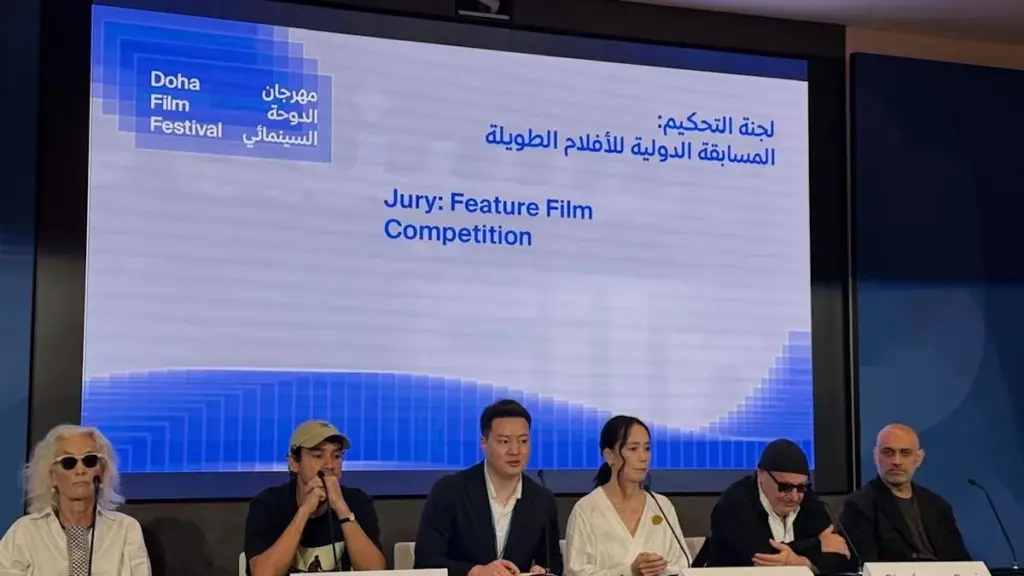
- Jury members including Gianfranco Rosi and Naomi Kawase have labeled current mainstream cinema as 'flat' and overly commercialized.
- The festival is positioning itself as a direct counter-narrative to the 'colonization' of global storytelling by American blockbuster tropes.
- Critique of 'immoral' Oscar campaign spending and $500M+ budgets highlights a growing divide between auteur cinema and the studio system.
- DFF 2026 features 104 films from 60 countries, emphasizing a commitment to regional resilience and the human element over AI-driven content.
- Các thành viên giám khảo như Gianfranco Rosi và Naomi Kawase đã gọi điện ảnh chính thống hiện nay là "phẳng" và quá thiên về thương mại.
- Liên hoan phim đang định vị mình như một phản biện trực diện đối với sự "thực dân hóa" các câu chuyện toàn cầu bằng những mô-típ bom tấn Mỹ.
- Việc chỉ trích chi phí vận động tranh giải Oscar "phi đạo đức" và ngân sách sản xuất hơn 500 triệu USD làm nổi bật hố sâu ngăn cách giữa điện ảnh tác giả và hệ thống studio.
- DFF 2026 giới thiệu 104 bộ phim từ 60 quốc gia, nhấn mạnh cam kết về sự kiên cường của khu vực và yếu tố con người thay vì nội dung do AI tạo ra.
- Des membres du jury, dont Gianfranco Rosi et Naomi Kawase, ont qualifié le cinéma grand public actuel de « plat » et excessivement commercialisé.
- Le festival se positionne comme un contre-récit direct à la « colonisation » de la narration mondiale par les codes des blockbusters américains.
- La critique des dépenses « immorales » liées aux campagnes des Oscars et des budgets dépassant les 500 millions de dollars souligne un fossé grandissant entre le cinéma d'auteur et le système des studios.
- L'édition 2026 du DFF présente 104 films issus de 60 pays, affirmant un engagement pour la résilience régionale et l'élément humain face aux contenus générés par l'IA.
- Miembros del jurado como Gianfranco Rosi y Naomi Kawase han calificado el cine comercial actual de "plano" y excesivamente mercantilizado.
- El festival se posiciona como una contra-narrativa directa frente a la "colonización" de la narrativa global por parte de los tropos de los éxitos de taquilla estadounidenses.
- La crítica a los gastos "inmorales" en las campañas de los Óscar y a los presupuestos superiores a los 500 millones de dólares subraya una brecha creciente entre el cine de autor y el sistema de estudios.
- El DFF 2026 presenta 104 películas de 60 países, enfatizando un compromiso con la resiliencia regional y el elemento humano frente al contenido generado por IA.
- 包括吉安弗兰科·罗西(Gianfranco Rosi)和河濑直美(Naomi Kawase)在内的评审团成员将当前主流电影称为“扁平化”且过度商业化。
- 电影节将自身定位为对抗美国大片套路对全球叙事进行“殖民”的直接反叙事。
- 对奥斯卡竞选支出“不道德”的抨击以及超过5亿美元的预算,凸显了作者电影与制片厂体系之间日益扩大的鸿沟。
- 2026年多哈电影节展映了来自60个国家的104部影片,强调了对区域韧性的承诺,以及对人类情感而非人工智能驱动内容的推崇。
In the heart of the Arabian Gulf, a quiet revolution is brewing against the backdrop of a global industry increasingly defined by algorithmic safety and gargantuan budgets. As the 2026 Doha Film Festival (DFF) unfurls its ambitious program, the discourse surrounding the event has shifted from mere celebration to a pointed, philosophical indictment of the state of modern filmmaking. For the festival’s jury—a collection of international visionaries including Italian documentarian Gianfranco Rosi and Japanese auteur Naomi Kawase—the current cinematic landscape is not merely stagnant; it is in the throes of a crisis of identity, suffocated by the weight of American commercial hegemony.
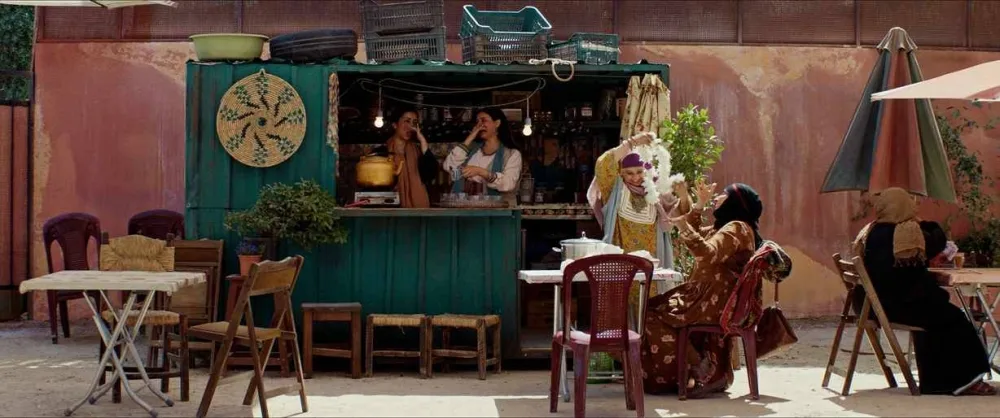
The festival, which runs through November 27, has positioned itself as a sanctuary for the "unconventional." By opening with the MENA premiere of Sara Ishaq’s The Station—a poignant drama set within a women-only petrol station in Yemen—Doha is signaling a departure from the high-octane, homogenized narratives that dominate the global box office. The jury’s collective sentiment is clear: cinema is losing its soul to the financial machine, and the only path to salvation lies in a radical return to experimentation, regional authenticity, and the courage to confront a "shaky world" rather than masking it with CGI-laden escapism.
The War Against Cinematic Homogeneity
The critique leveled by the jury is both structural and existential. Gianfranco Rosi, known for his unflinching gaze in films like Fire at Sea, did not mince words regarding the "flatness" of contemporary storytelling. He argues that American cinema has, in effect, colonized the global imagination, imposing a singular, conventional narrative structure that leaves little room for the messy, complex realities of human existence. This "colonization" is not just a creative issue; it is an economic one. Rosi pointedly criticized the "immoral" nature of modern film financing, where budgets for major releases now routinely exceed $500 million, effectively pricing out the very voices that challenge the status quo.
This sentiment is echoed by Tunisian producer Dora Bouchoucha, who warned that even the festival circuit—the traditional bastion of auteur cinema—is falling victim to a culture of "standardization." She suggests that the industry’s obsession with "smooth" films, designed to be palatable to the widest possible audience, is effectively silencing the difficult, thought-provoking works that define the medium’s true potential. For the jury, the challenge is not just to find good films, but to ensure that they can survive in an ecosystem that increasingly favors the commercial over the artistic, and the algorithm over the human spirit.
The Ethics of the Industry and the AI Frontier
Beyond the creative stagnation, the jury turned its attention to the predatory economics of awards campaigning. Rosi highlighted the staggering costs—often reaching millions of dollars—required to simply keep a film in the conversation during the Oscar season. This "pay-to-play" culture, he argues, creates a closed loop where the same platforms and the same players dominate the discourse, while the vast majority of international cinema is left to wither in obscurity. It is a system that rewards capital rather than craft, creating a barrier to entry that is fundamentally antithetical to the spirit of independent filmmaking.
The conversation also touched upon the looming specter of Artificial Intelligence. Actor Adam Bessa, representing a generation that grew up consuming cinema through digital interfaces, offered a nuanced take on the technology. While he acknowledged that AI is a tool that can facilitate creation, he remained steadfast in his belief that the "human impact" is irreplaceable. "I saw a film that was completely created with AI," Bessa noted. "I don't think people will watch this; people will always need the human impact." This stance serves as the ideological bedrock of the DFF 2026 program: a commitment to the tangible, the lived-in, and the deeply personal, even as the industry pivots toward automated efficiency.
Bridging Cultures in a Fractured World
Perhaps the most profound dimension of this year’s festival is its insistence on the power of cinema as a diplomatic tool. Jury chair Naomi Kawase, reflecting on the geopolitical tensions that have touched the region, framed the festival as a necessary antidote to the divisiveness of modern politics. By fostering a dialogue between Asian and Arabic cultures, the festival aims to do what traditional diplomacy often fails to achieve: create a space for mutual understanding. Kawase’s belief that art can "take away war" is a bold, perhaps idealistic, claim, but it is one that resonates deeply within the context of Doha’s current mission.
The festival’s structure—featuring 104 films from 60 countries and a robust industry program—is designed to facilitate this exchange. By prioritizing voices from the MENA region and beyond, DFF 2026 is not merely screening movies; it is building a network of resistance against the "flatness" of globalized media. As Fatma Hassan Alremaihi, the festival director, noted, the goal is to nurture a space where "distance and difference might otherwise keep us apart." In this light, the festival becomes more than a cultural event; it is a strategic intervention in the global narrative, proving that there is an appetite for cinema that challenges, rather than comforts, its audience.
The Future of Independent Storytelling
As the festival continues, the eyes of the global film community will be on Doha to see if this "antidote" can gain traction. The success of the festival will not be measured by box office receipts or red-carpet glamour, but by its ability to sustain the careers of the filmmakers it champions. The challenge remains: how can artists exist in a world that is increasingly commercialized? The answer, according to the jury, lies in the collective defense of what is "important for humanity."
The DFF 2026 edition serves as a litmus test for the future of independent film. If the festival can successfully bridge the gap between the auteur and the audience, it may provide a blueprint for other institutions to follow. By rejecting the "flat" conventions of the Hollywood machine and embracing the raw, often uncomfortable truths of the human condition, the Doha Film Festival is asserting that cinema is not dead—it is simply waiting to be reclaimed from the accountants. As the industry looks toward the future, the message from Doha is clear: the most important stories are not the ones with the biggest budgets, but the ones that possess the courage to be seen.
Tại trung tâm vùng Vịnh Ả Rập, một cuộc cách mạng thầm lặng đang nhen nhóm giữa bối cảnh ngành công nghiệp toàn cầu ngày càng bị định nghĩa bởi sự an toàn của thuật toán và những ngân sách khổng lồ. Khi Liên hoan phim Doha (DFF) 2026 mở màn chương trình đầy tham vọng của mình, diễn ngôn xoay quanh sự kiện này đã chuyển dịch từ việc ăn mừng đơn thuần sang một bản cáo trạng triết học sắc bén về tình trạng làm phim hiện đại. Đối với hội đồng giám khảo của liên hoan—một tập hợp những nhà nhìn xa trông rộng quốc tế bao gồm nhà làm phim tài liệu người Ý Gianfranco Rosi và tác giả người Nhật Naomi Kawase—bức tranh điện ảnh hiện tại không chỉ trì trệ; nó đang trong cơn khủng hoảng danh tính, bị bóp nghẹt bởi sức nặng của quyền bá chủ thương mại Mỹ.
Liên hoan phim, kéo dài đến ngày 27 tháng 11, đã tự định vị mình là nơi trú ẩn cho những điều "phi truyền thống". Bằng việc khai mạc với buổi công chiếu tại khu vực MENA bộ phim The Station của Sara Ishaq—một tác phẩm chính kịch đầy ám ảnh lấy bối cảnh tại một trạm xăng dành riêng cho phụ nữ ở Yemen—Doha đang phát đi tín hiệu rời xa những câu chuyện cường điệu, đồng nhất đang thống trị phòng vé toàn cầu. Quan điểm chung của ban giám khảo rất rõ ràng: điện ảnh đang đánh mất linh hồn vào tay cỗ máy tài chính, và con đường duy nhất để cứu vãn nằm ở sự trở lại đầy quyết liệt với thử nghiệm, tính chân thực của khu vực và lòng can đảm để đối diện với một "thế giới chao đảo" thay vì che đậy nó bằng sự thoát ly thực tại đầy rẫy kỹ xảo CGI.
Cuộc chiến chống lại sự đồng nhất điện ảnh
Lời chỉ trích từ phía ban giám khảo mang tính cấu trúc và hiện sinh. Gianfranco Rosi, người nổi tiếng với cái nhìn không khoan nhượng trong các bộ phim như Fire at Sea, đã không ngần ngại khi nói về sự "phẳng hóa" của lối kể chuyện đương đại. Ông lập luận rằng điện ảnh Mỹ thực chất đã thực dân hóa trí tưởng tượng toàn cầu, áp đặt một cấu trúc kể chuyện đơn nhất, quy ước, để lại rất ít không gian cho những thực tại hỗn độn và phức tạp của kiếp nhân sinh. Sự "thực dân hóa" này không chỉ là vấn đề sáng tạo; đó là vấn đề kinh tế. Rosi chỉ trích gay gắt bản chất "phi đạo đức" của tài chính phim hiện đại, nơi ngân sách cho các tác phẩm lớn hiện nay thường xuyên vượt quá 500 triệu USD, vô hình trung gạt bỏ chính những tiếng nói đang thách thức hiện trạng.
Quan điểm này được đồng tình bởi nhà sản xuất người Tunisia Dora Bouchoucha, người cảnh báo rằng ngay cả hệ thống liên hoan phim—thành trì truyền thống của điện ảnh tác giả—cũng đang trở thành nạn nhân của văn hóa "tiêu chuẩn hóa". Bà cho rằng nỗi ám ảnh của ngành công nghiệp với những bộ phim "mượt mà", được thiết kế để làm hài lòng số đông khán giả nhất có thể, đang thực sự làm câm lặng những tác phẩm khó nhằn, giàu tính gợi mở vốn định nghĩa tiềm năng thực sự của loại hình nghệ thuật này. Đối với ban giám khảo, thách thức không chỉ là tìm ra những bộ phim hay, mà là đảm bảo chúng có thể tồn tại trong một hệ sinh thái ngày càng ưu tiên thương mại hơn nghệ thuật, và thuật toán hơn tinh thần con người.
Đạo đức ngành công nghiệp và biên giới AI
Vượt ra ngoài sự trì trệ sáng tạo, ban giám khảo đã hướng sự chú ý vào nền kinh tế săn mồi của việc vận động tranh giải. Rosi nhấn mạnh chi phí đáng kinh ngạc—thường lên tới hàng triệu đô la—chỉ để giữ một bộ phim trong cuộc hội thoại suốt mùa Oscar. Ông lập luận rằng văn hóa "trả tiền để được chơi" này tạo ra một vòng lặp khép kín, nơi cùng những nền tảng và những người chơi đó thống trị diễn ngôn, trong khi đại đa số điện ảnh quốc tế bị bỏ mặc để lụi tàn trong sự vô danh. Đó là một hệ thống tưởng thưởng cho vốn liếng thay vì tay nghề, tạo ra một rào cản gia nhập về cơ bản đi ngược lại tinh thần làm phim độc lập.
Cuộc trò chuyện cũng chạm đến bóng ma đang lờ mờ của Trí tuệ nhân tạo. Nam diễn viên Adam Bessa, đại diện cho một thế hệ lớn lên bằng việc tiêu thụ điện ảnh qua các giao diện kỹ thuật số, đã đưa ra một cái nhìn đa chiều về công nghệ này. Mặc dù thừa nhận AI là một công cụ có thể tạo điều kiện cho sự sáng tạo, anh vẫn kiên định với niềm tin rằng "tác động từ con người" là không thể thay thế. "Tôi đã xem một bộ phim được tạo hoàn toàn bằng AI," Bessa lưu ý. "Tôi không nghĩ mọi người sẽ xem thứ này; con người sẽ luôn cần tác động từ con người." Lập trường này đóng vai trò là nền tảng tư tưởng của chương trình DFF 2026: cam kết với những gì hữu hình, những gì được sống và những gì mang tính cá nhân sâu sắc, ngay cả khi ngành công nghiệp đang xoay trục hướng tới hiệu suất tự động hóa.
Kết nối các nền văn hóa trong một thế giới rạn nứt
Có lẽ khía cạnh sâu sắc nhất của liên hoan phim năm nay là sự khẳng định về sức mạnh của điện ảnh như một công cụ ngoại giao. Chủ tịch ban giám khảo Naomi Kawase, khi suy ngẫm về những căng thẳng địa chính trị đã tác động đến khu vực, đã định hình liên hoan phim như một liều thuốc giải cần thiết cho sự chia rẽ của chính trị hiện đại. Bằng cách thúc đẩy đối thoại giữa văn hóa Á Đông và Ả Rập, liên hoan phim hướng tới việc thực hiện những điều mà ngoại giao truyền thống thường thất bại: tạo ra không gian cho sự thấu hiểu lẫn nhau. Niềm tin của Kawase rằng nghệ thuật có thể "xóa bỏ chiến tranh" là một tuyên bố táo bạo, có lẽ là duy tâm, nhưng nó lại cộng hưởng sâu sắc trong bối cảnh sứ mệnh hiện tại của Doha.
Cấu trúc của liên hoan phim—với 104 bộ phim từ 60 quốc gia và một chương trình công nghiệp mạnh mẽ—được thiết kế để tạo điều kiện cho sự trao đổi này. Bằng cách ưu tiên những tiếng nói từ khu vực MENA và xa hơn nữa, DFF 2026 không chỉ đơn thuần là trình chiếu phim; nó đang xây dựng một mạng lưới kháng cự chống lại sự "phẳng hóa" của truyền thông toàn cầu hóa. Như Fatma Hassan Alremaihi, giám đốc liên hoan phim, đã lưu ý, mục tiêu là nuôi dưỡng một không gian nơi "khoảng cách và sự khác biệt có thể không còn chia rẽ chúng ta". Dưới góc độ này, liên hoan phim trở thành nhiều hơn một sự kiện văn hóa; đó là một sự can thiệp chiến lược vào diễn ngôn toàn cầu, chứng minh rằng luôn có nhu cầu cho những bộ phim thách thức, thay vì chỉ vỗ về khán giả.
Tương lai của lối kể chuyện độc lập
Khi liên hoan phim tiếp diễn, ánh mắt của cộng đồng điện ảnh toàn cầu sẽ đổ dồn về Doha để xem liệu "liều thuốc giải" này có thể tạo được sức hút hay không. Sự thành công của liên hoan phim sẽ không được đo bằng doanh thu phòng vé hay sự hào nhoáng trên thảm đỏ, mà bằng khả năng duy trì sự nghiệp cho những nhà làm phim mà họ ủng hộ. Thách thức vẫn còn đó: làm thế nào để các nghệ sĩ tồn tại trong một thế giới ngày càng bị thương mại hóa? Câu trả lời, theo ban giám khảo, nằm ở sự bảo vệ tập thể đối với những gì "quan trọng đối với nhân loại".
Phiên bản DFF 2026 đóng vai trò như một bài kiểm tra cho tương lai của phim độc lập. Nếu liên hoan phim có thể thu hẹp thành công khoảng cách giữa tác giả và khán giả, nó có thể cung cấp một bản thiết kế cho các tổ chức khác noi theo. Bằng cách từ chối những quy ước "phẳng" của cỗ máy Hollywood và đón nhận những sự thật trần trụi, đôi khi khó chịu của kiếp nhân sinh, Liên hoan phim Doha đang khẳng định rằng điện ảnh không hề chết—nó chỉ đang chờ được đòi lại từ tay những kế toán viên. Khi ngành công nghiệp hướng tới tương lai, thông điệp từ Doha rất rõ ràng: những câu chuyện quan trọng nhất không phải là những câu chuyện có ngân sách lớn nhất, mà là những câu chuyện sở hữu lòng can đảm để được nhìn thấy.
Au cœur du Golfe Persique, une révolution silencieuse couve, en toile de fond d'une industrie mondiale de plus en plus définie par la sécurité algorithmique et des budgets gargantuesques. Alors que le Festival du film de Doha (DFF) 2026 déploie son programme ambitieux, le discours entourant l'événement a glissé de la simple célébration vers une mise en accusation philosophique et tranchante de l'état du cinéma moderne. Pour le jury du festival — un collectif de visionnaires internationaux incluant le documentariste italien Gianfranco Rosi et l'auteure japonaise Naomi Kawase — le paysage cinématographique actuel n'est pas seulement stagnant ; il est en proie à une crise d'identité, étouffé par le poids de l'hégémonie commerciale américaine.
Le festival, qui se tient jusqu'au 27 novembre, s'est imposé comme un sanctuaire pour « l'inconventionnel ». En ouvrant avec la première régionale de The Station de Sara Ishaq — un drame poignant situé dans une station-service réservée aux femmes au Yémen — Doha signale une rupture avec les récits survoltés et homogénéisés qui dominent le box-office mondial. Le sentiment collectif du jury est clair : le cinéma perd son âme au profit de la machine financière, et le seul chemin vers le salut réside dans un retour radical à l'expérimentation, à l'authenticité régionale et au courage d'affronter un « monde instable » plutôt que de le masquer par un escapisme saturé d'effets numériques.
La guerre contre l'homogénéité cinématographique
La critique formulée par le jury est à la fois structurelle et existentielle. Gianfranco Rosi, connu pour son regard sans concession dans des films comme Fuocoammare, par-delà Lampedusa, n'a pas mâché ses mots concernant la « platitude » de la narration contemporaine. Il soutient que le cinéma américain a, en fait, colonisé l'imaginaire mondial, imposant une structure narrative singulière et conventionnelle qui laisse peu de place aux réalités complexes et désordonnées de l'existence humaine. Cette « colonisation » n'est pas seulement un problème créatif ; c'est un problème économique. Rosi a pointé du doigt la nature « immorale » du financement cinématographique moderne, où les budgets des sorties majeures dépassent désormais régulièrement les 500 millions de dollars, excluant de fait les voix mêmes qui remettent en question le statu quo.
Ce sentiment est partagé par la productrice tunisienne Dora Bouchoucha, qui a averti que même le circuit des festivals — bastion traditionnel du cinéma d'auteur — est en train de devenir victime d'une culture de la « standardisation ». Elle suggère que l'obsession de l'industrie pour les films « lisses », conçus pour plaire au plus large public possible, réduit au silence les œuvres difficiles et stimulantes qui définissent le véritable potentiel du médium. Pour le jury, le défi n'est pas seulement de trouver de bons films, mais de s'assurer qu'ils puissent survivre dans un écosystème qui favorise de plus en plus le commercial sur l'artistique, et l'algorithme sur l'esprit humain.
L'éthique de l'industrie et la frontière de l'IA
Au-delà de la stagnation créative, le jury a tourné son attention vers l'économie prédatrice des campagnes de récompenses. Rosi a souligné les coûts vertigineux — atteignant souvent des millions de dollars — nécessaires pour simplement maintenir un film dans la conversation pendant la saison des Oscars. Cette culture du « pay-to-play », soutient-il, crée une boucle fermée où les mêmes plateformes et les mêmes acteurs dominent le discours, tandis que la grande majorité du cinéma international est laissée à l'abandon dans l'obscurité. C'est un système qui récompense le capital plutôt que le savoir-faire, créant une barrière à l'entrée fondamentalement antithétique à l'esprit du cinéma indépendant.
La conversation a également abordé le spectre menaçant de l'intelligence artificielle. L'acteur Adam Bessa, représentant une génération qui a grandi en consommant du cinéma via des interfaces numériques, a offert une vision nuancée de la technologie. Bien qu'il reconnaisse que l'IA est un outil pouvant faciliter la création, il reste ferme dans sa conviction que « l'impact humain » est irremplaçable. « J'ai vu un film entièrement créé par IA », a noté Bessa. « Je ne pense pas que les gens regarderont cela ; les gens auront toujours besoin de l'impact humain. » Cette position sert de socle idéologique au programme du DFF 2026 : un engagement envers le tangible, le vécu et le profondément personnel, alors même que l'industrie pivote vers l'efficacité automatisée.
Rapprocher les cultures dans un monde fracturé
La dimension sans doute la plus profonde du festival cette année est son insistance sur le pouvoir du cinéma en tant qu'outil diplomatique. La présidente du jury, Naomi Kawase, réfléchissant aux tensions géopolitiques qui ont touché la région, a présenté le festival comme un antidote nécessaire à la division de la politique moderne. En favorisant un dialogue entre les cultures asiatiques et arabes, le festival vise à accomplir ce que la diplomatie traditionnelle échoue souvent à réaliser : créer un espace de compréhension mutuelle. La conviction de Kawase selon laquelle l'art peut « faire reculer la guerre » est une affirmation audacieuse, peut-être idéaliste, mais qui résonne profondément dans le contexte de la mission actuelle de Doha.
La structure du festival — présentant 104 films de 60 pays et un programme industriel robuste — est conçue pour faciliter cet échange. En privilégiant les voix de la région MENA et au-delà, le DFF 2026 ne se contente pas de projeter des films ; il construit un réseau de résistance contre la « platitude » des médias mondialisés. Comme l'a noté Fatma Hassan Alremaihi, la directrice du festival, l'objectif est de nourrir un espace où « la distance et la différence pourraient autrement nous séparer ». Sous cet angle, le festival devient plus qu'un événement culturel ; c'est une intervention stratégique dans le récit mondial, prouvant qu'il existe un appétit pour un cinéma qui défie son public plutôt que de le conforter.
L'avenir de la narration indépendante
Alors que le festival se poursuit, les yeux de la communauté cinématographique mondiale seront rivés sur Doha pour voir si cet « antidote » peut gagner du terrain. Le succès du festival ne sera pas mesuré par les recettes au box-office ou le glamour du tapis rouge, mais par sa capacité à soutenir les carrières des cinéastes qu'il défend. Le défi demeure : comment les artistes peuvent-ils exister dans un monde de plus en plus commercialisé ? La réponse, selon le jury, réside dans la défense collective de ce qui est « important pour l'humanité ».
L'édition 2026 du DFF sert de test pour l'avenir du film indépendant. Si le festival parvient à combler avec succès le fossé entre l'auteur et le public, il pourrait fournir un modèle à suivre pour d'autres institutions. En rejetant les conventions « plates » de la machine hollywoodienne et en embrassant les vérités brutes, souvent inconfortables, de la condition humaine, le Festival du film de Doha affirme que le cinéma n'est pas mort — il attend simplement d'être récupéré des mains des comptables. Alors que l'industrie se tourne vers l'avenir, le message de Doha est clair : les histoires les plus importantes ne sont pas celles qui ont les plus gros budgets, mais celles qui ont le courage d'être vues.
En el corazón del Golfo Pérsico, se gesta una revolución silenciosa frente a una industria global cada vez más definida por la seguridad algorítmica y los presupuestos gigantescos. A medida que el Festival de Cine de Doha (DFF) de 2026 despliega su ambicioso programa, el discurso en torno al evento ha pasado de la mera celebración a una acusación filosófica y directa sobre el estado del cine moderno. Para el jurado del festival —un grupo de visionarios internacionales que incluye al documentalista italiano Gianfranco Rosi y a la autora japonesa Naomi Kawase—, el panorama cinematográfico actual no solo está estancado; se encuentra en plena crisis de identidad, asfixiado por el peso de la hegemonía comercial estadounidense.
El festival, que se celebra hasta el 27 de noviembre, se ha posicionado como un santuario para lo "poco convencional". Al inaugurarse con el estreno en la región MENA de The Station, de Sara Ishaq —un drama conmovedor ambientado en una gasolinera exclusiva para mujeres en Yemen—, Doha señala un alejamiento de las narrativas homogeneizadas y de alto octanaje que dominan la taquilla mundial. El sentimiento colectivo del jurado es claro: el cine está perdiendo su alma a manos de la maquinaria financiera, y el único camino hacia la salvación reside en un retorno radical a la experimentación, la autenticidad regional y el valor de enfrentarse a un "mundo inestable" en lugar de enmascararlo con escapismo cargado de efectos digitales.
La guerra contra la homogeneidad cinematográfica
La crítica formulada por el jurado es tanto estructural como existencial. Gianfranco Rosi, conocido por su mirada inquebrantable en películas como Fuego en el mar, no se anduvo con rodeos respecto a la "planitud" de la narrativa contemporánea. Sostiene que el cine estadounidense ha colonizado, en efecto, la imaginación global, imponiendo una estructura narrativa singular y convencional que deja poco espacio para las realidades complejas y caóticas de la existencia humana. Esta "colonización" no es solo un problema creativo; es económico. Rosi criticó duramente la naturaleza "inmoral" de la financiación cinematográfica moderna, donde los presupuestos de los grandes estrenos superan rutinariamente los 500 millones de dólares, dejando fuera del mercado a las mismas voces que desafían el statu quo.
Este sentimiento es compartido por la productora tunecina Dora Bouchoucha, quien advirtió que incluso el circuito de festivales —el bastión tradicional del cine de autor— está siendo víctima de una cultura de "estandarización". Sugiere que la obsesión de la industria por las películas "suaves", diseñadas para ser digeribles por la mayor audiencia posible, está silenciando eficazmente las obras difíciles y provocadoras que definen el verdadero potencial del medio. Para el jurado, el desafío no es solo encontrar buenas películas, sino garantizar que puedan sobrevivir en un ecosistema que favorece cada vez más lo comercial sobre lo artístico, y el algoritmo sobre el espíritu humano.
La ética de la industria y la frontera de la IA
Más allá del estancamiento creativo, el jurado centró su atención en la economía depredadora de las campañas de premios. Rosi destacó los costes asombrosos —que a menudo alcanzan millones de dólares— necesarios simplemente para mantener una película en la conversación durante la temporada de los Óscar. Esta cultura de "pagar por jugar", argumenta, crea un círculo cerrado donde las mismas plataformas y los mismos actores dominan el discurso, mientras que la gran mayoría del cine internacional queda relegado al olvido. Es un sistema que premia el capital en lugar del oficio, creando una barrera de entrada que es fundamentalmente antitética al espíritu del cine independiente.
La conversación también abordó el espectro inminente de la Inteligencia Artificial. El actor Adam Bessa, representante de una generación que creció consumiendo cine a través de interfaces digitales, ofreció una visión matizada sobre la tecnología. Aunque reconoció que la IA es una herramienta que puede facilitar la creación, se mantuvo firme en su creencia de que el "impacto humano" es insustituible. "Vi una película creada completamente con IA", señaló Bessa. "No creo que la gente vea esto; la gente siempre necesitará el impacto humano". Esta postura sirve como base ideológica del programa DFF 2026: un compromiso con lo tangible, lo vivido y lo profundamente personal, incluso mientras la industria gira hacia la eficiencia automatizada.
Tendiendo puentes en un mundo fracturado
Quizás la dimensión más profunda del festival de este año sea su insistencia en el poder del cine como herramienta diplomática. La presidenta del jurado, Naomi Kawase, reflexionando sobre las tensiones geopolíticas que han afectado a la región, definió el festival como un antídoto necesario contra la división de la política moderna. Al fomentar un diálogo entre las culturas asiática y árabe, el festival pretende hacer lo que la diplomacia tradicional a menudo no logra: crear un espacio para el entendimiento mutuo. La creencia de Kawase de que el arte puede "acabar con la guerra" es una afirmación audaz, quizás idealista, pero que resuena profundamente en el contexto de la misión actual de Doha.
La estructura del festival —que cuenta con 104 películas de 60 países y un sólido programa industrial— está diseñada para facilitar este intercambio. Al priorizar las voces de la región MENA y más allá, el DFF 2026 no solo proyecta películas; está construyendo una red de resistencia contra la "planitud" de los medios globalizados. Como señaló Fatma Hassan Alremaihi, directora del festival, el objetivo es nutrir un espacio donde "la distancia y la diferencia no nos mantengan separados". Bajo esta luz, el festival se convierte en algo más que un evento cultural; es una intervención estratégica en la narrativa global, demostrando que existe un apetito por un cine que desafíe, en lugar de reconfortar, a su audiencia.
El futuro de la narrativa independiente
A medida que el festival continúa, los ojos de la comunidad cinematográfica mundial estarán puestos en Doha para ver si este "antídoto" puede ganar tracción. El éxito del festival no se medirá por la taquilla o el glamour de la alfombra roja, sino por su capacidad para sostener las carreras de los cineastas que defiende. El desafío persiste: ¿cómo pueden existir los artistas en un mundo cada vez más mercantilizado? La respuesta, según el jurado, reside en la defensa colectiva de lo que es "importante para la humanidad".
La edición DFF 2026 sirve como prueba de fuego para el futuro del cine independiente. Si el festival logra cerrar con éxito la brecha entre el autor y la audiencia, podría proporcionar un modelo a seguir para otras instituciones. Al rechazar las convenciones "planas" de la maquinaria de Hollywood y abrazar las verdades crudas, a menudo incómodas, de la condición humana, el Festival de Cine de Doha afirma que el cine no ha muerto; simplemente está esperando ser reclamado de las manos de los contables. Mientras la industria mira hacia el futuro, el mensaje de Doha es claro: las historias más importantes no son las que tienen los mayores presupuestos, sino las que poseen el valor de ser vistas.
在阿拉伯湾的中心地带,一场静悄悄的革命正在酝酿,其背景是全球电影工业日益被算法安全和巨额预算所定义。随着2026年多哈电影节(DFF)拉开其雄心勃勃的帷幕,围绕该活动的讨论已从单纯的庆典转向对现代电影制作现状的尖锐哲学控诉。对于电影节的评审团——一个由包括意大利纪录片导演吉安弗兰科·罗西和日本作者导演河濑直美在内的国际远见者组成的团体而言,当前的电影景观不仅停滞不前,更处于身份危机的阵痛之中,被美国商业霸权的重压所窒息。
该电影节将持续至11月27日,并将自身定位为“非传统”电影的避难所。通过萨拉·伊沙克(Sara Ishaq)执导的《车站》(The Station)——一部以也门一家女性专用加油站为背景的深刻剧情片——作为中东及北非地区的开幕首映,多哈发出了一个信号:它正在背离那些主导全球票房、高能且同质化的叙事。评审团的集体共识非常明确:电影正在将灵魂出卖给金融机器,而唯一的救赎之路在于激进地回归实验性、区域真实性,以及面对一个“动荡世界”的勇气,而不是用充斥着CGI的逃避主义来掩盖它。
对抗电影同质化的战争
评审团提出的批评既是结构性的,也是存在主义的。以《海上火焰》(Fire at Sea)中坚定凝视而闻名的吉安弗兰科·罗西,在谈到当代叙事的“扁平化”时毫不留情。他认为,美国电影实际上已经殖民了全球想象力,强加了一种单一的、传统的叙事结构,几乎没有给人类生存中混乱而复杂的现实留下空间。这种“殖民”不仅是一个创作问题,更是一个经济问题。罗西尖锐地批评了现代电影融资中“不道德”的本质,即主要发行影片的预算现在经常超过5亿美元,这实际上将那些挑战现状的声音排挤在外。
突尼斯制片人多拉·布舒沙(Dora Bouchoucha)对此表示赞同,她警告称,即使是作为作者电影传统堡垒的电影节巡回展,也正在沦为“标准化”文化的牺牲品。她指出,电影工业对旨在迎合最广泛受众的“平滑”电影的痴迷,实际上是在压制那些定义了媒介真正潜力的、困难且发人深省的作品。对于评审团来说,挑战不仅在于寻找好电影,还在于确保它们能够在日益偏向商业而非艺术、偏向算法而非人类精神的生态系统中生存下来。
工业伦理与人工智能的前沿
除了创作停滞之外,评审团还将注意力转向了颁奖季竞选的掠夺性经济。罗西强调了令人瞠目的成本——通常达到数百万美元——仅仅是为了让一部电影在奥斯卡季保持讨论热度。他认为,这种“付费参与”的文化创造了一个封闭的循环,同样的平台和同样的参与者主导了话语权,而绝大多数国际电影却在默默无闻中凋零。这是一个奖励资本而非技艺的体系,创造了一种从根本上背离独立电影精神的准入门槛。
对话还触及了人工智能这一迫在眉睫的幽灵。代表着通过数字界面消费电影成长起来的一代人的演员亚当·贝萨(Adam Bessa),对这项技术提出了细致入微的看法。虽然他承认人工智能是一种可以促进创作的工具,但他坚定地认为“人类的影响”是不可替代的。“我看到过一部完全由人工智能创作的电影,”贝萨指出,“我不认为人们会看这个;人们永远需要人类的影响。”这一立场构成了2026年多哈电影节项目的意识形态基石:即使在工业转向自动化效率的当下,依然承诺于有形的、鲜活的、深刻的个人表达。
在破碎的世界中架起文化桥梁
今年电影节最深刻的维度,或许在于它坚持将电影作为一种外交工具的力量。评审团主席河濑直美在反思影响该地区的地缘政治紧张局势时,将电影节定位为对抗现代政治分裂的必要解毒剂。通过促进亚洲和阿拉伯文化之间的对话,电影节旨在实现传统外交往往无法达到的目标:创造一个相互理解的空间。河濑直美关于艺术可以“消除战争”的信念是一个大胆的、或许是理想主义的声明,但在多哈当前使命的背景下,它产生了深刻的共鸣。
电影节的结构——包括来自60个国家的104部影片和一个强大的产业项目——旨在促进这种交流。通过优先考虑来自中东及北非地区及其他地区的声音,2026年多哈电影节不仅仅是在放映电影;它正在建立一个抵制全球化媒体“扁平化”的抵抗网络。正如电影节总监法特玛·哈桑·阿尔雷迈希(Fatma Hassan Alremaihi)所指出的,目标是培育一个“距离和差异本可能让我们疏远”的空间。从这个角度来看,电影节不仅仅是一场文化活动;它是一次对全球叙事的战略干预,证明了市场对那些挑战而非安抚观众的电影有着强烈的需求。
独立叙事的未来
随着电影节的继续,全球电影界的目光将聚焦多哈,看看这种“解毒剂”能否获得动力。电影节的成功将不会以票房收入或红毯光环来衡量,而在于它是否有能力维持其所支持的电影人的职业生涯。挑战依然存在:艺术家如何在日益商业化的世界中生存?根据评审团的说法,答案在于集体捍卫那些“对人类至关重要”的事物。
2026年多哈电影节是独立电影未来的一块试金石。如果电影节能够成功弥合作者与观众之间的鸿沟,它可能会为其他机构提供效仿的蓝图。通过拒绝好莱坞机器的“扁平化”惯例,并拥抱人类状况中原始且往往令人不安的真相,多哈电影节正在断言:电影并没有死——它只是在等待从会计师手中被夺回。随着电影工业展望未来,来自多哈的信息非常明确:最重要的故事不是那些预算最大的故事,而是那些拥有被看见勇气的作品。
Editorial Standards & Multi-Language Synthesis: This dispatch was synthesized and fact-checked by the ParisDaily Editorial Desk across 5 global editions (EN, FR, VI, ES, ZH), cross-referencing primary international wire reports and real-time search intelligence.