刚果(金)士兵遭遇大规模死刑判决,暴露深重军事危机
A military court in eastern DR Congo has sentenced 66 soldiers to death for cowardice and mutiny, underscoring the severe disciplinary and structural challenges facing Kinshasa's forces.
A military court in eastern DR Congo has sentenced 66 soldiers to death for cowardice and mutiny, underscoring the severe disciplinary and structural challenges facing Kinshasa's forces.
Un tribunal militaire dans l'est de la République démocratique du Congo a condamné 66 soldats à la peine capitale pour lâcheté et mutinerie. Cette décision souligne les graves défaillances disciplinaires et structurelles auxquelles sont confrontées les forces armées de Kinshasa.
Un tribunal militar en el este de la República Democrática del Congo ha condenado a muerte a 66 soldados por cobardía y amotinamiento, lo que pone de relieve los graves desafíos disciplinarios y estructurales a los que se enfrentan las fuerzas de Kinshasa.
刚果(金)东部的一家军事法庭判处66名士兵死刑,罪名是怯战和哗变,这凸显出金沙萨政府武装力量正面临严峻的纪律和结构性挑战。
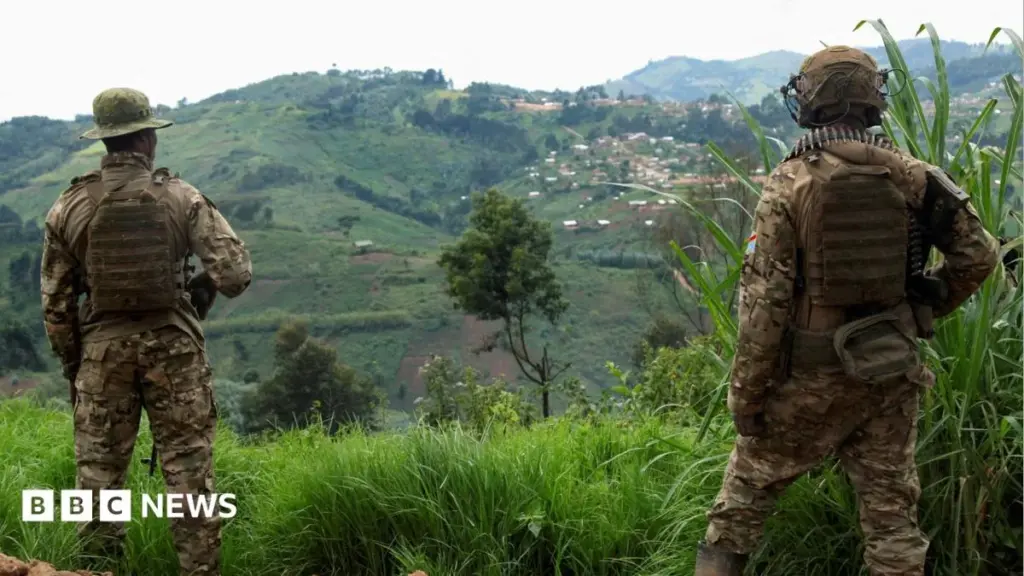
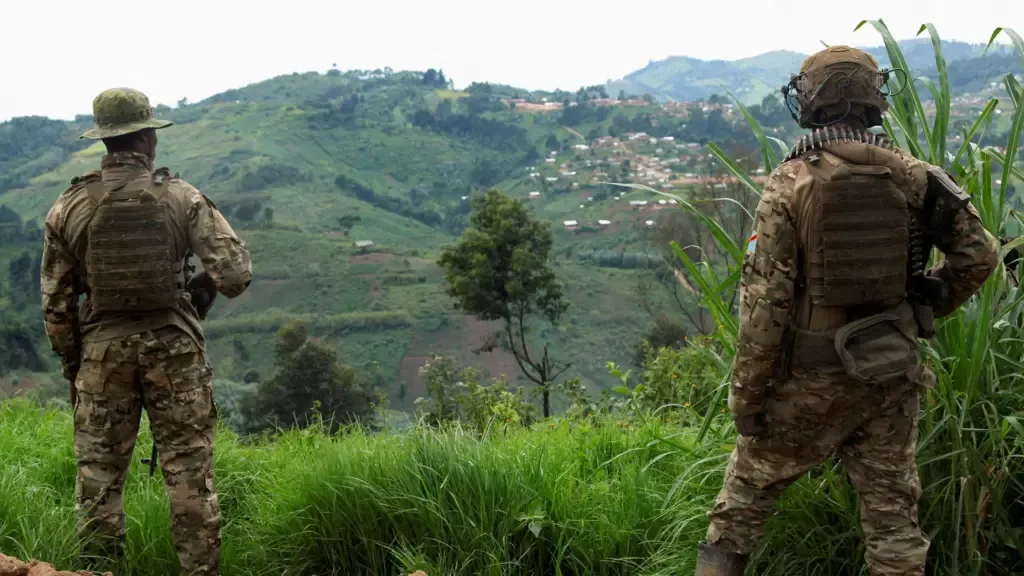
- Sixty-six Congolese soldiers were condemned to death in Walikale, North Kivu, following trials for abandoning positions during clashes with the FRN and M23 rebel coalition.
- The rulings follow DR Congo's March 2024 decision to lift a 20-year moratorium on capital punishment, intended to root out 'traitors' and enforce military discipline.
- Monitors report that over 500 soldiers have been convicted and hundreds sentenced to death since the beginning of 2025 amid intensifying eastern conflicts.
- The breakdown in military cohesion occurs against a backdrop of regional tensions, including allegations of Rwandan backing for the M23 and the radicalization of former political leaders.
- Soixante-six soldats congolais ont été condamnés à mort à Walikale, dans le Nord-Kivu, pour avoir abandonné leurs positions face à la coalition rebelle FRN et M23.
- Ces verdicts font suite à la levée, en mars 2024, du moratoire sur la peine de mort en vigueur depuis vingt ans, une mesure visant à éliminer les « traîtres » et à restaurer la discipline militaire.
- Les observateurs rapportent que plus de 500 soldats ont été condamnés et des centaines d'autres ont reçu la peine capitale depuis le début de l'année 2025, sur fond d'intensification des conflits dans l'est du pays.
- L'effritement de la cohésion militaire s'inscrit dans un contexte de tensions régionales exacerbées par les accusations de soutien rwandais au M23 et la radicalisation d'anciens dirigeants politiques.
- Sesenta y seis soldados congoleños fueron condenados a muerte en Walikale, Kivu Norte, tras juicios por abandonar posiciones durante los enfrentamientos con la coalición rebelde FRN y M23.
- Estas sentencias se producen tras la decisión de la RDC en marzo de 2024 de levantar una moratoria de 20 años sobre la pena capital, con la intención de erradicar a los «traidores» y hacer cumplir la disciplina militar.
- Los observadores informan de que más de 500 soldados han sido condenados y cientos sentenciados a muerte desde principios de 2025, en un contexto de intensificación de los conflictos en el este.
- La quiebra de la cohesión militar se produce en un telón de fondo de tensiones regionales, que incluyen acusaciones de respaldo ruandés al M23 y la radicalización de antiguos líderes políticos.
- 在与FRN和M23反政府武装联盟的冲突中撤离阵地后,66名刚果(金)士兵在北基伍省瓦利卡莱被判处死刑。
- 在此判决之前,刚果(金)于2024年3月决定解除长达20年的死刑暂缓令,旨在清除“叛徒”并强化军队纪律。
- 据监督机构报告,自2025年初东部冲突加剧以来,已有超过500名士兵被定罪,数百人被判处死刑。
- 军事凝聚力的崩溃发生在复杂的地区地缘政治背景之下,其中包括有关卢旺达支持M23以及前政治领导人激进化的指控。
In the rugged, mineral-rich terrain of eastern Democratic Republic of Congo, where a decades-long war of attrition grinds relentlessly on, the state has turned its punitive gaze inward. A military court sitting in the volatile North Kivu province recently handed down death sentences to no fewer than 66 Congolese soldiers, convicting them of cowardice, mutiny, and insubordination. Out of a cohort of 71 service members put on trial in Walikale, just four were acquitted and a single soldier spared the gallows with a ten-year prison term. The swift and brutal verdicts are designed to broadcast an unambiguous message of zero tolerance from a military high command desperate to restore order.
Yet, far from projecting strength, the mass tribunal lays bare a brittle, fractured military apparatus buckling under the weight of existential pressure. Arrested on October 20 after allegedly fleeing their defensive positions under heavy fire from the Front for the Refoundation of the Nation (FRN)—a potent rebel coalition anchored by the notorious M23 movement—these troops are symptomatic of a deeper rot. For years, the Forces Armées de la République Démocratique du Congo (FARDC) have struggled with endemic corruption, logistical chaos, systemic underpayment, and a chronic lack of basic provisions on the frontline. By meeting battlefield retreat with the ultimate sanction of the state, Kinshasa is attempting to legislate discipline into existence through sheer judicial terror.
The Rebirth of Capital Punishment in a Fractured State
The legal foundation for these draconian rulings was laid in March 2024, when President Félix Tshisekedi's administration officially lifted a two-decade-long moratorium on the death penalty. Suspended since 2003 under international pressure and human rights advocacy, capital punishment was resurrected under the official pretext of ridding the armed forces of "traitors," deserters, and collaborators working in tandem with armed insurgencies. The government argued that the extraordinary security architecture of the east demanded extraordinary legal measures, extending the penalty to acts of insurrection, treason, and war crimes.
Human rights organizations immediately decried the move, warning that the return of the gallows would lead to summary justice, widespread abuses, and scapegoating of poorly trained, ill-equipped conscripts placed in impossible tactical scenarios. Despite these warnings, the judicial machinery has moved with terrifying speed. According to monitoring data compiled by French broadcaster RFI, more than 507 soldiers have faced conviction since the beginning of 2025 alone, with an astonishing 381 condemned to death. While formal executions have not yet resumed, the accumulation of death row inmates within military prisons threatens to create a volatile humanitarian and institutional bottleneck.
Geopolitical Fault Lines and the Shadow of Regional War
The crisis in North Kivu cannot be viewed merely as an internal disciplinary failure; it is inextricably bound to a wider regional inferno that continues to destabilize Central Africa. The FARDC is locked in an escalating multi-sided conflict against the FRN and the M23, groups that Kinshasa and United Nations experts maintain are heavily backed by neighboring Rwanda. While Kigali consistently denies these accusations, the evidentiary record compiled by international investigators points to sophisticated cross-border command structures, advanced weaponry, and tactical support for the insurgents.
This geopolitical friction has created a paranoid security environment in Kinshasa, where loyalty to the state is constantly cross-examined against suspected ethnic and political allegiances. The atmosphere of suspicion reached surreal heights when former Congolese President Joseph Kabila—who ruled the nation from 2001 to 2019—was sentenced to death in absentia on charges of treason and war crimes, having subsequently been identified as a leader within the FRN. When a former head of state joins the armed opposition and rank-and-file soldiers flee en masse rather than fight, it signals a systemic crisis of legitimacy that no military court can easily adjudicate away.
The Human Cost and the Road Ahead
On the ground in Walikale and across the wider Kivu provinces, the immediate human cost of this hardline policy falls squarely on the shoulders of impoverished soldiers who view themselves as sacrificial lambs. Frontline reports frequently highlight units operating for months without rations, medical supplies, or reliable ammunition, only to be commanded to hold indefensible positions against better-armed adversaries. When these soldiers retreat to save their lives, they find themselves branded as cowards by commanders sitting safely in distant garrisons, facing military tribunals that offer scant procedural safeguards.
As the conflict grinds deeper into 2025, the Congolese government faces a perilous crossroads. Relying on mass death sentences to enforce morale risks alienating the very population and military base upon which the preservation of the state depends. Without addressing the foundational grievances of the FARDC—chronic corruption, delayed pay, inadequate logistics, and systemic impunity among senior officers—judicial crackdowns will achieve little more than emptying the ranks they seek to fortify. For ParisDaily's global readership watching the Great Lakes region, the developments in Walikale are a sobering reminder that a state fighting for its territorial integrity must first master the art of just and effective governance before it can successfully command the loyalty of its people.
In the rugged, mineral-rich terrain of eastern Democratic Republic of Congo, where a decades-long war of attrition grinds relentlessly on, the state has turned its punitive gaze inward. A military court sitting in the volatile North Kivu province recently handed down death sentences to no fewer than 66 Congolese soldiers, convicting them of cowardice, mutiny, and insubordination. Out of a cohort of 71 service members put on trial in Walikale, just four were acquitted and a single soldier spared the gallows with a ten-year prison term. The swift and brutal verdicts are designed to broadcast an unambiguous message of zero tolerance from a military high command desperate to restore order.
Yet, far from projecting strength, the mass tribunal lays bare a brittle, fractured military apparatus buckling under the weight of existential pressure. Arrested on October 20 after allegedly fleeing their defensive positions under heavy fire from the Front for the Refoundation of the Nation (FRN)—a potent rebel coalition anchored by the notorious M23 movement—these troops are symptomatic of a deeper rot. For years, the Forces Armées de la République Démocratique du Congo (FARDC) have struggled with endemic corruption, logistical chaos, systemic underpayment, and a chronic lack of basic provisions on the frontline. By meeting battlefield retreat with the ultimate sanction of the state, Kinshasa is attempting to legislate discipline into existence through sheer judicial terror.
The Rebirth of Capital Punishment in a Fractured State
The legal foundation for these draconian rulings was laid in March 2024, when President Félix Tshisekedi's administration officially lifted a two-decade-long moratorium on the death penalty. Suspended since 2003 under international pressure and human rights advocacy, capital punishment was resurrected under the official pretext of ridding the armed forces of "traitors," deserters, and collaborators working in tandem with armed insurgencies. The government argued that the extraordinary security architecture of the east demanded extraordinary legal measures, extending the penalty to acts of insurrection, treason, and war crimes.
Human rights organizations immediately decried the move, warning that the return of the gallows would lead to summary justice, widespread abuses, and scapegoating of poorly trained, ill-equipped conscripts placed in impossible tactical scenarios. Despite these warnings, the judicial machinery has moved with terrifying speed. According to monitoring data compiled by French broadcaster RFI, more than 507 soldiers have faced conviction since the beginning of 2025 alone, with an astonishing 381 condemned to death. While formal executions have not yet resumed, the accumulation of death row inmates within military prisons threatens to create a volatile humanitarian and institutional bottleneck.
Geopolitical Fault Lines and the Shadow of Regional War
The crisis in North Kivu cannot be viewed merely as an internal disciplinary failure; it is inextricably bound to a wider regional inferno that continues to destabilize Central Africa. The FARDC is locked in an escalating multi-sided conflict against the FRN and the M23, groups that Kinshasa and United Nations experts maintain are heavily backed by neighboring Rwanda. While Kigali consistently denies these accusations, the evidentiary record compiled by international investigators points to sophisticated cross-border command structures, advanced weaponry, and tactical support for the insurgents.
This geopolitical friction has created a paranoid security environment in Kinshasa, where loyalty to the state is constantly cross-examined against suspected ethnic and political allegiances. The atmosphere of suspicion reached surreal heights when former Congolese President Joseph Kabila—who ruled the nation from 2001 to 2019—was sentenced to death in absentia on charges of treason and war crimes, having subsequently been identified as a leader within the FRN. When a former head of state joins the armed opposition and rank-and-file soldiers flee en masse rather than fight, it signals a systemic crisis of legitimacy that no military court can easily adjudicate away.
The Human Cost and the Road Ahead
On the ground in Walikale and across the wider Kivu provinces, the immediate human cost of this hardline policy falls squarely on the shoulders of impoverished soldiers who view themselves as sacrificial lambs. Frontline reports frequently highlight units operating for months without rations, medical supplies, or reliable ammunition, only to be commanded to hold indefensible positions against better-armed adversaries. When these soldiers retreat to save their lives, they find themselves branded as cowards by commanders sitting safely in distant garrisons, facing military tribunals that offer scant procedural safeguards.
As the conflict grinds deeper into 2025, the Congolese government faces a perilous crossroads. Relying on mass death sentences to enforce morale risks alienating the very population and military base upon which the preservation of the state depends. Without addressing the foundational grievances of the FARDC—chronic corruption, delayed pay, inadequate logistics, and systemic impunity among senior officers—judicial crackdowns will achieve little more than emptying the ranks they seek to fortify. For ParisDaily's global readership watching the Great Lakes region, the developments in Walikale are a sobering reminder that a state fighting for its territorial integrity must first master the art of just and effective governance before it can successfully command the loyalty of its people.
Dans les reliefs escarpés et riches en minerais de l'est de la République démocratique du Congo, où une guerre d'usure s'éternise depuis des décennies, l'État a tourné son regard punitif vers ses propres rangs. Un tribunal militaire siégeant dans la province instable du Nord-Kivu a récemment prononcé des condamnations à mort contre pas moins de 66 soldats congolais, reconnus coupables de lâcheté, de mutinerie et d'insubordination. Sur un groupe de 71 militaires traduits devant la cour à Walikale, seuls quatre ont été acquittés et un seul a échappé à la potence, écopant d'une peine de dix ans de prison. Ces verdicts, aussi expéditifs que brutaux, visent à envoyer un message sans équivoque de tolérance zéro de la part d'un haut commandement militaire désespéré de rétablir l'ordre.
Pourtant, loin de projeter une image de force, ce tribunal d'exception met à nu un appareil militaire fragile et fracturé, pliant sous le poids d'une pression existentielle. Arrêtés le 20 octobre après avoir prétendument fui leurs positions défensives sous un feu nourri du Front pour la refondation de la nation (FRN) — une puissante coalition rebelle ancrée autour du tristement célèbre mouvement M23 — ces soldats sont le symptôme d'une décomposition profonde. Depuis des années, les Forces armées de la République démocratique du Congo (FARDC) sont aux prises avec une corruption endémique, un chaos logistique, des arriérés de solde systémiques et un manque chronique de ravitaillement sur la ligne de front. En répondant à la retraite sur le champ de bataille par la sanction ultime de l'État, Kinshasa tente d'imposer la discipline par la terreur judiciaire.
La renaissance de la peine capitale dans un État fracturé
Le fondement juridique de ces décisions draconiennes a été posé en mars 2024, lorsque l'administration du président Félix Tshisekedi a officiellement levé un moratoire de vingt ans sur la peine de mort. Suspendue depuis 2003 sous la pression internationale et celle des défenseurs des droits humains, la peine capitale a été ressuscitée sous le prétexte officiel de débarrasser les forces armées des « traîtres », déserteurs et collaborateurs travaillant de concert avec les insurgés. Le gouvernement a fait valoir que l'architecture sécuritaire extraordinaire de l'est du pays exigeait des mesures juridiques extraordinaires, étendant la peine aux actes d'insurrection, de trahison et aux crimes de guerre.
Les organisations de défense des droits humains ont immédiatement dénoncé cette décision, avertissant que le retour de la peine capitale conduirait à une justice expéditive, à des abus généralisés et à la désignation de boucs émissaires parmi des conscrits mal formés et sous-équipés, placés dans des situations tactiques impossibles. Malgré ces mises en garde, la machine judiciaire s'est mise en branle avec une rapidité terrifiante. Selon les données de suivi compilées par RFI, plus de 507 soldats ont été condamnés depuis le début de l'année 2025, dont 381 à la peine de mort. Bien que les exécutions formelles n'aient pas encore repris, l'accumulation de condamnés à mort dans les prisons militaires menace de créer un goulot d'étranglement humanitaire et institutionnel explosif.
Lignes de faille géopolitiques et ombre d'une guerre régionale
La crise dans le Nord-Kivu ne peut être perçue comme un simple échec disciplinaire interne ; elle est inextricablement liée à un brasier régional plus vaste qui continue de déstabiliser l'Afrique centrale. Les FARDC sont engagées dans un conflit multiforme qui s'intensifie contre le FRN et le M23, des groupes que Kinshasa et les experts des Nations unies considèrent comme largement soutenus par le Rwanda voisin. Bien que Kigali nie systématiquement ces accusations, les preuves recueillies par les enquêteurs internationaux pointent vers des structures de commandement transfrontalières sophistiquées, un armement avancé et un soutien tactique aux insurgés.
Cette friction géopolitique a créé un climat de paranoïa sécuritaire à Kinshasa, où la loyauté envers l'État est constamment mise à l'épreuve face à des allégeances ethniques et politiques supposées. L'atmosphère de suspicion a atteint des sommets surréalistes lorsque l'ancien président congolais Joseph Kabila — qui a dirigé le pays de 2001 à 2019 — a été condamné à mort par contumace pour trahison et crimes de guerre, après avoir été identifié comme l'un des dirigeants du FRN. Lorsqu'un ancien chef d'État rejoint l'opposition armée et que les soldats de base fuient en masse plutôt que de combattre, cela signale une crise de légitimité systémique qu'aucun tribunal militaire ne peut facilement résoudre.
Le coût humain et les défis à venir
Sur le terrain, à Walikale et dans l'ensemble des provinces du Kivu, le coût humain immédiat de cette politique de la ligne dure retombe directement sur les épaules de soldats démunis qui se considèrent comme des agneaux sacrificiels. Les rapports du front soulignent fréquemment des unités opérant pendant des mois sans rations, sans fournitures médicales ni munitions fiables, pour se voir ensuite ordonner de tenir des positions indéfendables face à des adversaires mieux armés. Lorsque ces soldats battent en retraite pour sauver leur vie, ils sont qualifiés de lâches par des commandants installés en sécurité dans des garnisons lointaines, et font face à des tribunaux militaires offrant peu de garanties procédurales.
Alors que le conflit s'enlise en 2025, le gouvernement congolais se trouve à un carrefour périlleux. Miser sur des condamnations à mort massives pour renforcer le moral risque d'aliéner la population et la base militaire dont dépend la préservation de l'État. Sans s'attaquer aux griefs fondamentaux des FARDC — corruption chronique, retards de paiement, logistique inadéquate et impunité systémique des officiers supérieurs — les mesures répressives ne feront guère plus que vider les rangs qu'elles cherchent à fortifier. Pour les lecteurs de ParisDaily qui suivent la région des Grands Lacs, les événements de Walikale rappellent cruellement qu'un État luttant pour son intégrité territoriale doit d'abord maîtriser l'art d'une gouvernance juste et efficace avant de pouvoir exiger la loyauté de son peuple.
En el terreno escarpado y rico en minerales del este de la República Democrática del Congo, donde una guerra de desgaste de décadas continúa implacablemente, el Estado ha dirigido su mirada punitiva hacia su interior. Un tribunal militar reunido en la volátil provincia de Kivu Norte dictó recientemente sentencias de muerte contra nada menos que 66 soldados congoleños, tras declararlos culpables de cobardía, amotinamiento e insubordinación. De un contingente de 71 miembros de las fuerzas armadas juzgados en Walikale, solo cuatro fueron absueltos y un único soldado se libró de la horca con una pena de diez años de prisión. Estos veredictos, rápidos y brutales, pretenden transmitir un mensaje inequívoco de tolerancia cero por parte de un alto mando militar desesperado por restablecer el orden.
Sin embargo, lejos de proyectar fuerza, este tribunal masivo deja al descubierto un aparato militar frágil y fracturado que sucumbe bajo el peso de una presión existencial. Detenidos el 20 de octubre tras huir presuntamente de sus posiciones defensivas bajo el intenso fuego del Frente para la Refundación de la Nación (FRN) —una potente coalición rebelde anclada por el notorio movimiento M23—, estos soldados son el síntoma de una podredumbre más profunda. Durante años, las Fuerzas Armadas de la República Democrática del Congo (FARDC) han lidiado con una corrupción endémica, un caos logístico, una infrautilización salarial sistémica y una crónicamente escasa provisión de recursos básicos en el frente. Al responder a la retirada en el campo de batalla con la sanción última del Estado, Kinshasa intenta legislar la vigencia de la disciplina a través del puro terror judicial.
El renacimiento de la pena capital en un Estado fracturado
La base jurídica de estas draconianas sentencias se estableció en marzo de 2024, cuando la administración del presidente Félix Tshisekedi levantó oficialmente una moratoria de dos décadas sobre la pena de muerte. Suspendida desde 2003 debido a la presión internacional y a la defensa de los derechos humanos, la pena capital fue resucitada bajo el pretexto oficial de librar a las fuerzas armadas de «traidores», desertores y colaboradores que operan en connivencia con insurgencias armadas. El argumento gubernamental sostuvo que la extraordinaria arquitectura de seguridad del este exigía medidas legales extraordinarias, extendiendo la pena a los actos de insurrección, traición y crímenes de guerra.
Las organizaciones de derechos humanos repudiaron de inmediato la medida, advirtiendo de que el regreso de la horca conduciría a una justicia sumaria, a abusos generalizados y a la designación de chivos expiatorios entre reclutas mal entrenados y escasamente equipados que se enfrentan a escenarios tácticos imposibles. A pesar de estas advertencias, la maquinaria judicial ha avanzado con una velocidad aterradora. Según los datos de seguimiento recopilados por la emisora francesa RFI, más de 507 soldados se han enfrentado a condenas desde principios de 2025, de los cuales la friolera de 381 han sido sentenciados a muerte. Aunque las ejecuciones formales aún no se han reanudado, la acumulación de presos en el corredor de la muerte dentro de las prisiones militares amenaza con crear un cuello de botella institucional y humanitario de alta volatilidad.
Líneas de fractura geopolítica y la sombra de una guerra regional
La crisis en Kivu Norte no puede contemplarse meramente como un fallo disciplinario interno; está indisolublemente unida a un infierno regional más amplio que continúa desestabilizando África Central. Las FARDC se hallan atrapadas en un conflicto multifacético y en constante escalada contra el FRN y el M23, grupos que, según sostienen Kinshasa y los expertos de las Naciones Unidas, cuentan con un fuerte respaldo de la vecina Ruanda. Aunque Kigali niega sistemáticamente estas acusaciones, el registro probatorio recopilado por investigadores internacionales apunta a estructuras de mando transfronterizas sofisticadas, armamento avanzado y apoyo táctico a los insurgentes.
Esta fricción geopolítica ha generado un entorno de seguridad paranoico en Kinshasa, donde la lealtad al Estado se somete constantemente a escrutinio frente a supuestas lealtades étnicas y políticas. La atmósfera de sospecha alcanzó cotas surrealistas cuando el ex presidente congoleño Joseph Kabila —que gobernó la nación entre 2001 y 2019— fue condenado a muerte en rebeldía por cargos de traición y crímenes de guerra, tras haber sido identificado posteriormente como uno de los líderes del FRN. Cuando un antiguo jefe de Estado se une a la oposición armada y los soldados rasos huyen en masa en lugar de combatir, se pone de manifiesto una crisis sistémica de legitimidad que ningún tribunal militar puede resolver fácilmente a golpe de sentencia.
El coste humano y el camino por delante
Sobre el terreno en Walikale y en el conjunto de las provincias de Kivu, el coste humano inmediato de esta política de mano dura recae directamente sobre los hombros de soldados empobrecidos que se consideran a sí mismos corderos de sacrificio. Los informes desde el frente destacan con frecuencia unidades que operan durante meses sin raciones, suministros médicos o munición fiable, solo para recibir la orden de mantener posiciones indefendibles frente a adversarios mejor armados. Cuando estos soldados se retiran para salvar la vida, se ven tildados de cobardes por mandos apostados a salvo en lejanas guarniciones, y se enfrentan a tribunales militares que ofrecen escasas garantías procesales.
A medida que el conflicto avanza hacia el tramo avanzado de 2025, el Gobierno congoleño se enfrenta a una encrucijada peligrosa. Confiar en condenas a muerte masivas para forzar la moral corre el riesgo de enajenar a la misma población y base militar de las que depende la preservación del Estado. Si no se abordan las reivindicaciones fundamentales de las FARDC —la corrupción crónica, los retrasos en las pagas, la logística inadecuada y la impunidad sistémica entre los oficiales superiores—, las medidas drásticas en el plano judicial no conseguirán mucho más que vaciar las filas que pretenden fortificar. Para los lectores globales de ParisDaily que observan la región de los Grandes Lagos, los acontecimientos de Walikale son un recordatorio aleccionador de que un Estado que lucha por su integridad territorial debe dominar primero el arte de una gobernanza justa y eficaz antes de poder exigir con éxito la lealtad de su pueblo.
在刚果民主共和国东部地形崎岖、矿产丰富的土地上,长达数十年的消耗战仍在无情地进行,而国家已经将惩罚的目光转向了内部。一个位于局势动荡的北基伍省的军事法庭最近对多达66名刚果士兵下达了死刑判决,裁定他们犯有怯战、哗变和抗命罪。在受审的71名军人中,仅有4人被宣告无罪,只有1名士兵免于绞刑,改判十年监禁。这些迅速且严厉的判决旨在向外界传递一个明确的“零容忍”信号,暴露出军事统帅部在面对秩序崩塌时的孤注一掷。
然而,这场大规模的法庭审判非但没有展现出力量,反而赤裸裸地暴露了一个在生存压力下摇摇欲坠、四分五裂的军事机器。这些部队在10月20日被捕,此前他们被指控在面对“保卫阵线联盟”(FRN,一个由臭名昭著的M23运动为核心的强大反叛联盟)的猛烈炮火时逃离防守阵地,这正是更深层腐败的一个缩影。多年来,刚果民主共和国武装力量(FARDC)一直饱受沉疴顽疾的困扰,包括根深蒂固的腐败、后勤混乱、系统性长期欠薪以及前线基础物资的严重匮乏。金沙萨试图通过诉诸国家的最高刑罚——司法恐怖,将纪律通过立法强行灌输给战场上的溃退。
死刑在一个分裂国家中的复活
这些严苛判决的法律基础奠定于2024年3月,当时费利克斯·齐塞克迪(Félix Tshisekedi)总统政府正式解除了长达二十年的死刑暂缓执行令。在国际压力和人权倡导下自2003年起暂停的死刑,在官方的借口下得以复活,即为了清除武装部队中的“叛徒”、逃兵以及与武装叛乱勾结的合作者。政府辩称,东部地区非同寻常的安全架构需要采取非同寻常的法律手段,从而将死刑适用范围扩大到叛乱、叛国和战争罪等行为。
人权组织立即对这一举措表示强烈谴责,警告称绞刑的回归将导致简易审判、普遍侵权,以及对被置于极端战术困境中的受训不足、装备简陋的义务兵进行替罪羊式的惩罚。尽管有这些警告,司法机器仍以惊人的速度运转。根据法国国际广播电台(RFI)汇编的监测数据,仅自2025年年初以来,已有超过507名士兵被定罪,其中惊人的381人被判处死刑。虽然正式的死刑执行尚未恢复,但军事监狱中死刑犯的不断累积,正威胁着引发一场动荡的人道主义和体制瓶颈。
地缘政治断层线与地区战争的阴影
北基伍省的危机不能仅仅被视为一场内部的纪律失败;它与继续破坏中非稳定的更广泛地区战争有着不可分割的联系。FARDC正深陷一场针对FRN和M23的多方升级冲突中,金沙萨和联合国专家坚称,这些组织得到了邻国卢旺达的大力支持。虽然基加利方面一再否认这些指控,但国际调查人员汇编的证据记录却指向了复杂的跨境指挥结构、先进的武器装备以及对叛乱分子的战术支持。
这种地缘政治摩擦在金沙萨营造了一种偏执的安全环境,对国家的忠诚度不断受到涉嫌种族和政治忠诚的交叉盘问。当刚果前总统约瑟夫·卡比拉(Joseph Kabila,于2001年至2019年执政)因涉嫌叛国罪和战争罪被缺席判处死刑,且随后被认出是FRN内部的领导人时,这种猜疑的气氛达到了超现实的顶峰。当一名前国家元首加入武装反对派,而普通士兵选择集体逃跑而不是战斗时,这标志着一场系统性的合法性危机,任何军事法庭都无法轻易通过审判将其一笔勾销。
人道主义代价与前路
在瓦利卡莱以及整个基伍省的地面上,这一强硬政策最直接的人道主义代价,正毫不留情地落在那些将自己视为“替罪羊”的贫困士兵肩上。前线报告经常强调,一些部队在没有口粮、医疗物资或可靠弹药的情况下运作了数月,却仅仅接到命令去死守那些面对武器更精良的对手时根本无法防守的阵地。当这些士兵为了保全性命而撤退时,却被坐在遥远军营里安然无恙的指挥官们贴上懦夫的标签,并面对几乎没有程序保障的军事法庭。
随着冲突在2025年进一步恶化,刚果政府正面临一个危险的十字路口。依靠大规模死刑来强行提振士气,极有可能疏远那些国家生存所赖以维系的民众和军事根基。如果不解决FARDC的根本冤屈——长期腐败、延迟发饷、后勤不足以及高级军官中系统性的有罪不罚现象,司法打压除了清空他们试图巩固的军队序列之外,起不到任何实质作用。对于关注大湖地区的ParisDaily全球读者来说,瓦利卡莱的事态发展是一个清醒的警示:一个为捍卫领土完整而战的国家,必须首先掌握公正有效治理的艺术,然后才能成功赢得人民的忠诚。
Editorial Standards & Multi-Language Synthesis: This dispatch was synthesized and fact-checked by the ParisDaily Editorial Desk across 5 global editions (EN, FR, VI, ES, ZH), cross-referencing primary international wire reports and real-time search intelligence.