Supervivencia en 'El graduado': Cómo Dustin Hoffman luchó contra sus inseguridades para hacer historia en el cine
More than half a century after defining a generation of alienated youth, Dustin Hoffman reveals the agonizing psychological toll, casting skepticism, and intense creative friction behind Mike Nichols' 1967 masterpiece.
Hơn nửa thế kỷ sau khi định hình một thế hệ thanh thiếu niên tha hóa, Dustin Hoffman tiết lộ những tổn thương tâm lý quằn quại, sự hoài nghi từ đoàn làm phim và những va chạm sáng tạo dữ dội đằng sau kiệt tác năm 1967 của Mike Nichols.
Plus d'un demi-siècle après avoir incarné une génération de la jeunesse aliénée, Dustin Hoffman lève le voile sur le tourment psychologique, les doutes liés aux castings et l'intense friction créative qui se cachent derrière le chef-d'œuvre de Mike Nichols sorti en 1967.
Más de medio siglo después de definir a una generación de jóvenes alienados, Dustin Hoffman revela el angustioso peaje psicológico, el escepticismo en los cástings y la intensa fricción creativa que se esconden tras la obra maestra de Mike Nichols de 1967.
在定义了一代迷茫青年的半个多世纪后,达斯汀·霍夫曼首度披露了麦克·尼科尔斯1967年杰作背后,那场令人煎熬的心理拉锯、选角质疑与密集的创作碰撞。
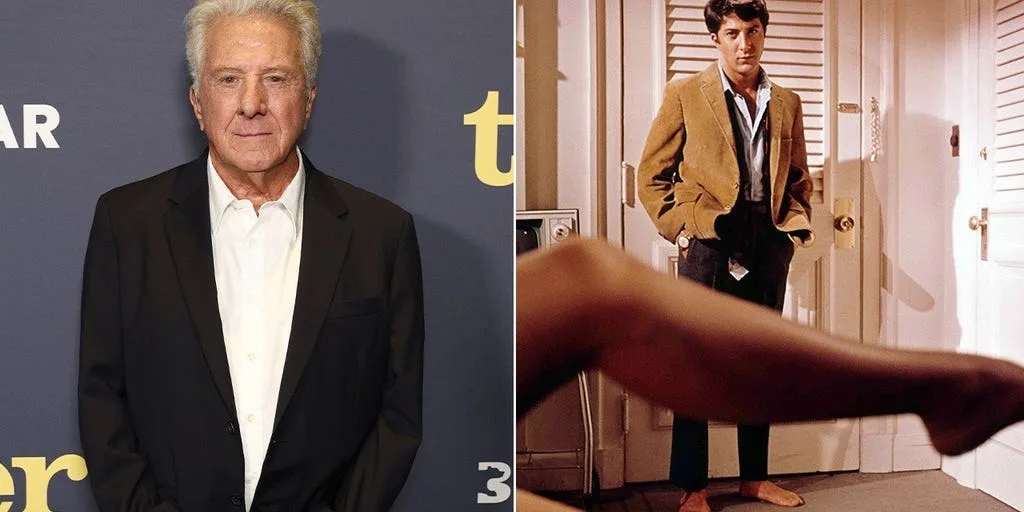
- Dustin Hoffman initially believed he was entirely wrong to play Benjamin Braddock, viewing himself as distinctly un-Wasp and ethnic compared to the original novel's protagonist.
- Director Mike Nichols fought studio executives and leveraged unprecedented creative control to cast Hoffman alongside Katharine Ross, bypassing traditional Hollywood leading-man archetypes.
- The rigorous three-week rehearsal process forced Hoffman to channel his own adolescent anxieties, sexual shame, and nervous quirks directly into the character's iconic physicality.
- Despite immediate critical acclaim and cultural phenomenon status, the grueling months of principal photography exacerbated deep-seated imposter syndrome for the then-unknown stage actor.
- Dustin Hoffman ban đầu tin rằng ông hoàn toàn không phù hợp để vào vai Benjamin Braddock, tự nhận mình mang đậm nét đặc thù sắc tộc và hoàn toàn không phải hình mẫu WASP (da trắng, theo đạo Tin Lành Anglo-Saxon) như nhân vật nguyên tác trong tiểu thuyết.
- Đạo diễn Mike Nichols đã đấu tranh với các giám đốc hãng phim và tận dụng quyền kiểm soát sáng tạo chưa từng có để tuyển chọn Hoffman cùng Katharine Ross, phớt lờ các nguyên mẫu nam chính truyền thống của Hollywood.
- Quy trình tập dượt nghiêm ngặt kéo dài ba tuần buộc Hoffman phải chuyển hóa những lo âu tuổi thiếu niên, sự xấu hổ về tình dục và những thói quen lo lắng của chính mình trực tiếp thành phong thái biểu cảm mang tính biểu tượng của nhân vật.
- Bất chấp tiếng vang phê duyệt tức thì và vị thế hiện tượng văn hóa, nhiều tháng ghi hình chính căng thẳng đã làm trầm trọng thêm hội chứng kẻ giả mạo (imposter syndrome) thâm căn cố đế của nam diễn viên sân khấu lúc bấy giờ vẫn còn vô danh.
- Dustin Hoffman a d'abord cru qu'il était totalement illégitime pour incarner Benjamin Braddock, se percevant comme résolument éloigné du profil WASP et beaucoup trop typé par rapport au protagoniste du roman original.
- Le réalisateur Mike Nichols a tenu tête aux dirigeants des studios et a exercé un contrôle créatif inédit pour imposer Hoffman aux côtés de Katharine Ross, court-circuitant ainsi les archétypes traditionnels des jeunes premiers hollywoodiens.
- Le processus de répétition rigoureux de trois semaines a contraint Hoffman à canaliser ses propres angoisses d'adolescent, sa pudeur sexuelle et ses tics nerveux pour les insuffler directement dans la physicalité iconique du personnage.
- En dépit d'un triomphe critique immédiat et d'un statut de phénomène culturel, les mois exténuants du tournage principal ont exacerbé le syndrome de l'imposteur profondément ancré chez ce comédien de théâtre alors méconnu.
- Dustin Hoffman creyó inicialmente que era completamente inadecuado para interpretar a Benjamin Braddock, considerándose muy poco WASP y de rasgos más marcados en comparación con el protagonista de la novela original.
- El director Mike Nichols luchó contra los ejecutivos de los estudios y aprovechó un control creativo sin precedentes para elegir a Hoffman junto a Katharine Ross, eludiendo los arquetipos tradicionales de los galanes de Hollywood.
- El riguroso proceso de ensayos de tres semanas obligó a Hoffman a canalizar sus propias ansiedades de la adolescencia, su vergüenza sexual y sus tics nerviosos directamente en la icónica fisicalidad del personaje.
- A pesar de la aclamación de la crítica y su estatus de fenómeno cultural inmediato, los agotadores meses de rodaje principal exacerbaron un profundo síndrome del impostor en el entonces desconocido actor de teatro.
- 达斯汀·霍夫曼最初认为自己绝不适合出演本杰明·布拉德克,与原著小说的主角相比,他觉得自己身上毫无传统盎格鲁-撒克逊白人新教徒(WASP)的气质,带有鲜明的族裔色彩。
- 导演麦克·尼科尔斯力排众议,顶住制片厂高管的压力,并运用了前所未有的创作控制权,最终让霍夫曼与凯瑟琳·罗斯搭档,绕过了传统好莱坞当红小生的刻板印象。
- 严苛的三周排练过程迫使霍夫曼将自己青春期的焦虑、对性的羞耻感以及紧张的小动作,直接转化为角色标志性的肢体语言。
- 尽管影片上映后立即收获巨大声誉并成为一种文化现象,但长达数月艰苦的主体拍摄,却加剧了这位当时尚不出名的舞台剧演员根深蒂固的“冒名顶替综合征”。
When Dustin Hoffman first received word that director Mike Nichols was considering him for the lead role in a cinematic adaptation of Charles Webb's novel The Graduate, his immediate reaction was not elation, but profound disbelief. Fresh from success on the New York stage and fiercely protective of his theatrical identity, Hoffman viewed Hollywood through a lens of deep suspicion. To the twenty-nine-year-old actor, the studio system was a gilded cage designed to manufacture unattainable ideals of beauty, far removed from the gritty, European-infused realism he admired. Standing in sharp contrast to the athletic, blond, straight-A archetype of Benjamin Braddock described on the page, Hoffman looked in the mirror and saw an ethnic New York actor entirely unsuited to portray the ultimate American collegiate outsider.
Yet, what began as a mismatched casting inquiry evolved into one of the most consequential collaborations in motion picture history. Decades later, the making of The Graduate remains a masterclass in creative tension—a crucible where personal insecurity, obsessive direction, and institutional skepticism fused into an immortal cultural artifact. As archival reflections and contemporary reappraisals illuminate the sheer improbability of the film's genesis, the story of how Hoffman survived the production offers a rare window into the volatile alchemy of 1960s Hollywood filmmaking.
Challenging the Archetype of the Golden Boy
The hurdles facing Hoffman's casting were formidable. Studio executives and creative leads had envisioned a traditional Hollywood pairing—names like Robert Redford and Candice Bergen floated as the gold standard of youthful American perfection. When Hoffman finally entered the audition room, surrounded by the remnants of Old Hollywood glamour and subjected to meticulous makeup tests aimed at reshaping his features, the disconnect was palpable. Makeup artists debated his eyebrows, his neck, and his nose, attempting to smooth away the distinct features that marked him as an outsider.
Nichols, however, possessed a singular intuition that defied conventional wisdom. Recognizing that the character's core trait was not athletic prowess but profound alienation, Nichols famously countered Hoffman's protests by suggesting that Benjamin might simply be "Jewish inside." This psychological pivot transformed a potential casting mismatch into a stroke of genius. By leaning into Hoffman's genuine sense of unworthiness and dislocation, Nichols tapped into a wellspring of authentic vulnerability that standard leading men of the era simply could not replicate.
The Psychological Crucible of Rehearsal and Principal Photography
The production's unique luxury of a three-week rehearsal period allowed Nichols to construct the character from the ground up, utilizing Hoffman's own adolescence, acne, and anxieties. Nichols employed unorthodox psychological excavation, asking the actor to recall his earliest experiences of sexual shame, his nervous ticks, and familial pressures. These exercises birthed the iconic physical vocabulary of Benjamin Braddock—the stifled breathing, the awkward pauses, and the palpable tension of a young man caught between societal expectations and internal paralysis.
Yet, the transition from the collaborative sanctuary of rehearsals to the realities of principal photography proved jarring. Nichols transformed from an empathetic guide into an intensely demanding auteur under immense pressure. Shut out from viewing dailies and navigating complex power dynamics with co-star Anne Bancroft, Hoffman found himself wrestling with a debilitating case of imposter syndrome. Every day on set threatened to expose what he secretly feared: that he was an interloper who had stolen a role meant for Hollywood royalty.
A Cultural Landmark Born of Friction
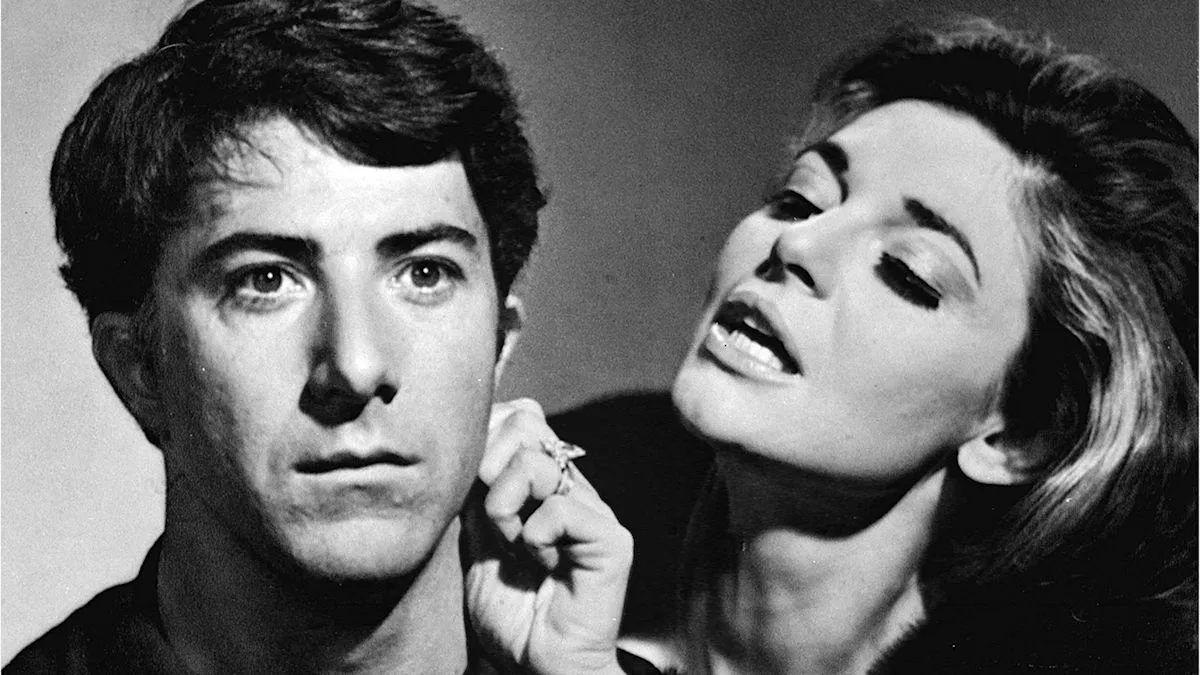
The resulting film defied every conventional metric of commercial and critical risk. Released in late 1967, The Graduate captured the restless zeitgeist of a generation questioning authority, tradition, and the hollow promises of postwar suburbia. Simon & Garfunkel’s haunting soundtrack underscored a visual landscape of swimming pools, motel rooms, and stifling family homes, anchored entirely by Hoffman’s mesmerizing, deadpan immobility.
The film's enduring legacy lies precisely in this friction between the polished veneer of American affluence and the messy, neurotic reality underneath. For Hoffman, the experience served as an initiation into a medium he had initially disdained, permanently altering the landscape of American cinema by proving that imperfection, neurosis, and distinct ethnic identity could anchor a blockbuster classic. Decades later, the tale of his survival on set remains a testament to the fact that cinematic greatness is often forged in the fires of creative doubt.
Khi Dustin Hoffman lần đầu nhận được thông tin đạo diễn Mike Nichols đang cân nhắc ông cho vai nam chính trong bản chuyển thể điện ảnh từ tiểu thuyết The Graduate của Charles Webb, phản ứng tức thì của ông không phải là sự phấn khích tột độ, mà là nỗi hoài nghi sâu sắc. Vừa gặt hái thành công trên sân khấu New York và vô cùng bảo vệ căn tính kịch nghệ của mình, Hoffman nhìn Hollywood qua lăng kính đầy nghi kỵ. Đối với nam diễn viên hai mươi chín tuổi ấy, hệ thống hãng phim là một chiếc lồng son được thiết kế để nhào nặn ra những lý tưởng sắc đẹp không thể vươn tới, hoàn toàn xa rời thứ chủ nghĩa hiện thực gai góc mang âm hưởng châu Âu mà ông ngưỡng mộ. Đứng ở thế đối lập hoàn toàn với nguyên mẫu vận động viên, tóc vàng, đạt điểm tuyệt đối của Benjamin Braddock được miêu tả trên trang sách, Hoffman nhìn vào gương và chỉ thấy một diễn viên gốc New York mang đậm dấu ấn sắc tộc, hoàn toàn không thích hợp để khắc họa kẻ ngoài lề đại học tối thượng của nước Mỹ.
Thế nhưng, thứ khởi đầu là một cuộc tuyển vai lệch pha đã tiến hóa thành một trong những màn cộng tác có sức ảnh hưởng sâu rộng nhất trong lịch sử điện ảnh. Nhiều thập kỷ sau, quá trình sản xuất The Graduate vẫn là một bài học đỉnh cao về sự căng thẳng sáng tạo — một lò luyện nơi sự bất an cá nhân, phong cách chỉ đạo ám ảnh và sự hoài nghi thể chế hòa quyện thành một di sản văn hóa bất tử. Khi những chiêm nghiệm lưu trữ và các bài đánh giá đương đại làm sáng tỏ tính phi lý tuyệt đối từ buổi sơ khai của bộ phim, câu chuyện về cách Hoffman sinh tồn qua quá trình sản xuất mở ra một lăng kính quý hiếm về thứ hóa học đầy biến động của nền điện ảnh Hollywood thập niên 1960.
Thách thức nguyên mẫu của chàng trai vàng
Những rào cản đối với việc tuyển chọn Hoffman là vô cùng đáng sợ. Các giám đốc điều hành hãng phim và nhà lãnh đạo sáng tạo đã hình dung ra một cặp đôi mang tính truyền thống của Hollywood — những cái tên như Robert Redford và Candice Bergen được tung hô như chuẩn mực vàng của sự hoàn hảo tuổi trẻ Mỹ. Khi Hoffman cuối cùng bước vào phòng thử vai, vây quanh bởi những tàn tích của sự hào nhoáng Hollywood cổ điển và phải trải qua các bài kiểm tra trang điểm tỉ mỉ nhằm định hình lại các đường nét trên khuôn mặt, sự bất đồng là vô cùng rõ rệt. Các chuyên gia trang điểm tranh luận về hàng lông mày, chiếc cổ và chiếc mũi của ông, tìm cách xóa nhòa những nét đặc trưng đánh dấu ông như một kẻ ngoài lề.
Tuy nhiên, Nichols lại sở hữu một trực giác độc tôn bất chấp những quan niệm thông thường. Nhận ra rằng đặc điểm cốt lõi của nhân vật không phải là năng lực thể thao mà là sự tha hóa sâu sắc, Nichols đã đưa ra câu trả lời nổi tiếng để bác bỏ những lời phàn nàn của Hoffman rằng Benjamin có thể đơn giản là "mang tâm hồn Do Thái bên trong". Bước ngoặt tâm lý này đã biến một sự lệch pha tuyển chọn tiềm tàng thành một tia chớp thiên tài. Bằng cách tựa vào cảm giác bất xứng và lạc lõng thực sự của Hoffman, Nichols đã khơi thông một mạch nguồn tổn thương chân thực mà những nam chính tiêu chuẩn của thời kỳ đó đơn giản không thể sao chép.
Lò luyện tâm lý của giai đoạn tập dượt và ghi hình chính
Sự xa xỉ độc đáo của giai đoạn tập dượt kéo dài ba tuần đã cho phép Nichols xây dựng nhân vật từ con số không, tận dụng chính thời niên thiếu, mụn trứng cá và những lo âu của Hoffman. Nichols đã áp dụng phương pháp khai đào tâm lý phi chính thống, yêu cầu nam diễn viên hồi tưởng lại những trải nghiệm đầu đời về sự xấu hổ tình dục, những cử động giật gân thần kinh và áp lực gia đình. Những bài tập này đã khai sinh ra từ vựng thể chất mang tính biểu tượng của Benjamin Braddock — nhịp thở bị nén lại, những khoảng dừng vụng về và sự căng thẳng hiện hữu của một thanh niên bị kẹt giữa kỳ vọng của xã hội và tình trạng tê liệt nội tâm.
Tuy nhiên, quá trình chuyển đổi từ chốn dung thân mang tính cộng tác của các buổi tập sang thực tế của việc ghi hình chính lại tỏ ra đầy chấn động. Nichols đã chuyển đổi từ một người hướng dẫn thấu cảm thành một đạo diễn tác giả (auteur) vô cùng khắt khe dưới áp lực khủng khiếp. Bị gạt khỏi việc xem các thước phim quay trong ngày (dailies) và phải điều hướng các động lực quyền lực phức tạp với nữ diễn viên đóng chung Anne Bancroft, Hoffman thấy mình phải vật lộn với hội chứng kẻ giả mạo suy nhược. Mỗi ngày trên trường quay đều đe dọa vạch trần điều ông thầm sợ hãi: rằng ông chỉ là một kẻ xen ngang đã cướp mất một vai diễn dành cho hoàng gia Hollywood.
Một cột mốc văn hóa sinh ra từ ma sát
Bộ phim thành phẩm đã thách thức mọi thước đo thông thường về rủi ro thương mại và phê duyệt. Ra mắt vào cuối năm 1967, The Graduate đã nắm bắt được tinh thần thời đại đầy thao thức của một thế hệ đang đặt câu hỏi về quyền lực, truyền thống và những lời hứa hão huyền của vùng ngoại ô hậu chiến. Bản nhạc phim ám ảnh của Simon & Garfunkel làm nổi bật bối cảnh trực quan của những hồ bơi, phòng motel và những ngôi nhà gia đình ngột ngạt, được neo giữ hoàn toàn bởi phong thái bất động, lạnh lùng đến mê hoặc của Hoffman.
Di sản trường tồn của bộ phim nằm chính ở sự cọ xát này giữa lớp vỏ bọc bóng bẩy của sự giàu có Mỹ và thực tế hỗn độn, đầy thần kinh bên dưới. Đối với Hoffman, trải nghiệm này đóng vai trò như một lễ nhập môn vào một phương tiện truyền thông mà ông từng khinh miệt ban đầu, thay đổi vĩnh viễn bức tranh điện ảnh Mỹ bằng cách chứng minh rằng sự bất hảo, chứng loạn thần kinh và bản sắc sắc tộc rõ rệt hoàn toàn có thể làm trụ cột cho một tác phẩm kinh điển bom tấn. Nhiều thập kỷ sau, câu chuyện về sự sinh tồn của ông trên trường quay vẫn là minh chứng cho thấy sự vĩ đại của điện ảnh thường được tôi luyện trong ngọn lửa của sự hoài nghi sáng tạo.
Lorsque Dustin Hoffman apprit pour la première fois que le réalisateur Mike Nichols l'envisageait pour le rôle principal de l'adaptation cinématographique du roman de Charles Webb, Le Lauréat, sa réaction immédiate ne fut point l'euphorie, mais une profonde incrédule stupéfaction. Tout juste auréolé de succès sur les planches new-yorkaises et farouchement attaché à son identité théâtrale, Hoffman observait Hollywood avec un prisme de profonde suspicion. Aux yeux de l'acteur de vingt-neuf ans, le système des studios s'apparentait à une cage dorée façonnée pour fabriquer des idéaux de beauté inatteignables, bien loin du réalisme rugueux et teinté d'influences européennes qu'il vénérait. Aux antipodes de l'archétype athlétique, blond et premier de la classe dépeint sur le papier sous les traits de Benjamin Braddock, Hoffman se mirait dans son reflet pour n'y voir qu'un acteur new-yorkais à l'identité marquée, totalement inadéquat pour incarner l'outsider universitaire américain par excellence.
Pourtant, ce qui s'annonçait comme une erreur de casting manifeste allait accoucher de l'une des collaborations les plus décisives de l'histoire du septième art. Des décennies plus tard, la genèse du Lauréat demeure un cas d'école de tension créative — un creuset où l'insécurité intime, la mise en scène obsessionnelle et le scepticisme institutionnel se sont amalgamés pour donner naissance à un artefact culturel immortel. Alors que les archives exhumées et les réévaluations contemporaines mettent en lumière l'improbabilité absolue de la naissance du film, l'histoire de la façon dont Hoffman a survécu au tournage offre une fenêtre rare sur l'alchimie pour le moins volatile du cinéma hollywoodien des années 1960.
Défier l'archétype du golden boy
Les obstacles dressés face à l'engagement d'Hoffman étaient de taille. Les pontifes des studios et les têtes pensantes de la production fantasmaient sur un couple hollywoodien traditionnel — des noms tels que Robert Redford et Candice Bergen incarnaient alors l'étalon-or de la perfection juvénile à l'américaine. Lorsque Hoffman franchit enfin le seuil de la salle d'audition, cerné par les vestiges du glamour de l'âge d'or hollywoodien et soumis à des essais maquillage minutieux visant à remodeler ses traits, le fossé était palpable. Les maquilleurs disséquèrent ses sourcils, son cou et son nez, s'esquintant à gommer ces aspérités singulières qui trahissaient sa condition d'exclu.
Nichols, en revanche, était habité par une intuition singulière qui faisait fi des conventions. Conscient que le trait cardinal du personnage n'était point la carrure athlétique mais une profonde aliénation, Nichols eut ce mot fameux pour balayer les protestations d'Hoffman : Benjamin était peut-être tout simplement « juif de l'intérieur ». Ce pivot psychologique métamorphosa un casting potentiellement aberrant en un véritable trait de génie. En épousant le sentiment d'illégitimité et de déracinement viscéral d'Hoffman, Nichols toucha à cette veine de vulnérabilité authentique que les jeunes premiers stéréotypés de l'époque étaient rigoureusement incapables de restituer.
Le creuset psychologique des répétitions et du tournage
Le luxe insolent d'une période de répétition de trois semaines permit à Nichols de bâtir le personnage de toutes pièces, en se nourrissant de l'adolescence, de l'acné et des névroses propres à Hoffman. Nichols mit en œuvre une exhumation psychologique pour le moins iconoclaste, exhortant l'acteur à exhumer ses premiers émois de honte sexuelle, ses tics nerveux et les pesanteurs familiales. De ces exercices naquit la grammaire corporelle iconique de Benjamin Braddock — cette respiration entravée, ces silences embarrassés et cette tension palpable propre à un jeune homme pris en étau entre les diktats sociaux et sa propre paralysie intérieure.
Toutefois, le passage du sanctuaire collaboratif des répétitions à la dure réalité du tournage s'avéra brutal. Nichols, d'un guide empathique, se métamorphosa en un auteur tyrannique soumis à une pression incandescente. Interdit de visionner les rushes et aux prises avec une dynamique de pouvoir complexe face à sa partenaire Anne Bancroft, Hoffman se surprit à lutter contre un syndrome de l'imposteur invalidant. Chaque jour sur le plateau menaçait de mettre à nu ce qu'il redoutait par-dessus tout : être cet intrus usurpant un rôle taillé pour la royauté hollywoodienne.
Un jalon culturel né de la friction
Le film qui en advint fit voler en éclats tous les critères canoniques du risque commercial et critique. Sorti fin 1967, Le Lauréat captura l'air du temps agité d'une génération en plein questionnement face à l'autorité, la tradition et les promesses en toc de la banlieue pavillonnaire d'après-guerre. La bande originale envoûtante de Simon & Garfunkel venait souligner une esthétique visuelle de piscines, de chambres de motel et de foyers familiaux asphyxiants, portée à bout de bras par l'immobilité hiératique et magnétique d'Hoffman.
La pérennité du film réside précisément dans cette friction entre le vernis rutilant de l'opulence américaine et la réalité chaotique et névrotique qui gronde sous la surface. Pour Hoffman, cette épreuve fit office de baptême du feu au sein d'un médium qu'il avait d'abord méprisé, redéfinissant à jamais les contours du cinéma américain en démontrant que l'imperfection, la névrose et une identité ethnique tranchée pouvaient porter à bout de bras un classique mondial. Des décennies plus tard, la chronique de sa survie sur les plateaux demeure le manifeste éclatant que la grandeur cinématographique se forge bien souvent dans les fournaises du doute créateur.
Cuando Dustin Hoffman recibió por primera vez la noticia de que el director Mike Nichols lo estaba considerando para el papel principal en la adaptación cinematográfica de la novela de Charles Webb El graduado, su reacción inmediata no fue de euforia, sino de profunda incredulidad. Recién llegado del éxito en los escenarios neoyorquinos y ferozmente protector de su identidad teatral, Hoffman miraba a Hollywood con una lente de profunda sospecha. Para el actor de veintinueve años, el sistema de estudios era una jaula dorada diseñada para fabricar ideales de belleza inalcanzables, muy alejada del realismo crudo y de tinte europeo que él admiraba. En tajante contraste con el arquetipo atlético, rubio y de sobresalientes del Benjamin Braddock descrito en las páginas del libro, Hoffman se miraba al espejo y veía a un actor étnico de Nueva York completamente incapaz de encarnar al epítome del paria universitario estadounidense.
Sin embargo, lo que comenzó como una consulta de casting desacertada evolucionó hasta convertirse en una de las colaboraciones más trascendentales de la historia del cine. Décadas más tarde, la realización de El graduado sigue siendo una clase magistral de tensión creativa: un crisol donde la inseguridad personal, la dirección obsesiva y el escepticismo institucional se fusionaron en un artefacto cultural inmortal. A medida que los archivos y las reevaluaciones contemporáneas iluminan la absoluta improbabilidad de la génesis de la película, la historia de cómo Hoffman sobrevivió al rodaje ofrece una ventana excepcional a la volátil alquimia del cine de Hollywood de los años sesenta.
Desafiando el arquetipo del chico dorado
Los obstáculos a los que se enfrentó la elección de Hoffman fueron formidables. Los ejecutivos del estudio y los responsables creativos habían imaginado una pareja tradicional de Hollywood: nombres como los de Robert Redford y Candice Bergen sonaban como el patrón oro de la perfección juvenil estadounidense. Cuando Hoffman entró por fin en la sala de audiciones, rodeado por los vestigios del glamour del viejo Hollywood y sometido a minuciosas pruebas de maquillaje destinadas a remodelar sus facciones, la desconexión fue palpable. Los maquilladores debatieron sobre sus cejas, su cuello y su nariz, intentando suavizar los rasgos distintivos que lo señalaban como un forastero.
Nichols, sin embargo, poseía una intuición singular que desafiaba la sabiduría convencional. Reconociendo que el rasgo central del personaje no era la destreza atlética, sino una profunda alienación, Nichols respondió con su célebre réplica a las protestas de Hoffman sugiriendo que Benjamin podría simplemente ser «judío por dentro». Este giro psicológico transformó un potencial error de casting en un golpe de genio. Al apoyarse en el genuino sentimiento de inferioridad y desarraigo de Hoffman, Nichols accedió a una fuente de vulnerabilidad auténtica que los galanes tradicionales de la época simplemente no podían replicar.
El crisol psicológico de los ensayos y el rodaje principal
El inusual lujo de contar con un periodo de ensayos de tres semanas permitió a Nichols construir el personaje desde los cimientos, utilizando la propia adolescencia, el acné y las ansiedades de Hoffman. Nichols empleó una excavación psicológica poco ortodoxa, pidiendo al actor que recordara sus primeras experiencias de vergüenza sexual, sus tics nerviosos y las presiones familiares. Estos ejercicios dieron a luz el icónico vocabulario físico de Benjamin Braddock: la respiración sofocada, las pausas incómodas y la tensión palpable de un joven atrapado entre las expectativas sociales y la parálisis interna.
Aun así, la transición del santuario colaborativo de los ensayos a las realidades del rodaje principal resultó desconcertante. Nichols pasó de ser un guía empático a convertirse en un autor extremadamente exigente bajo una presión inmensa. Al impedírsele ver los diarios de rodaje y tener que navegar por complejas dinámicas de poder con su coprotagonista Anne Bancroft, Hoffman se encontró luchando contra un caso debilitante de síndrome del impostor. Cada día en el set amenazaba con exponer lo que en secreto temía: que era un intruso que había robado un papel destinado a la realeza de Hollywood.
Un hito cultural nacido de la fricción
La película resultante desafió todas las métricas convencionales de riesgo comercial y crítico. Estrenada a finales de 1967, El graduado capturó el zeitgeist inquieto de una generación que cuestionaba la autoridad, la tradición y las promesas vacías de los suburbios de la posguerra. La inquietante banda sonora de Simon & Garfunkel subrayó un paisaje visual de piscinas, habitaciones de motel y hogares familiares sofocantes, anclado enteramente por la fascinante inmovilidad inexpresiva de Hoffman.
El legado perdurable de la película reside precisamente en esta fricción entre la barnizada fachada de la opulencia estadounidense y la realidad desordenada y neurótica que se esconde debajo. Para Hoffman, la experiencia sirvió como una iniciación en un medio que inicialmente había despreciado, alterando permanentemente el panorama del cine estadounidense al demostrar que la imperfección, la neurosis y una marcada identidad étnica podían sustentar un clásico de grandes estudios. Décadas más tarde, la historia de su supervivencia en el plató sigue siendo un testimonio de que la grandeza cinematográfica se forja a menudo en el fuego de la duda creativa.
当达斯汀·霍夫曼最初得知导演麦克·尼科尔斯正考虑让他担任查尔斯·韦伯小说《毕业生》同名电影改编版男主角时,他的第一反应并非狂喜,而是深深的难以置信。刚刚在纽约戏剧界崭露头角、并极力维护自己戏剧演员身份的霍夫曼,戴着一层对好莱坞充满怀疑的有色眼镜来看待电影界。在这位二十九岁的演员眼中,制片厂制度不过是一个旨在炮制遥不可及的美丽幻象的镀金牢笼,与他所崇拜的那种粗粝、带有欧洲现实主义风格的艺术相去甚远。与纸面上描绘的那个体格健硕、金发碧眼、门门功课拿A的本杰明·布拉德克形成鲜明对比的是,霍夫曼照镜子时,只看到一个浑身散发着纽约族裔气息、完全不适合诠释终极美国大学边缘人的演员。
然而,这场最初看似错位的选角试探,最终却演变成了电影史上最具影响力的合作之一。几十年后,《毕业生》的拍摄过程依然堪称创意张力的教科书——这是一个将个人不安全感、痴迷式的导演手法以及体制性怀疑熔于一炉的不朽文化结晶。正如档案记录的反思与当代重评所展现的那样,这部电影诞生的概率几乎微乎其微,而霍夫曼如何在片场挺过这段拍摄经历的故事,为我们提供了一个罕有的窗口,得以窥见20th世纪60年代好莱坞电影制作中动荡的化学反应。
挑战金童的刻板印象
霍夫曼的选角之路面临着巨大的障碍。制片厂高管和创意主管原本设想的是传统的好莱坞黄金搭档——诸如罗伯特·雷德福和坎迪斯·伯根这样的名字曾被视为年轻美国完美的黄金标准。当霍夫曼最终走进试镜室,周围环绕着老好莱坞的浮华残影,并接受了旨在重塑其面部特征的细致妆容测试时,这种割裂感显而易见。化妆师们讨论着他的眉毛、他的脖子和他的鼻子,试图抹平那些将他标记为局外人的独特面部特征。
然而,尼科尔斯却拥有违背传统智慧的独特直觉。他敏锐地察觉到,这个角色的核心特质并非运动天赋,而是深刻的疏离感。尼科尔斯用一句名言回击了霍夫曼的自我质疑,暗示本杰明或许“内心是个犹太人”。这一心理上的乾坤大挪移,将一次潜在的选角失误点石成金。通过顺应霍夫曼内心真实存在的卑微感与错位感,尼科尔斯挖掘出了一种那个时代的标准男主角根本无法复制的真实脆弱感。
排练与主体拍摄的心理炼狱
剧组奢侈地安排了三周的排练期,这让尼科尔斯得以从零开始构建角色,充分利用了霍夫曼本人的青春期经历、青春痘和各种焦虑。尼科尔斯采用了非传统的心理剖析法,要求这位演员回忆他最早的性羞耻体验、神经质的习惯以及来自家庭的压力。这些训练催生了本杰明·布拉德克标志性的肢体语言——压抑的呼吸、尴尬的停顿,以及一个夹在社会期望与内心瘫痪之间的年轻人的紧绷感。
然而,从充满合作氛围的排练圣殿过渡到现实的主体拍摄时,这种落差令人痛苦。在巨大的压力下,尼科尔斯从一个富有同理心的引导者变成了一个要求极其苛刻的作者导演。由于被排除在每日粗剪样片(dailies)的观看之外,还要处理与联合主演安妮·班克罗夫特之间复杂的权力动态,霍夫曼发现自己正在与严重的“冒名顶替综合征”作斗争。片场的每一天都在威胁着要暴露出他内心深处的恐惧:他是一个窃取了原本属于好莱坞贵族角色的不速之客。
摩擦中诞生的文化地标
最终问世的电影打破了商业和评论风险的所有常规标准。1967年底上映的《毕业生》捕捉到了一代人不安的时代精神,他们对权威、传统以及战后郊区空洞的承诺提出了质疑。西蒙与加芬克尔(Simon & Garfunkel)那萦绕心头的配乐,衬托出一幅由游泳池、汽车旅馆和令人窒息的家庭住宅组成的视觉景观,而这全靠霍夫曼那迷人而木然的静止状态作为锚点。
这部电影持久的遗产恰恰在于美国富裕阶层光鲜外表与其下混乱、神经质现实之间的这种摩擦。对霍夫曼而言,这段经历是他对一个最初不屑一顾的媒介的初体验,它通过证明不完美、神经质和鲜明的族裔身份可以支撑起一部卖座经典,永久地改变了美国电影的面貌。几十年后,他在片场求生的故事依然证明了一个事实:电影的伟大往往是在创作怀疑的烈火中锻造出来的。
Editorial Standards & Multi-Language Synthesis: This dispatch was synthesized and fact-checked by the ParisDaily Editorial Desk across 5 global editions (EN, FR, VI, ES, ZH), cross-referencing primary international wire reports and real-time search intelligence.