La frontera orbital: la FCC da luz verde al plan de SpaceX para centros de datos con IA en el espacio
The Federal Communications Commission has granted conditional approval for SpaceX to deploy up to 1 million satellites for an ambitious orbital data center network, bypassing intense industry objections.
Ủy ban Truyền thông Liên bang (FCC) vừa cấp phép có điều kiện cho SpaceX triển khai mạng lưới lên tới 1 triệu vệ tinh nhằm xây dựng các trung tâm dữ liệu trên quỹ đạo, bất chấp sự phản đối gay gắt từ các đối thủ trong ngành. Quyết định này đánh dấu một bước ngoặt quan trọng trong việc chuyển dịch hạ tầng AI tiêu tốn năng lượng ra ngoài không gian.
La Federal Communications Commission a accordé une autorisation conditionnelle à SpaceX pour déployer jusqu'à un million de satellites destinés à un réseau ambitieux de centres de données en orbite, passant outre les vives objections de l'industrie. Ce projet marque une étape décisive dans la course à l'infrastructure technologique mondiale.
La Comisión Federal de Comunicaciones ha concedido una aprobación condicional a SpaceX para desplegar hasta un millón de satélites destinados a una ambiciosa red de centros de datos orbitales, ignorando las intensas objeciones de la industria. Este movimiento marca un hito regulatorio que busca trasladar la infraestructura energética de la inteligencia artificial fuera de la superficie terrestre.
美国联邦通信委员会(FCC)已授予SpaceX有条件批准,允许其部署多达100万颗卫星,构建雄心勃勃的轨道数据中心网络,此举无视了来自业界的强烈反对。
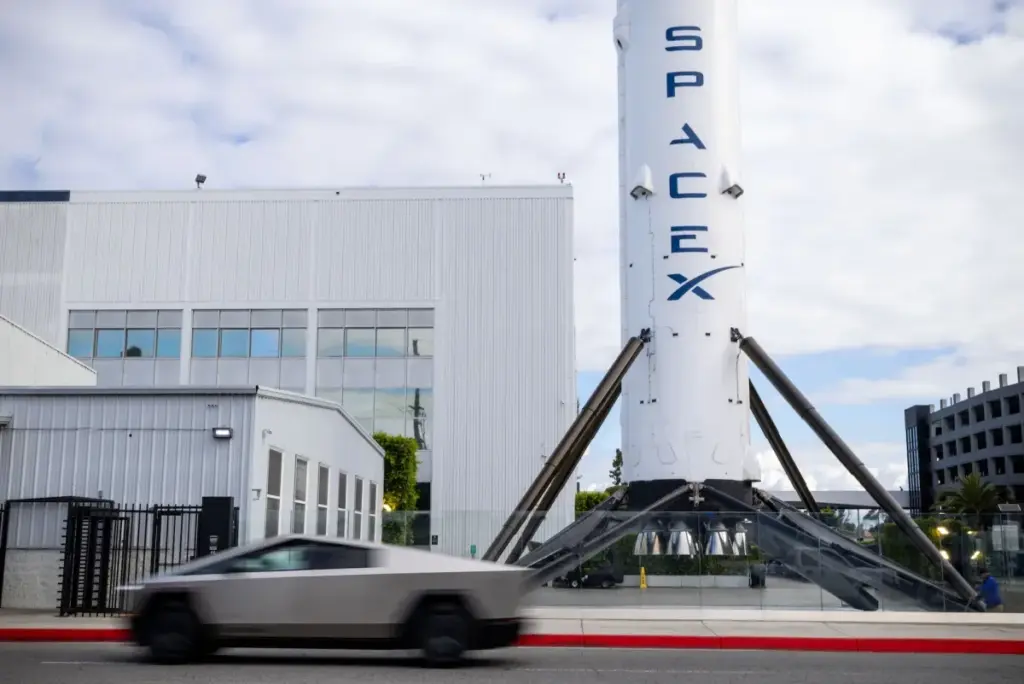
- The FCC granted SpaceX conditional approval to deploy and operate a constellation of up to 1 million satellites for its 'Starmind' orbital data center initiative.
- Major competitors like Amazon and Viasat, alongside the American Astronomical Society, fiercely opposed the bid over orbital debris and radiofrequency interference.
- FCC Chair Brendan Carr championed the decision as a vital step for American technological leadership, while critics argue the regulatory framework remains dangerously permissive.
- SpaceX faces staggering engineering, financial, and regulatory hurdles, including thermal management in space and strict debris mitigation rules above 600 kilometers.
- FCC đã cấp phép có điều kiện cho SpaceX triển khai và vận hành chòm sao vệ tinh lên tới 1 triệu đơn vị cho sáng kiến trung tâm dữ liệu quỹ đạo mang tên 'Starmind'.
- Các đối thủ lớn như Amazon và Viasat, cùng Hiệp hội Thiên văn học Hoa Kỳ, đã phản đối quyết liệt dự án này do lo ngại về rác thải không gian và nhiễu sóng vô tuyến.
- Chủ tịch FCC Brendan Carr ca ngợi quyết định này là bước đi thiết yếu cho vị thế dẫn đầu công nghệ của Mỹ, trong khi các nhà phê bình cho rằng khung pháp lý hiện tại vẫn còn quá lỏng lẻo.
- SpaceX đang đối mặt với những rào cản kỹ thuật, tài chính và pháp lý khổng lồ, bao gồm vấn đề quản lý nhiệt trong không gian và các quy định nghiêm ngặt về giảm thiểu rác thải ở độ cao trên 600 km.
- La FCC a accordé à SpaceX une autorisation conditionnelle pour déployer et exploiter une constellation allant jusqu'à 1 million de satellites pour son initiative de centres de données orbitaux « Starmind ».
- Des concurrents majeurs comme Amazon et Viasat, ainsi que l'American Astronomical Society, se sont farouchement opposés à ce projet en raison des risques de débris spatiaux et d'interférences radiofréquences.
- Le président de la FCC, Brendan Carr, a défendu cette décision comme une étape vitale pour le leadership technologique américain, tandis que les critiques estiment que le cadre réglementaire demeure dangereusement permissif.
- SpaceX fait face à des obstacles techniques, financiers et réglementaires colossaux, notamment la gestion thermique dans le vide spatial et les règles strictes de désorbitation au-delà de 600 kilomètres.
- La FCC otorgó a SpaceX la aprobación condicional para desplegar y operar una constelación de hasta 1 millón de satélites para su iniciativa de centros de datos orbitales "Starmind".
- Competidores clave como Amazon y Viasat, junto con la Sociedad Astronómica Estadounidense, se opusieron ferozmente a la propuesta debido a los riesgos de basura espacial e interferencias de radiofrecuencia.
- El presidente de la FCC, Brendan Carr, defendió la decisión como un paso vital para el liderazgo tecnológico estadounidense, mientras que los críticos argumentan que el marco regulatorio sigue siendo peligrosamente permisivo.
- SpaceX se enfrenta a obstáculos técnicos, financieros y regulatorios abrumadores, incluyendo la gestión térmica en el espacio y las estrictas normas de mitigación de escombros por encima de los 600 kilómetros.
- FCC授予SpaceX有条件批准,允许其部署并运营多达100万颗卫星,用于其名为“Starmind”的轨道数据中心计划。
- 亚马逊、Viasat以及美国天文学会等主要竞争对手和机构,因轨道碎片和射频干扰问题对该计划表示强烈反对。
- FCC主席布伦丹·卡尔(Brendan Carr)将此决定视为美国技术领导力的关键一步,而批评者则认为该监管框架过于宽松,存在巨大风险。
- SpaceX面临着严峻的工程、财务和监管挑战,包括太空环境下的热管理问题,以及在600公里以上轨道运行的严格碎片减缓规则。
In a watershed decision that bridges the terrestrial artificial intelligence boom with the vast expanse of low Earth orbit, the Federal Communications Commission (FCC) has granted SpaceX conditional approval to deploy a massive constellation of up to 1 million satellites dedicated to orbital data processing. The authorization marks a monumental regulatory victory for Elon Musk and his burgeoning aerospace empire, clearing the initial bureaucratic path toward shifting energy-hungry AI infrastructure off the planet's surface.
Yet, the greenlight has immediately ignited fierce debates across the tech, telecommunications, and scientific communities. While proponents herald the initiative as an inevitable and visionary leap for computing capacity, critics and rival conglomerates warn of unprecedented environmental hazards, radiofrequency congestion, and heightened risks in an already crowded orbital environment. As humanity pushes further into the cosmos, the Starmind project serves as both a dazzling testament to modern engineering ambition and a sobering reminder of the unregulated wild west taking shape above our heads.
The Anatomy of the Starmind Project and Regulatory Clash
Under the newly minted conditional authorization, SpaceX envisions deploying its Starmind satellites at altitudes ranging from 500 to 1,002 kilometers. Unlike standard telecommunications relays, these orbital nodes are designed to function as space-borne computing facilities capable of handling heavy AI workloads. To maintain connectivity, the satellites will leverage laser links to communicate with one another and integrate seamlessly with SpaceX’s existing Starlink network, while relying on traditional radiofrequency links as a terrestrial failsafe.
The path to this regulatory milestone was fraught with intense opposition. Industry heavyweights including Amazon—which is actively developing its own Kuiper satellite competitor—alongside Viasat and the American Astronomical Society, mounted a coordinated resistance. Opponents flagged acute concerns regarding orbital debris, catastrophic collision risks, and severe radiofrequency interference that could blind scientific instruments and degrade astronomical research. Amazon went so far as to petition the FCC, characterizing the SpaceX application as a 'lofty ambition rather than a real plan' that lacked basic technical disclosures while carrying the weight of profound real-world dangers.
Despite these warnings, the FCC ultimately dismissed several core objections raised by scientific bodies, concluding that matters such as potential threats to deep-space research fell strictly outside the agency’s narrow statutory authority. FCC Chair Brendan Carr defended the agency's posture in an official statement, framing the authorization as a necessary catalyst that 'opens a bold new frontier for the computing infrastructure needed to power America’s leadership and growth.' Elon Musk promptly took to social media to express his gratitude, signaling a united front between the regulator and the aerospace billionaire.
Overcoming the Laws of Physics and Orbital Economics
Despite the ink drying on the FCC's conditional authorization, industry analysts emphasize that orbital data centers are far from imminent. SpaceX faces a daunting cascade of technical, financial, and physical obstacles that dwarf even the hurdles overcome during the early deployment of Starlink. Chief among these is the immense thermodynamic challenge of cooling high-performance AI processors in the vacuum of space, where convection is absent and heat dissipation relies entirely on complex, heavy radiator systems.
Furthermore, the economics of lifting silicon to orbit remain staggering. Securing multi-billion-dollar financing for specialized AI chips destined for the harsh radiation environment of space requires a complete reimagining of capital expenditure models in the semiconductor industry. SpaceX must also drastically reduce the unit economics of manufacturing and launching million-satellite constellations without compromising the fault-tolerance required for mission-critical enterprise AI workloads.
Regulatory hurdles outside the scope of this initial FCC decision also loom large. SpaceX has yet to secure approval for its orbital debris management strategy, particularly concerning satellites operating above 600 kilometers. Current FCC rules mandate that retired spacecraft below 2,000 kilometers must reenter Earth’s atmosphere within five years. However, SpaceX has requested waivers to direct retired Starmind units into alternative orbits around Earth or even heliocentric orbits around the sun—a controversial proposition that environmentalists and astrophysicists argue could permanently litter deep space.
Geopolitical Imperatives and the Global Computing Race
The push for space-based data centers is not merely a corporate vanity project; it is deeply intertwined with the global race for AI supremacy and energy sovereignty. Terrestrial data centers are currently straining electrical grids to their absolute breaking points, consuming vast quantities of water for cooling and generating massive carbon footprints. By moving computational loads into orbit, proponents argue that data centers could eventually draw limitless solar power directly from unfiltered sunlight, operating 24 hours a day without land-use restrictions or municipal grid bottlenecks.
This infrastructural pivot carries profound geopolitical implications. As nation-states vie for dominance in artificial intelligence, secure and unyielding compute capacity becomes a matter of national security. By aligning regulatory frameworks to favor aggressive aerospace innovation, Washington is signaling a willingness to let commercial pioneers rewrite the rules of infrastructure development, even if it tests the limits of international space law and orbital stewardship.
Nevertheless, the international community watches with bated breath. The prospect of populating low Earth orbit with an additional million high-powered nodes touches upon delicate questions of global commons management. As commercial actors race to privatize near-Earth space, the precedent established by Starmind could dictate how humanity balances technological progress against the preservation of a safe, usable orbital environment for generations to come.
The Long Horizon and What Lies Ahead
The FCC has granted SpaceX a generous timeline to navigate its monumental undertaking, providing a framework that mandates the launch of a first operational satellite within seven years and the completion of the entire constellation within fourteen years. This runway reflects both the sheer scale of the engineering challenge and the agency's tacit acknowledgment that the technology does not yet fully exist.
As SpaceX pivots from regulatory lobbying to hard engineering, the tech world will be scrutinizing every trial launch and prototype deployment. Competitors like Amazon and independent space agencies will maintain rigorous oversight, ready to challenge any misstep that threatens orbital safety or radio spectrum integrity. For Elon Musk, the victory at the FCC is merely the opening salvo in a much larger war against the tyranny of distance, thermal physics, and earthly resource constraints.
Ultimately, the Starmind project represents a pivotal crossroads in human history, forcing a reckoning between our unquenchable thirst for digital intelligence and the physical boundaries of our home planet. Whether orbital data centers become the foundation of twenty-first-century civilization or a cautionary tale of orbital congestion will depend entirely on how rigorously SpaceX, regulators, and the global scientific community navigate the uncharted cosmos ahead.
Trong một quyết định mang tính bước ngoặt, kết nối sự bùng nổ của trí tuệ nhân tạo trên mặt đất với không gian bao la của quỹ đạo Trái đất tầm thấp, Ủy ban Truyền thông Liên bang (FCC) đã cấp phép có điều kiện cho SpaceX triển khai một chòm sao khổng lồ gồm tối đa 1 triệu vệ tinh chuyên dụng cho việc xử lý dữ liệu trên quỹ đạo. Sự cho phép này đánh dấu một thắng lợi pháp lý mang tính lịch sử cho Elon Musk và đế chế hàng không vũ trụ đang phát triển mạnh mẽ của ông, mở ra con đường quan liêu ban đầu để chuyển dịch hạ tầng AI tiêu tốn năng lượng ra khỏi bề mặt hành tinh.
Tuy nhiên, "đèn xanh" này ngay lập tức làm bùng phát những cuộc tranh luận gay gắt trong cộng đồng công nghệ, viễn thông và khoa học. Trong khi những người ủng hộ coi đây là một bước tiến tầm nhìn và tất yếu cho năng lực tính toán, thì các nhà phê bình và các tập đoàn đối thủ lại cảnh báo về những mối nguy hại chưa từng có đối với môi trường, tình trạng tắc nghẽn tần số vô tuyến và rủi ro gia tăng trong một môi trường quỹ đạo vốn đã quá tải. Khi nhân loại tiến sâu hơn vào vũ trụ, dự án Starmind vừa là minh chứng chói lọi cho tham vọng kỹ thuật hiện đại, vừa là lời nhắc nhở tỉnh táo về một "miền Tây hoang dã" không được kiểm soát đang hình thành ngay trên đầu chúng ta.
Giải phẫu dự án Starmind và sự xung đột pháp lý
Theo giấy phép có điều kiện mới được ban hành, SpaceX dự kiến triển khai các vệ tinh Starmind ở độ cao từ 500 đến 1.002 km. Không giống như các trạm chuyển tiếp viễn thông tiêu chuẩn, các nút quỹ đạo này được thiết kế để vận hành như những cơ sở tính toán trên không gian, có khả năng xử lý các khối lượng công việc AI nặng nề. Để duy trì kết nối, các vệ tinh sẽ tận dụng liên kết laser để giao tiếp với nhau và tích hợp liền mạch với mạng lưới Starlink hiện có của SpaceX, đồng thời dựa vào các liên kết vô tuyến truyền thống như một phương án dự phòng trên mặt đất.
Con đường dẫn đến cột mốc pháp lý này đầy rẫy sự phản đối dữ dội. Các "ông lớn" trong ngành bao gồm Amazon—đang tích cực phát triển đối thủ vệ tinh Kuiper của riêng mình—cùng với Viasat và Hiệp hội Thiên văn học Hoa Kỳ đã tạo ra một sự kháng cự có phối hợp. Những bên phản đối đã nêu ra những lo ngại cấp bách về rác thải quỹ đạo, rủi ro va chạm thảm khốc và nhiễu sóng vô tuyến nghiêm trọng có thể làm mù các thiết bị khoa học và làm suy giảm nghiên cứu thiên văn. Amazon thậm chí đã kiến nghị lên FCC, mô tả đơn đăng ký của SpaceX là một "tham vọng cao xa hơn là một kế hoạch thực tế", thiếu các thông tin kỹ thuật cơ bản trong khi mang theo sức nặng của những nguy cơ thực tế sâu sắc.
Bất chấp những cảnh báo này, FCC cuối cùng đã bác bỏ một số phản đối cốt lõi từ các cơ quan khoa học, kết luận rằng các vấn đề như mối đe dọa tiềm tàng đối với nghiên cứu không gian sâu nằm ngoài thẩm quyền theo luật định của cơ quan này. Chủ tịch FCC Brendan Carr đã bảo vệ lập trường của cơ quan trong một tuyên bố chính thức, coi việc cấp phép là chất xúc tác cần thiết "mở ra một biên giới mới đầy táo bạo cho hạ tầng tính toán cần thiết để thúc đẩy sự lãnh đạo và tăng trưởng của nước Mỹ". Elon Musk ngay lập tức lên mạng xã hội để bày tỏ lòng biết ơn, cho thấy một mặt trận thống nhất giữa cơ quan quản lý và tỷ phú hàng không vũ trụ.
Vượt qua các định luật vật lý và kinh tế quỹ đạo
Mặc dù mực trên giấy phép có điều kiện của FCC đã khô, các nhà phân tích trong ngành nhấn mạnh rằng các trung tâm dữ liệu quỹ đạo vẫn còn rất xa vời. SpaceX đang đối mặt với hàng loạt rào cản kỹ thuật, tài chính và vật lý đáng kinh ngạc, làm lu mờ cả những khó khăn từng vượt qua trong giai đoạn triển khai Starlink ban đầu. Đứng đầu trong số đó là thách thức nhiệt động lực học to lớn trong việc làm mát các bộ vi xử lý AI hiệu năng cao trong môi trường chân không của không gian, nơi không có đối lưu và việc tản nhiệt hoàn toàn phụ thuộc vào các hệ thống tản nhiệt phức tạp, nặng nề.
Hơn nữa, kinh tế học của việc đưa silicon lên quỹ đạo vẫn còn rất đáng kinh ngạc. Việc đảm bảo nguồn tài chính hàng tỷ đô la cho các chip AI chuyên dụng dành cho môi trường bức xạ khắc nghiệt của không gian đòi hỏi phải hình dung lại hoàn toàn các mô hình chi tiêu vốn trong ngành bán dẫn. SpaceX cũng phải giảm đáng kể chi phí đơn vị trong việc sản xuất và phóng các chòm sao triệu vệ tinh mà không làm ảnh hưởng đến khả năng chịu lỗi cần thiết cho các khối lượng công việc AI doanh nghiệp quan trọng.
Các rào cản pháp lý nằm ngoài phạm vi quyết định ban đầu của FCC cũng đang hiện hữu. SpaceX vẫn chưa đạt được sự chấp thuận cho chiến lược quản lý rác thải quỹ đạo của mình, đặc biệt là đối với các vệ tinh hoạt động trên 600 km. Các quy định hiện tại của FCC yêu cầu các tàu vũ trụ đã nghỉ hưu dưới 2.000 km phải quay trở lại bầu khí quyển Trái đất trong vòng năm năm. Tuy nhiên, SpaceX đã yêu cầu miễn trừ để đưa các đơn vị Starmind đã nghỉ hưu vào các quỹ đạo thay thế quanh Trái đất hoặc thậm chí là quỹ đạo nhật tâm quanh Mặt trời—một đề xuất gây tranh cãi mà các nhà môi trường và vật lý thiên văn cho rằng có thể xả rác vĩnh viễn vào không gian sâu.
Các mệnh lệnh địa chính trị và cuộc đua tính toán toàn cầu
Nỗ lực xây dựng các trung tâm dữ liệu trên không gian không chỉ là một dự án phù phiếm của doanh nghiệp; nó gắn liền sâu sắc với cuộc đua toàn cầu về quyền tối thượng AI và chủ quyền năng lượng. Các trung tâm dữ liệu trên mặt đất hiện đang làm căng thẳng lưới điện đến mức giới hạn tuyệt đối, tiêu thụ lượng nước khổng lồ để làm mát và tạo ra dấu chân carbon khổng lồ. Bằng cách di chuyển khối lượng tính toán lên quỹ đạo, những người ủng hộ lập luận rằng các trung tâm dữ liệu cuối cùng có thể lấy năng lượng mặt trời vô hạn trực tiếp từ ánh sáng mặt trời không bị lọc, hoạt động 24 giờ một ngày mà không bị hạn chế về sử dụng đất hoặc các nút thắt lưới điện đô thị.
Sự xoay trục hạ tầng này mang theo những tác động địa chính trị sâu sắc. Khi các quốc gia tranh giành quyền thống trị trong trí tuệ nhân tạo, năng lực tính toán an toàn và không lay chuyển trở thành vấn đề an ninh quốc gia. Bằng cách điều chỉnh các khung pháp lý để ủng hộ sự đổi mới hàng không vũ trụ mạnh mẽ, Washington đang báo hiệu sự sẵn sàng để các nhà tiên phong thương mại viết lại các quy tắc phát triển hạ tầng, ngay cả khi điều đó thử thách giới hạn của luật không gian quốc tế và quản lý quỹ đạo.
Tuy nhiên, cộng đồng quốc tế vẫn đang theo dõi với sự nín thở. Triển vọng lấp đầy quỹ đạo Trái đất tầm thấp với thêm một triệu nút công suất cao chạm đến những câu hỏi tế nhị về quản lý tài sản chung toàn cầu. Khi các tác nhân thương mại chạy đua để tư nhân hóa không gian gần Trái đất, tiền lệ do Starmind thiết lập có thể quyết định cách nhân loại cân bằng giữa tiến bộ công nghệ và việc bảo tồn một môi trường quỹ đạo an toàn, có thể sử dụng cho các thế hệ mai sau.
Chân trời dài và những gì phía trước
FCC đã cấp cho SpaceX một mốc thời gian hào phóng để thực hiện cam kết to lớn của mình, cung cấp một khung pháp lý bắt buộc phóng vệ tinh hoạt động đầu tiên trong vòng bảy năm và hoàn thành toàn bộ chòm sao trong vòng mười bốn năm. Lộ trình này phản ánh cả quy mô to lớn của thách thức kỹ thuật và sự thừa nhận ngầm của cơ quan này rằng công nghệ đó vẫn chưa hoàn toàn tồn tại.
Khi SpaceX chuyển từ vận động hành lang pháp lý sang kỹ thuật thực tế, thế giới công nghệ sẽ xem xét kỹ lưỡng mọi đợt phóng thử nghiệm và triển khai nguyên mẫu. Các đối thủ như Amazon và các cơ quan vũ trụ độc lập sẽ duy trì sự giám sát chặt chẽ, sẵn sàng thách thức bất kỳ sai lầm nào đe dọa an toàn quỹ đạo hoặc tính toàn vẹn của phổ vô tuyến. Đối với Elon Musk, chiến thắng tại FCC chỉ là phát súng mở màn trong một cuộc chiến lớn hơn nhiều chống lại sự bạo ngược của khoảng cách, vật lý nhiệt và các hạn chế về tài nguyên trên Trái đất.
Cuối cùng, dự án Starmind đại diện cho một ngã rẽ quan trọng trong lịch sử nhân loại, buộc phải tính toán giữa cơn khát trí tuệ kỹ thuật số không thể dập tắt của chúng ta và các ranh giới vật lý của hành tinh quê hương. Liệu các trung tâm dữ liệu quỹ đạo có trở thành nền tảng của nền văn minh thế kỷ 21 hay là một câu chuyện cảnh báo về tình trạng tắc nghẽn quỹ đạo sẽ phụ thuộc hoàn toàn vào cách SpaceX, các nhà quản lý và cộng đồng khoa học toàn cầu điều hướng vũ trụ chưa được khám phá phía trước như thế nào.
Dans une décision historique qui jette un pont entre l'essor de l'intelligence artificielle terrestre et l'immensité de l'orbite terrestre basse, la Federal Communications Commission (FCC) a accordé à SpaceX une autorisation conditionnelle pour déployer une constellation massive allant jusqu'à 1 million de satellites dédiés au traitement de données orbitales. Cette autorisation marque une victoire réglementaire monumentale pour Elon Musk et son empire aérospatial en pleine expansion, ouvrant la voie bureaucratique au transfert des infrastructures énergivores de l'IA hors de la surface de la planète.
Pourtant, ce feu vert a immédiatement déclenché des débats virulents au sein des communautés technologiques, des télécommunications et scientifiques. Si les partisans saluent cette initiative comme un bond visionnaire et inévitable pour la puissance de calcul, les critiques et les conglomérats rivaux mettent en garde contre des risques environnementaux sans précédent, une congestion des radiofréquences et une vulnérabilité accrue dans un environnement orbital déjà saturé. Alors que l'humanité s'aventure plus loin dans le cosmos, le projet Starmind apparaît à la fois comme un témoignage éblouissant de l'ambition technique moderne et comme un rappel inquiétant du « Far West » réglementaire qui prend forme au-dessus de nos têtes.
L'anatomie du projet Starmind et le choc réglementaire
Selon cette nouvelle autorisation conditionnelle, SpaceX prévoit de déployer ses satellites Starmind à des altitudes comprises entre 500 et 1 002 kilomètres. Contrairement aux relais de télécommunications classiques, ces nœuds orbitaux sont conçus pour fonctionner comme des centres de calcul spatiaux capables de gérer des charges de travail intensives liées à l'IA. Pour maintenir la connectivité, les satellites utiliseront des liaisons laser pour communiquer entre eux et s'intégreront de manière transparente au réseau Starlink existant de SpaceX, tout en s'appuyant sur des liaisons radiofréquences traditionnelles comme solution de secours terrestre.
Le chemin vers cette étape réglementaire a été semé d'une opposition intense. Des poids lourds de l'industrie, dont Amazon — qui développe activement son propre concurrent satellitaire Kuiper — ainsi que Viasat et l'American Astronomical Society, ont organisé une résistance coordonnée. Les opposants ont soulevé des inquiétudes aiguës concernant les débris orbitaux, les risques de collisions catastrophiques et les graves interférences radiofréquences susceptibles d'aveugler les instruments scientifiques et de dégrader la recherche astronomique. Amazon est allé jusqu'à adresser une pétition à la FCC, qualifiant la demande de SpaceX d'« ambition démesurée plutôt que de plan concret », dépourvue de divulgations techniques élémentaires tout en comportant des dangers réels profonds.
Malgré ces avertissements, la FCC a finalement rejeté plusieurs objections majeures soulevées par les organismes scientifiques, concluant que des questions telles que les menaces potentielles pour la recherche spatiale profonde relevaient strictement de l'autorité statutaire limitée de l'agence. Le président de la FCC, Brendan Carr, a défendu la position de l'agence dans une déclaration officielle, qualifiant l'autorisation de catalyseur nécessaire qui « ouvre une nouvelle frontière audacieuse pour l'infrastructure informatique requise pour alimenter le leadership et la croissance de l'Amérique ». Elon Musk s'est empressé de remercier l'agence sur les réseaux sociaux, signalant un front uni entre le régulateur et le milliardaire de l'aérospatiale.
Surmonter les lois de la physique et l'économie orbitale
Bien que l'encre soit à peine sèche sur l'autorisation conditionnelle de la FCC, les analystes de l'industrie soulignent que les centres de données orbitaux sont loin d'être imminents. SpaceX fait face à une cascade d'obstacles techniques, financiers et physiques qui éclipsent même les défis surmontés lors du déploiement initial de Starlink. Le principal d'entre eux est l'immense défi thermodynamique lié au refroidissement des processeurs d'IA haute performance dans le vide spatial, où la convection est absente et où la dissipation thermique repose entièrement sur des systèmes de radiateurs complexes et lourds.
En outre, l'économie du transport de silicium vers l'orbite reste vertigineuse. Garantir un financement de plusieurs milliards de dollars pour des puces d'IA spécialisées destinées à l'environnement radiatif hostile de l'espace nécessite une refonte complète des modèles de dépenses en capital dans l'industrie des semi-conducteurs. SpaceX doit également réduire drastiquement l'économie unitaire de fabrication et de lancement de constellations d'un million de satellites sans compromettre la tolérance aux pannes requise pour les charges de travail d'IA d'entreprise critiques.
Les obstacles réglementaires échappant au champ de cette décision initiale de la FCC restent également importants. SpaceX n'a pas encore obtenu l'approbation de sa stratégie de gestion des débris orbitaux, en particulier concernant les satellites opérant au-dessus de 600 kilomètres. Les règles actuelles de la FCC imposent que les engins spatiaux retirés du service en dessous de 2 000 kilomètres rentrent dans l'atmosphère terrestre dans un délai de cinq ans. Cependant, SpaceX a demandé des dérogations pour diriger les unités Starmind en fin de vie vers des orbites alternatives autour de la Terre ou même des orbites héliocentriques autour du Soleil — une proposition controversée que les écologistes et les astrophysiciens considèrent comme un risque de pollution permanente de l'espace lointain.
Impératifs géopolitiques et course mondiale à l'informatique
La course aux centres de données spatiaux n'est pas seulement un projet de prestige corporatif ; elle est intimement liée à la compétition mondiale pour la suprématie dans l'IA et la souveraineté énergétique. Les centres de données terrestres poussent actuellement les réseaux électriques à leurs limites absolues, consommant de vastes quantités d'eau pour le refroidissement et générant une empreinte carbone massive. En déplaçant les charges de calcul en orbite, les partisans soutiennent que les centres de données pourraient à terme puiser une énergie solaire illimitée directement à partir de la lumière du soleil non filtrée, fonctionnant 24 heures sur 24 sans contraintes d'utilisation des sols ni goulots d'étranglement des réseaux municipaux.
Ce pivot infrastructurel comporte des implications géopolitiques profondes. Alors que les nations rivalisent pour la domination de l'intelligence artificielle, une capacité de calcul sécurisée et inébranlable devient une question de sécurité nationale. En alignant les cadres réglementaires pour favoriser l'innovation aérospatiale agressive, Washington signale sa volonté de laisser les pionniers commerciaux réécrire les règles du développement des infrastructures, même si cela teste les limites du droit spatial international et de la gestion de l'orbite.
Néanmoins, la communauté internationale observe la situation avec une attention anxieuse. La perspective de peupler l'orbite terrestre basse avec un million de nœuds supplémentaires à haute puissance touche à des questions délicates de gestion des biens communs mondiaux. Alors que les acteurs commerciaux se précipitent pour privatiser l'espace proche de la Terre, le précédent établi par Starmind pourrait dicter la manière dont l'humanité équilibrera le progrès technologique et la préservation d'un environnement orbital sûr et utilisable pour les générations futures.
L'horizon lointain et ce qui nous attend
La FCC a accordé à SpaceX un calendrier généreux pour mener à bien son entreprise monumentale, fournissant un cadre qui impose le lancement d'un premier satellite opérationnel dans les sept ans et l'achèvement de la constellation entière dans les quatorze ans. Ce délai reflète à la fois l'ampleur du défi technique et la reconnaissance tacite de l'agence que la technologie n'existe pas encore totalement.
Alors que SpaceX passe du lobbying réglementaire à l'ingénierie pure, le monde de la tech scrutera chaque essai de lancement et chaque déploiement de prototype. Les concurrents comme Amazon et les agences spatiales indépendantes maintiendront une surveillance rigoureuse, prêts à contester tout faux pas menaçant la sécurité orbitale ou l'intégrité du spectre radio. Pour Elon Musk, la victoire à la FCC n'est que la première salve d'une guerre bien plus vaste contre la tyrannie de la distance, de la physique thermique et des contraintes de ressources terrestres.
En fin de compte, le projet Starmind représente un carrefour charnière de l'histoire humaine, forçant une confrontation entre notre soif insatiable d'intelligence numérique et les limites physiques de notre planète. Que les centres de données orbitaux deviennent le fondement de la civilisation du XXIe siècle ou un conte édifiant sur la congestion orbitale dépendra entièrement de la rigueur avec laquelle SpaceX, les régulateurs et la communauté scientifique mondiale navigueront dans ce cosmos inexploré.
En una decisión histórica que tiende un puente entre el auge de la inteligencia artificial terrestre y la inmensidad de la órbita terrestre baja, la Comisión Federal de Comunicaciones (FCC) ha concedido a SpaceX la aprobación condicional para desplegar una masiva constelación de hasta 1 millón de satélites dedicados al procesamiento de datos orbitales. Esta autorización supone una victoria regulatoria monumental para Elon Musk y su creciente imperio aeroespacial, despejando el camino burocrático inicial para trasladar la infraestructura de IA, altamente demandante de energía, fuera de la superficie del planeta.
Sin embargo, la luz verde ha encendido de inmediato feroces debates en las comunidades tecnológica, de telecomunicaciones y científica. Mientras que los defensores proclaman la iniciativa como un salto visionario e inevitable para la capacidad de computación, los críticos y conglomerados rivales advierten sobre riesgos ambientales sin precedentes, congestión de radiofrecuencia y peligros elevados en un entorno orbital ya saturado. A medida que la humanidad se adentra más en el cosmos, el proyecto Starmind se erige tanto como un deslumbrante testimonio de la ambición de la ingeniería moderna como un recordatorio aleccionador del "salvaje oeste" regulatorio que se está gestando sobre nuestras cabezas.
La anatomía del proyecto Starmind y el choque regulatorio
Bajo la recién estrenada autorización condicional, SpaceX contempla desplegar sus satélites Starmind a altitudes que oscilan entre los 500 y los 1.002 kilómetros. A diferencia de los relés de telecomunicaciones estándar, estos nodos orbitales están diseñados para funcionar como instalaciones informáticas espaciales capaces de gestionar cargas de trabajo pesadas de IA. Para mantener la conectividad, los satélites utilizarán enlaces láser para comunicarse entre sí e integrarse sin fisuras con la red Starlink existente de SpaceX, apoyándose en enlaces de radiofrecuencia tradicionales como medida de seguridad terrestre.
El camino hacia este hito regulatorio estuvo plagado de una intensa oposición. Pesos pesados de la industria, incluida Amazon —que desarrolla activamente su propio competidor satelital, Kuiper—, junto con Viasat y la Sociedad Astronómica Estadounidense, organizaron una resistencia coordinada. Los opositores señalaron preocupaciones agudas respecto a la basura espacial, los riesgos de colisiones catastróficas y las graves interferencias de radiofrecuencia que podrían cegar instrumentos científicos y degradar la investigación astronómica. Amazon llegó a solicitar a la FCC que calificara la propuesta de SpaceX como una "ambición elevada más que un plan real", carente de divulgaciones técnicas básicas y cargada de peligros profundos para el mundo real.
A pesar de estas advertencias, la FCC desestimó finalmente varias objeciones fundamentales planteadas por organismos científicos, concluyendo que asuntos como las posibles amenazas a la investigación del espacio profundo quedaban estrictamente fuera de la limitada autoridad estatutaria de la agencia. El presidente de la FCC, Brendan Carr, defendió la postura del organismo en un comunicado oficial, calificando la autorización como un catalizador necesario que "abre una nueva y audaz frontera para la infraestructura informática necesaria para potenciar el liderazgo y el crecimiento de Estados Unidos". Elon Musk recurrió rápidamente a las redes sociales para expresar su gratitud, señalando un frente unido entre el regulador y el multimillonario aeroespacial.
Superando las leyes de la física y la economía orbital
A pesar de que la tinta aún está fresca en la autorización condicional de la FCC, los analistas de la industria enfatizan que los centros de datos orbitales están lejos de ser inminentes. SpaceX se enfrenta a una cascada desalentadora de obstáculos técnicos, financieros y físicos que empequeñecen incluso los desafíos superados durante el despliegue inicial de Starlink. El principal de ellos es el inmenso reto termodinámico de refrigerar procesadores de IA de alto rendimiento en el vacío del espacio, donde la convección es inexistente y la disipación de calor depende enteramente de sistemas de radiadores complejos y pesados.
Además, la economía de elevar silicio a la órbita sigue siendo asombrosa. Asegurar una financiación de miles de millones de dólares para chips de IA especializados destinados al duro entorno de radiación espacial requiere una reinvención completa de los modelos de gasto de capital en la industria de los semiconductores. SpaceX también debe reducir drásticamente la economía unitaria de fabricación y lanzamiento de constelaciones de un millón de satélites sin comprometer la tolerancia a fallos requerida para las cargas de trabajo de IA empresarial de misión crítica.
Los obstáculos regulatorios fuera del alcance de esta decisión inicial de la FCC también se vislumbran en el horizonte. SpaceX aún no ha obtenido la aprobación para su estrategia de gestión de basura espacial, particularmente en lo que respecta a los satélites que operan por encima de los 600 kilómetros. Las normas actuales de la FCC exigen que las naves espaciales retiradas por debajo de los 2.000 kilómetros vuelvan a entrar en la atmósfera terrestre en un plazo de cinco años. Sin embargo, SpaceX ha solicitado exenciones para dirigir las unidades Starmind retiradas a órbitas alternativas alrededor de la Tierra o incluso a órbitas heliocéntricas alrededor del Sol; una propuesta controvertida que, según ecologistas y astrofísicos, podría llenar de basura el espacio profundo de forma permanente.
Imperativos geopolíticos y la carrera informática global
El impulso de los centros de datos basados en el espacio no es simplemente un proyecto de vanidad corporativa; está profundamente entrelazado con la carrera global por la supremacía de la IA y la soberanía energética. Los centros de datos terrestres están llevando actualmente las redes eléctricas a sus límites absolutos, consumiendo vastas cantidades de agua para la refrigeración y generando enormes huellas de carbono. Al trasladar las cargas computacionales a la órbita, los defensores argumentan que los centros de datos podrían eventualmente obtener energía solar ilimitada directamente de la luz solar sin filtrar, operando las 24 horas del día sin restricciones de uso de suelo ni cuellos de botella en las redes municipales.
Este giro infraestructural conlleva profundas implicaciones geopolíticas. A medida que las naciones compiten por el dominio en la inteligencia artificial, una capacidad de computación segura e inquebrantable se convierte en una cuestión de seguridad nacional. Al alinear los marcos regulatorios para favorecer la innovación aeroespacial agresiva, Washington está señalando su disposición a permitir que los pioneros comerciales reescriban las reglas del desarrollo de infraestructuras, incluso si ello pone a prueba los límites del derecho espacial internacional y la administración orbital.
No obstante, la comunidad internacional observa con gran expectación. La perspectiva de poblar la órbita terrestre baja con un millón adicional de nodos de alta potencia toca cuestiones delicadas sobre la gestión de los bienes comunes globales. A medida que los actores comerciales se apresuran a privatizar el espacio cercano a la Tierra, el precedente establecido por Starmind podría dictar cómo la humanidad equilibra el progreso tecnológico con la preservación de un entorno orbital seguro y utilizable para las generaciones venideras.
El largo horizonte y lo que nos espera
La FCC ha concedido a SpaceX un generoso calendario para llevar a cabo su monumental empresa, proporcionando un marco que exige el lanzamiento de un primer satélite operativo en un plazo de siete años y la finalización de toda la constelación en catorce años. Este margen refleja tanto la magnitud del desafío de ingeniería como el reconocimiento tácito de la agencia de que la tecnología aún no existe por completo.
A medida que SpaceX pase del cabildeo regulatorio a la ingeniería pura, el mundo tecnológico examinará cada prueba de lanzamiento y despliegue de prototipos. Competidores como Amazon y las agencias espaciales independientes mantendrán una supervisión rigurosa, listos para desafiar cualquier paso en falso que amenace la seguridad orbital o la integridad del espectro radioeléctrico. Para Elon Musk, la victoria en la FCC es solo la primera salva en una guerra mucho mayor contra la tiranía de la distancia, la física térmica y las limitaciones de los recursos terrestres.
En última instancia, el proyecto Starmind representa una encrucijada fundamental en la historia de la humanidad, forzando un ajuste de cuentas entre nuestra insaciable sed de inteligencia digital y los límites físicos de nuestro planeta natal. Si los centros de datos orbitales se convertirán en los cimientos de la civilización del siglo XXI o en una advertencia sobre la congestión orbital dependerá enteramente de cuán rigurosamente SpaceX, los reguladores y la comunidad científica global naveguen por el cosmos inexplorado que tenemos por delante.
在这一具有里程碑意义的决策中,美国联邦通信委员会(FCC)将地面人工智能的蓬勃发展与广袤的近地轨道连接起来,授予SpaceX有条件批准,允许其部署一个由多达100万颗卫星组成的庞大星座,专门用于轨道数据处理。此次授权标志着埃隆·马斯克及其日益壮大的航空航天帝国在监管层面取得了一次重大胜利,为将高能耗的AI基础设施从地球表面转移至太空扫清了初步的官僚障碍。
然而,这一“绿灯”立即在科技、电信和科学界引发了激烈的辩论。尽管支持者将该倡议视为计算能力领域不可避免且富有远见的飞跃,但批评者和竞争对手警告称,这可能带来前所未有的环境危害、射频拥堵,并加剧本已拥挤的轨道环境风险。随着人类进一步向宇宙深处进军,Starmind项目既是现代工程雄心的耀眼证明,也是对我们头顶上方正逐渐形成的“监管真空地带”的一次清醒警示。
Starmind项目的架构与监管冲突
根据新颁布的有条件授权,SpaceX计划在500至1002公里的高度部署其Starmind卫星。与标准的电信中继卫星不同,这些轨道节点被设计为能够处理繁重AI工作负载的太空计算设施。为了保持连接,卫星将利用激光链路进行互联,并与SpaceX现有的星链(Starlink)网络无缝集成,同时将传统的射频链路作为地面故障转移方案。
通往这一监管里程碑的道路充满了强烈的反对声音。包括正在积极开发Kuiper卫星竞争项目的亚马逊,以及Viasat和美国天文学会在内的行业巨头,组织了协调一致的抵制行动。反对者对轨道碎片、灾难性碰撞风险以及可能导致科学仪器失灵、削弱天文研究的严重射频干扰提出了尖锐质疑。亚马逊甚至向FCC请愿,称SpaceX的申请是“一种崇高的野心而非真正的计划”,缺乏基本的技术披露,且带有深远的现实危险。
尽管有这些警告,FCC最终还是驳回了科学机构提出的几项核心反对意见,结论是诸如对深空研究的潜在威胁等问题,严格来说超出了该机构狭窄的法定职权范围。FCC主席布伦丹·卡尔在官方声明中为该机构的立场进行了辩护,将此次授权描述为一种必要的催化剂,称其“为支撑美国领导力和增长所需的计算基础设施开辟了大胆的新前沿”。埃隆·马斯克随即在社交媒体上表达了感谢,显示出监管机构与这位航空航天亿万富翁之间的统一战线。
克服物理定律与轨道经济学
尽管FCC的有条件授权已尘埃落定,但行业分析师强调,轨道数据中心距离实现还遥遥无期。SpaceX面临着一系列艰巨的技术、财务和物理障碍,其难度甚至超过了星链早期部署时所克服的挑战。其中最主要的是在真空太空中冷却高性能AI处理器的巨大热力学难题——由于缺乏对流,散热完全依赖于复杂且沉重的散热系统。
此外,将硅片送入轨道的经济成本依然惊人。为注定要在高辐射太空环境中运行的专用AI芯片筹集数十亿美元的资金,需要对半导体行业的资本支出模式进行彻底的重构。SpaceX还必须在不牺牲任务关键型企业AI工作负载所需的容错能力的前提下,大幅降低制造和发射百万颗卫星星座的单位经济成本。
此次FCC初步决定范围之外的监管障碍同样不容忽视。SpaceX尚未获得其轨道碎片管理策略的批准,特别是在600公里以上轨道运行的卫星。目前的FCC规则要求,在2000公里以下运行的退役航天器必须在五年内重返地球大气层。然而,SpaceX已申请豁免,希望将退役的Starmind单元引导至地球的其他轨道,甚至是绕太阳运行的日心轨道——这一极具争议的提议被环保人士和天体物理学家批评为可能永久性地污染深空。
地缘政治必要性与全球计算竞赛
对太空数据中心的推动不仅仅是一个企业的虚荣项目,它与全球AI霸权和能源主权的竞争紧密相连。地面数据中心目前正将电力网推向极限,消耗大量水资源进行冷却,并产生巨大的碳足迹。支持者认为,通过将计算负载转移到轨道上,数据中心最终可以直接从不受过滤的阳光中获取无限的太阳能,在没有土地使用限制或市政电网瓶颈的情况下全天候运行。
这种基础设施的转向具有深远的地缘政治影响。随着各国竞相争夺人工智能的主导地位,安全且稳固的计算能力已成为国家安全问题。通过调整监管框架以支持激进的航空航天创新,华盛顿正释放出一种信号:即使这会考验国际空间法和轨道管理的极限,政府也愿意让商业先驱重写基础设施发展的规则。
然而,国际社会正屏息以待。在近地轨道上部署额外一百万个高功率节点的愿景,触及了全球公地管理的敏感问题。随着商业参与者竞相将近地空间私有化,Starmind所建立的先例可能会决定人类如何在技术进步与保护安全、可用的轨道环境之间取得平衡,从而影响未来几代人。
长远视野与未来之路
FCC为SpaceX完成这一宏大工程提供了宽裕的时间表,其框架要求在七年内发射第一颗运行卫星,并在十四年内完成整个星座的部署。这一时间窗口既反映了工程挑战的巨大规模,也体现了该机构对相关技术尚未完全成熟的默许。
随着SpaceX从监管游说转向硬核工程,科技界将密切关注每一次试射和原型部署。亚马逊等竞争对手和独立航天机构将保持严格的监督,随时准备挑战任何威胁轨道安全或无线电频谱完整性的失误。对于埃隆·马斯克而言,在FCC取得的胜利仅仅是针对距离、热物理学和地球资源限制这一“暴政”所发起的更大规模战争的开场白。
归根结底,Starmind项目代表了人类历史上的一个关键十字路口,迫使我们必须在对数字智能的无尽渴求与地球物理边界之间进行清算。轨道数据中心究竟会成为二十一世纪文明的基石,还是成为轨道拥堵的警世寓言,将完全取决于SpaceX、监管机构和全球科学界如何严谨地驾驭前方这片未知的宇宙。
Editorial Standards & Multi-Language Synthesis: This dispatch was synthesized and fact-checked by the ParisDaily Editorial Desk across 5 global editions (EN, FR, VI, ES, ZH), cross-referencing primary international wire reports and real-time search intelligence.