Tối hậu thư dân chủ: Pháp và các đồng minh quốc tế yêu cầu Palestine tổ chức bầu cử trước năm 2027
France, alongside seven international partners, has issued a formal demand for Palestinian elections by March 2027, signaling a decisive shift in Western policy toward the Palestinian Authority.
Pháp, cùng với bảy đối tác quốc tế, vừa đưa ra yêu cầu chính thức về việc tổ chức bầu cử tại Palestine trước tháng 3 năm 2027. Động thái này đánh dấu một bước ngoặt quyết định trong chính sách của phương Tây đối với Chính quyền Palestine (PA).
La France, aux côtés de sept partenaires internationaux, a formellement exigé la tenue d'élections palestiniennes d'ici mars 2027. Cette initiative marque un tournant décisif dans la politique occidentale à l'égard de l'Autorité palestinienne.
Francia, junto a siete socios internacionales, ha emitido una exigencia formal para que se celebren elecciones palestinas antes de marzo de 2027. Esta medida marca un giro decisivo en la política occidental hacia la Autoridad Palestina.
法国联合七个国际伙伴正式提出要求,敦促巴勒斯坦在2027年3月前举行选举。这一举措标志着西方国家对巴勒斯坦民族权力机构的政策立场发生了决定性转变。
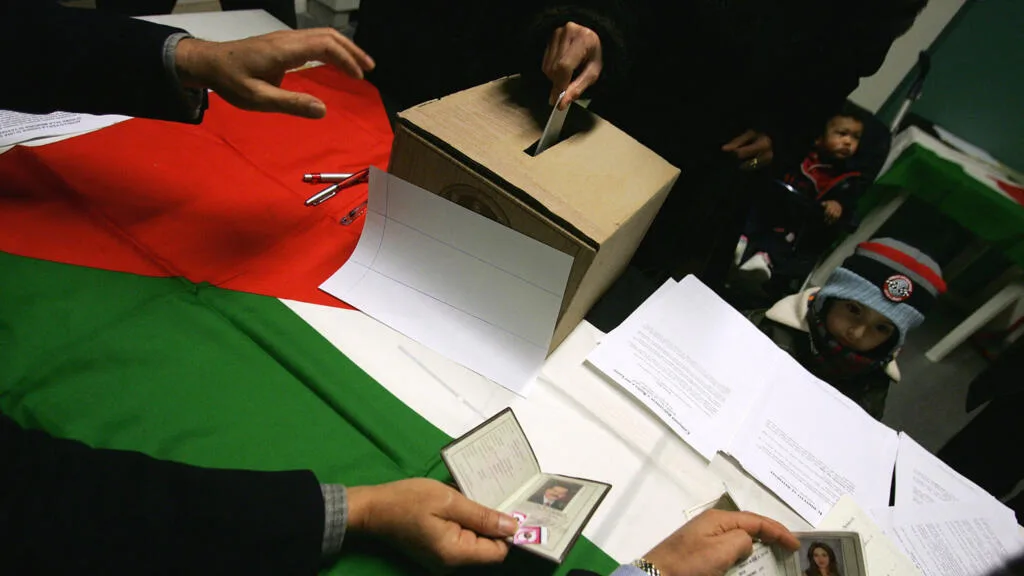
- France, the UK, and Canada lead an eight-nation coalition demanding parliamentary and presidential elections by March 2027.
- The coalition has explicitly linked future financial and diplomatic support for the Palestinian Authority to concrete democratic reforms.
- The move directly challenges President Mahmoud Abbas’s recent decision to postpone elections until September 2027.
- The diplomatic pressure highlights a growing Western consensus that institutional legitimacy is a prerequisite for any viable post-conflict governance.
- Pháp, Vương quốc Anh và Canada dẫn đầu liên minh tám quốc gia yêu cầu tổ chức bầu cử quốc hội và tổng thống trước tháng 3 năm 2027.
- Liên minh này đã gắn kết trực tiếp các khoản hỗ trợ tài chính và ngoại giao trong tương lai dành cho Chính quyền Palestine với các cải cách dân chủ cụ thể.
- Động thái này trực tiếp thách thức quyết định gần đây của Tổng thống Mahmoud Abbas về việc hoãn bầu cử đến tháng 9 năm 2027.
- Áp lực ngoại giao nêu bật sự đồng thuận ngày càng tăng của phương Tây rằng tính chính danh của thể chế là điều kiện tiên quyết cho bất kỳ mô hình quản trị khả thi nào thời hậu xung đột.
- La France, le Royaume-Uni et le Canada mènent une coalition de huit nations exigeant des élections législatives et présidentielles pour mars 2027.
- La coalition a explicitement conditionné le soutien financier et diplomatique futur à l'Autorité palestinienne à des réformes démocratiques concrètes.
- Cette manœuvre conteste directement la décision récente du président Mahmoud Abbas de reporter les élections à septembre 2027.
- La pression diplomatique souligne un consensus occidental croissant : la légitimité institutionnelle est un préalable indispensable à toute gouvernance post-conflit viable.
- Francia, el Reino Unido y Canadá lideran una coalición de ocho naciones que exige elecciones parlamentarias y presidenciales para marzo de 2027.
- La coalición ha condicionado explícitamente el futuro apoyo financiero y diplomático a la Autoridad Palestina a la implementación de reformas democráticas concretas.
- La iniciativa desafía directamente la reciente decisión del presidente Mahmud Abás de posponer los comicios hasta septiembre de 2027.
- La presión diplomática subraya un creciente consenso occidental sobre que la legitimidad institucional es un requisito previo para cualquier gobernanza viable tras el conflicto.
- 法国、英国和加拿大领导的八国联盟要求巴勒斯坦在2027年3月前举行议会和总统选举。
- 该联盟明确将未来对巴勒斯坦民族权力机构的财政和外交支持与具体的民主改革挂钩。
- 此举直接挑战了马哈茂德·阿巴斯总统近期将选举推迟至2027年9月的决定。
- 外交压力凸显了西方日益增长的共识:制度合法性是任何可行冲突后治理模式的前提。
In a move that reverberates through the corridors of power from Ramallah to Paris, a coalition of eight nations—led by France and including the United Kingdom and Canada—has issued a stern, coordinated ultimatum to the Palestinian Authority (PA). The demand is precise: the long-overdue parliamentary and presidential elections must be held no later than the end of March 2027. This diplomatic intervention marks a significant departure from the status quo, effectively placing the legitimacy of President Mahmoud Abbas’s administration under a microscope and signaling that the era of unconditional international support is drawing to a close.
The tension stems from President Abbas’s recent unilateral decision to push the electoral timeline to September 2027, a move that critics argue serves only to entrench an aging leadership while stifling the political aspirations of a younger, disillusioned generation. By setting a deadline six months ahead of the PA’s current plan, the coalition is not merely offering a suggestion; they are signaling a fundamental shift in the geopolitical calculus. For the international community, the lack of a democratic mandate has become a primary obstacle to the credibility of the PA as a partner in any future state-building process, particularly in the volatile post-conflict landscape of the Middle East.
The Erosion of Institutional Legitimacy
To understand the gravity of this demand, one must look at the historical vacuum that has defined Palestinian governance for nearly two decades. The last Palestinian presidential election took place in 2005, and parliamentary elections were last held in 2006. Since then, the political landscape has been characterized by a deep, debilitating schism between Fatah in the West Bank and Hamas in the Gaza Strip. This prolonged absence of a fresh mandate has left the Palestinian Authority in a state of institutional atrophy, struggling to maintain its relevance among a population that increasingly views its leadership as detached and ineffective.
The international community, which has historically provided the financial backbone for the PA, has watched this decline with mounting concern. For years, Western powers prioritized stability over democratic process, fearing that elections might empower radical elements or further fracture the Palestinian polity. However, the current geopolitical climate—marked by the devastating conflict in Gaza and the urgent need for a credible interlocutor for the "day after" scenarios—has forced a recalibration. The consensus among the eight nations is now clear: without a renewed democratic mandate, the PA lacks the moral and political authority to govern effectively or to represent the Palestinian people in high-stakes international negotiations.
This is not merely a bureaucratic disagreement over dates; it is a fundamental challenge to the governance model that has persisted since the Oslo Accords. The coalition’s insistence on reform is an implicit admission that the current structure of the PA is no longer fit for purpose. By conditioning future aid and diplomatic recognition on the successful execution of these elections, the international community is attempting to force a transition from a patronage-based system to a representative one, hoping that a new, elected leadership will be better positioned to navigate the complex path toward statehood.
Geopolitical Ripple Effects and Regional Stability
The implications of this ultimatum extend far beyond the borders of the West Bank. The Middle East is currently navigating a period of profound uncertainty, and the internal stability of the Palestinian Authority is a critical variable in the regional security equation. By demanding elections, France and its partners are attempting to preempt a total collapse of the PA, which would create a dangerous power vacuum that could be exploited by extremist factions or lead to further regional instability.
Furthermore, this move places significant pressure on the regional Arab powers who have long acted as mediators between Palestinian factions. If the PA is forced to move toward elections, it will necessitate a complex reconciliation process between Fatah and other political entities. This, in turn, will require the active involvement of regional players like Egypt, Qatar, and Saudi Arabia, who have their own interests in ensuring that any future Palestinian government is stable and capable of maintaining a ceasefire. The international demand for elections thus acts as a catalyst, forcing all regional actors to confront the reality that the status quo is unsustainable.
Economic stability is also at the heart of this maneuver. The Palestinian Authority relies heavily on international donor funding, much of which is contingent on transparency and governance benchmarks. By tying this funding to the electoral timeline, the coalition is using the only leverage they have left to force institutional change. This is a high-stakes gamble; if the PA refuses to comply, the resulting cutoff in aid could lead to a humanitarian crisis. However, the coalition appears to have concluded that the risk of inaction—the continued erosion of the PA’s legitimacy—is far greater than the risk of forcing a political transition.
The Road to March 2027 and Beyond
As the clock begins to tick toward March 2027, the focus will shift to how the Palestinian Authority responds to this unprecedented pressure. President Abbas finds himself in a precarious position: he must balance the demands of his international benefactors against the internal political realities of a deeply divided society. The path to elections is fraught with logistical and security challenges, not least of which is the question of how to conduct a fair and transparent vote in a territory that has been ravaged by conflict and where the political infrastructure is severely compromised.
Observers will be watching closely to see if the coalition remains unified in its stance. Historically, international efforts to influence Palestinian politics have been undermined by internal divisions among the donor nations themselves. If the coalition holds firm, it could set a new precedent for how the international community engages with fragile states, moving away from purely humanitarian support toward a more rigorous, reform-oriented approach. However, if the coalition fractures or if the PA successfully maneuvers to delay the process once again, the credibility of the international community will suffer a significant blow.
Ultimately, the call for elections is a recognition that the Palestinian question cannot be solved by diplomacy alone; it requires a renewed social contract between the leadership and the people. Whether this ultimatum succeeds in fostering a more democratic and representative Palestinian government remains to be seen. What is certain, however, is that the international community has signaled that it is no longer willing to bankroll a system that refuses to renew its own mandate. The next two years will be a defining period for the future of Palestinian governance, and the eyes of the world will be fixed on Ramallah as the deadline approaches.
Trong một động thái gây chấn động từ Ramallah đến Paris, một liên minh gồm tám quốc gia—do Pháp dẫn đầu, bao gồm cả Vương quốc Anh và Canada—đã đưa ra một tối hậu thư cứng rắn và phối hợp gửi tới Chính quyền Palestine (PA). Yêu cầu rất cụ thể: các cuộc bầu cử quốc hội và tổng thống vốn đã bị trì hoãn từ lâu phải được tổ chức chậm nhất vào cuối tháng 3 năm 2027. Sự can thiệp ngoại giao này đánh dấu một sự thay đổi đáng kể so với hiện trạng, đặt tính chính danh trong chính quyền của Tổng thống Mahmoud Abbas dưới "kính hiển vi" và báo hiệu rằng kỷ nguyên hỗ trợ quốc tế vô điều kiện đang dần khép lại.
Căng thẳng bắt nguồn từ quyết định đơn phương gần đây của Tổng thống Abbas về việc đẩy lùi thời hạn bầu cử sang tháng 9 năm 2027, một động thái mà các nhà phê bình cho rằng chỉ nhằm củng cố quyền lực cho bộ máy lãnh đạo già cỗi, đồng thời kìm hãm khát vọng chính trị của thế hệ trẻ đầy thất vọng. Bằng cách đặt ra thời hạn sớm hơn sáu tháng so với kế hoạch hiện tại của PA, liên minh này không chỉ đưa ra một gợi ý; họ đang báo hiệu một sự thay đổi căn bản trong tính toán địa chính trị. Đối với cộng đồng quốc tế, việc thiếu một sự ủy nhiệm dân chủ đã trở thành trở ngại chính đối với uy tín của PA với tư cách là đối tác trong bất kỳ tiến trình xây dựng nhà nước nào trong tương lai, đặc biệt là trong bối cảnh Trung Đông đầy biến động thời hậu xung đột.
Sự xói mòn tính chính danh của thể chế
Để hiểu được mức độ nghiêm trọng của yêu cầu này, người ta phải nhìn vào khoảng trống lịch sử đã định hình nền quản trị Palestine trong gần hai thập kỷ. Cuộc bầu cử tổng thống Palestine gần nhất diễn ra vào năm 2005, và bầu cử quốc hội lần cuối được tổ chức vào năm 2006. Kể từ đó, bức tranh chính trị bị đặc trưng bởi sự chia rẽ sâu sắc và làm suy yếu giữa Fatah ở Bờ Tây và Hamas ở Dải Gaza. Sự vắng bóng kéo dài của một sự ủy nhiệm mới đã khiến Chính quyền Palestine rơi vào tình trạng thoái hóa thể chế, chật vật duy trì sự ảnh hưởng trong lòng một bộ phận dân chúng vốn ngày càng coi giới lãnh đạo là xa rời thực tế và kém hiệu quả.
Cộng đồng quốc tế, vốn là trụ cột tài chính cho PA, đã chứng kiến sự suy giảm này với mối lo ngại ngày càng tăng. Trong nhiều năm, các cường quốc phương Tây ưu tiên sự ổn định hơn là tiến trình dân chủ, lo ngại rằng bầu cử có thể trao quyền cho các phần tử cực đoan hoặc làm rạn nứt thêm chính thể Palestine. Tuy nhiên, môi trường địa chính trị hiện tại—được đánh dấu bởi cuộc xung đột tàn khốc ở Gaza và nhu cầu cấp bách về một đối tác đối thoại đáng tin cậy cho các kịch bản "ngày sau xung đột"—đã buộc phải có sự điều chỉnh. Sự đồng thuận giữa tám quốc gia hiện đã rõ ràng: nếu không có sự ủy nhiệm dân chủ mới, PA thiếu thẩm quyền đạo đức và chính trị để quản trị hiệu quả hoặc đại diện cho người dân Palestine trong các cuộc đàm phán quốc tế cấp cao.
Đây không chỉ là một bất đồng quan liêu về ngày tháng; đó là một thách thức cơ bản đối với mô hình quản trị đã tồn tại kể từ Hiệp định Oslo. Việc liên minh kiên quyết yêu cầu cải cách là một sự thừa nhận ngầm rằng cấu trúc hiện tại của PA không còn phù hợp với mục đích. Bằng cách gắn các khoản viện trợ và công nhận ngoại giao trong tương lai với việc thực hiện thành công các cuộc bầu cử này, cộng đồng quốc tế đang cố gắng buộc một quá trình chuyển đổi từ hệ thống dựa trên sự bảo trợ sang hệ thống đại diện, với hy vọng rằng một ban lãnh đạo mới, được bầu chọn, sẽ có vị thế tốt hơn để điều hướng con đường phức tạp hướng tới tư cách nhà nước.
Tác động địa chính trị và sự ổn định khu vực
Hệ quả của tối hậu thư này vượt xa biên giới Bờ Tây. Trung Đông hiện đang trải qua một thời kỳ bất ổn sâu sắc, và sự ổn định nội bộ của Chính quyền Palestine là một biến số quan trọng trong phương trình an ninh khu vực. Bằng cách yêu cầu bầu cử, Pháp và các đối tác đang cố gắng ngăn chặn sự sụp đổ hoàn toàn của PA, điều có thể tạo ra một khoảng trống quyền lực nguy hiểm mà các phe phái cực đoan có thể khai thác hoặc dẫn đến bất ổn khu vực sâu rộng hơn.
Hơn nữa, động thái này gây áp lực đáng kể lên các cường quốc Ả Rập trong khu vực, những bên từ lâu đã đóng vai trò trung gian giữa các phe phái Palestine. Nếu PA buộc phải tiến tới bầu cử, điều đó sẽ đòi hỏi một quá trình hòa giải phức tạp giữa Fatah và các thực thể chính trị khác. Điều này, đến lượt nó, sẽ cần sự tham gia tích cực của các bên trong khu vực như Ai Cập, Qatar và Ả Rập Xê Út, những quốc gia có lợi ích riêng trong việc đảm bảo rằng bất kỳ chính phủ Palestine tương lai nào cũng ổn định và có khả năng duy trì lệnh ngừng bắn. Do đó, yêu cầu bầu cử của quốc tế đóng vai trò như một chất xúc tác, buộc tất cả các tác nhân khu vực phải đối mặt với thực tế rằng hiện trạng là không bền vững.
Sự ổn định kinh tế cũng là trọng tâm của chiến lược này. Chính quyền Palestine phụ thuộc nặng nề vào nguồn tài trợ từ các nhà tài trợ quốc tế, phần lớn trong số đó phụ thuộc vào các tiêu chuẩn về tính minh bạch và quản trị. Bằng cách gắn nguồn tài trợ này với lộ trình bầu cử, liên minh đang sử dụng đòn bẩy duy nhất còn lại để thúc đẩy thay đổi thể chế. Đây là một canh bạc rủi ro cao; nếu PA từ chối tuân thủ, việc cắt giảm viện trợ có thể dẫn đến một cuộc khủng hoảng nhân đạo. Tuy nhiên, liên minh dường như đã kết luận rằng rủi ro của việc không hành động—sự xói mòn liên tục tính chính danh của PA—lớn hơn nhiều so với rủi ro của việc thúc đẩy một quá trình chuyển đổi chính trị.
Con đường đến tháng 3 năm 2027 và xa hơn nữa
Khi đồng hồ bắt đầu đếm ngược đến tháng 3 năm 2027, trọng tâm sẽ chuyển sang cách Chính quyền Palestine phản ứng với áp lực chưa từng có này. Tổng thống Abbas thấy mình ở một vị thế bấp bênh: ông phải cân bằng giữa yêu cầu của các nhà tài trợ quốc tế với thực tế chính trị nội bộ của một xã hội bị chia rẽ sâu sắc. Con đường dẫn đến bầu cử đầy rẫy những thách thức về hậu cần và an ninh, trong đó không thể không kể đến câu hỏi làm thế nào để tiến hành một cuộc bỏ phiếu công bằng và minh bạch tại một vùng lãnh thổ đã bị tàn phá bởi xung đột và nơi cơ sở hạ tầng chính trị bị tổn hại nghiêm trọng.
Các nhà quan sát sẽ theo dõi chặt chẽ xem liệu liên minh có giữ vững lập trường hay không. Trong lịch sử, các nỗ lực quốc tế nhằm gây ảnh hưởng đến chính trị Palestine thường bị suy yếu bởi sự chia rẽ nội bộ giữa chính các quốc gia tài trợ. Nếu liên minh giữ vững lập trường, nó có thể tạo ra một tiền lệ mới về cách cộng đồng quốc tế tương tác với các quốc gia mong manh, chuyển từ hỗ trợ nhân đạo thuần túy sang cách tiếp cận nghiêm ngặt và hướng tới cải cách hơn. Tuy nhiên, nếu liên minh rạn nứt hoặc nếu PA thành công trong việc thao túng để trì hoãn tiến trình một lần nữa, uy tín của cộng đồng quốc tế sẽ phải chịu một đòn giáng mạnh.
Cuối cùng, lời kêu gọi bầu cử là sự thừa nhận rằng vấn đề Palestine không thể được giải quyết chỉ bằng ngoại giao; nó đòi hỏi một khế ước xã hội mới giữa giới lãnh đạo và người dân. Liệu tối hậu thư này có thành công trong việc thúc đẩy một chính phủ Palestine dân chủ và đại diện hơn hay không vẫn còn phải chờ xem. Tuy nhiên, điều chắc chắn là cộng đồng quốc tế đã báo hiệu rằng họ không còn sẵn lòng chi tiền cho một hệ thống từ chối làm mới sự ủy nhiệm của chính mình. Hai năm tới sẽ là giai đoạn mang tính quyết định đối với tương lai của nền quản trị Palestine, và ánh mắt của thế giới sẽ đổ dồn về Ramallah khi thời hạn đến gần.
Dans un mouvement qui résonne dans les couloirs du pouvoir, de Ramallah à Paris, une coalition de huit nations — menée par la France et incluant le Royaume-Uni et le Canada — a adressé un ultimatum ferme et coordonné à l'Autorité palestinienne (AP). L'exigence est précise : les élections législatives et présidentielles, attendues depuis trop longtemps, doivent se tenir au plus tard fin mars 2027. Cette intervention diplomatique marque une rupture significative avec le statu quo, plaçant la légitimité de l'administration du président Mahmoud Abbas sous microscope et signalant que l'ère du soutien international inconditionnel touche à sa fin.
La tension découle de la récente décision unilatérale du président Abbas de repousser le calendrier électoral à septembre 2027, une manœuvre que les critiques jugent destinée uniquement à ancrer une direction vieillissante tout en étouffant les aspirations politiques d'une génération plus jeune et désabusée. En fixant une date butoir six mois avant le calendrier actuel de l'AP, la coalition ne se contente pas de suggérer ; elle signale un changement fondamental dans le calcul géopolitique. Pour la communauté internationale, l'absence de mandat démocratique est devenue un obstacle majeur à la crédibilité de l'AP en tant que partenaire dans tout futur processus de construction étatique, particulièrement dans le paysage volatil du Moyen-Orient post-conflit.
L'érosion de la légitimité institutionnelle
Pour comprendre la gravité de cette exigence, il faut se pencher sur le vide historique qui définit la gouvernance palestinienne depuis près de deux décennies. La dernière élection présidentielle palestinienne remonte à 2005, et les dernières législatives à 2006. Depuis, le paysage politique est marqué par une scission profonde et invalidante entre le Fatah en Cisjordanie et le Hamas dans la bande de Gaza. Cette absence prolongée de nouveau mandat a laissé l'Autorité palestinienne dans un état d'atrophie institutionnelle, peinant à maintenir sa pertinence auprès d'une population qui perçoit de plus en plus ses dirigeants comme déconnectés et inefficaces.
La communauté internationale, qui a historiquement constitué l'épine dorsale financière de l'AP, a observé ce déclin avec une inquiétude croissante. Pendant des années, les puissances occidentales ont privilégié la stabilité au détriment du processus démocratique, craignant que des élections ne renforcent des éléments radicaux ou ne fracturent davantage le corps politique palestinien. Cependant, le climat géopolitique actuel — marqué par le conflit dévastateur à Gaza et l'urgence de trouver un interlocuteur crédible pour les scénarios du « lendemain » — a forcé une recalibration. Le consensus parmi les huit nations est désormais clair : sans un mandat démocratique renouvelé, l'AP manque de l'autorité morale et politique nécessaire pour gouverner efficacement ou représenter le peuple palestinien lors de négociations internationales à enjeux élevés.
Il ne s'agit pas simplement d'un désaccord bureaucratique sur des dates ; c'est une remise en question fondamentale du modèle de gouvernance qui persiste depuis les accords d'Oslo. L'insistance de la coalition sur la réforme est un aveu implicite que la structure actuelle de l'AP n'est plus adaptée à sa mission. En conditionnant l'aide future et la reconnaissance diplomatique à la tenue réussie de ces élections, la communauté internationale tente de forcer une transition d'un système fondé sur le clientélisme vers un système représentatif, espérant qu'une nouvelle direction élue sera mieux positionnée pour naviguer sur le chemin complexe vers l'État.
Répercussions géopolitiques et stabilité régionale
Les implications de cet ultimatum s'étendent bien au-delà des frontières de la Cisjordanie. Le Moyen-Orient traverse actuellement une période d'incertitude profonde, et la stabilité interne de l'Autorité palestinienne est une variable critique dans l'équation de sécurité régionale. En exigeant des élections, la France et ses partenaires tentent de prévenir un effondrement total de l'AP, qui créerait un dangereux vide de pouvoir susceptible d'être exploité par des factions extrémistes ou de mener à une instabilité régionale accrue.
De plus, cette initiative exerce une pression significative sur les puissances arabes régionales qui agissent depuis longtemps comme médiateurs entre les factions palestiniennes. Si l'AP est contrainte d'avancer vers des élections, cela nécessitera un processus de réconciliation complexe entre le Fatah et d'autres entités politiques. Cela exigera, à son tour, l'implication active d'acteurs régionaux comme l'Égypte, le Qatar et l'Arabie saoudite, qui ont leurs propres intérêts à garantir qu'un futur gouvernement palestinien soit stable et capable de maintenir un cessez-le-feu. L'exigence internationale d'élections agit ainsi comme un catalyseur, forçant tous les acteurs régionaux à faire face à la réalité selon laquelle le statu quo est intenable.
La stabilité économique est également au cœur de cette manœuvre. L'Autorité palestinienne dépend fortement des financements des donateurs internationaux, dont une grande partie est conditionnée à des critères de transparence et de gouvernance. En liant ce financement au calendrier électoral, la coalition utilise le seul levier qui lui reste pour forcer un changement institutionnel. C'est un pari à haut risque ; si l'AP refuse de se conformer, la coupure de l'aide qui en résulterait pourrait mener à une crise humanitaire. Cependant, la coalition semble avoir conclu que le risque de l'inaction — l'érosion continue de la légitimité de l'AP — est bien plus grand que le risque de forcer une transition politique.
La route vers mars 2027 et au-delà
Alors que le compte à rebours vers mars 2027 commence, l'attention se portera sur la manière dont l'Autorité palestinienne répondra à cette pression sans précédent. Le président Abbas se retrouve dans une position précaire : il doit équilibrer les exigences de ses bienfaiteurs internationaux avec les réalités politiques internes d'une société profondément divisée. Le chemin vers les élections est semé de défis logistiques et sécuritaires, dont le moindre n'est pas la question de savoir comment mener un vote juste et transparent dans un territoire ravagé par le conflit et où l'infrastructure politique est gravement compromise.
Les observateurs surveilleront de près si la coalition reste unie dans sa position. Historiquement, les efforts internationaux pour influencer la politique palestinienne ont été sapés par des divisions internes parmi les nations donatrices elles-mêmes. Si la coalition tient bon, elle pourrait établir un nouveau précédent sur la manière dont la communauté internationale s'engage auprès des États fragiles, s'éloignant du soutien purement humanitaire vers une approche plus rigoureuse et axée sur la réforme. Cependant, si la coalition se fracture ou si l'AP parvient à manœuvrer pour retarder à nouveau le processus, la crédibilité de la communauté internationale en prendra un coup significatif.
En fin de compte, l'appel aux élections est une reconnaissance que la question palestinienne ne peut être résolue par la seule diplomatie ; elle nécessite un nouveau contrat social entre les dirigeants et le peuple. Reste à voir si cet ultimatum réussira à favoriser un gouvernement palestinien plus démocratique et représentatif. Ce qui est certain, en revanche, c'est que la communauté internationale a signalé qu'elle n'est plus disposée à financer un système qui refuse de renouveler son propre mandat. Les deux prochaines années seront une période déterminante pour l'avenir de la gouvernance palestinienne, et les yeux du monde seront fixés sur Ramallah à mesure que l'échéance approche.
En un movimiento que resuena en los pasillos del poder desde Ramala hasta París, una coalición de ocho naciones —liderada por Francia e integrada, entre otros, por el Reino Unido y Canadá— ha emitido un severo y coordinado ultimátum a la Autoridad Palestina (AP). La exigencia es precisa: las largamente postergadas elecciones parlamentarias y presidenciales deben celebrarse, a más tardar, a finales de marzo de 2027. Esta intervención diplomática marca un alejamiento significativo del statu quo, al someter a examen la legitimidad de la administración del presidente Mahmud Abás y señalar que la era del apoyo internacional incondicional está llegando a su fin.
La tensión se deriva de la reciente decisión unilateral del presidente Abás de retrasar el calendario electoral hasta septiembre de 2027, una medida que, según sus críticos, solo sirve para perpetuar a una cúpula envejecida mientras se sofocan las aspiraciones políticas de una generación joven y desencantada. Al fijar una fecha límite seis meses antes del plan actual de la AP, la coalición no está simplemente ofreciendo una sugerencia; está señalando un cambio fundamental en el cálculo geopolítico. Para la comunidad internacional, la falta de un mandato democrático se ha convertido en el principal obstáculo para la credibilidad de la AP como socio en cualquier proceso futuro de construcción estatal, especialmente en el volátil panorama de Oriente Próximo tras el conflicto.
La erosión de la legitimidad institucional
Para comprender la gravedad de esta exigencia, es necesario observar el vacío histórico que ha definido la gobernanza palestina durante casi dos décadas. Las últimas elecciones presidenciales palestinas tuvieron lugar en 2005, y las parlamentarias se celebraron por última vez en 2006. Desde entonces, el panorama político se ha caracterizado por una profunda y debilitante escisión entre Fatah, en Cisjordania, y Hamás, en la Franja de Gaza. Esta prolongada ausencia de un mandato renovado ha dejado a la Autoridad Palestina en un estado de atrofia institucional, luchando por mantener su relevancia ante una población que percibe a sus líderes como distantes e ineficaces.
La comunidad internacional, que históricamente ha proporcionado el respaldo financiero de la AP, ha observado este declive con creciente preocupación. Durante años, las potencias occidentales priorizaron la estabilidad sobre el proceso democrático, temiendo que las elecciones pudieran empoderar a elementos radicales o fracturar aún más la política palestina. Sin embargo, el clima geopolítico actual —marcado por el devastador conflicto en Gaza y la urgente necesidad de un interlocutor creíble para los escenarios del "día después"— ha forzado una recalibración. El consenso entre las ocho naciones es ahora claro: sin un mandato democrático renovado, la AP carece de la autoridad moral y política para gobernar con eficacia o representar al pueblo palestino en negociaciones internacionales de alto nivel.
No se trata simplemente de un desacuerdo burocrático sobre fechas; es un desafío fundamental al modelo de gobernanza que ha persistido desde los Acuerdos de Oslo. La insistencia de la coalición en la reforma es una admisión implícita de que la estructura actual de la AP ya no es adecuada para sus fines. Al condicionar la futura ayuda y el reconocimiento diplomático a la ejecución exitosa de estas elecciones, la comunidad internacional intenta forzar una transición desde un sistema basado en el clientelismo hacia uno representativo, con la esperanza de que un nuevo liderazgo electo esté mejor posicionado para recorrer el complejo camino hacia la condición de Estado.
Efectos geopolíticos y estabilidad regional
Las implicaciones de este ultimátum se extienden mucho más allá de las fronteras de Cisjordania. Oriente Próximo atraviesa actualmente un periodo de profunda incertidumbre, y la estabilidad interna de la Autoridad Palestina es una variable crítica en la ecuación de seguridad regional. Al exigir elecciones, Francia y sus socios intentan evitar un colapso total de la AP, lo que crearía un peligroso vacío de poder que podría ser explotado por facciones extremistas o conducir a una mayor inestabilidad regional.
Además, esta medida ejerce una presión significativa sobre las potencias árabes regionales que han actuado durante mucho tiempo como mediadoras entre las facciones palestinas. Si la AP se ve obligada a avanzar hacia unas elecciones, será necesario un complejo proceso de reconciliación entre Fatah y otras entidades políticas. Esto, a su vez, requerirá la participación activa de actores regionales como Egipto, Catar y Arabia Saudí, que tienen sus propios intereses en garantizar que cualquier futuro gobierno palestino sea estable y capaz de mantener un alto el fuego. La exigencia internacional de elecciones actúa, por tanto, como un catalizador que obliga a todos los actores regionales a afrontar la realidad de que el statu quo es insostenible.
La estabilidad económica también es fundamental en esta maniobra. La Autoridad Palestina depende en gran medida de la financiación de donantes internacionales, gran parte de la cual está supeditada a criterios de transparencia y gobernanza. Al vincular esta financiación al calendario electoral, la coalición utiliza la única palanca que le queda para forzar un cambio institucional. Es una apuesta de alto riesgo; si la AP se niega a cumplir, el recorte resultante en la ayuda podría derivar en una crisis humanitaria. Sin embargo, la coalición parece haber concluido que el riesgo de la inacción —la continua erosión de la legitimidad de la AP— es mucho mayor que el riesgo de forzar una transición política.
El camino hacia marzo de 2027 y más allá
A medida que avanza la cuenta atrás hacia marzo de 2027, la atención se centrará en cómo responda la Autoridad Palestina a esta presión sin precedentes. El presidente Abás se encuentra en una posición precaria: debe equilibrar las exigencias de sus benefactores internacionales con las realidades políticas internas de una sociedad profundamente dividida. El camino hacia las elecciones está plagado de desafíos logísticos y de seguridad, entre los que destaca la cuestión de cómo llevar a cabo una votación justa y transparente en un territorio devastado por el conflicto y donde la infraestructura política está gravemente comprometida.
Los observadores seguirán de cerca si la coalición mantiene su unidad. Históricamente, los esfuerzos internacionales por influir en la política palestina se han visto socavados por las divisiones internas entre los propios países donantes. Si la coalición se mantiene firme, podría sentar un nuevo precedente sobre cómo la comunidad internacional se relaciona con los Estados frágiles, alejándose del apoyo puramente humanitario hacia un enfoque más riguroso y orientado a la reforma. Sin embargo, si la coalición se fractura o si la AP logra maniobrar para retrasar el proceso una vez más, la credibilidad de la comunidad internacional sufrirá un duro golpe.
En última instancia, el llamamiento a las elecciones es un reconocimiento de que la cuestión palestina no puede resolverse solo mediante la diplomacia; requiere un nuevo contrato social entre los líderes y el pueblo. Queda por ver si este ultimátum logra fomentar un gobierno palestino más democrático y representativo. Lo que es seguro, sin embargo, es que la comunidad internacional ha señalado que ya no está dispuesta a financiar un sistema que se niega a renovar su propio mandato. Los próximos dos años serán un periodo definitorio para el futuro de la gobernanza palestina, y los ojos del mundo estarán fijos en Ramala a medida que se acerque la fecha límite.
在一场从拉姆安拉震荡至巴黎的权力博弈中,由法国领衔、包括英国和加拿大在内的八国联盟,向巴勒斯坦民族权力机构(PA)发出了严厉且协调一致的最后通牒。要求十分明确:必须在2027年3月底之前举行早已逾期的议会和总统选举。此次外交干预标志着对现状的重大背离,实际上将马哈茂德·阿巴斯总统政府的合法性置于显微镜下,并释放出一个信号:无条件的国际支持时代即将终结。
紧张局势源于阿巴斯总统近期单方面决定将选举时间推迟至2027年9月。批评者认为,此举仅是为了巩固老龄化的领导层,同时扼杀了年轻一代幻灭的政治抱负。通过设定一个比巴方当前计划提前六个月的最后期限,该联盟不仅是在提出建议,更是在发出地缘政治计算发生根本性转变的信号。对于国际社会而言,缺乏民主授权已成为巴勒斯坦民族权力机构作为未来国家建设进程伙伴的可信度主要障碍,尤其是在中东动荡的冲突后局势中。
制度合法性的侵蚀
要理解这一要求的严重性,必须审视近二十年来定义巴勒斯坦治理的历史真空。巴勒斯坦上一次总统选举是在2005年,而议会选举则是在2006年。自那时起,政治格局的特征便是约旦河西岸的法塔赫与加沙地带的哈马斯之间深刻且致命的分裂。这种长期缺乏新授权的状态,使巴勒斯坦民族权力机构陷入了制度性萎缩,并在一个日益认为其领导层脱节且无能的民众群体中,艰难维持着自身的存在感。
历史上一直为巴勒斯坦民族权力机构提供财政支柱的国际社会,正怀着日益增长的担忧注视着这种衰落。多年来,西方大国为了稳定而牺牲了民主进程,担心选举可能赋予激进分子权力或进一步分裂巴勒斯坦政体。然而,当前的地缘政治气候——以加沙毁灭性的冲突以及对“后冲突时代”可信对话者的迫切需求为特征——迫使各方重新评估。八国联盟目前的共识非常明确:没有重获民主授权,巴勒斯坦民族权力机构便缺乏有效治理或在高级别国际谈判中代表巴勒斯坦人民的道德与政治权威。
这不仅仅是关于日期的官僚主义分歧,更是对自《奥斯陆协议》以来一直存在的治理模式的根本性挑战。联盟对改革的坚持,隐含着对巴勒斯坦民族权力机构当前结构已不再适用的承认。通过将未来的援助和外交承认与选举的成功执行挂钩,国际社会正试图强制推动从“庇护制”向“代表制”的转型,寄望于一个新的、经选举产生的领导层能更好地在通往国家地位的复杂道路上导航。
地缘政治连锁反应与地区稳定
这一最后通牒的影响远超约旦河西岸的边界。中东目前正处于深刻的不确定时期,巴勒斯坦民族权力机构的内部稳定是地区安全等式中的一个关键变量。通过要求选举,法国及其伙伴正试图预防巴勒斯坦民族权力机构的全面崩溃,因为那将制造一个危险的权力真空,可能被极端派系利用或导致进一步的地区不稳定。
此外,此举对长期在巴勒斯坦各派系间担任调停人的地区阿拉伯大国施加了巨大压力。如果巴勒斯坦民族权力机构被迫走向选举,将需要法塔赫与其他政治实体之间进行复杂的和解进程。这反过来又需要埃及、卡塔尔和沙特阿拉伯等地区参与者的积极介入,这些国家自身也有确保未来巴勒斯坦政府稳定并有能力维持停火的利益。因此,国际社会对选举的要求起到了催化剂的作用,迫使所有地区参与者面对现状不可持续的现实。
经济稳定也是这一策略的核心。巴勒斯坦民族权力机构严重依赖国际捐助资金,其中大部分取决于透明度和治理基准。通过将这些资金与选举时间表挂钩,联盟正在利用其仅存的杠杆来强制推动制度变革。这是一场高风险的博弈;如果巴勒斯坦民族权力机构拒绝配合,由此导致的援助中断可能引发人道主义危机。然而,联盟似乎已经得出结论:不作为的风险——即巴勒斯坦民族权力机构合法性的持续侵蚀——远大于强制政治转型的风险。
通往2027年3月及未来之路
随着倒计时指向2027年3月,焦点将转向巴勒斯坦民族权力机构如何应对这一前所未有的压力。阿巴斯总统发现自己处于一个危险的境地:他必须在国际资助者的要求与一个深度分裂社会的内部政治现实之间取得平衡。通往选举的道路充满了后勤和安全挑战,其中最主要的问题是如何在一个饱受冲突蹂躏且政治基础设施严重受损的领土上进行公平透明的投票。
观察人士将密切关注该联盟在立场上是否保持统一。历史上,国际社会影响巴勒斯坦政治的努力往往因捐助国自身的内部分歧而受挫。如果联盟立场坚定,它可能会为国际社会如何与脆弱国家互动树立新的先例,从纯粹的人道主义支持转向更严格、以改革为导向的方法。然而,如果联盟分裂,或者巴勒斯坦民族权力机构再次成功通过操弄推迟进程,国际社会的信誉将遭受重大打击。
归根结底,呼吁选举是对“巴勒斯坦问题无法仅靠外交解决”这一事实的认可;它需要领导层与人民之间建立新的社会契约。这一最后通牒能否成功促进一个更民主、更具代表性的巴勒斯坦政府,尚待观察。然而可以确定的是,国际社会已经发出信号,不再愿意为拒绝更新自身授权的体制买单。未来两年将是巴勒斯坦治理未来的决定性时期,随着最后期限的临近,全世界的目光都将聚焦在拉姆安拉。
Editorial Standards & Multi-Language Synthesis: This dispatch was synthesized and fact-checked by the ParisDaily Editorial Desk across 5 global editions (EN, FR, VI, ES, ZH), cross-referencing primary international wire reports and real-time search intelligence.