孤注一掷的豪赌:安托万·杜邦改打传接锋,迎战南非“跳羚”
As France faces a catastrophic injury crisis ahead of their Nations Championship clash with South Africa, captain Antoine Dupont moves to the fly-half position in a high-stakes tactical gamble.
Trong bối cảnh đội tuyển Pháp đối mặt với cuộc khủng hoảng chấn thương nghiêm trọng trước thềm Nations Championship gặp Nam Phi, đội trưởng Antoine Dupont đã được đẩy lên vị trí fly-half trong một canh bạc chiến thuật đầy mạo hiểm. Đây là quyết định mang tính sống còn nhằm xoay chuyển cục diện trước đối thủ kỵ giơ.
Alors que le XV de France fait face à une hécatombe de blessures avant son affrontement contre l'Afrique du Sud en Nations Championship, le capitaine Antoine Dupont est propulsé au poste de demi d'ouverture dans un pari tactique à haut risque. Ce choix audacieux souligne la vulnérabilité des Bleus face à une machine sud-africaine qui fait figure de grand favori.
Ante una crisis de lesiones sin precedentes antes de su enfrentamiento en el Nations Championship contra Sudáfrica, el capitán Antoine Dupont asume la posición de apertura en una arriesgada maniobra táctica. Francia se prepara para un choque de alta tensión donde el liderazgo de su estrella será puesto a prueba frente a los actuales campeones del mundo.
在国家冠军赛对阵南非队的焦点战前夕,法国队遭遇严重的伤病危机。队长安托万·杜邦被迫改打传接锋(Fly-half),进行一场高风险的战术博弈。
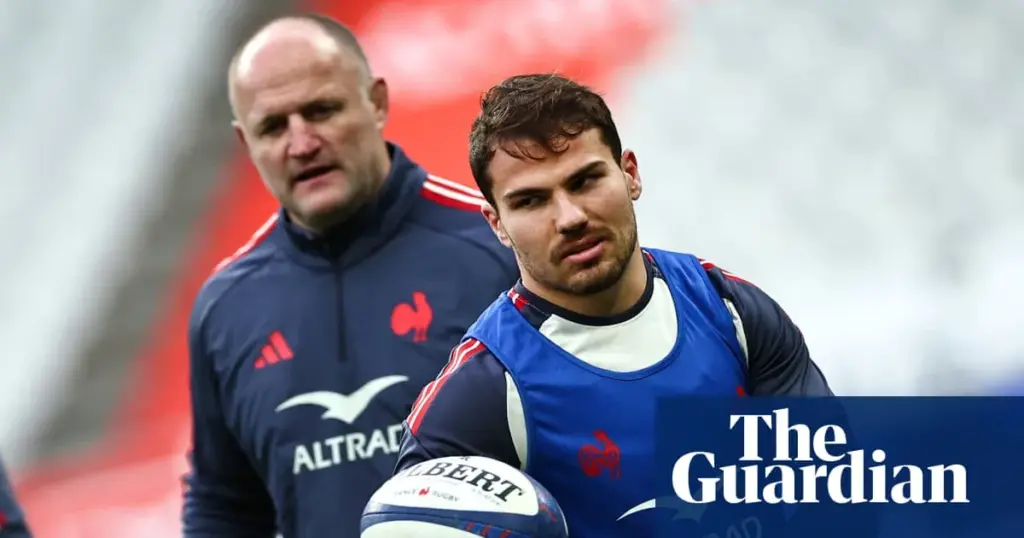
- Antoine Dupont will start at fly-half for France, a rare tactical shift necessitated by the absence of four primary options.
- France has struggled historically against South Africa, winning only one of their last ten encounters over the past 15 years.
- Fabien Galthié has overhauled his coaching staff, replacing international consultants with Top 14 domestic specialists.
- South Africa enters the match as the clear favorite, aiming to maintain their dominance despite missing key starters like Handré Pollard.
- Antoine Dupont sẽ xuất phát ở vị trí fly-half cho tuyển Pháp, một sự thay đổi chiến thuật hiếm hoi do sự vắng mặt của bốn lựa chọn hàng đầu.
- Pháp có thành tích đối đầu đáng thất vọng trước Nam Phi, chỉ thắng một trong mười lần chạm trán gần nhất suốt 15 năm qua.
- Fabien Galthié đã cải tổ bộ máy huấn luyện, thay thế các chuyên gia tư vấn quốc tế bằng những chuyên gia nội địa từ giải Top 14.
- Nam Phi bước vào trận đấu với tư cách là đội cửa trên, quyết tâm duy trì sự thống trị dù thiếu vắng những trụ cột như Handré Pollard.
- Antoine Dupont débutera au poste de numéro 10, un repositionnement tactique rare rendu nécessaire par l'absence des quatre options habituelles.
- La France affiche un bilan historique difficile face aux Springboks, avec une seule victoire sur leurs dix dernières confrontations en 15 ans.
- Fabien Galthié a profondément remanié son staff, remplaçant les consultants internationaux par des spécialistes issus du Top 14.
- L'Afrique du Sud aborde la rencontre en position de force, déterminée à maintenir sa domination malgré l'absence de cadres comme Handré Pollard.
- Antoine Dupont será titular como apertura, un cambio táctico excepcional forzado por la ausencia de las cuatro opciones principales.
- Francia mantiene un balance histórico desfavorable contra Sudáfrica, habiendo ganado solo uno de sus últimos diez enfrentamientos en los últimos 15 años.
- Fabien Galthié ha renovado su cuerpo técnico, sustituyendo a consultores internacionales por especialistas del Top 14 doméstico.
- Sudáfrica llega al encuentro como clara favorita, con el objetivo de mantener su dominio a pesar de la baja de figuras clave como Handré Pollard.
- 由于四名首选传接锋缺阵,安托万·杜邦将罕见地出任该位置,这是一次被迫的战术调整。
- 法国队在过去15年里对阵南非队战绩惨淡,10次交锋仅取得一场胜利。
- 主教练法比安·加尔蒂埃对教练组进行了大换血,用法国本土Top 14联赛的专家取代了国际顾问。
- 南非队作为夺冠热门进入比赛,尽管缺少汉德雷·波拉德等关键首发,但仍力求保持统治地位。
The Stade de France is set to host a collision that transcends the typical boundaries of international rugby. As the inaugural Nations Championship hurtles toward its conclusion, the fixture between France and South Africa—the world’s two most formidable rugby powers—carries the weight of a heavyweight title fight. For the French, this is not merely a match; it is a desperate attempt to exorcise the ghosts of a decade of near-misses and tactical heartbreak against a Springbok side that has become their ultimate, immovable obstacle.
The narrative heading into this Friday night showdown is defined by an unprecedented injury crisis that has forced French head coach Fabien Galthié into a radical strategic pivot. With his primary fly-half options—Romain Ntamack, Matthieu Jalibert, Thomas Ramos, and Antoine Hastoy—all sidelined, Galthié has made the audacious decision to move his captain and talismanic scrum-half, Antoine Dupont, to the No. 10 jersey. It is a move that signals both the severity of the French predicament and the desperate, creative lengths to which the coaching staff must go to bridge the gap between their current squad and the reigning world champions.
A Decade of Dominance and the Weight of History
To understand the gravity of this Friday’s encounter, one must look at the lopsided history of this rivalry. Over the last 15 years, the Springboks have dismantled the French challenge with clinical efficiency, winning nine of their last ten meetings. For France, the memory of their narrow 29-28 defeat in the 2023 World Cup quarter-final remains a fresh, open wound—a night where they played arguably their best rugby only to fall short against the sheer physical and mental resilience of the South African machine.
South Africa’s dominance is not accidental; it is a product of a system that prioritizes physical attrition and tactical discipline. Even when reduced to 14 men, as seen in their previous victory in Paris, the Springboks have demonstrated an uncanny ability to absorb pressure and strike with lethal precision. Rassie Erasmus, the mastermind behind the South African juggernaut, has publicly dismissed the notion of complacency. He views the French cauldron not as a threat, but as a stage, noting that his players relish the intensity of the Parisian crowd. For the Springboks, this match is a vital checkpoint in their quest to secure a historic third consecutive World Cup title.
The Tactical Gamble: Dupont at the Helm
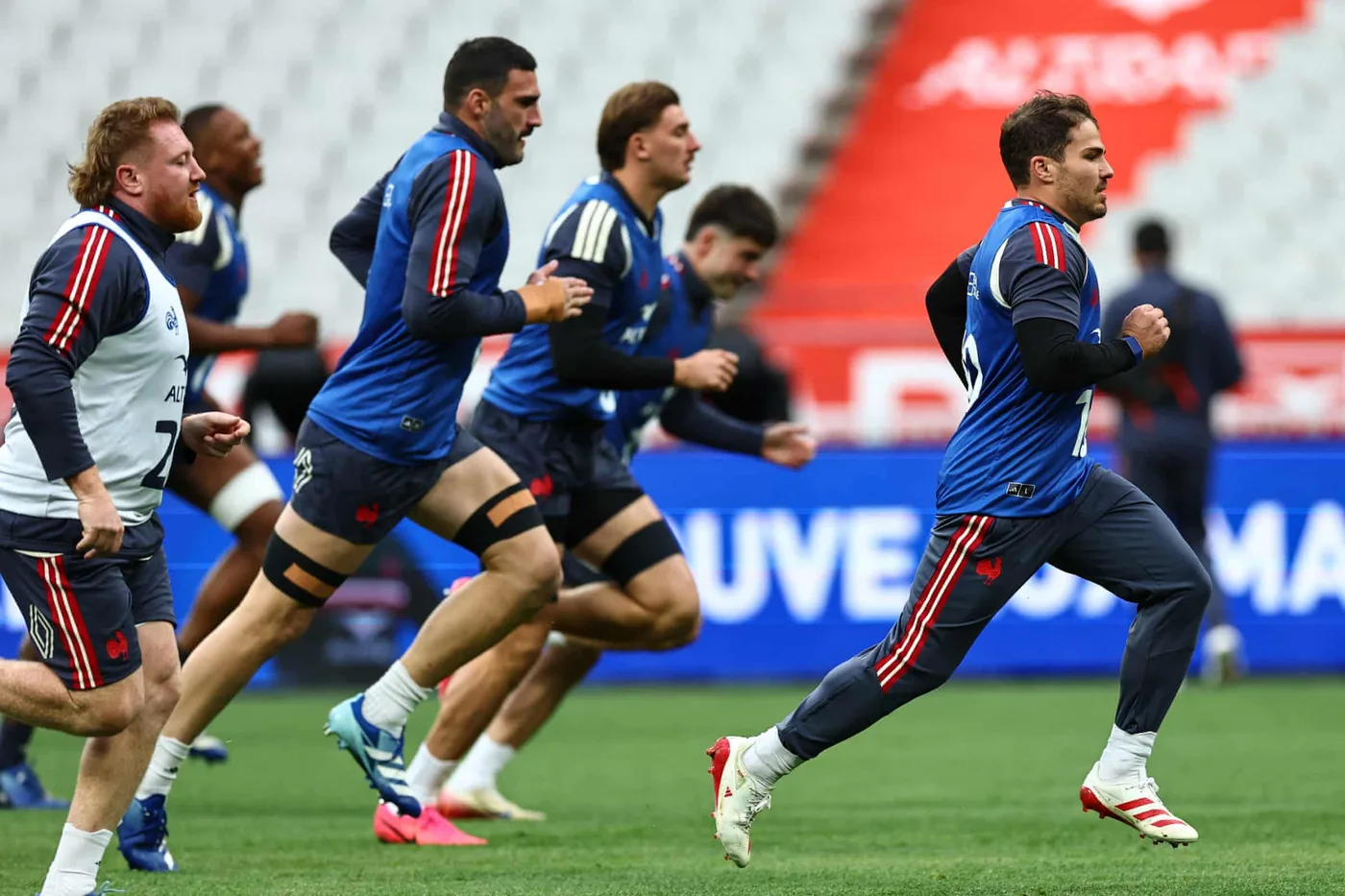
The decision to place Antoine Dupont at fly-half is a gamble that will be scrutinized by rugby analysts for years to come. Dupont, widely regarded as the best player in the world, is a master of the scrum-half position, where his speed, vision, and defensive work rate are unmatched. By shifting him to the No. 10 role, Galthié is effectively asking his captain to orchestrate the game from a position that requires a different set of tactical demands, particularly in kicking strategy and game management.
Galthié’s rationale is clear: in a team decimated by injuries—having cycled through over 100 players since June 2024—he needs his most influential leader to touch the ball as often as possible. By pairing Dupont with Maxime Lucu, another scrum-half, France is attempting to create a dual-playmaker system that can navigate the suffocating defensive pressure of the South African forwards. It is an "improbable" solution, as Galthié himself admitted, but one that reflects the reality of a French squad that is currently missing 30 players who account for over 40% of their recent scoring output.
Institutional Shifts and the Future of French Rugby
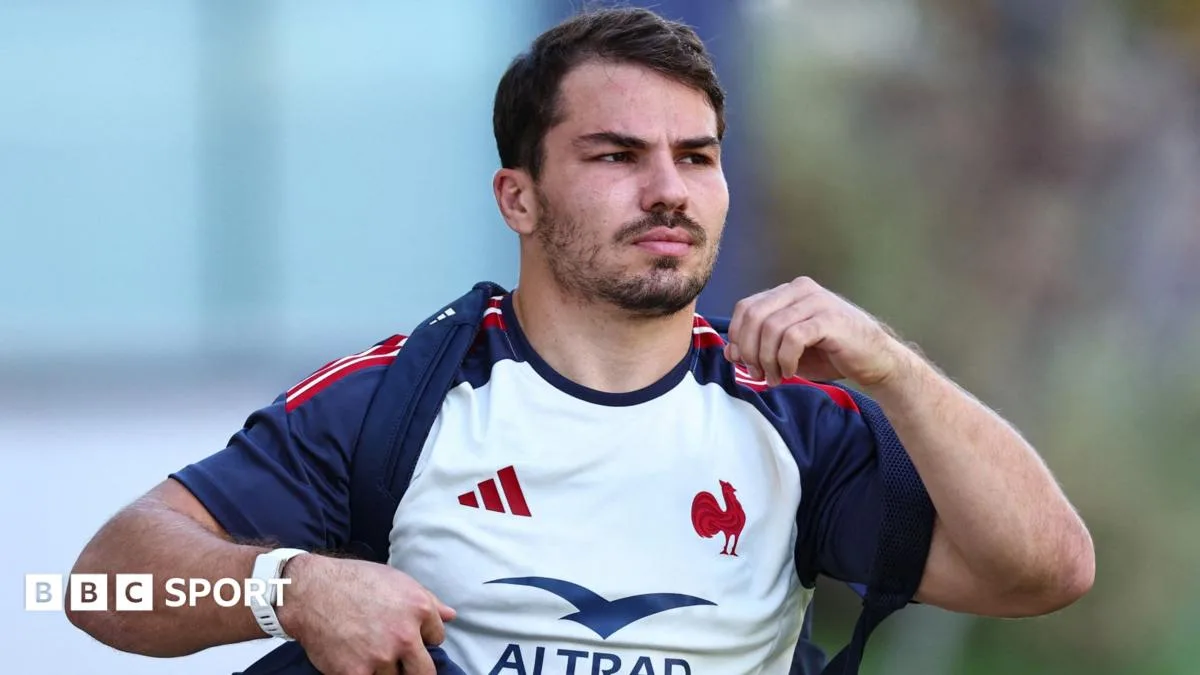
Beyond the immediate tactical maneuvering, this match serves as a referendum on the state of French rugby. Galthié has been vocal about the toll the domestic Top 14 league takes on his players, suggesting that the relentless nature of the club season is leaving his national stars "old before their time." The injury crisis has forced a structural rethink, leading to the departure of foreign coaching consultants and the appointment of domestic specialists like Maxime Petitjean and Geoffrey Doumayrou.
This shift toward a more integrated, league-focused coaching model is an attempt to align the national team’s philosophy with the realities of the French domestic game. By bringing in coaches who understand the specific demands of the Top 14, Galthié hopes to build a more sustainable pipeline of talent. However, the immediate challenge remains the Springboks. With a starting XV that feels significantly greener than their South African counterparts—boasting only 611 combined caps—France is betting on the raw talent of players like Aaron Grandidier-Nkanang to provide the spark needed to overcome a side that remains the gold standard of international rugby.
The Final Verdict: What to Watch
As the clock ticks toward kick-off, the focus will be on whether the French gamble pays off or if the Springboks’ superior depth and experience prove too much. South Africa, despite their own injury concerns regarding stars like Cheslin Kolbe and Handré Pollard, has maintained a level of consistency that is the envy of the rugby world. Their forward pack, anchored by the likes of Siya Kolisi and Pieter-Steph du Toit, will look to dominate the set-piece and stifle the French attack before it can even begin to flow.
For the neutral observer, the match is a fascinating study in contrast: the desperate, innovative, and injury-plagued French side versus the methodical, powerful, and relentless South African juggernaut. If Dupont can master the fly-half role and lead his team to an upset, it will be remembered as one of the greatest tactical masterstrokes in the sport's history. If they fall, it will only deepen the existential questions surrounding the French rugby system. Regardless of the outcome, the match at the Stade de France promises to be a defining moment in the inaugural Nations Championship, setting the tone for the long road to the next World Cup.
Sân vận động Stade de France chuẩn bị chứng kiến một cuộc va chạm vượt xa những giới hạn thông thường của bóng bầu dục quốc tế. Khi giải Nations Championship đầu tiên đang dần đi đến hồi kết, trận đấu giữa Pháp và Nam Phi—hai cường quốc bóng bầu dục đáng gờm nhất thế giới—mang sức nặng của một trận tranh đai hạng nặng. Đối với người Pháp, đây không chỉ đơn thuần là một trận đấu; mà là nỗ lực tuyệt vọng nhằm xua tan bóng ma của một thập kỷ đầy rẫy những lần lỡ hẹn và nỗi đau chiến thuật trước một đội tuyển Springboks đã trở thành chướng ngại vật bất khả xâm phạm.
Câu chuyện dẫn đến trận đại chiến tối thứ Sáu này được định hình bởi một cuộc khủng hoảng chấn thương chưa từng có, buộc huấn luyện viên trưởng đội tuyển Pháp, Fabien Galthié, phải thực hiện một bước ngoặt chiến lược triệt để. Với việc các lựa chọn fly-half chính của ông—Romain Ntamack, Matthieu Jalibert, Thomas Ramos và Antoine Hastoy—đều phải ngồi ngoài, Galthié đã đưa ra quyết định táo bạo là chuyển đội trưởng kiêm scrum-half tài hoa của mình, Antoine Dupont, sang chiếc áo số 10. Đây là động thái cho thấy cả mức độ nghiêm trọng của tình thế hiện tại lẫn những nỗ lực sáng tạo đầy tuyệt vọng mà ban huấn luyện phải thực hiện để thu hẹp khoảng cách giữa đội hình hiện tại và các nhà đương kim vô địch thế giới.
Một thập kỷ thống trị và sức nặng của lịch sử
Để hiểu được tầm quan trọng của cuộc chạm trán thứ Sáu này, người ta phải nhìn vào lịch sử chênh lệch của cặp đấu này. Trong 15 năm qua, Springboks đã phá vỡ mọi thách thức từ phía Pháp với sự hiệu quả lạnh lùng, giành chiến thắng trong chín trên mười lần gặp nhau gần nhất. Đối với người Pháp, ký ức về trận thua sít sao 29-28 tại tứ kết World Cup 2023 vẫn là một vết thương hở—một đêm mà họ đã chơi thứ bóng bầu dục có thể coi là hay nhất của mình nhưng vẫn thất bại trước sự kiên cường về thể chất và tinh thần của cỗ máy Nam Phi.
Sự thống trị của Nam Phi không phải là ngẫu nhiên; đó là kết quả của một hệ thống ưu tiên sự bào mòn thể lực và kỷ luật chiến thuật. Ngay cả khi chỉ còn 14 người trên sân, như đã thấy trong chiến thắng trước đó tại Paris, Springboks đã chứng minh khả năng chịu áp lực đáng kinh ngạc và tung đòn kết liễu với độ chính xác chết người. Rassie Erasmus, bộ não đứng sau "gã khổng lồ" Nam Phi, đã công khai bác bỏ ý nghĩ về sự chủ quan. Ông coi "chảo lửa" của người Pháp không phải là một mối đe dọa, mà là một sân khấu, đồng thời lưu ý rằng các cầu thủ của ông rất tận hưởng cường độ từ đám đông Paris. Đối với Springboks, trận đấu này là một cột mốc quan trọng trong hành trình bảo vệ danh hiệu World Cup lần thứ ba liên tiếp.
Canh bạc chiến thuật: Dupont cầm trịch
Quyết định đặt Antoine Dupont vào vị trí fly-half là một canh bạc sẽ còn được các nhà phân tích bóng bầu dục mổ xẻ trong nhiều năm tới. Dupont, người được coi là cầu thủ xuất sắc nhất thế giới, là bậc thầy ở vị trí scrum-half, nơi tốc độ, tầm nhìn và khả năng phòng ngự của anh là không đối thủ nào sánh kịp. Bằng cách chuyển anh sang vai trò số 10, Galthié thực tế đang yêu cầu đội trưởng của mình điều phối trận đấu từ một vị trí đòi hỏi những yêu cầu chiến thuật khác biệt, đặc biệt là trong chiến lược đá bóng và quản lý trận đấu.
Lý do của Galthié rất rõ ràng: trong một đội hình bị tàn phá bởi chấn thương—đã sử dụng hơn 100 cầu thủ kể từ tháng 6 năm 2024—ông cần người thủ lĩnh có tầm ảnh hưởng lớn nhất của mình chạm bóng càng nhiều càng tốt. Bằng cách ghép cặp Dupont với Maxime Lucu, một scrum-half khác, Pháp đang cố gắng tạo ra một hệ thống "playmaker kép" có thể vượt qua áp lực phòng ngự nghẹt thở từ các tiền đạo Nam Phi. Đó là một giải pháp "khó tin", như chính Galthié thừa nhận, nhưng nó phản ánh thực tế của một đội hình Pháp hiện đang thiếu vắng 30 cầu thủ, những người đóng góp hơn 40% sản lượng ghi điểm gần đây của họ.
Những thay đổi về thể chế và tương lai của bóng bầu dục Pháp
Vượt ra ngoài những toan tính chiến thuật trước mắt, trận đấu này đóng vai trò như một cuộc trưng cầu dân ý về tình trạng của bóng bầu dục Pháp. Galthié đã thẳng thắn nói về cái giá mà giải đấu quốc nội Top 14 gây ra cho các cầu thủ của ông, cho rằng tính chất khốc liệt của mùa giải câu lạc bộ đang khiến các ngôi sao quốc gia của họ "già trước tuổi". Cuộc khủng hoảng chấn thương đã buộc phải có một sự suy ngẫm về cấu trúc, dẫn đến sự ra đi của các cố vấn huấn luyện nước ngoài và việc bổ nhiệm các chuyên gia nội địa như Maxime Petitjean và Geoffrey Doumayrou.
Sự chuyển dịch hướng tới một mô hình huấn luyện tích hợp, tập trung vào giải đấu này là một nỗ lực nhằm điều chỉnh triết lý của đội tuyển quốc gia phù hợp với thực tế của bóng bầu dục Pháp. Bằng cách đưa vào những huấn luyện viên hiểu rõ các yêu cầu cụ thể của Top 14, Galthié hy vọng sẽ xây dựng được một nguồn tài năng bền vững hơn. Tuy nhiên, thách thức trước mắt vẫn là Springboks. Với đội hình xuất phát có vẻ non trẻ hơn đáng kể so với đối thủ Nam Phi—chỉ sở hữu tổng cộng 611 lần khoác áo đội tuyển—Pháp đang đặt cược vào tài năng thô của những cầu thủ như Aaron Grandidier-Nkanang để tạo ra tia lửa cần thiết nhằm vượt qua một đội bóng vẫn là tiêu chuẩn vàng của bóng bầu dục quốc tế.
Phán quyết cuối cùng: Những điều đáng xem
Khi đồng hồ đếm ngược đến giờ khai cuộc, sự chú ý sẽ đổ dồn vào việc liệu canh bạc của người Pháp có thành công hay liệu chiều sâu và kinh nghiệm vượt trội của Springboks sẽ chứng tỏ là quá sức đối với họ. Nam Phi, bất chấp những lo ngại về chấn thương của các ngôi sao như Cheslin Kolbe và Handré Pollard, vẫn duy trì được mức độ ổn định đáng ghen tị trong thế giới bóng bầu dục. Hàng tiền đạo của họ, được neo giữ bởi những cái tên như Siya Kolisi và Pieter-Steph du Tout, sẽ tìm cách thống trị các tình huống cố định và bóp nghẹt đòn tấn công của Pháp trước khi nó kịp bắt đầu.
Đối với những người quan sát trung lập, trận đấu là một nghiên cứu hấp dẫn về sự tương phản: một đội tuyển Pháp tuyệt vọng, đầy sáng tạo và bị chấn thương hành hạ đối đầu với một "cỗ máy" Nam Phi bài bản, mạnh mẽ và không khoan nhượng. Nếu Dupont có thể làm chủ vai trò fly-half và dẫn dắt đội bóng của mình tạo nên cú sốc, đó sẽ được ghi nhớ như một trong những nước đi chiến thuật vĩ đại nhất trong lịch sử môn thể thao này. Nếu họ thất bại, nó sẽ chỉ làm sâu sắc thêm những câu hỏi hiện sinh xoay quanh hệ thống bóng bầu dục Pháp. Bất kể kết quả ra sao, trận đấu tại Stade de France hứa hẹn sẽ là một khoảnh khắc mang tính định hình tại giải Nations Championship đầu tiên, tạo tiền đề cho chặng đường dài hướng tới kỳ World Cup tiếp theo.
Le Stade de France s'apprête à accueillir un choc qui dépasse les frontières habituelles du rugby international. Alors que la première édition du Nations Championship touche à sa fin, l'affiche entre la France et l'Afrique du Sud — les deux puissances les plus redoutables du rugby mondial — revêt l'importance d'un combat pour un titre de champion du monde des poids lourds. Pour les Bleus, ce match n'est pas une simple rencontre ; c'est une tentative désespérée d'exorciser les fantômes d'une décennie de rendez-vous manqués et de déchirements tactiques face à une équipe sud-africaine devenue leur obstacle ultime et infranchissable.
Le récit de ce vendredi soir est marqué par une crise de blessures sans précédent qui a contraint le sélectionneur Fabien Galthié à un virage stratégique radical. Avec ses options habituelles à l'ouverture — Romain Ntamack, Matthieu Jalibert, Thomas Ramos et Antoine Hastoy — toutes sur le flanc, Galthié a pris la décision audacieuse de décaler son capitaine et demi de mêlée talismanique, Antoine Dupont, avec le numéro 10 dans le dos. Un choix qui témoigne à la fois de la gravité de la situation française et des efforts créatifs, presque désespérés, que le staff doit déployer pour combler l'écart entre leur effectif actuel et les champions du monde en titre.
Une décennie de domination et le poids de l'histoire
Pour comprendre la gravité de ce rendez-vous, il faut se pencher sur l'histoire déséquilibrée de cette rivalité. Au cours des 15 dernières années, les Springboks ont démantelé le défi français avec une efficacité clinique, remportant neuf de leurs dix dernières confrontations. Pour la France, le souvenir de la défaite cruelle 29-28 en quart de finale de la Coupe du monde 2023 reste une plaie ouverte : une soirée où ils avaient produit leur meilleur rugby avant de céder face à la résilience physique et mentale de la machine sud-africaine.
La domination de l'Afrique du Sud n'est pas le fruit du hasard ; elle est le produit d'un système qui privilégie l'usure physique et la discipline tactique. Même réduits à 14, comme lors de leur précédente victoire à Paris, les Springboks ont démontré une capacité déconcertante à absorber la pression pour frapper avec une précision chirurgicale. Rassie Erasmus, le cerveau derrière le rouleau compresseur sud-africain, a publiquement balayé toute idée de complaisance. Il ne voit pas le chaudron français comme une menace, mais comme une scène, soulignant que ses joueurs se nourrissent de l'intensité du public parisien. Pour les Springboks, ce match est une étape cruciale dans leur quête d'un troisième titre mondial consécutif historique.
Le pari tactique : Dupont aux commandes
La décision de placer Antoine Dupont à l'ouverture est un pari qui sera scruté par les analystes du monde entier pendant des années. Dupont, largement considéré comme le meilleur joueur de la planète, est un maître à son poste de demi de mêlée, où sa vitesse, sa vision et son activité défensive sont inégalées. En le décalant au numéro 10, Galthié demande en réalité à son capitaine d'orchestrer le jeu depuis une position qui exige des compétences tactiques différentes, notamment en matière de jeu au pied et de gestion du temps fort.
La logique de Galthié est limpide : dans une équipe décimée par les blessures — ayant fait appel à plus de 100 joueurs depuis juin 2024 — il a besoin que son leader le plus influent touche le ballon le plus souvent possible. En associant Dupont à Maxime Lucu, un autre demi de mêlée, la France tente de créer un système à double créateur capable de naviguer dans la pression défensive étouffante des avants sud-africains. C'est une solution "improbable", comme l'a admis Galthié lui-même, mais qui reflète la réalité d'un groupe français privé de 30 joueurs représentant plus de 40 % de leur production offensive récente.
Mutations institutionnelles et avenir du rugby français
Au-delà des manœuvres tactiques immédiates, ce match fait office de référendum sur l'état du rugby français. Galthié s'est exprimé à plusieurs reprises sur le tribut que le Top 14 fait payer à ses joueurs, suggérant que la nature implacable du championnat national use ses stars internationales prématurément. La crise des blessures a forcé une remise en question structurelle, menant au départ de consultants étrangers et à la nomination de spécialistes nationaux comme Maxime Petitjean et Geoffrey Doumayrou.
Ce virage vers un modèle de coaching plus intégré et axé sur le championnat est une tentative d'aligner la philosophie du XV de France sur les réalités du jeu domestique. En faisant appel à des entraîneurs qui comprennent les exigences spécifiques du Top 14, Galthié espère bâtir un vivier de talents plus durable. Cependant, le défi immédiat reste les Springboks. Avec un XV de départ qui semble nettement moins expérimenté que son homologue sud-africain — totalisant seulement 611 sélections cumulées — la France mise sur le talent brut de joueurs comme Aaron Grandidier-Nkanang pour apporter l'étincelle nécessaire afin de renverser une équipe qui demeure l'étalon-or du rugby mondial.
Le verdict final : ce qu'il faut surveiller
Alors que le coup d'envoi approche, toute l'attention sera portée sur la capacité des Bleus à faire fructifier ce pari, ou si la profondeur et l'expérience des Springboks s'avéreront insurmontables. L'Afrique du Sud, malgré ses propres soucis de blessures concernant des stars comme Cheslin Kolbe et Handré Pollard, a maintenu un niveau de régularité qui fait l'envie du monde du rugby. Leur pack d'avants, ancré par des joueurs comme Siya Kolisi et Pieter-Steph du Toit, cherchera à dominer les phases arrêtées et à étouffer l'attaque française avant même qu'elle ne puisse se déployer.
Pour l'observateur neutre, le match est une étude fascinante de contrastes : une équipe française désespérée, innovante et meurtrie face à un rouleau compresseur sud-africain méthodique, puissant et implacable. Si Dupont parvient à maîtriser le poste d'ouvreur et à mener son équipe vers un exploit, cela restera gravé comme l'un des plus grands coups de maître tactiques de l'histoire du sport. En cas de défaite, cela ne fera qu'approfondir les questions existentielles entourant le système du rugby français. Quel que soit le résultat, ce match au Stade de France promet d'être un moment charnière de ce premier Nations Championship, donnant le ton pour la longue route menant à la prochaine Coupe du monde.
El Stade de France se prepara para acoger un choque que trasciende los límites habituales del rugby internacional. A medida que el Nations Championship inaugural se acerca a su conclusión, el enfrentamiento entre Francia y Sudáfrica —las dos potencias rugbísticas más formidables del planeta— adquiere la magnitud de una pelea por el título de los pesos pesados. Para los franceses, esto no es simplemente un partido; es un intento desesperado por exorcizar los fantasmas de una década de oportunidades perdidas y decepciones tácticas frente a un equipo Springbok que se ha convertido en su obstáculo definitivo e inamovible.
La narrativa que rodea este duelo del viernes por la noche viene definida por una crisis de lesiones sin precedentes que ha obligado al seleccionador francés, Fabien Galthié, a realizar un giro estratégico radical. Con sus opciones principales para el puesto de apertura —Romain Ntamack, Matthieu Jalibert, Thomas Ramos y Antoine Hastoy— fuera de combate, Galthié ha tomado la audaz decisión de desplazar a su capitán y talismán, el medio melé Antoine Dupont, a la camiseta número 10. Es un movimiento que señala tanto la gravedad de la situación francesa como los desesperados y creativos esfuerzos que el cuerpo técnico debe realizar para cerrar la brecha entre su plantilla actual y los vigentes campeones del mundo.
Una década de dominio y el peso de la historia
Para comprender la gravedad del encuentro de este viernes, es necesario observar la desigual historia de esta rivalidad. En los últimos 15 años, los Springboks han desmantelado el desafío francés con una eficiencia clínica, ganando nueve de sus últimos diez enfrentamientos. Para Francia, el recuerdo de su ajustada derrota por 29-28 en los cuartos de final de la Copa del Mundo de 2023 sigue siendo una herida abierta; una noche en la que desplegaron, posiblemente, su mejor rugby, solo para sucumbir ante la pura resiliencia física y mental de la maquinaria sudafricana.
El dominio de Sudáfrica no es accidental; es producto de un sistema que prioriza el desgaste físico y la disciplina táctica. Incluso cuando se han visto reducidos a 14 hombres, como se vio en su anterior victoria en París, los Springboks han demostrado una capacidad asombrosa para absorber la presión y golpear con precisión letal. Rassie Erasmus, el cerebro detrás del gigante sudafricano, ha descartado públicamente cualquier noción de complacencia. Considera el caldero francés no como una amenaza, sino como un escenario, señalando que sus jugadores disfrutan de la intensidad del público parisino. Para los Springboks, este partido es un punto de control vital en su búsqueda de un histórico tercer título mundial consecutivo.
La apuesta táctica: Dupont al mando
La decisión de situar a Antoine Dupont como apertura es una apuesta que será analizada por los expertos en rugby durante años. Dupont, considerado ampliamente como el mejor jugador del mundo, es un maestro en la posición de medio melé, donde su velocidad, visión y capacidad defensiva son inigualables. Al desplazarlo al rol de número 10, Galthié le pide efectivamente a su capitán que orqueste el juego desde una posición que requiere un conjunto diferente de exigencias tácticas, particularmente en la estrategia de patada y la gestión del partido.
La lógica de Galthié es clara: en un equipo diezmado por las lesiones —habiendo utilizado a más de 100 jugadores desde junio de 2024—, necesita que su líder más influyente toque el balón tantas veces como sea posible. Al emparejar a Dupont con Maxime Lucu, otro medio melé, Francia intenta crear un sistema de doble creador de juego capaz de navegar la asfixiante presión defensiva de los delanteros sudafricanos. Es una solución "improbable", como admitió el propio Galthié, pero que refleja la realidad de una selección francesa que actualmente cuenta con 30 bajas, las cuales representan más del 40% de su producción anotadora reciente.
Cambios institucionales y el futuro del rugby francés
Más allá de las maniobras tácticas inmediatas, este partido sirve como un referéndum sobre el estado del rugby francés. Galthié se ha mostrado crítico con el desgaste que la liga doméstica, el Top 14, inflige a sus jugadores, sugiriendo que la naturaleza implacable de la temporada de clubes está dejando a sus estrellas nacionales "envejecidas antes de tiempo". La crisis de lesiones ha forzado un replanteamiento estructural, lo que ha llevado a la salida de consultores técnicos extranjeros y al nombramiento de especialistas nacionales como Maxime Petitjean y Geoffrey Doumayrou.
Este giro hacia un modelo de entrenamiento más integrado y centrado en la liga es un intento de alinear la filosofía del equipo nacional con las realidades del juego doméstico francés. Al incorporar entrenadores que comprenden las demandas específicas del Top 14, Galthié espera construir una cantera de talento más sostenible. Sin embargo, el desafío inmediato siguen siendo los Springboks. Con un XV inicial que parece significativamente más inexperto que su homólogo sudafricano —contando con solo 611 internacionalidades combinadas—, Francia apuesta por el talento puro de jugadores como Aaron Grandidier-Nkanang para proporcionar la chispa necesaria para superar a un equipo que sigue siendo el estándar de oro del rugby internacional.
El veredicto final: qué observar
A medida que se acerca el inicio del partido, la atención se centrará en si la apuesta francesa da sus frutos o si la superior profundidad y experiencia de los Springboks resultan ser demasiado. Sudáfrica, a pesar de sus propias preocupaciones por las lesiones de estrellas como Cheslin Kolbe y Handré Pollard, ha mantenido un nivel de consistencia que es la envidia del mundo del rugby. Su paquete de delanteros, anclado por figuras como Siya Kolisi y Pieter-Steph du Toit, buscará dominar las formaciones fijas y sofocar el ataque francés antes de que pueda empezar a fluir.
Para el observador neutral, el partido es un fascinante estudio de contrastes: el equipo francés, desesperado, innovador y plagado de lesiones, frente al gigante sudafricano, metódico, poderoso e implacable. Si Dupont logra dominar el rol de apertura y liderar a su equipo hacia una victoria sorprendente, será recordado como uno de los mayores golpes maestros tácticos en la historia del deporte. Si caen, solo profundizará las preguntas existenciales que rodean al sistema de rugby francés. Independientemente del resultado, el partido en el Stade de France promete ser un momento definitorio en el Nations Championship inaugural, marcando el tono para el largo camino hacia la próxima Copa del Mundo.
法兰西大球场即将迎来一场超越国际橄榄球常规边界的巅峰对决。随着首届国家冠军赛进入尾声,法国队与南非队——这两支当今世界橄榄球界最强大的力量——之间的较量,其分量堪比重量级拳王争霸赛。对于法国队而言,这不仅是一场比赛,更是一次试图驱散过去十年间面对南非“跳羚”时那挥之不去的阴霾与战术挫败感的绝望尝试,后者已成为他们通往巅峰道路上那座难以逾越的终极障碍。
这场周五晚间对决的叙事背景,是由一场史无前例的伤病危机所定义的,这迫使法国队主教练法比安·加尔蒂埃(Fabien Galthié)不得不进行激进的战略调整。由于其首选传接锋——罗曼·恩塔马克(Romain Ntamack)、马蒂厄·雅利贝尔(Matthieu Jalibert)、托马斯·拉莫斯(Thomas Ramos)和安托万·阿斯托伊(Antoine Hastoy)——全部因伤缺阵,加尔蒂埃做出了一个大胆的决定:将队长兼核心传锋安托万·杜邦(Antoine Dupont)移至10号位。这一变动既凸显了法国队处境的严峻,也反映了教练组为了弥补现有阵容与卫冕世界冠军之间的差距,不得不采取的孤注一掷的创造性手段。
十年的统治与历史的重压
要理解周五这场比赛的重要性,必须审视这段失衡的竞争历史。在过去的15年里,南非跳羚队以冷酷的效率瓦解了法国队的挑战,在最近的10次交锋中赢下了9场。对于法国人来说,2023年世界杯四分之一决赛中那场29-28的惜败依然是一道尚未愈合的伤口——那一晚,他们打出了堪称完美的橄榄球,却最终倒在了南非机器那纯粹的身体素质与心理韧性面前。
南非队的统治并非偶然,而是其优先考虑身体对抗与战术纪律的体系产物。正如在巴黎的那场胜利中所见,即便在被罚下一人、以14人应战的情况下,跳羚队依然展现出惊人的抗压能力,并能以致命的精准度进行反击。南非橄榄球的幕后操盘手拉西·埃拉斯穆斯(Rassie Erasmus)公开驳斥了有关“自满”的说法。他并不认为法国的主场氛围是一种威胁,反而将其视为一个舞台,并指出他的球员非常享受巴黎观众带来的高压环境。对于跳羚队而言,这场比赛是他们冲击史无前例的三连冠世界杯伟业中的关键一环。
战术豪赌:杜邦挂帅
将安托万·杜邦放在传接锋位置上的决定,注定将成为橄榄球分析师未来多年反复审视的赌局。杜邦被公认为当今世界最佳球员,他是传锋位置上的大师,其速度、视野和防守贡献率无人能及。通过将他移至10号位,加尔蒂埃实际上是在要求他的队长从一个需要完全不同战术要求的位置来指挥比赛,尤其是在踢球策略和比赛管理方面。
加尔蒂埃的逻辑很明确:在一支伤兵满营的队伍中——自2024年6月以来,球队已经轮换了超过100名球员——他需要他最具影响力的领袖尽可能多地触球。通过让杜邦与另一位传锋马克西姆·卢库(Maxime Lucu)搭档,法国队试图建立一套双组织核心系统,以应对南非前锋群令人窒息的防守压力。正如加尔蒂埃本人所承认的,这是一个“不可思议”的解决方案,但也反映了法国队目前的现实:球队目前缺席了30名球员,这些人贡献了近期得分的40%以上。
体制转型与法国橄榄球的未来
除了即时的战术调整,这场比赛也是对法国橄榄球现状的一次公投。加尔蒂埃一直直言不讳地批评国内Top 14联赛对球员的消耗,认为俱乐部赛季的残酷性让他的国家队明星们“未老先衰”。伤病危机迫使球队进行了结构性的反思,导致了外籍教练顾问的离任,以及马克西姆·珀蒂让(Maxime Petitjean)和杰弗里·杜马尤(Geoffrey Doumayrou)等本土专家的上任。
这种向更具整合性、以联赛为中心的教练模式的转变,是试图将国家队的哲学与法国国内比赛的现实相结合。通过引入了解Top 14特定需求的教练,加尔蒂埃希望建立一个更可持续的人才输送管道。然而,眼前的挑战依然是南非队。面对一支首发阵容比南非队明显稚嫩——总出场次数仅为611次——的对手,法国队正寄希望于像亚伦·格兰迪迪耶-恩卡南(Aaron Grandidier-Nkanang)这样的天才球员,能为球队提供击败这支国际橄榄球标杆球队所需的火花。
最终裁决:看点何在
随着开球时间的临近,焦点将集中在法国队的这场豪赌能否奏效,或者南非队更深厚的底蕴与经验是否会成为压垮对手的最后一根稻草。尽管南非队自身也面临着切斯林·科尔比(Cheslin Kolbe)和汉德雷·波拉德(Handré Pollard)等球星的伤病困扰,但他们始终保持着令橄榄球界羡慕的稳定性。由西亚·科利西(Siya Kolisi)和彼得-斯蒂芬·杜·托伊特(Pieter-Steph du Toit)领衔的前锋群,将寻求在定位球中占据统治地位,并在法国队的进攻展开之前就将其扼杀。
对于中立观众而言,这场比赛是一场迷人的对比研究:绝望、创新且伤病缠身的法国队,对阵严谨、强悍且无情的南非巨兽。如果杜邦能够驾驭传接锋这一角色并带领球队爆冷,这将成为该运动历史上最伟大的战术神来之笔之一;如果他们落败,只会加深外界对法国橄榄球体系的质疑。无论结果如何,法兰西大球场的这场对决都注定成为首届国家冠军赛的决定性时刻,并为通往下一届世界杯的漫漫长路定下基调。
Editorial Standards & Multi-Language Synthesis: This dispatch was synthesized and fact-checked by the ParisDaily Editorial Desk across 5 global editions (EN, FR, VI, ES, ZH), cross-referencing primary international wire reports and real-time search intelligence.