Le virage scénarisé : comment Gap Inc. mise son avenir sur le « fashiontainment »
Gap Inc. CEO Richard Dickson and Chief Entertainment Officer Pam Kaufman are pivoting the retail giant toward a culture-first strategy. The goal: transforming legacy apparel into a dynamic, entertainment-driven ecosystem.
CEO Richard Dickson và Giám đốc Giải trí Pam Kaufman đang dẫn dắt gã khổng lồ bán lẻ Gap Inc. chuyển mình sang chiến lược ưu tiên văn hóa. Mục tiêu của họ là biến những dòng sản phẩm thời trang di sản thành một hệ sinh thái năng động, lấy giải trí làm trọng tâm.
Le PDG de Gap Inc., Richard Dickson, et la directrice du divertissement, Pam Kaufman, réorientent le géant du prêt-à-porter vers une stratégie axée sur la culture. L'objectif : transformer une marque historique en un écosystème dynamique porté par le divertissement.
El CEO de Gap Inc., Richard Dickson, y la directora de entretenimiento, Pam Kaufman, están orientando al gigante minorista hacia una estrategia centrada en la cultura. El objetivo: transformar la ropa de legado en un ecosistema dinámico impulsado por el entretenimiento.
Gap集团首席执行官理查德·迪克森(Richard Dickson)与首席娱乐官帕姆·考夫曼(Pam Kaufman)正引领这家零售巨头转向“文化优先”战略。其核心目标是将传统的服装业务转型为一个充满活力的、以娱乐驱动的生态系统。
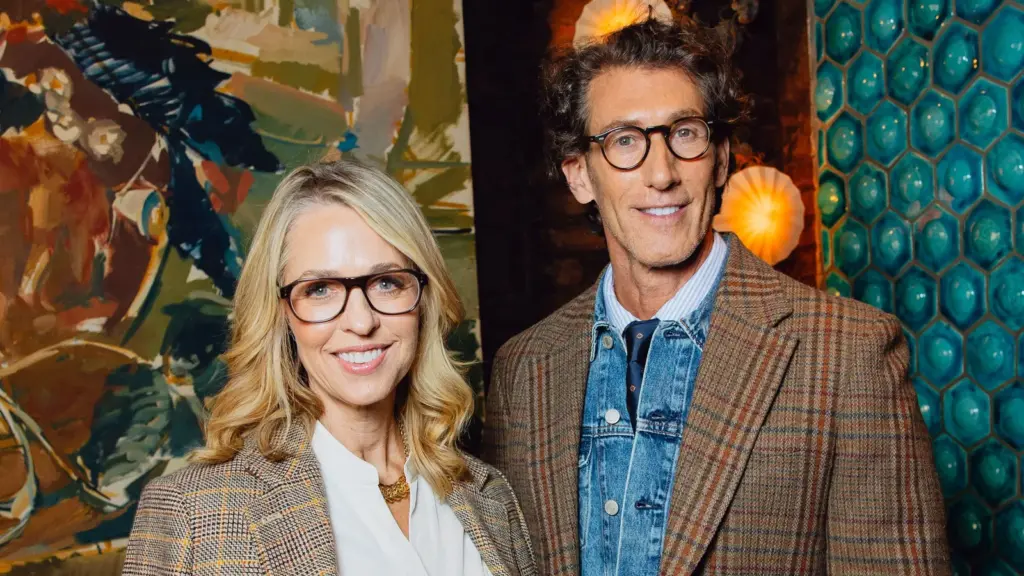
- Gap Inc. has appointed its first Chief Entertainment Officer, Pam Kaufman, to bridge the gap between retail and pop culture.
- CEO Richard Dickson spent three years stabilizing the company’s inventory and discounting cycles before pivoting to this new creative strategy.
- The strategy focuses on 'fashiontainment,' utilizing partnerships with music, gaming, and Hollywood to drive brand relevance.
- The company is shifting from a monologue-style marketing approach to a dialogue-based model to foster deeper consumer loyalty.
- Gap Inc. đã bổ nhiệm Pam Kaufman vào vị trí Giám đốc Giải trí đầu tiên nhằm xóa nhòa ranh giới giữa bán lẻ và văn hóa đại chúng.
- CEO Richard Dickson đã dành ba năm để ổn định hàng tồn kho và các chu kỳ giảm giá trước khi chuyển hướng sang chiến lược sáng tạo mới này.
- Chiến lược tập trung vào 'fashiontainment' (thời trang kết hợp giải trí), tận dụng các quan hệ đối tác trong âm nhạc, trò chơi điện tử và Hollywood để thúc đẩy mức độ phù hợp của thương hiệu.
- Công ty đang chuyển dịch từ mô hình tiếp thị độc thoại sang mô hình đối thoại nhằm nuôi dưỡng lòng trung thành sâu sắc hơn từ người tiêu dùng.
- Gap Inc. a nommé sa première directrice du divertissement, Pam Kaufman, pour jeter un pont entre la vente au détail et la culture pop.
- Le PDG Richard Dickson a passé trois ans à stabiliser les stocks et les cycles de promotion de l'entreprise avant d'amorcer ce virage créatif.
- La stratégie repose sur le « fashiontainment », utilisant des partenariats avec la musique, le jeu vidéo et Hollywood pour renforcer la pertinence de la marque.
- L'entreprise abandonne son marketing à sens unique pour un modèle basé sur le dialogue, afin de fidéliser davantage ses consommateurs.
- Gap Inc. ha nombrado a su primera directora de entretenimiento, Pam Kaufman, para tender un puente entre el comercio minorista y la cultura pop.
- El CEO Richard Dickson dedicó tres años a estabilizar el inventario y los ciclos de descuentos de la empresa antes de pivotar hacia esta nueva estrategia creativa.
- La estrategia se centra en el «fashiontainment», utilizando asociaciones con la música, los videojuegos y Hollywood para impulsar la relevancia de la marca.
- La compañía está pasando de un enfoque de marketing de estilo monólogo a un modelo basado en el diálogo para fomentar una lealtad más profunda en el consumidor.
- Gap集团任命了首位首席娱乐官帕姆·考夫曼,旨在架起零售与流行文化之间的桥梁。
- 首席执行官理查德·迪克森在转向这一创意战略前,耗时三年完成了公司库存清理与折扣周期的稳定工作。
- 该战略聚焦于“时尚娱乐化”(fashiontainment),通过与音乐、游戏及好莱坞的深度合作来提升品牌关联度。
- 公司正从单向输出的营销模式转向基于对话的互动模式,以培养更深层次的消费者忠诚度。
In the high-stakes theater of modern retail, few brands have faced as arduous a climb as Gap Inc. For years, the once-ubiquitous titan of American casual wear found itself adrift, trapped in a cycle of heavy discounting and diluted brand identity. However, under the stewardship of CEO Richard Dickson—a veteran of the toy industry who famously revitalized the Barbie brand at Mattel—the company is undergoing a radical metamorphosis. By appointing Pam Kaufman, a former executive at Paramount Global and Nickelodeon, as the company’s first Chief Entertainment Officer, Gap is signaling a departure from traditional retail marketing in favor of a strategy they call “fashiontainment.”
This shift is not merely cosmetic; it is a fundamental recalibration of how a legacy brand interacts with a generation that demands immersion. By moving beyond the transactional nature of selling denim and khakis, Dickson and Kaufman are attempting to turn Gap’s retail footprint into a cultural stage. The strategy is anchored in the belief that in an era of fractured attention, a brand must stop acting like a static catalog and start acting like a storyteller. As the company moves past its “fix-it” phase, the focus has shifted toward creating authentic, long-term narratives that resonate with Gen Z and Gen Alpha, effectively turning the mall—once the graveyard of retail relevance—back into a destination for live experience.
The Architecture of a Cultural Pivot
The appointment of Pam Kaufman is the cornerstone of this new era. With two decades of experience managing powerhouse intellectual properties like SpongeBob SquarePants, Kaufman brings a “studio mindset” to the garment industry. Her mandate is to weave Gap’s brands—Gap, Banana Republic, Old Navy, and Athleta—into the fabric of sports, music, and gaming. The recent partnership with the emerging boy band JYT serves as the blueprint: this is not a fleeting celebrity endorsement, but a multi-faceted collaboration involving a docuseries, a mall tour, and a capsule collection designed by the artists themselves.
For Richard Dickson, this strategy is the logical evolution of his tenure. Upon joining Gap in 2023, his primary mission was to stabilize the company’s operational health. “We weren’t ready for Pam,” Dickson admits, noting that the company had spent three years cleaning up inventory and ending the addiction to 50% off sales. Having restored the fundamentals, the leadership team is now empowered to take risks. The transition from “stuff” to “story” is the defining characteristic of this phase, moving the company away from the commoditized, discount-driven model that defined its decline and toward a value-driven model that prioritizes brand equity.
Why Wall Street Is Watching the ‘Fashiontainment’ Playbook
The retail industry is currently grappling with a crisis of loyalty. Consumers are increasingly fickle, and the traditional monologue of “this is what we sell, buy it” no longer commands the attention it once did. Gap’s pivot to a dialogue-based model is a direct response to this shift. By treating stores as stages and marketing as content, Gap is attempting to build a “flywheel” of engagement. The logic is simple: capture attention through cultural relevance, and convert that attention into revenue through high-quality, authentic product offerings.
This approach is particularly significant because it challenges the traditional silos of the fashion industry. Historically, retail has been a business of logistics and supply chain management. By importing talent from the entertainment sector, Gap is acknowledging that the modern consumer’s wallet is increasingly influenced by the same forces that drive Hollywood and the music industry. The challenge, as both Dickson and Kaufman acknowledge, is maintaining the discipline of a multi-billion dollar operation while fostering the agility of a media startup. It is a delicate balance of art and science, where the “torture” of managing millions of units must coexist with the creative freedom to experiment with new cultural partnerships.
The Road Ahead: From Attention to Enduring Fandom
As Gap moves forward, the primary metric for success will be whether this “fashiontainment” strategy can translate into sustained, long-term consumer relationships. The company is currently in a “perform while you transform” state, balancing the pressures of being a public entity with the necessity of long-term brand building. The risk is high; if the content fails to resonate, or if the partnerships feel forced, the brand risks alienating its core customer base. However, the early response to the mall-tour concept suggests that there is still a powerful, latent nostalgia for the “Gap experience” that can be harnessed if paired with the right modern narrative.
Ultimately, the success of this era will depend on the company’s ability to curate its partnerships with surgical precision. Kaufman emphasizes that the goal is not to have a million partners, but to find the few that align perfectly with the brand’s DNA. As Gap continues to navigate this transition, the broader retail sector will be watching closely. If Dickson and Kaufman succeed, they will have provided a masterclass in how to modernize a legacy brand without losing its soul. The future of retail, it seems, is not just in the clothes on the rack, but in the story that convinces the customer to walk through the door.
Trong sân khấu đầy khắc nghiệt của ngành bán lẻ hiện đại, ít thương hiệu nào phải đối mặt với hành trình gian nan như Gap Inc. Trong nhiều năm, gã khổng lồ từng thống trị thị trường thời trang thường nhật của Mỹ đã rơi vào trạng thái mất phương hướng, bị mắc kẹt trong vòng xoáy giảm giá liên tục và sự nhạt nhòa của bản sắc thương hiệu. Tuy nhiên, dưới sự dẫn dắt của CEO Richard Dickson—một cựu binh trong ngành đồ chơi, người từng làm nên kỳ tích hồi sinh thương hiệu Barbie tại Mattel—công ty đang trải qua một cuộc lột xác triệt để. Bằng việc bổ nhiệm Pam Kaufman, cựu giám đốc điều hành tại Paramount Global và Nickelodeon, vào vị trí Giám đốc Giải trí đầu tiên, Gap đang phát đi tín hiệu rời bỏ lối tiếp thị bán lẻ truyền thống để ủng hộ một chiến lược mà họ gọi là “fashiontainment”.
Sự thay đổi này không chỉ đơn thuần là hình thức; đó là một cuộc tái định chuẩn căn bản về cách một thương hiệu di sản tương tác với thế hệ khách hàng đòi hỏi sự trải nghiệm nhập vai. Bằng cách vượt ra khỏi bản chất giao dịch thuần túy của việc bán quần jeans và quần kaki, Dickson và Kaufman đang nỗ lực biến không gian bán lẻ của Gap thành một sân khấu văn hóa. Chiến lược này dựa trên niềm tin rằng trong kỷ nguyên của sự phân mảnh chú ý, một thương hiệu phải ngừng hành xử như một cuốn danh mục sản phẩm tĩnh và bắt đầu đóng vai trò của một người kể chuyện. Khi công ty vượt qua giai đoạn “sửa chữa”, trọng tâm đã chuyển sang việc tạo ra những câu chuyện chân thực, dài hạn có khả năng kết nối với Gen Z và Gen Alpha, qua đó biến trung tâm thương mại—nơi từng được coi là “nghĩa địa” của ngành bán lẻ—trở thành điểm đến cho những trải nghiệm trực tiếp.
Kiến trúc của một cuộc xoay trục văn hóa
Việc bổ nhiệm Pam Kaufman là viên gạch nền tảng cho kỷ nguyên mới này. Với hai thập kỷ kinh nghiệm quản lý các tài sản trí tuệ quyền lực như SpongeBob SquarePants, Kaufman mang “tư duy studio” vào ngành may mặc. Nhiệm vụ của bà là đan cài các thương hiệu của Gap—Gap, Banana Republic, Old Navy và Athleta—vào cấu trúc của thể thao, âm nhạc và trò chơi điện tử. Quan hệ đối tác gần đây với nhóm nhạc nam mới nổi JYT chính là bản thiết kế mẫu: đây không phải là một chiến dịch quảng bá chóng vánh của người nổi tiếng, mà là một sự hợp tác đa diện bao gồm một loạt phim tài liệu, một chuyến lưu diễn tại các trung tâm thương mại và một bộ sưu tập giới hạn do chính các nghệ sĩ thiết kế.
Đối với Richard Dickson, chiến lược này là sự tiến hóa tất yếu trong nhiệm kỳ của ông. Khi gia nhập Gap vào năm 2023, sứ mệnh chính của ông là ổn định sức khỏe vận hành của công ty. “Chúng tôi chưa sẵn sàng cho Pam vào thời điểm đó,” Dickson thừa nhận, đồng thời lưu ý rằng công ty đã mất ba năm để dọn dẹp hàng tồn kho và chấm dứt sự phụ thuộc vào các đợt giảm giá 50%. Sau khi khôi phục các nền tảng cơ bản, đội ngũ lãnh đạo hiện đã được trao quyền để chấp nhận rủi ro. Sự chuyển dịch từ “hàng hóa” sang “câu chuyện” là đặc điểm định hình giai đoạn này, đưa công ty rời xa mô hình thương mại hóa, dựa vào giảm giá vốn đã dẫn đến sự suy tàn, để hướng tới một mô hình dựa trên giá trị, ưu tiên vốn thương hiệu.
Tại sao Phố Wall lại theo dõi 'cẩm nang' Fashiontainment
Ngành bán lẻ hiện đang vật lộn với cuộc khủng hoảng lòng trung thành. Người tiêu dùng ngày càng thay đổi thất thường, và lối độc thoại truyền thống kiểu “đây là thứ chúng tôi bán, hãy mua đi” không còn thu hút được sự chú ý như trước. Việc Gap chuyển sang mô hình đối thoại là phản ứng trực tiếp trước sự thay đổi này. Bằng cách coi các cửa hàng là sân khấu và tiếp thị là nội dung, Gap đang cố gắng xây dựng một “bánh đà” gắn kết. Logic rất đơn giản: thu hút sự chú ý thông qua sự phù hợp về văn hóa, và chuyển đổi sự chú ý đó thành doanh thu thông qua các sản phẩm chất lượng cao, chân thực.
Cách tiếp cận này đặc biệt quan trọng vì nó thách thức các rào cản truyền thống của ngành thời trang. Trong lịch sử, bán lẻ là một công việc của logistics và quản lý chuỗi cung ứng. Bằng cách nhập khẩu nhân tài từ lĩnh vực giải trí, Gap đang thừa nhận rằng ví tiền của người tiêu dùng hiện đại ngày càng bị ảnh hưởng bởi chính những thế lực đang thúc đẩy Hollywood và ngành công nghiệp âm nhạc. Thách thức, như cả Dickson và Kaufman đều thừa nhận, là duy trì kỷ luật của một tập đoàn hàng tỷ đô la trong khi vẫn nuôi dưỡng sự linh hoạt của một startup truyền thông. Đó là sự cân bằng tinh tế giữa nghệ thuật và khoa học, nơi “nỗi khổ” của việc quản lý hàng triệu đơn vị sản phẩm phải tồn tại song song với sự tự do sáng tạo để thử nghiệm các quan hệ đối tác văn hóa mới.
Con đường phía trước: Từ sự chú ý đến lòng hâm mộ bền vững
Khi Gap tiến về phía trước, thước đo thành công chính sẽ là liệu chiến lược “fashiontainment” này có thể chuyển hóa thành các mối quan hệ khách hàng bền vững và lâu dài hay không. Công ty hiện đang ở trạng thái “vừa thực thi vừa chuyển đổi”, cân bằng giữa áp lực của một thực thể đại chúng với sự cần thiết của việc xây dựng thương hiệu dài hạn. Rủi ro là rất lớn; nếu nội dung không gây được tiếng vang, hoặc nếu các mối quan hệ đối tác tạo cảm giác gượng ép, thương hiệu có nguy cơ làm xa lánh cơ sở khách hàng cốt lõi của mình. Tuy nhiên, phản ứng ban đầu đối với khái niệm lưu diễn tại trung tâm thương mại cho thấy vẫn còn một sự hoài niệm mạnh mẽ, tiềm ẩn về “trải nghiệm Gap” có thể được khai thác nếu kết hợp với một câu chuyện hiện đại phù hợp.
Cuối cùng, sự thành công của kỷ nguyên này sẽ phụ thuộc vào khả năng quản lý các quan hệ đối tác của công ty với độ chính xác như phẫu thuật. Kaufman nhấn mạnh rằng mục tiêu không phải là có hàng triệu đối tác, mà là tìm ra những đối tác phù hợp hoàn hảo với DNA của thương hiệu. Khi Gap tiếp tục điều hướng quá trình chuyển đổi này, ngành bán lẻ rộng lớn hơn sẽ theo dõi sát sao. Nếu Dickson và Kaufman thành công, họ sẽ tạo ra một bài học kinh điển về cách hiện đại hóa một thương hiệu di sản mà không đánh mất linh hồn của nó. Tương lai của ngành bán lẻ, có vẻ như, không chỉ nằm ở những bộ quần áo trên giá treo, mà nằm ở câu chuyện thuyết phục khách hàng bước qua cánh cửa đó.
Dans le théâtre aux enjeux élevés du commerce moderne, peu de marques ont dû affronter une ascension aussi ardue que Gap Inc. Pendant des années, ce titan autrefois omniprésent du prêt-à-porter américain s'est retrouvé à la dérive, piégé dans un cycle de soldes agressives et d'identité de marque diluée. Cependant, sous la houlette de son PDG Richard Dickson — un vétéran de l'industrie du jouet qui a fait sensation en revitalisant la marque Barbie chez Mattel — l'entreprise opère une métamorphose radicale. En nommant Pam Kaufman, ancienne cadre chez Paramount Global et Nickelodeon, au poste de directrice du divertissement, Gap marque une rupture avec le marketing traditionnel au profit d'une stratégie baptisée « fashiontainment ».
Ce changement n'est pas seulement cosmétique ; il s'agit d'un recalibrage fondamental de la manière dont une marque historique interagit avec une génération qui exige de l'immersion. En dépassant la nature transactionnelle de la vente de jeans et de chinos, Dickson et Kaufman tentent de transformer les points de vente de Gap en une véritable scène culturelle. Cette stratégie repose sur la conviction qu'à une époque où l'attention est fragmentée, une marque doit cesser d'agir comme un catalogue statique pour devenir une conteuse d'histoires. Alors que l'entreprise tourne la page de sa phase de « redressement », l'accent est désormais mis sur la création de récits authentiques et durables qui résonnent auprès de la Gen Z et de la Gen Alpha, transformant efficacement le centre commercial — autrefois cimetière de la pertinence commerciale — en une destination d'expériences vivantes.
L'architecture d'un pivot culturel
La nomination de Pam Kaufman est la pierre angulaire de cette nouvelle ère. Forte de deux décennies d'expérience dans la gestion de propriétés intellectuelles puissantes comme Bob l'éponge, Kaufman apporte un « état d'esprit de studio » à l'industrie du vêtement. Son mandat consiste à tisser les marques de Gap — Gap, Banana Republic, Old Navy et Athleta — dans le tissu du sport, de la musique et du jeu vidéo. Le récent partenariat avec le boys band émergent JYT sert de modèle : il ne s'agit pas d'une simple apparition de célébrité éphémère, mais d'une collaboration multidimensionnelle impliquant une série documentaire, une tournée dans les centres commerciaux et une collection capsule conçue par les artistes eux-mêmes.
Pour Richard Dickson, cette stratégie est l'évolution logique de son mandat. À son arrivée chez Gap en 2023, sa mission principale était de stabiliser la santé opérationnelle de l'entreprise. « Nous n'étions pas prêts pour Pam », admet Dickson, soulignant que l'entreprise a passé trois ans à assainir ses stocks et à mettre fin à l'addiction aux soldes de 50 %. Après avoir rétabli les fondamentaux, l'équipe dirigeante est désormais en mesure de prendre des risques. La transition du « produit » vers le « récit » est la caractéristique déterminante de cette phase, éloignant l'entreprise du modèle banalisé et axé sur les rabais qui a défini son déclin, pour se diriger vers un modèle créateur de valeur qui privilégie le capital de marque.
Pourquoi Wall Street observe le manuel du « fashiontainment »
Le secteur de la vente au détail est actuellement confronté à une crise de la fidélité. Les consommateurs sont de plus en plus versatiles, et le monologue traditionnel du « voici ce que nous vendons, achetez-le » ne retient plus l'attention comme autrefois. Le pivot de Gap vers un modèle basé sur le dialogue est une réponse directe à ce changement. En traitant les magasins comme des scènes et le marketing comme du contenu, Gap tente de créer un cercle vertueux d'engagement. La logique est simple : capter l'attention par la pertinence culturelle, et convertir cette attention en revenus grâce à des offres de produits authentiques et de haute qualité.
Cette approche est particulièrement significative car elle remet en question les silos traditionnels de l'industrie de la mode. Historiquement, le commerce de détail était une affaire de logistique et de gestion de la chaîne d'approvisionnement. En important des talents du secteur du divertissement, Gap reconnaît que le portefeuille du consommateur moderne est de plus en plus influencé par les mêmes forces que celles qui animent Hollywood et l'industrie musicale. Le défi, comme le reconnaissent Dickson et Kaufman, est de maintenir la discipline d'une opération de plusieurs milliards de dollars tout en favorisant l'agilité d'une startup médiatique. C'est un équilibre délicat entre art et science, où la « torture » de la gestion de millions d'unités doit coexister avec la liberté créative d'expérimenter de nouveaux partenariats culturels.
La route à suivre : de l'attention à la communauté durable
À mesure que Gap avance, l'indicateur principal de succès sera la capacité de cette stratégie de « fashiontainment » à se traduire par des relations durables avec les consommateurs. L'entreprise est actuellement dans un état de « performance pendant la transformation », équilibrant les pressions liées à son statut d'entité publique avec la nécessité de construire une marque sur le long terme. Le risque est élevé ; si le contenu ne résonne pas, ou si les partenariats semblent forcés, la marque risque d'aliéner sa clientèle principale. Cependant, l'accueil réservé au concept de tournée dans les centres commerciaux suggère qu'il existe encore une puissante nostalgie latente pour « l'expérience Gap », qui peut être exploitée si elle est associée au bon récit moderne.
En fin de compte, le succès de cette ère dépendra de la capacité de l'entreprise à sélectionner ses partenariats avec une précision chirurgicale. Kaufman souligne que l'objectif n'est pas d'avoir un million de partenaires, mais de trouver ceux qui s'alignent parfaitement avec l'ADN de la marque. Alors que Gap continue de naviguer dans cette transition, le secteur de la vente au détail dans son ensemble observera attentivement. Si Dickson et Kaufman réussissent, ils auront offert une masterclass sur la manière de moderniser une marque historique sans perdre son âme. L'avenir du commerce, semble-t-il, ne réside pas seulement dans les vêtements sur les cintres, mais dans l'histoire qui convainc le client de franchir la porte.
En el teatro de alto riesgo del comercio minorista moderno, pocas marcas han enfrentado un ascenso tan arduo como Gap Inc. Durante años, el otrora omnipresente titán de la moda casual estadounidense se encontró a la deriva, atrapado en un ciclo de descuentos agresivos y una identidad de marca diluida. Sin embargo, bajo la dirección del CEO Richard Dickson —un veterano de la industria del juguete que revitalizó con éxito la marca Barbie en Mattel—, la compañía está experimentando una metamorfosis radical. Al nombrar a Pam Kaufman, exejecutiva de Paramount Global y Nickelodeon, como la primera directora de entretenimiento de la empresa, Gap señala un alejamiento del marketing minorista tradicional en favor de una estrategia que denominan "fashiontainment".
Este cambio no es meramente cosmético; es una recalibración fundamental de cómo una marca histórica interactúa con una generación que exige inmersión. Al trascender la naturaleza transaccional de vender vaqueros y pantalones caqui, Dickson y Kaufman intentan convertir la huella minorista de Gap en un escenario cultural. La estrategia se basa en la creencia de que, en una era de atención fragmentada, una marca debe dejar de actuar como un catálogo estático y empezar a comportarse como un narrador. A medida que la compañía supera su fase de "reparación", el enfoque se ha desplazado hacia la creación de narrativas auténticas y a largo plazo que resuenen con la Generación Z y la Generación Alfa, convirtiendo efectivamente el centro comercial —antaño el cementerio de la relevancia minorista— de nuevo en un destino para la experiencia en vivo.
La arquitectura de un giro cultural
El nombramiento de Pam Kaufman es la piedra angular de esta nueva era. Con dos décadas de experiencia gestionando propiedades intelectuales de gran peso como Bob Esponja, Kaufman aporta una "mentalidad de estudio" a la industria textil. Su mandato es tejer las marcas de Gap —Gap, Banana Republic, Old Navy y Athleta— en el tejido del deporte, la música y los videojuegos. La reciente asociación con la emergente banda de chicos JYT sirve como modelo: no se trata de un respaldo efímero de una celebridad, sino de una colaboración multifacética que incluye una serie documental, una gira por centros comerciales y una colección cápsula diseñada por los propios artistas.
Para Richard Dickson, esta estrategia es la evolución lógica de su mandato. Al unirse a Gap en 2023, su misión principal fue estabilizar la salud operativa de la empresa. "No estábamos listos para Pam", admite Dickson, señalando que la compañía había pasado tres años saneando el inventario y terminando con la adicción a las rebajas del 50%. Una vez restaurados los fundamentos, el equipo de liderazgo tiene ahora la capacidad de asumir riesgos. La transición de "productos" a "historias" es la característica definitoria de esta fase, alejando a la compañía del modelo mercantilista impulsado por descuentos que marcó su declive y acercándola a un modelo basado en el valor que prioriza el capital de marca.
Por qué Wall Street observa el manual del «fashiontainment»
La industria minorista se enfrenta actualmente a una crisis de lealtad. Los consumidores son cada vez más volubles y el monólogo tradicional de "esto es lo que vendemos, cómpralo" ya no capta la atención como antes. El giro de Gap hacia un modelo basado en el diálogo es una respuesta directa a este cambio. Al tratar las tiendas como escenarios y el marketing como contenido, Gap intenta construir un "volante" de compromiso. La lógica es sencilla: captar la atención a través de la relevancia cultural y convertir esa atención en ingresos mediante ofertas de productos auténticos y de alta calidad.
Este enfoque es particularmente significativo porque desafía los silos tradicionales de la industria de la moda. Históricamente, el comercio minorista ha sido un negocio de logística y gestión de la cadena de suministro. Al importar talento del sector del entretenimiento, Gap reconoce que la cartera del consumidor moderno está cada vez más influenciada por las mismas fuerzas que impulsan Hollywood y la industria musical. El desafío, como reconocen tanto Dickson como Kaufman, es mantener la disciplina de una operación multimillonaria mientras se fomenta la agilidad de una startup de medios. Es un delicado equilibrio entre arte y ciencia, donde la "tortura" de gestionar millones de unidades debe coexistir con la libertad creativa para experimentar con nuevas asociaciones culturales.
El camino por delante: de la atención al fanatismo duradero
A medida que Gap avanza, la métrica principal para el éxito será si esta estrategia de "fashiontainment" puede traducirse en relaciones sostenidas y a largo plazo con los consumidores. La compañía se encuentra actualmente en un estado de "actuar mientras se transforma", equilibrando las presiones de ser una entidad pública con la necesidad de construir una marca a largo plazo. El riesgo es alto; si el contenido no logra resonar, o si las asociaciones se sienten forzadas, la marca corre el riesgo de alienar a su base de clientes principal. Sin embargo, la respuesta inicial al concepto de gira por centros comerciales sugiere que todavía existe una poderosa nostalgia latente por la "experiencia Gap" que puede aprovecharse si se combina con la narrativa moderna adecuada.
En última instancia, el éxito de esta era dependerá de la capacidad de la compañía para seleccionar sus asociaciones con precisión quirúrgica. Kaufman enfatiza que el objetivo no es tener un millón de socios, sino encontrar los pocos que se alineen perfectamente con el ADN de la marca. A medida que Gap continúa navegando esta transición, el sector minorista en general observará de cerca. Si Dickson y Kaufman tienen éxito, habrán ofrecido una clase magistral sobre cómo modernizar una marca histórica sin perder su alma. El futuro del comercio minorista, al parecer, no reside solo en la ropa en el perchero, sino en la historia que convence al cliente de cruzar la puerta.
在现代零售业的高风险博弈中,很少有品牌像Gap集团这样经历过如此艰辛的攀爬。多年来,这家曾经无处不在的美国休闲服饰巨头一度迷失方向,陷入了沉重的折扣泥潭和品牌形象稀释的恶性循环。然而,在首席执行官理查德·迪克森(Richard Dickson)的掌舵下——这位曾助力美泰公司(Mattel)重振芭比品牌的玩具业老将,正在推动公司进行一场彻底的蜕变。通过任命前派拉蒙全球(Paramount Global)和尼克国际儿童频道(Nickelodeon)高管帕姆·考夫曼(Pam Kaufman)为公司首位首席娱乐官,Gap释放了一个明确信号:他们正在摒弃传统的零售营销,转而拥抱一种被称为“时尚娱乐化”(fashiontainment)的新战略。
这种转变不仅仅是表面功夫,更是对一个老牌企业如何与渴望沉浸式体验的新一代消费者互动进行的根本性校准。迪克森和考夫曼试图超越销售牛仔裤和卡其裤的纯交易属性,将Gap的零售空间转化为一个文化舞台。该战略的核心信念在于:在注意力碎片化的时代,品牌必须停止扮演静态目录的角色,转而成为一名叙事者。随着公司度过“修复期”,重心已转向创造能够与Z世代和Alpha世代产生共鸣的真实、长期的叙事,从而有效地将曾经被视为零售业“坟墓”的购物中心,重新打造为现场体验的目的地。
文化转型的架构
帕姆·考夫曼的任命是这一新时代的基石。凭借在管理海绵宝宝等重量级知识产权方面二十年的经验,考夫曼为服装行业带来了“工作室思维”。她的使命是将Gap旗下的品牌——Gap、Banana Republic、Old Navy和Athleta——编织进体育、音乐和游戏的网络中。近期与新兴男团JYT的合作便是蓝图:这并非简单的短期明星代言,而是一次多维度的合作,涵盖了纪录片系列、商场巡演以及由艺人亲自设计的胶囊系列。
对于理查德·迪克森而言,这一战略是他任期内逻辑发展的必然结果。2023年加入Gap时,他的首要任务是稳定公司的运营健康状况。“我们当时还没准备好迎接帕姆,”迪克森坦言,并指出公司花了三年时间清理库存,并戒掉了对“五折促销”的依赖。在恢复了基本面之后,领导团队现在有底气去承担风险。从“卖货”到“讲故事”的过渡是这一阶段的标志性特征,公司正远离导致其衰落的商品化、折扣驱动模式,转向优先考虑品牌资产的价值驱动模式。
为何华尔街紧盯“时尚娱乐化”剧本
零售业目前正面临一场忠诚度危机。消费者日益善变,传统的“这是我们卖的东西,快来买”的单向说教已不再具备往日的号召力。Gap向对话式模型的转型正是对这一变化的直接回应。通过将门店视为舞台、将营销视为内容,Gap试图构建一个参与度的“飞轮”。其逻辑很简单:通过文化关联性捕获注意力,再通过高质量、真实的产品供给将注意力转化为收入。
这种方法之所以意义重大,是因为它挑战了时尚行业传统的“孤岛效应”。从历史上看,零售业一直是一门关于物流和供应链管理的生意。通过从娱乐行业引入人才,Gap承认了现代消费者的钱包正越来越多地受到好莱坞和音乐产业驱动力的影响。正如迪克森和考夫曼所承认的,挑战在于如何在保持数十亿美元规模运营纪律的同时,培养媒体初创公司的敏捷性。这是一场艺术与科学的微妙平衡,管理数百万件商品的“苦差事”必须与尝试新文化合作的创意自由共存。
前路:从注意力到持久的粉丝经济
随着Gap继续前行,衡量成功的首要指标将是这种“时尚娱乐化”战略能否转化为持续、长期的消费者关系。公司目前处于“在转型中执行”的状态,既要平衡作为上市公司的压力,又要兼顾长期品牌建设的必要性。风险很高;如果内容无法引起共鸣,或者合作显得生硬,品牌将面临疏远核心客户群的风险。然而,商场巡演概念的早期反馈表明,人们对“Gap体验”仍存在一种强大的、潜在的怀旧情绪,只要配以正确的现代叙事,这种情绪便能被重新激活。
归根结底,这一时代的成功将取决于公司以精准手术般的能力策划合作伙伴关系。考夫曼强调,目标不是拥有数百万个合作伙伴,而是找到那些与品牌DNA完美契合的少数几个。随着Gap继续探索这一转型,整个零售业都将密切关注。如果迪克森和考夫曼成功了,他们将为如何让老牌品牌在不失灵魂的前提下实现现代化提供教科书级的案例。零售业的未来,似乎不仅仅在于货架上的衣服,更在于那个能说服顾客走进店门的动人故事。
Editorial Standards & Multi-Language Synthesis: This dispatch was synthesized and fact-checked by the ParisDaily Editorial Desk across 5 global editions (EN, FR, VI, ES, ZH), cross-referencing primary international wire reports and real-time search intelligence.