Gérard Depardieu se enfrentará a juicio por la presunta violación de 2018 en un fallo histórico en París
A Paris appeals court has confirmed that French cinematic icon Gérard Depardieu will stand trial for the alleged rape of actress Charlotte Arnould, marking a watershed moment for France’s reckoning with #MeToo.
Tòa phúc thẩm Paris đã xác nhận rằng tượng đài điện ảnh Pháp Gérard Depardieu sẽ phải hầu tòa vì cáo buộc hiếp dâm nữ diễn viên Charlotte Arnould, đánh dấu một bước ngoặt quan trọng trong nỗ lực đối mặt với phong trào #MeToo tại nước Pháp.
La cour d'appel de Paris a confirmé que l'icône du cinéma français Gérard Depardieu sera jugée pour le viol présumé de l'actrice Charlotte Arnould. Un moment charnière dans la prise de conscience tricolore face au mouvement #MeToo.
Un tribunal de apelación de París ha confirmado que el icono del cine francés Gérard Depardieu será juzgado por la presunta violación de la actriz Charlotte Arnould, lo que marca un momento decisivo en el ajuste de cuentas de Francia con el movimiento #MeToo.
巴黎上诉法院已确认,法国电影界传奇人物热拉尔·德帕迪约将因涉嫌强奸女演员夏洛特·阿尔努(Charlotte Arnould)而接受审判,这标志着法国清算#MeToo运动的分水岭时刻。
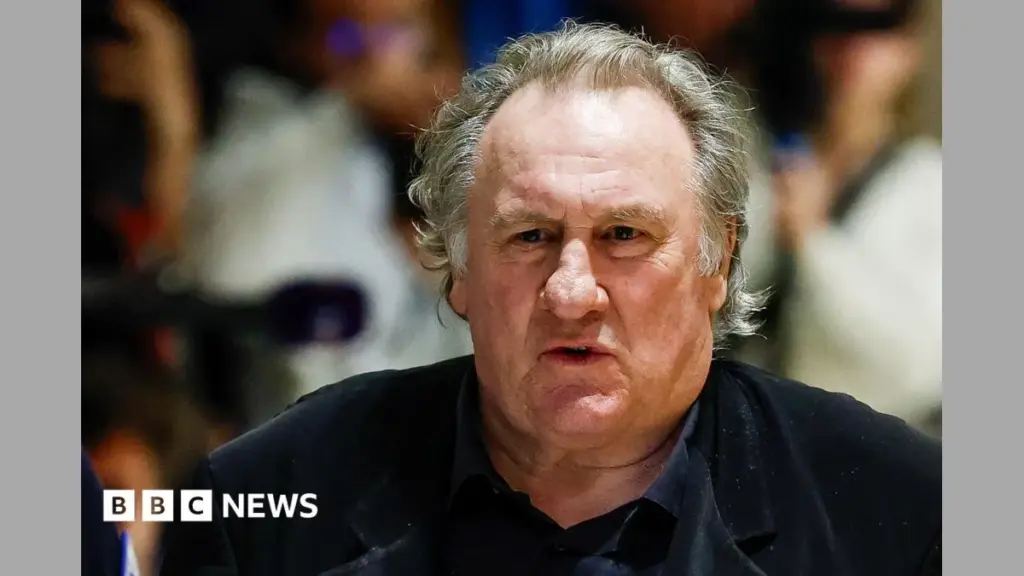
- A Paris appeals court confirmed that 77-year-old actor Gérard Depardieu will face trial for the alleged rape of actress Charlotte Arnould in 2018.
- Charlotte Arnould, who was 22 at the time of the alleged incident at Depardieu's Paris home, has waived her right to anonymity.
- Depardieu has consistently denied all allegations of coercion or violence, though his legal team is reviewing options for further appeal.
- The ruling comes on the heels of a separate suspended sentence and sexual assault conviction against Depardieu last year.
- Tòa phúc thẩm Paris xác nhận nam diễn viên 77 tuổi Gérard Depardieu sẽ phải đối mặt với phiên tòa xét xử vì cáo buộc hiếp dâm nữ diễn viên Charlotte Arnould vào năm 2018.
- Charlotte Arnould, lúc đó 22 tuổi vào thời điểm xảy ra vụ việc tại nhà riêng của Depardieu ở Paris, đã từ bỏ quyền giữ ẩn danh.
- Depardieu kiên quyết phủ nhận mọi cáo buộc cưỡng ép hay bạo lực, trong khi đội ngũ pháp lý của ông đang xem xét các lựa chọn kháng cáo tiếp theo.
- Phán quyết này diễn ra ngay sau một bản án tù treo và tội danh tấn công tình dục riêng biệt đối với Depardieu vào năm ngoái.
- Une cour d'appel parisienne a confirmé que l'acteur de 77 ans Gérard Depardieu sera jugé pour le viol présumé de l'actrice Charlotte Arnould en 2018.
- Charlotte Arnould, âgée de 22 ans au moment des faits présumés au domicile parisien de Depardieu, a levé son anonymat.
- Depardieu a constamment nié toute accusation de contrainte ou de violence, bien que son équipe juridique étudie les recours possibles.
- Cette décision intervient dans le sillage d'une première condamnation l'année dernière pour agression sexuelle avec peine de prison avec sursis.
- Un tribunal de apelación de París confirmó que el actor de 77 años Gérard Depardieu se enfrentará a un juicio por la presunta violación de la actriz Charlotte Arnould en 2018.
- Charlotte Arnould, que tenía 22 años en el momento del presunto incidente en el domicilio de Depardieu en París, ha renunciado a su derecho al anonimato.
- Depardieu ha negado sistemáticamente todas las acusaciones de coacción o violencia, aunque su equipo legal está estudiando opciones para presentar un nuevo recurso.
- La resolución se produce tras una condena anterior y una pena suspendida por agresión sexual dictada contra Depardieu el año pasado.
- 巴黎上诉法院确认,现年77岁的演员热拉尔·德帕迪约将面临因涉嫌于2018年强奸女演员夏洛特·阿尔努而受审。
- 事发时年仅22岁并身处德帕迪约巴黎住所的夏洛特·阿尔努已放弃匿名权利。
- 德帕迪约一直否认所有强迫或暴力指控,其法律团队目前正在评估进一步上诉的可能性。
- 在此次裁决之前,德帕迪约去年因另一起案件被判缓刑及性侵罪名成立。
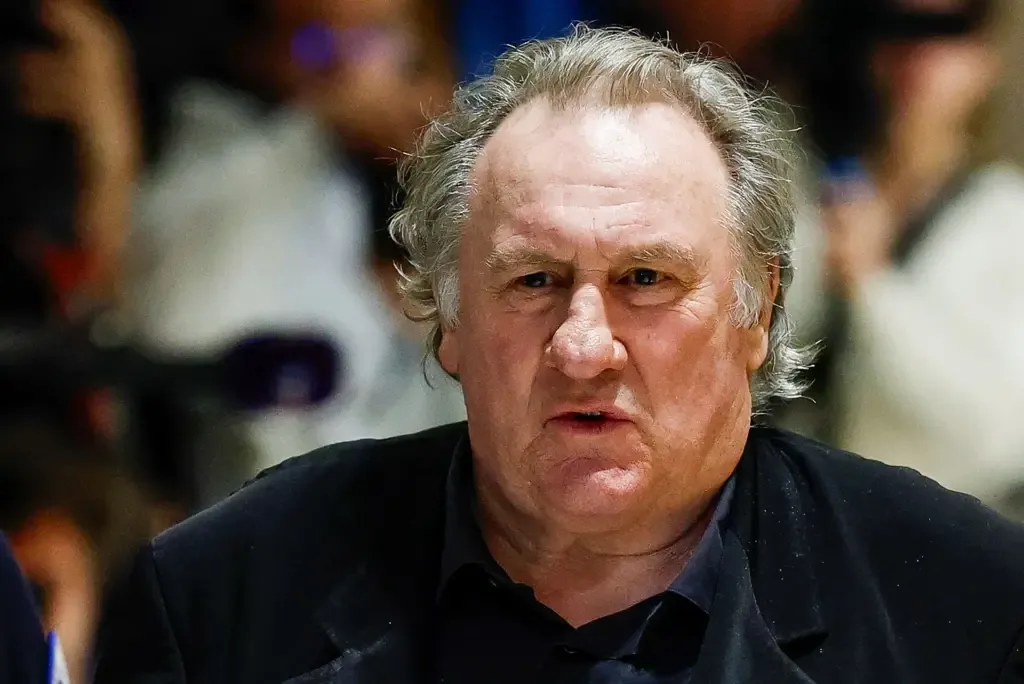
The architecture of French cultural exceptionalism has long rested on a quiet, enduring consensus: that the transcendent brilliance of an artist could, and perhaps should, exist in a realm apart from personal morality. For decades, Gérard Depardieu was the very embodiment of this myth—a monumental figure whose raw, physical magnetism defined the golden age of modern French cinema. Yet, as a Paris appeals court formally ruled this week that the 77-year-old actor must stand trial for the alleged rape of actress Charlotte Arnould, that intellectual firewall appears to be finally crumbling. It is a legal and cultural development of staggering proportions, not merely for the individuals involved, but for a nation whose artistic elite has historically viewed the unbridled passions of its icons with indulgent, Gallic ambivalence.
The ruling itself brings to a head a protracted, emotionally bruising judicial saga that began nearly seven years ago. Arnould, who was just 22 at the time of the alleged assault, had visited Depardieu’s elegant Parisian residence in August 2018 under the guise of rehearsing a theatrical project. What transpired behind those doors—much of it captured, chillingly, on the actor’s own closed-circuit television system—sparked a multi-year legal labyrinth. Initially dismissed by prosecutors for insufficient evidence, Arnould’s pursuit of justice took a decisive turn when she filed a civil complaint, prompting a full judicial investigation in the summer of 2020. With Thursday's appellate decision, the legal apparatus of the French state has determined that there is a sufficient foundation of evidence to bring the matter before a criminal court, setting the stage for what legal experts predict will be one of the most closely watched trials in contemporary European history.
The Anatomy of an Allegation and the Weight of CCTV Evidence
At the core of the forthcoming proceedings lies a complex evidentiary trail, punctuated by the intimate geography of Depardieu’s home and the stark reality of modern digital surveillance. Arnould, whose father was a personal acquaintance of the actor, has broken with the traditional anonymity afforded to complainants in the French legal system, choosing instead to step into the glaring light of public scrutiny. Her legal representative, Carine Durrieu Diebolt, hailed the appeals court's decision as a historic "first" and an immense relief for her client, who has spent years navigating the skepticism often directed at accusers of institutional monoliths.
Conversely, Depardieu’s defense team has fought tooth and nail against the indictment. Attorney David-Olivier Kaminski noted that the court partially ruled in his client's favor by dismissing a second, separate allegation of rape stemming from an incident at a hotel six days after the initial encounter. Nonetheless, the primary hurdle remains formidable. Depardieu has previously rejected all accusations of criminal behavior, publishing an open letter in the daily newspaper Le Figaro in 2023 in which he protested his innocence, declaring that "there was never any coercion or violence between us." As his legal counsel weighs a potential further appeal to the Court of Cassation, the defense will undoubtedly attempt to reframe the recorded interactions within the ambiguous confines of personal relationships that the French public has historically been conditioned to forgive.
The Collapsing Bastion of French Cinema and the #MeToo Reckoning
To understand the seismic nature of this trial, one must contextualize it within the broader, often agonizing evolution of France’s cultural consciousness regarding sexual violence. For years, the global #MeToo movement—known locally through variants like balance ton porc ("call out your pig")—met with institutional resistance in France, where prominent figures, including actress Catherine Deneuve, famously signed manifestos defending "the freedom to importune" as a vital component of romantic and artistic liberty. Depardieu was treated by many within the industry as a protected species, a national treasure whose gargantuan appetite for life and excess was excused as the price of genius.
That romanticized veil has been progressively shredded by a relentless accumulation of testimonies. Last year, Depardieu was handed an 18-month suspended prison sentence, placed on the sex offenders register, and ordered to pay financial compensation after being found guilty of sexually assaulting two women on the set of Jean Becker’s 2021 film Les Volets Verts. Though he initially appealed the verdict, he abruptly dropped the legal challenge and issued a belated, public offer of "sincere apologies" for his conduct. Furthermore, the shadow of systemic misconduct continues to lengthen: French authorities recently confirmed that Depardieu and acclaimed author Michel Houellebecq are subjects of a separate preliminary investigation into allegations of a sexual nature stemming from the 2018 production of the film Thalasso.
Institutional Fallout and the Road Ahead for Cultural Accountability
As Paris prepares for a trial that will inevitably reopen deep societal fractures, the institutional and cultural implications extend far beyond the courtroom walls. The judiciary's willingness to push forward with a case involving one of France's most decorated sons—a recipient of the prestigious Légion d'honneur—signals a profound generational shift in how power, privilege, and consent are evaluated in the corridors of power. The era of institutional shielding, where artistic output served as an impenetrable shield against criminal culpability, is facing an unprecedented systemic challenge.
For the French public, the upcoming proceedings will force an uncomfortable introspection regarding the mythology of the artistic genius and the human cost exacted in its shadow. Whether the trial results in a conviction or an acquittal, the mere fact that Gérard Depardieu must answer these charges before a jury marks a definitive turning point. The French legal and cultural landscape will never be entirely the same, stripped of the illusion that legendary status confers immunity from the foundational laws of a democratic society. As the date for the landmark proceedings approaches, the world will be watching to see how the birthplace of modern human rights grapples with the accountability of its most monumental cultural icons.
Nền tảng của chủ nghĩa ngoại lệ văn hóa Pháp từ lâu đã dựa trên một sự đồng thuận thầm lặng và bền bỉ: rằng sự xuất sắc siêu việt của một nghệ sĩ có thể, và có lẽ nên, tồn tại trong một không gian tách biệt với đạo đức cá nhân. Trong nhiều thập kỷ, Gérard Depardieu chính là hiện thân của huyền thoại này—một nhân vật đồ sộ với sức hút thể xác mãnh liệt, người đã định hình thời kỳ hoàng kim của điện ảnh hiện đại Pháp. Thế nhưng, khi tòa phúc thẩm Paris chính thức ra phán quyết trong tuần này rằng nam diễn viên 77 tuổi phải hầu tòa vì cáo buộc hiếp dâm nữ diễn viên Charlotte Arnould, bức tường lửa trí tuệ ấy dường như cuối cùng đang sụp đổ. Đây là một diễn biến pháp lý và văn hóa có quy mô chấn động, không chỉ đối với các cá nhân liên quan, mà còn đối với một quốc gia có giới thượng lưu nghệ thuật từ trước đến nay vẫn nhìn những cảm xúc bộc phát không kiểm soát của các biểu tượng nước nhà bằng thái độ bao dung và sự tha thứ mang tính đặc trưng của người Gaulois.
Bản thân phán quyết này đã đẩy một vụ án tư pháp kéo dài và gây tổn thương sâu sắc về mặt cảm xúc, bắt đầu từ gần bảy năm trước, đi đến hồi kết. Arnould, người mới chỉ 22 tuổi vào thời điểm xảy ra cáo buộc tấn công, đã đến dinh thự sang trọng của Depardieu tại Paris vào tháng 8 năm 2018 với lý do tập luyện cho một dự án sân khấu. Những gì diễn ra sau những cánh cửa đó—phần lớn được ghi lại một cách lạnh lùng bởi chính hệ thống camera giám sát khép kín của nam diễn viên—đã châm ngòi cho một mê cung pháp lý kéo dài nhiều năm. Ban đầu bị các công tố viên bác bỏ do không đủ bằng chứng, hành trình tìm kiếm công lý của Arnould đã bước sang một ngã rẽ quyết định khi cô nộp đơn kiện dân sự, thúc đẩy một cuộc điều tra tư pháp toàn diện vào mùa hè năm 2020. Với quyết định phúc thẩm vào thứ Năm, bộ máy pháp lý của nhà nước Pháp đã xác định rằng có đủ cơ sở bằng chứng để đưa vụ việc ra trước tòa án hình sự, tạo tiền đề cho điều mà các chuyên gia pháp lý dự đoán sẽ là một trong những phiên tòa được theo dõi sát sao nhất trong lịch sử châu Âu đương đại.
Giải phẫu một cáo buộc và sức nặng của bằng chứng camera an ninh
Trọng tâm của các thủ tục tố tụng sắp tới là một chuỗi bằng chứng phức tạp, được nhấn mạnh bởi không gian thân mật trong ngôi nhà của Depardieu và thực tế khắc nghiệt của công nghệ giám sát kỹ thuật số hiện đại. Arnould, người có cha là một người quen cũ của nam diễn viên, đã phá vỡ sự ẩn danh truyền thống dành cho những người đứng đơn kiện trong hệ thống pháp luật Pháp, thay vào đó chọn cách bước dưới ánh đèn soi xét chói chang của công luận. Đại diện pháp lý của cô, luật sư Carine Durrieu Diebolt, đã ca ngợi quyết định của tòa phúc thẩm là một "tiền lệ" lịch sử và là một sự giải tỏa tâm lý vô cùng lớn đối vối thân chủ của mình, người đã dành nhiều năm để vượt qua sự hoài nghi thường nhắm vào những người buộc tội các tập đoàn thể chế lớn.
Ngược lại, đội ngũ bào chữa của Depardieu đã chiến đấu hết mình để chống lại bản trạng cáo trạng. Luật sư David-Olivier Kaminski lưu ý rằng tòa án đã phần nào ra phán quyết có lợi cho thân chủ của ông khi bác bỏ cáo buộc hiếp dâm thứ hai và riêng biệt xuất phát từ một vụ việc tại một khách sạn sáu ngày sau cuộc gặp ban đầu. Dù vậy, rào cản chính vẫn vô cùng lớn. Depardieu từng bác bỏ mọi cáo buộc về hành vi phạm tội, công bố một bức thư ngỏ trên nhật báo Le Figaro vào năm 2023, trong đó ông khẳng định sự vô tội của mình, tuyên bố rằng "không bao giờ có bất kỳ sự cưỡng ép hay bạo lực nào giữa chúng tôi." Khi các cố vấn pháp lý của ông cân nhắc khả năng kháng cáo tiếp theo lên Tòa án Phá án, phía bào chữa chắc chắn sẽ tìm cách định hình lại các tương tác được ghi lại trong ranh giới mơ hồ của các mối quan hệ cá nhân mà công chúng Pháp từ trước đến nay vẫn quen dung thứ.
Thành lũy đang sụp đổ của điện ảnh Pháp và sự reckoning của phong trào #MeToo
Để hiểu được bản chất chấn động của phiên tòa này, người ta phải đặt nó trong bối cảnh rộng lớn hơn, thường là sự tiến hóa đầy đau đớn của ý thức văn hóa Pháp đối với bạo lực tình dục. Trong nhiều năm, phong trào #MeToo toàn cầu—được biết đến tại địa phương qua các biến thể như balance ton porc ("vạch mặt con heo của mày")—đã vấp phải sự kháng cự mang tính thể chế ở Pháp, nơi các nhân vật nổi bật, bao gồm cả nữ diễn viên Catherine Deneuve, từng ký các bản tuyên ngôn bảo vệ "quyền được làm phiền" như một thành phần thiết yếu của tự do lãng mạn và nghệ thuật. Depardieu được nhiều người trong ngành đối xử như một loài động vật được bảo vệ, một kho báu quốc gia mà lòng thèm khát cuộc sống và sự dư thừa tột độ của ông được tha thứ như cái giá phải trả cho thiên tài.
Chiếc khăn che mặt lãng mạn hóa đó đã bị xé nát dần bởi sự tích tụ không ngừng của các lời khai. Năm ngoái, Depardieu đã bị kết án 18 tháng tù treo, bị đưa vào danh sách tội phạm tình dục và buộc phải bồi thường tài chính sau khi bị kết tội tấn công tình dục hai phụ nữ trên trường quay bộ phim Les Volets Verts của Jean Becker vào năm 2021. Mặc dù ban đầu ông kháng cáo bản án, nhưng ông đã bất ngờ rút lại thách thức pháp lý và đưa ra lời xin lỗi công khai muộn màng vì hành vi của mình. Hơn nữa, cái bóng của hành vi sai trái hệ thống vẫn tiếp tục kéo dài: các nhà chức trách Pháp gần đây đã xác nhận rằng Depardieu và nhà văn nổi tiếng Michel Houellebecq đang là đối tượng của một cuộc điều tra sơ preliminary riêng biệt về các cáo buộc có tính chất tình dục bắt nguồn từ quá trình sản xuất bộ phim Thalasso năm 2018.
Hậu quả thể chế và con đường phía trước cho trách nhiệm giải trình văn hóa
Khi Paris chuẩn bị cho một phiên tòa chắc chắn sẽ làm nứt gãy sâu sắc các rạn nứt xã hội, những hàm ý về mặt thể chế và văn hóa sẽ vượt ra xa khỏi những bức tường phòng xử án. Sự sẵn sàng của cơ quan tư pháp trong việc thúc đẩy một vụ án liên quan đến một trong những người con ưu tú nhất của nước Pháp—một người từng nhận Huân chương Bắc đẩu Bội tinh danh giá—báo hiệu một sự thay đổi thế hệ sâu sắc trong cách quyền lực, đặc quyền và sự đồng thuận được đánh giá ở các hành lang quyền lực. Kỷ nguyên bao che mang tính thể chế, nơi các tác phẩm nghệ thuật đóng vai trò là chiếc khiên bất khả xâm phạm chống lại tội ác trách nhiệm hình sự, đang phải đối mặt với một thách thức hệ thống chưa từng có.
Đối với công chúng Pháp, các thủ tục tố tụng sắp tới sẽ buộc họ phải tự suy ngẫm đầy khó chịu về thần thoại về thiên tài nghệ thuật và cái giá phải trả bằng con người dưới cái bóng của nó. Cho dù phiên tòa dẫn đến một bản án có tội hay trắng án, thì việc Gérard Depardieu phải trả lời những cáo buộc này trước bồi thẩm đoàn đã đánh dấu một bước ngoặt dứt khoát. Bối cảnh pháp lý và văn hóa của Pháp sẽ không bao giờ hoàn toàn giống như trước, bị tước bỏ ảo tưởng rằng địa vị huyền thoại mang lại quyền miễn trừ khỏi các luật cơ bản của một xã hội dân chủ. Khi ngày diễn ra các thủ tục tố tụng mang tính bước ngoặt đến gần, thế giới sẽ theo dõi để xem nơi sinh ra nhân quyền hiện đại đối phó như thế nào với trách nhiệm giải trình của các biểu tượng văn hóa đồ sộ nhất của mình.
L'architecture de l'exception culturelle française a longtemps reposé sur un consensus tacite et persistant : l'idée que la brillance transcendante d'un artiste pouvait, et peut-être devait, s'extraire de la sphère de la moralité individuelle. Durant des décennies, Gérard Depardieu a incarné ce mythe à la perfection — figure monumentale dont le magnétisme brut et physique a défini l'âge d'or du cinéma français contemporain. Pourtant, alors que la cour d'appel de Paris a statué formellement cette semaine que l'acteur de 77 ans doit répondre de viol devant la justice, ce pare-feu intellectuel semble enfin voler en éclat. C'est un séisme judiciaire et culturel d'une ampleur considérable, non seulement pour les protagonistes, mais pour une nation dont l'élite artistique a historiquement contemplé les passions débridées de ses idoles avec une bienveillance toute gauloise.
Cette décision vient clore — ou plutôt ouvrir — une saga judiciaire tortueuse et émotionnellement éprouvée, amorcée il y a près de sept ans. Charlotte Arnould, qui n'avait que 22 ans au moment des faits reprochés, s'était rendue dans l'élégant hôtel particulier parisien de Depardieu en août 2018 sous prétexte de répéter un projet théâtral. Ce qui s'est noué derrière ces portes closes — capturé en partie, de manière glaçante, par le système de vidéosurveillance de l'acteur — a enclenché un labyrinthe procédural de plusieurs années. Initialement classée sans suite par le parquet pour infractions insuffisamment caractérisées, la quête de justice de la jeune femme a pris un tournant décisif lorsqu'elle a porté plainte avec constitution de partie civile, déclenchant l'ouverture d'une information judiciaire à l'été 2020. Avec cet arrêt de la cour d'appel, l'appareil judiciaire de l'État français a estimé qu'il existait des charges suffisantes pour renvoyer l'affaire devant une juridiction criminelle, préparant le terrain pour ce que les experts juridiques qualifient déjà de l'un des procès les plus suivis de l'histoire européenne contemporaine.
L'anatomie d'une accusation et le poids des images de vidéosurveillance
Au cœur de la procédure à venir s'imbrique un faisceau d'indices complexe, rythmé par la géographie intime du domicile de Depardieu et la froide réalité de la surveillance numérique moderne. Charlotte Arnould, dont le père était une connaissance personnelle de l'acteur, s'est affranchie de l'anonymat traditionnellement réservé aux plaignantes dans le système judiciaire français, choisissant d'entrer dans la lumière crue de l'exposition médiatique. Son conseil, Me Carine Durrieu Diebolt, a salué la décision de la cour d'appel comme une « première » historique et un immense soulagement pour sa cliente, qui a passé des années à surmonter le scepticisme souvent réservé aux accusatrices de monstres sacrés.
À l'inverse, l'équipe de défense de Gérard Depardieu s'est battue acharnement contre cette mise en accusation. Son avocat, Me David-Olivier Kaminski, a souligné que la juridiction avait partiellement abondé dans le sens de son client en écartant une seconde accusation de viol distincte, relative à des faits survenus dans un hôtel six jours après la première rencontre. Reste que l'obstacle principal demeure de taille. Depardieu a toujours rejeté en bloc toute infraction pénale, publiant en 2023 dans le quotidien Le Figaro une tribune incandescente où il proclamait son innocence, affirmant qu'« entre nous, il n'y a jamais eu le moindre2018 viol, la moindre violence ». Alors que ses conseils pèsent l'opportunité d'un nouveau pourvoi en cassation, la défense s'attachera sans doute à replacer ces échanges enregistrés dans les méandres ambigus de relations interpersonnelles que le public français a historiquement été enclin à absoudre.
La chute du bastion du cinéma français et l'onde de choc #MeToo
Pour mesurer la nature sismique de ce procès, il convient de le replacer dans l'évolution plus vaste et souvent douloureuse de la conscience culturelle française face aux violences sexuelles. Durant des années, le mouvement mondial #MeToo — décliné localement sous des bannières comme balance ton porc — s'est heurté à une résistance institutionnelle farouche en France, où des personnalités influentes, à l'instar de Catherine Deneuve, avaient signé des manifestes défendant « la liberté d'importuner », jugée indispensable à la liberté amoureuse et artistique. Gérard Depardieu a longtemps été considéré par les hautes sphères de l'industrie comme une espèce protégée, un trésor national dont l'appétit gargantuesque pour la vie et les excès était toléré au nom du génie.
Ce voile romantique s'est trouvé progressivement déchiré par l'accumulation implacable de témoignages. L'an dernier, Gérard Depardieu s'est vu infliger une peine de 18 mois de prison avec sursis, une inscription au fichier des délinquants sexuels et une amende suite à sa condamnation pour agressions sexuelles commises sur deux femmes lors du tournage du film de Jean Becker Les Volets Verts, sorti en 2021. Bien qu'il ait initialement fait appel du jugement, il s'est désisté de sa démarche et a présenté tardivement des « excuses sincères » pour son comportement. En outre, le spectre systémique de la mise en cause continue de s'allonger : les autorités françaises ont récemment confirmé que Depardieu et l'écrivain prodige Michel Houellebecq font l'objet d'une enquête préliminaire distincte pour des faits à caractère sexuel remontant au tournage du film Thalasso en 2018.
Retombées institutionnelles et impératif de redevabilité culturelle
Alors que Paris se prépare à vivre une audience qui rouvrira inévitablement de profondes fractures sociétales, les répercussions institutionnelles et culturelles dépassent largement les murs du tribunal. La volonté de la justice de mener à terme un dossier concernant l'un des fils les plus décorés de France — par ailleurs chevalier de la Légion d'honneur — traduit un changement générationnel profond dans l'appréhension du pouvoir, du privilège et du consentement au sommet. L'époque des parapluies institutionnels, où la création artistique servait de bouclier impénétrable contre la responsabilité pénale, se heurte à une remise en cause systémique sans précédent.
Pour le public français, l'audience à venir imposera une introspection inconfortable sur le mythe du génie artistique et le coût humain prélevé dans son sillage. Que le procès débouche sur une condamnation ou une relaxe, le simple fait que Gérard Depardieu doive rendre des comptes devant une cour d'assises acte un point de non-retour. Le paysage judiciaire et culturel français ne sera plus jamais tout à fait le même, délesté de l'illusion qu'un statut légendaire confère une immunité face aux lois fondamentales d'une démocratie. À l'approche de cette échéance judiciaire historique, le monde aura les yeux rivés sur la patrie des droits de l'homme pour observer comment elle gère la reddition de comptes de ses figures culturelles les plus monumentales.
La arquitectura del excepcionalismo cultural francés se ha cimentado durante mucho tiempo sobre un consenso silencioso y perdurable: que el brillante talento de un artista podía, y quizás debía, existir en un plano ajeno a la moralidad personal. Durante décadas, Gérard Depardieu fue la encarnación misma de este mito, una figura monumental cuyo magnetismo físico y visceral definió la edad de oro del cine francés moderno. Sin embargo, al dictaminar formalmente esta semana un tribunal de apelación de París que el actor de 77 años debe ser juzgado por la presunta violación de la actriz Charlotte Arnould, ese cortafuegos intelectual parece desmoronarse por fin. Se trata de un acontecimiento jurídico y cultural de proporciones colosales, no solo para las personas implicadas, sino para una nación cuya élite artística ha contemplado históricamente las pasiones desenfrenadas de sus iconos con una indulgencia de inconfundible raigambre gala.
La sentencia en sí pone fin a una prolongada y dolorosa saga judicial que comenzó hace casi siete años. Arnould, que apenas tenía 22 años en el momento de la presunta agresión, había acudido al elegante domicilio parisino de Depardieu en agosto de 2018 bajo el pretexto de ensayar un proyecto teatral. Lo que ocurrió tras esas puertas —gran parte de ello capturado, de forma escalofriante, por el sistema de circuito cerrado de televisión del propio actor— desencadenó un laberinto judicial de varios años. Inicialmente desestimada por los fiscales por insuficiencia de pruebas, la búsqueda de justicia de Arnould dio un giro decisivo cuando presentó una denuncia particular con constitución de acusación civil, lo que propició una instrucción judicial en toda regla en el verano de 2020. Con la decisión de la sala de apelación, el aparato legal del Estado francés ha determinado que existen indicios suficientes de culpabilidad para llevar el asunto ante un tribunal penal, allanando el terreno para el que los expertos jurídicos ya califican como uno de los juicios más seguidos de la historia contemporánea de Europa.
La anatomía de una acusación y el peso de las pruebas de videovigilancia
En el centro del inminente proceso se encuentra un complejo rastro probatorio, jalonado por la geografía íntima de la residencia de Depardieu y la cruda realidad de la vigilancia digital moderna. Arnould, cuyo padre mantenía una relación de conocimiento personal con el actor, ha roto con el anonimato tradicional reservado a las denunciantes en el sistema legal francés, optando en cambio por adentrarse en la cegadora luz del escrutinio público. Su representante legal, Carine Durrieu Diebolt, calificó la decisión del tribunal de apelación como una "primera vez" histórica y un inmenso alivio para su clienta, quien ha pasado años sorteando el escepticismo que a menudo se dirige contra quienes acusan a los grandes tótems institucionales.
Por el contrario, el equipo de defensa de Depardieu ha luchado con uñas y dientes contra el procesamiento. El abogado David-Olivier Kaminski señaló que el tribunal dictó un fallo parcialmente favorable a su cliente al desestimar una segunda y separada acusación de violación derivada de un incidente en un hotel ocurrido seis días después del primer encuentro. No obstante, el escollo principal sigue siendo formidable. Depardieu ya había rechazado con anterioridad todas las acusaciones de conducta delictiva, publicando en 2023 una carta abierta en el diario Le Figaro en la que protestaba su inocencia y declaraba que "nunca hubo coacción ni violencia entre nosotros". Mientras sus abogados sopesan la posibilidad de interponer un nuevo recurso ante el Tribunal de Casación, la defensa intentará sin duda reencuadrar las interacciones grabadas dentro de los confines ambiguos de las relaciones personales que el público francés ha estado condicionado históricamente a perdonar.
El derrumbe del bastión del cine francés y el ajuste de cuentas del #MeToo
Para comprender la naturaleza sísmica de este juicio, es preciso contextualizarlo dentro de la más amplia y a menudo angustiosa evolución de la conciencia cultural de Francia en relación con la violencia sexual. Durante años, el movimiento global del #MeToo —conocido en el ámbito local a través de variantes como balance ton porc («acusa a tu cerdo»)— tropezó con una resistencia institucional enérgica en Francia, donde destacadas figuras, entre ellas la actriz Catherine Deneuve, firmaron célebres manifiestos en defensa de "la libertad de importunar" como un componente vital de la libertad romántica y artística. Depardieu fue tratado por muchos sectores de la industria como una especie protegida, un tesoro nacional cuyo apetito gigantesco por la vida y el exceso se disculpaba como el peaje inevitable del genio.
Ese velo romantizado se ha ido desgarrando progresivamente gracias a una acumulación implacable de testimonios. El año pasado, Depardieu fue condenado a una pena de 18 meses de prisión suspensiva, inscrito en el registro de delincuentes sexuales y obligado al pago de una indemnización tras ser hallado culpable de agredir sexualmente a dos mujeres en el rodaje de la película Les Volets Verts (Las contraventanas verdes), dirigida por Jean Becker en 2021. Aunque inicialmente recurrió el fallo, retiró abruptamente su recurso y emitió una tardía y pública oferta de "sinceras disculpas" por su comportamiento. Asimismo, la sombra de la mala conducta sistémica sigue alargándose: las autoridades francesas confirmaron recientemente que Depardieu y el aclamado escritor Michel Houellebecq son objeto de otra investigación preliminar separada por acusaciones de índole sexual derivadas de la producción en 2018 de la película Thalasso.
Las consecuencias institucionales y el camino hacia la rendición de cuentas cultural
Mientras París se prepara para un juicio que reabrirá inevitablemente profundas fracturas sociales, las repercusiones institucionales y culturales se extienden mucho más allá de los muros del tribunal. La disposición de la judicatura a seguir adelante con un caso que salpica a uno de los hijos más condecorados de Francia —poseedor de la prestigiosa Legión de Honor— denota un profundo cambio generacional en la forma en que se evalúan el poder, el privilegio y el consentimiento en las altas esferas. La era del amparo institucional, en la que la producción artística servía de impenetrable coraza frente a la responsabilidad penal, se enfrenta a un desafío sistémico sin precedentes.
Para la opinión pública francesa, el inminente proceso forzará una incómoda introspección en torno a la mitología del genio artístico y el coste humano exigido a su sombra. Ya sea que el juicio culmine en una condena o en una absolución, el mero hecho de que Gérard Depardieu deba responder de estos cargos ante un jurado marca un punto de inflexión definitivo. El panorama jurídico y cultural francés no volverá a ser el mismo, despojado ya de la ilusión de que el estatus legendario otorga inmunidad frente a las leyes fundamentales de una sociedad democrática. Conforme se acerca la fecha de tan histórico procedimiento, el mundo entero observará cómo la cuna de los derechos humanos modernos gestiona la rendición de cuentas de sus iconos culturales más monumentales.
法国文化特大论(French cultural exceptionalism)的架构长期以来依赖于一种静默而持久的共识:艺术家的超凡才华可以、或许也应该存在于个人道德之外的领域。几十年来,热拉尔·德帕迪约正是这一神话的化身——他那不加修饰的、极具躯体吸引力的巨星形象定义了现代法国电影的黄金时代。然而,随着巴黎上诉法院本周正式裁定这位77岁的演员必须因涉嫌强奸女演员夏洛特·阿尔努而接受审判,这道思想防火墙似乎终于开始崩塌。这是一场规模惊人的法律与文化变革,不仅对涉案个人而言如此,对于一个历史上一向以纵容和高卢式矛盾心态看待其偶像纵情激情的艺术精英阶层的国家来说,亦是如此。
这一裁决将一场漫长、在情感上令人煎熬的司法传奇推向了高潮,该传奇始于近七年前。阿尔努在被指控的袭击发生时年仅22岁,她于2018年8月以排练戏剧项目为由造访了德帕迪约优雅的巴黎宅邸。这些大门后发生的事情——其中大部分被该演员自己的闭路电视系统惊悚地记录了下来——引发了长达数年的法律迷宫。起诉书最初因证据不足而被驳回,但阿尔努追求正义的努力在2020年夏天迎来了决定性转机,当时她提起了民事诉讼,促使司法部门展开了全面调查。随着周四的上诉决定出台,法国国家的法律机器已认定有充分的证据基础将此案提交刑事法院,为法律专家预计的当代欧洲历史上备受瞩目的审判拉开了帷幕。
指控的剖析与闭路电视证据的分量
即将进行的诉讼程序的核心在于一条复杂的证据链,它由德帕迪约家中的私密空间以及现代数字监控的严酷现实所交织而成。阿尔努的父亲曾是该演员的熟人,她打破了法国法律体系中赋予原告的传统匿名规定,选择走入公众审视的耀眼聚光灯下。她的法律代表卡琳·迪里厄·迪博尔特(Carine Durrieu Diebolt)称赞上诉法院的决定是历史性的“第一次”,并为她的客户感巨大宽慰,多年来她的客户一直在艰难应对外界对体制巨无霸指控者的怀疑态度。
相反,德帕迪约的辩护团队则为驳回起诉进行了坚决的斗争。律师达维德-奥利维耶·卡明斯基(David-Olivier Kaminski)指出,法院部分支持了他的客户,驳回了源于初次遭遇六天后在酒店发生的一起涉嫌强奸的第二项独立指控。尽管如此,主要的阻碍依然严峻。德帕迪约此前曾驳回所有刑事行为的指控,他在2023年向《费加罗报》发表了一封公开信,在信中抗议自己的清白,宣称“我们之间从未有过任何强迫或暴力”。正当他的法律顾问权衡是否向最高法院(Court of Cassation)做进一步上诉时,辩护方无疑将试图把这些被记录下来的互动重新置于法国公众历来被习惯于原谅的个人关系的模糊界限之内。
法国电影溃败的堡垒与#MeToo运动的清算
要理解这场审判的震撼性质,必须将其置于法国文化意识关于性暴力演变的更广泛、往往令人痛苦的背景中来审视。多年来,全球的#MeToo运动——在当地被称为“告发你的猪”(balance ton porc)等变体——在法国遇到了体制阻力,包括女演员凯瑟琳·德纳芙(Catherine Deneuve)在内的知名人士曾签署宣言,为“纠缠的自由”进行辩护,将其视为浪漫和艺术自由的重要组成部分。德帕迪约被业内许多人视为受保护的物种,他是一个国家宝藏,其对生活和放纵的饕餮欲望被当作天才的代价而受到原谅。
这层浪漫化的面纱已被连绵不断证词的无情累积逐渐撕碎。去年,德帕迪约因在让·贝克尔(Jean Becker)2021年的电影《绿窗》(Les Volets Verts)片场性侵两名女性罪名成立,被判处18个月缓刑,列入性犯罪者名册,并被责令支付经济赔偿。尽管他最初对这一判决提出上诉,但他却突然放弃了法律诉讼,并就自己的行为发表了迟来的、公开的“真诚道歉”。此外,系统性不当行为的阴影仍在拉长:法国当局最近证实,德帕迪约和广受赞誉的作家米歇尔·维勒贝克(Michel Houellebecq)正成为一项独立初步调查的目标,该调查涉及2018年电影《塔拉索》(Thalasso)制作期间发生的性行为指控。
机构余波与通往文化问责的未来之路
正当巴黎为一场不可避免地会重新撕裂社会深层裂痕的审判做准备时,体制和文化的隐喻已经远远超出了法庭的围墙。司法部门愿意推进涉及法国受勋最重、荣誉军团勋章获得者之一的案件,这标志着在权力走廊中如何评估权力、特权和同意方面发生了深刻的代际转变。机构庇护的时代——当时艺术产出是免受刑事指责的不可穿透的盾牌——正面临着前所未有的系统性挑战。
对于法国公众而言,即将到来的诉讼程序将迫使人们对艺术天才的神话以及在其阴影下付出的血肉代价进行不安的反省。无论审判结果是有罪还是无罪,热拉尔·德帕迪约必须在陪审团面前回答这些指控这一事实本身,就标志着一个决定性的转折点。法国的法律和文化景观将永远不再完全相同,它将褪去“传奇地位赋予其免受民主社会基本法律约束之豁免权”的幻想。随着这场具有里程碑意义的诉讼日期的临近,全世界都将拭目以待,看现代人权发源地如何应对其最具巨星色彩的文化偶像的问责制。
Editorial Standards & Multi-Language Synthesis: This dispatch was synthesized and fact-checked by the ParisDaily Editorial Desk across 5 global editions (EN, FR, VI, ES, ZH), cross-referencing primary international wire reports and real-time search intelligence.