El ajuste de cuentas de un titán: Gérard Depardieu se enfrentará a un juicio penal por violación
The Paris Court of Appeal has dismissed a final legal challenge, mandating that French cinema icon Gérard Depardieu stand trial for historic rape allegations. This pivotal decision signals a seismic shift in the accountability landscape of the French film industry.
Tòa phúc thẩm Paris đã bác bỏ kháng cáo cuối cùng, buộc biểu tượng điện ảnh Pháp Gérard Depardieu phải ra hầu tòa vì các cáo buộc cưỡng hiếp trong quá khứ. Quyết định mang tính bước ngoặt này đánh dấu một sự thay đổi chấn động trong tư duy về trách nhiệm giải trình của ngành công nghiệp điện ảnh Pháp.
La cour d'appel de Paris a rejeté l'ultime recours de Gérard Depardieu, confirmant ainsi la tenue d'un procès pénal pour des accusations de viols. Cette décision historique marque un tournant sismique dans l'exigence de responsabilité au sein du cinéma français.
El Tribunal de Apelación de París ha desestimado el último recurso legal, ordenando que el icono del cine francés, Gérard Depardieu, sea juzgado por acusaciones históricas de violación. Esta decisión fundamental marca un cambio sísmico en el panorama de rendición de cuentas de la industria cinematográfica francesa.
巴黎上诉法院驳回了最后的法律挑战,裁定法国影坛巨星杰拉尔·德帕迪约必须就历史性的强奸指控出庭受审。这一关键裁决标志着法国电影业问责机制发生了震荡性的转变。
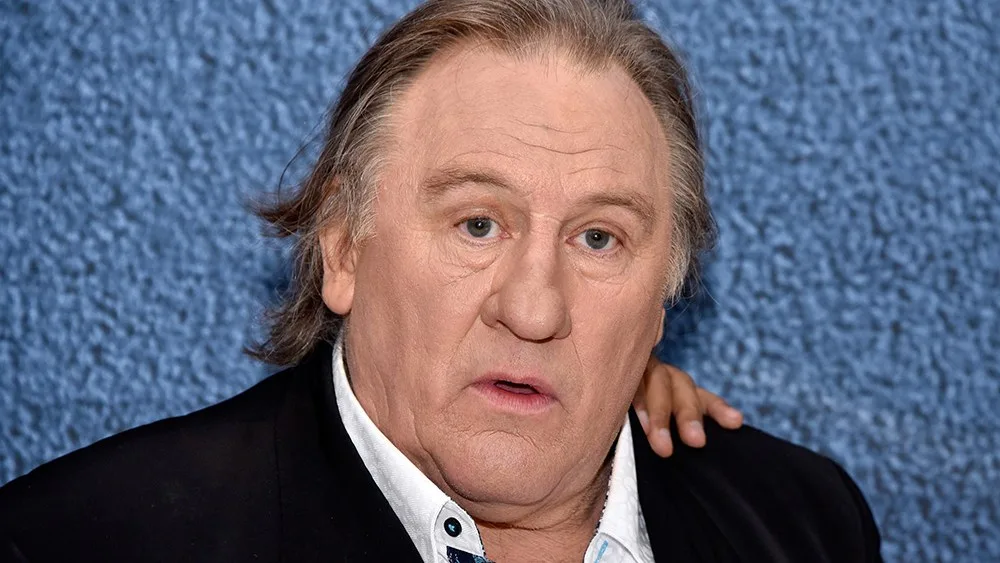
- Gérard Depardieu will face a criminal trial for rape following a failed appeal to the Paris Court of Appeal.
- The charges stem from a 2018 complaint filed by actress Charlotte Arnould, alleging two incidents of rape at the actor's Paris residence.
- The court has narrowed the scope of the upcoming trial to focus on the first of the two alleged incidents.
- Depardieu recently accepted an 18-month suspended sentence for separate sexual assault charges, marking a rapid decline for the legendary actor's public standing.
- Gérard Depardieu sẽ phải đối mặt với phiên tòa hình sự vì tội cưỡng hiếp sau khi kháng cáo lên Tòa phúc thẩm Paris thất bại.
- Các cáo buộc bắt nguồn từ đơn tố cáo năm 2018 của nữ diễn viên Charlotte Arnould, cáo buộc hai vụ cưỡng hiếp xảy ra tại tư gia của nam diễn viên ở Paris.
- Tòa án đã thu hẹp phạm vi xét xử, tập trung vào vụ việc đầu tiên trong số hai cáo buộc cưỡng hiếp.
- Depardieu gần đây đã chấp nhận bản án 18 tháng tù treo cho một vụ tấn công tình dục riêng biệt, đánh dấu sự sụp đổ nhanh chóng trong vị thế công chúng của nam diễn viên huyền thoại này.
- Gérard Depardieu sera jugé au pénal pour viols après le rejet de son ultime recours par la cour d'appel de Paris.
- Les poursuites découlent d'une plainte déposée en 2018 par l'actrice Charlotte Arnould, dénonçant deux viols au domicile parisien de l'acteur.
- La justice a restreint le champ du futur procès en se concentrant sur le premier des deux incidents allégués.
- L'acteur a récemment accepté une peine de 18 mois avec sursis pour des faits distincts d'agression sexuelle, illustrant le déclin accéléré de son aura publique.
- Gérard Depardieu se enfrentará a un juicio penal por violación tras fracasar su recurso ante el Tribunal de Apelación de París.
- Los cargos se derivan de una denuncia presentada en 2018 por la actriz Charlotte Arnould, quien alega dos incidentes de violación en la residencia parisina del actor.
- El tribunal ha limitado el alcance del próximo juicio para centrarse únicamente en el primero de los dos incidentes denunciados.
- Depardieu aceptó recientemente una condena de 18 meses de prisión suspendida por otros cargos de agresión sexual, lo que marca un rápido declive en la reputación pública del legendario actor.
- 在巴黎上诉法院驳回上诉后,杰拉尔·德帕迪约将因强奸罪面临刑事审判。
- 指控源于女演员夏洛特·阿诺德(Charlotte Arnould)于2018年提起的诉讼,称该演员在其巴黎住所内对其进行了两次强奸。
- 法院已缩小了即将进行的审判范围,重点审理两起指控中的第一起。
- 德帕迪约近期因另一起性侵案接受了18个月缓刑判决,这位传奇演员的公众声誉正急剧跌落。
The legal walls surrounding Gérard Depardieu, once considered the untouchable monolith of French cinema, have finally closed in. In a definitive ruling that has sent tremors through the corridors of the Palais de Justice and the gilded offices of the French film industry, the Paris Court of Appeal has rejected the actor’s final attempts to block a criminal trial. This decision marks the culmination of a years-long legal odyssey initiated by actress Charlotte Arnould, who first brought allegations of rape against the star in 2018. For a nation that has historically treated its cinematic icons with a blend of reverence and protective silence, the sight of the 77-year-old Depardieu facing a jury of his peers represents a profound cultural rupture.
The charges, which carry a potential sentence of 15 to 20 years in prison, center on allegations of sexual violence occurring within the private confines of the actor's Parisian home. While the court’s ruling has narrowed the scope of the trial to a single incident—dismissing the second count of rape—the gravity of the proceedings remains undiminished. This development is not an isolated legal skirmish but the latest in a cascade of accusations that have systematically dismantled the legacy of an actor who, for decades, embodied the very spirit of French artistic defiance. As the legal machinery grinds forward, the French public is forced to confront the uncomfortable intersection of artistic genius and alleged predatory behavior.
The Erosion of an Unassailable Legacy
To understand the magnitude of this trial, one must look at the historical pedestal upon which Gérard Depardieu has stood since the 1970s. From his breakout roles in the works of Bertrand Blier to his international acclaim in Cyrano de Bergerac, Depardieu was more than an actor; he was a cultural institution. For generations of French cinephiles, his rugged, unrefined persona was synonymous with the nation’s soul. This status often served as a protective shield, insulating him from the scrutiny that might have derailed the career of a lesser figure. For years, the French film industry operated under a tacit understanding: the private life of the artist was secondary to the brilliance of the performance.
However, the tide began to turn in 2020 when Depardieu was formally indicted. The subsequent years have seen a steady stream of allegations, culminating in a conviction last year for sexual assault on the set of the 2021 film Les Volets Verts. His recent decision to drop an appeal against that conviction, coupled with a rare, public acknowledgment of guilt—or at least a formal apology—signaled a tactical shift in his defense strategy. By accepting an 18-month suspended sentence, Depardieu attempted to contain the fallout, yet the legal system has proven unwilling to grant him a quiet exit from the stage.
A Cultural Watershed for French Cinema
The #MeToo movement, which found a robust, if delayed, footing in France, has found its most significant test case in the Depardieu saga. Unlike the rapid, decisive cancellations seen in Hollywood, the French response has been characterized by a more complex, often polarized debate regarding the separation of the artist from the man. The industry has been forced to grapple with its own complicity, as production houses and directors face mounting pressure to account for the environments they fostered on set. The emergence of new complaints, including those related to the 2018 filming of Thalasso, underscores a systemic issue that extends far beyond a single individual.
This trial is poised to be a litmus test for the French judicial system’s ability to handle high-profile cases involving national icons. The international community, which has watched the slow-motion collapse of Depardieu’s reputation, sees this as a critical moment for the #MeToo movement in Europe. If the trial proceeds to a conviction, it will likely serve as a permanent deterrent against the culture of silence that has long permeated the European film industry. Conversely, the proceedings will be scrutinized for any hint of preferential treatment, as the eyes of the world remain fixed on the Paris courtroom.
The Road Ahead and the Institutional Fallout
As the legal proceedings prepare to move into the trial phase, the institutional fallout is already palpable. Major production houses are distancing themselves, and the once-celebrated actor has become a pariah in the very circles that once courted his presence. The recent filing of a new complaint in May 2025 suggests that the legal challenges are far from over, potentially leading to a protracted period of litigation that could span years. The defense, led by a team of high-profile lawyers, will undoubtedly focus on the evidentiary challenges inherent in cases involving historic allegations, yet the court’s decision to move to trial suggests that the prosecution has cleared a significant hurdle.
For the public, the question remains: what happens to the art when the artist is stripped of his status? The legacy of Gérard Depardieu is currently being rewritten in real-time, moving from the narrative of a national treasure to that of a cautionary tale. As the trial date approaches, the focus will shift from the cinematic achievements of the past to the stark realities of the evidence presented in the present. The outcome of this trial will not only determine the fate of an aging actor but will also define the future of accountability within the French cultural establishment. We are witnessing the end of an era, where the myth of the untouchable genius is finally being dismantled by the cold, hard reality of the law.
Những bức tường pháp lý bao vây Gérard Depardieu, người từng được coi là "tượng đài bất khả xâm phạm" của điện ảnh Pháp, cuối cùng đã khép lại. Trong một phán quyết dứt khoát gây chấn động khắp các hành lang của Palais de Justice và những văn phòng xa hoa của ngành điện ảnh Pháp, Tòa phúc thẩm Paris đã bác bỏ những nỗ lực cuối cùng của nam diễn viên nhằm ngăn chặn một phiên tòa hình sự. Quyết định này là đỉnh điểm của hành trình pháp lý kéo dài nhiều năm do nữ diễn viên Charlotte Arnould khởi xướng, người đầu tiên đưa ra cáo buộc cưỡng hiếp chống lại ngôi sao này vào năm 2018. Đối với một quốc gia vốn có truyền thống đối xử với các biểu tượng điện ảnh bằng sự tôn kính pha lẫn thái độ im lặng bảo vệ, hình ảnh Depardieu, 77 tuổi, phải đối mặt với bồi thẩm đoàn đại diện cho công lý là một sự đứt gãy văn hóa sâu sắc.
Các cáo buộc, với mức án tiềm năng từ 15 đến 20 năm tù, tập trung vào các hành vi bạo lực tình dục xảy ra trong không gian riêng tư tại tư gia của nam diễn viên ở Paris. Mặc dù phán quyết của tòa án đã thu hẹp phạm vi xét xử xuống còn một vụ việc duy nhất—bác bỏ cáo buộc cưỡng hiếp thứ hai—nhưng mức độ nghiêm trọng của vụ án vẫn không hề suy giảm. Diễn biến này không phải là một cuộc tranh chấp pháp lý đơn lẻ, mà là mắt xích mới nhất trong chuỗi cáo buộc đã phá hủy một cách có hệ thống di sản của một diễn viên từng đại diện cho tinh thần phản kháng nghệ thuật của Pháp trong nhiều thập kỷ. Khi cỗ máy pháp lý bắt đầu vận hành, công chúng Pháp buộc phải đối mặt với sự giao thoa đầy khó chịu giữa thiên tài nghệ thuật và hành vi bị cáo buộc là săn mồi.
Sự xói mòn của một di sản không thể lay chuyển
Để hiểu được tầm vóc của phiên tòa này, người ta phải nhìn vào bệ phóng lịch sử mà Gérard Depardieu đã đứng vững từ những năm 1970. Từ những vai diễn đột phá trong các tác phẩm của Bertrand Blier đến sự công nhận quốc tế trong Cyrano de Bergerac, Depardieu không chỉ là một diễn viên; ông là một thiết chế văn hóa. Đối với nhiều thế hệ người yêu điện ảnh Pháp, hình tượng gai góc, phóng khoáng của ông đồng nghĩa với linh hồn của quốc gia. Vị thế này thường đóng vai trò như một tấm khiên bảo vệ, giúp ông tránh khỏi sự giám sát vốn có thể đã hủy hoại sự nghiệp của một nhân vật kém tầm vóc hơn. Trong nhiều năm, ngành công nghiệp điện ảnh Pháp đã vận hành dưới một sự hiểu ngầm: đời tư của nghệ sĩ là thứ yếu so với sự xuất sắc của màn trình diễn.
Tuy nhiên, làn sóng bắt đầu thay đổi vào năm 2020 khi Depardieu chính thức bị truy tố. Những năm sau đó chứng kiến một dòng chảy liên tục các cáo buộc, đỉnh điểm là bản án năm ngoái vì tội tấn công tình dục trên trường quay bộ phim Les Volets Verts năm 2021. Quyết định rút đơn kháng cáo đối với bản án đó, cùng với lời thừa nhận tội lỗi công khai hiếm hoi—hoặc ít nhất là một lời xin lỗi chính thức—đã báo hiệu một sự thay đổi chiến thuật trong chiến lược bào chữa của ông. Bằng cách chấp nhận bản án 18 tháng tù treo, Depardieu đã cố gắng ngăn chặn những hậu quả lan rộng, nhưng hệ thống pháp luật đã chứng minh rằng họ không sẵn lòng để ông rời khỏi sân khấu một cách êm đẹp.
Một bước ngoặt văn hóa cho điện ảnh Pháp
Phong trào #MeToo, dù có khởi đầu chậm chạp tại Pháp, đã tìm thấy trường hợp thử nghiệm quan trọng nhất trong câu chuyện của Depardieu. Không giống như sự "hủy diệt" nhanh chóng và quyết liệt thường thấy ở Hollywood, phản ứng của Pháp được đặc trưng bởi một cuộc tranh luận phức tạp và thường bị phân cực về việc tách biệt giữa nghệ sĩ và con người thật. Ngành công nghiệp này buộc phải đối mặt với sự đồng lõa của chính mình, khi các hãng sản xuất và đạo diễn đối mặt với áp lực ngày càng tăng trong việc chịu trách nhiệm về môi trường mà họ tạo ra trên trường quay. Sự xuất hiện của các đơn khiếu nại mới, bao gồm cả những đơn liên quan đến quá trình quay phim Thalasso năm 2018, nhấn mạnh một vấn đề mang tính hệ thống vượt xa một cá nhân đơn lẻ.
Phiên tòa này được coi là bài kiểm tra năng lực của hệ thống tư pháp Pháp trong việc xử lý các vụ án cấp cao liên quan đến các biểu tượng quốc gia. Cộng đồng quốc tế, những người đã theo dõi sự sụp đổ chậm rãi trong danh tiếng của Depardieu, coi đây là thời điểm quan trọng đối với phong trào #MeToo ở châu Âu. Nếu phiên tòa dẫn đến một bản án kết tội, nó có khả năng trở thành một biện pháp răn đe vĩnh viễn đối với văn hóa im lặng đã tồn tại lâu đời trong ngành công nghiệp điện ảnh châu Âu. Ngược lại, các thủ tục tố tụng sẽ bị giám sát chặt chẽ để tìm kiếm bất kỳ dấu hiệu ưu ái nào, khi ánh mắt của cả thế giới vẫn đổ dồn vào phòng xử án tại Paris.
Con đường phía trước và những hệ lụy về thể chế
Khi các thủ tục pháp lý chuẩn bị bước vào giai đoạn xét xử, những hệ lụy về thể chế đã trở nên rõ rệt. Các hãng sản xuất lớn đang giữ khoảng cách, và nam diễn viên từng được ca tụng giờ đây đã trở thành kẻ bị ruồng bỏ trong chính những vòng tròn từng săn đón ông. Việc đệ đơn khiếu nại mới vào tháng 5 năm 2025 cho thấy những thách thức pháp lý vẫn còn lâu mới kết thúc, có khả năng dẫn đến một giai đoạn kiện tụng kéo dài nhiều năm. Đội ngũ luật sư bào chữa danh tiếng chắc chắn sẽ tập trung vào những khó khăn về bằng chứng vốn có trong các vụ án liên quan đến cáo buộc lịch sử, tuy nhiên quyết định đưa vụ án ra xét xử của tòa án cho thấy phía công tố đã vượt qua một rào cản đáng kể.
Đối với công chúng, câu hỏi vẫn còn đó: điều gì sẽ xảy ra với nghệ thuật khi người nghệ sĩ bị tước bỏ vị thế? Di sản của Gérard Depardieu hiện đang được viết lại trong thời gian thực, chuyển từ câu chuyện về một "báu vật quốc gia" sang một "bài học cảnh tỉnh". Khi ngày xét xử đến gần, trọng tâm sẽ chuyển từ những thành tựu điện ảnh trong quá khứ sang thực tế trần trụi của các bằng chứng được trình bày ở hiện tại. Kết quả của phiên tòa này sẽ không chỉ quyết định số phận của một nam diễn viên đang già đi mà còn định hình tương lai của trách nhiệm giải trình trong thiết chế văn hóa Pháp. Chúng ta đang chứng kiến sự kết thúc của một kỷ nguyên, nơi huyền thoại về một thiên tài bất khả xâm phạm cuối cùng đã bị tháo dỡ bởi thực tế lạnh lùng và cứng rắn của luật pháp.
Les murs juridiques qui entouraient Gérard Depardieu, autrefois considéré comme le monolithe intouchable du cinéma français, se sont finalement refermés. Dans une décision définitive qui a fait trembler les couloirs du Palais de Justice et les bureaux dorés de l'industrie cinématographique, la cour d'appel de Paris a rejeté les dernières tentatives de l'acteur pour bloquer la tenue d'un procès pénal. Cette décision marque l'aboutissement d'une odyssée judiciaire entamée en 2018 par l'actrice Charlotte Arnould. Pour une nation qui a historiquement traité ses icônes avec un mélange de révérence et de silence protecteur, voir Depardieu, âgé de 77 ans, faire face à ses juges représente une rupture culturelle profonde.
Les chefs d'accusation, passibles de 15 à 20 ans de réclusion criminelle, portent sur des violences sexuelles qui auraient été commises dans l'intimité du domicile parisien de l'acteur. Bien que la cour ait restreint le périmètre du procès à un seul incident — écartant le second chef de viol —, la gravité des faits demeure intacte. Ce développement n'est pas une simple escarmouche juridique, mais le dernier épisode d'une cascade d'accusations ayant systématiquement déconstruit l'héritage d'un acteur qui, pendant des décennies, a incarné l'esprit même de la transgression artistique française. Alors que la machine judiciaire se met en marche, le public français est contraint de faire face à l'intersection inconfortable entre génie artistique et comportements prédateurs présumés.
L'érosion d'un héritage inattaquable
Pour comprendre l'ampleur de ce procès, il faut se pencher sur le piédestal historique sur lequel Gérard Depardieu trône depuis les années 1970. De ses rôles révélateurs chez Bertrand Blier à son succès international dans Cyrano de Bergerac, Depardieu était bien plus qu'un acteur : il était une institution culturelle. Pour des générations de cinéphiles, sa personnalité brute et indomptable était synonyme de l'âme nationale. Ce statut a longtemps servi de bouclier, l'isolant du regard critique qui aurait pu briser la carrière d'une figure moins imposante. Pendant des années, le cinéma français a fonctionné selon un accord tacite : la vie privée de l'artiste était secondaire face à la brillance de sa performance.
Cependant, la donne a changé en 2020 avec sa mise en examen. Les années qui ont suivi ont vu un flux constant d'accusations, culminant avec une condamnation l'an dernier pour agression sexuelle sur le tournage du film Les Volets Verts en 2021. Sa récente décision de ne pas faire appel de cette condamnation, couplée à une rare reconnaissance publique — ou du moins à des excuses formelles —, a marqué un changement tactique dans sa défense. En acceptant une peine de 18 mois avec sursis, Depardieu a tenté de contenir l'incendie, mais le système judiciaire n'a pas souhaité lui offrir une sortie de scène discrète.
Un tournant culturel pour le cinéma français
Le mouvement #MeToo, qui a trouvé un écho robuste, bien que tardif, en France, rencontre avec la saga Depardieu son test le plus significatif. Contrairement aux mises à l'écart rapides observées à Hollywood, la réponse française s'est caractérisée par un débat plus complexe, souvent polarisé, sur la séparation de l'homme et de l'artiste. L'industrie a été forcée de se confronter à sa propre complicité, alors que les maisons de production et les réalisateurs font face à une pression croissante pour rendre compte des environnements qu'ils ont favorisés sur les plateaux. L'émergence de nouvelles plaintes, notamment celles liées au tournage de Thalasso en 2018, souligne un problème systémique qui dépasse largement le cas d'un seul individu.
Ce procès s'annonce comme un test décisif pour la capacité de la justice française à traiter des dossiers hautement médiatisés impliquant des icônes nationales. La communauté internationale, qui a observé l'effondrement au ralenti de la réputation de Depardieu, y voit un moment charnière pour le mouvement #MeToo en Europe. Si le procès aboutit à une condamnation, il servira probablement de dissuasion permanente contre la culture du silence qui imprègne depuis longtemps l'industrie cinématographique européenne. À l'inverse, les débats seront scrutés pour détecter le moindre signe de traitement de faveur, alors que les yeux du monde restent rivés sur le tribunal de Paris.
L'avenir judiciaire et les conséquences institutionnelles
Alors que la procédure pénale s'apprête à entrer dans sa phase de jugement, les conséquences institutionnelles sont déjà palpables. Les grandes maisons de production prennent leurs distances, et l'acteur autrefois célébré est devenu un paria dans les cercles mêmes qui courtisaient sa présence. Le dépôt d'une nouvelle plainte en mai 2025 suggère que les défis juridiques sont loin d'être terminés, ouvrant la voie à une période de litiges prolongée qui pourrait durer des années. La défense, menée par une équipe d'avocats de renom, se concentrera sans aucun doute sur les difficultés probatoires inhérentes aux affaires anciennes, mais la décision de la cour de renvoyer l'affaire en procès suggère que l'accusation a franchi un obstacle majeur.
Pour le public, la question demeure : que devient l'art lorsque l'artiste est dépouillé de son statut ? L'héritage de Gérard Depardieu est en train d'être réécrit en temps réel, passant du récit d'un trésor national à celui d'une mise en garde. À l'approche de la date du procès, l'attention se déplacera des exploits cinématographiques passés vers la réalité crue des preuves présentées. L'issue de ce procès ne déterminera pas seulement le sort d'un acteur vieillissant, mais définira également l'avenir de la responsabilité au sein de l'establishment culturel français. Nous assistons à la fin d'une époque, où le mythe du génie intouchable est enfin démantelé par la froide réalité du droit.
Los muros legales que rodeaban a Gérard Depardieu, antaño considerado el monolito intocable del cine francés, finalmente se han cerrado. En un fallo definitivo que ha provocado temblores en los pasillos del Palacio de Justicia y en los dorados despachos de la industria cinematográfica gala, el Tribunal de Apelación de París ha rechazado los últimos intentos del actor por bloquear un juicio penal. Esta decisión marca la culminación de una odisea legal de años iniciada por la actriz Charlotte Arnould, quien presentó por primera vez acusaciones de violación contra la estrella en 2018. Para una nación que históricamente ha tratado a sus iconos cinematográficos con una mezcla de reverencia y silencio protector, ver a Depardieu, de 77 años, enfrentarse a un jurado de sus iguales representa una profunda ruptura cultural.
Los cargos, que conllevan una pena potencial de 15 a 20 años de prisión, se centran en presuntos actos de violencia sexual ocurridos en la intimidad del domicilio parisino del actor. Aunque el fallo del tribunal ha limitado el alcance del juicio a un solo incidente —desestimando el segundo cargo de violación—, la gravedad del proceso permanece intacta. Este desarrollo no es una escaramuza legal aislada, sino la última de una cascada de acusaciones que han desmantelado sistemáticamente el legado de un actor que, durante décadas, encarnó el espíritu mismo de la rebeldía artística francesa. A medida que la maquinaria legal avanza, el público francés se ve obligado a enfrentarse a la incómoda intersección entre el genio artístico y el presunto comportamiento depredador.
La erosión de un legado inexpugnable
Para comprender la magnitud de este juicio, hay que observar el pedestal histórico sobre el que Gérard Depardieu ha permanecido desde la década de 1970. Desde sus papeles revelación en las obras de Bertrand Blier hasta su reconocimiento internacional en Cyrano de Bergerac, Depardieu era más que un actor; era una institución cultural. Para generaciones de cinéfilos franceses, su personalidad ruda y sin filtros era sinónimo del alma de la nación. Este estatus a menudo servía como un escudo protector, aislándolo del escrutinio que podría haber descarrilado la carrera de una figura menor. Durante años, la industria cinematográfica francesa operó bajo un entendimiento tácito: la vida privada del artista era secundaria frente a la brillantez de su interpretación.
Sin embargo, la marea comenzó a cambiar en 2020, cuando Depardieu fue formalmente imputado. Los años siguientes han visto un flujo constante de acusaciones, que culminaron el año pasado con una condena por agresión sexual en el rodaje de la película de 2021 Les Volets Verts. Su reciente decisión de retirar el recurso contra dicha condena, sumada a un inusual reconocimiento público de culpa —o al menos una disculpa formal—, señaló un cambio táctico en su estrategia de defensa. Al aceptar una pena de 18 meses de prisión suspendida, Depardieu intentó contener las consecuencias, pero el sistema judicial ha demostrado no estar dispuesto a concederle una salida silenciosa del escenario.
Un punto de inflexión cultural para el cine francés
El movimiento #MeToo, que encontró un arraigo sólido, aunque tardío, en Francia, ha hallado su caso de prueba más significativo en la saga Depardieu. A diferencia de las cancelaciones rápidas y decisivas vistas en Hollywood, la respuesta francesa se ha caracterizado por un debate más complejo y a menudo polarizado sobre la separación del artista y el hombre. La industria se ha visto obligada a lidiar con su propia complicidad, mientras las productoras y los directores enfrentan una presión creciente para rendir cuentas por los entornos que fomentaron en los rodajes. La aparición de nuevas denuncias, incluidas las relacionadas con el rodaje de Thalasso en 2018, subraya un problema sistémico que se extiende mucho más allá de un solo individuo.
Este juicio está llamado a ser una prueba de fuego para la capacidad del sistema judicial francés de gestionar casos de alto perfil que involucran a iconos nacionales. La comunidad internacional, que ha observado la caída a cámara lenta de la reputación de Depardieu, ve esto como un momento crítico para el movimiento #MeToo en Europa. Si el juicio termina en condena, probablemente servirá como un elemento disuasorio permanente contra la cultura del silencio que ha impregnado durante mucho tiempo la industria cinematográfica europea. Por el contrario, el proceso será escrutado ante cualquier indicio de trato de favor, ya que los ojos del mundo permanecen fijos en la sala del tribunal de París.
El camino por recorrer y las consecuencias institucionales
A medida que el proceso legal se prepara para entrar en la fase de juicio, las consecuencias institucionales ya son palpables. Las grandes productoras se están distanciando y el otrora celebrado actor se ha convertido en un paria en los mismos círculos que antes cortejaban su presencia. La reciente presentación de una nueva denuncia en mayo de 2025 sugiere que los desafíos legales están lejos de terminar, lo que podría conducir a un periodo prolongado de litigios que podría durar años. La defensa, dirigida por un equipo de abogados de alto perfil, se centrará sin duda en los desafíos probatorios inherentes a los casos que involucran acusaciones históricas, pero la decisión del tribunal de seguir adelante con el juicio sugiere que la fiscalía ha superado un obstáculo significativo.
Para el público, la pregunta persiste: ¿qué ocurre con el arte cuando al artista se le despoja de su estatus? El legado de Gérard Depardieu está siendo reescrito en tiempo real, pasando de la narrativa de un tesoro nacional a la de una advertencia. A medida que se acerca la fecha del juicio, el enfoque se desplazará de los logros cinematográficos del pasado a la cruda realidad de las pruebas presentadas en el presente. El resultado de este juicio no solo determinará el destino de un actor envejecido, sino que definirá el futuro de la rendición de cuentas dentro del estamento cultural francés. Estamos siendo testigos del fin de una era, donde el mito del genio intocable está siendo finalmente desmantelado por la fría y dura realidad de la ley.
围绕杰拉尔·德帕迪约(Gérard Depardieu)——这位曾被视为法国影坛不可撼动的巨石——的法律围墙终于合拢。在这一项令司法宫(Palais de Justice)走廊及法国电影业金碧辉煌的办公室感到震颤的决定性裁决中,巴黎上诉法院驳回了该演员阻止刑事审判的最后尝试。这一决定标志着由女演员夏洛特·阿诺德(Charlotte Arnould)于2018年发起的多年法律长跑达到了高潮。对于一个历史上习惯以敬畏与保护性沉默对待影坛偶像的国家而言,77岁的德帕迪约站在陪审团面前的景象,代表着一场深刻的文化决裂。
这些指控最高可判处15至20年监禁,核心在于其在巴黎家中发生的性暴力指控。尽管法院的裁决将审判范围缩小至单一事件——驳回了第二项强奸指控——但诉讼的严重性并未减弱。这一进展并非孤立的法律冲突,而是近年来一系列指控的最新爆发,这些指控系统性地瓦解了一位几十年来体现法国艺术反叛精神的演员的遗产。随着法律机器的运转,法国公众被迫面对艺术天才与所谓掠夺性行为之间令人不安的交集。
不可撼动遗产的侵蚀
要理解这场审判的量级,必须审视杰拉尔·德帕迪约自1970年代以来所站立的历史基座。从他在贝特朗·布里叶(Bertrand Blier)作品中的突破性角色,到他在《大鼻子情圣》(Cyrano de Bergerac)中获得的国际赞誉,德帕迪约不仅仅是一位演员;他是一个文化机构。对于几代法国影迷来说,他那粗犷、不加修饰的形象就是法兰西灵魂的代名词。这种地位往往成为一种保护盾,使他免受可能摧毁小人物职业生涯的审查。多年来,法国电影业在一种默契下运作:艺术家的私生活次于表演的才华。
然而,风向在2020年德帕迪约被正式起诉时开始转变。随后的几年里,指控接踵而至,并在去年因2021年电影《绿百叶》(Les Volets Verts)片场性侵案被定罪而达到顶峰。他近期放弃对该定罪的上诉,加上罕见的公开认罪——或至少是正式道歉——标志着其辩护策略的战术性转变。通过接受18个月的缓刑,德帕迪约试图控制负面影响,但法律体系显然不愿让他安静地退场。
法国电影的文化分水岭
#MeToo运动在法国虽然起步较晚,但已通过德帕迪约事件迎来了最重大的考验。与好莱坞迅速、果断的“取消文化”不同,法国的反应表现为一种更复杂、往往两极分化的辩论,即关于艺术家与个人身份的分离。电影业被迫面对自身的共谋,制片公司和导演们正面临越来越大的压力,要求他们对片场环境负责。新投诉的出现,包括与2018年拍摄《塔拉索》(Thalasso)相关的指控,凸显了一个远超个人的系统性问题。
这场审判将成为法国司法系统处理涉及国家偶像的高调案件能力的试金石。国际社会一直在注视着德帕迪约声誉的缓慢崩塌,并将此视为欧洲#MeToo运动的关键时刻。如果审判最终定罪,它很可能成为对欧洲电影业长期存在的沉默文化的永久威慑。相反,由于全世界的目光都聚焦在巴黎法庭上,任何偏袒的迹象都将受到严厉审视。
前路与制度性余波
随着法律程序进入审判阶段,制度性的余波已经显现。大型制片公司正在与他保持距离,这位曾经备受赞誉的演员已成为他曾经所处圈子里的弃儿。2025年5月提交的一项新投诉表明,法律挑战远未结束,可能导致长达数年的旷日持久的诉讼。由高调律师团队领导的辩护方无疑将集中精力应对历史性指控中固有的证据挑战,但法院决定进入审判程序表明,检方已经跨越了一个重大障碍。
对于公众而言,问题依然存在:当艺术家被剥夺地位时,艺术会怎样?杰拉尔·德帕迪约的遗产目前正在实时重写,从“国宝”的叙事转变为“警世故事”。随着审判日期的临近,焦点将从过去的电影成就转移到当前呈现的证据的冷酷现实上。这场审判的结果不仅将决定一位年迈演员的命运,也将定义法国文化机构内部问责制的未来。我们正在见证一个时代的终结,在这个时代里,不可触碰的天才神话终于被法律冷酷而坚硬的现实所瓦解。
Editorial Standards & Multi-Language Synthesis: This dispatch was synthesized and fact-checked by the ParisDaily Editorial Desk across 5 global editions (EN, FR, VI, ES, ZH), cross-referencing primary international wire reports and real-time search intelligence.