Goldwyn Bets on French WWII Epic ‘De Gaulle’ to Conquer U.S. Audiences
Pathé and Samuel Goldwyn Films are launching Antonin Baudry's €74 million historical saga across North America, challenging traditional WWII cinematic boundaries.
Pathé và Samuel Goldwyn Films đang phát hành tác phẩm sử thi lịch sử trị giá 74 triệu euro của Antonin Baudry trên toàn cúp Bắc Mỹ, thách thức những ranh giới điện ảnh truyền thống về Thế chiến thứ hai.
Pathé et Samuel Goldwyn Films lancent la saga historique d'Antonin Baudry, dotée de 74 millions d'euros, à travers toute l'Amérique du Nord, bousculant les codes traditionnels du cinéma sur la Seconde Guerre mondiale.
Pathé y Samuel Goldwyn Films lanzan la saga histórica de 74 millones de euros de Antonin Baudry en Norteamérica, desafiando las fronteras tradicionales del cine de la Segunda Guerra Mundial.
百代电影公司(Pathé)与塞缪尔·戈德温影业(Samuel Goldwyn Films)正在全北美推出安东尼·博德里执导耗资7400万欧元的历史巨制,向传统的二战电影叙事边界发起挑战。
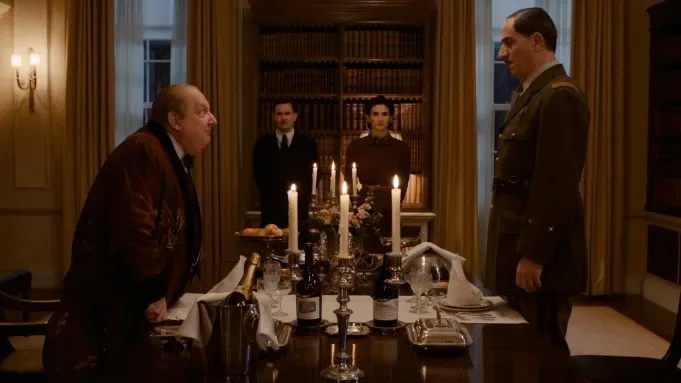
- Antonin Baudry's two-part €74 million historical epic 'De Gaulle' made its high-profile U.S. premiere at the American French Film Festival in Los Angeles, securing a resounding seven-minute standing ovation.
- Samuel Goldwyn Films is deploying a hybrid theatrical and nationwide transactional VOD release strategy to bridge the gap between arthouse limitations and broad commercial appeal.
- The production stars Simon Abkarian as Charles de Gaulle and Simon Russell Beale as Winston Churchill, exploring the friction-heavy diplomatic triangle between De Gaulle, Churchill, and Franklin D. Roosevelt.
- Following domestic box office momentum with over six million tickets sold in France and record-breaking runs in the U.K. and China, the film represents Pathé's most ambitious international crossover gamble to date.
- Tác phẩm sử thi lịch sử hai phần trị giá 74 triệu euro 'De Gaulle' của đạo diễn Antonin Baudry đã có buổi ra mắt vang dội tại Mỹ tại Liên hoan Phim Mỹ - Pháp ở Los Angeles, giành được tràng pháo tay kéo dài bảy phút không dứt.
- Samuel Goldwyn Films đang triển khai chiến lược phát hành kết hợp giữa chiếu rạp và VOD giao dịch trên toàn quốc nhằm thu hẹp khoảng cách giữa sự hạn chế của dòng phim nghệ thuật và sức hút thương mại đại chúng.
- Bộ phim có sự góp mặt của các diễn viên Simon Abkarian trong vai Charles de Gaulle và Simon Russell Beale trong vai Winston Churchill, khai thác tam giác ngoại giao đầy căng thẳng giữa De Gaulle, Churchill và Franklin D. Roosevelt.
- Tiếp nối đà thành công tại phòng vé nội địa với hơn sáu triệu vé được bán ra tại Pháp cùng những kỷ lục doanh thu tại Anh và Trung Quốc, bộ phim đại diện cho canh bạc vươn tầm quốc tế đầy tham vọng nhất của Pathé cho đến nay.
- La fresque historique en deux parties d'Antonin Baudry, « De Gaulle », budgétée à 74 millions d'euros, a connu sa grande avant-première américaine très remarquée au festival du film American French à Los Angeles, couronnée par une standing ovation de sept minutes.
- Samuel Goldwyn Films mise sur une stratégie de sortie hybride, alliant salles obscures et VàD transactionnelle à l'échelle nationale, pour s'affranchir des limites du cinéma d'auteur et séduire un public plus large.
- Le casting réunit Simon Abkarian dans le rôle de Charles de Gaulle et Simon Russell Beale dans celui de Winston Churchill, auscultant le triangle diplomatique sous haute tension unissant De Gaulle, Churchill et Franklin D. Roosevelt.
- Porté par un triomphe en France avec plus de six millions d'entrées et des scores records au Royaume-Uni et en Chine, le film s'impose comme le pari international le plus audacieux de Pathé à ce jour.
- La superproducción histórica de dos partes y 74 millones de euros de Antonin Baudry, «De Gaulle», celebró su estreno de alto nivel en EE. UU. en el American French Film Festival de Los Ángeles, donde cosechó una rotunda ovación de siete minutos.
- Samuel Goldwyn Films implementa una estrategia de estreno híbrido, combinando salas de cine y VOD transaccional a escala nacional, para tender un puente entre las limitaciones del circuito de autor y el atractivo comercial masivo.
- La producción está protagonizada por Simon Abkarian en el papel de Charles de Gaulle y Simon Russell Beale como Winston Churchill, y explora el tenso triángulo diplomático entre De Gaulle, Churchill y Franklin D. Roosevelt.
- Tras su impulso en la taquilla nacional con más de seis millones de entradas vendidas en Francia y su paso récord por el Reino Unido y China, el filme representa la apuesta internacional más ambiciosa de Pathé hasta la fecha.
- 安东尼·博德里执导的两部曲、总投资7400万欧元的历史史诗巨作《戴高乐》在美国洛杉矶美国法国电影节上进行了备受瞩目的美国首映,并赢得了全场长达七分钟的雷鸣般起立致敬。
- 塞缪尔·戈德温影业正采用院线发行与全国性按需点播(VOD)相结合的混合发行策略,以弥合艺术电影的局限性与广泛的商业吸引力之间的鸿沟。
- 该片由西蒙·阿布卡瑞安饰演夏尔·戴高乐,西蒙·拉塞尔·比尔饰演温斯顿·丘吉尔,深入探讨了戴高乐、丘吉尔与富兰克林·D·罗斯福之间摩擦不断的外交“铁三角”关系。
- 继在法国本土斩获超六百万观影人次、在英国和中国市场创下亮眼佳绩并形成强劲的本土票房势头后,这部电影成为了百代影业迄今为止最具雄心的国际跨界冒险之作。
When the cinematic curtain fell at the Directors Guild of America Theater in Los Angeles following a back-to-back screening of Antonin Baudry’s monumental two-part historical epic, the ensuing seven-minute standing ovation signaled something rarer in modern distribution than a mere box office win: the potential bridging of an entrenched cultural divide. Samuel Goldwyn Films is betting heavily that this €74 million ($80 million) French production, simply titled De Gaulle, can transcend the traditional boundaries of foreign-language arthouse cinema to captivate American mainstream audiences. Following massive domestic momentum that yielded over six million ticket sales in France, and unprecedented traction in territories spanning the United Kingdom and China, the North American rollout represents a masterclass in modern international film positioning.
The first installment, De Gaulle: Resistance, which charts the general’s lonely, almost quixotic crusade to forge a liberation movement from the ashes of France’s catastrophic 1940 surrender, hit U.S. screens this weekend via a targeted theatrical footprint covering major cultural hubs from New York and Los Angeles to Chicago, Atlanta, and Seattle. Simultaneously, distributor Peter Goldwyn has engineered a nationwide transactional VOD strategy designed to capture viewers whom conventional theatrical windows might otherwise miss. With the second chapter, De Gaulle: Liberty, scheduled for an early December release, the distributor is banking on historical curiosity, epic cinematic scope, and the enduring global fascination with the architecture of the Second World War to turn a uniquely French icon into a universal protagonist.
Rewriting the Allied Narrative on the Silver Screen
For decades, the cinematic pantheon of the Second World War has been dominated by Anglo-American myth-making, with Hollywood and British studios casting the conflict through the lens of Roosevelt, Churchill, and Eisenhower. Baudry’s production deliberately fractures this comfortable consensus by thrusting Charles de Gaulle into the center of the frame, exposing the abrasive, high-stakes diplomatic friction that existed between the Free French leader and his American and British counterparts. Drawing from rigorous historical archives and more than 150 source books, Baudry and co-writer Bérénice Vila reconstruct a geopolitical landscape where Franklin D. Roosevelt viewed De Gaulle not as an inspiring democratic vanguard, but as an eccentric British protégé leading a phantom government.
This friction forms the dramatic beating heart of the saga. In the film, Campbell Scott’s pragmatic Roosevelt stands in sharp contrast to Simon Russell Beale’s romantic, embattled Winston Churchill and Simon Abkarian’s uncompromising De Gaulle. Rather than retreating into sterile academic recreation or battlefield pyrotechnics, the films operate as an intimate character study of men burdened with the fate of empires. By foregrounding these intense ideological clashes—where American realpolitik collided with British romanticism and French national pride—the films offer U.S. audiences a fresh, challenging perspective on an era they thought they knew entirely, transforming textbook history into visceral, high-tension drama.
The Logistics of Crossing the Language and Distribution Rubicon
Bringing a five-hour, two-part foreign-language historical drama to American multiplexes requires defying conventional industry wisdom. Traditional U.S. theatrical exhibitors are notoriously hesitant to gamble screen space on non-English historical films that lack pre-sold superhero IP or recognizable domestic movie stars. Addressing this reality, Peter Goldwyn noted that while the sheer scale of the production places it closer to timeless epics like The Odyssey or Hollywood's golden-age blockbusters than to boutique European cinema, the language barrier remains an unavoidable commercial hurdle.
To counter the risk of traditional theatrical attrition, Goldwyn opted for a hybrid release model. Recognizing that American cinemas lack the patience for slow-burn word-of-mouth discoveries that allowed the films to eventually flourish in France, the distributor paired a selective major-market theatrical run with immediate nationwide digital availability. This two-pronged approach is supported by a comprehensive marketing campaign targeting not just traditional arthouse cinephiles, but history buffs, academic institutions, and younger demographics via digital platforms. By treating the two films as a single, monumental cultural event, the distributor is maximizing the efficiency of its grassroots momentum.
A Transformative Portrait and Global Cultural Resonances
At the center of this massive logistical and creative gamble is veteran stage and screen actor Simon Abkarian, whose staggering physical and psychological transformation into the iconic French general anchors the entire production. Eschewing a purely anthropological impersonation, Abkarian spent months dissecting De Gaulle’s distinctive cadence, rigid posture, and rhetorical frequency alongside director Antonin Baudry. The resulting performance avoids the traps of caricature, capturing instead the paradoxical vulnerability and ironclad destiny of a man who equated his own survival with the resurrection of the French republic.
The global resonance of this character study is already proving its international viability. In the U.K., De Gaulle: Resistance has emerged as the highest-grossing French-language release of the year, proving that cross-Channel historical rivalries hold enduring entertainment value. Meanwhile, a rare acquisition by Light Films ensures a late November theatrical rollout in mainland China—a notoriously difficult market for Western historical epics. As Samuel Goldwyn Films pushes the saga across American screens, the ultimate success of De Gaulle may well redefine what U.S. audiences expect from foreign cinema: proof that a deeply specific national story, executed with uncompromising cinematic ambition, can resonate as a universal human triumph.
Khi bức màn điện ảnh khép lại tại Nhà hát Hiệp hội Đạo diễn Mỹ (Directors Guild of America Theater) ở Los Angeles sau buổi chiếu liên tiếp hai phần của bộ sử thi lịch sử hoành tráng do Antonin Baudry thực hiện, tràng pháo tay kéo dài bảy phút sau đó đã báo hiệu một tín hiêu hiếm có trong ngành phát hành hiện đại hơn là một chiến thắng thuần túy tại phòng vé: tiềm năng hàn gắn một khoảng cách văn hóa đã hằn sâu. Samuel Goldwyn Films đang đặt cược lớn rằng tác phẩm điện ảnh Pháp trị giá 74 triệu euro (80 triệu USD) mang tựa đề đơn giản De Gaulle có thể vượt qua những ranh giới truyền thống của điện ảnh nghệ thuật tiếng nước ngoài để chinh phục khán giả đại chúng Mỹ. Tiếp nối đà thành công vang dội tại thị trường nội địa với hơn sáu triệu vé được bán ra ở Pháp, cùng sức hút chưa từng có tại các vùng lãnh thổ bao gồm Vương quốc Anh và Trung Quốc, chiến dịch ra mắt tại Bắc Mỹ đại diện cho một hình mẫu đỉnh cao trong việc định vị phim ảnh quốc tế hiện đại.
Phần đầu tiên, De Gaulle: Kháng chiến (De Gaulle: Resistance), xoay quanh cuộc thập tự chinh cô độc và gần như phi thực tế của vị tướng nhằm gây dựng một phong trào giải phóng từ đống tro tàn sau thất bại thảm hại năm 1940 của Pháp, đã chính thức ra mắt màn ảnh Mỹ vào cuối tuần này thông qua một chiến lược phát hành chọn lọc tại các trung tâm văn hóa lớn từ New York, Los Angeles cho đến Chicago, Atlanta và Seattle. Song song đó, nhà phát hành Peter Goldwyn đã thiết kế một chiến lược VOD giao dịch trên toàn quốc nhằm tiếp cận những khán giả mà các khung chiếu rạp truyền thống có thể bỏ lỡ. Với chương trình thứ hai, De Gaulle: Tự do (De Gaulle: Liberty), dự kiến ra mắt vào đầu tháng 12, nhà phát hành đang đặt niềm tin vào sự tò mò lịch sử, quy mô điện ảnh sử thi và nỗi ám ảnh toàn cầu lâu bền đối với cấu trúc của Chiến tranh Thế giới thứ hai để biến một biểu tượng mang tính đặc trưng của Pháp thành một nhân vật trung tâm mang tính phổ quát.
Viết lại Câu chuyện của Đồng minh trên Màn bạc
Trong nhiều thập kỷ, đền thờ điện ảnh về Thế chiến thứ hai đã bị thống trị bởi tư duy kiến tạo huyền thoại Anglo-Mỹ, khi Hollywood và các hãng phim Anh nhìn nhận cuộc xung đột qua lăng kính của Roosevelt, Churchill và Eisenhower. Tác phẩm của Baudry chủ tâm phá vỡ sự đồng thuận vốn dĩ thoải mái ấy bằng cách đẩy Charles de Gaulle vào trung tâm khung hình, phơi bày những ma sát ngoại giao đầy sắc bén và rủi ro cao từng tồn tại giữa nhà lãnh đạo lực lượng Pháp Tự do với những người đồng cấp Mỹ và Anh. Dựa trên các tài liệu lưu trữ lịch sử nghiêm ngặt cùng hơn 150 đầu sách nguồn, Baudry và đồng tác giả Bérénice Vila đã tái dựng một bức tranh địa chính trị nơi Franklin D. Roosevelt không nhìn nhận De Gaulle như một lực lượng tiên phong dân chủ đầy cảm hứng, mà là một kẻ bảo hộ người Anh đầy kỳ quặc đang lãnh đạo một chính phủ bóng ma.
Sự va chạm này tạo nên tâm điểm kịch tính của cả thiên sử thi. Trong phim, hình tượng Roosevelt thực dụng của Campbell Scott đứng trong sự tương phản sắc nét với một Winston Churchill lãng mạn, bị vây hãm của Simon Russell Beale và một De Gaulle không khoan nhượng của Simon Abkarian. Thay vì chìm đắm vào việc tái hiện học thuật khô khan hay những màn pháo hoa chiến trường rực lửa, các bộ phim vận hành như một cuộc nghiên cứu nhân vật sâu sắc về những con người gánh trên vai vận mệnh của các đế chế. Bằng cách đặt lên hàng đầu những xung đột ý thức hệ gay gắt này — nơi chủ nghĩa thực chính trị (realpolitik) của Mỹ va chạm với chủ nghĩa lãng mạn của Anh và niềm tự hào dân tộc Pháp — bộ phim mang đến cho khán giả Mỹ một góc nhìn mới mẻ và đầy thách thức về một kỷ nguyên mà họ tưởng chừng đã hiểu rõ hoàn toàn, qua đó biến lịch sử trong sách giáo khoa thành một vở kịch sống động và căng thẳng đỉnh cao.
Hậu cần của việc Vượt qua Ranh giới Ngôn ngữ và Phát hành
Đưa một bộ phim truyền hình lịch sử tiếng nước ngoài dài năm tiếng, chia làm hai phần lên các cụm rạp Mỹ đòi hỏi sự bất chấp những quy luật thông thường của ngành công nghiệp. Các nhà chiếu rạp truyền thống của Mỹ vốn nổi tiếng e dè trong việc mạo hiểm dành không gian màn ảnh cho những bộ phim lịch sử không nói tiếng Anh, thiếu vắng các thương hiệu siêu anh hùng quen thuộc hoặc những ngôi sao điện ảnh nội địa dễ nhận diện. Nhận thức rõ thực tế này, Peter Goldwyn lưu ý rằng mặc dù quy mô khổng lồ của tác phẩm đưa nó đến gần hơn với những sử thi vượt thời gian như The Odyssey hay các bộ phim bom tấn thời hoàng kim của Hollywood hơn là điện ảnh boutique châu Âu, rào cản ngôn ngữ vẫn là một trở ngại thương mại không thể né tránh.
Để đối phó với rủi ro hao hụt lượng khán giả rạp truyền thống, Goldwyn đã lựa chọn mô hình phát hành kết hợp. Nhận thức được rằng các rạp chiếu phim Mỹ thiếu sự kiên nhẫn đối với những làn sóng truyền miệng lan tỏa chậm từng giúp các bộ phim cuối cùng cũng thành công rực rỡ tại Pháp, nhà phát hành đã kết hợp việc phát hành rạp chọn lọc tại các thị trường lớn với khả năng tiếp cận kỹ thuật số ngay lập tức trên toàn quốc. Phương pháp tiếp cận kép này được hỗ trợ bởi một chiến dịch marketing toàn diện nhắm tới không chỉ giới mộ điệu phim nghệ thuật truyền thống, mà còn cả những người đam mê lịch sử, các học viện và nhân khẩu học trẻ tuổi thông qua các nền tảng kỹ thuật số. Bằng cách đối xử với hai bộ phim như một sự kiện văn hóa duy nhất, mang tầm vóc lớn lao, nhà phát hành đang tối đa hóa hiệu quả của sức hút cơ sở.
Chân dung Biến hóa và Sức vang Văn hóa Toàn cầu
Tâm điểm của canh bạc hậu cần và sáng tạo khổng lồ này là nam diễn viên kỳ cựu trên sân khấu lẫn màn ảnh Simon Abkarian, người có màn biến hóa vô cùng choáng váng cả về thể chất lẫn tâm lý thành vị tướng huyền thoại của nước Pháp, qua đó neo giữ toàn bộ tác phẩm. Tránh xa lối bắt chước mang tính nhân học thuần túy, Abkarian đã dành nhiều tháng để mổ xẻ nhịp điệu đặc trưng, tư thế cứng nhắc và tần số hùng biện của De Gaulle cùng với đạo diễn Antonin Baudry. Màn hóa thân kết quả đã tránh được cạm bẫy của sự biếm họa, thay vào đó nắm bắt được sự tổn thương nghịch lý cùng định mệnh sắt đá của một con người đã đồng nhất sự sống còn của chính mình với sự phục hưng của nền cộng hòa Pháp.
Sức vang toàn cầu của nghiên cứu nhân vật này đang chứng minh tính khả thi quốc tế của nó. Tại Anh, De Gaulle: Kháng chiến đã nổi lên như tác phẩm phát hành bằng tiếng Pháp có doanh thu cao nhất trong năm, chứng minh rằng những sự kình địch lịch sử qua eo biển Manche vẫn giữ được giá trị giải trí lâu bền. Trong khi đó, việc hãng Light Films mua lại bản quyền hiếm hoi đã đảm bảo một lịch chiếu rạp vào cuối tháng 11 tại Trung Quốc đại lục — một thị trường vốn nổi tiếng khó tính đối với các sử thi lịch sử phương Tây. Khi Samuel Goldwyn Films đẩy thiên sử thi này phủ sóng khắp các màn ảnh Mỹ, thành công cuối cùng của De Gaulle rất có thể sẽ định nghĩa lại những gì khán giả Mỹ mong đợi từ điện ảnh ngoại quốc: bằng chứng cho thấy một câu chuyện quốc gia mang tính đặc thù sâu sắc, được thực hiện với tham vọng điện ảnh không khoan nhượng, có thể vang lên như một khúc khải hoàn mang tính phổ quát của nhân loại.
Lorsque le rideau est tombé au Directors Guild of America Theater de Los Angeles, au terme d'une projection en continu du monumental diptyque historique d'Antonin Baudry, l'ovation debout de sept minutes qui s'en est suivie a acté bien plus qu'un simple succès au box-office : la promesse de combler un fossé culturel profondément ancré. Samuel Goldwyn Films mise gros sur cette production française de 74 millions d'euros (80 millions de dollars), sobrement intitulée De Gaulle, convaincue qu'elle peut s'affranchir des frontières traditionnelles du cinéma d'art et essai en langue étrangère pour captiver le grand public américain. Fort d'une immense dynamique hexagonale — soldée par plus de six millions de tickets vendus en France — et d'une percée sans précédent au Royaume-Uni et en Chine, ce déploiement nord-américain relève de la haute voltige en matière de positionnement cinématographique international.
Le premier volet, De Gaulle : Résistance, qui retrace la croisade solitaire et presque quichottesque du Général pour bâtir un mouvement de libération sur les ruines de la débâcle de 1940, a investi les écrans américains ce week-end via un dispositif ciblé dans les grands bassins culturels, de New York à Los Angeles en passant par Chicago, Atlanta et Seattle. Parallèlement, le distributeur Peter Goldwyn a orchestré une stratégie de VàD transactionnelle (VOD) à l'échelle nationale, pensée pour capter les spectateurs que les fenêtres d'exploitation traditionnelles en salles pourraient rater. Alors que le second chapitre, De Gaulle : Liberté, est attendu pour une sortie début décembre, le distributeur parie sur la curiosité historique, le souffle épique et la fascination mondiale intemporelle pour les rouages de la Seconde Guerre mondiale afin de muer cette icône éminemment française en protagoniste universel.
Réécrire le roman national des Alliés sur grand écran
Pendant des décennies, le panthéon cinématographique de la Seconde Guerre mondiale a été confisqué par le récit anglo-saxon, Hollywood et les studios britanniques filtrant le conflit à travers le prisme de Roosevelt, Churchill et Eisenhower. La réalisation d'Antonin Baudry vole en éclats ce consensus douillet en plaçant Charles de Gaulle au centre de l'échiquier, exposant les frictions diplomatiques abrasives et à haut risque qui opposaient le chef de la France Libre à ses homologues américain et britannique. Nourris par des archives historiques rigoureuses et plus de 150 ouvrages de référence, Baudry et sa co-scénariste Bérénice Vila restituent un paysage géopolitique où Franklin D. Roosevelt ne voyait pas en De Gaulle l'avant-garde démocratique inspirée, mais un protégé fantasque de Londres à la tête d'un gouvernement fantôme.
C'est de ce frottement que jaillit le cœur dramatique de la saga. À l'écran, le pragmatisme du Roosevelt de Campbell Scott contraste vivement avec le romantisme belliqueux du Winston Churchill de Simon Russell Beale et l'intransigeance du De Gaulle campé par Simon Abkarian. Lointains des reconstitutions académiques stériles ou des feux d'artifice belliqueux, les films fonctionnent comme une intime étude de caractère d'hommes écrasés par le destin des empires. En mettant en lumière ces affrontements idéologiques majeurs — où la realpolitik américaine se heurtait au romantisme britannique et à la ferveur patriotique française —, l'œuvre offre au public américain un regard neuf et stimulant sur une époque qu'il croyait connaître par cœur, muant l'histoire des manuels en un drame viscéral et hautement tendu.
La logistique du grand saut linguistique et de la distribution
Exhiber dans les multiplexes américains un drame historique en langue étrangère, long de cinq heures et scindé en deux parties, revient à braver les dogmes de l'industrie. Les exploitants traditionnels américains rechignent notoirement à risquer des copies sur des fresques historiques non anglophones dénuées de super-héros pré-vendus ou de stars locales. Lucide sur cette réalité, Peter Goldwyn concède que si l'envergure de la production la rapproche davantage des épopées intemporelles comme L'Odyssée ou des blockbusters de l'âge d'or hollywoodien que du cinéma européen d'auteur, la barrière de la langue demeure un écueil commercial incontournable.
Pour parer au risque d'essoufflement en salles, Goldwyn a opté pour un modèle de sortie hybride. Conscient que les cinémas américains manquent de la patience cinéphile nécessaire au bouche-à-oreille qui a permis aux films de s'imposer en France, le distributeur a couplé une exploitation sélective dans les grandes métropoles à une disponibilité numérique immédiate à l'échelle du pays. Une stratégie à double détente soutenue par une vaste campagne marketing visant à la fois les amateurs de cinéma d'art et d'essai, les passionnés d'histoire, les institutions académiques et les publics plus jeunes via les réseaux connectés. En traitant ce diptyque comme un événement culturel total et monumental, le distributeur optimise l'écho de sa dynamique initiale.
Portrait d'une métamorphose et résonances culturelles mondiales
Au centre de ce pari logistique et artistique hors normes trône le comédien de scène et d'écran chevronné Simon Abkarian, dont la stupéfiante transformation physique et psychologique en Général de Gaulle irrigue toute la production. Fuyant l'imitation purement anthropologique, Abkarian a passé des mois à disséquer la cadence singulière, la raideur posturale et la diction du chef de la France Libre aux côtés du réalisateur Antonin Baudry. La composition ainsi livrée évite les écueils de la caricature pour capturer la vulnérabilité paradoxale et le destin de fer d'un homme qui assimilait sa propre survie à la résurrection de la République.
La résonance universelle de cette étude de caractère démontre déjà sa viabilité internationale. Au Royaume-Uni, De Gaulle : Résistance s'est imposé comme le long-métrage en langue française le plus lucratif de l'année, prouvant que les rivalités historiques transmanche conservent un pouvoir de fascination intact. Parallèlement, une acquisition rare signée Light Films garantit une sortie fin novembre dans les salles de Chine continentale — un marché notoirement imperméable aux fresques historiques occidentales. Tandis que Samuel Goldwyn Films propulse la saga sur les écrans américains, le succès ultime de De Gaulle pourrait bien redéfinir les attentes du public américain face au cinéma étranger : la preuve qu'un récit national profondément singulier, porté par une ambition cinématographique intransigeante, peut vibrer comme un triomphe universel.
Cuando el telón cinematográfico cayó en el Directors Guild of America Theater de Los Ángeles tras la proyección consecutiva de la monumental saga histórica en dos partes de Antonin Baudry, la consiguiente ovación de siete minutos en pie auguraba algo más infrecuente en la distribución moderna que un simple éxito de taquilla: la potencial superación de una arraigada brecha cultural. Samuel Goldwyn Films apuesta firmemente a que esta producción francesa de 74 millones de euros (80 millones de dólares), titulada simplemente De Gaulle, logrará trascender las fronteras tradicionales del cine de arte y ensayo en lengua extranjera para cautivar al gran público estadounidense. Tras un abrumador impulso comercial en su país que superó los seis millones de espectadores y una repercusión sin precedentes en territorios como el Reino Unido y China, el desembarco en Norteamérica constituye una auténtica clase magistral de posicionamiento cinematográfico internacional.
La primera entrega, De Gaulle: Resistencia, que narra la cruzada solitaria y casi quijotesca del general para fraguar un movimiento de liberación de entre las cenizas de la catastrófica rendición de Francia en 1940, llegó a las pantallas estadounidenses este fin de semana con un estreno selecto en salas que abarca los principales centros neurálgicos culturales, desde Nueva York y Los Ángeles hasta Chicago, Atlanta y Seattle. Paralelamente, el distribuidor Peter Goldwyn ha diseñado una estrategia de VOD transaccional a escala nacional concebida para captar a aquellos espectadores a los que las ventanas de exhibición cinematográfica convencional tal vez no logren alcanzar. Con el segundo capítulo, De Gaulle: Libertad, previsto para principios de diciembre, la distribuidora confía en que la curiosidad histórica, la ambición a gran escala y la fascinación global por la arquitectura de la Segunda Guerra Mundial conviertan a un icono profundamente francés en un protagonista universal.
La reescritura de la narrativa aliada en la gran pantalla
Durante décadas, el panteón cinematográfico de la Segunda Guerra Mundial ha estado dominado por la mitología angloamericana, con los estudios de Hollywood y británicos enfocando el conflicto a través del prisma de Roosevelt, Churchill y Eisenhower. La producción de Baudry quiebra deliberadamente este cómodo consenso al situar a Charles de Gaulle en el centro de la escena, exponiendo la áspera y delicada tensión diplomática que existía entre el líder de la Francia Libre y sus homólogos estadounidense y británico. Partiendo de una rigurosa labor de archivo y de más de 150 obras de consulta, Baudry y su coguionista Bérénice Vila reconstruyen un panorama geopolítico en el que Franklin D. Roosevelt no contemplaba a De Gaulle como una vanguardia democrática inspiradora, sino como un protegido británico excéntrico al frente de un gobierno fantasma.
Esta fricción constituye el latido dramático de la saga. En el filme, el pragmático Roosevelt encarnado por Campbell Scott contrasta vivamente con el romántico y acosado Winston Churchill de Simon Russell Beale y el intransigente De Gaulle de Simon Abkarian. Lejos de refugiarse en una recreación académica estéril o en los fuegos artificiales bélicos, las películas funcionan como un estudio íntimo de personajes abrumados por el destino de los imperios. Al anteponer estos intensos choques ideológicos —donde la realpolitik estadounidense chocaba con el romanticismo británico y el orgullo nacional francés—, los filmes ofrecen al público estadounidense una perspectiva inédita y estimulante sobre una época que creía conocer por completo, transformando la historia de manual en un drama visceral de alta tensión.
La logística de cruzar el Rubicón del idioma y la distribución
Llevar un drama histórico en lengua extranjera de cinco horas y dos partes a los cines multiplex estadounidenses exige desafiar la sabiduría convencional de la industria. Los exhibidores tradicionales de EE. UU. se muestran notoriamente reacios a arriesgar espacio en cartelera con películas históricas no anglófonas que carezcan de una propiedad intelectual de superhéroes o de estrellas patrias reconocibles. Consciente de esta realidad, Peter Goldwyn señaló que, si bien la magnitud de la producción la emparenta más con clásicos atemporales como La Odisea o las superproducciones de la edad dorada de Hollywood que con el cine europeo de autor, la barrera idiomática sigue siendo un obstáculo comercial ineludible.
Para contrarrestar el riesgo del desgaste en las salas tradicionales, Goldwyn se decantó por un modelo de estreno híbrido. Al comprender que los cines estadounidenses carecen de la paciencia necesaria para el boca a boca que permitió a las películas triunfar paulatinamente en Francia, la distribuidora combinó una presencia selecta en salas de mercados clave con la inmediata disponibilidad digital en todo el país. Esta estrategia de doble vía se respalda con una exhaustiva campaña de marketing orientada no solo a los cinéfilos tradicionales de arte y ensayo, sino también a los entusiastas de la historia, las instituciones académicas y los sectores demográficos más jóvenes a través de plataformas digitales. Al concebir ambos largometrajes como un único y monumental acontecimiento cultural, la distribuidora maximiza la eficacia de su impulso inicial.
Un retrato transformador y las resonancias culturales globales
En el epicentro de esta titánica apuesta logística y creativa se encuentra el veterano actor de teatro y cine Simon Abkarian, cuya asombrosa transformación física y psicológica en el emblemático general francés vertebra toda la producción. Alejándose de una mímesis puramente antropológica, Abkarian pasó meses diseccionando la cadencia distintiva, la rígida postura y el registro retórico de De Gaulle junto al director Antonin Baudry. El resultado es una interpretación que esquiva las trampas de la caricatura y capta la vulnerable paradoja y el férreo destino de un hombre que equiparaba su propia supervivencia con la resurrección de la república francesa.
La resonancia global de este estudio de personajes ya está demostrando su viabilidad internacional. En el Reino Unido, De Gaulle: Resistencia se ha convertido en el estreno en lengua francesa más taquillero del año, lo que corrobora que las rivalidades históricas a ambos lados del canal de la Mancha conservan un indudable atractivo comercial. Por su parte, una excepcional adquisición por parte de Light Films garantiza su llegada a los cines de la China continental a finales de noviembre, un mercado históricamente complejo para las superproducciones históricas occidentales. A medida que Samuel Goldwyn Films impulsa la saga en las pantallas estadounidenses, el éxito definitivo de De Gaulle bien podría redefinir las expectativas del público norteamericano respecto al cine extranjero: la prueba fehaciente de que una historia nacional profundamente singular, ejecutada con una ambición cinematográfica implacable, puede resonar como un triunfo humano universal.
当洛杉矶美国导演工会剧院(Directors Guild of America Theater)的电影大幕缓缓落下,安东尼·博德里(Antonin Baudry)宏大的两部曲历史史诗片连映结束时,随之而来长达七分钟的全场起立鼓掌,传递出的信号在现代电影发行界比单纯的票房成功更为罕见:它展现了跨越深厚文化鸿沟的巨大潜力。塞缪尔·戈德温影业(Samuel Goldwyn Films)正在大举押注这部耗资7400万欧元(约合8000万美元)的法国制作——简称为《戴高乐》(De Gaulle)——能够超越传统外语艺术电影的界限,从而吸引美国主流观众。在法国国内斩获超过六百万张门票销售的巨大本土声势,以及在英国和中国等市场取得前所未有的吸引力之后,该片在北美的上映堪称现代国际电影定位的教科书级范例。
第一部《戴高乐:抵抗》(De Gaulle: Resistance)于本周末登陆美国银幕,其首轮发行采取了针对性的院线布局,涵盖了从纽约、洛杉矶到芝加哥、亚特兰大和西雅图等主要文化枢纽。该片勾勒了这位将军在法国1940年灾难性投降的废墟上,发起一场孤独且近乎堂吉诃德式的解放运动的艰难历程。与此同时,发行商彼得·戈德温(Peter Goldwyn)精心策划了一项全国性的交易型VOD(按需点播)战略,旨在捕捉那些传统院线窗口期可能错过的观众。随着第二章《戴高乐:自由》(De Gaulle: Liberty)定于12月初上映,发行商正寄希望于历史好奇心、宏大的电影视野以及全球对二战构建经久不衰的痴迷,将这位独特的法国标志性人物转化为一个具有普世意义的主角。
在银幕上重写盟军叙事
几十年来,第二次世界大战的电影殿堂一直由英美两国塑造的神话所主导,好莱坞和英国电影公司大多通过罗斯福、丘吉尔和艾森豪威尔的视角来审视这场冲突。博德里的制作刻意打破了这种令人舒适的共识,将夏尔·戴高乐(Charles de Gaulle)置于画面的核心,暴露了这位自由法国领导人与其美英同行之间存在的充满摩擦、高风险的外交对立。博德里与联合编剧贝勒尼斯·维拉(Bérénice Vila)从严谨的历史档案和150多本源材料中汲取营养,重建了一个地缘政治景观:在这里,富兰克林·D·罗斯福(Franklin D. Roosevelt)并未将戴高乐视为一个鼓舞人心的民主先锋,而是将其看作一个领导着虚构政府的古怪英国门生。
这种摩擦构成了这部史诗剧作的情感跳动核心。在电影中,坎贝尔·斯科特(Campbell Scott)饰演的务实罗斯福,与西蒙·拉塞尔·比尔(Simon Russell Beale)饰演的浪漫且陷入困境的温斯顿·丘吉尔,以及西蒙·阿布卡瑞安(Simon Abkarian)饰演的毫不妥协的戴高乐形成了鲜明对比。这些电影并没有退缩到枯燥的学术重现或战场上的特效火爆场面中,而是作为对那些背负着帝国命运的男人们的深度人物特写。通过将这些激烈的意识形态冲突置于首要位置——美国现实政治与英国浪漫主义及法国民族自豪感在此碰撞——影片为美国观众提供了一个新鲜、具有挑战性的视角,让他们重新审视一个自以为完全了解的时代,并将教科书式的历史转化为直击人心、高度紧张的戏剧张力。
跨越语言与发行卢比孔河的后勤挑战
将一部长达五小时、分两部分的外语历史大戏带入美国的多元影院,需要无视传统的行业常识。传统的美国院线展商历来对将银幕空间押注于缺乏预售超级英雄IP或本土知名电影明星的非英语历史片抱有畏难情绪。针对这一现实,彼得·戈德温指出,虽然该片庞大的制作规模使其更接近于《奥德赛》或好莱坞黄金时代的大片,而不是欧洲精品文艺片,但语言障碍仍然是一个不可避免的商业障碍。
为了应对传统院线流失的风险,戈德温选择了混合发行模式。发行商认识到,美国影院缺乏足够的耐心去等待那种让电影最终在法国大放异彩的慢热口碑传播,于是将精选的主要市场院线公映与即时的全国数字平台播放结合起来。这一双管齐下的策略得到了全面的营销活动的支撑,这些活动不仅针对传统的艺术电影爱好者,还通过数字平台触达历史迷、学术机构以及更年轻的人群。通过将这两部电影视为一个单一、宏大的文化事件,发行商将其基层推广的效率最大化。
颠覆性的肖像画与全球文化共鸣
这场庞大后勤与创意博弈的核心,是资深舞台及银幕演员西蒙·阿布卡瑞安(Simon Abkarian),他惊人的外在与心理转化完美呈现了这位标志性的法国将军,并撑起了整部作品。阿布卡瑞安并没有进行纯粹的人类学式的模仿,而是与导演安东尼·博德里一起,花了几个月的时间剖析戴高乐独特的语调、僵硬的姿态和演讲频率。最终呈现的表演避开了刻板印象的陷阱,转而捕捉到了一个将自身命运与法兰西共和国复兴等同起来的男人的矛盾脆弱与钢铁般命运。
这种人物研究的全球共鸣已经证明了其国际可行性。在英国,《戴高乐:抵抗》已成为今年票房最高的法语电影,这证明了英吉利海峡两岸的历史竞争依然具有持久的娱乐价值。与此同时,光影影业(Light Films)的一次罕见收购确保了该片将于11月下旬在中国内地院线公映——对于西方历史史诗片而言,这是一个出了名难啃的市场。随着塞缪尔·戈德温影业将这部史诗推向美国银幕,《戴高乐》的最终成功很可能会重新定义美国观众对外语片的期望:它证明了一个具有高度特殊性的民族故事,若能以毫不妥协的电影雄心来执行,同样能够引发普世人类胜利的共鸣。
Editorial Standards & Multi-Language Synthesis: This dispatch was synthesized and fact-checked by the ParisDaily Editorial Desk across 5 global editions (EN, FR, VI, ES, ZH), cross-referencing primary international wire reports and real-time search intelligence.