El mito azucarado: por qué 'Hershey', de Angel Studios, redefine el biopic estadounidense
Angel Studios’ latest feature, 'Hershey,' offers a sanitized, aspirational portrait of the chocolate magnate, signaling a shift toward nostalgic, faith-adjacent storytelling in the modern film landscape.
Tác phẩm mới nhất của Angel Studios, 'Hershey', mang đến một chân dung đầy lý tưởng và thanh sạch về ông trùm ngành sô-cô-la, đánh dấu bước chuyển mình sang lối kể chuyện hoài cổ, đậm chất đức tin trong bối cảnh điện ảnh hiện đại. Bộ phim không chỉ là một thước phim tiểu sử mà còn là minh chứng cho sự trỗi dậy của dòng "điện ảnh an ủi" (comfort cinema) đang chiếm lĩnh thị hiếu khán giả ngày nay.
Le dernier long-métrage d'Angel Studios, « Hershey », propose un portrait aseptisé et inspirant du magnat du chocolat, marquant un tournant vers une narration nostalgique, aux accents spirituels, dans le paysage cinématographique actuel.
La última película de Angel Studios, 'Hershey', ofrece un retrato edulcorado y aspiracional del magnate del chocolate, marcando un giro hacia una narrativa nostálgica y de corte espiritual en el panorama cinematográfico actual.
天使工作室的最新力作《好时》为这位巧克力大亨勾勒出一幅经过美化、充满抱负的肖像,标志着现代电影格局正向怀旧且带有信仰色彩的叙事风格转型。
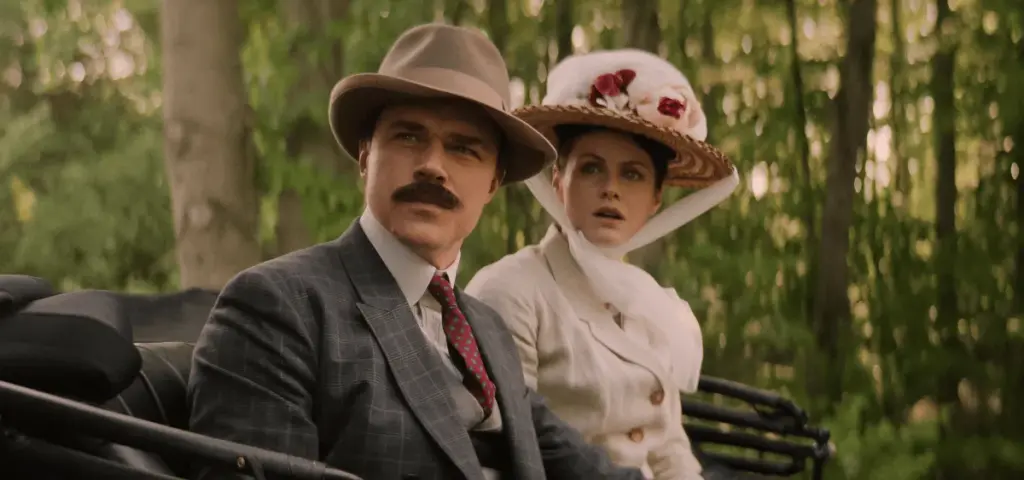
- Finn Wittrock stars as Milton Hershey in a film that prioritizes moral instruction over complex historical character study.
- The film reflects Angel Studios' broader strategy of producing 'great man' narratives that emphasize American industrial optimism.
- Director Mark Waters pivots from his satirical roots to a more earnest, storybook aesthetic designed for a broad, family-oriented audience.
- The production highlights a growing market appetite for 'comfort cinema' that avoids the cynical, gritty tropes of contemporary prestige dramas.
- Finn Wittrock vào vai Milton Hershey trong một bộ phim ưu tiên các bài học đạo đức hơn là phân tích tâm lý nhân vật lịch sử phức tạp.
- Bộ phim phản ánh chiến lược rộng lớn hơn của Angel Studios trong việc sản xuất các câu chuyện về "vĩ nhân", nhấn mạnh tinh thần lạc quan công nghiệp của nước Mỹ.
- Đạo diễn Mark Waters chuyển hướng từ phong cách châm biếm sở trường sang thẩm mỹ kể chuyện chân thành, như một cuốn sách ảnh dành cho đại chúng và gia đình.
- Tác phẩm làm nổi bật nhu cầu thị trường ngày càng tăng đối với "điện ảnh an ủi", tránh xa những mô-típ gai góc, hoài nghi của các bộ phim chính kịch đương đại.
- Finn Wittrock incarne Milton Hershey dans un film qui privilégie l'édification morale à l'étude de caractère historique complexe.
- Le film reflète la stratégie globale d'Angel Studios, qui consiste à produire des récits de « grands hommes » mettant en avant l'optimisme industriel américain.
- Le réalisateur Mark Waters délaisse ses racines satiriques pour une esthétique plus sincère, façon livre de contes, conçue pour un large public familial.
- La production souligne un appétit croissant du marché pour un « cinéma réconfortant » qui évite les tropes cyniques et sombres des drames de prestige contemporains.
- Finn Wittrock protagoniza a Milton Hershey en una cinta que prioriza la enseñanza moral sobre el análisis histórico complejo del personaje.
- El filme refleja la estrategia más amplia de Angel Studios de producir relatos sobre "grandes hombres" que enfatizan el optimismo industrial estadounidense.
- El director Mark Waters se aleja de sus raíces satíricas hacia una estética de cuento, más sincera y diseñada para un público familiar.
- La producción subraya un creciente apetito del mercado por el "cine de confort" que evita los tropos cínicos y crudos de los dramas de prestigio contemporáneos.
- 芬·维特洛克在片中饰演米尔顿·好时,该片将道德教化置于复杂的历史人物研究之上。
- 这部电影反映了天使工作室更宏大的战略,即制作强调美国工业乐观主义的“伟人”叙事。
- 导演马克·沃特斯从其讽刺风格的根源转向了一种更真诚、更具绘本美感的风格,旨在吸引广泛的家庭观众。
- 该制作凸显了市场对“治愈系电影”日益增长的需求,这种电影避开了当代精品剧集中常见的愤世嫉俗与残酷基调。
In the landscape of contemporary cinema, where the anti-hero has long reigned supreme and moral ambiguity is the currency of prestige, Angel Studios has carved out a defiant, if polarizing, niche. Their latest production, Hershey, is a testament to this mission: a sweeping, earnest, and unapologetically sentimental biopic that traces the rise of Milton Hershey from a struggling Pennsylvania confectioner to the architect of a global chocolate empire. By eschewing the darker, more complex psychological underpinnings of industrial history, the film positions itself not as a gritty exploration of capitalism, but as a fable of American ingenuity and philanthropic virtue.
At the center of this sugar-dusted narrative is Finn Wittrock, whose portrayal of Hershey serves as the film’s moral compass. Wittrock, known for his work in the Ryan Murphy universe and his stage-commanding presence in Death of a Salesman, brings a sonorous, almost old-world elegance to the role. Yet, the film’s true protagonist is the myth of the American dream itself—a vision of a world where hard work, milk-infused innovation, and a dash of utopian socialism can create a paradise on earth. For audiences weary of the cynical tone of modern media, Hershey offers a return to a simpler, more structured form of storytelling that feels less like a documentary and more like a morality play for the modern age.
The Architecture of the 'Great Man' Biopic
The "great man" biography is a genre that has largely fallen out of favor in the halls of Hollywood, replaced by deconstructive narratives that seek to expose the flaws of historical icons. Angel Studios, however, has leaned into the form with a fervor that borders on the evangelical. Hershey follows the trajectory of a classic hero’s journey: the humble beginnings in Pennsylvania Dutch country, the early failures of a young entrepreneur, and the eventual triumph of a man who sought to democratize luxury. By focusing on the "plaster saint" version of Hershey, the film effectively strips away the grit of the 19th-century industrial revolution, replacing it with a polished, storybook aesthetic.
The film’s structure is intentionally linear, treating the invention of the iconic Hershey’s Kiss or the establishment of the Hershey industrial town as inevitable milestones in a destiny-driven life. This approach is not merely a stylistic choice; it is a strategic one. By simplifying the narrative, the filmmakers ensure that the focus remains on the inspirational quality of Hershey’s life—his commitment to his workers, his philanthropic support for impoverished children, and his unwavering belief in the accessibility of chocolate. It is a film that demands to be viewed through a lens of nostalgia, inviting the audience to inhabit a version of the past that is as comforting as the product the man himself created.
The Intersection of Commerce and Utopianism
What makes Hershey particularly compelling as a cultural artifact is its depiction of the protagonist as a "utopian socialist dreamer." In an era where corporate giants are often viewed with suspicion, the film presents Hershey as the antithesis of the robber baron. He is a man who pays his workers top dollar, provides them with shares, and builds a town that functions as a sanctuary rather than a mere factory site. This portrayal taps into a deep-seated American desire for a benevolent capitalism—a system that rewards the individual while simultaneously uplifting the community.
Director Mark Waters, whose previous work includes the razor-sharp satire of Mean Girls, brings a surprising level of sincerity to this project. He navigates the script’s perfunctory beats with a steady hand, ensuring that the emotional stakes—particularly the relationship between Milton and his wife, Kitty—remain at the forefront. When Kitty, played with grace by Alexandra Daddario, begins to succumb to a degenerative illness, the film pivots toward a more faith-based emotional resonance. It avoids the clinical tragedy of the situation, choosing instead to frame their partnership as a divine union that fueled the philanthropic legacy that survives to this day.
Global Ripple Effects and the Future of Comfort Cinema
The success of Hershey will likely serve as a barometer for the appetite of the modern viewer. As streaming platforms and traditional studios grapple with "news fatigue" and the exhaustion of the blockbuster model, the rise of Angel Studios suggests that there is a significant, underserved market for content that is explicitly aspirational. Hershey is not designed to challenge the viewer’s worldview; it is designed to reinforce a sense of shared history and values. This is the hallmark of the "comfort cinema" movement, which prioritizes the emotional experience of the audience over the critical deconstruction of its subject matter.
Looking ahead, the industry will be watching closely to see if this model can be sustained. Can a studio thrive on the production of "great man" sagas in an increasingly fragmented cultural landscape? If Hershey performs as expected, it may signal a broader pivot in Hollywood production slates. We may see a return to historical dramas that emphasize the virtues of the past, moving away from the irony-laden scripts that have dominated the last decade. Whether one views this as a regressive step or a necessary return to traditional storytelling, the impact of Hershey is undeniable: it has successfully turned the biography of a candy maker into a mirror for our own collective desires for sweetness, stability, and a legacy that transcends the bottom line.
Ultimately, Hershey is a film that succeeds on its own terms. It does not attempt to be a gritty, warts-and-all biopic, nor does it pretend to be a complex psychological study. Instead, it offers a polished, heartfelt, and highly consumable narrative that serves as a reminder of why we tell stories about great men in the first place: to inspire, to comfort, and to find a little bit of sweetness in a world that is often anything but.
Trong bức tranh điện ảnh đương đại, nơi các nhân vật phản anh hùng từ lâu đã thống trị và sự mơ hồ về đạo đức trở thành thước đo của sự đẳng cấp, Angel Studios đã tạo ra một vị thế đầy thách thức, dù còn gây nhiều tranh cãi. Tác phẩm mới nhất của họ, Hershey, là minh chứng cho sứ mệnh này: một bộ phim tiểu sử bao quát, chân thành và đầy cảm xúc, dõi theo hành trình của Milton Hershey từ một người làm kẹo chật vật ở Pennsylvania trở thành kiến trúc sư của một đế chế sô-cô-la toàn cầu. Bằng cách tránh xa những góc khuất tâm lý phức tạp của lịch sử công nghiệp, bộ phim không định vị mình là một cuộc khám phá gai góc về chủ nghĩa tư bản, mà là một câu chuyện ngụ ngôn về sự sáng tạo và đức hạnh từ thiện của người Mỹ.
Trung tâm của câu chuyện "phủ đường" này là Finn Wittrock, người mà lối diễn xuất của anh đóng vai trò như chiếc la bàn đạo đức cho cả bộ phim. Wittrock, vốn nổi tiếng qua các dự án của Ryan Murphy và sự hiện diện đầy uy lực trên sân khấu trong Death of a Salesman, đã mang đến một vẻ thanh lịch, vang vọng của thời đại cũ cho vai diễn. Tuy nhiên, nhân vật chính thực sự của bộ phim lại chính là huyền thoại về "giấc mơ Mỹ"—một tầm nhìn về thế giới nơi sự chăm chỉ, đổi mới và một chút chủ nghĩa xã hội không tưởng có thể tạo ra thiên đường trên mặt đất. Đối với những khán giả đã mệt mỏi với tông giọng hoài nghi của truyền thông hiện đại, Hershey mang đến sự trở lại với một hình thức kể chuyện đơn giản, có cấu trúc chặt chẽ, mang cảm giác giống một vở kịch đạo đức cho thời đại mới hơn là một bộ phim tài liệu.
Kiến trúc của dòng phim tiểu sử "Vĩ nhân"
Tiểu sử về "vĩ nhân" là một thể loại đã dần mất đi vị thế tại Hollywood, bị thay thế bởi những kịch bản giải cấu trúc nhằm phơi bày những khiếm khuyết của các biểu tượng lịch sử. Tuy nhiên, Angel Studios lại dấn thân vào thể loại này với một sự nhiệt thành gần như mang tính truyền giáo. Hershey đi theo quỹ đạo của một hành trình anh hùng cổ điển: những khởi đầu khiêm tốn tại vùng đất Pennsylvania Dutch, những thất bại ban đầu của một doanh nhân trẻ, và sự thành công cuối cùng của một người đàn ông muốn bình dân hóa sự xa xỉ. Bằng cách tập trung vào phiên bản "thánh nhân" của Hershey, bộ phim đã gạt bỏ đi sự khắc nghiệt của cuộc cách mạng công nghiệp thế kỷ 19, thay thế nó bằng một thẩm mỹ bóng bẩy, như bước ra từ những trang sách.
Cấu trúc của bộ phim mang tính tuyến tính có chủ đích, coi việc phát minh ra viên kẹo Hershey’s Kiss hay việc thành lập thị trấn công nghiệp Hershey là những cột mốc tất yếu trong một cuộc đời được định sẵn. Cách tiếp cận này không chỉ là một lựa chọn phong cách; đó là một chiến lược. Bằng cách đơn giản hóa câu chuyện, các nhà làm phim đảm bảo rằng trọng tâm vẫn nằm ở phẩm chất truyền cảm hứng trong cuộc đời Hershey—cam kết của ông đối với người lao động, sự hỗ trợ từ thiện cho trẻ em nghèo và niềm tin không lay chuyển vào khả năng tiếp cận sô-cô-la của mọi người. Đây là một bộ phim đòi hỏi được xem qua lăng kính hoài cổ, mời gọi khán giả đắm mình vào một phiên bản quá khứ dễ chịu như chính sản phẩm mà nhân vật chính đã tạo ra.
Sự giao thoa giữa thương mại và chủ nghĩa không tưởng
Điều khiến Hershey trở nên đặc biệt hấp dẫn như một hiện vật văn hóa chính là cách khắc họa nhân vật chính như một "kẻ mộng mơ xã hội chủ nghĩa không tưởng". Trong thời đại mà các tập đoàn khổng lồ thường bị nhìn nhận với sự nghi ngờ, bộ phim lại trình bày Hershey như một sự đối lập với những "ông trùm cướp bóc". Ông là người trả lương cao cho công nhân, chia sẻ cổ phần và xây dựng một thị trấn đóng vai trò như một thánh đường thay vì chỉ là một công trường sản xuất. Cách khắc họa này chạm đúng vào khát vọng sâu xa của người Mỹ về một chủ nghĩa tư bản nhân văn—một hệ thống vừa tưởng thưởng cho cá nhân, vừa nâng đỡ cộng đồng.
Đạo diễn Mark Waters, người từng làm nên thành công với bộ phim châm biếm sắc bén Mean Girls, đã mang đến một sự chân thành đáng ngạc nhiên cho dự án này. Ông điều hướng các nhịp điệu kịch bản một cách vững vàng, đảm bảo rằng các yếu tố cảm xúc—đặc biệt là mối quan hệ giữa Milton và vợ ông, Kitty—luôn được đặt lên hàng đầu. Khi Kitty, do Alexandra Daddario thủ vai đầy duyên dáng, bắt đầu suy sụp vì căn bệnh thoái hóa, bộ phim chuyển hướng sang một sự cộng hưởng cảm xúc dựa trên đức tin. Nó tránh né sự bi kịch lâm sàng của hoàn cảnh, thay vào đó chọn cách đóng khung mối quan hệ của họ như một sự kết hợp thiêng liêng đã nuôi dưỡng di sản từ thiện tồn tại đến tận ngày nay.
Những làn sóng lan tỏa toàn cầu và tương lai của "Điện ảnh an ủi"
Sự thành công của Hershey có khả năng sẽ đóng vai trò như một thước đo cho thị hiếu của khán giả hiện đại. Khi các nền tảng phát trực tuyến và các hãng phim truyền thống đang vật lộn với "sự mệt mỏi vì tin tức" và sự kiệt quệ của mô hình phim bom tấn, sự trỗi dậy của Angel Studios cho thấy một thị trường đáng kể, chưa được phục vụ cho các nội dung mang tính truyền cảm hứng rõ rệt. Hershey không được thiết kế để thách thức thế giới quan của người xem; nó được thiết kế để củng cố cảm giác về lịch sử và giá trị chung. Đây là dấu ấn của phong trào "điện ảnh an ủi", nơi ưu tiên trải nghiệm cảm xúc của khán giả hơn là sự giải cấu trúc phê phán về chủ đề.
Nhìn về tương lai, ngành công nghiệp sẽ theo dõi sát sao để xem liệu mô hình này có thể duy trì được hay không. Liệu một studio có thể phát triển mạnh mẽ nhờ sản xuất các thiên sử thi về "vĩ nhân" trong một bối cảnh văn hóa ngày càng phân mảnh? Nếu Hershey đạt được kết quả như mong đợi, nó có thể báo hiệu một bước chuyển mình rộng lớn hơn trong danh mục sản xuất của Hollywood. Chúng ta có thể thấy sự trở lại của những bộ phim chính kịch lịch sử nhấn mạnh vào các đức tính của quá khứ, rời xa những kịch bản đầy tính mỉa mai đã thống trị trong thập kỷ qua. Dù người ta coi đây là một bước lùi hay một sự trở lại cần thiết với lối kể chuyện truyền thống, tác động của Hershey là không thể phủ nhận: nó đã thành công trong việc biến tiểu sử của một người làm kẹo thành tấm gương phản chiếu những khao khát chung của chúng ta về sự ngọt ngào, ổn định và một di sản vượt lên trên cả lợi nhuận.
Sau cùng, Hershey là một bộ phim thành công theo cách riêng của nó. Nó không cố gắng trở thành một bộ phim tiểu sử gai góc, trần trụi, cũng không giả vờ là một nghiên cứu tâm lý phức tạp. Thay vào đó, nó mang đến một câu chuyện bóng bẩy, chân thành và dễ tiếp nhận, đóng vai trò như một lời nhắc nhở về lý do tại sao chúng ta kể những câu chuyện về các vĩ nhân ngay từ đầu: để truyền cảm hứng, để an ủi và để tìm thấy một chút ngọt ngào trong một thế giới mà thường chẳng có gì là ngọt ngào cả.
Dans le paysage du cinéma contemporain, où l'anti-héros règne depuis longtemps en maître et où l'ambiguïté morale est la monnaie d'échange du prestige, Angel Studios s'est taillé une niche aussi provocante que polarisante. Leur dernière production, Hershey, témoigne de cette mission : un biopic ample, sincère et délibérément sentimental qui retrace l'ascension de Milton Hershey, modeste confiseur de Pennsylvanie devenu l'architecte d'un empire mondial du chocolat. En évitant les ressorts psychologiques plus sombres et complexes de l'histoire industrielle, le film ne se positionne pas comme une exploration brute du capitalisme, mais comme une fable sur l'ingéniosité américaine et la vertu philanthropique.
Au cœur de ce récit saupoudré de sucre se trouve Finn Wittrock, dont l'interprétation de Hershey sert de boussole morale au film. Wittrock, connu pour son travail dans l'univers de Ryan Murphy et sa présence imposante sur les planches dans Mort d'un commis voyageur, apporte au rôle une élégance sonore, presque d'un autre temps. Pourtant, le véritable protagoniste du film est le mythe du rêve américain lui-même : la vision d'un monde où le travail acharné, l'innovation lactée et une pincée de socialisme utopique peuvent créer un paradis sur terre. Pour les spectateurs lassés par le ton cynique des médias modernes, Hershey propose un retour à une forme de narration plus simple et structurée, qui ressemble moins à un documentaire qu'à une moralité pour notre époque.
L'architecture du biopic du « grand homme »
La biographie du « grand homme » est un genre largement tombé en désuétude dans les couloirs d'Hollywood, remplacé par des récits déconstructeurs cherchant à exposer les failles des icônes historiques. Angel Studios, en revanche, s'est approprié cette forme avec une ferveur frisant l'évangélisme. Hershey suit la trajectoire du voyage classique du héros : les débuts modestes dans le pays des Amish de Pennsylvanie, les premiers échecs d'un jeune entrepreneur, et le triomphe final d'un homme cherchant à démocratiser le luxe. En se concentrant sur la version « saint de plâtre » de Hershey, le film efface efficacement la rudesse de la révolution industrielle du XIXe siècle pour la remplacer par une esthétique polie, digne d'un livre d'images.
La structure du film est volontairement linéaire, traitant l'invention de l'emblématique Hershey’s Kiss ou la création de la ville industrielle de Hershey comme des étapes inévitables d'une vie guidée par le destin. Cette approche n'est pas seulement un choix stylistique ; c'est un choix stratégique. En simplifiant le récit, les cinéastes s'assurent que l'attention reste portée sur la qualité inspirante de la vie de Hershey : son engagement envers ses ouvriers, son soutien philanthropique aux enfants démunis et sa foi inébranlable dans l'accessibilité du chocolat. C'est un film qui demande à être vu à travers le prisme de la nostalgie, invitant le public à habiter une version du passé aussi réconfortante que le produit créé par l'homme lui-même.
À la croisée du commerce et de l'utopie
Ce qui rend Hershey particulièrement fascinant en tant qu'objet culturel, c'est sa représentation du protagoniste en « rêveur socialiste utopique ». À une époque où les géants de l'entreprise sont souvent regardés avec suspicion, le film présente Hershey comme l'antithèse du « baron voleur ». C'est un homme qui paie ses ouvriers au prix fort, leur offre des parts de l'entreprise et construit une ville qui fonctionne comme un sanctuaire plutôt que comme un simple site industriel. Ce portrait puise dans un désir américain profondément ancré pour un capitalisme bienveillant : un système qui récompense l'individu tout en élevant simultanément la communauté.
Le réalisateur Mark Waters, dont les travaux précédents incluent la satire au scalpel de Lolita malgré moi, apporte une sincérité surprenante à ce projet. Il navigue à travers les temps forts du scénario avec une main assurée, veillant à ce que les enjeux émotionnels — en particulier la relation entre Milton et sa femme, Kitty — restent au premier plan. Lorsque Kitty, interprétée avec grâce par Alexandra Daddario, commence à succomber à une maladie dégénérative, le film bascule vers une résonance émotionnelle plus spirituelle. Il évite la tragédie clinique de la situation, choisissant plutôt de présenter leur union comme un lien divin qui a nourri l'héritage philanthropique qui perdure encore aujourd'hui.
Répercussions mondiales et avenir du « cinéma réconfortant »
Le succès de Hershey servira probablement de baromètre à l'appétit du spectateur moderne. Alors que les plateformes de streaming et les studios traditionnels sont aux prises avec la « fatigue de l'information » et l'épuisement du modèle des blockbusters, l'ascension d'Angel Studios suggère qu'il existe un marché important et mal desservi pour des contenus explicitement inspirants. Hershey n'est pas conçu pour remettre en question la vision du monde du spectateur ; il est conçu pour renforcer un sentiment d'histoire et de valeurs partagées. C'est la marque de fabrique du mouvement du « cinéma réconfortant », qui privilégie l'expérience émotionnelle du public sur la déconstruction critique de son sujet.
À l'avenir, l'industrie observera de près si ce modèle peut être pérennisé. Un studio peut-il prospérer sur la production de sagas de « grands hommes » dans un paysage culturel de plus en plus fragmenté ? Si Hershey obtient les résultats escomptés, cela pourrait signaler un virage plus large dans les catalogues de production d'Hollywood. Nous pourrions assister à un retour aux drames historiques qui soulignent les vertus du passé, s'éloignant des scénarios chargés d'ironie qui ont dominé la dernière décennie. Que l'on considère cela comme un pas en arrière ou comme un retour nécessaire à une narration traditionnelle, l'impact de Hershey est indéniable : il a réussi à transformer la biographie d'un confiseur en un miroir de nos propres désirs collectifs de douceur, de stabilité et d'un héritage qui transcende le simple profit.
En fin de compte, Hershey est un film qui réussit selon ses propres termes. Il ne cherche pas à être un biopic brut et sans concession, et ne prétend pas non plus être une étude psychologique complexe. Il offre plutôt un récit poli, sincère et hautement consommable qui nous rappelle pourquoi nous racontons des histoires sur les grands hommes : pour inspirer, pour réconforter et pour trouver un peu de douceur dans un monde qui est souvent tout le contraire.
En el panorama del cine contemporáneo, donde el antihéroe ha reinado durante mucho tiempo y la ambigüedad moral es la moneda de cambio del prestigio, Angel Studios se ha labrado un nicho desafiante, aunque polarizador. Su última producción, Hershey, es un testimonio de esta misión: un biopic arrollador, sincero y sin complejos que narra el ascenso de Milton Hershey, desde un confitero en apuros en Pensilvania hasta el arquitecto de un imperio global del chocolate. Al evitar los fundamentos psicológicos más oscuros y complejos de la historia industrial, la película no se posiciona como una exploración cruda del capitalismo, sino como una fábula sobre el ingenio estadounidense y la virtud filantrópica.
En el centro de esta narrativa espolvoreada de azúcar se encuentra Finn Wittrock, cuya interpretación de Hershey sirve como brújula moral de la cinta. Wittrock, conocido por su trabajo en el universo de Ryan Murphy y su imponente presencia escénica en Death of a Salesman, aporta una elegancia sonora, casi del viejo mundo, al papel. Sin embargo, el verdadero protagonista de la película es el mito del sueño americano en sí mismo: una visión de un mundo donde el trabajo duro, la innovación láctea y una pizca de socialismo utópico pueden crear un paraíso en la tierra. Para las audiencias cansadas del tono cínico de los medios modernos, Hershey ofrece un regreso a una forma de contar historias más sencilla y estructurada, que se siente menos como un documental y más como una obra de moralidad para la era moderna.
La arquitectura del biopic del "gran hombre"
La biografía del "gran hombre" es un género que ha caído en desgracia en los pasillos de Hollywood, reemplazado por narrativas deconstructivas que buscan exponer las fallas de los iconos históricos. Angel Studios, sin embargo, se ha volcado en esta forma con un fervor que roza lo evangélico. Hershey sigue la trayectoria del viaje clásico del héroe: los humildes comienzos en la región de los holandeses de Pensilvania, los primeros fracasos de un joven emprendedor y el triunfo final de un hombre que buscó democratizar el lujo. Al centrarse en la versión de "santo de yeso" de Hershey, la película elimina eficazmente la crudeza de la revolución industrial del siglo XIX, reemplazándola por una estética pulida y de libro de cuentos.
La estructura de la película es intencionalmente lineal, tratando la invención del icónico Hershey’s Kiss o el establecimiento de la ciudad industrial de Hershey como hitos inevitables en una vida guiada por el destino. Este enfoque no es solo una elección estilística; es una estrategia. Al simplificar la narrativa, los cineastas aseguran que el foco permanezca en la cualidad inspiradora de la vida de Hershey: su compromiso con sus trabajadores, su apoyo filantrópico a los niños empobrecidos y su creencia inquebrantable en la accesibilidad del chocolate. Es una película que exige ser vista a través de una lente de nostalgia, invitando a la audiencia a habitar una versión del pasado tan reconfortante como el producto que el propio hombre creó.
La intersección entre comercio y utopismo
Lo que hace que Hershey sea particularmente convincente como artefacto cultural es su representación del protagonista como un "soñador socialista utópico". En una era en la que los gigantes corporativos suelen ser vistos con sospecha, la película presenta a Hershey como la antítesis del barón ladrón. Es un hombre que paga a sus trabajadores salarios altos, les ofrece acciones y construye una ciudad que funciona como un santuario en lugar de un simple emplazamiento fabril. Este retrato aprovecha un deseo estadounidense profundamente arraigado de un capitalismo benevolente: un sistema que recompensa al individuo mientras eleva simultáneamente a la comunidad.
El director Mark Waters, cuyo trabajo anterior incluye la sátira afilada de Mean Girls, aporta un nivel sorprendente de sinceridad a este proyecto. Navega por los ritmos rutinarios del guion con mano firme, asegurando que las apuestas emocionales —particularmente la relación entre Milton y su esposa, Kitty— permanezcan en primer plano. Cuando Kitty, interpretada con gracia por Alexandra Daddario, comienza a sucumbir a una enfermedad degenerativa, la película gira hacia una resonancia emocional más cercana a la fe. Evita la tragedia clínica de la situación, eligiendo en su lugar enmarcar su asociación como una unión divina que alimentó el legado filantrópico que sobrevive hasta el día de hoy.
Efectos dominó globales y el futuro del cine de confort
El éxito de Hershey probablemente servirá como barómetro para el apetito del espectador moderno. A medida que las plataformas de streaming y los estudios tradicionales lidian con la "fatiga informativa" y el agotamiento del modelo de gran éxito, el ascenso de Angel Studios sugiere que existe un mercado significativo y desatendido para contenido que es explícitamente aspiracional. Hershey no está diseñada para desafiar la visión del mundo del espectador; está diseñada para reforzar un sentido de historia y valores compartidos. Este es el sello distintivo del movimiento del "cine de confort", que prioriza la experiencia emocional de la audiencia sobre la deconstrucción crítica de su tema.
Mirando hacia el futuro, la industria observará de cerca si este modelo puede sostenerse. ¿Puede un estudio prosperar con la producción de sagas de "grandes hombres" en un panorama cultural cada vez más fragmentado? Si Hershey funciona como se espera, podría señalar un giro más amplio en las carteleras de producción de Hollywood. Es posible que veamos un regreso a los dramas históricos que enfatizan las virtudes del pasado, alejándose de los guiones cargados de ironía que han dominado la última década. Ya sea que uno vea esto como un paso regresivo o un retorno necesario a la narración tradicional, el impacto de Hershey es innegable: ha convertido con éxito la biografía de un fabricante de dulces en un espejo de nuestros propios deseos colectivos de dulzura, estabilidad y un legado que trasciende los resultados financieros.
En última instancia, Hershey es una película que triunfa bajo sus propios términos. No intenta ser un biopic crudo y realista, ni pretende ser un estudio psicológico complejo. En cambio, ofrece una narrativa pulida, sentida y altamente consumible que sirve como recordatorio de por qué contamos historias sobre grandes hombres en primer lugar: para inspirar, para consolar y para encontrar un poco de dulzura en un mundo que a menudo es todo lo contrario.
在当代电影语境中,反英雄形象长期占据主导地位,道德模糊性已成为精品电影的通用货币,而天使工作室却开辟出一条充满挑战性且引发两极评价的独特路径。他们的最新作品《好时》(Hershey)正是这一使命的明证:这是一部宏大、真诚且毫不掩饰其感伤色彩的传记片,追溯了米尔顿·好时从一名挣扎在宾夕法尼亚州的糖果商,成长为全球巧克力帝国缔造者的历程。通过避开工业史上更黑暗、更复杂的心理层面,该片将自己定位为一则关于美国创造力与慈善美德的寓言,而非对资本主义的残酷剖析。
这部被糖粉覆盖的叙事核心是芬·维特洛克(Finn Wittrock),他饰演的好时成为了影片的道德指南针。维特洛克以其在瑞恩·墨菲作品集中的表现以及在《推销员之死》中掌控舞台的气场而闻名,他为这一角色注入了一种浑厚、近乎旧时代的高雅气质。然而,影片真正的主角是“美国梦”这一神话本身——它描绘了一个通过辛勤工作、牛奶融合的创新以及一丝乌托邦式社会主义,就能在地球上创造天堂的世界。对于厌倦了现代媒体愤世嫉俗基调的观众而言,《好时》提供了一种回归更简单、结构更严谨的叙事形式,它看起来不像是一部纪录片,更像是一部现代道德剧。
“伟人”传记片的架构
“伟人”传记片这一类型在好莱坞已逐渐失宠,取而代之的是试图揭露历史偶像缺陷的解构主义叙事。然而,天使工作室却以近乎传教般的热情拥抱了这种形式。《好时》遵循了经典的英雄之旅轨迹:宾夕法尼亚荷兰区的卑微出身、年轻创业者的早期失败,以及一位试图将奢侈品大众化的人最终获得的胜利。通过聚焦于好时“石膏圣人”般的版本,该片有效地剥离了19世纪工业革命的粗粝感,取而代之的是一种经过打磨的绘本美学。
影片的结构是有意为之的线性叙事,将标志性“好时之吻”巧克力的发明或好时工业城的建立,视为命运驱动人生中不可避免的里程碑。这种处理方式不仅是风格上的选择,更是一种战略考量。通过简化叙事,电影制作人确保了焦点始终停留在好时生活的励志品质上——他对工人的承诺、对贫困儿童的慈善支持,以及他对巧克力普及性的坚定信念。这是一部要求观众通过怀旧滤镜去观看的电影,邀请观众沉浸在一个与好时本人所创造的产品一样令人慰藉的过去版本中。
商业与乌托邦的交汇
《好时》作为一种文化产物之所以引人注目,在于它将主角描绘成一位“乌托邦式的社会主义梦想家”。在一个企业巨头常被投以怀疑眼光的时代,该片将好时塑造成了强盗大亨的对立面。他是一位给工人支付高薪、提供股份,并建造了一个不仅是工厂所在地、更像是一处避难所的城镇的人。这种刻画触及了美国人内心深处对仁慈资本主义的渴望——即一种既奖励个人又同时提升社区的体系。
导演马克·沃特斯(Mark Waters)曾执导过尖锐讽刺片《贱女孩》,他为本项目带来了令人惊讶的真诚度。他以稳健的手法处理了剧本中例行公事的节奏,确保情感重心——尤其是米尔顿与妻子凯蒂之间的关系——始终处于核心地位。当由亚历山德拉·达达里奥(Alexandra Daddario)优雅饰演的凯蒂开始屈服于退行性疾病时,影片转向了更具信仰色彩的情感共鸣。它避开了临床医学式的悲剧叙事,转而将他们的伴侣关系塑造为一种神圣的结合,这种结合推动了至今仍存续的慈善遗产。
全球涟漪效应与“治愈系电影”的未来
《好时》的成功很可能成为衡量现代观众口味的晴雨表。随着流媒体平台和传统制片厂在“新闻疲劳”和好莱坞大片模式的枯竭中挣扎,天使工作室的崛起表明,市场对于明确具有抱负的内容存在着巨大的、未被满足的需求。《好时》并非旨在挑战观众的世界观;它旨在强化一种共同的历史感和价值观。这就是“治愈系电影”运动的标志,它将观众的情感体验置于对主题的批判性解构之上。
展望未来,业界将密切关注这种模式是否具有可持续性。在一个日益碎片化的文化景观中,制片厂能否靠制作“伟人”传奇故事来蓬勃发展?如果《好时》表现如预期般出色,这可能预示着好莱坞制作计划的更广泛转向。我们可能会看到历史剧回归,强调过去的美德,远离过去十年中占据主导地位的充满讽刺意味的剧本。无论人们将其视为倒退的一步,还是回归传统叙事的必要举措,好时的影响都是不可否认的:它成功地将一位糖果制造商的传记变成了一面镜子,映照出我们内心对甜蜜、稳定以及超越底线的遗产的集体渴望。
归根结底,《好时》是一部按自身逻辑取得成功的电影。它既不试图成为一部粗粝、揭露伤疤的传记片,也不假装是一部复杂的心理研究作品。相反,它提供了一种经过润色、发自肺腑且极具消费价值的叙事,提醒我们为何最初要讲述伟人的故事:为了激励,为了慰藉,并在一个往往并不美好的世界里寻找一点点甜蜜。
Editorial Standards & Multi-Language Synthesis: This dispatch was synthesized and fact-checked by the ParisDaily Editorial Desk across 5 global editions (EN, FR, VI, ES, ZH), cross-referencing primary international wire reports and real-time search intelligence.