深入喜马拉雅故事实验室:奥斯卡提名导演如何重塑南亚电影版图
Rintu Thomas and Sushmit Ghosh have unveiled the fourth cohort of their prestigious documentary fellowship, enlisting Cannes and Sundance royalty to mentor bold new voices from the mountains.
Rintu Thomas và Sushmit Ghosh vừa công bố khóa sinh thứ tư của quỹ học bổng tài liệu danh giá do họ sáng lập, quy tụ những tên tuổi lớn từng thắng giải tại Cannes và Oscar để dìu dắt các tài liệu gia trẻ đầy bản lĩnh từ vùng núi cao.
Rintu Thomas et Sushmit Ghosh ont dévoilé la quatrième promotion de leur prestigieuse résidence documentaire, s'entourant de figures couronnées à Cannes et aux Oscars pour guider de nouvelles voix audoureuses venues des cimes.
Rintu Thomas y Sushmit Ghosh han presentado la cuarta edición de su prestigiosa beca documental, reclutando a figuras clave de Cannes y a la realeza de Sundance para guiar a las nuevas y audaces voces de las montañas.
林图·托马斯(Rintu Thomas)与苏什米特·戈什(Sushmit Ghosh)日前公布了其备受瞩目的纪录片奖学金项目第四期学员名单。戛纳与圣丹斯电影节的顶尖大咖将齐聚一堂,指导来自群山之中的新锐创作者。
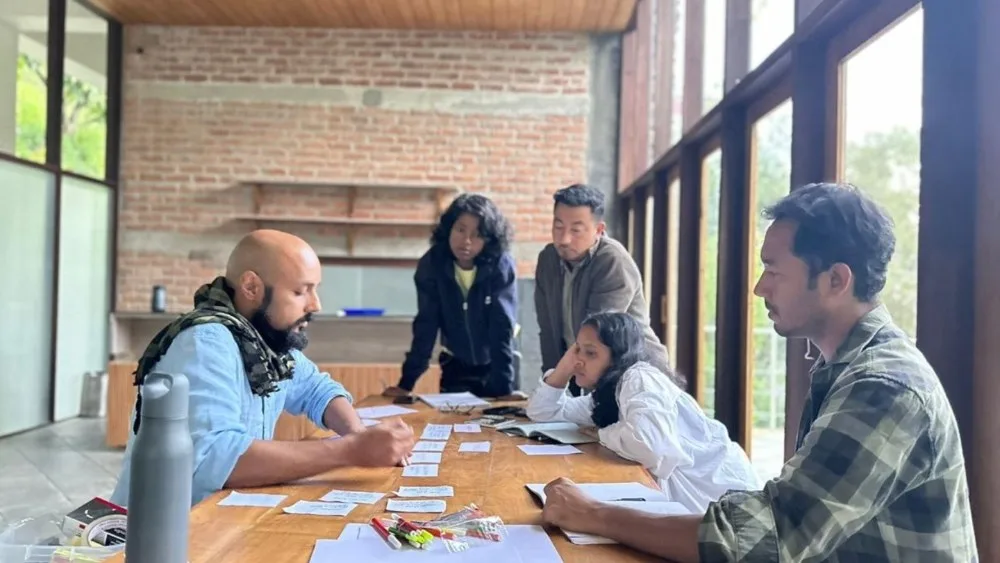
- Eight emerging filmmakers will develop six diverse documentary projects spanning Kashmir, Ladakh, Uttarakhand, Assam, Manipur, Arunachal Pradesh, and Nepal.
- Cannes Grand Prix winner Payal Kapadia and Oscar nominee Shaunak Sen join veteran editors and producers as core mentors for the 2026–27 fellowship edition.
- Founded in 2023 by Oscar-nominated 'Writing With Fire' directors, the lab addresses systemic geographic inequalities by linking remote mountain talent directly to the global industry.
- Alumni from previous cohorts have already secured major international accolades, including awards at Docs by the Sea, Docedge Kolkata, and Tokyo Docs.
- Tám nhà làm phim trẻ sẽ phát triển sáu dự án tài liệu đa dạng trải dài khắp Kashmir, Ladakh, Uttarakhand, Assam, Manipur, Arunachal Pradesh và Nepal.
- Đạo diễn Payal Kapadia, người chiến thắng giải Grand Prix tại Cannes, và Shaunak Sen, gương mặt từng được đề cử Oscar, cùng các biên tập viên và nhà sản xuất kỳ cựu gia nhập đội ngũ cố vấn nòng cốt cho học bổng niên khóa 2026–27.
- Được thành lập vào năm 2023 bởi bộ đôi đạo diễn được đề cử Oscar với tác phẩm 'Writing With Fire', phòng thí nghiệm này giải quyết các bất bình đẳng địa lý mang tính hệ thống bằng cách kết nối trực tiếp tài liệu vùng cao hẻo lánh với ngành công nghiệp toàn cầu.
- Các cựu học viên từ những khóa trước đã gặt hái nhiều thành tựu quốc tế lớn, bao gồm các giải thưởng tại Docs by the Sea, Docedge Kolkata và Tokyo Docs.
- Huit réalisateurs émergents développeront six projets documentaires diversifiés couvrant le Cachemire, le Ladakh, l'Uttarakhand, l'Assam, le Manipur, l'Arunachal Pradesh et le Népal.
- Payal Kapadia, lauréate du Grand Prix à Cannes, et Shaunak Sen, nommé aux Oscars, rejoignent des monteurs et producteurs chevronnés en tant que mentors principaux pour l'édition 2026-27 de la résidence.
- Fondé en 2023 par les réalisateurs du documentaire 'Écrire avec le feu' (nommé aux Oscars), le laboratoire s'attaque aux inégalités géographiques en connectant directement les talents isolés des montagnes à l'industrie mondiale.
- Les anciens des promotions précédentes ont déjà décroché des distinctions internationales majeures, notamment des prix à Docs by the Sea, Docedge Kolkata et Tokyo Docs.
- Ocho cineastas emergentes desarrollarán seis proyectos documentales diversos que abarcan Cachemira, Ladakh, Uttarakhand, Assam, Manipur, Arunachal Pradesh y Nepal.
- Payal Kapadia, ganadora del Gran Premio del Jurado en Cannes, y el nominado al Óscar Shaunak Sen se unen a editores y productores veteranos como mentores principales de la edición 2026-27 de la beca.
- Fundado en 2023 por los directores de 'Writing With Fire' (nominada al Óscar), el laboratorio aborda las desigualdades geográficas sistémicas conectando el talento remoto de las montañas directamente con la industria global.
- Antiguos alumnos de ediciones anteriores ya han cosechado importantes galardones internacionales, incluidos premios en Docs by the Sea, Docedge Kolkata y Tokyo Docs.
- 八位新锐电影人将开发六部多元化的纪录片项目,足迹横跨克什米尔、拉达克、北阿坎德邦、阿萨姆邦、曼尼普尔邦、阿鲁纳恰尔邦以及尼泊尔。
- 戛纳金棕榈得主帕约尔·卡帕迪亚(Payal Kapadia)与奥斯卡提名导演肖纳克·森(Shaunak Sen)将携手资深剪辑师与制片人,担任2026–27年度奖学金计划的核心导师。
- 该实验室由奥斯卡提名影片《战火之中的火焰》(Writing With Fire)导演于2023年创立,旨在将偏远山区的本土人才直接连结至全球电影产业,从而系统性地消除地域不平等。
- 往届学员已在国际影坛斩获多项大奖,包括印尼巴厘岛纪录片节(Docs by the Sea)、加尔各答纪录片创投会(Docedge Kolkata)以及东京纪录片提案会(Tokyo Docs)等。
In the high-altitude reaches of the Himalayas, where dramatic landscapes have historically been captured through the gaze of outside chroniclers, a quiet revolution in documentary filmmaking is taking root. Rintu Thomas and Sushmit Ghosh—the visionary, Oscar-nominated minds behind the globally acclaimed feature Writing With Fire—have officially announced the fourth cohort of their Himalayan Story Lab. This intensive, year-long fellowship has rapidly become a premier crucible for independent documentary talent across the South Asian Himalayan belt, systematically dismantling the geographic and institutional barriers that have long marginalized voices far from traditional production capitals like Mumbai or New Delhi.
For its 2026–27 edition, the fellowship has selected eight filmmakers to develop six distinct documentary projects. The narratives span the breathtaking yet politically and ecologically fragile terrains of Kashmir, Ladakh, Uttarakhand, Assam, Manipur, Arunachal Pradesh, and neighboring Nepal. To guide these promising artists, Thomas and Ghosh have assembled an elite roster of mentors, pulling from the absolute pinnacle of contemporary international cinema. The newly tapped pedagogical heavyweights include Cannes Grand Prix winner Payal Kapadia, whose luminescent All We Imagine as Light captivated global audiences, and Sundance winner and Oscar nominee Shaunak Sen, celebrated for his cinematic masterpiece All That Breathes. They are joined by veteran documentarian Sanjay Kak and acclaimed French editor Yael Bitton, ensuring an exacting blend of creative and technical rigor.
Bridging the Asymmetry of Talent and Opportunity
Launched modestly in 2023 with just three fellows, the Himalayan Story Lab has evolved into an indispensable institutional backbone for regional storytelling, quietly backing 25 filmmakers across India and Nepal in a remarkably short span. The genesis of the program lies in the founders' prior work with Green Hub, an environmental and visual storytelling initiative in Northeast India. It was there that Thomas and Ghosh first confronted what they term a strange asymmetry: the profound physical and invisible distances separating raw, localized talent from industry opportunity, long-term creative guidance, and international financing.
Independent documentary filmmaking in remote mountainous territories has historically suffered from acute structural neglect. Creators working in high-altitude borderlands possess intimate, insider access to urgent cultural, ecological, and socio-political transformations, yet they frequently lack access to seasoned production support, sophisticated editing critique, and global market pathways. The Himalayan Story Lab was engineered specifically to collapse these distances. Through a hybrid model comprising three intensive residential workshops—the first of which kicks off this month in Manali, Himachal Pradesh—paired with year-round mentorship, the fellowship offers a comprehensive ecosystem that looks far beyond individual film sales.
Ecological Urgency and Intimate Human Portraits
The slate of projects chosen for the fourth cohort reflects an extraordinary tapestry of ecological anxiety, shifting livelihoods, and deeply personal human resilience. In Moving Mountain, directors Lobzang Wangtak and Akshat Jain transport audiences to a deserted village in Ladakh’s remote Zanskar region, where a solitary farmer attempts the seemingly impossible task of reviving an ancient glacier canal to save his community from climate-induced abandonment. Similarly, Dharmendra Singh Jetha’s Parasite Inside the Clouds turns the camera inward, following the filmmaker’s own family as they brave the high Himalayas in Uttarakhand to hunt caterpillar fungus—a volatile livelihood now severely threatened by global warming.
Elsewhere, the forests of Arunachal Pradesh serve as the backdrop for Ananya Kashyap and Yana Samnam’s You and I and a Forest Lullaby, which traces two women fighting to preserve their ancestral tradition of foraging wild mushrooms amidst erratic weather patterns that strain both the fungi and their friendship. In Far-Western Nepal, Bibek Kunwar’s A River Flows Between Us captures a fisherman grappling with familial collapse after his wife abruptly departs. Meanwhile, Umar Allaie’s Srinagar-set What Sage Amil? focuses on an aging fisherman on Kashmir’s ailing Dal Lake, desperately clinging to an inherited aquatic world while attempting to steer his daughter toward an uncertain future as the fish stocks steadily vanish.
Cultivating an Ecosystem for Sustainable Artistic Longevity
The true measure of the lab’s success is already visible in the burgeoning trajectory of its alumni. Former fellows have begun making seismic waves on the international festival and pitching circuit. Manisha Halai, a Miju Mishmi director hailing from Arunachal Pradesh, claimed the audience award at Docs by the Sea in 2025 with her poignant debut feature documentary, Orange, Beetle, Mother & I. The film subsequently secured The Whickers’ Bursary at Docedge Kolkata and earned selection as the sole South Asian project in Chicken & Egg Pictures’ prestigious Accelerator Lab. Similarly, Naga filmmaker Thejavikho Chase’s Pigs and Hornets has garnered critical acclaim across pitching forums, picking up a major award at Tokyo Docs.
As the fellowship enters its fourth year, the founders remain steadfast in their founding ethos: incubating artists rather than merely completing films. By cultivating a tight-knit network of peers who serve as mutual collaborators, critics, and future mentors, Thomas and Ghosh are ensuring that the stories of the Himalayas are told not as exoticized dispatches from the periphery, but as vital, formally sophisticated centerpieces of modern world cinema.
Tại những vùng cao nguyên Himalaya, nơi những cảnh quan hùng vĩ vốn thường được ghi lại qua lăng kính của những nhà biên khảo bên ngoài, một cuộc cách mạng thầm lặng trong nghệ thuật làm phim tài liệu đang bén rễ. Rintu Thomas và Sushmit Ghosh—hai bộ óc tầm nhìn từng nhận đề cử Oscar đứng sau tác phẩm nổi tiếng toàn cầu Writing With Fire—đã chính thức công bố khóa sinh thứ tư của Phòng thí nghiệm Câu chuyện Himalaya (Himalayan Story Lab). Học bổng kéo dài một năm này đã nhanh chóng trở thành "lò luyện" hàng đầu dành cho các tài năng phim tài liệu độc lập dọc vành đai Himalaya thuộc Nam Á, qua đó phá bỏ một cách có hệ thống các rào cản về mặt địa lý và thể chế vốn từ lâu đã gạt ra bên lề những tiếng nói xa xôi khỏi các trung tâm sản xuất truyền thống như Mumbai hay New Delhi.
Trong niên khóa 2026–27, hội đồng học bổng đã tuyển chọn tám nhà làm phim để phát triển sáu dự án tài liệu riêng biệt. Các câu chuyện trải dài qua những địa hình ngoạn mục nhưng đồng thời cũng vô cùng mong manh về mặt sinh thái và chính trị như Kashmir, Ladakh, Uttarakhand, Assam, Manipur, Arunachal Pradesh và quốc gia láng giềng Nepal. Để dẫn dắt các nghệ sĩ đầy triển vọng này, Thomas và Ghosh đã quy tụ một hội đồng cố vấn ưu tú, bao gồm những tên tuổi đứng ở đỉnh cao của điện ảnh quốc tế đương đại. Những bậc thầy sư phạm mới được chiêu mộ bao gồm nhà làm phim Payal Kapadia—người từng giành giải Grand Prix tại Cannes với kiệt tác nên thơ All We Imagine as Light, và đạo diễn từng chiến thắng giải Sundance kiêm đề cử Oscar Shaunak Sen, nổi danh với bộ phim xuất sắc All That Breathes. Sát cánh cùng họ là nhà làm phim tài liệu kỳ cựu Sanjay Kak và nữ biên tập viên người Pháp danh tiếng Yael Bitton, bảo chứng cho sự khắt khe về mặt sáng tạo lẫn kỹ thuật.
Thu hẹp khoảng cách giữa tài năng và cơ hội
Ra mắt khiêm tốn vào năm 2023 chỉ với ba học viên, Phòng thí nghiệm Câu chuyện Himalaya đã vươn lên thành trụ cột thể chế không thể thiếu cho nghệ thuật kể chuyện vùng miền, âm thầm hậu thuẫn cho 25 nhà làm phim khắp Ấn Độ và Nepal trong một khoảng thời gian ngắn đáng kinh ngạc. Nguồn cội của chương trình xuất phát từ dự án trước đó của hai nhà sáng lập với Green Hub, một sáng kiến kể chuyện trực quan và môi trường tại vùng Đông Bắc Ấn Độ. Chính tại đây, Thomas và Ghosh lần đầu tiên đối mặt với một sự bất cân xứng kỳ lạ: khoảng cách sâu sắc cả về mặt vật lý lẫn vô hình giữa tài năng bản địa thô mộc với các cơ hội trong ngành, sự định hướng sáng tạo lâu dài và nguồn vốn tài chính quốc tế.
Ngành làm phim tài liệu độc lập tại các vùng núi cao hẻo lánh từ trước đến nay luôn gánh chịu sự thờ ơ nghiêm trọng về mặt cấu trúc. Các nhà sáng tạo làm việc tại các vùng biên viễn có sự thấu hiểu sâu sắc và góc nhìn nội bộ đối với các chuyển biến cấp bách về văn hóa, sinh thái và chính trị-xã hội, nhưng họ lại thường xuyên thiếu sự hỗ trợ sản xuất dày dặn kinh nghiệm, những lời phê bình biên tập tinh tế và lối đi ra thị trường toàn cầu. Phòng thí nghiệm Câu chuyện Himalaya được kiến tạo đặc biệt để san bằng những khoảng cách ấy. Thông qua mô hình lai (hybrid) bao gồm ba xưởng thực hành nội trú chuyên sâu—với chặng đầu tiên khởi tranh trong tháng này tại Manali, Himachal Pradesh—kết hợp cùng sự cố vấn xuyên suốt cả năm, học bổng mang đến một hệ sinh thái toàn diện vượt xa khỏi các thương vụ phát hành phim đơn lẻ.
Tính cấp bách sinh thái và những bức chân dung con người cận cảnh
Danh sách các dự án được lựa chọn cho khóa sinh thứ tư phản ánh một bức tranh phong phú đến kinh ngạc về sự lo âu sinh thái, sự biến động sinh kế và sức bật kiên cường mang đậm dấu ấn cá nhân của con người. Trong tác phẩm Moving Mountain, hai đạo diễn Lobzang Wangtak và Akshat Jain đưa khán giả đến một ngôi làng hoang vắng tại vùng Zanskar hẻo lánh của Ladakh, nơi một nông dân đơn độc thực hiện nhiệm vụ tưởng chừng bất khả thi: hồi sinh một con mương băng cổ đại để cứu cộng đồng khỏi nguy cơ phải rời bỏ quê hương do biến đổi khí hậu. Tương tự, bộ phim Parasite Inside the Clouds của Dharmendra Singh Jetha hướng ống kính vào bên trong, theo chân chính gia đình nhà làm phim dũng cảm tiến vào vùng cao Himalaya ở Uttarakhand để săn nấm đông trùng hạ thảo—một nguồn sinh kế bất định giờ đây đang bị đe dọa nghiêm trọng bởi tình trạng ấm lên toàn cầu.
Ở một diễn biến khác, những cánh rừng tại Arunachal Pradesh đóng vai trò là phông nền cho tác phẩm You and I and a Forest Lullaby của Ananya Kashyap và Yana Samnam, ghi lại hành trình của hai người phụ nữ đấu tranh bảo vệ truyền thống hái nấm hoang dã của tổ tiên giữa những hình thái thời tiết thất thường vốn đang gây áp lực lên cả loại nấm này lẫn tình bạn của họ. Tại vùng Viễn Tây Nepal, bộ phim A River Flows Between Us của Bibek Kunwar khắc họa một ngư dân đang vật lộn với sự sụp đổ của gia đình sau khi người vợ đột ngột bỏ đi. Trong khi đó, tác phẩm lấy bối cảnh Srinagar mang tên What Sage Amil? của Umar Allaie tập trung vào một lão ngư trên hồ Dal đang héo mòn của Kashmir, người đang tha thiết bám lấy thế giới thủy sinh gia truyền trong khi chật vật định hướng cho tương lai đầy bất định của cô con gái giữa bối cảnh nguồn lợi thủy sản ngày càng cạn kiệt.
Nuôi dưỡng hệ sinh thái cho sự bền vững của nghệ thuật
Thước đo chính xác nhất cho thành công của phòng thí nghiệm đã hiện rõ qua quỹ đạo phát triển đầy hứa hẹn của các cựu học viên. Những cựu học viên trước đây đã bắt đầu tạo ra những tiếng vang lớn tại các liên tụi phim quốc tế và các diễn đàn gọi vốn. Manisha Halai, một nữ đạo diễn thuộc tộc Miju Mishmi đến từ Arunachal Pradesh, đã giành giải thưởng của khán giả tại Docs by the Sea vào năm 2025 với bộ phim tài liệu đầu tay đầy thổn thức, Orange, Beetle, Mother & I. Tác phẩm này sau đó đã giành được học bổng The Whickers’ Bursary tại Docedge Kolkata và được tuyển chọn là dự án Nam Á duy nhất góp mặt trong Phòng thí nghiệm Accelerator danh tiếng của Chicken & Egg Pictures. Tương tự, bộ phim Pigs and Hornets của đạo diễn người Naga Thejavikho Chase cũng đã thu hút sự ca ngợi từ giới phê bình tại các diễn đàn gọi vốn, đồng thời rinh về một giải thưởng lớn tại Tokyo Docs.
Khi học bước vào năm thứ tư, những người sáng lập vẫn kiên định với triết lý ban đầu của họ: ươm mầm nghệ sĩ thay vì chỉ đơn thuần hoàn thành các bộ phim. Bằng cách vun đắp một mạng lưới đồng nghiệp gắn kết chặt chẽ—những người đóng vai trò là cộng sự, nhà phê bình và cố vấn tương lai cho nhau—Thomas và Ghosh đang đảm bảo rằng những câu chuyện từ dãy Himalaya sẽ không được kể như những bản tin ngoại vi mang tính ngoại hóa, mà là những tâm điểm mang tính thiết yếu và có sự tinh vi cao về mặt hình thức trong nền điện ảnh thế giới hiện đại.
Dans les sommets himalayens où les paysages spectaculaires ont longtemps été saisis par le seul regard d'observateurs extérieurs, une révolution silencieuse s'opère dans le cinéma documentaire. Rintu Thomas et Sushmit Ghosh — les esprits visionnaires et nommés aux Oscars derrière le long-métrage mondialement salué Écrire avec le feu — viennent d'annoncer officiellement la quatrième promotion de leur Himalayan Story Lab. Cette résidence intensive d'un an est rapidement devenue le creuset incontournable du talent documentaire indépendant dans la ceinture himalayenne sud-asiatique, démantelant méthodiquement les barrières géographiques et institutionnelles qui ont longtemps marginalisé les voix éloignées des traditionnelles capitales de production comme Bombay ou New Delhi.
Pour son édition 2026-27, le programme a sélectionné huit cinéastes pour développer six projets documentaires distincts. Les récits traversent les territoires à la fois époustouflants et politiquement et écologiquement fragiles du Cachemire, du Ladakh, de l'Uttarakhand, de l'Assam, du Manipur, de l'Arunachal Pradesh et du Népal voisin. Pour guider ces artistes prometteurs, Thomas et Ghosh ont réuni un comité de mentors d'élite, issus du sommet absolu du cinéma international contemporain. Parmi ces nouveaux poids lourds de la pédagogie figurent Payal Kapadia, lauréate du Grand Prix à Cannes dont le lumineux All We Imagine as Light a captivé le public mondial, et le lauréat de Sundance et nommé aux Oscars Shaunak Sen, célébré pour son chef-d'œuvre cinématographique Tout ce qui respire. Ils sont rejoints par le documentariste chevronné Sanjay Kak et la célèbre monteuse française Yael Bitton, garantissant ainsi une exigence artistique et technique absolue.
Combler l'asymétrie entre talent et opportunité
Lancé modestement en 2023 avec seulement trois boursiers, le Himalayan Story Lab s'est imposé comme une colonne vertébrale institutionnelle indispensable pour le récit régional, soutenant discrètement 25 cinéastes à travers l'Inde et le Népal en un laps de temps remarquable. La genèse de ce programme s'enracine dans le travail préalable des fondateurs auprès de Green Hub, une initiative de narration environnementale et visuelle dans le nord-est de l'Inde. C'est là que Thomas et Ghosh ont fait face pour la première fois à ce qu'ils qualifient d'étrange asymétrie : les distances physiques et invisibles profondes qui séparent les talents bruts et localisés des opportunités de l'industrie, du mentorat créatif à long terme et des financements internationaux.
Le cinéma documentaire indépendant dans les territoires montagneux reculés a historiquement souffert d'une négligence structurelle aiguë. Les créateurs œuvrant dans ces zones frontalières de haute altitude possèdent un accès intime et direct à des transformations culturelles, écologiques et socio-politiques urgentes, mais manquent fréquemment de soutien à la production aguerrie, d'un regard critique sophistiqué sur le montage et de passerelles vers le marché mondial. Le Himalayan Story Lab a été conçu précisément pour abolir ces distances. À travers un modèle hybride comprenant trois ateliers résidentiels intensifs — dont le premier débutera ce mois-ci à Manali, dans l'Himachal Pradesh — doublés d'un mentorat tout au long de l'année, la résidence offre un écosystème complet qui va bien au-delà de la simple vente de films.
Urgence écologique et portraits humains intimes
La sélection des projets pour cette quatrième promotion reflète une fresque extraordinaire d'anxiété écologique, de mutations des modes de vie et d'une résilience humaine profondément intime. Dans Moving Mountain, les réalisateurs Lobzang Wangtak et Akshat Jain transportent les spectateurs dans un village déserté de la région isolée du Zanskar, au Ladakh, où un fermier solitaire entreprend la tâche en apparence impossible de raviver un ancien canal glaciaire pour sauver sa communauté menacée par l'exode climatique. De même, Parasite Inside the Clouds de Dharmendra Singh Jetha tourne la caméra vers l'intérieur, suivant sa propre famille bravant les hautes terres de l'Himalaya dans l'Uttarakhand pour cueillir le cordyceps — un champignon vénéneux et précieux dont la cueillette est désormais gravement compromise par le réchauffement climatique.
Ailleurs, les forêts de l'Arunachal Pradesh servent de toile de fond à You and I and a Forest Lullaby d'Ananya Kashyap et Yana Samnam, qui retrace le combat de deux femmes pour préserver leur tradition ancestrale de cueillette de champignons sauvages au milieu de conditions météorologiques erratiques qui mettent à rude épreuve tant les champignons que leur amitié. Dans l'ouest du Népal, A River Flows Between Us de Bibek Kunwar saisit un pêcheur aux prises avec l'effondrement de sa cellule familiale après le départ soudain de son épouse. Pendant ce temps, What Sage Amil ? d'Umar Allaie, situé à Srinagar, s'intéresse à un pêcheur vieillissant sur le lac Dal — aux eaux gravement polluées —, qui s'accroche désespérément à un monde aquatique hérité tout en tentant de guider sa fille vers un avenir incertain à mesure que les stocks de poissons s'épuisent inexorablement.
Cultiver un écosystème pour la pérennité artistique
La véritable mesure du succès du laboratoire se lit déjà dans la trajectoire fulgurante de ses anciens élèves. Les anciens boursiers ont commencé à faire sensation sur le circuit international des festivals et des plateformes de pitch. Manisha Halai, une réalisatrice Miju Mishmi originaire de l'Arunachal Pradesh, a remporté le prix du public à Docs by the Sea en 2025 avec son premier long-métrage documentaire poignant, Orange, Beetle, Mother & I. Le film a par la suite décroché la bourse The Whickers à Docedge Kolkata et a été sélectionné comme l'unique projet sud-asiatique au sein du prestigieux Accelerator Lab de Chicken & Egg Pictures. De même, Pigs and Hornets du cinéaste naga Thejavikho Chase a récolté des critiques élogieuses dans les forums de pitch, remportant un prix majeur à Tokyo Docs.
Alors que la résidence entame sa quatrième année, les fondateurs restent fidèles à leur éthique originelle : incuber des artistes plutôt que se contenter de finaliser des films. En cultivant un réseau soudé de pairs qui agissent comme des collaborateurs mutuels, des critiques et de futurs mentors, Thomas et Ghosh veillent à ce que les histoires de l'Himalaya ne soient plus racontées comme des chroniques exotiques de la périphérie, mais comme des pièces maîtresses, vitales et formellement sophistiquées du cinéma mondial contemporain.
En los confines de gran altitud del Himalaya, donde los paisajes más dramáticos han sido históricamente capturados a través de la mirada de cronistas ajenos, una revolución silenciosa en el cine documental está echando raíces. Rintu Thomas y Sushmit Ghosh —las mentes visionarias nominadas al Óscar detrás del aclamado largometraje Writing With Fire— han anunciado oficialmente la cuarta cohorte de su Himalayan Story Lab. Esta beca intensiva de un año de duración se ha consolidado rápidamente como un crisol de primer orden para el talento documental independiente en todo el cinturón del Himalaya en el Sur de Asia, desmantelando sistemáticamente las barreras geográficas e institucionales que durante tanto tiempo han marginado a las voces alejadas de las capitales de producción tradicionales como Bombay o Nueva Delhi.
Para su edición 2026-27, la beca ha seleccionado a ocho cineastas para desarrollar seis proyectos documentales distintos. Las narrativas abarcan los terrenos fascinantes pero frágiles, tanto a nivel político como ecológico, de Cachemira, Ladakh, Uttarakhand, Assam, Manipur, Arunachal Pradesh y el vecino Nepal. Para guiar a estos artistas prometedores, Thomas y Ghosh han reunido a un elenco de mentores de élite, procedentes de la cúspide absoluta del cine internacional contemporáneo. Los pesos pesados de la pedagogía recientemente incorporados incluyen a Payal Kapadia, ganadora del Gran Premio del Jurado en Cannes, cuyo luminoso filme All We Imagine as Light cautivó a audiencias de todo el mundo, y al ganador de Sundance y nominado al Óscar Shaunak Sen, célebre por su obra maestra cinematográfica All That Breathes. A ellos se suman el documentalista veterano Sanjay Kak y la aclamada montadora francesa Yael Bitton, garantizando una rigurosa combinación de exigencia creativa y técnica.
Tendiendo puentes ante la asimetría de talento y oportunidad
Lanzado discretamente en 2023 con solo tres becarios, el Himalayan Story Lab se ha convertido en una columna vertebral institucional indispensable para la narrativa regional, habiendo respaldado silenciosamente a 25 cineastas en toda la India y Nepal en un lapso de tiempo extraordinariamente breve. La génesis del programa se encuentra en el trabajo previo de los fundadores con Green Hub, una iniciativa de narración ambiental y visual en el noreste de la India. Fue allí donde Thomas y Ghosh se enfrentaron por primera vez a lo que denominan una extraña asimetría: las profundas distancias físicas e invisibles que separan el talento bruto y localizado de las oportunidades en la industria, la orientación creativa a largo plazo y la financiación internacional.
La realización de documentales independientes en territorios montañosos remotos ha sufrido históricamente de un abandono estructural agudo. Los creadores que trabajan en las zonas fronterizas de gran altitud poseen un acceso íntimo y privilegiado a transformaciones culturales, ecológicas y sociopolíticas urgentes; sin embargo, con frecuencia carecen de acceso a un apoyo de producción experimentado, a una crítica de montaje sofisticada y a vías de comercialización global. El Himalayan Story Lab fue diseñado específicamente para colapsar estas distancias. A través de un modelo híbrido que comprende tres talleres residenciales intensivos —el primero de los cuales arranca este mes en Manali, Himachal Pradesh— combinados con tutorías durante todo el año, la beca ofrece un ecosistema integral que va mucho más allá de la venta individual de películas.
Urgencia ecológica y retratos humanos íntimos
La selección de proyectos elegidos para esta cuarta cohorte refleja un tapiz extraordinario de ansiedad ecológica, medios de vida cambiantes y una resiliencia humana profundamente personal. En Moving Mountain, los directores Lobzang Wangtak y Akshat Jain transportan al público a un pueblo desierto en la remota región zanskarí de Ladakh, donde un solitario agricultor intenta la tarea, aparentemente imposible, de revivir un canal glaciar ancestral para salvar a su comunidad del abandono inducido por el clima. Del mismo modo, Parasite Inside the Clouds, de Dharmendra Singh Jetha, vuelve la mirada hacia el interior, siguiendo a la propia familia del cineasta mientras desafían el alto Himalaya en Uttarakhand para recolectar hongo oruga, un medio de vida volátil hoy gravemente amenazado por el calentamiento global.
Por otro lado, los bosques de Arunachal Pradesh sirven de telón de fondo para You and I and a Forest Lullaby, de Ananya Kashyap y Yana Samnam, que retrata a dos mujeres que luchan por preservar su tradición ancestral de recolección de setas silvestres en medio de patrones climáticos erráticos que ponen a prueba tanto a los hongos como a su amistad. En el extremo oeste de Nepal, A River Flows Between Us, de Bibek Kunwar, captura a un pescador que lidia con el colapso familiar después de que su esposa se marche de repente. Mientras tanto, What Sage Amil? de Umar Allaie, ambientada en Srinagar, se centra en un pescador envejecido en el deteriorado lago Dal de Cachemira, aferrándose desesperadamente a un mundo acuático heredado mientras intenta guiar a su hija hacia un futuro incierto a medida que las poblaciones de peces se desvanecen de manera constante.
Cultivando un ecosistema para la longevidad artística sostenible
La verdadera medida del éxito del laboratorio ya es visible en la floreciente trayectoria de sus antiguos alumnos. Los exbecarios han comenzado a causar un impacto sísmico en el circuito internacional de festivales y de presentación de proyectos (pitching). Manisha Halai, una directora del pueblo Miju Mishmi originaria de Arunachal Pradesh, se alzó con el premio del público en Docs by the Sea en 2025 con su conmovedor documental de debut, Orange, Beetle, Mother & I. Posteriormente, la película consiguió la beca The Whickers' Bursary en Docedge Kolkata y fue seleccionada como el único proyecto del Sur de Asia en el prestigioso Accelerator Lab de Chicken & Egg Pictures. De igual manera, Pigs and Hornets, del cineasta naga Thejavikho Chase, ha cosechado el aplauso de la crítica en diversos foros de presentación, obteniendo un importante galardón en Tokyo Docs.
A medida que la beca entra en su cuarto año, los fundadores se mantienen firmes en su filosofía original: incubar artistas en lugar de limitarse a terminar películas. Al cultivar una red muy unida de colegas que actúan como colaboradores mutuos, críticos y futuros mentores, Thomas y Ghosh se aseguran de que las historias del Himalaya no se cuenten como despachos exóticos desde la periferia, sino como piezas centrales, vitales y formalmente sofisticadas del cine mundial moderno.
在喜马拉雅山脉的高海拔地区,壮丽的风景长期以来一直是由外部观察者的镜头来定义的,而一场关于纪录片创作的静悄悄的革命正在这里生根发芽。林图·托马斯(Rintu Thomas)和苏什米特·戈什(Sushmit Ghosh)——这两位凭借享誉全球的长片《战火之中的火焰》(Writing With Fire)获得奥斯卡提名的极具远见的导演——近日正式公布了其“喜马拉雅故事实验室”(Himalayan Story Lab)第四期学员名单。这个为期一年的沉浸式奖学金项目,已迅速成长为南亚喜马拉雅地带独立纪录片人才的首要摇篮,系统性地打破了长期将孟买或新德里等传统制片中心以外的声音边缘化的地域与体制壁垒。
在2026–27年度的项目中,该奖学金选出了八位电影人,以开发六个各具特色的纪录片项目。这些叙事横跨了风景壮丽却在政治与生态上异常脆弱的克什米尔、拉达克、北阿坎德邦、阿萨姆邦、曼尼普尔邦、阿鲁纳恰尔邦以及邻国尼泊尔。为了指导这些极具潜力的艺术家,托马斯和戈什组建了一支由当代国际影坛巅峰人物组成的精英导师阵容。新加盟的重量级导师包括戛纳金棕榈奖得主帕约尔·卡帕迪亚(Payal Kapadia),其诗意般的《想象之光》(All We Imagine as Light)曾令全球观众倾倒;以及圣丹斯奖得主、凭借电影杰作《呼吸之间》(All That Breathes)闻名遐迩的奥斯卡提名导演肖纳克·森(Shaunak Sen)。资深纪录片导演桑杰·卡克(Sanjay Kak)和备受赞誉的法国剪辑师亚埃尔·比特翁(Yael Bitton)也加入了这一导师团队,从而确保了项目在创意与技术层面达到严苛的高标准。
弥合人才与机遇的不对称性
喜马拉雅故事实验室于2023年低调创立,当时仅招收了三名学员。在极短时间内,它已发展成为区域叙事不可或缺的机构支柱,悄然支持了印度和尼泊尔各地的25位电影人。该项目的起源可追溯至创始人此前在印度东北部开展的环保与视觉叙事倡议——“绿色枢纽”(Green Hub)。正是在那里,托马斯和戈什首次直面了他们所谓的“奇特不对称性”:原始的本土人才与产业机遇、长期的创意指导以及国际融资之间,存在着深邃的物理与无形的鸿沟。
在偏远山区,独立纪录片创作历史上一直遭受严重的结构性忽视。在高海拔边境地区工作的创作者拥有对紧迫的文化、生态和社科政治变革的第一手内幕视角,但他们往往缺乏资深的制作支持、深度的剪辑审视以及通往全球市场的途径。喜马拉雅故事实验室的设立正是为了填补这些鸿沟。通过由三次沉浸式驻地工作坊(其中首场工作坊本月在喜马偕尔邦的马纳利启动)与全年指导相结合的混合模式,该奖学金提供了一个超越单纯影片销售的综合生态系统。
生态紧迫性与亲密的人性肖像
第四期入选的项目充分体现了生态焦虑、生计变迁与深刻个人韧性交织而成的非凡画卷。在《移动的山》(Moving Mountain)中,导演洛桑·旺塔克(Lobzang Wangtak)和阿克沙特·简(Akshat Jain)将观众带到了拉达克偏远赞斯卡(Zanskar)地区的一个荒废村庄,在那里,一位孤独的农夫试图完成一项看似不可能的任务——修复一条古老的冰川水渠,以拯救他的社区免遭气候变化引发的废弃命运。同样,达尔门德拉·辛格·杰塔(Dharmendra Singh Jetha)的《云中寄生虫》(Parasite Inside the Clouds)则将镜头转向内部,讲述了导演自己的家庭在北阿坎德邦的高喜马拉雅山脉中冒险寻找虫草的故事——这种波动的生计如今正受到全球变暖的严重威胁。
在其他项目中,阿鲁纳恰尔邦的森林成为了阿南尼亚·卡什亚普(Ananya Kashyap)和亚娜·萨姆纳姆(Yana Samnam)的作品《你和我与森林摇篮曲》(You and I and a Forest Lullaby)的背景,该片记录了两位女性在因天气异常导致真菌减少和友谊受压的情况下,为保护采摘野生蘑菇的祖传传统而奋斗的故事。在尼泊尔远西部,比贝克·库尔瓦尔(Bibek Kunwar)的《一条流淌在我们之间的河》(A River Flows Between Us)捕捉了一位渔夫在妻子突然离去后,与家庭破裂命运抗争的心路历程。与此同时,乌马尔·阿拉伊(Umar Allaie)将镜头对准斯利那加的《什么是萨米尔·阿米尔?》(What Sage Amil?),聚焦克什米尔日渐枯竭的达尔湖(Dal Lake)上一位年迈的渔民,他绝望地执着于祖传的水上世界,同时试图引导女儿在鱼类资源不断消失的背景下走向充满不确定的未来。
培育艺术可持续长青的生态系统
该实验室成功的真正标志,已经从其校友蒸蒸日上的职业轨迹中显现出来。往届学员已开始在国际电影节和提案创投界掀起巨大波澜。来自阿鲁纳恰尔邦的米朱·米什米族(Miju Mishmi)导演马尼莎·哈拉伊(Manisha Halai)凭借其动人的首部长片纪录片《橙子、甲虫、母亲与我》(Orange, Beetle, Mother & I)斩获2025年印尼巴厘岛纪录片节(Docs by the Sea)的观众奖。该片随后在加尔各答纪录片创投会(Docedge Kolkata)上获得惠克尔斯基金资助(The Whickers’ Bursary),并成功入选“鸡与蛋影业”(Chicken & Egg Pictures)著名的加速器实验室,成为其中唯一的南亚项目。同样,那加族电影人特扎维霍·蔡斯(Thejavikho Chase)的《猪与大黄蜂》(Pigs and Hornets)在各大创投论坛上赢得了广泛赞誉,并在东京纪录片提案会上斩获重要大奖。
随着该奖学金项目步入第四个年头,创始人们依然坚守其初心:孵化艺术家,而不仅仅是完成影片。通过培育一个紧密的同行网络,让他们充当彼此的合作者、评论家和未来导师,托马斯和戈什正确保喜马拉雅的故事不再被当作边缘地区的猎奇见闻来讲述,而是作为现代世界电影中至关重要、形式成熟的核心作品呈现于世。
Editorial Standards & Multi-Language Synthesis: This dispatch was synthesized and fact-checked by the ParisDaily Editorial Desk across 5 global editions (EN, FR, VI, ES, ZH), cross-referencing primary international wire reports and real-time search intelligence.