Riyadh dưới làn đạn: Sự leo thang chiến lược đằng sau vụ tấn công tòa tháp PIF
The targeting of Saudi Arabia’s sovereign wealth fund headquarters marks a dangerous shift in regional warfare, threatening global financial stability and energy corridors.
Việc nhắm mục tiêu vào trụ sở quỹ đầu tư quốc gia của Ả Rập Xê Út đánh dấu một bước ngoặt nguy hiểm trong chiến tranh khu vực, đe dọa sự ổn định tài chính toàn cầu và các hành lang năng lượng. Sự kiện này buộc cộng đồng quốc tế phải đánh giá lại rủi ro an ninh tại một trong những trung tâm kinh tế quan trọng nhất thế giới.
Le ciblage du siège du fonds souverain d'Arabie saoudite marque un tournant dangereux dans le conflit régional, menaçant la stabilité financière mondiale et les corridors énergétiques. Cette offensive sans précédent place les investisseurs internationaux face à une réalité géopolitique devenue explosive.
El ataque contra la sede del fondo soberano de Arabia Saudí marca un peligroso punto de inflexión en la guerra regional, amenazando la estabilidad financiera global y los corredores energéticos. Este incidente subraya una preocupante expansión de las hostilidades hacia los centros neurálgicos de la economía saudí.
针对沙特阿拉伯主权财富基金总部的袭击标志着地区战争进入危险的升级阶段,正威胁着全球金融稳定与能源通道的安全。此次事件不仅是安全防线的失守,更预示着海湾地区冲突正向更具破坏性的经济战领域蔓延。
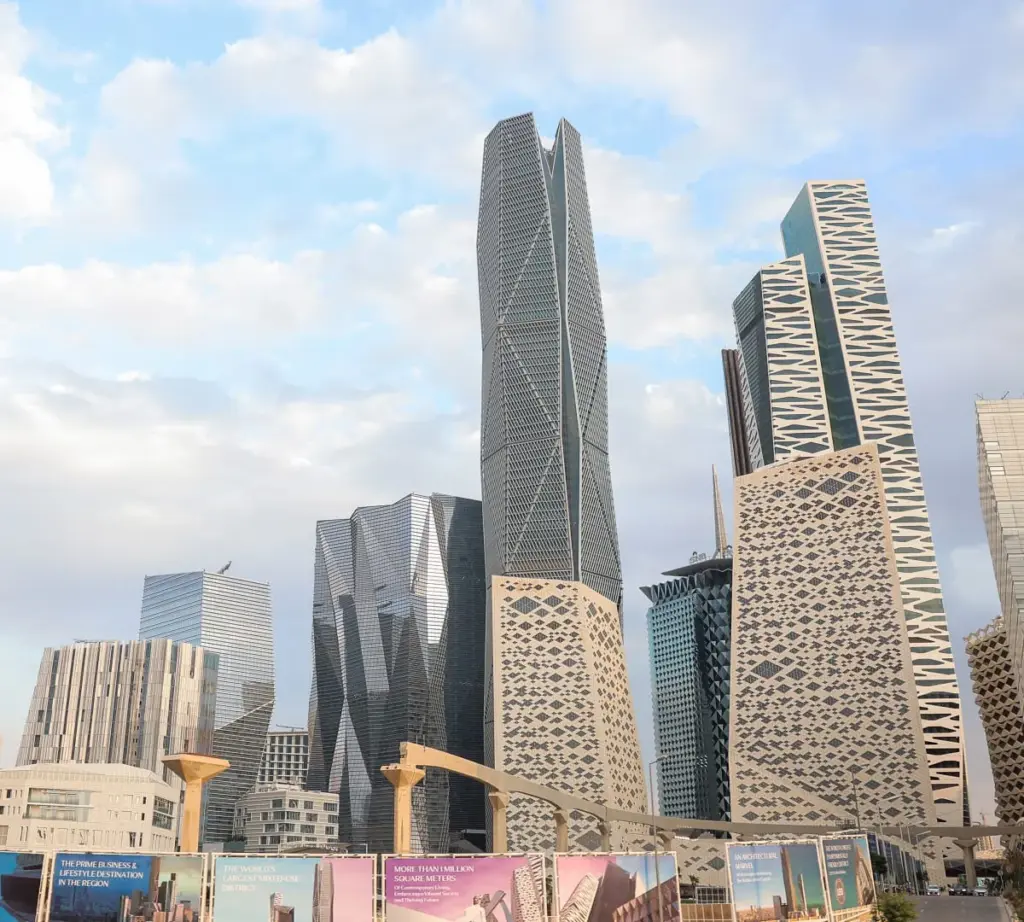
- Eleven individuals were injured in a targeted strike on the Riyadh-based Public Investment Fund (PIF) tower, the second such attack in six days.
- The Houthi movement has explicitly threatened to expand operations to include all Saudi Red Sea ports, including Jeddah.
- Regional tensions are surging as Bahrain also reports Iranian-linked strikes on civilian industrial infrastructure.
- The attacks represent a direct challenge to the Saudi-led coalition's efforts in Yemen and signal a broader, more volatile phase of Gulf conflict.
- Mười một người đã bị thương trong một cuộc tấn công có chủ đích vào tòa tháp của Quỹ Đầu tư Công (PIF) tại Riyadh, đây là vụ tấn công thứ hai trong vòng sáu ngày.
- Phong trào Houthi đã công khai đe dọa mở rộng phạm vi hoạt động sang tất cả các cảng của Ả Rập Xê Út trên Biển Đỏ, bao gồm cả Jeddah.
- Căng thẳng khu vực đang gia tăng khi Bahrain cũng báo cáo về các cuộc tấn công có liên hệ với Iran nhắm vào cơ sở hạ tầng công nghiệp dân sự.
- Các cuộc tấn công này là thách thức trực tiếp đối với nỗ lực của liên minh do Ả Rập Xê Út dẫn đầu tại Yemen, báo hiệu một giai đoạn xung đột vùng Vịnh rộng lớn và bất ổn hơn.
- Onze personnes ont été blessées lors d'une frappe ciblée sur la tour du Public Investment Fund (PIF) à Riyad, la deuxième attaque de ce type en six jours.
- Le mouvement houthi a explicitement menacé d'étendre ses opérations à tous les ports saoudiens de la mer Rouge, y compris celui de Djeddah.
- Les tensions régionales s'intensifient alors que Bahreïn rapporte également des frappes liées à l'Iran contre des infrastructures industrielles civiles.
- Ces attaques représentent un défi direct aux efforts de la coalition dirigée par l'Arabie saoudite au Yémen et signalent une phase plus large et plus volatile du conflit dans le Golfe.
- Once personas resultaron heridas en un ataque selectivo contra la torre del Fondo de Inversión Pública (PIF) en Riad, el segundo de este tipo en seis días.
- El movimiento hutí ha amenazado explícitamente con ampliar sus operaciones a todos los puertos saudíes del mar Rojo, incluido el de Yeda.
- Las tensiones regionales se intensifican mientras Baréin también reporta ataques vinculados a Irán contra infraestructuras industriales civiles.
- Los ataques representan un desafío directo a los esfuerzos de la coalición liderada por Arabia Saudí en Yemen y señalan una fase más amplia y volátil del conflicto en el Golfo.
- 位于利雅得的公共投资基金(PIF)大楼遭到针对性袭击,造成11人受伤,这是六天内的第二次此类袭击。
- 胡塞武装已明确威胁将扩大行动范围,涵盖包括吉达在内的所有沙特红海港口。
- 随着巴林报告称其民用工业基础设施遭到与伊朗有关联的袭击,地区紧张局势正急剧升温。
- 这些袭击是对沙特领导的联军在也门行动的直接挑战,标志着海湾冲突进入了一个更广泛、更动荡的新阶段。
The skyline of Riyadh, a city long synonymous with the rapid modernization of the Kingdom of Saudi Arabia, was marred by smoke and sirens this Tuesday as the Public Investment Fund (PIF) Tower—the heartbeat of the nation’s economic transformation—became the site of a targeted strike. The attack, attributed to the Iran-backed Houthi movement, resulted in 11 injuries, including Saudi, Indian, Nepali, and Egyptian nationals. This assault, the second of its kind in less than a week, represents a profound departure from traditional regional skirmishes, signaling a deliberate attempt to strike at the institutional nerve center of the Saudi economy.
For global observers, the incident is more than a localized security breach; it is a chilling indicator of the shifting theater of war in the Middle East. By targeting the PIF—the sovereign wealth fund that manages nearly a trillion dollars in assets and serves as the primary engine for Crown Prince Mohammed bin Salman’s Vision 2030—the Houthis have moved beyond military targets and into the realm of economic warfare. The audacity of the strike, occurring in the heart of the Saudi capital, forces a recalibration of risk assessments for international investors who have flocked to the Kingdom in recent years to participate in its ambitious diversification agenda.
The Anatomy of a Strategic Escalation
The tactical shift toward the PIF Tower is not an isolated event but the culmination of a deteriorating security environment in the Red Sea and the Gulf. Following the coalition’s November 20 directive for civilians to evacuate the Yemeni port of Hodeidah, the Houthi leadership, through Brigadier General Yahya Saree, issued a stark ultimatum: any further pressure on their maritime strongholds would be met with direct strikes on Saudi ports, including the vital logistical hub of Jeddah. The subsequent targeting of the PIF tower serves as a grim fulfillment of these threats, demonstrating a capability to penetrate deep into Saudi territory despite the Kingdom’s multi-billion-dollar air defense systems.
Historically, the Houthi-Saudi conflict was largely confined to border regions and specific energy infrastructure, such as oil refineries and pipelines. However, the move to strike the financial center of Riyadh suggests a desire to inflict psychological and economic damage that transcends mere military attrition. This escalation mirrors the broader regional volatility, highlighted by the simultaneous reports of Iranian-linked strikes in Bahrain, which hosts the U.S. Navy’s Fifth Fleet. The synchronicity of these events suggests a coordinated effort by Tehran and its proxies to exert pressure across the Gulf, testing the resolve of both the Saudi coalition and its Western allies.
The Economic Ripple Effects of Geopolitical Volatility
The implications for global markets are immediate and severe. The PIF is not merely a Saudi entity; it is a global institutional investor with significant stakes in technology, sports, and infrastructure worldwide. When the headquarters of such an entity becomes a battlefield, the perception of the Gulf as a stable investment destination is inevitably shaken. Investors, who have been closely watching the Kingdom’s pivot toward a post-oil economy, must now weigh the potential for long-term regional instability against the promise of high-growth opportunities. The uncertainty surrounding the safety of personnel and physical assets in Riyadh could lead to a temporary cooling of foreign direct investment, as firms reassess their risk exposure in the region.
Furthermore, the threat to Red Sea ports introduces a new layer of anxiety for global supply chains. The Red Sea is a critical artery for international trade, and any disruption to Jeddah or other Saudi ports could have cascading effects on global shipping costs and energy prices. As the Houthis demonstrate an increasing ability to strike both civilian industrial sites and financial hubs, the cost of insurance for maritime and commercial operations in the region is likely to spike. This economic pressure is precisely what the aggressors intend: to force a diplomatic concession by making the cost of the status quo untenable for the Saudi leadership and their international partners.
Institutional Responses and the Path Forward
The Saudi government, led by the coalition’s spokesperson Turki al-Maliki, has characterized the attack as a "cowardly terrorist act" and has initiated a comprehensive on-site investigation. However, the rhetoric from Riyadh suggests that the Kingdom is unlikely to back down. Instead, the pressure is mounting for a more robust military response or a shift in diplomatic strategy that could involve greater U.S. and international intervention. The fact that the attack occurred while tensions are already at a boiling point—with Bahrain also under fire—suggests that the window for a localized de-escalation is closing rapidly.
As the international community watches, the primary question remains: how will the U.S. and its allies respond to this widening theater of conflict? With the Fifth Fleet in Bahrain already navigating a heightened threat environment, the U.S. is effectively drawn into the center of this escalation. The coming weeks will likely see an increase in naval patrols and intelligence sharing, but the deeper challenge is diplomatic. The Houthis have signaled that they are no longer content to operate in the shadows of the Yemeni civil war; they are now actively engaging in a broader, regional confrontation. For the global order, the stability of the Gulf is not just a regional concern, but a prerequisite for global economic health. The events at the PIF Tower are a stark reminder that in an interconnected world, the fires of local conflict can, with alarming speed, reach the very centers of global power.
Đường chân trời của Riyadh, thành phố từ lâu được coi là biểu tượng cho quá trình hiện đại hóa thần tốc của Vương quốc Ả Rập Xê Út, đã bị bao phủ bởi khói bụi và tiếng còi báo động vào thứ Ba vừa qua khi Tòa tháp Quỹ Đầu tư Công (PIF) — trái tim của quá trình chuyển đổi kinh tế quốc gia — trở thành mục tiêu của một cuộc tấn công trực diện. Vụ tấn công, được cho là do phong trào Houthi được Iran hậu thuẫn thực hiện, đã khiến 11 người bị thương, bao gồm các công dân Ả Rập Xê Út, Ấn Độ, Nepal và Ai Cập. Đây là vụ tấn công thứ hai trong chưa đầy một tuần, đánh dấu sự thay đổi sâu sắc so với các cuộc giao tranh khu vực truyền thống, cho thấy một nỗ lực có chủ đích nhằm vào trung tâm thần kinh của nền kinh tế Ả Rập Xê Út.
Đối với các nhà quan sát quốc tế, sự việc này không chỉ là một lỗ hổng an ninh cục bộ; đó là một chỉ dấu đáng báo động về sự thay đổi cục diện chiến tranh tại Trung Đông. Bằng cách nhắm vào PIF — quỹ tài sản quốc gia quản lý gần một nghìn tỷ đô la tài sản và đóng vai trò là động lực chính cho chương trình Tầm nhìn 2030 của Thái tử Mohammed bin Salman — lực lượng Houthi đã vượt ra ngoài các mục tiêu quân sự để bước vào lĩnh vực chiến tranh kinh tế. Sự táo bạo của cuộc tấn công, diễn ra ngay tại trung tâm thủ đô Ả Rập Xê Út, buộc các nhà đầu tư quốc tế vốn đã đổ xô đến Vương quốc này trong những năm gần đây để tham gia vào chương trình đa dạng hóa đầy tham vọng phải tái đánh giá lại các rủi ro.
Giải phẫu của một sự leo thang chiến lược
Sự thay đổi chiến thuật nhắm vào Tòa tháp PIF không phải là một sự kiện đơn lẻ mà là đỉnh điểm của môi trường an ninh đang xấu đi tại Biển Đỏ và vùng Vịnh. Sau chỉ thị ngày 20 tháng 11 của liên minh yêu cầu dân thường sơ tán khỏi cảng Hodeidah của Yemen, lãnh đạo Houthi, thông qua Chuẩn tướng Yahya Saree, đã đưa ra một tối hậu thư đanh thép: bất kỳ áp lực nào thêm nữa lên các thành trì hàng hải của họ sẽ bị đáp trả bằng các cuộc tấn công trực tiếp vào các cảng của Ả Rập Xê Út, bao gồm cả trung tâm hậu cần quan trọng Jeddah. Việc nhắm mục tiêu vào tòa tháp PIF sau đó chính là sự thực thi nghiệt ngã của những lời đe dọa này, chứng minh khả năng thâm nhập sâu vào lãnh thổ Ả Rập Xê Út bất chấp hệ thống phòng không trị giá hàng tỷ đô la của Vương quốc.
Trong lịch sử, xung đột Houthi-Ả Rập Xê Út phần lớn chỉ giới hạn ở các khu vực biên giới và cơ sở hạ tầng năng lượng cụ thể, chẳng hạn như các nhà máy lọc dầu và đường ống dẫn dầu. Tuy nhiên, động thái tấn công vào trung tâm tài chính của Riyadh cho thấy mong muốn gây ra những thiệt hại về tâm lý và kinh tế vượt xa sự tiêu hao quân sự đơn thuần. Sự leo thang này phản ánh sự bất ổn rộng lớn hơn của khu vực, được làm nổi bật bởi các báo cáo đồng thời về các cuộc tấn công có liên hệ với Iran tại Bahrain, nơi đặt Hạm đội thứ Năm của Hải quân Hoa Kỳ. Sự đồng bộ của các sự kiện này cho thấy một nỗ lực phối hợp của Tehran và các lực lượng ủy nhiệm nhằm gây áp lực trên khắp vùng Vịnh, thử thách quyết tâm của cả liên minh Ả Rập Xê Út và các đồng minh phương Tây.
Tác động kinh tế lan tỏa từ sự bất ổn địa chính trị
Những tác động đối với thị trường toàn cầu là ngay lập tức và nghiêm trọng. PIF không chỉ là một thực thể của Ả Rập Xê Út; đó là một nhà đầu tư tổ chức toàn cầu với cổ phần đáng kể trong lĩnh vực công nghệ, thể thao và cơ sở hạ tầng trên khắp thế giới. Khi trụ sở của một thực thể như vậy trở thành chiến trường, nhận thức về vùng Vịnh như một điểm đến đầu tư ổn định chắc chắn sẽ bị lung lay. Các nhà đầu tư, những người đã theo dõi sát sao sự xoay trục của Vương quốc hướng tới nền kinh tế hậu dầu mỏ, giờ đây phải cân nhắc khả năng bất ổn khu vực lâu dài so với triển vọng của các cơ hội tăng trưởng cao. Sự không chắc chắn về sự an toàn của nhân sự và tài sản vật chất tại Riyadh có thể dẫn đến sự sụt giảm tạm thời trong đầu tư trực tiếp nước ngoài, khi các công ty đánh giá lại mức độ rủi ro của họ trong khu vực.
Hơn nữa, mối đe dọa đối với các cảng Biển Đỏ tạo ra một tầng lớp lo âu mới cho chuỗi cung ứng toàn cầu. Biển Đỏ là huyết mạch quan trọng đối với thương mại quốc tế, và bất kỳ sự gián đoạn nào đối với Jeddah hoặc các cảng khác của Ả Rập Xê Út đều có thể gây ra những tác động dây chuyền lên chi phí vận chuyển và giá năng lượng toàn cầu. Khi lực lượng Houthi chứng minh khả năng ngày càng tăng trong việc tấn công cả các khu công nghiệp dân sự và các trung tâm tài chính, chi phí bảo hiểm cho các hoạt động hàng hải và thương mại trong khu vực có khả năng sẽ tăng vọt. Áp lực kinh tế này chính xác là những gì những kẻ tấn công nhắm tới: buộc phải có một sự nhượng bộ ngoại giao bằng cách làm cho cái giá của hiện trạng trở nên không thể chấp nhận được đối với giới lãnh đạo Ả Rập Xê Út và các đối tác quốc tế của họ.
Phản ứng của các thể chế và con đường phía trước
Chính phủ Ả Rập Xê Út, dưới sự dẫn dắt của người phát ngôn liên minh Turki al-Maliki, đã mô tả cuộc tấn công là một "hành động khủng bố hèn nhát" và đã bắt đầu một cuộc điều tra toàn diện tại hiện trường. Tuy nhiên, giọng điệu từ Riyadh cho thấy Vương quốc khó có khả năng lùi bước. Thay vào đó, áp lực đang gia tăng đối với một phản ứng quân sự mạnh mẽ hơn hoặc một sự thay đổi trong chiến lược ngoại giao có thể bao gồm sự can thiệp lớn hơn của Hoa Kỳ và quốc tế. Việc cuộc tấn công xảy ra khi căng thẳng đã lên đến đỉnh điểm — với việc Bahrain cũng đang bị tấn công — cho thấy cơ hội cho một sự xuống thang cục bộ đang khép lại nhanh chóng.
Khi cộng đồng quốc tế theo dõi, câu hỏi chính vẫn là: Hoa Kỳ và các đồng minh sẽ phản ứng thế nào trước chiến trường xung đột đang mở rộng này? Với Hạm đội thứ Năm tại Bahrain đã phải điều hướng trong một môi trường đe dọa gia tăng, Hoa Kỳ thực sự bị kéo vào trung tâm của sự leo thang này. Những tuần tới có khả năng sẽ chứng kiến sự gia tăng các cuộc tuần tra hải quân và chia sẻ tình báo, nhưng thách thức sâu sắc hơn nằm ở ngoại giao. Lực lượng Houthi đã báo hiệu rằng họ không còn hài lòng khi hoạt động trong bóng tối của cuộc nội chiến Yemen; họ hiện đang tích cực tham gia vào một cuộc đối đầu khu vực rộng lớn hơn. Đối với trật tự toàn cầu, sự ổn định của vùng Vịnh không chỉ là mối quan tâm khu vực, mà là điều kiện tiên quyết cho sức khỏe kinh tế toàn cầu. Các sự kiện tại Tòa tháp PIF là một lời nhắc nhở đanh thép rằng trong một thế giới kết nối, ngọn lửa của xung đột địa phương có thể, với tốc độ đáng báo động, lan đến chính các trung tâm quyền lực toàn cầu.
La ligne d'horizon de Riyad, ville longtemps synonyme de la modernisation fulgurante du Royaume d'Arabie saoudite, a été obscurcie par la fumée et les sirènes ce mardi, alors que la tour du Public Investment Fund (PIF) — véritable cœur battant de la transformation économique nationale — est devenue la cible d'une frappe précise. L'attaque, attribuée au mouvement houthi soutenu par l'Iran, a fait 11 blessés, parmi lesquels des ressortissants saoudiens, indiens, népalais et égyptiens. Cet assaut, le deuxième du genre en moins d'une semaine, marque une rupture profonde avec les escarmouches régionales traditionnelles, signalant une volonté délibérée de frapper le centre nerveux institutionnel de l'économie saoudienne.
Pour les observateurs internationaux, l'incident dépasse le cadre d'une simple faille de sécurité locale ; il constitue un indicateur glaçant du déplacement du théâtre de guerre au Moyen-Orient. En ciblant le PIF — ce fonds souverain qui gère près de mille milliards de dollars d'actifs et sert de moteur principal à la Vision 2030 du prince héritier Mohammed ben Salmane — les Houthis ont franchi le pas, passant des cibles militaires au domaine de la guerre économique. L'audace de cette frappe, survenue au cœur de la capitale saoudienne, force une recalibration des évaluations de risque pour les investisseurs internationaux qui, ces dernières années, ont afflué dans le Royaume pour participer à son ambitieux programme de diversification.
Anatomie d'une escalade stratégique
Le basculement tactique vers la tour du PIF n'est pas un événement isolé, mais l'aboutissement d'une dégradation de l'environnement sécuritaire en mer Rouge et dans le Golfe. Suite à la directive de la coalition du 20 novembre appelant les civils à évacuer le port yéménite de Hodeïda, la direction houthie, par la voix du général de brigade Yahya Saree, a lancé un ultimatum sans équivoque : toute pression supplémentaire sur leurs bastions maritimes entraînerait des frappes directes sur les ports saoudiens, y compris le hub logistique vital de Djeddah. Le ciblage consécutif de la tour du PIF sert de sinistre accomplissement à ces menaces, démontrant une capacité à pénétrer profondément en territoire saoudien malgré les systèmes de défense antiaérienne du Royaume, pourtant chiffrés en milliards de dollars.
Historiquement, le conflit houthi-saoudien se limitait largement aux zones frontalières et à des infrastructures énergétiques spécifiques, telles que les raffineries et les oléoducs. Cependant, le choix de frapper le centre financier de Riyad suggère une volonté d'infliger des dommages psychologiques et économiques qui transcendent la simple usure militaire. Cette escalade reflète la volatilité régionale plus large, soulignée par les rapports simultanés de frappes liées à l'Iran à Bahreïn, qui accueille la cinquième flotte de la marine américaine. La synchronisation de ces événements suggère un effort coordonné de Téhéran et de ses supplétifs pour exercer une pression sur l'ensemble du Golfe, testant ainsi la détermination de la coalition saoudienne et de ses alliés occidentaux.
Les répercussions économiques de la volatilité géopolitique
Les implications pour les marchés mondiaux sont immédiates et sévères. Le PIF n'est pas seulement une entité saoudienne ; c'est un investisseur institutionnel mondial détenant des participations significatives dans la technologie, le sport et les infrastructures à travers le monde. Lorsque le siège d'une telle entité devient un champ de bataille, la perception du Golfe comme destination d'investissement stable est inévitablement ébranlée. Les investisseurs, qui observaient de près le pivot du Royaume vers une économie post-pétrolière, doivent désormais peser le risque d'une instabilité régionale à long terme face à la promesse d'opportunités à forte croissance. L'incertitude entourant la sécurité du personnel et des actifs physiques à Riyad pourrait entraîner un refroidissement temporaire des investissements directs étrangers, les entreprises réévaluant leur exposition au risque dans la région.
Par ailleurs, la menace pesant sur les ports de la mer Rouge introduit une nouvelle couche d'anxiété pour les chaînes d'approvisionnement mondiales. La mer Rouge est une artère critique pour le commerce international, et toute perturbation à Djeddah ou dans d'autres ports saoudiens pourrait avoir des effets en cascade sur les coûts du fret maritime et les prix de l'énergie. Alors que les Houthis démontrent une capacité croissante à frapper à la fois les sites industriels civils et les centres financiers, le coût de l'assurance pour les opérations maritimes et commerciales dans la région va probablement grimper en flèche. Cette pression économique est précisément ce que recherchent les agresseurs : forcer une concession diplomatique en rendant le coût du statu quo intenable pour les dirigeants saoudiens et leurs partenaires internationaux.
Réponses institutionnelles et perspectives
Le gouvernement saoudien, par la voix du porte-parole de la coalition Turki al-Maliki, a qualifié l'attaque d'« acte terroriste lâche » et a lancé une enquête approfondie sur place. Toutefois, la rhétorique émanant de Riyad suggère que le Royaume ne compte pas reculer. Au contraire, la pression s'accentue en faveur d'une réponse militaire plus robuste ou d'un changement de stratégie diplomatique qui pourrait impliquer une intervention accrue des États-Unis et de la communauté internationale. Le fait que l'attaque se soit produite alors que les tensions sont déjà à leur paroxysme — avec un Bahreïn également sous le feu — suggère que la fenêtre pour une désescalade locale se referme rapidement.
Alors que la communauté internationale observe la situation, la question principale demeure : comment les États-Unis et leurs alliés réagiront-ils à ce théâtre de conflit qui s'élargit ? Avec la cinquième flotte à Bahreïn naviguant déjà dans un environnement de menace accrue, les États-Unis sont de fait entraînés au centre de cette escalade. Les semaines à venir verront probablement une augmentation des patrouilles navales et du partage de renseignements, mais le défi le plus profond reste diplomatique. Les Houthis ont signalé qu'ils ne se contentent plus d'opérer dans l'ombre de la guerre civile yéménite ; ils sont désormais activement engagés dans une confrontation régionale plus large. Pour l'ordre mondial, la stabilité du Golfe n'est pas seulement une préoccupation régionale, mais une condition préalable à la santé économique mondiale. Les événements à la tour du PIF rappellent brutalement que, dans un monde interconnecté, les incendies des conflits locaux peuvent, avec une rapidité alarmante, atteindre les centres mêmes du pouvoir mondial.
El horizonte de Riad, una ciudad que durante mucho tiempo ha sido sinónimo de la rápida modernización del Reino de Arabia Saudí, se vio empañado por el humo y las sirenas este martes cuando la torre del Fondo de Inversión Pública (PIF) —el corazón de la transformación económica de la nación— se convirtió en el escenario de un ataque selectivo. La ofensiva, atribuida al movimiento hutí respaldado por Irán, dejó 11 heridos, entre ellos ciudadanos saudíes, indios, nepalíes y egipcios. Este asalto, el segundo de su clase en menos de una semana, representa un profundo alejamiento de las escaramuzas regionales tradicionales, señalando un intento deliberado de golpear el centro neurálgico institucional de la economía saudí.
Para los observadores globales, el incidente es algo más que una brecha de seguridad localizada; es un indicador escalofriante del cambiante teatro de guerra en Oriente Medio. Al atacar al PIF —el fondo soberano que gestiona casi un billón de dólares en activos y sirve como motor principal de la Visión 2030 del príncipe heredero Mohammed bin Salman—, los hutíes han trascendido los objetivos militares para adentrarse en el terreno de la guerra económica. La audacia del ataque, ocurrido en el corazón de la capital saudí, obliga a recalibrar las evaluaciones de riesgo para los inversores internacionales que han acudido al Reino en los últimos años para participar en su ambiciosa agenda de diversificación.
La anatomía de una escalada estratégica
El giro táctico hacia la torre del PIF no es un evento aislado, sino la culminación de un entorno de seguridad que se deteriora en el mar Rojo y el Golfo. Tras la directiva de la coalición del 20 de noviembre para que los civiles evacuaran el puerto yemení de Hodeidah, el liderazgo hutí, a través del brigadier general Yahya Saree, lanzó un severo ultimátum: cualquier presión adicional sobre sus bastiones marítimos sería respondida con ataques directos a los puertos saudíes, incluido el vital centro logístico de Yeda. El posterior ataque a la torre del PIF sirve como un sombrío cumplimiento de estas amenazas, demostrando una capacidad para penetrar profundamente en territorio saudí a pesar de los sistemas de defensa aérea multimillonarios del Reino.
Históricamente, el conflicto entre hutíes y saudíes se limitaba en gran medida a las regiones fronterizas y a infraestructuras energéticas específicas, como refinerías y oleoductos. Sin embargo, la decisión de atacar el centro financiero de Riad sugiere un deseo de infligir un daño psicológico y económico que trasciende la mera guerra de desgaste militar. Esta escalada refleja la volatilidad regional más amplia, destacada por los informes simultáneos de ataques vinculados a Irán en Baréin, que alberga la Quinta Flota de la Marina de los Estados Unidos. La sincronía de estos eventos sugiere un esfuerzo coordinado por parte de Teherán y sus representantes para ejercer presión en todo el Golfo, poniendo a prueba la determinación tanto de la coalición saudí como de sus aliados occidentales.
Los efectos dominó económicos de la volatilidad geopolítica
Las implicaciones para los mercados globales son inmediatas y graves. El PIF no es solo una entidad saudí; es un inversor institucional global con participaciones significativas en tecnología, deportes e infraestructura en todo el mundo. Cuando la sede de una entidad de este tipo se convierte en un campo de batalla, la percepción del Golfo como un destino de inversión estable se ve inevitablemente sacudida. Los inversores, que han seguido de cerca el giro del Reino hacia una economía pospetróleo, deben ahora sopesar el potencial de una inestabilidad regional a largo plazo frente a la promesa de oportunidades de alto crecimiento. La incertidumbre que rodea la seguridad del personal y los activos físicos en Riad podría provocar un enfriamiento temporal de la inversión extranjera directa, a medida que las empresas reevalúen su exposición al riesgo en la región.
Además, la amenaza a los puertos del mar Rojo introduce una nueva capa de ansiedad para las cadenas de suministro globales. El mar Rojo es una arteria crítica para el comercio internacional, y cualquier interrupción en Yeda u otros puertos saudíes podría tener efectos en cascada sobre los costes de transporte y los precios de la energía a nivel mundial. A medida que los hutíes demuestran una creciente capacidad para atacar tanto sitios industriales civiles como centros financieros, es probable que el coste de los seguros para las operaciones marítimas y comerciales en la región se dispare. Esta presión económica es precisamente lo que pretenden los agresores: forzar una concesión diplomática haciendo que el coste del statu quo sea insostenible para el liderazgo saudí y sus socios internacionales.
Respuestas institucionales y el camino a seguir
El gobierno saudí, liderado por el portavoz de la coalición Turki al-Maliki, ha calificado el ataque como un "acto terrorista cobarde" y ha iniciado una investigación exhaustiva en el lugar de los hechos. Sin embargo, la retórica de Riad sugiere que es poco probable que el Reino retroceda. Por el contrario, aumenta la presión para una respuesta militar más contundente o un cambio en la estrategia diplomática que podría implicar una mayor intervención de Estados Unidos y la comunidad internacional. El hecho de que el ataque ocurriera mientras las tensiones ya estaban en un punto de ebullición —con Baréin también bajo fuego— sugiere que la ventana para una desescalada localizada se está cerrando rápidamente.
Mientras la comunidad internacional observa, la pregunta principal sigue siendo: ¿cómo responderán Estados Unidos y sus aliados a este creciente teatro de conflicto? Con la Quinta Flota en Baréin navegando ya en un entorno de amenaza elevada, Estados Unidos se ve arrastrado efectivamente al centro de esta escalada. Es probable que las próximas semanas vean un aumento de las patrullas navales y del intercambio de inteligencia, pero el desafío más profundo es diplomático. Los hutíes han señalado que ya no se conforman con operar en las sombras de la guerra civil yemení; ahora están participando activamente en una confrontación regional más amplia. Para el orden global, la estabilidad del Golfo no es solo una preocupación regional, sino un requisito previo para la salud económica mundial. Los eventos en la torre del PIF son un crudo recordatorio de que, en un mundo interconectado, los fuegos de un conflicto local pueden, con alarmante rapidez, alcanzar los centros mismos del poder global.
利雅得的天际线长期以来是沙特阿拉伯快速现代化的象征,然而本周二,这里被烟雾与警笛声笼罩。作为国家经济转型的核心引擎,公共投资基金(PIF)大楼成为了针对性打击的目标。此次袭击被归咎于伊朗支持的胡塞武装,造成包括沙特、印度、尼泊尔和埃及公民在内的11人受伤。这是不到一周内的第二次此类袭击,标志着地区冲突已脱离传统的边境摩擦,转而蓄意打击沙特经济的神经中枢。
对于全球观察家而言,这起事件不仅是一次局部安全漏洞,更是中东战争态势发生剧烈转变的冷酷信号。PIF管理着近万亿美元资产,是王储穆罕默德·本·萨勒曼“2030愿景”的主要驱动力。通过瞄准这一机构,胡塞武装已不再局限于军事目标,而是进入了经济战的范畴。袭击发生在沙特首都中心地带,其大胆程度迫使近年来涌入沙特参与多元化议程的国际投资者,必须重新评估该地区的风险等级。
战略升级的剖析
针对PIF大楼的战术转变并非孤立事件,而是红海和海湾地区安全环境持续恶化的必然结果。继联军11月20日下达要求平民撤离也门荷台达港的指令后,胡塞武装领导层通过发言人叶海亚·萨里发出严厉最后通牒:任何对其实际控制区的进一步施压,都将招致对沙特港口(包括关键物流枢纽吉达)的直接打击。随后针对PIF大楼的袭击正是这些威胁的残酷兑现,证明了即便在沙特耗资数十亿美元的防空系统面前,胡塞武装仍具备深入沙特腹地的打击能力。
从历史上看,胡塞武装与沙特的冲突大多局限于边境地区和特定的能源基础设施,如炼油厂和管道。然而,将打击目标转向利雅得的金融中心,表明其意图造成超越军事消耗的心理与经济创伤。这种升级反映了更广泛的地区动荡,正如巴林(驻有美国海军第五舰队)同时报告遭到与伊朗有关联的袭击所显示的那样。这些事件的同步性表明,德黑兰及其代理人正协同施压,试图测试沙特联军及其西方盟友的决心。
地缘政治动荡的经济涟漪
这对全球市场的影响是直接且严重的。PIF不仅是一家沙特实体,更是一家在全球科技、体育和基础设施领域拥有重大股权的全球机构投资者。当此类实体的总部成为战场,海湾地区作为稳定投资目的地的形象必然受到动摇。那些密切关注沙特向“后石油经济”转型的投资者,现在必须在潜在的高增长机遇与长期的地区不稳定风险之间进行权衡。利雅得人员与资产安全的不确定性,可能导致外国直接投资暂时降温,企业将重新评估其在该地区的风险敞口。
此外,对红海港口的威胁为全球供应链增添了新的焦虑。红海是国际贸易的生命线,对吉达或其他沙特港口的任何干扰,都可能对全球航运成本和能源价格产生连锁反应。随着胡塞武装展示出越来越强的打击民用工业设施和金融中心的能力,该地区海运和商业运营的保险成本极有可能飙升。这种经济压力正是袭击者所追求的:通过让沙特领导层及其国际伙伴无法承受维持现状的代价,从而迫使对方在外交上做出让步。
机构回应与未来路径
沙特政府在联军发言人图尔基·马利基的领导下,将此次袭击定性为“懦弱的恐怖主义行径”,并已启动全面的现场调查。然而,利雅得方面的言辞表明,沙特不太可能退缩。相反,要求采取更强硬军事回应或调整外交策略(可能涉及美国及国际社会更深度的介入)的压力正在增加。袭击发生时,地区紧张局势已处于临界点——巴林同样遭受攻击——这表明局部降温的窗口正在迅速关闭。
随着国际社会的密切关注,核心问题依然存在:美国及其盟友将如何应对这一不断扩大的冲突剧场?随着驻扎在巴林的第五舰队已处于高度戒备状态,美国实际上已被卷入这场升级冲突的中心。未来几周,海军巡逻和情报共享可能会增加,但更深层的挑战在于外交层面。胡塞武装已发出信号,他们不再满足于在也门内战的阴影下行动,而是正积极参与一场更广泛的地区对抗。对于全球秩序而言,海湾地区的稳定不仅是区域性关切,更是全球经济健康的先决条件。PIF大楼发生的事件是一个严峻的提醒:在一个高度互联的世界里,局部冲突的火苗可以以惊人的速度蔓延至全球权力的中心。
Cultural Icons Featured in This Dispatch

Editorial Standards & Multi-Language Synthesis: This dispatch was synthesized and fact-checked by the ParisDaily Editorial Desk across 5 global editions (EN, FR, VI, ES, ZH), cross-referencing primary international wire reports and real-time search intelligence.