How Rejection and Ruin Forged Sylvester Stallone’s Immortal Cinematic Underdog
As Peter Farrelly’s ‘I Play Rocky’ hits cinemas, we examine the miraculous genesis of the 1976 boxing classic and how Sylvester Stallone turned destitution into Hollywood history.
Khi bộ phim ‘I Play Rocky’ của đạo diễn Peter Farrelly chính thức ra rạp, chúng ta cùng nhìn lại hành trình khởi nguyên kỳ diệu của tác phẩm quyền anh kinh điển năm 1976 và cách Sylvester Stallone biến sự khốn cùng thành lịch sử Hollywood.
Alors que le film de Peter Farrelly « I Play Rocky » arrive sur les écrans, nous revenons sur la genèse miraculeuse de ce classique de la boxe de 1976 et sur la manière dont Sylvester Stallone a transformé la misère en légende hollywoodienne.
Mientras 'I Play Rocky' de Peter Farrelly llega a los cines, examinamos la milagrosa génesis del clásico del boxeo de 1976 y cómo Sylvester Stallone convirtió la indigencia en historia de Hollywood.
随着彼得·法雷利执导的新片《我演洛奇》(I Play Rocky)登上大银幕,我们将回溯这部1976年经典拳击电影的奇迹诞生史,看西尔维斯特·史泰龙如何将赤贫化为好莱坞的不朽传奇。
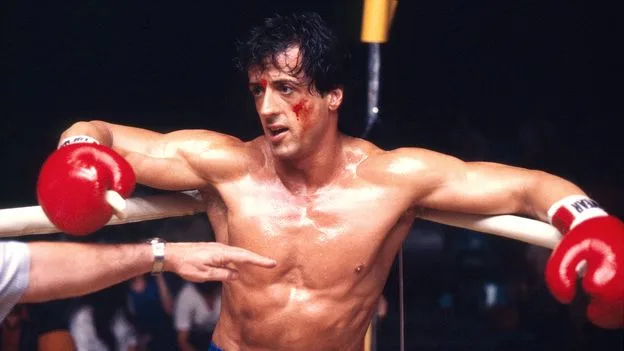
- Sylvester Stallone wrote the screenplay for Rocky in just three days while struggling with homelessness and near-total industry rejection in early 1970s New York.
- Despite lucrative studio buyout offers from United Artists demanding bankable stars like Burt Reynolds, Stallone adamantly refused to sell unless he played the lead role.
- Shot on a shoestring budget of roughly $1 million in 28 days, the film defied studio pessimism to become 1976's highest-grossing picture and secure three Academy Awards.
- Peter Farrelly’s biographical film 'I Play Rocky,' starring Anthony Ippolito, arrives as the franchise celebrates its monumental 50th anniversary.
- Sylvester Stallone viết kịch bản phim Rocky chỉ trong ba ngày khi đang vật lộn với tình trạng vô gia cư và sự từ chối gần như tuyệt đối từ giới điện ảnh New York đầu những năm 1970.
- Bất chấp những lời đề nghị mua lại kịch bản béo bở từ hãng United Artists với yêu cầu phải dùng những ngôi sao bảo chứng phòng vé như Burt Reynolds, Stallone vẫn kiên quyết từ chối trừ khi chính anh được đóng vai chính.
- Được thực hiện với kinh phí khiêm tốn khoảng 1 triệu đô la trong 28 ngày, bộ phim đã bất chấp sự hoài nghi của hãng phim để trở thành tác phẩm có doanh thu cao nhất năm 1976 và giành ba giải Oscar.
- Bộ phim tiểu sử 'I Play Rocky' của Peter Farrelly, với sự tham gia của nam diễn viên Anthony Ippolito, ra mắt đúng dịp thương hiệu này kỷ niệm mốc son 50 năm lịch sử.
- Sylvester Stallone a écrit le scénario de Rocky en seulement trois jours alors qu'il traversait une période de sans-abrisme et faisait face au rejet quasi total de l'industrie dans le New York du début des années 1970.
- Malgré des offres de rachat lucratives de la part d'United Artists qui exigeaient des stars bankables comme Burt Reynolds, Stallone a catégoriquement refusé de vendre à moins d'obtenir le rôle principal.
- Tourné avec un budget de misère d'environ un million de dollars en 28 jours, le film a bravé le pessimisme des studios pour devenir le plus gros succès de l'année 1976 et décrocher trois Oscars.
- Le film biographique de Peter Farrelly « I Play Rocky », porté par Anthony Ippolito, sort alors que la franchise célèbre son monumental 50e anniversaire.
- Sylvester Stallone escribió el guion de Rocky en apenas tres días mientras lidiaba con la indigencia y un rechazo casi total de la industria en el Nueva York de principios de los años 70.
- A pesar de las lucrativas ofertas de compra de United Artists que exigían estrellas taquilleras como Burt Reynolds, Stallone se negó rotundamente a vender a menos que él interpretara el papel principal.
- Rodada con un presupuesto ajustado de aproximadamente un millón de dólares en 28 días, la película desafió el pesimismo del estudio para convertirse en la cinta más taquillera de 1976 y asegurar tres premios Óscar.
- La película biográfica 'I Play Rocky' de Peter Farrelly, protagonizada por Anthony Ippolito, llega justo cuando la franquicia celebra su monumental quincuagésimo aniversario.
- 20世纪70年代初,西尔维斯特·史泰龙在纽约身陷无家可归的困境并遭到几乎全行业的冷遇,仅用三天时间就写出了《洛奇》的剧本。
- 尽管联美公司(United Artists)开出了诱人的买断条件并要求起用伯特·雷诺兹等当红明星,史泰龙仍坚决拒绝出售,除非由他本人担任男主角。
- 该片于1976年以约100万美元的极低预算在28天内拍摄完成,打破了厂方的悲观预期,最终成为当年全球票房最高的电影并斩获三项奥斯卡大奖。
- 随着该系列迎来意义非凡的50周年纪念,由安东尼·伊波利托(Anthony Ippolito)主演的彼得·法雷利传记电影《我演洛奇》也正式与观众见面。
In the cinematic pantheon, few narratives rival the dizzying, improbable parallel between the man who wrote the script and the fictional pugilist who stepped into the ring. In 1976, a boxing drama entitled Rocky burst onto international screens, catapulting its absolutely broke, unknown lead actor and screenwriter, Sylvester Stallone, into the upper echelons of global superstardom. It was a cultural earthquake born entirely of desperation. Today, as Peter Farrelly’s crowd-pleasing biographical feature I Play Rocky illuminates that turbulent genesis, film historians and cultural critics alike are revisiting the profound resilience required to bring the Italian Stallion to life. Starring relative newcomer Anthony Ippolito as a young, striving Stallone, the new film captures a period when survival in New York City meant gutting fish for meager wages, sleeping on bus benches alongside an adopted bullmastiff named Butkus, and weathering relentless rejection from casting directors who couldn't see past his facial paralysis and speech impediment.
Yet, out of this profound isolation and vocational humiliation, Stallone forged a character that would forever redefine the cinematic archetype of the working-class hero. The genesis of Rocky was not merely a creative exercise; it was an act of existential defiance by a young artist determined to will his own existence into the cultural lexicon. When major Hollywood studios recognized the commercial potential of his gritty script, they offered astronomical sums to buy him out on the strict condition that a proven box-office commodity—such as Burt Reynolds, James Caan, or Robert Redford—would wear the red-white-and-gold trunks. Stallone, holding virtually no economic leverage or industry clout, steadfastly refused. That stubborn refusal preserved the bruised, authentic humanity of Rocky Balboa, ensuring that the boxer's struggles on screen mirrored the creator's desperate gamble behind the camera.
From the Depths of Destitution to the Steps of the Art Museum
To understand the magnitude of Rocky's triumph is to recall the cultural and socio-economic climate of mid-1970s America. The nation was nursing deep psychological wounds inflicted by the Watergate scandal, the agonizing conclusion of the Vietnam War, and economic stagnation. Cinematic screens of the era were dominated by cynical antiheroes and bleak portraits of urban decay, exemplified by masterpieces like Martin Scorsese’s Taxi Driver and Sidney Lumet’s Network. Society was enveloped in a shroud of anti-establishment disillusionment, searching quietly for a redemptive narrative that felt earnest rather than manufactured.
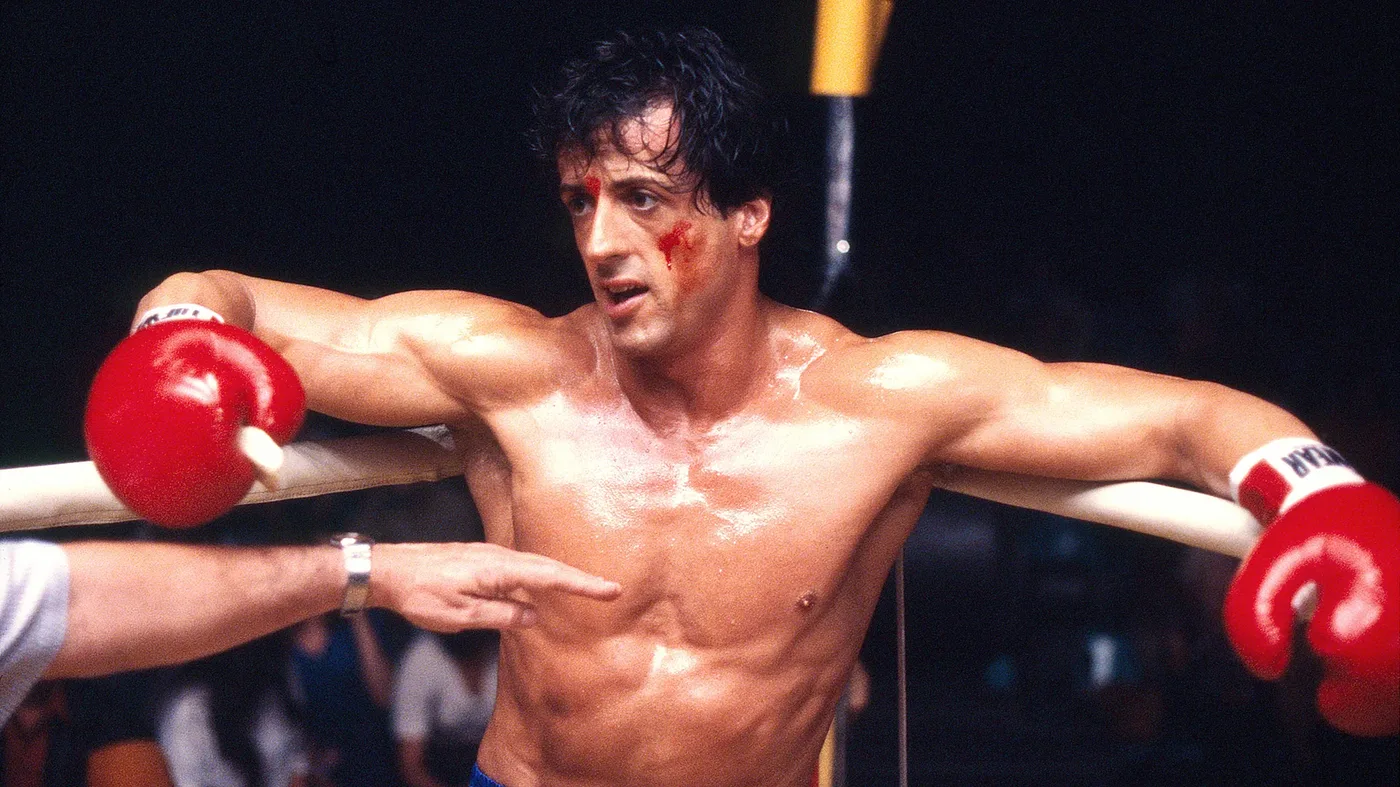
When Rocky premiered, it shattered that pervasive cynicism with a startling burst of unironic idealism and wholesome patriotism. Here was a washed-up debt collector for the Philadelphia mob, a man on the cusp of thirty who had seemingly squandered any innate athletic promise, being handed a lottery-ticket shot at World Heavyweight Champion Apollo Creed. The brilliance of Stallone’s script lay in its refusal to adhere strictly to Hollywood fairy-tale mechanics. By having Balboa go the distance against Creed only to lose the judges' decision, the film subverted conventional triumph. When a battered Rocky cries out for Adrian in the ring, he voices the eternal cry of the human spirit: the refusal to be permanently kept down by circumstance.
The Shoestring Production That Defied Studio Skepticism
The physical making of the original film is itself a legendary Hollywood mythos, characterized by financial peril and breakneck efficiency. Operating on a shoestring budget of roughly one million dollars—a fraction of what independent producers Irwin Winkler and Robert Chartoff desired—director John G. Avildsen shot the picture in a blistering 28 days. Every single dollar was scrutinized; many pivotal scenes had to be completed in a single take simply because the production could not afford film stock overruns. With no special effects budget to speak of, Stallone famously conditioned his hands by punching sides of frozen beef in a meatpacking plant, incurring permanent structural damage to his knuckles.
Throughout production, skepticism from studio executives at United Artists was palpable. Executives did not view the project as a prestige picture; they anticipated a modest, blue-collar genre programmer and declined to mount a major marketing campaign or enter the film into elite European festivals like Cannes. Yet, when test screenings commenced, the studio was caught entirely off guard by the visceral, emotional wave of audience connection. Word-of-mouth transformed a low-budget boxing drama into a global phenomenon, culminating in ten Academy Award nominations and three major wins, including Best Picture and Best Director, while cementing Stallone alongside elite Hollywood royalty.
Enduring Cultural Resonance and the Modern Underdog Mythos
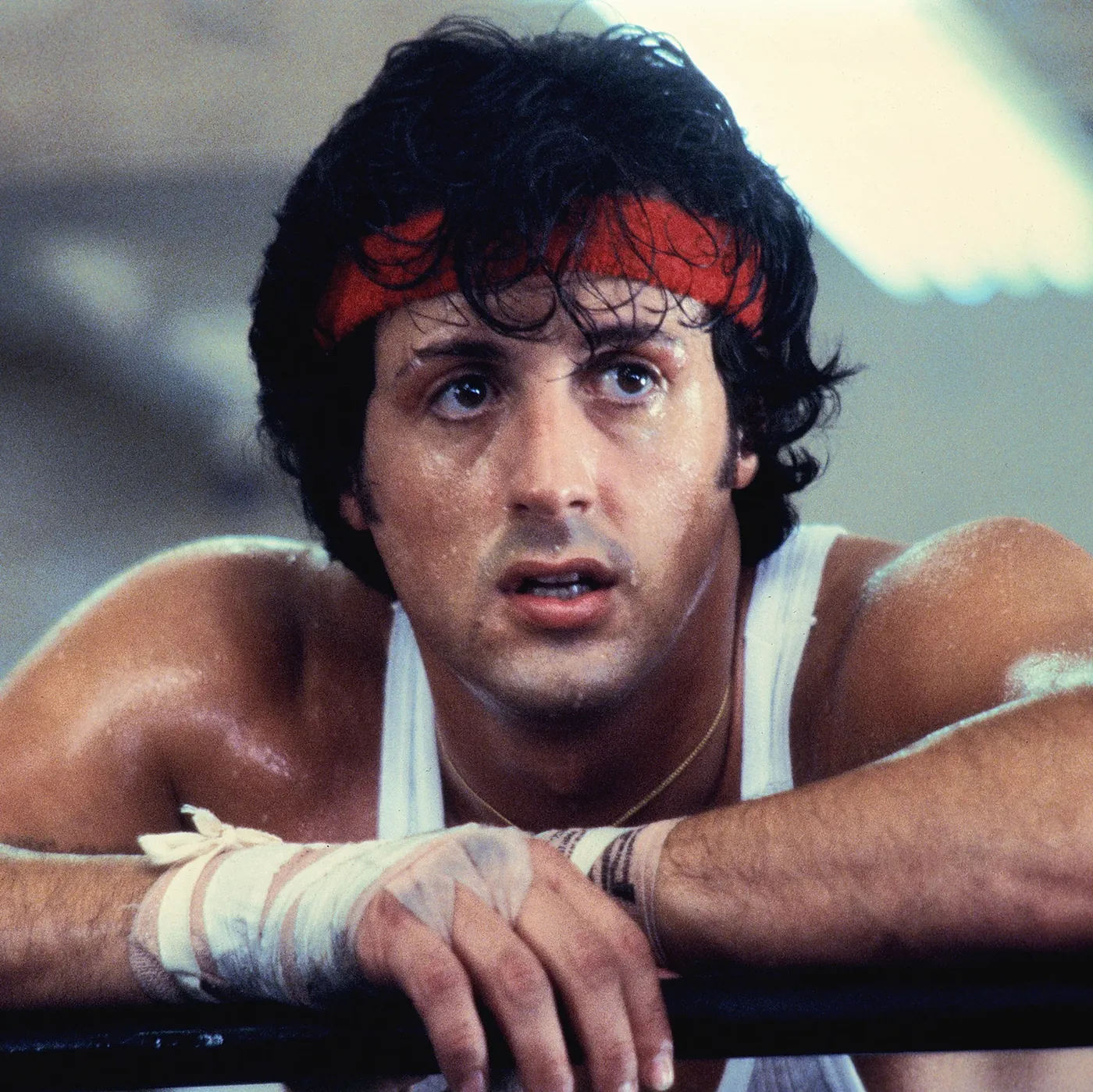
Five decades after its initial theatrical release, the cultural footprint of Rocky remains indelible, echoing far beyond the boundaries of sports cinema. Film scholar Nick de Semlyen notes that Stallone single-handedly codified a new cinematic grammar of resilience—the singular, unyielding protagonist who confronts insurmountable odds through sheer willpower and relentless physical conditioning. This foundational tenet can be traced across generations of action blockbusters, inspiring countless narratives where perseverance supersedes innate talent or systemic advantage.
Moreover, the franchise has continually reinvented itself for modern audiences, most notably through the critically acclaimed Creed spin-off series starring Michael B. Jordan, which successfully passed the torch while maintaining the emotional DNA of the original Philadelphia streets. As I Play Rocky brings full circle the story of how an unknown, impoverished writer willed his dream into reality, it reminds contemporary moviegoers why the myth of Rocky Balboa endures. In an era often as fractious and uncertain as the 1970s, humanity remains perennially hungry for stories that affirm our collective capacity to rise, endure, and go the distance.
Trong đền thờ điện ảnh, hiếm có câu chuyện nào sánh được với sự trùng hợp kỳ lạ và ngoạn mục giữa người biên kịch và võ sĩ hư cấu bước lên võ đài. Năm 1976, bộ phim chính kịch về đề tài quyền anh mang tựa đề Rocky bùng nổ trên màn ảnh quốc tế, đưa nam diễn viên chính kiêm biên kịch hoàn toàn vô danh và trắng tay lúc bấy giờ là Sylvester Stallone bước lên đỉnh cao của danh vọng toàn cầu. Đó là một trận địa chấn văn hóa sinh ra hoàn toàn từ sự tuyệt vọng. Ngày nay, khi tác phẩm tiểu sử giàu tính giải trí của đạo diễn Peter Farrelly mang tên I Play Rocky tái hiện lại giai đoạn khởi nguyên đầy sóng gió ấy, các nhà sử học điện ảnh lẫn các nhà phê bình văn hóa đang cùng nhìn nhận lại sức kiên cường sâu sắc cần thiết để thổi hồn vào "Con tuấn mã Ý" (Italian Stallion). Với sự tham gia của gương mặt mới Anthony Ippolito trong vai một Stallone trẻ tuổi, đầy hoài bão, bộ phim mới ghi lại một thời kỳ mà sự mưu sinh tại thành phố New York đồng nghĩa với việc làm công việc mổ cá với mức lương chết đói, ngủ trên những chiếc ghế dài ở trạm xe buýt cùng một chú chó dòng Bullmastiff tên Butkus, đồng thời hứng chịu sự từ chối lạnh lùng từ các đạo diễn tuyển trắc những người không thể vượt qua định kiến về chứng liệt cơ mặt và tật nói ngọng của anh.
Thế nhưng, từ chính sự cô lập cùng cực và nỗi nhục nhã nghề nghiệp đó, Stallone đã tôi luyện nên một nhân vật sẽ mãi định nghĩa lại hình mẫu kinh điển về người hùng lao động. Sự ra đời của Rocky không chỉ đơn thuần là một bài tập sáng tạo; đó là một hành động thách thức hiện sinh của một người nghệ sĩ trẻ quyết tâm dùng ý chí để khắc tên mình vào kho tàng văn hóa. Khi các hãng phim lớn ở Hollywood nhận ra tiềm năng thương mại từ kịch bản gai góc của anh, họ đã đưa ra những còn số thiên văn để mua đứt với điều kiện nghiêm ngặt là một cái tên bảo chứng phòng vé đã thành danh—như Burt Reynolds, James Caan hoặc Robert Redford—sẽ phải mặc chiếc quần đùi sọc đỏ-trắng-vàng. Stallone, người hoàn toàn không có chút đòn bẩy kinh tế hay thế lực nào trong ngành, đã kiên quyết từ chối. Sự cứng đầu ấy đã bảo toàn trọn vẹn bản chất con người đầy thương tích nhưng chân thực của Rocky Balboa, đảm bảo rằng những đấu tranh của võ sĩ trên màn ảnh phản ánh đúng ván cược tuyệt vọng của người sáng tạo phía sau ống kính.
Từ Vực Thẳm Khốn Cùng Đến Những Bậc Thềm Của Bảo Tàng Nghệ Thuật
Để thấu hiểu tầm vóc của chiến thắng mà Rocky đạt được, chúng ta cần nhớ lại bầu không khí văn hóa và kinh tế xã hội của nước Mỹ giữa những năm 1970. Quốc gia này đang chữa lành những vết thương tâm lý sâu sắc do vụ bê bối Watergate, hồi kết đớn đau của Chiến tranh Việt Nam và sự trì trệ kinh tế gây ra. Màn ảnh điện ảnh thời kỳ này bị thống trị bởi những kẻ phản anh hùng yếm thế và những bức tranh ảm đạm về sự suy đồi đô thị, điển hình là những kiệt tác như Taxi Driver của Martin Scorsese hay Network của Sidney Lumet. Xã hội chìm trong lớp màn vỡ mộng chống lại hệ thống, âm thầm tìm kiếm một câu chuyện chuộc lỗi mang tính chân thành hơn là sự dàn dựng công nghiệp.
Khi Rocky ra mắt, tác phẩm đã phá tan lớp vỏ bọc yếm thế ấy bằng một luồng lý tưởng hóa chân phương và lòng ái quốc đầy cảm xúc. Trước mắt khán giả là một tên đòi nợ thuê đã hết thời cho giới mafia Philadelphia, một người sắp bước sang tuổi ba mươi dường như đã phung phí mọi tiềm năng thể thao bẩm sinh, bất ngờ nhận được tấm vé số độc đắc bước lên võ đài đối đầu với Nhà vô địch Hạng nặng Thế giới Apollo Creed. Sự xuất sắc trong kịch bản của Stallone nằm ở chỗ anh từ chối tuân thủ tuyệt đối cơ chế cổ tích của Hollywood. Bằng cách để Balboa trụ vững hết các hiệp đấu trước Creed chỉ để rồi thua điểm trước các trọng tài, bộ phim đã lật đổ quan niệm chiến thắng truyền thống. Khi một Rocky đầy thương tích thét gọi tên Adrian trên võ đài, anh cất lên tiếng kêu bất diệt của tinh thần con người: sự cự tuyệt việc bị hoàn cảnh quật ngã vĩnh viễn.
Quá Trình Sản Xuất Kinh Phí Thấp Bất Chấp Sự Hoài Nghi Của Hãng Phim
Quá trình thực hiện bộ phim gốc bản thân nó đã là một huyền thoại của Hollywood, mang dấu ấn của sự nguy hiểm tài chính và tốc độ sản xuất chóng mặt. Hoạt động với ngân sách vô cùng eo hẹp khoảng một triệu đô la — chỉ bằng một phần nhỏ so với mong muốn của hai nhà sản xuất độc lập Irwin Winkler và Robert Chartoff — đạo diễn John G. Avildsen đã quay xong tác phẩm trong khoảng thời gian chớp nhoáng 28 ngày. Từng đô la đều được tính toán kỹ lưỡng; nhiều phân cảnh cốt lõi buộc phải hoàn thành chỉ trong một đúp quay duy nhất đơn giản vì đoàn làm phim không đủ tiền để chi trả cho việc quay thừa phim nhựa. Với ngân sách kỹ xảo gần như bằng không, Stallone nổi tiếng với việc tự luyện đôi tay bằng cách đấm vào những tảng thịt bò đông lạnh tại một nhà máy đóng gói thịt, gây tổn thương cấu trúc vĩnh viễn cho các khớp ngón tay của mình.
Xuyên suốt quá trình sản xuất, sự hoài nghi từ các giám đốc điều hành hãng United Artists là điều hiển nhiên. Các nhà điều hành không coi dự án này là một tác phẩm danh giá; họ dự đoán đây chỉ là một bộ phim hạng nhẹ về tầng lớp lao động và từ chối tung ra chiến dịch tiếp thị lớn hay đưa bộ phim đến các liên hoan phim châu Âu ưu tú như Cannes. Tuy nhiên, khi các buổi chiếu thử bắt đầu, hãng phim hoàn toàn bất ngờ trước làn sóng kết nối cảm xúc mạnh mẽ từ khán giả. Lời truyền miệng đã biến một bộ phim quyền kinh phí thấp thành hiện tượng toàn cầu, đỉnh cao là mười đề cử Giải Oscar và ba chiến thắng quan trọng, bao gồm Phim hay nhất và Đạo diễn xuất sắc nhất, đồng thời đưa Stallone bước vào hàng ngũ hoàng gia của Hollywood.
Sức Sống Văn Hóa Bền Vững Và Huyền Thoại Về Kẻ Yếu Thế Thời Hiện Đại
Năm thập kỷ sau khi ra mắt lần đầu tại các rạp chiếu, dấu ấn văn hóa của Rocky vẫn trường tồn sâu sắc, vang vọng vượt xa biên giới của điện ảnh thể thao. Nhà nghiên cứu điện ảnh Nick de Semlyen nhận xét rằng Stallone một tay đã định hình nên một thứ ngữ pháp điện ảnh mới về sự kiên cường — nhân vật chính đơn độc, bất khuất đối mặt với những nghịch cảnh không thể vượt qua bằng chính ý chí sắt đá và quá trình rèn luyện thể chất bền bỉ. Nền tảng cốt lõi này có thể được tìm thấy xuyên suốt qua nhiều thế hệ phim bom tấn hành động, truyền cảm hứng cho vô số câu chuyện nơi sự kiên trì vượt lên trên tài năng bẩm sinh hay lợi thế hệ thống.
Hơn nữa, thương hiệu này đã liên tục tự đổi mới mình để phù hợp với khán giả hiện đại, nổi bật nhất là phần ngoại truyện Creed nhận được nhiều lời ca ngợi từ giới phê bình với sự tham gia của Michael B. Jordan. Tác phẩm đã tiếp nối ngọn lửa thành công trong khi vẫn duy trì được ADN cảm xúc từ những con phố Philadelphia thuở ban đầu. Khi I Play Rocky khép lại vòng tròn câu chuyện về cách một nhà văn vô danh, nghèo khó dùng ý chí để biến giấc mơ thành hiện thực, tác phẩm nhắc nhở những người yêu điện ảnh đương đại lý do vì sao huyền thoại Rocky Balboa vẫn mãi trường tồn. Trong một kỷ nguyên thường đầy rẫy sự chia rẽ và bất định như những năm 1970, nhân loại vẫn luôn khát khao những câu chuyện khẳng định năng lực tập thể của chúng ta trong việc vươn lên, kiên cường và đi đến cùng trời cuối đất.
Dans le panthéon cinématographique, rares sont les récits qui rivalisent avec le parallèle vertigineux et improbable entre l'homme qui a écrit le scénario et le pugiliste fictif qui est monté sur le ring. En 1976, un drame pugilistique intitulé Rocky débarquait sur les écrans internationaux, propulsant son acteur principal et scénariste — totalement fauché et inconnu — dans la sphère de la superstadion planétaire. C'était un séisme culturel né exclusivement du désespoir. Aujourd'hui, alors que le long-métrage biographique de Peter Farrelly, I Play Rocky, met en lumière cette genèse mouvementée, historiens du cinéma et critiques culturels mesurent la résilience inouïe qu'il a fallu pour donner vie à l'Étalon italien. Porté par le jeune espoir Anthony Ippolito dans la peau d'un Stallone en quête de reconnaissance, le film capture une époque où survivre à New York signifiait vider des poissons pour de piètres salaires, dormir sur des bancs de bus aux côtés d'un mâtin napolitain adopté nommé Butkus, et essuyer les refus incessants de directeurs de casting incapables de dépasser sa paralysie faciale et son trouble de la parole.
Pourtant, de cet isolement profond et de cette humiliation professionnelle, Stallone a forgé un personnage qui allait redéfinir à jamais l'archétype cinématographique du héros ouvrier. La genèse de Rocky n'était pas un simple exercice créatif ; c'était un acte de défiance existentielle de la part d'un jeune artiste bien décidé à imposer sa propre existence dans le lexique culturel. Lorsque les grands studios hollywoodiens ont pris la mesure du potentiel commercial de son scénario brut, ils lui ont offert des sommes astronomiques pour racheter ses droits, à la condition stricte qu'une valeur sûre du box-office — telle que Burt Reynolds, James Caan ou Robert Redford — enfile les shorts rouge, blanc et or. Stallone, qui ne disposait d'aucune influence économique ni d'aucun poids dans l'industrie, a catégoriquement refusé. Ce refus obstiné a permis de préserver l'humanité meurtrie et authentique de Rocky Balboa, garantissant que les combats du boxeur à l'écran fassent écho au pari désespéré de son créateur derrière la caméra.
Des profondeurs de la misère aux marches du Philadelphia Museum of Art
Pour saisir l'ampleur du triomphe de Rocky, il faut se replacer dans le climat culturel et socio-économique de l'Amérique du milieu des années 1970. Le pays pansait alors les profondes blessures psychologiques infligées par le scandale du Watergate, l'issue douloureuse de la guerre du Viêt Nam et la stagnation économique. Les écrans de cinéma de l'époque étaient dominés par des anti-héros cyniques et des portraits sombres de la déliquescence urbaine, incarnés par des chefs-d'œuvre tels que Taxi Driver de Martin Scorsese et Network de Sidney Lumet. La société, enveloppée d'un linceul de désillusion envers les institutions, cherchait en silence un récit de rédemption qui sonne vrai plutôt qu'artificiel.
À sa sortie, Rocky a brisé ce cynisme ambiant par un éclat surprenant d'idéalisme pur et de patriotisme bienveillant. On y découvrait un petit encaisseur de dettes pour la pègre de Philadelphie, un trentenaire ayant apparemment dilapidé tout potentiel athlétique inné, à qui l'on offrait la chance de sa vie face au champion du monde des poids lourds Apollo Creed. Le génie du scénario de Stallone résidait dans son refus de se plier aux mécanismes conventionnels des contes de fées hollywoodiens. En faisant aller Balboa au bout des quinze rounds contre Creed tout en lui faisant perdre la décision des juges, le film subvertissait le triomphe classique. Lorsque ce Rocky amoché crie le nom d'Adrian sur le ring, il exprime le cri éternel de l'esprit humain : le refus d'être terrassé à jamais par les circonstances.
La production de fortune qui a bravé le scepticisme des studios
La fabrication matérielle du film original relève elle-même du mythe hollywoodien, marqué par le péril financier et une efficacité fulgurante. Travaillant avec un budget de misère d'environ un million de dollars — soit bien moins que ce qu'espéraient les producteurs indépendants Irwin Winkler et Robert Chartoff —, le réalisateur John G. Avildsen a tourné le film en un temps record de 28 jours. Chaque dollar était examiné à la loupe ; de nombreuses scènes cruciales ont dû être bouclées en une seule prise simplement parce que la production ne pouvait se permettre de dépasser les quotas de pellicule. Ne disposant d'aucun budget pour les effets spéciaux, Stallone s'est tristement illustré en endurcissant ses mains en frappant des carcasses de bœuf congelées dans un abattoir, s'infligeant des dommages structurels permanents aux articulations.
Tout au long du tournage, le scepticisme des dirigeants d'United Artists a été palpable. Les pontes du studio ne voyaient pas dans le projet un film à prestige ; ils s'attendaient à un petit film de genre ouvrier sans prétention, refusant d'allouer un budget marketing conséquent ou d'inscrire le long-métrage dans des festivals européens prestigieux comme Cannes. Pourtant, lors des projections test, le studio a été totalement pris de court par la vague émotionnelle et viscérale qui s'emparait du public. Le bouche-à-oreille a transformé ce drame pugilistique à petit budget en un phénomène mondial, couronné par dix nominations aux Oscars et trois victoires majeures — dont celles du meilleur film et du meilleur réalisateur —, tout en consacrant Stallone parmi l'aristocratie hollywoodienne.
Une résonance culturelle pérenne et le mythe moderne du paria
Cinq décennies après sa sortie en salles, l'empreinte culturelle de Rocky reste indélébile, résonnant bien au-delà des frontières du cinéma sportif. Le spécialiste du cinéma Nick de Semlyen observe que Stallone a codifié à lui seul une nouvelle grammaire cinématographique de la résilience : celle du protagoniste solitaire et inflexible qui surmonte des obstacles insurmontables par la seule force de sa volonté et un conditionnement physique acharné. Ce principe fondateur irrigue des générations de blockbusters d'action, inspirant d'innombrables récits où la persévérance l'emporte sur le talent inné ou les privilèges systémiques.
De surcroît, la franchise n'a cessé de se réinventer pour les publics contemporains, notamment à travers la série dérivée Creed, acclamée par la critique et portée par Michael B. Jordan, qui a su passer le flambeau tout en préservant l'ADN émotionnel des rues de Philadelphie. Alors qu'I Play Rocky boucle la boucle en racontant comment un auteur inconnu et pauvre a transformé son rêve en réalité, il rappelle aux spectateurs d'aujourd'hui pourquoi le mythe de Rocky Balboa perdure. Dans une époque souvent aussi fracturée et incertaine que celle des années 1970, l'humanité reste perpétuellement avide d'histoires qui affirment notre capacité collective à nous relever, à persévérer et à aller jusqu'au bout.
En el panteón cinematográfico, pocas narrativas rivalizan con el vertiginoso e improbable paralelismo entre el hombre que escribió el guion y el pugilista ficticio que subió al cuadrilátero. En 1976, un drama pugilístico titulado Rocky irrumpió en las pantallas internacionales, catapultando a su actor principal y guionista —absolutamente arruinado y desconocido—, Sylvester Stallone, a las altas esferas del estrellato mundial. Fue un terremoto cultural nacido enteramente de la desesperación. Hoy, mientras el largometraje biográfico de Peter Farrelly, concebido para el gran público, I Play Rocky, ilumina aquella turbulenta génesis, historiadores del cine y críticos culturales por igual revisitan la profunda resiliencia necesaria para dar vida al semental italiano. Protagonizada por el rostro relativamente nuevo de Anthony Ippolito en el papel de un joven y esforzado Stallone, la nueva cinta captura un período en el que sobrevivir en la ciudad de Nueva York significaba destripar pescado por un salario de miseria, dormir en bancos de autobuses junto a un mastín inglés adoptado llamado Butkus y soportar el rechazo implacable de directores de casting que no lograban ver más allá de su parálisis facial y su defecto en el habla.
Sin embargo, a partir de ese profundo aislamiento y humillación vocacional, Stallone forjó un personaje que redefiniría para siempre el arquetipo cinematográfico del héroe de la clase trabajadora. La génesis de Rocky no fue meramente un ejercicio creativo; fue un acto de desafío existencial por parte de un joven artista decidido a plasmar su propia existencia en el léxico cultural. Cuando los grandes estudios de Hollywood reconocieron el potencial comercial de su descarnado guion, ofrecieron sumas astronómicas para comprarlo con la condición estricta de que una mercancía taquillera contrastada —como Burt Reynolds, James Caan o Robert Redford— vistiera los calzones rojos, blancos y dorados. Stallone, sin apenas apalancamiento económico ni peso en la industria, se negó con firmeza. Esa terca negativa preservó la humanidad magullada y auténtica de Rocky Balboa, garantizando que las luchas del boxeador en la pantalla reflejaran la apuesta desesperada de su creador detrás de la cámara.
Desde las profundidades de la miseria hasta las escalinatas del museo de arte
Para comprender la magnitud del triunfo de Rocky es necesario recordar el clima cultural y socioeconómico de la Norteamérica de mediados de los años setenta. La nación sanaba las profundas heridas psicológicas infligidas por el escándalo Watergate, el doloroso final de la guerra de Vietnam y el estancamiento económico. Las pantallas de cine de aquella época estaban dominadas por antihéroes cínicos y sombríos retratos de la decadencia urbana, ejemplificados por obras maestras como Taxi Driver de Martin Scorsese y Network de Sidney Lumet. La sociedad se hallaba envuelta en un manto de desilusión antisistema, buscando en silencio una narrativa redentora que resultara sincera en lugar de manufacturada.
Cuando se estrenó Rocky, la película hizo añicos ese cinismo generalizado con una fulgurante ráfaga de idealismo desprovisto de ironía y un patriotismo sano. Allí estaba un fracasado cobrador de deudas de la mafia de Filadelfia, un hombre rozando la treintena que al parecer había dilapidado cualquier promesa atlética innata, al que se le servía en bandeja una oportunidad de lotería contra el campeón mundial de los pesos pesados Apollo Creed. La genialidad del libreto de Stallone residía en su negativa a atenerse estrictamente a la mecánica de los cuentos de hadas de Hollywood. Al hacer que Balboa aguantara los quince asaltos frente a Creed solo para perder la decisión de los jueces, la cinta subvirtió el triunfo convencional. Cuando un golpeado Rocky clama por Adrian en el centro del ring, expresa el grito eterno del espíritu humano: la negativa a dejarse doblegar permanentemente por las circunstancias.
La producción de bajo presupuesto que desafió el escepticismo del estudio
La materialización física de la película original constituye en sí misma un mito legendario de Hollywood, caracterizado por el peligro financiero y una eficacia vertiginosa. Operando con un presupuesto de indigente de aproximadamente un millón de dólares —una fracción de lo que los productores independientes Irwin Winkler y Robert Chartoff deseaban—, el director John G. Avildsen rodó el filme en unos frenéticos 28 días. Cada dólar fue escrutado al milímetro; muchas escenas cruciales debieron completarse en una sola toma sencillamente porque la producción no podía permitirse sobrecostes de celuloide. Sin presupuesto para efectos especiales digno de mención, es célebre cómo Stallone acondicionó sus manos golpeando canales de carne congelada en un matadero, incurriendo en daños estructurales permanentes en sus nudillos.
A lo largo del rodaje, el escepticismo de los ejecutivos de los estudios United Artists fue palpable. Los directivos no contemplaban el proyecto como una obra de prestigio; anticipaban un modesto producto de género obrero y declinaron montar una gran campaña de marketing o inscribir la película en festivales europeos de élite como Cannes. Sin embargo, cuando comenzaron las proyecciones de prueba, el estudio se vio completamente sorprendido por la oleada visceral y emocional de conexión con el público. El boca a boca transformó un drama pugilístico de bajo presupuesto en un fenómeno global, culminando en diez nominaciones a los Óscar y tres galardones principales, incluyendo mejor película y mejor director, al tiempo que consagraba a Stallone junto a la realeza de la élite de Hollywood.
La perdurable resonancia cultural y el mito moderno del antihéroe
Cinco décadas después de su estreno comercial inicial, la huella cultural de Rocky permanece imborrable, resonando mucho más allá de las fronteras del cine deportivo. El estudioso del cine Nick de Semlyen señala que Stallone codificó por sí solo una nueva gramática cinematográfica de la resiliencia: el protagonista solitario e inflexible que se enfrenta a obstáculos insuperables mediante una pura fuerza de voluntad y un acondicionamiento físico implacable. Este principio fundamental puede rastrearse a través de generaciones de éxitos de taquilla de acción, inspirando innumerables narrativas donde la perseverancia se impone al talento innato o a la ventaja sistémica.
Además, la franquicia se ha reinventado continuamente para las audiencias modernas, de manera más notable a través de la aclamada serie derivada Creed, protagonizada por Michael B. Jordan, que pasó con éxito el testigo manteniendo al mismo tiempo el ADN emocional de las calles originales de Filadelfia. A medida que I Play Rocky completa el círculo de la historia sobre cómo un escritor desconocido e indigente convirtió su sueño en realidad, recuerda a los espectadores contemporáneos por qué el mito de Rocky Balboa perdura. En una época a menudo tan frágil e incierta como la de los años setenta, la humanidad sigue hambrienta de historias que afirmen nuestra capacidad colectiva para alzarnos, resistir y llegar hasta el final.
在电影万神殿中,很少有故事能与编剧本人和片中登上拳台的虚构拳击手之间那种令人惊叹的、不可思议的平行命运相媲美。1976年,一部名为《洛奇》的拳击剧情片横空出世,震撼了全球银幕,将身无分文且默默无闻的主演兼编剧西尔维斯特·史泰龙推上了全球超级巨星的巅峰。这是一场完全诞生于绝望之中的文化地震。如今,随着彼得·法雷利广受赞誉的传记电影《我演洛奇》重新展现这段波澜起伏的创作历程,电影史学家和文化评论家们再次探讨起将这位“意大利种马”搬上银幕所需要的坚韧毅力。新片由影坛新人安东尼·伊波利托饰演年轻、奋斗中的史泰龙,捕捉了那个在纽约市为了生存必须靠微薄薪水剖鱼、带着领养的斗牛獒巴特库斯(Butkus)睡在公交长椅上,还要承受无数选角导演因其面部瘫痪和言语障碍而将他拒之门外的艰难岁月。
然而,正是在这种极致的孤立与职业屈辱中,史泰龙塑造了一个将永远重新定义工人阶级英雄银幕原型的角色。〈洛奇〉的诞生绝不仅仅是一次创造性的练习;这是一位年轻艺术家以存在主义式的反叛精神,决心将自己的生存意志烙印进文化词典的壮举。当好莱坞各大电影厂意识到他那部充满粗粝感的剧本具有巨大的商业潜力时,曾开出天价买断剧本,但严格附加了一个条件:必须由经过市场检验的卖座明星——如伯特·雷诺兹、詹姆斯·肯恩或罗伯特·雷德福——来穿上那条红白金相间的拳击短裤。当时几乎没有任何经济筹码或行业影响力的史泰龙,却断然拒绝了这一要求。这种顽固的拒绝保留了洛奇·巴尔博亚那种饱经风霜却真实纯粹的人性,确保了拳击手在大银幕上的奋斗与创作者在镜头背后的孤注一掷形成完美呼应。
从赤贫深渊到艺术博物馆阶梯
要理解《洛奇》的巨大胜利,首先需要回溯20世纪70年代中期美国的文化与社会经济氛围。当时的国家正在抚平由水门事件、越南战争的痛苦结局以及经济停滞所带来的深重心理创伤。那个时代的银幕上充斥着愤世嫉俗的反英雄和对城市衰败的暗黑描绘,马丁·斯科塞斯的《出租车司机》和西德尼·吕美特的《电视台风云》便是其中的杰作。整个社会被一层反建制的幻灭感所包裹,人们在静静寻找一种真诚而非刻意制造的救赎叙事。
当《洛奇》首映时,它以一股令人耳目一新的非讽刺性理想主义和健康爱国主义,击碎了那种无处不在的愤世嫉俗。银幕上出现的是一个为费城黑帮讨债的落魄底层男青年,一个眼看年满三十、似乎早已挥霍掉所有运动天赋的人,却意外得到了一次挑战世界重量级拳王阿波罗·克里德(Apollo Creed)的“彩票式”机会。史泰龙剧本的高明之处在于,它拒绝墨守成规地遵循好莱坞式的童话套路。通过让巴尔博亚在与克里德苦战十五回合后仅因裁判判决失利,电影颠覆了常规的胜利模式。当伤痕累累的洛奇在拳台上大声呼喊着阿德里安的名字时,他喊出了人类精神永恒的强音:拒绝被命运和环境永久击垮。
无视制片厂冷遇的小成本制作
这部原版电影的实景拍摄本身就是一个好莱坞传奇,充满了财务危机与惊人的高效率。在仅约100万美元的极低预算下——这甚至只有独立制片人欧文·温克勒(Irwin Winkler)和罗伯特·查托夫(Robert Chartoff)所期望金额的一小部分——导演约翰·G·艾维尔森在短短28天内完成了拍摄。每一美元都必须精打细算;许多关键场景必须一气呵成,因为剧组根本承担不起胶片超支的费用。由于完全没有特效预算,史泰龙在一家肉类加工厂用拳头击打冷冻牛肉来训练双手的传奇故事早已广为人知,这也导致他的指关节受到了永久性的结构性损伤。
在整个拍摄过程中,联美公司高管们的怀疑态度显而易见。高管们并不认为这是一个拿奖的项目,他们只预计这是一部中规中矩的蓝领类型片,因此拒绝投入大手笔的营销,也未将该片送往戛纳等欧洲顶尖电影节参赛。然而,当试映开始时,制片厂被观众们那种发自内心、汹涌澎湃的情感共鸣彻底惊呆了。靠着口碑相传,这部低成本的拳击剧情片演变成为一场全球性的文化现象,最终斩获十项奥斯卡提名并赢得最佳影片、最佳导演等三项大奖,同时也让史泰龙跻身好莱坞顶尖巨星行列。
不朽的文化共鸣与现代草根神话
在首次上映五十年后,《洛奇》的文化足迹依然不可磨灭,其影响力远远超出了体育电影的范畴。电影学者尼克·德·塞姆连(Nick de Semlyen)指出,史泰龙凭一己之力确立了一种全新的坚韧银幕语法——那就是面对无法逾越的逆境时,孤身一人、百折不挠的主角凭借纯粹的意志力和坚持不懈的体能训练迎难而上。这一奠基性的理念在数代动作大片中得以传承,激励了无数将“坚持不懈”置于“天生才华”或“体制优势”之上的叙事作品。
不仅如此,该系列电影不断为当代观众注入新的生命力,其中最引人注目的莫过于由迈克尔·B·乔丹主演、广受好评的衍生剧集《奎迪》(Creed),它在成功完成火炬交接的同时,依然保留了费城街头最初的情感基因。当《I Play Rocky》完整呈现一个默默无闻、一贫如洗的编剧如何用意志将梦想化为现实的故事时,它再次提醒着当代的电影观众,为什么洛奇·巴尔博亚的神话能够历久弥新。在一个常常与20世纪70年代同样充满撕裂与不确定的时代里,人类对那些能够肯定我们集体崛起、坚持到底并克服万难的能力的故事,始终有着永恒的渴望。
Editorial Standards & Multi-Language Synthesis: This dispatch was synthesized and fact-checked by the ParisDaily Editorial Desk across 5 global editions (EN, FR, VI, ES, ZH), cross-referencing primary international wire reports and real-time search intelligence.