Mito, mercado y maestría: una mirada al renovado IFFI y al WAVES Film Bazaar de la India
As veteran auteur Ashutosh Gowariker takes the helm, India's premier cinema showcase in Goa balances epic mythology with aggressive global co-production treaties.
Khi nhà làm phim kỳ cựu Ashutosh Gowariker tiếp quản vị trí giám đốc, sự kiện điện ảnh hàng đầu Ấn Độ tại Goa đã tạo ra sự cân bằng hoàn hảo giữa những sử thi thần thoại và các hiệp định đồng sản xuất quốc tế đầy tham vọng.
Sous l'impulsion du réalisateur vétéran Ashutosh Gowariker, le plus prestigieux festival de cinéma indien à Goa conjugue désormais mythologie épique et traités de coproduction internationale agressifs. Une stratégie ambitieuse pour propulser le cinéma indien sur l'échiquier mondial.
Con el veterano autor Ashutosh Gowariker al mando, el principal escaparate cinematográfico de la India en Goa equilibra la mitología épica con agresivos tratados de coproducción global. El festival se consolida como un punto de encuentro estratégico entre la tradición narrativa y la ambición comercial internacional.
随着资深导演阿舒托什·高瓦里卡(Ashutosh Gowariker)执掌帅印,印度这一顶级电影盛会正在果阿邦寻求史诗神话与全球化合拍协议之间的微妙平衡。
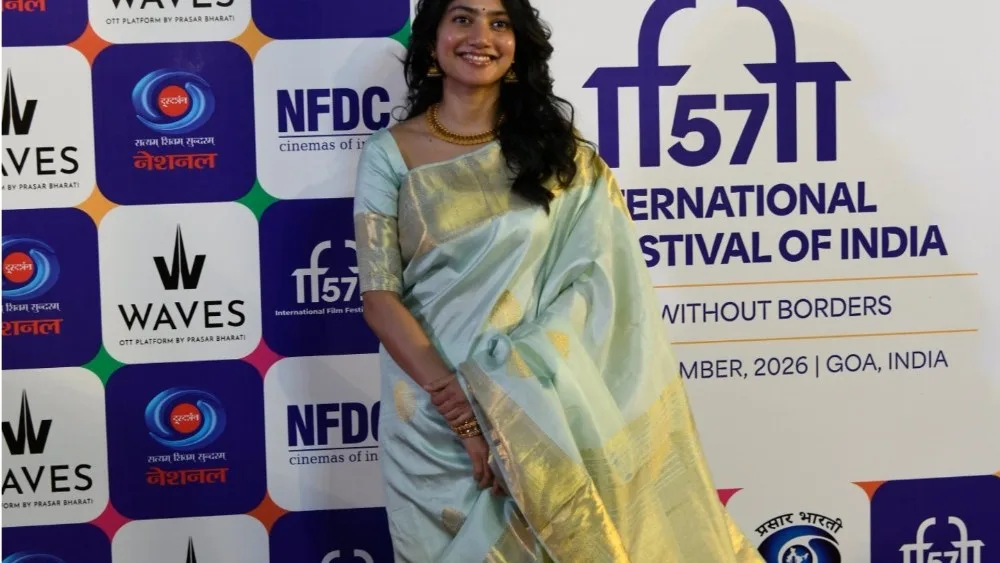
- Ashutosh Gowariker completed his inaugural edition as festival director of the 57th IFFI, setting a long-term vision to establish the event alongside Cannes and Venice.
- Mythology-driven cinema dominated critical and commercial honors, highlighted by Rishab Shetty’s 'Kantara: A Legend Chapter 1' and Vishal Chaturvedi’s unexpected blockbuster 'Hanuman Ansh'.
- International co-production momentum surged as Spain and Chile advanced bilateral treaties with India, while Australia deepened creative ties through Screen Australia delegations.
- Masterclasses and retrospectives honored a historic generation of filmmakers and talent, featuring insights from Karla Sofía Gascón, Girish Kasaravalli, and a nostalgic 25-year celebration of classic 2001 Hindi cinema.
- Ashutosh Gowariker đã hoàn thành kỳ liên hoan đầu tiên trên cương vị giám đốc IFFI lần thứ 57, đặt ra tầm nhìn dài hạn nhằm đưa sự kiện này sánh ngang với Cannes và Venice.
- Điện ảnh lấy cảm hứng từ thần thoại chiếm ưu thế trong các giải thưởng chuyên môn và thương mại, tiêu biểu là "Kantara: A Legend Chapter 1" của Rishab Shetty và bom tấn bất ngờ "Hanuman Ansh" của Vishal Chaturvedi.
- Đà phát triển của các dự án đồng sản xuất quốc tế tăng mạnh khi Tây Ban Nha và Chile thúc đẩy các hiệp định song phương với Ấn Độ, trong khi Úc thắt chặt quan hệ sáng tạo thông qua các phái đoàn của Screen Australia.
- Các lớp học chuyên sâu (masterclass) và chương trình hồi tưởng đã tôn vinh thế hệ nhà làm phim lịch sử, với sự góp mặt của Karla Sofía Gascón, Girish Kasaravalli và lễ kỷ niệm 25 năm đầy hoài niệm của dòng phim Hindi kinh điển năm 2001.
- Ashutosh Gowariker a achevé sa première édition en tant que directeur du 57e IFFI, posant les jalons d'une vision à long terme visant à hisser l'événement au rang de Cannes ou de Venise.
- Le cinéma imprégné de mythologie a dominé les honneurs, portés par le succès critique et commercial de "Kantara: A Legend Chapter 1" de Rishab Shetty et le phénomène "Hanuman Ansh" de Vishal Chaturvedi.
- La dynamique des coproductions internationales s'est intensifiée, l'Espagne et le Chili avançant sur des traités bilatéraux avec l'Inde, tandis que l'Australie a renforcé ses liens créatifs via des délégations de Screen Australia.
- Les masterclasses et rétrospectives ont célébré une génération historique de cinéastes, avec des interventions marquantes de Karla Sofía Gascón et Girish Kasaravalli, ainsi qu'une célébration nostalgique des classiques du cinéma hindi de 2001.
- Ashutosh Gowariker completó su edición inaugural como director del 57º IFFI, estableciendo una visión a largo plazo para situar el evento al nivel de Cannes y Venecia.
- El cine basado en la mitología dominó los honores críticos y comerciales, destacando 'Kantara: A Legend Chapter 1' de Rishab Shetty y el éxito inesperado 'Hanuman Ansh' de Vishal Chaturvedi.
- El impulso de las coproducciones internacionales se intensificó con el avance de los tratados bilaterales entre España, Chile y la India, mientras que Australia profundizó sus lazos creativos a través de delegaciones de Screen Australia.
- Las clases magistrales y retrospectivas homenajearon a una generación histórica de cineastas, con la participación de Karla Sofía Gascón, Girish Kasaravalli y una nostálgica celebración del 25º aniversario del cine hindi clásico de 2001.
- 阿舒托什·高瓦里卡完成了他作为第57届印度国际电影节(IFFI)主席的首秀,并确立了将该电影节提升至戛纳与威尼斯同等地位的长期愿景。
- 神话驱动型电影在评论与商业奖项中占据主导地位,以里沙布·谢蒂(Rishab Shetty)的《康塔拉:传说第一章》和维沙尔·查图尔维迪(Vishal Chaturvedi)的黑马大片《哈努曼安什》为代表。
- 国际合拍势头强劲,西班牙与智利推进了与印度的双边条约,澳大利亚则通过“澳大利亚银幕”(Screen Australia)代表团进一步深化了创意联系。
- 大师班与回顾展向历史性的一代电影人致敬,卡拉·索菲亚·加斯孔(Karla Sofía Gascón)、吉里什·卡萨拉瓦利(Girish Kasaravalli)分享了深刻见解,并举办了纪念2001年经典印地语电影25周年的怀旧活动。
The golden sands of Goa once again served as the epicenre of South Asian cinema as the 57th International Film Festival of India (IFFI) drew its curtains on November 28, closely following the momentous 20th edition of the WAVES Film Bazaar. Under the visionary stewardship of newly appointed festival director and legendary Lagaan filmmaker Ashutosh Gowariker, this year's iteration pulsed with a distinct sense of reinvention. Marking his debut at the administrative helm, Gowariker inherited a cinematic landscape that is rapidly shedding its regional confines to assert an aggressive global footprint. Across eight days of intensive screenings, bilateral negotiations, and masterclass retrospectives, the festival screened 159 international films from 86 countries alongside 76 domestic titles under the guiding banner of 'Stories Without Borders.'
This year's gathering was defined by a deliberate structural evolution. While previous years under predecessors like Shekhar Kapur leaned heavily into speculative technological frontiers—such as high-profile artificial intelligence showcases—Gowariker’s premier outing pivoted back toward institutional prestige, narrative depth, and strategic international diplomacy. Spain commanded attention as the official Country of Honor, bringing heavyweight auteurs like Pedro Almodóvar to the forefront, while Russia participated as Partner Country alongside an expansive BRICS showcase. Yet, beneath the diplomatic pomp lay a fiercely ambitious commercial engine: the WAVES Film Bazaar, celebrating its milestone 20th anniversary in a new Goa home, cementing its status as the definitive trade floor for South Asian independents chasing global capital, co-production grants, and cross-border audiences.
Playing the Long Game with Institutional Ambition
Gowariker made no secret of his long-term calculus during his inaugural run, admitting frankly that shifting the global film community's calendar gravity away from the Croisette remains an uphill battle. 'Every filmmaker, big, small, whoever, their first destination is Cannes,' Gowariker noted, acknowledging that IFFI’s late-year slot on the global festival circuit requires a patient, multi-year repositioning strategy. To counteract this, his programming committee introduced vital new strands dedicated to animation and cutting-edge documentary filmmaking, while championing gender representation with a slate featuring 52 women filmmakers. This commitment was powerfully underscored by international voices such as Kyrgyz writer-director Narghiza Dotieva and Romanian Roma actor-filmmaker Alina Șerban, who used the platform to advocate for artistic merit over tokenism.
The competitive slates reflected a refined curatorial eye that bridged classical arthouse cinema with potent contemporary storytelling. Portuguese master Tiago Guedes claimed the coveted Golden Peacock for his intricate drama Aqui, produced by Paulo Branco, while German cinematic veteran Volker Schlöndorff was awarded best director for Visitation. International jury president Aanand L. Rai oversaw a rigorous evaluation process that celebrated global humanism while allowing room for distinct regional triumphs. Dutch director Mees Peijnenburg, whose competition entry A Family captivated audiences, remarked on the profound emotional resonance of Indian cinephiles, noting an openness and sensitivity rarely encountered on the Western festival circuit.
The Mythic Wave and the Economics of Indigenous Faith
If international prestige anchored the competition juries, ancient mythology and spiritual folklore powered the festival's commercial and cultural heartbeat. Indian mythology served as an unbroken thread from opening night—which showcased Nitesh Tiwari’s mammoth upcoming Ramayana adaptation starring Ranbir Kapoor, Sai Pallavi, and Yash—to the closing ceremonies. The cross-cultural pull of these narratives translated directly into awards glory, most notably for Rishab Shetty’s towering cultural phenomenon Kantara: A Legend Chapter 1, which secured the Silver Peacock for best actor alongside a special jury mention.
Perhaps the most compelling narrative to emerge from the Goa trade floors, however, was the triumph of unexpected independence. Vishal Chaturvedi’s Neem Karoli Baba-inspired drama Hanuman Ansh arrived at the WAVES Knowledge Series as an improbable box office titan. Produced on a modest budget of INR1.7 crore ($180,000) and prematurely dismissed during its opening week, the film ultimately shattered expectations to cross INR450 crore ($48 million) globally, propelled entirely by grassroots word-of-mouth and tireless touring by its creators. During a panel discussion, Chaturvedi offered a sharp rebuke to technocratic cynicism, arguing that algorithmic predictability can never replicate human emotional intent. This mythic momentum also spilled over into infrastructural innovation, with accessibility partner Cinedubs utilizing audio description and closed-captioning technology to open Ramayana up to hundreds of thousands of moviegoers globally.
Global Treaties and the New Geopolitics of Co-Production
Beyond the red carpets and screening rooms, the WAVES Film Bazaar functioned as a high-stakes diplomatic exchange where national delegations aggressively courted Indian partnership. Spain maximized its Country of Honor status through high-level bilateral talks between the Spanish Institute of Cinematography and Audiovisual Arts (ICAA) and India’s Ministry of Information and Broadcasting, laying the groundwork to modernize their aging 2012 co-production treaty. Simultaneously, Chilean trade commissioner Jorge Loyola Castro confirmed that a long-awaited India-Chile audiovisual co-production agreement had entered its final, conclusive negotiation stage, signaling Latin America's growing appetite for South Asian cinematic collaboration.
Australia maintained its formidable presence through structured delegations organized by Screen Australia, building upon the nations' bilateral co-production agreement. Board member and actor Pallavi Sharda used the platform to spotlight upcoming transnational projects, including a high-profile biopic of trailblazing cricketer Lisa Sthalekar. These state-backed initiatives reflect a broader structural shift: India is no longer viewed by Western and Southern Hemisphere markets merely as an exotic shooting location or a vast consumer audience, but as an equal co-producer capable of engineering globally competitive intellectual property.
Masterclasses, Generational Dialogues, and the Horizon Ahead
The festival's masterclass and retrospective strands offered a rich intellectual counterpoint to the commercial negotiations, paying homage to cinematic heritage while interrogating modern industry anxieties. Spanish icon Karla Sofía Gascón delivered a masterclass on character construction and addressed the fierce controversies surrounding her historic awards trajectory. Meanwhile, French auteur Julie Bertuccelli reflected on international co-production hurdles while announcing plans to shoot her next feature on location in India. Veteran Kannada auteur Girish Kasaravalli marked five decades of parallel cinema by dissecting cinematic explorations of 'othering,' and the annual Lata Mangeshkar Talk provided a deeply emotional tribute to late musical titans Asha Bhosle and S. Janaki.
Nostalgia also proved potent as Farhan Akhtar, Ashutosh Gowariker, and Madhur Bhandarkar reunited to celebrate the legendary Hindi cinema class of 2001—dissecting the enduring cultural impact of Dil Chahta Hai, Lagaan, and Chandni Bar at twenty-five. While artificial intelligence occupied a more subdued, pragmatic footprint this year compared to the experimental fervor of previous editions—notably through creative workspaces like Google Flow partnering with Women in Film India—the underlying message of Goa 2026 was unmistakable. Under Gowariker’s nascent leadership, IFFI and the WAVES Film Bazaar have successfully charted a mature, confident course, proving that indigenous mythologies, when paired with sophisticated global diplomacy, constitute the ultimate currency of modern world cinema.
Những bãi cát vàng của Goa một lần nữa trở thành tâm điểm của điện ảnh Nam Á khi Liên hoan phim Quốc tế Ấn Độ (IFFI) lần thứ 57 khép lại vào ngày 28 tháng 11, ngay sau kỳ WAVES Film Bazaar lần thứ 20 đầy dấu ấn. Dưới sự dẫn dắt đầy tầm nhìn của tân giám đốc liên hoan phim – nhà làm phim huyền thoại của tác phẩm Lagaan, Ashutosh Gowariker – kỳ liên hoan năm nay mang đậm hơi thở của sự tái tạo. Trong lần đầu tiên đảm nhận vai trò điều hành, Gowariker đã tiếp quản một bối cảnh điện ảnh đang nhanh chóng thoát khỏi những giới hạn khu vực để khẳng định vị thế toàn cầu mạnh mẽ. Trong suốt tám ngày trình chiếu chuyên sâu, đàm phán song phương và các buổi hồi tưởng chuyên môn, liên hoan đã giới thiệu 159 bộ phim quốc tế từ 86 quốc gia cùng 76 tác phẩm nội địa dưới chủ đề "Những câu chuyện không biên giới".
Sự kiện năm nay được định hình bởi một bước tiến cấu trúc đầy chủ đích. Trong khi những năm trước, dưới thời các tiền nhiệm như Shekhar Kapur, liên hoan nghiêng nhiều về các biên giới công nghệ mang tính suy đoán—như các buổi trình diễn trí tuệ nhân tạo đình đám—thì lần ra mắt của Gowariker đã xoay trục trở lại với uy tín thể chế, chiều sâu tự sự và ngoại giao quốc tế chiến lược. Tây Ban Nha thu hút sự chú ý với tư cách là Quốc gia Danh dự, đưa những nhà làm phim tên tuổi như Pedro Almodóvar lên vị trí trung tâm, trong khi Nga tham gia với tư cách là Quốc gia Đối tác bên cạnh chương trình giới thiệu quy mô của khối BRICS. Tuy nhiên, ẩn sau vẻ hào nhoáng ngoại giao là một động cơ thương mại đầy tham vọng: WAVES Film Bazaar, kỷ niệm cột mốc 20 năm tại "ngôi nhà" mới ở Goa, đã củng cố vị thế là sàn giao dịch uy tín nhất cho các nhà làm phim độc lập Nam Á đang tìm kiếm nguồn vốn toàn cầu, các khoản tài trợ đồng sản xuất và khán giả xuyên biên giới.
Chơi cuộc chơi dài hạn với tham vọng thể chế
Gowariker không giấu giếm những tính toán dài hạn của mình trong kỳ điều hành đầu tiên, thừa nhận thẳng thắn rằng việc thay đổi trọng tâm lịch trình của cộng đồng điện ảnh toàn cầu ra khỏi "Croisette" (Cannes) vẫn là một cuộc chiến đầy gian nan. "Mọi nhà làm phim, dù lớn hay nhỏ, điểm đến đầu tiên của họ vẫn là Cannes," Gowariker chia sẻ, đồng thời thừa nhận rằng vị trí cuối năm của IFFI trong mạch liên hoan toàn cầu đòi hỏi một chiến lược tái định vị kiên nhẫn trong nhiều năm. Để đối trọng, ban lập trình của ông đã giới thiệu các nhánh mới quan trọng dành riêng cho phim hoạt hình và phim tài liệu tiên phong, đồng thời thúc đẩy bình đẳng giới với danh sách bao gồm 52 nữ đạo diễn. Cam kết này được nhấn mạnh mạnh mẽ bởi các tiếng nói quốc tế như biên kịch kiêm đạo diễn người Kyrgyzstan Narghiza Dotieva và diễn viên kiêm nhà làm phim người Roma gốc Romania Alina Șerban, những người đã sử dụng diễn đàn này để ủng hộ giá trị nghệ thuật thay vì tính hình thức.
Các hạng mục tranh giải phản ánh một con mắt giám tuyển tinh tế, kết nối điện ảnh nghệ thuật cổ điển với lối kể chuyện đương đại đầy sức nặng. Bậc thầy người Bồ Đào Nha Tiago Guedes đã giành giải "Chim công Vàng" (Golden Peacock) danh giá cho bộ phim tâm lý phức tạp Aqui, do Paulo Branco sản xuất, trong khi kỳ cựu điện ảnh người Đức Volker Schlöndorff được trao giải đạo diễn xuất sắc nhất cho Visitation. Chủ tịch ban giám khảo quốc tế Aanand L. Rai đã giám sát một quy trình đánh giá nghiêm ngặt, tôn vinh chủ nghĩa nhân văn toàn cầu đồng thời dành không gian cho những thành tựu khu vực đặc sắc. Đạo diễn người Hà Lan Mees Peijnenburg, người có tác phẩm dự thi A Family đã thu hút khán giả, nhận xét về sự cộng hưởng cảm xúc sâu sắc của người yêu điện ảnh Ấn Độ, đồng thời lưu ý về một sự cởi mở và nhạy cảm hiếm thấy trong các liên hoan phim phương Tây.
Làn sóng thần thoại và kinh tế học của đức tin bản địa
Nếu uy tín quốc tế là mỏ neo cho các ban giám khảo, thì thần thoại cổ xưa và văn hóa dân gian tâm linh lại là nhịp đập thương mại và văn hóa của liên hoan. Thần thoại Ấn Độ đóng vai trò là sợi chỉ xuyên suốt từ đêm khai mạc—nơi giới thiệu bản chuyển thể Ramayana đồ sộ sắp ra mắt của Nitesh Tiwari với sự tham gia của Ranbir Kapoor, Sai Pallavi và Yash—cho đến các buổi lễ bế mạc. Sức hút xuyên văn hóa của những câu chuyện này đã chuyển hóa trực tiếp thành vinh quang tại các giải thưởng, đáng chú ý nhất là hiện tượng văn hóa đình đám của Rishab Shetty, Kantara: A Legend Chapter 1, tác phẩm đã giành giải "Chim công Bạc" (Silver Peacock) cho nam diễn viên chính xuất sắc nhất cùng với bằng khen đặc biệt của ban giám khảo.
Tuy nhiên, câu chuyện thuyết phục nhất xuất hiện từ các sàn giao dịch tại Goa chính là sự thành công của dòng phim độc lập đầy bất ngờ. Bộ phim tâm lý lấy cảm hứng từ Neem Karoli Baba của Vishal Chaturvedi, Hanuman Ansh, đã đến với WAVES Knowledge Series như một "gã khổng lồ" phòng vé không tưởng. Được sản xuất với ngân sách khiêm tốn 17 triệu Rupee (180.000 USD) và từng bị đánh giá thấp trong tuần đầu ra mắt, bộ phim cuối cùng đã phá vỡ mọi kỳ vọng để đạt doanh thu hơn 4,5 tỷ Rupee (48 triệu USD) trên toàn cầu, nhờ hoàn toàn vào sự lan tỏa từ cộng đồng và những chuyến lưu diễn không mệt mỏi của các nhà sáng tạo. Trong một phiên thảo luận, Chaturvedi đã đưa ra lời phản bác đanh thép đối với sự hoài nghi kỹ trị, lập luận rằng khả năng dự đoán của thuật toán không bao giờ có thể thay thế ý chí cảm xúc của con người. Động lực thần thoại này cũng lan tỏa sang đổi mới cơ sở hạ tầng, với đối tác hỗ trợ tiếp cận Cinedubs sử dụng công nghệ mô tả âm thanh và phụ đề chi tiết để đưa Ramayana đến với hàng trăm ngàn khán giả trên toàn cầu.
Các hiệp định toàn cầu và địa chính trị mới của đồng sản xuất
Ngoài thảm đỏ và các phòng chiếu, WAVES Film Bazaar còn đóng vai trò là một sàn giao dịch ngoại giao cấp cao, nơi các phái đoàn quốc gia tích cực mời gọi sự hợp tác từ Ấn Độ. Tây Ban Nha đã tối đa hóa vị thế Quốc gia Danh dự thông qua các cuộc đàm phán song phương cấp cao giữa Viện Điện ảnh và Nghệ thuật Nghe nhìn Tây Ban Nha (ICAA) và Bộ Thông tin và Phát thanh Ấn Độ, đặt nền móng cho việc hiện đại hóa hiệp định đồng sản xuất năm 2012 đã lỗi thời. Đồng thời, ủy viên thương mại Chile Jorge Loyola Castro xác nhận rằng một thỏa thuận đồng sản xuất nghe nhìn Ấn Độ - Chile được mong đợi từ lâu đã bước vào giai đoạn đàm phán cuối cùng, báo hiệu sự quan tâm ngày càng tăng của Mỹ Latinh đối với việc hợp tác điện ảnh Nam Á.
Úc duy trì sự hiện diện mạnh mẽ thông qua các phái đoàn có cấu trúc do Screen Australia tổ chức, xây dựng dựa trên hiệp định đồng sản xuất song phương giữa hai quốc gia. Thành viên hội đồng quản trị kiêm diễn viên Pallavi Sharda đã sử dụng diễn đàn này để làm nổi bật các dự án xuyên quốc gia sắp tới, bao gồm bộ phim tiểu sử đình đám về nữ vận động viên cricket tiên phong Lisa Sthalekar. Những sáng kiến được nhà nước hậu thuẫn này phản ánh một sự thay đổi cấu trúc rộng lớn hơn: Ấn Độ không còn bị các thị trường phương Tây và Nam bán cầu xem đơn thuần là một địa điểm quay phim kỳ lạ hay một thị trường tiêu thụ rộng lớn, mà là một đối tác đồng sản xuất bình đẳng, có khả năng tạo ra các tài sản trí tuệ cạnh tranh toàn cầu.
Lớp học chuyên sâu, đối thoại thế hệ và chân trời phía trước
Các chương trình lớp học chuyên sâu và hồi tưởng của liên hoan đã mang đến một đối trọng trí tuệ phong phú cho các cuộc đàm phán thương mại, tôn vinh di sản điện ảnh đồng thời chất vấn những lo âu của ngành công nghiệp hiện đại. Biểu tượng người Tây Ban Nha Karla Sofía Gascón đã có một buổi masterclass về xây dựng nhân vật và giải quyết những tranh cãi dữ dội xung quanh hành trình giải thưởng lịch sử của mình. Trong khi đó, nhà làm phim người Pháp Julie Bertuccelli đã phản ánh về những rào cản trong đồng sản xuất quốc tế khi công bố kế hoạch quay bộ phim tiếp theo tại Ấn Độ. Nhà làm phim kỳ cựu người Kannada, Girish Kasaravalli, đã đánh dấu năm thập kỷ làm phim song song bằng cách phân tích các khám phá điện ảnh về sự "khác biệt hóa", và buổi tọa đàm Lata Mangeshkar thường niên đã mang đến một sự tri ân đầy xúc động cho các huyền thoại âm nhạc quá cố Asha Bhosle và S. Janaki.
Sự hoài niệm cũng chứng tỏ sức mạnh khi Farhan Akhtar, Ashutosh Gowariker và Madhur Bhandarkar tái hợp để kỷ niệm lớp phim Hindi huyền thoại năm 2001—phân tích tác động văn hóa lâu dài của Dil Chahta Hai, Lagaan và Chandni Bar sau 25 năm. Mặc dù trí tuệ nhân tạo chiếm một vị thế khiêm tốn và thực dụng hơn trong năm nay so với sự nhiệt tình thử nghiệm của các kỳ trước—đáng chú ý là thông qua các không gian sáng tạo như Google Flow hợp tác với Women in Film India—thông điệp cốt lõi của Goa 2026 là không thể nhầm lẫn. Dưới sự lãnh đạo mới chớm nở của Gowariker, IFFI và WAVES Film Bazaar đã vạch ra một lộ trình trưởng thành, tự tin, chứng minh rằng các thần thoại bản địa, khi kết hợp với ngoại giao toàn cầu tinh tế, chính là loại tiền tệ tối thượng của điện ảnh thế giới hiện đại.
Les sables dorés de Goa ont une fois de plus servi d'épicentre au cinéma sud-asiatique lors de la clôture du 57e Festival international du film de l'Inde (IFFI) le 28 novembre, juste après la 20e édition du WAVES Film Bazaar. Sous la direction visionnaire du nouveau directeur du festival et réalisateur du légendaire Lagaan, Ashutosh Gowariker, cette édition a vibré d'un souffle de réinvention manifeste. Pour ses débuts aux commandes, Gowariker a hérité d'un paysage cinématographique qui s'affranchit rapidement de ses frontières régionales pour affirmer une présence mondiale offensive. Au cours de huit jours de projections intensives, de négociations bilatérales et de masterclasses, le festival a présenté 159 films internationaux issus de 86 pays, aux côtés de 76 titres nationaux sous la bannière "Stories Without Borders".
Cette année, le rassemblement s'est distingué par une évolution structurelle délibérée. Alors que les éditions précédentes, sous l'égide de prédécesseurs comme Shekhar Kapur, lorgnaient vers les frontières technologiques spéculatives — notamment via des vitrines sur l'intelligence artificielle — le premier mandat de Gowariker a pivoté vers le prestige institutionnel, la profondeur narrative et la diplomatie internationale stratégique. L'Espagne, en tant que pays invité d'honneur, a capté l'attention en mettant en avant des auteurs de poids comme Pedro Almodóvar, tandis que la Russie participait en tant que pays partenaire aux côtés d'une vaste sélection BRICS. Pourtant, sous le faste diplomatique se cachait un moteur commercial féroce : le WAVES Film Bazaar, célébrant son 20e anniversaire dans son nouveau fief de Goa, confirmant son statut de place de marché incontournable pour les indépendants sud-asiatiques en quête de capitaux mondiaux, de subventions de coproduction et de publics transfrontaliers.
Jouer la carte de l'ambition institutionnelle sur le long terme
Gowariker n'a pas caché ses calculs à long terme lors de cette édition inaugurale, admettant avec franchise que déplacer le centre de gravité du calendrier cinématographique mondial loin de la Croisette reste un défi de taille. "Chaque cinéaste, grand ou petit, a pour première destination Cannes", a noté Gowariker, conscient que le créneau de fin d'année de l'IFFI exige une stratégie de repositionnement patiente sur plusieurs années. Pour contrer cela, son comité de programmation a introduit de nouveaux volets dédiés à l'animation et au documentaire, tout en défendant la parité avec une sélection comptant 52 femmes cinéastes. Cet engagement a été puissamment souligné par des voix internationales telles que la réalisatrice kirghize Narghiza Dotieva et l'actrice et cinéaste rom roumaine Alina Șerban, qui ont profité de la plateforme pour plaider en faveur du mérite artistique plutôt que du simple symbolisme.
Les sélections compétitives ont reflété un œil curatorial affiné, jetant un pont entre le cinéma d'auteur classique et une narration contemporaine percutante. Le maître portugais Tiago Guedes a remporté le convoité Paon d'Or pour son drame complexe Aqui, produit par Paulo Branco, tandis que le vétéran du cinéma allemand Volker Schlöndorff a été sacré meilleur réalisateur pour Visitation. Le président du jury international, Aanand L. Rai, a supervisé un processus d'évaluation rigoureux qui a célébré l'humanisme mondial tout en laissant place à des triomphes régionaux distincts. Le réalisateur néerlandais Mees Peijnenburg, dont le film A Family a captivé le public, a souligné la résonance émotionnelle profonde des cinéphiles indiens, notant une ouverture et une sensibilité rarement rencontrées sur le circuit des festivals occidentaux.
La vague mythique et l'économie de la foi indigène
Si le prestige international a ancré les jurys, la mythologie ancienne et le folklore spirituel ont alimenté le cœur commercial et culturel du festival. La mythologie indienne a servi de fil conducteur, de la soirée d'ouverture — qui a présenté l'adaptation colossale du Ramayana par Nitesh Tiwari, avec Ranbir Kapoor, Sai Pallavi et Yash — jusqu'aux cérémonies de clôture. L'attrait interculturel de ces récits s'est traduit directement par des récompenses, notamment pour le phénomène culturel de Rishab Shetty, Kantara: A Legend Chapter 1, qui a décroché le Paon d'Argent du meilleur acteur ainsi qu'une mention spéciale du jury.
Le récit le plus fascinant émergeant des salles de marché de Goa fut sans doute le triomphe de l'indépendance inattendue. Le drame Hanuman Ansh de Vishal Chaturvedi, inspiré par Neem Karoli Baba, s'est imposé au WAVES Knowledge Series comme un titan improbable du box-office. Produit avec un budget modeste de 1,7 crore INR (180 000 $) et écarté prématurément lors de sa première semaine, le film a pulvérisé les attentes pour dépasser les 450 crores INR (48 millions $) à l'échelle mondiale, porté uniquement par le bouche-à-oreille et les tournées incessantes de ses créateurs. Lors d'un panel, Chaturvedi a adressé une critique cinglante au cynisme technocratique, arguant que la prévisibilité algorithmique ne pourra jamais reproduire l'intention émotionnelle humaine. Cette dynamique mythique s'est également étendue à l'innovation infrastructurelle, avec le partenaire d'accessibilité Cinedubs utilisant l'audiodescription et le sous-titrage pour ouvrir le Ramayana à des centaines de milliers de spectateurs à travers le monde.
Traités mondiaux et nouvelle géopolitique de la coproduction
Au-delà des tapis rouges et des salles de projection, le WAVES Film Bazaar a fonctionné comme un échange diplomatique de haut niveau où les délégations nationales ont courtisé avec insistance les partenariats indiens. L'Espagne a maximisé son statut de pays invité d'honneur par des pourparlers bilatéraux de haut niveau entre l'Institut espagnol de la cinématographie et des arts audiovisuels (ICAA) et le ministère indien de l'Information et de la Radiodiffusion, jetant les bases de la modernisation de leur traité de coproduction de 2012. Parallèlement, le commissaire au commerce chilien Jorge Loyola Castro a confirmé qu'un accord de coproduction audiovisuelle Inde-Chili, attendu depuis longtemps, était entré dans sa phase de négociation finale, signalant l'appétit croissant de l'Amérique latine pour la collaboration cinématographique sud-asiatique.
L'Australie a maintenu sa présence imposante grâce à des délégations structurées organisées par Screen Australia, s'appuyant sur l'accord bilatéral de coproduction entre les deux nations. La membre du conseil d'administration et actrice Pallavi Sharda a utilisé la plateforme pour mettre en lumière des projets transnationaux à venir, notamment un biopic très attendu de la pionnière du cricket Lisa Sthalekar. Ces initiatives soutenues par l'État reflètent un changement structurel plus large : l'Inde n'est plus perçue par les marchés occidentaux et de l'hémisphère sud simplement comme un lieu de tournage exotique ou un vaste public de consommateurs, mais comme un coproducteur à part entière, capable de concevoir une propriété intellectuelle compétitive à l'échelle mondiale.
Masterclasses, dialogues générationnels et horizons futurs
Les volets masterclass et rétrospectives du festival ont offert un riche contrepoint intellectuel aux négociations commerciales, rendant hommage à l'héritage cinématographique tout en interrogeant les angoisses de l'industrie moderne. L'icône espagnole Karla Sofía Gascón a donné une masterclass sur la construction des personnages et a abordé les vives controverses entourant son parcours historique dans les festivals. Pendant ce temps, l'auteure française Julie Bertuccelli a réfléchi aux obstacles de la coproduction internationale tout en annonçant son intention de tourner son prochain long-métrage en Inde. Le vétéran du cinéma kannada Girish Kasaravalli a marqué cinq décennies de "cinéma parallèle" en disséquant les explorations cinématographiques de l'altérité, et la conférence annuelle Lata Mangeshkar a rendu un hommage profondément émouvant aux regrettées légendes musicales Asha Bhosle et S. Janaki.
La nostalgie s'est également avérée puissante lorsque Farhan Akhtar, Ashutosh Gowariker et Madhur Bhandarkar se sont réunis pour célébrer la légendaire promotion du cinéma hindi de 2001 — disséquant l'impact culturel durable de Dil Chahta Hai, Lagaan et Chandni Bar vingt-cinq ans plus tard. Si l'intelligence artificielle a occupé une place plus discrète et pragmatique cette année par rapport à la ferveur expérimentale des éditions précédentes — notamment grâce à des espaces de travail créatifs comme Google Flow en partenariat avec Women in Film India — le message sous-jacent de Goa 2026 était sans équivoque. Sous le leadership naissant de Gowariker, l'IFFI et le WAVES Film Bazaar ont tracé avec succès une voie mature et confiante, prouvant que les mythologies indigènes, lorsqu'elles sont associées à une diplomatie mondiale sophistiquée, constituent la monnaie ultime du cinéma mondial moderne.
Las arenas doradas de Goa volvieron a convertirse en el epicentro del cine del sur de Asia cuando el 57º Festival Internacional de Cine de la India (IFFI) cerró sus puertas el 28 de noviembre, tras la trascendental 20ª edición del WAVES Film Bazaar. Bajo la dirección visionaria del recién nombrado director del festival y legendario cineasta de Lagaan, Ashutosh Gowariker, la edición de este año vibró con un marcado sentido de reinvención. En su debut al frente de la gestión, Gowariker heredó un panorama cinematográfico que se desprende rápidamente de sus límites regionales para consolidar una agresiva huella global. A lo largo de ocho días de intensas proyecciones, negociaciones bilaterales y retrospectivas magistrales, el festival proyectó 159 películas internacionales de 86 países junto a 76 títulos nacionales bajo el lema "Historias sin fronteras".
El encuentro de este año estuvo definido por una evolución estructural deliberada. Mientras que años anteriores, bajo predecesores como Shekhar Kapur, se inclinaron fuertemente hacia fronteras tecnológicas especulativas —como las exhibiciones de alto perfil sobre inteligencia artificial—, la primera incursión de Gowariker pivotó de nuevo hacia el prestigio institucional, la profundidad narrativa y la diplomacia internacional estratégica. España acaparó la atención como País de Honor, trayendo a la vanguardia a autores de peso como Pedro Almodóvar, mientras que Rusia participó como País Asociado junto a una amplia muestra de los BRICS. Sin embargo, bajo la pompa diplomática yacía un motor comercial ferozmente ambicioso: el WAVES Film Bazaar, que celebró su 20º aniversario en su nueva sede de Goa, consolidando su estatus como el mercado definitivo para los cineastas independientes del sur de Asia que buscan capital global, subvenciones de coproducción y audiencias transfronterizas.
Apostar a largo plazo con ambición institucional
Gowariker no ocultó su cálculo a largo plazo durante su gestión inaugural, admitiendo con franqueza que desplazar la gravedad del calendario de la comunidad cinematográfica mundial lejos de la Croisette sigue siendo una batalla cuesta arriba. "Todo cineasta, grande o pequeño, quien sea, tiene como primer destino Cannes", señaló Gowariker, reconociendo que la posición del IFFI a finales de año en el circuito de festivales global requiere una estrategia de reposicionamiento paciente y plurianual. Para contrarrestar esto, su comité de programación introdujo nuevas secciones vitales dedicadas a la animación y al cine documental de vanguardia, al tiempo que defendía la representación de género con una selección que incluía a 52 mujeres cineastas. Este compromiso fue subrayado con fuerza por voces internacionales como la guionista y directora kirguís Narghiza Dotieva y la actriz y cineasta rumana de etnia romaní Alina Șerban, quienes utilizaron la plataforma para abogar por el mérito artístico por encima del tokenismo.
Las secciones competitivas reflejaron un ojo curatorial refinado que tendió puentes entre el cine de autor clásico y la narrativa contemporánea más potente. El maestro portugués Tiago Guedes se alzó con el codiciado Pavo Real de Oro por su intrincado drama Aqui, producido por Paulo Branco, mientras que el veterano del cine alemán Volker Schlöndorff fue galardonado como mejor director por Visitation. El presidente del jurado internacional, Aanand L. Rai, supervisó un riguroso proceso de evaluación que celebró el humanismo global sin dejar de lado los triunfos regionales. El director holandés Mees Peijnenburg, cuya película a concurso A Family cautivó al público, destacó la profunda resonancia emocional de los cinéfilos indios, señalando una apertura y sensibilidad que rara vez se encuentran en el circuito de festivales occidental.
La ola mítica y la economía de la fe indígena
Si el prestigio internacional ancló los jurados de competición, la mitología antigua y el folclore espiritual impulsaron el corazón comercial y cultural del festival. La mitología india sirvió como hilo conductor desde la noche inaugural —que presentó la gigantesca adaptación de Ramayana de Nitesh Tiwari, protagonizada por Ranbir Kapoor, Sai Pallavi y Yash— hasta las ceremonias de clausura. El atractivo intercultural de estas narrativas se tradujo directamente en premios, sobre todo para el fenómeno cultural de Rishab Shetty, Kantara: A Legend Chapter 1, que obtuvo el Pavo Real de Plata al mejor actor junto a una mención especial del jurado.
Quizás la narrativa más convincente que surgió de los mercados de Goa, sin embargo, fue el triunfo de la independencia inesperada. El drama inspirado en Neem Karoli Baba de Vishal Chaturvedi, Hanuman Ansh, llegó a la serie de conocimiento de WAVES como un improbable titán de la taquilla. Producida con un presupuesto modesto de 17 millones de rupias (180.000 dólares) y descartada prematuramente durante su semana de estreno, la película rompió las expectativas al superar los 4.500 millones de rupias (48 millones de dólares) a nivel mundial, impulsada enteramente por el boca a boca y la incansable promoción de sus creadores. Durante una mesa redonda, Chaturvedi lanzó una dura crítica al cinismo tecnocrático, argumentando que la previsibilidad algorítmica nunca podrá replicar la intención emocional humana. Este impulso mítico también se trasladó a la innovación infraestructural, con el socio de accesibilidad Cinedubs utilizando tecnología de audiodescripción y subtitulado para abrir Ramayana a cientos de miles de espectadores en todo el mundo.
Tratados globales y la nueva geopolítica de la coproducción
Más allá de las alfombras rojas y las salas de proyección, el WAVES Film Bazaar funcionó como un intercambio diplomático de alto nivel donde las delegaciones nacionales cortejaron agresivamente la asociación con la India. España maximizó su estatus de País de Honor a través de conversaciones bilaterales de alto nivel entre el Instituto de la Cinematografía y de las Artes Audiovisuales (ICAA) y el Ministerio de Información y Radiodifusión de la India, sentando las bases para modernizar su antiguo tratado de coproducción de 2012. Simultáneamente, el comisionado comercial chileno Jorge Loyola Castro confirmó que el esperado acuerdo de coproducción audiovisual entre India y Chile había entrado en su fase de negociación final y concluyente, lo que indica el creciente apetito de América Latina por la colaboración cinematográfica con el sur de Asia.
Australia mantuvo su formidable presencia a través de delegaciones estructuradas organizadas por Screen Australia, aprovechando el acuerdo bilateral de coproducción entre ambas naciones. La miembro de la junta y actriz Pallavi Sharda utilizó la plataforma para destacar los próximos proyectos transnacionales, incluido un biopic de alto perfil de la pionera jugadora de críquet Lisa Sthalekar. Estas iniciativas respaldadas por el Estado reflejan un cambio estructural más amplio: la India ya no es vista por los mercados occidentales y del hemisferio sur simplemente como una exótica localización de rodaje o una vasta audiencia consumidora, sino como un coproductor igualitario capaz de diseñar propiedad intelectual competitiva a nivel mundial.
Clases magistrales, diálogos generacionales y el horizonte
Las clases magistrales y las retrospectivas del festival ofrecieron un rico contrapunto intelectual a las negociaciones comerciales, rindiendo homenaje al patrimonio cinematográfico mientras interrogaban las ansiedades de la industria moderna. El icono español Karla Sofía Gascón impartió una clase magistral sobre la construcción de personajes y abordó las feroces controversias en torno a su histórica trayectoria de premios. Mientras tanto, la autora francesa Julie Bertuccelli reflexionó sobre los obstáculos de la coproducción internacional al anunciar sus planes de rodar su próximo largometraje en la India. El veterano autor kannada Girish Kasaravalli marcó cinco décadas de cine paralelo diseccionando las exploraciones cinematográficas de la "otredad", y la charla anual Lata Mangeshkar brindó un homenaje profundamente emotivo a las fallecidas titanes musicales Asha Bhosle y S. Janaki.
La nostalgia también resultó potente cuando Farhan Akhtar, Ashutosh Gowariker y Madhur Bhandarkar se reunieron para celebrar la legendaria clase de cine hindi de 2001, diseccionando el impacto cultural duradero de Dil Chahta Hai, Lagaan y Chandni Bar tras veinticinco años. Aunque la inteligencia artificial ocupó un espacio más comedido y pragmático este año en comparación con el fervor experimental de ediciones anteriores —notablemente a través de espacios de trabajo creativos como Google Flow en asociación con Women in Film India—, el mensaje subyacente de Goa 2026 fue inequívoco. Bajo el naciente liderazgo de Gowariker, el IFFI y el WAVES Film Bazaar han trazado con éxito un rumbo maduro y seguro, demostrando que las mitologías indígenas, cuando se combinan con una sofisticada diplomacia global, constituyen la moneda definitiva del cine mundial moderno.
果阿邦的金色沙滩再次成为南亚电影的中心。随着第20届 WAVES 电影集市(WAVES Film Bazaar)的圆满落幕,第57届印度国际电影节(IFFI)也于11月28日落下帷幕。在电影节新任主席、传奇电影《印度往事》(Lagaan)导演阿舒托什·高瓦里卡(Ashutosh Gowariker)的远见卓识下,今年的电影节展现出一种独特的重塑感。作为他执掌行政大权后的首秀,高瓦里卡接手的是一个正在迅速摆脱地域局限、积极拓展全球影响力的电影版图。在为期八天的密集展映、双边谈判和大师班回顾展中,电影节以“无界故事”(Stories Without Borders)为主题,展映了来自86个国家的159部国际影片以及76部本土作品。
今年的盛会标志着结构上的深思熟虑。与前任谢加·凯普尔(Shekhar Kapur)时期侧重于人工智能等投机性技术前沿不同,高瓦里卡的首次亮相将重心转回了机构声望、叙事深度和战略性国际外交。西班牙作为主宾国备受瞩目,佩德罗·阿莫多瓦(Pedro Almodóvar)等重量级导演亲临现场;俄罗斯则作为伙伴国参与其中,并带来了金砖国家(BRICS)的广泛展映。然而,在外交礼仪之下,是一台极其雄心勃勃的商业引擎:WAVES 电影集市在果阿迎来20周年里程碑,巩固了其作为南亚独立电影人寻求全球资本、合拍补助和跨国观众的终极交易平台的地位。
以机构雄心布局长远
高瓦里卡在首次任期内毫不掩饰其长期战略,坦言将全球电影界的日程重心从戛纳转移出来仍是一场艰苦的战斗。高瓦里卡指出:“无论是大导演还是小导演,他们的首选目的地永远是戛纳。”他意识到 IFFI 在全球电影节周期中处于年末的尴尬档期,需要一种耐心的、长期的重新定位策略。为此,他的策划委员会引入了专门针对动画和前沿纪录片制作的重要单元,并通过包含52位女性电影人的片单来捍卫性别代表性。这一承诺得到了吉尔吉斯斯坦编剧兼导演纳吉扎·多蒂耶娃(Narghiza Dotieva)和罗马尼亚罗姆裔演员兼导演阿丽娜·谢尔班(Alina Șerban)等国际声音的有力支持,她们利用这一平台呼吁艺术价值高于形式主义。
竞赛单元反映了精炼的策展眼光,将古典艺术电影与强有力的当代叙事联系在一起。葡萄牙电影大师蒂亚戈·盖德斯(Tiago Guedes)凭借保罗·布兰科(Paulo Branco)制作的复杂剧情片《Aqui》斩获了梦寐以求的“金孔雀奖”,而德国电影老将沃尔克·施隆多夫(Volker Schlöndorff)则凭借《Visitation》获得最佳导演奖。国际评审团主席阿南德·L·拉伊(Aanand L. Rai)主持了严谨的评审过程,在庆祝全球人文主义的同时,也为独特的区域性胜利留出了空间。荷兰导演梅斯·佩嫩堡(Mees Peijnenburg)的参赛作品《A Family》令观众着迷,他评论道,印度影迷展现出的深刻情感共鸣和敏感度,是在西方电影节巡回中罕见的。
神话浪潮与本土信仰的经济学
如果说国际声望是竞赛评审团的锚点,那么古老的神话和精神民俗则是电影节商业与文化的心跳。印度神话贯穿了从开幕之夜到闭幕式的始终——开幕式展示了尼特什·蒂瓦里(Nitesh Tiwari)执导、兰比尔·卡普尔(Ranbir Kapoor)、赛·帕拉维(Sai Pallavi)和雅什(Yash)主演的史诗级《罗摩衍那》改编作品。这些叙事的跨文化吸引力直接转化为奖项荣誉,最显著的便是里沙布·谢蒂(Rishab Shetty)的文化现象级作品《康塔拉:传说第一章》,该片获得了最佳男演员“银孔雀奖”以及评审团特别奖。
然而,从果阿交易大厅中涌现出的最引人注目的叙事,或许是意外的独立电影的胜利。维沙尔·查图尔维迪(Vishal Chaturvedi)受尼姆·卡洛里·巴巴(Neem Karoli Baba)启发的剧情片《哈努曼安什》在 WAVES 知识系列活动中成为了一匹不可思议的票房黑马。该片制作预算仅为1700万卢比(约18万美元),在上映首周曾被冷落,但最终凭借草根口碑和创作者的不懈巡回宣传,在全球范围内突破了4.5亿卢比(约4800万美元)的票房。在小组讨论中,查图尔维迪对技术官僚的犬儒主义进行了尖锐的反驳,认为算法的可预测性永远无法复制人类的情感意图。这种神话势头也延伸到了基础设施创新领域,无障碍合作伙伴 Cinedubs 利用音频描述和隐藏式字幕技术,让全球数十万观众能够欣赏《罗摩衍那》。
全球条约与合拍的新地缘政治
在红毯和放映厅之外,WAVES 电影集市成为了高风险的外交交流场所,各国代表团积极寻求与印度的合作。西班牙通过西班牙电影与视听艺术研究所(ICAA)与印度信息与广播部之间的高层双边会谈,最大化了其主宾国地位,为更新其2012年的旧版合拍条约奠定了基础。与此同时,智利贸易专员豪尔赫·洛约拉·卡斯特罗(Jorge Loyola Castro)证实,备受期待的印度-智利视听合拍协议已进入最终谈判阶段,这标志着拉丁美洲对南亚电影合作的兴趣日益浓厚。
澳大利亚通过“澳大利亚银幕”组织的结构化代表团保持了强大的存在感,并在两国双边合拍协议的基础上进一步发展。董事会成员兼演员帕拉维·沙尔达(Pallavi Sharda)利用这一平台重点推介了即将推出的跨国项目,包括一部关于开创性板球运动员丽莎·斯塔莱卡(Lisa Sthalekar)的传记片。这些国家支持的举措反映了更广泛的结构性转变:印度在西方和南半球市场眼中,不再仅仅是一个异国情调的拍摄地或庞大的消费市场,而是一个能够打造全球竞争力知识产权的平等合拍伙伴。
大师班、代际对话与未来展望
电影节的大师班和回顾展单元为商业谈判提供了丰富的智力对冲,在向电影遗产致敬的同时,也审视了现代行业的焦虑。西班牙偶像卡拉·索菲亚·加斯孔(Karla Sofía Gascón)举办了一场关于角色构建的大师班,并回应了围绕其历史性获奖轨迹的激烈争议。与此同时,法国导演朱莉·贝尔图切利(Julie Bertuccelli)在反思国际合拍障碍的同时,宣布计划在印度实地拍摄她的下一部作品。资深卡纳达语导演吉里什·卡萨拉瓦利(Girish Kasaravalli)通过剖析电影中对“他者化”的探索,纪念了平行电影运动的五十周年;年度拉塔·曼吉什卡(Lata Mangeshkar)讲座则为已故音乐巨匠阿莎·波斯莱(Asha Bhosle)和 S. 贾纳基(S. Janaki)提供了深情致敬。
怀旧情绪同样强劲,法尔汉·阿赫塔尔(Farhan Akhtar)、阿舒托什·高瓦里卡(Ashutosh Gowariker)和马杜尔·班达卡尔(Madhur Bhandarkar)重聚,共同庆祝2001年印地语电影的传奇阵容——剖析了《迪尔·查塔·海》(Dil Chahta Hai)、《印度往事》和《Chandni Bar》在25年后依然持久的文化影响力。虽然与往届实验性的狂热相比,人工智能在今年的电影节中占据了更为低调、务实的地位——特别是在 Google Flow 与“印度女性电影人”合作的创意工作空间中——但2026年果阿电影节传达的信息是明确的。在高瓦里卡初露锋芒的领导下,IFFI 和 WAVES 电影集市已经成功规划了一条成熟、自信的道路,证明了本土神话在与成熟的全球外交相结合时,构成了现代世界电影的终极货币。
Editorial Standards & Multi-Language Synthesis: This dispatch was synthesized and fact-checked by the ParisDaily Editorial Desk across 5 global editions (EN, FR, VI, ES, ZH), cross-referencing primary international wire reports and real-time search intelligence.