El arte inquebrantable de Jeon Do-yeon: por qué la gran dama del cine coreano se niega a ceder
As her latest collaboration with auteur Lee Chang-dong, 'Possible Love,' emerges as a formidable Oscar contender, Jeon Do-yeon reflects on the commercialization of Korean cinema and her own steadfast commitment to narrative depth.
Khi tác phẩm hợp tác mới nhất cùng đạo diễn Lee Chang-dong, 'Possible Love', trở thành ứng cử viên nặng ký cho giải Oscar, Jeon Do-yeon đã có những chia sẻ sâu sắc về sự thương mại hóa của điện ảnh Hàn Quốc và cam kết kiên định của cô đối với chiều sâu tự sự.
Alors que sa dernière collaboration avec l'auteur Lee Chang-dong, « Possible Love », s'impose comme un sérieux prétendant aux Oscars, Jeon Do-yeon livre sa réflexion sur la marchandisation du cinéma coréen et son engagement indéfectible envers la profondeur narrative.
Mientras su última colaboración con el autor Lee Chang-dong, 'Possible Love', emerge como una formidable candidata al Óscar, Jeon Do-yeon reflexiona sobre la comercialización del cine coreano y su firme compromiso con la profundidad narrativa.
随着她与导演李沧东再度合作的《可能的爱》成为奥斯卡奖项的有力竞争者,全度妍深刻反思了韩国电影的商业化浪潮,并重申了她对叙事深度的坚定承诺。
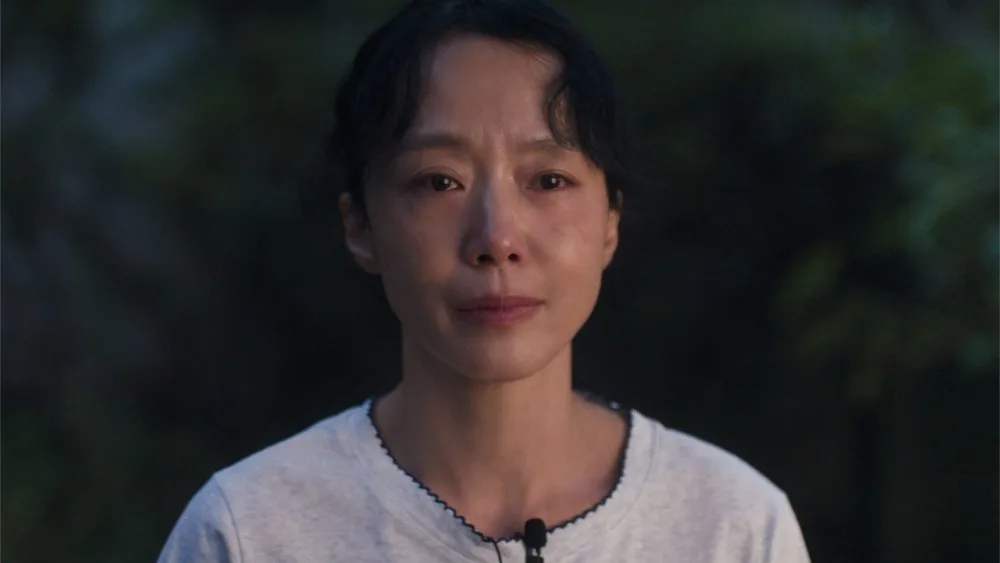
- Jeon Do-yeon, the first Korean actress to win at Cannes, stars in 'Possible Love,' South Korea’s official Oscar submission.
- The film, directed by Lee Chang-dong, explores themes of economic anxiety and human resilience in contemporary Korea.
- Jeon expresses concern over the domestic industry's shift toward commercial viability at the expense of character-driven storytelling.
- Despite global pressures to conform to international trends, Jeon maintains her focus on projects that prioritize artistic integrity over marketability.
- Jeon Do-yeon, nữ diễn viên Hàn Quốc đầu tiên thắng giải tại Cannes, đóng vai chính trong 'Possible Love' - tác phẩm đại diện Hàn Quốc tranh giải Oscar.
- Bộ phim do Lee Chang-dong đạo diễn, khai thác những nỗi lo âu về kinh tế và sự kiên cường của con người trong xã hội Hàn Quốc đương đại.
- Jeon bày tỏ sự quan ngại trước xu hướng ưu tiên tính thương mại của ngành công nghiệp điện ảnh nội địa, vốn đang làm lu mờ việc xây dựng nhân vật và chiều sâu cốt truyện.
- Bất chấp áp lực từ các xu hướng toàn cầu, Jeon vẫn giữ vững lập trường chọn lựa những dự án đặt giá trị nghệ thuật lên trên khả năng thương mại hóa.
- Jeon Do-yeon, première actrice coréenne primée à Cannes, est à l'affiche de « Possible Love », le candidat officiel de la Corée du Sud aux Oscars.
- Le film, réalisé par Lee Chang-dong, explore les thèmes de l'anxiété économique et de la résilience humaine dans la Corée contemporaine.
- Jeon exprime son inquiétude face au virage de l'industrie nationale vers une rentabilité commerciale au détriment de la narration centrée sur les personnages.
- Malgré les pressions mondiales visant à se conformer aux tendances internationales, Jeon maintient son cap sur des projets privilégiant l'intégrité artistique à la simple valeur marchande.
- Jeon Do-yeon, la primera actriz coreana en ganar en Cannes, protagoniza 'Possible Love', la apuesta oficial de Corea del Sur para los Óscar.
- La película, dirigida por Lee Chang-dong, explora la ansiedad económica y la resiliencia humana en la Corea contemporánea.
- Jeon expresa su preocupación por el giro de la industria nacional hacia la viabilidad comercial en detrimento de historias centradas en los personajes.
- A pesar de las presiones globales para adaptarse a las tendencias internacionales, Jeon mantiene su enfoque en proyectos que priorizan la integridad artística sobre la rentabilidad.
- 全度妍是首位获得戛纳电影节最佳女演员奖的韩国女星,其主演的《可能的爱》已入选韩国奥斯卡最佳国际影片申报名单。
- 该片由李沧东执导,深入探讨了当代韩国社会的经济焦虑与人类韧性。
- 全度妍对本土电影产业日益向商业化倾斜、牺牲角色驱动叙事的现状表示担忧。
- 尽管面临全球化趋势的压力,全度妍始终坚持选择那些将艺术完整性置于市场营销之上的项目。
In the rarefied air of global cinema, few names command the reverence afforded to Jeon Do-yeon. Since her historic Best Actress win at the 2007 Cannes Film Festival for Lee Chang-dong’s Secret Sunshine, she has remained a pillar of South Korean artistic integrity. Today, as the industry finds itself at a crossroads—navigating the dual pressures of unprecedented global visibility and the encroaching demands of commercial homogenization—Jeon stands as a defiant, thoughtful outlier. Her latest project, Possible Love, is not merely a film; it is a profound meditation on the anxieties of the modern working class, serving as South Korea’s official submission for the Academy Awards’ International Feature category.
The film, a collaborative effort between Pinehouse Film, Anonymous Content, and Netflix, marks a significant reunion between Jeon and Lee Chang-dong, a director whose meticulous approach to human suffering and redemption has defined a generation of Korean cinema. In Possible Love, Jeon portrays Mi-ok, a mask-factory worker whose life is defined by the precariousness of her husband’s unemployment. As the narrative unfolds, the film transcends its domestic setting to offer a universal critique of the instability inherent in contemporary life. For Jeon, the role was an exercise in empathy, requiring her to tap into a shared, quiet anxiety that she admits resonates deeply within her own internal landscape.
The Tension Between Commercialism and Craft
Jeon’s career has been marked by a refusal to chase the trends that often dictate the trajectory of global stardom. While many of her contemporaries have leveraged the “Korean Wave” to pivot toward international blockbusters, Jeon remains anchored in the pursuit of stories that challenge the status quo. In recent interviews, she has voiced a candid frustration regarding the state of the Korean film industry, noting a palpable shift in focus. She observes that the current climate prioritizes commercial appeal over the arduous, necessary work of character development and narrative exploration.
This critique is not born of cynicism, but of a genuine “thirst” for stories that demand more from their audience and their creators. For Jeon, the process of filmmaking should be a struggle—a wrestling match with the complexities of the human condition. She laments that in the rush to satisfy global appetites, the domestic industry risks losing the very soul that made it a powerhouse in the first place. By choosing to remain on her own path, she is not rejecting global success; rather, she is asserting that true resonance can only be achieved when a project is allowed to be authentic, even if that authenticity is uncomfortable or difficult to market.
A Masterclass in Collaborative Evolution
The reunion with Lee Chang-dong for Possible Love provides a fascinating case study in the evolution of artistic relationships. Their previous collaboration on Secret Sunshine was defined by an intense, almost volatile creative energy, with Jeon famously struggling with self-doubt under the weight of Lee’s exacting standards. Returning to the set years later, however, the dynamic had shifted. The atmosphere was one of mutual respect and seasoned comfort, with both artist and director operating with a deeper understanding of the other’s process.
This comfort allowed Jeon to inhabit the character of Mi-ok with a nuance that might have been stifled in a more rigid environment. In the film, Mi-ok’s attraction to a wealthier man, played by Zo In-sung, is initially framed as a desperate search for a savior—a “Steve Jobs-like” figure who could solve her economic woes. Yet, as the performance matured, Jeon discovered a more subtle motivation: curiosity. It was not a desire for wealth, but a yearning to understand a life fundamentally different from her own. This level of psychological depth is the hallmark of Jeon’s work, proving that even within a high-stakes production, the focus remains firmly on the internal life of the character.
The Global Ripple Effect of Korean Narrative
As Possible Love makes its rounds through the festival circuit—from Venice to Busan and Toronto—it serves as a litmus test for the global appetite for “difficult” cinema. The film’s success on the international stage suggests that audiences are still hungry for stories that do not offer easy answers. By centering on the quiet resilience of a woman refusing to succumb to despair, the film taps into a universal sentiment of hope amidst hardship. This is the power of Korean cinema at its zenith: the ability to translate local, specific struggles into a language that speaks to the human experience across borders.
The institutional reaction to the film has been one of high anticipation, particularly as it positions itself for the Academy Awards. However, for Jeon, the accolades are secondary to the act of storytelling itself. She remains focused on the next project, though she is characteristically deliberate in her selection process. She is not hunting for roles that will bolster her brand; she is hunting for narratives that will sustain her curiosity. In an era of content saturation, her approach serves as a vital reminder that the most enduring art is often that which refuses to compromise for the sake of the algorithm.
Looking Toward an Uncertain Horizon
What lies ahead for Jeon Do-yeon is, by her own admission, an open question. She is currently weighing her next move, with a preference for film over television, though she remains uncommitted. This uncertainty is not a sign of hesitation, but of a commitment to the process. She understands that the landscape of cinema is shifting rapidly, and she is determined to navigate it on her own terms. Whether or not Possible Love secures an Oscar, its impact on the cultural discourse is already assured.
As we watch the trajectory of this film, we are reminded that the true value of an actor of Jeon’s caliber lies in her ability to hold a mirror to society. She does not merely play characters; she inhabits the anxieties, the hopes, and the quiet rebellions of the people she represents. In a world that is increasingly focused on the superficial, Jeon Do-yeon’s career remains a testament to the enduring power of the story. Her “greater thirst” is not just a personal ambition—it is a call to action for an industry that must decide whether it wants to be a factory of content or a sanctuary for art.
Trong bầu không khí tinh hoa của điện ảnh thế giới, hiếm có cái tên nào nhận được sự tôn trọng tuyệt đối như Jeon Do-yeon. Kể từ chiến thắng lịch sử tại hạng mục Nữ diễn viên chính xuất sắc nhất tại Liên hoan phim Cannes 2007 với tác phẩm Secret Sunshine của đạo diễn Lee Chang-dong, cô vẫn luôn là trụ cột của sự chính trực nghệ thuật tại Hàn Quốc. Ngày nay, khi ngành công nghiệp điện ảnh đứng trước ngã rẽ—phải đối mặt với áp lực kép từ sự chú ý toàn cầu chưa từng có và những đòi hỏi khắt khe của sự đồng nhất hóa thương mại—Jeon vẫn đứng đó như một cá thể khác biệt, đầy suy tư và kiên định. Dự án mới nhất của cô, Possible Love, không đơn thuần là một bộ phim; đó là một sự chiêm nghiệm sâu sắc về những nỗi lo âu của tầng lớp lao động hiện đại, đồng thời là tác phẩm đại diện chính thức của Hàn Quốc tại hạng mục Phim quốc tế của giải Oscar.
Bộ phim, một sự hợp tác giữa Pinehouse Film, Anonymous Content và Netflix, đánh dấu cuộc tái ngộ quan trọng giữa Jeon và Lee Chang-dong, vị đạo diễn mà cách tiếp cận tỉ mỉ về nỗi đau và sự cứu rỗi con người đã định hình cả một thế hệ điện ảnh Hàn Quốc. Trong Possible Love, Jeon thủ vai Mi-ok, một công nhân nhà máy sản xuất mặt nạ, người có cuộc sống luôn chông chênh vì tình trạng thất nghiệp của chồng. Khi câu chuyện mở ra, bộ phim đã vượt xa bối cảnh gia đình để đưa ra một lời phê phán mang tính phổ quát về sự bất ổn vốn có trong cuộc sống đương đại. Đối với Jeon, vai diễn này là một bài tập về sự đồng cảm, đòi hỏi cô phải chạm vào những nỗi lo âu thầm kín mà cô thừa nhận là cũng đang cộng hưởng sâu sắc trong thế giới nội tâm của chính mình.
Sự giằng co giữa tính thương mại và tay nghề nghệ thuật
Sự nghiệp của Jeon được đánh dấu bằng việc từ chối chạy theo những xu hướng vốn thường chi phối quỹ đạo của các ngôi sao toàn cầu. Trong khi nhiều đồng nghiệp tận dụng "Làn sóng Hàn Quốc" (Hallyu) để chuyển hướng sang các bộ phim bom tấn quốc tế, Jeon vẫn neo mình vào việc theo đuổi những câu chuyện thách thức hiện trạng. Trong các cuộc phỏng vấn gần đây, cô đã thẳng thắn bày tỏ sự thất vọng về tình trạng của ngành điện ảnh Hàn Quốc, lưu ý đến một sự thay đổi rõ rệt trong trọng tâm. Cô quan sát thấy rằng môi trường hiện tại đang ưu tiên sức hút thương mại hơn là công việc gian nan nhưng cần thiết của việc phát triển nhân vật và khám phá tự sự.
Lời phê bình này không xuất phát từ sự hoài nghi, mà từ một "cơn khát" chân chính đối với những câu chuyện đòi hỏi nhiều hơn từ khán giả và người sáng tạo. Đối với Jeon, quá trình làm phim phải là một cuộc đấu tranh—một cuộc vật lộn với những phức tạp của thân phận con người. Cô than thở rằng trong cơn vội vã thỏa mãn khẩu vị toàn cầu, ngành công nghiệp nội địa có nguy cơ đánh mất chính linh hồn đã biến nó thành một cường quốc ngay từ đầu. Bằng cách chọn đi trên con đường riêng, cô không từ chối thành công toàn cầu; thay vào đó, cô khẳng định rằng sự cộng hưởng thực sự chỉ có thể đạt được khi một dự án được phép trở nên chân thực, ngay cả khi sự chân thực đó gây khó chịu hoặc khó tiếp thị.
Bài học về sự tiến hóa trong hợp tác
Cuộc tái ngộ với Lee Chang-dong trong Possible Love cung cấp một nghiên cứu điển hình đầy thú vị về sự tiến hóa trong các mối quan hệ nghệ thuật. Sự hợp tác trước đó của họ trong Secret Sunshine được định nghĩa bởi một năng lượng sáng tạo mãnh liệt, thậm chí là đầy biến động, khi Jeon từng phải vật lộn với sự nghi ngờ bản thân dưới áp lực từ những tiêu chuẩn khắt khe của Lee. Tuy nhiên, khi trở lại phim trường nhiều năm sau đó, động lực đã thay đổi. Bầu không khí giờ đây tràn đầy sự tôn trọng lẫn nhau và sự thoải mái của những người dày dạn kinh nghiệm, khi cả nghệ sĩ và đạo diễn đều làm việc với sự thấu hiểu sâu sắc hơn về quy trình của đối phương.
Sự thoải mái này cho phép Jeon hóa thân vào nhân vật Mi-ok với những sắc thái mà có lẽ đã bị kìm hãm trong một môi trường cứng nhắc hơn. Trong phim, sự thu hút của Mi-ok đối với một người đàn ông giàu có, do Zo In-sung thủ vai, ban đầu được định hình như một cuộc tìm kiếm tuyệt vọng một vị cứu tinh—một nhân vật "kiểu Steve Jobs" có thể giải quyết những khốn khó kinh tế của cô. Tuy nhiên, khi diễn xuất chín muồi, Jeon đã khám phá ra một động lực tinh tế hơn: sự tò mò. Đó không phải là ham muốn giàu sang, mà là khao khát thấu hiểu một cuộc đời khác biệt hoàn toàn với cuộc đời của chính mình. Mức độ sâu sắc về tâm lý này là dấu ấn trong các tác phẩm của Jeon, chứng minh rằng ngay cả trong một sản phẩm có tính rủi ro cao, trọng tâm vẫn luôn nằm vững chắc ở đời sống nội tâm của nhân vật.
Hiệu ứng lan tỏa toàn cầu của tự sự Hàn Quốc
Khi Possible Love đi qua các liên hoan phim—từ Venice đến Busan và Toronto—nó đóng vai trò như một bài kiểm tra cho khẩu vị toàn cầu đối với dòng phim "khó xem". Sự thành công của bộ phim trên sân khấu quốc tế cho thấy khán giả vẫn khao khát những câu chuyện không đưa ra các câu trả lời dễ dàng. Bằng cách tập trung vào sự kiên cường thầm lặng của một người phụ nữ từ chối khuất phục trước tuyệt vọng, bộ phim chạm đến một cảm xúc phổ quát về hy vọng giữa nghịch cảnh. Đây chính là sức mạnh của điện ảnh Hàn Quốc ở thời kỳ đỉnh cao: khả năng chuyển dịch những cuộc đấu tranh địa phương, cụ thể thành một ngôn ngữ nói lên trải nghiệm nhân loại vượt qua mọi biên giới.
Phản ứng của giới chuyên môn đối với bộ phim là sự kỳ vọng rất cao, đặc biệt là khi nó đang định vị mình cho giải Oscar. Tuy nhiên, đối với Jeon, các giải thưởng chỉ là thứ yếu so với chính hành động kể chuyện. Cô vẫn tập trung vào dự án tiếp theo, mặc dù cô luôn rất thận trọng trong quá trình lựa chọn. Cô không săn tìm những vai diễn để củng cố thương hiệu cá nhân; cô săn tìm những câu chuyện sẽ duy trì sự tò mò của mình. Trong kỷ nguyên bão hòa nội dung, cách tiếp cận của cô đóng vai trò như một lời nhắc nhở quan trọng rằng nghệ thuật bền bỉ nhất thường là thứ từ chối thỏa hiệp vì lợi ích của thuật toán.
Hướng tới một chân trời bất định
Điều gì đang chờ đợi Jeon Do-yeon phía trước, theo chính lời cô thừa nhận, vẫn là một câu hỏi mở. Cô hiện đang cân nhắc bước đi tiếp theo, với ưu tiên dành cho điện ảnh hơn là truyền hình, mặc dù cô vẫn chưa đưa ra cam kết nào. Sự bất định này không phải là dấu hiệu của sự do dự, mà là cam kết đối với quy trình sáng tạo. Cô hiểu rằng bối cảnh điện ảnh đang thay đổi nhanh chóng, và cô quyết tâm điều hướng nó theo cách riêng của mình. Dù Possible Love có giành được giải Oscar hay không, tác động của nó đối với diễn ngôn văn hóa đã được đảm bảo.
Khi theo dõi quỹ đạo của bộ phim này, chúng ta được nhắc nhở rằng giá trị thực sự của một diễn viên tầm cỡ như Jeon nằm ở khả năng làm tấm gương phản chiếu xã hội. Cô không chỉ đóng vai các nhân vật; cô hóa thân vào những nỗi lo âu, những hy vọng và những cuộc nổi loạn thầm lặng của những con người mà cô đại diện. Trong một thế giới ngày càng tập trung vào những điều hời hợt, sự nghiệp của Jeon Do-yeon vẫn là minh chứng cho sức mạnh bền bỉ của câu chuyện. "Cơn khát lớn hơn" của cô không chỉ là tham vọng cá nhân—đó là lời kêu gọi hành động đối với một ngành công nghiệp cần phải quyết định xem họ muốn trở thành một nhà máy sản xuất nội dung hay một thánh đường cho nghệ thuật.
Dans les sphères raréfiées du cinéma mondial, peu de noms inspirent autant le respect que celui de Jeon Do-yeon. Depuis son sacre historique en tant que meilleure actrice au Festival de Cannes 2007 pour Secret Sunshine de Lee Chang-dong, elle est restée un pilier de l'intégrité artistique sud-coréenne. Aujourd'hui, alors que l'industrie se trouve à la croisée des chemins — naviguant entre les pressions d'une visibilité mondiale sans précédent et les exigences croissantes d'une homogénéisation commerciale — Jeon s'impose comme une figure de proue, aussi rebelle que réfléchie. Son dernier projet, Possible Love, n'est pas qu'un simple film ; c'est une méditation profonde sur les angoisses de la classe ouvrière moderne, représentant officiellement la Corée du Sud dans la catégorie du meilleur film international aux Oscars.
Le film, fruit d'une collaboration entre Pinehouse Film, Anonymous Content et Netflix, marque des retrouvailles significatives entre Jeon et Lee Chang-dong, un réalisateur dont l'approche méticuleuse de la souffrance humaine et de la rédemption a défini une génération du cinéma coréen. Dans Possible Love, Jeon incarne Mi-ok, une ouvrière dans une usine de masques dont la vie est rythmée par la précarité du chômage de son mari. À mesure que le récit se déploie, le film transcende son cadre domestique pour offrir une critique universelle de l'instabilité inhérente à la vie contemporaine. Pour Jeon, ce rôle fut un exercice d'empathie, exigeant d'elle qu'elle puise dans une anxiété commune et silencieuse qui, l'admet-elle, résonne profondément en elle.
La tension entre commerce et artisanat
La carrière de Jeon a été marquée par un refus catégorique de suivre les tendances qui dictent souvent la trajectoire des stars mondiales. Alors que nombre de ses contemporains ont tiré parti de la « vague coréenne » pour pivoter vers des blockbusters internationaux, Jeon reste ancrée dans la poursuite d'histoires qui défient le statu quo. Dans des entretiens récents, elle a exprimé une frustration sincère concernant l'état de l'industrie cinématographique coréenne, notant un changement de cap palpable. Elle observe que le climat actuel privilégie l'attrait commercial au détriment du travail ardu et nécessaire de développement des personnages et d'exploration narrative.
Cette critique ne naît pas du cynisme, mais d'une véritable « soif » d'histoires qui exigent davantage de leur public et de leurs créateurs. Pour Jeon, le processus cinématographique devrait être une lutte — un corps-à-corps avec les complexités de la condition humaine. Elle déplore que, dans la précipitation à satisfaire les appétits mondiaux, l'industrie nationale risque de perdre l'âme même qui en a fait une puissance cinématographique. En choisissant de rester fidèle à son propre chemin, elle ne rejette pas le succès mondial ; elle affirme plutôt qu'une résonance véritable ne peut être atteinte que lorsqu'un projet est autorisé à être authentique, même si cette authenticité est inconfortable ou difficile à vendre.
Une masterclass d'évolution collaborative
Les retrouvailles avec Lee Chang-dong pour Possible Love offrent une étude de cas fascinante sur l'évolution des relations artistiques. Leur collaboration précédente sur Secret Sunshine était définie par une énergie créative intense, presque volatile, Jeon luttant alors contre ses propres doutes sous le poids des exigences pointilleuses de Lee. De retour sur le plateau des années plus tard, la dynamique avait changé. L'atmosphère était empreinte d'un respect mutuel et d'une aisance mature, l'artiste et le réalisateur opérant avec une compréhension plus profonde du processus de l'autre.
Ce confort a permis à Jeon d'habiter le personnage de Mi-ok avec une nuance qui aurait pu être étouffée dans un environnement plus rigide. Dans le film, l'attirance de Mi-ok pour un homme plus riche, interprété par Zo In-sung, est initialement présentée comme une recherche désespérée d'un sauveur — une figure à la « Steve Jobs » capable de résoudre ses problèmes économiques. Pourtant, à mesure que l'interprétation mûrissait, Jeon a découvert une motivation plus subtile : la curiosité. Ce n'était pas un désir de richesse, mais une aspiration à comprendre une vie fondamentalement différente de la sienne. Ce niveau de profondeur psychologique est la marque de fabrique du travail de Jeon, prouvant que même au sein d'une production à gros enjeux, l'accent reste fermement mis sur la vie intérieure du personnage.
L'effet d'entraînement mondial du récit coréen
Alors que Possible Love parcourt le circuit des festivals — de Venise à Busan en passant par Toronto — il sert de test pour l'appétit mondial pour un cinéma « difficile ». Le succès du film sur la scène internationale suggère que le public est toujours avide d'histoires qui n'offrent pas de réponses faciles. En se concentrant sur la résilience silencieuse d'une femme refusant de succomber au désespoir, le film puise dans un sentiment universel d'espoir au milieu de l'adversité. C'est là toute la puissance du cinéma coréen à son apogée : la capacité à traduire des luttes locales et spécifiques dans un langage qui parle à l'expérience humaine par-delà les frontières.
La réaction institutionnelle au film a été marquée par une forte attente, particulièrement alors qu'il se positionne pour les Oscars. Cependant, pour Jeon, les récompenses sont secondaires par rapport à l'acte de raconter une histoire. Elle reste concentrée sur son prochain projet, bien qu'elle soit, comme à son habitude, très délibérée dans son processus de sélection. Elle ne chasse pas les rôles qui renforceront son image de marque ; elle traque les récits qui nourriront sa curiosité. À une époque de saturation de contenu, son approche sert de rappel vital : l'art le plus durable est souvent celui qui refuse de faire des compromis pour plaire à l'algorithme.
Vers un horizon incertain
Ce qui attend Jeon Do-yeon est, de son propre aveu, une question ouverte. Elle pèse actuellement sa prochaine décision, avec une préférence pour le cinéma plutôt que la télévision, bien qu'elle ne s'engage sur rien. Cette incertitude n'est pas un signe d'hésitation, mais un engagement envers le processus. Elle comprend que le paysage cinématographique évolue rapidement, et elle est déterminée à le parcourir selon ses propres termes. Que Possible Love décroche ou non un Oscar, son impact sur le discours culturel est déjà assuré.
En observant la trajectoire de ce film, nous nous rappelons que la véritable valeur d'une actrice de la trempe de Jeon réside dans sa capacité à tendre un miroir à la société. Elle ne se contente pas d'incarner des personnages ; elle habite les angoisses, les espoirs et les rébellions silencieuses des personnes qu'elle représente. Dans un monde de plus en plus focalisé sur le superficiel, la carrière de Jeon Do-yeon demeure un témoignage de la puissance durable du récit. Sa « soif plus grande » n'est pas seulement une ambition personnelle — c'est un appel à l'action pour une industrie qui doit décider si elle souhaite être une usine à contenu ou un sanctuaire pour l'art.
En las esferas más elevadas del cine mundial, pocos nombres suscitan la reverencia que se le profesa a Jeon Do-yeon. Desde su histórico premio a la Mejor Actriz en el Festival de Cannes de 2007 por Secret Sunshine, de Lee Chang-dong, ha permanecido como un pilar de la integridad artística surcoreana. Hoy, mientras la industria se encuentra en una encrucijada —navegando entre las presiones duales de una visibilidad global sin precedentes y las crecientes demandas de homogeneización comercial—, Jeon se erige como una figura desafiante y reflexiva. Su último proyecto, Possible Love, no es solo una película; es una profunda meditación sobre las ansiedades de la clase trabajadora moderna, que sirve como la propuesta oficial de Corea del Sur para la categoría de Mejor Película Internacional en los premios de la Academia.
La cinta, un esfuerzo colaborativo entre Pinehouse Film, Anonymous Content y Netflix, marca un reencuentro significativo entre Jeon y Lee Chang-dong, un director cuyo enfoque meticuloso sobre el sufrimiento y la redención humana ha definido a toda una generación del cine coreano. En Possible Love, Jeon interpreta a Mi-ok, una trabajadora de una fábrica de máscaras cuya vida está marcada por la precariedad del desempleo de su marido. A medida que la narrativa se desarrolla, el filme trasciende su entorno doméstico para ofrecer una crítica universal sobre la inestabilidad inherente a la vida contemporánea. Para Jeon, el papel fue un ejercicio de empatía que le exigió conectar con una ansiedad silenciosa y compartida que, según admite, resuena profundamente en su propio paisaje interior.
La tensión entre el comercialismo y el oficio
La carrera de Jeon ha estado marcada por su negativa a perseguir las tendencias que a menudo dictan la trayectoria del estrellato global. Mientras muchos de sus contemporáneos han aprovechado la "ola coreana" para pivotar hacia superproducciones internacionales, Jeon permanece anclada en la búsqueda de historias que desafíen el statu quo. En entrevistas recientes, ha expresado una frustración sincera respecto al estado de la industria cinematográfica coreana, señalando un cambio palpable en el enfoque. Observa que el clima actual prioriza el atractivo comercial sobre el arduo y necesario trabajo de desarrollo de personajes y exploración narrativa.
Esta crítica no nace del cinismo, sino de una auténtica "sed" de historias que exijan más de su audiencia y de sus creadores. Para Jeon, el proceso de hacer cine debería ser una lucha: un combate cuerpo a cuerpo con las complejidades de la condición humana. Lamenta que, en la prisa por satisfacer los apetitos globales, la industria nacional corra el riesgo de perder el alma misma que la convirtió en una potencia en primer lugar. Al elegir mantenerse en su propio camino, no está rechazando el éxito global; más bien, está afirmando que la verdadera resonancia solo puede lograrse cuando se permite que un proyecto sea auténtico, incluso si esa autenticidad resulta incómoda o difícil de comercializar.
Una clase magistral de evolución colaborativa
El reencuentro con Lee Chang-dong para Possible Love ofrece un fascinante estudio de caso sobre la evolución de las relaciones artísticas. Su colaboración previa en Secret Sunshine estuvo definida por una energía creativa intensa, casi volátil, en la que Jeon luchó contra sus propias dudas bajo el peso de los exigentes estándares de Lee. Sin embargo, al regresar al set años después, la dinámica había cambiado. La atmósfera era de respeto mutuo y una madura comodidad, con ambos artistas operando con una comprensión más profunda del proceso del otro.
Esta comodidad permitió a Jeon habitar el personaje de Mi-ok con un matiz que podría haberse visto sofocado en un entorno más rígido. En la película, la atracción de Mi-ok hacia un hombre más rico, interpretado por Zo In-sung, se plantea inicialmente como una búsqueda desesperada de un salvador: una figura "estilo Steve Jobs" que podría resolver sus problemas económicos. Sin embargo, a medida que la interpretación maduraba, Jeon descubrió una motivación más sutil: la curiosidad. No era un deseo de riqueza, sino el anhelo de comprender una vida fundamentalmente diferente a la suya. Este nivel de profundidad psicológica es el sello distintivo del trabajo de Jeon, demostrando que, incluso dentro de una producción de alto riesgo, el enfoque permanece firmemente en la vida interna del personaje.
El efecto dominó global de la narrativa coreana
A medida que Possible Love recorre el circuito de festivales —desde Venecia hasta Busán y Toronto—, sirve como piedra de toque para el apetito global por el cine "difícil". El éxito de la película en el escenario internacional sugiere que el público sigue teniendo hambre de historias que no ofrecen respuestas fáciles. Al centrarse en la silenciosa resiliencia de una mujer que se niega a sucumbir a la desesperación, la película aprovecha un sentimiento universal de esperanza en medio de la adversidad. Este es el poder del cine coreano en su apogeo: la capacidad de traducir luchas locales y específicas a un lenguaje que habla de la experiencia humana a través de las fronteras.
La reacción institucional ante la película ha sido de gran expectación, especialmente al posicionarse para los premios de la Academia. Sin embargo, para Jeon, los galardones son secundarios frente al acto mismo de contar historias. Sigue centrada en su próximo proyecto, aunque es característicamente deliberada en su proceso de selección. No busca papeles que fortalezcan su marca; busca narrativas que alimenten su curiosidad. En una era de saturación de contenidos, su enfoque sirve como un recordatorio vital de que el arte más duradero es, a menudo, aquel que se niega a comprometerse por el bien del algoritmo.
Mirando hacia un horizonte incierto
Lo que le depara el futuro a Jeon Do-yeon es, según sus propias palabras, una incógnita. Actualmente está sopesando su próximo paso, con preferencia por el cine sobre la televisión, aunque no se ha comprometido con nada. Esta incertidumbre no es señal de vacilación, sino de un compromiso con el proceso. Entiende que el panorama del cine está cambiando rápidamente y está decidida a navegarlo bajo sus propios términos. Independientemente de si Possible Love consigue un Óscar, su impacto en el discurso cultural ya está asegurado.
Al observar la trayectoria de esta película, recordamos que el verdadero valor de una actriz del calibre de Jeon reside en su capacidad para sostener un espejo ante la sociedad. No se limita a interpretar personajes; habita las ansiedades, las esperanzas y las rebeliones silenciosas de las personas a las que representa. En un mundo cada vez más centrado en lo superficial, la carrera de Jeon Do-yeon sigue siendo un testimonio del poder perdurable de la historia. Su "gran sed" no es solo una ambición personal: es una llamada a la acción para una industria que debe decidir si quiere ser una fábrica de contenidos o un santuario para el arte.
在全球电影的殿堂中,极少有名字能像全度妍那样令人肃然起敬。自2007年凭借李沧东执导的《密阳》摘得戛纳电影节最佳女演员奖以来,她始终是韩国电影艺术完整性的中流砥柱。如今,当韩国电影产业站在十字路口——既要应对前所未有的全球曝光度,又要面对商业同质化的侵蚀——全度妍以一种反叛且深邃的姿态,成为了行业中的异类。她的最新作品《可能的爱》不仅是一部电影,更是一场关于现代工薪阶层焦虑的深刻冥想,并已作为韩国官方选送作品角逐奥斯卡最佳国际影片奖。
这部由Pinehouse Film、Anonymous Content与Netflix联合制作的影片,标志着全度妍与李沧东的再度联手。李沧东导演以其对人类苦难与救赎的细腻刻画,定义了韩国电影的一个时代。在《可能的爱》中,全度妍饰演口罩厂工人美玉,她的生活因丈夫失业而陷入动荡。随着剧情展开,影片超越了家庭琐事的范畴,对当代生活内在的不稳定性进行了普世性的批判。对于全度妍而言,这一角色是一次共情的练习,要求她挖掘内心深处那份与角色共鸣的、静谧的焦虑感。
商业与艺术的张力
全度妍的职业生涯始终拒绝追逐那些定义全球明星轨迹的流行趋势。尽管许多同辈演员利用“韩流”热潮转向国际大片,全度妍却始终扎根于那些挑战现状的故事。在近期的采访中,她坦率地表达了对韩国电影产业现状的挫败感,指出行业重心发生了明显的偏移。她观察到,当前的创作环境更倾向于商业吸引力,而非角色塑造与叙事探索这些艰苦但必要的创作过程。
这种批评并非源于愤世嫉俗,而是源于对那些能向观众和创作者提出更高要求的作品的真诚“渴望”。在全度妍看来,电影制作过程应当是一场斗争——一场与人类境况复杂性之间的博弈。她感叹,在急于满足全球胃口的过程中,韩国本土产业正面临失去其作为强国根基的风险。她选择坚持自己的道路,并非拒绝全球成功,而是主张:只有当作品被允许保持真实时,才能产生真正的共鸣,即便这种真实是不舒适的,或是难以营销的。
协作演进的教学范本
与李沧东在《可能的爱》中的重逢,为艺术关系的演进提供了一个迷人的案例。他们之前的合作《密阳》以一种激烈、近乎动荡的创作能量著称,全度妍曾坦言在李沧东严苛的标准下,她曾陷入自我怀疑。然而,多年后重回片场,这种动态已经发生了转变。现场氛围充满了相互尊重与成熟的默契,艺术家与导演在对彼此创作过程的深刻理解下展开合作。
这种默契让全度妍能够以一种在更僵化环境下可能被扼杀的细腻感来诠释美玉这一角色。在片中,美玉对赵寅成饰演的富裕男性的吸引,最初被设定为一种对救世主的绝望追寻——一个能解决她经济困境的“乔布斯式”人物。然而,随着表演的成熟,全度妍发现了一种更微妙的动机:好奇心。那并非对财富的渴望,而是一种想要了解与自己截然不同的生活的渴望。这种心理深度是全度妍作品的标志,证明了即使在高成本制作中,焦点依然牢牢锁定在角色的内心世界。
韩国叙事的全球涟漪
随着《可能的爱》在威尼斯、釜山和多伦多等电影节巡回展映,它成为了全球观众对“困难”电影接受度的一块试金石。该片在国际舞台上的成功表明,观众依然渴望那些不提供简单答案的故事。通过聚焦一位拒绝向绝望屈服的女性的静谧韧性,影片触及了困境中希望这一普世情感。这正是韩国电影巅峰时期的力量所在:将本土的、具体的挣扎转化为一种跨越国界的、诉说人类共同体验的语言。
业界对该片的反应充满期待,尤其是考虑到它在奥斯卡奖项中的定位。然而,对全度妍而言,奖项只是叙事本身的副产品。她依然专注于下一个项目,尽管她在挑选剧本时一贯审慎。她寻找的不是能提升个人品牌的角色,而是能维持她好奇心的叙事。在内容过剩的时代,她的做法是一个至关重要的提醒:最持久的艺术往往是那些拒绝为了算法而妥协的作品。
展望不确定的地平线
全度妍的未来,用她自己的话来说,是一个开放的问题。她目前正在权衡下一步的动向,倾向于电影而非电视,尽管尚未做出最终决定。这种不确定性并非犹豫,而是对创作过程的承诺。她深知电影格局正在迅速变化,并决心按照自己的方式去驾驭它。无论《可能的爱》最终能否斩获奥斯卡,它对文化话语的影响已成定局。
当我们观察这部电影的轨迹时,我们被提醒:像全度妍这样级别的演员,其真正的价值在于她能为社会提供一面镜子。她不仅仅是在扮演角色,她是在栖居于她所代表的人们的焦虑、希望与静谧的反抗之中。在一个日益关注表象的世界里,全度妍的职业生涯依然是艺术持久力量的见证。她那“更大的渴望”不仅是个人的野心,更是对整个行业的呼吁——行业必须决定,它究竟想成为内容的工厂,还是艺术的避难所。
Editorial Standards & Multi-Language Synthesis: This dispatch was synthesized and fact-checked by the ParisDaily Editorial Desk across 5 global editions (EN, FR, VI, ES, ZH), cross-referencing primary international wire reports and real-time search intelligence.