El aprendiz eterno: la clase magistral de humildad cinematográfica de John Turturro
As the Marrakech Film Festival honors John Turturro, the veteran actor reflects on a four-decade career defined by the restless, beginner’s mindset of a true auteur.
Khi Liên hoan phim Marrakech vinh danh John Turturro, nam diễn viên kỳ cựu đã nhìn lại sự nghiệp kéo dài bốn thập kỷ, được định hình bởi tư duy không ngừng nghỉ của một người mới bắt đầu đầy bản lĩnh. Ông chứng minh rằng sự khiêm nhường chính là chìa khóa để duy trì sức sáng tạo bền bỉ trong một ngành công nghiệp đầy biến động.
Alors que le Festival du film de Marrakech rend hommage à John Turturro, l'acteur chevronné revient sur quatre décennies de carrière, marquées par l'esprit inquiet et toujours débutant d'un véritable auteur.
Mientras el Festival de Cine de Marrakech rinde homenaje a John Turturro, el veterano actor reflexiona sobre una carrera de cuatro décadas definida por la inquietud y la mentalidad de principiante de un verdadero autor. Su trayectoria demuestra que, lejos de la complacencia, el arte es un proceso de descubrimiento constante.
在马拉喀什国际电影节致敬约翰·特托罗之际,这位资深演员回顾了自己四十年的职业生涯,并阐述了其作为一名真正作者型艺术家的初心与不安分的好奇心。
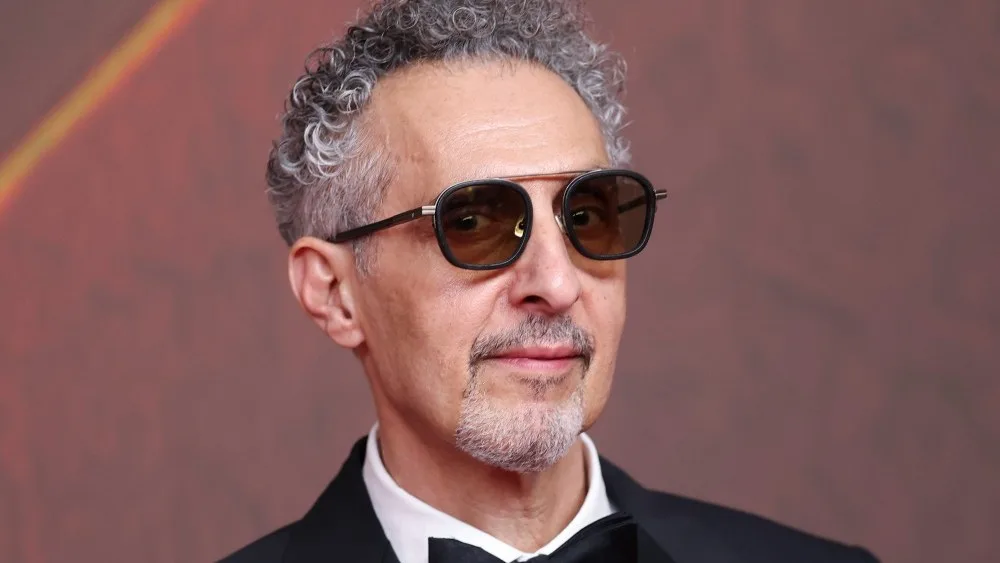
- John Turturro received a career tribute award at the Marrakech Film Festival, emphasizing his philosophy of approaching every role as a 'first love.'
- The actor currently stars in the crime thriller 'The Only Living Pickpocket in New York,' which premiered at Sundance and was acquired by Sony Pictures Classics.
- Turturro’s career spans iconic collaborations with the Coen Brothers and Spike Lee, alongside modern hits like Apple TV+’s 'Severance.'
- The Marrakech Film Festival continues to serve as a premier global hub for auteur-driven cinema, with this year's jury led by Marion Cotillard.
- John Turturro nhận giải thưởng vinh danh sự nghiệp tại Liên hoan phim Marrakech, nhấn mạnh triết lý tiếp cận mỗi vai diễn như một "mối tình đầu".
- Nam diễn viên hiện đang đóng vai chính trong bộ phim tội phạm giật gân 'The Only Living Pickpocket in New York', tác phẩm đã ra mắt tại Sundance và được Sony Pictures Classics mua bản quyền.
- Sự nghiệp của Turturro trải dài từ những lần hợp tác mang tính biểu tượng với anh em nhà Coen và Spike Lee, cho đến các tác phẩm hiện đại như 'Severance' của Apple TV+.
- Liên hoan phim Marrakech tiếp tục khẳng định vị thế là trung tâm toàn cầu cho dòng phim tác giả, với ban giám khảo năm nay do Marion Cotillard dẫn dắt.
- John Turturro a reçu un prix d'honneur au Festival du film de Marrakech, soulignant sa philosophie d'aborder chaque rôle comme un « premier amour ».
- L'acteur est actuellement à l'affiche du thriller policier « The Only Living Pickpocket in New York », présenté à Sundance et acquis par Sony Pictures Classics.
- La carrière de Turturro est jalonnée de collaborations iconiques avec les frères Coen et Spike Lee, ainsi que de succès contemporains comme la série « Severance » sur Apple TV+.
- Le Festival de Marrakech confirme son statut de hub mondial du cinéma d'auteur, avec un jury présidé cette année par Marion Cotillard.
- John Turturro recibió un premio homenaje a su carrera en el Festival de Cine de Marrakech, donde enfatizó su filosofía de abordar cada papel como si fuera un 'primer amor'.
- El actor protagoniza actualmente el thriller criminal 'The Only Living Pickpocket in New York', que se estrenó en Sundance y fue adquirido por Sony Pictures Classics.
- La carrera de Turturro abarca colaboraciones icónicas con los hermanos Coen y Spike Lee, además de éxitos modernos como 'Severance' de Apple TV+.
- El Festival de Cine de Marrakech sigue siendo un centro global clave para el cine de autor, con un jurado presidido este año por Marion Cotillard.
- 约翰·特托罗在马拉喀什国际电影节获颁职业成就奖,他强调了将每一个角色都视为“初恋”的表演哲学。
- 特托罗目前主演的犯罪惊悚片《纽约唯一的活扒手》(The Only Living Pickpocket in New York)在圣丹斯电影节首映,并已被索尼经典影业购入。
- 特托罗的职业生涯涵盖了与科恩兄弟、斯派克·李的经典合作,以及苹果流媒体平台(Apple TV+)热剧《人生切割术》等现代佳作。
- 马拉喀什国际电影节继续作为全球作者电影的核心枢纽,本届电影节评审团由玛丽昂·歌迪亚领衔。
In an industry that often measures success by the accumulation of accolades and the hardening of a public persona, John Turturro stands as a rare, fluid exception. At 69, the actor, director, and screenwriter remains a kinetic force, capable of shifting seamlessly from the brooding intensity of Carmine Falcone in The Batman to the existential dread of Irving in Apple TV+’s Severance. His recent reception of a tribute award at the Marrakech Film Festival was not merely a retrospective of a storied career, but a poignant reminder of the philosophy that has sustained him for over forty years: the refusal to be finished.
As he stood before the audience in Morocco, miming the iconic, erratic bowling gestures of his The Big Lebowski character, Jesus Quintana, Turturro offered a candid assessment of his own evolution. He spoke not of the weight of his legacy, but of the lightness of a beginner’s curiosity. For Turturro, the act of performance is not a destination reached, but a recurring initiation. By framing his vast body of work through the lens of a “first love,” he challenges the prevailing Hollywood narrative that equates aging with the calcification of talent, arguing instead that the “toolbox of experience” only becomes more refined with time.
The Architecture of an Independent Spirit
Turturro’s career is a masterclass in the intersection of high-art sensibilities and mainstream reach. His formative years were defined by his symbiotic relationships with the titans of American independent cinema. His collaborations with the Coen Brothers—most notably in Barton Fink, for which he won the Best Actor award at Cannes—established him as a performer who could navigate the surreal, the neurotic, and the deeply human with equal precision. Similarly, his work with Spike Lee in Do the Right Thing and Jungle Fever cemented his reputation as an actor who thrives in the crucible of socially conscious, character-driven narratives.
This dedication to the craft, he notes, is a direct inheritance from his parents. He describes his upbringing as one where the dignity of labor was paramount. Whether it was the literal construction of a home or the metaphorical construction of a character, the ethos remained the same: brick by brick, stitch by stitch. This meticulous approach has allowed him to survive the shifting tides of the entertainment industry, moving from the gritty, low-budget independent films of the 1980s to the massive, CGI-laden landscapes of the Transformers franchise without losing his artistic center.
His latest project, The Only Living Pickpocket in New York, serves as a testament to this enduring versatility. Directed by Noah Segan and produced by Rian Johnson, the film sees Turturro playing an aging thief caught in a high-stakes race against time. The film, which garnered significant praise at the Sundance Film Festival, highlights his ability to anchor a genre piece with the gravitas of a veteran performer. It is a role that requires the physical nuance of his early work combined with the distilled emotional intelligence he has cultivated over decades of screen time.
The Alchemy of Experience and Innovation
What makes Turturro’s perspective particularly resonant in the current era of digital-first content is his insistence on the “magic and beauty” of filmmaking as an offering. In an age where the industry is increasingly dominated by algorithmic decision-making and franchise fatigue, Turturro’s commitment to the “beginner’s mindset” acts as a necessary corrective. He argues that while the physical capacity for performance may change—one may not be able to run as fast or jump as high—the ability to distill human experience into a performance only improves with age.
This philosophy is perhaps best reflected in his recent television work. In Severance, he portrays a man trapped in a corporate dystopia, a role that demands a delicate balance of vulnerability and rigid, bureaucratic repression. It is a performance that relies not on grand gestures, but on the micro-expressions of a man who has lived long enough to understand the quiet tragedy of the human condition. It is this capacity for distillation that separates the journeyman from the master, and it is precisely why he remains a sought-after collaborator for directors ranging from Matt Reeves to Luca Guadagnino.
The Marrakech Film Festival, which has long positioned itself as a bridge between Western and Eastern cinematic traditions, provided the perfect backdrop for this reflection. By honoring Turturro, the festival reinforced its commitment to the auteur—the filmmaker who views their work as a continuous, evolving conversation rather than a static product. With a jury led by Marion Cotillard and a guest list featuring the likes of Rian Johnson and Monica Bellucci, the event underscored the global nature of cinema, where a Brooklyn-born actor’s reflections on his craft can resonate with an audience thousands of miles away.
Looking Toward the Horizon of the Craft
As the festival continues through late November, the discourse surrounding Turturro’s tribute serves as a broader commentary on the state of the industry. We are currently witnessing a period of massive consolidation and structural upheaval—evidenced by the recent Skydance and Paramount-Warner Bros. shifts—yet the core of the medium remains the individual performance. Turturro’s career serves as a blueprint for how to navigate these corporate storms: by remaining tethered to the work itself, rather than the industry that distributes it.
His closing sentiment, citing the writer Cesare Pavese, that “the only great thing in life is to begin,” is a rallying cry for both established artists and those just entering the fray. It suggests that the moment an artist believes they have mastered their craft is the moment they cease to be relevant. For Turturro, the award in Marrakech is not a capstone on a life’s work, but an “encouragement to continue to try.”
What should audiences watch for next? As Turturro continues to oscillate between high-concept sci-fi and intimate character studies, his trajectory suggests a man who is increasingly interested in the intersection of legacy and discovery. Whether he is behind the camera as a director or in front of it as a character actor, his focus remains on the “offering”—the piece of himself he gives to the audience. In a world that is increasingly ephemeral, John Turturro’s commitment to the slow, deliberate, and deeply personal act of creation remains the most enduring, and perhaps the most radical, stance an artist can take.
Trong một ngành công nghiệp thường đo lường thành công bằng số lượng giải thưởng và sự định hình cứng nhắc của hình ảnh cá nhân, John Turturro nổi lên như một ngoại lệ hiếm hoi và đầy linh hoạt. Ở tuổi 69, nam diễn viên, đạo diễn kiêm biên kịch này vẫn là một nguồn năng lượng không ngừng chuyển động, có khả năng chuyển mình mượt mà từ sự thâm trầm, dữ dội của Carmine Falcone trong The Batman đến nỗi sợ hãi hiện sinh của Irving trong Severance trên Apple TV+. Việc ông nhận giải thưởng vinh danh tại Liên hoan phim Marrakech gần đây không chỉ là một cái nhìn lại sự nghiệp lẫy lừng, mà còn là lời nhắc nhở sâu sắc về triết lý đã nâng đỡ ông suốt hơn bốn mươi năm qua: sự khước từ việc dừng lại.
Khi đứng trước khán giả tại Morocco, mô phỏng lại những cử chỉ ném bowling kỳ quặc mang tính biểu tượng của nhân vật Jesus Quintana trong The Big Lebowski, Turturro đã đưa ra một đánh giá thẳng thắn về sự tiến hóa của chính mình. Ông không nói về sức nặng của di sản, mà nói về sự nhẹ nhàng của trí tò mò nơi người mới bắt đầu. Đối với Turturro, diễn xuất không phải là một đích đến, mà là một sự khởi đầu lặp đi lặp lại. Bằng cách nhìn nhận khối lượng tác phẩm đồ sộ của mình qua lăng kính của một "mối tình đầu", ông thách thức quan niệm phổ biến của Hollywood rằng tuổi tác đồng nghĩa với sự xơ cứng của tài năng, thay vào đó, ông lập luận rằng "hộp công cụ kinh nghiệm" chỉ trở nên tinh tế hơn theo thời gian.
Kiến trúc của một tinh thần độc lập
Sự nghiệp của Turturro là một bài học bậc thầy về sự giao thoa giữa tư duy nghệ thuật đỉnh cao và sức lan tỏa đại chúng. Những năm tháng hình thành sự nghiệp của ông được định nghĩa bởi mối quan hệ cộng sinh với những người khổng lồ của dòng phim độc lập Mỹ. Những lần hợp tác với anh em nhà Coen—đáng chú ý nhất là Barton Fink, tác phẩm mang về cho ông giải Nam diễn viên xuất sắc nhất tại Cannes—đã khẳng định ông là một nghệ sĩ có khả năng điều hướng sự siêu thực, tính thần kinh và những khía cạnh nhân văn sâu sắc với độ chính xác tuyệt đối. Tương tự, công việc của ông với Spike Lee trong Do the Right Thing và Jungle Fever đã củng cố danh tiếng của ông như một diễn viên thăng hoa trong những câu chuyện giàu tính xã hội và tập trung vào nhân vật.
Ông lưu ý rằng sự tận tâm với nghề này là di sản trực tiếp từ cha mẹ mình. Ông mô tả quá trình trưởng thành của mình là nơi phẩm giá của lao động được đặt lên hàng đầu. Dù là xây dựng một ngôi nhà theo nghĩa đen hay xây dựng một nhân vật theo nghĩa ẩn dụ, tinh thần vẫn không thay đổi: từng viên gạch, từng mũi kim. Cách tiếp cận tỉ mỉ này đã cho phép ông tồn tại qua những con sóng dữ của ngành giải trí, từ những bộ phim độc lập kinh phí thấp đầy gai góc của thập niên 1980 đến những bối cảnh đồ sộ đầy kỹ xảo CGI của loạt phim Transformers mà không bao giờ đánh mất cốt lõi nghệ thuật của mình.
Dự án mới nhất của ông, The Only Living Pickpocket in New York, là minh chứng cho sự linh hoạt bền bỉ này. Được đạo diễn bởi Noah Segan và sản xuất bởi Rian Johnson, bộ phim cho thấy Turturro vào vai một tên trộm già đang bị cuốn vào cuộc đua đầy kịch tính với thời gian. Tác phẩm, vốn nhận được nhiều lời khen ngợi tại Liên hoan phim Sundance, làm nổi bật khả năng neo giữ một bộ phim thể loại bằng sự uy nghiêm của một nghệ sĩ kỳ cựu. Đó là một vai diễn đòi hỏi sự tinh tế về thể chất như thời trẻ kết hợp với trí tuệ cảm xúc đã được chắt lọc qua hàng thập kỷ trên màn ảnh.
Giả kim thuật của kinh nghiệm và đổi mới
Điều khiến quan điểm của Turturro đặc biệt gây tiếng vang trong kỷ nguyên nội dung ưu tiên kỹ thuật số hiện nay chính là sự nhấn mạnh của ông vào "phép màu và vẻ đẹp" của điện ảnh như một sự hiến dâng. Trong thời đại mà ngành công nghiệp ngày càng bị thống trị bởi các quyết định dựa trên thuật toán và sự mệt mỏi với các loạt phim nhượng quyền, cam kết của Turturro về "tư duy của người mới bắt đầu" đóng vai trò như một sự điều chỉnh cần thiết. Ông lập luận rằng trong khi khả năng thể chất cho diễn xuất có thể thay đổi—người ta có thể không chạy nhanh hay nhảy cao như trước—thì khả năng chắt lọc trải nghiệm con người vào một màn trình diễn chỉ có tốt lên theo tuổi tác.
Triết lý này có lẽ được phản ánh rõ nhất trong các tác phẩm truyền hình gần đây của ông. Trong Severance, ông khắc họa một người đàn ông bị mắc kẹt trong một thế giới phản địa đàng công sở, một vai diễn đòi hỏi sự cân bằng tinh tế giữa sự tổn thương và sự kìm nén quan liêu cứng nhắc. Đó là một màn trình diễn không dựa vào những cử chỉ vĩ đại, mà dựa vào những biểu cảm vi mô của một người đã sống đủ lâu để thấu hiểu bi kịch tĩnh lặng của thân phận con người. Chính khả năng chắt lọc này đã tách biệt một người thợ lành nghề khỏi một bậc thầy, và đó chính xác là lý do tại sao ông vẫn là cộng sự được săn đón bởi các đạo diễn từ Matt Reeves đến Luca Guadagnino.
Liên hoan phim Marrakech, nơi từ lâu đã tự định vị mình là cầu nối giữa truyền thống điện ảnh phương Tây và phương Đông, đã cung cấp một bối cảnh hoàn hảo cho sự phản tư này. Bằng cách vinh danh Turturro, liên hoan đã củng cố cam kết của mình đối với dòng phim tác giả—những nhà làm phim xem tác phẩm của họ là một cuộc đối thoại liên tục, không ngừng phát triển thay vì một sản phẩm tĩnh tại. Với ban giám khảo do Marion Cotillard dẫn dắt và danh sách khách mời bao gồm những tên tuổi như Rian Johnson và Monica Bellucci, sự kiện đã nhấn mạnh tính toàn cầu của điện ảnh, nơi những suy ngẫm về nghề của một diễn viên sinh ra tại Brooklyn có thể gây tiếng vang với khán giả cách xa hàng ngàn dặm.
Hướng tới chân trời của nghề nghiệp
Khi liên hoan phim tiếp tục diễn ra đến cuối tháng 11, những thảo luận xoay quanh giải thưởng của Turturro đóng vai trò như một bình luận rộng hơn về tình trạng của ngành công nghiệp. Chúng ta đang chứng kiến một thời kỳ hợp nhất ồ ạt và biến động cấu trúc—được minh chứng bởi những thay đổi gần đây tại Skydance và Paramount-Warner Bros.—tuy nhiên, cốt lõi của phương tiện này vẫn là màn trình diễn cá nhân. Sự nghiệp của Turturro đóng vai trò như một bản thiết kế về cách điều hướng những cơn bão doanh nghiệp này: bằng cách giữ kết nối với chính công việc, thay vì ngành công nghiệp phân phối nó.
Lời tâm sự cuối cùng của ông, trích dẫn nhà văn Cesare Pavese rằng "điều vĩ đại duy nhất trong cuộc đời là bắt đầu", là một lời kêu gọi đối với cả những nghệ sĩ đã thành danh và những người mới bước vào nghề. Nó gợi ý rằng khoảnh khắc một nghệ sĩ tin rằng họ đã làm chủ được nghề của mình cũng chính là lúc họ ngừng trở nên phù hợp. Đối với Turturro, giải thưởng tại Marrakech không phải là dấu chấm hết cho sự nghiệp cả đời, mà là một "sự khích lệ để tiếp tục cố gắng".
Khán giả nên chờ đợi điều gì tiếp theo? Khi Turturro tiếp tục dao động giữa dòng phim khoa học viễn tưởng ý tưởng cao và những nghiên cứu nhân vật đầy thân mật, quỹ đạo của ông cho thấy một người ngày càng quan tâm đến sự giao thoa giữa di sản và khám phá. Dù ông đứng sau máy quay với tư cách đạo diễn hay đứng trước nó với tư cách diễn viên tính cách, trọng tâm của ông vẫn là "sự hiến dâng"—phần bản thể mà ông trao gửi cho khán giả. Trong một thế giới ngày càng phù du, cam kết của John Turturro đối với hành động sáng tạo chậm rãi, có chủ đích và mang đậm dấu ấn cá nhân vẫn là lập trường bền bỉ nhất, và có lẽ là cấp tiến nhất mà một nghệ sĩ có thể thực hiện.
Dans une industrie qui mesure souvent le succès à l'aune des récompenses accumulées et du durcissement d'une image publique, John Turturro fait figure d'exception rare et fluide. À 69 ans, l'acteur, réalisateur et scénariste demeure une force cinétique, capable de passer avec une aisance déconcertante de l'intensité sombre de Carmine Falcone dans The Batman à l'angoisse existentielle d'Irving dans Severance sur Apple TV+. La réception récente d'un prix d'honneur au Festival du film de Marrakech n'était pas seulement une rétrospective d'une carrière légendaire, mais un rappel poignant de la philosophie qui le porte depuis plus de quarante ans : le refus d'être "fini".
Alors qu'il se tenait devant le public marocain, mimant les gestes erratiques et iconiques de Jesus Quintana, son personnage dans The Big Lebowski, Turturro a offert une évaluation lucide de sa propre évolution. Il n'a pas parlé du poids de son héritage, mais de la légèreté de la curiosité du débutant. Pour Turturro, l'acte de jouer n'est pas une destination atteinte, mais une initiation récurrente. En envisageant son vaste corpus à travers le prisme d'un « premier amour », il défie le récit hollywoodien dominant qui assimile le vieillissement à la calcification du talent, arguant au contraire que la « boîte à outils de l'expérience » ne fait que s'affiner avec le temps.
L'architecture d'un esprit indépendant
La carrière de Turturro est une masterclass sur l'intersection entre les sensibilités du cinéma d'art et d'essai et la portée du grand public. Ses années de formation ont été définies par ses relations symbiotiques avec les titans du cinéma indépendant américain. Ses collaborations avec les frères Coen — notamment dans Barton Fink, pour lequel il a remporté le prix d'interprétation masculine à Cannes — l'ont établi comme un interprète capable de naviguer dans le surréel, le névrosé et le profondément humain avec une égale précision. De même, son travail avec Spike Lee dans Do the Right Thing et Jungle Fever a cimenté sa réputation d'acteur qui s'épanouit dans le creuset des récits socialement conscients et centrés sur les personnages.
Ce dévouement au métier, note-t-il, est un héritage direct de ses parents. Il décrit son éducation comme une période où la dignité du travail était primordiale. Qu'il s'agisse de la construction littérale d'une maison ou de la construction métaphorique d'un personnage, l'éthique restait la même : brique par brique, point par point. Cette approche méticuleuse lui a permis de survivre aux marées changeantes de l'industrie du divertissement, passant des films indépendants sombres et à petit budget des années 1980 aux paysages massifs et saturés d'effets numériques de la franchise Transformers, sans jamais perdre son centre artistique.
Son dernier projet, The Only Living Pickpocket in New York, témoigne de cette polyvalence durable. Réalisé par Noah Segan et produit par Rian Johnson, le film met en scène Turturro dans le rôle d'un voleur vieillissant pris dans une course contre la montre à enjeux élevés. Le film, qui a suscité des éloges significatifs au Festival du film de Sundance, souligne sa capacité à ancrer une œuvre de genre avec la gravité d'un interprète chevronné. C'est un rôle qui exige la nuance physique de ses débuts combinée à l'intelligence émotionnelle distillée qu'il a cultivée au fil des décennies passées devant la caméra.
L'alchimie de l'expérience et de l'innovation
Ce qui rend la perspective de Turturro particulièrement résonnante à l'ère du contenu numérique, c'est son insistance sur la « magie et la beauté » du cinéma en tant qu'offrande. À une époque où l'industrie est de plus en plus dominée par la prise de décision algorithmique et la fatigue des franchises, l'engagement de Turturro envers « l'esprit du débutant » agit comme un correctif nécessaire. Il soutient que si la capacité physique de performance peut changer — on ne peut peut-être plus courir aussi vite ou sauter aussi haut — la capacité à distiller l'expérience humaine dans une performance ne fait que s'améliorer avec l'âge.
Cette philosophie se reflète peut-être le mieux dans ses récents travaux télévisuels. Dans Severance, il incarne un homme piégé dans une dystopie corporative, un rôle qui exige un équilibre délicat entre vulnérabilité et répression bureaucratique rigide. C'est une performance qui ne repose pas sur de grands gestes, mais sur les micro-expressions d'un homme qui a vécu assez longtemps pour comprendre la tragédie silencieuse de la condition humaine. C'est cette capacité de distillation qui sépare l'artisan du maître, et c'est précisément pourquoi il reste un collaborateur recherché par des réalisateurs allant de Matt Reeves à Luca Guadagnino.
Le Festival du film de Marrakech, qui s'est longtemps positionné comme un pont entre les traditions cinématographiques occidentales et orientales, a fourni la toile de fond idéale pour cette réflexion. En honorant Turturro, le festival a renforcé son engagement envers l'auteur — le cinéaste qui considère son travail comme une conversation continue et évolutive plutôt que comme un produit statique. Avec un jury dirigé par Marion Cotillard et une liste d'invités comprenant des personnalités comme Rian Johnson et Monica Bellucci, l'événement a souligné la nature mondiale du cinéma, où les réflexions d'un acteur né à Brooklyn sur son métier peuvent résonner auprès d'un public situé à des milliers de kilomètres.
Regard vers l'horizon du métier
Alors que le festival se poursuit jusqu'à fin novembre, le discours entourant l'hommage à Turturro sert de commentaire plus large sur l'état de l'industrie. Nous assistons actuellement à une période de consolidation massive et de bouleversements structurels — comme en témoignent les récents changements chez Skydance et Paramount-Warner Bros. — pourtant, le cœur du médium reste la performance individuelle. La carrière de Turturro sert de plan pour naviguer dans ces tempêtes corporatives : en restant attaché au travail lui-même, plutôt qu'à l'industrie qui le distribue.
Son sentiment final, citant l'écrivain Cesare Pavese, selon lequel « la seule chose grandiose dans la vie est de commencer », est un cri de ralliement tant pour les artistes établis que pour ceux qui entrent dans l'arène. Cela suggère que le moment où un artiste croit avoir maîtrisé son art est le moment où il cesse d'être pertinent. Pour Turturro, le prix à Marrakech n'est pas la clé de voûte d'une vie de travail, mais un « encouragement à continuer d'essayer ».
Que doivent attendre les spectateurs ensuite ? Alors que Turturro continue d'osciller entre science-fiction conceptuelle et études de personnages intimes, sa trajectoire suggère un homme de plus en plus intéressé par l'intersection de l'héritage et de la découverte. Qu'il soit derrière la caméra en tant que réalisateur ou devant elle en tant qu'acteur de composition, son attention reste portée sur « l'offrande » — la part de lui-même qu'il donne au public. Dans un monde de plus en plus éphémère, l'engagement de John Turturro envers l'acte de création lent, délibéré et profondément personnel demeure la posture la plus durable, et peut-être la plus radicale, qu'un artiste puisse adopter.
En una industria que a menudo mide el éxito mediante la acumulación de galardones y el endurecimiento de una imagen pública, John Turturro se erige como una excepción rara y fluida. A sus 69 años, el actor, director y guionista sigue siendo una fuerza cinética, capaz de transitar sin esfuerzo desde la intensidad sombría de Carmine Falcone en The Batman hasta la angustia existencial de Irving en Severance, de Apple TV+. Su reciente homenaje en el Festival de Cine de Marrakech no fue simplemente una retrospectiva de una carrera legendaria, sino un recordatorio conmovedor de la filosofía que lo ha sostenido durante más de cuarenta años: la negativa a darse por terminado.
Mientras permanecía ante el público en Marruecos, imitando los icónicos y erráticos gestos de bolos de su personaje en El gran Lebowski, Jesus Quintana, Turturro ofreció una evaluación sincera de su propia evolución. No habló del peso de su legado, sino de la ligereza de la curiosidad de un principiante. Para Turturro, el acto de actuar no es un destino alcanzado, sino una iniciación recurrente. Al enmarcar su vasta obra a través de la lente de un "primer amor", desafía la narrativa predominante de Hollywood que equipara el envejecimiento con la calcificación del talento, argumentando en cambio que la "caja de herramientas de la experiencia" solo se vuelve más refinada con el tiempo.
La arquitectura de un espíritu independiente
La carrera de Turturro es una clase magistral sobre la intersección entre la sensibilidad del cine de arte y el alcance comercial. Sus años de formación estuvieron definidos por sus relaciones simbióticas con los titanes del cine independiente estadounidense. Sus colaboraciones con los hermanos Coen —especialmente en Barton Fink, por la que ganó el premio al Mejor Actor en Cannes— lo establecieron como un intérprete capaz de navegar por lo surrealista, lo neurótico y lo profundamente humano con igual precisión. Del mismo modo, su trabajo con Spike Lee en Haz lo que debas y Fiebre salvaje consolidó su reputación como un actor que prospera en el crisol de narrativas socialmente conscientes y centradas en los personajes.
Esta dedicación al oficio, señala, es una herencia directa de sus padres. Describe su crianza como una en la que la dignidad del trabajo era primordial. Ya fuera la construcción literal de un hogar o la construcción metafórica de un personaje, el espíritu seguía siendo el mismo: ladrillo a ladrillo, puntada a puntada. Este enfoque meticuloso le ha permitido sobrevivir a las mareas cambiantes de la industria del entretenimiento, pasando de las crudas películas independientes de bajo presupuesto de los años 80 a los enormes paisajes cargados de efectos digitales de la franquicia Transformers sin perder su centro artístico.
Su proyecto más reciente, The Only Living Pickpocket in New York, sirve como testimonio de esta versatilidad perdurable. Dirigida por Noah Segan y producida por Rian Johnson, la película muestra a Turturro interpretando a un ladrón anciano atrapado en una carrera de alto riesgo contra el tiempo. El filme, que cosechó grandes elogios en el Festival de Cine de Sundance, destaca su capacidad para anclar una pieza de género con la gravedad de un intérprete veterano. Es un papel que requiere el matiz físico de sus primeros trabajos combinado con la destilada inteligencia emocional que ha cultivado durante décadas frente a la cámara.
La alquimia de la experiencia y la innovación
Lo que hace que la perspectiva de Turturro sea particularmente relevante en la era actual del contenido digital es su insistencia en la "magia y belleza" del cine como una ofrenda. En una época donde la industria está cada vez más dominada por la toma de decisiones algorítmica y la fatiga de las franquicias, el compromiso de Turturro con la "mentalidad de principiante" actúa como un correctivo necesario. Sostiene que, si bien la capacidad física para actuar puede cambiar —uno puede no ser capaz de correr tan rápido o saltar tan alto—, la habilidad para destilar la experiencia humana en una interpretación solo mejora con la edad.
Esta filosofía se refleja quizás mejor en su reciente trabajo televisivo. En Severance, interpreta a un hombre atrapado en una distopía corporativa, un papel que exige un delicado equilibrio entre la vulnerabilidad y una represión burocrática rígida. Es una interpretación que no depende de grandes gestos, sino de las microexpresiones de un hombre que ha vivido lo suficiente como para comprender la tragedia silenciosa de la condición humana. Es esta capacidad de destilación la que separa al profesional del maestro, y es precisamente por eso que sigue siendo un colaborador solicitado por directores que van desde Matt Reeves hasta Luca Guadagnino.
El Festival de Cine de Marrakech, que durante mucho tiempo se ha posicionado como un puente entre las tradiciones cinematográficas occidental y oriental, proporcionó el telón de fondo perfecto para esta reflexión. Al honrar a Turturro, el festival reforzó su compromiso con el autor: el cineasta que ve su trabajo como una conversación continua y evolutiva en lugar de un producto estático. Con un jurado liderado por Marion Cotillard y una lista de invitados que incluye nombres como Rian Johnson y Monica Bellucci, el evento subrayó la naturaleza global del cine, donde las reflexiones de un actor nacido en Brooklyn sobre su oficio pueden resonar con una audiencia a miles de kilómetros de distancia.
Mirando hacia el horizonte del oficio
A medida que el festival avanza hacia finales de noviembre, el discurso en torno al homenaje a Turturro sirve como un comentario más amplio sobre el estado de la industria. Actualmente estamos presenciando un período de consolidación masiva y agitación estructural —evidenciado por los recientes cambios en Skydance y Paramount-Warner Bros.—, sin embargo, el núcleo del medio sigue siendo la interpretación individual. La carrera de Turturro sirve como modelo sobre cómo navegar estas tormentas corporativas: permaneciendo atado al trabajo en sí mismo, en lugar de a la industria que lo distribuye.
Su sentimiento final, citando al escritor Cesare Pavese, de que "lo único grande en la vida es empezar", es un grito de guerra tanto para los artistas consagrados como para aquellos que apenas comienzan. Sugiere que el momento en que un artista cree que ha dominado su oficio es el momento en que deja de ser relevante. Para Turturro, el premio en Marrakech no es la culminación de la obra de toda una vida, sino un "estímulo para seguir intentándolo".
¿Qué deberían esperar las audiencias a continuación? A medida que Turturro continúa oscilando entre la ciencia ficción de alto concepto y los estudios de personajes íntimos, su trayectoria sugiere a un hombre cada vez más interesado en la intersección entre el legado y el descubrimiento. Ya sea detrás de la cámara como director o frente a ella como actor de carácter, su enfoque permanece en la "ofrenda": la parte de sí mismo que entrega a la audiencia. En un mundo cada vez más efímero, el compromiso de John Turturro con el acto de creación lento, deliberado y profundamente personal sigue siendo la postura más duradera, y quizás la más radical, que un artista puede adoptar.
在一个往往以奖项堆砌和公众形象固化来衡量成功的行业中,约翰·特托罗(John Turturro)是一个罕见且灵动的例外。现年69岁的他,身兼演员、导演与编剧多职,始终保持着一种动能,能够从《新蝙蝠侠》中卡迈恩·法尔科内那阴郁的压迫感,无缝切换至Apple TV+剧集《人生切割术》中欧文一角那深沉的生存焦虑。他近期在马拉喀什国际电影节获得的致敬奖项,不仅是对其辉煌职业生涯的回顾,更是一个深刻的提醒,揭示了支撑他四十余年创作生涯的核心哲学:拒绝被定义,拒绝停滞。
当他站在摩洛哥的舞台上,模仿起自己在《谋杀绿脚趾》中饰演的耶稣·昆塔纳那标志性的、古怪的保龄球动作时,特托罗对自己的人生演变给出了坦诚的评估。他谈论的并非名望的重量,而是初学者那种轻盈的好奇心。对特托罗而言,表演并非抵达终点,而是一场反复开启的仪式。通过将自己庞大的作品集置于“初恋”的视角下审视,他挑战了好莱坞关于“衰老即才华枯竭”的陈词滥调,并主张“经验的工具箱”只会随时间推移而愈发精炼。
独立精神的建筑学
特托罗的职业生涯是高雅艺术感性与主流影响力交汇的大师课。他的成长期深受美国独立电影巨匠的影响。他与科恩兄弟的合作——尤其是让他斩获戛纳电影节最佳男演员奖的《巴顿·芬克》——确立了他作为一名能够精准驾驭超现实、神经质与深刻人性角色的表演者地位。同样,他与斯派克·李在《为所应为》和《丛林热》中的合作,巩固了他作为一名在社会意识与角色驱动叙事中游刃有余的演员声誉。
他指出,这种对技艺的执着直接传承自他的父母。他形容自己的成长环境极其推崇劳动的尊严。无论是建造房屋的物理过程,还是塑造角色的隐喻过程,其核心精神始终如一:一砖一瓦,一针一线。这种一丝不苟的方法论使他能够从容应对娱乐业的潮起潮落,从1980年代粗粝的低成本独立电影,平稳过渡到《变形金刚》系列那种宏大的CGI景观,且始终未曾丢失其艺术核心。
他最新的作品《纽约唯一的活扒手》证明了这种持久的多面性。该片由诺亚·塞根执导、雷恩·约翰逊监制,特托罗在片中饰演一名陷入与时间赛跑的年迈窃贼。这部在圣丹斯电影节获得高度评价的影片,凸显了他以资深表演者的厚重感驾驭类型片的能力。这是一个需要将他早期作品中的身体细微表现,与数十年银幕生涯中沉淀的情感智慧相结合的角色。
经验与创新的炼金术
在数字内容优先的时代,特托罗的观点之所以能引起共鸣,是因为他坚持将电影制作视为一种“魔法与美”的馈赠。在一个算法决策和系列片疲劳症主导行业的时代,特托罗对“初学者心态”的坚守是一种必要的矫正。他认为,虽然表演的生理机能会随年龄改变——人可能跑得没那么快,跳得没那么高——但将人类经验提炼为表演的能力,却只会随年龄增长而提升。
这种哲学在他近期的电视作品中得到了最好的体现。在《人生切割术》中,他饰演一个被困在企业反乌托邦中的人,这个角色需要脆弱感与僵化官僚压抑之间的微妙平衡。他的表演不依赖宏大的手势,而是依靠一个活得足够久、足以洞察人类境况中那份静谧悲剧的男人的微表情。正是这种提炼能力将普通从业者与大师区分开来,这也是为何他至今仍是马特·里夫斯到卢卡·瓜达尼诺等导演争相合作的对象。
马拉喀什国际电影节长期以来将自己定位为东西方电影传统的桥梁,为这种反思提供了完美的背景。通过向特托罗致敬,电影节重申了对“作者”的承诺——即那些将作品视为持续演变的对话而非静态产品的电影人。在玛丽昂·歌迪亚领衔的评审团,以及雷恩·约翰逊和莫妮卡·贝鲁奇等嘉宾的见证下,这一盛会强调了电影的全球性:一个布鲁克林出生的演员对技艺的反思,能够跨越数千英里触动观众的心弦。
望向技艺的地平线
随着电影节持续至11月下旬,围绕特托罗致敬活动的讨论,也成为了对行业现状更广泛的评述。我们目前正处于大规模整合与结构性剧变的时期——近期Skydance与派拉蒙-华纳兄弟的变动便是明证——然而,媒介的核心依然是个人的表演。特托罗的职业生涯为如何应对这些企业风暴提供了一份蓝图:始终与作品本身保持联结,而非仅仅依附于分发作品的行业。
他引用作家切萨雷·帕韦塞的话作为结束语:“生命中唯一伟大的事就是开始。”这不仅是对资深艺术家,也是对初入行者的号召。它暗示,当艺术家认为自己已经掌握了技艺的那一刻,就是他们失去相关性的时刻。对特托罗而言,马拉喀什的奖项并非人生作品的封顶之作,而是一种“继续尝试的鼓励”。
观众接下来应该期待什么?随着特托罗继续在高概念科幻与私密角色研究之间游走,他的轨迹展现了一个对遗产与发现的交汇点愈发感兴趣的创作者形象。无论是在镜头后担任导演,还是在镜头前担任性格演员,他的焦点始终在于“馈赠”——他给予观众的那部分自我。在一个日益转瞬即逝的世界里,约翰·特托罗对缓慢、审慎且深具个人色彩的创作行为的承诺,依然是艺术家所能采取的最持久、或许也是最激进的姿态。
Editorial Standards & Multi-Language Synthesis: This dispatch was synthesized and fact-checked by the ParisDaily Editorial Desk across 5 global editions (EN, FR, VI, ES, ZH), cross-referencing primary international wire reports and real-time search intelligence.