The Resilience of Catherine: Nature, Healing, and the Future of the Monarchy
The Princess of Wales offers a rare, candid reflection on her recovery journey, weaving the lessons of the natural world into her enduring commitment to early childhood development and public service.
The Princess of Wales offers a rare, candid reflection on her recovery journey, weaving the lessons of the natural world into her enduring commitment to early childhood development and public service.
The Princess of Wales offers a rare, candid reflection on her recovery journey, weaving the lessons of the natural world into her enduring commitment to early childhood development and public service.
The Princess of Wales offers a rare, candid reflection on her recovery journey, weaving the lessons of the natural world into her enduring commitment to early childhood development and public service.
The Princess of Wales offers a rare, candid reflection on her recovery journey, weaving the lessons of the natural world into her enduring commitment to early childhood development and public service.
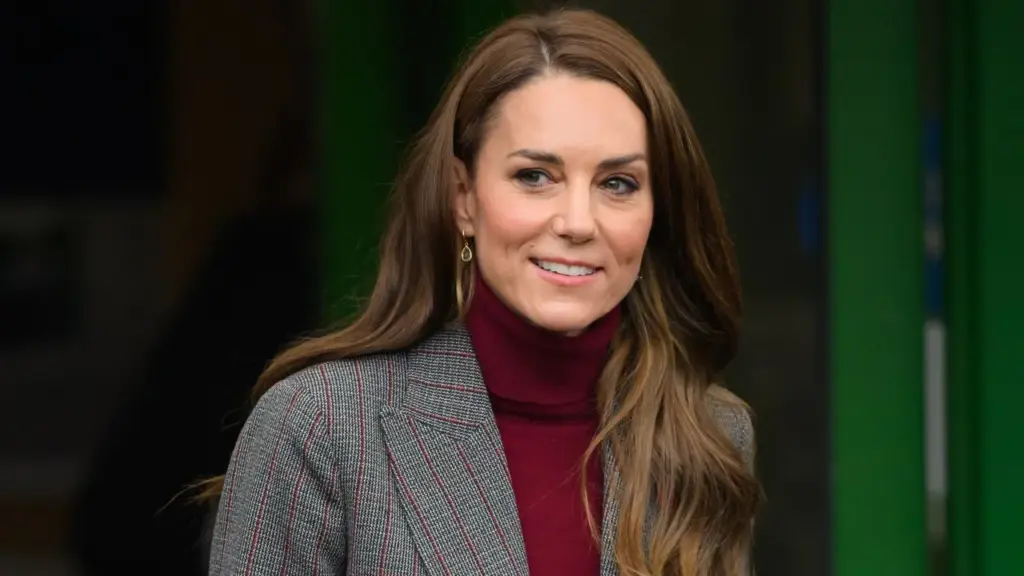
- Princess Catherine confirms her remission since January 2025, emphasizing that recovery is a non-linear process.
- The Princess advocates for 'nature-based mental health' as a core pillar of her public platform.
- Her visit to The Chase Community Hospital highlights the expansion of the Alarm Distress Baby Scale (ADBB) initiative.
- Her editorial collaboration with Prince William in 'Country Life' signals a modern, unified approach to the royal brand.
In an era where the British monarchy is increasingly scrutinized for its relevance and transparency, the Princess of Wales has carved out a singular path defined by vulnerability and quiet, persistent advocacy. Her recent interview in Country Life—guest-edited by her husband, Prince William—serves as more than a mere update on her health; it is a manifesto for a new kind of royal engagement, one that prioritizes the psychological and physical benefits of the natural world over the traditional, detached formality of the past.
As she navigates life in remission following her cancer diagnosis, Catherine has become a poignant symbol of resilience. By framing her recovery not as a swift return to form, but as a complex, non-linear process akin to the cycles of the earth, she has fostered a deeper connection with a public that often demands perfection from its leaders. This shift in narrative—from the untouchable icon to the relatable survivor—marks a pivotal moment in her tenure as the future Queen, grounding her public duties in a philosophy of reflection, renewal, and the profound importance of slowing down.
The Philosophy of Non-Linear Recovery
The core of the Princess’s message lies in her acceptance of the rhythms of healing. “I was told in hospital that my recovery would not be linear,” she remarked, a sentiment that resonates far beyond the clinical setting. By drawing parallels between her personal health journey and the inherent patterns of nature, she has effectively utilized her platform to destigmatize the process of recovery. This is not merely a personal anecdote; it is a strategic alignment with the growing global movement toward nature-based mental health care.
Her commitment to this cause has been consistent and deliberate. From her video series “Mother Nature” to her recent engagement with the charity Dose of Nature, Catherine has consistently championed the idea that wild spaces are essential for mental resilience. This is a departure from the more traditional, philanthropic focus of the royal family, moving toward a holistic approach that addresses the intersection of environmental health and human well-being. It suggests a future for the monarchy that is deeply invested in the long-term, preventative health of the nation.
Advocating for the Next Generation
While her health journey has captured global attention, the Princess remains steadfast in her primary mission: the Royal Foundation Centre for Early Childhood. Her recent visit to The Chase Community Hospital in Bordon, Hampshire, underscored the practical application of this work. By engaging directly with the Alarm Distress Baby Scale (ADBB) training—a sophisticated tool designed to identify early signs of social withdrawal in infants—she is positioning herself as a serious, evidence-based advocate for pediatric development.
This work is deeply personal for the Princess, who has often spoken about how her own experiences as a mother to Prince George, Princess Charlotte, and Prince Louis inform her policy interests. Her philosophy of parenting—encouraging children to explore and observe rather than dictating their perceptions—mirrors her broader approach to public life. It is an invitation to the public to engage with the world with curiosity and patience, qualities she believes are essential for the healthy development of both the individual and the community.
The Aesthetics of Modern Royal Authority
Even in her public appearances, the Princess communicates through a carefully curated visual language. Her choice of a suit by the London-based label Bella Freud during her visit to Bordon was a masterclass in modern, accessible luxury. By pairing the sharp, professional tailoring of an "it-girl" brand with symbolic pops of cranberry and burgundy, she maintains an aesthetic that is both fashion-forward and deeply respectful of the solemnity of her role, particularly as she wore a remembrance poppy in observance of Armistice Day.
This sartorial choice reflects the broader evolution of the royal brand. It is an aesthetic that balances the heritage of the institution with the contemporary sensibilities of the British public. The Princess understands that her image is a tool for communication; by supporting independent, high-quality British designers, she reinforces the monarchy’s role as a patron of national industry while simultaneously signaling that she is a woman of the modern age—one who values both substance and style in equal measure.
A Future Defined by Quiet Strength
As the Princess of Wales continues to balance her recovery with her extensive public duties, the world is watching a new chapter in the history of the House of Windsor. Her ability to synthesize personal hardship with a broader, altruistic vision for society has solidified her position as a central figure in the modern monarchy. The public reaction has been overwhelmingly positive, reflecting a collective appreciation for her authenticity and her refusal to rush the healing process.
Looking ahead, the trajectory of her work with early childhood development and nature-based mental health suggests a long-term strategy that will define her legacy. By focusing on the foundational years of life and the restorative power of the environment, she is building a platform that is both sustainable and profoundly impactful. As she continues to navigate the complexities of her role, the Princess of Wales remains a testament to the idea that true strength is found not in the absence of struggle, but in the wisdom gained through the journey of overcoming it.
Editorial Standards & Multi-Language Synthesis: This dispatch was synthesized and fact-checked by the ParisDaily Editorial Desk across 5 global editions (EN, FR, VI, ES, ZH), cross-referencing primary international wire reports and real-time search intelligence.