阿布扎比转向:欧洲的介入能否打破俄乌僵局?
As US envoys Jared Kushner and Steve Witkoff bridge the divide between Kyiv and Moscow, the inclusion of European delegates signals a critical, if fragile, expansion of the peace process.
Khi các đặc phái viên Hoa Kỳ Jared Kushner và Steve Witkoff nỗ lực thu hẹp khoảng cách giữa Kyiv và Moscow, việc đưa các đại diện châu Âu vào bàn đàm phán đánh dấu một bước mở rộng quan trọng, dù vẫn còn đầy mong manh, của tiến trình hòa bình.
Alors que les émissaires américains Jared Kushner et Steve Witkoff tentent de combler le fossé entre Kiev et Moscou, l'intégration de délégués européens marque une étape cruciale, bien que fragile, dans le processus de paix. Cette nouvelle dynamique multilatérale pourrait redéfinir les contours d'un conflit qui s'enlise.
Mientras los enviados estadounidenses Jared Kushner y Steve Witkoff tienden puentes entre Kiev y Moscú, la incorporación de delegados europeos señala una expansión crítica, aunque frágil, del proceso de paz. Este movimiento diplomático busca integrar a los socios del Viejo Continente en una arquitectura de seguridad que hasta ahora les había mantenido al margen.
随着美国特使贾里德·库什纳与史蒂夫·威特科夫在基辅与莫斯科之间架起沟通桥梁,欧洲代表的加入标志着和平进程迈出了关键但脆弱的一步。这一多边框架的扩展,正试图在复杂的地缘政治博弈中寻找停火的可能。
- US envoys Jared Kushner and Steve Witkoff have successfully brokered an agreement to include European delegates in future trilateral peace negotiations.
- Despite diplomatic movement, Vladimir Putin remains steadfast in his territorial demands, specifically regarding the Donbas region.
- A major prisoner-of-war exchange, described as the largest since the 2022 invasion, has been confirmed as a tangible outcome of the recent talks.
- Ukraine continues to face significant military challenges, including reported disruptions to the Starshield satellite network, complicating its defensive posture.
- Các đặc phái viên Hoa Kỳ Jared Kushner và Steve Witkoff đã đạt được thỏa thuận đưa các đại diện châu Âu vào các cuộc đàm phán hòa bình ba bên trong tương lai.
- Bất chấp những chuyển biến ngoại giao, Vladimir Putin vẫn giữ lập trường cứng rắn về các yêu sách lãnh thổ, đặc biệt là đối với khu vực Donbas.
- Một cuộc trao đổi tù binh quy mô lớn, được mô tả là cuộc trao đổi lớn nhất kể từ khi cuộc xung đột nổ ra năm 2022, đã được xác nhận là kết quả hữu hình từ các cuộc đàm phán gần đây.
- Ukraine tiếp tục đối mặt với những thách thức quân sự đáng kể, bao gồm các báo cáo về sự gián đoạn mạng lưới vệ tinh Starshield, gây khó khăn cho thế trận phòng thủ của nước này.
- Les émissaires américains Jared Kushner et Steve Witkoff ont obtenu un accord pour inclure des délégués européens dans les futures négociations de paix trilatérales.
- Malgré les avancées diplomatiques, Vladimir Poutine reste inflexible sur ses exigences territoriales, notamment concernant la région du Donbass.
- Un échange majeur de prisonniers de guerre, décrit comme le plus important depuis l'invasion de 2022, a été confirmé comme résultat tangible des récents pourparlers.
- L'Ukraine continue de faire face à des défis militaires majeurs, notamment des perturbations signalées sur le réseau satellitaire Starshield, ce qui complique sa posture défensive.
- Los enviados estadounidenses Jared Kushner y Steve Witkoff han logrado un acuerdo para incluir a delegados europeos en las futuras negociaciones trilaterales de paz.
- A pesar del avance diplomático, Vladímir Putin se mantiene firme en sus exigencias territoriales, especialmente en lo referente a la región del Donbás.
- Se ha confirmado un importante intercambio de prisioneros de guerra, descrito como el mayor desde la invasión de 2022, como un resultado tangible de las recientes conversaciones.
- Ucrania sigue enfrentándose a desafíos militares significativos, incluidas las interrupciones reportadas en la red de satélites Starshield, lo que complica su postura defensiva.
- 美国特使贾里德·库什纳与史蒂夫·威特科夫已成功促成协议,将欧洲代表纳入未来的三方和平谈判。
- 尽管外交层面有所进展,但弗拉基米尔·普京在领土诉求(特别是针对顿巴斯地区)上的立场依然坚定。
- 作为近期谈判的实质性成果,双方已确认将进行自2022年冲突爆发以来规模最大的一次战俘交换。
- 乌克兰在军事层面持续面临严峻挑战,包括Starshield卫星网络据报出现的干扰,这使其防御态势变得更加复杂。
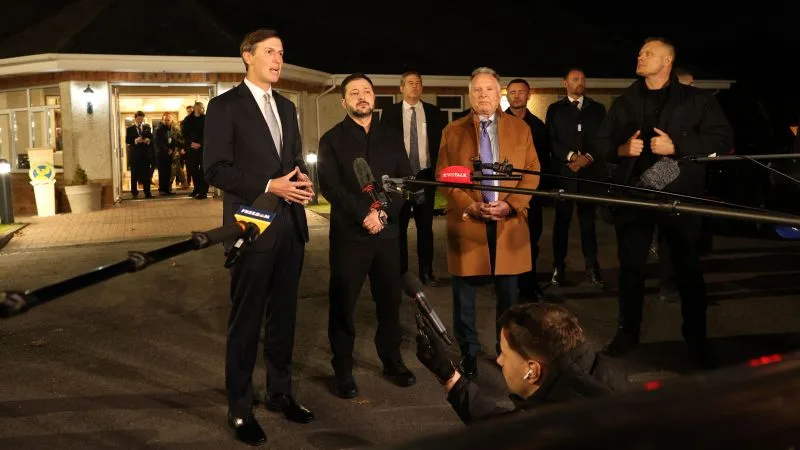
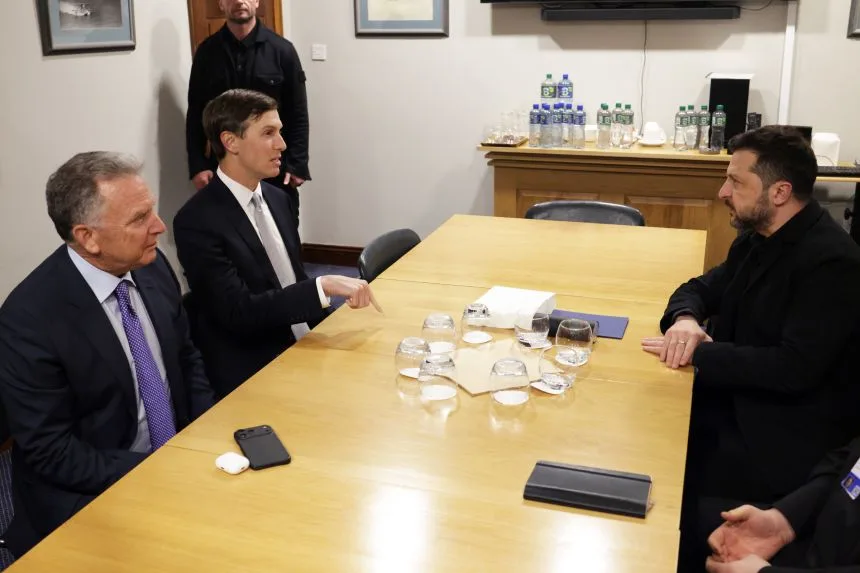
In a week defined by high-stakes shuttle diplomacy, the landscape of the Ukraine-Russia conflict has shifted, if only incrementally, toward a broader multilateral framework. US envoys Jared Kushner and Steve Witkoff, acting as intermediaries for the Trump administration, have secured a tentative agreement to expand the next round of peace negotiations to include European partners. This development, confirmed following back-to-back meetings with Ukrainian President Volodymyr Zelensky in Dublin and Vladimir Putin in Moscow, marks a departure from the previous bilateral-heavy approach that had largely sidelined the European Union from the core of the peace process.
The announcement arrives at a moment of profound exhaustion for both combatants. While the inclusion of European delegates is being hailed by Kyiv as a long-awaited recognition of the continent's existential stake in the war, the Kremlin’s rhetoric remains anchored in the uncompromising territorial demands that triggered the invasion in 2022. As the international community watches, the promise of a "real result"—evidenced by a looming, historic prisoner exchange—stands in stark contrast to the continued, brutal reality of the front lines, where Russian salvos persist and critical military infrastructure, such as the Starshield satellite network, faces ongoing operational scrutiny.
The Architecture of a Fragile Truce
The diplomatic maneuvering in Abu Dhabi and subsequently in Dublin represents the first significant attempt to restart a trilateral dialogue in nearly a year. For Jared Kushner, the objective has been to move beyond the binary impasse between Kyiv and Moscow by integrating the European perspective, which has long been central to the security architecture of the region. By bringing European representatives to the table, the US hopes to address the "broader postwar European security agreements" that are inextricably linked to the territorial disputes currently tearing through the Donbas.
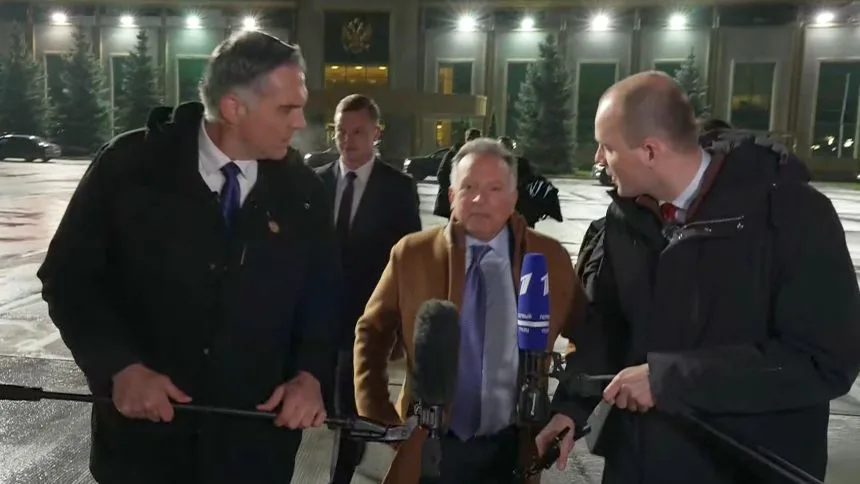
However, the path to a sustainable ceasefire remains obstructed by the fundamental divergence in how each side defines the end-state of the conflict. Vladimir Putin, while signaling a willingness to engage with European counterparts, has maintained that Russia’s territorial demands are non-negotiable. The Kremlin’s chief negotiator, Vladimir Medinsky, has been explicit in his assertion that "every inch of Russian land will be returned to Russia," a stance that directly contradicts Ukraine’s defensive strategy. For Zelensky, the Donbas is not merely a political bargaining chip but a "fortress belt" essential to the survival of the Ukrainian state. The tension between these two realities suggests that while the table has been expanded, the fundamental friction remains as abrasive as ever.
The European Dilemma and the Shadow of Security
For the European Union, the invitation to participate in these talks is both a victory and a burden. For years, Kyiv has argued that any peace deal lacking a European voice would be inherently unstable, given that the war has "fundamentally reshaped" the security of the continent. EU foreign policy chief Kaja Kallas has noted that the Kremlin’s newfound willingness to speak with European representatives may indicate a realization that Europe remains a "big player" in the eventual postwar order. Yet, there is palpable skepticism within European capitals regarding the sincerity of Moscow’s overtures.
The historical context of these negotiations is fraught with suspicion. European leaders, many of whom view the conflict as an existential threat, have been wary of the current US administration’s perceived softening toward the Kremlin. The inclusion of European delegates is, therefore, a strategic necessity for the EU to ensure that its security interests—specifically regarding NATO’s eastern flank and the long-term integrity of the European project—are not sacrificed in a "backroom" deal between Washington and Moscow. Whether this inclusion will serve as a genuine check on Russian expansionism or merely provide a veneer of legitimacy to a predetermined settlement remains the central question for Brussels.
Technological Friction and the Reality of the Front
While diplomats in suits debate the future of European security, the war on the ground continues with undiminished ferocity. The recent reports of "systematic" restrictions to Starshield—the military-grade satellite service provided by Elon Musk’s SpaceX—have created a new layer of friction between Kyiv and Washington. These disruptions, which have hampered Ukraine’s ability to intercept Russian drones, have fueled concerns that the US may be using its technological leverage to force concessions at the negotiating table.
The Pentagon’s reluctance to investigate these slowdowns, coupled with the Trump administration’s denial of involvement, has left the Ukrainian military in a precarious position. As the conflict drags on, the disparity between the diplomatic optimism expressed in Dublin and the lethal reality of the front lines is becoming increasingly difficult to reconcile. The upcoming prisoner exchange, while a humanitarian milestone, serves as a reminder that the human cost of this war is being paid in real-time, even as the political machinery of peace begins its slow, uncertain grind toward a potential resolution at the APEC summit in China.
The Road to APEC and Beyond
As the world looks toward the upcoming bilateral meeting between President Trump and Vladimir Putin at the APEC summit, the focus will be on whether the momentum generated by Kushner and Witkoff can be sustained. The Kremlin has signaled that it is prepared to talk, provided that the Europeans can present an authorized representative, yet the lack of a clear nominee from the EU suggests that the diplomatic process is still in its infancy. The "foreseeable future" mentioned by the Kremlin is a timeline that offers little comfort to those currently under fire.
Ultimately, the success of this new diplomatic phase will depend on whether the US can balance its desire for a quick, legacy-defining peace deal with the complex, long-term security requirements of its European allies. If the negotiations fail to address the core territorial grievances of both sides, the inclusion of European delegates may end up being nothing more than a footnote in an ongoing tragedy. For now, the world waits to see if the "Abu Dhabi Pivot" is the beginning of the end, or merely another chapter in a conflict that has already redefined the 21st-century geopolitical order.
Trong một tuần được định hình bởi các nỗ lực ngoại giao con thoi đầy căng thẳng, cục diện xung đột Nga-Ukraine đã có những chuyển dịch, dù chỉ là từng bước nhỏ, hướng tới một khuôn khổ đa phương rộng lớn hơn. Các đặc phái viên Hoa Kỳ Jared Kushner và Steve Witkoff, với tư cách là trung gian cho chính quyền Trump, đã đạt được một thỏa thuận sơ bộ nhằm mở rộng vòng đàm phán hòa bình tiếp theo với sự tham gia của các đối tác châu Âu. Diễn biến này, được xác nhận sau các cuộc họp liên tiếp với Tổng thống Ukraine Volodymyr Zelensky tại Dublin và Vladimir Putin tại Moscow, đánh dấu sự thay đổi so với cách tiếp cận song phương trước đây vốn đã gạt Liên minh châu Âu ra khỏi trọng tâm của tiến trình hòa bình.
Thông báo này đến vào thời điểm cả hai bên tham chiến đều đã rơi vào trạng thái kiệt quệ sâu sắc. Trong khi việc đưa các đại diện châu Âu vào cuộc được Kyiv hoan nghênh như một sự công nhận từ lâu về lợi ích sống còn của lục địa này trong cuộc chiến, thì luận điệu của Điện Kremlin vẫn neo giữ vào những yêu sách lãnh thổ không khoan nhượng vốn đã châm ngòi cho cuộc xâm lược năm 2022. Khi cộng đồng quốc tế dõi theo, lời hứa về một "kết quả thực chất"—được minh chứng bằng một cuộc trao đổi tù binh lịch sử sắp diễn ra—đang đối lập hoàn toàn với thực tế tàn khốc trên tiền tuyến, nơi các đợt pháo kích của Nga vẫn tiếp diễn và cơ sở hạ tầng quân sự quan trọng, như mạng lưới vệ tinh Starshield, đang phải đối mặt với sự giám sát vận hành liên tục.
Kiến trúc của một thỏa thuận ngừng bắn mong manh
Các động thái ngoại giao tại Abu Dhabi và sau đó là tại Dublin đại diện cho nỗ lực đáng kể đầu tiên nhằm khởi động lại cuộc đối thoại ba bên sau gần một năm. Đối với Jared Kushner, mục tiêu là vượt ra khỏi thế bế tắc nhị phân giữa Kyiv và Moscow bằng cách tích hợp góc nhìn châu Âu, vốn từ lâu đã là trung tâm của cấu trúc an ninh khu vực. Bằng cách đưa các đại diện châu Âu vào bàn đàm phán, Hoa Kỳ hy vọng sẽ giải quyết được các "thỏa thuận an ninh châu Âu thời hậu chiến rộng lớn hơn", vốn gắn liền không thể tách rời với các tranh chấp lãnh thổ đang xé nát vùng Donbas.
Tuy nhiên, con đường dẫn đến một lệnh ngừng bắn bền vững vẫn bị cản trở bởi sự khác biệt cơ bản trong cách mỗi bên định nghĩa trạng thái kết thúc của cuộc xung đột. Vladimir Putin, dù phát tín hiệu sẵn sàng tham gia cùng các đối tác châu Âu, vẫn duy trì quan điểm rằng các yêu sách lãnh thổ của Nga là không thể thương lượng. Nhà đàm phán chính của Điện Kremlin, Vladimir Medinsky, đã khẳng định rõ ràng rằng "mọi tấc đất của Nga sẽ được trả lại cho Nga", một lập trường đi ngược lại trực tiếp với chiến lược phòng thủ của Ukraine. Đối với Zelensky, Donbas không chỉ là một quân bài chính trị mà là một "vành đai pháo đài" thiết yếu cho sự tồn vong của nhà nước Ukraine. Sự căng thẳng giữa hai thực tế này cho thấy rằng mặc dù bàn đàm phán đã được mở rộng, nhưng sự ma sát cốt lõi vẫn còn đó, gay gắt như bao giờ hết.
Thế lưỡng nan của châu Âu và bóng ma an ninh
Đối với Liên minh châu Âu, lời mời tham gia các cuộc đàm phán này vừa là một thắng lợi, vừa là một gánh nặng. Trong nhiều năm, Kyiv đã lập luận rằng bất kỳ thỏa thuận hòa bình nào thiếu vắng tiếng nói châu Âu đều sẽ vốn dĩ không ổn định, vì cuộc chiến đã "tái định hình căn bản" an ninh của lục địa. Đại diện cấp cao về chính sách đối ngoại của EU, Kaja Kallas, lưu ý rằng sự sẵn sàng mới của Điện Kremlin trong việc đối thoại với các đại diện châu Âu có thể cho thấy họ đã nhận ra châu Âu vẫn là một "tay chơi lớn" trong trật tự hậu chiến. Tuy nhiên, vẫn tồn tại sự hoài nghi rõ rệt tại các thủ đô châu Âu về sự chân thành trong những lời đề nghị của Moscow.
Bối cảnh lịch sử của các cuộc đàm phán này đầy rẫy sự nghi kỵ. Các nhà lãnh đạo châu Âu, nhiều người trong số họ coi cuộc xung đột là mối đe dọa hiện hữu, đã tỏ ra cảnh giác với việc chính quyền Hoa Kỳ hiện tại dường như đang mềm mỏng với Điện Kremlin. Do đó, việc đưa các đại diện châu Âu vào cuộc là một sự cần thiết chiến lược để EU đảm bảo rằng các lợi ích an ninh của mình—đặc biệt là liên quan đến sườn phía đông của NATO và sự toàn vẹn lâu dài của dự án châu Âu—không bị hy sinh trong một thỏa thuận "đi đêm" giữa Washington và Moscow. Liệu sự tham gia này sẽ đóng vai trò là một biện pháp kiểm soát thực sự đối với chủ nghĩa bành trướng của Nga hay chỉ đơn thuần cung cấp một lớp vỏ hợp pháp cho một thỏa thuận đã được định sẵn, đó vẫn là câu hỏi trung tâm đối với Brussels.
Ma sát công nghệ và thực tế tiền tuyến
Trong khi các nhà ngoại giao trong những bộ vest tranh luận về tương lai của an ninh châu Âu, cuộc chiến trên thực địa vẫn tiếp diễn với sự khốc liệt không hề suy giảm. Các báo cáo gần đây về những hạn chế "có hệ thống" đối với Starshield—dịch vụ vệ tinh cấp quân sự do SpaceX của Elon Musk cung cấp—đã tạo ra một lớp ma sát mới giữa Kyiv và Washington. Những gián đoạn này, vốn cản trở khả năng đánh chặn máy bay không người lái của Nga từ phía Ukraine, đã làm dấy lên lo ngại rằng Hoa Kỳ có thể đang sử dụng đòn bẩy công nghệ của mình để ép buộc các nhượng bộ trên bàn đàm phán.
Sự miễn cưỡng của Lầu Năm Góc trong việc điều tra các sự cố chậm trễ này, cùng với việc chính quyền Trump phủ nhận sự liên quan, đã khiến quân đội Ukraine rơi vào tình thế bấp bênh. Khi cuộc xung đột kéo dài, sự chênh lệch giữa sự lạc quan ngoại giao tại Dublin và thực tế chết chóc trên tiền tuyến ngày càng trở nên khó dung hòa. Cuộc trao đổi tù binh sắp tới, dù là một cột mốc nhân đạo, đóng vai trò như một lời nhắc nhở rằng cái giá phải trả cho cuộc chiến này là bằng xương máu theo thời gian thực, ngay cả khi bộ máy chính trị hòa bình bắt đầu quá trình nghiền ngẫm chậm chạp và không chắc chắn hướng tới một giải pháp tiềm năng tại hội nghị thượng đỉnh APEC ở Trung Quốc.
Con đường tới APEC và xa hơn nữa
Khi thế giới hướng tới cuộc gặp song phương sắp tới giữa Tổng thống Trump và Vladimir Putin tại hội nghị thượng đỉnh APEC, trọng tâm sẽ là liệu đà tiến triển do Kushner và Witkoff tạo ra có thể được duy trì hay không. Điện Kremlin đã phát tín hiệu rằng họ sẵn sàng đối thoại, với điều kiện người châu Âu có thể cử một đại diện được ủy quyền, tuy nhiên việc thiếu một ứng cử viên rõ ràng từ EU cho thấy tiến trình ngoại giao vẫn còn ở giai đoạn sơ khai. "Tương lai gần" mà Điện Kremlin đề cập là một mốc thời gian mang lại rất ít sự an ủi cho những người hiện đang phải hứng chịu hỏa lực.
Cuối cùng, sự thành công của giai đoạn ngoại giao mới này sẽ phụ thuộc vào việc liệu Hoa Kỳ có thể cân bằng giữa mong muốn đạt được một thỏa thuận hòa bình nhanh chóng để ghi dấu ấn lịch sử với các yêu cầu an ninh phức tạp, lâu dài của các đồng minh châu Âu hay không. Nếu các cuộc đàm phán không giải quyết được những bất bình cốt lõi về lãnh thổ của cả hai bên, việc đưa các đại diện châu Âu vào cuộc có thể chỉ là một chú thích trong một bi kịch đang tiếp diễn. Hiện tại, thế giới vẫn chờ xem liệu "Cú xoay trục Abu Dhabi" có phải là khởi đầu của hồi kết, hay chỉ là một chương khác trong một cuộc xung đột đã định nghĩa lại trật tự địa chính trị thế kỷ 21.
Dans une semaine marquée par une diplomatie de navette à haut risque, le paysage du conflit russo-ukrainien a basculé, ne serait-ce que par petites touches, vers un cadre multilatéral plus large. Les émissaires américains Jared Kushner et Steve Witkoff, agissant en tant qu'intermédiaires pour l'administration Trump, ont arraché un accord de principe pour élargir le prochain cycle de négociations de paix aux partenaires européens. Ce développement, confirmé après des réunions successives avec le président ukrainien Volodymyr Zelensky à Dublin et Vladimir Poutine à Moscou, marque une rupture avec l'approche bilatérale prédominante qui avait largement tenu l'Union européenne à l'écart du cœur du processus de paix.
Cette annonce survient à un moment d'épuisement profond pour les deux belligérants. Si l'inclusion de délégués européens est saluée par Kiev comme une reconnaissance attendue de longue date de l'enjeu existentiel que représente cette guerre pour le continent, la rhétorique du Kremlin reste ancrée dans les exigences territoriales intransigeantes qui ont déclenché l'invasion en 2022. Alors que la communauté internationale observe, la promesse d'un "résultat concret" — illustrée par un échange historique de prisonniers en préparation — contraste brutalement avec la réalité persistante du front, où les salves russes continuent de pleuvoir et où les infrastructures militaires critiques, comme le réseau satellitaire Starshield, font l'objet d'une surveillance opérationnelle constante.
L'architecture d'une trêve fragile
Les manœuvres diplomatiques à Abou Dabi, puis à Dublin, représentent la première tentative sérieuse de relancer un dialogue trilatéral depuis près d'un an. Pour Jared Kushner, l'objectif est de dépasser l'impasse binaire entre Kiev et Moscou en intégrant la perspective européenne, laquelle est depuis longtemps au cœur de l'architecture de sécurité de la région. En invitant des représentants européens à la table des négociations, les États-Unis espèrent aborder les "accords de sécurité européens d'après-guerre" qui sont inextricablement liés aux différends territoriaux déchirant actuellement le Donbass.
Cependant, le chemin vers un cessez-le-feu durable reste entravé par une divergence fondamentale sur la définition de l'état final du conflit. Vladimir Poutine, tout en signalant une volonté d'engager le dialogue avec ses homologues européens, a maintenu que les exigences territoriales de la Russie ne sont pas négociables. Le négociateur en chef du Kremlin, Vladimir Medinsky, a été explicite en affirmant que "chaque centimètre de terre russe sera rendu à la Russie", une position qui contredit directement la stratégie défensive de l'Ukraine. Pour Zelensky, le Donbass n'est pas un simple pion politique, mais une "ceinture de forteresses" essentielle à la survie de l'État ukrainien. La tension entre ces deux réalités suggère que, bien que la table des négociations se soit élargie, les frictions fondamentales restent aussi abrasives que jamais.
Le dilemme européen et l'ombre de la sécurité
Pour l'Union européenne, l'invitation à participer à ces pourparlers est à la fois une victoire et un fardeau. Pendant des années, Kiev a soutenu que tout accord de paix dépourvu d'une voix européenne serait intrinsèquement instable, étant donné que la guerre a "profondément remodelé" la sécurité du continent. La cheffe de la diplomatie européenne, Kaja Kallas, a noté que la nouvelle volonté du Kremlin de discuter avec des représentants européens pourrait indiquer une prise de conscience : l'Europe reste un "acteur majeur" dans l'ordre d'après-guerre. Pourtant, un scepticisme palpable règne dans les capitales européennes quant à la sincérité des ouvertures de Moscou.
Le contexte historique de ces négociations est chargé de suspicion. Les dirigeants européens, dont beaucoup perçoivent le conflit comme une menace existentielle, se méfient de l'assouplissement perçu de l'administration américaine actuelle à l'égard du Kremlin. L'inclusion de délégués européens est donc une nécessité stratégique pour l'UE, afin de garantir que ses intérêts de sécurité — notamment concernant le flanc oriental de l'OTAN et l'intégrité à long terme du projet européen — ne soient pas sacrifiés sur l'autel d'un accord conclu en coulisses entre Washington et Moscou. Reste à savoir si cette inclusion servira de véritable frein à l'expansionnisme russe ou si elle ne fournira qu'un vernis de légitimité à un règlement prédéterminé.
Frictions technologiques et réalité du terrain
Pendant que les diplomates en costume débattent de l'avenir de la sécurité européenne, la guerre sur le terrain se poursuit avec une férocité intacte. Les récents rapports faisant état de restrictions "systématiques" imposées à Starshield — le service satellitaire de qualité militaire fourni par SpaceX d'Elon Musk — ont créé une nouvelle zone de friction entre Kiev et Washington. Ces perturbations, qui ont entravé la capacité de l'Ukraine à intercepter les drones russes, ont alimenté les craintes que les États-Unis n'utilisent leur levier technologique pour forcer des concessions à la table des négociations.
La réticence du Pentagone à enquêter sur ces ralentissements, couplée au démenti de l'administration Trump quant à son implication, a laissé l'armée ukrainienne dans une position précaire. À mesure que le conflit s'éternise, le fossé entre l'optimisme diplomatique exprimé à Dublin et la réalité meurtrière du front devient de plus en plus difficile à combler. L'échange de prisonniers à venir, bien qu'il constitue une avancée humanitaire, rappelle que le coût humain de cette guerre se paie en temps réel, alors même que la machine politique de la paix entame son lent et incertain broyage vers une résolution potentielle lors du sommet de l'APEC en Chine.
La route vers l'APEC et au-delà
Alors que le monde se tourne vers la prochaine rencontre bilatérale entre le président Trump et Vladimir Poutine au sommet de l'APEC, l'attention se portera sur la capacité à maintenir l'élan généré par Kushner et Witkoff. Le Kremlin a fait savoir qu'il était prêt à discuter, à condition que les Européens puissent présenter un représentant autorisé, mais l'absence de candidat clair de la part de l'UE suggère que le processus diplomatique n'en est qu'à ses balbutiements. Le "futur prévisible" évoqué par le Kremlin offre peu de réconfort à ceux qui sont actuellement sous le feu des combats.
En fin de compte, le succès de cette nouvelle phase diplomatique dépendra de la capacité des États-Unis à équilibrer leur désir d'un accord de paix rapide, propre à marquer l'histoire, avec les exigences de sécurité complexes et à long terme de leurs alliés européens. Si les négociations ne parviennent pas à traiter les griefs territoriaux fondamentaux des deux camps, l'inclusion de délégués européens pourrait ne rester qu'une note de bas de page dans une tragédie en cours. Pour l'heure, le monde attend de voir si le "pivot d'Abou Dabi" est le début de la fin ou simplement un nouveau chapitre d'un conflit qui a déjà redéfini l'ordre géopolitique du XXIe siècle.
En una semana marcada por una diplomacia de alto nivel, el panorama del conflicto entre Ucrania y Rusia se ha desplazado, aunque sea de forma incremental, hacia un marco multilateral más amplio. Los enviados estadounidenses Jared Kushner y Steve Witkoff, actuando como intermediarios de la administración Trump, han asegurado un acuerdo tentativo para ampliar la próxima ronda de negociaciones de paz e incluir a socios europeos. Este avance, confirmado tras reuniones consecutivas con el presidente ucraniano Volodímir Zelenski en Dublín y con Vladímir Putin en Moscú, supone un alejamiento del enfoque bilateral previo que había dejado a la Unión Europea fuera del núcleo del proceso de paz.
El anuncio llega en un momento de profundo agotamiento para ambos contendientes. Aunque la inclusión de delegados europeos es celebrada por Kiev como un reconocimiento largamente esperado de la apuesta existencial del continente en la guerra, la retórica del Kremlin sigue anclada en las intransigentes demandas territoriales que desencadenaron la invasión en 2022. Mientras la comunidad internacional observa, la promesa de un "resultado real" —evidenciado por un inminente e histórico intercambio de prisioneros— contrasta drásticamente con la brutal realidad de las líneas de frente, donde persisten las salvas rusas y la infraestructura militar crítica, como la red de satélites Starshield, se enfrenta a un escrutinio operativo constante.
La arquitectura de una tregua frágil
Las maniobras diplomáticas en Abu Dabi y, posteriormente, en Dublín representan el primer intento significativo de reiniciar un diálogo trilateral en casi un año. Para Jared Kushner, el objetivo ha sido superar el punto muerto binario entre Kiev y Moscú integrando la perspectiva europea, que durante mucho tiempo ha sido central para la arquitectura de seguridad de la región. Al sentar a representantes europeos a la mesa, Estados Unidos espera abordar los "acuerdos de seguridad europeos de posguerra más amplios", que están intrínsecamente ligados a las disputas territoriales que actualmente desgarran el Donbás.
Sin embargo, el camino hacia un alto el fuego sostenible sigue obstruido por la divergencia fundamental en cómo cada parte define el estado final del conflicto. Vladímir Putin, aunque ha señalado su disposición a dialogar con sus homólogos europeos, ha mantenido que las exigencias territoriales de Rusia no son negociables. El jefe negociador del Kremlin, Vladímir Medinski, ha sido explícito al afirmar que "cada centímetro de tierra rusa será devuelto a Rusia", una postura que contradice directamente la estrategia defensiva de Ucrania. Para Zelenski, el Donbás no es simplemente una moneda de cambio política, sino un "cinturón de fortalezas" esencial para la supervivencia del Estado ucraniano. La tensión entre estas dos realidades sugiere que, aunque la mesa se ha ampliado, la fricción fundamental sigue siendo tan abrasiva como siempre.
El dilema europeo y la sombra de la seguridad
Para la Unión Europea, la invitación a participar en estas conversaciones es tanto una victoria como una carga. Durante años, Kiev ha argumentado que cualquier acuerdo de paz sin una voz europea sería intrínsecamente inestable, dado que la guerra ha "remodelado fundamentalmente" la seguridad del continente. La jefa de la diplomacia europea, Kaja Kallas, ha señalado que la nueva disposición del Kremlin a hablar con representantes europeos podría indicar la comprensión de que Europa sigue siendo un "gran actor" en el orden de posguerra. No obstante, existe un escepticismo palpable en las capitales europeas respecto a la sinceridad de las propuestas de Moscú.
El contexto histórico de estas negociaciones está cargado de sospechas. Los líderes europeos, muchos de los cuales ven el conflicto como una amenaza existencial, han recelado del aparente ablandamiento de la actual administración estadounidense hacia el Kremlin. La inclusión de delegados europeos es, por tanto, una necesidad estratégica para que la UE garantice que sus intereses de seguridad —específicamente en lo que respecta al flanco oriental de la OTAN y la integridad a largo plazo del proyecto europeo— no sean sacrificados en un acuerdo "de trastienda" entre Washington y Moscú. Si esta inclusión servirá como un freno genuino al expansionismo ruso o simplemente proporcionará una pátina de legitimidad a un acuerdo predeterminado, sigue siendo la cuestión central para Bruselas.
Fricción tecnológica y la realidad del frente
Mientras los diplomáticos debaten el futuro de la seguridad europea, la guerra sobre el terreno continúa con una ferocidad incesante. Los recientes informes sobre restricciones "sistemáticas" a Starshield —el servicio de satélites de grado militar proporcionado por SpaceX, la empresa de Elon Musk— han creado una nueva capa de fricción entre Kiev y Washington. Estas interrupciones, que han dificultado la capacidad de Ucrania para interceptar drones rusos, han alimentado la preocupación de que Estados Unidos pueda estar utilizando su influencia tecnológica para forzar concesiones en la mesa de negociación.
La reticencia del Pentágono a investigar estas ralentizaciones, sumada a la negativa de la administración Trump sobre cualquier implicación, ha dejado al ejército ucraniano en una posición precaria. A medida que el conflicto se prolonga, la disparidad entre el optimismo diplomático expresado en Dublín y la letal realidad de las líneas de frente resulta cada vez más difícil de conciliar. El próximo intercambio de prisioneros, aunque supone un hito humanitario, sirve como recordatorio de que el coste humano de esta guerra se paga en tiempo real, incluso mientras la maquinaria política de la paz comienza su lento e incierto avance hacia una posible resolución en la cumbre de la APEC en China.
El camino hacia la APEC y más allá
Mientras el mundo mira hacia la próxima reunión bilateral entre el presidente Trump y Vladímir Putin en la cumbre de la APEC, el foco estará en si el impulso generado por Kushner y Witkoff puede mantenerse. El Kremlin ha señalado que está preparado para hablar, siempre que los europeos puedan presentar a un representante autorizado, aunque la falta de un candidato claro por parte de la UE sugiere que el proceso diplomático aún está en pañales. El "futuro previsible" mencionado por el Kremlin es un horizonte temporal que ofrece poco consuelo a quienes se encuentran bajo el fuego.
En última instancia, el éxito de esta nueva fase diplomática dependerá de si Estados Unidos puede equilibrar su deseo de un acuerdo de paz rápido y definitorio con los complejos requisitos de seguridad a largo plazo de sus aliados europeos. Si las negociaciones no logran abordar las quejas territoriales fundamentales de ambas partes, la inclusión de delegados europeos podría terminar siendo poco más que una nota a pie de página en una tragedia en curso. Por ahora, el mundo espera para ver si el "giro de Abu Dabi" es el principio del fin o simplemente otro capítulo en un conflicto que ya ha redefinido el orden geopolítico del siglo XXI.
在一周高风险的穿梭外交中,俄乌冲突的格局已向更广泛的多边框架迈进,尽管步伐缓慢。作为特朗普政府的中间人,美国特使贾里德·库什纳(Jared Kushner)和史蒂夫·威特科夫(Steve Witkoff)已达成一项初步协议,将下一轮和平谈判扩大至包括欧洲伙伴。这一进展是在分别与乌克兰总统泽连斯基(在都柏林)和俄罗斯总统普京(在莫斯科)进行背靠背会谈后确认的,标志着此前以双边为主、在很大程度上将欧盟排除在和平进程核心之外的模式发生了转变。
这一消息传出之际,交战双方均已深感疲惫。虽然基辅将欧洲代表的加入誉为对欧洲在战争中存在利益的迟来认可,但克里姆林宫的言论依然锚定在2022年引发入侵的强硬领土诉求上。在国际社会的注视下,一场即将到来的历史性战俘交换所带来的“实质性成果”承诺,与前线残酷的现实形成了鲜明对比——俄罗斯的炮火仍在持续,而诸如Starshield卫星网络等关键军事基础设施正面临持续的运行审查。
脆弱休战的架构
在阿布扎比及随后的都柏林进行的外交斡旋,代表了近一年来重启三方对话的首次重大尝试。对贾里德·库什纳而言,其目标是通过整合长期以来作为地区安全架构核心的欧洲视角,超越基辅与莫斯科之间的二元僵局。通过将欧洲代表带到谈判桌前,美国希望解决与目前撕裂顿巴斯地区的领土争端紧密相连的“更广泛的战后欧洲安全协议”问题。
然而,通往可持续停火的道路仍然受到双方对冲突终局定义根本分歧的阻碍。弗拉基米尔·普京在表示愿意与欧洲同行接触的同时,坚持认为俄罗斯的领土要求不可谈判。克里姆林宫首席谈判代表弗拉基米尔·梅金斯基(Vladimir Medinsky)明确表示,“每一寸俄罗斯土地都将归还给俄罗斯”,这一立场直接与乌克兰的防御战略相抵触。对于泽连斯基来说,顿巴斯不仅是政治筹码,更是乌克兰国家生存所必需的“堡垒地带”。这两种现实之间的张力表明,尽管谈判桌已经扩大,但根本性的摩擦依然如故。
欧洲的困境与安全阴影
对于欧盟而言,受邀参加这些会谈既是胜利也是负担。多年来,基辅一直主张,由于战争“从根本上重塑”了欧洲大陆的安全,任何缺乏欧洲声音的和平协议都将是本质上不稳定的。欧盟外交与安全政策高级代表卡娅·卡拉斯(Kaja Kallas)指出,克里姆林宫新近表现出的与欧洲代表对话的意愿,可能表明其意识到欧洲在未来的战后秩序中仍是一个“大玩家”。然而,欧洲各国首都对莫斯科意图的诚意仍存在明显的怀疑。
这些谈判的历史背景充满了猜忌。许多将冲突视为生存威胁的欧洲领导人,对现任美国政府被认为向克里姆林宫软化的态度持谨慎态度。因此,欧洲代表的加入对欧盟而言是一种战略必要,旨在确保其安全利益——特别是关于北约东翼和欧洲项目长期完整性的利益——不会在华盛顿与莫斯科的“幕后交易”中被牺牲。这种加入究竟是作为对俄罗斯扩张主义的真正制衡,还是仅仅为预设的解决方案提供一层合法性外衣,仍是布鲁塞尔面临的核心问题。
技术摩擦与前线现实
当身着西装的外交官们在辩论欧洲安全的未来时,前线的战争仍在以不减的猛烈程度进行。近期关于埃隆·马斯克旗下SpaceX提供的军用级卫星服务Starshield出现“系统性”限制的报道,在基辅与华盛顿之间制造了新的摩擦。这些干扰阻碍了乌克兰拦截俄罗斯无人机的能力,引发了人们的担忧,即美国可能正在利用其技术杠杆在谈判桌上强迫对方让步。
五角大楼对调查这些减速问题的迟疑,加上特朗普政府对参与其中的否认,使乌克兰军队处于岌岌可危的境地。随着冲突的拖延,都柏林外交乐观情绪与前线致命现实之间的差距变得越来越难以调和。即将进行的战俘交换虽然是一个人道主义里程碑,但它提醒人们,即使和平的政治机器开始缓慢且不确定地向中国APEC峰会的潜在决议推进,这场战争的人道代价仍是在实时支付的。
通往APEC及未来之路
随着世界目光投向特朗普总统与弗拉基米尔·普京在APEC峰会上的双边会晤,焦点将在于库什纳和威特科夫所创造的势头能否持续。克里姆林宫已表示,只要欧洲能派出授权代表,它就准备进行对话,但欧盟缺乏明确提名人选的事实表明,这一外交进程仍处于起步阶段。克里姆林宫提到的“可预见的未来”这一时间表,对于那些目前正处于战火中的人来说,几乎无法提供任何慰藉。
归根结底,这一新外交阶段的成功将取决于美国能否在追求快速、定义遗产的和平协议与欧洲盟友复杂、长期的安全需求之间取得平衡。如果谈判未能解决双方核心的领土不满,欧洲代表的加入最终可能只会成为一场持续悲剧中的注脚。目前,全世界都在等待观察,“阿布扎比转向”究竟是终结的开始,还是这场已经重新定义了21世纪地缘政治秩序的冲突的又一个篇章。
Editorial Standards & Multi-Language Synthesis: This dispatch was synthesized and fact-checked by the ParisDaily Editorial Desk across 5 global editions (EN, FR, VI, ES, ZH), cross-referencing primary international wire reports and real-time search intelligence.