Khi cơn sốt quái vật hạ nhiệt: Nhìn vào sự suy thoái đột ngột của đế chế Labubu tại Pop Mart
As global sales plunge by up to 50%, the viral phenomenon behind Labubu is facing a harsh reckoning over whether novelty can sustain long-term retail dominance.
Khi doanh số toàn cầu lao dốc tới 50%, hiện tượng lan truyền đứng sau Labubu đang đối mặt với một thực tế khắc nghiệt: liệu sự mới lạ có thể duy trì vị thế thống trị bán lẻ trong dài hạn hay không.
Alors que les ventes mondiales chutent de près de 50 %, le phénomène viral derrière Labubu fait face à un examen de conscience brutal sur la capacité de la nouveauté à s'imposer durablement dans la grande distribution.
Ante un desplome de las ventas globales que alcanza hasta el 50%, el fenómeno viral detrás de Labubu se enfrenta a un crudo examen de realidad sobre si la novedad puede sostener el dominio comercial a largo plazo.
随着全球销售额骤降高达50%,以Labubu(拉布布)为核心的病毒式传播现象正面临一场严峻考验:这种靠新鲜感驱动的模式是否能够维持长期的零售统治地位?

- Pop Mart reported global sales drops of up to 50% in the third quarter, with US revenues plummeting by at least 70%.
- Super-fan Ensito spent over $50,000 on 400+ dolls and even altered his teeth, only to pivot as engagement metrics collapsed.
- Over-saturation and increased manufacturing output eroded the manufactured scarcity and exclusivity that initially fueled the craze.
- Analysts warn Pop Mart faces a foundational challenge building enduring character equity compared to legacy giants like Sanrio or Disney.
- Pop Mart ghi nhận mức sụt giảm doanh số toàn cầu lên tới 50% trong quý III, trong đó doanh thu tại Mỹ lao dốc ít nhất 70%.
- Siêu fan Ensito đã chi hơn 50.000 USD cho hơn 400 búp bê và thậm chí còn chỉnh sửa răng, chỉ để phải chuyển hướng khi các chỉ số tương tác sụp đổ.
- Tình trạng bão hòa và gia tăng sản lượng sản xuất đã làm xói mòn sự khan hiếm nhân tạo và tính độc quyền vốn là động lực ban đầu thúc đẩy cơn sốt.
- Các nhà phân tích cảnh báo Pop Mart đang đối mặt với một thử thách nền tảng trong việc xây dựng giá trị tài sản nhân vật bền vững so với những 'gã khổng lồ' di sản như Sanrio hay Disney.
- Pop Mart a enregistré des chutes de ventes mondiales atteignant 50 % au troisième trimestre, avec des revenus américains en chute libre d'au moins 70 %.
- Un super-fan, Ensito, a dépensé plus de 50 000 dollars pour plus de 400 poupées et s'est même fait limer les dents, avant de devoir pivoter face à l'effondrement des métriques d'engagement.
- La sursaturation du marché et l'augmentation de la production ont érodé la rareté artificielle et l'exclusivité qui alimentaient initialement la frénésie.
- Les analystes préviennent que Pop Mart fait face à un défi fondamental : bâtir une équité de personnage pérenne par rapport à des géants historiques comme Sanrio ou Disney.
- Pop Mart registró caídas en sus ventas globales de hasta el 50% en el tercer trimestre, con unos ingresos en Estados Unidos que se hundieron al menos un 70%.
- El superfan Ensito gastó más de 50.000 dólares en más de 400 muñecos e incluso se modificó los dientes, solo para tener que reinventarse a medida que las métricas de interacción colapsaban.
- La saturación del mercado y el aumento de la producción erosionaron la escasez manufacturada y la exclusividad que inicialmente impulsaron la fiebre.
- Los analistas advierten que Pop Mart se enfrenta a un desafío fundamental para construir un valor de marca duradero en comparación con gigantes tradicionales como Sanrio o Disney.
- 泡泡玛特公布第三季度全球销售额暴跌高达50%,其中美国市场营收更是锐减至少70%。
- 超级粉丝恩西托(Ensito)曾斥资超过5万美元购买400多个玩偶,甚至修改了自己的牙齿,但在互动指标崩溃后不得不转型。
- 过度饱和与产能扩大削弱了最初推动这股热潮的人为制造的稀缺性与独家感。
- 分析人士警告称,与三丽鸥(Sanrio)或迪士尼(Disney)等老牌巨头相比,泡泡玛特在建立持久的角色资产方面面临根本性挑战。
For years, the universe of collectible culture seemed utterly captive to the jagged-toothed, mischievous grin of Labubu. Young and old enthusiasts energetically snapped up sealed "blind boxes"—mysterious packages concealing the quirky vinyl monsters—often paying fifteen dollars or more, while frantic collectors on the resale market routinely shelled out exponential fortunes to secure rare editions. The extraordinary frenzy propelled Beijing-based parent company Pop Mart to a market valuation that briefly eclipsed traditional Western toy titans Hasbro and Mattel combined. Yet, behind the gleaming storefronts and viral TikTok unboxings, the commercial foundation of modern collectible mania is experiencing a sudden, sobering structural correction.
In recent months, the once-unstoppable momentum has encountered a severe wall of consumer fatigue. Across major metropolitan markets from London to Los Angeles, once-rampant queues have dwindled, and digital engagement metrics for top-tier creators have plummeted. Pop Mart's financial disclosures reveal that global sales in the third quarter fell by as much as 50% compared to the previous year, with international markets registering the steepest contractions. As the initial dopamine rush of the mystery box subsides, investors and retail analysts are left confronting an uncomfortable question: was Labubu's meteoric rise a triumph of sustainable brand building, or merely a fleeting digital-age fad destined to be discarded for the next shiny aesthetic?
The Anatomy of a Viral Phenomenon and Its Discontents
The rise of Labubu is a masterclass in contemporary psychological marketing, blending the thrill of gambling with digital-era aesthetic curation. Created in 2019, the pointy-eared, impish creature became Pop Mart’s crown jewel, transforming from a niche art toy into an inescapable global fashion statement sported by celebrities and K-pop royalty. A crucial element of this allure was manufactured scarcity. Fans purchased dozens of blind boxes not merely for the object itself, but for the visceral, childhood-evoking nostalgia of the reveal and the status symbol of possessing a rare secret edition. This artificial exclusivity created an intoxicating secondary market where collectors traded prized variants like high-value art assets.
However, this very mechanism contained the seeds of its own decline. As Pop Mart aggressively scaled up production to satisfy surging global demand, opening hundreds of new storefronts and thousands of automated vending machines worldwide, the foundational illusion of rarity evaporated. Hardcore collectors noted that walking into a retail outlet and seeing shelves packed with previously elusive series fundamentally altered the psychological reward loop. When everyone can easily purchase a Labubu, the social currency of owning one rapidly depreciates. The brand fell victim to its own commercial success, trading elite cultural cachet for mass-market saturation.
The Human Toll of the Hype Cycle
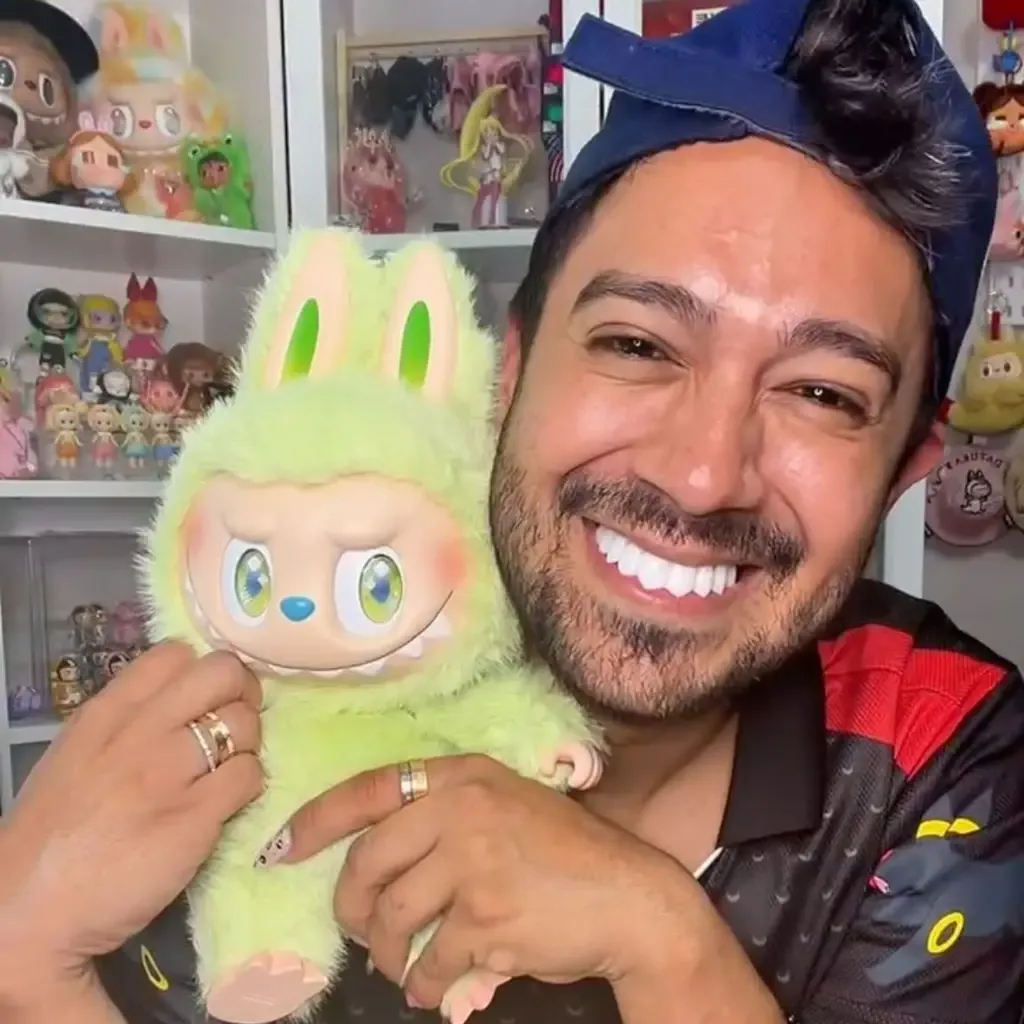
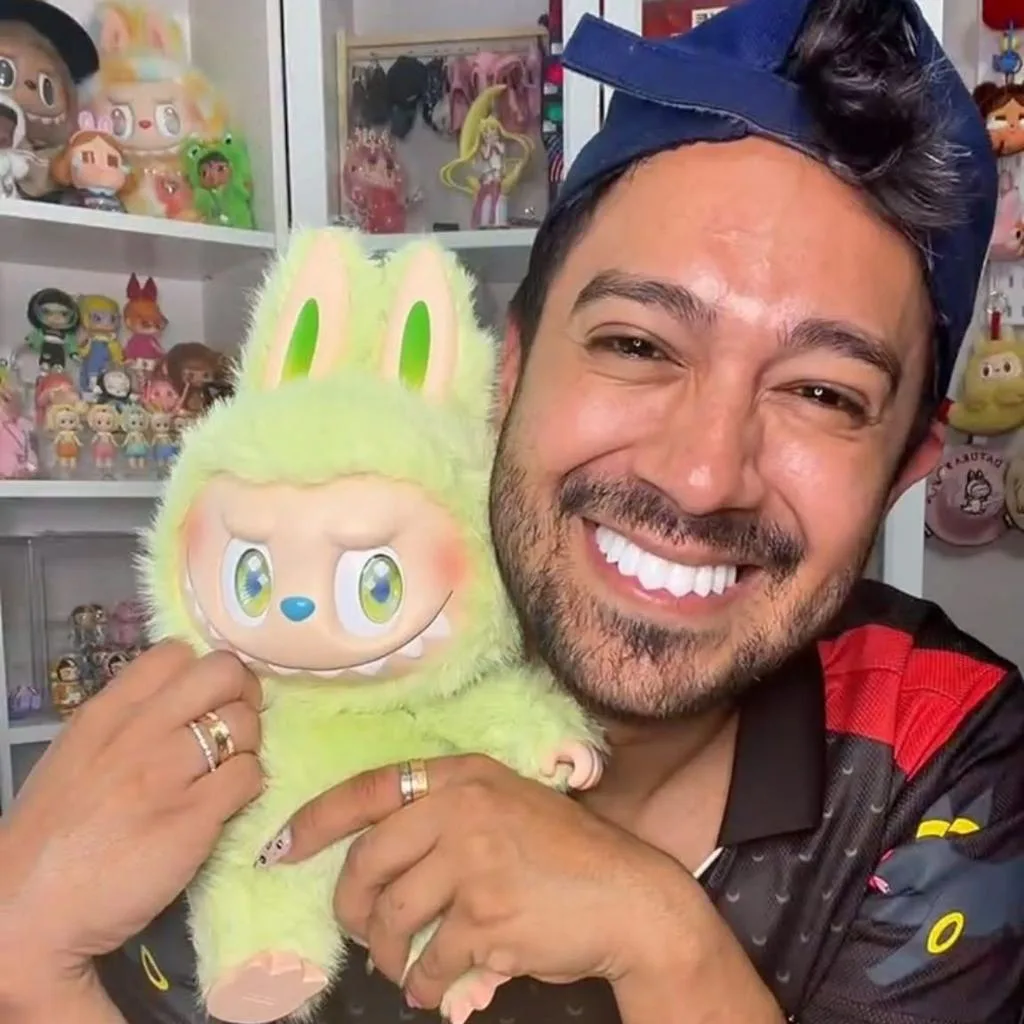
The shockwaves of the sales slump extend far beyond corporate balance sheets, deeply impacting the micro-economy of content creators and dedicated enthusiasts who built their daily lives around the trend. Consider the trajectory of Ensito, a prominent North Carolina-based mega-fan who took the extraordinary leap of leaving a lucrative technology career in 2024 to dedicate himself entirely to producing Labubu content. Traveling internationally to document new releases, Ensito amassed an enormous collection exceeding four hundred dolls and even underwent dental modification to wear custom-made jagged teeth mimicking his favorite character at public gatherings.
Today, the reality of algorithmic shifts and cooling consumer interest has forced a painful pivot. Videos that once effortlessly commanded tens of thousands of views within hours now struggle for traction, prompting creators like Ensito to diversify into alternative trends like Hello Kitty and squishies. This micro-level migration mirrors broader consumer sentiment. Retail researchers note that contemporary lifestyle buyers are remarkably fickle, moving fluidly between competing collectible ecosystems such as Sonny Angels, Smiski glow-in-the-dark figures, and cross-over character lines from Miniso. The consumer is no longer wedded to a single proprietary brand; instead, they consume the shopping experience and aesthetic novelty itself.
Strategic Crossroads and the Race for Enduring Character Equity
As Pop Mart navigates this turbulent transition, its leadership is aggressively attempting to engineer longevity by mirroring the time-tested playbooks of traditional entertainment conglomerates. The company has invested heavily in physical infrastructure, establishing a themed attraction in Beijing and announcing cinematic adaptations designed to transition Labubu from a plastic commodity into a multi-generational intellectual property. Yet, industry experts emphasize a fundamental strategic inversion in Pop Mart's methodology compared to legacy giants like Disney or Sanrio, the latter of which recently posted record earnings.
While traditional franchises establish deep emotional attachment through narrative storytelling before merchandising toys, Pop Mart has operated entirely in reverse, attempting to inject narrative depth into characters already commodified through viral hype. Analysts warn that the true stress test for the brand will be whether it can engender genuine, enduring emotional loyalty in a post-celebrity endorsement era. For now, the cooling of the Labubu craze serves as a potent reminder to global retail markets: viral velocity is a powerful catalyst, but true brand equity requires a narrative soul that cannot be synthesized by a mystery box alone.
Trong nhiều năm, thế giới văn hóa sưu tầm dường như hoàn toàn bị mê hoặc bởi nụ cười tinh quái, răng nhọn của Labubu. Những người hâm mộ ở mọi lứa tuổi liên tục săn lùng các "hộp mù" (blind box) được niêm phong kín — những chiếc hộp bí ẩn giấu các mô hình quái vật nhựa kỳ quặc — thường với giá từ mười lăm đô la trở lên, trong khi những nhà sưu tập cuồng nhiệt trên thị trường thứ cấp thường xuyên chi những khoản tiền khổng lồ theo cấp số nhân để sở hữu các phiên bản hiếm. Cơn sốt phi thường này đã đẩy công ty mẹ có trụ sở tại Bắc Kinh là Pop Mart lên mức định giá thị trường từng có lúc vượt qua cả hai gã khổng lồ đồ chơi truyền thống của phương Tây là Hasbro và Mattel cộng lại. Thế giới đằng sau những mặt hàng lấp lánh và các video mở hộp gây bão trên TikTok ấy, tuy nhiên, nền tảng thương mại của cơn sốt sưu tầm hiện đại đang trải qua một đợt điều chỉnh cấu trúc đột ngột và đầy tỉnh táo.
Trong những tháng gần đây, đà tăng trưởng từng không thể ngăn cản này đã vấp phải một bức tường kiên cố mang tên sự mệt mỏi của người tiêu dùng. Tại các thị trường đô thị lớn từ Luân Đôn đến Los Angeles, những hàng dài người xếp hàng từng nở rộ nay đã thưa thớt dần, và các chỉ số tương tác kỹ thuật số của những nhà sáng tạo hàng đầu cũng lao dốc. Các báo cáo tài chính của Pop Mart tiết lộ rằng doanh số toàn cầu trong quý III đã giảm tới 50% so với cùng kỳ năm trước, trong đó các thị trường quốc tế ghi nhận mức sụt giảm mạnh nhất. Khi cảm giác hưng phấn ban đầu từ hộp mù qua đi, các nhà đầu tư và chuyên gia phân tích bán lẻ buộc phải đối mặt với một câu hỏi khó chịu: liệu sự trỗi dậy vũ bão của Labubu là minh chứng cho việc xây dựng thương hiệu bền vững, hay chỉ là một trào lưu nhất thời của thời đại kỹ thuật số, sớm bị bỏ lại để nhường chỗ cho một thứ mốt thẩm mỹ hào nhoáng tiếp theo?
Giải phẫu một hiện tượng lan truyền và những nỗi bất mãn xoay quanh nó
Sự trỗi dậy của Labubu là một bài học điển hình về nghệ thuật marketing tâm lý đương đại, kết hợp giữa cảm giác hồi hộp của trò chơi may rủi và việc định hình thẩm mỹ trong kỷ nguyên số. Được tạo ra vào năm 2019, sinh vật tai nhọn, tinh ranh này đã trở thành viên ngọc quý của Pop Mart, vươn lên từ một món đồ chơi nghệ thuật ngách thành một tuyên ngôn thời trang toàn cầu không thể chối từ, được lăng xê bởi các ngôi sao và giới hoàng gia K-pop. Yếu tố cốt lõi tạo nên sức hút này chính là sự khan hiếm nhân tạo. Người hâm mộ mua hàng chục hộp mù không chỉ vì bản thân món đồ, mà còn vì cảm giác hoài niệm tuổi thơ chân thực khi mở hộp và niềm tự hào khi sở hữu một phiên bản bí mật hiếm có. Tính độc quyền nhân tạo này tạo ra một thị trường thứ cấp đầy mê hoặc, nơi các nhà sưu tập trao đổi những biến thể quý giá như các tài sản nghệ thuật có giá trị cao.
Tuy nhiên, chính cơ chế này lại chứa đựng mầm mống của sự suy thoái. Khi Pop Mart mạnh mẽ gia tăng quy mô sản xuất nhằm đáp ứng nhu cầu toàn cầu đang bùng nổ, mở hàng trăm cửa hàng mới và hàng nghìn máy bán hàng tự động trên toàn thế giới, ảo tưởng nền tảng về tính hiếm có đã bay hơi. Những nhà sưu tập cốt cán nhận ra rằng việc bước vào một cửa hàng bán lẻ và nhìn thấy các kệ hàng chất đầy những dòng sản phẩm vốn từng rất khó tìm đã thay đổi căn bản vòng lặp phần thưởng tâm lý. Khi ai cũng có thể dễ dàng mua được một con Labubu, giá trị xã hội của việc sở hữu nó sẽ nhanh chóng sụt giảm. Thương hiệu đã trở thành nạn nhân của chính thành công thương mại mà họ tạo ra, đánh đổi sức hút văn hóa tinh hoa lấy sự bão hòa trên thị trường đại chúng.
Cái giá phải trả của con người trong chu kỳ cuồng nhiệt
Những chấn động từ đợt suy giảm doanh số vượt xa các bảng cân đối kế toán doanh nghiệp, tác động sâu sắc đến nền kinh tế vi mô của những nhà sáng tạo nội dung và những người hâm mộ tận tụy, những người đã xây dựng cuộc sống hằng ngày xoay quanh xu hướng này. Hãy nhìn vào quỹ đạo của Ensito, một siêu fan nổi tiếng có trụ sở tại Bắc Kinh (hoặc Bắc Carolina), người đã thực hiện bước đi táo bạo là từ bỏ sự nghiệp công nghệ đầy lợi nhuận vào năm 2024 để cống hiến toàn bộ cho việc sản xuất nội dung về Labubu. Đi khắp thế giới để ghi lại các đợt phát hành mới, Ensito đã tích lũy được một bộ sưu tập khổng lồ vượt quá bốn trăm búp bê và thậm chí còn tiến hành phẫu thuật nha khoa để gắn hàm răng nhọn tùy chỉnh bắt chước nhân vật yêu thích của mình tại các buổi gặp gỡ công chúng.
Ngày nay, thực tế của những biến động thuật toán và sự nguội lạnh trong quan tâm của người tiêu dùng đã buộc anh phải có một bước chuyển mình đau đớn. Những video từng dễ dàng thu hút hàng chục nghìn lượt xem trong vài giờ nay phải vật lộn để duy trì tương tác, thúc đẩy các nhà sáng tạo như Ensito chuyển hướng sang các xu hướng thay thế như Hello Kitty và đồ chơi bóp dẻo (squishy). Sự di cư ở cấp độ vi mô này phản ánh tâm lý chung của người tiêu dùng rộng lớn hơn. Các nhà nghiên cứu bán lẻ lưu ý rằng những người mua sắm phong cách sống đương đại có tính dễ thay đổi đáng chú ý, di chuyển uyển chuyển giữa các hệ sinh thái sưu tập cạnh tranh như Sonny Angels, các nhân vật phát quang trong tối Smiski, và các dòng nhân vật giao thoa từ Miniso. Người tiêu dùng không còn gắn bó với một thương hiệu độc quyền duy nhất; thay vào đó, họ tiêu thụ trải nghiệm mua sắm và chính sự mới lạ mang tính thẩm mỹ.
Ngã ba đường chiến lược và cuộc đua giành giá trị tài sản nhân vật bền vững
Khi Pop Mart điều hướng qua giai đoạn chuyển đổi đầy biến động này, ban lãnh đạo của công ty đang tích cực tìm cách thiết kế sự trường tồn bằng cách áp dụng các cẩm nang đã được kiểm chứng qua thời gian của các tập đoàn giải trí truyền thống. Công ty đã đầu tư mạnh mẽ vào cơ sở hạ tầng vật lý, thiết lập một điểm tham quan theo chủ đề tại Bắc Kinh và công bố các bản chuyển thể điện ảnh được thiết kế để đưa Labubu từ một mặt hàng nhựa thông thường trở thành một tài sản trí tuệ đa thế hệ. Tuy nhiên, các chuyên gia trong ngành nhấn mạnh một sự đảo ngược chiến lược cơ bản trong phương methodology của Pop Mart so với các gã khổng lồ di sản như Disney hoặc Sanrio — đơn vị gần đây vừa công bố mức lợi nhuận kỷ lục.
Trong khi các thương hiệu truyền thống tạo dựng mối liên kết cảm xúc sâu sắc thông qua việc kể chuyện (storytelling) trước khi thương mại hóa đồ chơi, Pop Mart lại hoạt động theo chiều ngược lại, tìm cách truyền tải chiều sâu cốt truyện vào các nhân vật đã được thương mại hóa thông qua cơn sốt lan truyền. Các nhà phân tích cảnh báo rằng bài kiểm tra áp lực thực sự đối với thương hiệu sẽ là việc liệu họ có thể tạo ra lòng trung thành cảm xúc chân thực, lâu dài trong kỷ nguyên hậu chứng thực của người nổi tiếng hay không. Hiện tại, sự hạ nhiệt của cơn sốt Labubu đóng vai trò như một lời nhắc nhở mạnh mẽ đối với thị trường bán lẻ toàn cầu: tốc độ lan truyền là một chất xúc tác mạnh mẽ, nhưng giá trị thương hiệu thực sự đòi hỏi một linh hồn tự sự mà một hộp mù đơn thuần không thể tổng hợp nên.
Pendant des années, l'univers de la culture collectionnable a semblé totalement captif du sourire malicieux et dentelé de Labubu. Jeunes et moins jeunes se sont arraché avec ferveur les « boîtes mystères » scellées — ces emballages énigmatiques dissimulant d'excentriques monstres en vinyle —, déboursant souvent quinze dollars ou plus, tandis que les collectionneurs acharnés sur le marché de la revente n'hésitaient pas à aligner des fortunes exponentielles pour s'offrir des éditions rares. Cette frénésie extraordinaire a propulsé la société mère basée à Pékin, Pop Mart, vers une valorisation boursière qui a brièvement surpassé celle des géants traditionnels du jouet occidental Hasbro et Mattel réunis. Pourtant, derrière les vitrines rutilantes et les unboxings devenus viraux sur TikTok, le socle commercial de la manie contemporaine des objets de collection connaît une correction structurelle soudaine et dégrisée.
Ces derniers mois, la dynamique autrefois inarrêtable s'est heurtée à un mur de lassitude des consommateurs. Dans les grands marchés métropolitains, de Londres à Los Angeles, les files d'attente autrefois interminables se sont clairsemées, et les métriques d'engagement numérique des créateurs de premier plan ont plongé. Les rapports financiers de Pop Mart révèlent que les ventes mondiales au troisième trimestre ont chuté de près de 50 % par rapport à l'année précédente, les marchés internationaux enregistrant les contractions les plus marquées. Alors que s'estompe l'euphorie dopaminergique de la boîte mystère, investisseurs et analystes de la vente au détail se retrouvent face à une question inconfortable : la fulgurante ascension de Labubu était-elle le triomphe d'une construction de marque pérenne, ou simplement une lubie éphémère de l'ère numérique, appelée à être balayée au profit de la prochaine esthétique à la mode ?
L'anatomie d'un phénomène viral et ses désenchantements
L'essor de Labubu relève de la masterclass en marketing psychologique contemporain, mêlant le frisson du jeu de hasard à la curation esthétique propre à l'ère numérique. Créée en 2019, la créature espiègle aux oreilles pointues est devenue le joyau de la couronne de Pop Mart, se transformant d'un jouet artistique de niche en un incontournable manifeste de mode mondial, arboré par les célébrités et la royauté de la K-pop. L'un des éléments cruciaux de cet attrait résidait dans la rareté fabriquée. Les fans achetaient des dizaines de boîtes aveugles non seulement pour l'objet en soi, mais pour la nostalgie viscérale d'enfance que procure la révélation et le symbole de statut social conféré par la possession d'une édition secrète rare. Cette exclusivité artificielle a généré un marché secondaire enivrant où les collectionneurs s'arrachaient des variantes prisées à la manière d'œuvres d'art de grande valeur.
Cependant, ce mécanisme même portait en germe son propre déclin. Alors que Pop Mart augmentait agressivement sa production pour répondre à une demande mondiale galopante, ouvrant des centaines de nouvelles boutiques et des milliers de distributeurs automatiques à travers le monde, l'illusion fondamentale de la rareté s'est évanouie. Les collectionneurs invétérés ont constaté que le simple fait de pénétrer dans un point de vente et d'y voir des étagères garnies de séries autrefois introuvables altérait profondément la boucle de récompense psychologique. Lorsque tout le monde peut s'offrir un Labubu sans effort, la valeur sociale d'en posséder un se déprécie à vue d'œil. La marque a ainsi été victime de son propre succès commercial, troquant son cachet culturel élitiste contre une saturation de masse.
Le coût humain du cycle de la hype
Les répercussions de cette baisse des ventes dépassent largement le cadre des bilans d'entreprise, impactant profondément la micro-économie des créateurs de contenu et des passionnés dévoués qui avaient bâti leur quotidien autour de cette tendance. Prenons le cas d'Ensito, un méga-fan éminent basé en Caroline du Nord, qui a pris la décision radicale de quitter une carrière lucrative dans la tech en 2024 pour se consacrer entièrement à la production de contenus sur Labubu. Voyageant aux quatre coins du globe pour documenter les nouvelles sorties, Ensito s'est constitué une collection colossale de plus de quatre cents poupées et a même eu recours à une modification dentaire pour arborer de fausses dents pointues sur mesure, imitant son personnage favori lors d'apparitions publiques.
Aujourd'hui, la réalité des mutations algorithmiques et le refroidissement de l'intérêt des consommateurs l'ont contraint à un pivot douloureux. Les vidéos qui, jadis, engrangeaient sans effort des dizaines de milliers de vues en quelques heures peinent désormais à trouver leur public, poussant des créateurs comme Ensito à se diversifier vers d'autres tendances, telles que Hello Kitty ou les squishies. Cette migration à micro-échelle reflète l'état d'esprit général des consommateurs. Les analystes de la distribution soulignent que les acheteurs lifestyle d'aujourd'hui font preuve d'une inconstance remarquable, naviguant avec fluidité entre des écosystèmes de collection concurrents tels que les Sonny Angels, les figurines phosphorescentes Smiski et les gammes de personnages croisés de Miniso. Le consommateur n'est plus inféodé à une marque exclusive ; il consomme l'expérience d'achat et la nouveauté esthétique pour elles-mêmes.
Carrefour stratégique et course pour une équité de personnage durable
Alors que Pop Mart navigue à travers cette transition tumultueuse, sa direction tente agressivement de concevoir sa pérennité en singant les recettes éprouvées des conglomérats du divertissement traditionnel. L'entreprise a massivement investi dans les infrastructures physiques, établissant une attraction thématisée à Pékin et annonçant des adaptations cinématographiques destinées à faire passer Labubu du statut de simple produit en plastique à celui de propriété intellectuelle transgénérationnelle. Pourtant, les experts de l'industrie soulignent une inversion stratégique fondamentale dans la méthodologie de Pop Mart par rapport à des géants historiques comme Disney ou Sanrio — ce dernier ayant récemment affiché des résultats records.
Alors que les franchises traditionnelles insufflent un attachement émotionnel profond par le biais du récit narratif avant de commercialiser des jouets, Pop Mart a opéré exactement à l'inverse, s'efforçant d'injecter de la profondeur narrative à des personnages déjà transformés en simples marchandises par la hype virale. Les analystes préviennent que le véritable test décisif pour la marque consistera à déterminer si elle est capable de susciter une fidélité émotionnelle authentique et durable dans une ère post-approbation par les célébrités. Pour l'instant, le essoufflement de la manie Labubu sert de puissant rappel aux marchés de la distribution mondiale : la vélocité virale est un catalyseur puissant, mais la véritable valeur de marque exige une âme narrative qui ne saurait être synthétisée par une simple boîte mystère.
Durante años, el universo de la cultura coleccionable pareció rendido por completo ante la sonrisa traviesa y de dientes afilados de Labubu. Entusiastas, tanto jóvenes como adultos, adquirían con energía cajas sorpresa selladas —misteriosos paquetes que ocultaban los singulares monstruos de vinilo— pagando a menudo quince dólares o más, mientras los coleccionistas más frenéticos en el mercado de reventa desembolsaban habitualmente fortunas exponenciales para hacerse con ediciones raras. Este extraordinario frenesí impulsó a la empresa matriz con sede en Pekín, Pop Mart, a alcanzar una valoración de mercado que eclipsó brevemente a los titanes occidentales tradicionales del juguete, Hasbro y Mattel combinados. Sin embargo, tras los relucientes escaparates y los vídeos virales de unboxings en TikTok, los cimientos comerciales de la manía moderna por el coleccionismo experimentan una corrección estructural repentina y aleccionadora.
En los últimos meses, el impulso que antaño parecía imparable ha tropezado con un muro severo de fatiga del consumidor. En los principales mercados metropolitanos, desde Londres hasta Los Ángeles, las colas que antes eran constantes han menguado y las métricas de interacción digital de los creadores de primer nivel se han derrumbado. Los informes financieros de Pop Mart revelan que las ventas globales en el tercer trimestre cayeron hasta un 50% en comparación con el año anterior, siendo los mercados internacionales los que registraron las contracciones más pronunciadas. A medida que se disipa la euforia dopamínica inicial de la caja misteriosa, inversores y analistas del sector se enfrentan a una pregunta incómoda: ¿fue el meteórico ascenso de Labubu el triunfo de la construcción de una marca sostenible, o meramente una moda pasajera de la era digital destinada a ser descartada por la siguiente estética deslumbrante?
La anatomía de un fenómeno viral y sus descontentos
El auge de Labubu es una clase magistral de marketing psicológico contemporáneo que combina la emoción del juego de azar con la comisariado estético de la era digital. Creada en 2019, la criatura orejudas y de aspecto duendecil se convirtió en la joya de la corona de Pop Mart, transformándose de un juguete artístico de nicho en una declaración de moda global ineludible lucida por celebridades y la realeza del K-pop. Un elemento crucial de este atractivo fue la escasez fabricada. Los aficionados compraban decenas de cajas sorpresa no solo por el objeto en sí, sino por la nostalgia visceral y evocadora de la infancia que suponía el descubrimiento, así como por el estatus que otorgaba poseer una edición secreta rara. Esta exclusividad artificial creó un mercado secundario embriagador en el que los coleccionistas intercambiaban variantes codiciadas como si se tratara de activos artísticos de alto valor.
Sin embargo, este mismo mecanismo albergaba el germen de su propio declive. A medida que Pop Mart incrementó agresivamente la producción para satisfacer una demanda global disparada, abriendo cientos de nuevos establecimientos y miles de máquinas expendedoras automatizadas en todo el mundo, la ilusión fundacional de la rareza se desvaneció. Los coleccionistas más acérrimos señalaron que entrar en un punto de venta y ver estantes abarrotados de series que antes eran esquivas alteraba fundamentalmente el circuito de recompensa psicológica. Cuando todo el mundo puede comprar fácilmente un Labubu, el valor social de poseer uno se deprecia rápidamente. La marca fue víctima de su propio éxito comercial, cambiando el caché cultural elitista por la saturación en el mercado de masas.
El coste humano del ciclo del bombo publicitario
Las ondas expansivas de la caída de ventas se extienden mucho más allá de los balances corporativos, impactando profundamente en la microeconomía de los creadores de contenido y entusiastas devotos que construyeron su día a día en torno a la tendencia. Baste observar la trayectoria de Ensito, un destacado superfan afincado en Carolina del Norte que dio el salto extraordinario de abandonar una lucrativa carrera en el sector tecnológico en 2024 para dedicarse por completo a producir contenido sobre Labubu. Viajando internacionalmente para documentar los nuevos lanzamientos, Ensito acumuló una enorme colección que superaba los cuatro muñecos e incluso se sometió a una modificación dental para lucir unos dientes afilados hechos a medida que imitaban a su personaje favorito en las apariciones públicas.
Hoy en día, la realidad de los cambios algorítmicos y el enfriamiento del interés del consumidor ha obligado a dar un giro doloroso. Los vídeos que antes acumulaban sin esfuerzo decenas de miles de visualizaciones en pocas horas luchan ahora por ganar tracción, lo que empuja a creadores como Ensito a diversificarse hacia tendencias alternativas como Hello Kitty y los muñecos antiestrés (*squishies*). Esta migración a microescala refleja el sentimiento generalizado del consumidor. Los investigadores de mercado señalan que los compradores de estilo propio de la vida contemporánea son notablemente volubles y se desplazan con fluidez entre ecosistemas de coleccionismo rivales, como los Sonny Angels, las figuras que brillan en la oscuridad Smiski y líneas de personajes cruzadas de Miniso. El consumidor ya no está atado a una sola marca en exclusiva; en su lugar, lo que consume es la experiencia de compra y la novedad estética en sí misma.
Encrucijada estratégica y la carrera por un capital de personajes duradero
Mientras Pop Mart atraviesa esta turbulencia de transición, su cúpula directiva intenta diseñar de forma agresiva la longevidad de la marca emitiendo las fórmulas consagradas de los conglomerados de entretenimiento tradicionales. La compañía ha invertido fuertemente en infraestructura física, estableciendo una atracción temática en Pekín y anunciando adaptaciones cinematográficas diseñadas para convertir a Labubu de un producto de plástico en una propiedad intelectual multigeneracional. No obstante, los expertos de la industria subrayan una inversión estratégica fundamental en la metodología de Pop Mart en comparación con gigantes tradicionales como Disney o Sanrio —esta última habiendo registrado recientemente beneficios récord—.
Mientras que las franquicias tradicionales establecen un profundo apego emocional a través de la narrativa antes de comercializar juguetes, Pop Mart ha operado exactamente a la inversa, intentando inyectar profundidad narrativa a personajes ya mercantilizados a través del bombo viral. Los analistas advierten que la verdadera prueba de fuego para la marca será comprobar si es capaz de generar una lealtad emocional genuina y duradera en una era posterior al patrocinio de celebridades. Por el momento, el enfriamiento de la fiebre por Labubu sirve como un recordatorio contundente para los mercados minoristas globales: la velocidad viral es un catalizador potente, pero el verdadero valor de marca requiere un alma narrativa que no se puede sintetizar únicamente mediante una caja misteriosa.
多年来,潮流收藏文化的世界似乎完全被Labubu那锯齿状、顽皮的微笑所俘获。无论年轻还是年长的爱好者都争先恐后地抢购密封的“盲盒”——这些神秘的包装里隐藏着古怪的树脂怪物——他们通常愿意支付十五美元甚至更高的价格,而转售市场上疯狂的收藏家更是经常砸下成倍的财富来求购稀有版本。这种非凡的狂热将总部位于北京的母公司泡泡玛特推向了一个市值巅峰,其估值一度短暂超越了西方传统玩具巨头孩之宝(Hasbro)和美泰(Mattel)的总和。然而,在闪亮的店面和TikTok上病毒式传播的开箱视频背后,现代收藏狂热的商业根基正在经历一场突然的、清醒的结构性修正。
最近几个月,这个曾势不可挡的发展势头遭遇了一堵厚重的消费者疲劳之墙。从伦敦到洛杉矶,各大都会市场曾经喧嚣的长龙已经缩短,顶级创作者的数字互动指标也大幅下滑。泡泡玛特的财务披露显示,第三季度全球销售额较前一年下降了多达50%,其中国际市场的跌幅最为陡峭。随着盲盒最初带来的多巴胺刺激逐渐消退,投资者和零售分析师不得不面对一个令人不安的问题:Labubu的火箭式崛起究竟是可持续品牌建设的胜利,还是仅仅是一场注定要被抛弃、为下一个闪亮审美让路的数字化时代昙花一现的风潮?
病毒式现象的解剖学及其不满
Labubu的崛起堪称当代心理营销的教科书,它将赌博的刺激感与数字时代的审美策展完美融合。这款诞生于2019年、长着尖耳朵和调皮外貌的生物成为了泡泡玛特的明珠,从一个小众艺术玩具蜕变成了一个不可回避的全球时尚宣言,受到各路名人和韩流巨星的追捧。这种吸引力的关键要素之一,便是人为制造的稀缺性。粉丝们购买数十个盲盒,不仅仅是为了物品本身,更是为了追求拆开包装时唤醒童年的本能怀旧感,以及拥有稀有隐藏款的身份象征。这种人为的排他性创造了一个令人陶醉的二级市场,收藏家们像交易高价值艺术资产一样交易珍贵的变体。
然而,正是这种机制本身埋下了其衰落的种子。为了满足激增的全球需求,泡泡玛特激进地扩大生产规模,在全球范围内开设了数百家新店和数千台自动售货机,这使得原本作为基石的稀缺幻觉彻底蒸发。硬核收藏家们注意到,走进零售店却看到货架上摆满了曾经难求的系列,从根本上改变了心理奖励机制。当所有人都能轻易买到一个Labubu时,拥有它的社会货币价值就会迅速贬值。该品牌最终沦为了自身商业成功的牺牲品,用精英文化的声誉换取了大众市场的饱和。
炒作周期带来的人性代价
销售滑坡的冲击波远远超出了企业的资产负债表,深深影响了以这一潮流为日常生计的内容创作者和核心爱好者的微观经济。以北卡罗来纳州的知名超级粉丝恩西托(Ensito)为例,他在2024年做出惊人举动,放弃了利润丰厚的科技行业职业,全职投入到Labubu内容的创作中。为了记录新品发布,他飞往世界各地,积累了超过400个玩偶的庞大收藏,甚至在公众聚会上接受了牙科手术,佩戴模仿他最喜爱角色的定制锯齿假牙。
如今,算法的转变和消费者兴趣的降温带来了残酷的现实,迫使创作者们不得不进行痛苦的转型。曾经在几小时内就能轻松获得数万次观看的视频如今举步维艰,这促使像恩西托这样的创作者转向Hello Kitty和捏捏乐等其他替代潮流。这种微观层面的迁移折射出更广泛的消费者情绪。零售研究人员指出,当代的买家极其善变,他们在索尼天使(Sonny Angels)、Smiski夜光玩偶以及名创优品(Miniso)等跨界角色系列等相互竞争的收藏生态系统之间流利切换。消费者不再忠于单一的专有品牌,相反,他们消费的是购物体验和审美的新鲜感本身。
战略十字路口与争夺持久的角色资产
在应对这一动荡的转型期时,泡泡玛特的管理层正通过效仿传统娱乐综合体的经久不衰的战略,积极尝试构筑长期生命力。该公司在实体基础设施上进行了巨额投资,在北京建立了一个主题景点,并宣布了旨在将Labubu从塑料商品转变为跨世代知识产权的电影改编计划。然而,行业专家强调,与近期创下盈利纪录的迪士尼或三丽鸥等老牌巨头相比,泡泡玛特的方法论存在根本性的战略倒置。
传统的特许经营权是在通过叙事故事建立深厚的情感依恋之后才开始将玩具商品化,而泡泡玛特则完全逆向操作,试图将叙事深度注入已经通过病毒式炒作商品化的角色中。分析人士警告称,该品牌真正的压力测试在于,在后明星代言时代,它是否能够激发出真实、持久的情感忠诚度。就目前而言,Labubu热潮的降温为全球零售市场提供了一个强有力的提醒:病毒式的传播速度是一种强大的催化剂,但真正的品牌资产需要一个无法单靠盲盒合成的叙事灵魂。
Editorial Standards & Multi-Language Synthesis: This dispatch was synthesized and fact-checked by the ParisDaily Editorial Desk across 5 global editions (EN, FR, VI, ES, ZH), cross-referencing primary international wire reports and real-time search intelligence.