Urban Lights and Gucci Nights: Inside the 15th Annual LACMA Art + Film Gala
An exclusive dispatch from inside Los Angeles's premier collision of high art and Hollywood celebrity, honoring Vija Celmins and Denis Villeneuve.
Bản tin độc quyền từ trung tâm hội tụ đỉnh cao giữa nghệ thuật đương đại và danh tiếng Hollywood tại Los Angeles, vinh danh Vija Celmins và Denis Villeneuve.
Une chronique exclusive au cœur du choc entre art contemporain et glamour hollywoodien à Los Angeles, rendant hommage à Vija Celmins et Denis Villeneuve.
Una crónica exclusiva desde el corazón del principal punto de encuentro en Los Ángeles entre el gran arte y las celebridades de Hollywood, que este año rindió homenaje a Vija Celmins y Denis Villeneuve.
这是一篇来自洛杉矶核心腹地的独家报道,这里是高级艺术与好莱坞名流的顶级交汇点,当晚致敬了艺术家维娅·塞尔明斯与电影导演丹尼斯·维伦纽瓦。
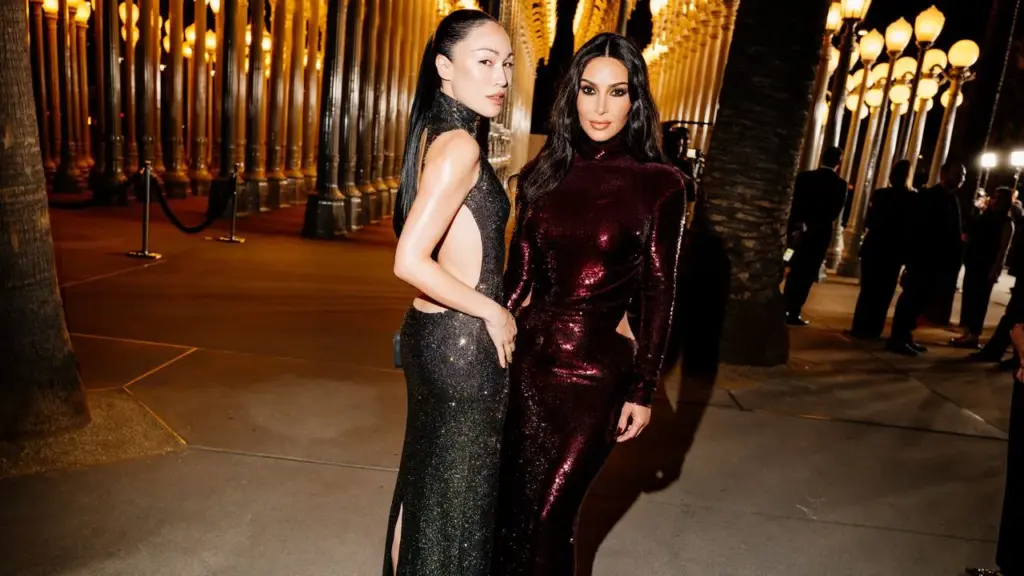
- The 15th annual LACMA Art + Film Gala honored artist Vija Celmins and filmmaker Denis Villeneuve under the co-chairmanship of Eva Chow and Leonardo DiCaprio.
- Gucci-sponsored evening brought together an eclectic mix of art world titans, supermodels, and Hollywood royalty, including Salma Hayek Pinault, Kim Kardashian, and Nicole Kidman.
- Filmmaker Denis Villeneuve delivered a poignant keynote reflecting on the vital necessity of human artistry in an era dominated by artificial intelligence.
- Co-founder Eva Chow announced that this year's gala marks her final chapter orchestrating the monumental cross-industry fundraiser.
- Sự kiện Gala Nghệ Thuật + Điện Ảnh LACMA lần thứ 15 đã vinh danh nghệ sĩ Vija Celmins và nhà làm phim Denis Villeneuve dưới sự đồng chủ trì của Eva Chow và Leonardo DiCaprio.
- Đêm hội được tài trợ bởi Gucci đã quy tụ một dàn khách mời chiết trung gồm những tượng đài nghệ thuật, siêu mẫu và hoàng gia Hollywood, bao gồm Salma Hayek Pinault, Kim Kardashian và Nicole Kidman.
- Nhà làm phim Denis Villeneuve đã có bài phát biểu đầy xúc động nhấn mạnh sự cần thiết sống còn của nghệ thuật nhân văn trong kỷ nguyên bị thống trị bởi trí tuệ nhân tạo.
- Nhà đồng sáng lập Eva Chow thông báo rằng gala năm nay đánh dấu chương cuối cùng trong hành trình tổ chức sự kiện gây quỹ tầm cỡ liên ngành này.
- La 15e édition du gala Art + Film du LACMA a rendu hommage à l'artiste Vija Celmins et au cinéaste Denis Villeneuve, sous la co-présidence d'Eva Chow et de Leonardo DiCaprio.
- Cette soirée parrainée par Gucci a rassemblé un mélange éclectique de titans du monde de l'art, de supermodels et de figures royales d'Hollywood, parmi lesquels Salma Hayek Pinault, Kim Kardashian et Nicole Kidman.
- Le cinéaste Denis Villeneuve a prononcé un discours poignant, soulignant la nécessité vitale de la création artistique humaine à l'ère de l'intelligence artificielle.
- La cofondatrice Eva Chow a annoncé que le gala de cette année marquait son dernier chapitre dans l'organisation de cette immense collecte de fonds intersectorielle.
- La 15.ª edición anual de la LACMA Art + Film Gala rindió homenaje a la artista Vija Celmins y al cineasta Denis Villeneuve bajo la copresidencia de Eva Chow y Leonardo DiCaprio.
- La velada, patrocinada por Gucci, reunió a una ecléctica mezcla de titanes del mundo del arte, supermodelos y de la realeza de Hollywood, entre quienes destacaron Salma Hayek Pinault, Kim Kardashian y Nicole Kidman.
- El cineasta Denis Villeneuve pronunció un emotivo discurso en el que reflexionó sobre la necesidad vital de la autoría humana en una era dominada por la inteligencia artificial.
- La cofundadora Eva Chow anunció que la gala de este año marca su último capítulo al frente de este monumental evento benéfico intersectorial.
- 第15届LACMA年度艺术与电影盛典在联合主席周朵(Eva Chow)和莱昂纳多·迪卡普里奥的主持下,向艺术家维娅·塞尔明斯和电影人丹尼斯·维伦纽瓦致敬。
- 这场由古驰(Gucci)赞助的盛会汇聚了艺术界泰斗、超级名模和好莱坞巨星,其中包括萨尔玛·海耶克·皮诺、金·卡戴珊和妮可·基德曼。
- 导演丹尼斯·维伦纽瓦发表了感人至深的压轴演讲,强调了在人工智能主导的时代中,人类艺术创作的生死攸关之必要性。
- 联合创始人周朵宣布,今年的盛会将是她最后一次策划这场意义重大的跨界筹款活动。
The night was young—very young—as we cruised across Los Angeles toward the illuminated perimeter of the Los Angeles County Museum of Art for this year’s milestone gathering. Arriving ahead of the usual red-carpet pandemonium, the atmospheric contrast between the tranquil museum courtyard and the forthcoming sensory overload was palpable. Clad in a 1930s purple satin bias-cut dress secured at a fraction of its auction worth, the evening already promised that delightful fusion of historical sartorial preservation and modern cinematic pageantry that defines the upper echelons of Southern California society. This year marked the 15th anniversary of a gala that has successfully bridged two worlds—the rarefied, contemplative sphere of contemporary art and the high-stakes, flashbulb-heavy universe of Hollywood—that historically viewed one another across an unbridgeable cultural chasm.
Sponsored by Gucci and steadfastly co-chaired by museum fixture Eva Chow and actor Leonardo DiCaprio, the landmark evening was dedicated to celebrating the profound contributions of Latvian-born American artist Vija Celmins and visionary filmmaker Denis Villeneuve. Yet, long before the first courses of miso black cod and bite-sized beef tenderloin were served beneath the crisp white tablecloths, the institutional alchemy of the night was already performing at full tilt. Anya Taylor-Joy navigated the perimeter in an archival Pierre Cardin sculptural gown that caught the Los Angeles breeze like a futuristic loofah, her Tiffany & Co. Schlumberger Stars and Moons necklace twinkling against the monumental backdrop of Chris Burden’s Urban Light installation—more than 200 restored cast-iron antique street lamps standing sentinel over the unfolding spectacle.
The Intersection of High Fashion and High Artistry
As the cocktail hour swelled into a dense ecosystem of familiar faces and anonymous billionaires, the social dynamics of the room underscored the complex economy of modern celebrity. Navigating the crowded space while carefully protecting century-old satin from errant heels, one encountered an extraordinary cross-section of cultural power. Ed Ruscha held court near Larry Gagosian’s table, while Julia Garner moved effortlessly through the room in Loewe paired with sculptural gold earrings. Iris Law showcased a pearlescent tiled dress by Amaramara that mimicked mother-of-pearl, and Alex Israel mused excitedly about the evening's musical headliner. It is a peculiar sociological phenomenon to attempt to distinguish between museum benefactors who are merely extraordinarily wealthy and those who occupy the global pop-cultural pantheon; at the LACMA gala, those two distinct categories dissolve entirely into a luminous monoculture of privilege.
The fashion narrative, naturally, was anchored by Gucci's overarching creative vision. François-Henri Pinault and Salma Hayek Pinault—the latter cinched to breathtaking proportions in a scarlet sequin gown—sat close to creative director Demna, Kim Kardashian in a deep bordeaux sparkling silhouette, and a radiant Viola Davis. Meanwhile, a formidable coterie of Victoria’s Secret Angels, including Elsa Hosk, Candice Swanepoel, and Rosie Huntington-Whiteley, pushed the boundaries of eveningwear against the museum's brutalist architecture. Amidst the sea of diamonds and archival tailoring, moments of unscripted human reality broke through the glamour: a frantic makeup application in the powder room resulting in a cascading avalanche of lipsticks and pill boxes offered a charming reminder that even the most impeccably curated facades remain wonderfully fallible.
Celebrating Visionaries of Canvas and Celluloid
When the dinner bells finally chimed, guests were ushered into a grand dining pavilion that mirrored the intimacy and scale of a royal wedding reception. There, amongst table settings dripping in lush florals, the institutional core of the evening took center stage. The room quieted for a moving tribute to Vija Celmins, whose hypnotic, hyper-realistic renderings of oceanic expanses, night skies, and spider webs have captivated the art world for decades. Celmins offered a dryly humorous recollection of her time at UCLA—admitting to having taken virtually nothing from the academic experience—before accepting her honor to widespread applause from peers who recognize her uncompromising dedication to her craft.
The cinematic tribute proved equally resonant. Nicole Kidman took the podium in a Chanel runway gown redolent of Edgar Degas’s pioneering sculptures, delivering a passionate appreciation of Denis Villeneuve. A retrospective montage spanned his staggering filmography—from the psychological grit of Prisoners and Sicario to the metaphysical scope of Arrival and Blade Runner 2049, culminating in the desert expanses of Dune. When Villeneuve himself stepped up to the microphone, his address elevated the evening from a standard Hollywood social fixture to a vital cultural manifesto. Warning against the encroaching homogenizing forces of artificial intelligence, Villeneuve delivered a line that instantly anchored the night's philosophical stakes: “Some artists use a paintbrush, I use a film crew.” He reminded the assembled luminaries that the fundamental imperative to create something entirely new remains our most essential human defiance.
The emotional weight of the evening deepened with an announcement from LACMA director Michael Govan regarding Eva Chow. After fifteen years of tirelessly championing the union of art and cinema, Chow announced that this would be her final year co-orchestrating the gala. The revelation cast a poignant shadow over the proceedings, underscoring the end of an era for an event that she built from a fledgling museum fundraiser into one of the most coveted invitations on the global cultural calendar. The institutional architecture of the gala will inevitably evolve, but Chow’s legacy as the singular impresario who forced Hollywood studios and blue-chip art galleries to speak the same language is permanently secured.
After-Hours Revelry and the Morning After
As the formal program concluded, the evening shed its academic solemnity for unadulterated revelry. Guests spilled back out into the crisp Los Angeles night air beneath the glowing iron lamps of Urban Light, where Paris Hilton—introducing the night’s musical guest with signature catchphrases of “That’s hot!” and “Sliving”—ushered in a performance by K-pop sensation Rosé. Servers circulated through the revelers bearing trays of cotton candy, delicate meringues, and miniature metal cups of caramel corn, providing a whimsical culinary coda to a night defined by sensory excess.
As phones captured final memories on Burst mode beneath the historic street lamps, whispers of exclusive after-parties at private Hollywood hills estates began to circulate through the thinning crowds. Leaving the museum grounds, the enduring impression was not merely one of superficial luxury, diamonds, or designer gowns. Rather, it was the rare convergence of individuals—from Al Pacino and Timothée Chalamet to Ed Ruscha and Vija Celmins—who have dedicated their waking lives to expanding the boundaries of human perception. In an era increasingly obsessed with algorithms and ephemeral digital content, the LACMA Art + Film Gala offered a defiant, glittering reminder of the enduring power of physical art, cinematic vision, and tactile human creation.
Đêm vẫn còn trẻ—rất trẻ—khi chúng tôi di chuyển qua Los Angeles hướng về vành đai rực rỡ ánh đèn của Bảo tàng Nghệ thuật hạt Nhân Los Angeles (LACMA) để tham dự buổi tụ hội mang tính bước ngoặt năm nay. Đến nơi trước sự hỗn loạn thường thấy trên thảm đỏ, sự tương phản rõ rệt giữa khoảng sân bảo tàng yên tĩnh và bầu không khí choáng ngợp sắp tới có thể cảm nhận rõ ràng. Khoác lên mình chiếc đầm satin tím cắt xéo (bias-cut) từ thập niên 1930 với mức giá sở hữu chỉ bằng một phần nhỏ giá đấu giá, buổi tối đã sớm hứa hẹn sự kết hợp thú vị giữa di sản bảo tồn thời trang lịch sử và vẻ đẹp điện ảnh hiện đại—những yếu tố định hình tầng lớp thượng lưu Nam California. Năm nay đánh dấu kỷ niệm 15 năm của một đêm gala đã thành công bắc cầu cho hai thế giới: thế giới nghệ thuật đương đại tinh tế, mang tính chiêm nghiệm và vũ trụ Hollywood đầy rẫy chớp lóe, rủi ro cao—những nơi vốn từng nhìn nhau qua một vực thẳm văn hóa không thể san lấp.
Được tài trợ bởi Gucci và do nhân vật kỳ cựu của bảo tàng Eva Chow cùng nam diễn viên Leonardo DiCaprio kiên định đồng chủ trì, đêm hội mang ý nghĩa bước ngoặt này được dành để tôn vinh những cống hiến uyên sâu của nghệ sĩ người Mỹ gốc Latvia Vija Celmins và đạo diễn tầm nhìn Denis Villeneuve. Thế nhưng, từ rất lâu trước khi những món khai vị như cá tuyết sốt miso đen hay thăn bò miếng vừa ăn được phục vụ dưới lớp khăn trải bàn trắng tinh khôi, thứ “giả kim thuật” mang tính thể chế của đêm tiệc đã hoạt động hết công suất. Anya Taylor-Joy bước đi dọc vành đai trong một thiết kế đầm điêu khắc mang tính lưu trữ của Pierre Cardin, bắt trọn cơn gió Los Angeles như một bông mút tắm mang hơi hướng tương lai, chiếc vòng cổ Tiffany & Co. Schlumberger Stars and Moons của cô lấp lánh trên phông nền hoành tráng của tác phẩm sắp đặt Urban Light của Chris Burden—hơn 200 chiếc đèn đường cổ bằng gang được phục chế đứng sừng sững như những người lính canh gác cho cảnh tượng đang diễn ra.
Sự Giao Thoa Giữa Thời Trang Cao Cấp và Nghệ Thuật Đỉnh Cao
Khi giờ cocktail chuyển dần thành một hệ sinh thái đặc quánh những gương mặt quen thuộc và các tỷ phú vô danh, động lực xã hội trong căn phòng đã nhấn mạnh nền kinh tế phức tạp của giới minh tinh hiện đại. Bươn chải qua không gian đông đúc trong khi cẩn thận bảo vệ lớp vải satin trăm năm tuổi khỏi những gót giày vô tình bước tới, người ta bắt gặp một lát cắt quyền lực văn hóa phi thường. Ed Ruscha giữ vị trí trung tâm gần bàn của Larry Gagosian, trong khi Julia Garner di chuyển uyển chuyển khắp căn phòng trong trang phục Loewe kết hợp cùng hoa tai vàng điêu khắc. Iris Law khoác lên mình chiếc đầm đính ngói ngọc trai của Amaramara mô phỏng xà cừ, và Alex Israel đầy hào hứng phỏng đoán về nghệ sĩ âm nhạc biểu diễn chính trong đêm. Thật là một hiện tượng xã hội kỳ lạ khi cố gắng phân biệt giữa các nhà ân nhân của bảo tàng—những người vốn dĩ đã vô cùng giàu có—và những người chiếm giữ đền thờ văn hóa đại chúng toàn cầu; tại bữa tiệc gala của LACMA, hai phạm trù riêng biệt ấy hoàn toàn hòa quyện vào một nền văn hóa đơn nhất rực rỡ đặc quyền.
Câu chuyện thời trang, dĩ nhiên, được neo giữ bởi tầm nhìn sáng tạo bao trùm của Gucci. François-Henri Pinault và Salma Hayek Pinault—với vóc dáng được siết eo ngoạn mục trong chiếc đầm sequin đỏ rực—ngồi gần Giám đốc Sáng tạo Demna, Kim Kardashian trong bộ cánh lấp lánh sắc bordeaux trầm, và một Viola Davis rạng rỡ. Trong khi đó, một đội ngũ hùng hậu gồm các thiên thần nội y Victoria’s Secret như Elsa Hosk, Candice Swanepoel và Rosie Huntington-Whiteley đã đẩy lùi ranh giới của trang phục dạ hội giữa kiến trúc mang phong cách thô mộc (brutalist) của bảo tàng. Giữa biển kim cương và những bộ cánh may đo lưu trữ, những khoảnh khắc đời thực không kịch bản vẫn len lỏi xuyên qua lớp hào quang: một màn dặm lại lớp trang điểm vội vã trong phòng trang điểm dẫn đến sự cố rơi rụng hàng loạt hộp son môi và hộp thuốc nhỏ, như một lời nhắc nhở đáng yêu rằng ngay cả những vẻ bề ngoài được trau chuốt hoàn hảo nhất vẫn mang sự mong manh đầy diệu kỳ.
Vinh Danh Những Bộ Óc Lỗi Lạc Trên Toàn Vải và Thước Phim
Khi tiếng chuông báo hiệu bữa tối vang lên, các khách mời được dẫn vào một sảnh tiệc lớn mang tầm vóc và sự thân mật của một buổi tiệc cưới hoàng gia. Tại đó, giữa những bàn tiệc ngập tràn hoa tươi, cốt lõi mang tính thể chế của đêm hội đã bước lên sân khấu chính. Căn phòng chìm vào tĩnh lặng để dành không gian cho một tri ân đầy cảm xúc đối với Vija Celmins, người có những tác phẩm siêu thực mang tính thôi miên về không gian đại dương, bầu trời đêm và nhữngh mạng nhện đã làm say đắm giới nghệ thuật trong nhiều thập kỷ. Celmins đưa ra một lời hồi tưởng đầy châm biếm về khoảng thời gian học tập tại UCLA—thừa nhận rằng cô hầu như chẳng thu nhận được gì từ trải nghiệm hàn lâm ấy—trước khi đón nhận vinh dự trong tràng pháo tay vang dội từ những người đồng nghiệp vốn thấu hiểu sự cống hiến không khoan nhượng của cô đối với nghề nghiệp.
Tri ân điện ảnh cũng chứng tỏ sức nặng tương đương. Nicole Kidman bước lên bục phát biểu trong thiết kế đầm haute couture của Chanel gợi nhớ đến những tác phẩm điêu khắc tiên phong của Edgar Degas, mang đến lời ngợi ca đầy đam hồi dành cho Denis Villeneuve. Một đoạn phim tổng kết đã điểm lại sự nghiệp điện ảnh đáng kinh ngạc của ông—từ sự gai góc mang tính tâm lý trong Prisoners và Sicario đến tầm vóc siêu hình của Arrival và Blade Runner 2049, đỉnh cao là những vùng sa mạc mênh mông của Dune. Khi chính Villeneuve bước đến micro, bài phát biểu của ông đã nâng tầm đêm tiệc từ một sự kiện xã hội mang tính Hollywood thông thường thành một bản tuyên ngôn văn hóa thiết yếu. Cảnh báo về những thế lực trí tuệ nhân tạo đang đồng hóa mọi thứ, Villeneuve đã thốt lên một câu nói ngay lập tức neo giữ giá trị triết học của đêm tiệc: “Một số nghệ sĩ dùng cọ vẽ, tôi dùng một đoàn làm phim.” Ông nhắc nhở các tên tuổi lớn tề tựu rằng mệnh lệnh cơ bản là tạo ra thứ gì đó hoàn toàn mới vẫn là sự kháng cự mang tính con người thiết yếu nhất của chúng ta.
Sức nặng cảm xúc của buổi tối càng trở nên sâu sắc hơn với thông báo từ Giám đốc LACMA Michael Govan liên quan đến Eva Chow. Sau mười lăm năm miệt mài bảo trợ cho sự kết hợp giữa nghệ thuật và điện ảnh, Chow thông báo rằng đây sẽ là năm cuối cùng cô đồng tổ chức gala. Tiết lộ này phủ lên sự kiện một nét đượm buồn, nhấn mạnh sự kết thúc của một kỷ nguyên cho một sự kiện mà cô đã gây dựng từ một buổi gây quỹ khiêm tốn của bảo tàng trở thành một trong những tấm thiệp mời khao khát nhất trên lịch trình văn hóa toàn cầu. Kiến trúc thể chế của đêm gala chắc chắn sẽ tiến hóa, nhưng di sản của Chow với tư cách là người impresario độc nhất vô nhị buộc các hãng phim Hollywood và các phòng tranh nghệ thuật hàng đầu phải nói chung một ngôn ngữ đã được khẳng định vĩnh viễn.
Hoan Ca Sau Giờ G và Sáng Hôm Sau
Khi chương trình chính khép lại, buổi tối rũ bỏ vẻ trang nghiêm mang tính hàn lâm để bước vào những cuộc hoan ca không dứt. Các khách mời ùa trở lại bầu không khí se lạnh của đêm Los Angeles dưới những chiếc đèn sắt tỏa sáng của Urban Light, nơi Paris Hilton—giới thiệu khách mời âm nhạc của đêm với những câu cửa miệng thương hiệu “That’s hot!” và “Sliving”—đã mở màn cho màn trình diễn của ngôi sao K-pop Rosé. Các nhân viên phục vụ đi qua đám đông mang theo những khay kẹo bông gòn, bánh meringue tinh tế và những chiếc cốc kim loại nhỏ đựng bỏng ngô caramel, tạo nên một cái kết ẩm thực đầy bay bổng cho một đêm tiệc được định nghĩa bởi sự thăng hoa giác quan.
Khi những chiếc điện thoại lưu lại những ký ức cuối cùng ở chế độ Burst dưới những cột đèn đường lịch sử, những lời thì thầm về các bữa tiệc sau giờ G độc quyền tại các điền trang riêng tư trên đồi Hollywood bắt đầu lan truyền qua dòng khách đang thưa dần. Rời khỏi khuôn viên bảo tàng, ấn tượng đọng lại không chỉ đơn thuần là sự xa hoa bề nổi, những viên kim cương hay đầm dạ hội từ các nhà mốt lớn. Thay vào đó, đó là sự hội tụ quý hiếm của các cá nhân—từ Al Pacino và Timothée Chalamet đến Ed Ruscha và Vija Celmins—những người đã cống hiến cả cuộc đời thức tỉnh để mở rộng ranh giới nhận thức của con người. Trong kỷ nguyên ngày càng bị ám ảnh bởi các thuật toán và nội dung số phù du, Gala Nghệ Thuật + Điện Ảnh LACMA đã mang đến một lời nhắc nhở kiêu hãnh và lấp lánh về sức mạnh trường tồn của nghệ thuật vật chất, tầm nhìn điện ảnh và sự sáng tạo mang tính xúc giác của con người.
La nuit était jeune — très jeune — alors que nous voguions à travers Los Angeles en direction du périmètre illuminé du Los Angeles County Museum of Art pour le grand rendez-vous de cette année. Arrivés avant le tumulte habituel du tapis rouge, le contraste atmosphérique entre la quiétude de la cour du musée et la surcharge sensorielle imminente était palpable. Vêtue d'une robe en satin violet coupe en biais des années 1930 acquise à une fraction de sa valeur aux enchères, la soirée promettait déjà cette délicieuse fusion entre préservation historique de la haute couture et faste cinématographique moderne qui caractérise les hautes sphères de la société californienne. Cette année marquait le 15e anniversaire d'un gala qui a réussi à jeter un pont entre deux mondes — la sphère raréfiée et contemplative de l'art contemporain et l'univers aux enjeux considérables et aux flashs incessants d'Hollywood — qui, historiquement, s'observaient de part et d'autre d'un abîme culturel infranchissable.
Parrainée par Gucci et fidèlement co-présidée par Eva Chow, figure incontournable du musée, et l'acteur Leonardo DiCaprio, cette soirée historique était dédiée à la célébration des contributions profondes de l'artiste américaine d'origine lettone Vija Celmins et du cinéaste visionnaire Denis Villeneuve. Pourtant, bien avant que les premières assiettes de cabillaud noir au miso et de médaillons de filet de bœuf miniatures ne soient servies sous les nappes immaculées, l'alchimie institutionnelle de la nuit battait déjà son plein. Anya Taylor-Joy a longé le périmètre dans une robe sculpturale d'archive Pierre Cardin qui capturait la brise de Los Angeles comme un luffa futuriste, son collier Tiffany & Co. Schlumberger Étoiles et Lunes scintillant sur le fond monumental de l'installation Urban Light de Chris Burden — plus de 200 lampadaires anciens en fonte restaurés veillant en sentinelles sur le spectacle en train de se dérouler.
L'intersection de la haute couture et du grand art
Alors que l'heure du cocktail se muait en un dense écosystème de visages familiers et de milliardaires anonymes, la dynamique sociale de la pièce soulignait l'économie complexe de la célébrité moderne. En naviguant dans cet espace bondé tout en protégeant avec soin un satin centenaire des talons égarés, on croisait un échantillon extraordinaire de la puissance culturelle. Ed Ruscha tenait salon près de la table de Larry Gagosian, tandis que Julia Garner évoluait avec une aisance absolue dans une création Loewe associée à des boucles d'oreilles dorées et sculpturales. Iris Law arborait une robe en tuiles nacrées signée Amaramara qui imitait la nacre, et Alex Israel s'enthousiasmait au sujet de la tête d'affiche musicale de la soirée. C'est un phénomène sociologique singulier que d'essayer de distinguer les mécènes du musée qui sont simplement immensément riches de ceux qui occupent le panthéon de la pop-culture mondiale ; au gala du LACMA, ces deux catégories distinctes se dissolvent entièrement dans une lumineuse monoculture du privilège.
Le récit de la mode, naturellement, était ancré dans la vision créative globale de Gucci. François-Henri Pinault et Salma Hayek Pinault — cette dernière moulée à des proportions époustouflantes dans une robe fourreau à sequins écarlates — étaient assis à proximité du directeur de la création Demna, de Kim Kardashian vêtue d'une silhouette scintillante bordeaux foncé et d'une Viola Davis radieuse. Pendant ce temps, une cohorte redoutable d'Anges de Victoria's Secret, comprenant Elsa Hosk, Candice Swanepoel et Rosie Huntington-Whiteley, repoussait les limites de la tenue de soirée face à l'architecture brutaliste du musée. Au milieu de cette mer de diamants et de tailleurs d'archives, des instants de réalité humaine non scénarisés ont percé à travers le glamour : une application frénétique de maquillage dans les toilettes se soldant par une avalanche en cascade de rouges à lèvres et de boîtes à pilules offrait un charmant rappel que même les façades les plus impeccablement orchestrées restent merveilleusement faillibles.
Célébrer les visionnaires de la toile et de la pellicule
Lorsque les cloches du dîner ont enfin sonné, les invités ont été conviés dans un grand pavillon de réception qui reflétait l'intimité et l'envergure d'une réception de mariage royal. Là, au milieu de tables débordant de compositions florales luxuriantes, le cœur institutionnel de la soirée a pris le relais. La salle s'est tue pour un vibrant hommage à Vija Celmins, dont les rendus hypnotiques et hyperréalistes d'étendues océaniques, de ciels nocturnes et de toile d'araignée fascinent le monde de l'art depuis des décennies. Vija Celmins a livré un souvenir empreint d'un humour pince-sans-rire de son passage à l'UCLA — admettant n'avoir pour ainsi dire rien retiré de cette expérience académique — avant d'accepter sa distinction sous les applaudissements nourris de pairs qui reconnaissent son indéfectible dévouement à son art.
L'hommage cinématographique s'est révélé tout aussi marquant. Nicole Kidman est montée à la tribune vêtue d'une robe de défilé Chanel évoquant les sculptures pionnières d'Edgar Degas, prononçant un vibrant éloge de Denis Villeneuve. Un montage rétrospective a traversé sa filmographie vertigineuse — de la noirceur psychologique de Prisoners et Sicario à la portée métaphysique d'Arrival et de Blade Runner 2049, pour culminer dans les immensités désertiques de Dune. Lorsque Villeneuve lui-même s'est avancé vers le micro, son intervention a élevé la soirée d'une simple mondanité hollywoodienne à un manifeste culturel d'une importance capitale. Mettant en garde contre les forces d'uniformisation envahissantes de l'intelligence artificielle, Denis Villeneuve a prononcé une phrase qui a instantanément ancré les enjeux philosophiques de la nuit : « Certains artistes utilisent un pinceau, j'utilise une équipe de tournage. » Il a rappelé aux sommités assemblées que l'impératif fondamental de créer quelque chose de totalement inédit demeure notre plus essentielle résistance humaine.
La charge émotionnelle de la soirée s'est intensifiée avec une annonce du directeur du LACMA, Michael Govan, concernant Eva Chow. Après quinze ans à porter à bout de bras l'union de l'art et du cinéma, Eva Chow a annoncé qu'il s'agirait de sa dernière année à la co-organisation du gala. Cette révélation a jeté une ombre poignante sur les festivités, soulignant la fin d'une époque pour un événement qu'elle a transformé, d'une modeste collecte de fonds pour un musée, en l'une des invitations les plus convoitées du calendrier culturel mondial. L'architecture institutionnelle du gala évoluera inévitablement, mais l'héritage d'Eva Chow en tant qu'impresario singulière qui a forcé les studios d'Hollywood et les galeries d'art de premier plan à parler le même langage est désormais gravé dans le marbre.
Festivités nocturnes et lendemain de fête
Le programme officiel achevé, la soirée a dépouillé sa solennité académique pour céder la place à une liesse décomplexée. Les invités ont reflué dans l'air frais de la nuit de Los Angeles, sous les lampadaires incandescents d'Urban Light, où Paris Hilton — introduisant l'invitée musicale de la soirée à grand renfort de ses slogans fétiches « That’s hot! » et « Sliving » — a inauguré la performance de la sensation K-pop Rosé. Des serveurs circulaient parmi les fêtards, proposant des plateaux de barbe à papa, de délicates meringues et des tasses métalliques miniatures de pop-corn au caramel, offrant une coda culinaire fantaisiste à une nuit placée sous le signe de l'excès sensoriel.
Tandis que les téléphones immortalisaient les derniers souvenirs en mode rafale sous les lampadaires historiques, des murmures concernant des afters exclusifs dans des domaines privés des collines d'Hollywood ont commencé à circuler parmi la foule qui s'éclaircissait. En quittant le domaine du musée, l'impression durable n'était pas seulement celle d'un luxe superficiel, de diamants ou de robes de grands couturiers. C'était plutôt la convergence rare d'individus — d'Al Pacino et Timothée Chalamet à Ed Ruscha et Vija Celmins — qui ont consacré leur vie éveillée à élargir les frontières de la perception humaine. À une époque de plus en plus obsédée par les algorithmes et le contenu numérique éphémère, le gala Art + Film du LACMA a offert un rappel séditieux et scintillant de la puissance pérenne de l'art physique, de la vision cinématographique et de la création humaine palpable.
La noche era joven —muy joven— mientras nos desplazábamos en coche por Los Ángeles hacia el perímetro iluminado del Museo de Arte del Condado de Los Ángeles (LACMA) para la cita clave de este año. Al llegar antes del bullicio habitual de la alfombra roja, el contraste atmosférico entre el tranquilo patio del museo y la inminente sobrecarga sensorial era palpable. Ataviada con un vestido de satén morado de los años treinta al bies, adquirido a una fracción de su valor en subasta, la velada ya prometía esa deliciosa fusión entre la preservación histórica de la alta costura y el boato cinematográfico moderno que define a las altas esferas de la sociedad del sur de California. Este año se conmemoró el 15.º aniversario de una gala que ha sabido tender puentes con éxito entre dos mundos —la esfera depurada y contemplativa del arte contemporáneo y el universo de alto riesgo y flashes de Hollywood— que históricamente se habían mirado desde orillas culturalmente irreconciliables.
Patrocinada por Gucci y copresidida con firmeza por la figura indispensable del museo Eva Chow y el actor Leonardo DiCaprio, la emblemática velada se dedicó a celebrar las profundas contribuciones de la artista estadounidense de origen letón Vija Celmins y del cineasta visionario Denis Villeneuve. Sin embargo, mucho antes de que se sirvieran los primeros platos de bacalao negro al miso y filete de ternera en porciones bajo los impecables manteles blancos, la alquimia institucional de la noche ya funcionaba a pleno rendimiento. Anya Taylor-Joy recorría el perímetro con un vestido escultórico de archivo de Pierre Cardin que capturaba la brisa de Los Ángeles como una esponja futurista, mientras su collar Schlumberger Stars and Moons de Tiffany & Co. centelleaba frente al monumental telón de fondo de la instalación Urban Light de Chris Burden: más de 200 farolas antiguas de hierro fundido restauradas que vigilan impasibles el espectáculo en desarrollo.
La intersección entre la alta costura y el gran arte
A medida que la hora del cóctel se transformaba en un denso ecosistema de rostros familiares y multimillonarios anónimos, la dinámica social de la sala puso de relieve la compleja economía de la celebridad moderna. Al abrirse paso entre la multitud mientras se protegía con esmero el satén centenario de tacones despistados, uno se cruzaba con una muestra extraordinaria de poder cultural. Ed Ruscha ejercía de anfitrión cerca de la mesa de Larry Gagosian, mientras Julia Garner se desplazaba con total naturalidad por la sala enfundada en Loewe y acompañada de unos pendientes dorados de vocación escultórica. Iris Law lució un vestido de piezas nacaradas de Amaramara que imitaba la madreperla, y Alex Israel especulaba con entusiasmo sobre la actuación musical principal de la noche. Resulta un fenómeno sociológico peculiar intentar distinguir entre los mecenas del museo que son simplemente extraordinariamente ricos y aquellos que ocupan el panteón de la cultura pop global; en la gala del LACMA, ambas categorías se funden por completo en una luminosa monocultura de privilegio.
El relato de la moda, como era de esperar, estuvo anclado por la visión creativa global de Gucci. François-Henri Pinault y Salma Hayek Pinault —esta última con una silueta entallada de proporciones arrebatadoras en un vestido de lentejuelas escarlata— se sentaron cerca del director creativo Demna, de Kim Kardashian en un chispeante diseño en tono burdeos oscuro y de una radiante Viola Davis. Mientras tanto, un nutrido y formidable grupo de ángeles de Victoria’s Secret, compuesto por Elsa Hosk, Candice Swanepoel y Rosie Huntington-Whiteley, desafiaba los límites de la moda de noche frente a la arquitectura brutalista del museo. En medio de un mar de diamantes y sastrería de archivo, ciertos destellos de espontánea realidad humana rompieron el glamour: un retocar de maquillaje apresurado en el tocador que terminó en una cascada de pintalabios y pastilleros sirvió como entrañable recordatorio de que hasta las fachadas más impecablemente cuidadas siguen siendo maravillosamente falibles.
Celebrando a los visionarios del lienzo y el celuloide
Cuando por fin sonaron las campanas que anunciaban la cena, los invitados fueron conducidos a un gran pabellón comedor que replicaba la intimidad y la magnitud del banquete de una boda real. Allí, entre centros de mesa desbordantes de frondosos arreglos florales, el núcleo institucional de la velada ocupó un lugar central. La sala guardó silencio para presenciar un emotivo homenaje a Vija Celmins, cuyas hipnóticas y hiperrealistas representaciones de extensiones oceánicas, cielos nocturnos y telas de araña cautivan al mundo del arte desde hace décadas. Celmins ofreció un recuerdo teñido de un humor seco sobre su etapa en la UCLA —admitiendo no haber sacado prácticamente nada en limpio de aquella experiencia académica— antes de aceptar su galardón entre los calurosos aplausos de unos colegas que reconocen su inquebrantable entrega al oficio.
El tributo cinematográfico resultó igualmente conmovedor. Nicole Kidman subió al atril con un vestido de pasarela de Chanel que recordaba a las esculturas pioneras de Edgar Degas, y dedicó unas palabras de profunda admiración a Denis Villeneuve. Un montaje retrospectivo recorrió su impresionante filmografía —desde la crudeza psicológica de Prisoners y Sicario hasta la ambición metafísica de Arrival y Blade Runner 2049, culminando en las inmensidades desérticas de Dune. Cuando el propio Villeneuve subió al micrófono, su intervención elevó la velada desde el terreno del mero evento social de Hollywood hasta convertirla en un manifiesto cultural imprescindible. Con una advertencia contra las fuerzas homogeneizadoras y amenazantes de la inteligencia artificial, Villeneuve pronunció una frase que fijó al instante las coordenadas filosóficas de la noche: «Algunos artistas usan un pincel; yo uso un equipo de rodaje». Recordó a los luminarios presentes que el imperativo fundamental de crear algo completamente nuevo sigue siendo nuestra forma de resistencia humana más esencial.
El peso emocional de la noche se intensificó con el anuncio del director del LACMA, Michael Govan, en relación con Eva Chow. Tras quince años impulsando incansablemente la unión entre el arte y el cine, Chow reveló que este sería su último año al frente de la copresidencia de la gala. La revelación proyectó una sombra melancólica sobre el desarrollo del acto, marcando el fin de una era para un acontecimiento que ella misma logró transformar, de una modesta recaudación de fondos para el museo, en una de las invitaciones más codiciadas del calendario cultural mundial. La estructura institucional de la gala evolucionará de manera inevitable, pero el legado de Chow como la única e inimitable directora de escena capaz de obligar a los estudios de Hollywood y a las galerías de arte de primera línea a hablar el mismo idioma queda firmemente asegurado.
Fiesta posterior y el día después
Una vez concluido el programa oficial, la velada despojó su solemnidad académica para entregarse al jolgorio sin filtros. Los invitados regresaron al fresco aire nocturno de Los Ángeles bajo las farolas incandescentes de Urban Light, donde Paris Hilton —presentando al invitado musical de la noche con sus inconfundibles lemas de «That’s hot!» y «Sliving»— dio paso a la actuación de la estrella del K-pop Rosé. Los camareros circulaban entre los asistentes con bandejas de algodón de azúcar, delicados merengues y minúsculos recipientes metálicos de palomitas acarameladas, ofreciendo un caprichoso colofón culinario a una noche definida por el exceso sensorial.
Mientras los teléfonos captaban los últimos recuerdos en modo ráfaga bajo las históricas farolas, los rumores sobre fiestas exclusivas posteriores en fincas privadas de las colinas de Hollywood empezaron a circular entre el público que comenzaba a dispersarse. Al abandonar los terrenos del museo, la impresión perdurable no era meramente la de un lujo superficial, diamantes o vestidos de alta costura. Más bien se trataba de la insólita convergencia de figuras —desde Al Pacino y Timothée Chalamet hasta Ed Ruscha y Vija Celmins— que han consagrado sus vidas a ensanchar los límites de la percepción humana. En una época cada vez más obsesionada con los algoritmos y el contenido digital efímero, la LACMA Art + Film Gala ofreció un recordatorio desafiante y resplandeciente de la persistente vigencia del arte físico, la visión cinematográfica y la creación humana de carácter tangible.
夜色尚轻——非常年轻——当我们乘车穿过洛杉矶,驶向洛杉矶郡艺术博物馆(LACMA)那光芒四射的建筑外围时,今年的里程碑式聚会正拉开帷幕。在寻常的红毯骚乱之前抵达,博物馆庭院的宁静与即将扑面而来的感官超载之间,形成了鲜明的对比。身上穿着一件20世纪30年代的紫色斜裁缎面连衣裙,其购入价仅为拍卖估价的一小部分,这个夜晚已然注定了那种历史高级定制服饰保护与现代电影盛典的迷人融合——这正是南加州社会上层阶级的定义所在。今年是该盛典创办15周年,它成功地在两个世界之间架起了桥梁:一个是清高、沉思的当代艺术领域,另一个是风险极高、闪光灯不断的宏大好莱坞宇宙,而历史上,这两个世界曾隔着一道无法逾越的文化鸿沟相望。
在古驰(Gucci)的赞助下,由博物馆中坚力量周朵(Eva Chow)和演员莱昂纳多·迪卡普里奥(Leonardo DiCaprio)坚定不移地共同主持,这场具有里程碑意义的晚会致力于表彰拉脱维亚裔美国艺术家维娅·塞尔明斯(Vija Celmins)和远见卓识的电影人丹尼斯·维伦纽瓦(Denis Villeneuve)所作出的深远贡献。然而,早在清脆的白色桌布下端上第一道味噌黑鳕鱼和一口大小的牛里脊之前,当晚的体制化“炼金术”就已经在全速运转了。安雅·泰勒-乔伊(Anya Taylor-Joy)穿着一件皮埃尔·卡丹(Pierre Cardin)的档案库雕塑感礼服绕场而行,裙裾在洛杉矶的微风中如同一块未来主义的浴球般飘动,她佩戴的蒂芙尼(Tiffany & Co.)史隆伯杰(Schlumberger)星月项链在克里斯·伯登(Chris Burden)的《都市之光》(Urban Light)装置艺术那宏伟背景的衬托下闪烁生辉——超过200盏经过修复的铸铁古董路灯宛如哨兵般矗立在这场不断展开的盛景之中。
高级时装与顶级艺术的交汇
随着鸡尾酒会的推移,现场汇聚成了一个由熟面孔和匿名亿万富翁组成的密集生态系统,房间里的社交动态凸显了现代名流复杂的经济学。在这个拥挤的空间里穿梭,同时小心翼翼地保护着百年历史的缎面裙免受流窜高跟鞋的擦碰,人们得以邂逅文化权力的非凡横截面。埃德·拉斯沙(Ed Ruscha)在拉里·高古轩(Larry Gagosian)的桌子旁稳坐钓鱼台,而茱莉亚·加纳(Julia Garner)身着罗意威(Loewe)搭配雕塑感金色耳环在场内轻盈穿梭。艾瑞斯·劳(Iris Law)展示了一件由Amaramara打造、模仿珍珠母贝的珠光拼贴礼服,亚历克斯·以色列(Alex Israel)则兴奋地对当晚的音乐压轴嘉宾侃侃而谈。试图区分那些仅仅是极其富有的人和那些占据全球流行文化万神殿的博物馆赞助人,是一种奇特的社会学现象;在LACMA的晚会上,这两个截然不同的类别完全融合成了一种闪耀特权的单一文化。
当然,时尚叙事的核心是由古驰(Gucci)宏大的创意愿景所锚定的。弗朗索瓦-亨利·皮诺(François-Henri Pinault)与萨尔玛·海耶克·皮诺(Salma Hayek Pinault)——后者身着一袭紧身剪裁、呈现出惊艳比例的猩红色亮片礼服——紧挨着创意总监德姆纳(Demna)、身穿深波尔多红闪亮修身礼服的金·卡戴珊(Kim Kardashian)以及光彩照人的维奥拉·戴维斯(Viola Davis)而坐。与此同时,由埃尔莎·霍斯克(Elsa Hosk)、坎蒂丝·斯瓦内普尔(Candice Swanepoel)和罗茜·汉丁顿-惠特利(Rosie Huntington-Whiteley)等维多利亚的秘密天使组成的一支强大精锐,在博物馆野蛮主义建筑的衬托下,将晚礼服的边界不断推向极致。在钻石与档案库定制服装的海洋中,未经排练的人性真实瞬间打破了浮华:化妆室里慌乱的补妆导致口红和药盒如雪崩般散落,这迷人地提醒着人们,即便最无懈可击的外表也依然美妙地带有凡人的瑕疵。
礼赞画布与胶卷的远见者
当晚餐的钟声终于敲响,客人们被引领至一个巨大的晚宴帐篷,其亲密感与规模堪比一场皇家婚礼接待处。在那里,繁茂花卉点缀其间的餐桌布置中,当晚的机构核心登上了舞台中央。全场安静下来,向维娅·塞尔明斯(Vija Celmins)致以动人的敬意,她那催眠般、超写实的广阔海洋、夜空和蜘蛛网描绘几十年来一直令艺术界着迷。塞尔明斯带点干巴巴的幽默回忆了她在加州大学洛杉矶分校(UCLA)的时光——坦言自己从这段学术经历中几乎没学到什么——随后,在一片同行们对她对艺术精益求精的不妥协奉献报以的雷鸣般掌声中,她接受了这份荣誉。
电影界致敬环节同样引起了强烈共鸣。妮可·基德曼(Nicole Kidman)身穿一件让人联想起埃德加·德加(Edgar Degas)开创性雕塑的香奈儿(Chanel)T台礼服走上讲台,对丹尼斯·维伦纽瓦(Denis Villeneuve)表达了充满激情的赞赏。一段回顾蒙太奇展现了他那令人惊叹的电影作品年表——从《囚徒》(Prisoners)和《边境杀手》(Sicario)的心理硬度,到《降临》(Arrival)和《银翼杀手2049》(Blade Runner 2049)的形而上学视野,最终达到《沙丘》(Dune)的茫茫沙漠。当维伦纽瓦本人走上麦克风前时,他的演讲将当晚的活动从一个标准的好莱坞社交聚会提升为一份至关重要的文化宣言。维伦纽瓦警告了人工智能不断侵蚀的同质化力量,并说出了一句瞬间奠定今晚哲学筹码的金句:“有些艺术家用画笔,而我用摄制组。”他提醒在场的名流们,创造出全新事物的根本冲动依然是我们最不可或缺的人性反抗。
随着LACMA馆长迈克尔·戈万(Michael Govan)关于周朵(Eva Chow)的宣布,晚会的情感分量进一步加深。在不知疲倦地倡导艺术与电影结合十五年后,周朵宣布这将是她最后一年共同策划该盛典。这一消息为当场程序投下了感伤的阴影,标志着一个时代的结束——她将这个活动从一个初出茅庐的博物馆筹款活动,一手打造成了全球文化日历上最令人艳羡的邀请函之一。该盛典的机构架构不可避免地会继续演变,但周朵作为那位迫使好莱坞制片厂和蓝筹艺术画廊使用同一语言的独一无二的艺术经纪人的传奇,已被永久稳固。
深夜狂欢与次日清晨
随着正式程序的结束,夜晚褪去了学术的庄严,迎来了纯粹的狂欢。客人们重新涌入《都市之光》发光的铁艺路灯下清爽的洛杉矶夜色中,帕丽斯·希尔顿(Paris Hilton)带着她标志性的口头禅“太辣了!”(That’s hot!)和“极乐生活”(Sliving)登台介绍当晚的音乐嘉宾——K-pop巨星Rosé(朴彩英)带来的精彩表演。服务生端着托盘在狂欢者中穿梭,盘中盛着棉花糖、精致蛋白饼和装在金属小杯里的焦糖爆米花,为这个由感官过度定义的夜晚提供了一个异想天开的美食尾声。
当手机在历史悠久的街灯下以连拍模式捕捉下最后的记忆时,好莱坞山私人庄园独家派对的耳语开始在渐散的人群中流传。离开博物馆园区,留下的持久印象绝不仅仅是表面的奢侈、钻石或设计师礼服。相反,它是人类之间的一次罕见汇聚——从阿尔·帕西诺(Al Pacino)和蒂莫西·柴勒梅德(Timothée Chalamet)到埃德·拉斯沙和维娅·塞尔明斯——这些人都将毕生清醒的岁月奉献给了拓展人类知觉的边界。在一个日益痴迷于算法和转瞬即逝的数字内容的时代,LACMA艺术与电影盛典提供了一个具有反叛精神、光芒四射的提醒:实体艺术、电影视野以及触觉的人类创造,其力量永存。
Editorial Standards & Multi-Language Synthesis: This dispatch was synthesized and fact-checked by the ParisDaily Editorial Desk across 5 global editions (EN, FR, VI, ES, ZH), cross-referencing primary international wire reports and real-time search intelligence.