Le grand basculement autonome : Las Vegas, laboratoire de la mobilité de demain
As Las Vegas transforms into a real-world laboratory for human versus robotaxi competition, the automotive industry faces a pivotal moment of technological and structural upheaval.
Khi Las Vegas chuyển mình thành một phòng thí nghiệm thực tế cho cuộc cạnh tranh giữa taxi tự hành và con người, ngành công nghiệp ô tô đang đối mặt với thời khắc then chốt của sự thay đổi về công nghệ và cấu trúc. Đây không chỉ là cuộc đua về kỹ thuật, mà còn là phép thử về niềm tin xã hội và mô hình kinh tế trong kỷ nguyên số.
Alors que Las Vegas se transforme en un terrain d'expérimentation grandeur nature pour la compétition entre chauffeurs humains et robotaxis, l'industrie automobile traverse un moment charnière de bouleversements technologiques et structurels. Ce duel urbain préfigure une mutation profonde de nos modes de déplacement et de la place de l'humain dans l'économie du transport.
Mientras Las Vegas se transforma en un laboratorio real para la competencia entre humanos y robotaxis, la industria automotriz se enfrenta a un momento crucial de agitación tecnológica y estructural. Este fenómeno marca un punto de inflexión en la relación entre la inteligencia artificial, el mercado laboral y el transporte urbano.
随着拉斯维加斯演变为人类驾驶与自动驾驶出租车竞争的现实实验室,汽车行业正面临一场技术与结构的深刻巨变。这场博弈不仅关乎交通方式的演进,更是一场关于技术、劳动力与公共空间关系的核心重构。
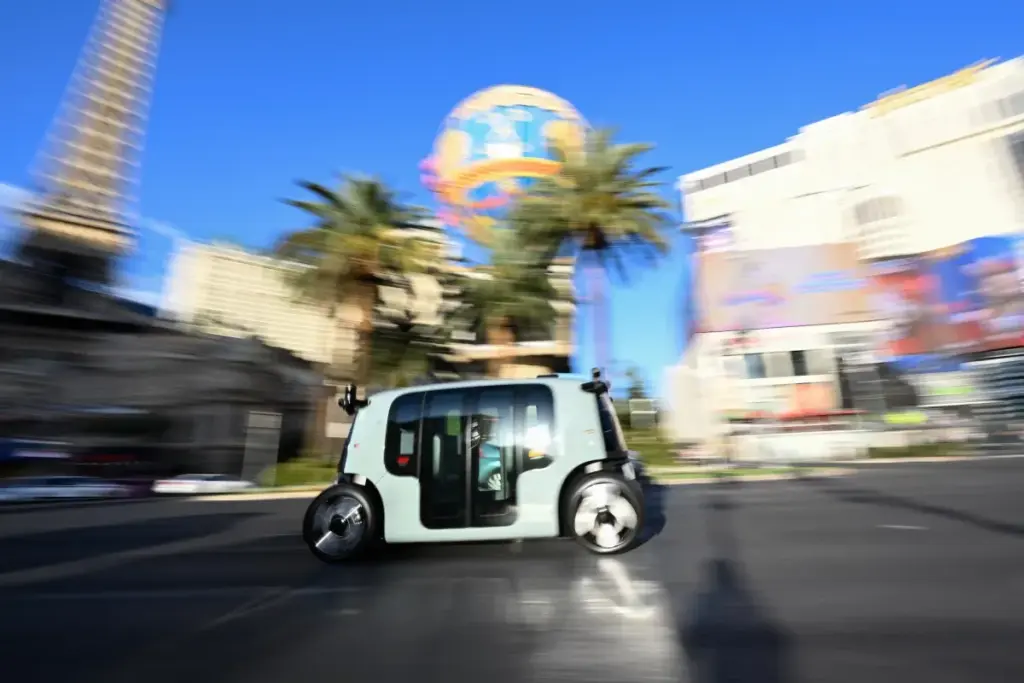
- Las Vegas is emerging as the primary A/B testing ground for autonomous ride-hailing, with Uber integrating both Zoox and Motional into its platform.
- General Motors has initiated a formal search for a successor to CEO Mary Barra, signaling a potential strategic pivot for the legacy automaker.
- Tesla's aggressive expansion into Texas robotaxi registrations and the $3.3 billion Berlin gigafactory investment underscore a global race for autonomous dominance.
- The industry is balancing rapid AI integration with significant operational hurdles, including data breaches, software recalls, and labor market tensions.
- Las Vegas đang nổi lên như địa điểm thử nghiệm A/B chính cho dịch vụ gọi xe tự hành, với việc Uber tích hợp cả Zoox và Motional vào nền tảng của mình.
- General Motors đã chính thức khởi động quá trình tìm kiếm người kế nhiệm CEO Mary Barra, báo hiệu một bước ngoặt chiến lược tiềm năng cho nhà sản xuất ô tô lâu đời này.
- Việc Tesla đẩy mạnh đăng ký robotaxi tại Texas và khoản đầu tư 3,3 tỷ USD vào nhà máy gigafactory tại Berlin nhấn mạnh cuộc đua toàn cầu nhằm giành thế thống trị trong lĩnh vực tự hành.
- Ngành công nghiệp đang phải cân bằng giữa việc tích hợp AI nhanh chóng với những rào cản vận hành đáng kể, bao gồm các vụ rò rỉ dữ liệu, triệu hồi phần mềm và căng thẳng trên thị trường lao động.
- Las Vegas s'impose comme le principal terrain de test A/B pour les VTC autonomes, Uber intégrant désormais Zoox et Motional à sa plateforme.
- General Motors a officiellement lancé la recherche d'un successeur à sa PDG Mary Barra, signe d'un pivot stratégique majeur pour le constructeur historique.
- L'expansion agressive de Tesla au Texas et son investissement de 3,3 milliards de dollars dans la gigafactory de Berlin soulignent une course mondiale à la domination autonome.
- Le secteur tente de concilier intégration rapide de l'IA et défis opérationnels majeurs, entre failles de sécurité, rappels logiciels et tensions sur le marché du travail.
- Las Vegas se perfila como el principal campo de pruebas A/B para el transporte autónomo, con Uber integrando a Zoox y Motional en su plataforma.
- General Motors ha iniciado la búsqueda formal de un sucesor para su CEO, Mary Barra, lo que sugiere un posible giro estratégico para el fabricante tradicional.
- La agresiva expansión de Tesla en el registro de robotaxis en Texas y su inversión de 3.300 millones de dólares en la gigafactoría de Berlín subrayan una carrera global por la supremacía autónoma.
- El sector busca equilibrar la rápida integración de la IA con obstáculos operativos significativos, como brechas de seguridad, llamadas a revisión de software y tensiones en el mercado laboral.
- 拉斯维加斯正成为自动驾驶网约车的主要A/B测试场,Uber已将Zoox和Motional整合至其平台。
- 通用汽车已正式启动CEO玛丽·博拉(Mary Barra)的继任者遴选工作,预示着这家老牌车企可能迎来战略转型。
- 特斯拉在德克萨斯州激进扩张机器人出租车注册,并向柏林超级工厂投入33亿美元,凸显了全球自动驾驶领域的霸权争夺。
- 行业正试图在快速的人工智能集成与严峻的运营挑战(如数据泄露、软件召回及劳动力市场紧张)之间寻求平衡。
The intersection of artificial intelligence and urban mobility has reached a fever pitch, turning the neon-lit streets of Las Vegas into the world’s most significant proving ground for the future of transportation. As autonomous vehicle (AV) providers like Zoox and Motional integrate into the Uber ecosystem, the city is effectively hosting a massive, real-world A/B test: will the average consumer choose the algorithmic precision of a robotaxi or the familiar, human-centric experience of a traditional ride-hail driver? This shift represents more than just a change in how we commute; it is a fundamental recalibration of the relationship between technology, labor, and the public square.
While the promise of autonomous transit continues to capture the imagination of Silicon Valley, the reality on the ground remains a complex tapestry of progress and friction. Waymo’s recent decision to pull robotaxis from freeways serves as a sobering reminder that the path to full autonomy is rarely linear. Simultaneously, Tesla’s aggressive push into the Texas market—now boasting over 1,500 registered robotaxis—highlights a competitive landscape where sheer volume is beginning to challenge the established pioneers. As these companies vie for dominance, the metrics of success are shifting from simple vehicle counts to the more rigorous standards of commercial driverless miles and operational cost-efficiency.
The Las Vegas Crucible: A Choice Between Silicon and Soul
Las Vegas is uniquely positioned to serve as the epicenter of this transition. With Uber’s recent integration of Zoox, the platform is creating a tiered service model that will eventually allow riders to explicitly choose between human-operated and autonomous vehicles. This choice is not merely a matter of preference; it is a data-rich experiment that will reveal the true elasticity of consumer demand for AI-driven transit. If riders consistently opt for the robotaxi, the economic model for human drivers faces an existential threat; if they prioritize the human element, the industry must rethink its reliance on pure automation.
The implications for organized labor are profound. As robotaxis begin to compete directly with human drivers for the same ride requests, the tension between efficiency and employment will likely reach a boiling point. Labor unions and advocacy groups are watching closely, aware that the "robotaxi vs. human" dynamic is not just a technical trial but a precursor to a broader societal debate about the role of automation in the gig economy. The success of this experiment in Nevada will likely dictate the regulatory and social frameworks that other major metropolitan areas adopt in the coming decade.

The GM Succession: A Legacy Automaker at the Crossroads
Beyond the immediate fray of autonomous ride-hailing, the traditional automotive establishment is undergoing its own internal transformation. Reports that General Motors has engaged the executive search firm Heidrick & Struggles to identify a successor to CEO Mary Barra have sent shockwaves through the industry. Barra, who has steered the company through a decade of intense technological disruption, leaves behind a legacy defined by a pivot toward electrification and autonomous systems. The board’s two-track search—balancing traditional automotive veterans like Hyundai’s José Muñoz against disruptive tech-focused leaders like Mind Robotics’ Doug Field—suggests that GM is preparing for a future that looks vastly different from its past.
This leadership transition is occurring at a critical juncture. With competitors like Tesla aggressively expanding their global manufacturing footprint—evidenced by the $3.3 billion investment in the Berlin gigafactory for Cybercab production—GM must decide whether to double down on its current trajectory or pivot toward a more radical, software-defined future. The inclusion of internal candidates like Sterling Anderson, who brings deep expertise from the autonomous trucking sector, indicates that the board is acutely aware that the next CEO must be as comfortable with code as they are with combustion engines.
The Global Ripple Effect: Capital, Infrastructure, and Regulation
The broader ecosystem of mobility is witnessing a surge in capital allocation that mirrors the intensity of the AV race. From the €150 million equity raise by European electric motorcycle firm Stark Future to the $45 million Series C round for dealership AI startup Numa, investors are betting heavily on the electrification and digitization of the entire automotive value chain. However, these successes are tempered by the realities of hardware and software integration. The recent pause in deliveries for the Rivian-spun e-bike startup, Also, due to software and battery issues, serves as a cautionary tale for the industry: innovation is meaningless if it cannot be executed with reliability at scale.
Furthermore, the regulatory landscape remains a moving target. As companies like Zipline scale drone delivery partnerships with Uber, the integration of autonomous systems into public infrastructure will require a new level of cooperation between private enterprises and municipal governments. The goal of 1 million drone deliveries a day by 2029 is ambitious, yet it highlights the necessity of robust, scalable, and safe autonomous networks. As we look toward the future, the winners will not necessarily be those with the most advanced AI, but those who can successfully navigate the intersection of public trust, regulatory compliance, and operational excellence.
The Road Ahead: What to Watch in the Coming Quarters
As we move into the next phase of this mobility revolution, several key indicators will define the trajectory of the industry. First, the performance of the Uber-Zoox integration in Las Vegas will serve as the primary bellwether for consumer sentiment. If the "autonomous option" becomes a standard feature, we can expect a rapid acceleration in the deployment of robotaxis in other major U.S. cities. Second, the outcome of the GM leadership search will provide a clear signal regarding the future strategic direction of the Detroit giants. A tech-forward appointment would likely signal an accelerated shift away from legacy manufacturing, while a traditionalist choice might suggest a focus on stabilizing the core business amidst the transition.
Finally, the industry must address the growing pains of data security and system reliability. The recent data breach affecting 150,000 Uber drivers is a stark reminder that as transportation becomes increasingly digitized, it also becomes increasingly vulnerable. The companies that can prove their systems are not only efficient but also secure and resilient will be the ones that ultimately win the trust of the public. The era of autonomous mobility is no longer a distant promise; it is a present reality, and the next few years will determine whether this technology serves as a tool for human empowerment or a source of systemic instability.
Sự giao thoa giữa trí tuệ nhân tạo và di chuyển đô thị đã đạt đến đỉnh điểm, biến những con phố rực rỡ ánh đèn neon của Las Vegas thành bãi thử nghiệm quan trọng nhất thế giới cho tương lai của ngành vận tải. Khi các nhà cung cấp xe tự hành (AV) như Zoox và Motional tích hợp vào hệ sinh thái Uber, thành phố này thực chất đang tổ chức một cuộc thử nghiệm A/B quy mô lớn trong đời thực: liệu người tiêu dùng thông thường sẽ chọn sự chính xác của thuật toán trên robotaxi hay trải nghiệm quen thuộc, lấy con người làm trung tâm của một tài xế truyền thống? Sự thay đổi này không chỉ đơn thuần là cách chúng ta đi lại; đó là sự tái định chuẩn căn bản mối quan hệ giữa công nghệ, lao động và không gian công cộng.
Trong khi lời hứa về giao thông tự hành vẫn tiếp tục thu hút trí tưởng tượng của Thung lũng Silicon, thực tế tại hiện trường vẫn là một bức tranh phức tạp giữa tiến bộ và ma sát. Quyết định gần đây của Waymo về việc rút robotaxi khỏi các đường cao tốc là một lời nhắc nhở tỉnh táo rằng con đường dẫn đến sự tự hành hoàn toàn hiếm khi là một đường thẳng. Đồng thời, sự thâm nhập mạnh mẽ của Tesla vào thị trường Texas—hiện sở hữu hơn 1.500 robotaxi đã đăng ký—làm nổi bật một bối cảnh cạnh tranh nơi quy mô thuần túy đang bắt đầu thách thức những người tiên phong đã được thiết lập. Khi các công ty này tranh giành vị thế thống trị, các thước đo thành công đang chuyển dịch từ số lượng phương tiện đơn thuần sang các tiêu chuẩn khắt khe hơn về số dặm không người lái thương mại và hiệu quả chi phí vận hành.
Lò luyện Las Vegas: Lựa chọn giữa Silicon và Tâm hồn
Las Vegas có vị thế độc tôn để trở thành tâm điểm của quá trình chuyển đổi này. Với việc Uber tích hợp Zoox gần đây, nền tảng này đang tạo ra một mô hình dịch vụ phân tầng, cho phép hành khách chọn lựa rõ ràng giữa xe do con người vận hành và xe tự hành. Sự lựa chọn này không chỉ là vấn đề sở thích; đó là một thí nghiệm giàu dữ liệu sẽ tiết lộ độ co giãn thực sự của nhu cầu tiêu dùng đối với giao thông vận tải dựa trên AI. Nếu hành khách liên tục chọn robotaxi, mô hình kinh tế cho tài xế con người sẽ đối mặt với mối đe dọa hiện hữu; nếu họ ưu tiên yếu tố con người, ngành công nghiệp buộc phải xem xét lại sự phụ thuộc vào tự động hóa thuần túy.
Những tác động đối với lao động có tổ chức là rất sâu sắc. Khi robotaxi bắt đầu cạnh tranh trực tiếp với tài xế con người cho cùng một yêu cầu chuyến đi, sự căng thẳng giữa hiệu quả và việc làm có khả năng sẽ đạt đến điểm bùng phát. Các công đoàn và nhóm vận động đang theo dõi chặt chẽ, nhận thức được rằng động lực "robotaxi đối đầu với con người" không chỉ là một thử nghiệm kỹ thuật mà còn là tiền đề cho một cuộc tranh luận xã hội rộng lớn hơn về vai trò của tự động hóa trong nền kinh tế gig. Sự thành công của thí nghiệm này tại Nevada có khả năng sẽ quyết định các khuôn khổ pháp lý và xã hội mà các khu vực đô thị lớn khác sẽ áp dụng trong thập kỷ tới.
Sự kế nhiệm tại GM: Nhà sản xuất ô tô di sản tại ngã ba đường
Vượt ra ngoài cuộc tranh đấu trực tiếp của dịch vụ gọi xe tự hành, các cơ sở sản xuất ô tô truyền thống đang trải qua quá trình chuyển đổi nội bộ của riêng họ. Các báo cáo cho thấy General Motors đã thuê công ty săn đầu người Heidrick & Struggles để xác định người kế nhiệm CEO Mary Barra đã tạo ra những làn sóng chấn động trong ngành. Barra, người đã chèo lái công ty qua một thập kỷ gián đoạn công nghệ dữ dội, để lại một di sản được định hình bởi sự xoay trục sang điện hóa và các hệ thống tự hành. Quá trình tìm kiếm hai hướng của hội đồng quản trị—cân bằng giữa các cựu binh ô tô truyền thống như José Muñoz của Hyundai với các nhà lãnh đạo tập trung vào công nghệ đột phá như Doug Field của Mind Robotics—cho thấy GM đang chuẩn bị cho một tương lai trông rất khác so với quá khứ.
Sự chuyển giao lãnh đạo này diễn ra tại một thời điểm quan trọng. Với các đối thủ như Tesla đang tích cực mở rộng dấu ấn sản xuất toàn cầu—được minh chứng bằng khoản đầu tư 3,3 tỷ USD vào nhà máy gigafactory tại Berlin để sản xuất Cybercab—GM phải quyết định xem nên tiếp tục đi theo quỹ đạo hiện tại hay xoay trục sang một tương lai cấp tiến hơn, được định nghĩa bằng phần mềm. Việc đưa vào các ứng viên nội bộ như Sterling Anderson, người mang đến chuyên môn sâu từ lĩnh vực xe tải tự hành, cho thấy hội đồng quản trị nhận thức sâu sắc rằng CEO tiếp theo phải am hiểu về mã nguồn cũng như họ am hiểu về động cơ đốt trong.
Hiệu ứng lan tỏa toàn cầu: Vốn, Cơ sở hạ tầng và Quy định
Hệ sinh thái di chuyển rộng lớn hơn đang chứng kiến sự gia tăng trong việc phân bổ vốn, phản ánh cường độ của cuộc đua AV. Từ khoản huy động vốn cổ phần 150 triệu euro của công ty mô tô điện Stark Future (châu Âu) đến vòng gọi vốn Series C trị giá 45 triệu USD cho startup AI đại lý Numa, các nhà đầu tư đang đặt cược lớn vào quá trình điện hóa và số hóa toàn bộ chuỗi giá trị ô tô. Tuy nhiên, những thành công này bị kiềm chế bởi thực tế về tích hợp phần cứng và phần mềm. Việc tạm dừng giao hàng gần đây đối với startup xe đạp điện Also, do các vấn đề về phần mềm và pin, đóng vai trò như một câu chuyện cảnh báo cho ngành: đổi mới là vô nghĩa nếu không thể thực hiện với độ tin cậy ở quy mô lớn.
Hơn nữa, bối cảnh pháp lý vẫn là một mục tiêu di động. Khi các công ty như Zipline mở rộng quan hệ đối tác giao hàng bằng máy bay không người lái với Uber, việc tích hợp các hệ thống tự hành vào cơ sở hạ tầng công cộng sẽ đòi hỏi một mức độ hợp tác mới giữa các doanh nghiệp tư nhân và chính quyền đô thị. Mục tiêu đạt 1 triệu chuyến giao hàng bằng máy bay không người lái mỗi ngày vào năm 2029 là đầy tham vọng, nhưng nó làm nổi bật sự cần thiết của các mạng lưới tự hành mạnh mẽ, có thể mở rộng và an toàn. Khi hướng tới tương lai, những người chiến thắng sẽ không nhất thiết là những người có AI tiên tiến nhất, mà là những người có thể điều hướng thành công sự giao thoa giữa niềm tin công chúng, sự tuân thủ quy định và sự xuất sắc trong vận hành.
Con đường phía trước: Những điều cần theo dõi trong các quý tới
Khi bước vào giai đoạn tiếp theo của cuộc cách mạng di chuyển này, một số chỉ số chính sẽ xác định quỹ đạo của ngành. Thứ nhất, hiệu quả của việc tích hợp Uber-Zoox tại Las Vegas sẽ đóng vai trò là chỉ báo chính cho tâm lý người tiêu dùng. Nếu "tùy chọn tự hành" trở thành một tính năng tiêu chuẩn, chúng ta có thể mong đợi sự tăng tốc nhanh chóng trong việc triển khai robotaxi tại các thành phố lớn khác của Hoa Kỳ. Thứ hai, kết quả của quá trình tìm kiếm lãnh đạo tại GM sẽ cung cấp một tín hiệu rõ ràng về định hướng chiến lược tương lai của những gã khổng lồ Detroit. Một sự bổ nhiệm thiên về công nghệ có khả năng báo hiệu sự chuyển dịch nhanh chóng khỏi sản xuất truyền thống, trong khi một lựa chọn theo chủ nghĩa truyền thống có thể gợi ý sự tập trung vào việc ổn định hoạt động kinh doanh cốt lõi giữa quá trình chuyển đổi.
Cuối cùng, ngành công nghiệp phải giải quyết những khó khăn ngày càng tăng về bảo mật dữ liệu và độ tin cậy của hệ thống. Vụ rò rỉ dữ liệu gần đây ảnh hưởng đến 150.000 tài xế Uber là một lời nhắc nhở rõ ràng rằng khi giao thông ngày càng được số hóa, nó cũng ngày càng trở nên dễ bị tổn thương. Những công ty có thể chứng minh hệ thống của họ không chỉ hiệu quả mà còn an toàn và kiên cường sẽ là những đơn vị cuối cùng giành được niềm tin của công chúng. Kỷ nguyên di chuyển tự hành không còn là một lời hứa xa vời; đó là một thực tế hiện hữu, và vài năm tới sẽ quyết định liệu công nghệ này đóng vai trò là công cụ trao quyền cho con người hay là nguồn gốc của sự bất ổn hệ thống.
L'intersection entre l'intelligence artificielle et la mobilité urbaine a atteint un point de rupture, transformant les rues illuminées de néons de Las Vegas en le terrain d'essai le plus significatif au monde pour l'avenir des transports. Alors que des acteurs de la conduite autonome (AV) comme Zoox et Motional s'intègrent à l'écosystème Uber, la ville accueille un test A/B massif en conditions réelles : le consommateur moyen privilégiera-t-il la précision algorithmique d'un robotaxi ou l'expérience familière et humaine d'un chauffeur traditionnel ? Ce basculement représente bien plus qu'une simple évolution de nos trajets quotidiens ; il s'agit d'une recalibration fondamentale du rapport entre technologie, travail et espace public.
Si la promesse du transport autonome continue de nourrir l'imaginaire de la Silicon Valley, la réalité sur le terrain demeure une mosaïque complexe de progrès et de frictions. La récente décision de Waymo de retirer ses robotaxis des autoroutes nous rappelle cruellement que le chemin vers l'autonomie totale est rarement linéaire. Parallèlement, la percée agressive de Tesla sur le marché texan — qui compte désormais plus de 1 500 robotaxis enregistrés — met en lumière un paysage concurrentiel où le volume commence à défier les pionniers historiques. Alors que ces entreprises se disputent la suprématie, les indicateurs de succès ne se limitent plus au nombre de véhicules, mais s'orientent vers des standards plus rigoureux : le nombre de kilomètres parcourus sans conducteur et l'efficacité des coûts opérationnels.
Le creuset de Las Vegas : choisir entre silicium et âme
Las Vegas occupe une position unique pour servir d'épicentre à cette transition. Avec l'intégration récente de Zoox par Uber, la plateforme crée un modèle de service à plusieurs niveaux qui permettra, à terme, aux passagers de choisir explicitement entre un véhicule opéré par un humain et un véhicule autonome. Ce choix n'est pas qu'une question de préférence ; c'est une expérience riche en données qui révélera la véritable élasticité de la demande des consommateurs pour un transport piloté par l'IA. Si les usagers optent systématiquement pour le robotaxi, le modèle économique des chauffeurs humains fait face à une menace existentielle ; s'ils privilégient l'élément humain, l'industrie devra repenser sa dépendance à une automatisation totale.
Les implications pour le travail organisé sont profondes. À mesure que les robotaxis entrent en concurrence directe avec les chauffeurs humains pour les mêmes courses, la tension entre efficacité et emploi risque d'atteindre un point de non-retour. Les syndicats et les groupes de défense observent la situation de près, conscients que la dynamique « robotaxi contre humain » n'est pas seulement un essai technique, mais le prélude à un débat sociétal plus large sur le rôle de l'automatisation dans l'économie des plateformes. Le succès de cette expérimentation dans le Nevada dictera probablement les cadres réglementaires et sociaux que les autres grandes métropoles adopteront au cours de la prochaine décennie.
La succession chez GM : un constructeur historique à la croisée des chemins
Au-delà de la mêlée immédiate des VTC autonomes, l'establishment automobile traditionnel vit sa propre transformation interne. Les informations selon lesquelles General Motors aurait mandaté le cabinet de recrutement Heidrick & Struggles pour identifier un successeur à Mary Barra ont fait l'effet d'un séisme dans l'industrie. Barra, qui a piloté l'entreprise à travers une décennie de perturbations technologiques intenses, laisse derrière elle un héritage marqué par le pivot vers l'électrification et les systèmes autonomes. La recherche à double voie du conseil d'administration — mettant en balance des vétérans de l'automobile comme José Muñoz de Hyundai et des leaders technologiques disruptifs comme Doug Field de Mind Robotics — suggère que GM se prépare à un avenir radicalement différent de son passé.
Cette transition de leadership intervient à un moment critique. Avec des concurrents comme Tesla qui étendent agressivement leur empreinte manufacturière mondiale — comme en témoigne l'investissement de 3,3 milliards de dollars dans la gigafactory de Berlin pour la production du Cybercab — GM doit décider s'il maintient sa trajectoire actuelle ou s'il bascule vers un futur défini par le logiciel. L'inclusion de candidats internes comme Sterling Anderson, qui apporte une expertise approfondie du secteur du transport routier autonome, indique que le conseil d'administration est parfaitement conscient que le prochain PDG devra être aussi à l'aise avec le code qu'avec les moteurs à combustion.
L'effet d'entraînement mondial : capitaux, infrastructures et régulation
L'écosystème global de la mobilité assiste à une vague d'allocations de capital qui reflète l'intensité de la course aux véhicules autonomes. De la levée de fonds de 150 millions d'euros par la firme européenne de motos électriques Stark Future au tour de table de 45 millions de dollars en série C pour la startup d'IA pour concessionnaires Numa, les investisseurs parient massivement sur l'électrification et la numérisation de toute la chaîne de valeur automobile. Cependant, ces succès sont tempérés par les réalités de l'intégration matérielle et logicielle. La récente suspension des livraisons de la startup de vélos électriques Also, issue de Rivian, en raison de problèmes logiciels et de batteries, sert de mise en garde pour l'industrie : l'innovation n'a aucun sens si elle ne peut être exécutée avec fiabilité à grande échelle.
Par ailleurs, le paysage réglementaire reste une cible mouvante. Alors que des entreprises comme Zipline déploient des partenariats de livraison par drones avec Uber, l'intégration des systèmes autonomes dans les infrastructures publiques exigera un nouveau niveau de coopération entre entreprises privées et gouvernements municipaux. L'objectif d'un million de livraisons par drone par jour d'ici 2029 est ambitieux, mais il souligne la nécessité de réseaux autonomes robustes, évolutifs et sécurisés. À l'avenir, les gagnants ne seront pas nécessairement ceux qui possèdent l'IA la plus avancée, mais ceux qui sauront naviguer avec succès à l'intersection de la confiance publique, de la conformité réglementaire et de l'excellence opérationnelle.
La route à suivre : ce qu'il faudra surveiller dans les prochains trimestres
Alors que nous entrons dans la phase suivante de cette révolution de la mobilité, plusieurs indicateurs clés définiront la trajectoire de l'industrie. Premièrement, la performance de l'intégration Uber-Zoox à Las Vegas servira de baromètre principal pour le sentiment des consommateurs. Si l'« option autonome » devient une fonctionnalité standard, nous pouvons nous attendre à une accélération rapide du déploiement des robotaxis dans d'autres grandes villes américaines. Deuxièmement, l'issue de la recherche de leadership chez GM fournira un signal clair quant à la future orientation stratégique des géants de Détroit. Une nomination tournée vers la tech signalerait probablement un éloignement accéléré de la fabrication traditionnelle, tandis qu'un choix conservateur pourrait suggérer une volonté de stabiliser le cœur de métier au milieu de cette transition.
Enfin, l'industrie doit s'attaquer aux douleurs de croissance liées à la sécurité des données et à la fiabilité des systèmes. La récente faille de sécurité affectant 150 000 chauffeurs Uber est un rappel brutal qu'à mesure que le transport se numérise, il devient également de plus en plus vulnérable. Les entreprises qui prouveront que leurs systèmes sont non seulement efficaces, mais aussi sécurisés et résilients, seront celles qui gagneront la confiance du public. L'ère de la mobilité autonome n'est plus une promesse lointaine ; c'est une réalité présente, et les prochaines années détermineront si cette technologie servira d'outil d'émancipation humaine ou de source d'instabilité systémique.
La intersección entre la inteligencia artificial y la movilidad urbana ha alcanzado un punto de ebullición, convirtiendo las calles iluminadas por el neón de Las Vegas en el campo de pruebas más importante del mundo para el futuro del transporte. A medida que proveedores de vehículos autónomos (AV) como Zoox y Motional se integran en el ecosistema de Uber, la ciudad está albergando, en la práctica, un enorme test A/B en el mundo real: ¿elegirá el consumidor medio la precisión algorítmica de un robotaxi o la experiencia familiar y humana de un conductor tradicional? Este cambio representa mucho más que una simple modificación en nuestra forma de desplazarnos; es una recalibración fundamental de la relación entre la tecnología, el trabajo y el espacio público.
Aunque la promesa del transporte autónomo sigue cautivando la imaginación de Silicon Valley, la realidad sobre el terreno sigue siendo un complejo tapiz de progreso y fricción. La reciente decisión de Waymo de retirar sus robotaxis de las autopistas sirve como un recordatorio aleccionador de que el camino hacia la autonomía total rara vez es lineal. Simultáneamente, el agresivo avance de Tesla en el mercado de Texas —que ya cuenta con más de 1.500 robotaxis registrados— pone de relieve un panorama competitivo donde el volumen empieza a desafiar a los pioneros establecidos. A medida que estas empresas compiten por el dominio, las métricas de éxito están pasando de ser simples recuentos de vehículos a estándares más rigurosos de kilómetros recorridos sin conductor y eficiencia de costes operativos.
El crisol de Las Vegas: una elección entre el silicio y el alma
Las Vegas está en una posición única para servir como epicentro de esta transición. Con la reciente integración de Zoox por parte de Uber, la plataforma está creando un modelo de servicio escalonado que permitirá a los usuarios elegir explícitamente entre vehículos operados por humanos y vehículos autónomos. Esta elección no es solo una cuestión de preferencia; es un experimento rico en datos que revelará la verdadera elasticidad de la demanda del consumidor por el transporte impulsado por IA. Si los usuarios optan sistemáticamente por el robotaxi, el modelo económico para los conductores humanos se enfrentará a una amenaza existencial; si priorizan el elemento humano, la industria deberá replantearse su dependencia de la automatización pura.
Las implicaciones para el trabajo organizado son profundas. A medida que los robotaxis comiencen a competir directamente con los conductores humanos por las mismas solicitudes de viaje, la tensión entre la eficiencia y el empleo probablemente alcanzará un punto crítico. Los sindicatos y los grupos de defensa observan con atención, conscientes de que la dinámica "robotaxi frente a humano" no es solo una prueba técnica, sino el preludio de un debate social más amplio sobre el papel de la automatización en la economía colaborativa. El éxito de este experimento en Nevada determinará, probablemente, los marcos regulatorios y sociales que otras grandes áreas metropolitanas adopten en la próxima década.
La sucesión en GM: un fabricante histórico en una encrucijada
Más allá de la disputa inmediata por el transporte autónomo, el sector automotriz tradicional está experimentando su propia transformación interna. Los informes de que General Motors ha contratado a la firma de búsqueda de ejecutivos Heidrick & Struggles para identificar a un sucesor para la CEO Mary Barra han causado un gran impacto en la industria. Barra, quien ha dirigido la compañía a través de una década de intensa disrupción tecnológica, deja un legado definido por un giro hacia la electrificación y los sistemas autónomos. La búsqueda de doble vía de la junta directiva —que equilibra a veteranos de la automoción tradicional como José Muñoz, de Hyundai, frente a líderes tecnológicos disruptivos como Doug Field, de Mind Robotics— sugiere que GM se está preparando para un futuro que difiere enormemente de su pasado.
Esta transición de liderazgo ocurre en un momento crítico. Con competidores como Tesla expandiendo agresivamente su huella de fabricación global —evidenciado por la inversión de 3.300 millones de dólares en la gigafactoría de Berlín para la producción del Cybercab—, GM debe decidir si redoblar su trayectoria actual o pivotar hacia un futuro más radical y definido por el software. La inclusión de candidatos internos como Sterling Anderson, quien aporta una profunda experiencia en el sector del transporte autónomo por carretera, indica que la junta es plenamente consciente de que el próximo CEO debe sentirse tan cómodo con el código como con los motores de combustión.
El efecto dominó global: capital, infraestructura y regulación
El ecosistema más amplio de la movilidad está siendo testigo de un aumento en la asignación de capital que refleja la intensidad de la carrera por los vehículos autónomos. Desde la ronda de capital de 150 millones de euros de la firma europea de motocicletas eléctricas Stark Future hasta la ronda Serie C de 45 millones de dólares para la startup de IA para concesionarios Numa, los inversores están apostando fuertemente por la electrificación y digitalización de toda la cadena de valor automotriz. Sin embargo, estos éxitos se ven atenuados por las realidades de la integración de hardware y software. La reciente pausa en las entregas de la startup de bicicletas eléctricas Also, surgida de Rivian, debido a problemas de software y baterías, sirve como advertencia para la industria: la innovación no tiene sentido si no puede ejecutarse con fiabilidad a gran escala.
Además, el panorama regulatorio sigue siendo un objetivo móvil. A medida que empresas como Zipline amplían sus asociaciones de entrega con drones junto a Uber, la integración de sistemas autónomos en la infraestructura pública requerirá un nuevo nivel de cooperación entre las empresas privadas y los gobiernos municipales. El objetivo de alcanzar 1 millón de entregas con drones al día para 2029 es ambicioso, pero subraya la necesidad de redes autónomas robustas, escalables y seguras. De cara al futuro, los ganadores no serán necesariamente quienes tengan la IA más avanzada, sino quienes logren navegar con éxito la intersección entre la confianza pública, el cumplimiento normativo y la excelencia operativa.
El camino por delante: qué observar en los próximos trimestres
A medida que entramos en la siguiente fase de esta revolución de la movilidad, varios indicadores clave definirán la trayectoria del sector. En primer lugar, el rendimiento de la integración Uber-Zoox en Las Vegas servirá como el principal barómetro del sentimiento del consumidor. Si la "opción autónoma" se convierte en una característica estándar, podemos esperar una rápida aceleración en el despliegue de robotaxis en otras grandes ciudades de Estados Unidos. En segundo lugar, el resultado de la búsqueda de liderazgo en GM proporcionará una señal clara sobre la futura dirección estratégica de los gigantes de Detroit. Un nombramiento con enfoque tecnológico probablemente señalaría un alejamiento acelerado de la fabricación tradicional, mientras que una elección tradicionalista podría sugerir un enfoque en la estabilización del negocio principal en medio de la transición.
Finalmente, la industria debe abordar los problemas de crecimiento relacionados con la seguridad de los datos y la fiabilidad de los sistemas. La reciente brecha de seguridad que afectó a 150.000 conductores de Uber es un crudo recordatorio de que, a medida que el transporte se digitaliza, también se vuelve más vulnerable. Las empresas que puedan demostrar que sus sistemas no solo son eficientes, sino también seguros y resilientes, serán las que finalmente se ganen la confianza del público. La era de la movilidad autónoma ya no es una promesa lejana; es una realidad presente, y los próximos años determinarán si esta tecnología sirve como herramienta para el empoderamiento humano o como fuente de inestabilidad sistémica.
人工智能与城市交通的交汇已进入白热化阶段,将霓虹闪烁的拉斯维加斯街道变成了全球最重要的交通未来试验场。随着Zoox和Motional等自动驾驶汽车(AV)供应商接入Uber生态系统,这座城市实际上正在进行一场大规模的现实版A/B测试:普通消费者究竟会选择算法驱动的精准,还是传统网约车司机所提供的、充满人文关怀的熟悉体验?这种转变不仅是通勤方式的更迭,更是对技术、劳动力与公共空间之间关系的根本性重塑。
尽管自动驾驶交通的愿景持续激发着硅谷的想象力,但现实情况依然是进步与摩擦交织的复杂图景。Waymo近期决定将自动驾驶出租车撤出高速公路,这给行业敲响了警钟:通往完全自动驾驶的道路绝非坦途。与此同时,特斯拉在德克萨斯州市场的激进扩张——目前已拥有超过1500辆注册的机器人出租车——凸显了一个竞争激烈的格局,即单纯的车辆规模正开始挑战既有的行业先驱。随着这些公司竞相争夺主导地位,衡量成功的指标也从简单的车辆数量,转向了商业化无人驾驶里程和运营成本效率等更严苛的标准。
拉斯维加斯的炼金炉:硅基与灵魂的抉择
拉斯维加斯在这一转型中占据了独特的中心地位。随着Uber近期整合了Zoox,该平台正在构建一种分层服务模式,最终将允许乘客明确选择乘坐人类驾驶车辆还是自动驾驶车辆。这种选择不仅是个人偏好的问题,更是一场数据丰富的实验,它将揭示消费者对人工智能驱动交通的需求弹性。如果乘客持续选择机器人出租车,人类司机的经济模式将面临生存威胁;若他们依然优先考虑人的因素,行业则必须重新审视对纯自动化的依赖。
这对有组织劳工的影响是深远的。随着机器人出租车开始在网约车订单上与人类司机直接竞争,效率与就业之间的矛盾很可能达到沸点。工会和倡导团体正密切关注,因为他们意识到“机器人出租车与人类”的博弈不仅是一场技术试验,更是关于自动化在零工经济中扮演何种角色的更广泛社会辩论的前奏。内华达州这场实验的成败,很可能决定未来十年其他大都市区所采取的监管与社会框架。
通用汽车的继任者:站在十字路口的传统车企
在自动驾驶网约车的直接纷争之外,传统汽车行业正在经历内部的自我蜕变。有报道称,通用汽车已聘请高管猎头公司海德思哲(Heidrick & Struggles)物色CEO玛丽·博拉的继任者,这在业内引发了巨大震动。博拉在过去十年中带领公司经历了剧烈的技术颠覆,她留下的遗产是以向电气化和自动驾驶系统转型为标志的。董事会采取的双轨制搜索——既考虑现代汽车的何塞·穆尼奥斯(José Muñoz)等传统汽车业老将,也考虑Mind Robotics的道格·菲尔德(Doug Field)等颠覆性技术领袖——表明通用汽车正在为未来做准备,而这个未来与过去截然不同。
此次领导层更迭正值关键节点。随着特斯拉等竞争对手激进扩张其全球制造版图——例如为生产Cybercab向柏林超级工厂投入33亿美元——通用汽车必须决定是继续深耕当前路径,还是转向更激进的软件定义未来。将斯特林·安德森(Sterling Anderson)等拥有自动驾驶卡车领域深厚背景的内部候选人纳入考量,表明董事会敏锐地意识到,下一任CEO必须像精通内燃机一样精通代码。
全球连锁反应:资本、基础设施与监管
更广泛的移动出行生态系统正见证着资本配置的激增,其强度与自动驾驶竞赛不相上下。从欧洲电动摩托车公司Stark Future筹集1.5亿欧元股权资金,到经销商AI初创公司Numa完成4500万美元的C轮融资,投资者正重注于整个汽车价值链的电气化与数字化。然而,这些成功被硬件与软件集成的现实所冲淡。Rivian孵化的电动自行车初创公司Also近期因软件和电池问题暂停交付,这为行业提供了一个警示:如果不能实现规模化的可靠性,创新便毫无意义。
此外,监管环境依然是一个移动的目标。随着Zipline等公司扩大与Uber的无人机配送合作,将自动驾驶系统集成到公共基础设施中,将需要私营企业与市政当局之间达成更高水平的协作。到2029年实现每天100万次无人机配送的目标虽然雄心勃勃,但也凸显了构建稳健、可扩展且安全的自动驾驶网络的必要性。展望未来,赢家未必是那些拥有最先进人工智能的公司,而是那些能够成功驾驭公众信任、合规性与卓越运营之间平衡点的企业。
前路漫漫:未来几个季度值得关注的焦点
随着我们进入移动出行革命的下一阶段,几个关键指标将定义行业的发展轨迹。首先,Uber与Zoox在拉斯维加斯的整合表现将成为衡量消费者情绪的主要风向标。如果“自动驾驶选项”成为标准功能,我们可以预期机器人出租车在其他美国大城市的部署将迅速加速。其次,通用汽车的领导层搜索结果将为底特律巨头的未来战略方向提供明确信号。任命一位技术导向型领导人可能预示着加速远离传统制造业,而选择传统派则可能意味着在转型期专注于稳定核心业务。
最后,行业必须解决数据安全和系统可靠性带来的成长阵痛。近期影响15万名Uber司机的数据泄露事件是一个严峻的提醒:随着交通运输日益数字化,它也变得愈发脆弱。那些能够证明其系统不仅高效,而且安全、有韧性的公司,最终才能赢得公众的信任。自动驾驶出行的时代已不再是遥远的承诺,而是当下的现实;未来几年将决定这项技术究竟是人类赋能的工具,还是系统性不稳定的源头。
Editorial Standards & Multi-Language Synthesis: This dispatch was synthesized and fact-checked by the ParisDaily Editorial Desk across 5 global editions (EN, FR, VI, ES, ZH), cross-referencing primary international wire reports and real-time search intelligence.