The Tragedy of Chloe Watson: A Trial Exposes the Dark Underbelly of Youth Violence
The trial of three teenagers for the murder of 16-year-old Chloe Watson Dransfield has cast a harrowing light on the fatal intersection of jealousy, digital provocation, and systemic failure.
The trial of three teenagers for the murder of 16-year-old Chloe Watson Dransfield has cast a harrowing light on the fatal intersection of jealousy, digital provocation, and systemic failure.
The trial of three teenagers for the murder of 16-year-old Chloe Watson Dransfield has cast a harrowing light on the fatal intersection of jealousy, digital provocation, and systemic failure.
The trial of three teenagers for the murder of 16-year-old Chloe Watson Dransfield has cast a harrowing light on the fatal intersection of jealousy, digital provocation, and systemic failure.
The trial of three teenagers for the murder of 16-year-old Chloe Watson Dransfield has cast a harrowing light on the fatal intersection of jealousy, digital provocation, and systemic failure.

- Kayla Smith, 18, has pleaded guilty to manslaughter but denies murder in the death of 16-year-old Chloe Watson Dransfield.
- Prosecutors allege the crime was fueled by a toxic love triangle involving defendant Blake Dowling.
- The trial highlights the role of digital communication and social media in escalating physical confrontations among youth.
- Evidence presented includes chilling CCTV footage and witness testimony regarding the defendants' behavior immediately following the stabbing.
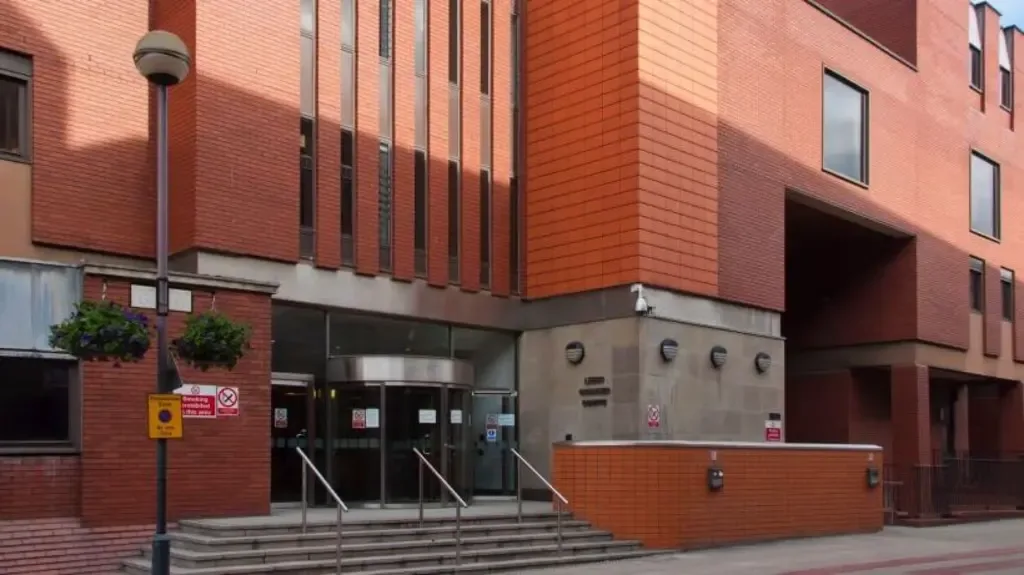
The courtroom at Leeds Crown Court has become the stage for a grim examination of modern adolescence, where the boundaries between digital posturing and lethal reality have catastrophically collapsed. At the center of this tragedy is the death of 16-year-old Chloe Watson Dransfield, whose life was extinguished on a quiet street in Austhorpe on the morning of March 28. As the trial of Kayla Smith, Archie Rycroft, and Blake Dowling unfolds, the narrative emerging is one of profound dysfunction, where a romantic entanglement spiraled into a calculated act of violence, leaving a community to grapple with the senselessness of a young life lost to a cycle of obsession and rage.
The prosecution’s opening statement paints a harrowing portrait of the events leading up to the fatal encounter. According to prosecutor Mark McKone KC, the conflict was rooted in a volatile love triangle involving Blake Dowling, who had been in relationships with both the victim and the primary defendant, Kayla Smith. The court heard that Smith, described as "jealous and obsessed," had spent the evening preceding the stabbing issuing threats against Chloe. The situation escalated to a point where a physical confrontation was not only anticipated but facilitated, with Dowling allegedly booking the taxi that transported Chloe to the scene of her death. This orchestration of violence, whether intended to be a "fair fight" or something more sinister, serves as the crux of the legal battle now determining the culpability of all three defendants.
The Anatomy of a Fatal Escalation
The legal proceedings have meticulously reconstructed the final hours of Chloe Watson Dransfield’s life, revealing a disturbing pattern of communication that blurred the lines between petty squabbling and lethal intent. The prosecution alleges that Smith’s threats were explicit and repeated, yet the surrounding social circle—including the co-defendants—failed to intervene, and in some instances, actively participated in the escalation. The inclusion of Archie Rycroft, who allegedly followed the pair to film the confrontation, introduces a chilling element of performative violence. In an era where conflict is often documented for social media consumption, the presence of a camera at the scene of a violent crime raises uncomfortable questions about the detachment of bystanders and the normalization of aggression among youth.
Furthermore, the testimony provided by Zoe Dowling, the mother of Blake Dowling, offers a sobering look at the history of the relationships involved. Describing the dynamic between her son and Smith as "not good" and characterized by constant arguments, she highlights a pre-existing environment of toxicity that had been festering for years. This historical context is vital to the jury’s understanding of the motive. It suggests that the murder was not an isolated incident of spontaneous rage, but rather the culmination of a long-standing pattern of emotional manipulation and territorial behavior. The fact that the defendants allegedly engaged in "laughing and joking" and the use of nitrous oxide in the presence of law enforcement immediately after the stabbing further underscores a disturbing lack of remorse or comprehension of the gravity of their actions.

Legal Precedents and the Burden of Complicity
The trial brings to the fore complex questions regarding joint enterprise and the legal definition of murder in the context of youth violence. While Kayla Smith has admitted to inflicting the fatal wounds—pleading guilty to manslaughter—the denial of murder charges by all three defendants forces the court to weigh the specific roles played by each individual. The prosecution’s argument rests on the premise that by facilitating the meeting, filming the event, and providing support, Rycroft and Dowling are as responsible for the outcome as the person who wielded the knife. This legal strategy challenges the jury to look beyond the physical act of stabbing and consider the collective responsibility of those who enable or encourage such violence.
The defense, meanwhile, faces the monumental task of navigating the overwhelming evidence of the defendants' proximity to the crime. By claiming they were merely "nosey" or unaware that a weapon was involved, the defendants are attempting to distance themselves from the lethal outcome. However, the testimony regarding the 37-minute delay in calling for emergency services—and the chilling exchange between Smith and her grandfather—presents a significant hurdle. The legal outcome of this trial will likely serve as a benchmark for how the UK justice system handles cases where the lines between "encouragement" and "participation" are blurred by the digital and social pressures of modern youth culture.
A Community in Mourning and the Need for Reflection
Beyond the legal technicalities, the death of Chloe Watson Dransfield has left an indelible scar on the Leeds community. The presence of her family in the courtroom, wearing tribute T-shirts, serves as a poignant reminder that behind the headlines and the clinical language of the courtroom lies a family shattered by an irreversible loss. The public reaction, marked by tensions at previous hearings, reflects the deep-seated anger and grief felt by those who knew Chloe. Her mother’s description of her as a "beautiful princess" underscores the chasm between the girl she was and the circumstances of her violent end.
As the trial reaches its conclusion, the broader implications for society remain stark. This case is not merely a tragedy of individual actors; it is a symptom of a wider malaise where emotional volatility is left unchecked and the consequences of violence are obscured by a culture of indifference. Whether the jury finds the defendants guilty of murder or manslaughter, the verdict will not undo the damage. Instead, it must serve as a catalyst for a more profound conversation about how we educate, monitor, and support young people in navigating the complexities of relationships and conflict. The tragedy of Chloe Watson Dransfield is a somber warning that when jealousy and obsession are allowed to fester without intervention, the cost is paid in the most precious currency of all: a young life, cut short before it could truly begin.
The courtroom at Leeds Crown Court has become the stage for a grim examination of modern adolescence, where the boundaries between digital posturing and lethal reality have catastrophically collapsed. At the center of this tragedy is the death of 16-year-old Chloe Watson Dransfield, whose life was extinguished on a quiet street in Austhorpe on the morning of March 28. As the trial of Kayla Smith, Archie Rycroft, and Blake Dowling unfolds, the narrative emerging is one of profound dysfunction, where a romantic entanglement spiraled into a calculated act of violence, leaving a community to grapple with the senselessness of a young life lost to a cycle of obsession and rage.
The prosecution’s opening statement paints a harrowing portrait of the events leading up to the fatal encounter. According to prosecutor Mark McKone KC, the conflict was rooted in a volatile love triangle involving Blake Dowling, who had been in relationships with both the victim and the primary defendant, Kayla Smith. The court heard that Smith, described as "jealous and obsessed," had spent the evening preceding the stabbing issuing threats against Chloe. The situation escalated to a point where a physical confrontation was not only anticipated but facilitated, with Dowling allegedly booking the taxi that transported Chloe to the scene of her death. This orchestration of violence, whether intended to be a "fair fight" or something more sinister, serves as the crux of the legal battle now determining the culpability of all three defendants.
The Anatomy of a Fatal Escalation
The legal proceedings have meticulously reconstructed the final hours of Chloe Watson Dransfield’s life, revealing a disturbing pattern of communication that blurred the lines between petty squabbling and lethal intent. The prosecution alleges that Smith’s threats were explicit and repeated, yet the surrounding social circle—including the co-defendants—failed to intervene, and in some instances, actively participated in the escalation. The inclusion of Archie Rycroft, who allegedly followed the pair to film the confrontation, introduces a chilling element of performative violence. In an era where conflict is often documented for social media consumption, the presence of a camera at the scene of a violent crime raises uncomfortable questions about the detachment of bystanders and the normalization of aggression among youth.
Furthermore, the testimony provided by Zoe Dowling, the mother of Blake Dowling, offers a sobering look at the history of the relationships involved. Describing the dynamic between her son and Smith as "not good" and characterized by constant arguments, she highlights a pre-existing environment of toxicity that had been festering for years. This historical context is vital to the jury’s understanding of the motive. It suggests that the murder was not an isolated incident of spontaneous rage, but rather the culmination of a long-standing pattern of emotional manipulation and territorial behavior. The fact that the defendants allegedly engaged in "laughing and joking" and the use of nitrous oxide in the presence of law enforcement immediately after the stabbing further underscores a disturbing lack of remorse or comprehension of the gravity of their actions.
Legal Precedents and the Burden of Complicity
The trial brings to the fore complex questions regarding joint enterprise and the legal definition of murder in the context of youth violence. While Kayla Smith has admitted to inflicting the fatal wounds—pleading guilty to manslaughter—the denial of murder charges by all three defendants forces the court to weigh the specific roles played by each individual. The prosecution’s argument rests on the premise that by facilitating the meeting, filming the event, and providing support, Rycroft and Dowling are as responsible for the outcome as the person who wielded the knife. This legal strategy challenges the jury to look beyond the physical act of stabbing and consider the collective responsibility of those who enable or encourage such violence.
The defense, meanwhile, faces the monumental task of navigating the overwhelming evidence of the defendants' proximity to the crime. By claiming they were merely "nosey" or unaware that a weapon was involved, the defendants are attempting to distance themselves from the lethal outcome. However, the testimony regarding the 37-minute delay in calling for emergency services—and the chilling exchange between Smith and her grandfather—presents a significant hurdle. The legal outcome of this trial will likely serve as a benchmark for how the UK justice system handles cases where the lines between "encouragement" and "participation" are blurred by the digital and social pressures of modern youth culture.
A Community in Mourning and the Need for Reflection
Beyond the legal technicalities, the death of Chloe Watson Dransfield has left an indelible scar on the Leeds community. The presence of her family in the courtroom, wearing tribute T-shirts, serves as a poignant reminder that behind the headlines and the clinical language of the courtroom lies a family shattered by an irreversible loss. The public reaction, marked by tensions at previous hearings, reflects the deep-seated anger and grief felt by those who knew Chloe. Her mother’s description of her as a "beautiful princess" underscores the chasm between the girl she was and the circumstances of her violent end.
As the trial reaches its conclusion, the broader implications for society remain stark. This case is not merely a tragedy of individual actors; it is a symptom of a wider malaise where emotional volatility is left unchecked and the consequences of violence are obscured by a culture of indifference. Whether the jury finds the defendants guilty of murder or manslaughter, the verdict will not undo the damage. Instead, it must serve as a catalyst for a more profound conversation about how we educate, monitor, and support young people in navigating the complexities of relationships and conflict. The tragedy of Chloe Watson Dransfield is a somber warning that when jealousy and obsession are allowed to fester without intervention, the cost is paid in the most precious currency of all: a young life, cut short before it could truly begin.
Editorial Standards & Multi-Language Synthesis: This dispatch was synthesized and fact-checked by the ParisDaily Editorial Desk across 5 global editions (EN, FR, VI, ES, ZH), cross-referencing primary international wire reports and real-time search intelligence.