Del firmamento al despido: el colapso de quince partidos de Michael Carrick en Old Trafford
Michael Carrick’s tenure at Manchester United has ended in familiar turmoil, transforming a celebrated two-year contract extension into a mid-season sacking after just 15 turbulent matches.
Triều đại của Michael Carrick tại Manchester United đã khép lại trong sự hỗn loạn quen thuộc, biến bản hợp đồng gia hạn hai năm đầy hứa hẹn thành một quyết định sa thải giữa mùa giải chỉ sau 15 trận đấu đầy sóng gió. Sự kiện này đánh dấu một chương buồn khi những kỳ vọng về sự ổn định lại một lần nữa bị đè bẹp bởi áp lực thành tích khắc nghiệt.
Le mandat de Michael Carrick à Manchester United s'achève dans une confusion familière, transformant une prolongation de contrat de deux ans en un licenciement en milieu de saison après seulement 15 matchs turbulents. Ce départ précipité marque une nouvelle étape dans l'instabilité chronique qui frappe le club mancunien.
La etapa de Michael Carrick al frente del Manchester United ha concluido en un terreno conocido de turbulencias, transformando una celebrada renovación de contrato por dos años en una destitución a mitad de temporada tras apenas 15 partidos aciagos.
迈克尔·卡里克在曼联的执教生涯在熟悉的中途动荡中落下帷幕。在经历了短短15场风雨飘摇的比赛后,他此前那份备受赞誉、长达两年的续约合同最终沦为了一场赛季中期的解雇闹剧。
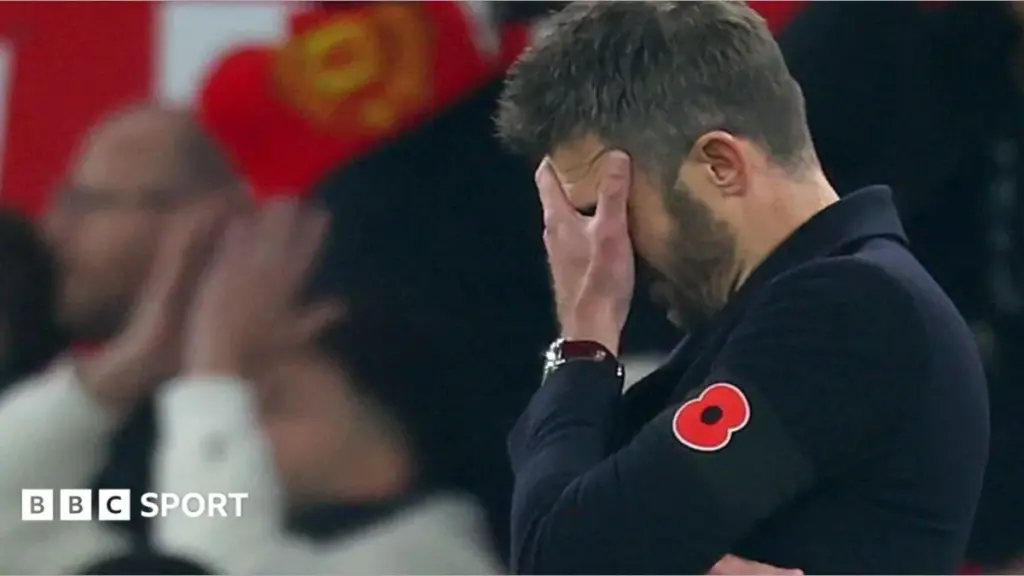
- Michael Carrick was dismissed just months after signing a two-year contract following a successful interim and early run.
- United's season unraveled amid defensive frailty, tactical clashes, and early-season injuries to key attacking personnel.
- Chief executive Omar Berrada and director Jason Wilcox consulted minority owner Sir Jim Ratcliffe to trigger the change.
- The club now faces its third consecutive season of replacing its managerial leadership midway through the campaign.
- Michael Carrick bị sa thải chỉ vài tháng sau khi ký hợp đồng hai năm nhờ thành tích ấn tượng trong giai đoạn tạm quyền và khởi đầu mùa giải.
- Mùa giải của Quỷ đỏ tan vỡ giữa những lỗ hổng phòng ngự, xung đột chiến thuật và các chấn thương sớm của những nhân tố chủ chốt trên hàng công.
- Giám đốc điều hành Omar Berrada và Giám đốc Jason Wilcox đã tham vấn cổ đông thiểu số Sir Jim Ratcliffe để đưa ra quyết định thay đổi nhân sự.
- Câu lạc bộ hiện đang đối mặt với mùa giải thứ ba liên tiếp phải thay thế huấn luyện viên trưởng ngay giữa chặng đường.
- Michael Carrick a été limogé quelques mois seulement après avoir signé un contrat de deux ans, suite à une période d'intérim réussie et un début de saison prometteur.
- La saison de United s'est effondrée sous le poids d'une défense friable, de conflits tactiques et de blessures précoces touchant des éléments offensifs clés.
- Le directeur général Omar Berrada et le directeur Jason Wilcox ont consulté l'actionnaire minoritaire Sir Jim Ratcliffe pour acter ce changement.
- Le club fait désormais face à sa troisième saison consécutive où il doit remplacer son entraîneur en cours de campagne.
- Michael Carrick fue despedido apenas meses después de firmar un contrato de dos años tras una exitosa etapa interina y un buen arranque.
- La temporada del United se desmoronó entre la fragilidad defensiva, los choques tácticos y las lesiones tempranas de jugadores clave en ataque.
- El director ejecutivo Omar Berrada y el director Jason Wilcox consultaron al propietario minoritario Sir Jim Ratcliffe para propiciar el cambio.
- El club se enfrenta ahora a su tercera temporada consecutiva reemplazando a su liderazgo técnico a mitad de campaña.
- 在经历了一个成功的过渡期和赛季初的出色表现并签署两年合同仅几个月后,迈克尔·卡里克便遭到解雇。
- 曼联本赛季的崩盘源于防守疲软、战术冲突以及核心进攻球员的赛季初伤病。
- 首席执行官奥马尔·贝拉达和总监贾森·威尔考克斯经与少数股东吉姆·拉特克利夫爵士协商后,最终做出了换帅决定。
- 这家俱乐部目前正面临连续第三个赛季在赛季中途更换主教练的困境。
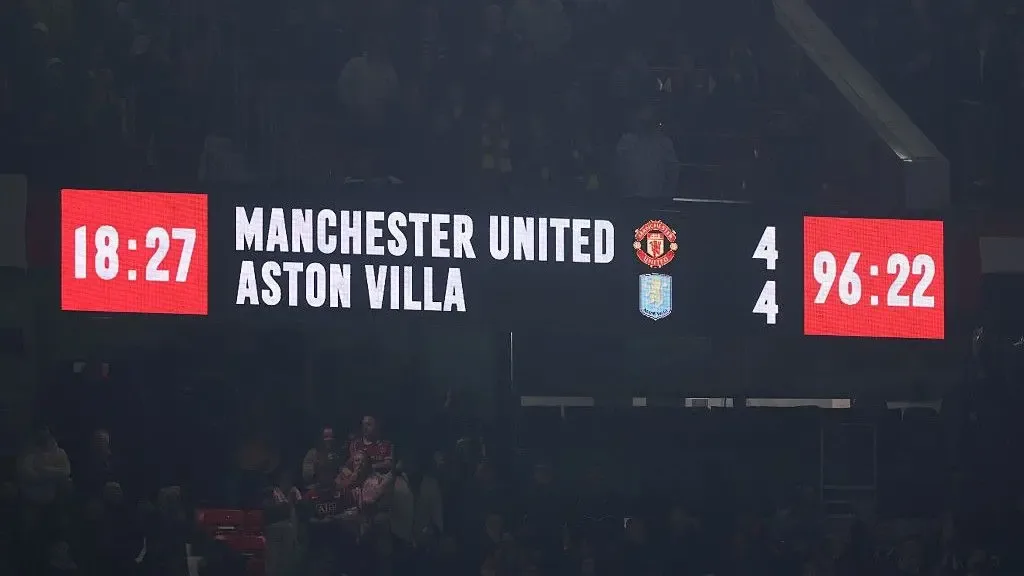
When the final whistle blew on a chaotic 4-4 draw against Aston Villa at Old Trafford, the atmosphere inside the historic stadium was a study in profound contradictions. Patrick Dorgu’s dramatic stoppage-time equalizer had just rescued a point from the jaws of another defensive catastrophe, and as Michael Carrick walked the perimeter of the pitch, his name echoed from the Stretford End. It was an affectionate, protective gesture from a fanbase acutely aware of his storied past as a player, yet it masked an institutional reality that was rapidly slipping beyond repair. Just days later, the board would confirm what the numbers and performances had long whispered: Manchester United’s storied club culture and ambitions had once again collided with the harsh economics of modern elite football.
The swift descent from pre-season optimism to terminal crisis highlights an alarming continuity of instability at the highest levels of English football's most scrutinized institution. For the third consecutive season, Old Trafford finds itself searching for answers mid-campaign, casting aside a figure who had only recently been heralded as a stabilizing bridge between the club's illustrious history and its modern tactical evolution. As executive leadership flew to Monaco to brief minority owner Sir Jim Ratcliffe, the decision underscored a sobering truth at Carrington: sentimentality is an unaffordable luxury when Champions League aspirations and structural identity hang in the balance.
The Anatomy of an Unraveling Pre-Season and Opening Salvo
To understand how Carrick transitioned from a secure, long-term appointment to the unemployment line, one must examine the fragile foundations upon which United’s campaign was built. The pre-season mood had been buoyed by 12 wins in 17 matches under his stewardship, cultivating an environment of cautious optimism. However, the 48 hours preceding the opening fixture against Hull City proved decisively pivotal. An untimely ankle injury to Amad Diallo compounded existing fitness concerns over Benjamin Sesko, severely limiting Carrick’s attacking configurations.
Forced to improvise, Carrick deployed Matheus Cunha in a role that inadvertently congested the spaces preferred by captain and reigning PFA Player of the Year Bruno Fernandes. The resulting tactical friction manifested immediately in a lack of cohesion that surprised observers. Though United occasionally flashed moments of attacking brilliance—such as Fernandes’s hat-trick in a 5-2 victory over Ipswich and a stirring 3-2 Champions League comeback against Roma—the underlying metrics painted a picture of a team built on quicksand rather than concrete.
Defensive lapses became a recurring motif rather than isolated anomalies. Calamitous goalkeeping errors, erratic discipline typified by Lisandro Martinez's red card at Chelsea, and late concessions against Everton and Aston Villa eroded the defensive solidity that had initially underpinned Carrick’s success. When pressed by media about his side's alarming trajectory, Carrick's defensive public pronouncements—insisting "it's not been that bad"—contrasted sharply with the rising panic in the executive boxes.
Boardroom Realities and the Shadow of Executive Ambition
Behind closed doors, chief executive Omar Berrada and director of football Jason Wilcox were forced to adopt a more detached, analytical perspective. While the supporters sang Carrick's name in appreciation of his protective stance toward the dressing room, the sporting leadership was tracking a perilous downward spiral in Premier League performance. The euphoria of last season’s top-four finish gave way to the sobering realization that recruitment gaps and tactical stagnation were compounding weekly.
The decision-making axis at United has undergone profound structural shifts under Sir Jim Ratcliffe’s INEOS regime, emphasizing accountability, data-driven performance metrics, and zero tolerance for prolonged regression. The emergency consultation in Monaco was not merely a knee-jerk reaction to the Villa stalemate, but the culmination of weeks of internal auditing. United’s hierarchy recognized that allowing the status quo to persist risked inflicting terminal damage on their European qualification ambitions for the upcoming financial cycle.
This managerial casualty also brings into sharp focus the ongoing identity crisis plaguing Manchester United since the departure of Sir Alex Ferguson. The club has cycled through permanent managers, interim solutions, and internal promotions, yet each iteration ultimately crashes against the same institutional pressures. Carrick’s departure demonstrates that even deeply beloved former players are not immune to the ruthless demands of contemporary football governance.
The Broader Ripple Effects and the Search for Identity
The dismissal of Michael Carrick reverberates far beyond the training pitches of Carrington, sending shockwaves through the Premier League's managerial ecosystem and financial markets alike. Manchester United remains a global commercial titan, but its brand equity is inexorably tied to on-field competitiveness. Continual mid-season rebuilding projects disrupt squad amortization schedules, player development pathways, and commercial partnerships, making the selection of the next permanent architect critical.
For the playing squad, the upheaval demands an immediate psychological reset. Young prospects integrated under Carrick, such as JJ Gabriel, alongside seasoned internationals, must now adapt to a third distinct tactical philosophy in less than three seasons. The incoming manager will inherit a talented yet unbalanced roster, where the central partnership between Fernandes and midfield additions like Youri Tielemans remains an unrealized blueprint.
As Old Trafford prepares for its next chapter, the central question is no longer about who takes the dugout next, but whether United’s overarching institutional framework can finally provide the stability required to sustain success. For Carrick, his first major managerial test concludes not with the fairy-tale ending supporters hoped for, but as a stark masterclass in the unforgiving nature of modern elite sport—where yesterday’s goodwill evaporates in the face of tomorrow's balance sheet.
Khi tiếng còi mãn cuộc vang lên trong trận hòa hỗn loạn 4-4 trước Aston Villa tại Old Trafford, bầu không khí bên trong sân vận động lịch sử này là một minh chứng cho những mâu thuẫn sâu sắc. Bàn gỡ hòa kịch tính ở phút bù giờ của Patrick Dorgu vừa cứu vãn một điểm từ tay một thảm họa phòng ngự khác, và khi Michael Carrick bước dọc đường biên, tên của ông vang vọng từ khán đài Stretford End. Đó là một cử chỉ đầy tình cảm và bảo vệ từ phía người hâm mộ, những người vốn ghi nhớ sâu sắc quá khứ huy hoàng của ông khi còn là cầu thủ, nhưng nó lại che đậy một thực tế thể chế đang nhanh chóng vượt khỏi tầm kiểm soát. Chỉ vài ngày sau, ban lãnh đạo xác nhận điều mà các con số và màn trình diễn đã âm thầm báo hiệu từ lâu: văn hóa câu lạc bộ và tham vọng của Manchester United một lần nữa va chạm với nền kinh tế khắc nghiệt của bóng đá đỉnh cao hiện đại.
Sự sụt giảm nhanh chóng từ tâm thế lạc quan trước mùa giải đến cuộc khủng hoảng toàn diện đã làm nổi bật sự bất ổn liên tục ở những cấp độ cao nhất của tổ chức bị soi xét kỹ lưỡng nhất bóng đá Anh. Trong mùa giải thứ ba liên tiếp, Old Trafford lại loay hoay tìm kiếm câu trả lời giữa mùa bóng, gạt bỏ một nhân vật vốn chỉ mới gần đây được ca ngợi là "cây cầu" ổn định giữa lịch sử lẫy lừng và sự tiến hóa chiến thuật hiện đại của câu lạc bộ. Khi ban lãnh đạo cấp cao bay đến Monaco để báo cáo với cổ đông thiểu số Sir Jim Ratcliffe, quyết định này đã nhấn mạnh một sự thật phũ phàng tại Carrington: sự lãng mạn là một thứ xa xỉ không thể chi trả khi tham vọng Champions League và cấu trúc định hình câu lạc bộ đang bị đe dọa.
Giải phẫu sự sụp đổ: Từ tiền mùa giải đến những loạt đạn đầu
Để hiểu tại sao Carrick chuyển từ một vị thế được bổ nhiệm dài hạn sang hàng ngũ thất nghiệp, người ta phải xem xét những nền tảng mong manh mà chiến dịch của United được xây dựng. Tâm trạng trước mùa giải đã được củng cố bởi 12 chiến thắng trong 17 trận dưới sự dẫn dắt của ông, tạo ra một môi trường lạc quan thận trọng. Tuy nhiên, 48 giờ trước trận khai màn với Hull City đã chứng minh là bước ngoặt quyết định. Chấn thương mắt cá chân không đúng lúc của Amad Diallo đã làm trầm trọng thêm những lo ngại về thể lực của Benjamin Sesko, hạn chế nghiêm trọng các phương án tấn công của Carrick.
Buộc phải ứng biến, Carrick đã sử dụng Matheus Cunha trong một vai trò vô tình làm tắc nghẽn không gian ưa thích của đội trưởng và Cầu thủ xuất sắc nhất năm của PFA, Bruno Fernandes. Sự xung đột chiến thuật dẫn đến kết quả là sự thiếu gắn kết khiến giới quan sát ngạc nhiên. Mặc dù United thỉnh thoảng lóe sáng với những khoảnh khắc tấn công xuất thần—như cú hat-trick của Fernandes trong chiến thắng 5-2 trước Ipswich và màn lội ngược dòng đầy cảm hứng 3-2 tại Champions League trước Roma—nhưng các chỉ số cơ bản lại vẽ nên bức tranh về một đội bóng được xây dựng trên cát lún thay vì nền móng bê tông.
Những sai lầm phòng ngự trở thành mô típ lặp đi lặp lại thay vì những bất thường đơn lẻ. Những sai lầm tai hại của thủ môn, kỷ luật thất thường được thể hiện qua chiếc thẻ đỏ của Lisandro Martinez tại Chelsea, và việc để thủng lưới muộn trước Everton và Aston Villa đã xói mòn sự vững chắc phòng ngự vốn là nền tảng cho thành công ban đầu của Carrick. Khi bị truyền thông chất vấn về quỹ đạo đáng báo động của đội bóng, những tuyên bố phòng thủ công khai của Carrick—khẳng định rằng "mọi thứ không đến nỗi tệ"—đã tương phản gay gắt với sự hoảng loạn đang gia tăng trong các phòng điều hành.
Thực tế phòng họp và bóng ma của tham vọng điều hành
Đằng sau những cánh cửa đóng kín, Giám đốc điều hành Omar Berrada và Giám đốc bóng đá Jason Wilcox buộc phải áp dụng một góc nhìn tách biệt và phân tích hơn. Trong khi người hâm mộ hô vang tên Carrick để ghi nhận thái độ bảo vệ của ông đối với phòng thay đồ, ban lãnh đạo thể thao lại đang theo dõi một vòng xoáy đi xuống nguy hiểm trong hiệu suất tại Premier League. Sự hưng phấn của việc lọt vào top 4 mùa trước đã nhường chỗ cho nhận thức tỉnh táo rằng những lỗ hổng trong tuyển dụng và sự trì trệ về chiến thuật đang chồng chất hàng tuần.
Trục ra quyết định tại United đã trải qua những thay đổi cơ cấu sâu sắc dưới chế độ INEOS của Sir Jim Ratcliffe, nhấn mạnh vào trách nhiệm giải trình, các chỉ số hiệu suất dựa trên dữ liệu và không khoan nhượng đối với sự thoái lui kéo dài. Cuộc tham vấn khẩn cấp tại Monaco không chỉ là phản ứng tức thời trước trận hòa Villa, mà là đỉnh điểm của nhiều tuần kiểm toán nội bộ. Ban lãnh đạo United nhận ra rằng việc để tình trạng hiện tại tiếp diễn có nguy cơ gây ra thiệt hại vĩnh viễn cho tham vọng giành quyền tham dự cúp châu Âu trong chu kỳ tài chính sắp tới.
Sự ra đi của huấn luyện viên này cũng làm nổi bật cuộc khủng hoảng danh tính đang đeo bám Manchester United kể từ khi Sir Alex Ferguson rời đi. Câu lạc bộ đã luân chuyển qua các huấn luyện viên chính thức, giải pháp tạm quyền và các đợt thăng chức nội bộ, nhưng mỗi lần lặp lại cuối cùng đều va phải những áp lực thể chế tương tự. Sự ra đi của Carrick chứng minh rằng ngay cả những cựu cầu thủ được yêu mến sâu sắc cũng không miễn nhiễm với những yêu cầu tàn nhẫn của quản trị bóng đá đương đại.
Những tác động lan tỏa và cuộc tìm kiếm danh tính
Việc sa thải Michael Carrick vang dội vượt xa các sân tập tại Carrington, gây chấn động hệ sinh thái quản lý của Premier League cũng như các thị trường tài chính. Manchester United vẫn là một gã khổng lồ thương mại toàn cầu, nhưng giá trị thương hiệu của họ gắn liền không thể tách rời với tính cạnh tranh trên sân cỏ. Các dự án tái thiết giữa mùa giải liên tục làm gián đoạn lịch trình khấu hao đội hình, lộ trình phát triển cầu thủ và các quan hệ đối tác thương mại, khiến việc lựa chọn kiến trúc sư chính thức tiếp theo trở nên vô cùng quan trọng.
Đối với đội hình cầu thủ, sự biến động này đòi hỏi một sự thiết lập lại tâm lý ngay lập tức. Những tài năng trẻ được tích hợp dưới thời Carrick, như JJ Gabriel, cùng với các tuyển thủ quốc tế dày dạn kinh nghiệm, giờ đây phải thích nghi với triết lý chiến thuật thứ ba khác biệt trong chưa đầy ba mùa giải. Huấn luyện viên mới sẽ thừa hưởng một đội hình tài năng nhưng mất cân bằng, nơi mối quan hệ đối tác trung tâm giữa Fernandes và những tân binh hàng tiền vệ như Youri Tielemans vẫn là một bản thiết kế chưa thành hiện thực.
Khi Old Trafford chuẩn bị cho chương tiếp theo, câu hỏi trọng tâm không còn là ai sẽ ngồi vào ghế nóng, mà là liệu khung thể chế bao quát của United có thể cuối cùng mang lại sự ổn định cần thiết để duy trì thành công hay không. Đối với Carrick, bài kiểm tra quản lý lớn đầu tiên của ông kết thúc không phải với cái kết cổ tích mà người hâm mộ hy vọng, mà là một bài học khắc nghiệt về bản chất không khoan nhượng của thể thao đỉnh cao hiện đại—nơi thiện chí của ngày hôm qua tan biến trước bảng cân đối kế toán của ngày mai.
Lorsque le coup de sifflet final a retenti sur un match nul chaotique de 4-4 contre Aston Villa à Old Trafford, l'atmosphère dans le stade historique était une étude en contradictions profondes. L'égalisation spectaculaire de Patrick Dorgu dans les arrêts de jeu venait de sauver un point des mâchoires d'une nouvelle catastrophe défensive, et alors que Michael Carrick parcourait le bord du terrain, son nom résonnait depuis le Stretford End. C'était un geste affectueux et protecteur de la part d'une base de fans pleinement consciente de son passé glorieux en tant que joueur, mais cela masquait une réalité institutionnelle qui échappait rapidement à tout contrôle. Quelques jours plus tard, le conseil d'administration confirmait ce que les chiffres et les performances murmuraient depuis longtemps : la culture et les ambitions légendaires de Manchester United s'étaient une fois de plus heurtées à la dure réalité économique du football d'élite moderne.
La descente rapide, de l'optimisme de la pré-saison à la crise terminale, souligne une continuité alarmante d'instabilité aux plus hauts niveaux de l'institution la plus scrutée du football anglais. Pour la troisième saison consécutive, Old Trafford se retrouve à chercher des réponses en milieu de campagne, écartant une figure qui avait été récemment saluée comme un pont stabilisateur entre l'histoire illustre du club et son évolution tactique moderne. Alors que la direction s'envolait pour Monaco afin d'informer l'actionnaire minoritaire Sir Jim Ratcliffe, la décision soulignait une vérité qui donne à réfléchir à Carrington : le sentimentalisme est un luxe inabordable lorsque les aspirations à la Ligue des Champions et l'identité structurelle sont en jeu.
L'anatomie d'un effondrement : pré-saison et salve d'ouverture
Pour comprendre comment Carrick est passé d'une nomination sécurisée à long terme à la case chômage, il faut examiner les fondations fragiles sur lesquelles la campagne de United a été bâtie. L'ambiance de la pré-saison avait été portée par 12 victoires en 17 matchs sous sa direction, cultivant un environnement d'optimisme prudent. Cependant, les 48 heures précédant le match d'ouverture contre Hull City se sont avérées décisives. Une blessure à la cheville d'Amad Diallo, survenue au mauvais moment, est venue s'ajouter aux inquiétudes concernant la forme physique de Benjamin Sesko, limitant sévèrement les configurations offensives de Carrick.
Contraint d'improviser, Carrick a déployé Matheus Cunha dans un rôle qui a involontairement encombré les espaces préférés du capitaine et tenant du titre de Joueur de l'année PFA, Bruno Fernandes. La friction tactique qui en a résulté s'est immédiatement manifestée par un manque de cohésion qui a surpris les observateurs. Bien que United ait parfois montré des éclairs de génie offensif — comme le triplé de Fernandes lors d'une victoire 5-2 contre Ipswich et une remontée palpitante 3-2 en Ligue des Champions contre la Roma — les indicateurs sous-jacents dressaient le portrait d'une équipe construite sur du sable mouvant plutôt que sur du béton.
Les erreurs défensives sont devenues un motif récurrent plutôt que des anomalies isolées. Les bévues calamiteuses des gardiens, la discipline erratique illustrée par le carton rouge de Lisandro Martinez à Chelsea, et les buts encaissés tardivement contre Everton et Aston Villa ont érodé la solidité défensive qui avait initialement soutenu le succès de Carrick. Interrogé par les médias sur la trajectoire alarmante de son équipe, les déclarations publiques défensives de Carrick, insistant sur le fait que "ce n'était pas si grave", contrastaient fortement avec la panique grandissante dans les loges de la direction.
Réalités de conseil d'administration et ombre de l'ambition exécutive
À huis clos, le directeur général Omar Berrada et le directeur du football Jason Wilcox ont été contraints d'adopter une perspective plus détachée et analytique. Alors que les supporters chantaient le nom de Carrick en signe d'appréciation pour sa posture protectrice envers le vestiaire, la direction sportive suivait une spirale descendante périlleuse en Premier League. L'euphorie de la qualification dans le top 4 de la saison dernière a laissé place à la réalisation sobre que les lacunes en matière de recrutement et la stagnation tactique s'aggravaient chaque semaine.
L'axe décisionnel de United a subi de profonds changements structurels sous le régime INEOS de Sir Jim Ratcliffe, mettant l'accent sur la responsabilité, les indicateurs de performance basés sur les données et une tolérance zéro pour la régression prolongée. La consultation d'urgence à Monaco n'était pas seulement une réaction impulsive à l'impasse contre Villa, mais l'aboutissement de semaines d'audit interne. La hiérarchie de United a reconnu que laisser le statu quo persister risquait d'infliger des dommages irréparables à leurs ambitions de qualification européenne pour le prochain cycle financier.
Ce licenciement met également en lumière la crise d'identité permanente qui tourmente Manchester United depuis le départ de Sir Alex Ferguson. Le club a enchaîné les entraîneurs permanents, les solutions intérimaires et les promotions internes, mais chaque itération finit par se heurter aux mêmes pressions institutionnelles. Le départ de Carrick démontre que même les anciens joueurs profondément aimés ne sont pas à l'abri des exigences impitoyables de la gouvernance du football contemporain.
Les effets d'entraînement et la quête d'identité
Le licenciement de Michael Carrick résonne bien au-delà des terrains d'entraînement de Carrington, provoquant des ondes de choc dans l'écosystème managérial de la Premier League et sur les marchés financiers. Manchester United reste un titan commercial mondial, mais la valeur de sa marque est inexorablement liée à sa compétitivité sur le terrain. Les projets de reconstruction continus en milieu de saison perturbent les calendriers d'amortissement de l'effectif, les parcours de développement des joueurs et les partenariats commerciaux, rendant le choix du prochain architecte permanent crucial.
Pour l'effectif, ce bouleversement exige une remise à zéro psychologique immédiate. Les jeunes espoirs intégrés sous Carrick, tels que JJ Gabriel, aux côtés d'internationaux chevronnés, doivent désormais s'adapter à une troisième philosophie tactique distincte en moins de trois saisons. Le futur entraîneur héritera d'un effectif talentueux mais déséquilibré, où le partenariat central entre Fernandes et les recrues du milieu de terrain comme Youri Tielemans reste un plan inabouti.
Alors qu'Old Trafford se prépare pour son prochain chapitre, la question centrale n'est plus de savoir qui prendra place sur le banc, mais si le cadre institutionnel global de United peut enfin offrir la stabilité nécessaire pour soutenir le succès. Pour Carrick, son premier grand test managérial ne se conclut pas par la fin de conte de fées espérée par les supporters, mais comme une leçon magistrale sur la nature impitoyable du sport d'élite moderne — où la bonne volonté d'hier s'évapore face au bilan comptable de demain.
Cuando sonó el pitido final en un caótico empate 4-4 contra el Aston Villa en Old Trafford, el ambiente dentro del histórico estadio fue un ejercicio de profundas contradicciones. El dramático tanto de empate de Patrick Dorgu en el tiempo añadido acababa de rescatar un punto de las fauces de otra catástrofe defensiva y, mientras Michael Carrick recorría el perímetro del terreno de juego, su nombre resonaba con fuerza en la grada de Stretford End. Fue un gesto afectuoso y protector por parte de una afición plenamente consciente de su ilustre pasado como jugador, pero que enmascaraba una realidad institucional que se deslizaba velozmente hacia la irremediable ruptura. Apenas unos días después, la directiva confirmaba lo que los números y el rendimiento llevaban tiempo susurrando: la legendaria cultura y las ambiciones del Manchester United habían vuelto a chocar contra la implacable economía del fútbol de élite moderno.
El vertiginoso descenso desde el optimismo de la pretemporada hasta la crisis terminal pone de manifiesto una alarmante continuidad de inestabilidad en las altas esferas de la institución más escrutada del fútbol inglés. Por tercera temporada consecutiva, Old Trafford se encuentra en la búsqueda de respuestas a mitad de campaña, descartando a una figura que hasta hace poco había sido aclamada como el puente estabilizador entre la gloriosa historia del club y su evolución táctica moderna. Mientras la plana mayor ejecutiva volaba a Mónaco para informar al propietario minoritario Sir Jim Ratcliffe, la decisión subrayaba una sobria verdad en Carrington: el sentimentalismo es un lujo que no se puede permitir cuando los objetivos de la Liga de Campeones y la identidad estructural penden de un hilo.
La anatomía de una pretemporada deshilachada y el inicio en falso
Para comprender cómo Carrick pasó de ser una apuesta segura a largo plazo a engrosar las listas del desempleo, es necesario examinar los frágiles cimientos sobre los que se construyó la campaña del United. El estado de ánimo en la pretemporada se había visto respaldado por 12 victorias en 17 partidos bajo su batuta, cultivando un entorno de optimismo cauto. Sin embargo, las 48 horas previas al encuentro inaugural contra el Hull City resultaron decisivas. Una inoportuna lesión en el tobillo de Amad Diallo agravó los problemas físicos preexistentes de Benjamin Sesko, limitando drásticamente las alternativas ofensivas de Carrick.
Obligado a improvisar, Carrick ubicó a Matheus Cunha en una demarcación que congestionó involuntariamente los espacios predilectos del capitán y vigente ganador del premio al Jugador del Año de la PFA, Bruno Fernandes. La consiguiente fricción táctica se tradujo de inmediato en una falta de cohesión que sorprendió a los analistas. Aunque el United mostró destellos aislados de brillantez ofensiva —como la tripleta de Fernandes en la victoria por 5-2 frente al Ipswich o una emocionante remontada por 3-2 en la Liga de Campeones ante la Roma—, las métricas subyacentes dibujaban el perfil de un equipo edificado sobre arenas movedizas en lugar de sobre cemento firme.
Los despistes defensivos se convirtieron en un motivo recurrente más que en anomalías aisladas. Errores graves bajo palos, una disciplina errática ejemplificada por la tarjeta roja a Lisandro Martínez frente al Chelsea y los goles encajados en los compases finales contra el Everton y el Aston Villa erosionaron la solidez defensiva que inicialmente había sustentado el éxito de Carrick. Al ser interpelado por los medios de comunicación acerca de la alarmante trayectoria del equipo, las declaraciones públicas de corte defensivo de Carrick, insistiendo en que "no ha sido para tanto", contrastaban radicalmente con el pánico creciente en los palcos ejecutivos.
Las realidades del consejo de administración y la sombra de la ambición ejecutiva
A puerta cerrada, el director ejecutivo Omar Berrada y el director deportivo Jason Wilcox se vieron abocados a adoptar una perspectiva más fría y analítica. Mientras los seguidores coreaban el nombre de Carrick en reconocimiento a su postura protectora hacia el vestuario, la dirección deportiva monitorizaba una peligrosa espiral descendente en el rendimiento en la Premier League. La euforia por la clasificación a puestos de Liga de Campeones de la pasada temporada dio paso a la sobria constatación de que las carencias en la planificación y el estancamiento táctico se agravaban semana tras semana.
El eje de toma de decisiones en el United ha experimentado profundos cambios estructurales bajo el régimen de INEOS, dirigido por Sir Jim Ratcliffe, que prioriza la rendición de cuentas, las métricas de rendimiento basadas en datos y la tolerancia cero ante un bache prolongado. La consulta de urgencia en Mónaco no constituyó meramente una reacción visceral al empate contra el Aston Villa, sino el corolario de semanas de auditoría interna. La cúpula del United reconoció que permitir la continuidad del statu quo amenazaba con infligir un daño irreparable a sus aspiraciones de clasificación europea para el próximo ejercicio financiero.
Esta baja en el banquillo también sitúa en primer plano la persistente crisis de identidad que asola al Manchester United desde la marcha de Sir Alex Ferguson. El club ha desfilado por entrenadores en propiedad, soluciones interinas y promociones internas, si bien cada intento choca inexorablemente contra las mismas presiones institucionales. La salida de Carrick demuestra que ni siquiera los antiguos jugadores profundamente queridos resultan inmunes a las implacables exigencias de la gobernanza futbolística contemporánea.
Los efectos colaterales de mayor calado y la búsqueda de identidad
La destitución de Michael Carrick resuena mucho más allá de los campos de entrenamiento de Carrington, propagando ondas expansivas tanto en el ecosistema de los banquillos de la Premier League como en los mercados financieros. El Manchester United continúa siendo un titán comercial a escala global, pero el valor de su marca se encuentra inextricablemente ligado a su competitividad sobre el césped. Los recurrentes procesos de reconstrucción a mitad de temporada alteran los calendarios de amortización de plantillas, las vías de desarrollo de los futbolistas y las alianzas comerciales, lo que convierte la elección del próximo arquitecto en propiedad en una decisión de importancia capital.
Para la plantilla de jugadores, este vuelco exige un reseteo psicológico inmediato. Las jóvenes promesas integradas bajo la batuta de Carrick, como JJ Gabriel, junto con los internacionales más consagrados, deben adaptarse ahora a una tercera filosofía táctica distinta en menos de tres temporadas. El técnico entrante heredará un plantel talentoso pero descompensado, en el que la sociedad en la medular entre Fernandes y las nuevas incorporaciones como Youri Tielemans continúa siendo un proyecto sobre el papel.
A medida que Old Trafford se prepara para su siguiente capítulo, la cuestión central ya no gira en torno a quién ocupará el banquillo próximamente, sino a si el marco institucional global del United logrará aportar por fin la estabilidad exigida para consolidar el éxito. Para Carrick, su primer gran examen en los banquillos no concluye con el final de cuento de hadas que anhelaba la afición, sino como una cruda lección sobre la naturaleza despiadada del deporte de élite actual, donde la buena voluntad de ayer se evapora ante el balance de resultados del día de mañana.
当老特拉福德终场哨响,比分定格在一场混乱的4-4平局上时,这座历史悠久球场内的气氛折射出深刻的矛盾。帕特里克·多古在伤停补时阶段的绝平进球刚刚将球队从又一次防守灾难中拯救出来,而当迈克尔·卡里克沿着球场边缘走过时,斯特雷福德看台(Stretford End)上再次回荡起他的名字。这是球迷群体出于对他球员时代传奇经历的铭记而给予的一种充满温情与保护意味的举动,但这却掩盖了一个迅速走向不可收拾的体制现实。就在几天后,俱乐部董事会用实际行动证实了那些数字和表现早已暗示的残酷现实:曼联传奇的俱乐部文化与宏大抱负再次与现代精英足球冰冷的经济规律发生了碰撞。
从季前乐观情绪到末日危机的急速滑落,折射出这家英格兰受关注度最高机构在最高决策层面上令人堪忧的稳定性缺失。连续第三个赛季,老特拉福德发现自己不得不在赛季中期寻找答案,并不得不抛弃了一位不久前还被誉为连接俱乐部辉煌历史与现代战术演进的“稳定桥梁”的人物。当俱乐部高管飞往摩纳哥向少数股东吉姆·拉特克利夫爵士汇报工作时,这一决定凸显了卡灵顿训练基地内一个令人清醒的事实:当欧冠野心和结构性身份认同悬于一线时,人情味是一种无法承受的奢侈品。
季前准备与开局交锋的瓦解剖析
要理解卡里克是如何从一份稳固的长期任命沦落至失业境地的,必须审视曼联本赛季赖以建立的脆弱基石。在他的带领下,球队在17场比赛中取得了12场胜利,这极大地提振了季前赛的氛围,并孕育了一种谨慎乐观的氛围。然而,揭幕战对阵赫尔城前的48小时被证明具有决定性的转折意义。阿马德·迪亚洛不合时宜的脚踝伤势加剧了人们对本杰明·谢什科现有身体状况的担忧,严重限制了卡里克的进攻排兵布阵。
被迫进行战术变通的卡里克将马特乌斯·库尼亚安排在一个无意中挤压了队长兼卫冕PFA年度最佳球员布鲁诺·费尔南德斯偏爱空间的角色上。由此产生的战术摩擦立即表现为缺乏默契,令旁观者大跌眼镜。尽管曼联偶尔也会闪现出进攻高光时刻——例如费尔南德斯在5-2大胜伊普斯维奇的比赛中上演帽子戏法,以及在欧冠中3-2逆转罗马——但底层数据描绘出的球队形象却如同建在流沙之上而非水泥地上。
防守端的失误逐渐演变为一种常态,而非孤立的偶发事件。灾难性的门将失误、以利桑德罗·马丁内斯在切尔西染红为代表的混乱纪律,以及在对阵埃弗顿和阿斯顿维拉时的失球,侵蚀了起初支撑卡里克取得成功的防守稳健性。当媒体就球队令人担忧的下滑轨迹向卡里克发问时,他采取了进行防御性公开表态的方式,坚称“情况并没有那么糟”,这与高层包厢里日益加剧的恐慌形成了鲜明对比。
董事会的现实考量与高层野心的阴影
在闭门会议中,首席执行官奥马尔·贝拉达和足球总监贾森·威尔考克斯被迫采取更加超然、理性的视角。当球迷们高唱卡里克的名字以赞赏他对更衣室的庇护时,体育管理层却在追踪英超战绩中危险的下行螺旋。上赛季杀入前四带来的狂欢,已经让位于一种清醒的认知:引援缺口和战术停滞正在以按周计算的速度累积恶化。
在吉姆·拉特克利夫爵士的INEOS(英力士)体制下,曼联的决策中枢经历了深刻的结构性转变,强调问责制、基于数据的绩效指标以及对长期衰退的零容忍。在摩纳哥的紧急磋商绝非对战平维拉的膝跳反应,而是数周内部审计的最终结果。曼联高层认识到,如果任由现状持续下去,将给他们下一个财年的欧冠资格目标带来毁灭性打击。
这次主教练的更迭也将自弗格森爵士离任以来困扰曼联的持续身份认同危机推到了聚光灯下。这家俱乐部历经了正式主帅、过渡方案和内部提拔的不断循环,然而每一次尝试最终都撞上了相同的体制压力。卡里克的离去证明,即便深受爱戴的前球员也无法免疫当代足球治理的残酷要求。
更广泛的涟漪效应与对身份认同的寻觅
解雇迈克尔·卡里克的余波远远超出了卡灵顿的训练场,在英超的管理生态系统和金融市场中引发了强烈的震荡。曼联依然是一个全球商业巨头,但其品牌价值与球场上的竞争力紧密相连。持续不断的中期重建项目打乱了阵容摊销计划、球员发展路径和商业合作伙伴关系,这使得下一任长期掌舵者的选拔变得至关重要。
对于一线队球员而言,这场动荡要求他们立即进行心理重塑。在卡里克麾下融入球队的年轻希望之星(如JJ·加布里埃尔)以及经验丰富的国脚们,现在必须在不到三个赛季的时间里适应第三套截然不同的战术哲学。新任主教练将接手一套天赋出众却不够平衡的阵容,其中费尔南德斯与尤里·蒂莱曼斯等中场强援之间的中路搭档依然是一张尚未兑现的蓝图。
随着老特拉福德为下一篇章做准备,核心问题已不再是谁将接手教练席,而是曼联宏观的体制框架最终能否提供维持成功所需的稳定性。对于卡里克而言,他的第一次重大执教考验并没有以球迷们希望的童话般结局收场,而是成为了现代精英体育残酷本质的一堂生动大课——昨日的善意在明日的资产负债表面前会烟消云散。
Editorial Standards & Multi-Language Synthesis: This dispatch was synthesized and fact-checked by the ParisDaily Editorial Desk across 5 global editions (EN, FR, VI, ES, ZH), cross-referencing primary international wire reports and real-time search intelligence.